Si deseas distinguir tus productos, servicios o ambos de los de otra empresa, es posible que necesites una marca o nombre comercial. Descubre qué son, en qué consiste su procedimiento de registro y qué implica.

Información sobre los plazos de presentación de solicitudes de transformación de marcas de la Unión Europea en marca nacional española. Más información


Si tienes un nuevo dispositivo, producto o procedimiento que resuelva un problema técnico o tenga una ventaja práctica, existen distintas formas de protegerlo en España y en otros países. Descubre cómo hacerlo.

¿Tu innovación reside en la estética, la ornamentación o la apariencia de tu producto? Protégela mediante un diseño industrial. Descubre qué derechos confiere el registro y cómo realizar la tramitación.

Las indicaciones geográficas protegen el nombre de un producto originario de una zona geográfica, a la cual le debe una determinada calidad, reputación u otra característica. Descubre qué son, en qué consiste su procedimiento de registro y qué beneficios conceden.

Las patentes publicadas en todo el mundo son una valiosa fuente de información científica, técnica y comercial.

Si eres emprendedor/a o una empresa y quieres potenciar y mejorar la rentabilidad de tu negocio protegiendo de forma adecuada los activos intangibles de tu organización, en este espacio encontrarás lo necesario.


 574
resultados
574
resultados
 Última actualización
17/10/2026 [06:58:00]
Última actualización
17/10/2026 [06:58:00]


 Resultados 25 a 50 de 574

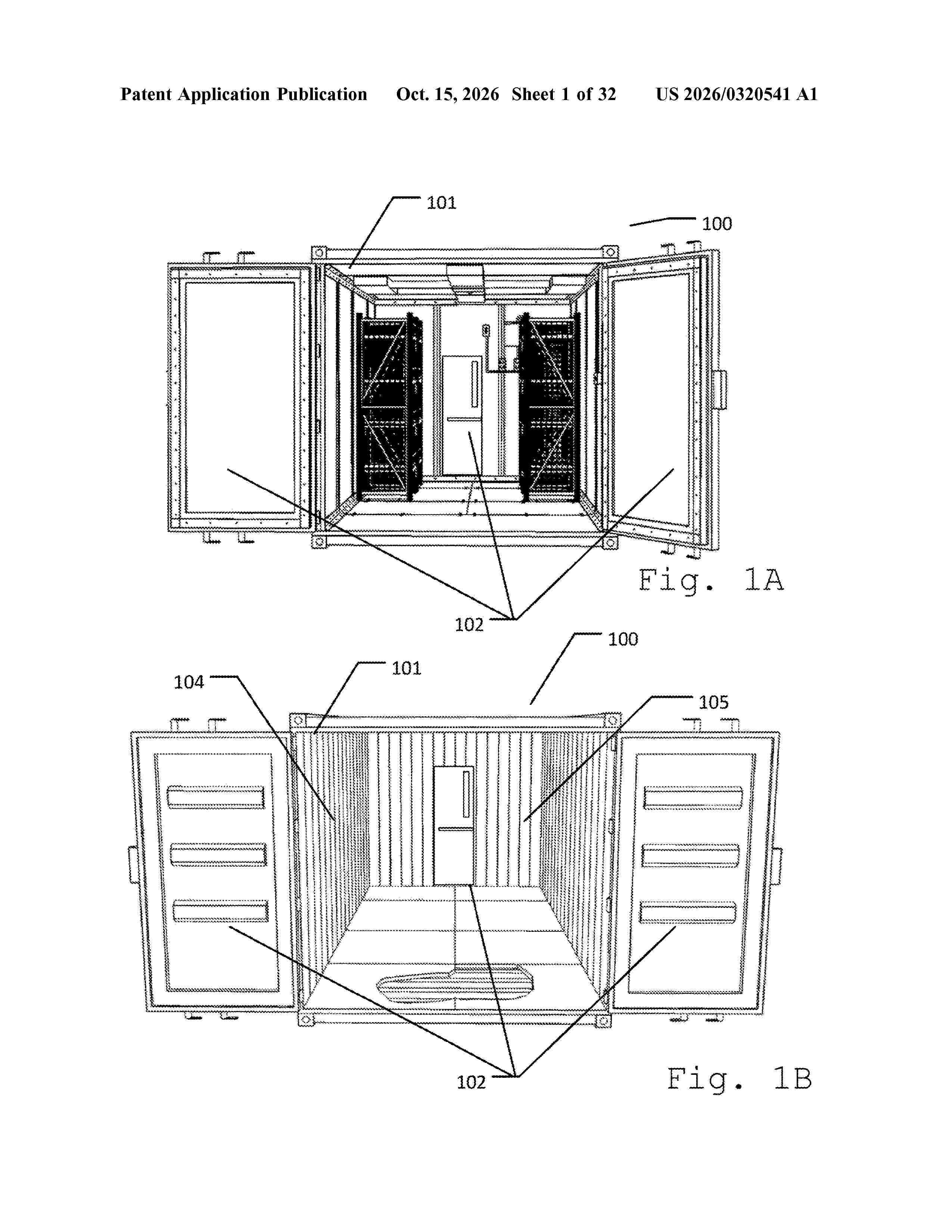
Resumen de: US20260320541A1
An inventory management system includes a containment environment for storing one or more items, each item being tagged with a radio frequency identification (RFID) tag. One or more RFID readers are disposed within the containment environment to periodically scan RFID tags within the containment environment and provide a list of RFID tags. A central server application in communication with the RFID readers, is configured to maintain an inventory list for the containment environment based on the periodic scans of RFID tags. The central; server application removes an item from said inventory list only when the RFID tag associated with the item is not detected by the one or more RFID readers for a predetermined number of successive periodic scans of the RFID tags within the containment environment.

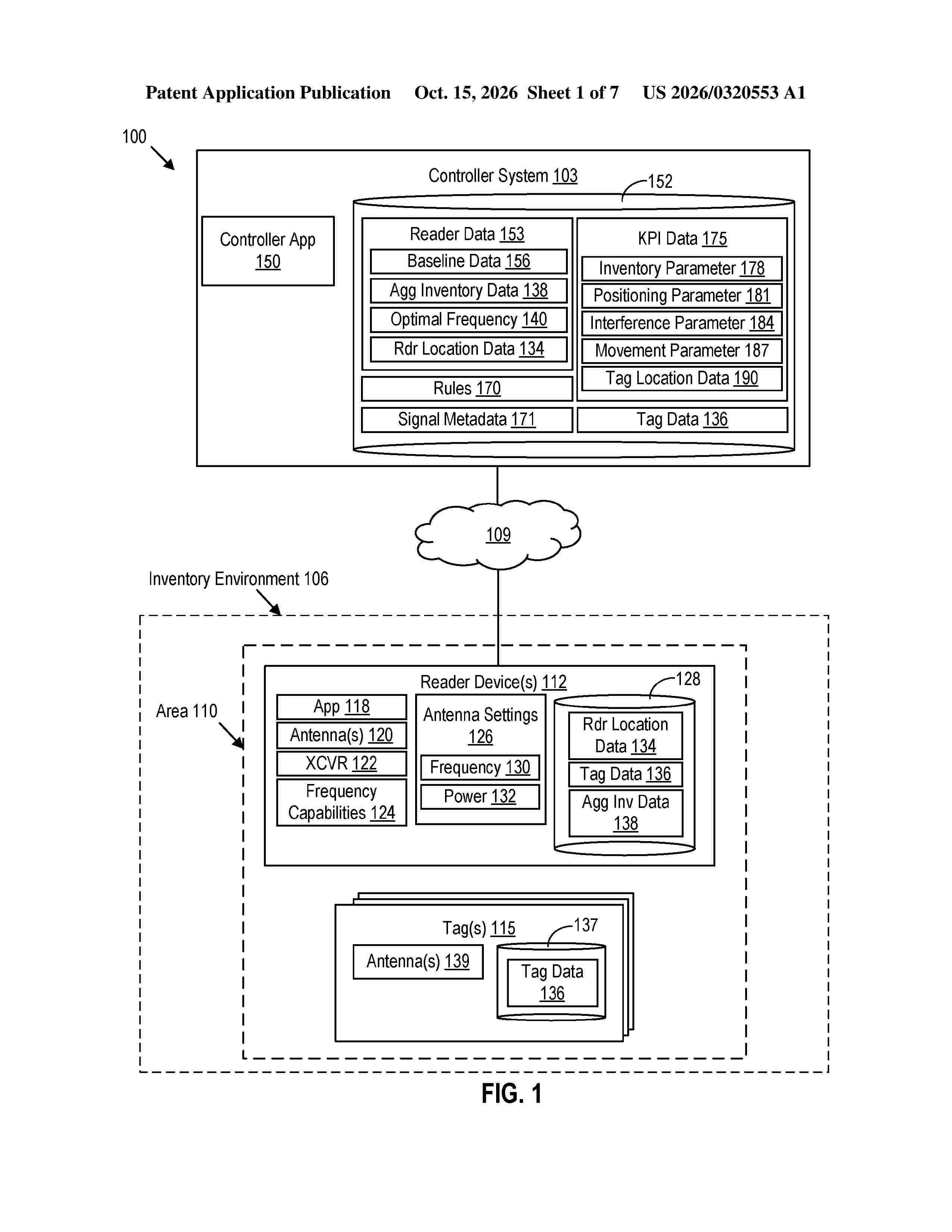
Resumen de: US20260320553A1
0000 A method comprises receiving data from a reader device, wherein the data includes baseline data and inventory data received by the reader device over each frequency supported by the reader device, generating key performance indicator data for each frequency over supported by the reader device based on the data, wherein the key performance indicator data comprises metrics evaluating a performance of the reader device at each frequency supported by the reader device, instructing the reader device to set an antenna setting to an optimal frequency, wherein the optimal frequency is based on the key performance indicator data at each frequency supported by the reader device.
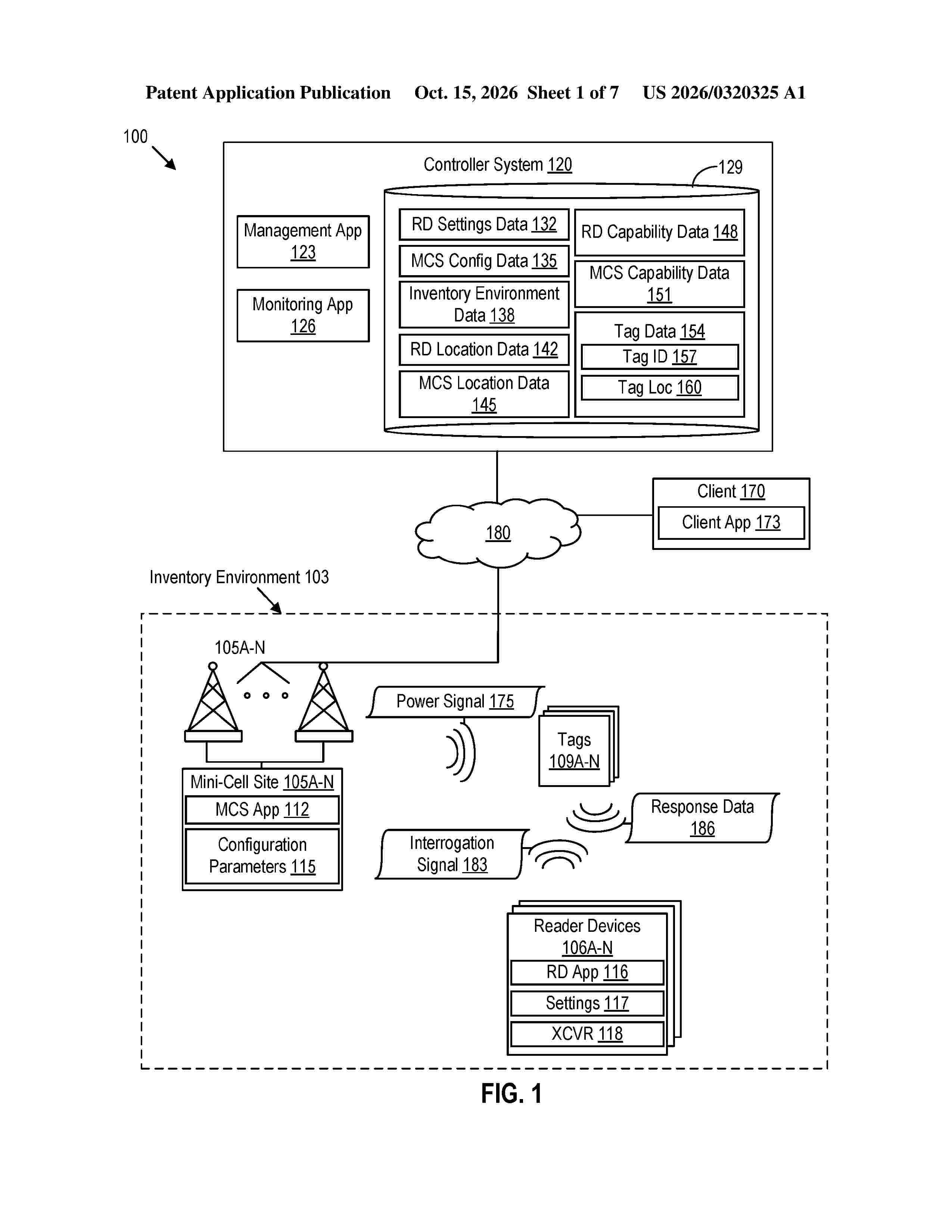
Resumen de: US20260320325A1
An inventory system comprises one or more mini-cell sites, one or more reader devices to read tags, and a control system. The mini-cell site comprises radio equipment configured to broadcast power signals within an inventory environment. The control system transmits a first instruction to the mini-cell site to set a configuration parameter at the mini-cell site to a first frequency channel based on mini-cell site capability data and inventory environment data, and transmits a second instruction to the reader device to set a network setting at the reader device to a second frequency channel based on reader device capability data and the inventory environment data. The first frequency channel is different from the second frequency channel
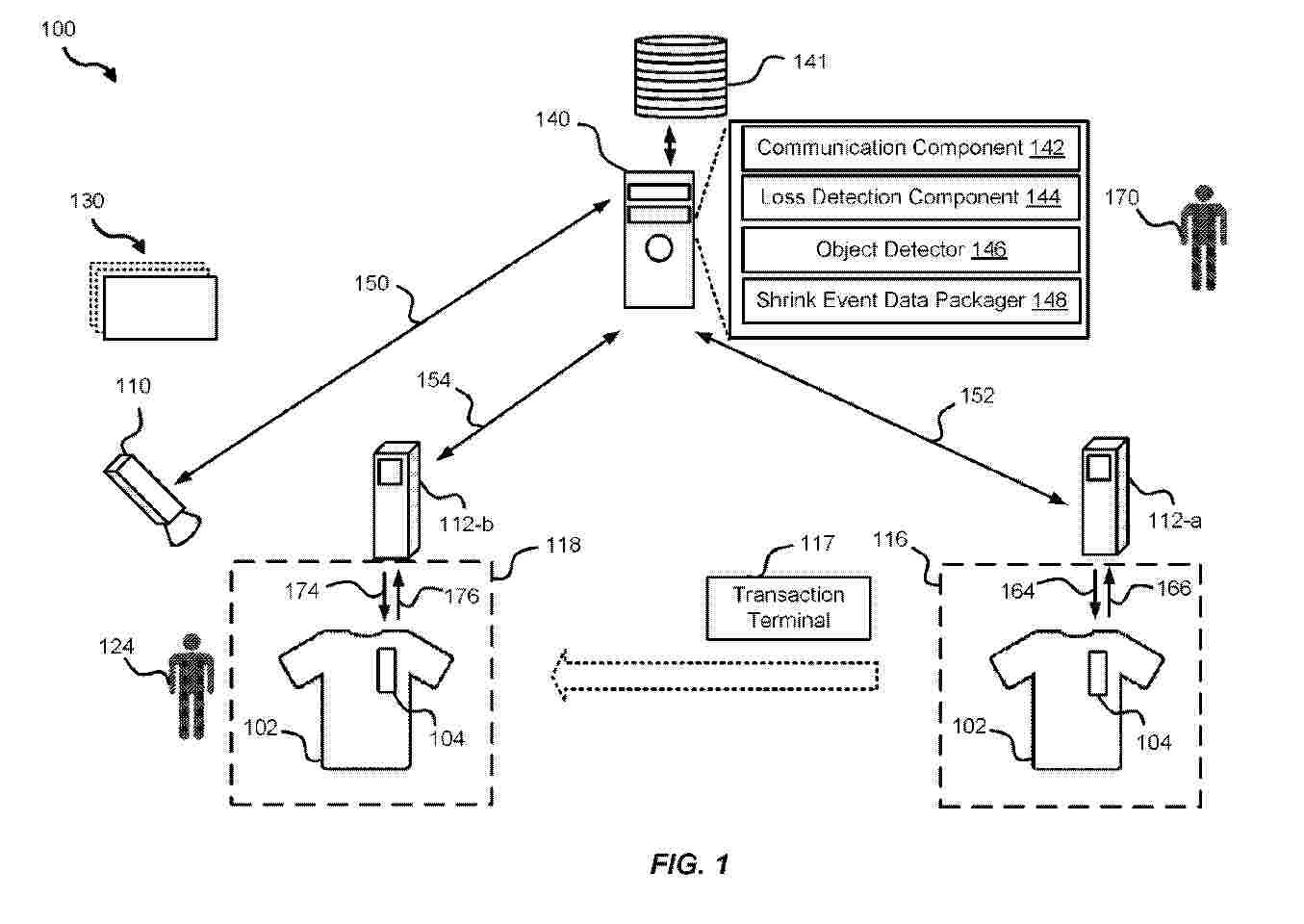
Resumen de: WO2025151634A1
Aspects of the present disclosure include methods, systems, and non-transitory computer readable media that perform actions of receiving, from a first RFID reader disposed at an egress zone, egress event information associated with the first RFID reader receiving a first RFID response signal from an RFID tag appended to a merchandise, determining an occurrence of a shrink event associated with the merchandise based on the egress event information and an absence of restricted access area information that indicates the RFID tag has not been scanned by a second RFID reader disposed at an restricted access area, identifying one or more features, one or more objects, or environmental information associated with a person triggering the egress event, and generating a data file including data associated with the shrink event.
Resumen de: WO2025119788A1
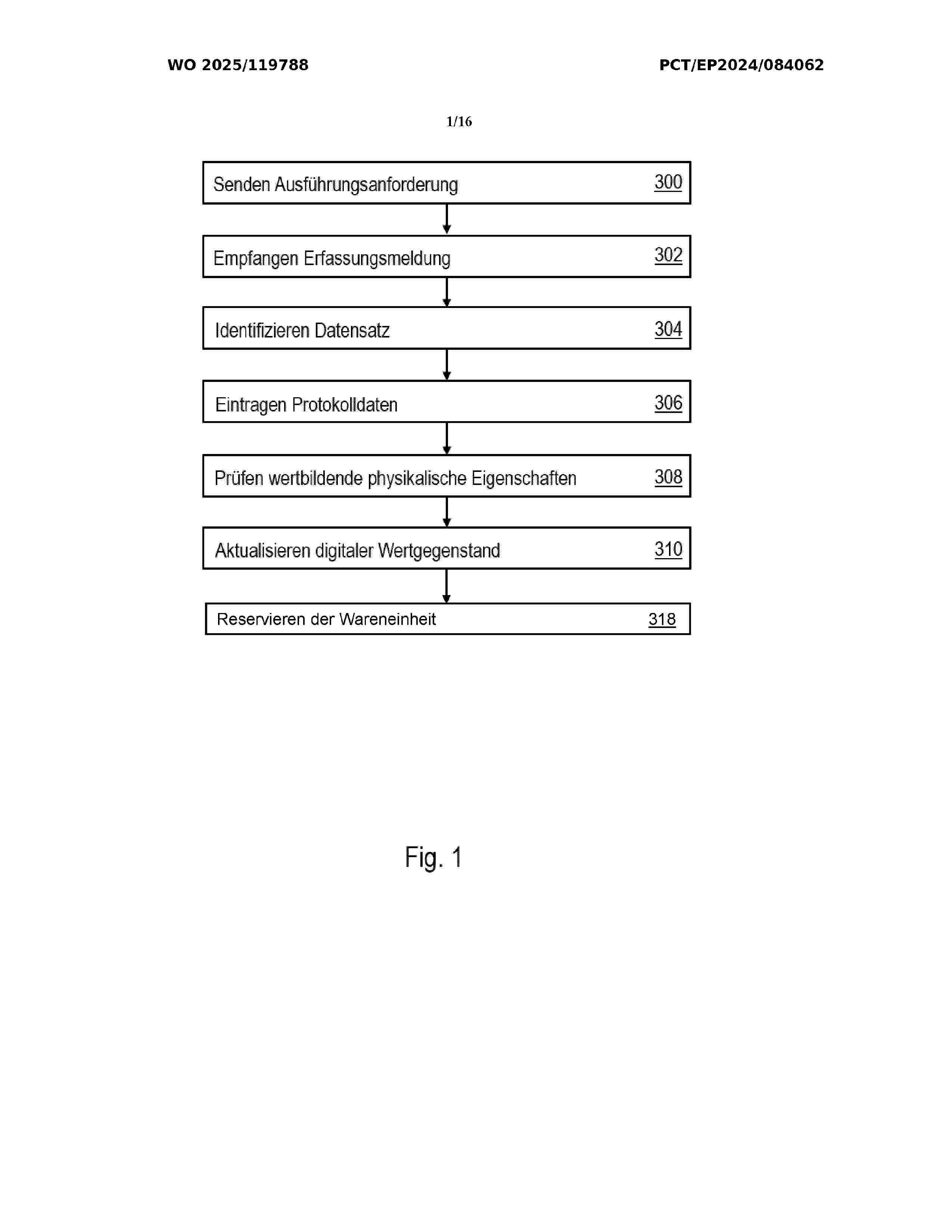
The invention relates to a method for the computer-implemented checking and controlling of handling steps of a unit of goods. The method comprises: * sending an execution request to execute a handling step, * receiving a detection message relating to the detection of an individual identifier provided by an individual marker of the unit of goods, wherein the detection message further comprises log data which identify the handling step, and one or more second sensor values for one or more detected value-forming physical properties of the unit of goods, * identifying a data set (148; 168) with a digital value object uniquely assigned to the unit of goods using the digital copy of the detected individual identifier, * entering the log data in the identified data set (148; 168), * checking the one or more second sensor values for agreement with one or more value-forming physical properties of the unit of goods according to the digital value object within predefined tolerances, * in the event that the one or more second sensor values of the detection message deviate beyond the predefined tolerances, updating the digital value object using the deviating one or more second sensor values, * reserving the digital value object and the unit of goods for a goods delivery and/or a provision of the optionally reserved unit of goods for the goods delivery by the goods sender, and wherein the reservation comprises an automatic adjustment in the shared data set in the DLT system, which dataset
Resumen de: EP4821758A1
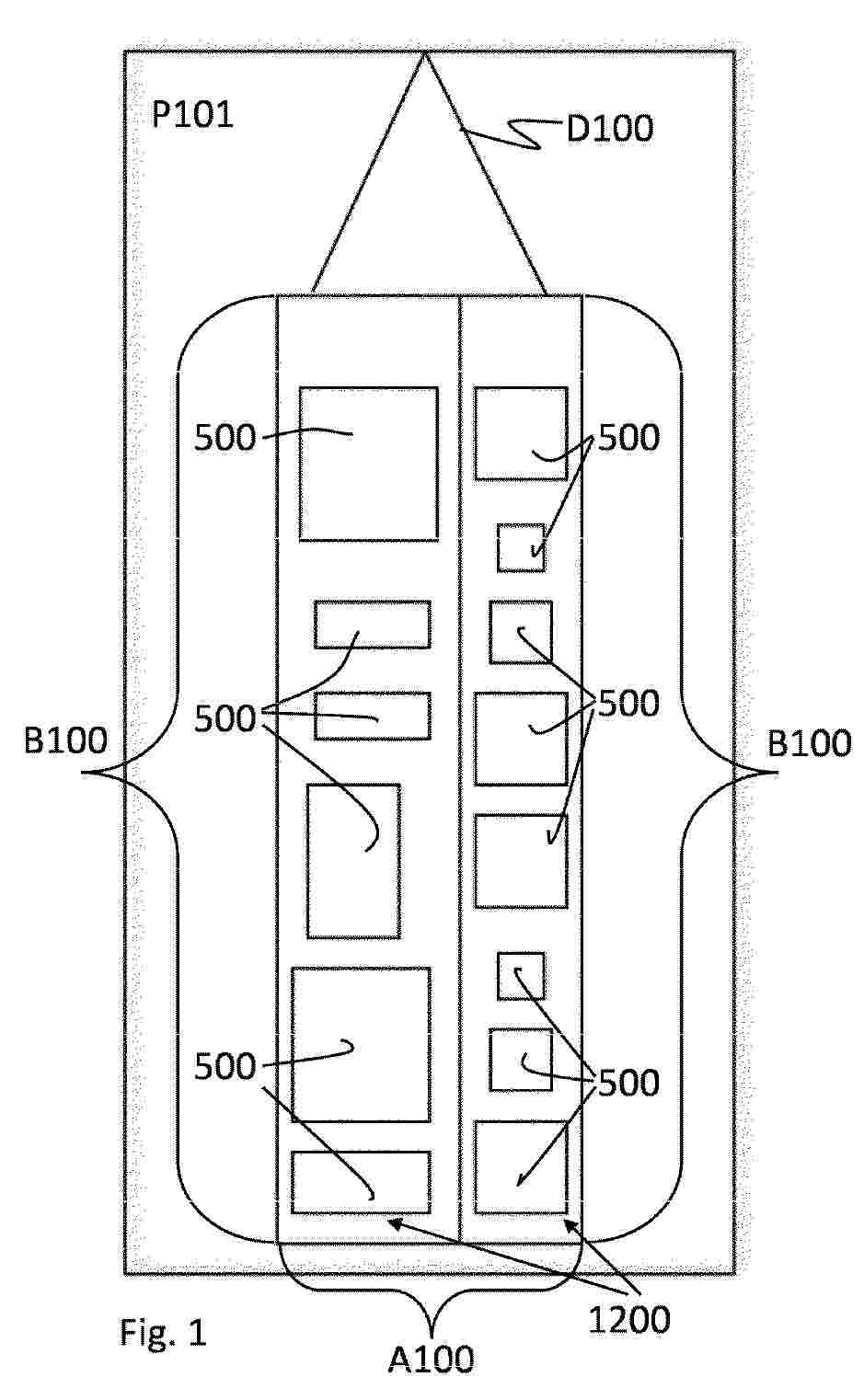
0001 Die Erfindung betrifft eine mobile Depoteinrichtung (100) für eine Lagerung und Bereitstellung mehrerer Pakete (500) innerhalb eines vorgesehenen Übergabezeitraums an einem Standort, wobei die mobile Depoteinrichtung (100) von einer ersten Seite (A100) beladbar ist und die Pakete (500) je von einer zweiten Seite (B100), entnehmbar sind, wobei die zweite Seite (B100) verschieden von der ersten Seite (A100) ist, wobei die mobile Depoteinrichtung zwischen einem Depotmodus zur Be- und Entladung, insbesondere durch wenigstens einen Werker (150), und einem Abholmodus, in dem wenigstens ein Paket (500) an einen Empfänger (550) und/oder Kunden übergeben wird, schaltbar ist.
Resumen de: EP4822617A1
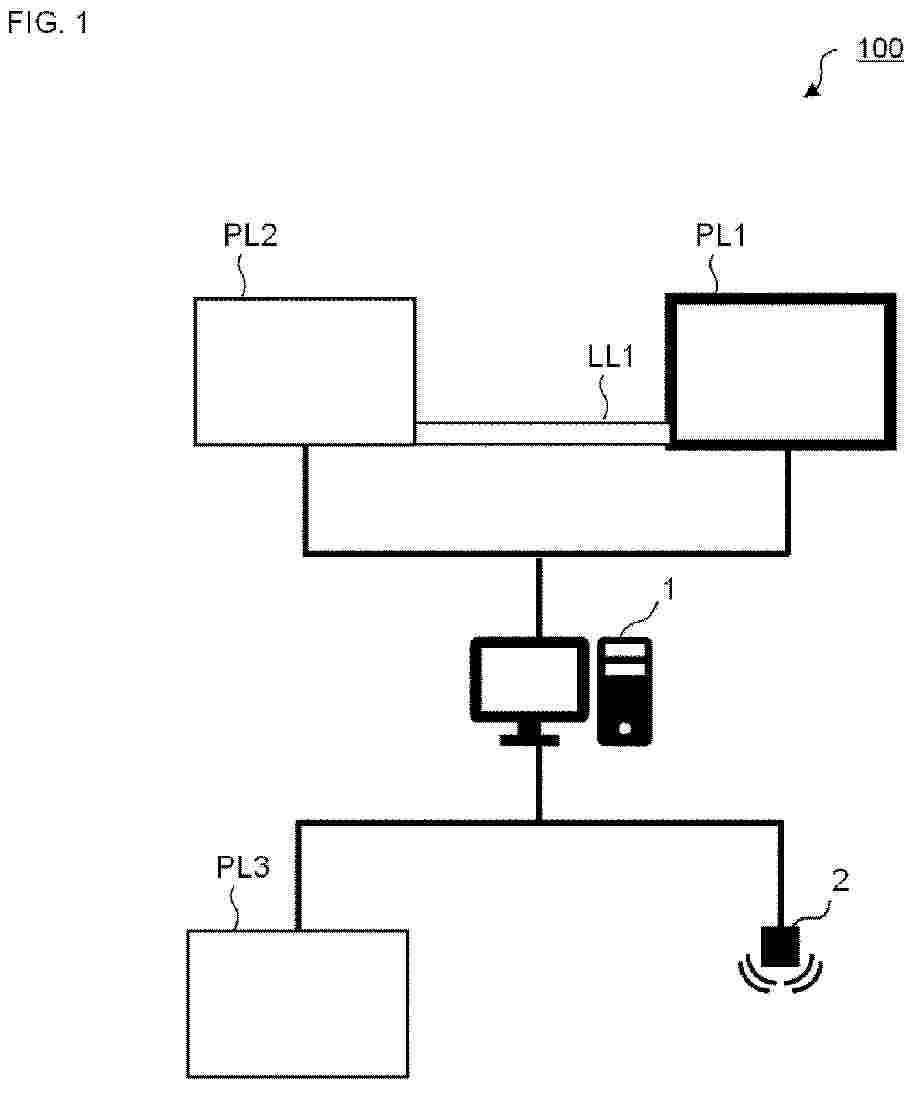
Problem To provide an information processing device and the like capable of allowing a user to easily and more efficiently manage a facility to be managed.Solution According to one aspect of the present invention, provided is an information processing device that assists in the management of a facility to be managed. This information processing device is configured to be able to acquire a management item data group pertaining to the facility to be managed and an external environment factor for the facility to be managed and/or a facility not to be managed. The information processing device comprises a processor. The processor is configured to be able to execute the following steps. In a first reception step, two or more management items for the facility to be managed are received from a user. In a second reception step, a future time condition is received from the user. In a first prediction step, the states of the management items under the future time condition are predicted on the basis of the received future time condition and the temporal transition of the management item data group.
Resumen de: WO2025119729A1
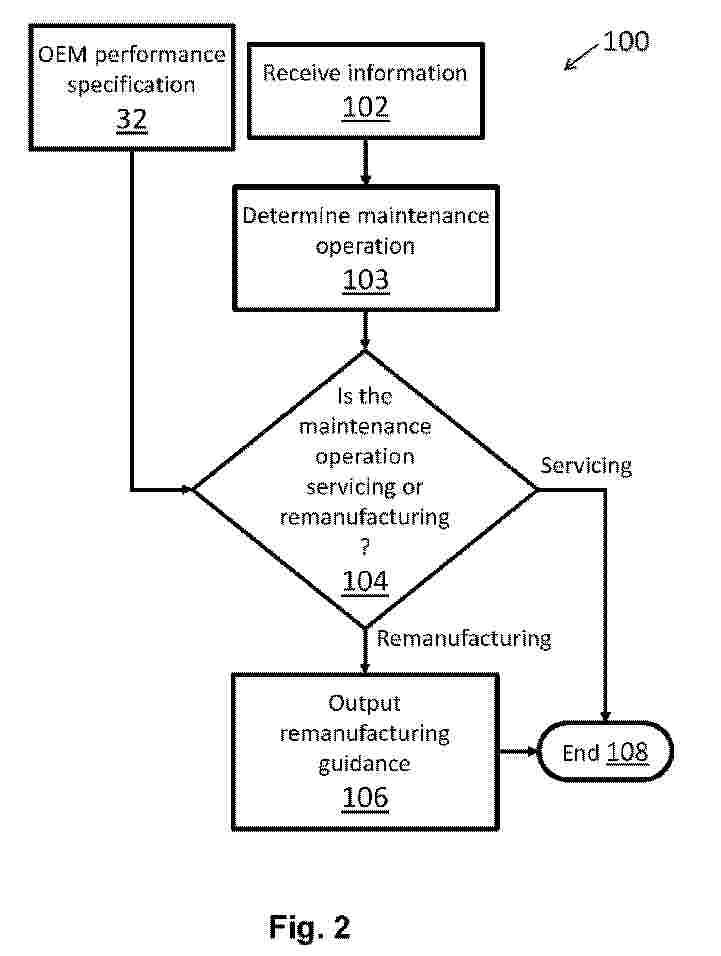
In a remanufacturing regulatory compliance method, information is received describing maintenance performed or planned to be performed on a medical device. One or more modified device metrics are estimated for the medical device as modified by the maintenance. The modified device metrics are based at least on the received information describing the maintenance. A determination is made as to whether the maintenance constitutes remanufacturing of the medical device based on comparison of the estimated modified device metrics with a corresponding original equipment manufacturer (OEM) specification for the medical device. In response to a determination that the maintenance constitutes remanufacturing, guidance is output on modifying the maintenance to not constitute remanufacturing or on complying with a regulation governing remanufacturing of medical devices which covers the medical device.
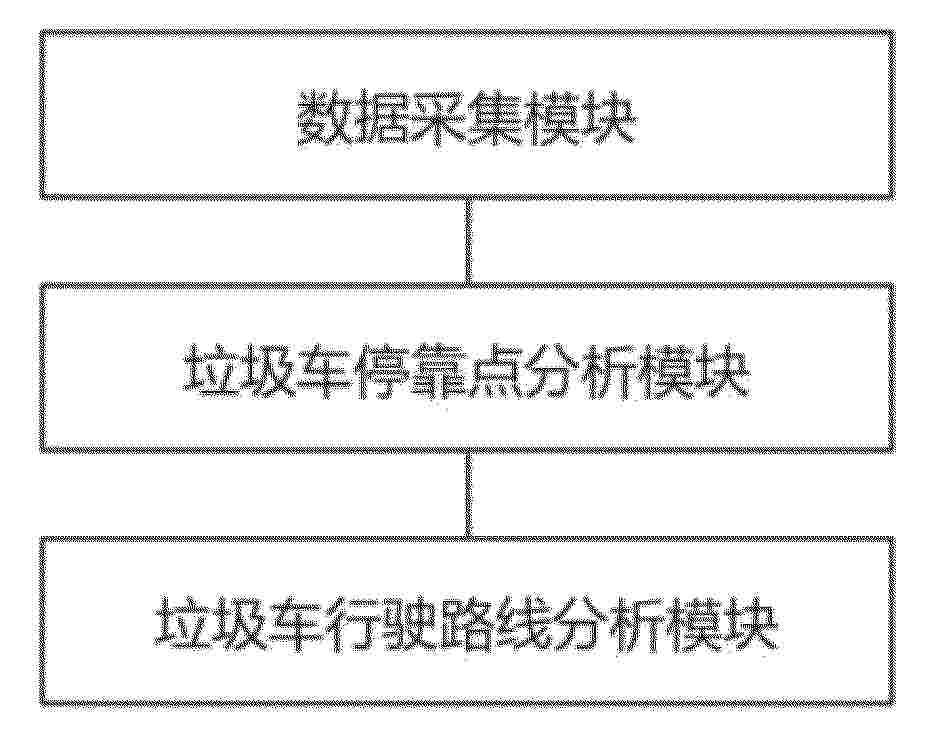
Resumen de: CN122905247A
本发明公开了一种基于物联网的垃圾转运智能调度管理系统及方法,涉及垃圾转运调度技术领域,本发明通过物联网传感设备对垃圾桶垃圾总量、堆积速率和满载剩余时长进行多周期、分时段的量化采集与历史规律分析,据此可精准掌握各点位垃圾产生规律与实时堆积状态,同时根据垃圾车额定容量动态拆分超载簇,使每个停靠点服务区域的垃圾总量与车辆运力相匹配,据此缩短车辆作业距离,提升装卸效率,再综合多维度优先级智能规划路线,兼顾清运时效与通行效率,通过计算得到综合最优路径,实现了高紧急垃圾桶优先清理和最优路况优先通行的目标,在减少垃圾满溢风险的同时,缩短了行驶里程与通行时间,提升整体垃圾清运速度。
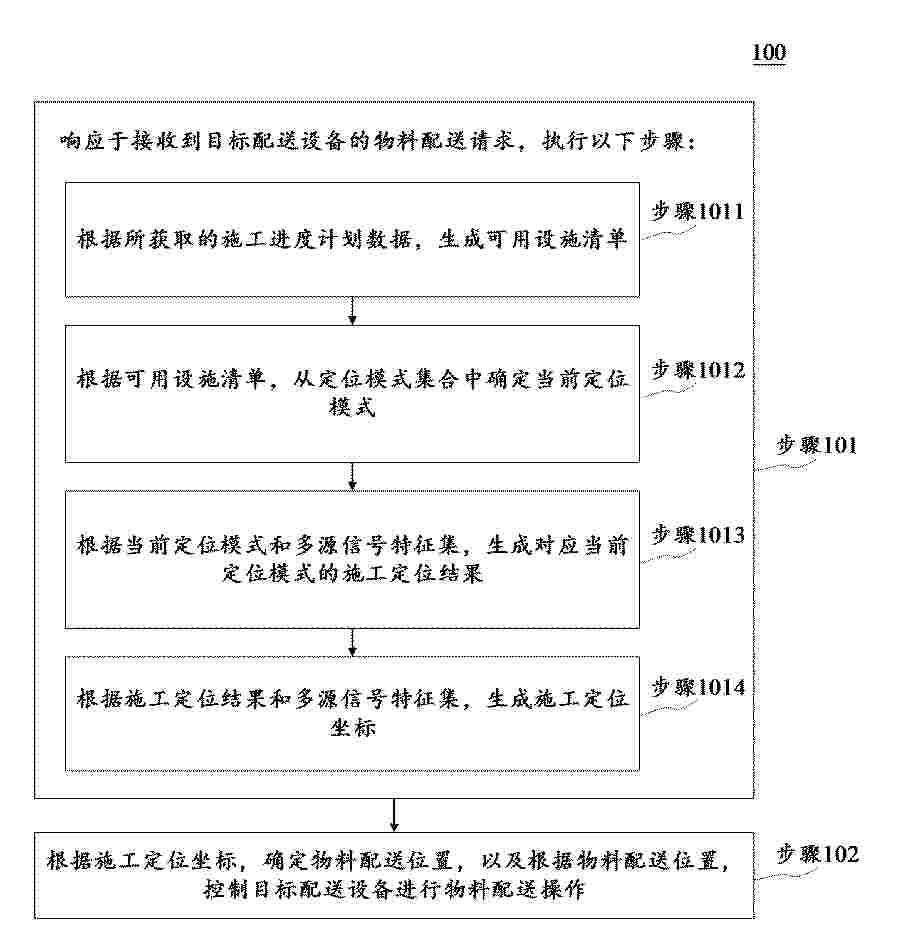
Resumen de: CN122905229A
本公开的实施例公开了面向建筑施工全生命周期的施工物料配送方法。该方法的一具体实施方式包括:响应于接收到目标配送设备的物料配送请求,执行以下步骤:根据所获取的施工进度计划数据,生成可用设施清单;根据可用设施清单,从定位模式集合中确定当前定位模式;根据当前定位模式和多源信号特征集,生成对应当前定位模式的施工定位结果;根据施工定位结果和多源信号特征集,生成施工定位坐标;根据施工定位坐标,确定物料配送位置,以及根据物料配送位置,控制目标配送设备进行物料配送操作。该实施方式涉及计算机技术领域,可以减少施工物料配送耗费的设备资源,缩短配送的耗时,提高整体施工物料配送的效率。
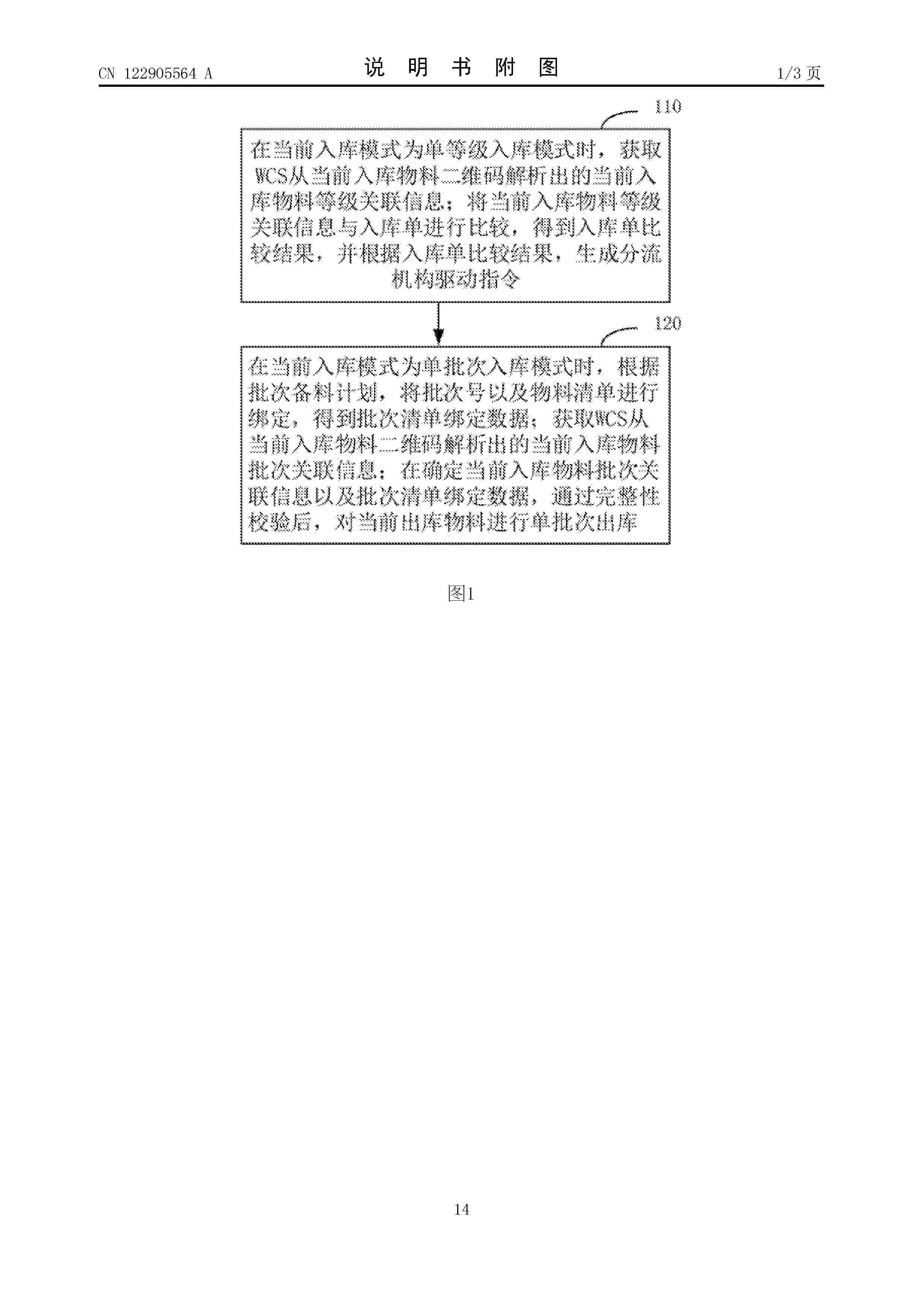
Resumen de: CN122905564A
本发明公开了一种基于二维码的仓储管理方法、设备、介质及产品,涉及仓储管理领域。该方法,包括:在当前入库模式为单等级入库模式时,获取WCS从当前入库物料二维码解析出的当前入库物料等级关联信息;将当前入库物料等级关联信息与入库单进行比较,并根据入库单比较结果,生成分流机构驱动指令;在当前入库模式为单批次入库模式时,根据批次备料计划,将批次号以及物料清单进行绑定,得到批次清单绑定数据;在确定当前入库物料批次关联信息以及批次清单绑定数据,通过完整性校验后,对当前出库物料进行单批次出库。本发明实施例的技术方案能够通过二维码对原料库进行灵活的双模式仓储管理。
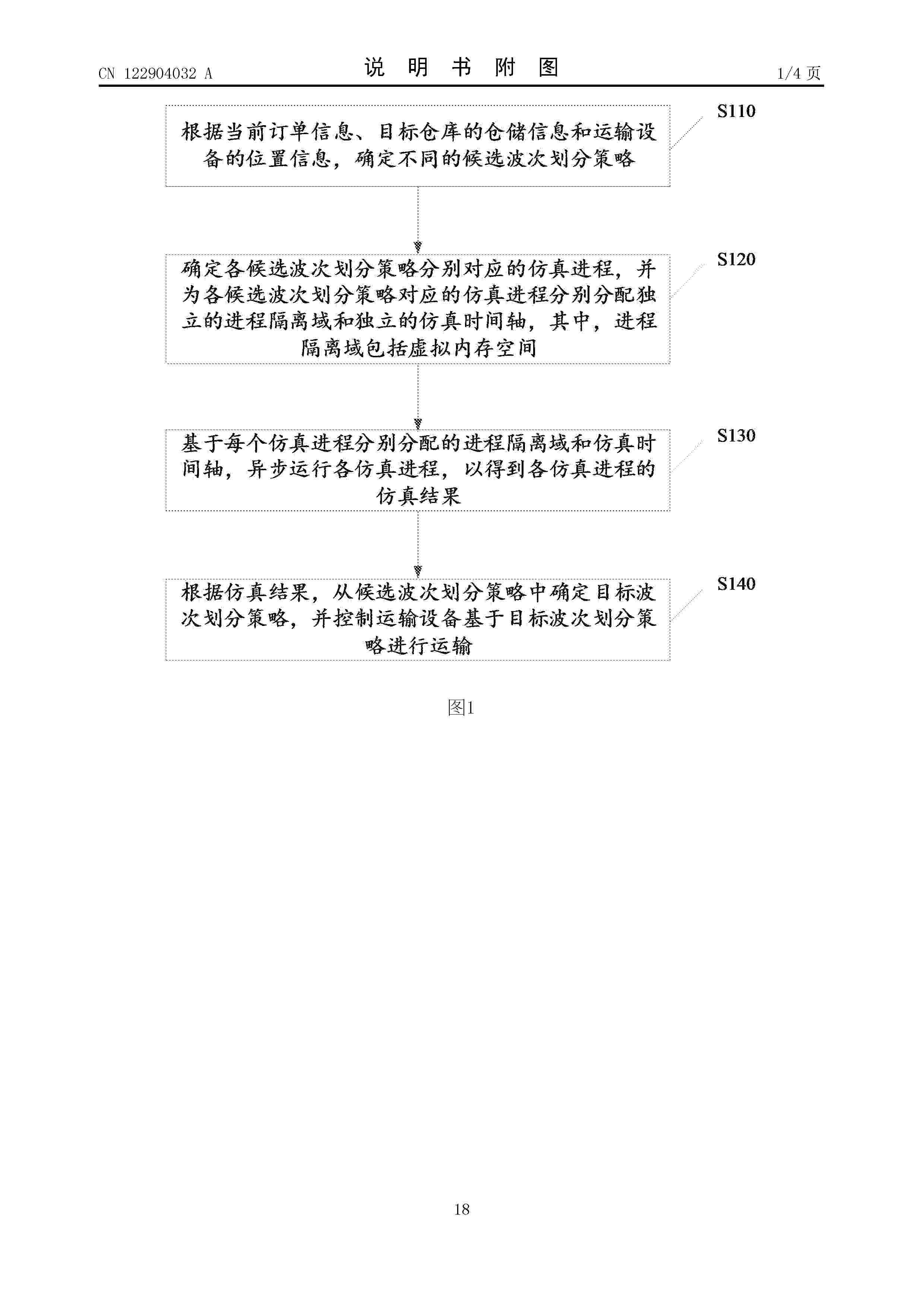
Resumen de: CN122904032A
本发明提供一种仓储管理方法、装置、电子设备及存储介质。该仓储管理方法包括:根据当前订单信息、目标仓库的仓储信息和运输设备的位置信息,确定不同的候选波次划分策略;确定各候选波次划分策略分别对应的仿真进程,并为各候选波次划分策略对应的仿真进程分别分配独立的进程隔离域和独立的仿真时间轴,其中,所述进程隔离域包括虚拟内存空间;基于每个仿真进程分别分配的进程隔离域和仿真时间轴,异步运行各仿真进程,以得到各仿真进程的仿真结果;根据所述仿真结果,从所述候选波次划分策略中确定目标波次划分策略,并控制所述运输设备基于所述目标波次划分策略进行运输。本方案可以仓储运输的效率。
Resumen de: CN122902380A
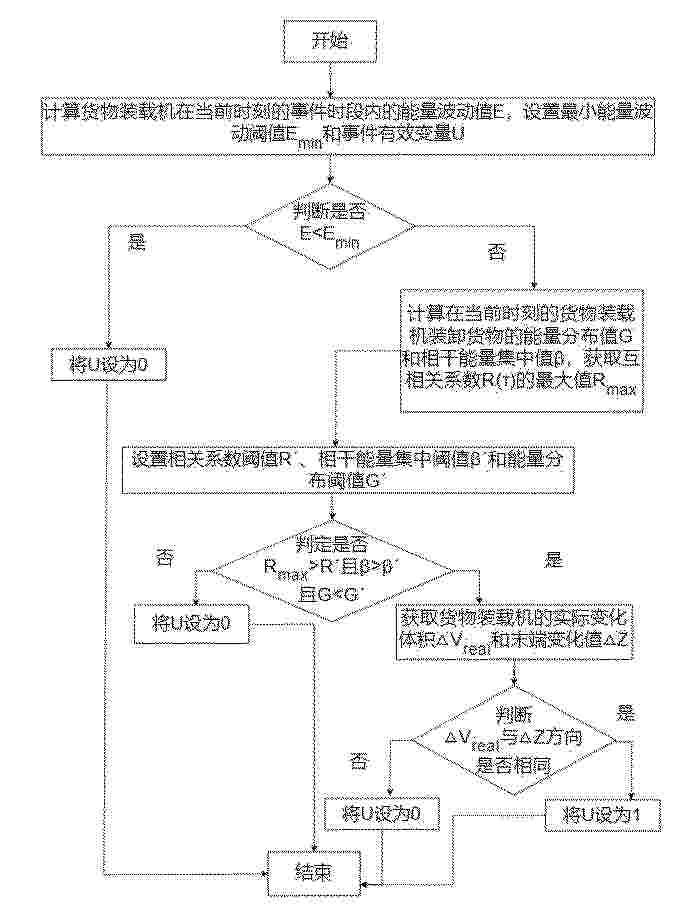
本发明公开了基于激光视觉融合的装载数量统计与控制系统及方法,涉及装载数量统计控制技术领域,包括分析货物装载机的测量状态与真实状态之间的偏差;分析候选层中装载货物的真实边界状况,得到真实边界数据;分析候选层在当前时刻的体积变化与货物装载机的垂直变化之间相关程度,分析货物装载机在当前时刻进行装载货物时的能量波动状况,对货物装载机在当前时刻的装载货物事件的装载有效程度进行评估;对货物装载机在当前时刻的装载数量进行统计,并分析货物装载机的装载失衡状况,对货物装载机的货物装载进行控制,使得对货物装载机的货物装载统计更加精准,从根本上保障运输货物的运输设备的安全。
Resumen de: CN122905350A
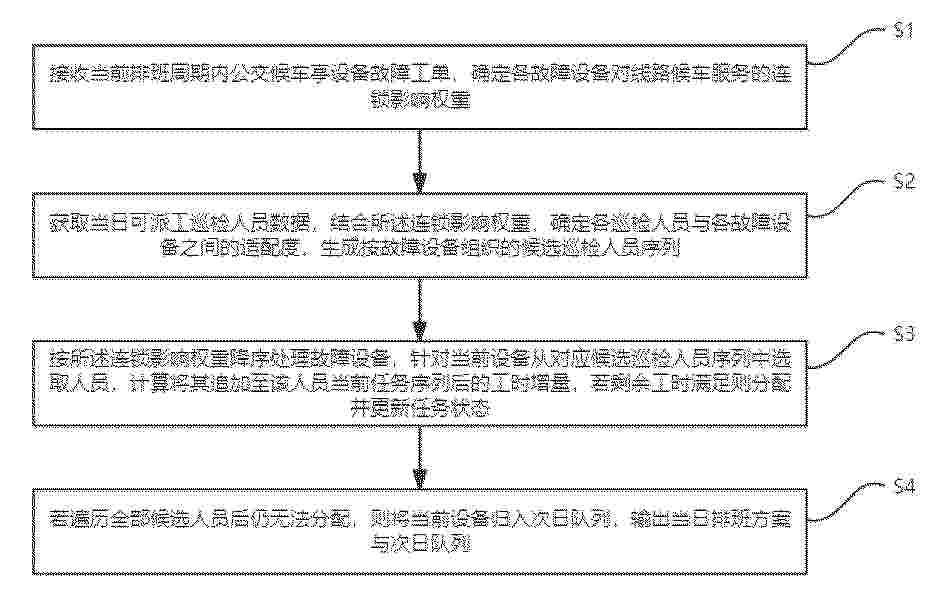
本发明提供了一种公交候车亭设备批次巡检任务排班方法,涉及资源调度与任务分配技术领域,其通过构建融合线路客流影响、设备服务依赖、时段客流密度及历史反馈的动态连锁影响权重模型,并生成综合考虑巡检人员位置、技能、维修质量及负载程度的综合适配度评分,进而按影响权重降序分配任务并校验工时增量,同时对当日未分配设备通过带失败记忆的次日优先队列进行高效继承;这样,能够量化评估故障设备的动态运营影响,实现人员与设备的多维精准匹配及连续作业工时校验,从而避免高优先级设备巡检被延后导致的投诉率上升问题,减少资源错配和工单超时,显著提高排班科学性与实时性。
Resumen de: CN122905574A
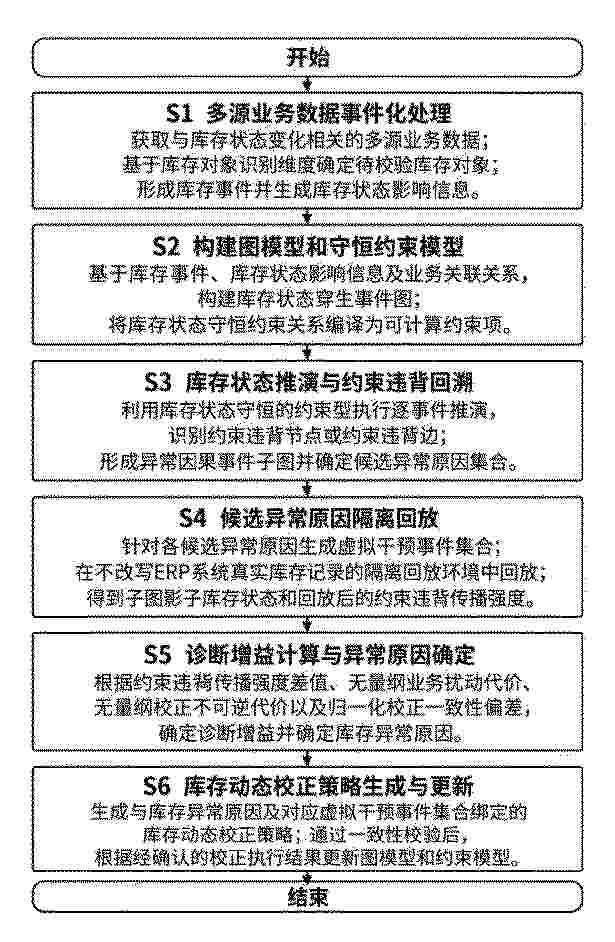
本发明属于ERP系统库存数据处理技术领域,公开了一种ERP库存异常溯源与隔离回放校正方法及系统。该方法获取ERP系统中与库存状态变化相关的多源业务数据,进行事件化处理以形成库存事件和库存状态影响信息,构建库存状态孪生事件图及库存状态守恒约束模型;基于该模型进行库存状态推演和约束违背回溯,形成异常因果事件子图并确定候选异常原因;在不改写真实库存记录的隔离回放环境中回放虚拟干预事件集合,根据回放前后的约束违背传播强度差值及相关代价确定诊断增益,生成库存动态校正策略。本发明解决了库存异常原因定位依赖人工且校正易误改真实数据的问题,提高了异常溯源准确性和库存校正可靠性。
Resumen de: CN122904169A
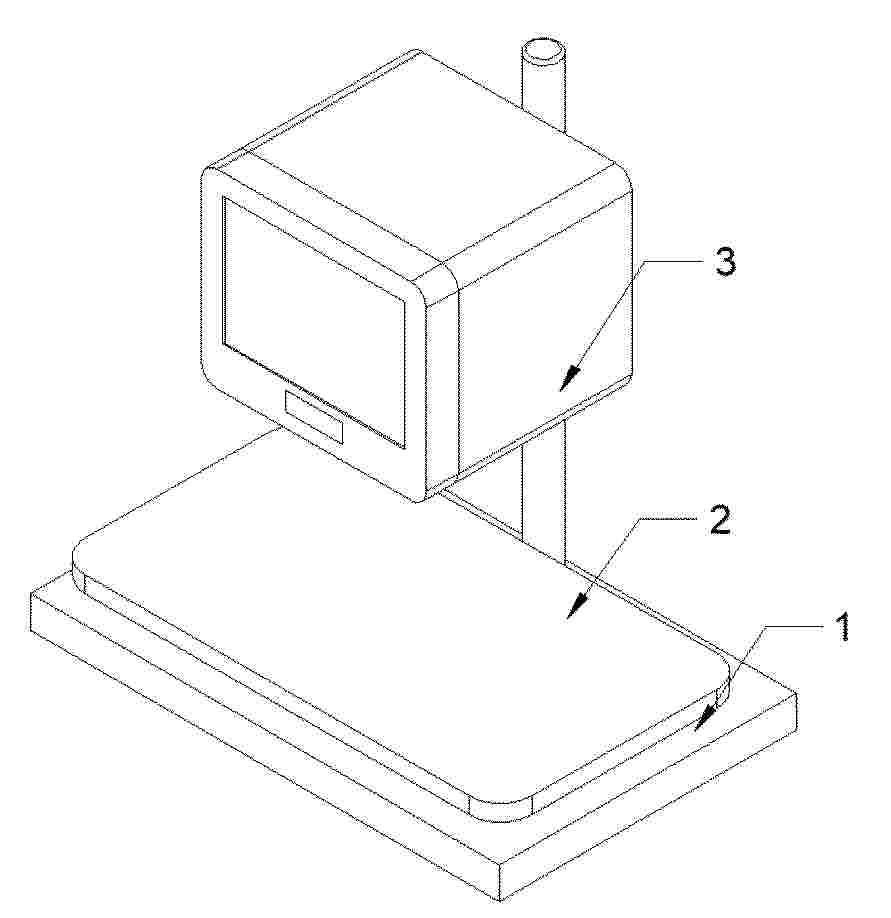
本发明提供的基于视觉识别的刀具归还检测方法、系统及装置,涉及刀具检测技术领域,包括:操作台、称重台、终端控制装置;所述称重台设于操作台上;所述终端控制装置设于操作台上。本发明的优点:通过视觉识别与重量校验双重确认机制,显著提升刀具归还的准确性与可靠性;取景框内的水平基准引导线规范了刀具摆放姿态,提高识别通过率;相似刀具候选集与手动输入模式提供完善的兜底机制,避免流程中断;自动采集图像数据并上传云端用于模型增量训练,实现算法持续自优化;同时结合管理员后台与员工端应用,实现基于角色权限的差异化通知推送与全生命周期数据台账管理,大幅提升刀具管理的智能化水平和响应效率。
Resumen de: CN122903917A
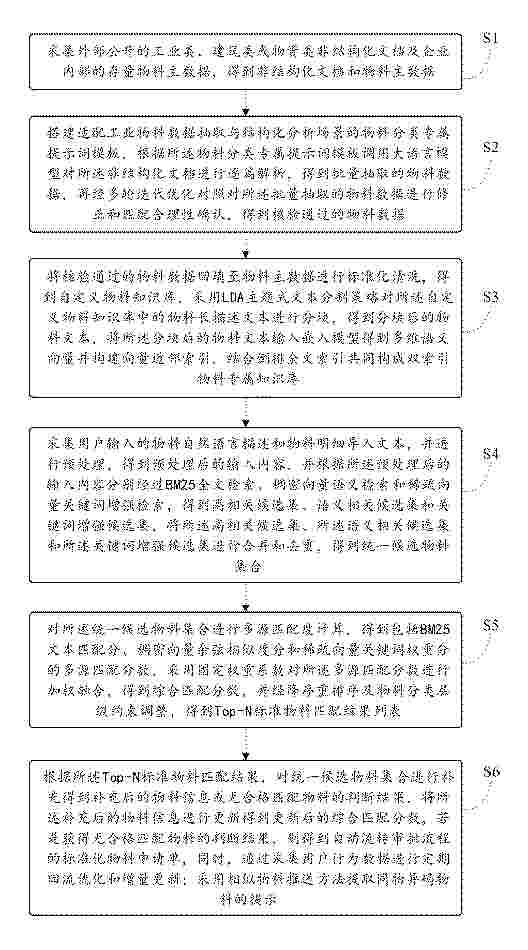
本发明公开一种物料知识库构建及多路召回智能匹配方法及装置,涉及工业物料主数据治理技术领域。方法包括:通过采集外部标准及内部物料主数据,构建适配工业场景的专属提示词模板,调用大语言模型抽取非结构化文档中的物料数据并核验,结合LDA分割与嵌入向量语义索引和倒排全文索引,形成双索引物料知识库;对用户输入文本进行多路检索,融合BM25、稠密向量及稀疏向量候选集,计算多源匹配分数并加权排序得到Top‑N结果,无合格匹配时自动生成标准化申请单并触发审批,实现物料数据标准化与智能匹配。本发明能够实现物料数据权威化和标准化治理;大幅提升物料匹配准确率与召回率。
Resumen de: CN122905535A
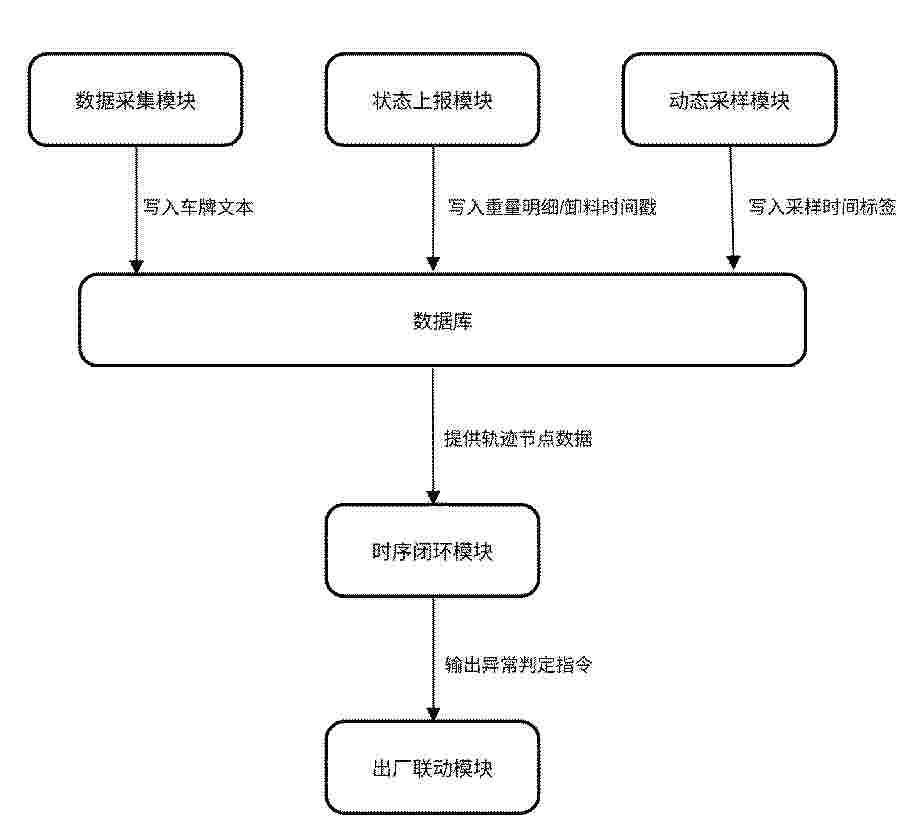
本发明涉及工业信息化管理技术领域,本发明提供电力运维检修用大宗物资全流程安全管控系统,包括设备装置以及控制装置。设备装置通过车辆识别终端、衡重计量组件、物料接卸组件以及出厂阻拦组件,实时采集并存储物资流转全环节状态数据。控制装置内置时间序列模型,通过多维时空轨迹运算比对节点流转耗时参数,校验业务闭环状态并生成联动控制指令。系统能够自动鉴权准入资质、动态触发物料采样、比对异常轨迹,从而实现物资运输全流程数据联动与闭环监管,消除运输过程中的监管盲区及车辆违规离厂隐患,提升大宗物资及固废处置的精细化与智能化管理水平。
Resumen de: CN122905547A
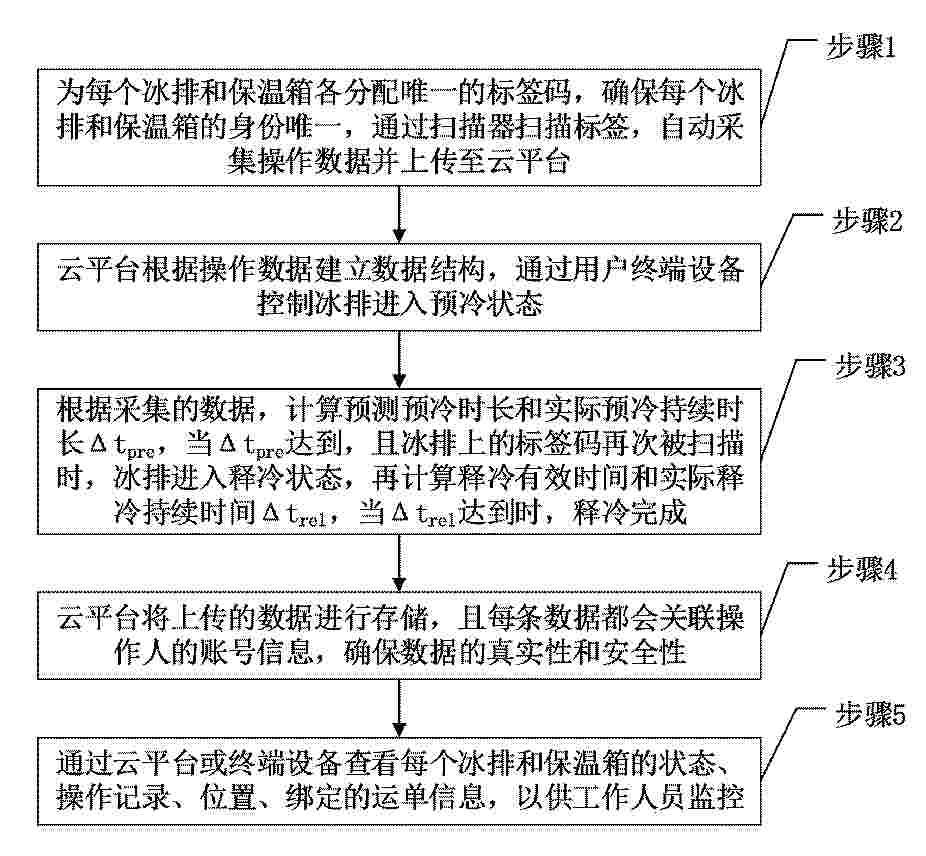
本发明涉及一种保温箱和冰排的温度监督预测系统,所述系统包括:标签码,设置于冰排和保温箱上,用于标识每个冰排和保温箱,确保其在整个物流链条中的唯一性;扫描器,用于扫描冰排和保温箱上的标签码,实时记录每个操作过程;云平台,通过网络与扫描器相连,用于接收来自扫描器的数据,并进行数据存储、处理和分析,根据数据处理分析结果控制冰排预冷和释冷;用户终端设备,与云平台相连,用于监督查看冰排和保温箱的状态,并进行管理操作,以解决现有技术在预冷及释冷环节出现风险时无法进行风险提示预警,当冰排表面实际温度不达标时,对货物造成损害,未能对保温箱及冰排预冷、释冷以达到最佳温度时间进行监控与预测等技术问题。
Resumen de: CN122905178A
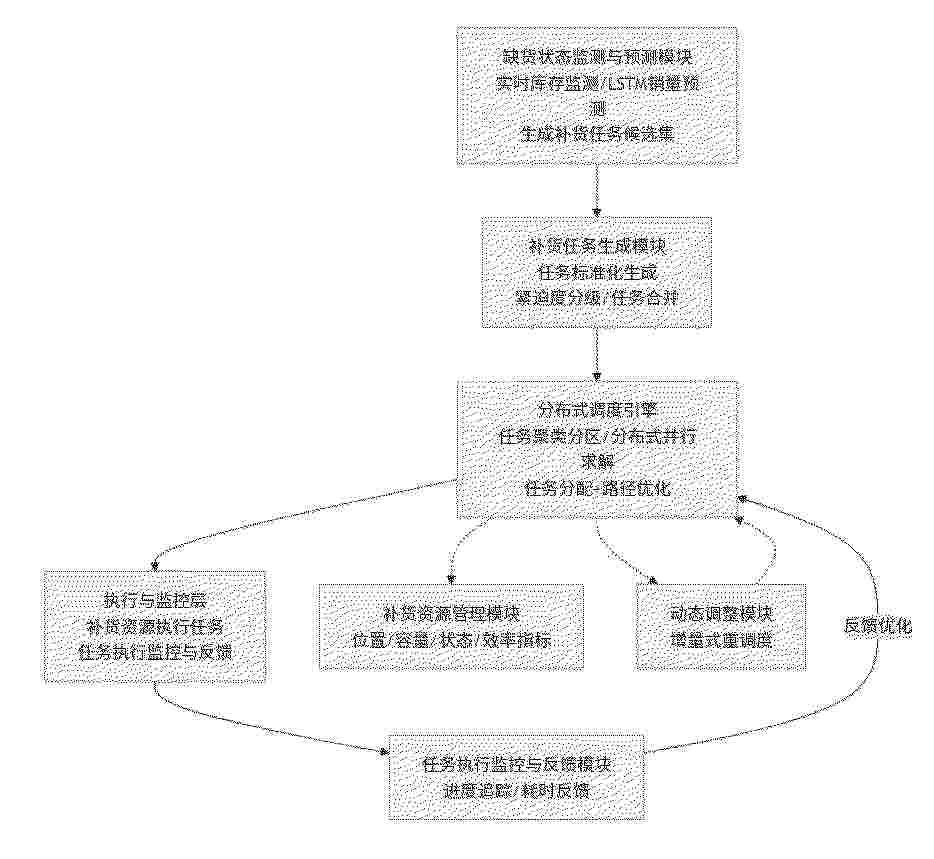
本发明涉及一种智能无人柜分布式补货任务动态调度系统,属于无人零售与智能调度技术领域,包括:缺货状态监测与预测模块,用于实时获取各柜各货道的库存数据;补货任务生成模块,用于根据补货任务候选集和预设任务生成策略;分布式调度引擎,用于将补货任务按地理区域进行聚类分区;补货资源管理模块;动态调整模块;任务执行监控与反馈模块。该智能无人柜分布式补货任务动态调度系统,通过缺货状态监测与预测模块,基于深度学习的销售预测模型提前预知各柜缺货时间,在商品售罄前主动生成补货任务,将传统的被动巡检模式转变为主动预测性补货模式;相比传统固定时间间隔巡检方式,缺货率显著降低,商品可用率大幅提升。
Resumen de: CN122905389A
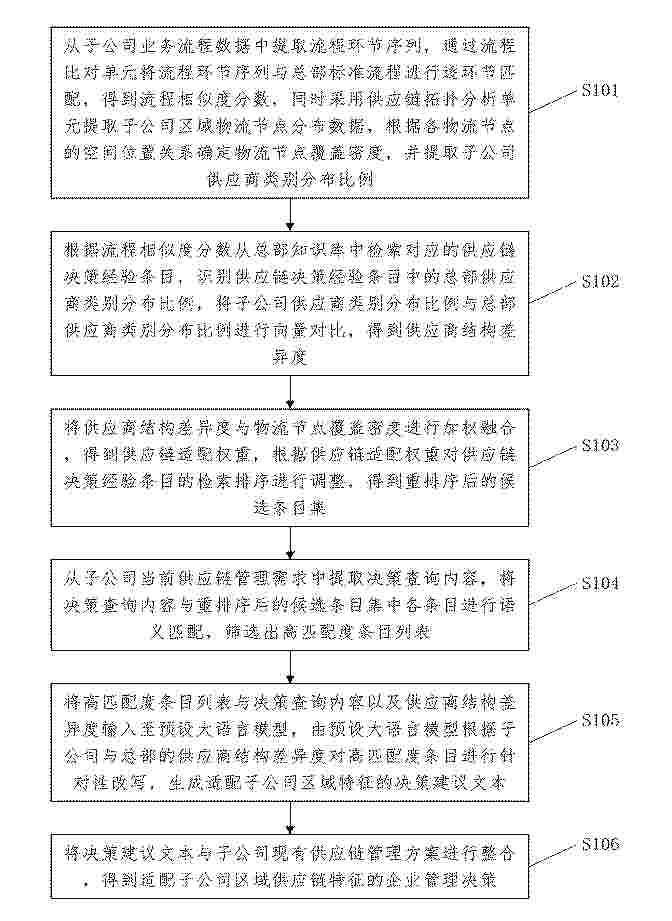
本申请提供一种基于人工智能大语言模型的企业管理决策方法,包括:将供应商结构差异度与物流节点覆盖密度进行加权融合,得到供应链适配权重,根据供应链适配权重对供应链决策经验条目的检索排序进行调整,得到重排序后的候选条目集;从子公司当前供应链管理需求中提取决策查询内容,将决策查询内容与重排序后的候选条目集中各条目进行语义匹配,筛选出高匹配度条目列表;将决策建议文本与子公司现有供应链管理方案进行整合,得到适配子公司区域供应链特征的企业管理决策。
Resumen de: CN122904202A
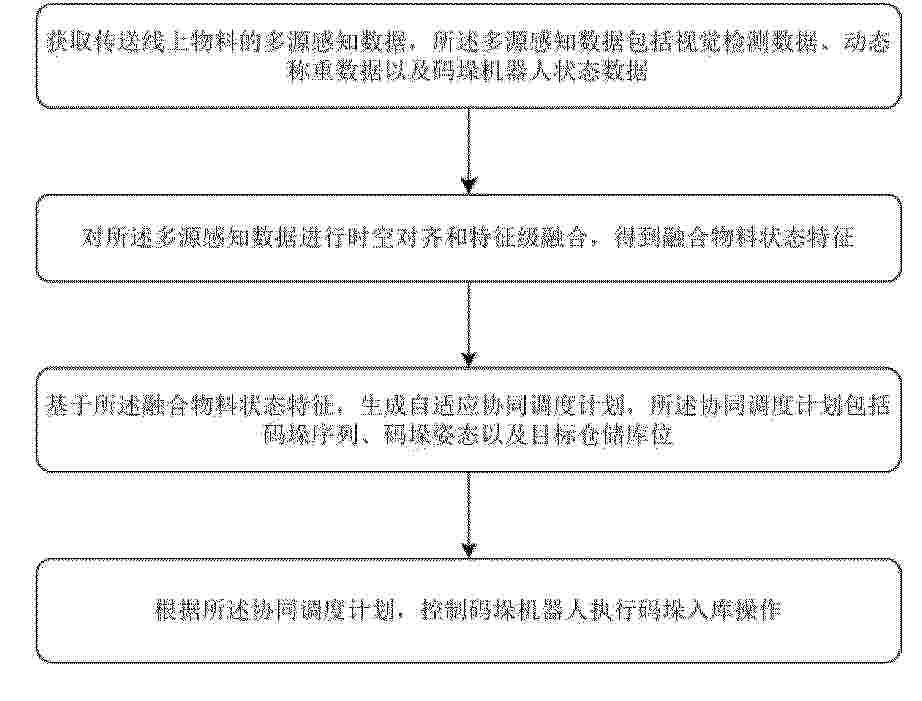
本发明涉及智能仓储技术领域,尤其涉及一种多源感知的码垛自动检测称重调度方法、系统及机器人,方法包括:获取传送线上物料的多源感知数据,多源感知数据包括视觉检测数据、动态称重数据以及码垛机器人状态数据;对多源感知数据进行时空对齐和特征级融合,得到融合物料状态特征;基于融合物料状态特征,生成自适应协同调度计划,协同调度计划包括码垛序列、码垛姿态以及目标仓储库位;根据协同调度计划,控制码垛机器人执行码垛入库操作。本发明通过多源感知数据的时空对齐和特征级融合,使得码垛调度决策能够基于物料的完整实时状态信息进行,解决了现有技术中检测称重结果滞后于码垛节拍的核心问题。
Resumen de: CN122903784A
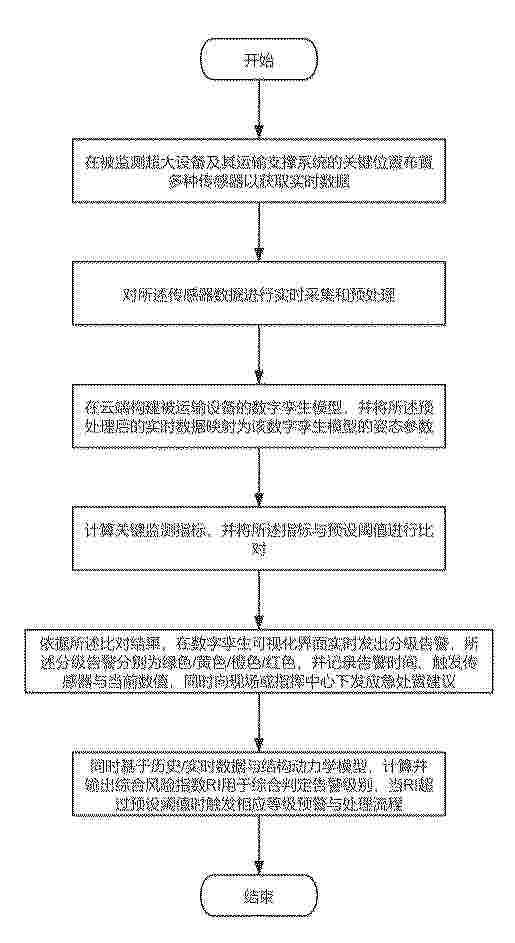
本发明公开了一种基于数字孪生与风险指数的设备运输监测预警方法,包括:布置多种传感器以获取实时数据;对所述传感器数据进行实时采集和预处理;在云端构建被运输设备的数字孪生模型;计算关键监测指标,并将所述指标与预设阈值进行比对;依据所述比对结果,在数字孪生可视化界面实时发出分级告警;同时基于历史/实时数据与结构动力学模型,计算并输出综合风险指数用于综合判定告警级别。本发明通过构建与实际设备同步的三维数字孪生模型,实现“看得见”的结构变化,并构建扩展风险指数,能够在监测数据未达到极限值之前识别快速恶化的趋势,实现预测性预警。
Resumen de: CN122905540A
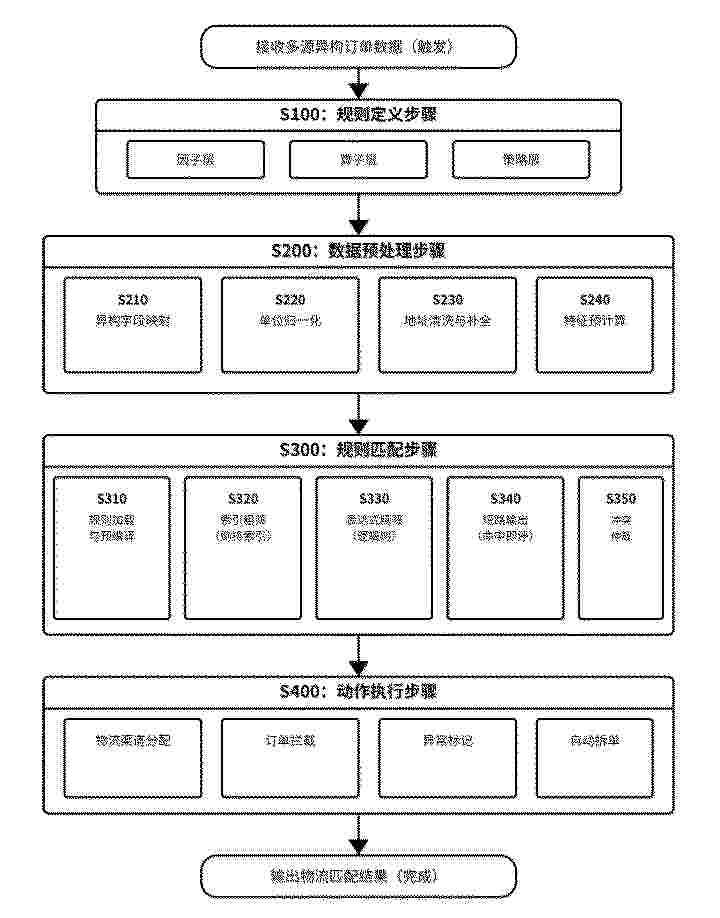
本发明公开了一种电商ERP系统的物流规则动态匹配及自动化处理方法、系统及存储介质。本方案包括:构建专用于物流决策的三层数据模型,所述三层数据模型包括用于定义计算型因子的因子层、用于定义集合运算算子的算子层、以及用于将条件组与动作组解耦配置的策略层;对多源异构订单数据执行包含异构字段映射、单位归一化、地址清洗与补全及特征预计算的标准化预处理,生成标准订单对象;将已配置的规则策略加载至内存并预编译,基于标准订单对象的国别属性和平台来源属性通过倒排索引进行粗筛以定位规则子集,再通过表达式引擎对规则子集中的规则条件进行精筛求值,命中后触发短路机制停止后续匹配;根据命中的规则策略中配置的动作组,执行物流渠道分配、订单拦截、异常标记或自动拆单中至少一种执行动作。本发明实现了物流规则的动态配置、多维度精细匹配与自动化执行,提高了订单处理的灵活性和效率。
Nº publicación: CN122905557A 13/10/2026
Solicitante:
广东云徙智能科技股份有限公司
Resumen de: CN122905557A
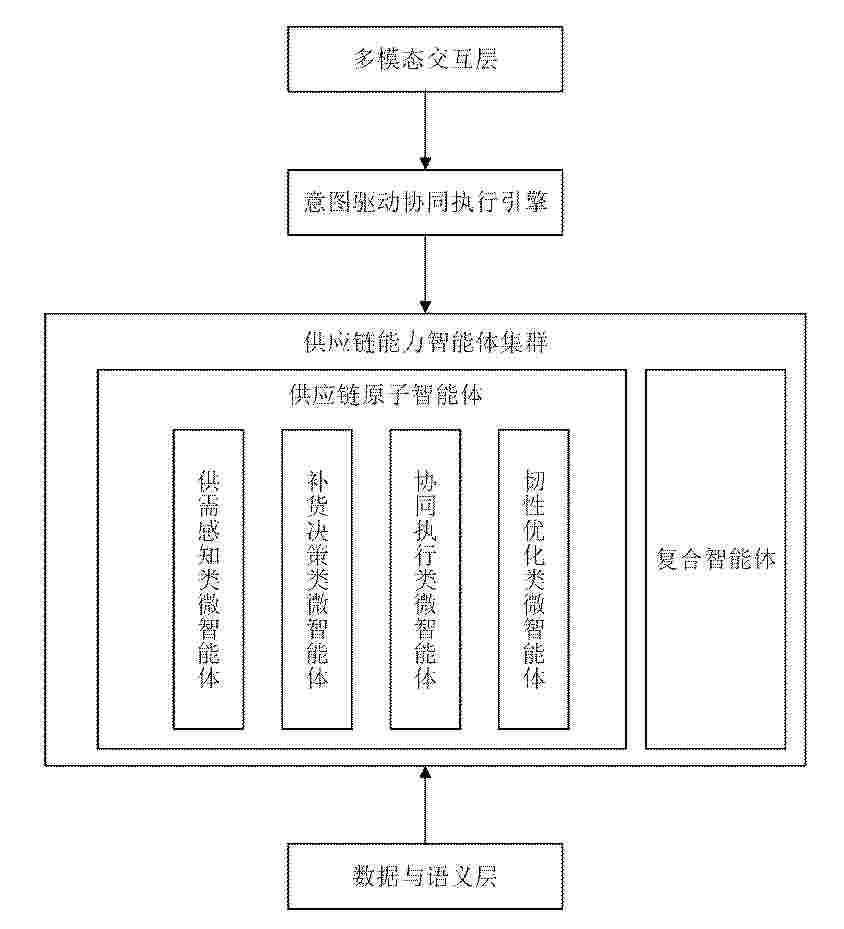
本发明公开了一种面向供应链库存管理的微智能体架构,包括供应链能力智能体集群、数据与语义层、多模态交互层和意图驱动协同执行引擎;其中:供应链能力智能体集群包括原子智能体、复合智能体和调度器;数据与语义层,在数据层的基础上构建多维语义数据,建立语义层;多模态交互层,接收多模态输入数据并进行处理;意图驱动协同执行引擎,对多模态交互层处理的数据进行解析,自动匹配并路由已有智能体团队或者动态创建临时智能体团队;智能体团队通过数据与语义层中的多维语义数据,进行任务编排,将任务分配给智能体团队内的智能体,形成调度指令后下发至集群对应的智能体执行。本发明实现微服务与智能体的深度融合,提高了智能体的协同能力。
 BOPI
BOPI
 Sede Electrónica