Si deseas distinguir tus productos, servicios o ambos de los de otra empresa, es posible que necesites una marca o nombre comercial. Descubre qué son, en qué consiste su procedimiento de registro y qué implica.

Información sobre los plazos de presentación de solicitudes de transformación de marcas de la Unión Europea en marca nacional española. Más información


Si tienes un nuevo dispositivo, producto o procedimiento que resuelva un problema técnico o tenga una ventaja práctica, existen distintas formas de protegerlo en España y en otros países. Descubre cómo hacerlo.

¿Tu innovación reside en la estética, la ornamentación o la apariencia de tu producto? Protégela mediante un diseño industrial. Descubre qué derechos confiere el registro y cómo realizar la tramitación.

Las indicaciones geográficas protegen el nombre de un producto originario de una zona geográfica, a la cual le debe una determinada calidad, reputación u otra característica. Descubre qué son, en qué consiste su procedimiento de registro y qué beneficios conceden.

Las patentes publicadas en todo el mundo son una valiosa fuente de información científica, técnica y comercial.

Si eres emprendedor/a o una empresa y quieres potenciar y mejorar la rentabilidad de tu negocio protegiendo de forma adecuada los activos intangibles de tu organización, en este espacio encontrarás lo necesario.


 140
resultados
140
resultados
 Última actualización
14/10/2026 [08:06:00]
Última actualización
14/10/2026 [08:06:00]


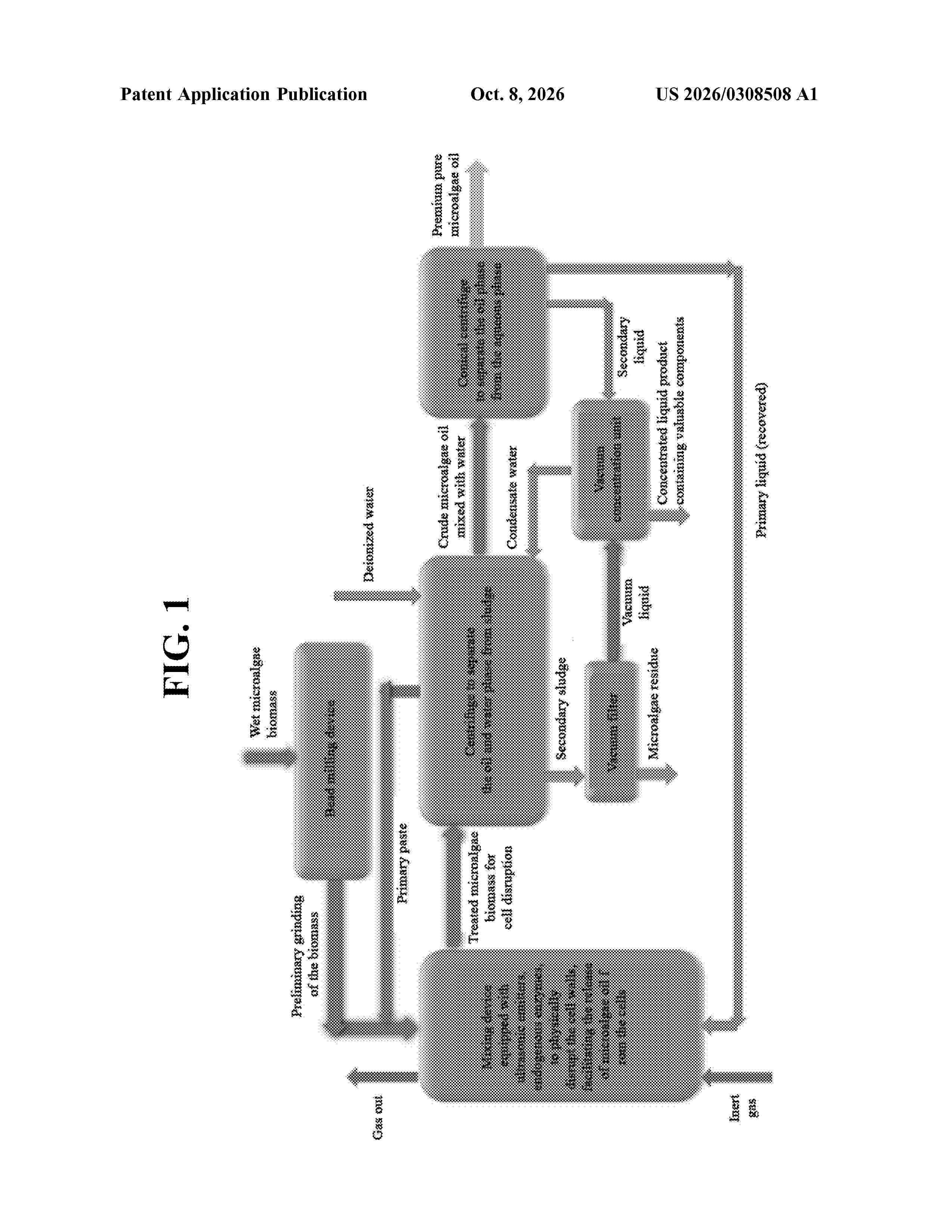
Resumen de: US20260308508A1
0000 A process of producing microalgae oil from wet microalgae biomass includes steps of: bead milling to preliminarily break cell walls; ultrasonic treatment and mixing in a device equipped with ultrasonic emitters to physically disrupt cell walls, combined with enzymatic autolysis by endogenous enzymes; followed by primary and secondary centrifugation to extract oil and valuable compounds; then centrifuging in a conical centrifuge to obtain microalgae oil and a water phase containing valuable water-soluble compounds, and finally concentrating this water phase to yield valuable water-soluble products.

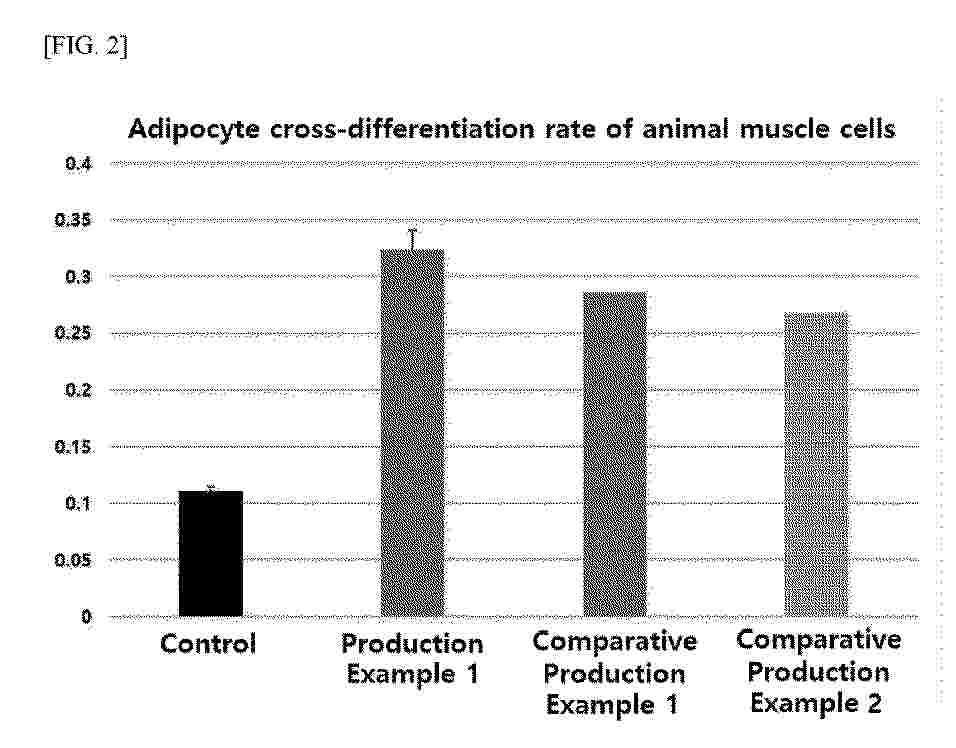
Resumen de: EP4818310A1
0001 The present invention relates to an invention utilizing a microalgae extract as a medium additive for culturing cultured meat. More specifically, the present invention uses an extract of chlorella, which is a kind of microalgae, as a medium additive component, thereby making it possible to effectively induce cross-differentiation from muscle stem cells into adipocytes and provide cultured meat having improved flavor by inducing cells in which muscle fat is present at the same time. In addition, the use of the medium additive of the present invention replaces fetal bovine serum, which is a culture medium component for cultured meat, or is used in combination with fetal bovine serum, thereby enabling a reduction in the use of expensive fetal bovine serum and enhancing the culture effect of cultured meat, thus providing cultured meat having excellent cost effectiveness.
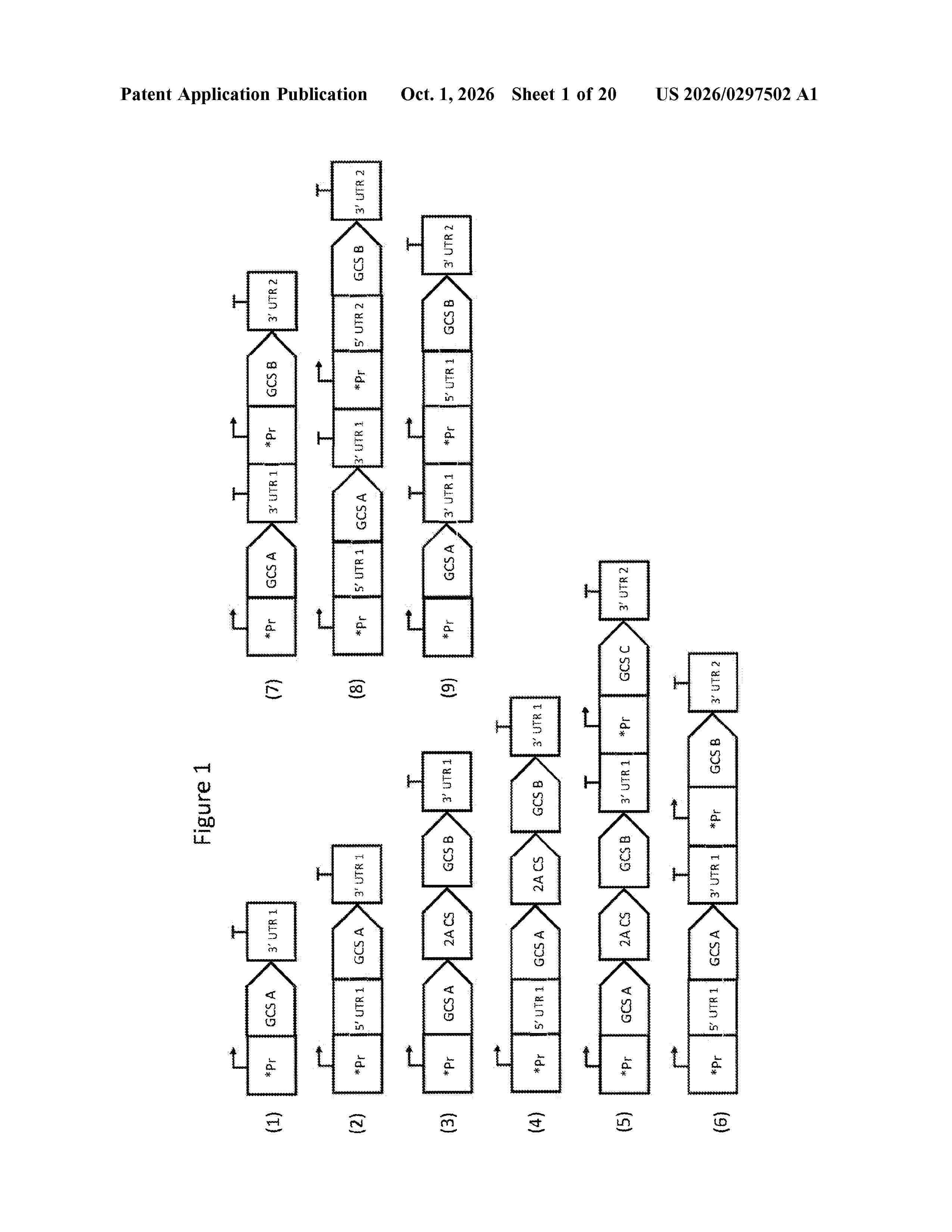
Resumen de: US20260297502A1
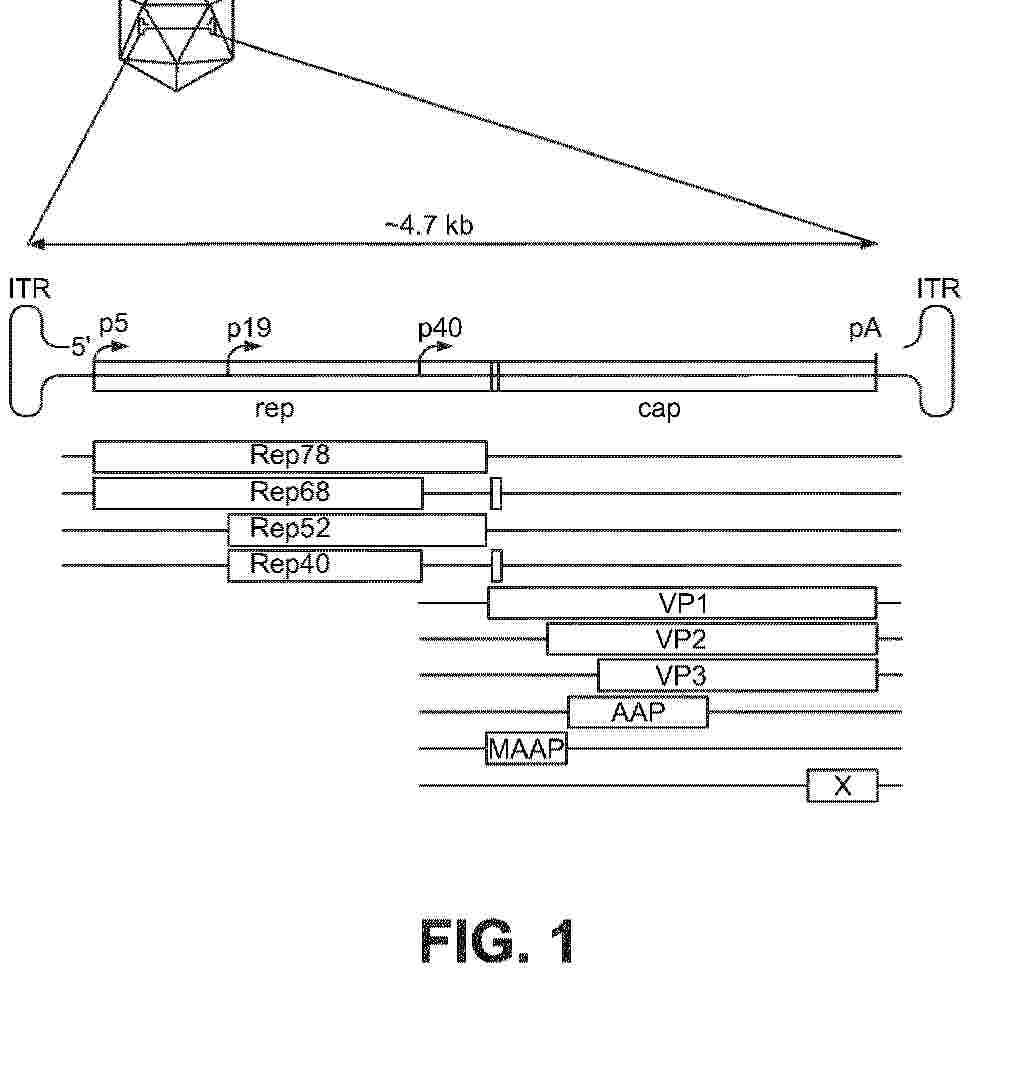
0000 The present disclosure relates in part to Nannochloropsis microalgae that produce recombinant viruses. Expression cassettes, transgenes and methods for producing recombinant viruses in the Nannochloropsis are also provided. In particular, methods and materials are provided for producing recombinant adeno associated viruses (AAV) in Nannochloropsis. In some embodiments described herein, the Nannochloropsis is Nannochloropsis oceanica.
Resumen de: AU2025226097A1
Provided are gene therapy vectors designated MEV-GTVs, which are MEVs that contain an ITR-containing plasmid (also referred to as a minigene plasmid) that comprises Inverted Terminal Repeats (ITRs), such as viral ITRs, and nucleic acid encoding a product of interest, and optionally regulatory sequences. The ITRs serve to circularize the minigene plasmid. The plasmids do not contain additional viral components, so that resulting DNA is not encapsulated in a viral capsid or envelop and is not replicated by viral genes. The plasmids can be inserted into bacterial plasmids for propagation.
Resumen de: WO2026201556A1
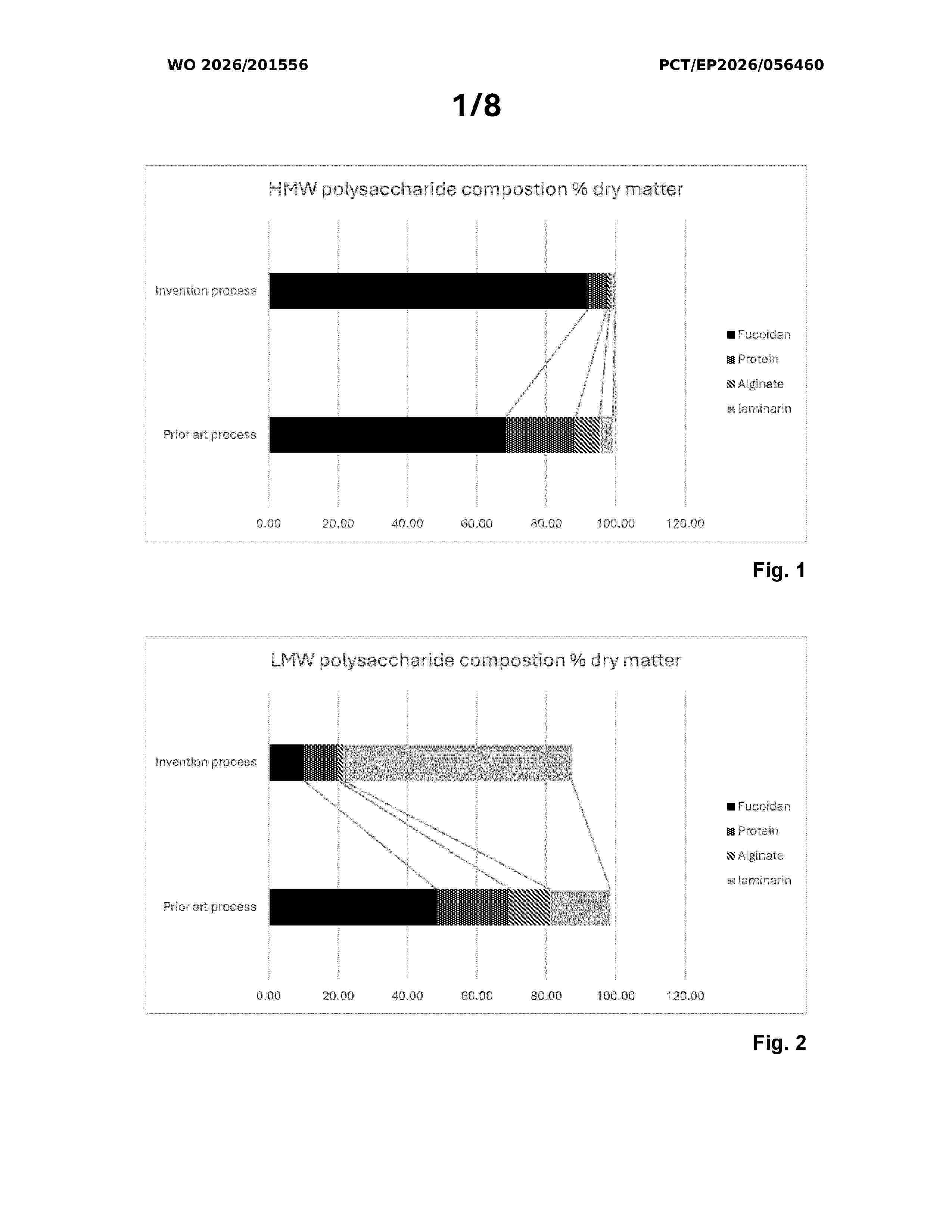
Methods for processing microalgae, such as seaweed, in particular brown and green seaweed, are described, to extract polysaccharides with a reduced heavy metal content, reduced iodine content, and increased calcium content. We describe a process including the steps of: providing an algal biomass; extracting the algal biomass with at least one solvent; separating the solvent from algal biomass solids to provide an algal liquid and extracted algal biomass solids; adding a source of calcium ions to the algal liquid; clarifying the algal liquid to remove particulate and/or precipitated alginate from the algal liquid, to provide a clarified algal liquid; providing a protease enzyme to the clarified algal liquid; filtering the protease-treated clarified algal liquid to provide a retentate liquid comprising a bioactive polysaccharide extract and a permeate liquid; and filtering the permeate liquid to provide a liquid comprising a bioactive polysaccharide extract enriched in beta-glucan.
Resumen de: WO2026207238A1
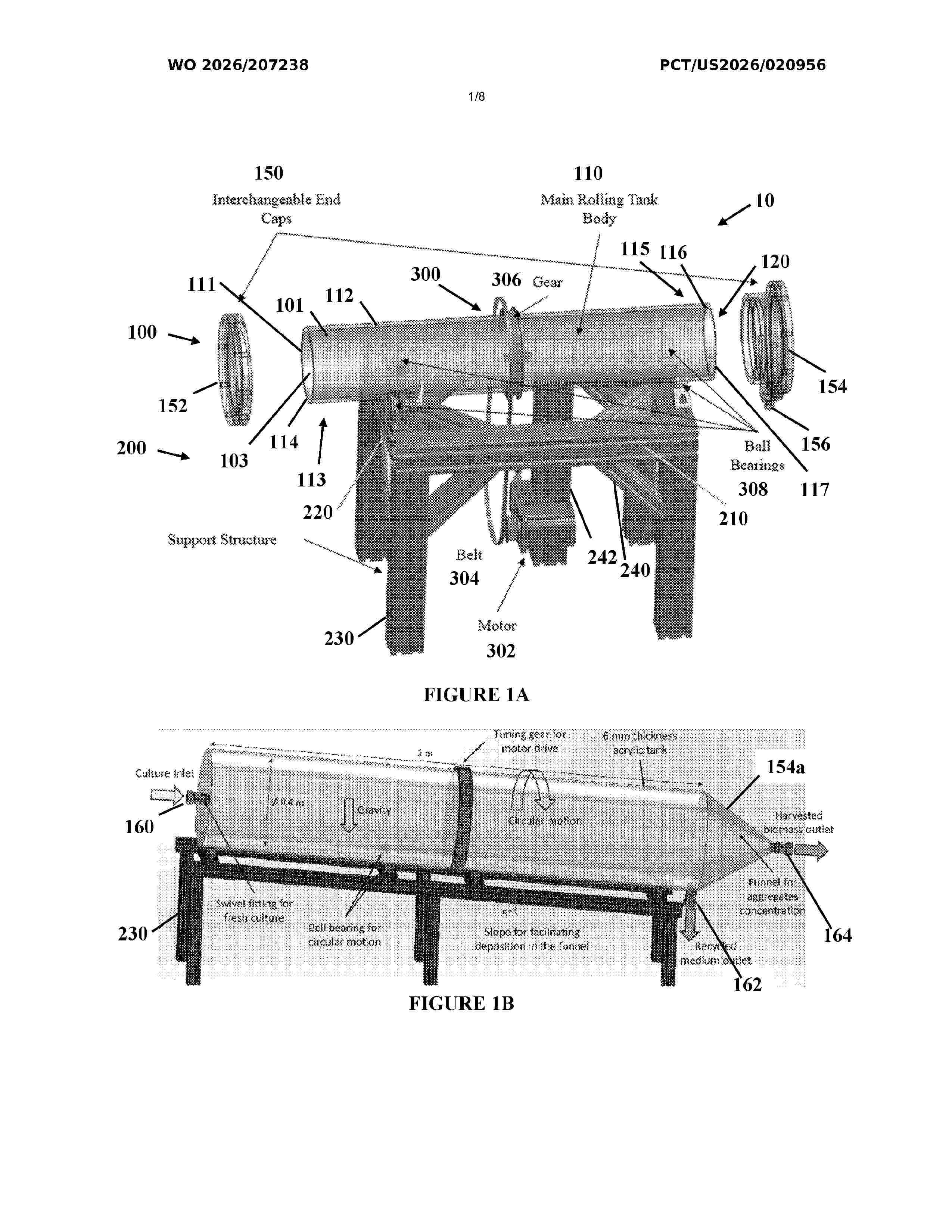
The present disclosure provides a system for harvesting microalgae, comprising a cylindrical vessel configured to contain a suspension of microalgae, the cylindrical vessel having a longitudinal axis oriented predominantly perpendicular to gravity. A rotation mechanism is configured to rotate the cylindrical vessel around its longitudinal axis at a speed sufficient to induce either suspension or aggregation or both of the microalgae through fluid dynamics and sedimentation. Algae can be cultivated directly in the vessel. A harvesting mechanism is configured to remove aggregated microalgae from the cylindrical vessel. Different configurations for the harvesting mechanism are proposed and viable for different applications. The system enables efficient microalgae cultivation and harvesting without chemical flocculants by utilizing controlled fluid dynamics to promote natural aggregation, thereby reducing energy consumption and simplifying downstream processing.
Resumen de: WO2026206728A1
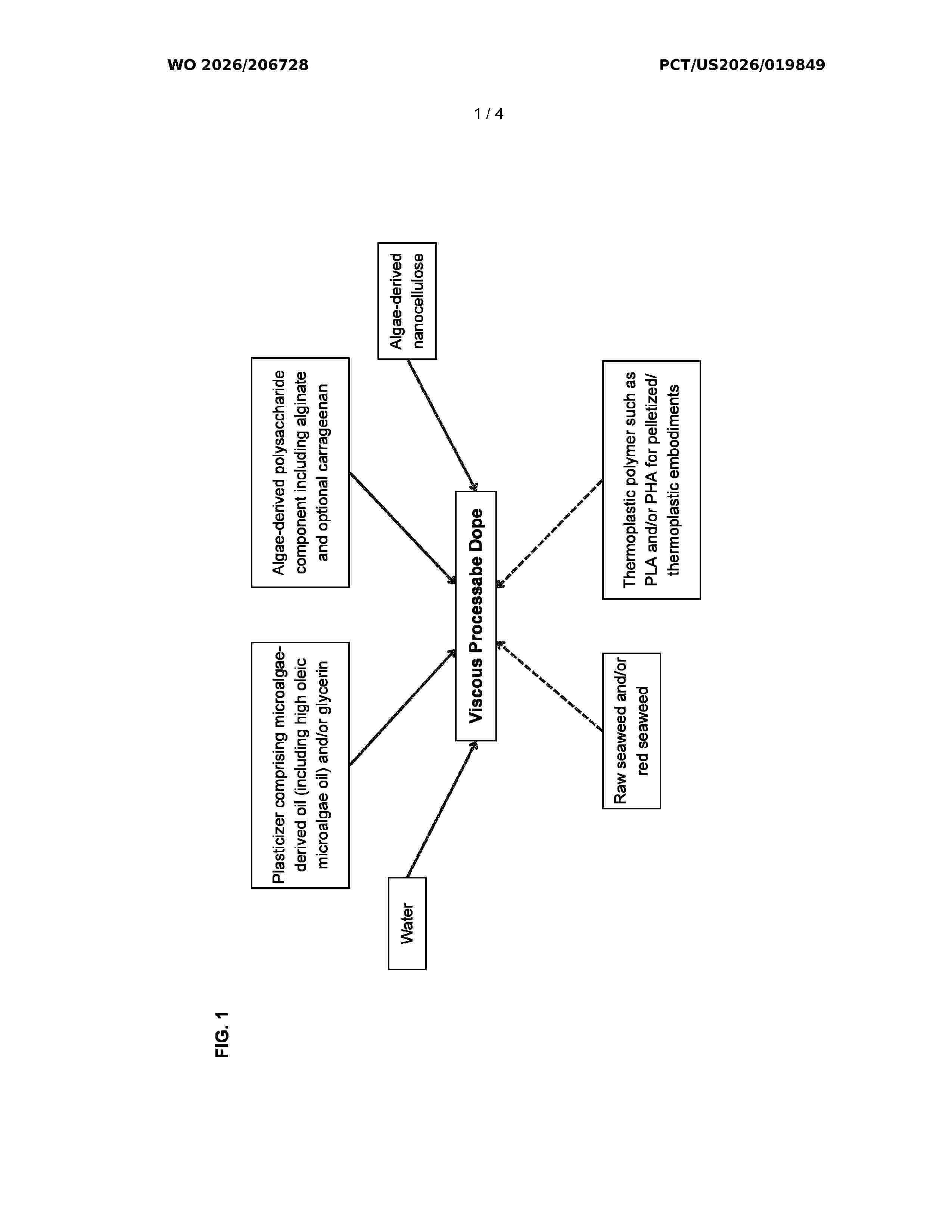
An algae-derived bioplastic formulation is disclosed in the form of a viscous, processable dope suitable for extrusion, spinning, casting, coating, or molding, with at least 50 wt. % of non-water solids derived directly or indirectly from macroalgae or microalgae biomass, the dope using an algae-derived polysaccharide matrix that includes alginate.
Resumen de: WO2026196594A1
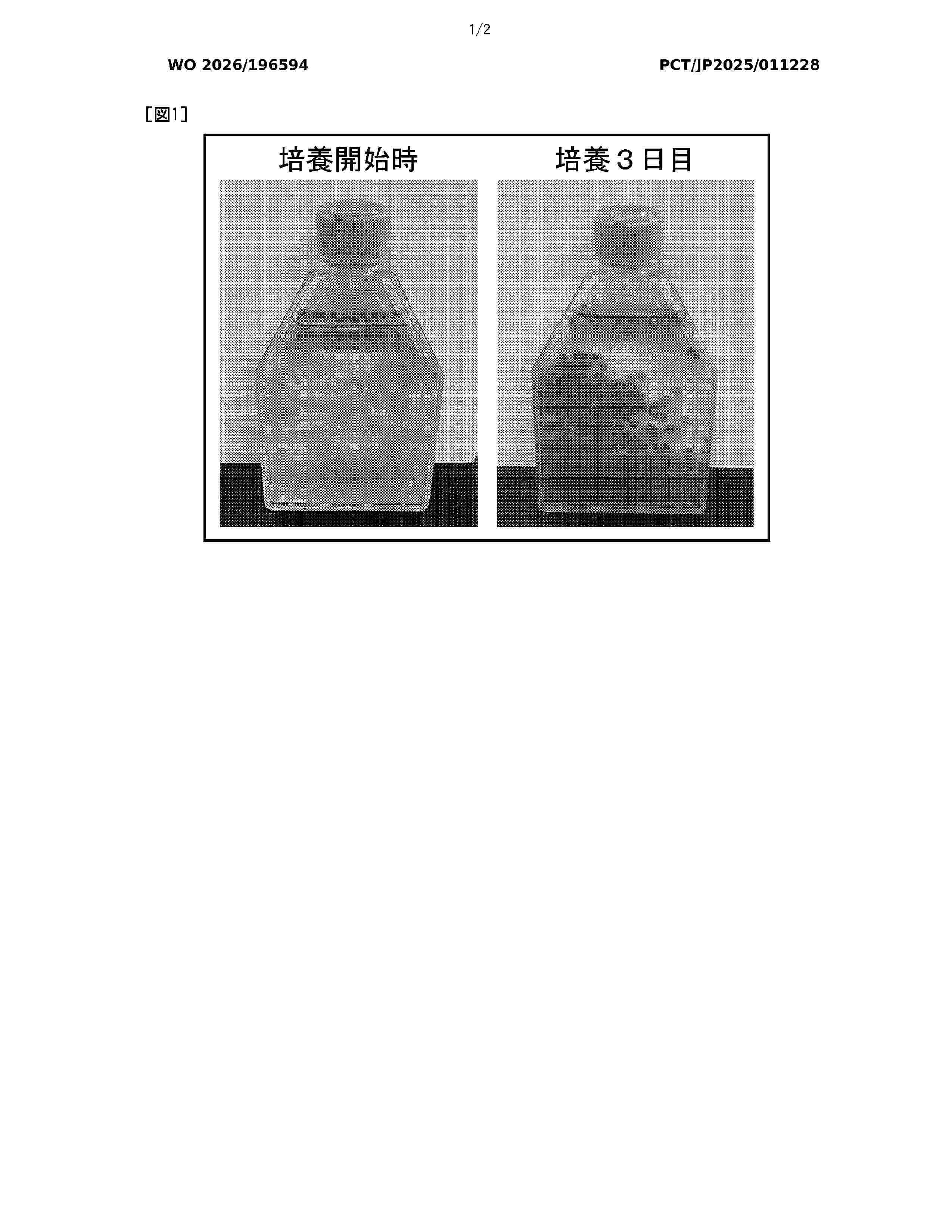
The present invention addresses the problem of providing a technology that improves the carbon dioxide fixation ability of a microalga and facilitates recovery after culturing. The problem is solved by a granular material that contains a microalga, a divalent cation salt of alginic acid, and carboxymethyl cellulose.
Resumen de: WO2026198577A1
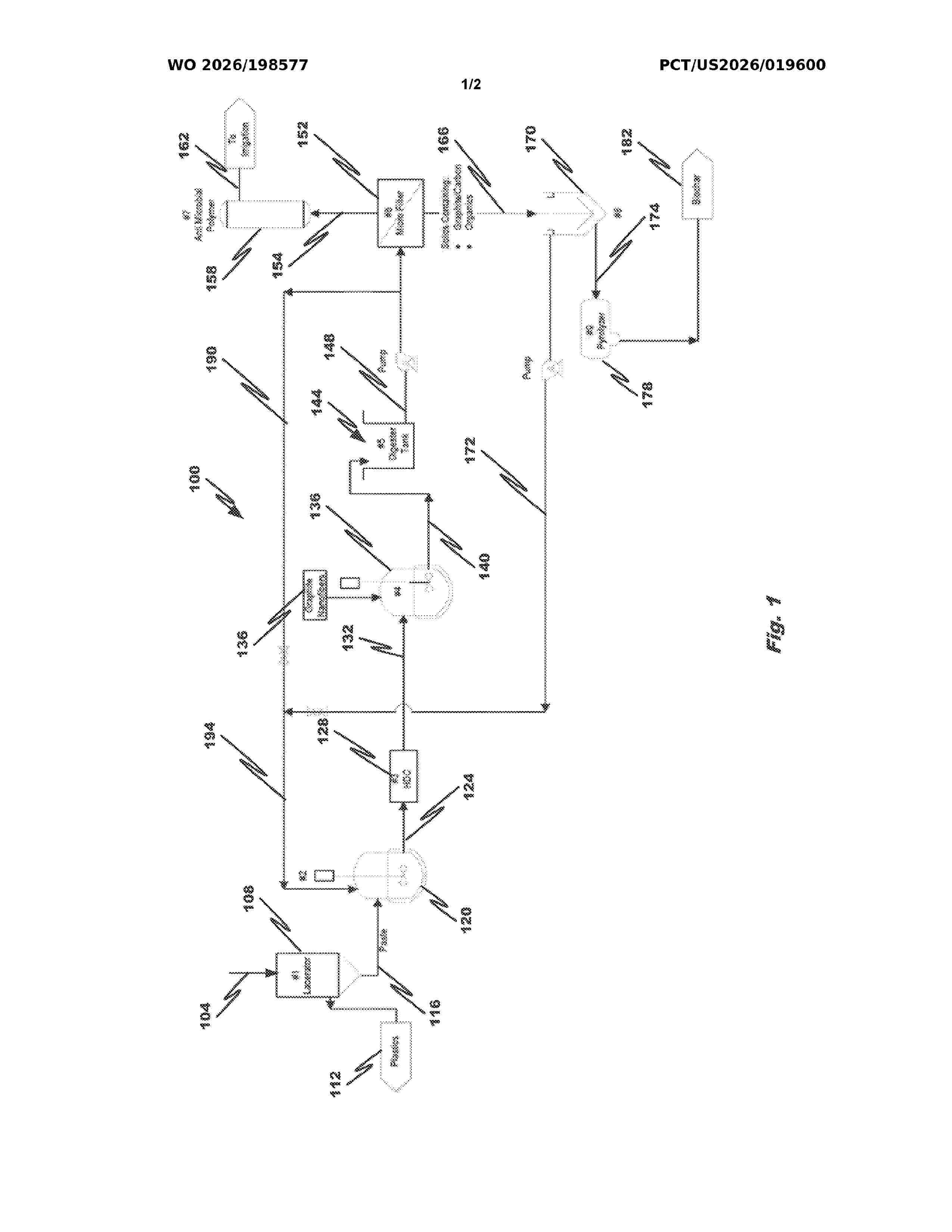
A method is provided that comminutes, by hydrodynamic cavitation, an organic waste material to form a pretreated organic waste, contacts the pretreated organic waste with graphitic nanomaterials to form a nanomaterial-containing waste material, digests, in the presence of methanogenic bacteria and in the substantial absence of cyanobacteria, the nanofiber-containing waste material to form a digestate, separates, by a cross-flow membrane filter, a retentate comprising at least about 75% of the solids, bacteria, and nanomaterials in the digestate, and converting, by pyrolysis, at least most of the retentate into biochar and a pyrogas. Hydrodynamic cavitation is performed for a sufficient time to destroy most cyanobacteria in the organic waste material.
Resumen de: AU2024427793A1
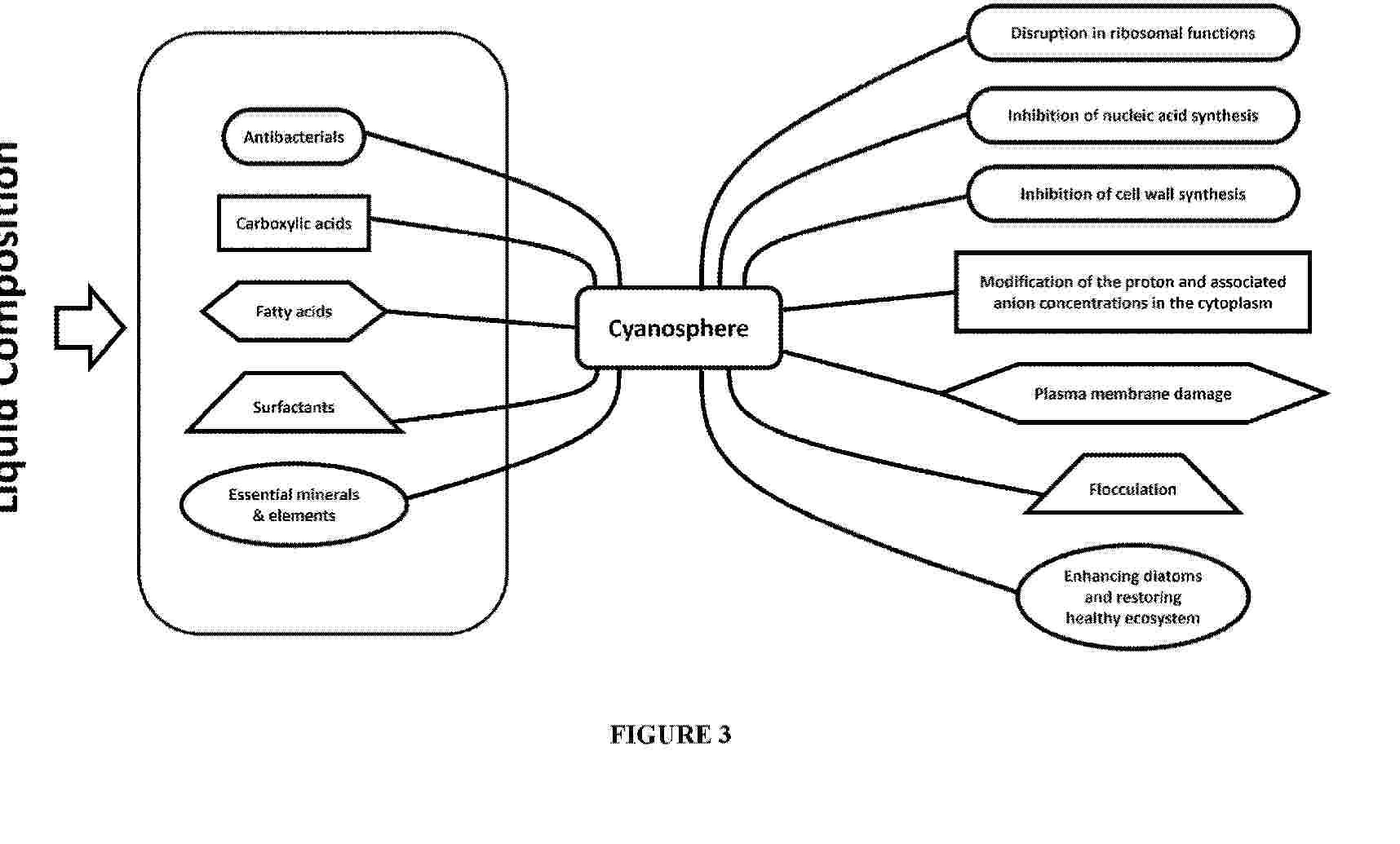
The present disclosure generally relates to liquid compositions that can be used to treat a water body, for example a dam, river or waste water. In particular, the present disclosure relates to compositions that can be used to control cyanobacteria in a water body. The liquid compositions comprise worm castings, a sugar source and optional other additives/excipients. The present disclosure also relates to methods of treating a water body using the liquid compositions. The present disclosure also relates to processes for preparing the liquid compositions, and also to uses and kits comprising the liquid compositions.
Resumen de: US20260275393A1
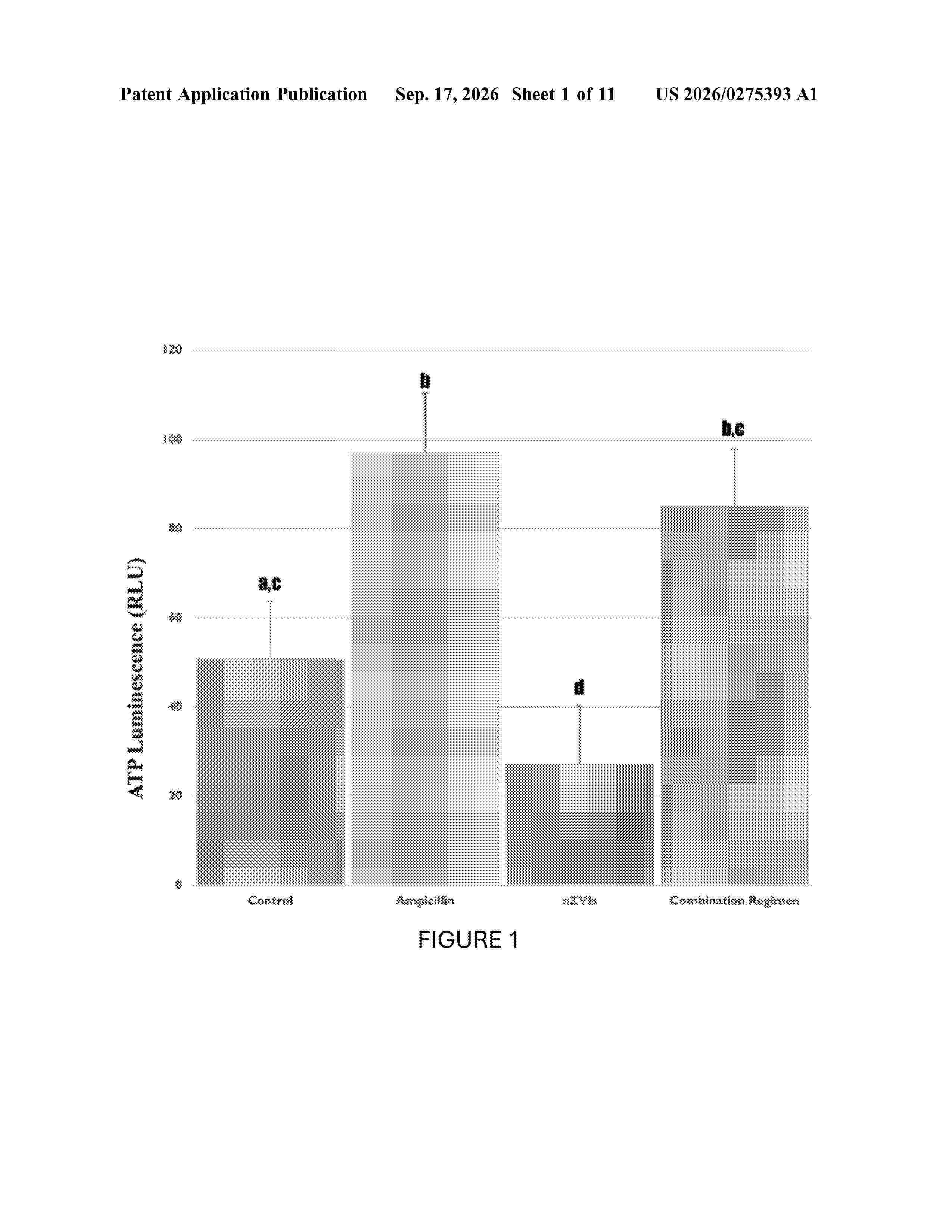
The present invention relates to methods, compositions, and systems for modulating cellular metabolism in cyanobacteria, particularly F. diplosiphon, through the administration of nanoparticles including zero-valent iron nanoparticles (nZVIs) and titanium dioxide nanoparticles (n-TiO2), β-lactam antibiotics such as ampicillin, or combinations thereof. The disclosed methods enable controlled alteration of adenosine triphosphate (ATP) concentrations, ATP synthase expression, lactate metabolism, photosynthetic efficiency (Fv/Fm), reactive oxygen species (ROS) levels, thylakoid membrane morphology, and monounsaturated fatty acid (MUFA) production. A combination regimen of ampicillin and nZVIs partially rescues ATP levels otherwise depressed by nZVI treatment alone and enhances MUFA production. Administration of n-TiO2 at optimal concentrations enhances ATP synthase expression, photosynthetic efficiency, and growth in a strain-specific manner. Applications include sustainable biofuel synthesis and bioproduct manufacturing.
Resumen de: US20260272818A1
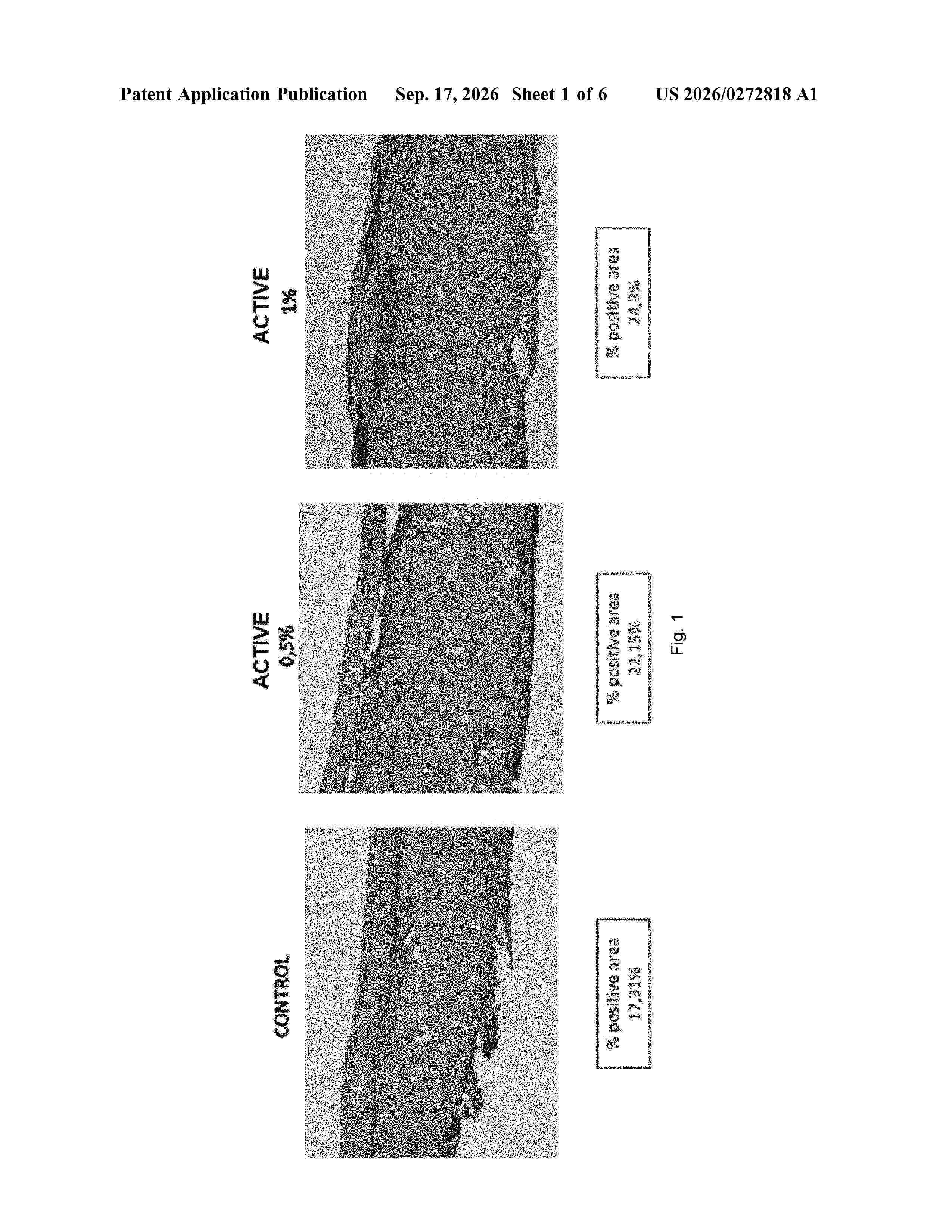
A combination comprising Haematococcus pluvialis microalgae extract containing polyamines such as spermidine and collagen amino acids and the hyaluronic acid. The invention relates to the field of cosmetics products and uses thereof in cosmetic methods as well as in the preparation of, cosmeceutical or pharmaceutical composition.
Resumen de: WO2025101437A1
In an aspect, the disclosure provides methods for making LC-PUFA and VLCFAs in a host organism. The LC-PUFA and VLCFAs can be new chemical entities, well-known LC-PUFA, and derivatives of LC-PUFA as well as VLCFAs. The host cells can be microalgae, fungi or other host cells. In a related aspect, the disclosure provides host cells engineered to have biochemical pathways for making LC-PUFA and VLCFAs.
Resumen de: AU2026220199A1
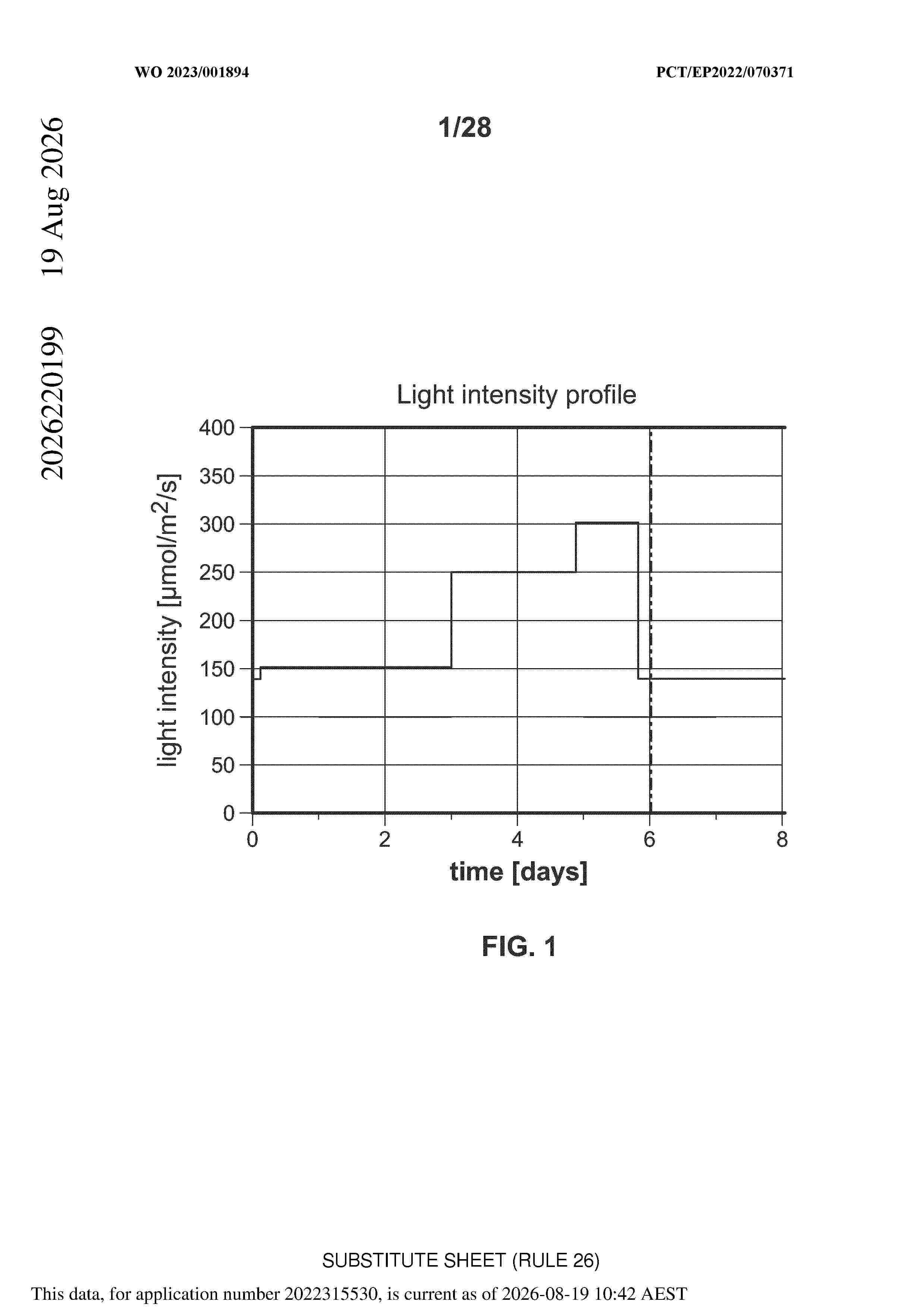
Abstract Provided are compositions containing extracellular vesicles from microalgae (MEVs) that are exogenously loaded with bioactive cargo or other cargo of interest, such as for therapeutic, industrial, diagnostic, and cosmetic uses. The MEVs have a variety of applications as therapeutics, including as vaccines, as anti-cancer therapeutics, as diagnostics, and other such uses Abstract
Resumen de: US20260265785A1
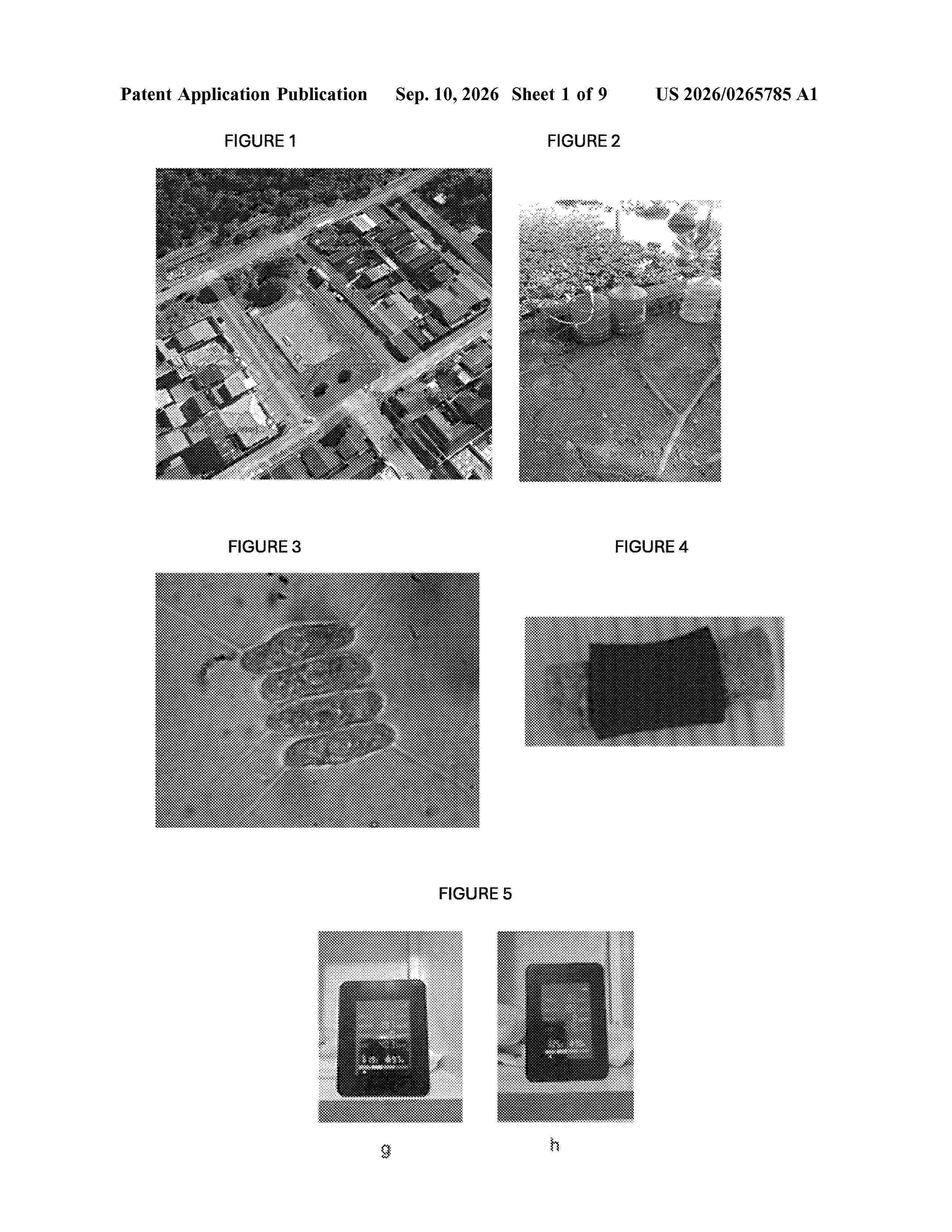
The present invention deals with a need in the field of sustainability and involves a sustainable alternative for the improvement of air quality, and with an emphasis on the capture of carbon dioxide and carbon monoxide using aquatic organisms, microalgae and cyan bacteria.
Resumen de: US20260265101A1
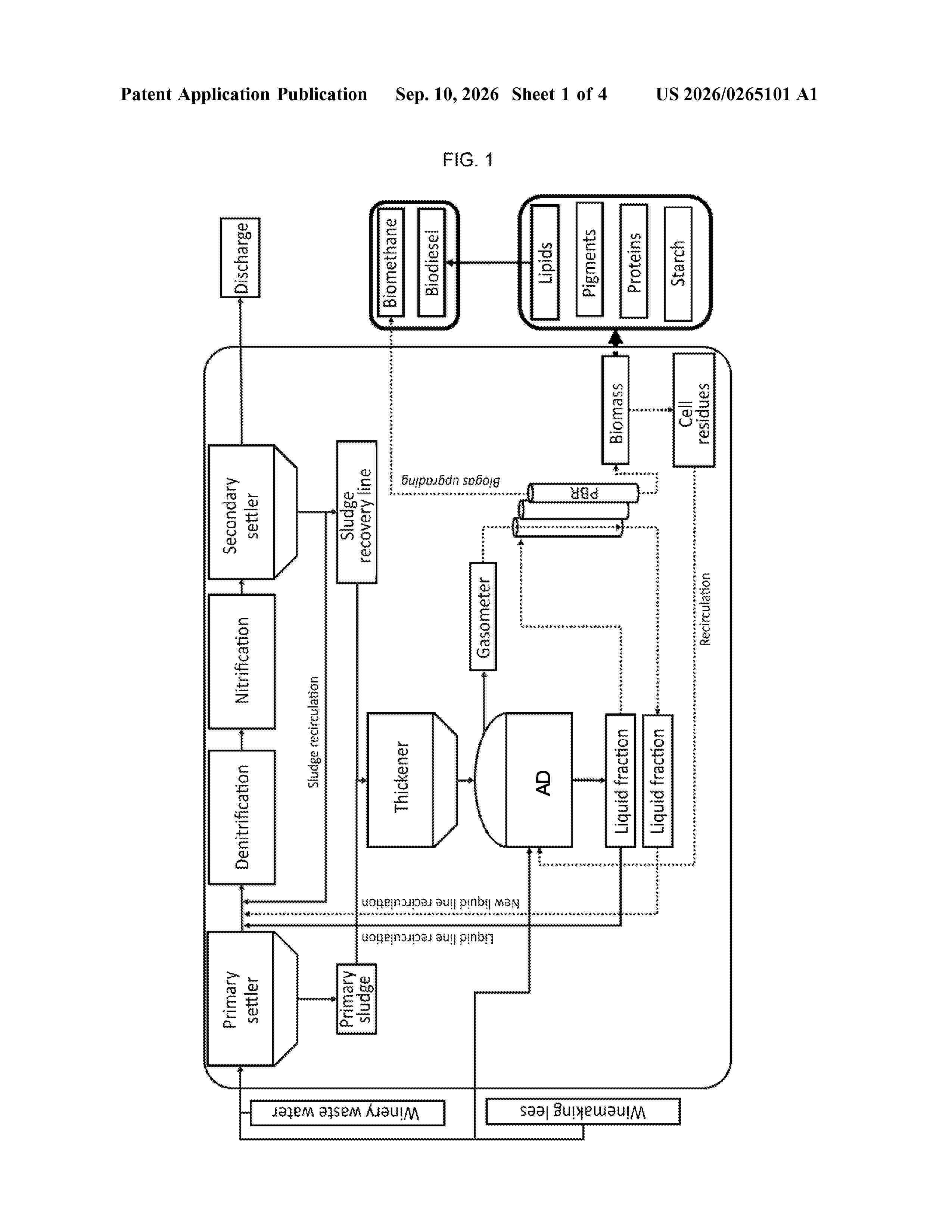
The present invention discloses a process mode of microalgal cultivation in semi-continuous on wine wastewater with no need to recirculate the microalgal biomass in the reactor, without dilution and sterilisation of the effluent applied as a growth medium. The process was experimentally carried out by semi-continuously applying, without recirculation of the biomass, the cultivation of Chlorella vulgaris on the digestate from the anaerobic co-digestion of winemaking lees and waste activated sludge. The integrated anaerobic digestion-microalgae treatment process is advantageous from a circular economy perspective as it leads to the exploitation of grape processing chain waste, eliminating the economic burden on producers and involving: i) the phyto-depuration of the effluent, ii) the production of bio-methane and iii) the production of biomass containing high value-added by-products (lipids, proteins and starch) that can be used to produce biodiesel, animal feed, nutraceuticals/pharmaceuticals and for producing bioplastics.
Resumen de: EP4803075A1
0001 Provided are compositions and drug delivery systems containing extracellular vesicles from microalgae (MEVs) that are loaded with bioactive cargo. The MEVs are formulated and administered by a variety of routes of administration and have a variety of applications as therapeutics, including as vaccines, as anti-cancer therapeutics, as therapeutics for psychiatric diseases, disorders, and conditions as diagnostics, and other such uses.
Resumen de: EP4803603A1
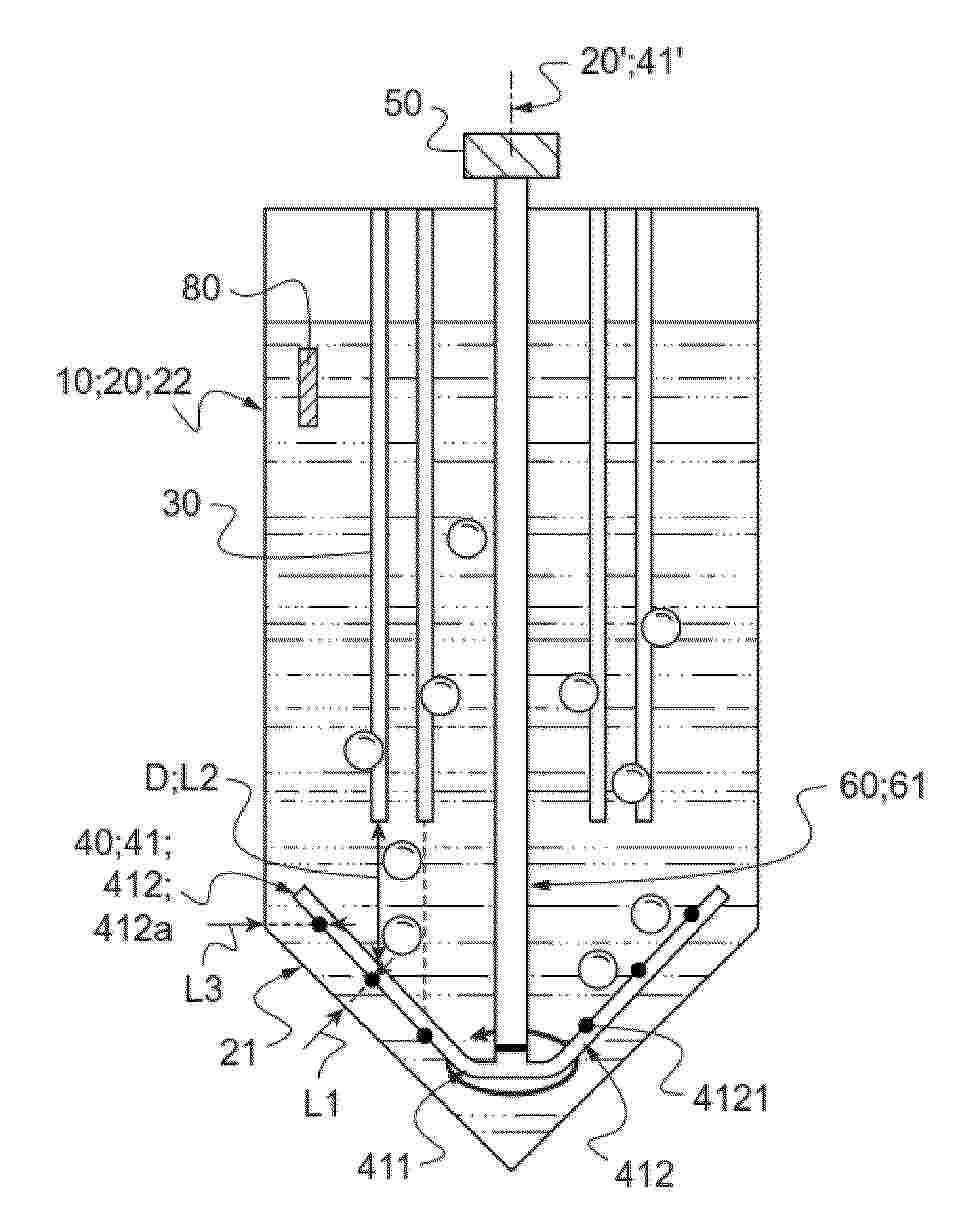
La présente invention concerne un photobioréacteur (10) comprenant une cuve de culture (20) adaptée à recevoir une culture de microalgues.La cuve de culture (20) est équipée de moyens d'agitation (40), immergés, comprenant un rotor (41).Ce rotor (41) comprend un moyeu (411) qui est destiné à être raccordé à une alimentation (50) en flux d'air et qui est prolongé par au moins un bras radial tubulaire (412) sur lequel sont répartis des orifices de bullage (4121) pour la libération dudit flux d'air.Et au moins une partie de la longueur dudit au moins un bras radial tubulaire (412) épouse ladite paroi de fond (21) de sorte qu'une première cote en distance (L1) entre l'un au moins desdits orifices de bullage (4121) et ladite paroi de fond (21) est égale ou inférieure à 50 mm, de préférence de 5 mm à 20 mm.
Resumen de: WO2026181093A1
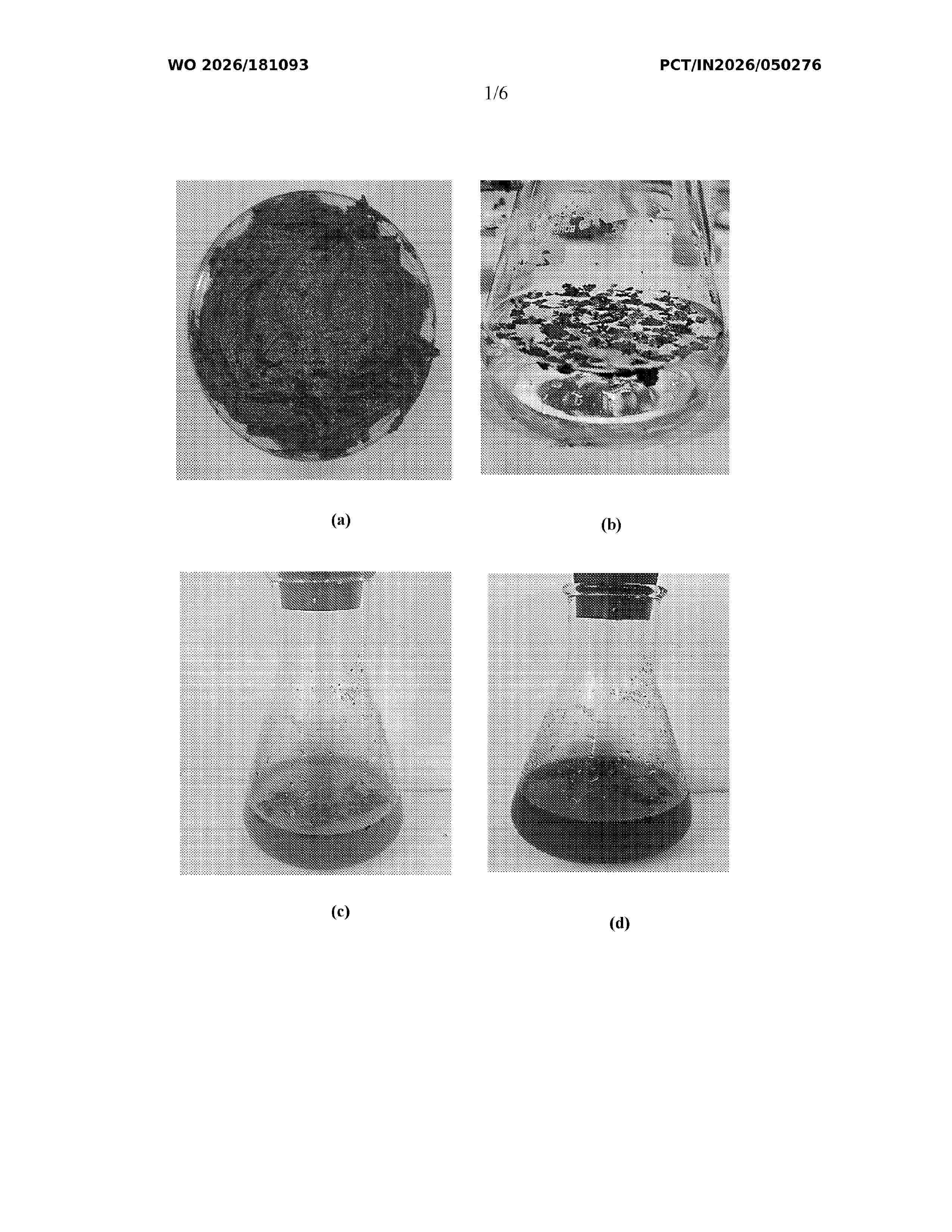
Components of oily sludge contaminate the environment, disrupt the endocrine system, and are carcinogenic. Proper and complete treatment of the oily sludge followed by its safe disposal is essential to minimize environmental impact and protect human health. Existing treatment methods for oily sludge include incineration, landfilling, pyrolysis, and supercritical water oxidation; however, these techniques are energy-intensive, costly, and pose higher risks of environmental pollution. The present invention discloses a novel process for oily sludge degradation using a mild hydrothermal-assisted microalgae-based phycoremediation strategy. The method achieves 70– 75% degradation of long-chain aromatic and aliphatic hydrocarbons within 4–6 weeks. The degradation efficiency may further increase when the treatment period exceeds 6 weeks. Compared with conventional energy-intensive technologies for oil sludge treatment, the proposed method is more economical, environmentally sustainable, and suitable for long-term scale-up, with added potential for revenue generation.
Resumen de: WO2026177421A1
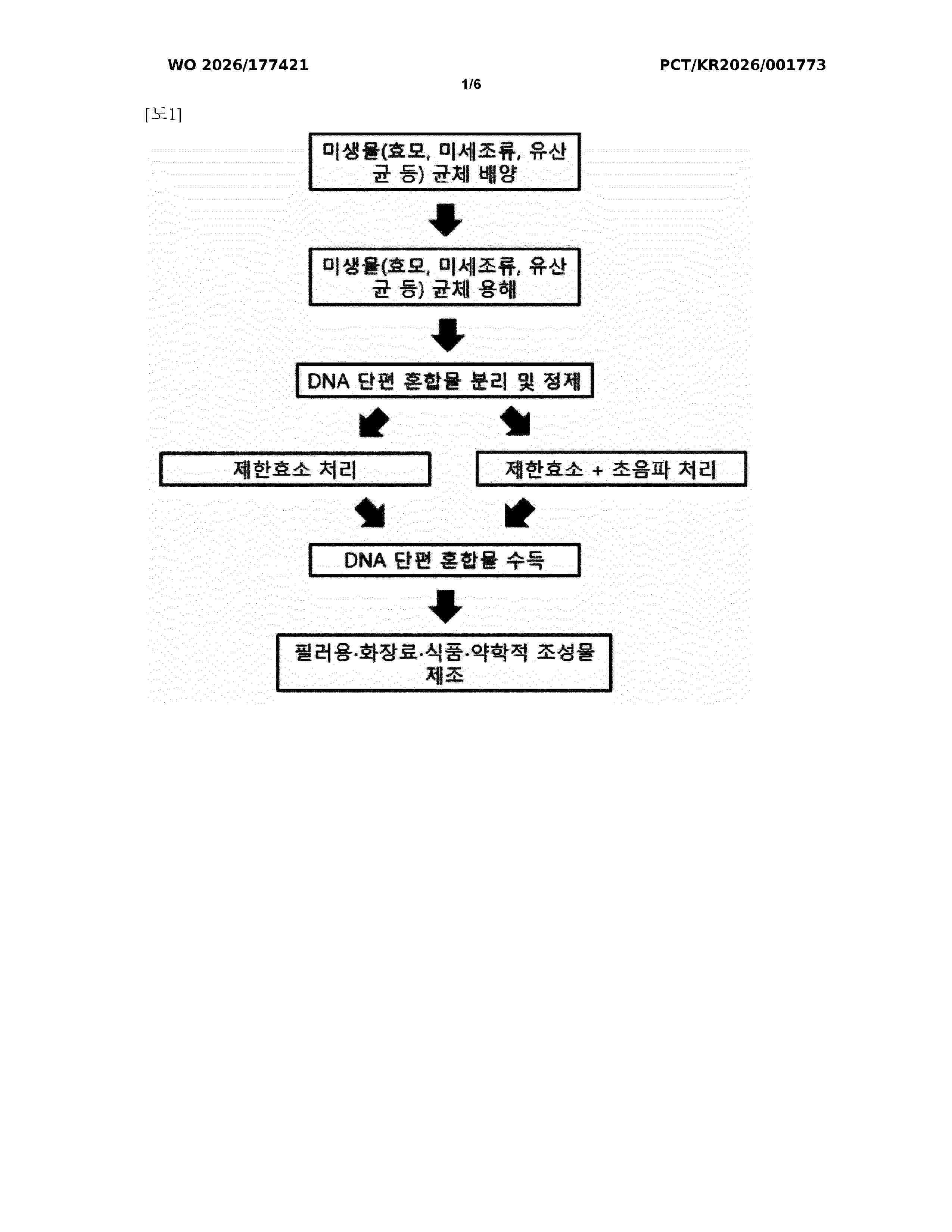
The present invention relates to: a method for preparing a highly functional DNA fragment mixture derived from microorganisms (yeast, microalgae, lactic acid bacteria, and the like); and a functional composition comprising a DNA fragment mixture prepared thereby. Specifically, the present invention relates to the preparation of a DNA fragment mixture having a uniform size within a certain range by using a specific restriction enzyme in microorganisms (yeast, microalgae, lactic acid bacteria, and the like). According to the present invention, a functional composition may be provided, which comprises the DNA fragment mixture as a main ingredient, and exhibits excellent effects in filling an interstitial scaffold, improving skin condition, regenerating tissue, healing wounds, moisturizing, promoting ECM synthesis, inhibiting cellular senescence, forming new blood vessels, alleviating inflammation, relieving pain, treating dermatitis such as atopy, inhibiting hair loss, promoting hair growth, and promoting stem cell activity.
Resumen de: WO2026177699A2
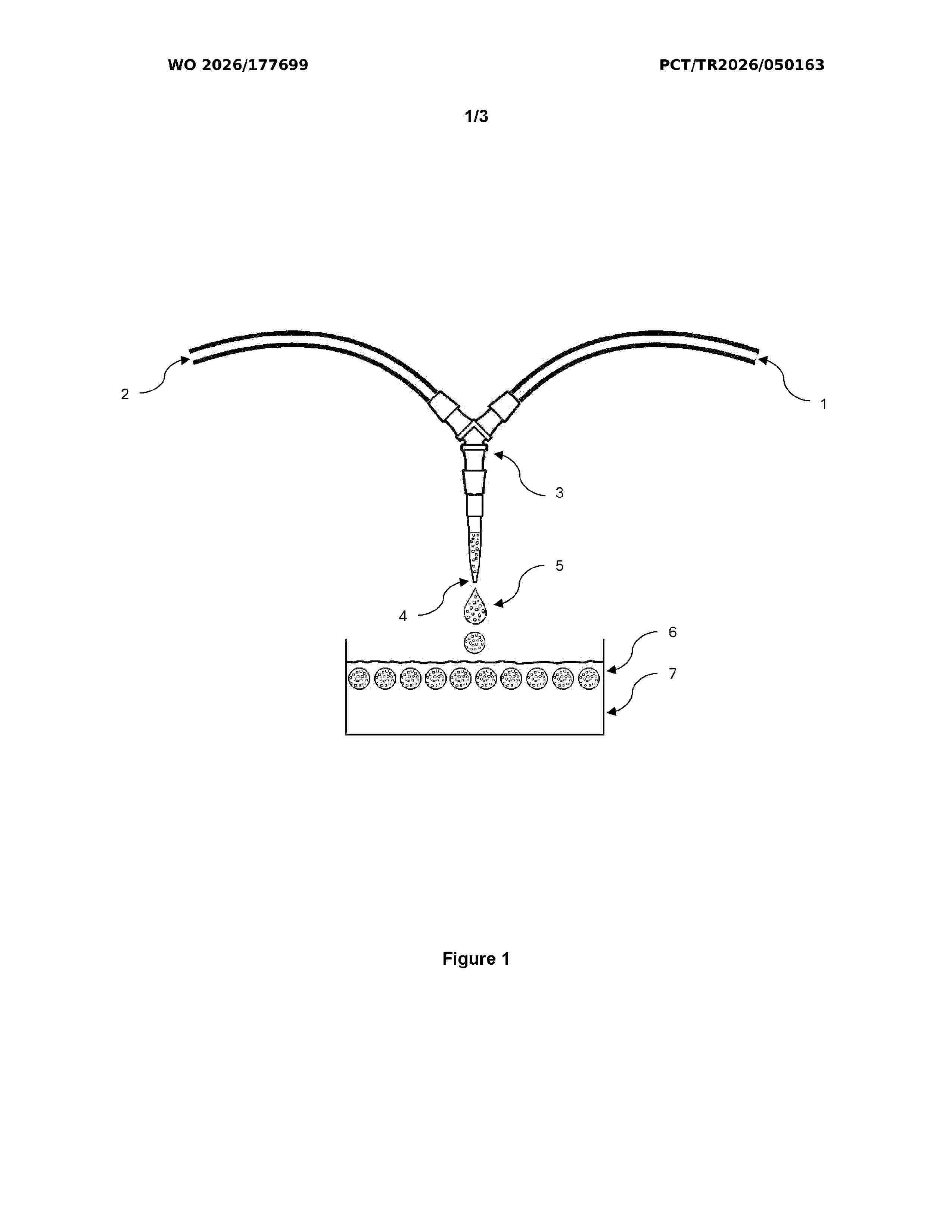
The invention relates to a method for producing a micro gas bubble immobilised microalgae culture for the removal of nitrogen and phosphorus in water and wastewater treatment. Said microalgae use nitrogen and phosphorus as nutrients while simultaneously forming biomass that can be used as a raw material for energy and other products. The method that is the subject of the invention enables the microalgal biomass to remain stable at the water surface by being immobilised with micro gas bubbles. In this way, the microalgae are able to receive the light required for photosynthesis and can be easily removed after the treatment process. This innovative approach aims to increase the efficiency of treatment processes while reducing energy consumption and operating costs.
Resumen de: KR20260129263A
본 발명은 미세조류를 이용한 퍼플루오로옥탄산의 제거 방법에 관한 것이다. 본 발명자들은 미세조류를 이용하여 친환경적으로 퍼플루오로옥탄산(perfluorooctanoic acid, PFOA)을 제거하고 오염된 미세조류를 바이오매스로 활용하기 위한 방법을 개발하고자 예의 연구 노력하였다. 본 발명의 S. quadricauda을 이용한 퍼플루오로옥탄산(PFOA)의 제거방법 및 바이오디젤 생산 방법을 이용하는 경우, PFOA를 효과적으로 제거하고 기존 PFOA 제거 방식이 갖던 한계점을 극복할 수 있으며, PFOA 제거 후 오염된 S. quadricauda을 이용하여 바이오디젤 생산 효율을 증진시킬 수 있으므로 산업상 활용 가치가 높다고 판단된다.
Resumen de: WO2026173381A1
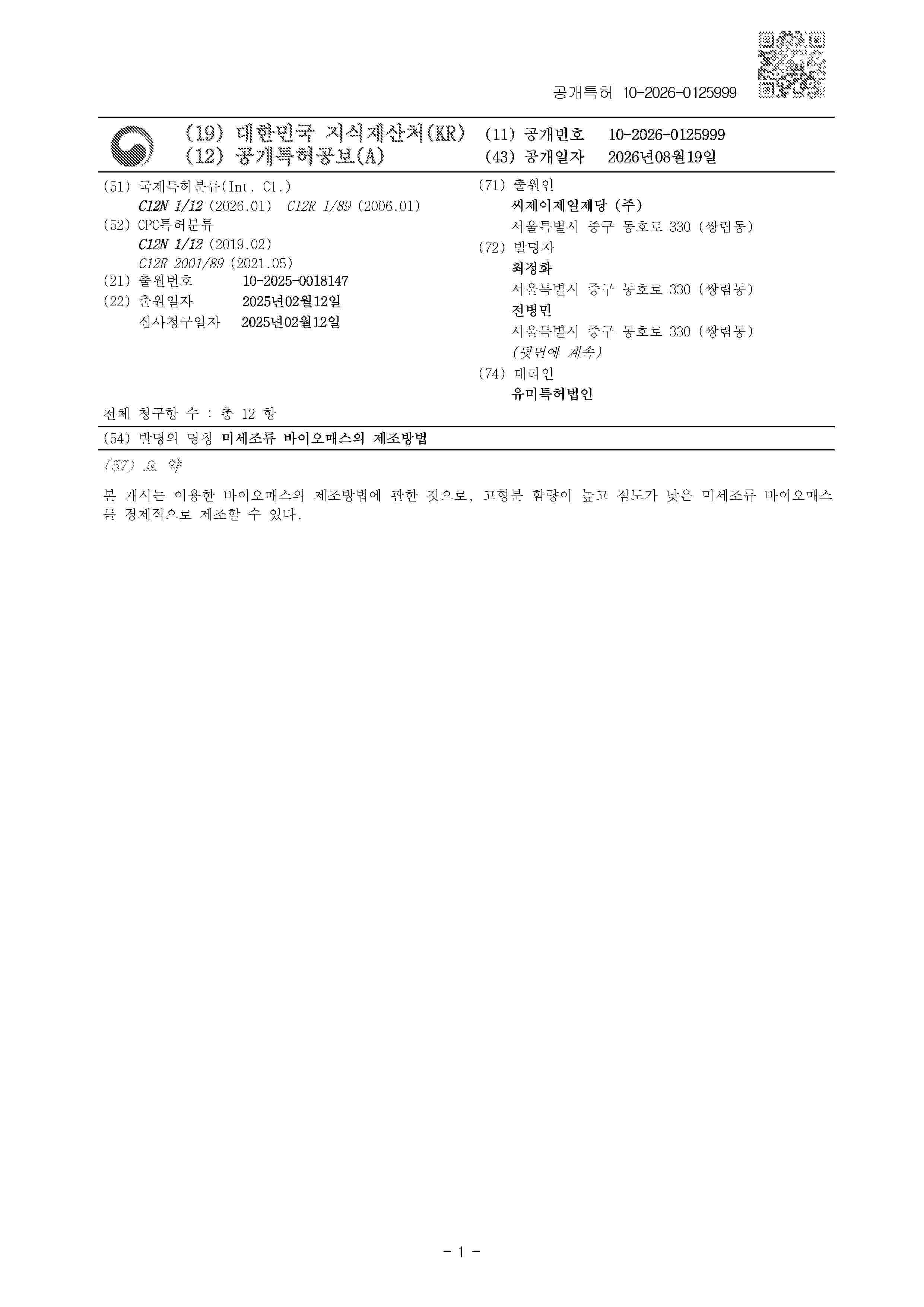
The present disclosure relates to a method for producing a biomass, and a biomass having high solid content can be economically produced thereby.
Resumen de: WO2026173382A1
The present disclosure relates to a method for producing biomass, which enables economical production of microalgae biomass having a high solid content and low viscosity.
Nº publicación: US20260234544A1 13/08/2026
Solicitante:
KANKYO DAIZEN CO LTD [JP]
NATIONAL UNIV CORPORATION HOKKAIDO HIGHER EDUCATION AND RESEARCH SYSTEM [JP]
Kankyo Daizen Co., Ltd.
National University Corporation Hokkaido Higher Education and Research System
Resumen de: US20260234544A1
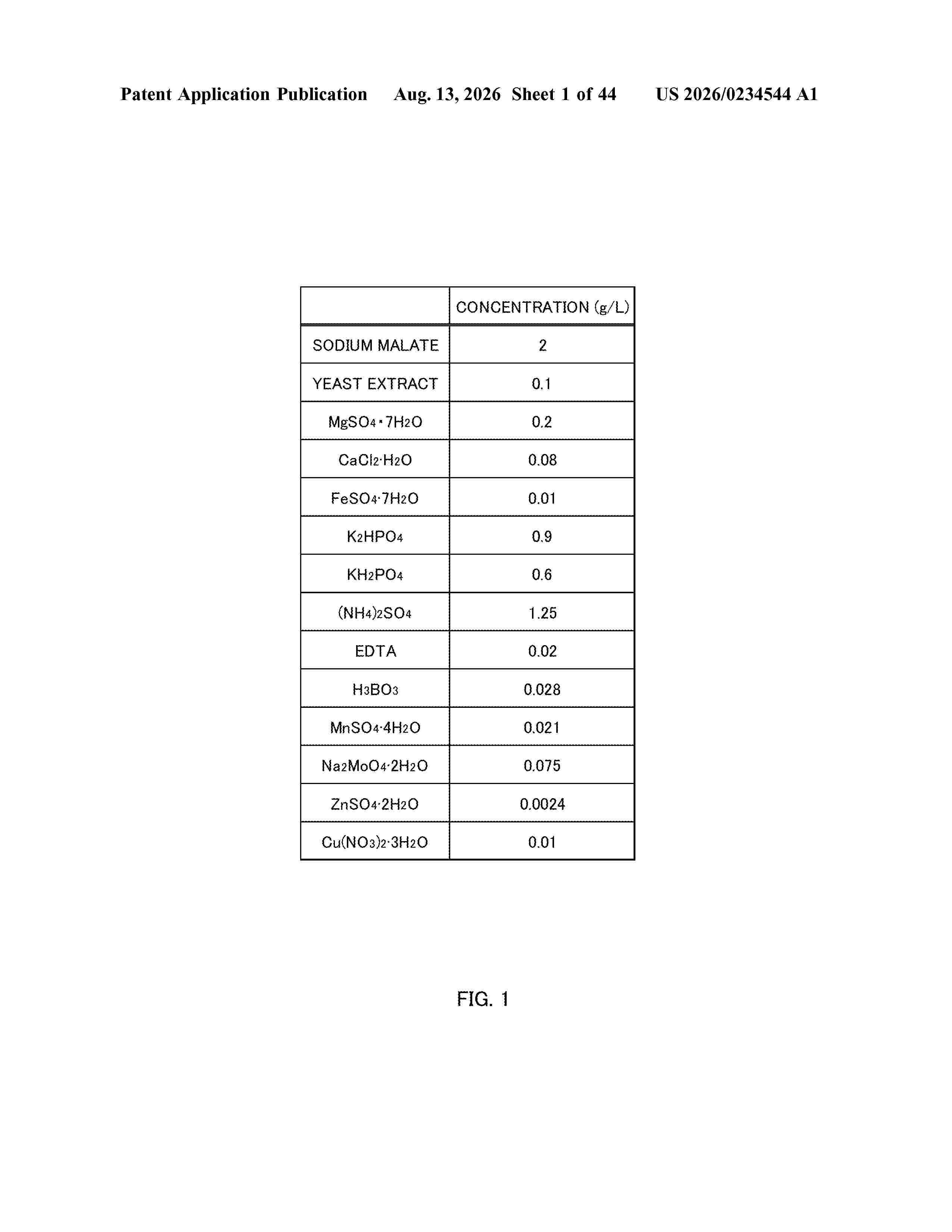
This microorganism belongs to the genus Rhodococcus, Xanthobacter, Ancylobacter, Shewanella, or Aeromonas. Said microorganism may be Rhodococcus cerastii belonging to the genus Rhodococcus, Xanthobacter flavus belonging to the genus Xanthobacter, or Ancylobacter rudongensis belonging to the genus Ancylobacter. Said microorganism may be for promoting the growth of cyanobacterium, green algae, glaucophyte algae, or Euglena algae. Said microorganism may be for promoting the growth of organisms belonging to the phylum Cyanobacteria, Ochrophyta, Euglena, Cryptophyta, Haptophyta, Cercozoa, Glaucophyta, Rhodophyta, Chlorophyta, or Streptophyta.
 BOPI
BOPI
 Sede Electrónica