Si deseas distinguir tus productos, servicios o ambos de los de otra empresa, es posible que necesites una marca o nombre comercial. Descubre qué son, en qué consiste su procedimiento de registro y qué implica.

Información sobre los plazos de presentación de solicitudes de transformación de marcas de la Unión Europea en marca nacional española. Más información


Si tienes un nuevo dispositivo, producto o procedimiento que resuelva un problema técnico o tenga una ventaja práctica, existen distintas formas de protegerlo en España y en otros países. Descubre cómo hacerlo.

¿Tu innovación reside en la estética, la ornamentación o la apariencia de tu producto? Protégela mediante un diseño industrial. Descubre qué derechos confiere el registro y cómo realizar la tramitación.

Las indicaciones geográficas protegen el nombre de un producto originario de una zona geográfica, a la cual le debe una determinada calidad, reputación u otra característica. Descubre qué son, en qué consiste su procedimiento de registro y qué beneficios conceden.

Las patentes publicadas en todo el mundo son una valiosa fuente de información científica, técnica y comercial.

Si eres emprendedor/a o una empresa y quieres potenciar y mejorar la rentabilidad de tu negocio protegiendo de forma adecuada los activos intangibles de tu organización, en este espacio encontrarás lo necesario.


 165
resultados
165
resultados
 Última actualización
13/04/2026 [11:11:00]
Última actualización
13/04/2026 [11:11:00]


 Resultados 150 a 165 de 165
Resumen de: CN121155338A
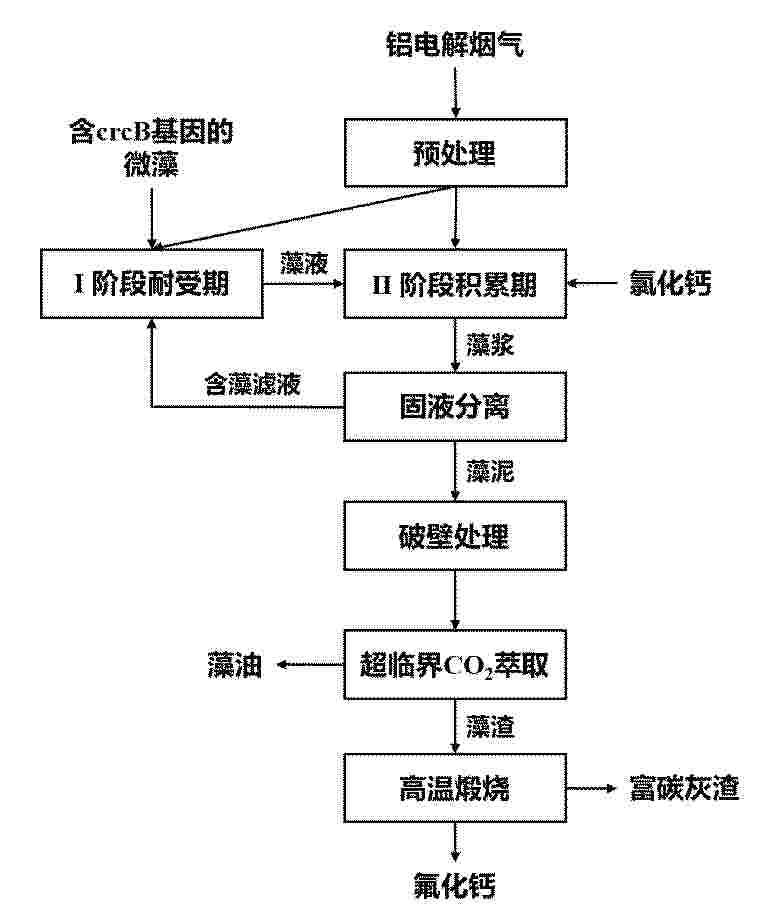
The invention provides an aluminum electrolysis flue gas treatment and recovery method based on microalgae staged culture, and belongs to the field of biological purification and recycling of industrial flue gas. The method comprises the following steps: pretreating the aluminum electrolysis flue gas to obtain purified flue gas; introducing the purified flue gas into a photobioreactor inoculated with fluorine-resistant microalgae, and carrying out I-stage tolerance period culture to obtain an algae solution; transferring the algae liquid into a photobioreactor, adding CaCl2 into the algae liquid and limiting the supply of a nitrogen source, and introducing purified flue gas into a second photobioreactor to carry out II-stage accumulation period culture, so as to obtain algae slurry; carrying out solid-liquid separation on the algae slurry to obtain algae mud and algae-containing filtrate; the algae mud is subjected to wall breaking treatment and supercritical extraction, and algae oil and algae residues are obtained. According to the application, the pollutant tolerance mechanism and the product synthesis path of the microalgae are triggered by regulating and controlling environmental factors, so that efficient purification of flue gas, fixation of fluorine in the form of biominerals, step-by-step extraction of high-value products from algae and cyclic utilization of algae residues can be synchronously realized.

Resumen de: CN121160439A
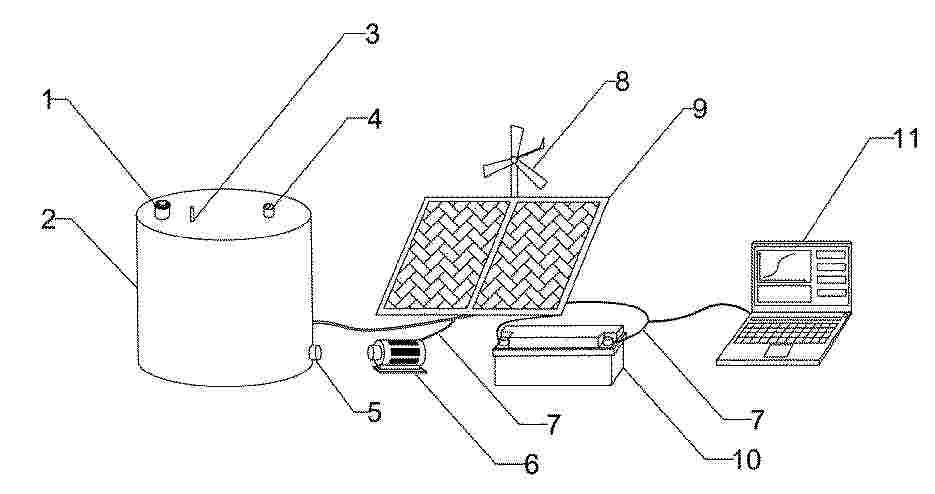
The invention discloses a light-wind-heat coupling enhanced hot spring cyanobacteria culture photobioreactor. The photobioreactor comprises a reactor main body, a light source system, a floating type supply device, an attachment device, a control system and an energy supply system, wherein the reactor main body is connected with the energy supply system, and energy supply to the reactor main body is completed by utilizing light energy and wind energy; a floating type supply device is arranged at the bottom of the reactor main body and is used for providing sufficient CO2 and other nutrient substances for the thermophilic cyanobacteria; the thermal insulation cylinder is arranged in the reactor main body, so that heat dissipation in the bioreactor is remarkably reduced; an adhesion system is arranged in the reactor, so that the adhesion habitat environment of the thermophilic cyanobacteria in the hot spring is reduced, and later recovery is facilitated. According to the invention, environmental conditions required by growth and reproduction of thermophilic cyanobacteria in the hot spring can be automatically controlled in a low-carbon clean state, and a reliable scheme is provided for ectopic large-scale culture of thermophilic microorganisms.
Resumen de: CN121160751A
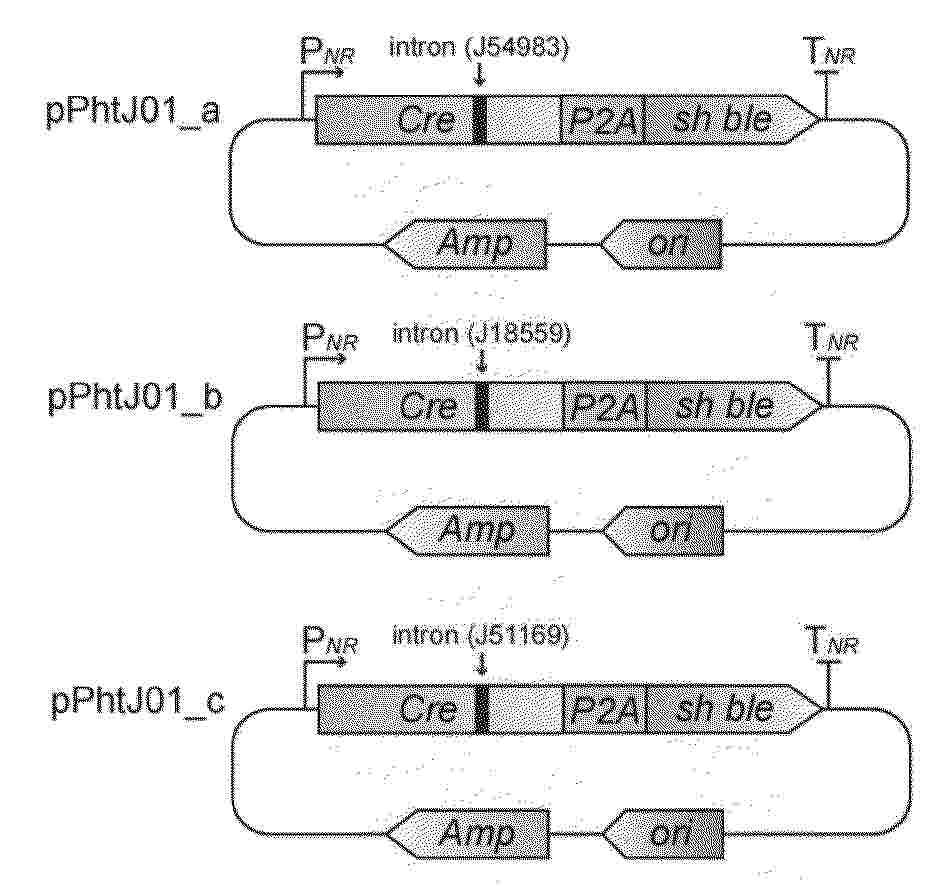
The invention provides a method for verifying functions of Cre in oil-producing microalgae and application of the method in enhancing biosynthesis of eicosapentaenoic acid, and belongs to the technical field of genetic modification. According to the invention, functional verification of Cre in oil-producing microalgae is completed by a method of inserting an intron from an endogenous Phatr3J51169 gene of phaeodactylum tricornutum into a Cre gene, that is, a selection marker located between two loxP sequences can be removed, and a free plasmid transformation method more suitable for Cre removal is further developed. Based on a Cre/loxP system, the expression of EPA synthetic pathway genes in the oil-producing microalgae is enhanced to obtain an engineering algal strain with high yield of EPA, and compared with a wild type, the relative content of EPA can be increased by 24.7%.
Resumen de: CN121160592A
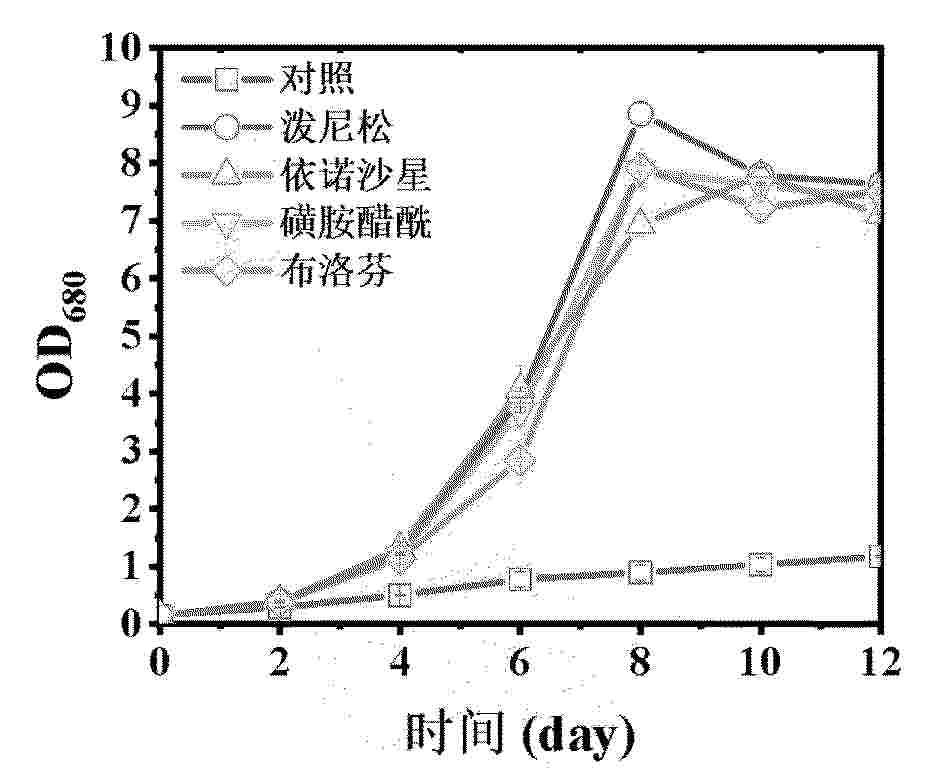
The invention belongs to the technical field of microalgae biology and culture, and particularly relates to a method for promoting microalgae growth by using a pharmaceutical product, which comprises the following steps: activating microalgae on a solid flat plate, inoculating the activated microalgae into a liquid culture medium, adding the pharmaceutical product at the initial stage of microalgae growth, placing in a constant-temperature shaking table, and carrying out illumination culture. According to the method, different types of pharmaceutical products with different concentrations are added into the microalgae, the influence of the addition of the different types of pharmaceutical products with different concentrations on the growth promotion of the microalgae is analyzed, the biomass of the chlorella can be rapidly increased, and the method has important significance on the large-scale production of the microalgae.
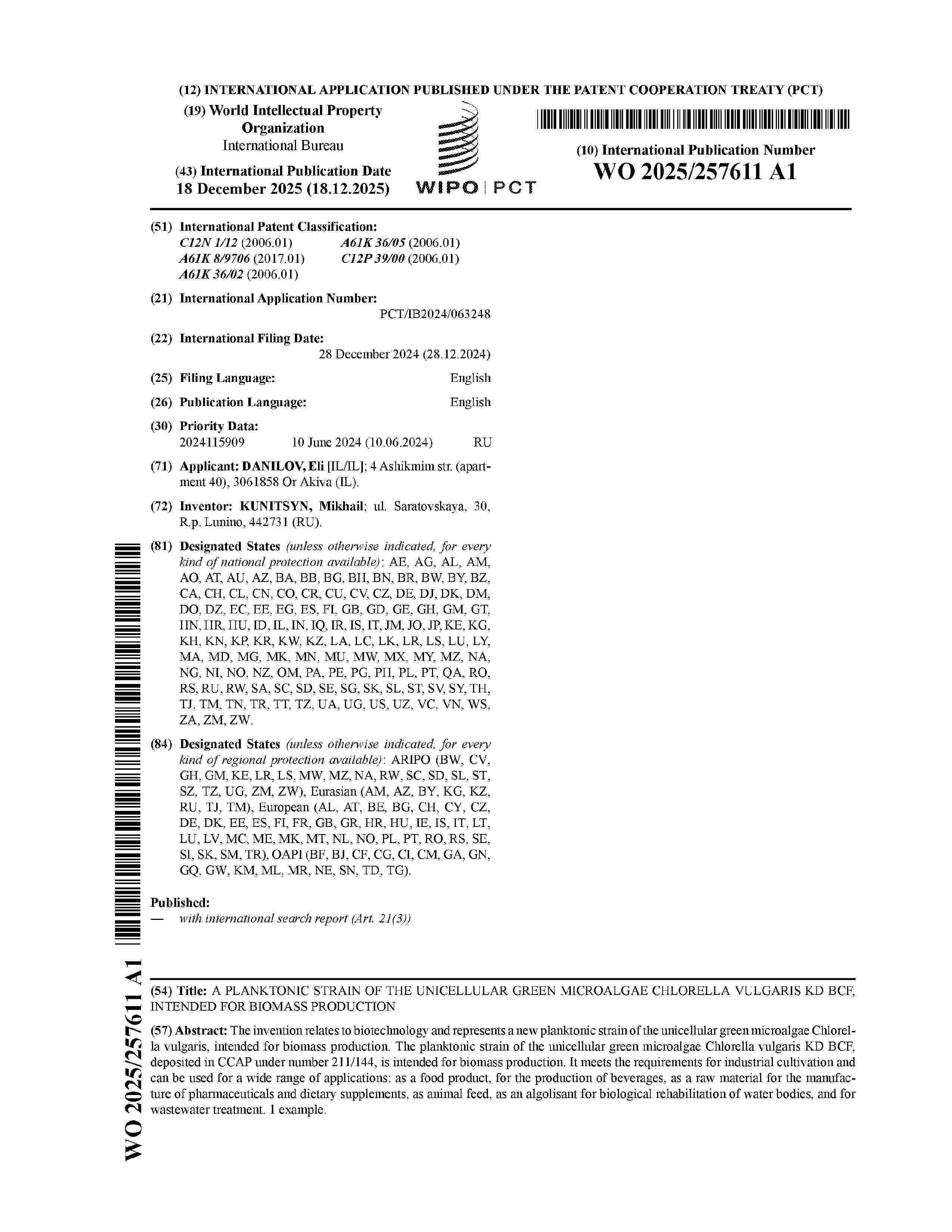
Resumen de: WO2025257611A1
The invention relates to biotechnology and represents a new planktonic strain of the unicellular green microalgae Chlorella vulgaris, intended for biomass production. The planktonic strain of the unicellular green microalgae Chlorella vulgaris KD BCF, deposited in CCAP under number 211/144, is intended for biomass production. It meets the requirements for industrial cultivation and can be used for a wide range of applications: as a food product, for the production of beverages, as a raw material for the manufacture of pharmaceuticals and dietary supplements, as animal feed, as an algolisant for biological rehabilitation of water bodies, and for wastewater treatment. 1 example.
Resumen de: KR20250176100A
본 발명은 UV를 이용한 세포벽이 얇은 미세조류 선별방법 및 이를 이용하여 분리한 새로운 클로렐라 균주에 관한 것이다. 본 발명을 이용하면 세포벽이 얇은 미세조류 균주를 효과적으로 선별할 수 있고, 상기 선별방법으로 분리된 클로렐라 소로키니아나 UTEX2744 (Chlorella Sorokiniana UTEX2744)는 야생형과 비교하였을 때 생장속도, 지질 함량, 전분 함량과 바이오매스 함량에서 유의한 차이가 없으면서도 세포벽이 얇아 더 많은 바이오 생산물을 얻을 수 있고 유전자 조작이 쉬운 우수한 생물자원으로 사용할 수 있다.
Resumen de: EP4663740A1
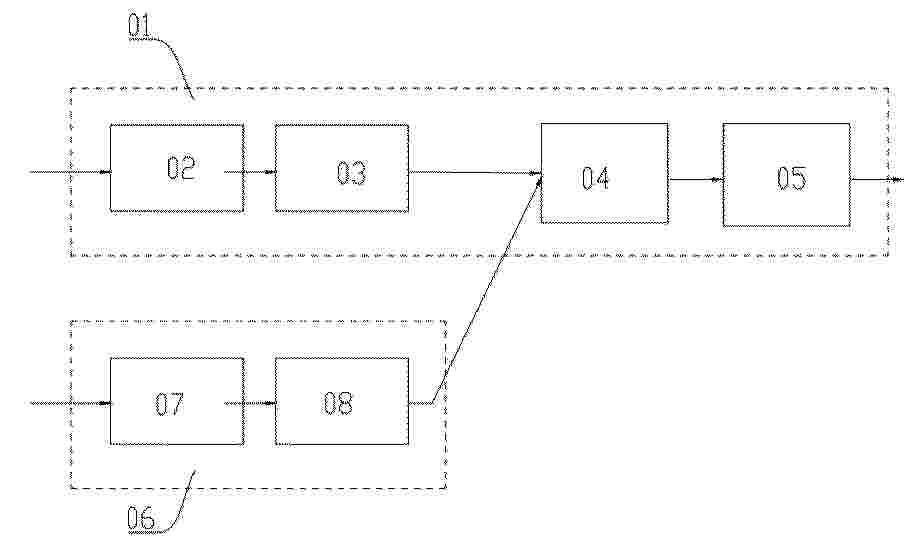
A process and a plant for the production of microalgal lipids with simultaneous treatment of the liquid and gaseous effluents of anaerobic digestion are described; the process includes the steps of: collecting the digestate and separating the liquid fraction from the dry fraction; mixing, within a loading step, the liquid fraction with water and with the reagents necessary to obtain a culture medium suitable for microalgal growth; continuously feeding the culture medium to the mixing step; simultaneously extracting the effluent from the mixing step to the discharge step; activating a recirculation between the mixing step and the absorption step, maintained in the absence of light; simultaneously extracting the effluent as treated biogas; separating the microalgal biomass from the effluent, for subsequent extraction of the lipids; collecting the digestate and separating the liquid fraction from the dry fraction, wherein this step must be implemented upstream of the process.
Resumen de: GB2641793A
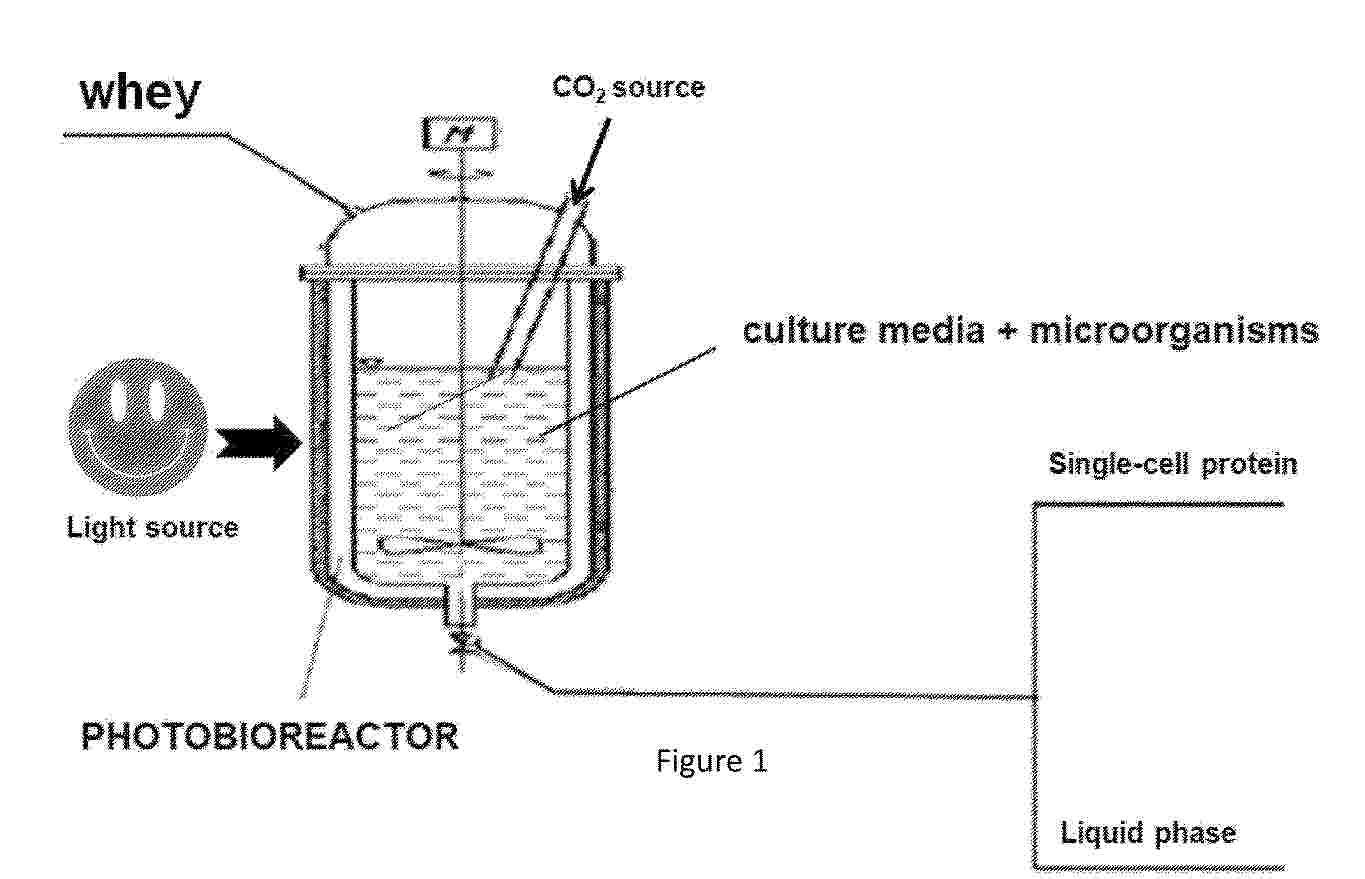
A method of producing single cell protein SCP or biomass comprises culturing microbial inoculum in a growth medium comprising dairy-derived whey. The method may comprise (i) inoculating growth medium comprising dairy-derived whey with a microbial inoculum to form an inoculated microbial mixture, (ii) incubating the inoculated microbial mixture at a first incubation temperature to generate a propagated starter culture, (iii) adding the starter culture to a growth medium comprising dairy-derived whey to form a fermentation mixture and incubating the fermentation mixture, and (iv) treating the fermentation mixture to produce a SCP. The fermentation mixture may be incubated at a second incubation temperature for at least 24 hrs. At least one of the strains in the microbial inoculum may be a microalga, a yeast, a fungi or a bacteria. The propagated starter culture preferably comprises a mixture of at least two strains of microalgae, at least two strains of fungi, at least two strains of yeast, and at least two strains of bacteria. A product or supplement comprising the biomass, a propagated microbial culture and use of the culture in microbial fermentation, and a method of identifying microorganisms capable of efficiently producing biomass using dairy-derived whey are also claimed.
Resumen de: CN121135023A
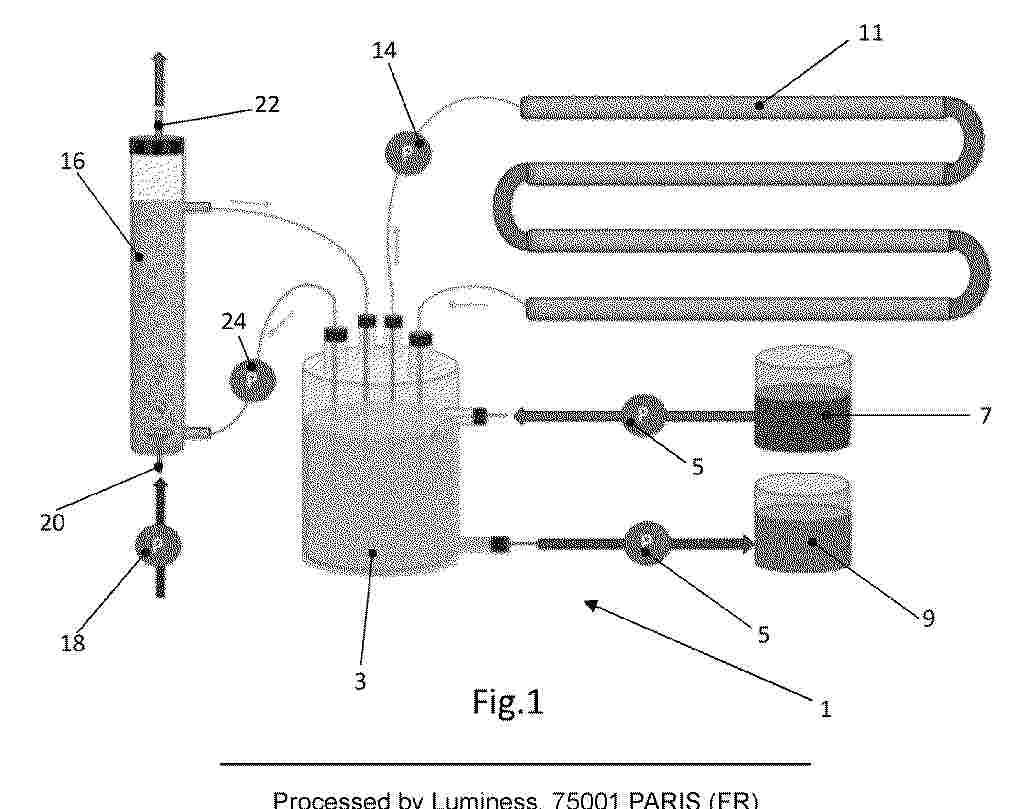
The invention discloses a central kitchen emission reduction system which comprises a wastewater treatment module and a tail gas treatment module, the wastewater treatment module comprises an oil-water separator, a coagulation precipitator, a microalgae photoreactor and a cyclone separator which are connected in sequence, and a water inlet pipe of the oil-water separator is connected with a water outlet of a central kitchen; the tail gas treatment module comprises a condenser and a purification tower, a gas inlet of the condenser is connected with an exhaust port of the central kitchen, a second exhaust pipe of the purification tower is connected with a gas inlet of the microalgae photoreactor, and a water outlet of the microalgae photoreactor is connected with a third water inlet of the cyclone separator. Grease and particles in wastewater of a central kitchen are purified through an oil-water separator and a coagulation precipitator, VOCs and particles in waste gas of the central kitchen are removed through a condenser and a purification tower, and the wastewater and the waste gas are treated through a microalgae photoreactor at the same time. The emission reduction system can reduce the emission of carbon dioxide in the tail gas of the central kitchen while cooperatively utilizing nutritional ingredients in the domestic wastewater of the central kitchen.
Resumen de: TW202547535A
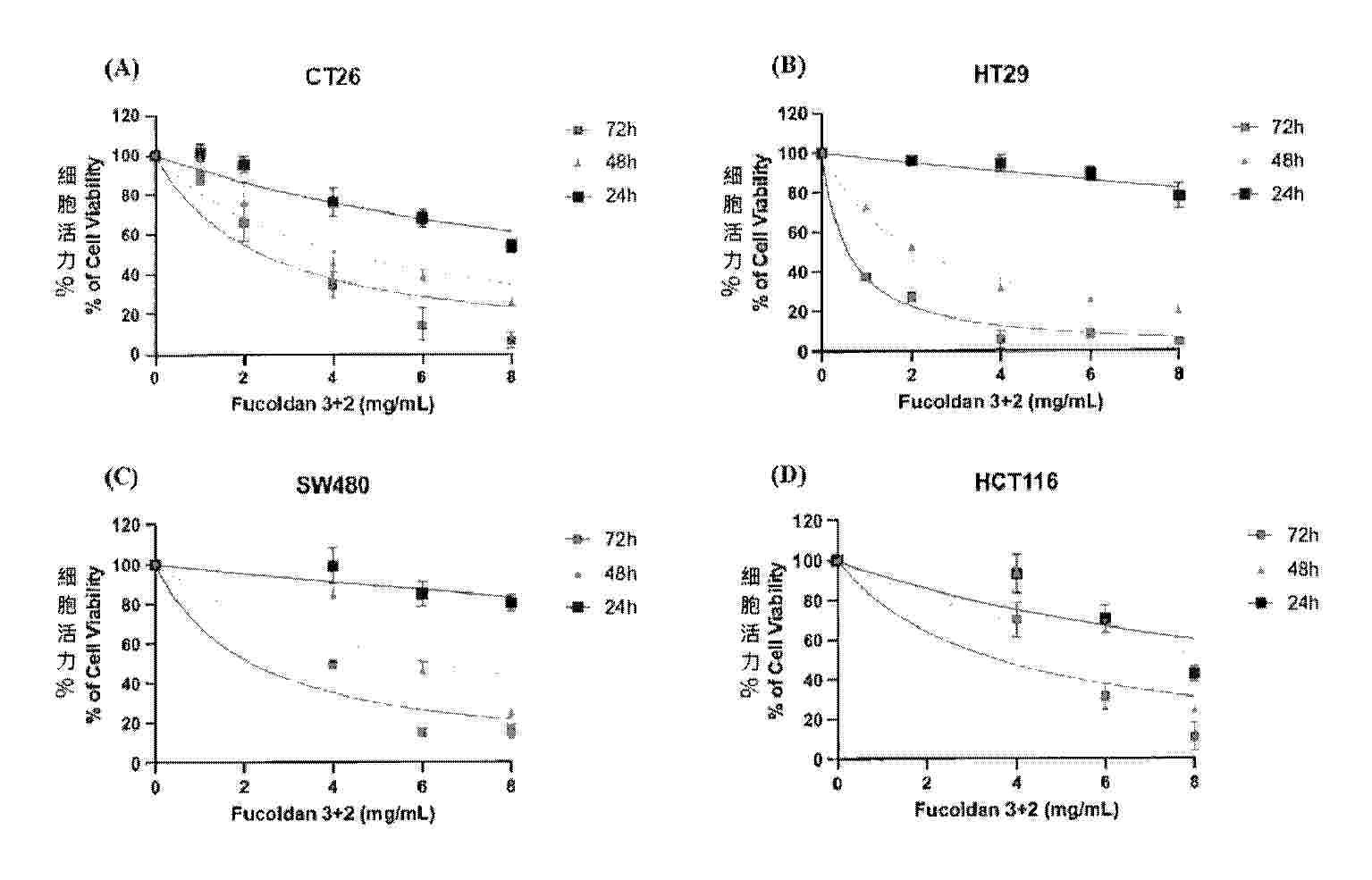
The present invention relates to a Fucoidan composition and a preparation method thereof. The Fucoidan composition contains the following components in terms of weight percentage: Japanese Okinawa mozuku Fucoidan of 20 to 30%; Undaria pinnatifida Sporophyll Fucoidan of 25 to 35% from Tasmanian waters, Australia; Fucus vesiculosus Fucoidin of 25 to 35% from Tasmanian waters, Australia; microalgae Fucoidan of 5 to 10%; and microalgae Fucoxanthin of 1 to 5%. Through optimization of a formulation with multiple components, the present invention enables the prepared Fucoidan composition to achieve an effective inhibition rate of 90% or more against human colon cancer, human pancreatic cancer, human liver cancer, human prostate cancer, human breast cancer, or human lung cancer.
Resumen de: CN121137084A
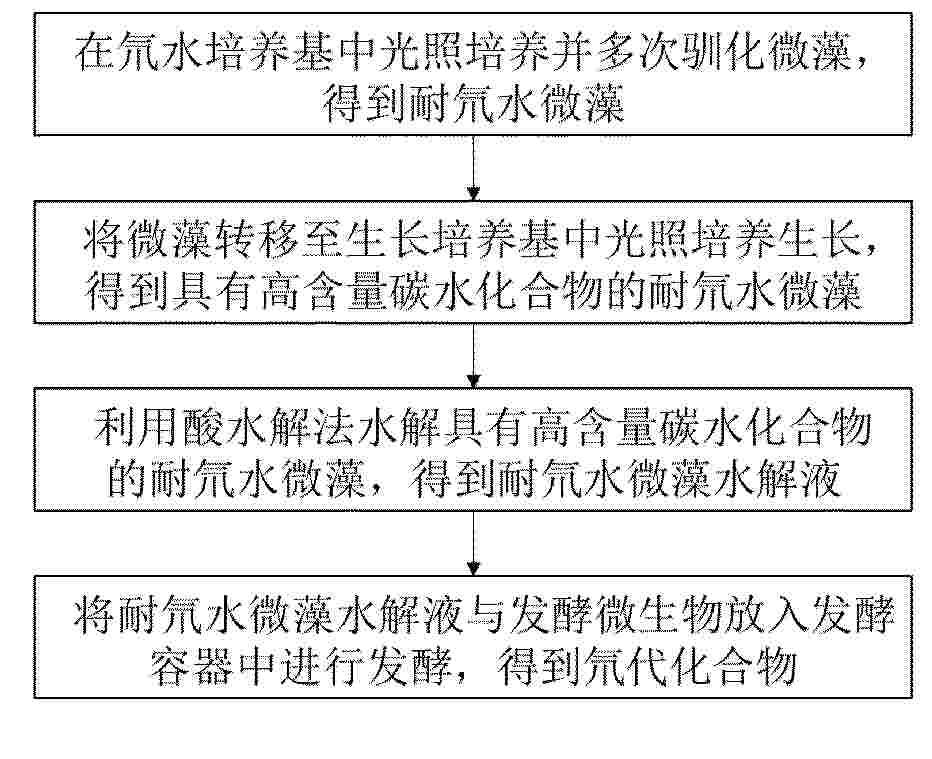
The method comprises the following steps: (1) preparing a domestication culture medium by taking deuterium water as a solvent, carrying out illumination culture by taking CO2 or CO2 mixed gas as a carbon source, and domesticating the microalgae for multiple times to obtain deuterium water-resistant microalgae; (2) transferring the deuterium-water-resistant microalgae into a growth culture medium taking deuterium water as a solvent, and continuously carrying out illumination culture on the microalgae by taking CO2 or CO2 mixed gas as a carbon source, so as to obtain the deuterium-water-resistant microalgae with high carbohydrate content; (3) hydrolyzing the deuterium-water-resistant microalgae with high carbohydrate content by using an acid hydrolysis method to obtain a deuterium-water-resistant microalgae hydrolysate; and (4) putting the deuterium-resistant water microalgae hydrolysate into a fermentation container, and adding fermentation microorganisms to obtain the deuterated compound. According to the method disclosed by the invention, various deuterated compounds can be prepared by taking the microalgae biomass as a substrate and combining a fermentation process, so that the production cost is reduced, the sustainable development is promoted, the production process is simplified, and the production efficiency is improved.
Resumen de: CN121136825A
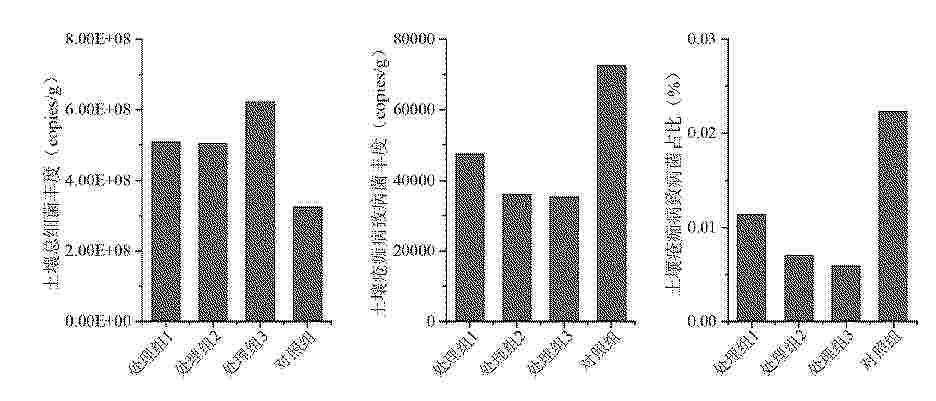
The invention discloses a chlorella pyrenoidosa microalgae fertilizer for preventing and controlling pathogenic bacteria of farmland soil scab as well as a preparation method and application of the chlorella pyrenoidosa microalgae fertilizer, and belongs to the technical field of biology. The invention discloses a chlorella pyrenoidosa microalgae fertilizer for preventing and controlling pathogenic bacteria of farmland soil scab. The chlorella pyrenoidosa microalgae fertilizer is an alkaline microalgae fertilizer or an acidic microalgae fertilizer. Compared with the existing traditional chemical pesticide or biocontrol inoculant, the chlorella pyrenoidosa microalgae fertilizer disclosed by the invention has the advantages that the application amount of the chemical pesticide is greatly reduced, the abundance of pathogenic bacteria of scab in farmland soil is fundamentally blocked, controlled and inhibited, the diversity and functional activity of soil microorganisms are remarkably enhanced, and the application amount of the chemical pesticide is greatly reduced. The yield of rhizome crops such as potatoes is improved, and the disease prevention and control, soil improvement and crop productivity improvement efficiency of the rhizome crops are highly considered.
Resumen de: CN121136792A
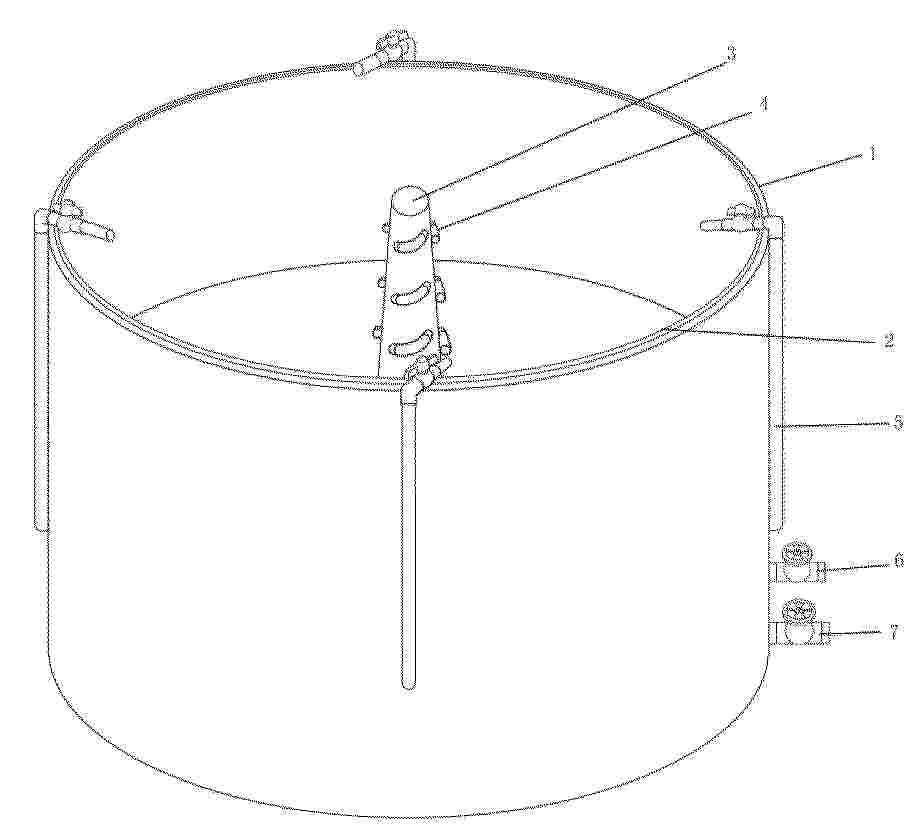
The invention discloses a microalgae biological culture device and method. The culture device comprises a support and a funnel-shaped round cylinder arranged on the support, a pointed cone is arranged in the center of the funnel-shaped round cylinder, flow guide twisted lines are arranged on the pointed cone, a circulating water injection pipe is arranged on the side wall of the funnel-shaped round cylinder, and a culture water input pipe and a microalgae output pipe are arranged at the bottom of the funnel-shaped round cylinder. The culture method comprises the following steps: pumping culture water into a funnel-shaped cylinder through a culture water input pipe until a target volume is reached, inoculating microalgae, and circularly injecting the culture water into the top of the funnel-shaped cylinder from the bottom of the funnel-shaped cylinder through a circulating water injection pipe to form an inward vortex, so that the microalgae grow; and after the growth is finished, closing the circulating water injection pipe, naturally standing, gathering the microalgae concentrated solution to the central position of the funnel-shaped cylinder, and collecting from the microalgae output pipe. According to the invention, through the funnel-shaped cylinder, the circulating water injection pipe and the flow guide twisted lines, the algae-water mixed liquid forms an inward vortex in the funnel-shaped cylinder, no additional energy waste for stirring is needed, and the cost is redu
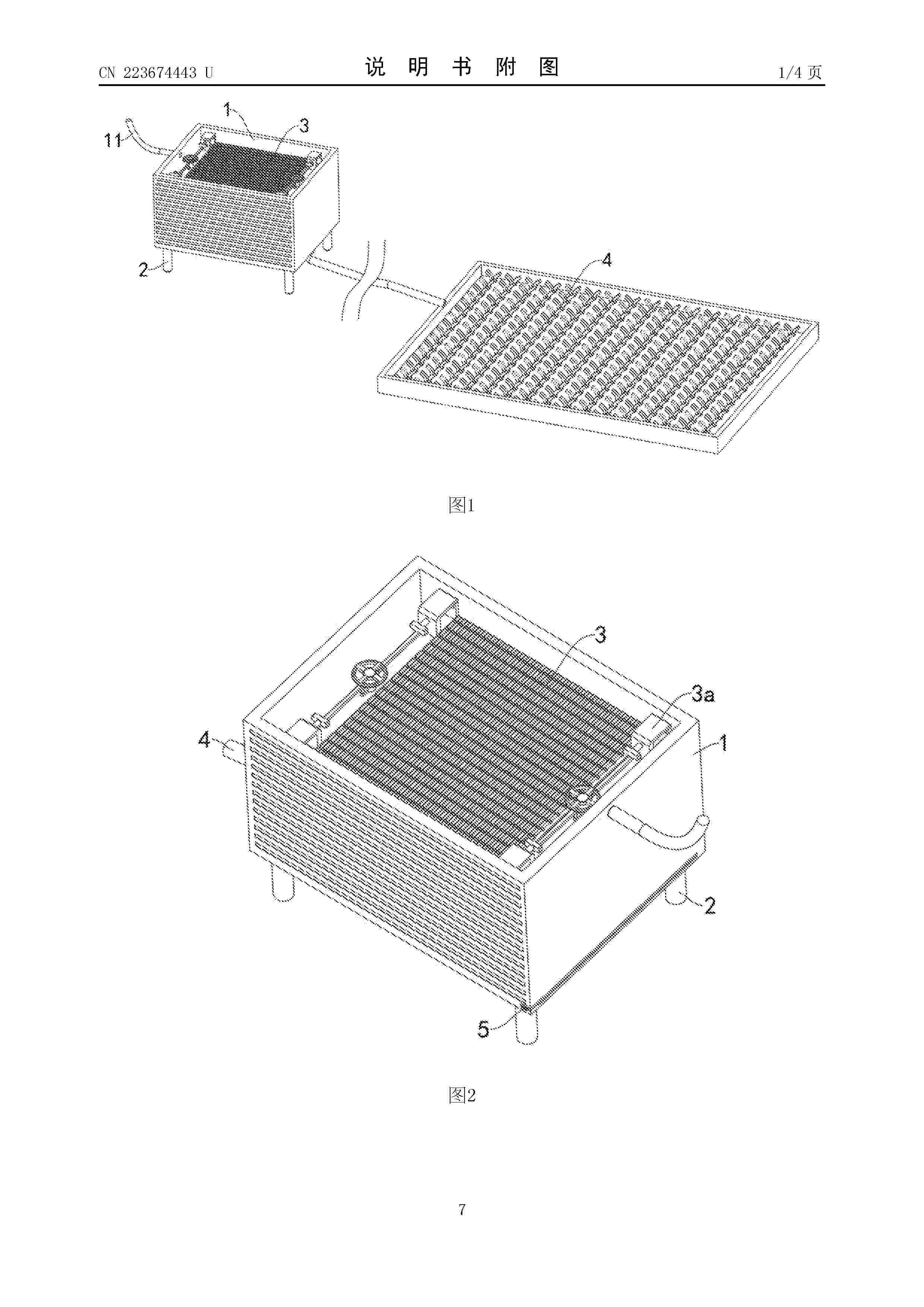
Resumen de: CN223674443U
The utility model relates to the technical field of aquaculture wastewater, and discloses a microalgae resourceful treatment aquaculture wastewater device, which is used for aquaculture tail water treatment and comprises a treatment pond, support legs are arranged at the bottom of the treatment pond, a water inlet pipe for introducing tail water into the treatment pond is arranged in the treatment pond, and a water outlet pipe for introducing the tail water into the treatment pond is arranged in the treatment pond. A microalgae treatment mechanism for treating the aquaculture tail water is arranged in the treatment pond. By culturing the green algae terrace, pollutants such as nitrogen and phosphorus in the water body are consumed by utilizing the biological activity of the green algae terrace, so that the efficient nitrogen-reducing and phosphorus-removing effects are realized. The biological treatment method not only is environment-friendly, but also can effectively remove harmful substances in the wastewater. Meanwhile, the position of the mounting framework can be adjusted according to the water level in the treatment pond, and it is ensured that the green alga apron is always in the optimal treatment state. When the abundance of green alga cells reaches a peak value and enters a decline stage, the green alga terrace can be easily taken out by simply adjusting the fixing assembly, and subsequent treatment or replacement is facilitated.
Nº publicación: CN121137109A 16/12/2025
Solicitante:
HEBEI NORMAL UNIV
\u6CB3\u5317\u5E08\u8303\u5927\u5B66
Resumen de: CN121137109A
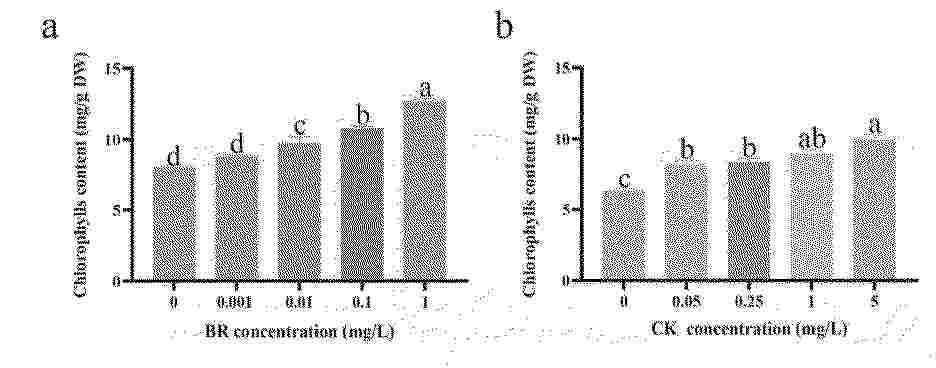
The invention discloses a method for improving the fermentation level of microalgae astaxanthin through plant hormone pretreatment, and belongs to the technical field of microalgae biology. According to the method, firstly, under the dark condition, two plant hormones including brassinolide and cytokinin are utilized to conduct pretreatment on a Chromococcus zoffii seed solution so as to increase the number of plastids, and then through shake-flask culture and fermentation tank fed-batch fermentation, it is proved that the strategy can promote accumulation of astaxanthin of Chromococcus zoffii under the nitrogen deficiency condition. The appropriate concentrations of the two plant hormones are both low, high light stress is not needed, the step operation is simple and convenient, and the production cost is reduced.
 BOPI
BOPI
 Sede Electrónica