Si deseas distinguir tus productos, servicios o ambos de los de otra empresa, es posible que necesites una marca o nombre comercial. Descubre qué son, en qué consiste su procedimiento de registro y qué implica.

Información sobre los plazos de presentación de solicitudes de transformación de marcas de la Unión Europea en marca nacional española. Más información


Si tienes un nuevo dispositivo, producto o procedimiento que resuelva un problema técnico o tenga una ventaja práctica, existen distintas formas de protegerlo en España y en otros países. Descubre cómo hacerlo.

¿Tu innovación reside en la estética, la ornamentación o la apariencia de tu producto? Protégela mediante un diseño industrial. Descubre qué derechos confiere el registro y cómo realizar la tramitación.

Las indicaciones geográficas protegen el nombre de un producto originario de una zona geográfica, a la cual le debe una determinada calidad, reputación u otra característica. Descubre qué son, en qué consiste su procedimiento de registro y qué beneficios conceden.

Las patentes publicadas en todo el mundo son una valiosa fuente de información científica, técnica y comercial.

Si eres emprendedor/a o una empresa y quieres potenciar y mejorar la rentabilidad de tu negocio protegiendo de forma adecuada los activos intangibles de tu organización, en este espacio encontrarás lo necesario.


 112
resultados
112
resultados
 Última actualización
04/04/2026 [07:26:00]
Última actualización
04/04/2026 [07:26:00]


 Resultados 100 a 112 de 112
Resumen de: CN121294483A
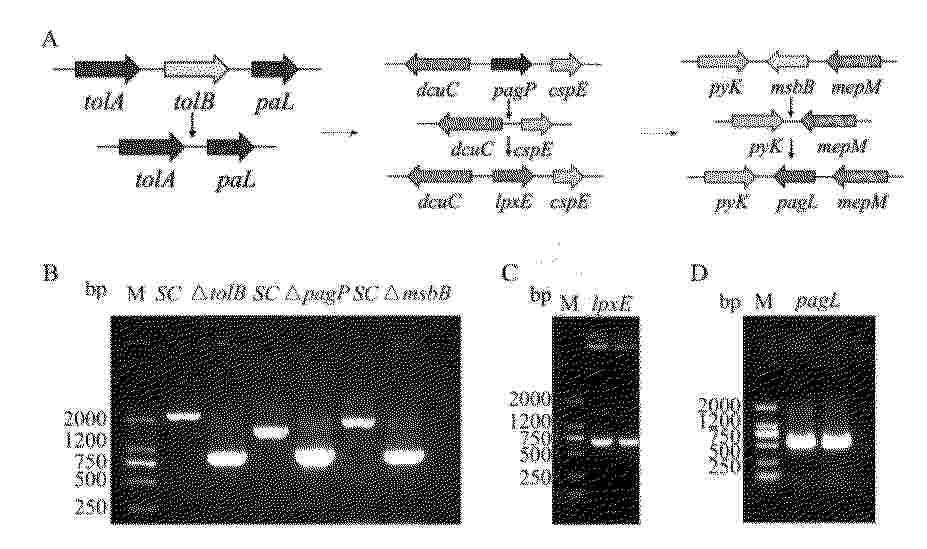
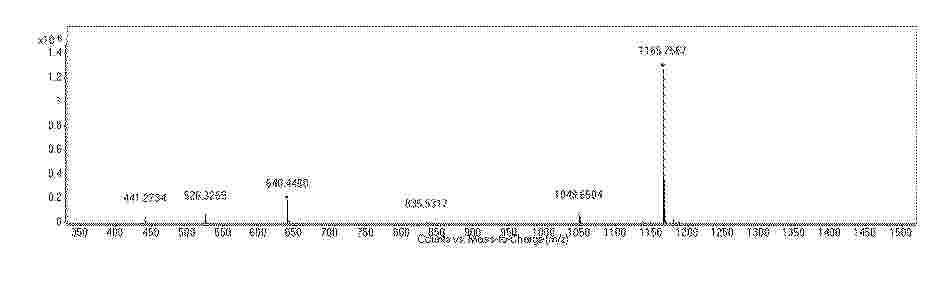
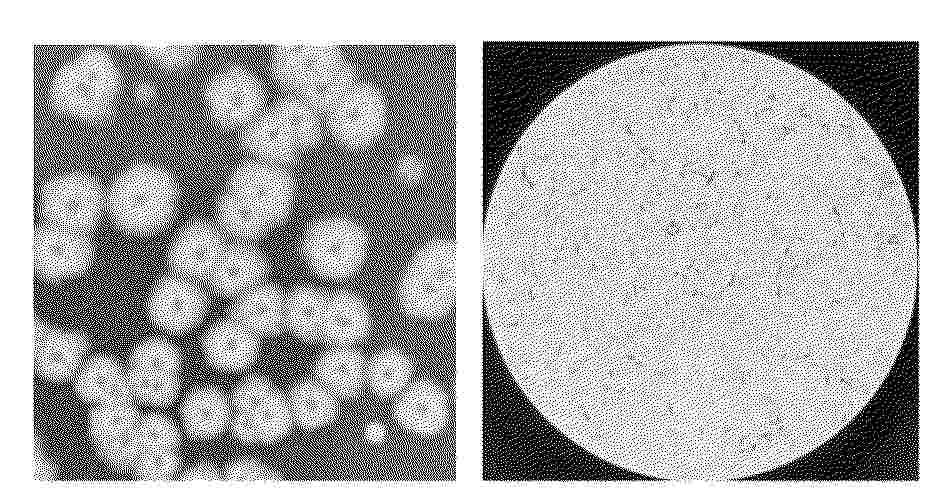
The invention discloses a preparation method and application of salmonella choleraesuis bionic vesicles capable of being used for oral delivery of double antigens, and relates to the field of vaccines.Lipid A of a salmonella choleraesuis attenuated strain SC014 is modified through a genetic engineering technology, low-endotoxin salmonella choleraesuis engineering bacteria are obtained, then SpyCatcher and SpG are expressed on the surfaces of the salmonella choleraesuis engineering bacteria at the same time through ClyA, and the salmonella choleraesuis bionic vesicles are obtained. According to the present invention, the subunit vaccine model GDH-SpyTag and gD-Fc of the clinically common mixed infection pathogen Streptococcus suis and Pseudorabies virus (PRV) can be respectively coupled, and the negative electricity characteristic of the surface of the subunit vaccine model GDH-SpyTag and gD-Fc are used to wrap the subunit vaccine model GDH-SpyTag and gD-Fc by using the cationic compound COS so as to protect the antigen from being damaged by the gastrointestinal tract environment after the oral immunization; and the presentation of the antigen to digestive tract mucosa immune cells is promoted.

Resumen de: CN121293286A
The invention discloses an antibacterial peptide sesquidendrin and an application of the antibacterial peptide sesquidendrin. The invention specifically relates to eight sesquistigma polypeptide compounds. The compounds 1-8 show different degrees of antibacterial activity, the compound 2 has broad-spectrum antibacterial activity, the minimum inhibitory concentration of the compound 2 to staphylococcus aureus ATCC 6538 and bacillus cereus CMCC (B) 63301 reaches 20 mu g/mL, and the MIC value of the compound 2 to enterococcus faecium 160119481, salmonella typhimurium CMCC (B) 50071 and salmonella typhimurium CMCC (B) 50115 is 40 mu g/mL. As staphylococcus, bacillus, enterococcus and salmonella bacteria are common food-borne pathogenic bacteria which seriously threaten food safety, the compounds 1-8 can be used for preparing novel antibacterial peptides which are applied to the field of food safety preservation.
Resumen de: CN121294263A
The invention relates to bacillus velezensis Bv-GD2 and application of the bacillus velezensis Bv-GD2. The classification name of the bacillus velezensis Bv-GD2 is bacillus velezensis, and the preservation number of the bacillus velezensis Bv-GD2 is GDMCC No: 66722. The strain is wide in antibacterial spectrum and high in tolerance, has the enzyme production capacity and the antibacterial active substance production capacity, and can remarkably inhibit common intestinal pathogens such as clostridium perfringens, salmonella, staphylococcus aureus and escherichia coli, relieve intestinal lesions, improve the health degree of the intestinal environment and improve the growth performance of livestock and poultry.
Resumen de: CN121287784A
The invention provides a novel application of a macleaya cordata extract as a salmonella type III secretion system (T3SS) inhibitor. Through construction of a chick infection model and in-vitro experiments, the extract is proved to be capable of remarkably reducing the bacterial load of infected chick liver and spleen tissues, relieving tissue pathological damage and reducing inflammatory cell infiltration. Mechanism research shows that the macleaya cordata extract can down-regulate the expression of T3SS key virulence protein SipA in a dose-dependent manner, interfere the function of a secretion system, and further block the secretion and expression of virulence factors. The invention discloses the potential application of the macleaya cordata extract in the aspect of resisting salmonella toxicity for the first time, and provides a development strategy and a technical basis of a T3SS inhibitor from a natural product.
Resumen de: CN121294254A
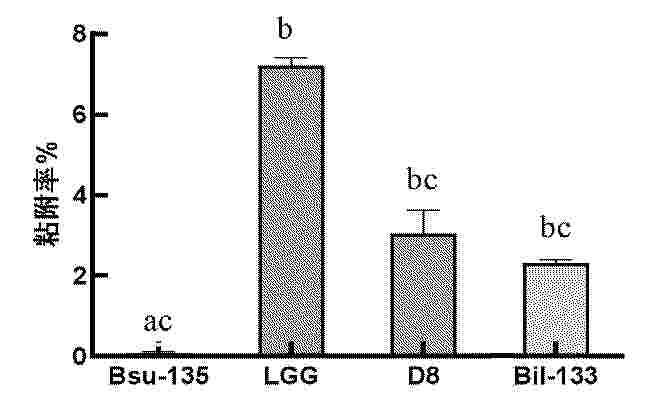
The invention relates to the technical field of microorganisms, in particular to lactobacillus johnsonii D8, application thereof and a probiotic agent. The lactobacillus johnsonii D8 is preserved in the China General Microbiological Culture Collection Center (CGMCC) on August 14, 2025, and the preservation number is CGMCC No.35619. The lactobacillus johnsonii D8 is a lactobacillus johnsonii strain. The lactobacillus johnsonii D8 provided by the invention can reduce the death rate of salmonella to the domestic pigeons after being drenched into the domestic pigeons, obviously alleviates the spleen index reduction and the immune globulin IgA reduction in serum caused by the salmonella, reduces the abundance of pathogenic bacteria in intestinal flora, and has a good probiotic effect on the domestic pigeons.
Resumen de: US20260007731A1
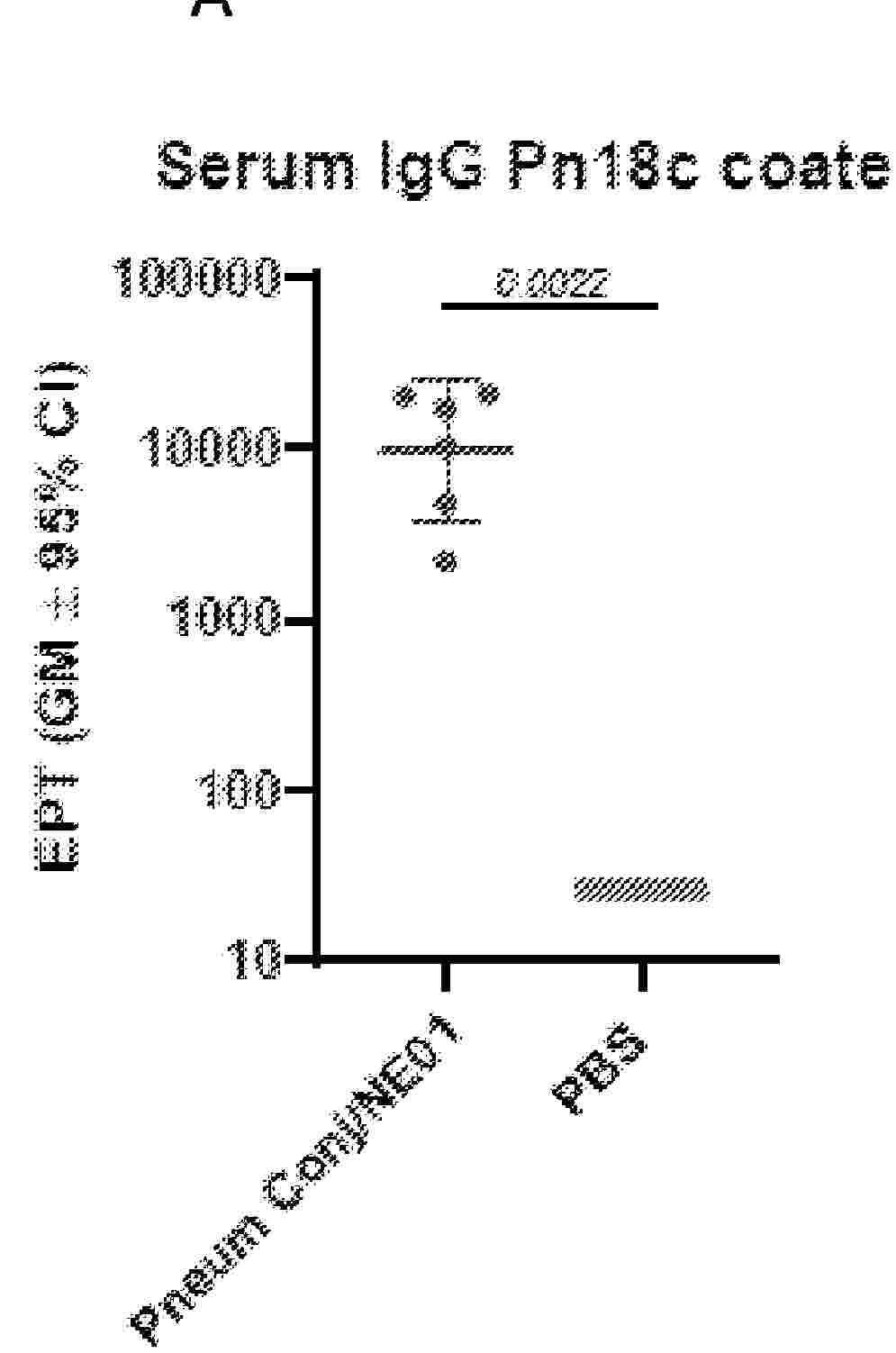
The present invention relates to intranasal bacterial polysaccharide conjugate nanoemulsion vaccines and methods of using the same for inducing an immune response to a bacterial polysaccharide.
Resumen de: AU2024277588A1
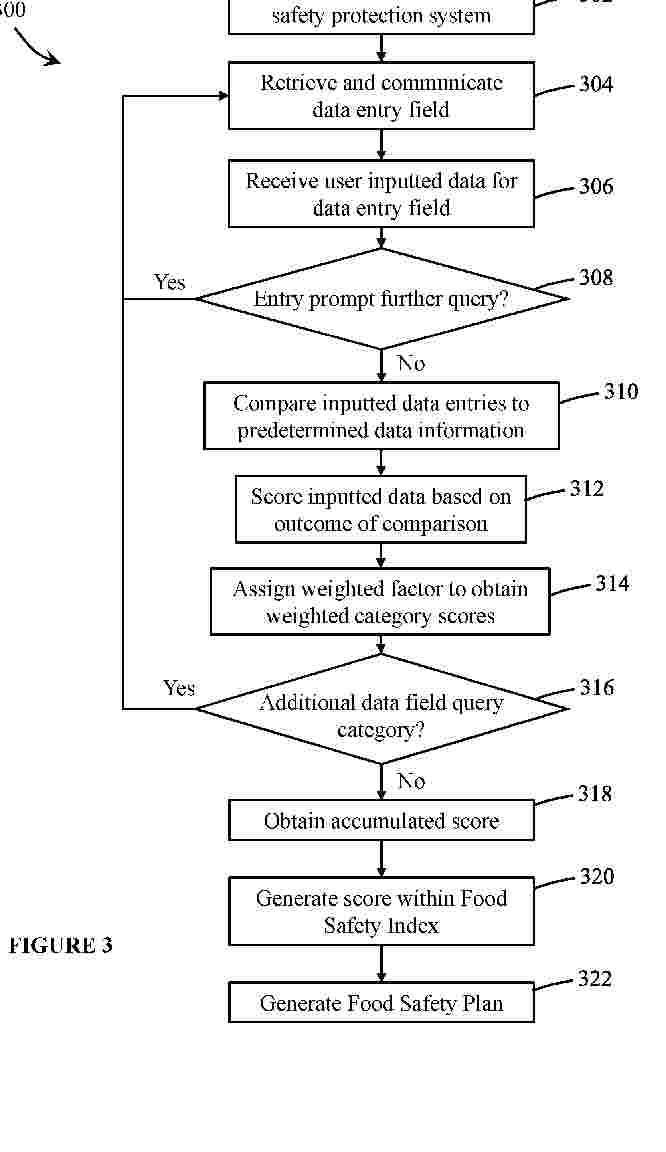
Systems and methods for assessing risk for zoonotic disease, including salmonella, amongst an animal population at a production facility. A user can provide data in response to a plurality of data entry fields that can, at least partially, pertain to a procedure, operation, and/or equipment at the production facility. For each data entry field, the data provided by the user can be assigned a value. The value can correspond to predetermined value of a predetermined response that is identified as corresponding to the user inputted data. The assigned value can be adjusted by a weighted factor, which may correspond to a predicted impact the actions or information reflected by the user inputted data may have on the prevention of zoonotic disease. The assigned and/or adjusted values can be compiled to generate a risk assessment score, which can be used to determine a food safety index score and/or food safety plan.
Resumen de: CN120677168A
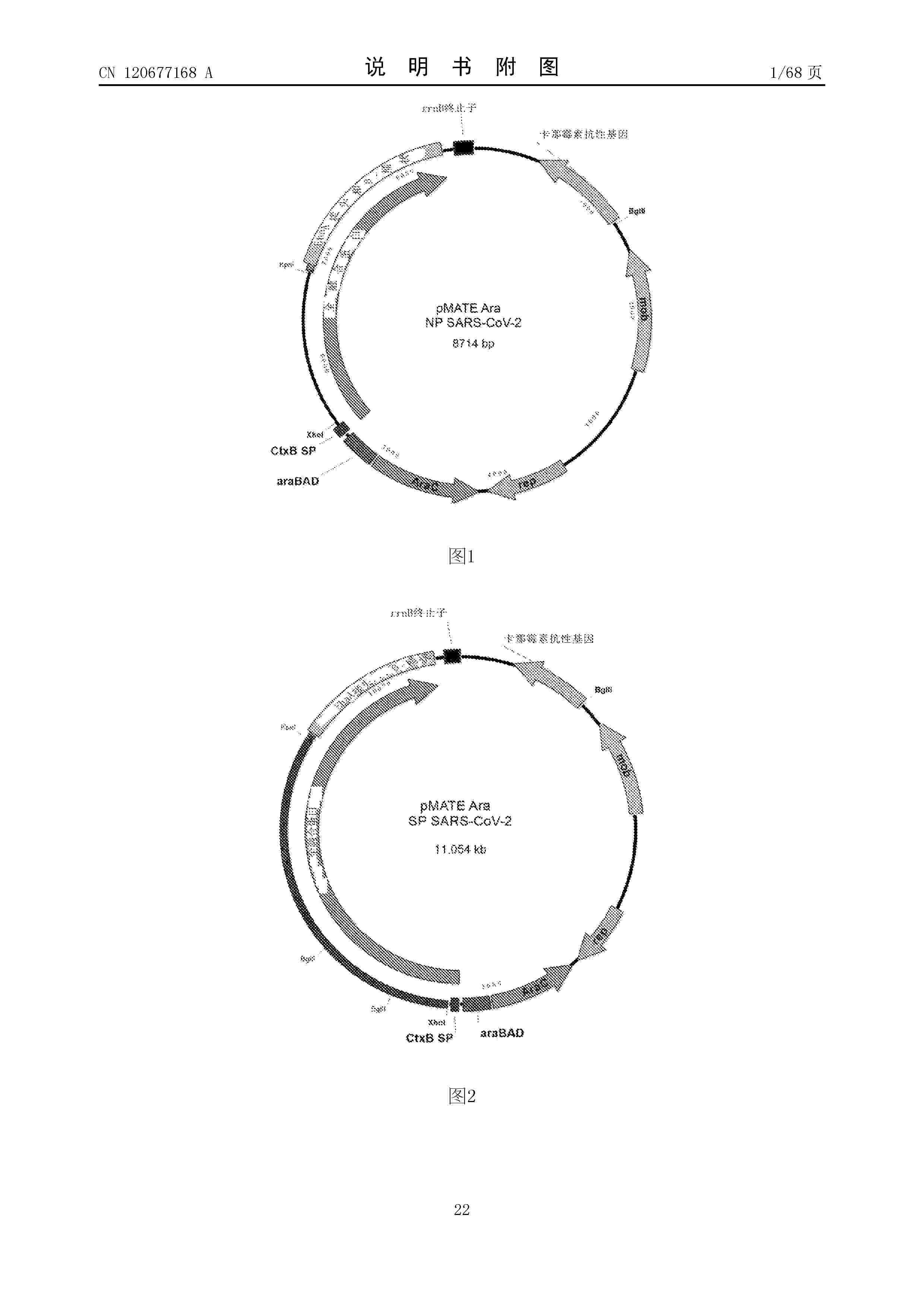
The present invention relates to a non-viable bacterial cell in which an immunogenic polypeptide fused to an autotransporter comprising a transmembrane linker and a transporter domain is displayed on the surface of the cell, as well as to formulations comprising such non-viable cells. The formulations are useful as oral vaccines.
Resumen de: KR20260003546A
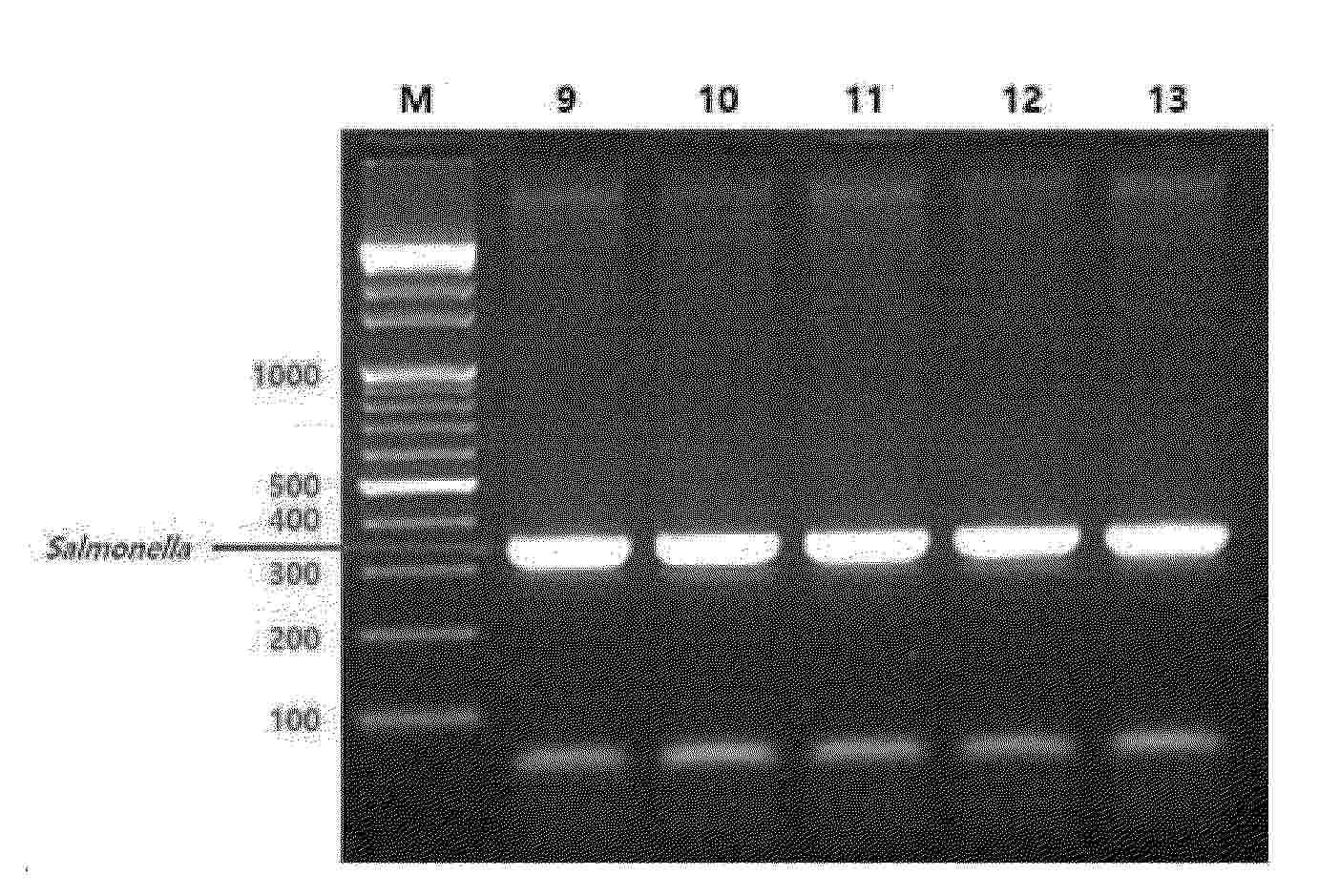
본 발명은 돼지 살모넬라성 장염 유발 병원균을 검출할 수 있는 프라이머 세트에 관한 것으로, 본 발명에 따른 프라이머 세트를 이용하여 중합효소 연쇄반응을 통해 돼지 살모넬라성 장염 유발 병원균을 신속, 정확하게 검출할 수 있고, 검출한계가 낮아 소량의 돼지 가검물 시료로부터 병원균을 검출하여 감염병을 조기에 진단할 수 있다.
Resumen de: MX2025014302A
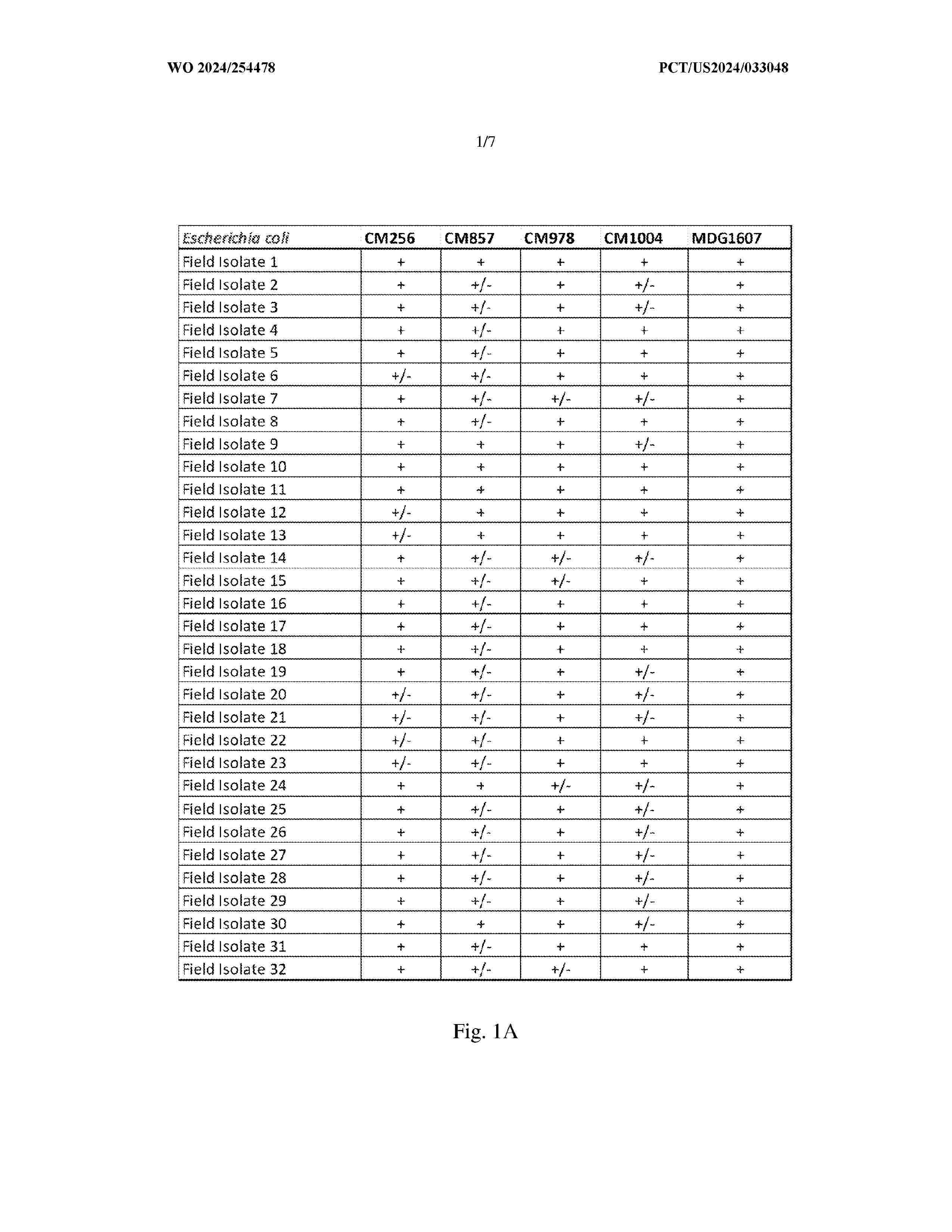
The invention relates to direct-fed microbials for use in <i>E. coli, Salmonella, </i>and/or <i>Clostridium</i> inhibition in animals. More particularly, the invention relates to isolated <i>Bacillus</i> strains CM256 (NRRL No. B-67706), CM857 (NRRL No. B-67705), CM978 (NRRL No. B-67703), CM1004 (NRRL No. B-67708), and MDG1607 (NRRL No. B-67666), and strains having all of the identifying characteristics of these strains, for a use comprising the above-mentioned use. The invention also relates to the use of isolated <i>Bacillus</i> strains CM256 (NRRL No. B-67706), CM857 (NRRL No. B-67705), CM978 (NRRL No. B-67703), and CM1004 (NRRL No. B-67708), and strains having all of the identifying characteristics of these strains, to treat plants having diseases caused by <i>E. coli, Salmonella, </i>and/or <i>Clostridium</i>.<u> </u>
Resumen de: CN121270430A
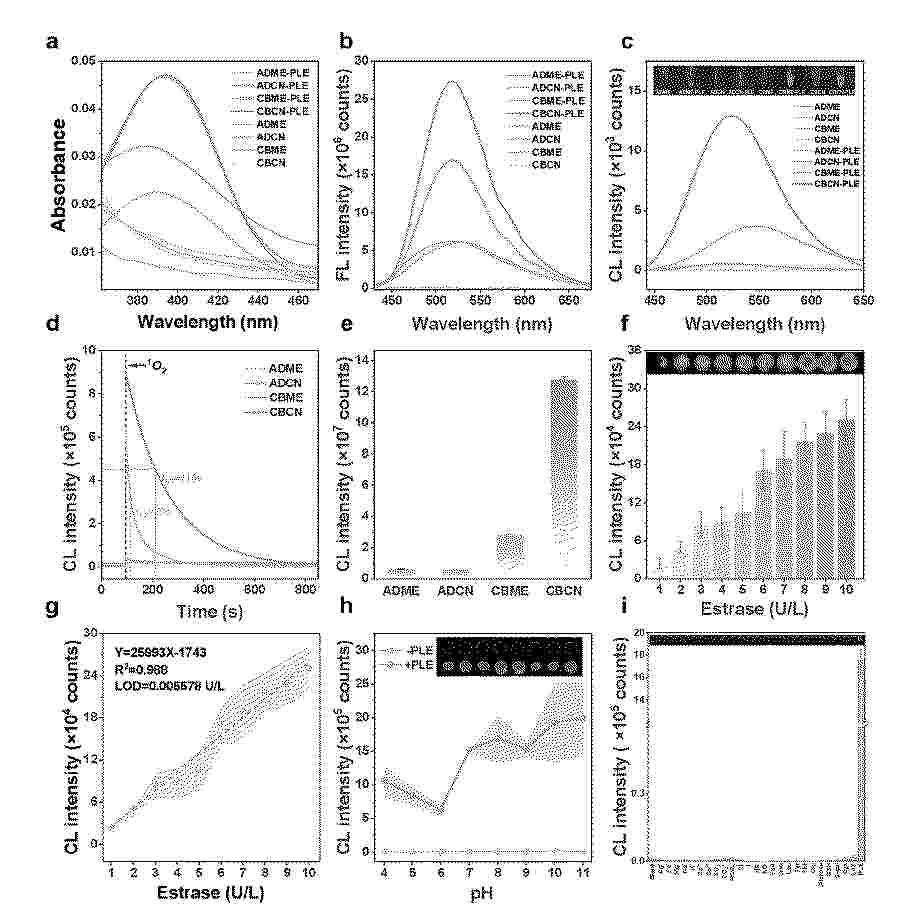
The invention relates to the technical field of chemical analysis and detection, and discloses a C8 esterase activated double-lock chemiluminescence probe, a preparation method thereof and application of the C8 esterase activated double-lock chemiluminescence probe in preparation of a salmonella detection kit, the double-lock chemiluminescence probe is DSCP-CBCN, and the structural formula of the double-lock chemiluminescence probe is shown in the specification. The DSCP-CBCN probe is composed of a C8 esterase cleavable substrate, a phenoxy cyclobutane chemiluminophor and a self-eliminating connexon p-hydroxy benzyl alcohol. After the DSCP-CBCN probe and salmonella are incubated, sodium hypochlorite and hydrogen peroxide are added to generate remarkable chemiluminescence, POCT rapid detection of salmonella can be realized by combining a chemiluminescence microplate reader, the bacterial culture time is shortened to 3-7 hours, the limit of detection (LOD) value is as low as 1.9 CFU/mL, and the sensitivity is improved by 1008 times compared with that of a commercial MUCAP probe. The method is suitable for salmonella large-scale screening in the fields of clinical pathogen diagnosis, food safety detection and environmental health monitoring.
Nº publicación: CN121265761A 06/01/2026
Solicitante:
SICHUAN AGRICULTURAL UNIV
\u56DB\u5DDD\u519C\u4E1A\u5927\u5B66
Resumen de: CN121265761A
The invention discloses recombinant attenuated salmonella for expressing metalloproteinase TcMMP-13 of ascaris canis and application of the recombinant attenuated salmonella. The recombinant attenuated salmonella is characterized in that the attenuated salmonella expresses the metalloproteinase TcMMP-13. The vaccine has no obvious influence on mouse body health, the insect reduction rate is far higher than the insect reduction rate threshold values of 40% and 50% provided by the World Health Organization (WHO) in schistosome and hookworm vaccine research and development guidelines, and the recombinant attenuated salmonella vector oral vaccine has excellent protection effect and potential application value.
 BOPI
BOPI
 Sede Electrónica