Si deseas distinguir tus productos, servicios o ambos de los de otra empresa, es posible que necesites una marca o nombre comercial. Descubre qué son, en qué consiste su procedimiento de registro y qué implica.

Información sobre los plazos de presentación de solicitudes de transformación de marcas de la Unión Europea en marca nacional española. Más información


Si tienes un nuevo dispositivo, producto o procedimiento que resuelva un problema técnico o tenga una ventaja práctica, existen distintas formas de protegerlo en España y en otros países. Descubre cómo hacerlo.

¿Tu innovación reside en la estética, la ornamentación o la apariencia de tu producto? Protégela mediante un diseño industrial. Descubre qué derechos confiere el registro y cómo realizar la tramitación.

Las indicaciones geográficas protegen el nombre de un producto originario de una zona geográfica, a la cual le debe una determinada calidad, reputación u otra característica. Descubre qué son, en qué consiste su procedimiento de registro y qué beneficios conceden.

Las patentes publicadas en todo el mundo son una valiosa fuente de información científica, técnica y comercial.

Si eres emprendedor/a o una empresa y quieres potenciar y mejorar la rentabilidad de tu negocio protegiendo de forma adecuada los activos intangibles de tu organización, en este espacio encontrarás lo necesario.


 131
resultados
131
resultados
 Última actualización
04/10/2026 [07:14:00]
Última actualización
04/10/2026 [07:14:00]


 Resultados 75 a 100 de 131

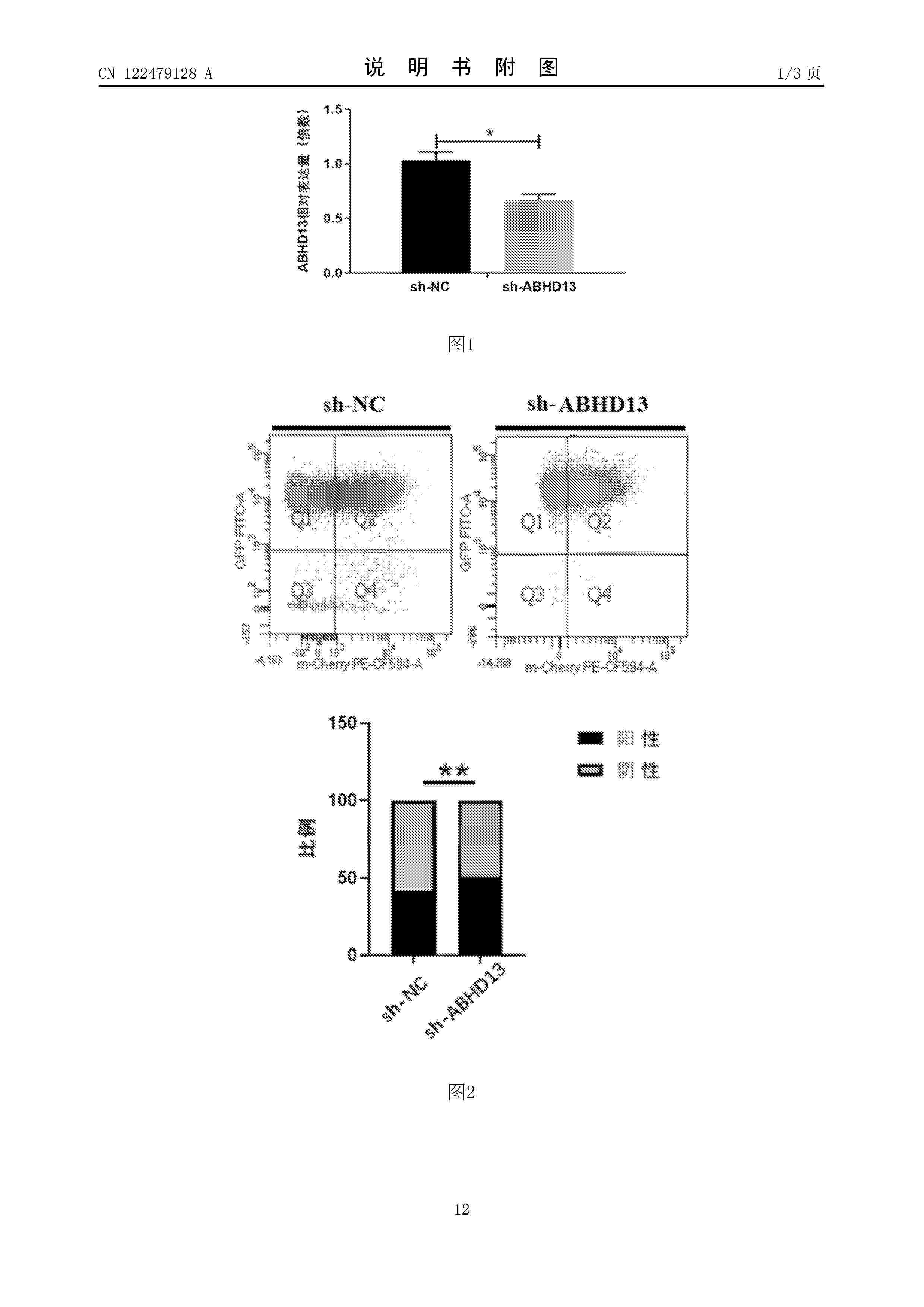
Resumen de: CN122479128A
The invention belongs to the field of gene engineering, and discloses application of an ABHD13 gene or protein in regulating and controlling innate immune response of poultry. The invention discloses the application of the ABHD13 gene or protein in regulating the innate immune pathway for the first time, clarifies the mechanism of regulating the innate immune pathway receptor linker protein NOD1 by the depalmitase ABHD13 from the angle, and provides a powerful scientific basis and tool for prevention, control and treatment of gram-negative bacteria such as salmonella and the like. The oligonucleotide of the target ABHD13 gene provided by the invention can significantly improve the phagocytic ability of chicken macrophages, and provides a scientific means for scientific research and industrial application related to prevention and control of gram-negative bacteria such as salmonella.

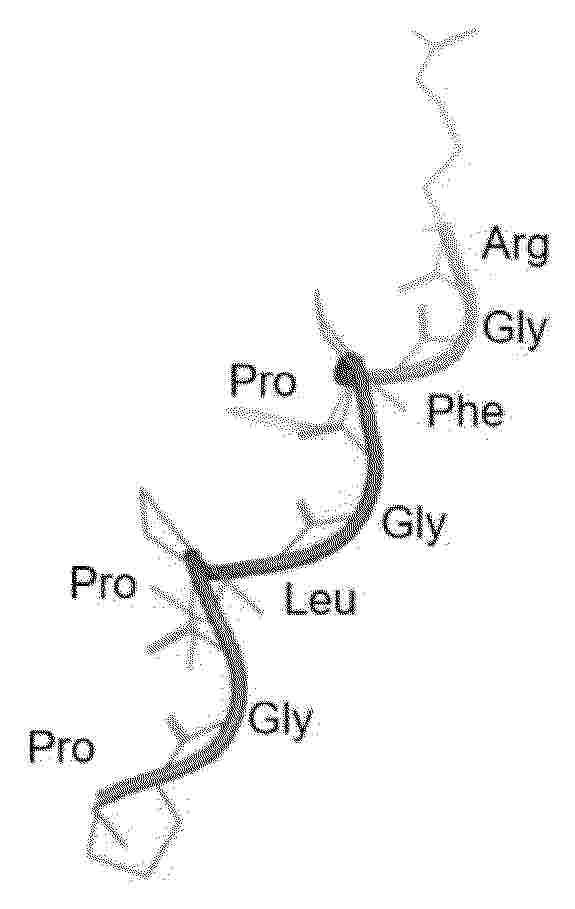
Resumen de: CN122478209A
The invention discloses a medium-temperature sterilization process for luncheon meat products and application of the medium-temperature sterilization process, enzymatic hydrolysate capable of inhibiting bacillus cereus, escherichia coli, staphylococcus aureus and salmonella is obtained by systematically optimizing a bullfrog skin enzymolysis process, freeze-dried powder of the enzymatic hydrolysate is added into luncheon meat raw materials according to the mass ratio of 0.4%, and medium-temperature sterilization treatment is combined, so that the luncheon meat products are obtained. Storage experiments prove that bacillus cereus, escherichia coli, staphylococcus aureus, shigella and salmonella in luncheon meat can be synergistically and efficiently inhibited, the total number of bacterial colonies is still stabilized to be smaller than 1.0 lg (CFU/g) after the luncheon meat is stored at 30 DEG C for 12 days, all pathogenic bacteria are negative, and the sensory quality and physicochemical indexes (TVB-N and TBARS) are remarkably superior to those of a traditional 121 DEG C high-temperature sterilization product. The safety and the quality of the luncheon meat are successfully and synergistically improved. A novel antibacterial peptide is identified from the enzymatic hydrolysate, the amino acid sequence of the novel antibacterial peptide is RGFPGLPGP, and the antibacterial peptide has a strong inhibition effect on bacillus cereus, escherichia coli, staphylococcus aureus and s
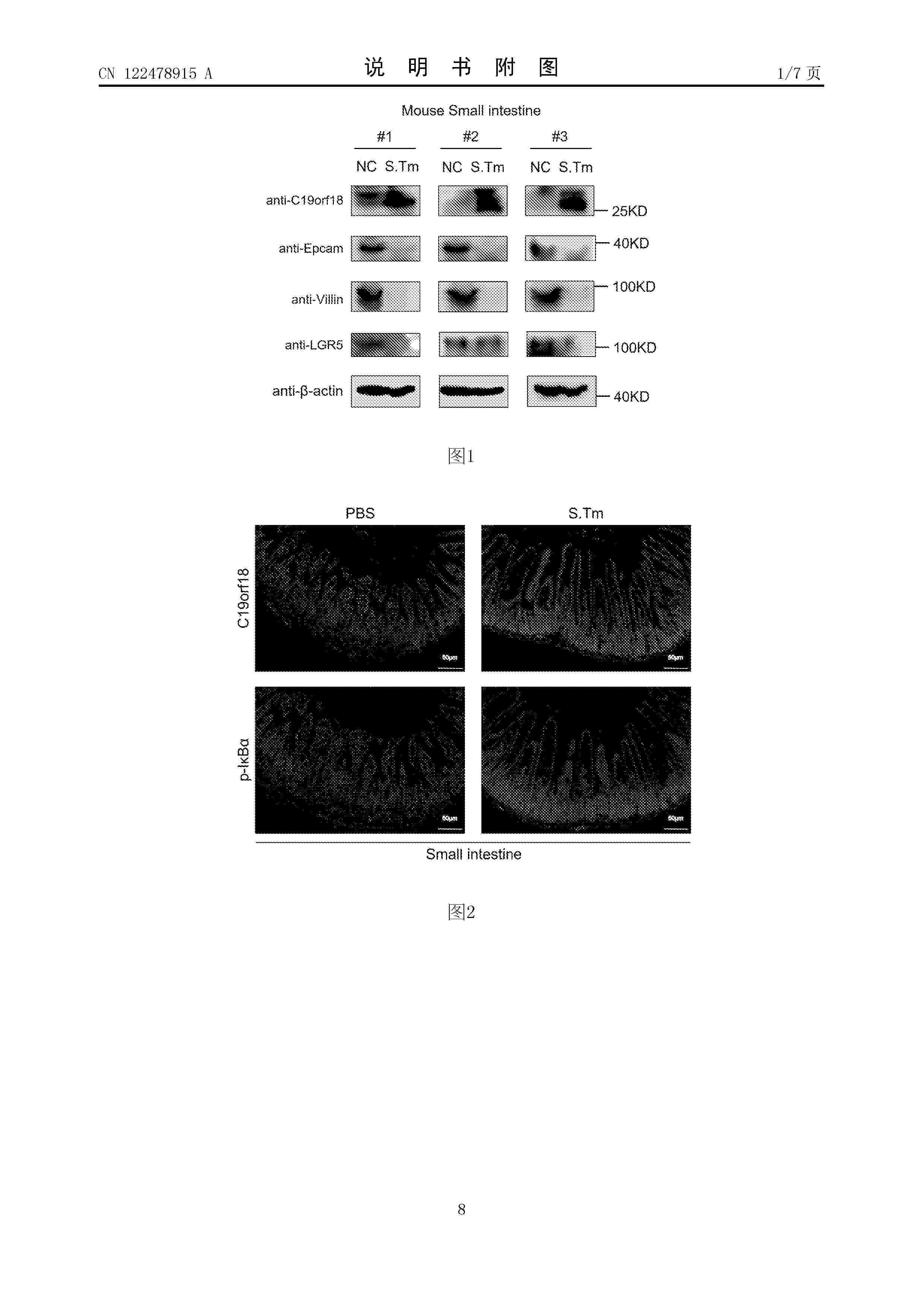
Resumen de: CN122478915A
The invention belongs to life science, and particularly relates to a composition for improving intestinal injury related to salmonella infection and application of the composition. The invention aims to provide a composition for improving intestinal injury related to salmonella infection and application of the composition so as to solve the problem that in the prior art, active ingredient compositions and effective intervention schemes for infection related intestinal inflammation, mucous membrane injury and intestinal barrier function damage are lacked. The composition comprises an active ingredient related to tryptophan metabolism, and can be used for reducing inflammatory response, improving intestinal tissue damage and maintaining intestinal barrier function.
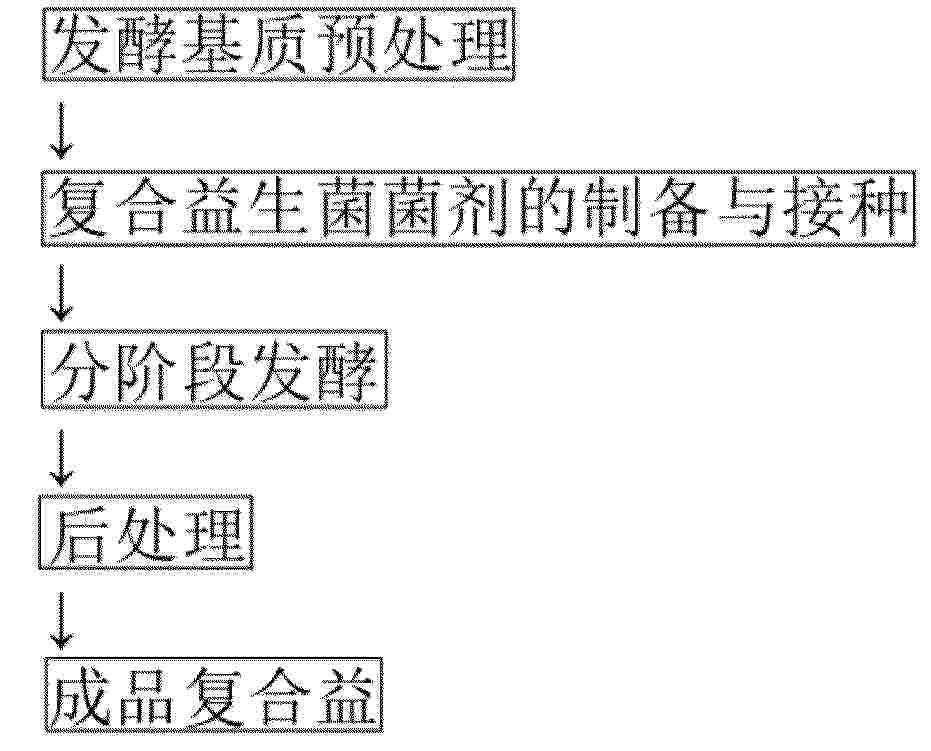
Resumen de: CN122478137A
The invention discloses a compound probiotic fermented feed for improving intestinal health of livestock and poultry and a preparation method of the compound probiotic fermented feed, and relates to the technical field of livestock and poultry micro-ecological feeds. The composite probiotic fermented feed is composed of a fermentation substrate and a composite probiotic inoculant, and is prepared by the following steps: respectively carrying out amplification culture on each strain to the end of logarithm, mixing according to a ratio to obtain the composite inoculant, adjusting the moisture of the fermentation substrate to 38-47%, adjusting the pH value to 5.8-6.6, spraying the composite inoculant, fully and uniformly mixing, filling the mixture into a breathing bag or a one-way exhaust fermentation tank, and carrying out fermentation at the end of logarithm to obtain the composite probiotic fermented feed. Carrying out aerobic shallow fermentation for 1.5-3 hours at 28-37 DEG C, then carrying out closed anaerobic fermentation for 52-96 hours, air-cooling to room temperature through a low-temperature fluidized bed after fermentation is finished, carrying out gamma-ray low-dose infectious microbe inactivation, and then carrying out vacuum packaging. After livestock and poultry are fed with the feed, colonization of beneficial bacteria of cecum and rectum villus can be remarkably increased, abundance of escherichia coli and salmonella is reduced, chyme retention time is shorten
Resumen de: CN122484250A
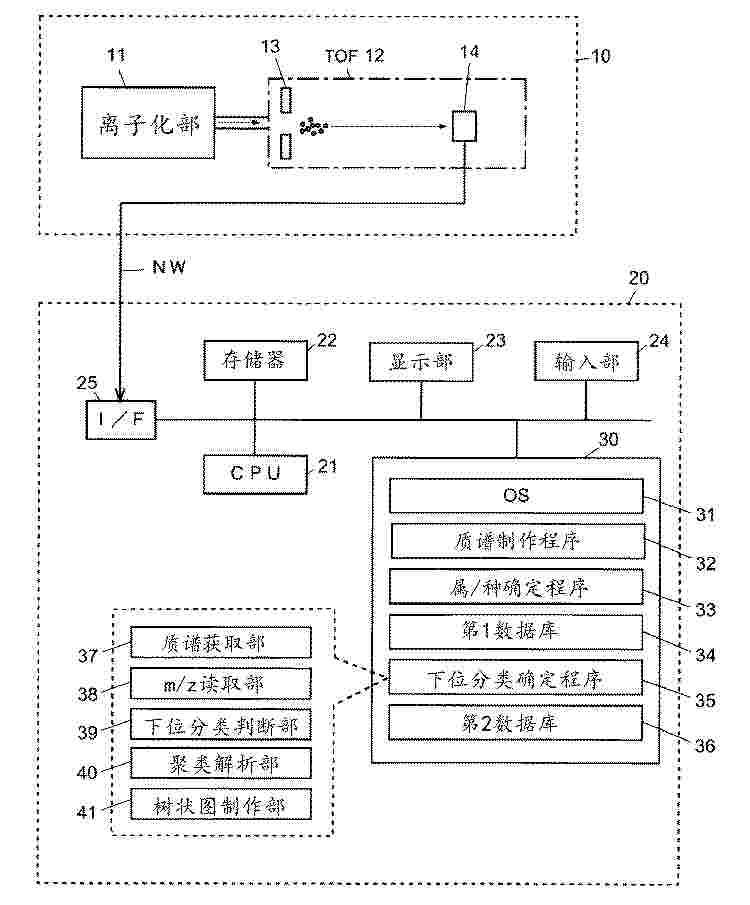
Provided is a method for recognizing a microorganism in which a marker protein is selected and used, said marker protein having good reproducibility with respect to a strain of the genus Listeria and being capable of quickly recognizing the strain of the genus Listeria. A method for identifying microorganisms according to the present invention is characterized by comprising: a step for obtaining a mass spectrum by mass-analyzing a sample containing microorganisms; a reading step for reading the mass-to-charge ratio m/z of a peak derived from a labeled protein from the mass spectrum; and an identification step for identifying which strain of Listeria monocytogenes is contained in the microorganism contained in the sample on the basis of the mass-to-charge ratio m/z, using at least one of 17 ribosomal proteins L3, L4, L23, L2, L24, L6, L18, S5, L15, S13, S11, L10, L21, L13, S9, L31, and S16 as the labeled protein, and particularly using at least one of 8 ribosomal proteins L24, L6, L18, L15, S11, S9, L31, and S16 from among the 17 ribosomal proteins as the labeled protein.
Resumen de: CN122487465A
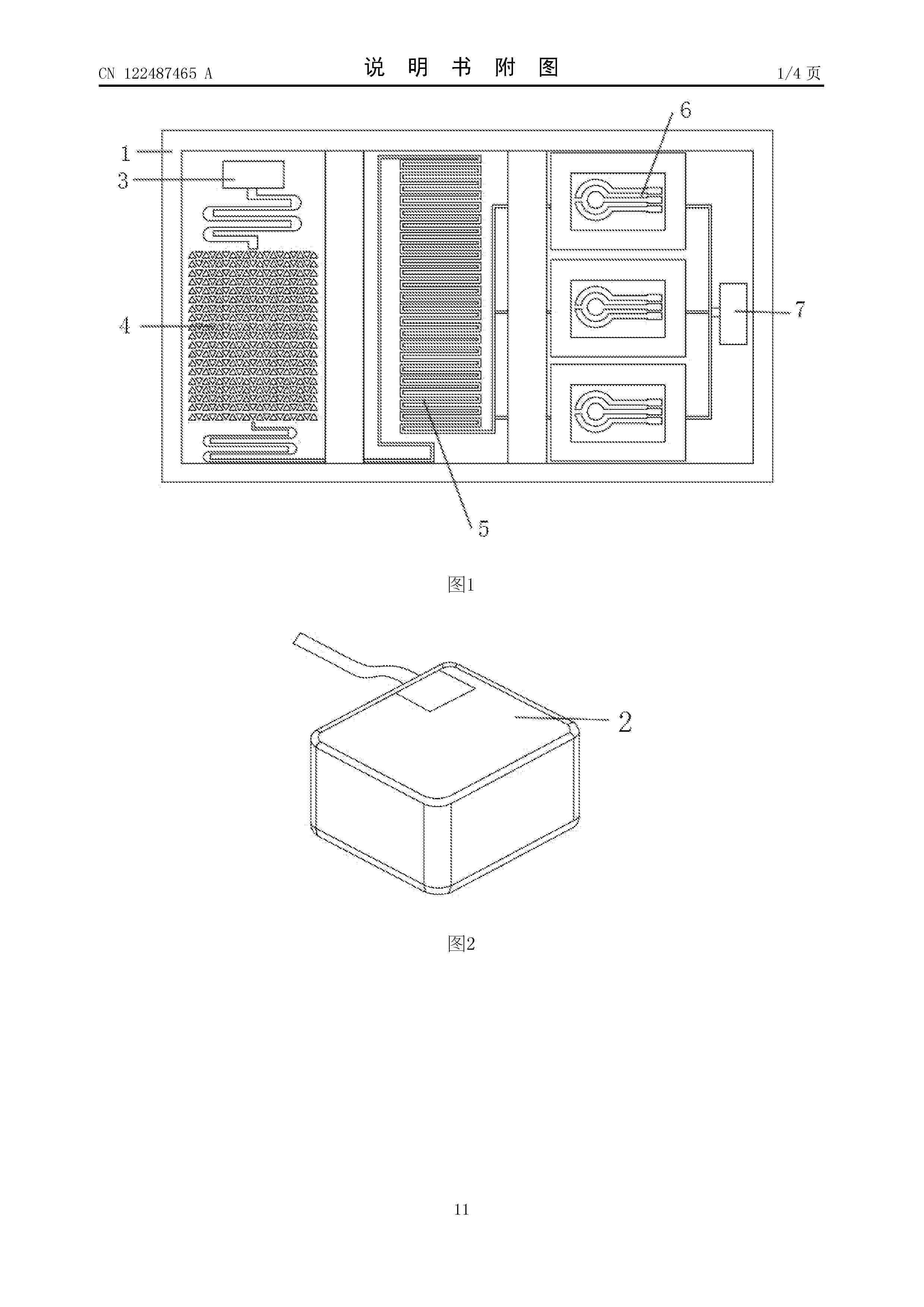
The invention relates to the technical field of biomedical detection and flexible electronics, and discloses a bedside instant detection chip and system for cerebrospinal fluid pathogenic bacteria based on flexible microfluidics and a multi-mode nanoprobe. The detection chip comprises a flexible electrochemical sensing array and a multi-layer micro-fluidic device, the flexible electrochemical sensing array and the multi-layer micro-fluidic device are aligned and bonded under the assistance of oxygen plasma to form a disposable detection chip module, and the sensing array is modified with broad-spectrum capture molecules and is matched with an aptamer functionalized multi-mode nano-probe; the detection system is composed of the chip module and a portable dual-mode detection terminal. According to the method, efficient enrichment of pathogenic bacteria is realized through a broad-spectrum capture interface, electrochemical quantitative screening and Raman spectrum strain identification are completed by combining a multi-mode nanoprobe with dual-mode signal reading, and the problems of long detection period, poor specificity and difficulty in bedside operation in the prior art are solved.
Resumen de: CN122483190A
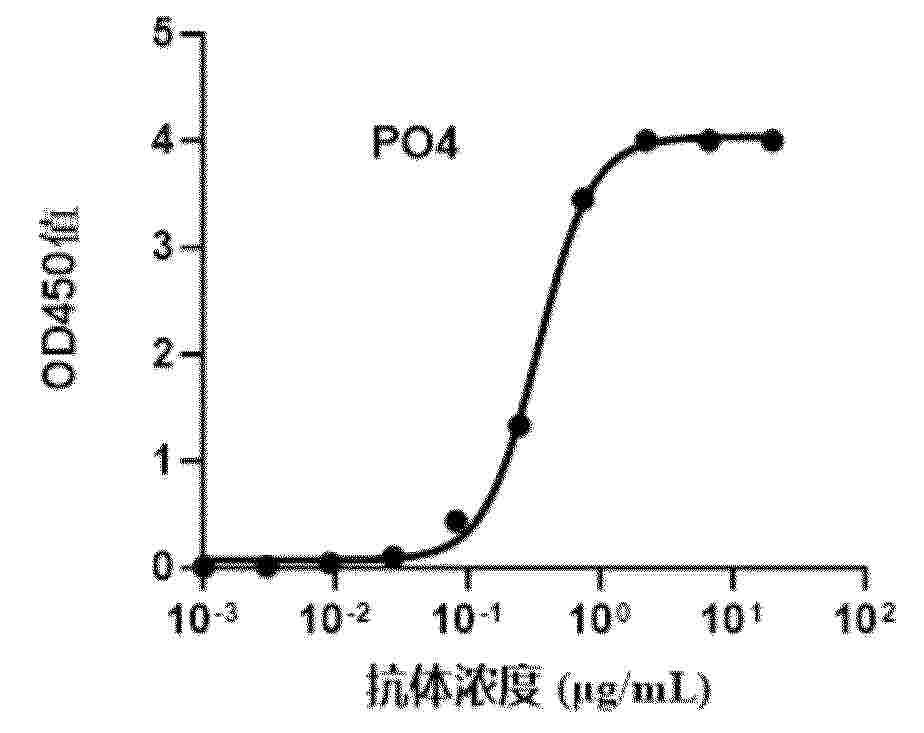
The invention provides a high-affinity antibody for resisting shiga toxin I, belongs to the field of biological medicine, and particularly relates to a nano antibody PO4 capable of efficiently neutralizing shiga toxin I (Stroga toxin type 1, Stx-1), the antibody can specifically recognize the B subunit of the shiga toxin I, and the binding is dose-dependent. The compound shows a good protection effect in cell experiments, and has a function of resisting I-type shiga toxin poisoning.
Resumen de: CN122484316A
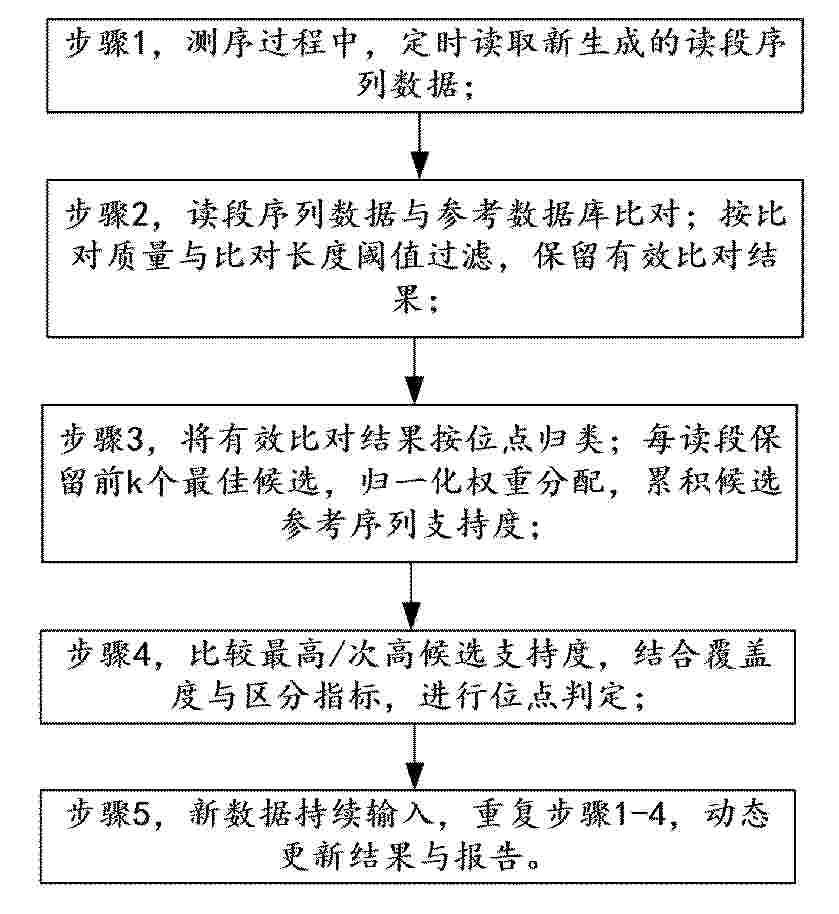
The invention discloses a salmonella real-time serotyping method based on nanopore sequencing, which comprises the following steps: step 1, in a sequencing process, reading newly generated read sequence data at regular time; step 2, comparing the read sequence data with a reference database; filtering according to comparison quality and comparison length threshold values, and retaining effective comparison results; 3, classifying effective comparison results according to sites; the first k optimal candidates are reserved for each read segment, weight distribution is normalized, and candidate reference sequence support degrees are accumulated; step 4, comparing the highest/second highest candidate support degree, and performing site judgment in combination with the coverage degree and the distinguishing index; and 5, continuously inputting new data, repeating the steps 1-4, and dynamically updating a result and a report. By utilizing the analysis method disclosed by the invention, the salmonella detection period can be obviously shortened; moreover, according to the method, the normalized weights of the read segments to the candidate reference sequences are accumulated through a soft allocation strategy, and the effective support degree is taken as a judgment basis, so that the accuracy and stability of an early judgment result can be improved.
Resumen de: US20260219269A1
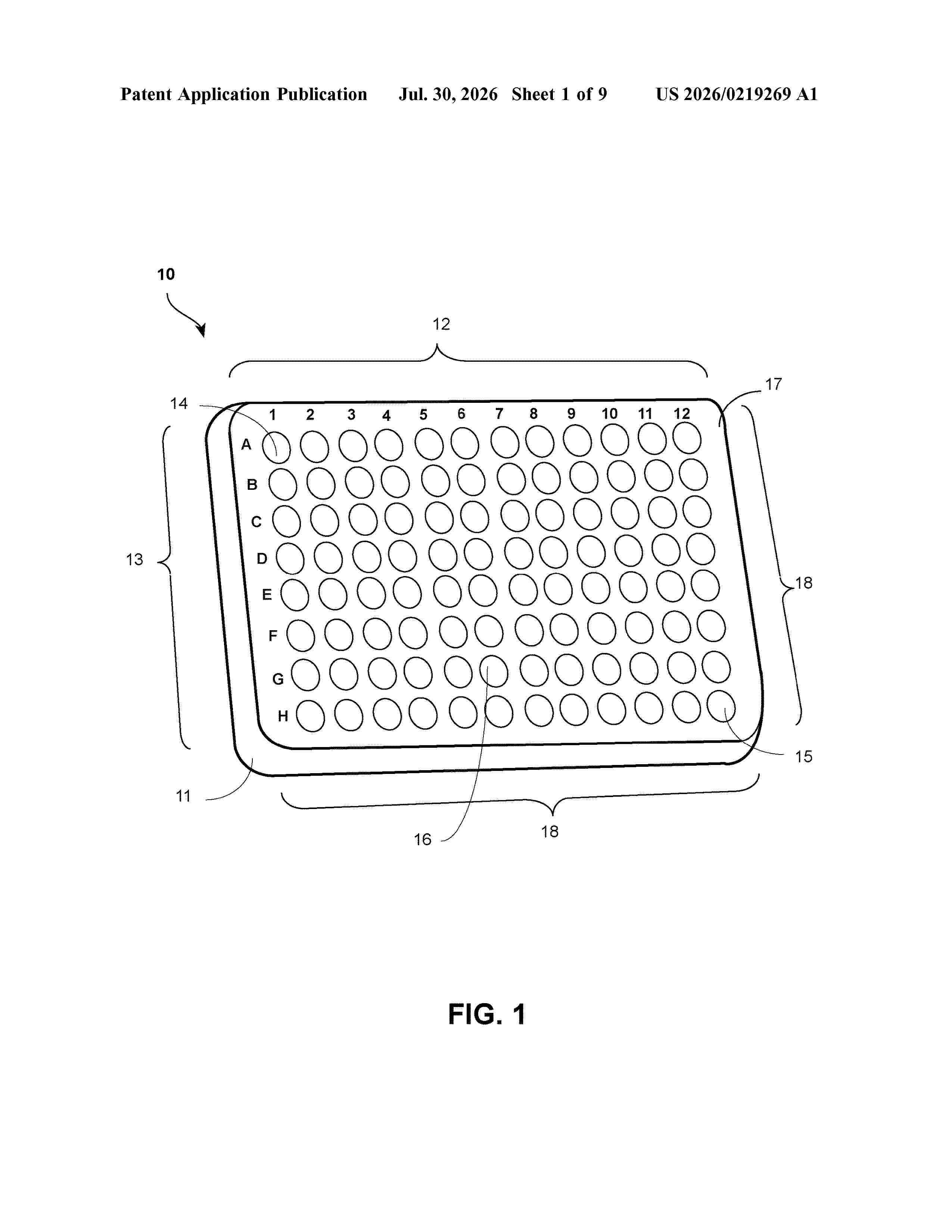
0000 A method and kit for for determining of an effective concentration of an antimicrobial agent for inhibiting bacterial growth are provided. The method and kit involve the use of a first and second multiwell receptacle. A fluid sample containing or suspected to contain one or more microbial organisms is dispensed into the wells of the first multiwell receptacle containing a range of dilutions of an antimicrobial agent, growth medium and a bacteriophage to form assay mixtures in the wells. The assay mixtures are then transferred to the corresponding wells of the second multiwell receptacle for detection.
Resumen de: US20260218209A1
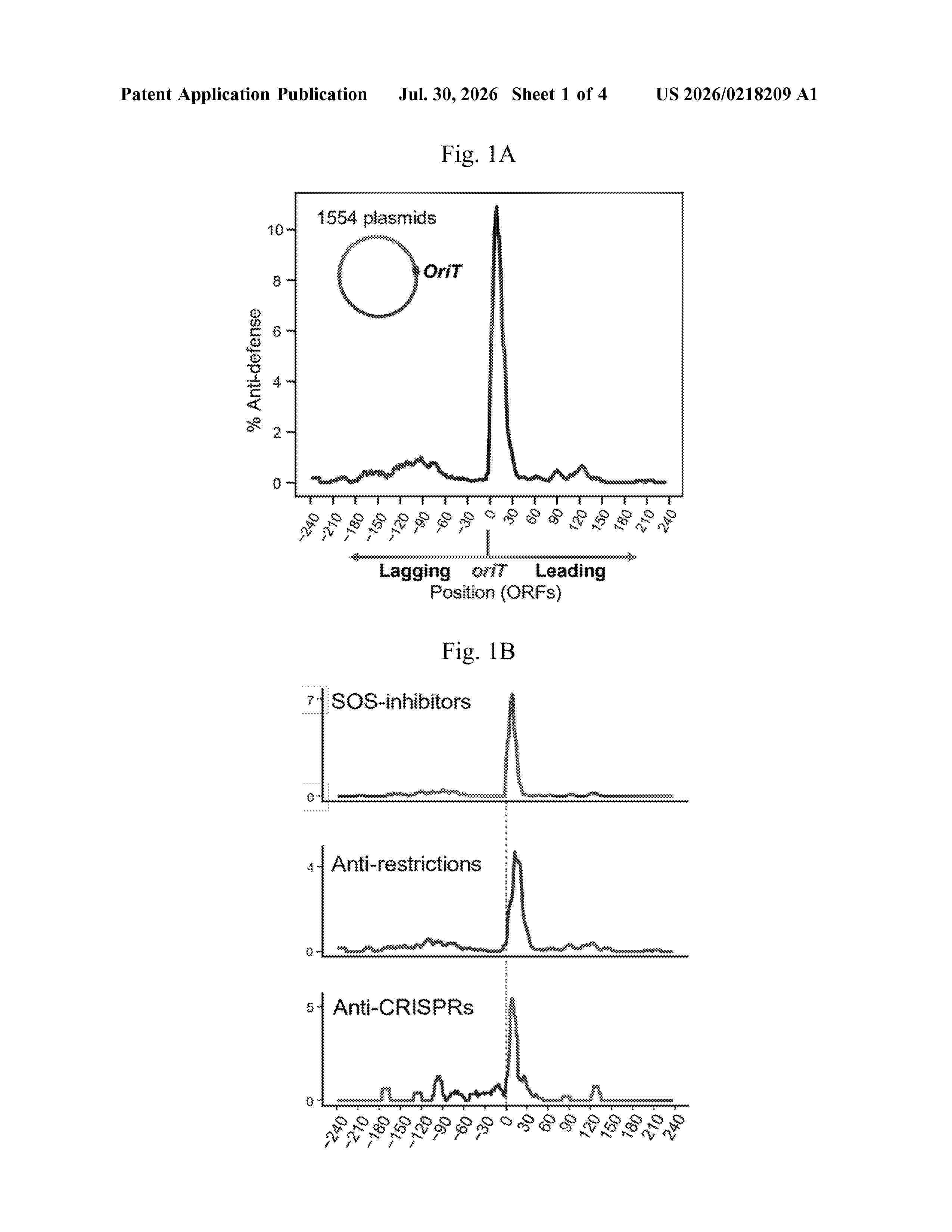
The present invention is directed to a method for increasing conjugation efficiency of a basic conjugative element by inserting into the leading region sequence of the conjugative element an anti-defense nucleotide sequence encoding at least one anti-defense gene.
Resumen de: WO2025021712A1
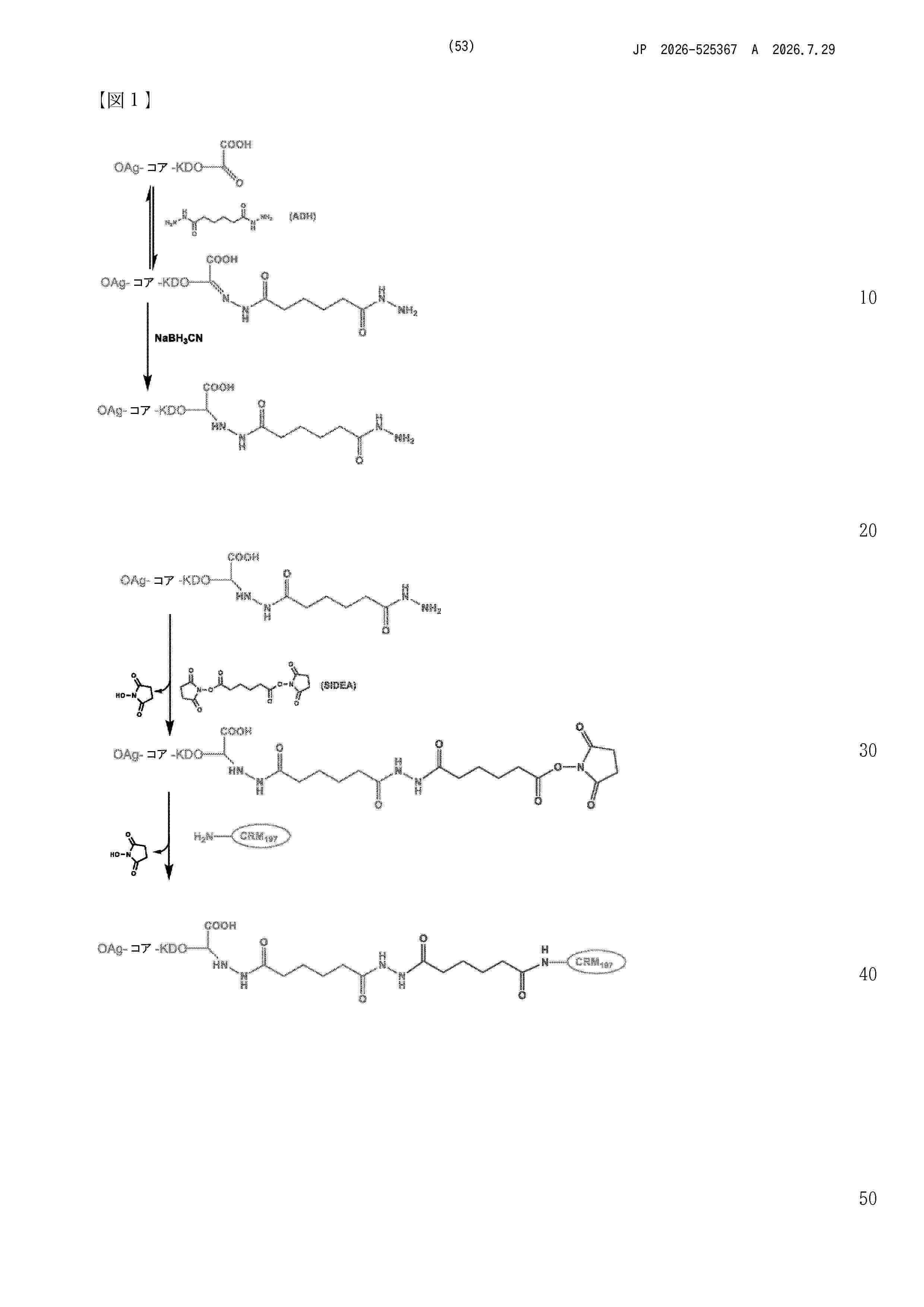
The present invention relates to immunogenic compositions comprising antigens from Salmonella enterica serovar Typhimurium (S. Typhimurium), Salmonella enterica serovar Enteritidis (S. Enteritidis), and Salmonella enterica serovar Typhi (S. Typhi). The present invention further relates to methods and uses of compositions comprising GMMA for boosting an immune response to an S. Typhi antigen, vaccines comprising the immunogenic compositions and methods and uses of the immunogenic compositions.
Resumen de: WO2025064651A1
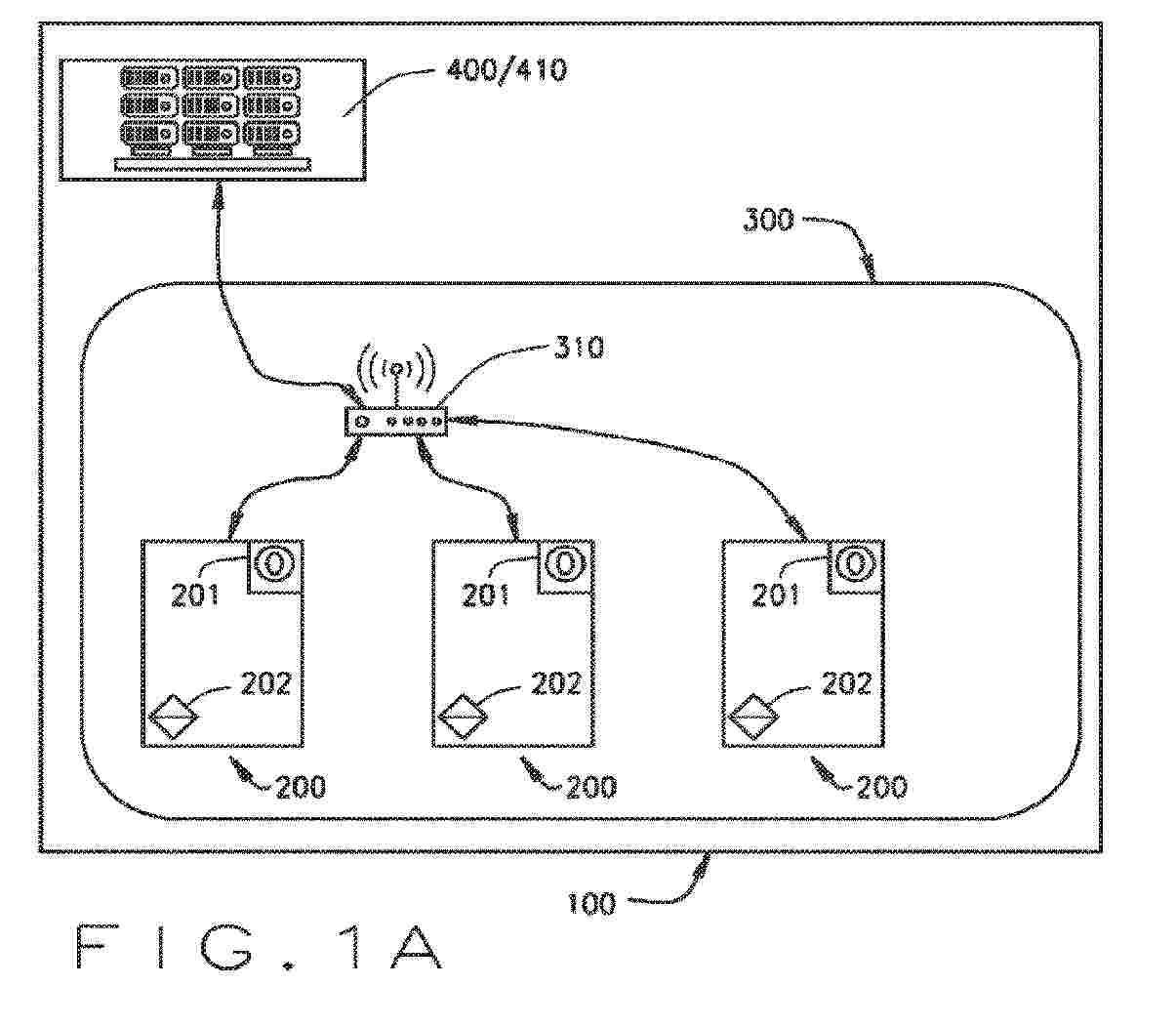
A sensor-enabled pathogen identification, differentiation, and quantification system that integrates into supply chains in an end-to-end fashion and is built on a multi-source, multi-sectoral data environment. The system uses portable sensing platforms that are easily integrated at multiple points along a supply chain and which integrate sample analysis and data processing such that all necessary work can be performed on-site and/or via wireless data transfer.
Resumen de: CN122465856A
The invention discloses a salmonella evolutionary bacteriophage for widening a host spectrum and application thereof, and belongs to the technical field of bacteriophages. The salmonella evolutionary bacteriophage is classified and named as salmonella evolutionary bacteriophage vBSalMJNSP1-E63 (salmonella evolutionary bacteriophage vBSalMJNSP1-E63), and the preservation number of the salmonella evolutionary bacteriophage vBSalMJNSP1-E63 is CCTCC (China Center For Type Culture Collection) NO: M 2026606. Host spectrum determination shows that the evolutionary bacteriophage can be used for cracking 28 salmonella strains with different serotypes, including national standard strains CMCC (B) 50001, CMCC 50014 and CMCC 50094. The optimal infection complex number of the bacteriophage is 0.1, the bacteriophage is kept stable at the temperature of 50 DEG C or below and the pH value of 3-12, and the bacteriophage has high splitting capacity on salmonella and can effectively inhibit salmonella pollution in food matrixes such as milk.
Resumen de: CN122461499A
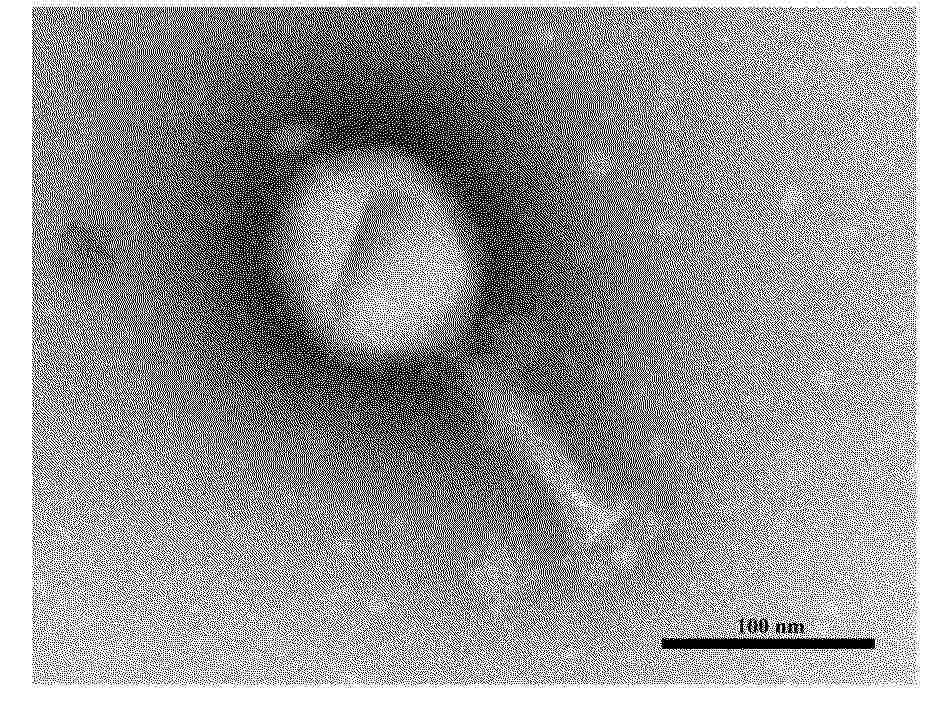
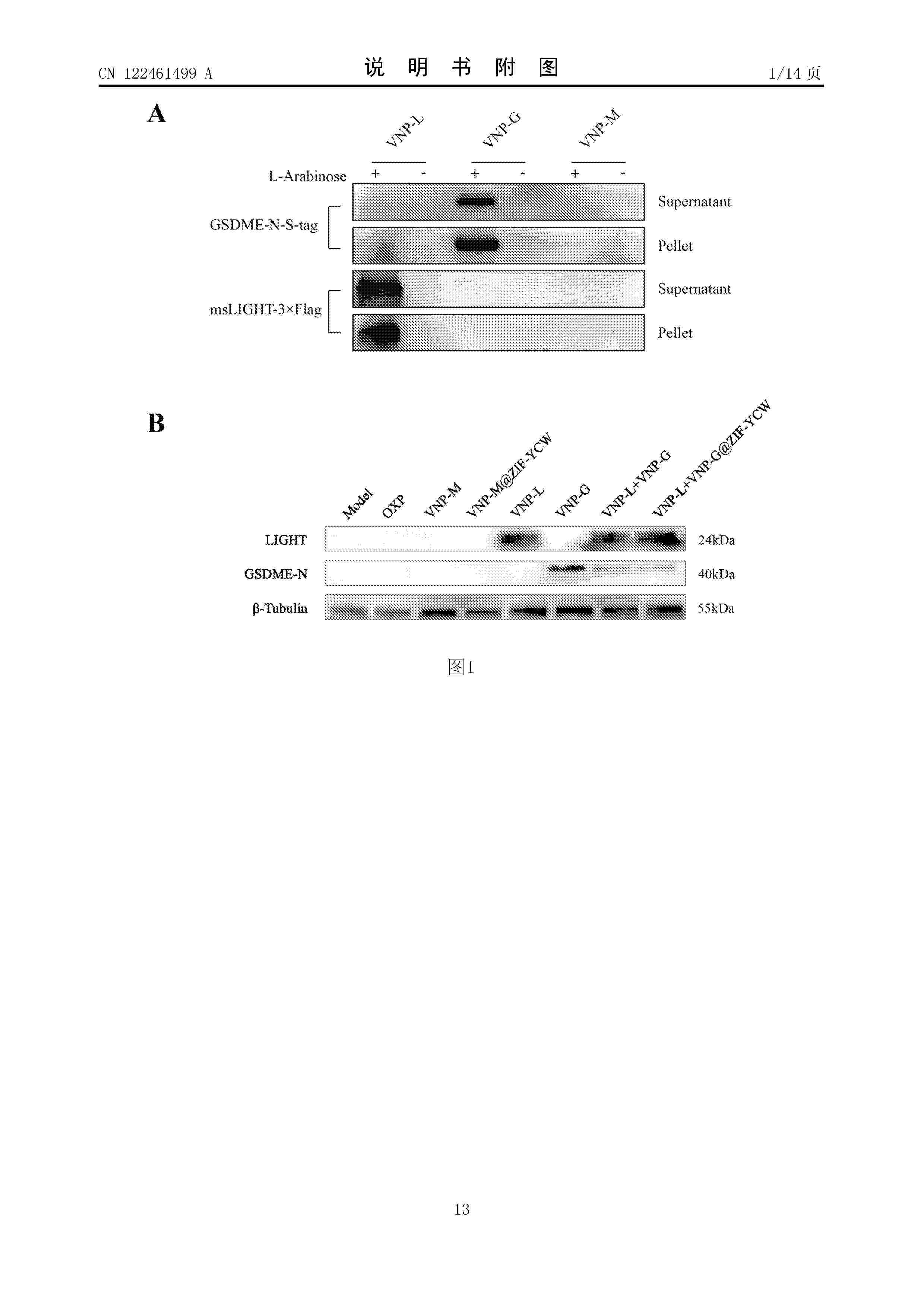
The invention belongs to the technical field of biological medicine and nano medicine, and particularly relates to engineering attenuated salmonella modified by a double-layer nano shell layer as well as a preparation method and application of the engineering attenuated salmonella. The engineering attenuated salmonella is of a shell-core structure, modified attenuated salmonella typhimurium VNP20009 engineering bacteria are taken as a core, and the surface of the inner core engineering strain is modified with a nano shell; wherein the engineering bacterium obtained by the modified attenuated salmonella typhimurium VNP20009 is an engineering bacterium VNP20009-GSDMA-N (VNP-G) which is constructed by a genetic engineering means and is used for expressing an N-terminal active structural domain (GSDMA-N) of a Gasdermin E protein, and the modified attenuated salmonella typhimurium VNP20009 and the modified attenuated salmonella typhimurium VNP20009 are constructed by a genetic engineering means; an engineering bacterium VNP20009-LIGHT (VNP-L) for expressing an extracellular functional region of a tumor necrosis factor superfamily member TNFSF14 (LIGHT protein is constructed through a genetic engineering means, and the engineering bacterium VNP20009-LIGHT (VNP-L) is combined with VNP-G. The engineering bacteria can stably express functional proteins in a tumor microenvironment, remarkably enhance local immune response of tumors and induce pyroptosis of tumor cells, so that growth a
Resumen de: CN122445528A
The invention relates to the technical field of microorganisms, in particular to enterococcus firmus C24, a probiotic agent and application of the probiotic agent. The preservation number of the enterococcus firmus C24 provided by the invention is CGMCC (China General Microbiological Culture Collection Center) No.33995. The enterococcus firmus C24 can be used for preparing the enterococcus firmus. The bacterial strain has broad-spectrum antibacterial activity, has an inhibiting effect on salmonella enteritidis, salmonella pullorum and salmonella typhimurium, is free of hemolysis, has good stress resistance, can survive in a gastrointestinal environment, also has relatively high biological safety, and is expected to be used for clinically preventing and controlling salmonellosis.
Resumen de: CN122444835A
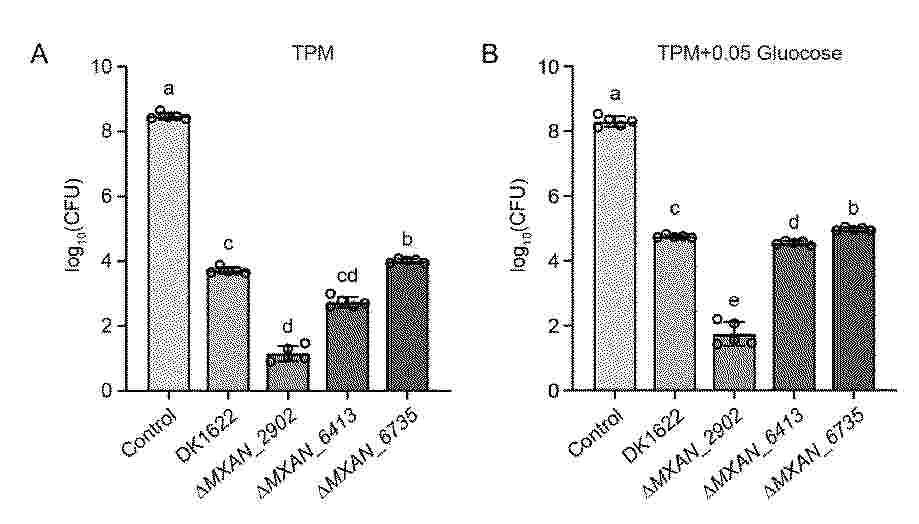
The invention discloses a gene prdR for regulating and controlling predation of myxobacteria and a protein coded by the gene prdR, and belongs to the technical field of biology. According to the invention, a mutant DK10 with significantly improved predatory ability is obtained by using an adaptive evolution strategy; a genetic variation site of a mutant DK10 is analyzed through a bacterial genome re-sequencing technology, the function of the genetic variation site is researched by combining a gene knockout technology, and it is found that the predation capacity of myxococcus flavus is remarkably enhanced through gene deletion of MXAN2902 (prdR, the nucleotide sequence of which is shown as SEQ ID NO.1). The invention discloses a nucleotide sequence and an amino acid sequence of a transcription activator PrdR for regulating and controlling the predation of myxococcus flavus, a myxococcus flavus functional strain capable of efficiently preying salmonella enteritidis can be developed by utilizing a prdR gene, and a new strategy is provided for the prevention and control of drug-resistant HVPG pathogenic bacteria.
Resumen de: CN122440634A
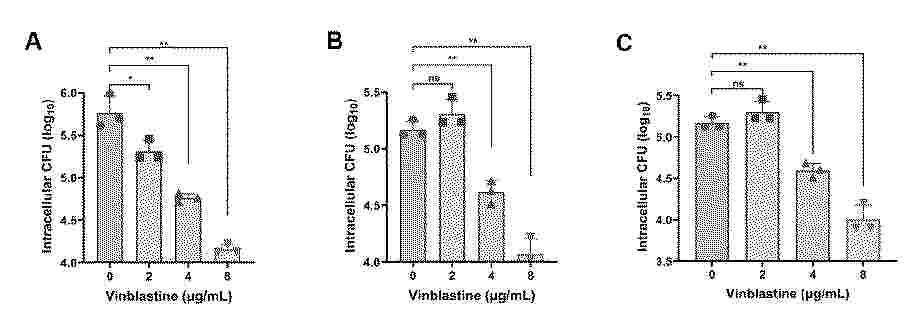
The invention provides application of vinblastine in preparation of a salmonella infection resisting medicine, and belongs to the technical field of biological medicine. The vinblastine is proved to be capable of remarkably reducing the load of salmonella in host cells and relieving pathological damage of target organs caused by salmonella infection, has excellent biocompatibility and in-vivo treatment effect, provides a new choice for developing host-oriented intracellular bacterium infection resisting drugs, and has good clinical application prospect and industrial value.
Resumen de: CN122440580A
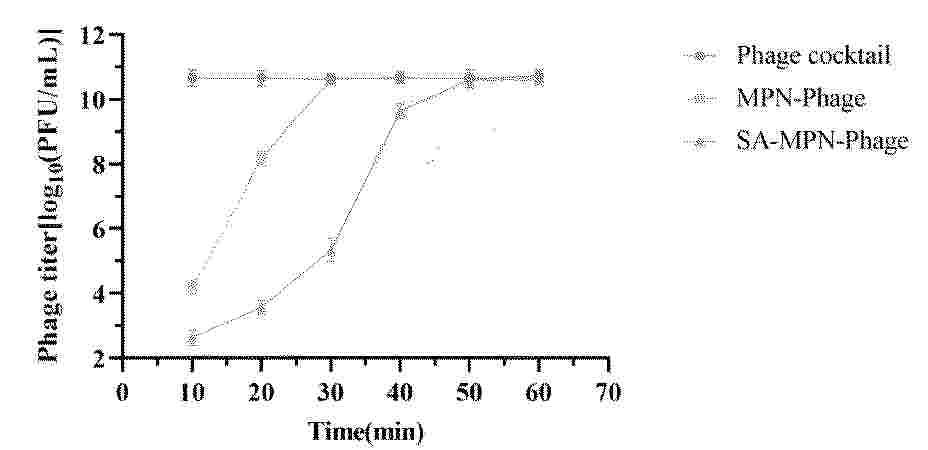
The invention belongs to the technical field of microbial preparations, and particularly discloses an SA-MPN encapsulated bacteriophage preparation and a preparation method and application thereof, the preparation method comprises the following steps: taking a bacteriophage cocktail concentrated solution, and adding a tannic acid solution, a FeCl3. 6H2O solution and a phosphate buffer solution to obtain a metal phenolic network encapsulated bacteriophage; and then sequentially adding a CaCl2 solution and a sodium alginate solution into the metal phenolic network encapsulated bacteriophage to obtain the sodium alginate-metal phenolic network-bacteriophage mixture microcapsule. According to the SA-MPN encapsulated bacteriophage preparation as well as the preparation method and the application thereof, the bacteriophage can be effectively protected from gastric acid, high temperature and ultraviolet stress, and targeted slow release of intestinal tracts is realized; the preparation has the advantages of high entrapment efficiency, good stability, antioxidant activity, obvious bacteriostatic effect on salmonella, and high biological safety.
Resumen de: CN122439805A
The invention discloses a broiler feed additive, a feed and application of the broiler feed additive in resisting salmonella infection, and belongs to the technical field of livestock and poultry feed additives. The broiler feed additive comprises one or two of ursolic acid and 3-indolepropionic acid. The invention discloses a broiler feed additive, a feed and application of the broiler feed additive in salmonella infection resistance, the feed additive can improve the growth performance of broilers infected with salmonella, improve the intestinal barrier function and significantly improve the health condition and production performance of the broilers, and has good economic benefits.
Resumen de: CN122445651A
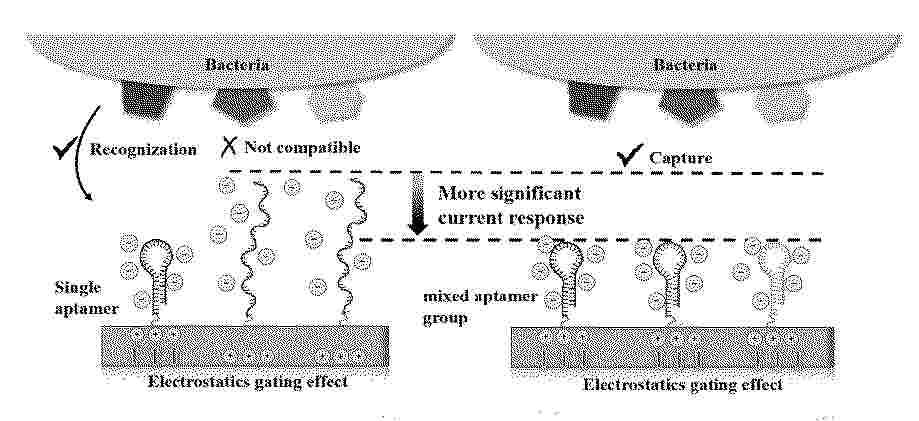
The invention discloses a nucleic acid aptamer combination for detecting escherichia coli O157 and a biosensor of the nucleic acid aptamer combination. The nucleic acid aptamer combination for detecting the escherichia coli O157 is composed of nucleic acid aptamers shown in SEQ ID NO: 1-3, the nucleic acid aptamer combination has multiple recognition sites and can perform multi-molecule joint detection on bacterial cells to be detected through the synergistic effect, and the affinity and specificity of the aptamers to target substances are improved; when being applied to a biosensor for detection and used as an important recognition element, the Escherichia coli O157 sensor realizes high-sensitivity detection on Escherichia coli O157 in a biosensing platform, the accuracy reaches 100%, the capturing efficiency on viable bacteria cells is effectively improved, and the sensitivity of the sensor and the detection accuracy are further improved. Meanwhile, the invention provides a method for specifically detecting Escherichia coli O157 by the nucleic acid aptamer combined functionalized biosensor, and more methods and means are provided for detection of food-borne bacteria.
Resumen de: CN122439777A
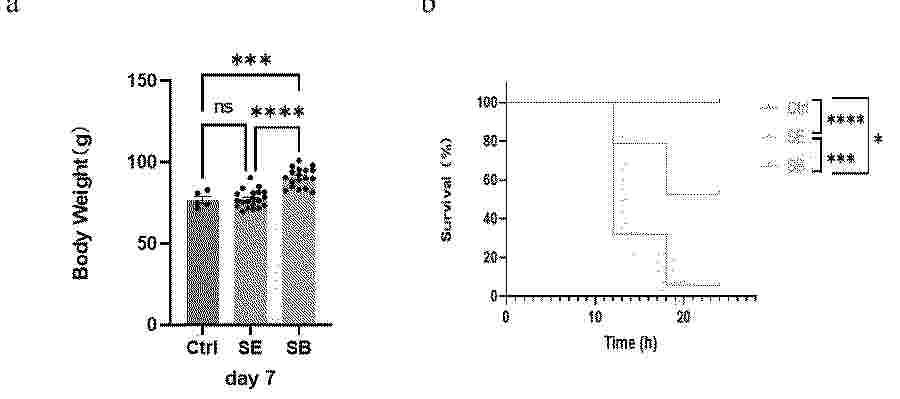
The invention belongs to the field of feed additives, and particularly discloses application of sodium butyrate in preparation of a salmonella pullorum resistant feed additive, and the sodium butyrate is added into a chicken basal feed to serve as the salmonella pullorum resistant feed additive. The sodium butyrate is added into the chicken basal feed, so that the bacterium carrying capacity of chicken liver and spleen infected by salmonella pullorum can be remarkably reduced, the ratio of villus length to crypt depth of chicken cecum infected by salmonella pullorum is remarkably increased, and the intestinal absorption capacity is improved; the content of CD3 + T cells, TCR + T cells, macrophages and B cells in the liver of the chicken infected with salmonella pullorum can be obviously reduced; further, the weight of the salmonella pullorum infected chicken is remarkably increased, and the survival rate of the salmonella pullorum infected chicken is increased. In conclusion, by adding the sodium butyrate into the chicken basal feed, the resistance to infection of salmonella pullorum can be enhanced.
Resumen de: CN122440611A
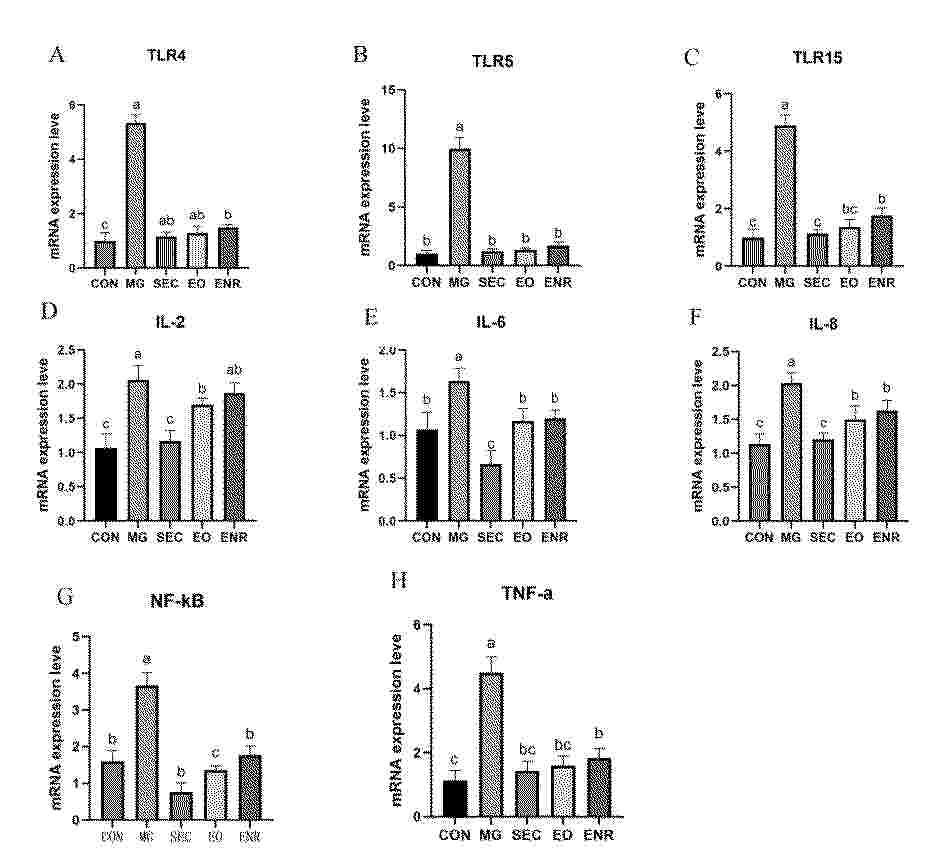
The invention belongs to the technical field of poultry breeding, and particularly relates to application of a peppermint and lemon mixture to prevention and treatment of salmonella enteritidis infection of chicks. The peppermint and lemon mixture provided by the invention is easily dissolved in water, is transparent in liquid, and is suitable for drinking water addition of poultry. The result of the embodiment shows that the content of the salmonella enteritidis added in drinking water is obviously lower than that of the enrofloxacin added group; along with the prolonging of the storage time, the pH value of drinking water in each group is gradually increased, but is obviously lower than that of the enrofloxacin group. The carvacrol and citric acid mixture provided by the invention is high in water solubility and strong in stability, can significantly inhibit proliferation of salmonella enteritidis and increase of pH, and has better antibacterial effect than corresponding independent carvacrol or citric acid; according to the present invention, the expression level of the infection-related gene is significantly reduced, the inflammatory response of the body is reduced, the intestinal structure damage caused by the Salmonella enteritidis infection can be easily recovered, the expression of the tight junction protein can be improved, and the intestinal mucosa biological barrier can be adjusted so as to achieve the intestinal mucosa protection effect;
Resumen de: CN122445823A
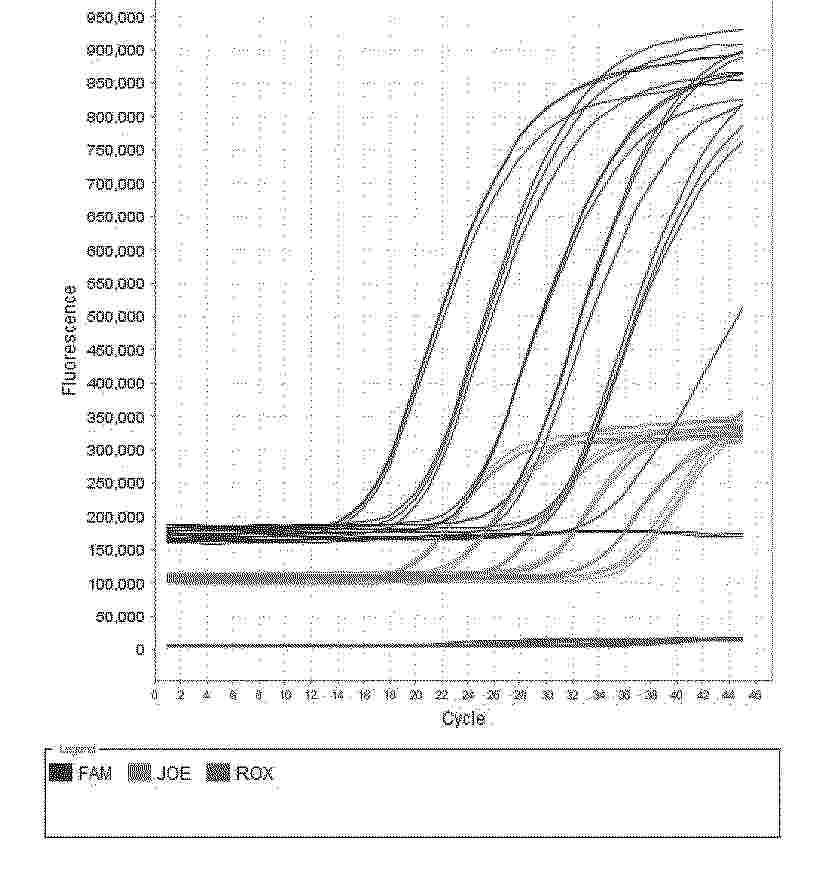
The invention relates to the technical field of microbiological detection, in particular to a primer probe composition and a kit for simultaneously detecting salmonella and acinetobacter baumannii and application of the primer probe composition and the kit, the primer probe composition comprises a primer pair and a probe for detecting salmonella and a primer pair and a probe for detecting acinetobacter baumannii; the nucleotide sequence of the primer pair for detecting the salmonella comprises a sequence as shown in SEQ ID NO.1-2, and the nucleotide sequence of the probe for detecting the salmonella comprises a sequence as shown in SEQ ID NO.3; the nucleotide sequence of the primer pair for detecting the acinetobacter baumannii comprises a sequence as shown in SEQ ID NO.4-5, and the nucleotide sequence of the probe for detecting the acinetobacter baumannii comprises a sequence as shown in SEQ ID NO.6. The invention further discloses a kit for detecting the acinetobacter baumannii. According to the invention, salmonella and acinetobacter baumannii can be quantitatively detected rapidly, sensitively and simultaneously in a single reaction system in a non-interfering manner, and the kit has important application value for clinical rapid screening, hospital infection control and food safety risk monitoring.
Resumen de: US20260207687A1
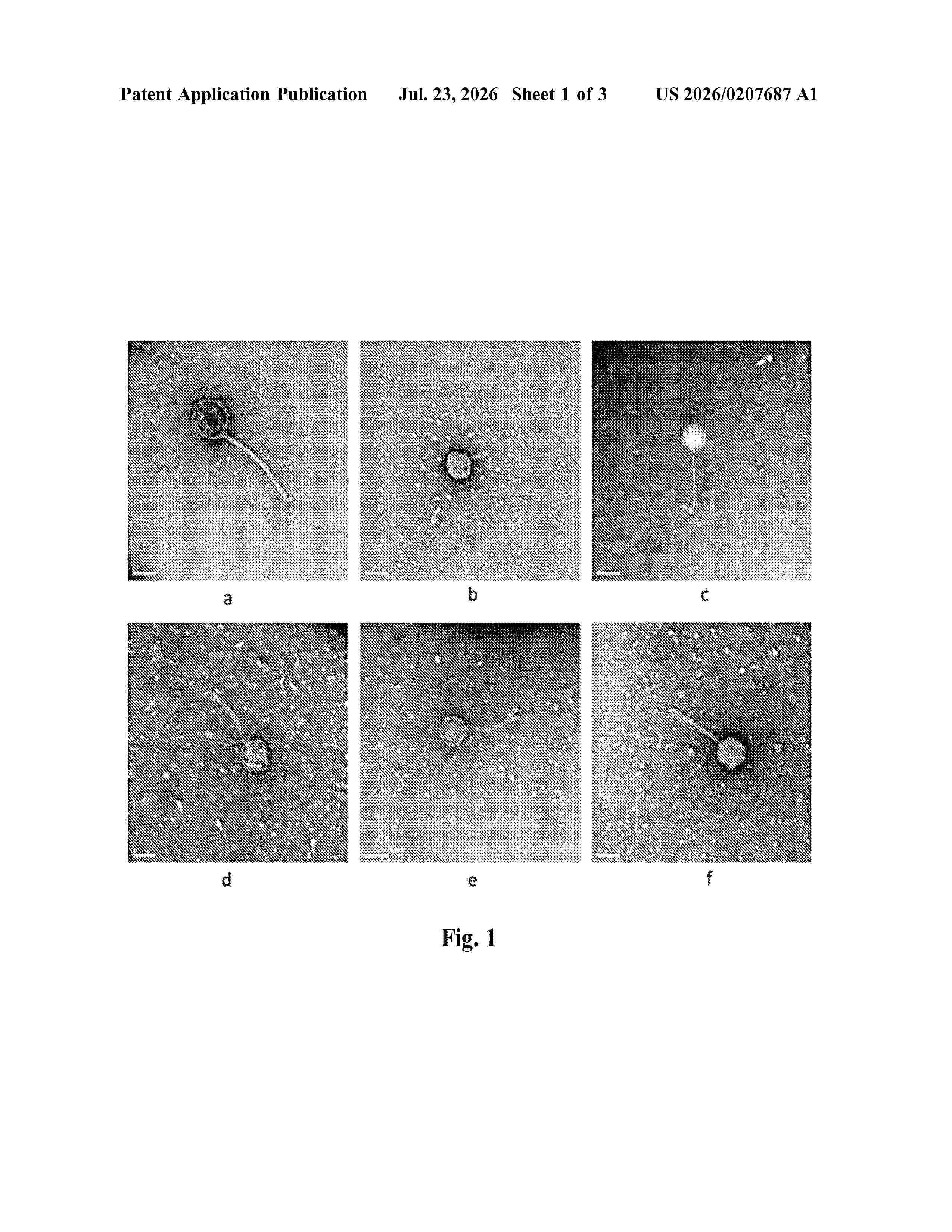
0000 A composition of bacteriophages comprising at least one phage selected from TTS1, TTS2, TTS3, TTS4, TTS5, and TTS6, wherein the phages are optionally encapsulated; and a method for preventing or treating an infection caused by Salmonella Gallinarum by administering to a subject a therapeutically effective amount of the composition.
Nº publicación: JP2026524412A 22/07/2026
Solicitante:
ビオメリュー
Resumen de: WO2025003119A1
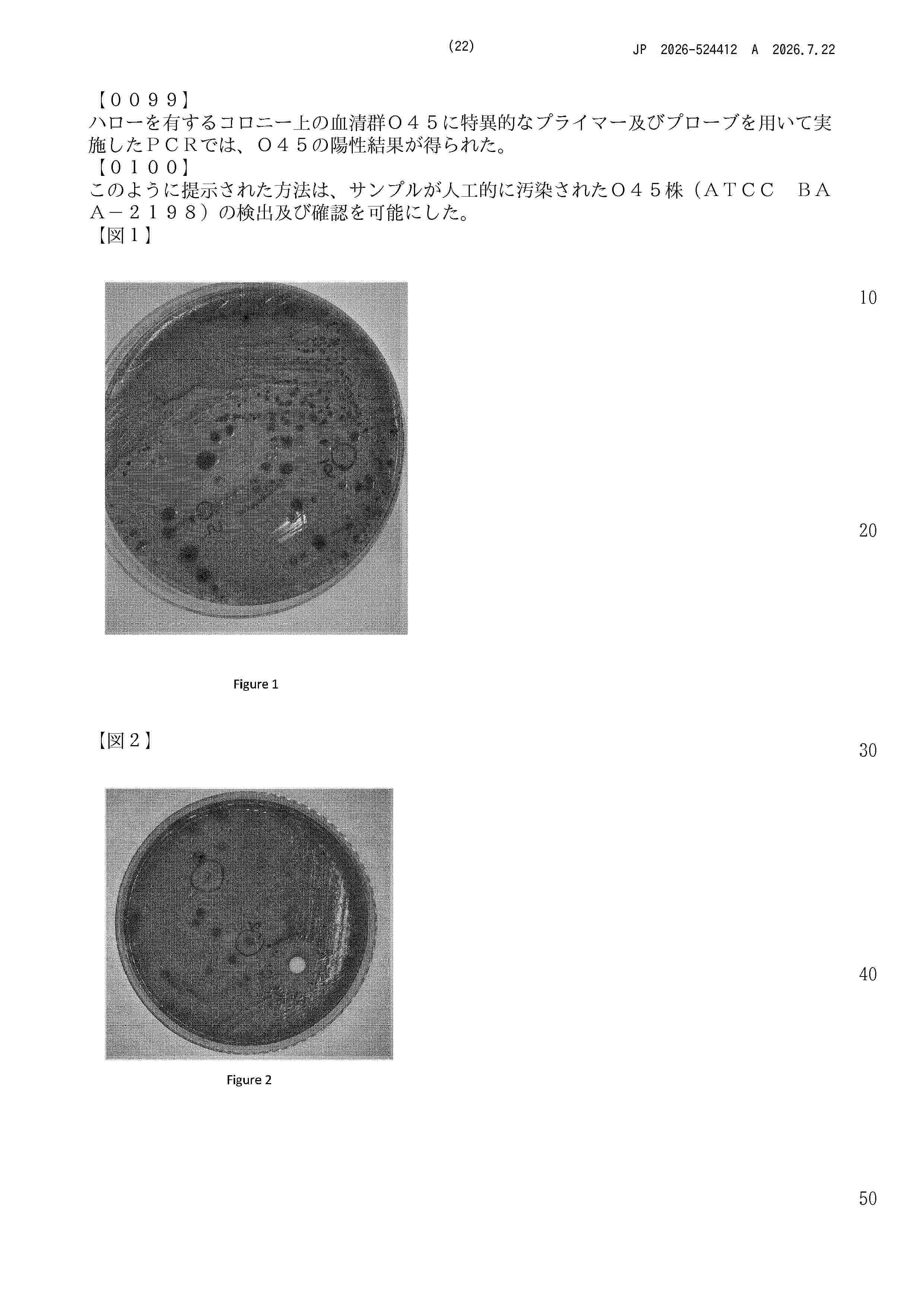
The invention relates to a method for detecting and confirming at least one Shiga toxin-producing Escherichia Coli (STEC) which may be present in a sample comprising enterobacteria, comprising the following steps: - performing lysis of the sample, enabling lysis of the STECs in order to obtain a solution comprising the nucleic acids thereof; - bringing the solution of nucleic acids into contact with primers, making it possible to amplify at least the stx1 and/or stx2 gene or gene fragment; - if at least one of the stx1 and/or stx2 genes or gene fragments is amplified, part of the sample is deposited on an agar reaction medium comprising ■ at least one toxin inducer, ■ at least one agglutinating conjugate formed by at least one binding partner specific to the STX1 protein and/or at least one binding partner specific to the STX2 protein, which binding partner(s) is (are) coupled to a nanoparticle; - detecting and confirming the presence of at least one STEC by the appearance of a halo on the agar around the STEC.
 BOPI
BOPI
 Sede Electrónica