Si deseas distinguir tus productos, servicios o ambos de los de otra empresa, es posible que necesites una marca o nombre comercial. Descubre qué son, en qué consiste su procedimiento de registro y qué implica.

Información sobre los plazos de presentación de solicitudes de transformación de marcas de la Unión Europea en marca nacional española. Más información


Si tienes un nuevo dispositivo, producto o procedimiento que resuelva un problema técnico o tenga una ventaja práctica, existen distintas formas de protegerlo en España y en otros países. Descubre cómo hacerlo.

¿Tu innovación reside en la estética, la ornamentación o la apariencia de tu producto? Protégela mediante un diseño industrial. Descubre qué derechos confiere el registro y cómo realizar la tramitación.

Las indicaciones geográficas protegen el nombre de un producto originario de una zona geográfica, a la cual le debe una determinada calidad, reputación u otra característica. Descubre qué son, en qué consiste su procedimiento de registro y qué beneficios conceden.

Las patentes publicadas en todo el mundo son una valiosa fuente de información científica, técnica y comercial.

Si eres emprendedor/a o una empresa y quieres potenciar y mejorar la rentabilidad de tu negocio protegiendo de forma adecuada los activos intangibles de tu organización, en este espacio encontrarás lo necesario.


 1026
resultados
1026
resultados
 Última actualización
22/10/2026 [10:44:00]
Última actualización
22/10/2026 [10:44:00]


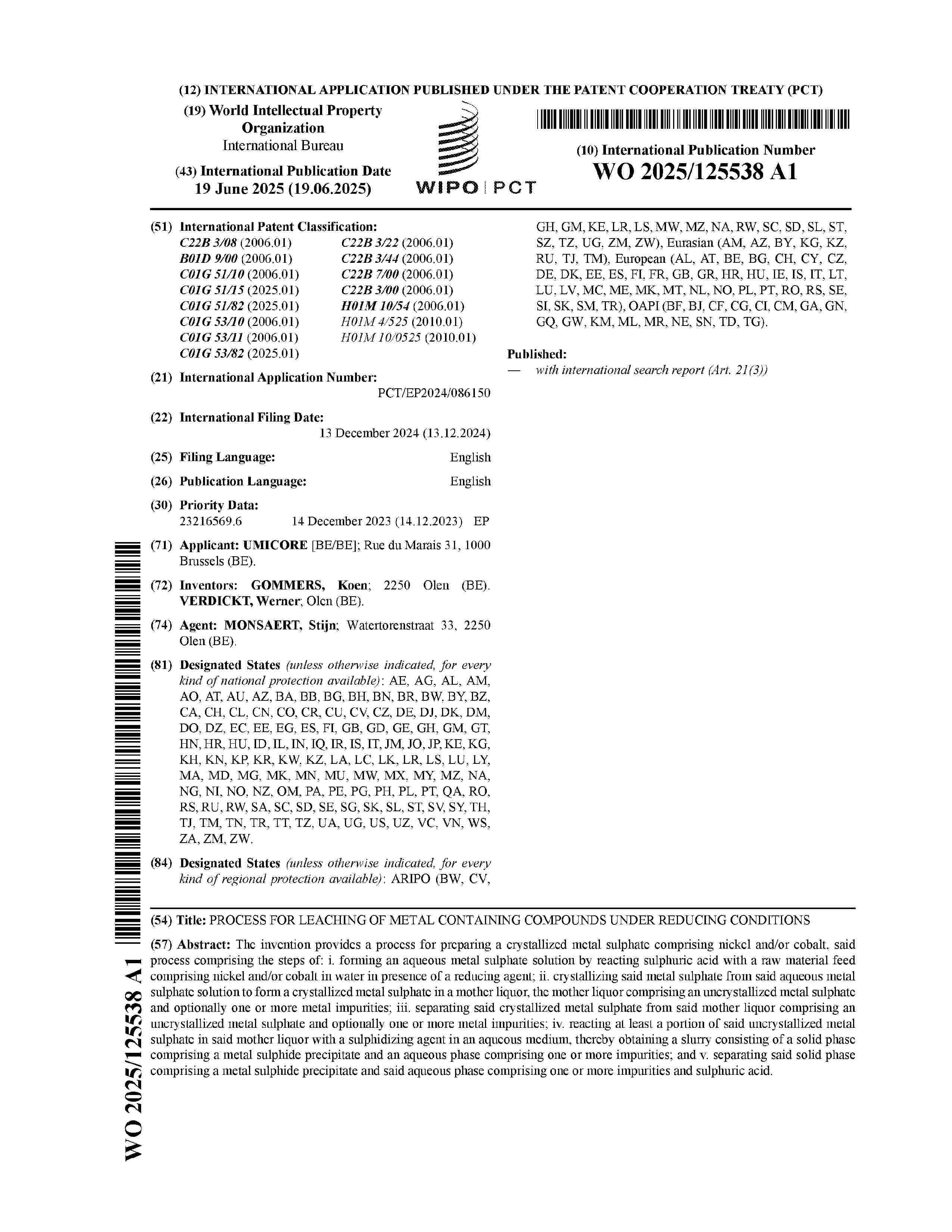
Resumen de: WO2025125538A1
The invention provides a process for preparing a crystallized metal sulphate comprising nickel and/or cobalt, said process comprising the steps of: i. forming an aqueous metal sulphate solution by reacting sulphuric acid with a raw material feed comprising nickel and/or cobalt in water in presence of a reducing agent; ii. crystallizing said metal sulphate from said aqueous metal sulphate solution to form a crystallized metal sulphate in a mother liquor, the mother liquor comprising an uncrystallized metal sulphate and optionally one or more metal impurities; iii. separating said crystallized metal sulphate from said mother liquor comprising an uncrystallized metal sulphate and optionally one or more metal impurities; iv. reacting at least a portion of said uncrystallized metal sulphate in said mother liquor with a sulphidizing agent in an aqueous medium, thereby obtaining a slurry consisting of a solid phase comprising a metal sulphide precipitate and an aqueous phase comprising one or more impurities; and v. separating said solid phase comprising a metal sulphide precipitate and said aqueous phase comprising one or more impurities and sulphuric acid.

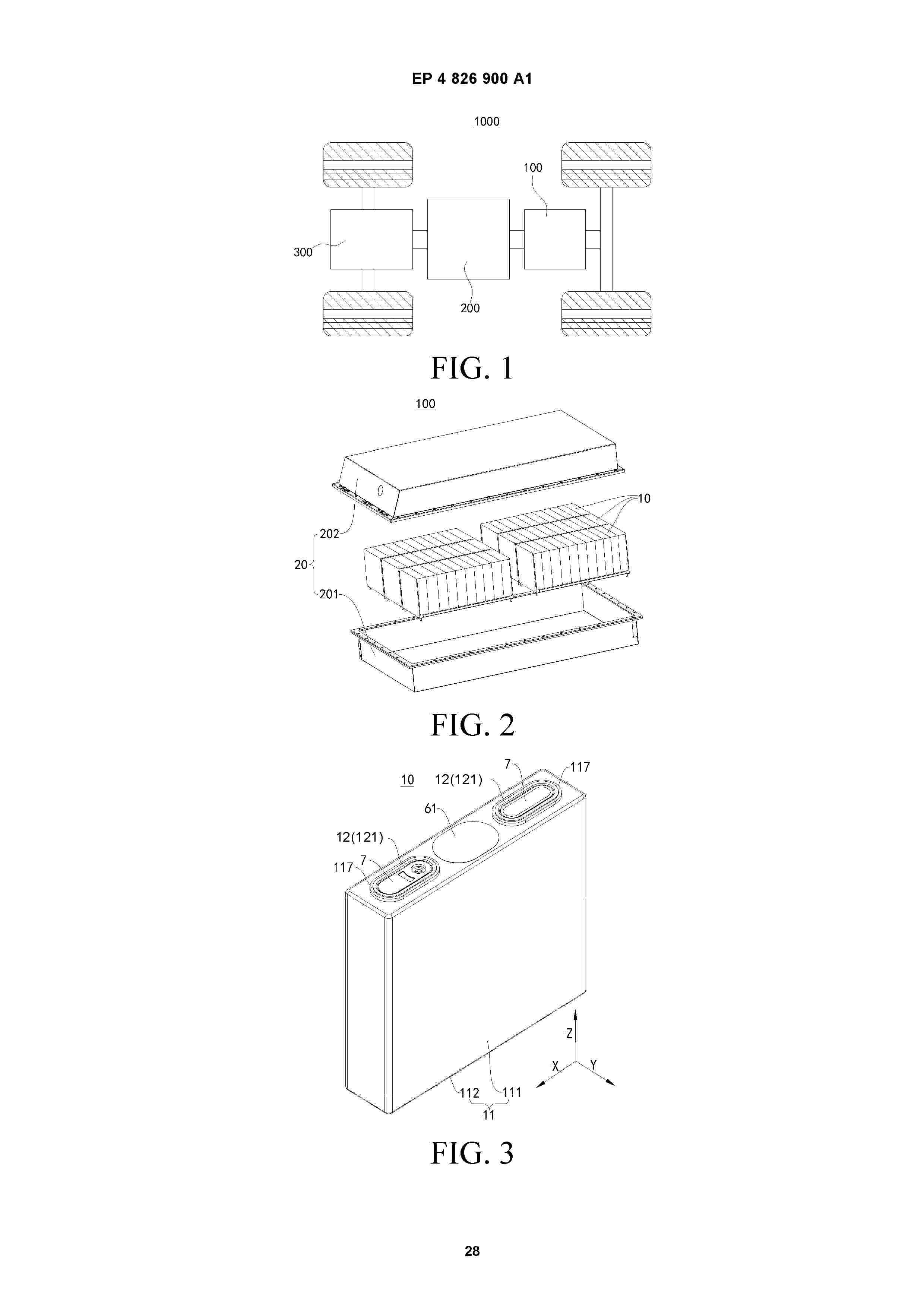
Resumen de: EP4826900A1
0001 A battery cell (10), a battery (100), and an electrical apparatus (1000). The battery cell (10) comprises: a housing (11), comprising a housing cover (112) and a housing body (111), wherein the housing (11) is provided with electrode columns (12); an electrode assembly (2), comprising a conductive portion (22) and an active substance coating portion (21), wherein the conductive portion (22) is electrically connected to the active substance coating portion (21) and the electrode columns (12); a support (3), arranged within the housing body (111) and located at the end of the active substance coating portion (21) away from the housing cover (112); and an insulating piece (4), comprising a main body insulating portion (41), a first insulating portion (42) and a second insulating portion (43), wherein the main body insulating portion (41) is arranged on the peripheral side of the active substance coating portion (21), the first insulating portion (42) is arranged between the support (3) and the end of the active substance coating portion (21) away from the housing cover (112), and the second insulating portion (43) is arranged at the end of the active substance coating portion (21) close to the housing cover (112). The risk of failure and damage of the electrode assembly (2) is reduced, the risk of corrosion of the housing (11) is reduced, and the reliability and stability of the battery cell (10) are improved.
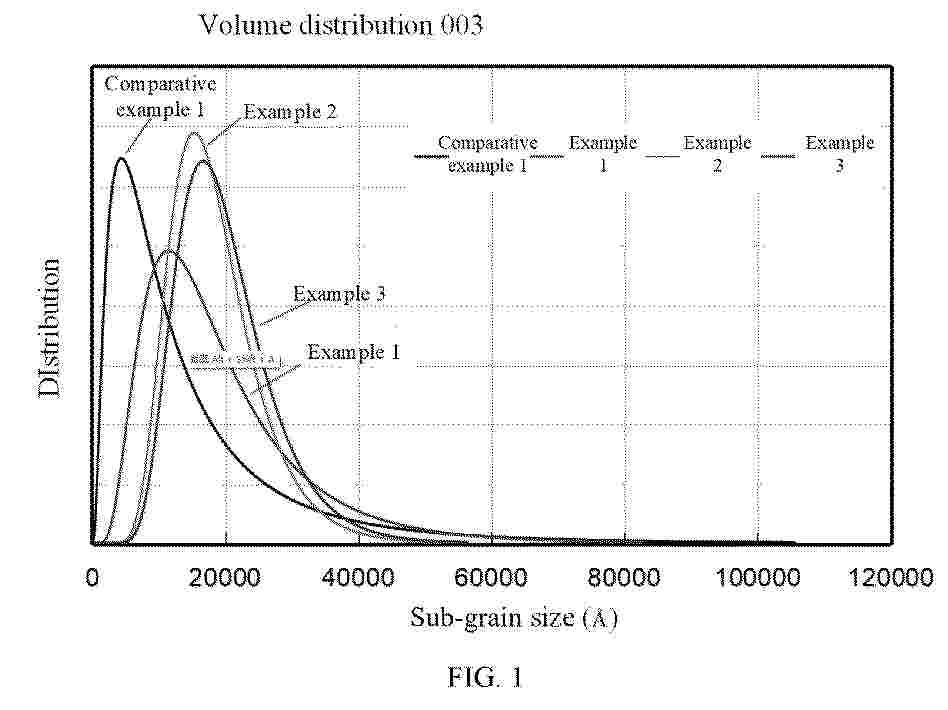
Resumen de: EP4826793A1
The present disclosure relates to a cathode material and a method for preparing same, a battery, and an electrical device. The cathode material includes a composition represented by Formula (1): LiaNixMnyCozM1bM2cO2 Formula (1), in which: 0.9≤a≤1.1, 0.5≤x<1, 0
Resumen de: EP4826876A1
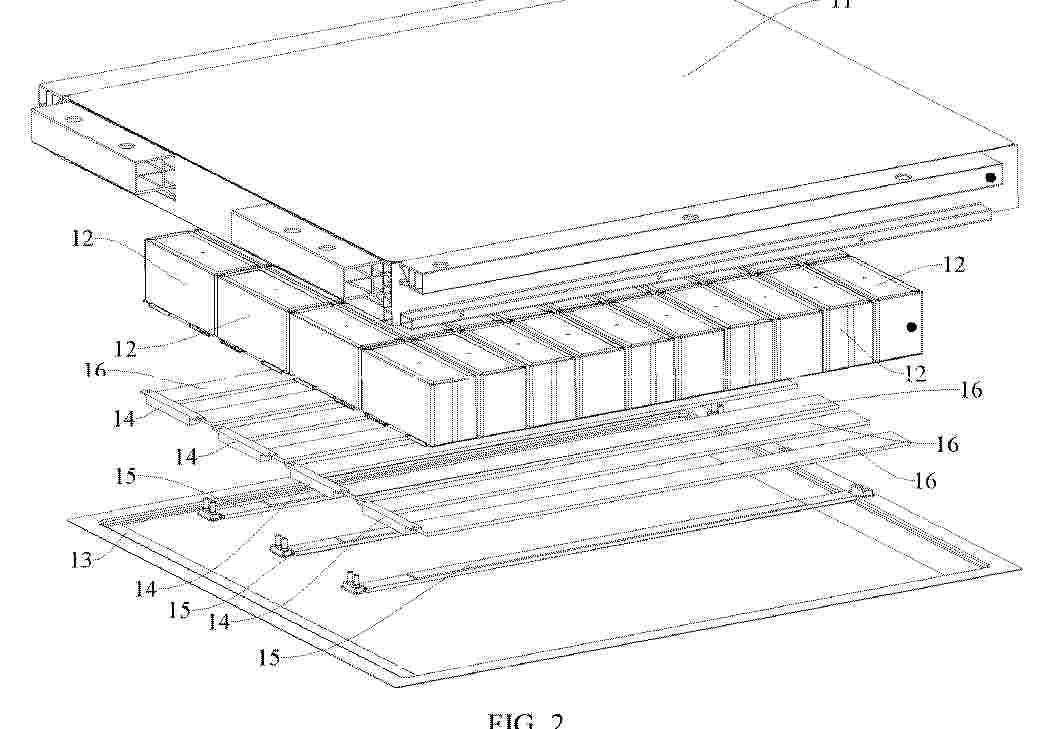
The present application relates to the technical field of batteries, and provides a battery module, a battery, and an electric device. The battery module comprises battery cells, end plates, and side plates. Each end plate comprises an end plate body and an insertion structure, the end plate body defines a first surface, and the first surface extends in the length direction and the width direction of the end plate; the insertion structure is formed on the first surface, insertion grooves are respectively formed in the two ends of the insertion structure in the length direction, and the insertion grooves extend in the width direction; and each side plate comprises a bent part, and the bent part is inserted into the corresponding insertion groove.
Resumen de: EP4826873A1
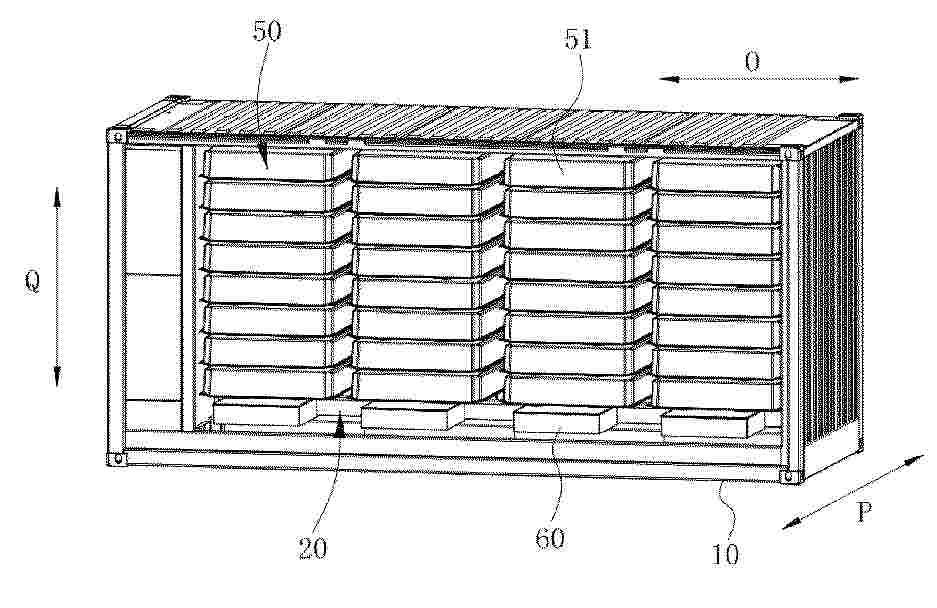
Disclosed are an energy storage container (100) and an energy storage system (1000). The energy storage container (100) includes a container body (10). A battery compartment (20), an electrical compartment (30), and a liquid cooling unit (40) are disposed inside the container body (10); the electrical compartment (30) and the liquid cooling unit (40) are disposed on the same end side of the battery compartment (20) in a first direction (O). Such a configuration can effectively improve the space utilization rate of the energy storage container (100); additionally, working personnel can inspect the electrical compartment (30) and the liquid cooling unit (40) on the same end side of the energy storage container (100), thereby effectively improving the convenience of on-site maintenance.
Resumen de: EP4826796A1
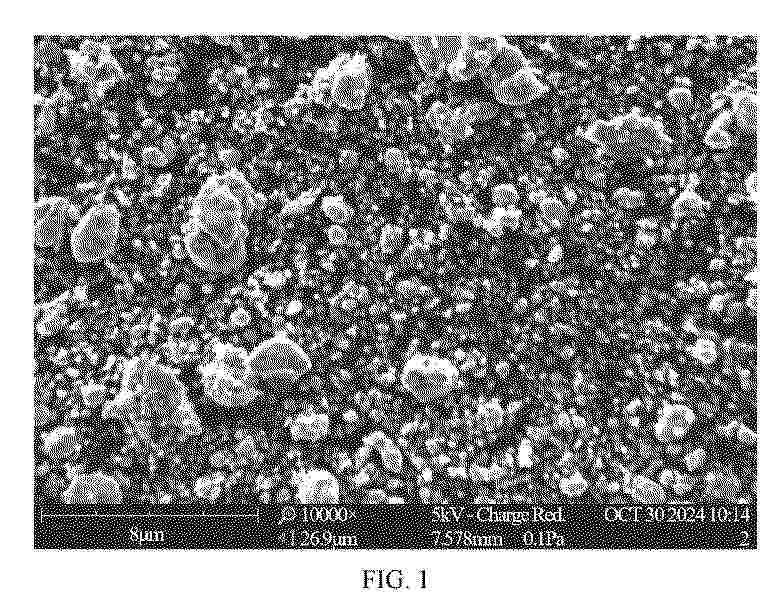
The present disclosure provides a lithium iron phosphate material, a preparation method therefor, a cathode sheet, and a secondary battery, and relates to the field of cathode materials. The lithium iron phosphate material in the present disclosure satisfies 1.10 ≤ σb/σf ≤ 5.00, wherein σb is a sample standard deviation of circularity C of large lithium iron phosphate particles, and σf is a sample standard deviation of circularity C of small lithium iron phosphate particles. By controlling a difference in the sample standard deviation of circularity between large and small lithium iron phosphate particles, the large and small lithium iron phosphate particles with different morphologies cooperate with each other, enabling the lithium iron phosphate material to achieve both good tap density and specific surface area. According to the method for preparing the lithium iron phosphate material in the present disclosure, polydopamine-partially-coated large-particle-sized iron phosphate seed crystal is subjected to vacuum dehydration to obtain a surface-dehydrated modified iron phosphate seed crystal, which is used for controlling the morphology of large iron phosphate particles in subsequent precipitation reaction. Subsequently, through a co-precipitation method and subsequent treatments, a lithium iron phosphate material with good tap density and specific surface area is ultimately prepared.
Resumen de: EP4826877A1
0001 Disclosed in the present application are a battery and an electric device. The battery is configured to be connected to brackets. The battery comprises a case. The case comprises a first case and a second case, wherein in a first direction, the first case and the second case are connected to each other, and the first case and the second case jointly define a chamber for accommodating a battery cell. The first case is provided with a first connecting face and second connecting faces, which face the first direction, the first connecting face being connected to the second case, and the second connecting faces being configured to be connected to the brackets. The positions of the first connecting face and the second connecting faces in the first direction do not overlap. The technical solution provided in the present application can improve the volumetric energy density of the battery.
Resumen de: WO2025126023A1
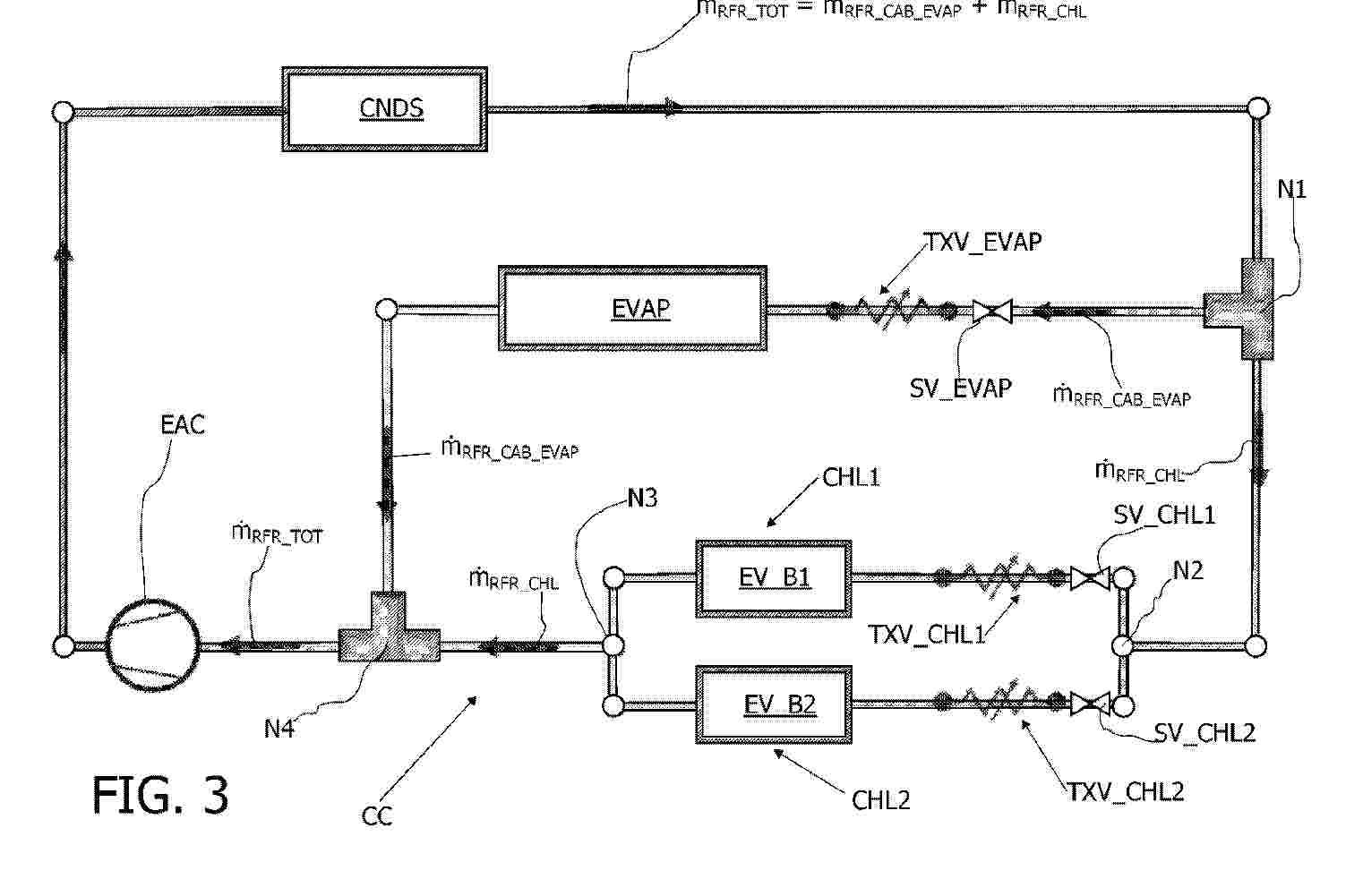
Method for allocating thermal cooling power in a vehicle with an electric powertrain comprising a refrigeration cycle cooling circuit (CC) through which a refrigerant fluid flows, and including a cabin evaporator (EVAP), for cooling a passenger compartment of the vehicle, and a plurality of cooling devices (CHL1, CHL2), so-called chillers, for cooling one or more batteries of the powertrain, each cooling device (CHL1, CHL2) comprises a battery evaporator (EV_B1, EV_B2) in a heat exchange relationship with a cooling liquid flowing through a battery cooling circuit of the powertrain, wherein it is possible to increase the cooling performances and the comfort in the passenger compartment during the simultaneous activation of the cabin evaporator (EVAP) and of the cooling devices (CHL1, CHL2), thanks to the possibility of dynamically adjusting the number of cooling devices (CHL1, CHL2) which are simultaneously active.
Resumen de: EP4826890A1
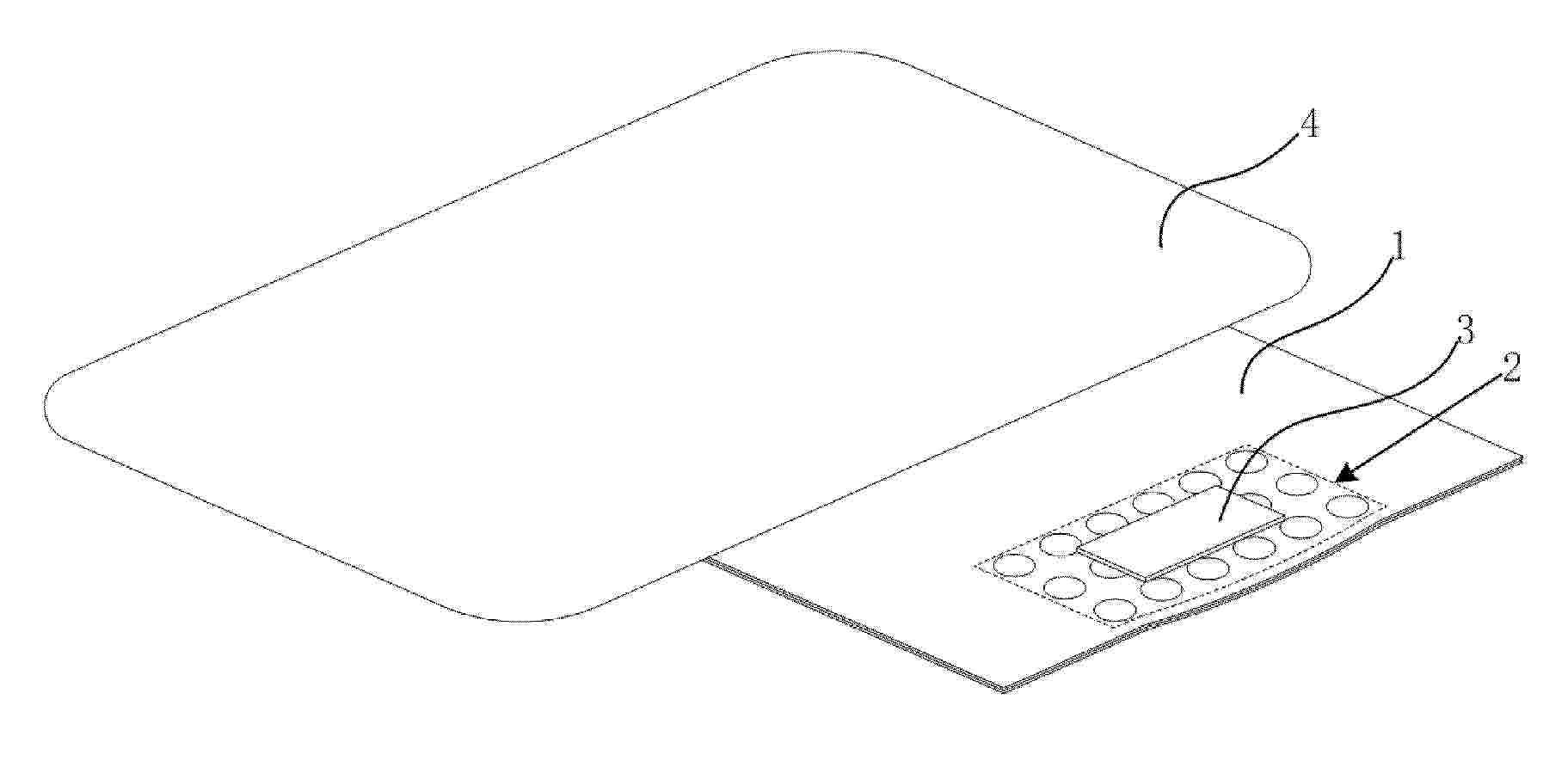
Provided are a method for preventing tearing of a tab, a tab, an electrode assembly, and a battery. The method for preventing the tearing of the tab includes: providing an adhesive material at a welding portion of the tab to form a buffering member at least partially covering the tab. By providing the adhesive material at the welding portion of the tab where tearing is likely to occur, to form the buffering member at least partially covering the welding portion, the tab can be prevented from tearing at the welding portion, reducing a defect rate of tab tearing.
Resumen de: EP4826901A1
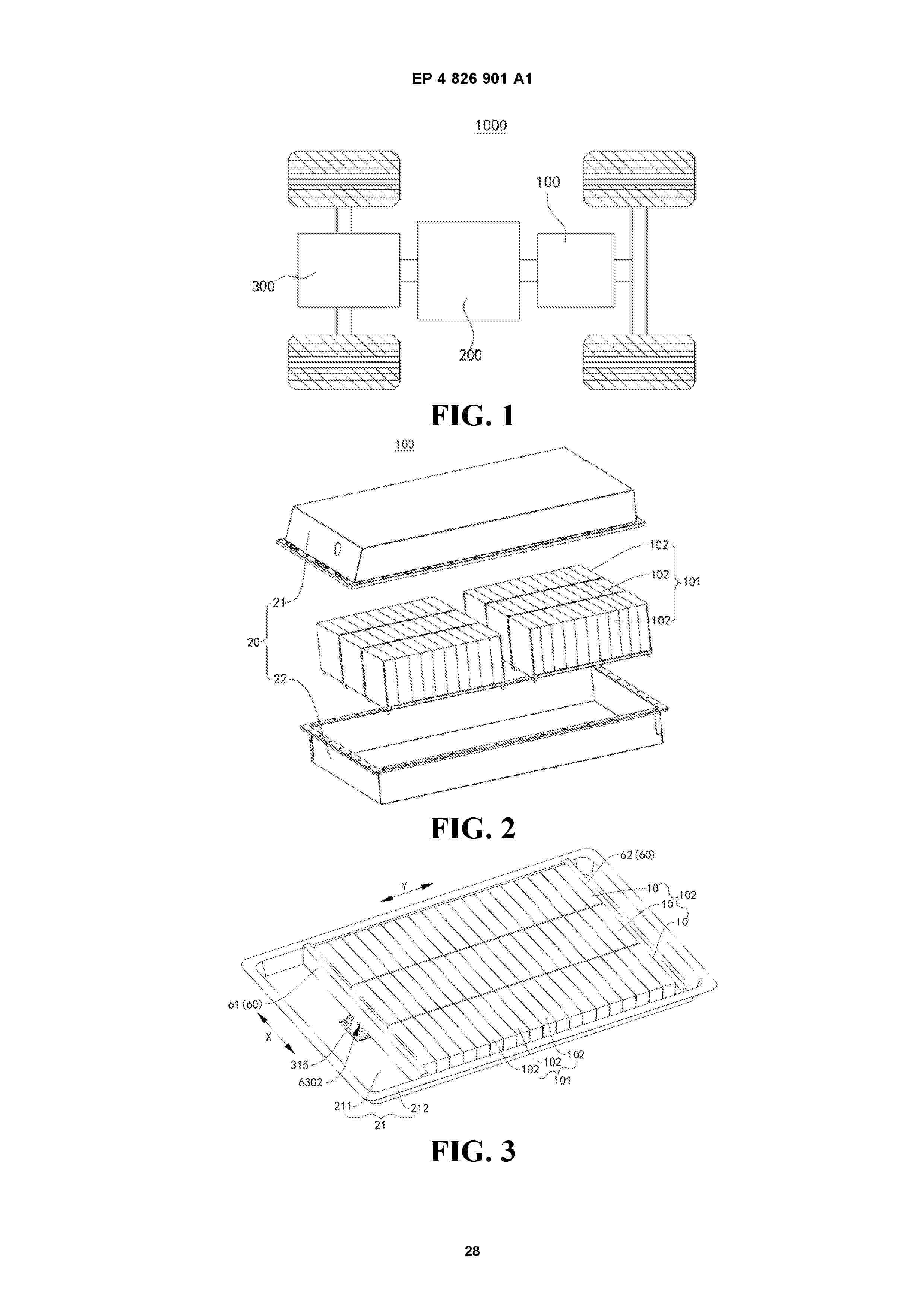
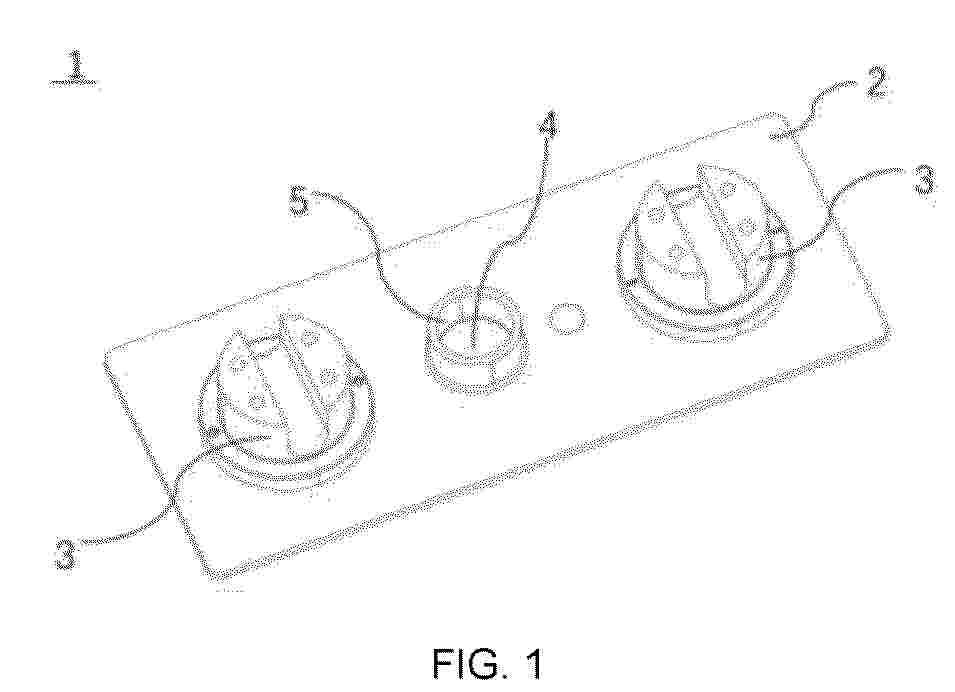
0001 A battery (100) and an electrical device (1000). The battery (100) comprises a case assembly (20), a first heat exchange assembly (30), a battery cell assembly (101), and a first insulating member (71), wherein the case assembly (20) comprises a case (21); the first heat exchange assembly (30) comprises a first heat exchange member (31), the first heat exchange member (31) being fixed to a bottom wall (211) of the case (21); the battery cell assembly (101) is arranged in the case assembly (20), and the side of the battery cell assembly (101) that faces the bottom wall (211) of the case (21) is bonded to the bottom wall (211) of the case (21) and the first heat exchange member (31) by means of a first bonding layer (34); and the first insulating member (71) is at least partially arranged between the battery cell assembly (101) and the side of the first heat exchange member (31) that faces away from the bottom wall (211) of the case (21), the first bonding layer (34) covering the first insulating member (71). While achieving insulation between the battery cell assembly (101) and the first heat exchange member (31), the technical solution does not affect the continuous fitting arrangement between the first bonding layer (34) and the battery cell assembly (101), such that the reliability of the connection fit can be improved, enhancing the overall structural strength of the battery (100), and thus improving the reliability of the battery (100).
Resumen de: EP4826878A1
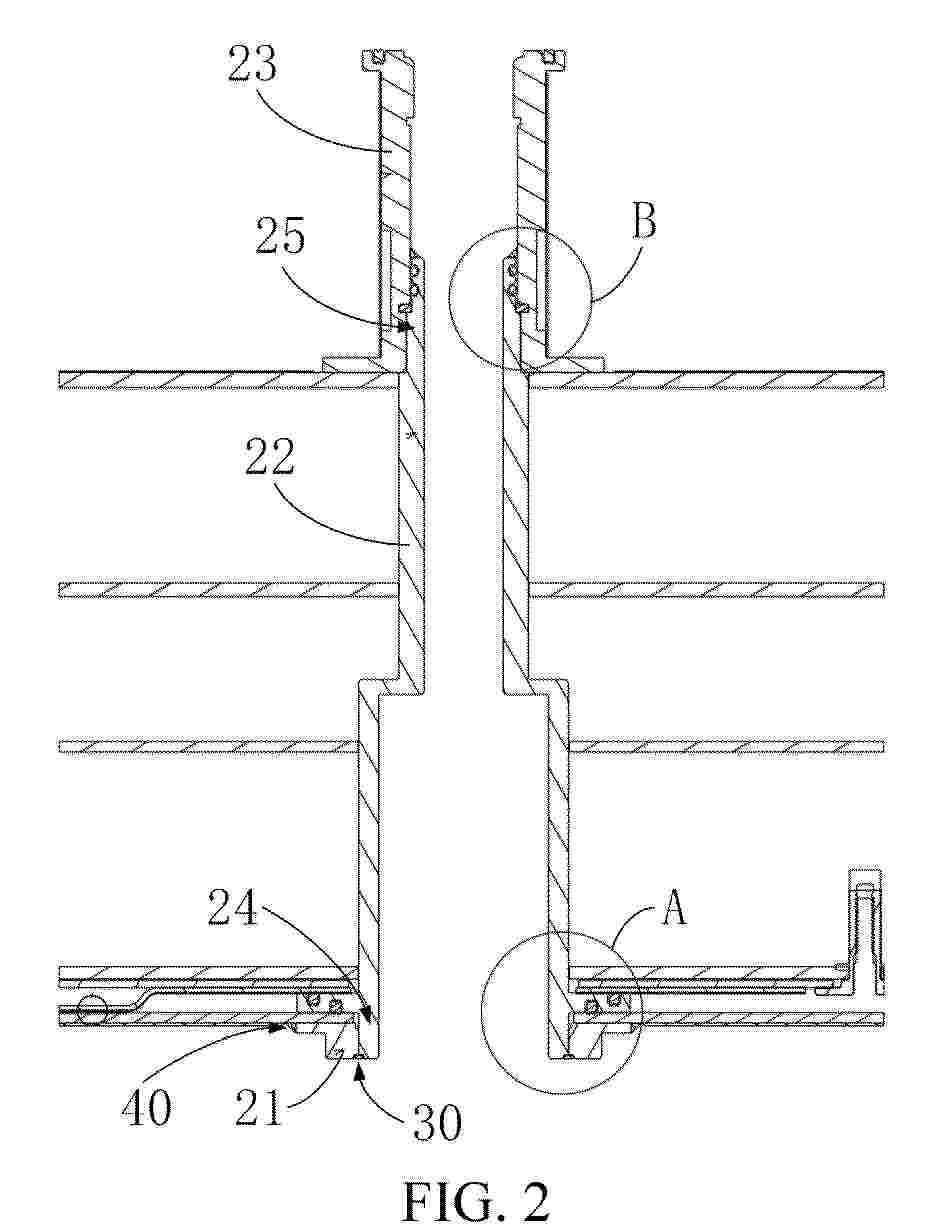
0001 The present application relates to a battery apparatus and a power consuming device. The battery apparatus includes: a box body; at least two mounting members connected to the box body; and a first sealing assembly disposed on at least one of the mounting members and having a connection end and a protrusion end, where the connection end is connected to a connection surface of the corresponding mounting member, the protrusion end protrudes from the connection surface of the corresponding mounting member, and the protrusion end is sealed between the at least two mounting members. In the present application, the first sealing assembly is integrated onto the at least one mounting member, so that the first sealing assembly and the corresponding mounting member are formed into an integral structure, which can simplify a mounting and sealing structure. In addition, the protrusion end of the first sealing assembly can be better clamped between two structures that require sealing, for example, clamped between two mounting members, which can effectively improve the sealing effect between the two structures.
Resumen de: WO2025128888A1
Disclosed is a method for producing an ordered graphitic carbon. Said method includes contacting a material including disordered elemental carbon and a metal with chlorine gas, thereby yielding a gaseous product comprising a chloride of the metal and a solid product comprising the ordered graphitic carbon. A lithium ion battery comprising the ordered graphitic carbon.
Resumen de: EP4826861A1
The present invention relates to the field of batteries, and specifically relates to a top cover assembly, a battery cell, a battery module, and an energy storage apparatus, which may prevent safety problems caused by thermal runaway. The top cover assembly comprises a top cover plate, an explosion venting port formed in the top cover plate, and an explosion venting branch tube. One end of the explosion venting branch tube is connected to the region of the top cover plate around the explosion venting port, and the other end thereof is used to connect to a first explosion venting converging tube. The battery cell comprises the top cover assembly, and the battery module and the energy storage apparatus each comprise the battery cell and the first explosion venting converging tube. When any constituent battery cell of the battery module experiences a thermal runaway, thermal runaway gas is discharged from the first explosion venting converging tube, to prevent the risk of thermal runaway gas posing a threat to the safety of people around the battery module and the energy storage apparatus.
Resumen de: WO2025128179A1
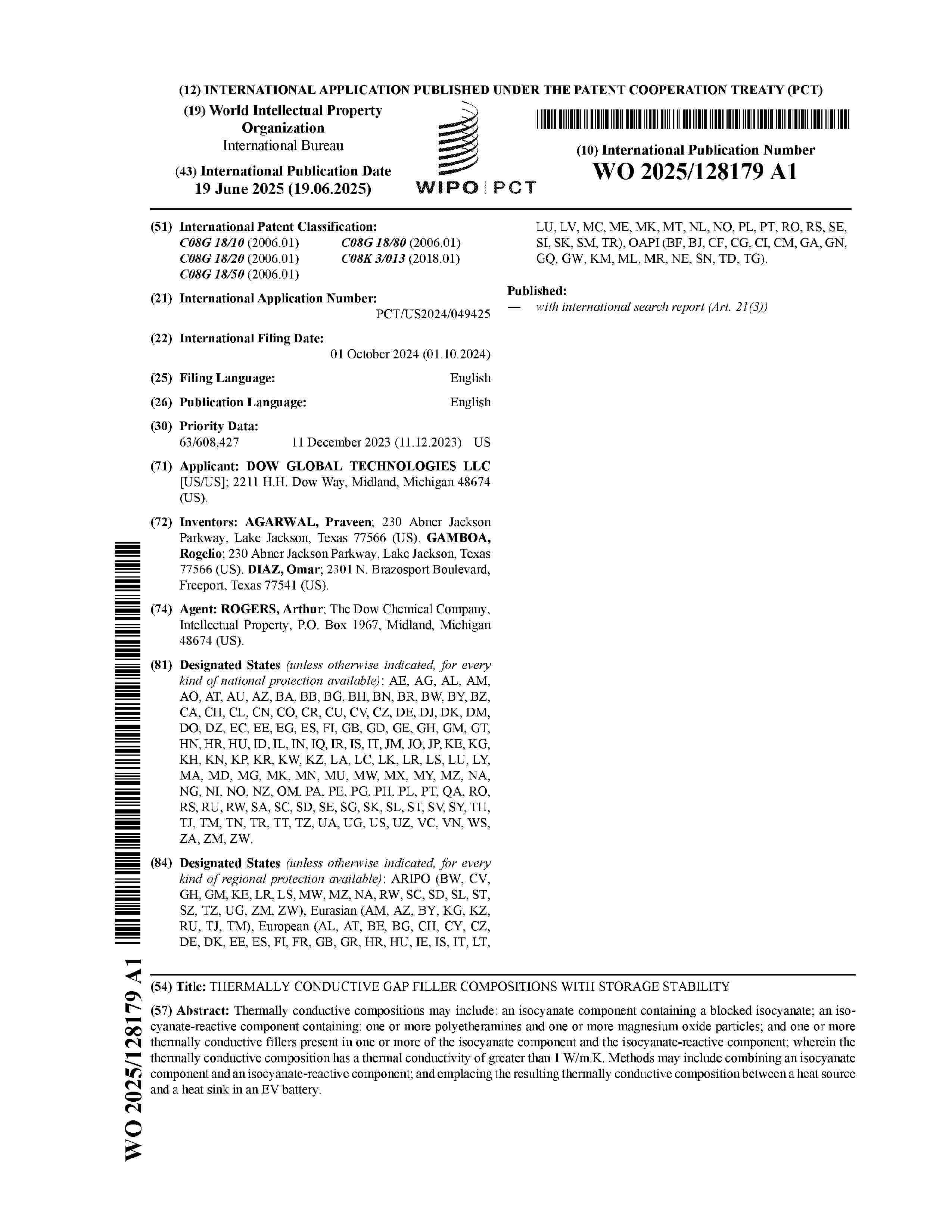
Thermally conductive compositions may include: an isocyanate component containing a blocked isocyanate; an isocyanate-reactive component containing: one or more polyetheramines and one or more magnesium oxide particles; and one or more thermally conductive fillers present in one or more of the isocyanate component and the isocyanate-reactive component; wherein the thermally conductive composition has a thermal conductivity of greater than 1 W/m.K. Methods may include combining an isocyanate component and an isocyanate-reactive component; and emplacing the resulting thermally conductive composition between a heat source and a heat sink in an EV battery.
Resumen de: EP4825798A1
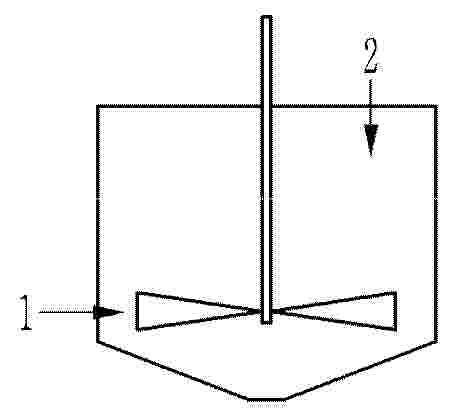
A manufacturing method of lithium phosphate includes: introducing a lithium-containing solution into a reactor; introducing an alkaline material and a phosphorus supplying material into the reactor; stirring the lithium-containing solution into which the alkaline material and the phosphorus supplying material are introduced to grow lithium phosphate nucleus particles and obtain a lithium phosphate slurry; and separating the slurry into solid and liquid to obtain the lithium phosphate, in which one of the alkaline material and the phosphorus supplying material is introduced into an upper portion of the reactor, and the other is introduced into a lower portion of the reactor.
Resumen de: EP4826060A1
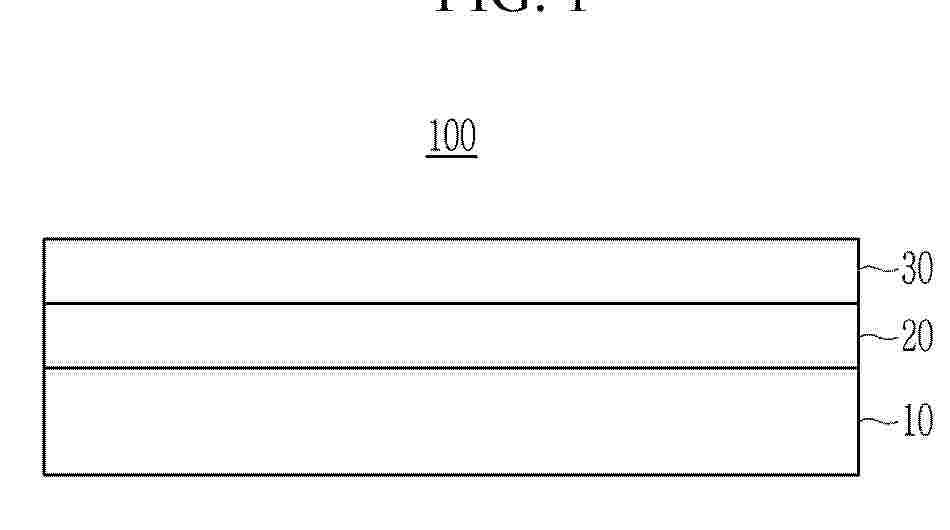
0001 A Ni plated steel sheet for cans according to an embodiment of the present invention comprises a base steel sheet, a Ni plating layer located on one or both surfaces of the base steel sheet, and an Fe-Ni alloy layer located between the base steel sheet and the Ni plating layer, wherein the base steel sheet comprises, by weight %, C: 0.02 to 0.07%, Mn: 0.1 to 0.4%, Al: 0.01 to 0.06%, and Nb: 0.01 to 0.04%, with the balance being Fe and other inevitable impurities, wherein an ASTM grain size number is 11.3 or more, wherein a tensile strength is 420 MPa or more, wherein an elongation is 20% or more, wherein an in-plane anisotropy Δr is 0.4 or less, and wherein a thickness of the Fe-Ni alloy layer is 0.5 to 2.5 µm.
Resumen de: EP4826801A1
The disclosure provides a tetrafluoroethylene-based polymer composition for a binder for an electrochemical device, capable of improving high-temperature cycle characteristics of an electrochemical device and reducing or preventing gas generation, and a binder for an electrochemical device, an electrode mixture, an electrode, and a secondary battery each containing the composition. Provided is a tetrafluoroethylene-based polymer composition for use in a binder for an electrochemical device, containing a tetrafluoroethylene-based polymer that is a copolymer of tetrafluoroethylene and a monomer containing a polar group, the tetrafluoroethylene-based polymer composition having fibrillatability.
Resumen de: EP4825220A1
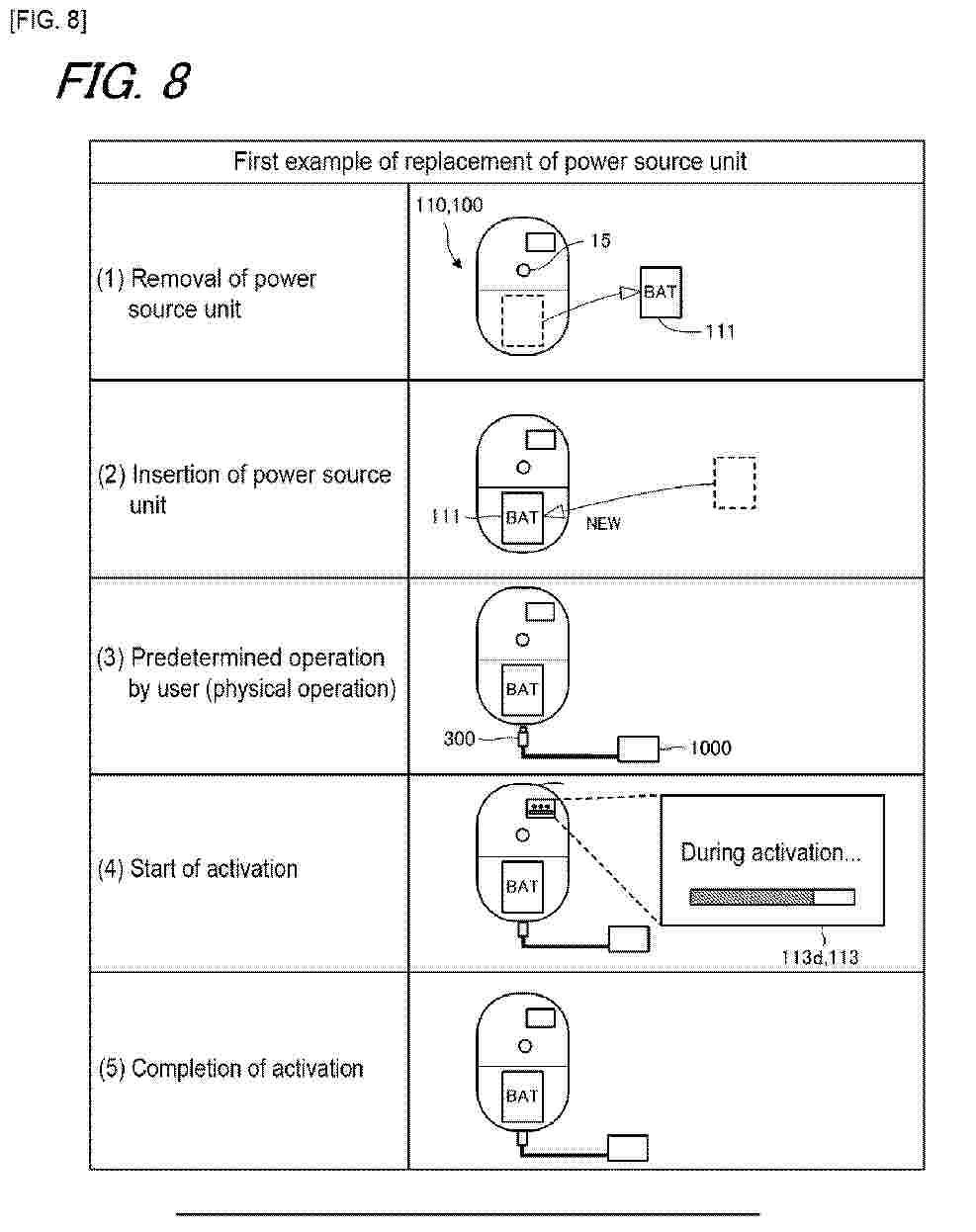
0001 A power source unit (111) that can store electrical power is replaceably mounted on a power supply unit (110) of an inhalation device (100), which heats an aerosol source to generate an aerosol. The power supply unit (110) comprises: terminal connections (20a, 20b) for electrically connecting to terminals of the power source unit (111); and a control unit (116) for controlling the power supply unit (110). After the power source unit (111) is connected to the terminal connections (20a, 20b), the control unit (116) activates the power supply unit (110) when a predetermined operation is input by the user.
Resumen de: WO2025128431A1
A disordered rocksalt powder comprised of submicrometer primary particles without asperities arising from pulverization may be made by heating, at an average heating rate, disordered rocksalt precursors in a salt to a reaction temperature above the salt's melting point for a reaction time to form the disordered rocksalt powder in the salt, cooling, the disordered rocksalt powder and salt to below the salt's melting point at an average cooling rate, and separating the disordered rocksalt powder from the salt, the average heating and cooling rate being at least 5 ?/min when heating between the salt's melting point to the reaction temperature.
Resumen de: EP4826898A1
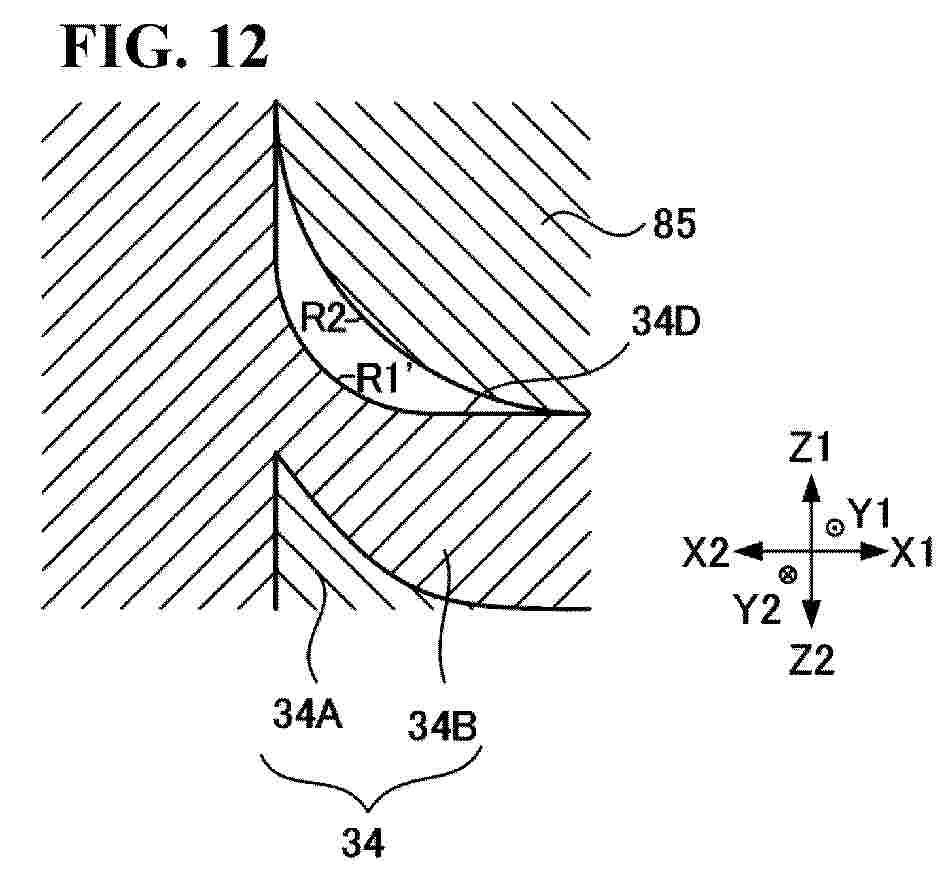
Exposure of a high-ductility conductor layer on an inner wall surface of a bottomed hole portion constituted by a low-ductility conductor layer is suppressed. Provided is a method for manufacturing a terminal component including a step of forming a first intermediate body 33 having a shaft portion 33C protruding from a central portion on a side of a low-ductility conductor layer 31B of a clad piece 31 formed by laminating and joining a high-ductility conductor layer 31A and the low-ductility conductor layer 31B in a thickness direction, a step of forming a second intermediate body 34 having an intermediate bottomed hole portion 34D from the first intermediate body 33 with a punch 75 having a first convex portion including a flat tip end portion, and a step of forming a third intermediate body 35 having a bottomed hole portion 35D from the second intermediate body 34 with a punch 85 having a second convex portion including a flat tip end portion, in which a radius of curvature R1 of an outer peripheral edge portion of the tip end portion of the first convex portion of the punch 75 is smaller than a radius of curvature R2 of an outer peripheral edge portion of the tip end portion of the second convex portion of the punch 85.
Resumen de: EP4826787A1
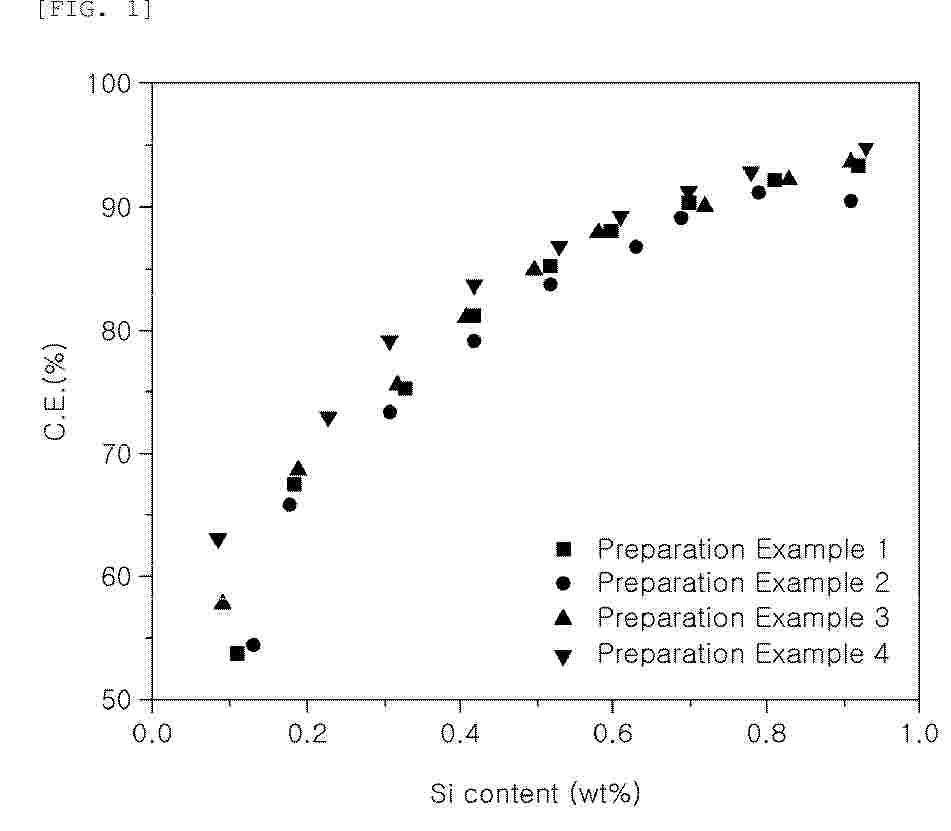
Provided, according to exemplary embodiments of the present invention, is a negative electrode active material capable of improving the efficiency of a secondary battery. The negative electrode active material comprises: a carbon scaffold having a porous structure; and silicon-based particles distributed in pores of the carbon scaffold, wherein the carbon scaffold comprises a plurality of carbon structures which are agglomerated with each other. Provided, according to other exemplary embodiments of the present invention, are a method for manufacturing the above-described negative electrode active material, and a negative electrode comprising the negative electrode active material.
Resumen de: EP4826800A1
0001 The disclosure provides a tetrafluoroethylene-based polymer composition for a binder for an electrochemical device, capable of improving cycle characteristics of an electrochemical device and reducing or preventing gas generation, and a binder for an electrochemical device, an electrode mixture, an electrode, and a secondary battery each containing the composition. Provided is a tetrafluoroethylene-based polymer composition for use in a binder for an electrochemical device, containing a tetrafluoroethylene-based polymer containing 4 or less carboxy groups per 10<6> main chain carbon atoms.
Resumen de: EP4826875A1
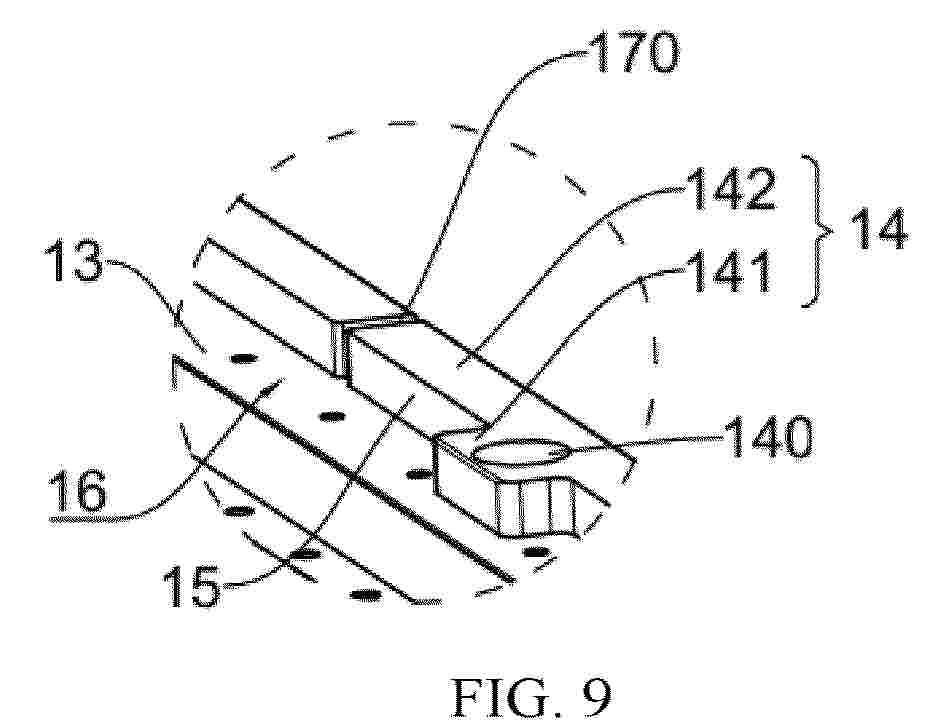
A battery (10) and an electric device, which belong to the technical field of batteries. The battery (10) comprises: a case (11); a bottom protective plate (13), the bottom protective plate (13) and the case (11) defining an accommodating cavity; a plurality of battery cells (12), which are mounted in the accommodating cavity; and protective structures (14), wherein the protective structures (14) are mounted on an end beam (111) of the case and located between the end beam (111) and the bottom protective plate (13), and the minimum distance between each protective structure (14) and the bottom protective plate (13) is not greater than the minimum distance between each battery cell (12) and the bottom protective plate (13).
Resumen de: EP4826797A1
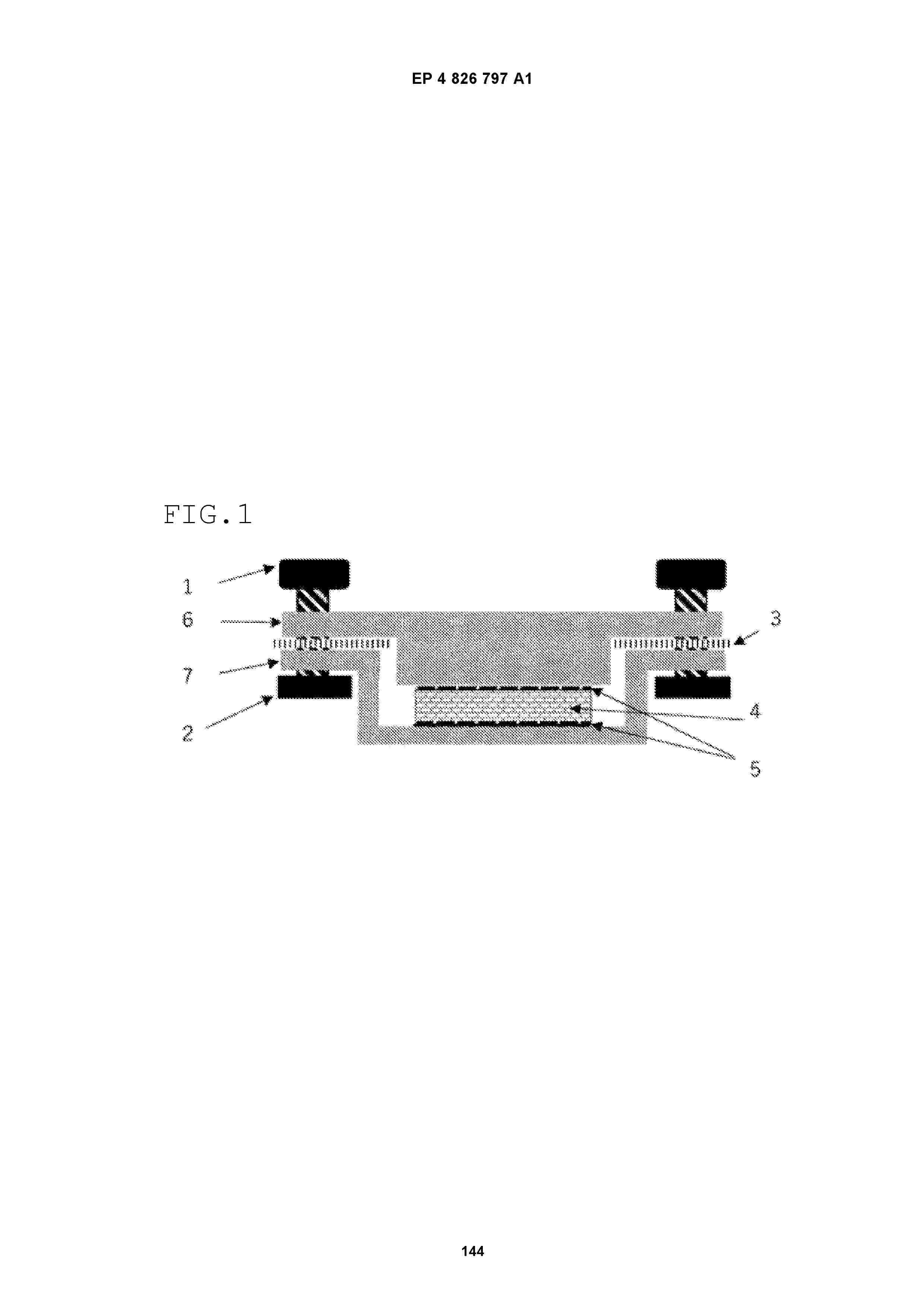
0001 The disclosure provides a tetrafluoroethylene-based polymer composition for a binder for an electrochemical device, capable of reducing the resistance of an electrochemical device and yielding a mixture sheet with excellent adhesion to a substrate, and a binder for an electrochemical device, an electrode mixture, an electrode, and a secondary battery each containing the composition. Provided is a tetrafluoroethylene-based polymer composition for use in a binder for an electrochemical device, containing a tetrafluoroethylene-based polymer and a macromolecular compound containing an ionic group, the ionic group being contained in an amount of 0.020 meq/g or more based on the tetrafluoroethylene-based polymer composition.
Nº publicación: EP4826782A1 21/10/2026
Solicitante:
SHINETSU CHEMICAL CO [JP]
SHIN-ETSU CHEMICAL CO., LTD.
Resumen de: EP4826782A1
The present invention is a negative electrode active material containing negative electrode active material particles, in which the negative electrode active material particles contain a porous carbon structure, a low-valent nano silicon oxide in an amorphous state is dispersed within the porous carbon structure, a carbon composite having silicon as a core is dispersed in at least a surface layer portion within the porous carbon structure, the low-valent nano silicon oxide includes SiOx where "x" is less than 1.0, and the low-valent nano silicon oxide is dispersed in at least a deep portion within the porous carbon structure, in which the deep portion is deeper than the carbon composite having silicon as a core. This provides the negative electrode active material that can improve battery cycle characteristics thereof and increase a battery capacity thereof.
 BOPI
BOPI
 Sede Electrónica