Si deseas distinguir tus productos, servicios o ambos de los de otra empresa, es posible que necesites una marca o nombre comercial. Descubre qué son, en qué consiste su procedimiento de registro y qué implica.

Información sobre los plazos de presentación de solicitudes de transformación de marcas de la Unión Europea en marca nacional española. Más información


Si tienes un nuevo dispositivo, producto o procedimiento que resuelva un problema técnico o tenga una ventaja práctica, existen distintas formas de protegerlo en España y en otros países. Descubre cómo hacerlo.

¿Tu innovación reside en la estética, la ornamentación o la apariencia de tu producto? Protégela mediante un diseño industrial. Descubre qué derechos confiere el registro y cómo realizar la tramitación.

Las indicaciones geográficas protegen el nombre de un producto originario de una zona geográfica, a la cual le debe una determinada calidad, reputación u otra característica. Descubre qué son, en qué consiste su procedimiento de registro y qué beneficios conceden.

Las patentes publicadas en todo el mundo son una valiosa fuente de información científica, técnica y comercial.

Si eres emprendedor/a o una empresa y quieres potenciar y mejorar la rentabilidad de tu negocio protegiendo de forma adecuada los activos intangibles de tu organización, en este espacio encontrarás lo necesario.


 175
resultados
175
resultados
 Última actualización
23/10/2026 [07:08:00]
Última actualización
23/10/2026 [07:08:00]


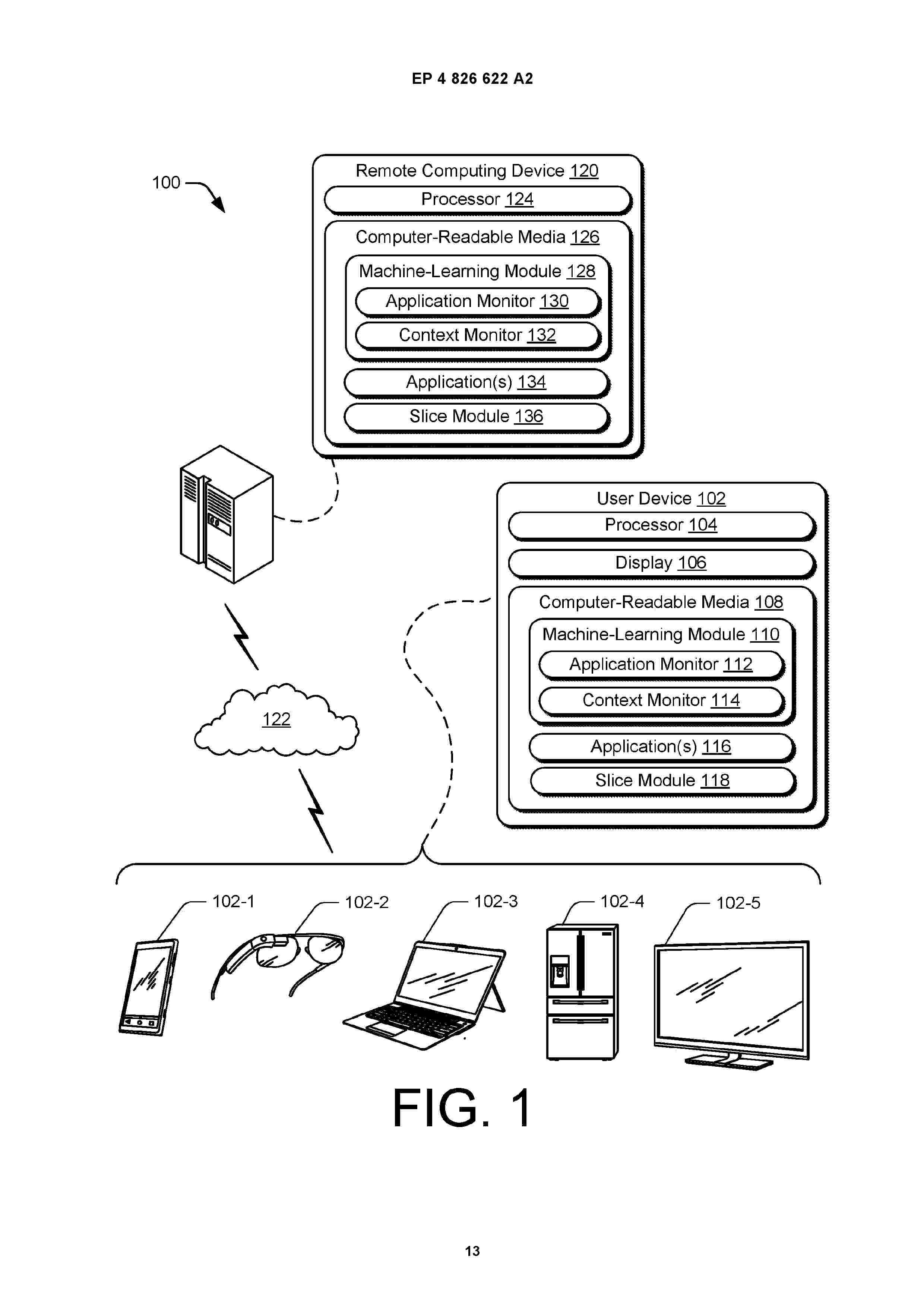
Resumen de: EP4826622A2
This document describes techniques for suggesting actions based on machine learning. These techniques determine a task that a user desires to perform, and presents a user interface through which to perform the task. To determine this task, the techniques can analyze content displayed on the user device or analyze contexts of the user and user device. With this determined task, the techniques determine an action that may assist the user in performing the task. This action is further determined to be performable through analysis of functionalities of an application, which may or may not be executing or installed on the user device. With some subset of the application's functionalities determined, the techniques presents the subset of functionalities via the user interface. By so doing, the techniques enable a user to complete a task more easily, quickly, or using fewer computing resources.

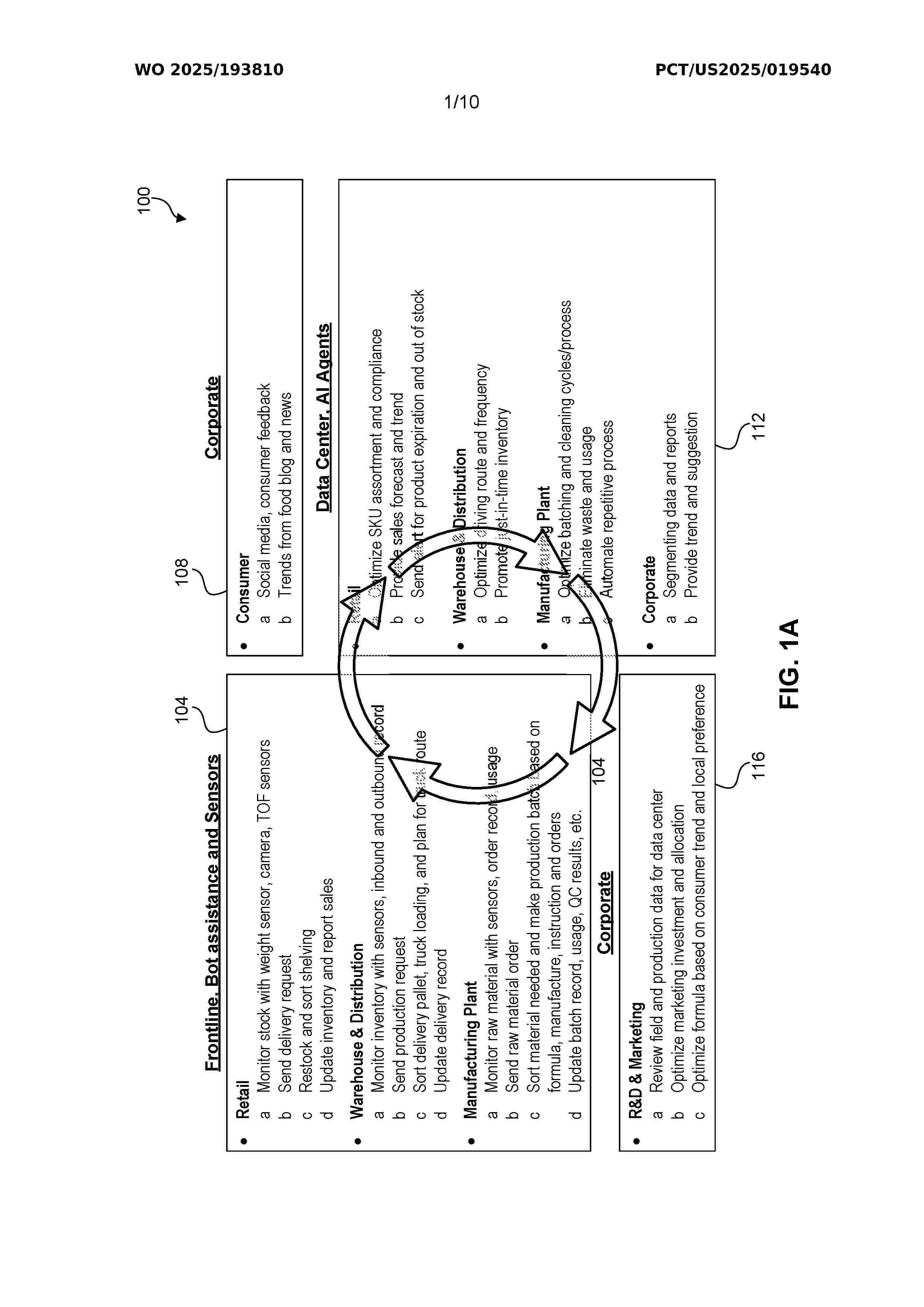
Resumen de: AU2025234748A1
The present disclosure relates to training a machine learning model based on a dataset comprising sales volume, product distribution logistics records, and product manufacturing data. The present disclosure further relate to extracting from the model a prediction of at least one item selected from a group consisting of future sales volume of an existing product, consumer interest for new products, and failure rates for product distribution equipment.
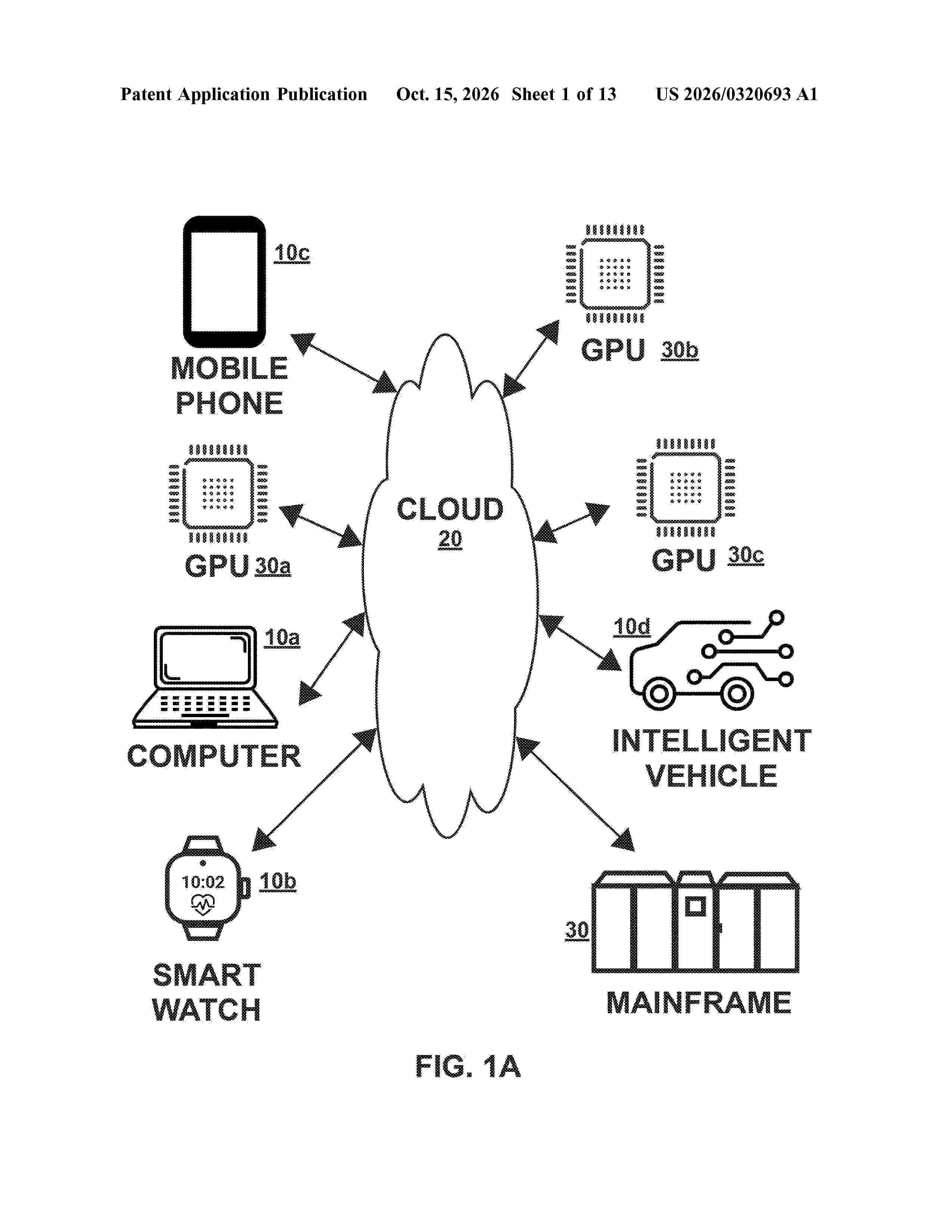
Resumen de: US20260320693A1
0000 The present invention provides a method and apparatus for a thinking system using an ASI distributed Application State Machine that connects to real, accurate, dedicated absolute data, providing privacy, security, and eliminating hallucinated AI. Specifically, one embodiment of the present invention discloses an ASI Command, Control, Communications and Computer Intelligence (C4I) system for independent, intelligent AI Prompting and ASI Browsing. The ASI Application State Machine comprises: ASI Application data structure network; ASI Enterprise Interface State Machine, said data structures interfacing with a back-end channel, a Finite State Machine embedded in each data structure; and Application Service Information Base providing a uniform interface for ASI Application data structure identities. Additional embodiments disclose ASI Browser displaying ASI Applications; ASI Agents; ASI Application Network Nodes; ASI Operating System; ASI Switch; ASI Database of real, accurate, dedicated absolute data, for Machine Learning to train AI Models, for performing real-time, bi-directional transactions, connecting to billing.
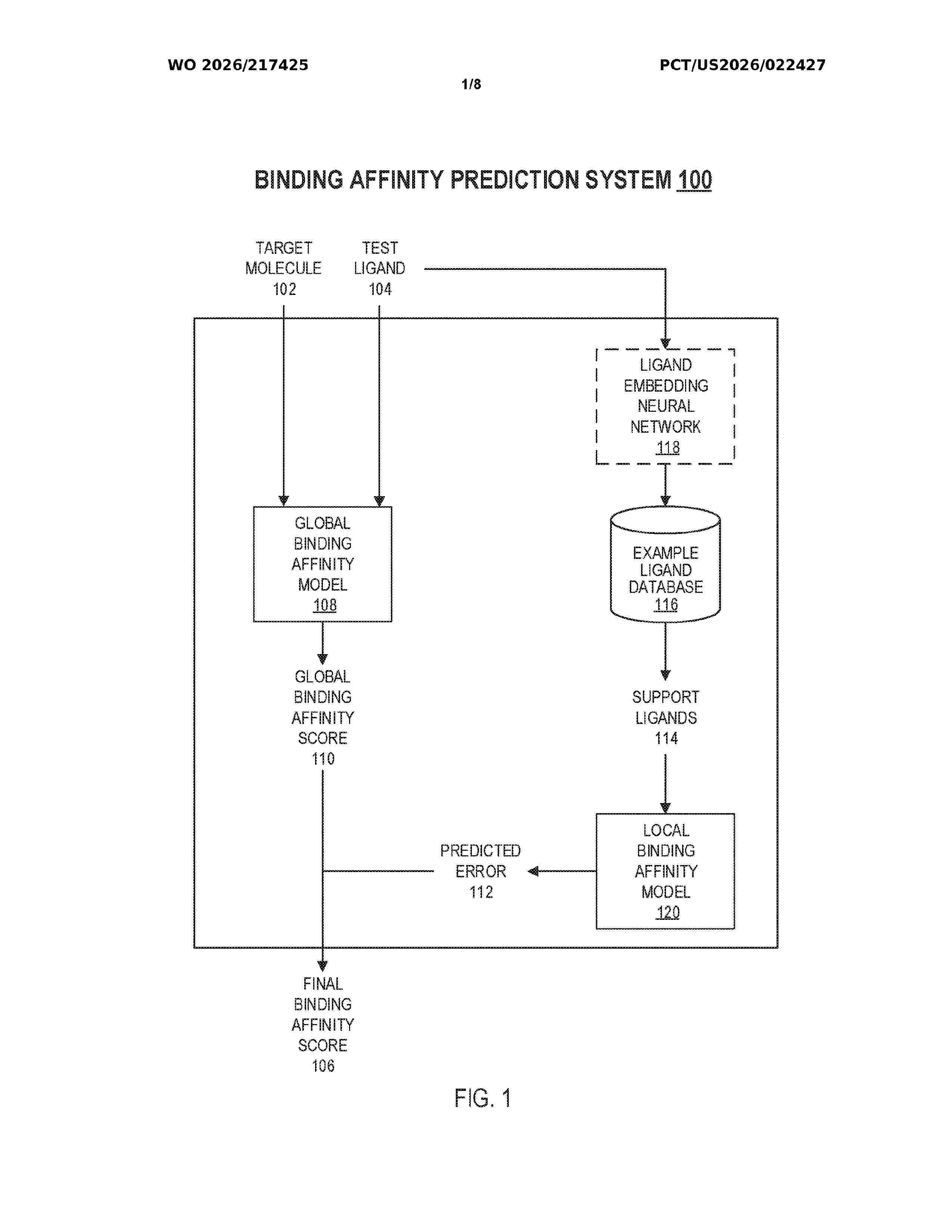
Resumen de: WO2026217425A1
Methods, systems, and apparatus, including computer programs encoded on a computer storage medium, for predicting binding affinities of ligands. In one aspect, a method comprises: processing a model input characterizing a test ligand and a target molecule using a global binding affinity computational model to predict a global binding affinity score for the test ligand; selecting a set of support ligands for the test ligand from a database of example ligands; processing a model input that comprises data characterizing the test ligand and each of the support ligands using a local binding affinity machine learning model to generate a predicted error in the global binding affinity score for the test ligand; generating a final binding affinity score for the test ligand by combining the global binding affinity score for the test ligand and predicted error for the test ligand; and outputting the final binding affinity score for the test ligand.
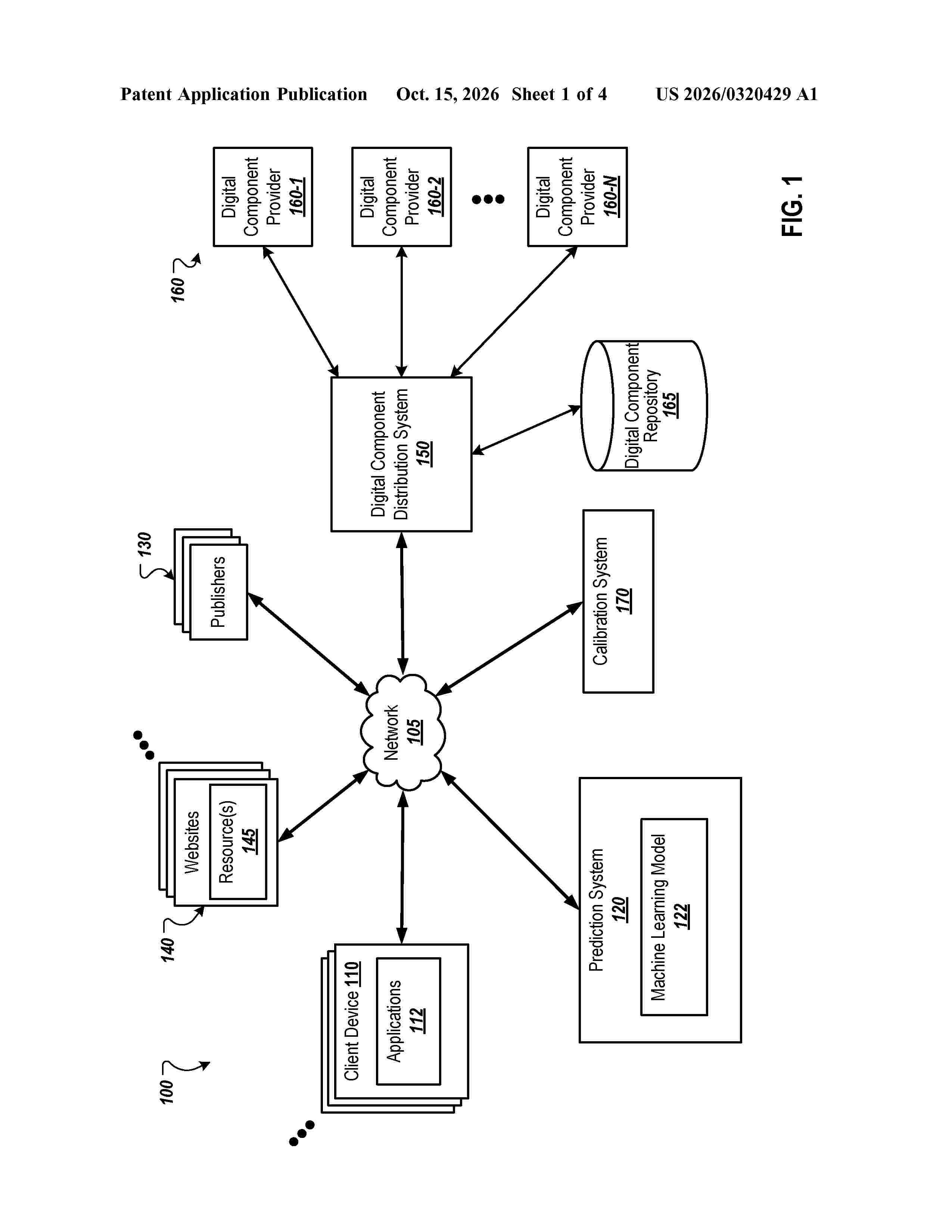
Resumen de: US20260320429A1
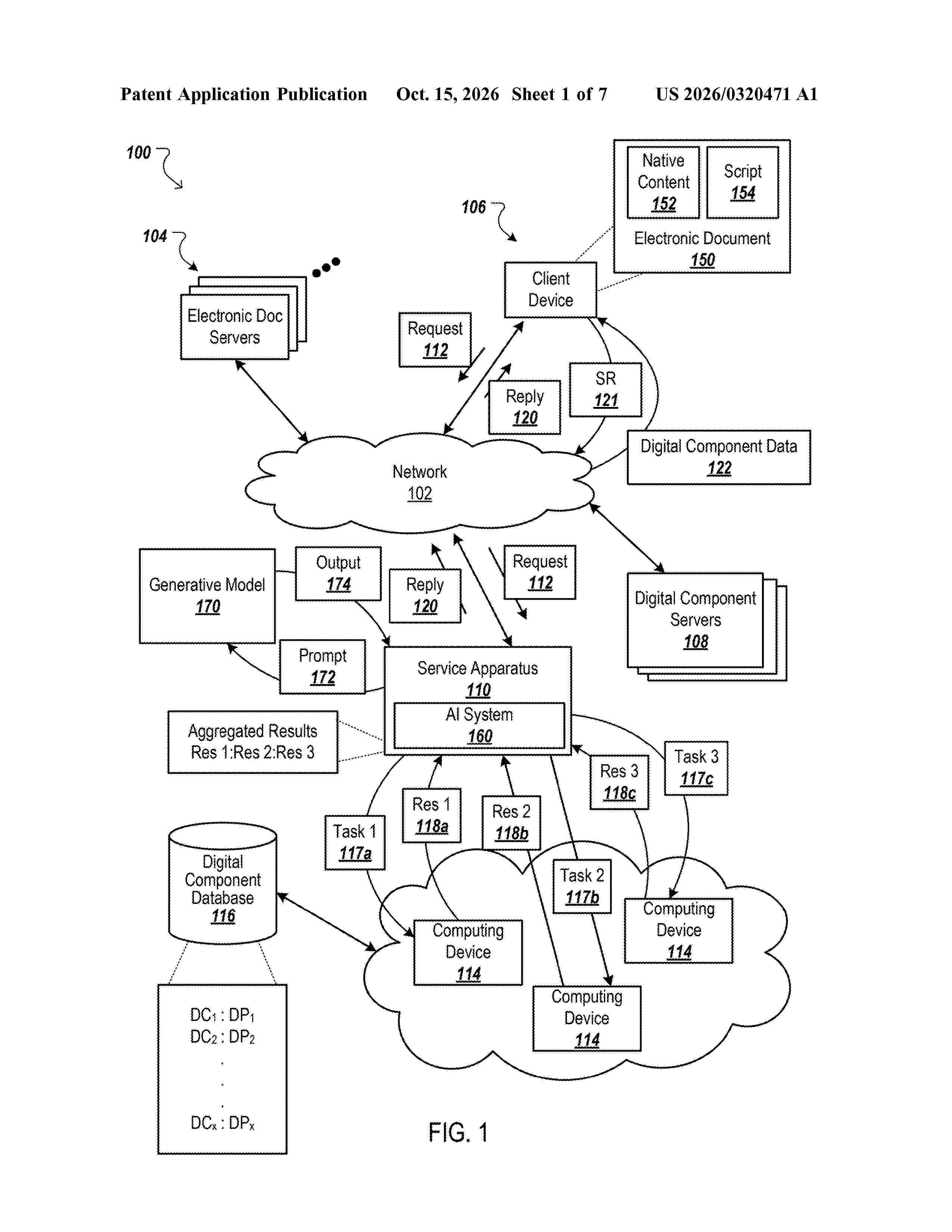
0000 Methods, systems, and apparatus, including computer programs encoded on a computer storage medium, for distributing digital components to client devices. The system receives a calibration request for calibrating a machine learning model, generates, according to the request, a calibration dataset. The system performs one or more calibration processes to generate one or more calibration thresholds using the calibration dataset, and applies the one or more calibration thresholds to the prediction scores generated by the machine learning model to generate calibrated prediction data including one or more predicted classifications. The system distributes the digital components to the client devices using calibrated prediction data.
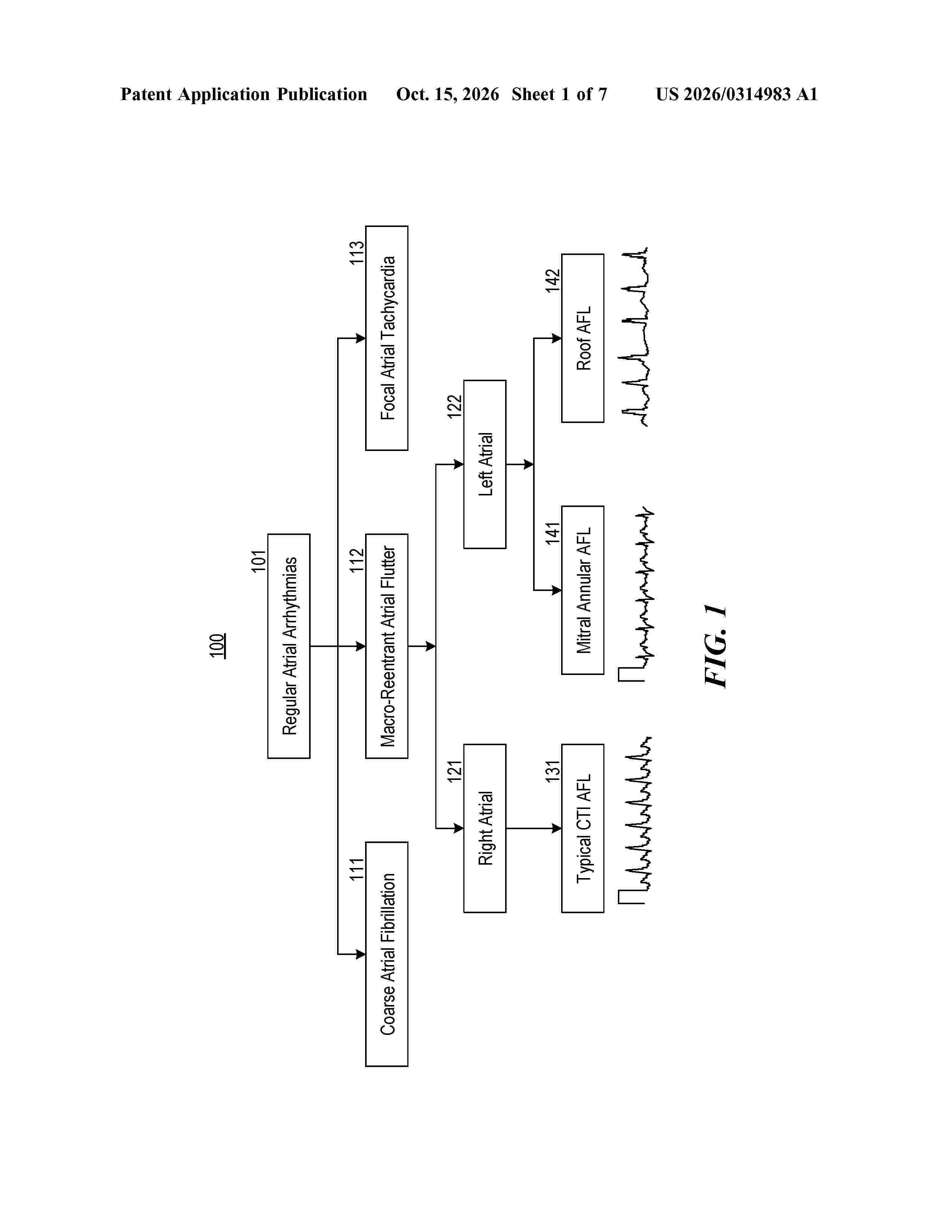
Resumen de: US20260314983A1
0000 A system for generating a machine learning (ML) model to identify an atrial flutter (AFL) type of a cardiac arrhythmia is provided. For each of a plurality of cardiograms, the system generates training data by identifying one or more portions of that cardiogram that relate to the AFL type to which that cardiogram is mapped. For each of a plurality of the portions, the system generates a feature vector that includes the portion and the additional features and a label that is based on the AFL type. The system trains the ML model using the training data to learn weights for the ML model. The ML model inputs a cardiogram and additional features and outputs an AFL type.
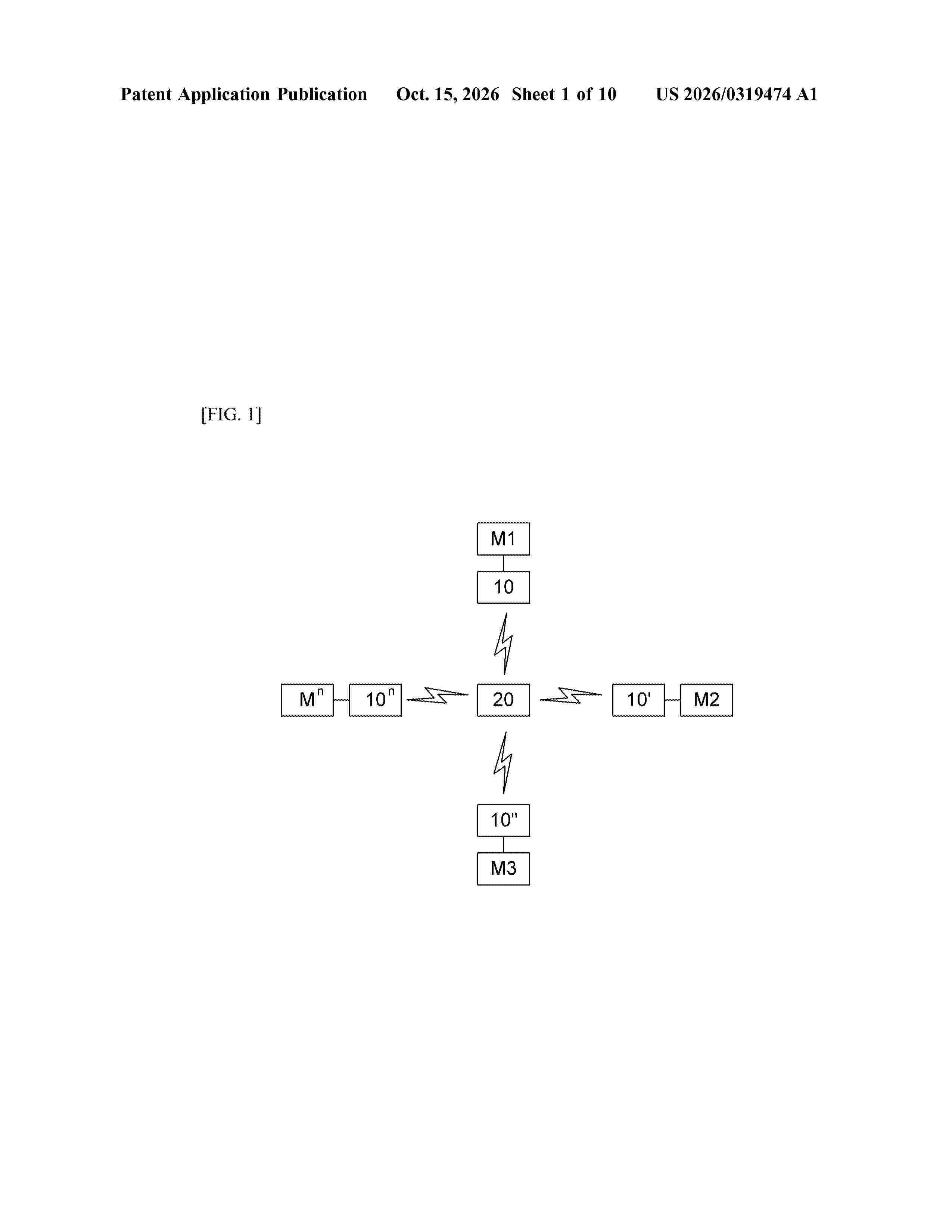
Resumen de: US20260319474A1
The present invention relates to a multi-task real-time inference scheduling system and real-time inference scheduling method of a machine tool, wherein a central control unit is connected to each of one or more individual control units through a network, receives a use context of each machine tool through each individual control unit, generates a multi-task learning model through a neural network, infers multiple tasks required to be performed by the individual control unit of each machine tool through machine learning by using real-time use contexts collected during operation of the machine tool by a use scenario, and schedules the multiple tasks of the machine tool through machine learning.
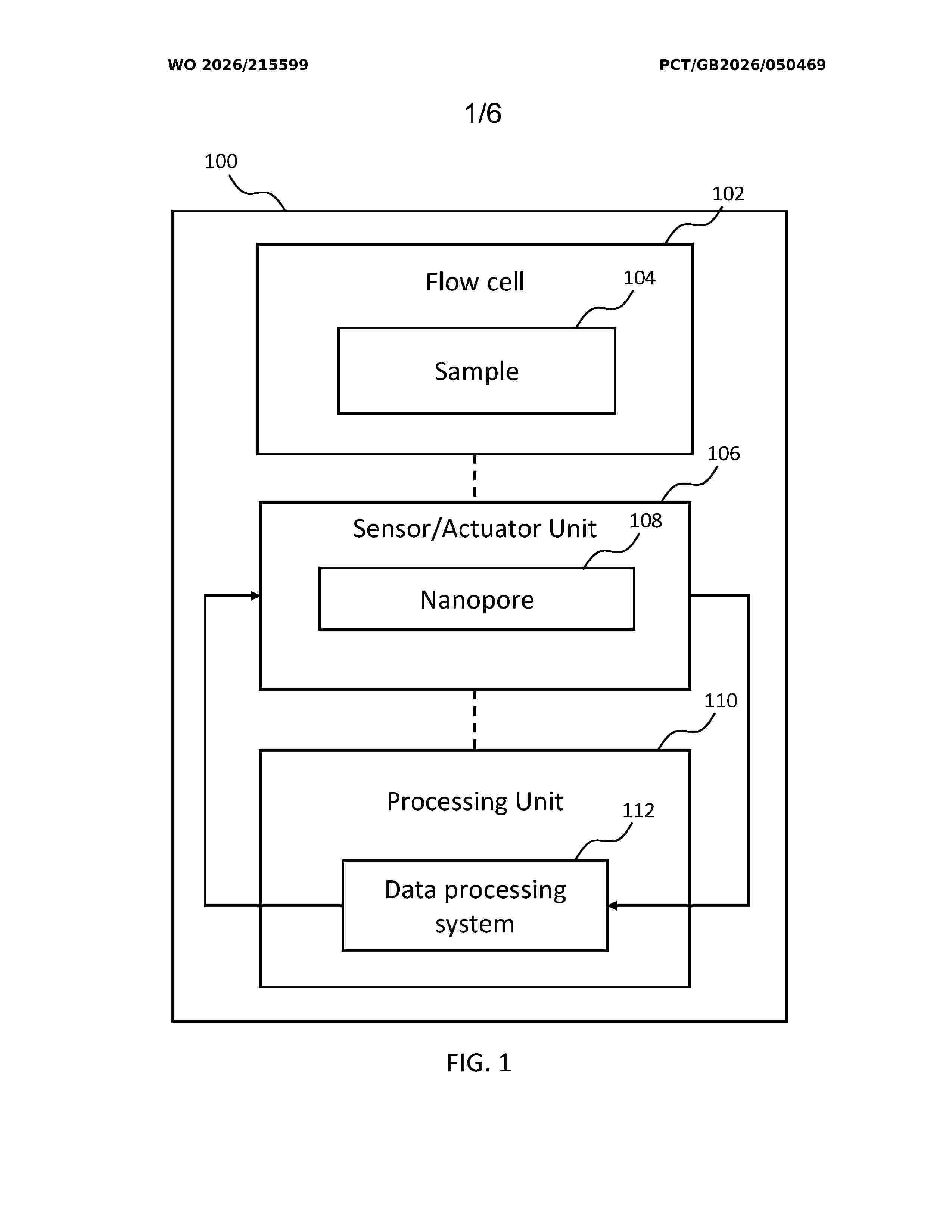
Resumen de: WO2026215599A1
A computer-implemented method of processing a measurement signal comprising measurements of a sample by a sensor unit comprising a nanopore includes analysing the measurement signal using a machine learning model to determine that a portion of the measurement signal is associated with a first state of the nanopore, the first state being one of a plurality of states of the nanopore. The method includes determining whether to further analyse the portion of the measurement signal in dependence on the determination that the portion of the measurement signal is associated with the first state of the nanopore.
Resumen de: WO2026217055A1
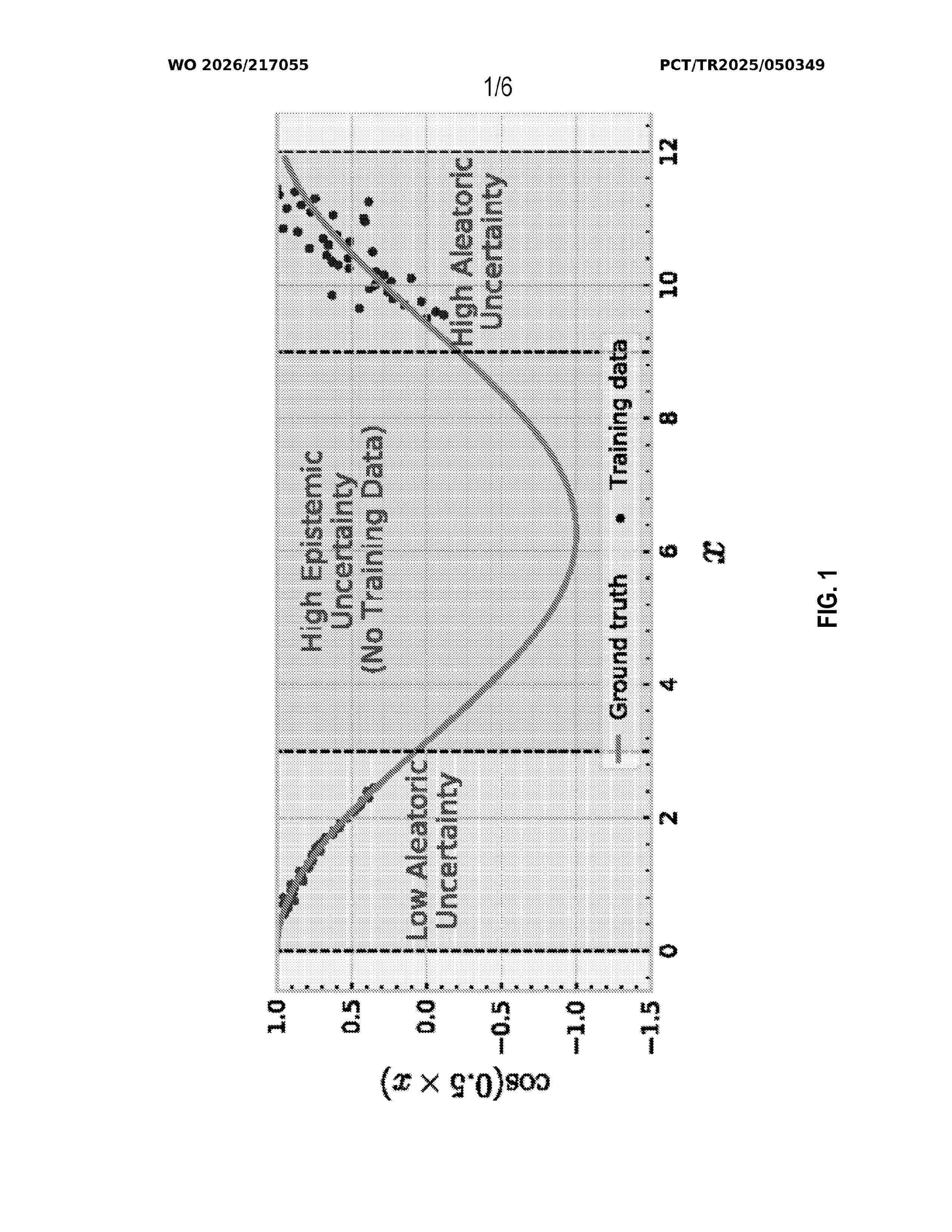
A computer-implemented method (1000) for machine unlearning is presented The method comprises obtaining (1002) a request (2) indicating one or more X. X represents one or more input samples to be unlearned. The method further comprises for each X: obtaining (1004) U based on X, obtaining (1006) L based on X, updating (1008) F based on W'. W' is obtained so as to increase U, based on W, U, L, LR. F represents a machine learning model trained with at least X. W represents one or more model parameters of F. U represents one or more quantified uncertainty values for X. L represent one or more quantified loss values for X. LR represents a learning rate of F. The method (1000) further comprises initiating (1010) a deploying of F.
Resumen de: US20260320422A1
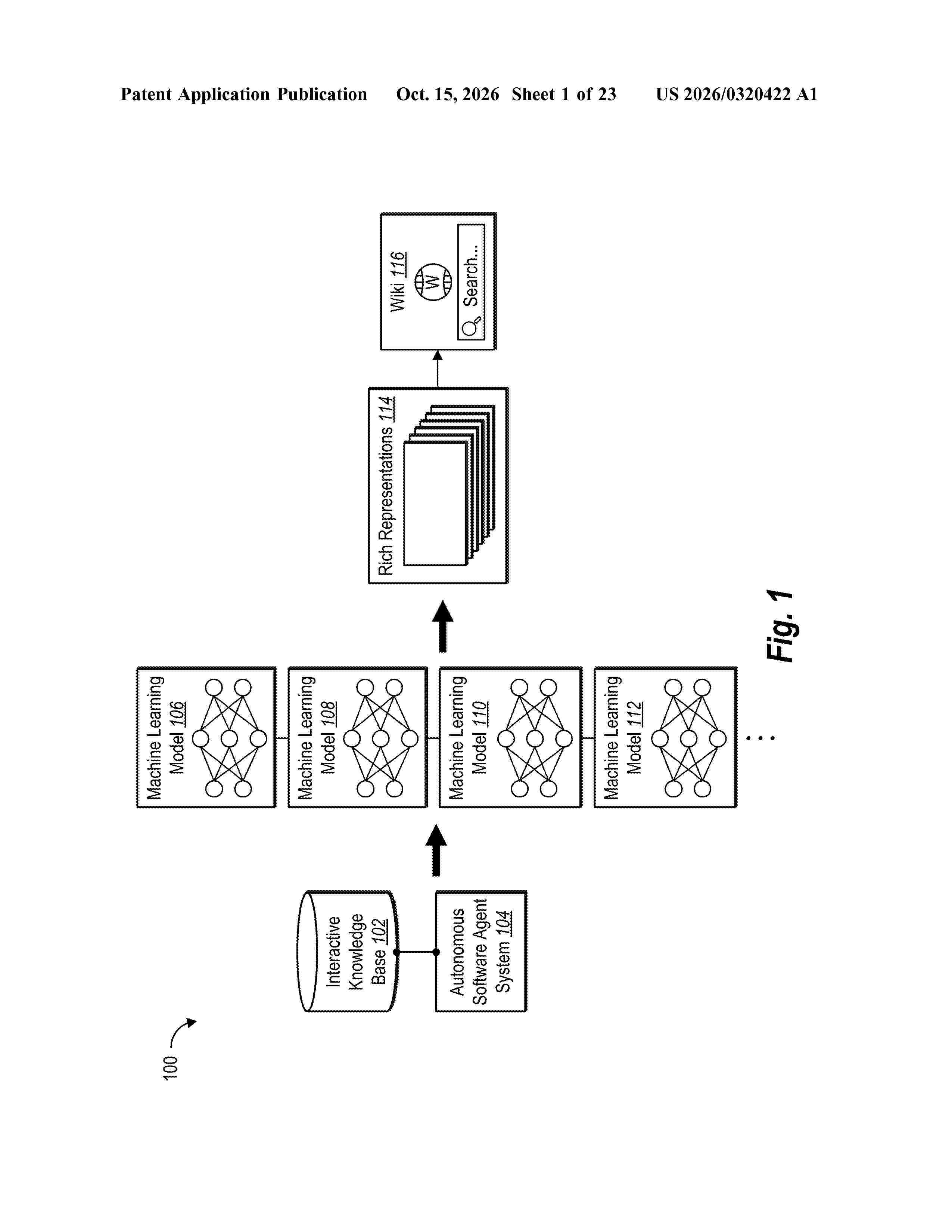
The present disclosure relates to systems, methods, and non-transitory computer-readable media that generates a wiki for a code repository available to an autonomous software agent system. In particular, the disclosed systems access a code repository via the autonomous software agent system. Moreover, the disclosed systems generate a plurality of rich representations of the code repository using one or more machine learning models. Additionally, the disclosed systems generate a wiki from the plurality of rich representations, where the wiki includes a visualization of the plurality of rich representations. Moreover, the disclosed systems provide for display in a graphical user interface of a computing device, the wiki along with a prompt feature to search the wiki.
Resumen de: WO2026217286A1
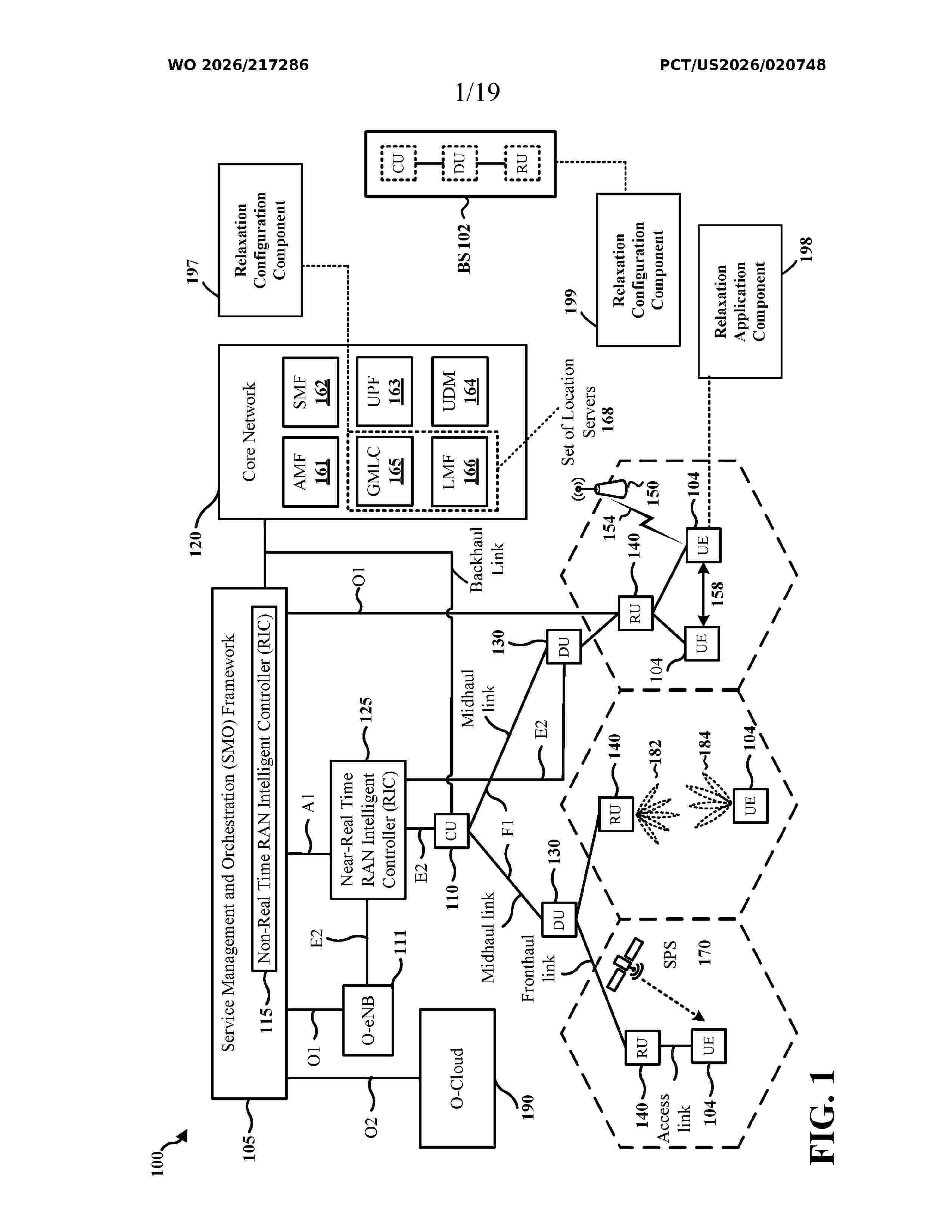
Aspects presented herein may enable a user equipment (UE) to apply a set of relaxations for artificial intelligence (AI) or machine learning (ML) (AI/ML) related operations, thereby improving the resource managements for the AI/ML related operations. For example, in one aspect of the present disclosure, a UE receives an indication to perform at least one AI/ML operation. The UE obtains a set of relaxation criteria related to the at least one AI/ML operation, where the set of relaxation criteria includes at least one of: (1) a low mobility criterion, (2) a not-at-cell-edge criterion, (3) a stationary criterion, or (4) an AI/ML reduced capability device criterion. The UE performs at least one relaxation operation for the at least one AI/ML operation if the UE satisfies at least one relaxation criterion or all relaxation criteria in the set of relaxation criteria.
Resumen de: US20260320472A1
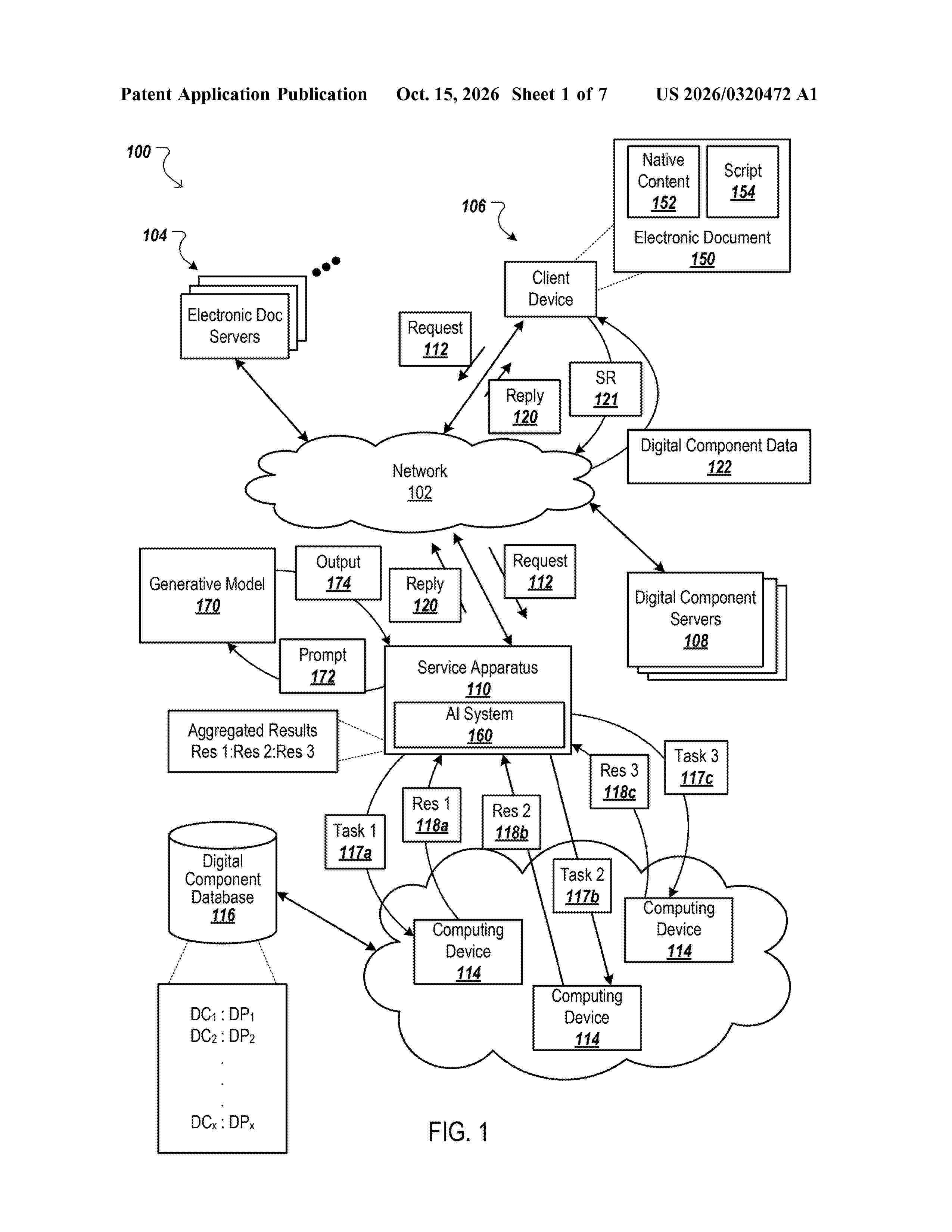
0000 One example method includes obtaining, by an artificial intelligence (AI) system, first model parameters of a first machine learning model; generating a second machine learning model based on the first model parameters, the second machine learning model being at a given hierarchical layer of a hierarchical model structure; refining the second machine learning model to obtain an updated second machine learning model comprising second model parameters, wherein the first model parameters and the second model parameters have a different value for at least one model parameter; and generating, by the AI system, a third machine learning model based on the second model parameters, wherein (i) the third machine learning model is at a lower hierarchical layer of the hierarchical model structure beneath the given hierarchical layer of the second machine learning model, and (ii) the second machine learning model and the third machine learning model have a first common attribute.
Resumen de: US20260322433A1
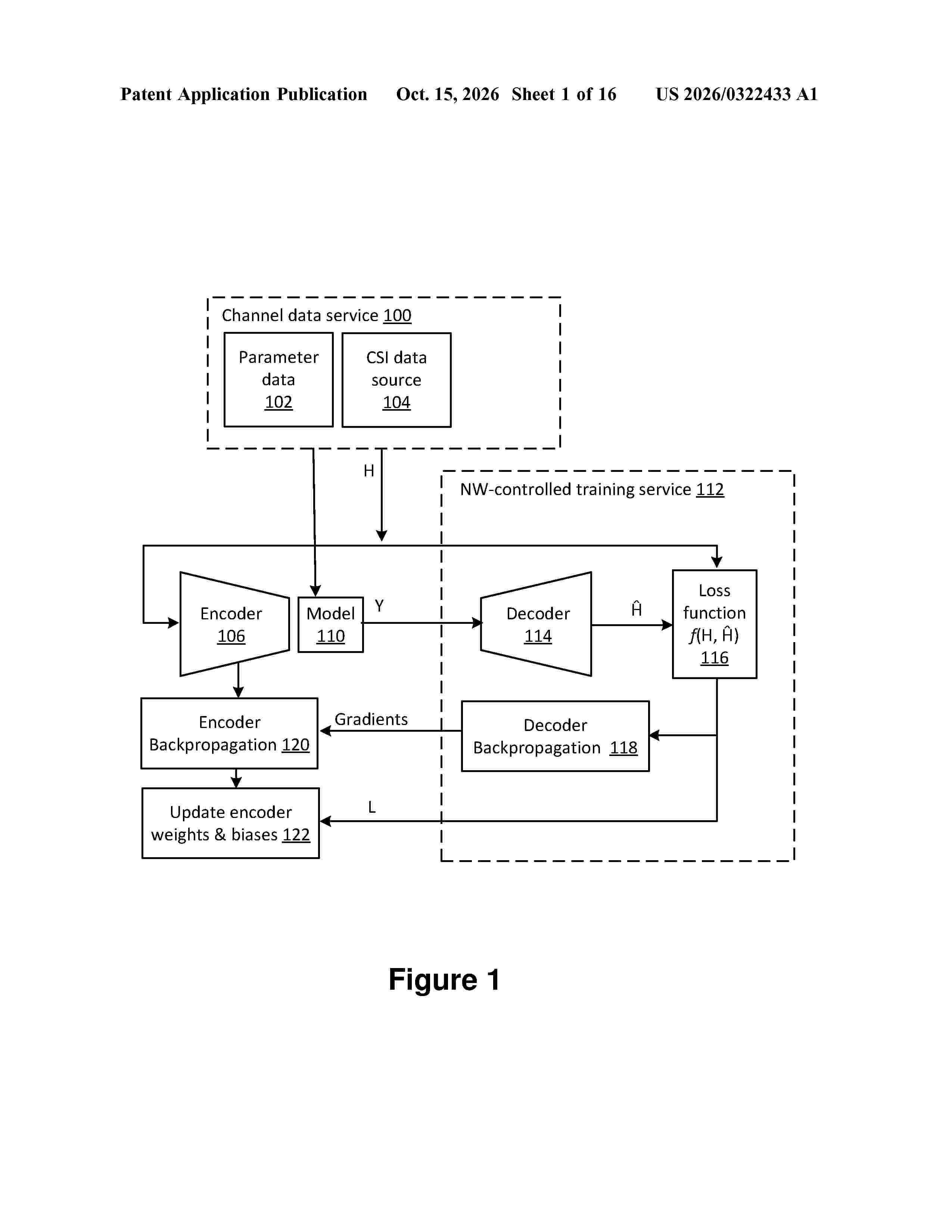
A computer-implemented method is provided performed by a first computing device for causal encoding of channel state information, CSI, is provided. The method includes obtaining an indication of incorrect reporting of CSI; retrieving parameter data; obtaining a measurement of CSI data; and activating a machine learning, ML, model for CSI reporting. The ML model including causal relationships among the parameter data and the measurement of CSI data. The method further includes encoding the measurement of CSI data to obtain encoded CSI measurement data; applying the ML model to the parameter data and the encoded CSI measurement data to obtain an adapted CSI measurement data; and transmitting the adapted CSI measurement data to a second computing device. A computer implemented, method performed by a second computing device, and related methods and apparatus are also provided.
Resumen de: US20260320431A1
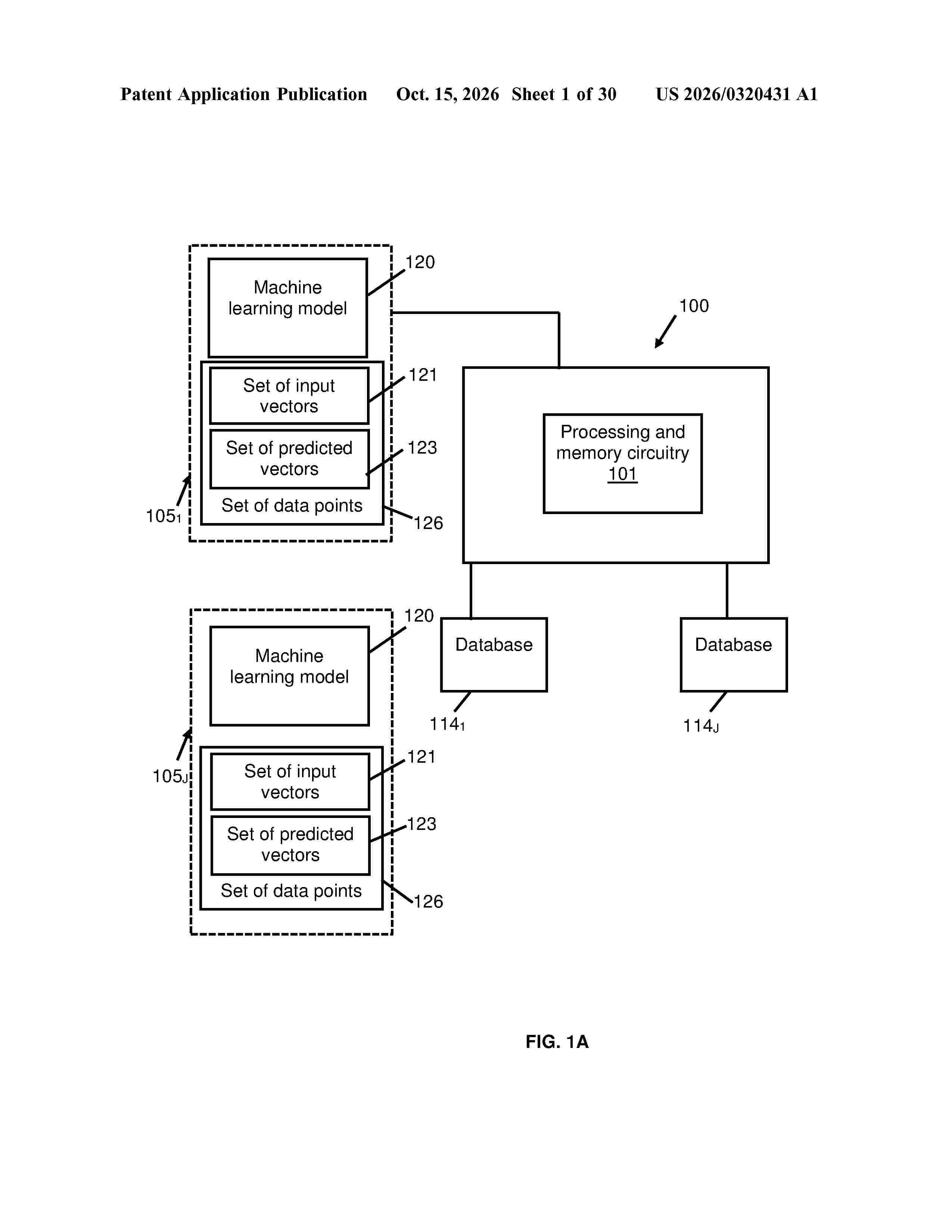
0000 There are provided systems and method comprising, by a processor and memory circuitry, obtaining, for a machine learning model, a set of data points, informative of a set of input vectors and of a set of predicted vectors, wherein each input vector of the set of input vectors has been used to train the machine learning model, using the set of data points to generate a database informative of the machine learning model, wherein the database is informative of terminal nodes, each given terminal being associated with: a plurality of data points of the set, one or more coefficients defining a function fitting a relationship between a plurality of input vectors of the given terminal node and a plurality of predicted vectors of the given terminal node, with a quality meeting an accuracy criterion, wherein the database is usable to generate data informative of the machine learning model.
Resumen de: US20260321363A1
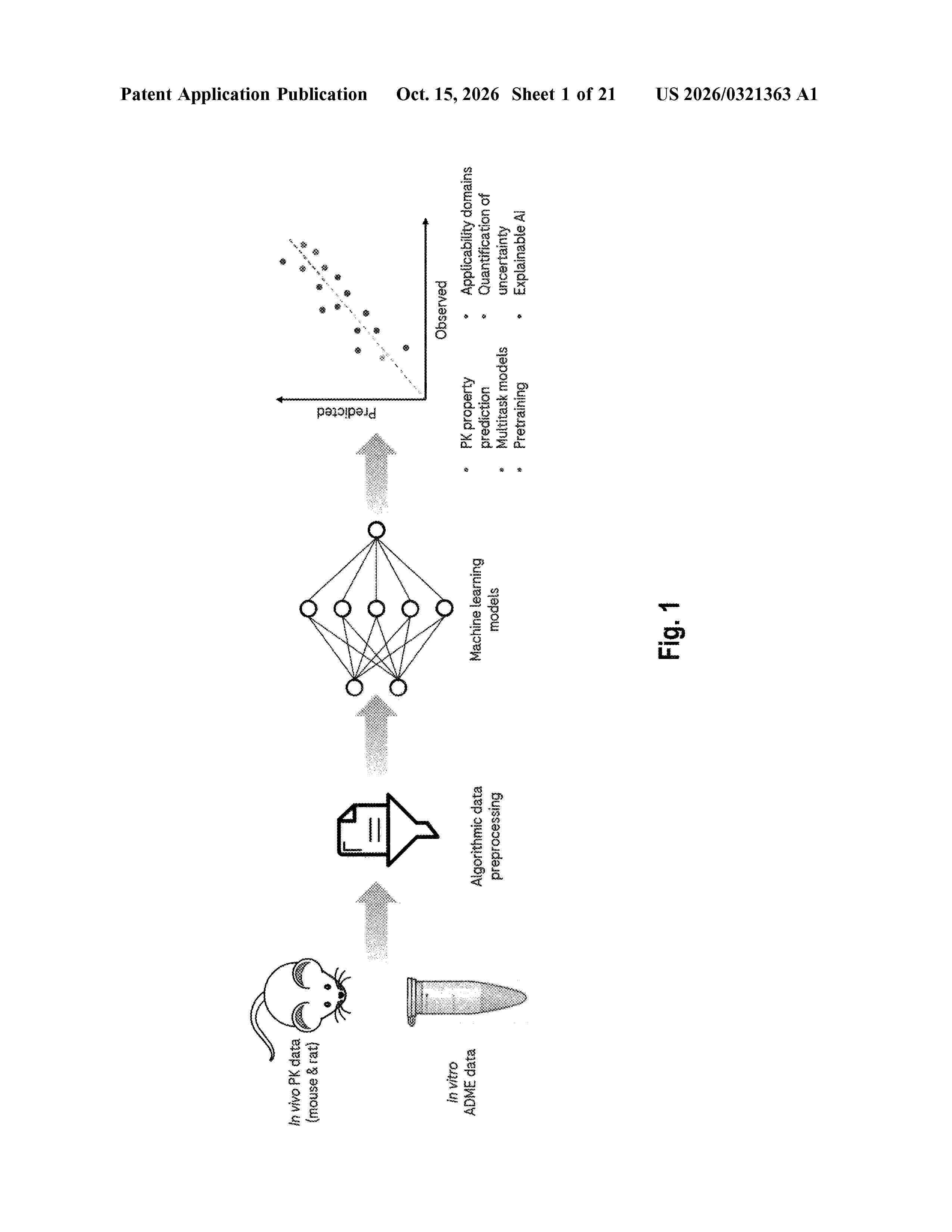
0000 Prediction of pharmacokinetic properties of chemical compounds A computer-implemented method of generating a machine-learning model configured to predict the value of one or more pharmacokinetic parameters of a pharmaceutical compound having a chemical structure comprises: receiving training data comprising a plurality of records, each record comprising: data encoding the chemical structure of a pharmaceutical compound; and the values of one or more pharmacokinetic parameters obtained from measurements taken from a human or animal subject after administration of the compound to the human or animal subject; and training the machine-learning model using the training data. Computer-implemented methods of utilizing the generated machine-learning model, particularly in a drug design context, are also provided.
Resumen de: US20260320471A1
One example method includes obtaining, by an artificial intelligence (AI) system, first model parameters associated with a first machine learning model at a first hierarchical layer; generating, by the AI system, a second machine learning model including the first model parameters, the second machine learning model at a second hierarchical layer beneath the first hierarchical layer; and refining, by the AI system, the second machine learning model to obtain an updated second machine learning model including second model parameters, where the first model parameters and the second model parameters have different value for at least one model parameter, and the second model parameters are unshareable with the first machine learning model.
Resumen de: US20260320425A1
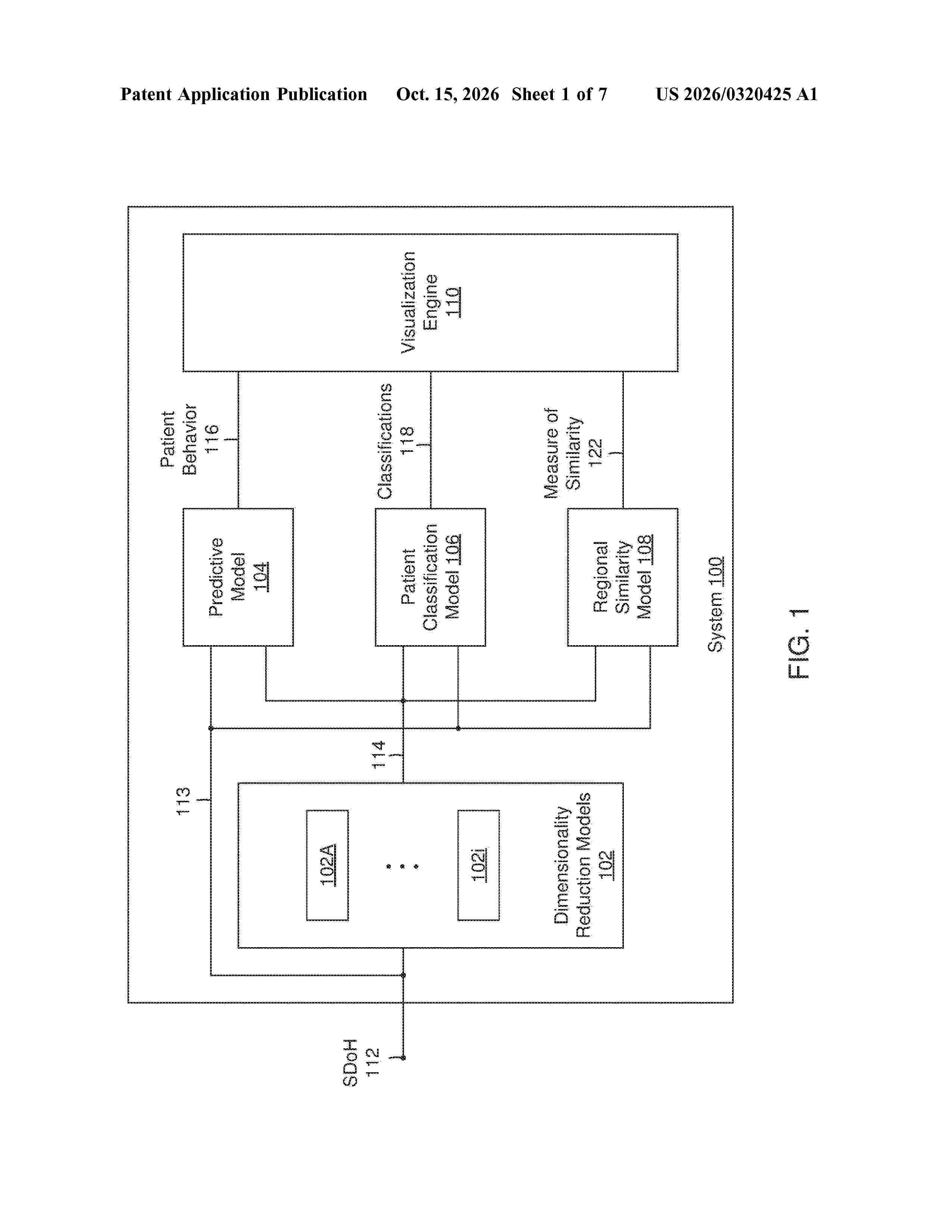
Methods and systems to train and use an ensemble of artificial intelligence/machine learning (AI/ML) models to extract information from social determinants of health (SDoH), including training each of multiple dimensionality reduction models to reduce dimensionality of socio-demographic variables associated with a respective one of multiple SDoH categories, training a predictive model to predict a patient behavior for a geographic region (e.g., risk of non-adherence to treatment regimens) based on dimensionally reduced SDoH (alone or in combination with selected socio-demographic variables and/or other data), training a patient classification model to classify patients based on prescription transactions, and/or training a regional similarity model to determine a measure of similarity between geographic regions based on SDoH and/or dimensionally reduced SDoH. Also disclosed are techniques to visually represent outputs of the models on a user-interactive display.
Resumen de: WO2026216662A1
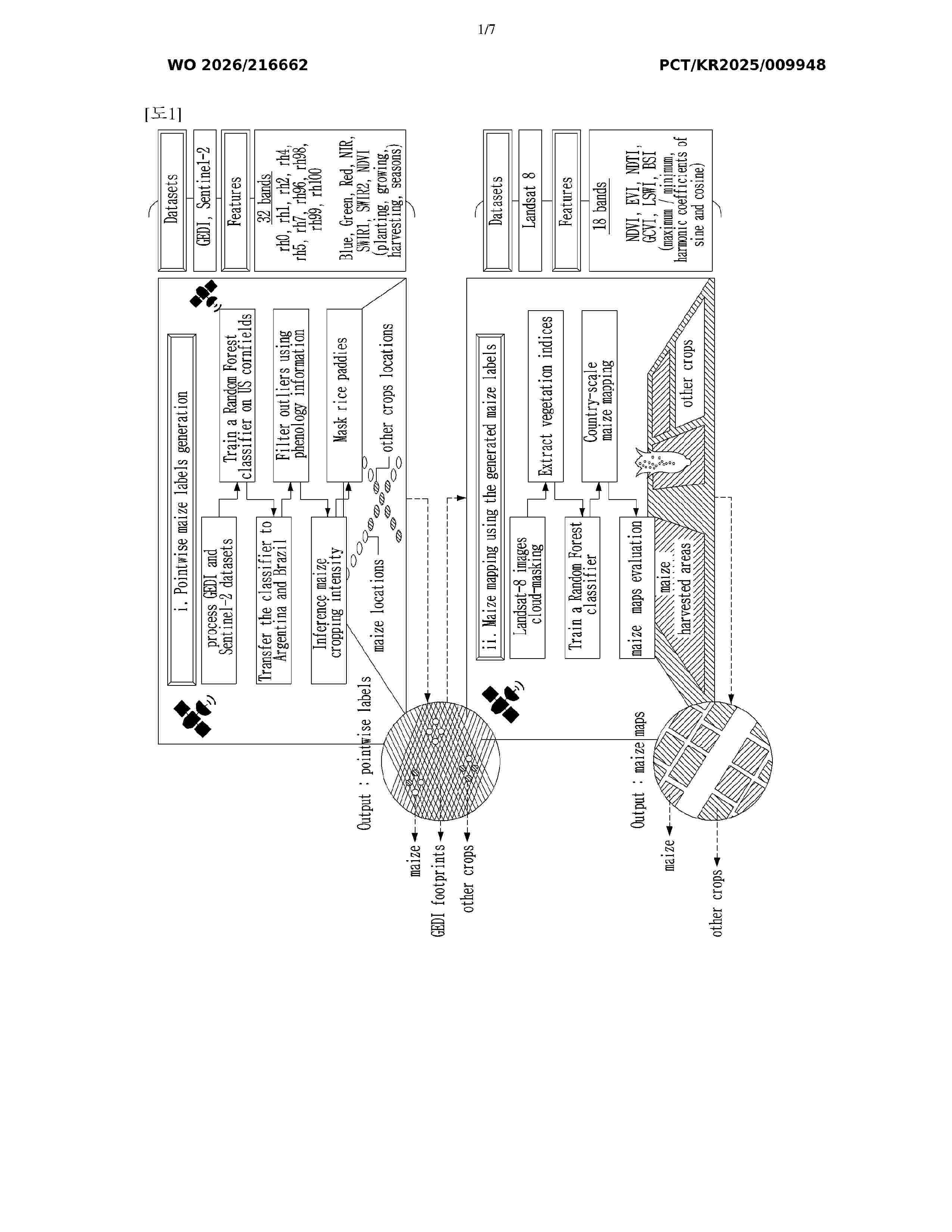
The present invention relates to a method and system for maize mapping using multi-source satellite imagery and machine learning. The method for maize mapping, according to an embodiment of the present invention, is performed by the system for maize mapping and comprises: a first step of acquiring LiDAR data and optical data captured by a satellite; a second step of training a first random forest classifier by using data of a first area including a height and optical characteristics of maize; a third step of inputting LiDAR data and optical data captured by a satellite of a second area into the trained first random forest classifier to infer maize cultivation areas; a fourth step of filtering outliers in the inferred maize cultivation areas by using phenological growth cycle information of maize; a fifth step of inferring a maize cropping intensity in the filtered maize cultivation areas; and a sixth step of outputting maize location points including point data by excluding paddy field areas from the maize cultivation areas in which the maize cropping intensity is inferred.
Resumen de: US20260322819A1
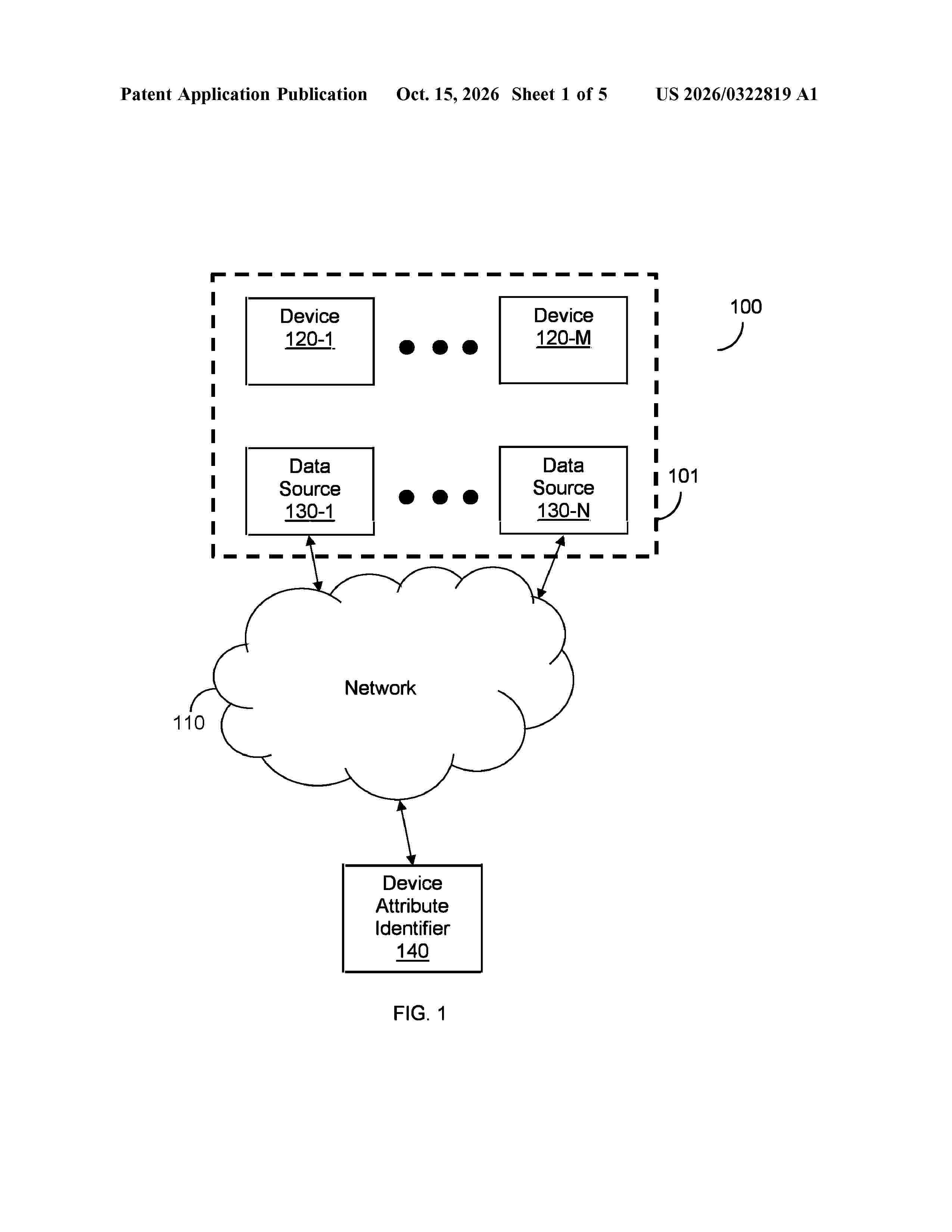
0000 A system and method for determining device attributes based on protocol string conventions. A method includes applying at least one machine learning model to an application data set extracted based on at least one first pair of strings, each first pair of strings including a protocol string and a key string indicated in respective fields of communications session data corresponding to a device, wherein each machine learning model is trained based on a training data set including second pairs of strings device attribute labels, wherein each device attribute label corresponds to one of the second pairs of strings, wherein each of the at least one machine learning model is configured to output a predicted device attribute for the device based on the first pair of strings; and determining, based on the output of the at least one machine learning model, at least one device attribute of the device.
Resumen de: US20260320485A1
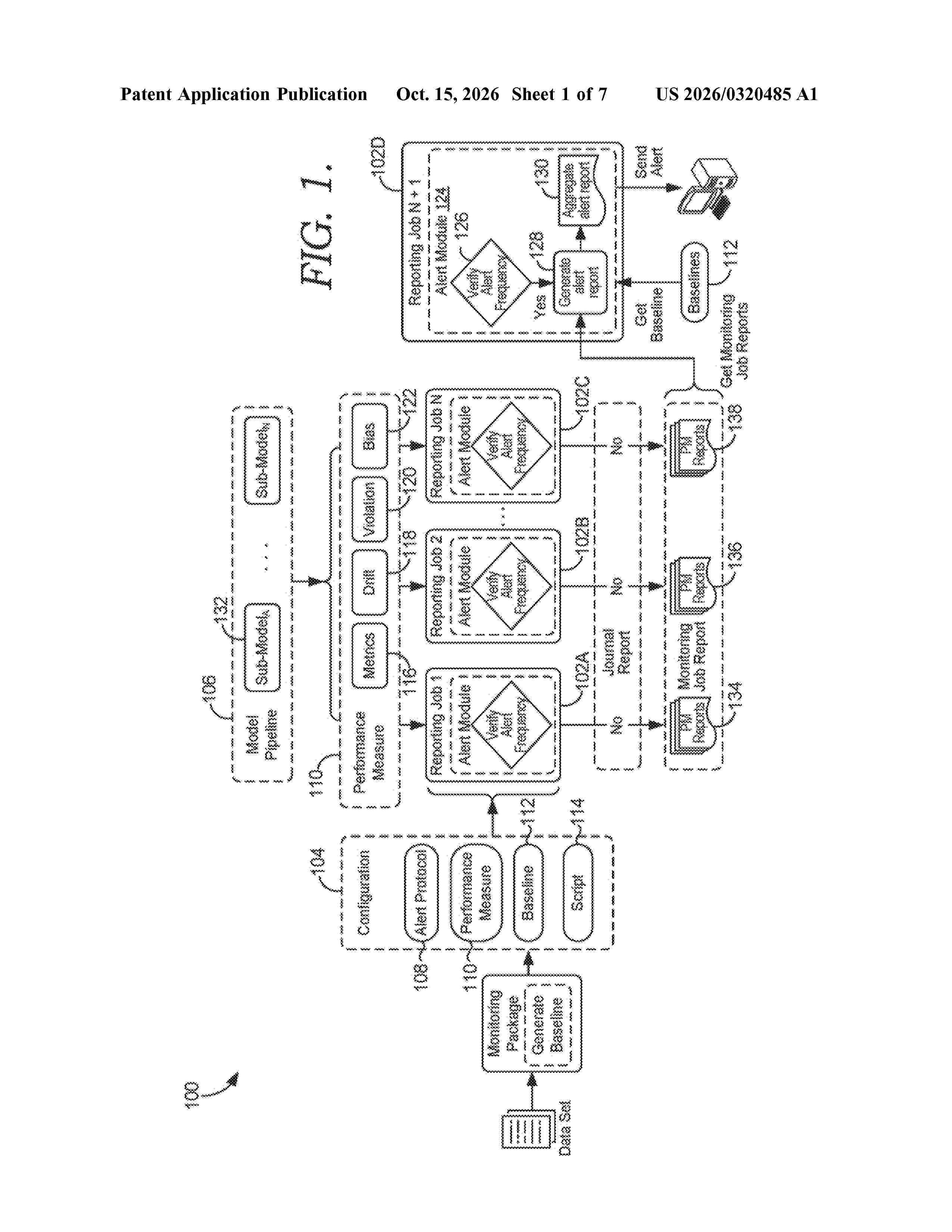
Methods, systems, and computer-readable media are disclosed herein for a concurrent comparative tool for aggregating computationally generated performance reports a machine-learning data model pipeline for technological performance and/or predictive accuracy. The tool may acquire multiple performance measure reports that that quantitatively asses the performance of a model pipeline based on a configuration file that facilitates validation of the technological performance and predictive accuracy of the model. Additionally, when the conditions defined by the configuration file are met for of the performance measure reports the tool may broadcast a notification to a predetermined system.
Resumen de: US20260320567A1
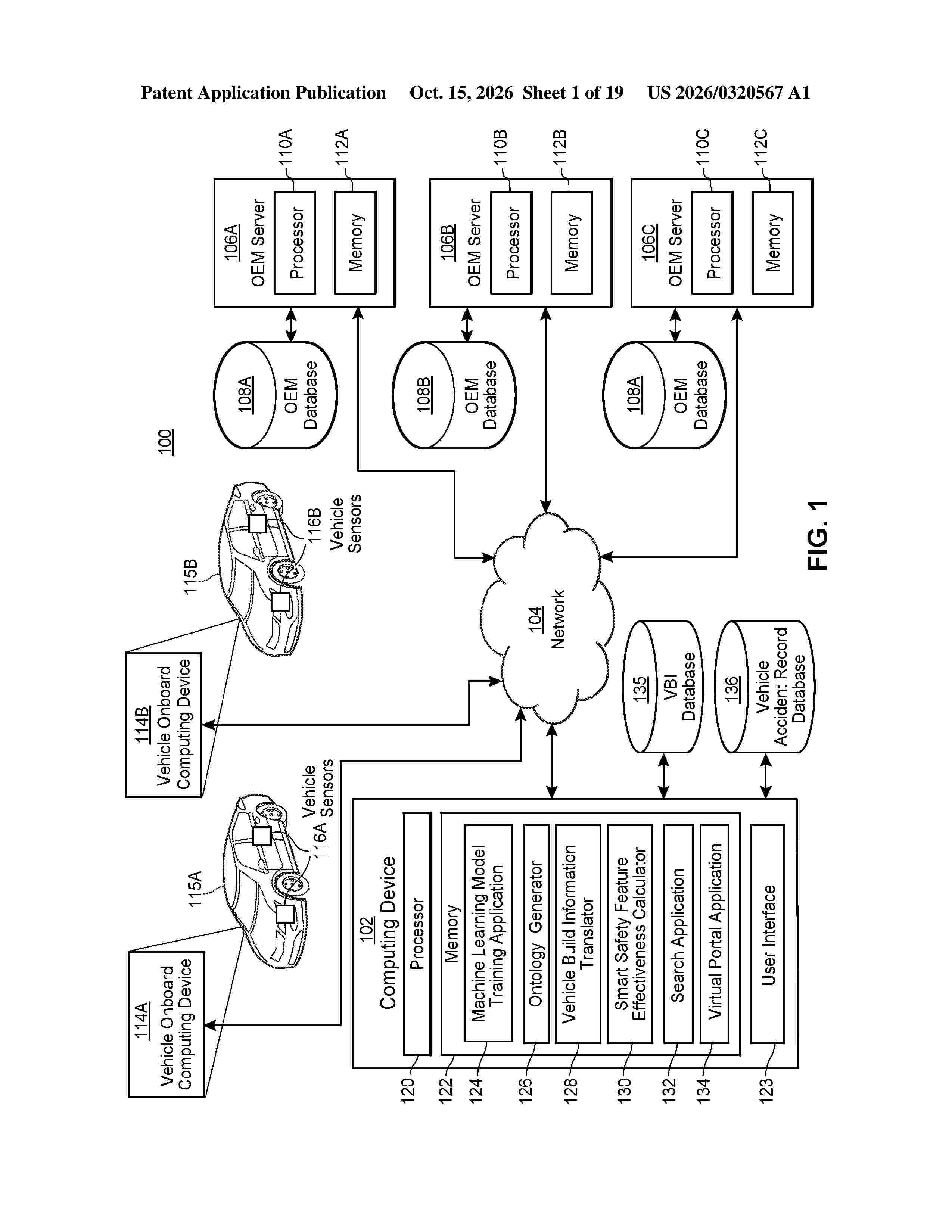
0000 Systems and methods for determining a reparability of a vehicle are provided. In some embodiments, vehicle data is obtained, and a list of variables is generated from the obtained data. A machine learning algorithm may then be trained to generate a reparability metric by: (i) generating correlation metrics between the variables and costs to repair the vehicle, (ii) removing variables with correlation metrics below a threshold, and (iii) training the machine learning algorithm based upon unremoved variables.
Resumen de: US20260320484A1
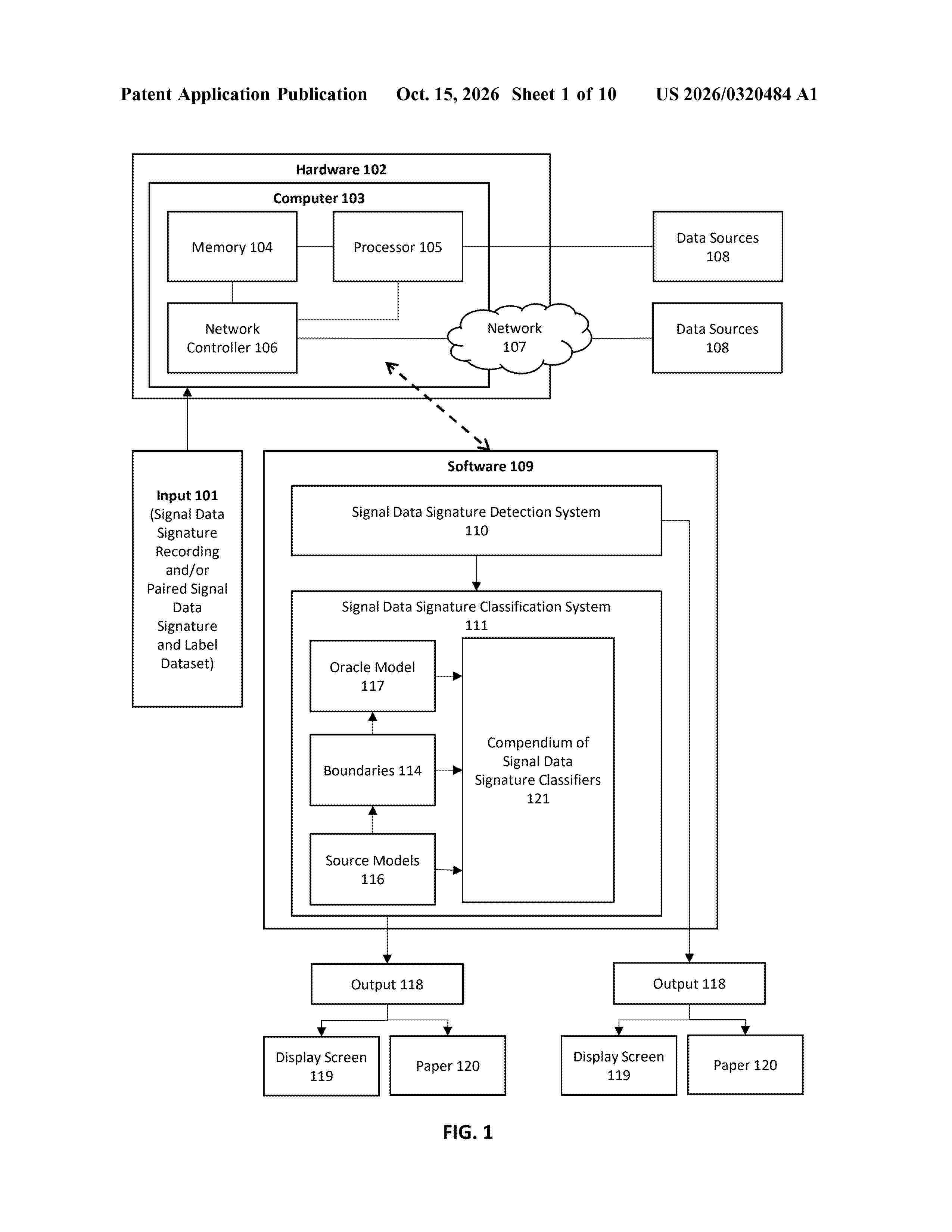
Systems and methods of the present disclosure enable signal data signature detection using a memory unit and processor, where the memory using stores a computer program or computer programs created by the physical interface on a temporary basis. The computer program, when executed, cause the processor to perform steps to receive a signal data signature recording from at least one data source, receive a dataset of labeled signal data signature recordings including signal data signature recording labels, identify, using at least one machine learning model, boundaries within the dataset of labeled signal data signature recordings, classify the signal data signature recording to produce an output label using a compendium of signal data signature classifiers based on the boundaries within the dataset of labeled signal data signature recordings, determine an output type of the signal data signature recording, and display the output label on a display media.
Resumen de: US20260320082A1
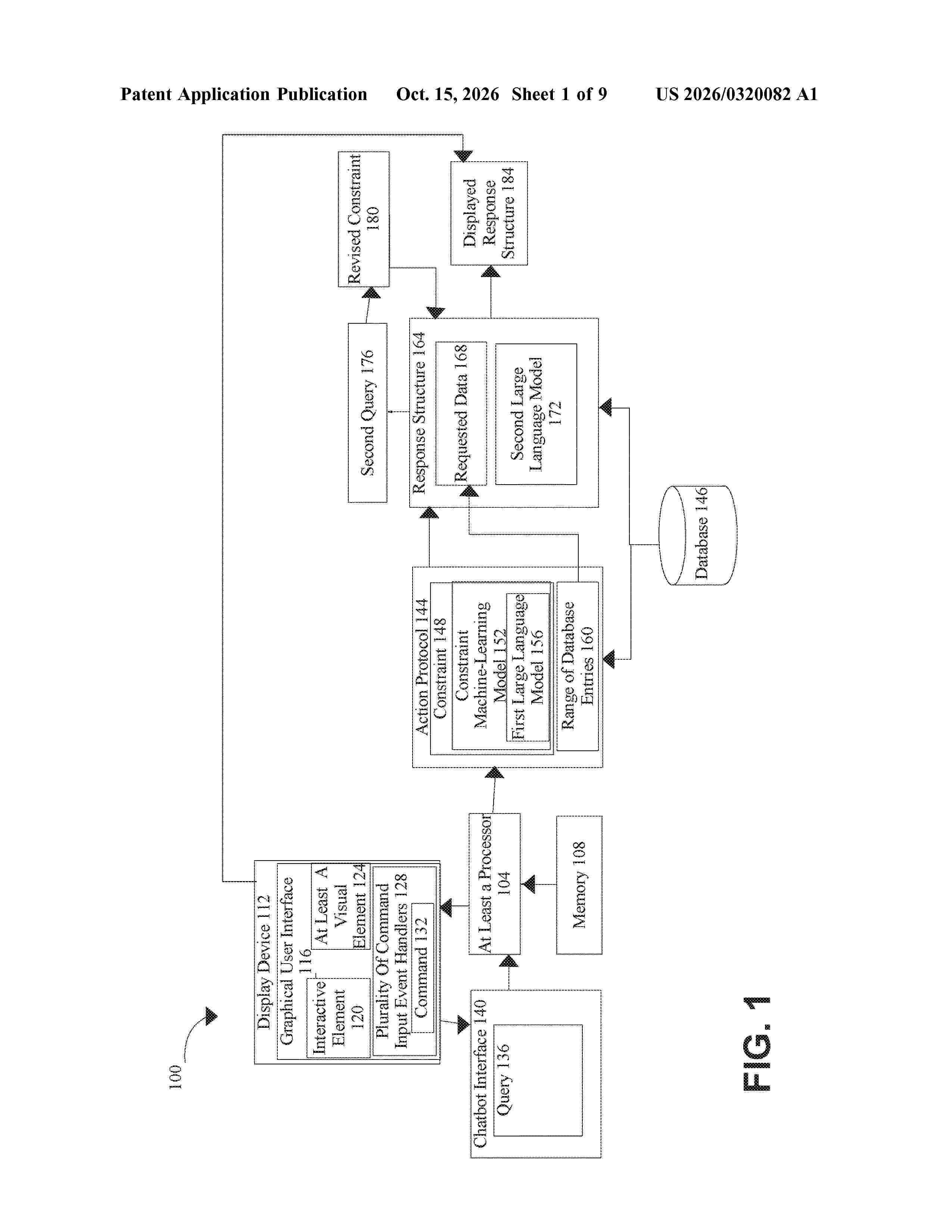
A system for generating a response structure using a chatbot user interface, wherein the system includes a display device, a memory, and at least a processor, wherein the memory contains instructions configuring the at least a processor to: receive a query using a chatbot interface operating on the display device, generate an action protocol as a function of the query, including: generating a set of requested data constraints using a constraint machine-learning model, and mapping the set of requested data constraints to a range of database entries, generate a response structure as a function of the action protocol, wherein generating the response includes: retrieving requested data from a database, inputting the requested data and the query into a second large language model, and generating the response structure using the second large language model, and configure the display device to display the response structure using the chatbot interface.
Resumen de: US20260320496A1
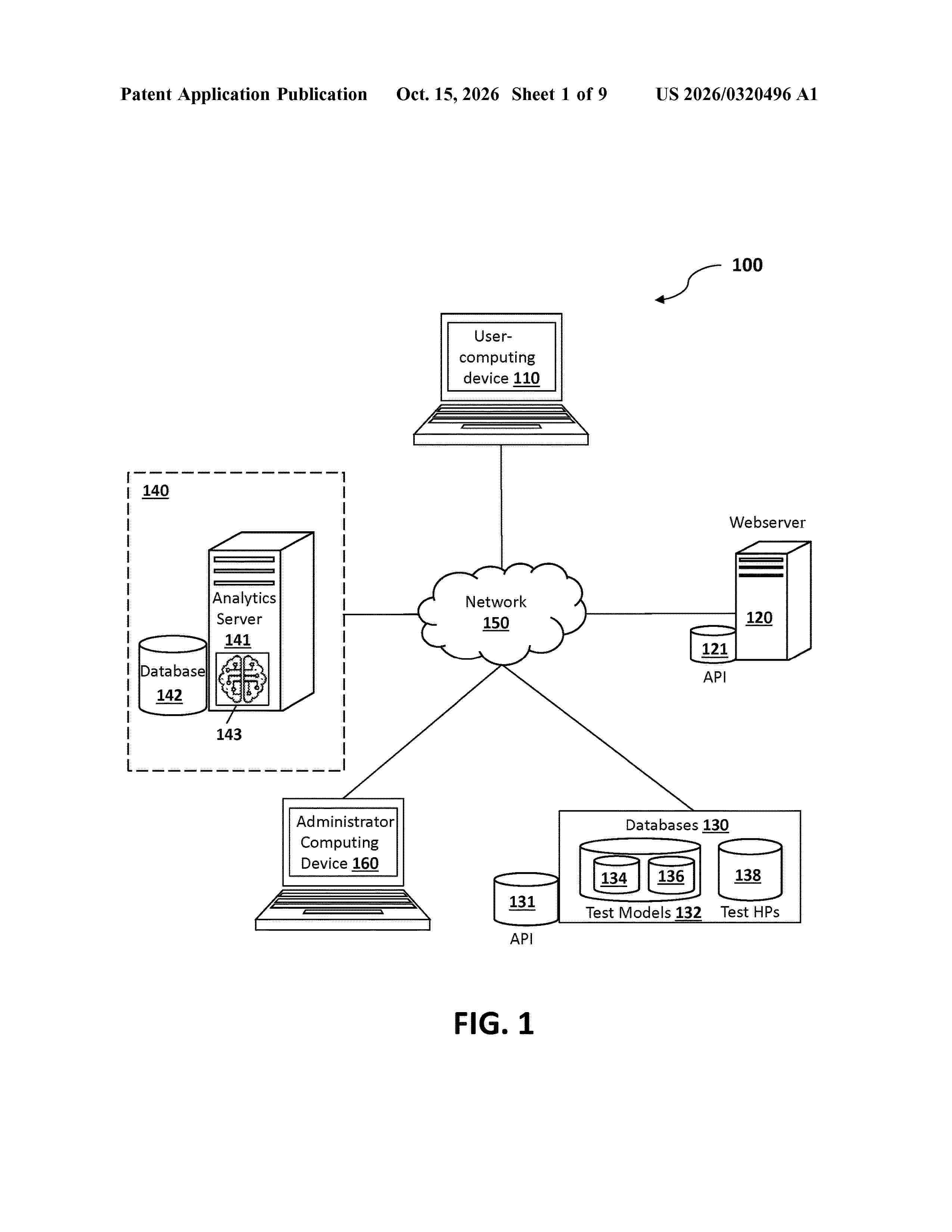
0000 Computer-automated tools to assist machine learning model development may be suitable for users without domain expertise or specialized expertise in particular model types. An initial grid search via gradient boosting is applied to a source data set and target to generate a reduced search space including prioritized set of features ranked by importance value. A genetic algorithm searches the supervised learning classification problem space with various model choices and feature engineering. AI model training techniques may include machine learning test models, test hyperparameters, and network architectures. Feature engineering generates new features, and model development promotes features with fitness scores satisfying a defined threshold. Feature engineering may employ feature combinations, scaling, normalization, and feature convolutions. ML model development may apply a genetic operator including one or more of crossover, mutation, and selection. Iterative test ML model development generates pre-trained models that can yield code for deployment of production models.
Nº publicación: US20260323351A1 15/10/2026
Solicitante:
QUALCOMM INCORPORATED [US]
QUALCOMM Incorporated
Resumen de: US20260323351A1
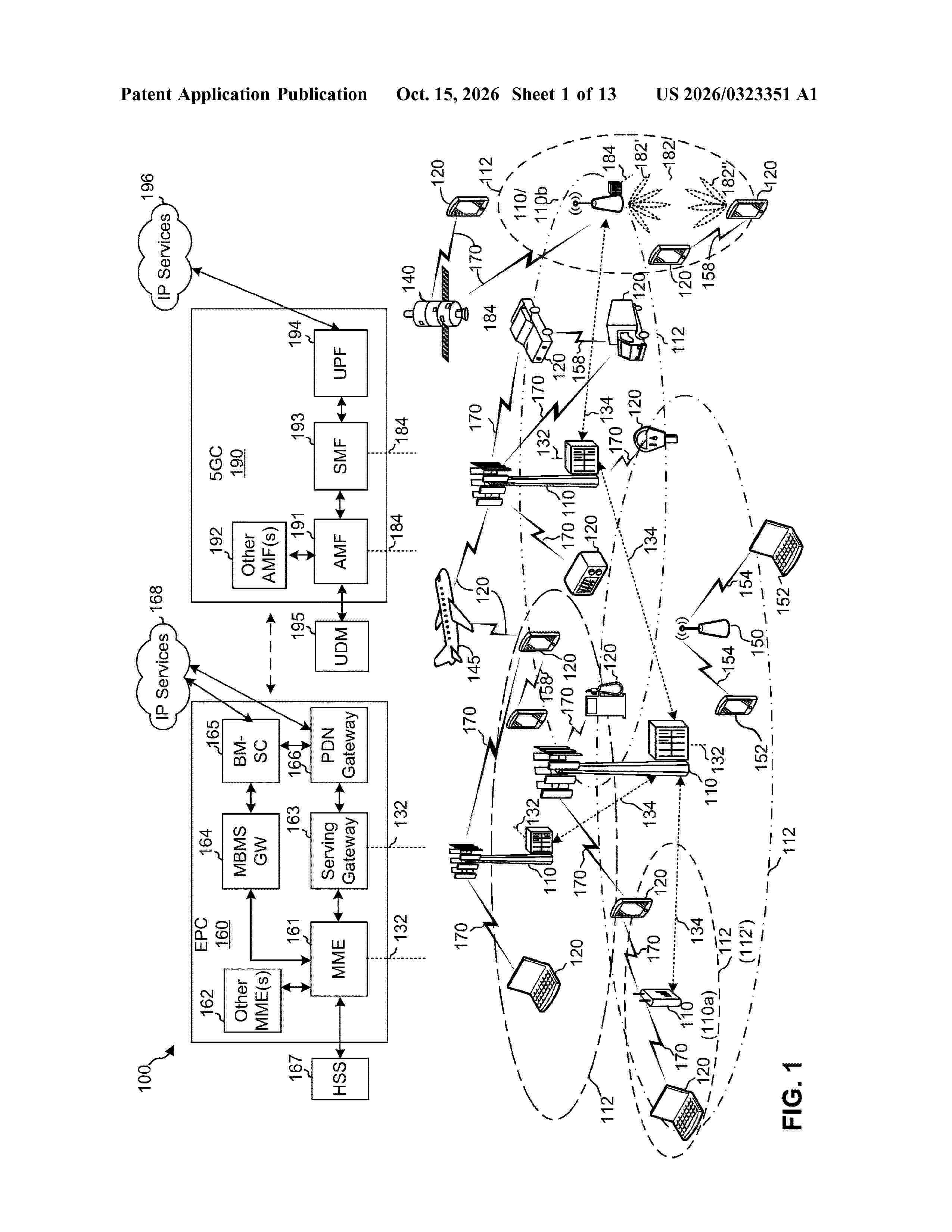
0000 Various aspects of the present disclosure generally relate to wireless communication. In some aspects, a user equipment (UE) may receive configuration information indicating a plurality of events that are associated with artificial intelligence or machine learning (AI/ML) model monitoring, each event of the plurality of events associated with a respective criterion of a plurality of criteria. The UE may identify, according to one or more criteria of the plurality of criteria, that a set of events, of the plurality of events, corresponding to the one or more criteria have occurred. The UE may transmit a report indicating that the set of events have occurred. Numerous other aspects are described.
 BOPI
BOPI
 Sede Electrónica