Si deseas distinguir tus productos, servicios o ambos de los de otra empresa, es posible que necesites una marca o nombre comercial. Descubre qué son, en qué consiste su procedimiento de registro y qué implica.

Información sobre los plazos de presentación de solicitudes de transformación de marcas de la Unión Europea en marca nacional española. Más información


Si tienes un nuevo dispositivo, producto o procedimiento que resuelva un problema técnico o tenga una ventaja práctica, existen distintas formas de protegerlo en España y en otros países. Descubre cómo hacerlo.

¿Tu innovación reside en la estética, la ornamentación o la apariencia de tu producto? Protégela mediante un diseño industrial. Descubre qué derechos confiere el registro y cómo realizar la tramitación.

Las indicaciones geográficas protegen el nombre de un producto originario de una zona geográfica, a la cual le debe una determinada calidad, reputación u otra característica. Descubre qué son, en qué consiste su procedimiento de registro y qué beneficios conceden.

Las patentes publicadas en todo el mundo son una valiosa fuente de información científica, técnica y comercial.

Si eres emprendedor/a o una empresa y quieres potenciar y mejorar la rentabilidad de tu negocio protegiendo de forma adecuada los activos intangibles de tu organización, en este espacio encontrarás lo necesario.


 392
resultados
392
resultados
 Última actualización
22/09/2026 [07:03:00]
Última actualización
22/09/2026 [07:03:00]


 Resultados 100 a 125 de 392

Resumen de: EP4552966A1
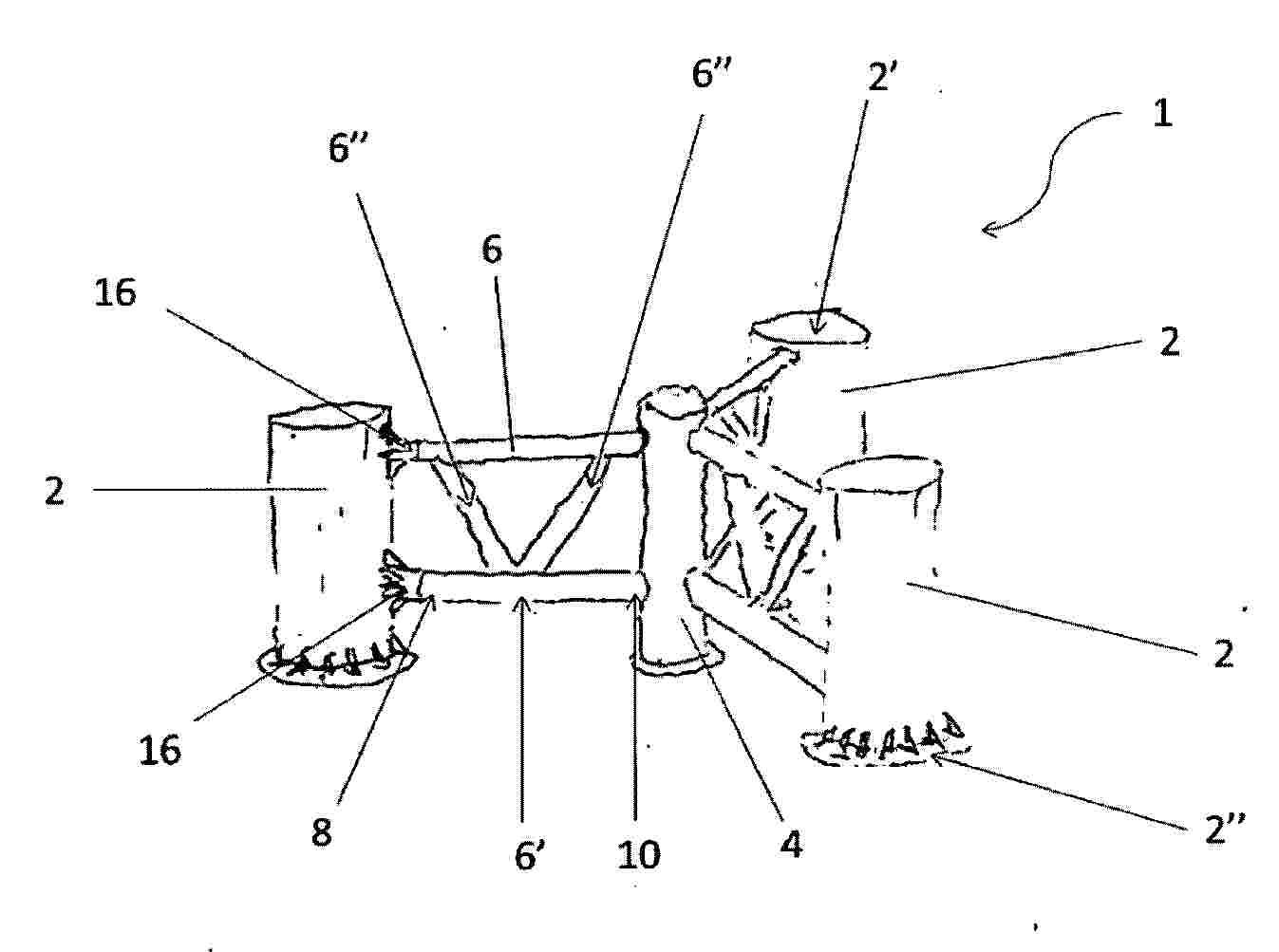
0001 The invention relates to an offshore wind turbine platform (1) comprising: - a main body (4) intended to receive a mast of a wind turbine attached to it, - several floats (2), each float comprising an upper metal wall (2') forming an upper end of the float, a lower metal wall (2") forming a lower end of the float, and several side walls (18, 28, 28', 48, 58) connecting the upper and lower metal walls to create a watertight enclosure of the float, - several metal connection structures (6), each metal connection structures comprising at least a first end (8) attached to one float and a second end (10) attached to the main body.

Resumen de: WO2025078678A1
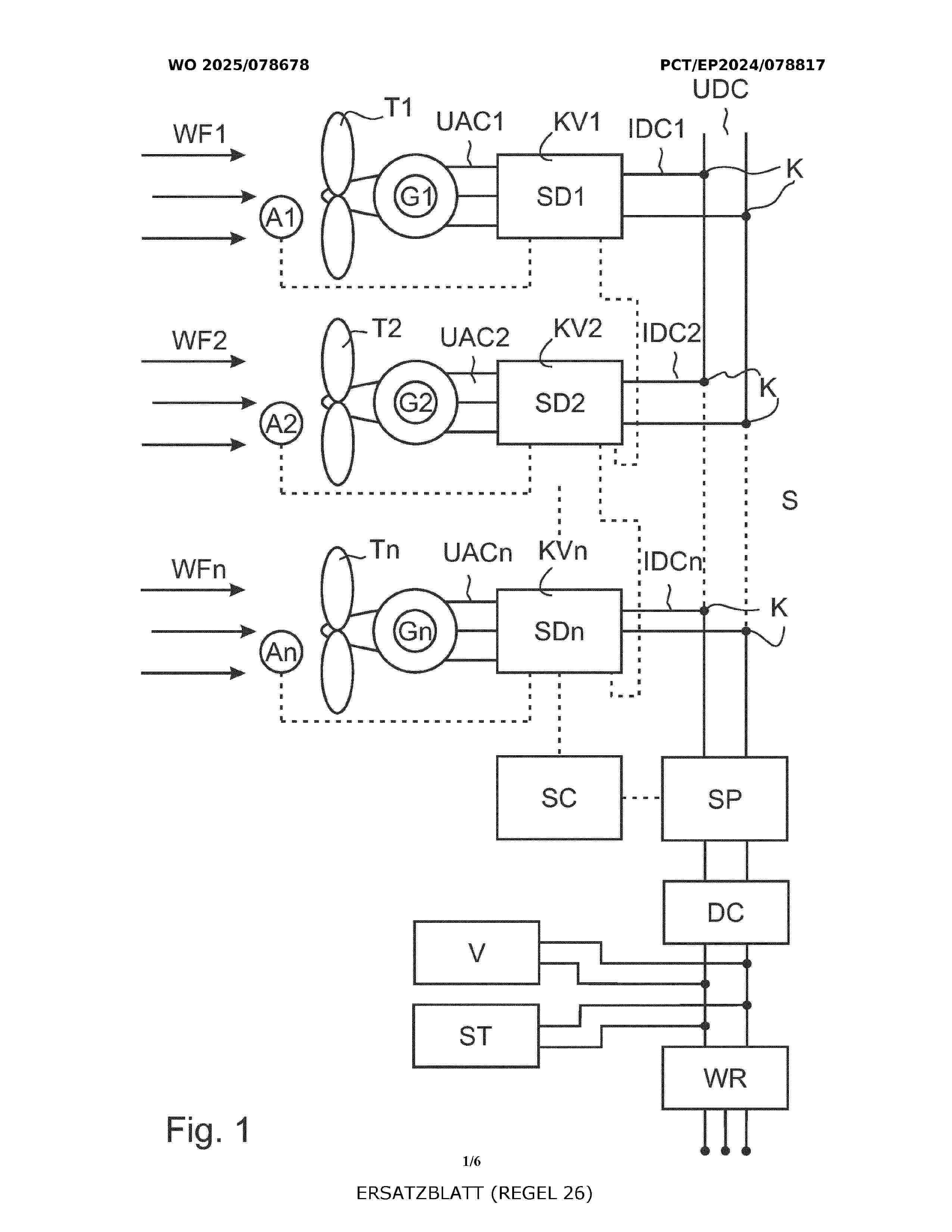
The invention relates to a method for converting a plurality of current outputs generated by the conversion of wind power, comprising the method steps of converting a first kinetic energy from a first wind turbine generated by a first wind power into a first electrical output having a first voltage; converting a second kinetic energy from a second wind turbine generated by a second wind power into a second electrical output having a second voltage, wherein the first voltage is different from the second voltage; converting the first electrical output into a first current having a first conversion voltage; and converting the second electrical output into a second current having a second conversion voltage, wherein the first conversion voltage is equal to the second conversation voltage. The invention also relates to a wind energy system for generating and/or supplying a current output, which wind energy system comprises a first wind turbine having a first generator associated with the first wind turbine, and a second wind turbine having a second generator associated with the second wind turbine.
Resumen de: EP4806778A1
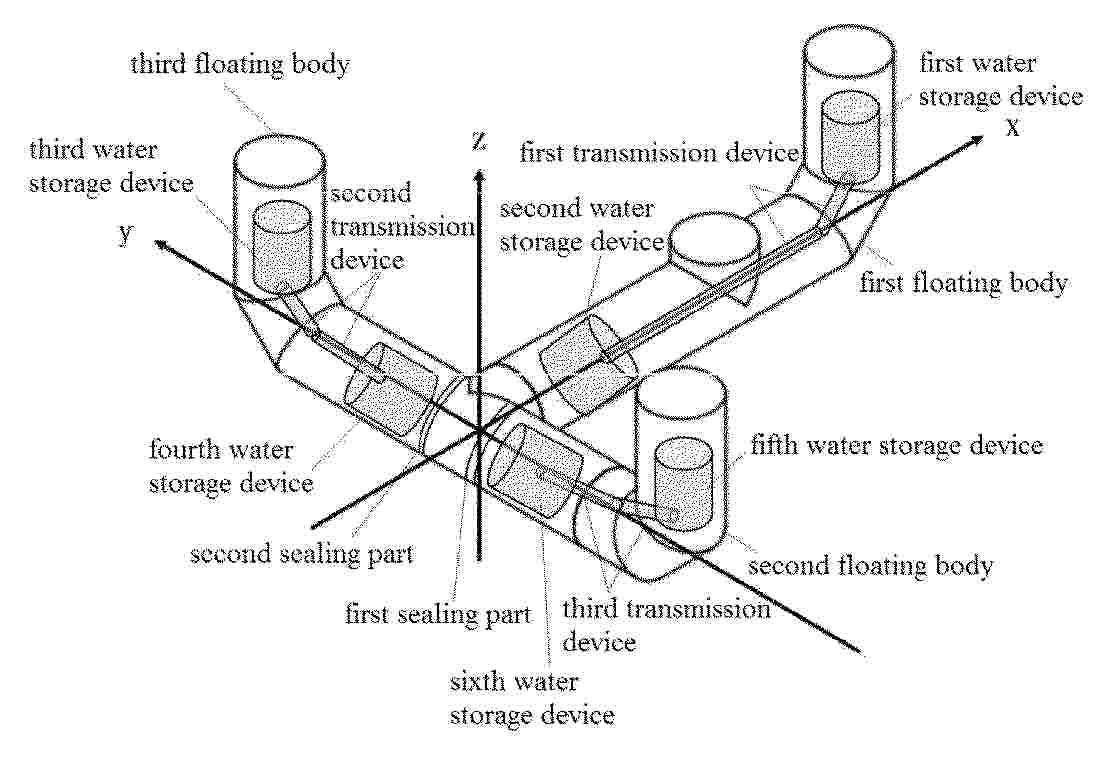
0001 A floating wind power floating body and a method for balancing the floating wind power floating body are provided. The first floating body is connected with the second floating body through a first sealing part; the first floating body is connected with the third floating body through a second sealing part. The first water storage device is connected with the second water storage device through first transmission devices; the third water storage device is connected with the fourth water storage device through second transmission devices; the fifth water storage device is connected with the sixth water storage device through third transmission devices.
Resumen de: GB2704703A
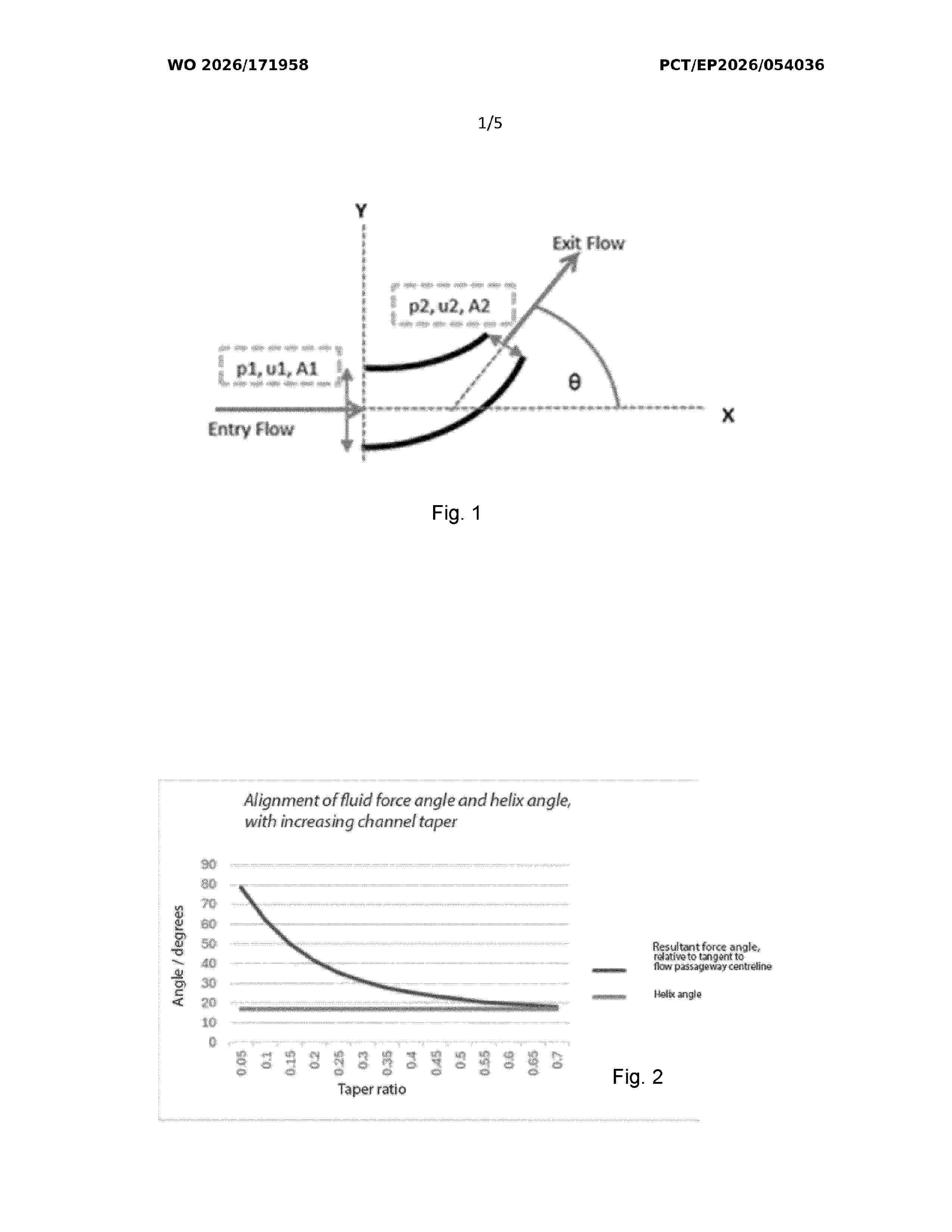
A turbine comprises a helical flow passageway 20 arranged to rotate about the axis 18 of the helix and has an entry 16 and an exit for a working fluid. The helical geometric centre line 20a1, 20a2 of the flow passageway lies closer to the axis of the helix at the entry than at the exit. The flow passageway has a first portion whose cross-sectional area tapers in the direction from the entry towards the exit, and then a further portion which extends from the first portion towards the exit and which has a substantially constant cross-sectional area. The outer envelope of the turbine may be substantially cylindrical, or may flare outwardly from the inlet end towards the outlet end. Figure 6
Resumen de: GB2704720A
An anchor monitoring system for a marine wind turbine 102 held in an operating position by an anchor 104 includes a sensor assembly (200, Fig 2) including a subsea housing (302, Fig 3) fixedly attached to the anchor and positionable at an operating location on a seabed (206, Fig 2). A tilt sensor (304, Fig 3) is positioned within the subsea housing and operates to measure an angle (202, Fig 2) of the anchor. In addition, a second sensor selected from one of a pressure sensor (306, Fig 3), a temperature sensor (308, Fig 3), and a vibration sensor (310, Fig 3), and a third sensor selected from one of a pressure sensor, a temperature sensor, and a vibration sensor are positioned within the subsea housing. A controller 108 operates to detect a change in an operating condition of the anchor in response to the receipt of a measured angle from the tilt sensor, a second measured value from the second sensor, and a third measured value from the third sensor. Figure 1
Resumen de: EP4807177A1
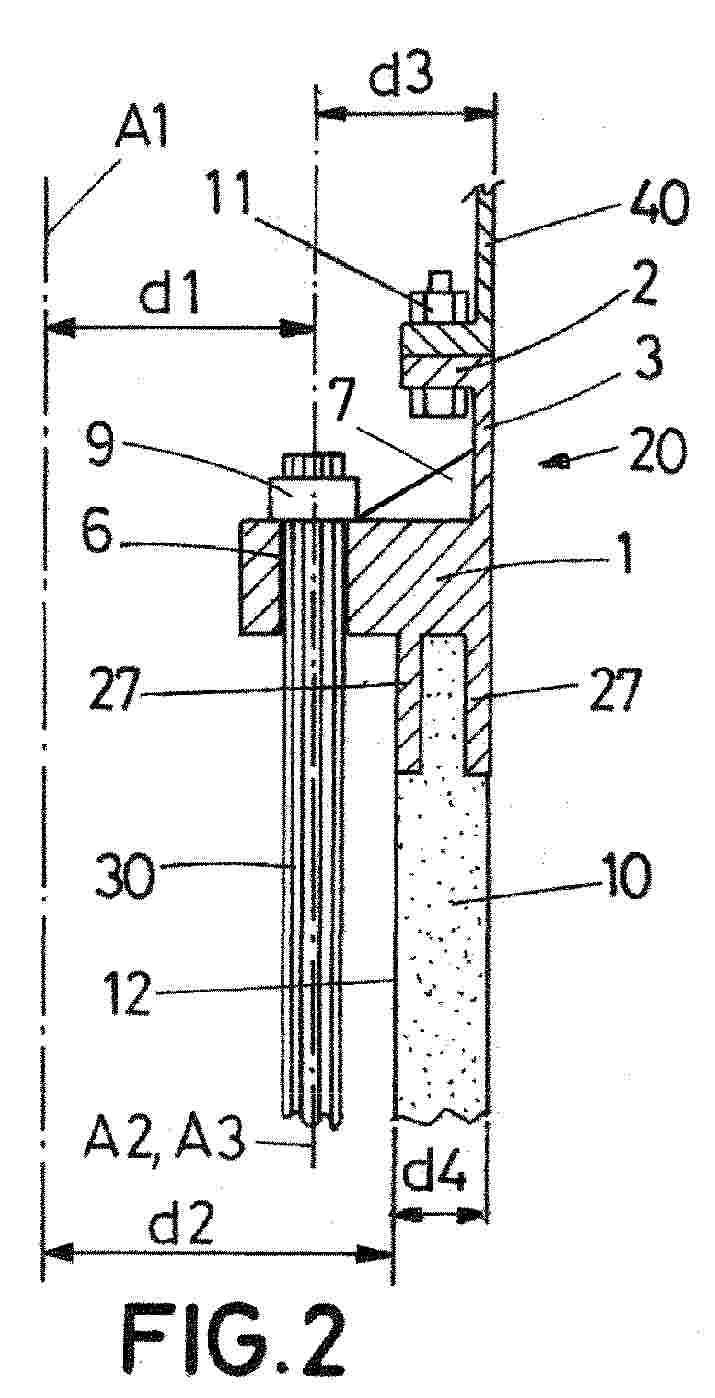
0001 The object of the invention is an adapter of a tower of a wind turbine that can provide additional stiffness in those parts of the adapter where there is a stress concentration, and a wind turbine comprising a tower which in turn comprises the adapter, and a method of erecting the tower.
Resumen de: CN122752239A
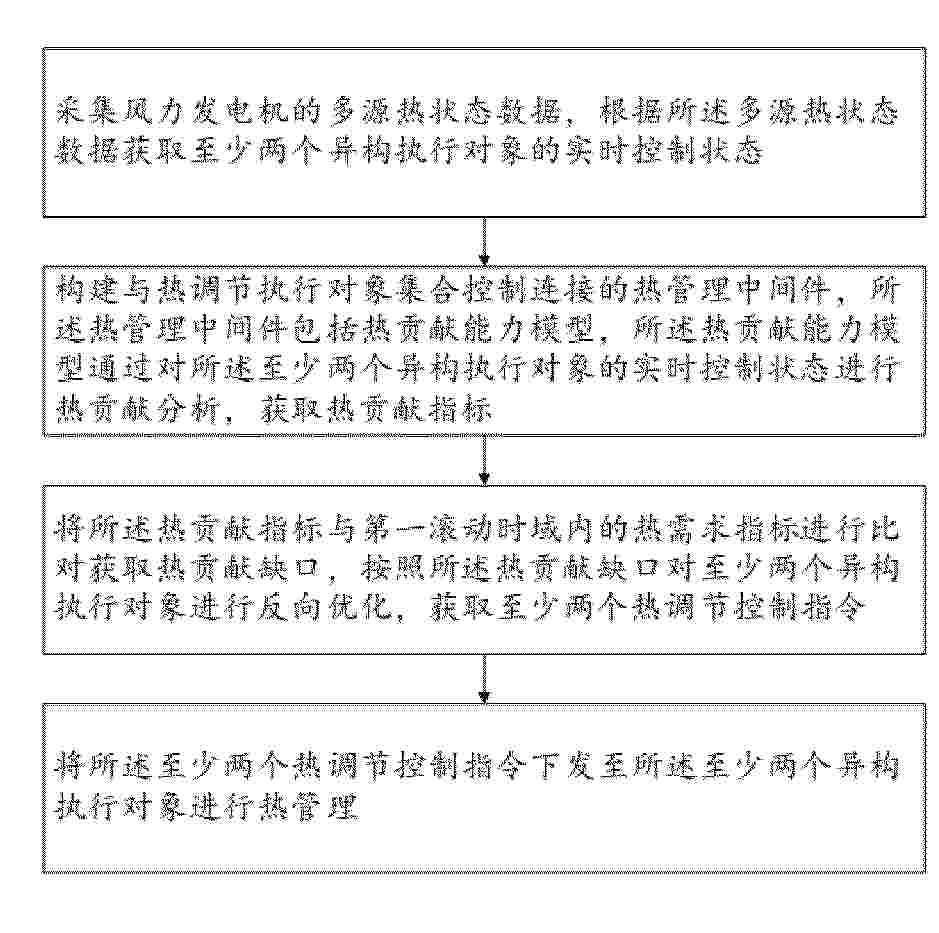
本发明公开了一种自适应风力发电机热管理方法及系统,涉及热管理技术领域。方法包括:采集风力发电机的多源热状态数据,获取至少两个异构执行对象的实时控制状态;构建热管理中间件,通过对至少两个异构执行对象的实时控制状态进行热贡献分析,获取热贡献指标;将热贡献指标与第一滚动时域内的热需求指标进行比对获取热贡献缺口,进行反向优化,获取至少两个热调节控制指令;将至少两个热调节控制指令下发至至少两个异构执行对象进行热管理。解决了现有技术中风力发电机热管理过程中各类热调节资源难以根据实际热需求进行合理分配的技术问题,通过量化各调节对象的热贡献能力并动态分配热调节资源,达到了提高热管理调节精度的技术效果。
Resumen de: CN122752202A
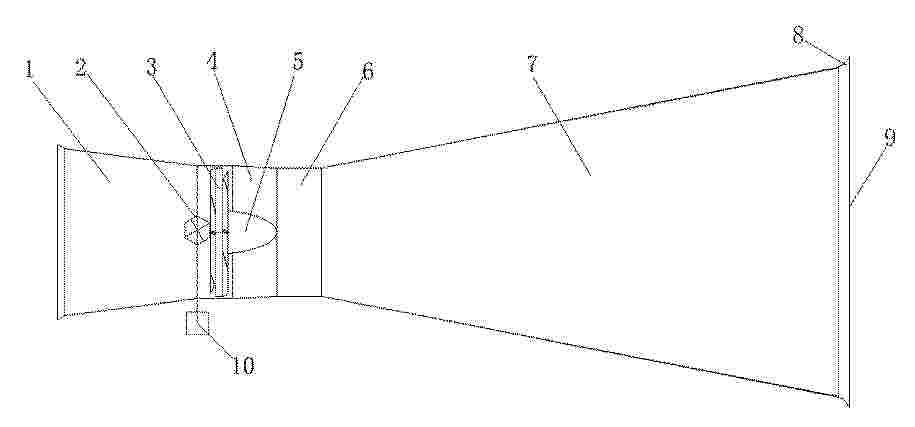
一种分段整理集风型涵道式风力发电设备属于新能源风力发电装备技术领域。本发明包括同轴设置的贯通式涵道筒体,涵道筒体内沿气流流向依次设置有进风防护组件、集风口收缩段、喉口平直段、扩压段、发电模组和疏风段,进风防护组件包含固定设置于涵道筒体进风口端的防护网,以及形成于进风口外缘的倒流角,集风口收缩段的大口端对接进风防护组件,集风口收缩段的小口端连接喉口平直段的进风端,喉口平直段的出风端连接扩压段的小口端,扩压段的大口端朝向发电模组,扩压段的内部通过支撑支架同轴固定设置有导流锥。本发明能够解决低风速启动困难、气流紊流损耗高、叶轮前后压差小、进风回流、异物易损伤叶片以及转速不匹配等问题。
Resumen de: CN122763569A
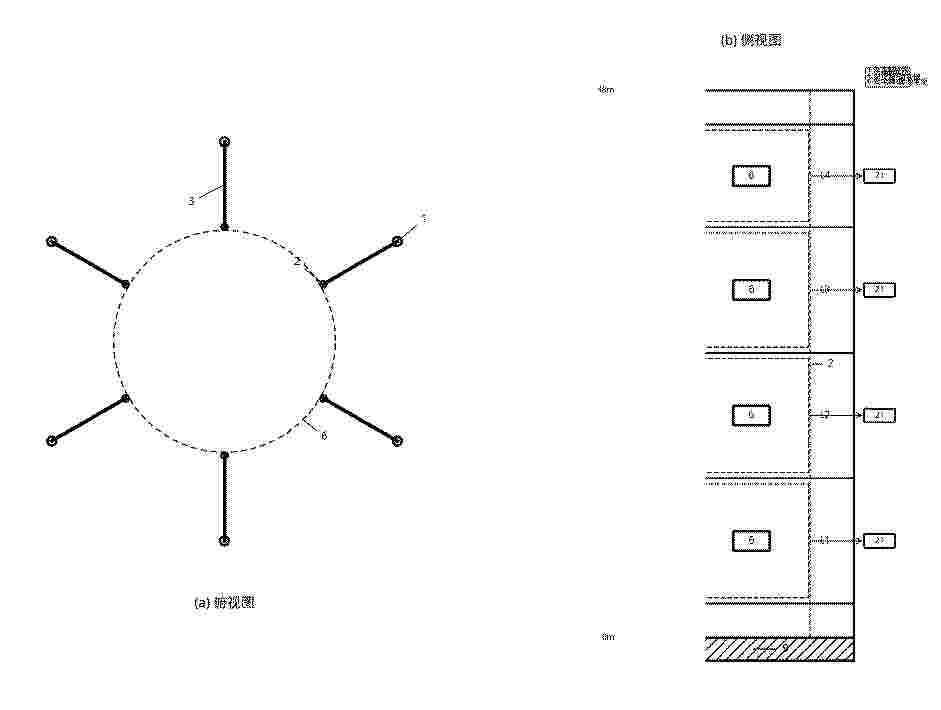
本发明公开了一种六角聚风塔与垂直轴发电机的集成系统及其控制方法,包括外围支撑结构、内辅柱和径向直板聚风板组成的六角聚风塔架,以及分层安装于塔架中心区域的多层垂直轴风力发电机组。其特征在于:各层发电机组与各层独立配置的逆变器一一对应连接,各层逆变器独立执行MPPT控制,根据该层风速传感器数据独立优化工作点;各层逆变器输出经汇流装置集中汇流后统一并网;任一层故障时该层逆变器自动断开,其余各层继续正常运行;层间电缆沿内辅柱内部走线。本发明实现了分层独立发电、各层MPPT精确优化、汇流并网降低设备成本、故障隔离提高可用率的技术效果。
Resumen de: CN122752221A
本发明涉及预制拼装结构技术领域,且公开了一种风电用混凝土塔筒预制拼装结构,包括塔筒片,还包括:锁定部,所述锁定部设置有若干个,若干个所述锁定部均安装在塔筒片上;防脱部,所述防脱部设置有若干个,若干个所述防脱部均设置在锁定部上;所述锁定部包括放置组件,所述放置组件设置在塔筒片上;限位组件,所述限位组件安装在塔筒片上;所述放置组件包括开设在塔筒片上的贯穿槽,所述贯穿槽上开设有放置槽。本发明通过设置锁定部,解决了现有的拼装结构在使用过程中,采用普通直杆螺栓或简易插接结构,仅依靠螺栓预紧力实现连接,由此会使拼接接触面易受力不均、贴合不密实,长期受风机振动与风载作用易出现缝隙与松动的问题。
Resumen de: CN122751928A
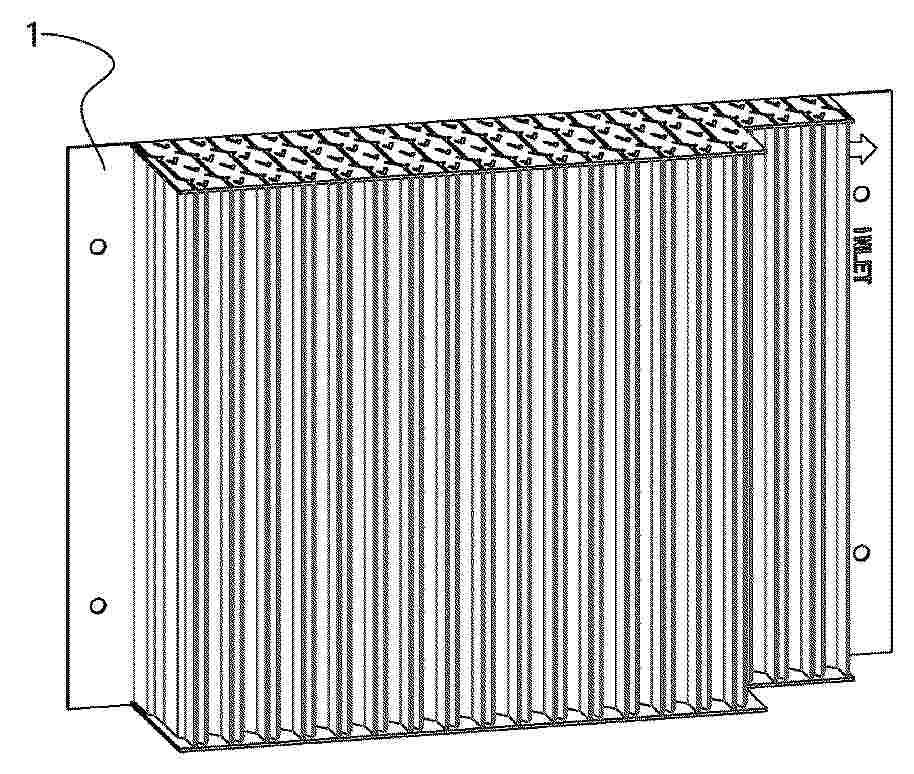
本发明公开了一种风力发电机组机舱罩防雨防尘百叶窗,包括框体,所述框体的上下端设置有固定板,位于固定板之间设置有分隔片,相邻分隔片形成风道,并且风道内交错设置有挡片,所述挡片与分隔片长度相同,位于下端固定板上开有排水口。本发明采用迷宫式防水通道,形成多层防水屏障,可稳定应对暴雨、沿海强风雨、侧风降雨等恶劣工况,雨水渗透率极低,有效避免机舱内部设备受潮、短路、锈蚀,显著降低机组故障风险;摒弃传统叶片大幅重叠的设计方式,流线型通道搭配合理的叶片间距,在高防雨等级下仍保持良好的通风能力,不会因强化防雨而影响机舱散热,保障机组持续稳定运行。
Resumen de: CN122752207A
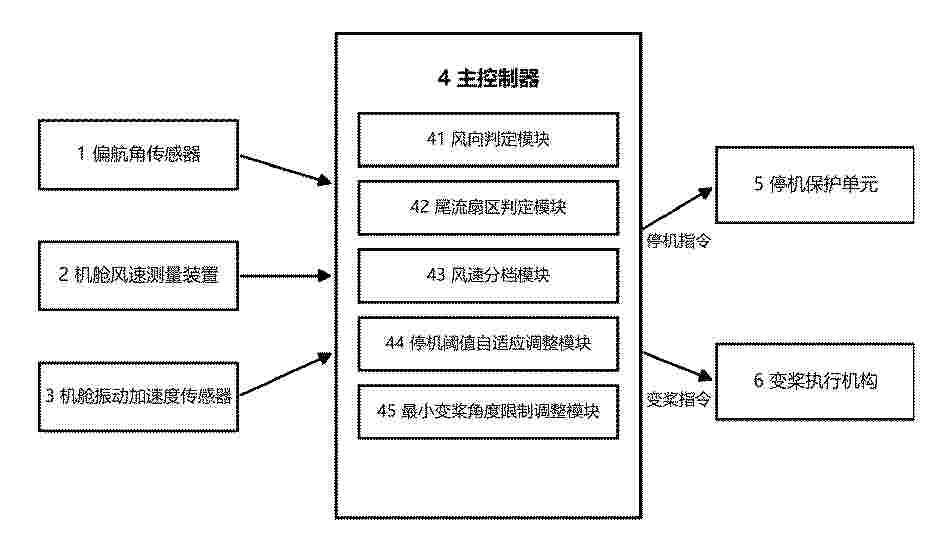
本发明公开了一种风电机组尾流扇区振动停机阈值自适应控制方法及系统。该方法根据风电机组偏航角折算机头所指向的自然风向,判断其是否落入预设的尾流扇区;在扇区控制激活状态下获取风电机组风速与机舱振动加速度,当风速不大于设定风速阈值时,将用于触发停机的机舱振动加速度限值由原始限值上调至原始限值的Kp倍,当风速大于设定风速阈值时维持原始限值;当机舱振动加速度超过所确定的停机限值时控制风电机组停机,并联动调整最小变桨角度限制。本发明在尾流湍流引起振动短时升高但并不危及风电机组安全的工况下有条件地放宽停机阈值,在不突破载荷约束的前提下显著减少尾流扇区内的非必要停机,提高风电机组可利用率。
Resumen de: CN122758177A
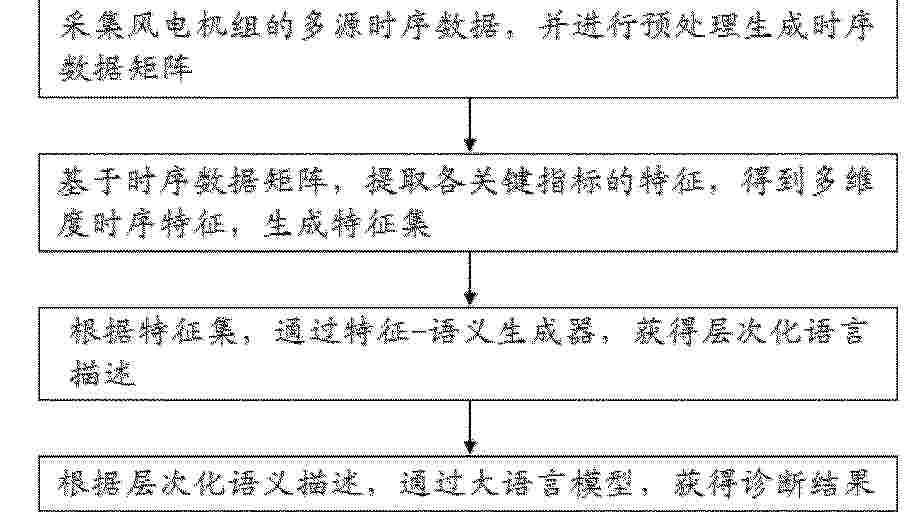
本发明属于风电机组故障诊断技术领域,涉及一种基于时序语义的风电机组故障诊断方法及系统,包括:采集风电机组的多源时序数据,并进行预处理生成时序数据矩阵;基于时序数据矩阵,提取各关键指标的特征,得到多维度时序特征,生成特征集;根据特征集,通过特征‑语义生成器,获得层次化语言描述;根据层次化语义描述,通过大语言模型,获得诊断结果。本发明基于提取的多维时序特征,采用特征‑语义生成器,获得层次化语言描述,根据层次化语义描述,通过大语言模型,获得语义化的诊断结果,解决了现有风电机组故障诊断结果的精准度低、缺乏可解释性难以溯源的问题。
Resumen de: CN122752220A
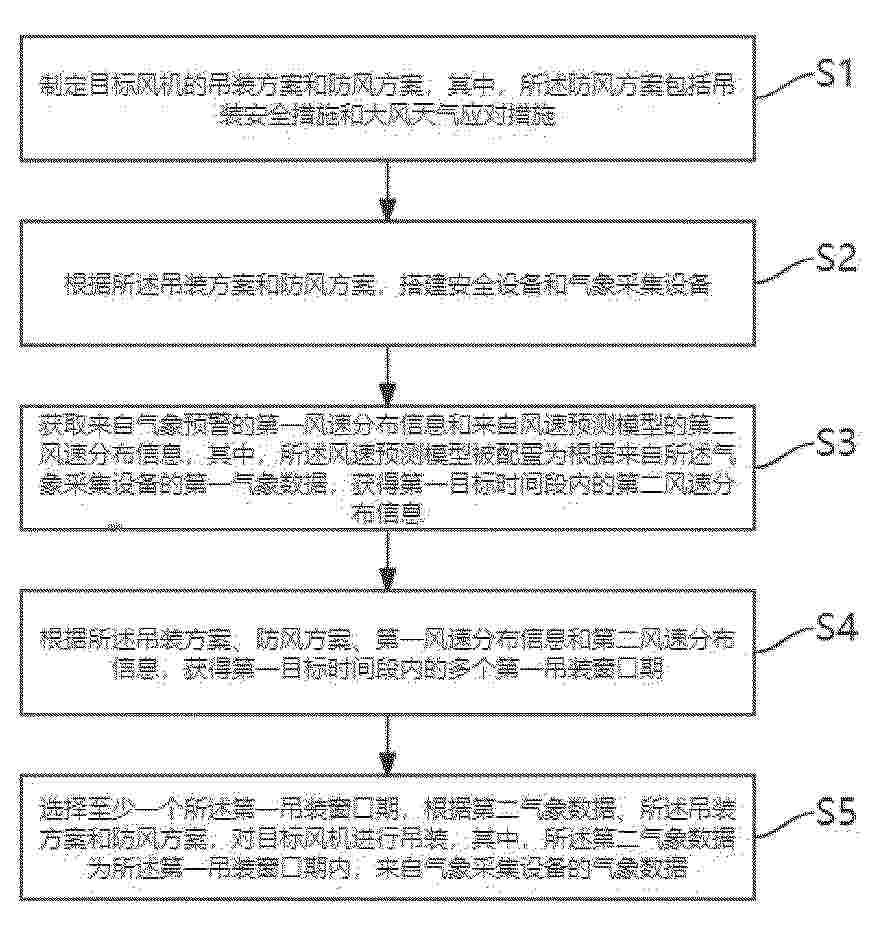
本发明涉及风力发电机组技术领域,公开了一种大风天气吊装大型风机的施工方法,包括步骤S1、制定目标风机的吊装方案和防风方案;步骤S2、根据吊装方案和防风方案,搭建安全设备和气象采集设备;步骤S3、获取来自气象预警的第一风速分布信息和来自风速预测模型的第二风速分布信息;步骤S4、根据吊装方案、防风方案、第一风速分布信息和第二风速分布信息,获得第一目标时间段内的多个第一吊装窗口期;步骤S5、选择至少一个第一吊装窗口期,根据第二气象数据、吊装方案和防风方案,对目标风机进行吊装。本发明采用风速预测模型对施工现场未来的风速进行预测并结合气象预警和施工方案,获得了更加合理的吊装窗口期,提高了施工效率和安全性。
Resumen de: CN122752214A
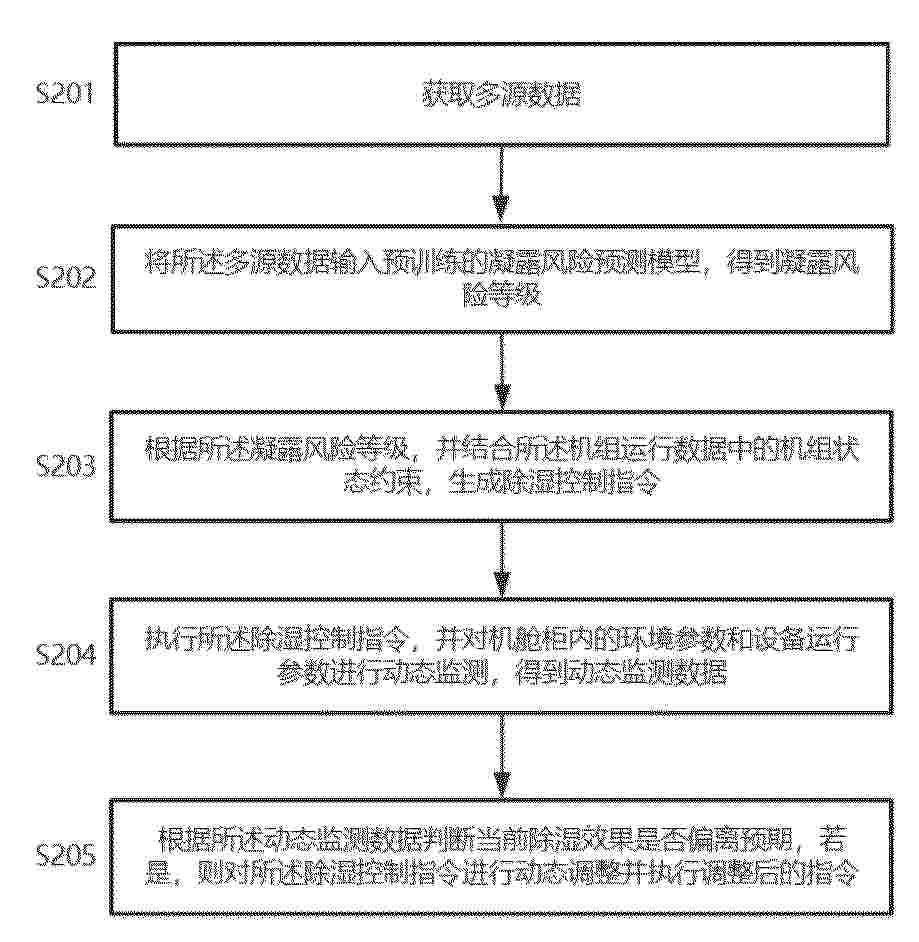
本申请提供一种风电机组机舱柜内环境智能调控方法及系统,涉及风电机组智能运维技术领域,解决了传统调控方案因缺乏凝露风险预测能力和动态调整机制导致的响应滞后和能效低下的技术问题。该方法包括:获取多源数据;其中,所述多源数据包括温湿度数据、机组运行数据和气象数据;将多源数据输入预训练的凝露风险预测模型,得到凝露风险等级;根据所述凝露风险等级,并结合所述机组运行数据中的机组状态约束,生成除湿控制指令;执行所述除湿控制指令,并对机舱柜内的环境参数和设备运行参数进行动态监测,得到动态监测数据;根据所述动态监测数据判断当前除湿效果是否偏离预期,若是,则对所述除湿控制指令进行动态调整并执行调整后的指令。本申请用于风电机组机舱柜内环境调控过程中。
Resumen de: CN122758938A
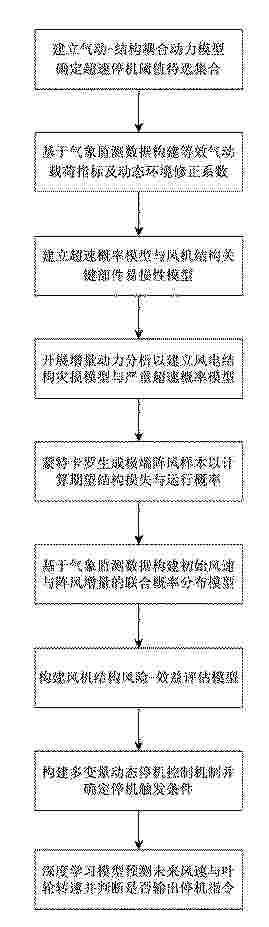
本发明公开了一种高海拔山区风电机组超速停机风速阈值优化方法。该方法首先建立风电机组气动‑结构耦合模型,并确定停机风速阈值初始候选集合。其次,基于历史气象数据,结合空气密度、风速变化率与湍流强度参数,构建等效气动载荷指标和动态环境修正系数,通过增量动力分析建立不同阈值下的超速概率模型与结构易损性模型。接着,结合高海拔气象特征建立初始风速与阵风增量的联合概率分布,随机模拟极端阵风事件,计算不同阈值对应的结构损伤期望损失与运行发电效益,从而构建风险‑效益评估模型。最终,在满足结构安全约束下,以运行效益最大化为目标,确定最优超速停机风速阈值,实现高海拔山区风电机组安全性与经济性的协同优化。
Resumen de: CN122748479A
本发明公开了一种高轮毂混塔分段吊装对接辅助装置,具体涉及风电吊装技术领域,包括加强板,所述加强板的下方设置有用于抱紧塔筒的吊装辅助组件,所述加强板与吊装辅助组件之间设置有自动调心吊装组件。本发明通过周向均匀布置的多组夹紧块同步环抱夹持塔筒,配合夹紧块上的凸块承托塔筒法兰端面,可形成周向夹紧与轴向承托的复合约束,有效减弱高空风扰及吊具晃动引起的塔段偏摆与抖动,保持塔段吊装姿态平稳,为后续精准对接提供基础。
Resumen de: EP4636996A1
0001 The present invention describes a covering element (100, 300, 900, 990, 991) for covering a slot (565) between two adjacent teeth (561, 562) of an electric machine, a stator for an electric machine and a method of forming a covering element (100). The covering element (100, 300, 900, 990, 991) comprises a first sub-element (110, 310, 910, 911, 912) and a second sub-element (120, 330, 920, 921, 922). The first sub-element (110, 310, 910, 911, 912) and the second sub-element (120, 330, 920, 921, 922) are arranged adjacent to each other in a first direction (181). Further, the second sub-element (120, 330, 920, 921, 922) is made of a different material, is longer than the first sub-element (110, 310, 910, 911, 912) and has a lower relative magnetic permeability. The location of the first sub-element is defined by the rotation direction during operation of the machine.
Resumen de: WO2025176918A1
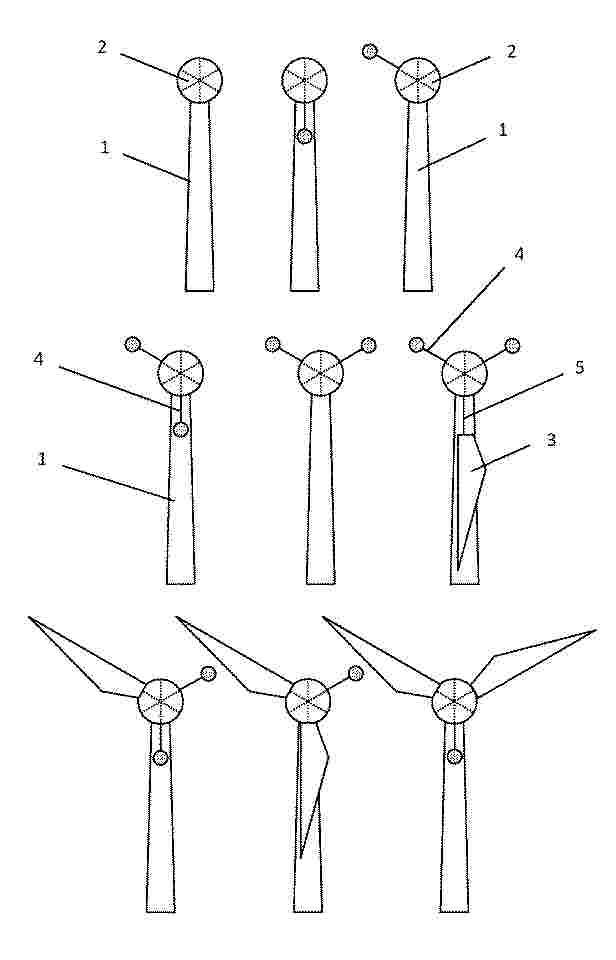
The present invention relates to a method for assembling blades and counterweights on a direct drive wind turbine, characterised in that both the blades (3) and the counterweights, either passive (4) or active (5), are vertically lifted and lowered from the ground to the bushing (2) by means of cables (5) that are controlled by a lifting and lowering mechanism provided inside the bushing (2). The invention is also characterised in that the assembly method is combined with a wind turbine self-hoisting system. Firstly, prior to hoisting the assembly, a tower segment (1), a nacelle, a rotor (2) and the counterweights (4,9) are mounted and then new tower segments are introduced through the bottom portion, to finish mounting the blades (3) in three consecutive steps.
Resumen de: CN122752242A
本发明公开了发电机轴承废油脂排出技术领域的一种双馈风力发电机组发电机后轴承废油脂排出结构,包括轴承以及开设在轴承上的注油孔,轴承上设置有排油件;排油件包括集油盒,集油盒内部设有止回组件;止回组件可在向轴承加注新润滑油脂过程中,同步将集油盒内积存的废油向外导出,且能够阻断废油逆向回流,防止废油重新返流至轴承内部;通过集油盒、锥形导流盘、密封盘与导通管组成的单向排脂止回结构;本装置在通过注油孔向轴承内部加注新润滑脂时,可利用新脂挤压力顺利将轴承腔内变质老旧废油脂向外导出至集油盒内,实现新旧润滑脂的有效置换;在注脂完成泄压后,可通过密封盘自动贴合封堵锥形导流盘通道,彻底阻断废油脂受气压、机组振动。
Resumen de: CN122752228A
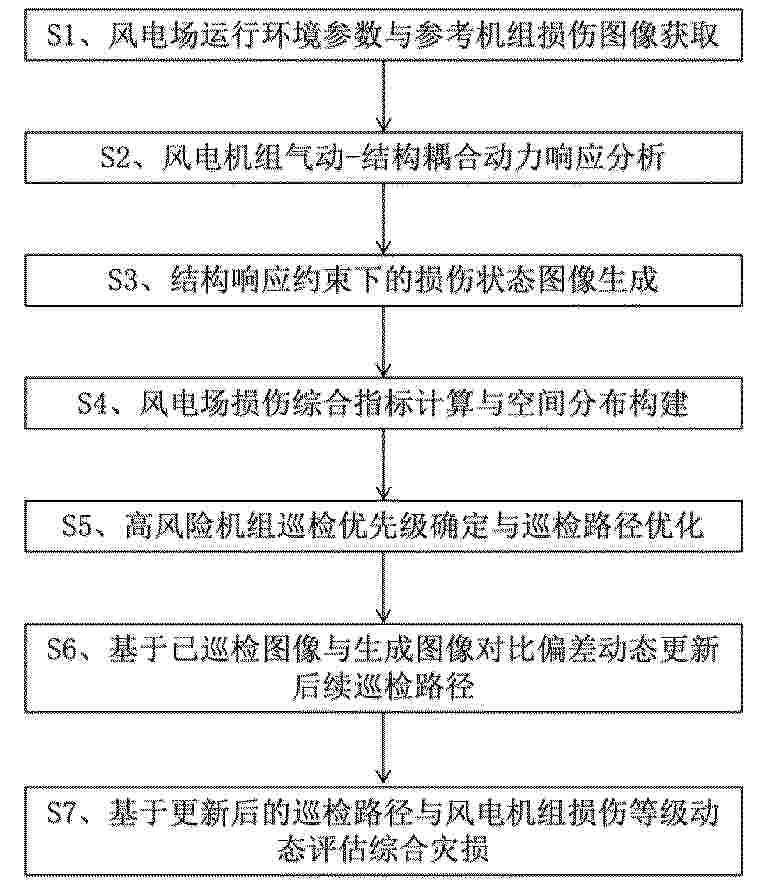
本发明公开一种基于风电机组损伤图像生成的风电场巡检路径动态优化与灾损评估方法及系统。首先采集风电机组地理位置、环境参数与已有损伤图像,搭建气动‑结构耦合有限元模型,求解关键位置的结构响应与疲劳损伤参数;结合实测损伤图像、结构特征及环境条件构建多模态约束,生成未巡检机组的损伤图像;根据损伤图像构建全场损伤空间分布,划分机组巡检优先级并完成路径优化;现场巡检获取实测图像后,对比预测结果修正损伤分布、优先级及巡检路径;根据动态更新的损伤分布,持续研判机组损伤等级、维修与停机损失,实时核算风电场综合经济损失。本发明依托有限巡检数据快速推演机组损伤,动态调配巡检资源,有效提升风电场灾后巡检与运维决策效率。
Resumen de: CN122752219A
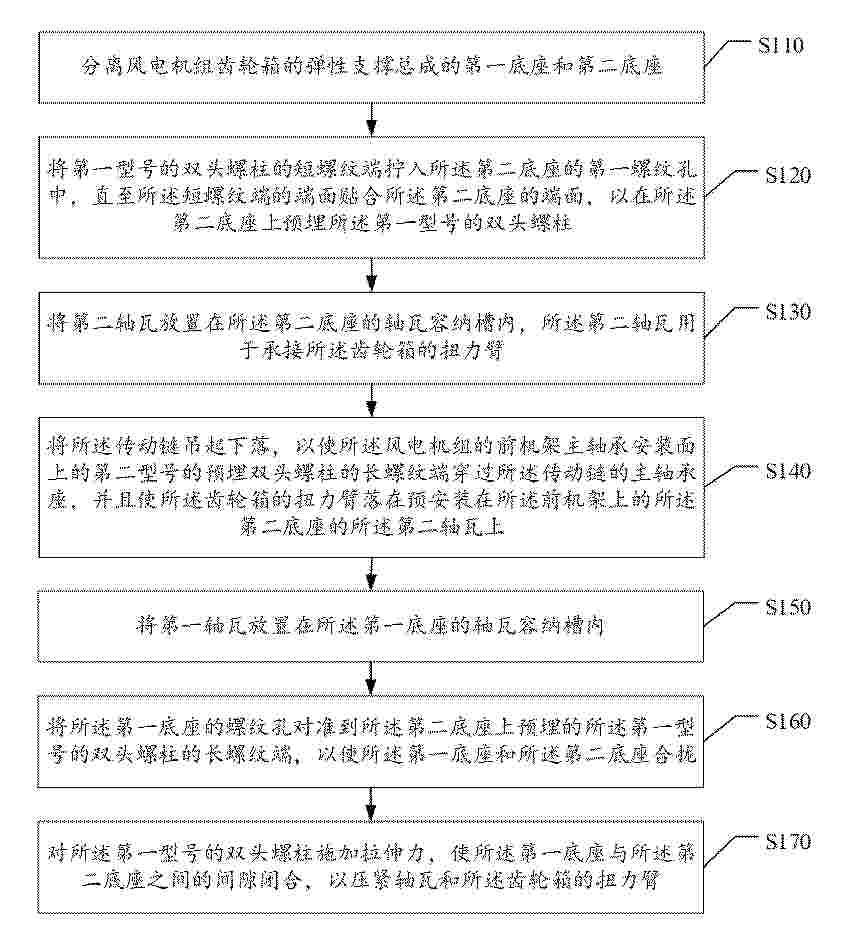
本公开涉及风力发电技术领域,提供了一种风电机组齿轮箱的装配方法,包括:分离风电机组齿轮箱的弹性支撑总成的第一底座和第二底座;将第一型号的双头螺柱的短螺纹端拧入第二底座的第一螺纹孔中;将第二轴瓦放置在所述第二底座的轴瓦容纳槽内;将传动链吊起下落,以使风电机组的前机架主轴承安装面上的第二型号的预埋双头螺柱的长螺纹端穿过主轴承座,并且使齿轮箱的扭力臂落在预安装在前机架的第二底座上;将第一轴瓦放置在所述第一底座的轴瓦容纳槽内;将第一底座和所述第二底座合拢;对第一型号的双头螺柱施加拉伸力,使第一底座与第二底座之间的间隙闭合。本公开能提高装配效率。
Resumen de: CN122765848A
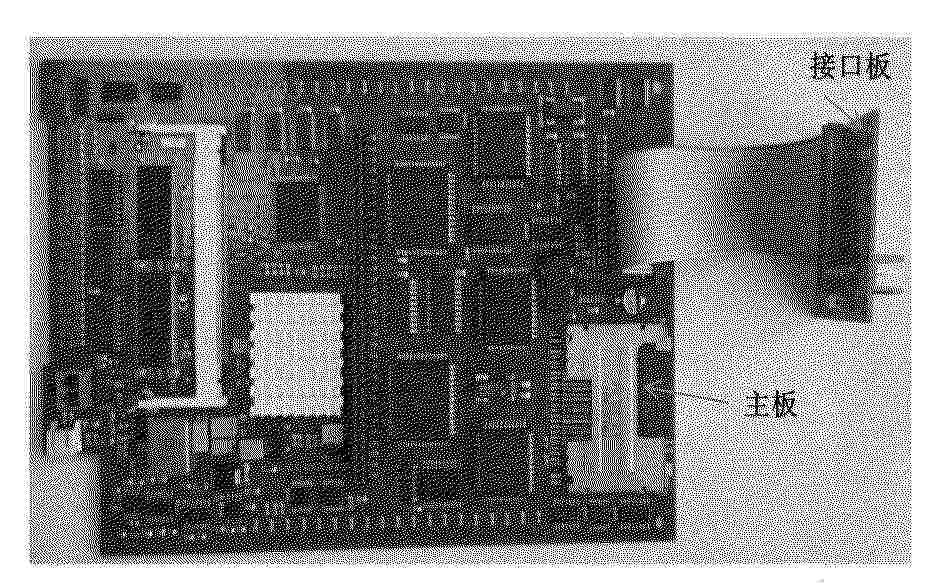
一种针对双馈风力发电机组的新型中央处理控制系统模块,属于风力发电机组控制模块领域,包括主控板、接口板以及外壳;主控板包括3组数字输入单元、2组数字输出单元、8组数字输入/输出单元、8组模拟输入单元、4组模拟输出单元、串行接口、系统总线接口、2个计数器、实时时钟单元、编辑控制单元以及存储单元;接口板与主控板电性连接,起到拓展接口的作用;外壳能够固定主控板和接口板并对主控板和接口板起到保护作用。本发明组合电路板集成相应功能,实现集成一个控制器模块,方便拆卸更换及安装,优化控制机舱空间;同时采用五层PCB板设计并采用化学沉金工艺进行表面处理,使用寿命可达30年,能覆盖风机的全寿命周期。
Resumen de: CN122752216A
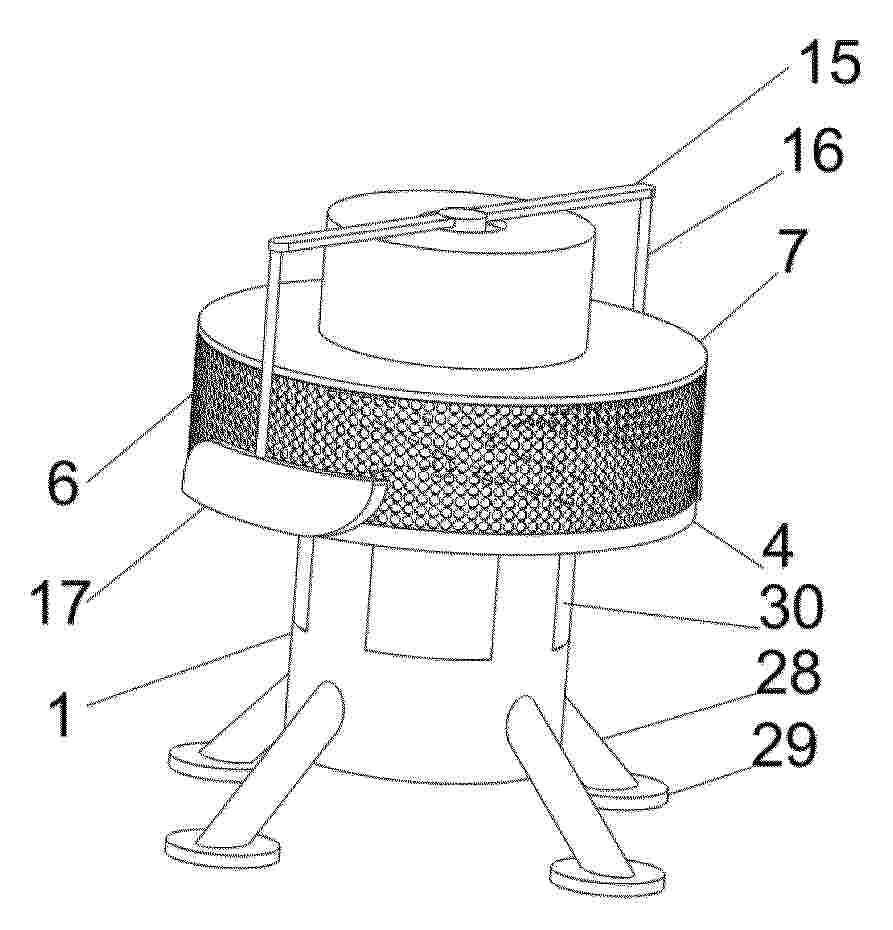
本发明提供一种多向风能发电装置,底部圆腔内经转杆支撑风机扇叶及防护网。传动杆随转杆旋转,经限位条驱动滑套同步转动,同时引导条沿转腔的凸轮槽滑动,使滑套产生旋转‑升降复合运动,横条、竖杆带动清理块对防护网全面擦拭,防止积灰阻碍气流。底部充电槽内插可拆卸蓄电块,防护外壳由带孔锁块、锁定杆及楔形块控制启闭;下杆驱动离心转盘,运转时滑杆外移推楔形块上升自动锁定,停机时微力复位弹簧解锁,便于取放蓄电块。本发明能够自动清除防护网的积灰保证风能高效捕捉,且无需工具即可安全快速取放蓄电块,降低维护成本、提升发电效率与使用便捷性。
Nº publicación: CN122752235A 15/09/2026
Solicitante:
新疆师范大学
Resumen de: CN122752235A
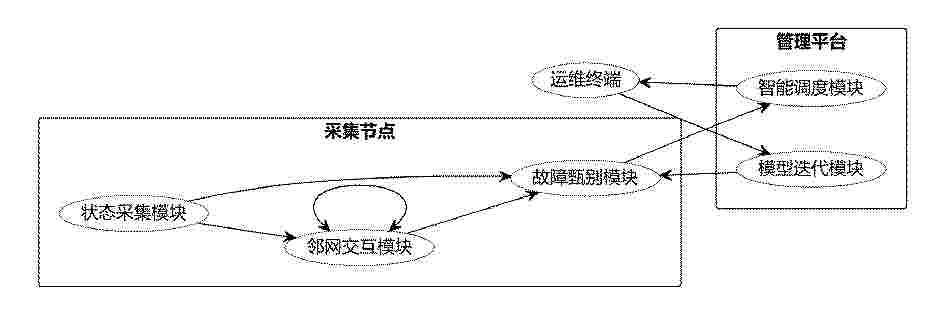
本发明涉及风力发电监测技术领域,具体公开了一种风电设备运维方法及系统,其中系统,采集节点部署状态采集模块、邻网交互模块与故障甄别模块,管理平台部署智能调度模块与模型迭代模块;状态采集模块采集多维度机组状态数据与现场风速数据;邻网交互模块完成邻端风速数据转发与整合校验,生成用于交叉校验的节点交互数据;故障甄别模块标定判定参数,对停机事件完成分层分类判定输出故障报警数据;智能调度模块生成最优运维方案并派发任务;模型迭代模块基于运维结案数据反向修正判定参数,形成自优化闭环。本方案可有效降低故障误报率,提升风电场运维调度效率与复杂场景适配能力。
 BOPI
BOPI
 Sede Electrónica