Si deseas distinguir tus productos, servicios o ambos de los de otra empresa, es posible que necesites una marca o nombre comercial. Descubre qué son, en qué consiste su procedimiento de registro y qué implica.

Información sobre los plazos de presentación de solicitudes de transformación de marcas de la Unión Europea en marca nacional española. Más información


Si tienes un nuevo dispositivo, producto o procedimiento que resuelva un problema técnico o tenga una ventaja práctica, existen distintas formas de protegerlo en España y en otros países. Descubre cómo hacerlo.

¿Tu innovación reside en la estética, la ornamentación o la apariencia de tu producto? Protégela mediante un diseño industrial. Descubre qué derechos confiere el registro y cómo realizar la tramitación.

Las indicaciones geográficas protegen el nombre de un producto originario de una zona geográfica, a la cual le debe una determinada calidad, reputación u otra característica. Descubre qué son, en qué consiste su procedimiento de registro y qué beneficios conceden.

Las patentes publicadas en todo el mundo son una valiosa fuente de información científica, técnica y comercial.

Si eres emprendedor/a o una empresa y quieres potenciar y mejorar la rentabilidad de tu negocio protegiendo de forma adecuada los activos intangibles de tu organización, en este espacio encontrarás lo necesario.


 224
resultados
224
resultados
 Última actualización
23/10/2026 [09:45:00]
Última actualización
23/10/2026 [09:45:00]


 Resultados 75 a 100 de 224

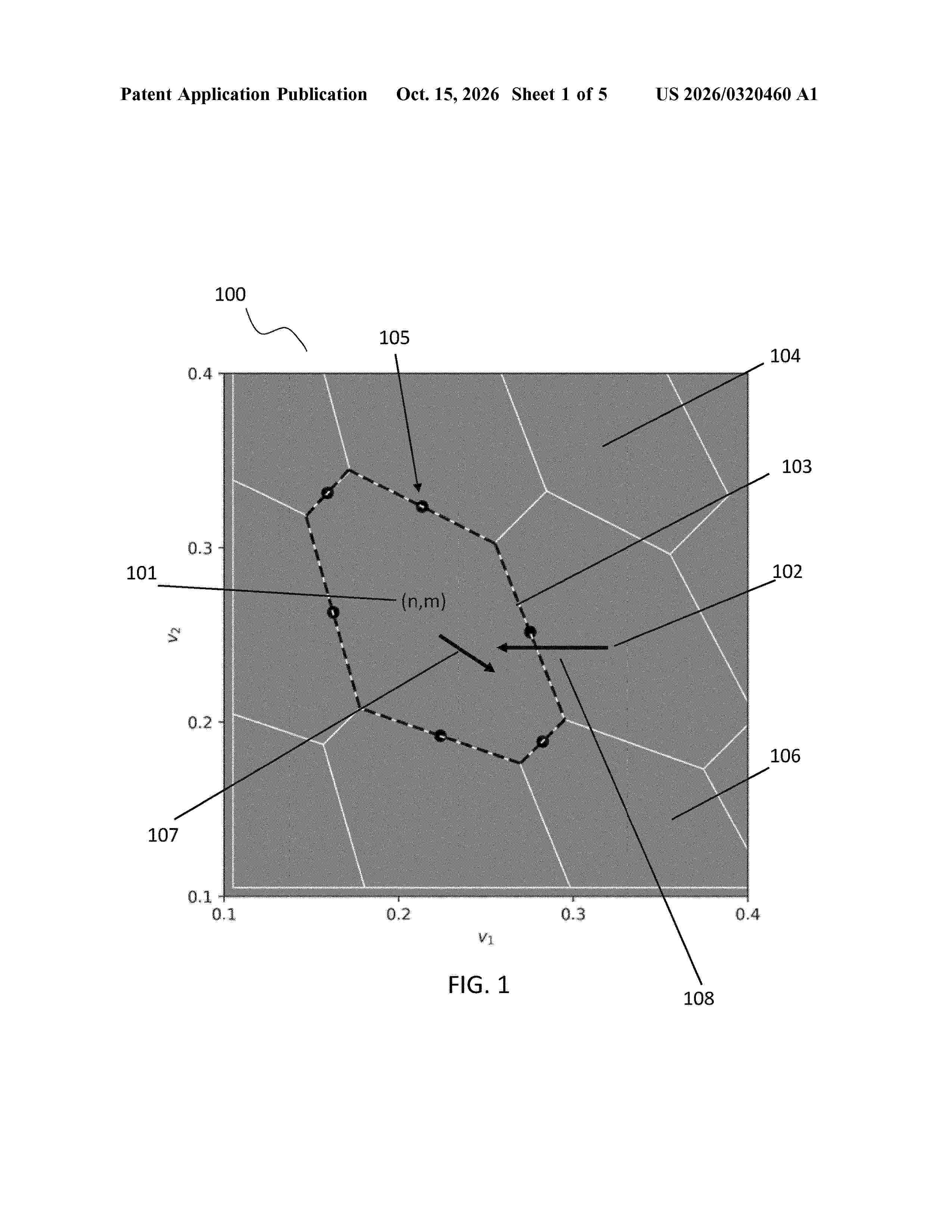
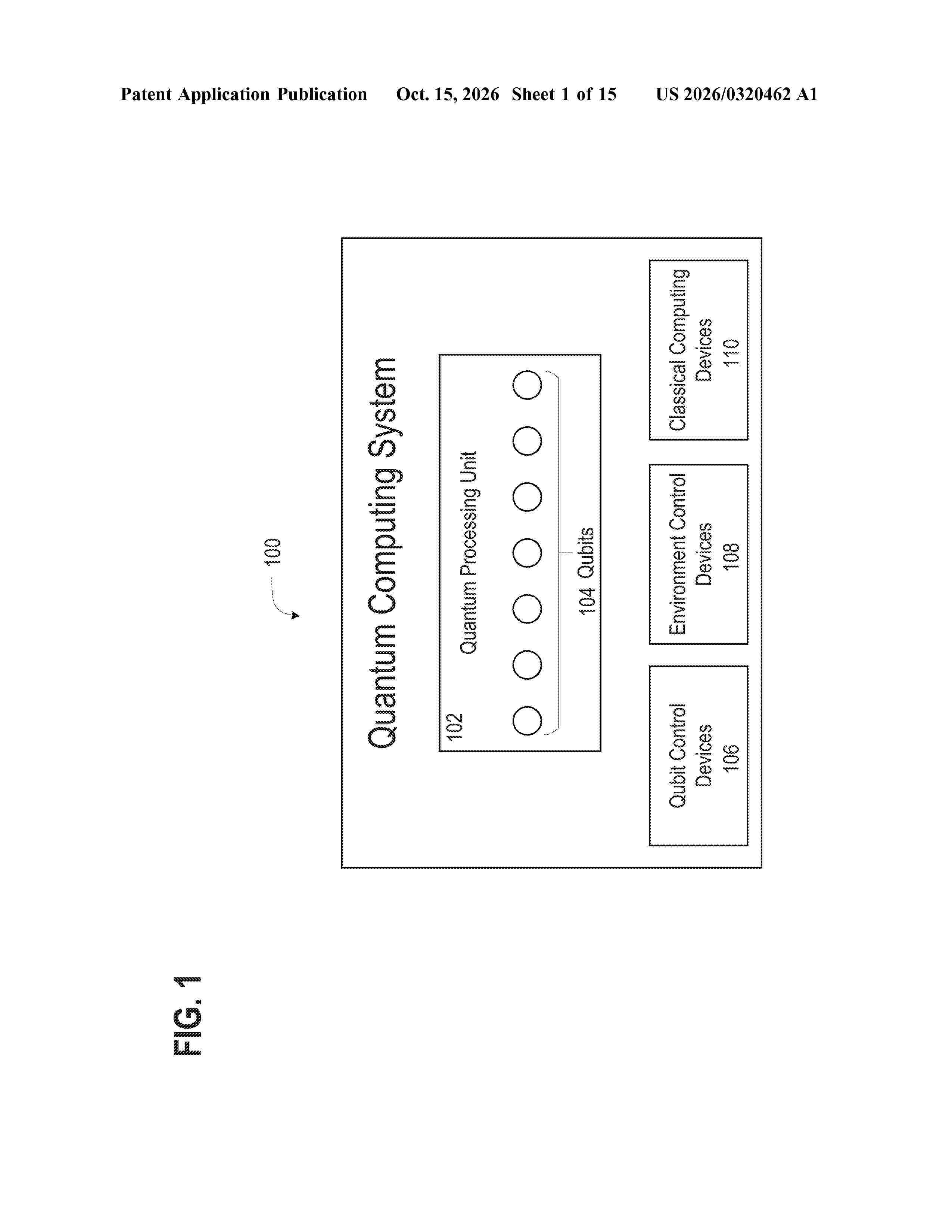
Resumen de: US20260320460A1
A computer implemented method for determining boundary locations of a phase state in a charge stability diagram of capacitively coupled quantum dots includes applying a first voltage vector in the charge stability diagram generated by the coupled quantum dots for defining a first phase state of the coupled quantum dots, determining a phase transition location of the coupled quantum dots from the first phase state to a neighboring second phase state in the charge stability diagram by varying the voltage vector for changing energy levels of the states of the quantum dots until a phase transition occurs, repeating the aforementioned steps for at least a second voltage vector, and fitting the phase transition locations to a plurality of sets of fitting parameters for determining boundary locations of the phase state.

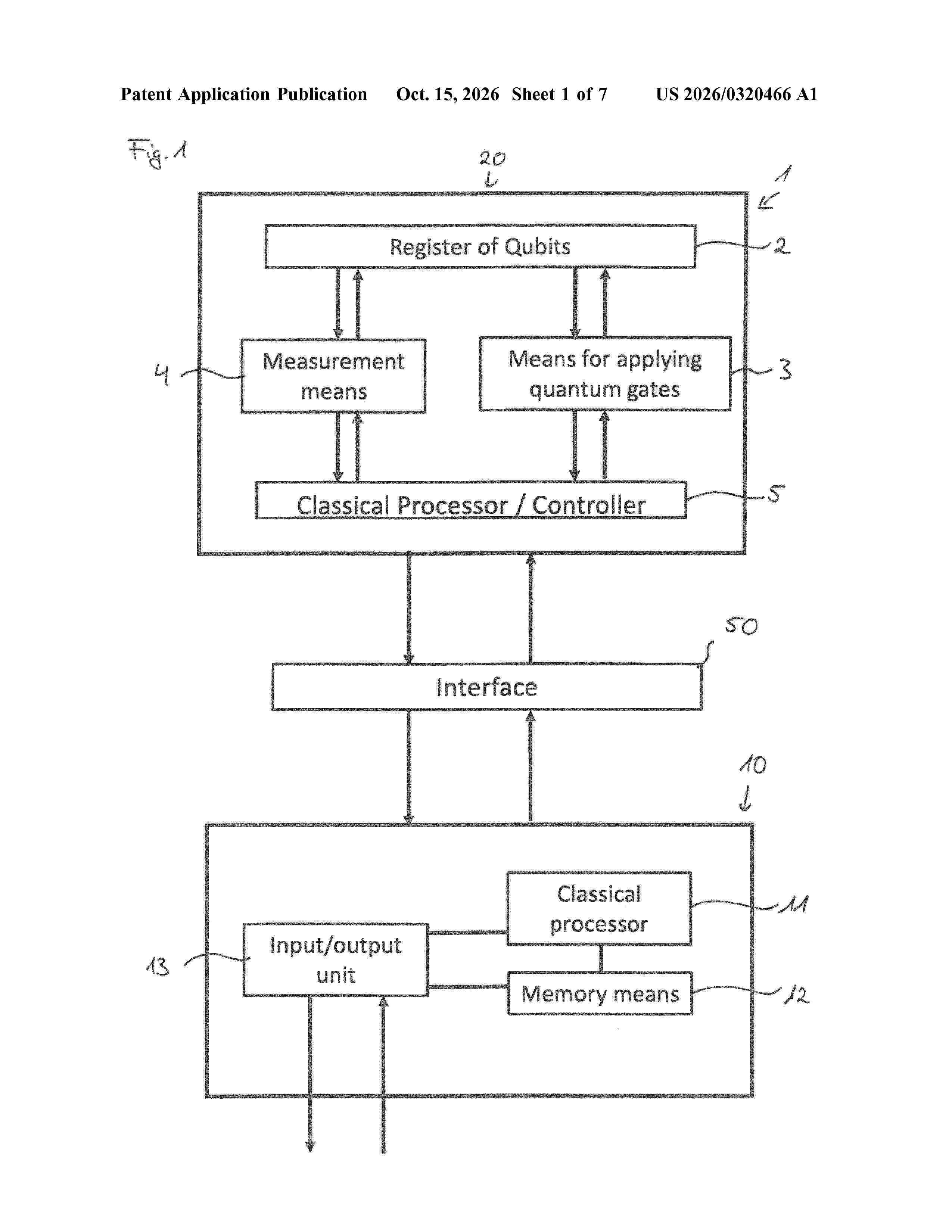
Resumen de: US20260320466A1
0000 The present invention is related to a method for mitigating errors caused by noise in a quantum circuit executed by a quantum processor and to a computing system and to a computer program for carrying out said method.
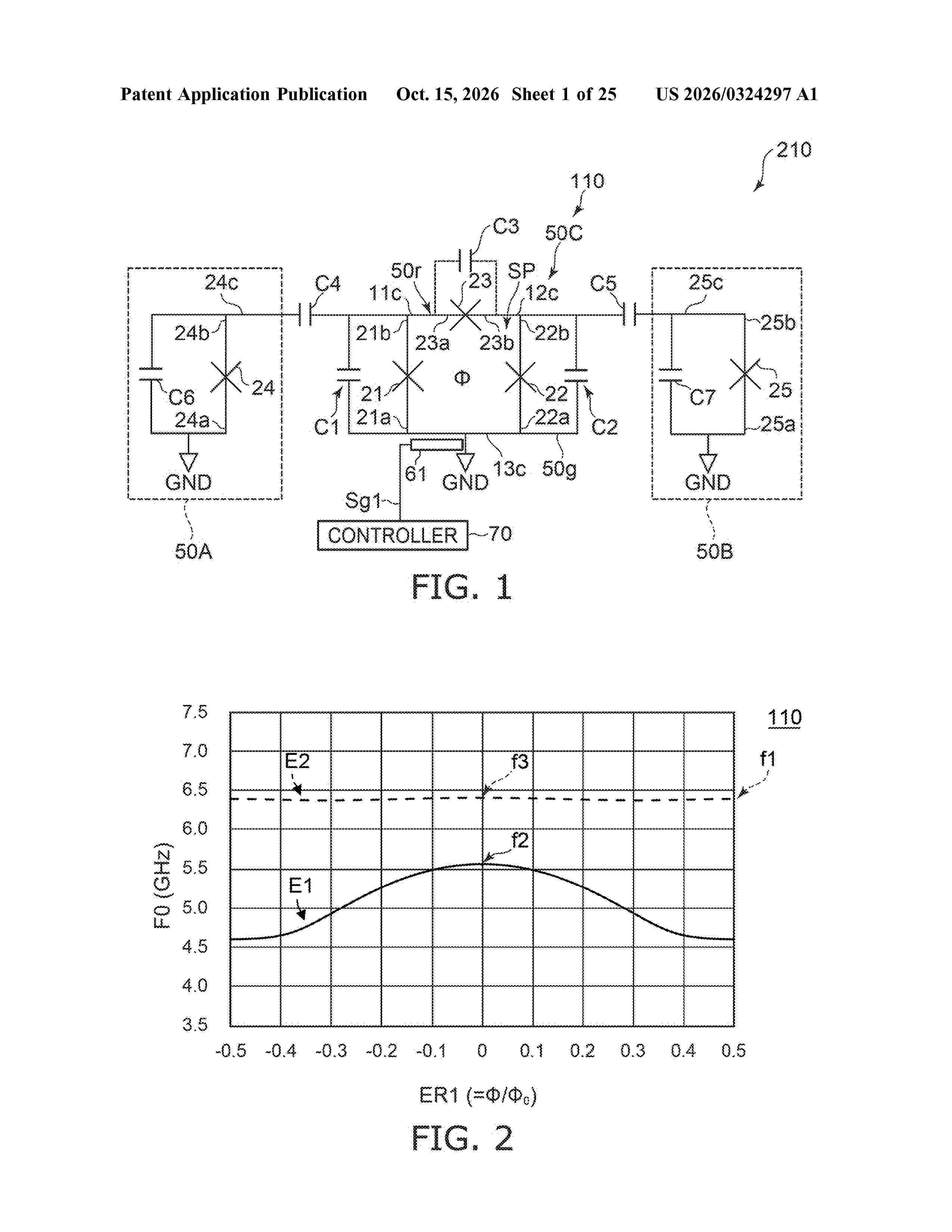
Resumen de: US20260324297A1
0000 According to one embodiment, an electronic circuit includes a first structure. The first structure includes first to third Josephson junctions, and first to third conductive portions. 1/2 of a sum of a second frequency and a third frequency is smaller than a first frequency. The second frequency corresponds to a first excited state of the first structure when a magnetic flux passes through a space surrounded by a loop including the first Josephson junction, the second Josephson junction, the third Josephson junction, the first conductive portion, the second conductive portion, and the third conductive portion is zero. The third frequency corresponds to a second excited state of the first structure when the magnetic flux is zero. The first frequency corresponds to the second excited state when the magnetic flux is 0.5 times a magnetic flux quantum.
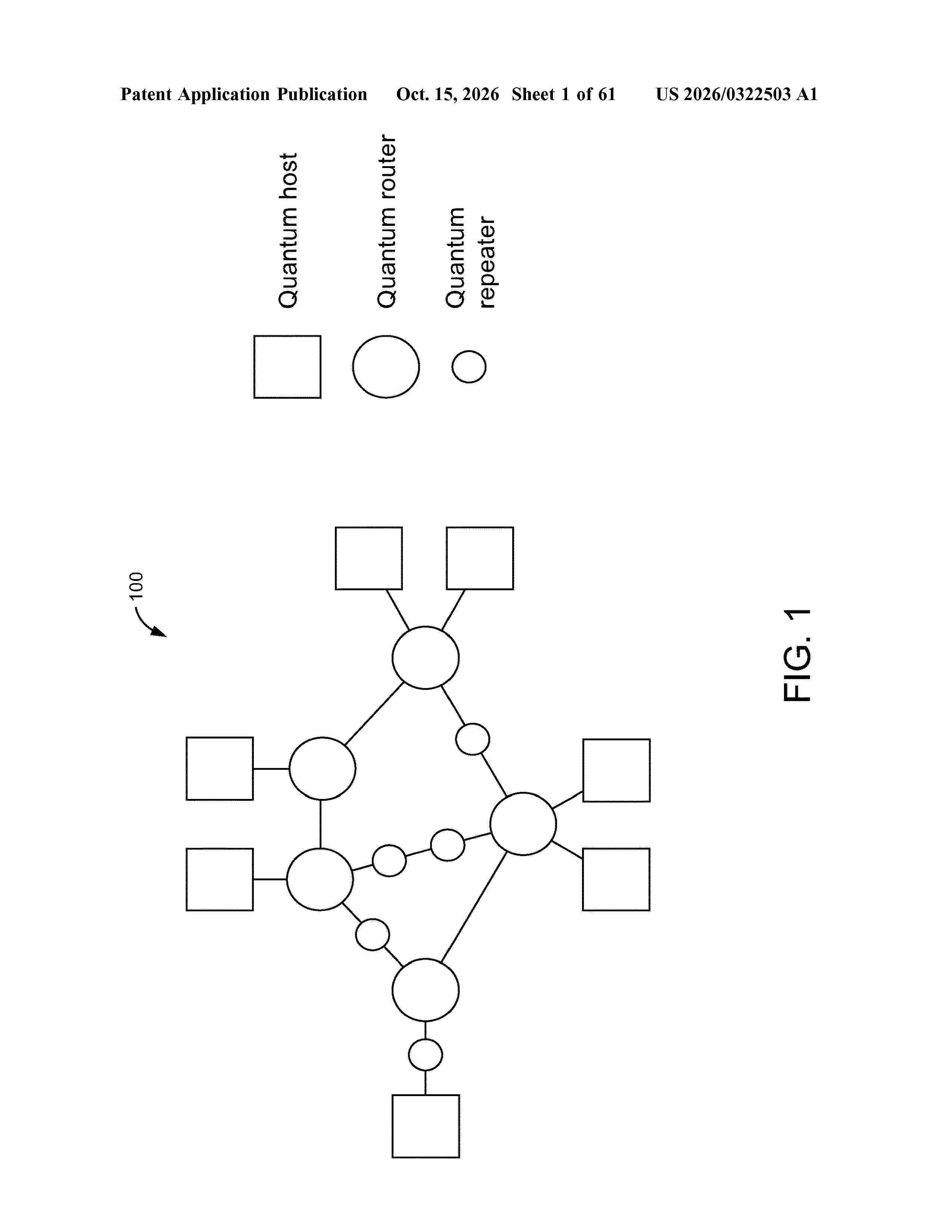
Resumen de: US20260322503A1
A first message is sent from a first node in a network indicating that a first quantum element at the first node is entangled with a second quantum element at a second node in the network. The first message comprises a first estimate of a fidelity of entanglement between the first and second quantum elements, and a timestamp indicating a time associated with the first estimate. Based at least in part on the first message, a second estimate of a fidelity of the entanglement between the first and second quantum elements is generated, at a second time after the time indicated by the timestamp, and is compared to each of multiple thresholds. At least a first (second) action is performed in response to a result of comparing the second estimate to a first (second) threshold.
Resumen de: US20260320457A1
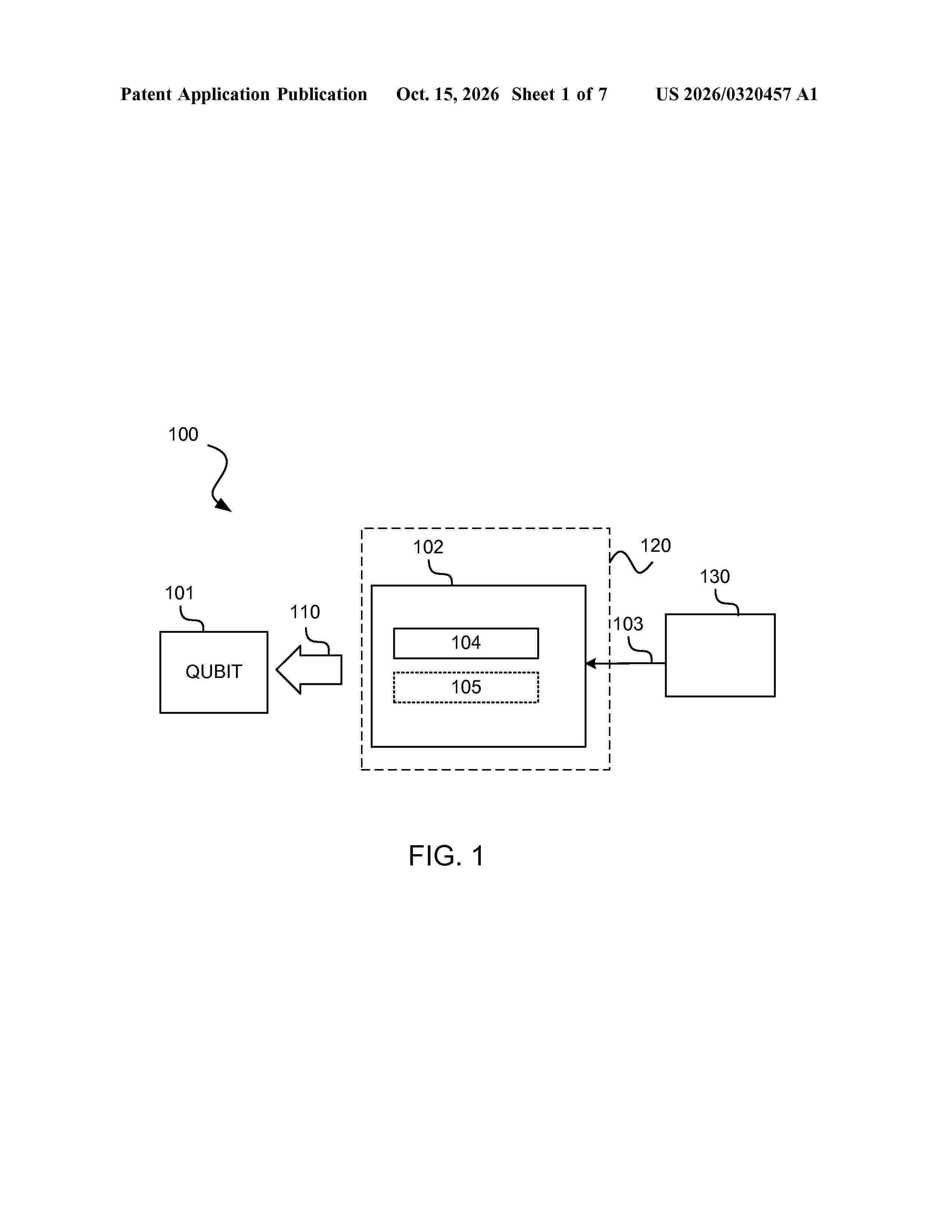
Various example embodiments relate to an arrangement for frequency tuning at least one quantum device. The arrangement may comprise a frequency tuning element. The frequency tuning element may be configured to adjust an orientation of a magnetization of a magnetic free layer, thereby adjusting the strength of the magnetic flux through the quantum device and causing the operational frequency of the quantum device to shift.
Resumen de: US20260320453A1
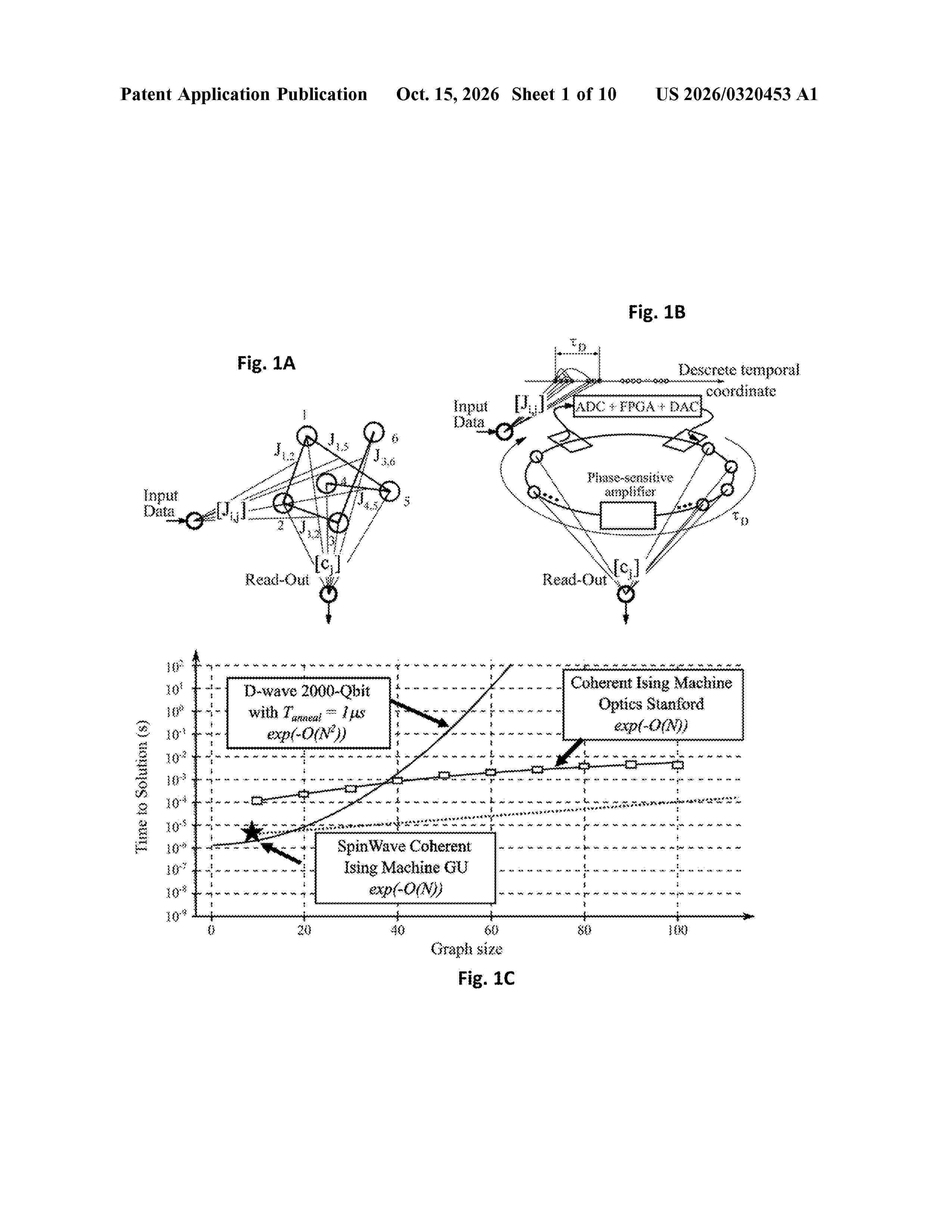
0000 A spinwave Coherent Ising computational machine, SCIM, comprising: a ring circuit comprising: a spinwave delay line for propagating a plurality artificial Ising spinwave RF pulses, an electronic parametric phase-sensitive amplifier electrically connected to the spinwave delay line configured to cause phase degeneracy of the plurality of propagating artificial Ising spinwave RF pulses. The SCIM also comprises a measuring unit, interaction unit and an annealing and computing unit.
Resumen de: US20260320459A1
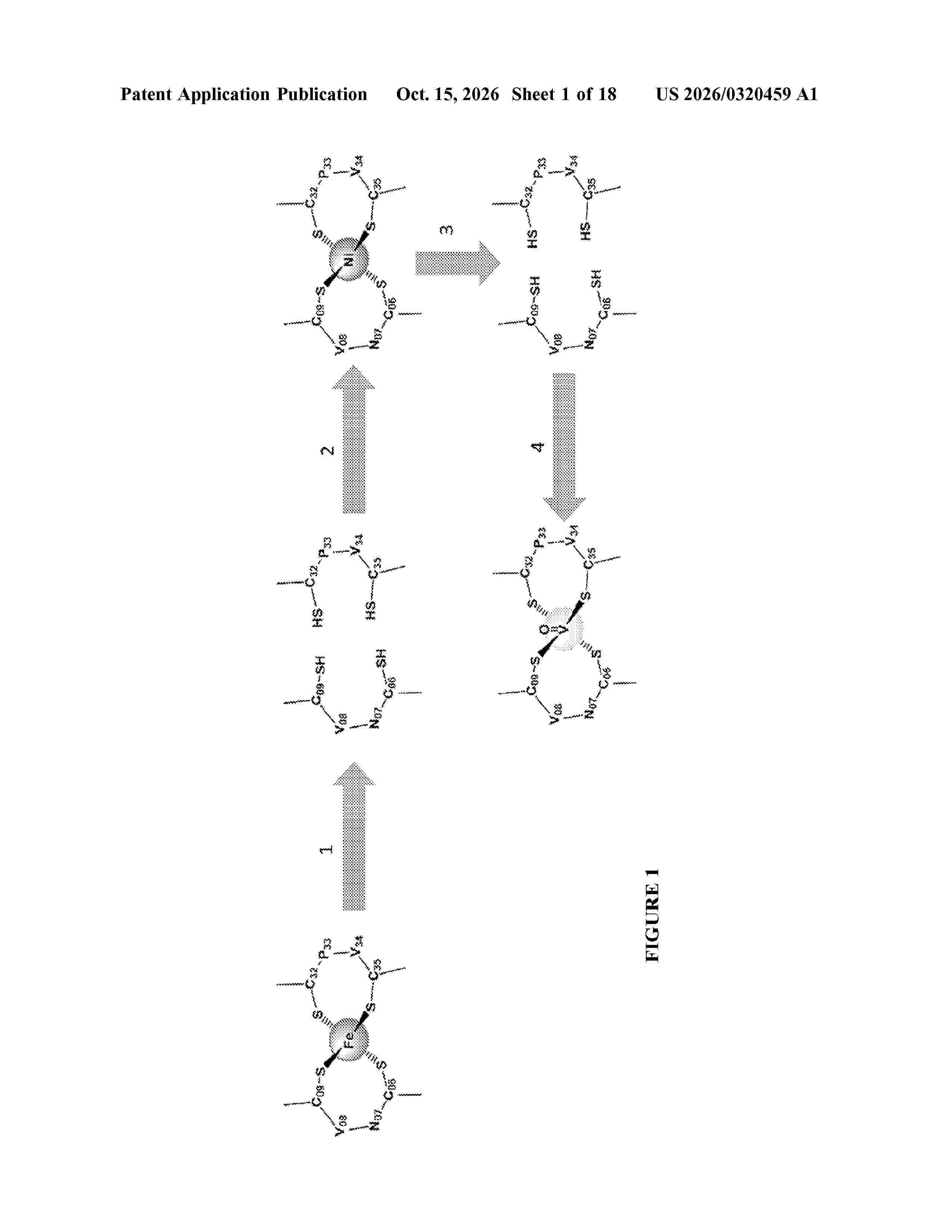
0000 Disclosed are metalloproteins (e.g., vanadyl-substituted metalloproteins), such as metal-substituted rubredoxins including vanadyl-substituted rubredoxins. These metalloproteins can be used in quantum computing applications, for example, as quantum bits (qubits) or quantum dits (qudits).
Resumen de: WO2026214549A1
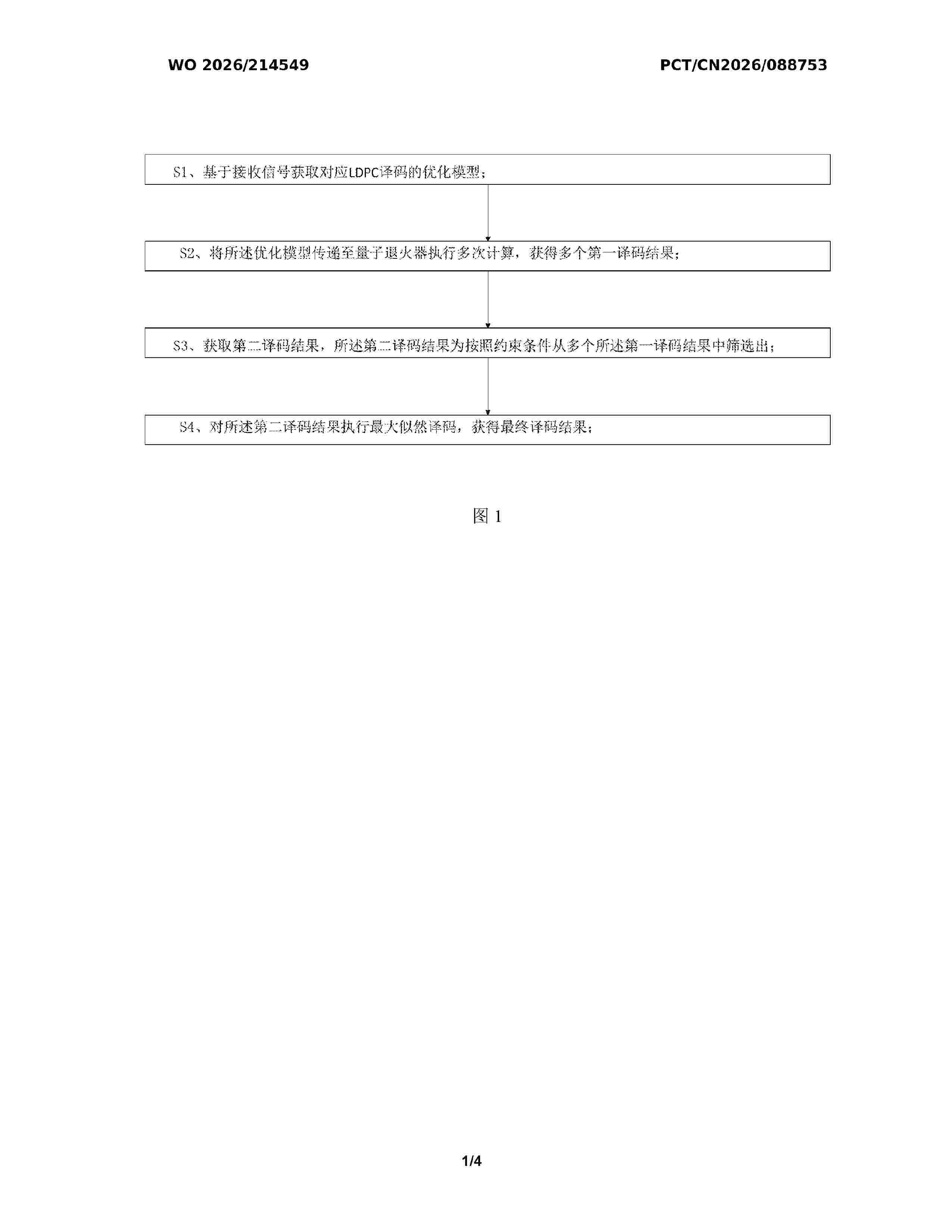
Provided in the present disclosure are an LDPC-based decoding method and apparatus, and an electronic device. The method comprises: on the basis of a received signal, acquiring an optimization model corresponding to LDPC decoding; transferring the optimization model to a quantum annealer for executing calculation multiple times, so as to obtain a plurality of first decoding results; acquiring a second decoding result, wherein the second decoding result is selected from among the plurality of first decoding results according to a constraint condition; and executing maximum likelihood decoding on the second decoding result, so as to obtain a final decoding result. LDPC decoding is performed by using a quantum annealing algorithm instead of a belief propagation algorithm, thereby achieving a stronger global optimization capability, a faster convergence speed, less susceptibility to cycle effects, and a more stable performance.
Resumen de: US20260320468A1
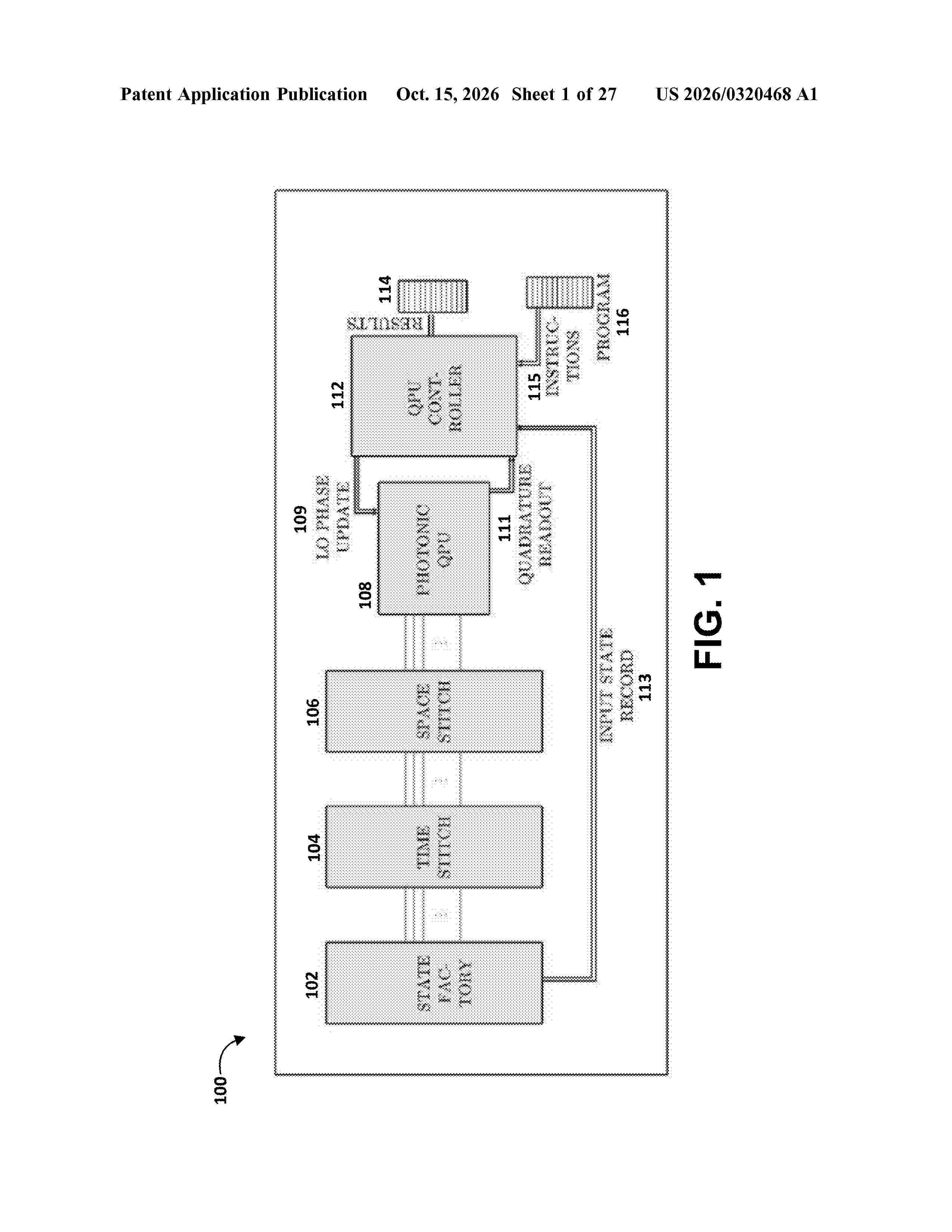
A system for scalable, fault-tolerant photonic quantum computing includes multiple optical circuits, multiple photon number resolving detectors (PNRs), a multiplexer, and an integrated circuit (IC). During operation, the optical circuits generate output states via Gaussian Boson sampling (GBS), and the PNRs generate qubit clusters based on the output states. The multiplexer multiplexes the qubit clusters and replaces empty modes with squeezed vacuum states, to generate multiple hybrid resource states. The IC stitches together the hybrid resource states into a higher-dimensional cluster state that includes states for fault-tolerant quantum computation.
Resumen de: US20260320415A1
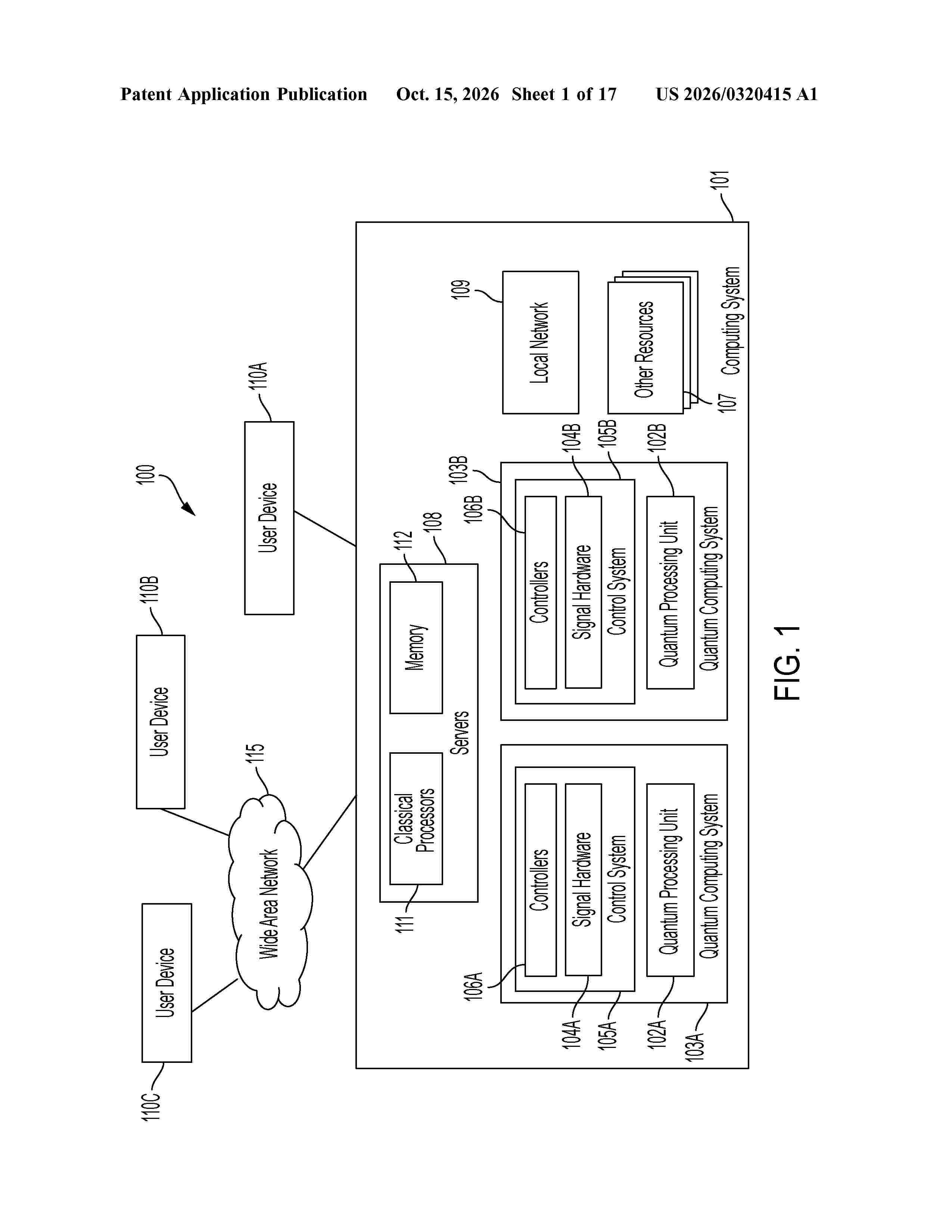
0000 In a general aspect, hardware-efficient encoding schemes for optimization problems are presented. In some cases, a quantum computing method includes associating subsets of qubits including data qubits and label qubits with clusters of variables in an optimization problem; and mapping the variables in each cluster to the data qubits associated with the cluster, such that multiple variables are mapped to each of the data qubits. During mapping basis states of the label qubits associated with the cluster are identified; the cluster is divided into groups of variables, each group of variables being associated with a respective one of the basis states; and for each group of variables, each variable in the group is mapped to a respective one of the data qubits associated with the cluster. The method further includes causing a quantum processing unit to execute multiple iterations of a quantum program and generating a solution to the optimization problem based on processed measurements.
Resumen de: US20260321953A1
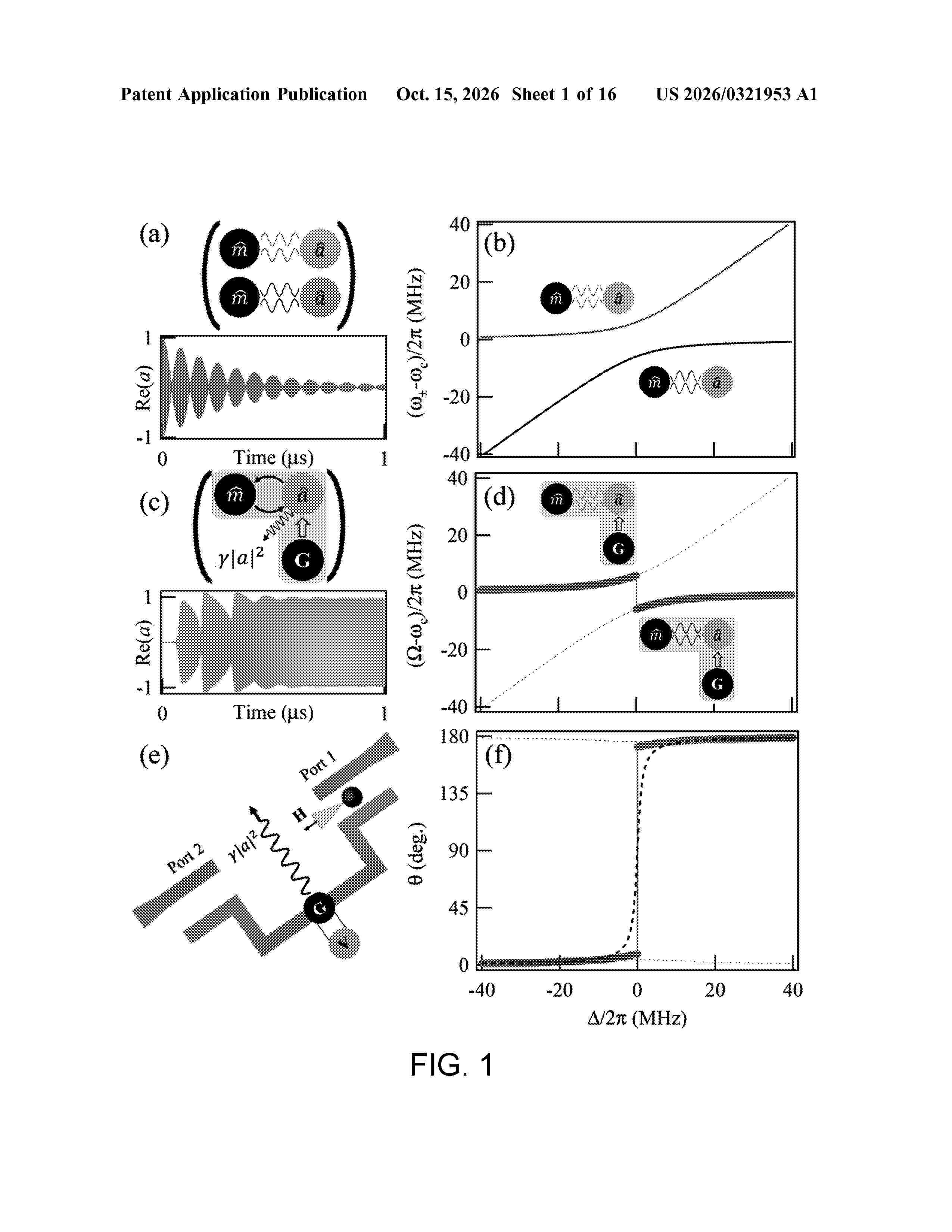
0000 A device for outputting a microwave signal comprises at least one port for respective coupling to an external microwave circuit, a microwave structure operatively coupled to the one or more ports and configured to transmit the microwave signal, a magnetic source for providing a static magnetic field and a ferromagnetic body arranged in the static magnetic field and proximal to the microwave structure to be in presence of electromagnetic fields emanating therefrom. The microwave structure includes one or more transmission lines respectively associated with the one or more ports and an active cavity resonator electromagnetically coupled thereto and configured to form a regenerative microwave signal exhibited along the transmission lines. The ferromagnetic body is arranged relative to the microwave structure such that an induced electromagnetic field thereof interacts with the electromagnetic fields of the microwave structure to form a pair of hybridized polariton modes, only one of which acts to output the microwave signal.
Resumen de: AU2026200986A1
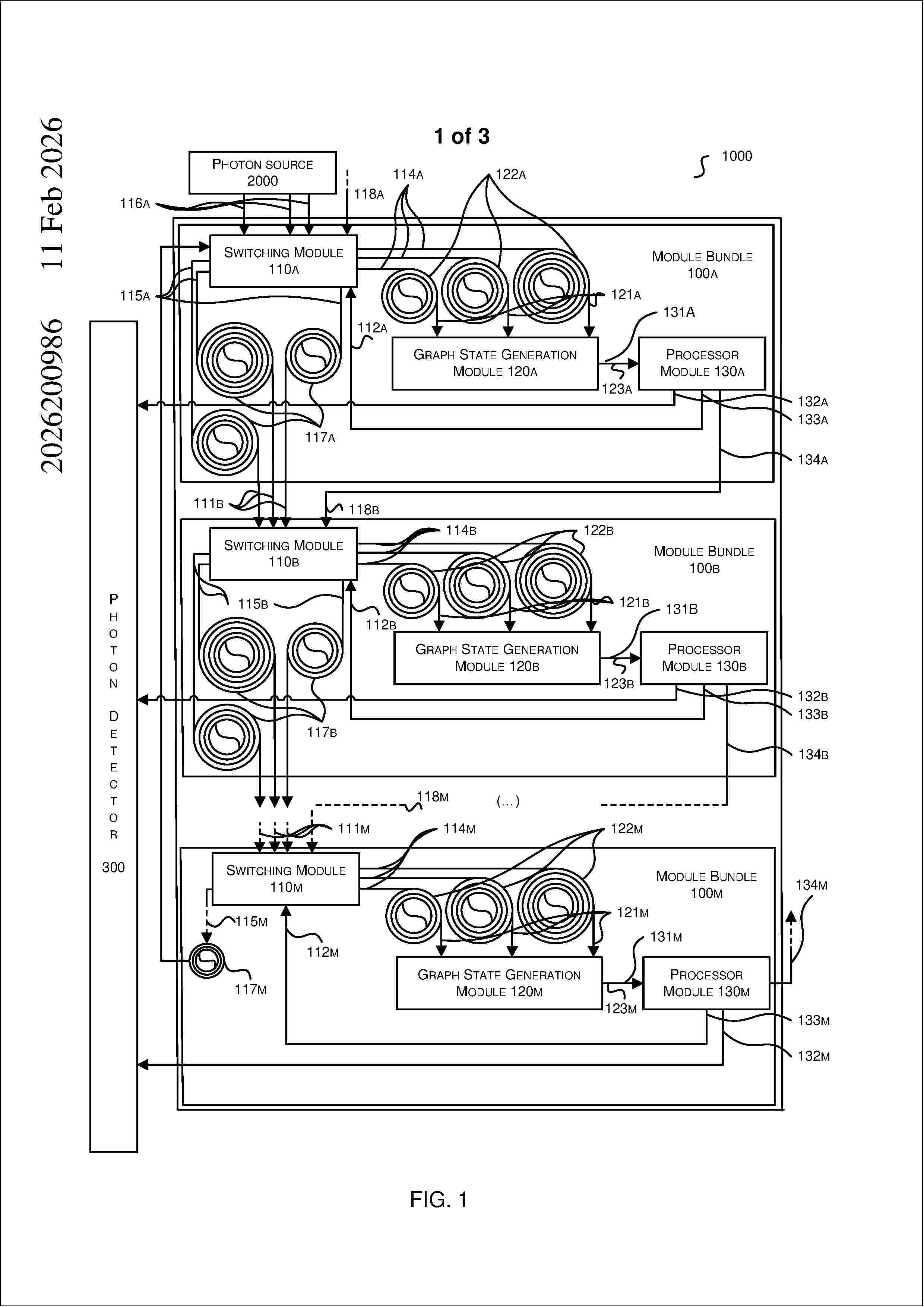
A modular optical quantum computer, the modular optical quantum computer is defined. The modular optical quantum computer comprises M modular bundles, wherein M is greater than or equal to 1, and wherein each modular bundle of the M modular bundles comprises: a respective switching module; a respective graph state generation module; and a respective processor module. Each graph state generation module comprising a graph state generator configured to generate one or more graph states from the one or more photons received from the respective switching module. Each processor module comprising a quantum optical processor configured to process the photons of the graph state by performing quantum operations on the photons of the one or more graph states. To be accompanied, when published, by Figure 1 of the accompanying drawings. eb e b 1 of 3 PHOTON SOURCE MODULE BUNDLE GRAPH STATE GENERATION MODULE 120A MODULE 130A SWITCHING MODULE MODULE BUNDLE GRAPH STATE GENERATION MODULE 120B MODULE 130B SWITCHING MODULE MODULE BUNDLE GRAPH STATE GENERATION MODULE 120M MODULE 130M SWITCHING MODULE (…) 1 of 3 PHOTON SOURCE SWITCHING MODULE MODULE BUNDLE GRAPH STATE GENERATION PROCESSOR MODULE 120A MODULE 130A SWITCHING MODULE MODULE BUNDLE GRAPH STATE GENERATION PROCESSOR MODULE 120B MODULE 130B 300 SWITCHING MODULE MODULE BUNDLE GRAPH STATE GENERATION PROCESSOR MODULE 120M eb o f e b
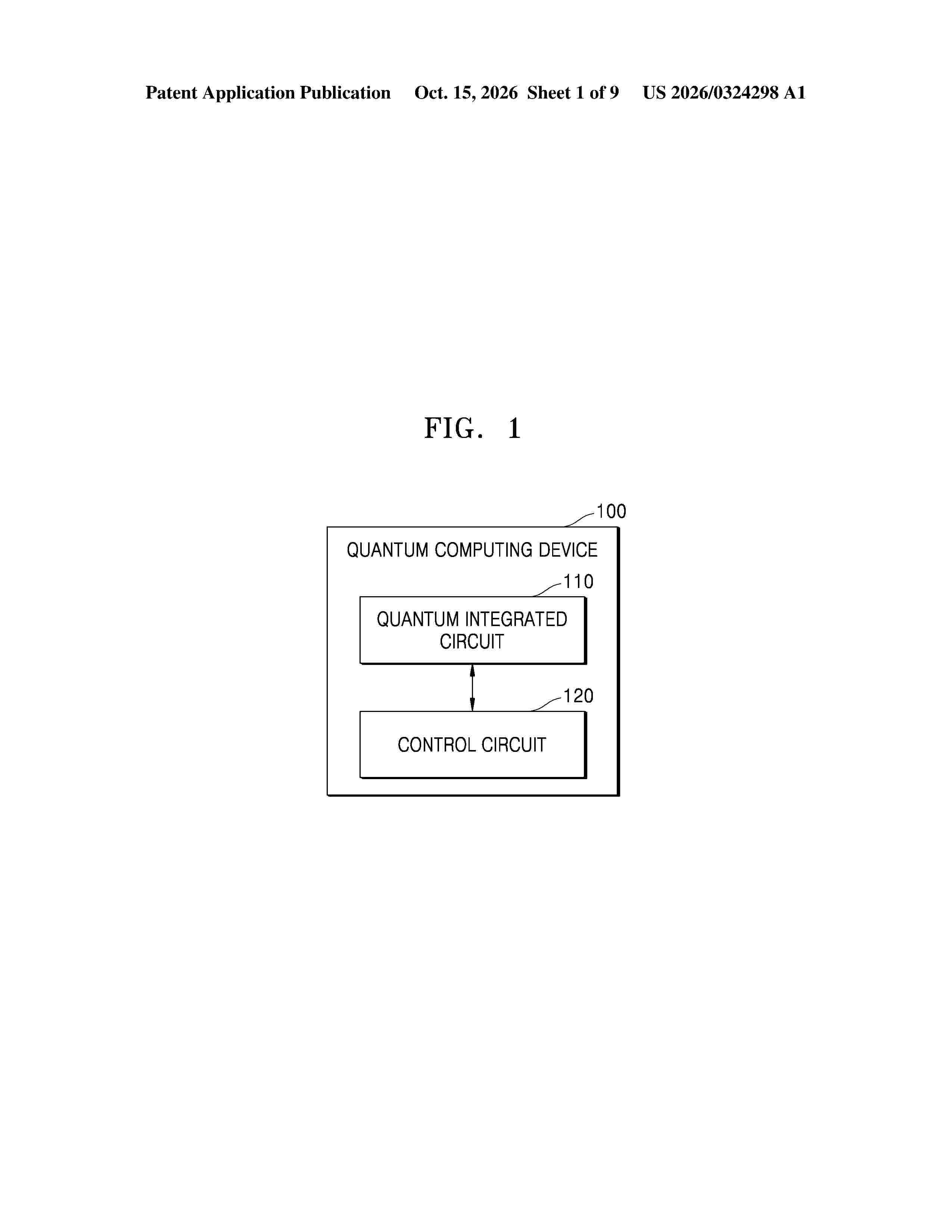
Resumen de: US20260324298A1
Provided are a quantum apparatus and method. The quantum apparatus includes a first electrode layer that extends in a first direction on a substrate, a second electrode layer that extends in a second direction on the substrate, a Josephson junction formed by the second electrode layer overlapping the first electrode layer, and capacitor pads that form a resonance circuit with the Josephson junction, wherein the Josephson junction has a first length that is defined as a length of a top edge along which the second electrode layer extends across the first electrode layer in the second direction, and has a second length that is defined as a length of a step edge where the second electrode layer extends upward to overlap or be above the first electrode layer, and wherein a ratio of the first length to the second length corresponds to a resistance dispersion of the Josephson junction.
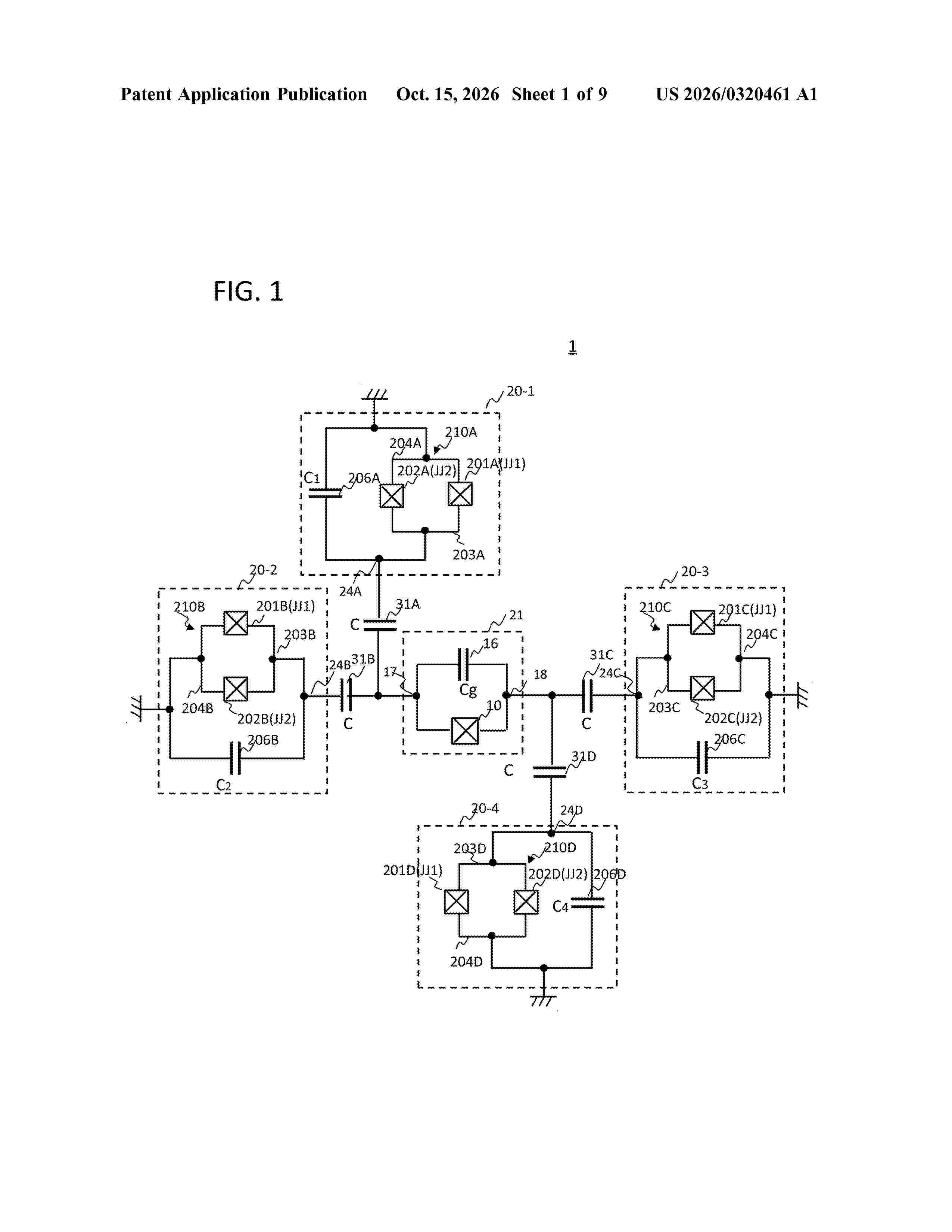
Resumen de: US20260320461A1
0000 A quantum circuit apparatus includes N qubits, where N is a predetermined integer of 3 or greater, configured to be coupled via a many-body interaction, wherein a parameter representing nonlinearity of at least one of the N qubits has a sign different from the sign of the parameter representing the nonlinearity of the other qubits.
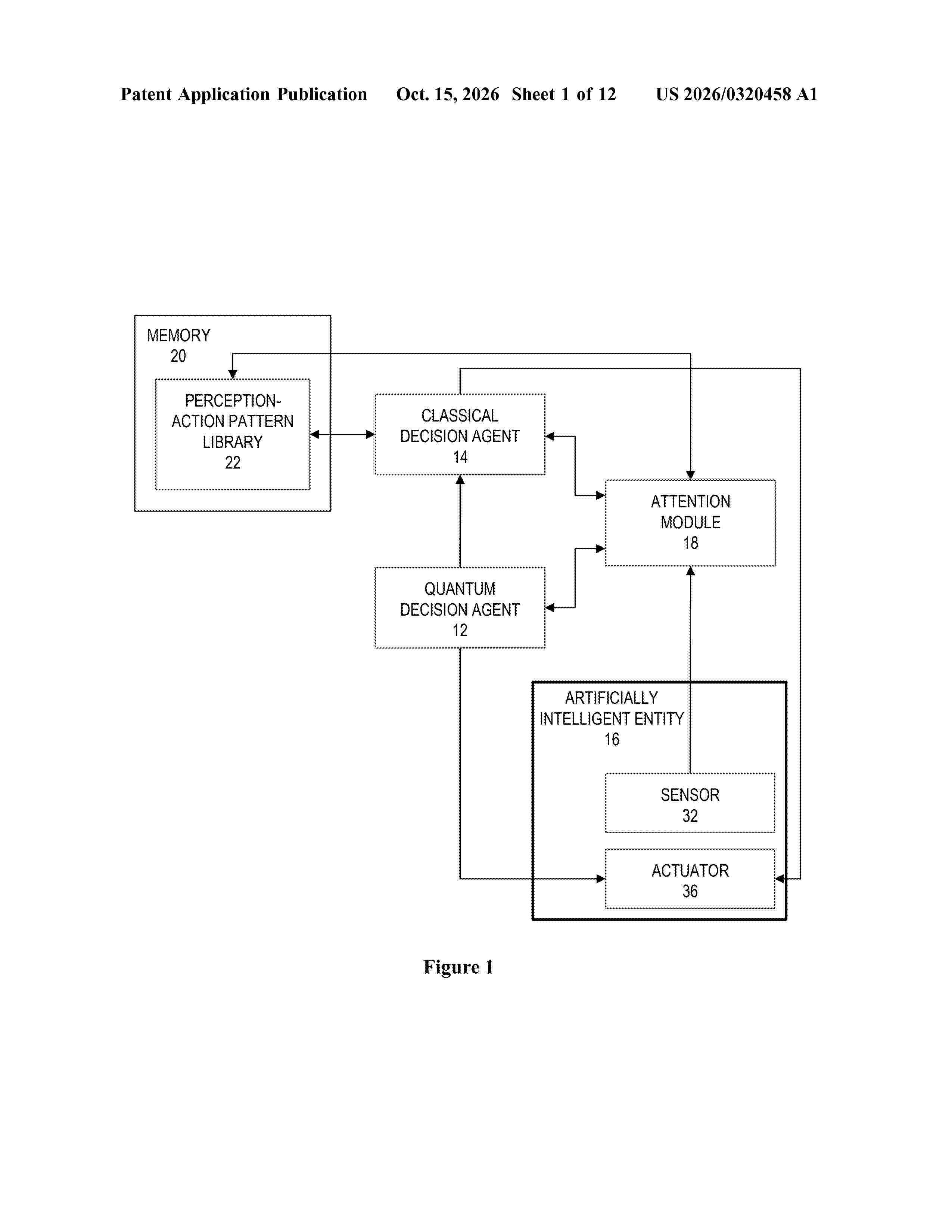
Resumen de: US20260320458A1
A hybrid quantum-classical control system for an artificially intelligent entity, such as a physical robot, is described. The hybrid system employs a classical decision agent, a quantum decision agent, and an attention module that switches between the classical decision agent and the quantum decision agent as the source of action output instructions for the artificially intelligent entity. The attention module initiates control from the classical decision agent and switches to receive control information from the quantum decision agent in response to the classical decision agent being unable to retrieve a learned response for a given pattern of sensor data. Information from the quantum decision agent can be used to supply training data to the perception-action pattern library used by the classical decision agent.
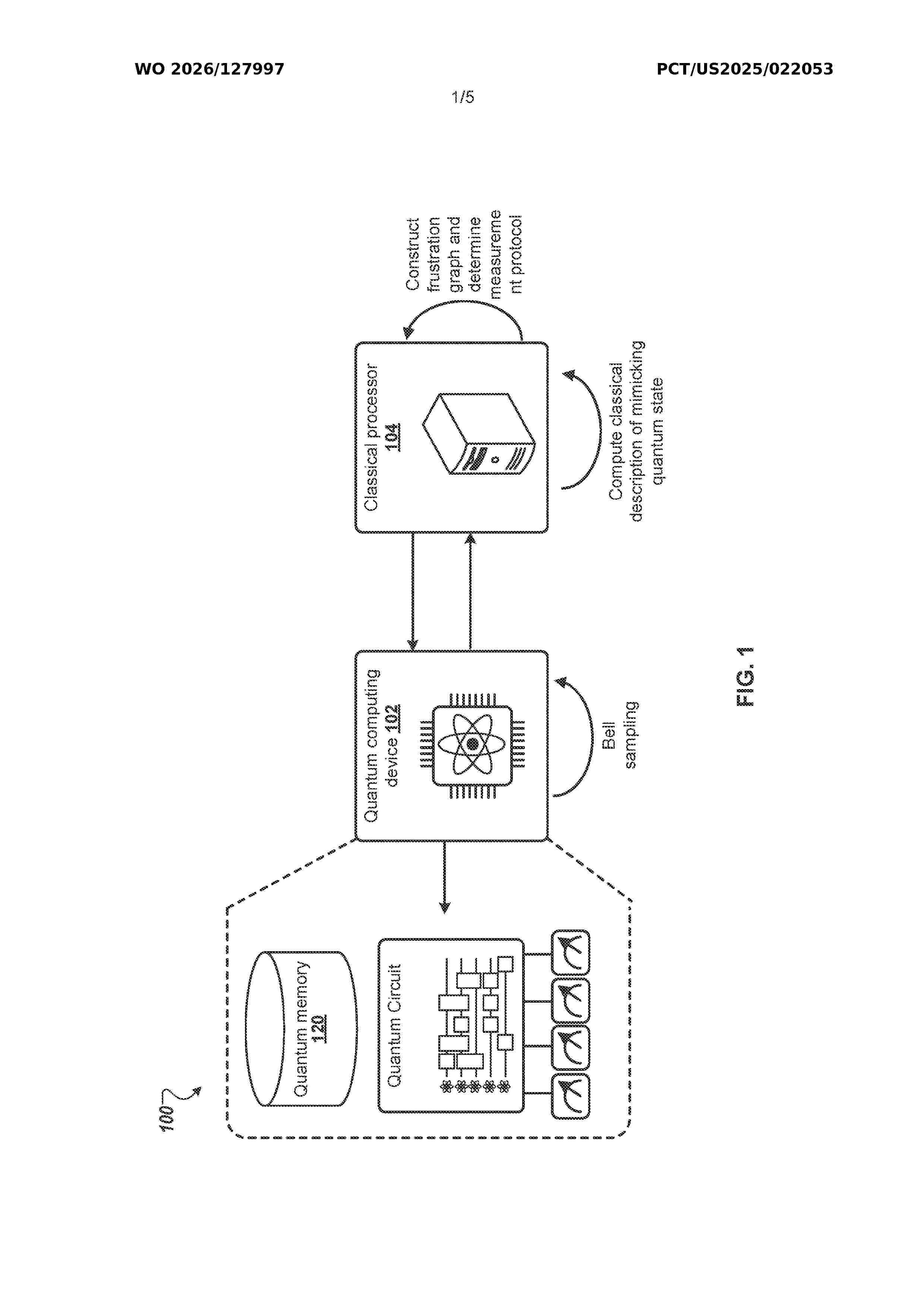
Resumen de: AU2025403006A1
Methods, systems, and apparatus for estimating expectation values of a quantum state with respect to a set of observables and to a target precision. In one aspect a method includes computing, using multiple physical copies of the quantum state and for each observable in the set of observables, an estimate of a magnitude of the expectation value of the quantum state with respect to the observable; generating, using the estimated magnitudes, an updated set of observables; computing, using the updated set of observables, a classical description of a mimicking quantum state; and performing Bell sampling on a tensor product of a physical copy of the quantum state and a physical copy of the mimicking quantum state to obtain, for each observable in the updated set of observables, an estimate of a sign of the expectation value of the quantum state with respect to the observable.
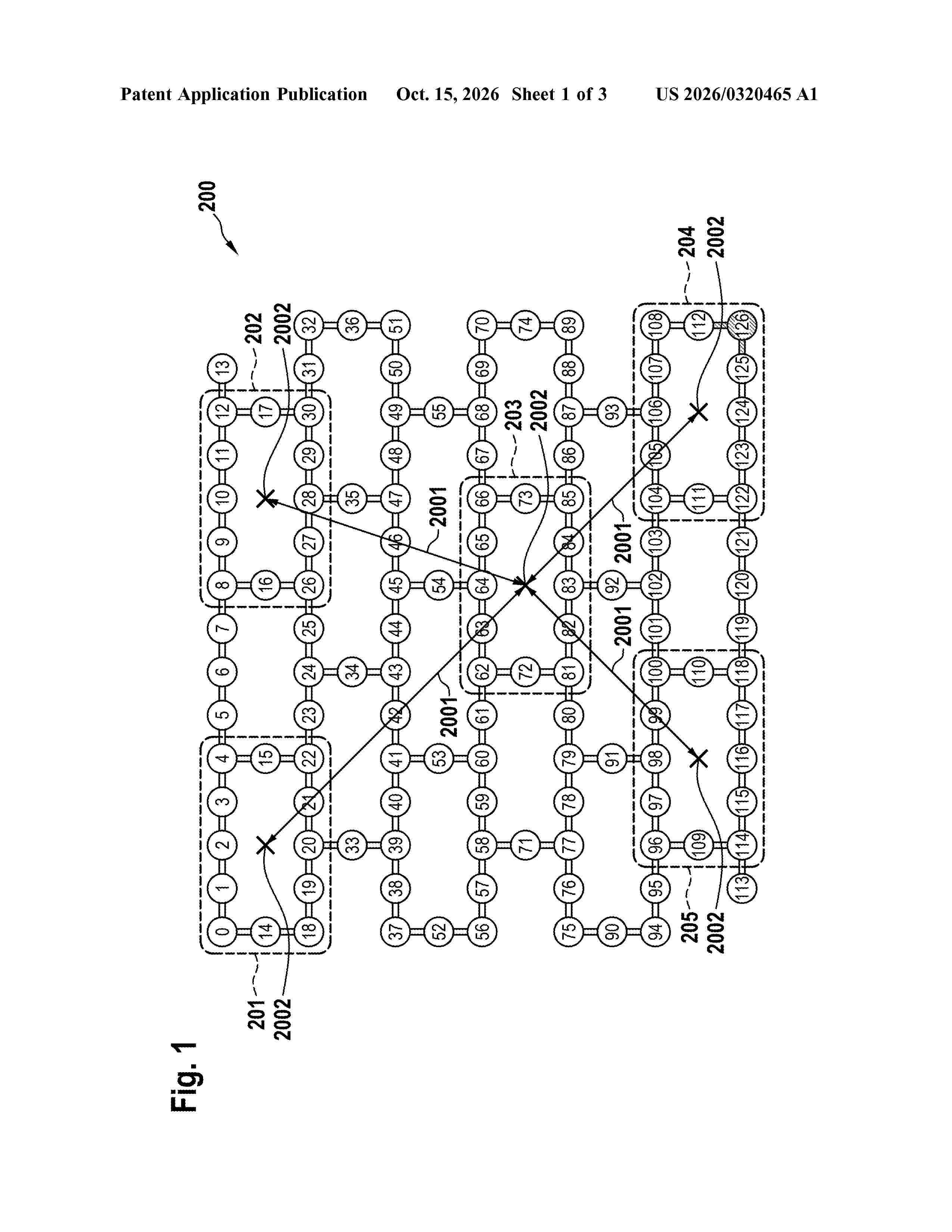
Resumen de: US20260320465A1
A method for determining an error-corrected expectation value of an observable of a quantum system by means of a classical computer. The method includes: providing a first expectation value of an observable, the first expectation value being dependent on a first distance measure, wherein the first distance measure indicates a spatial separation between a first qubit group and a second qubit group; providing at least a second expectation value of the observable, the second expectation value being dependent on a second distance measure; determining an adjusted fit function; determining an error-corrected expectation value of the observable by evaluating the adjusted fit function for the case that the distance measure assumes a value greater than the first distance measure and the second distance measure; providing the error-corrected expectation value.
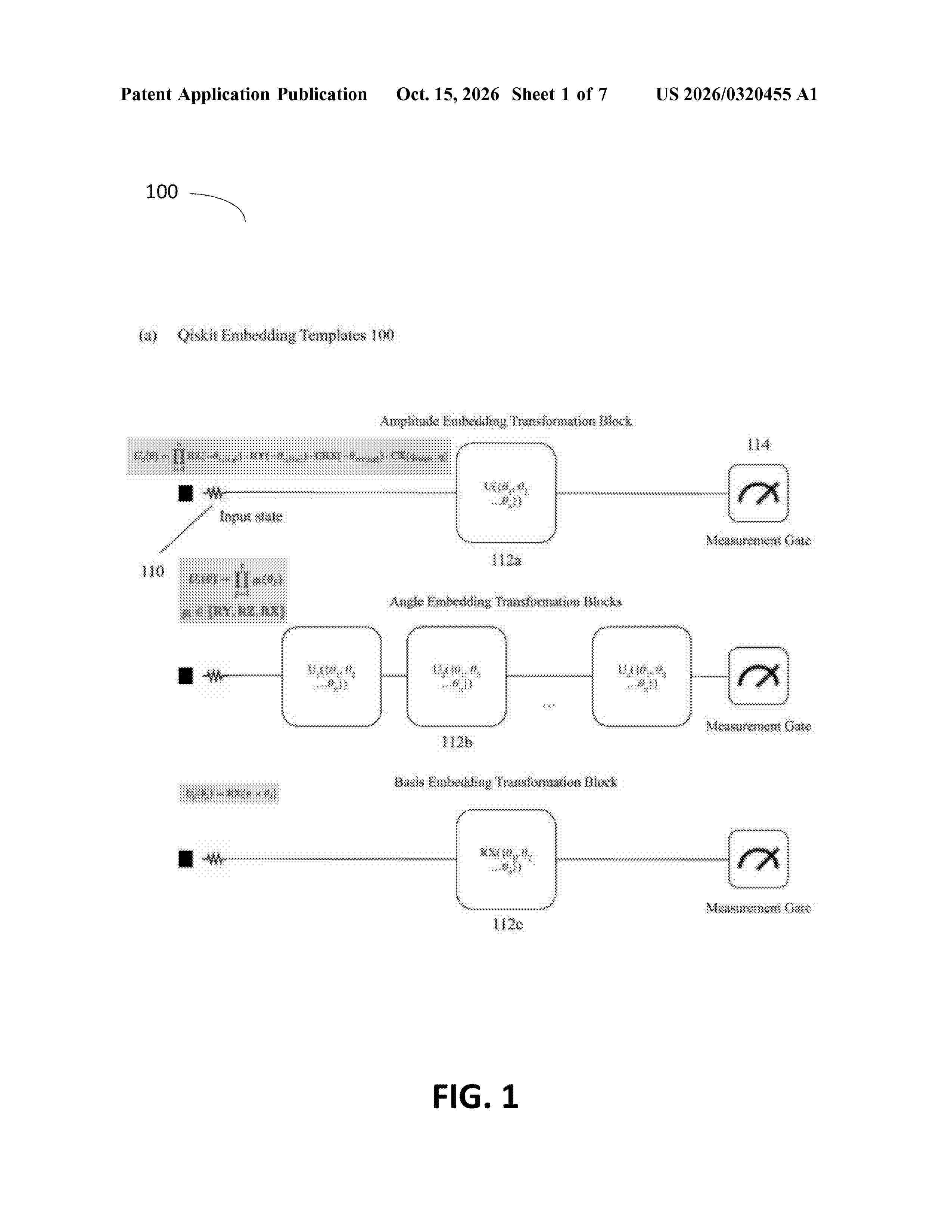
Resumen de: US20260320455A1
A system and method for implementing quantum embeddings in a quantum computing environment are provided. The system receives input data and embedding parameters from a user, selects one of multiple quantum embedding types (e.g., Amplitude embedding, Angle embedding, or Basis embedding), generates a quantum circuit based on the selected embedding type and input parameters, creates a general quantum feature map using a parameter vector class, and interfaces with a kernel function to map the input data into quantum states. The system supports various embedding strategies, including Amplitude embedding with RY-CX and RZ-CRX schemes, Angle embedding with flexible gate sequences and parameter repetition options, and Basis embedding for binary data. The invention enables efficient implementation of quantum embeddings in Qiskit, facilitating the development and evaluation of quantum machine learning applications by providing a user-friendly interface for exploring different embedding techniques.
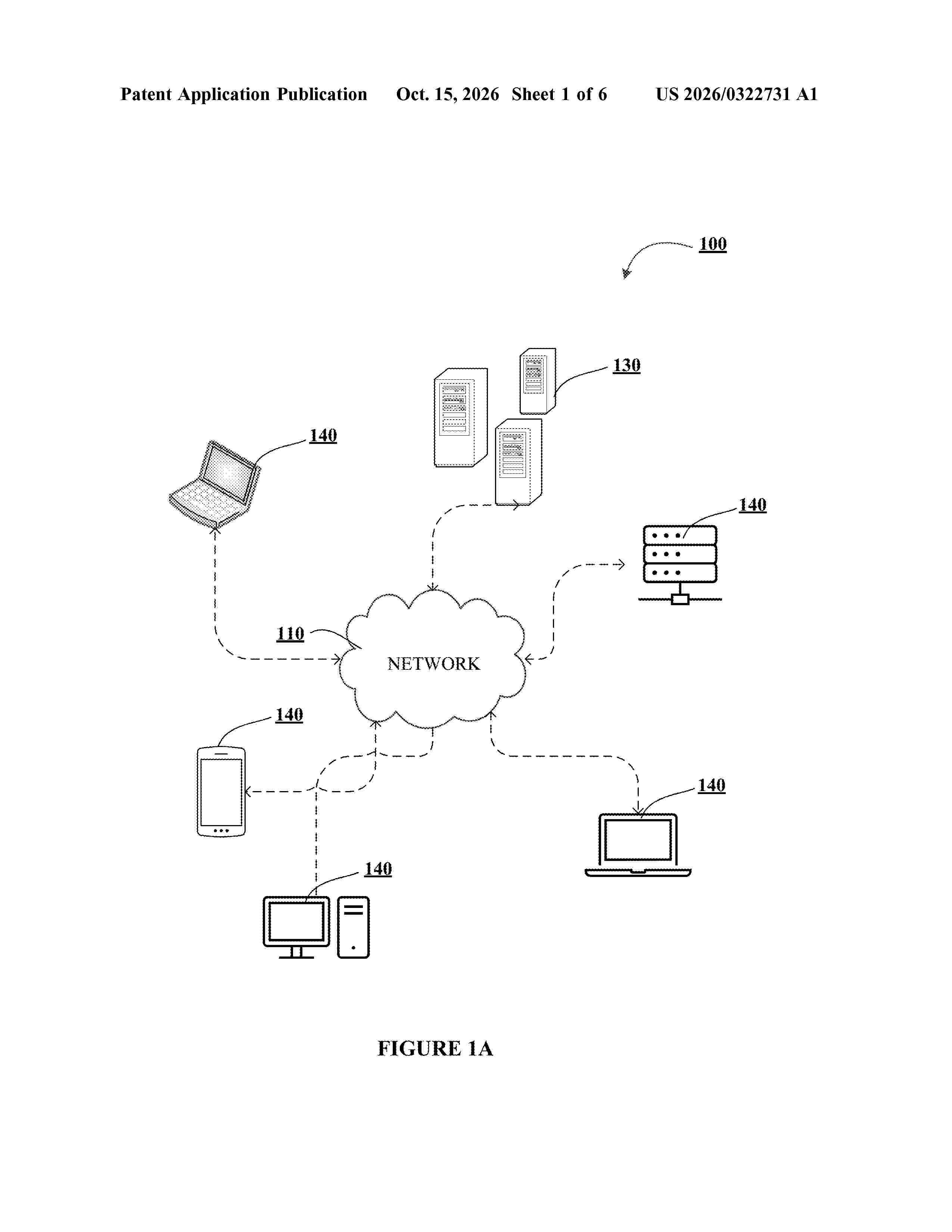
Resumen de: US20260322731A1
0000 Embodiments of the invention are directed to systems, methods, and computer program products for leveraging quantum intelligence to route network traffic. In some embodiments, the method includes receiving a transaction dataset associated with a transaction from an end-point device, using a quantum swarm intelligence network to initialize one or more quantum agents based on the transaction dataset, and based on an output of the quantum swarm intelligence network, determining an optimal network route associated with the transaction dataset. Furthermore, in some embodiments, the method includes validating the transaction dataset based on one or more requirements of the optimal network route and executing the transaction along the optimal network route.
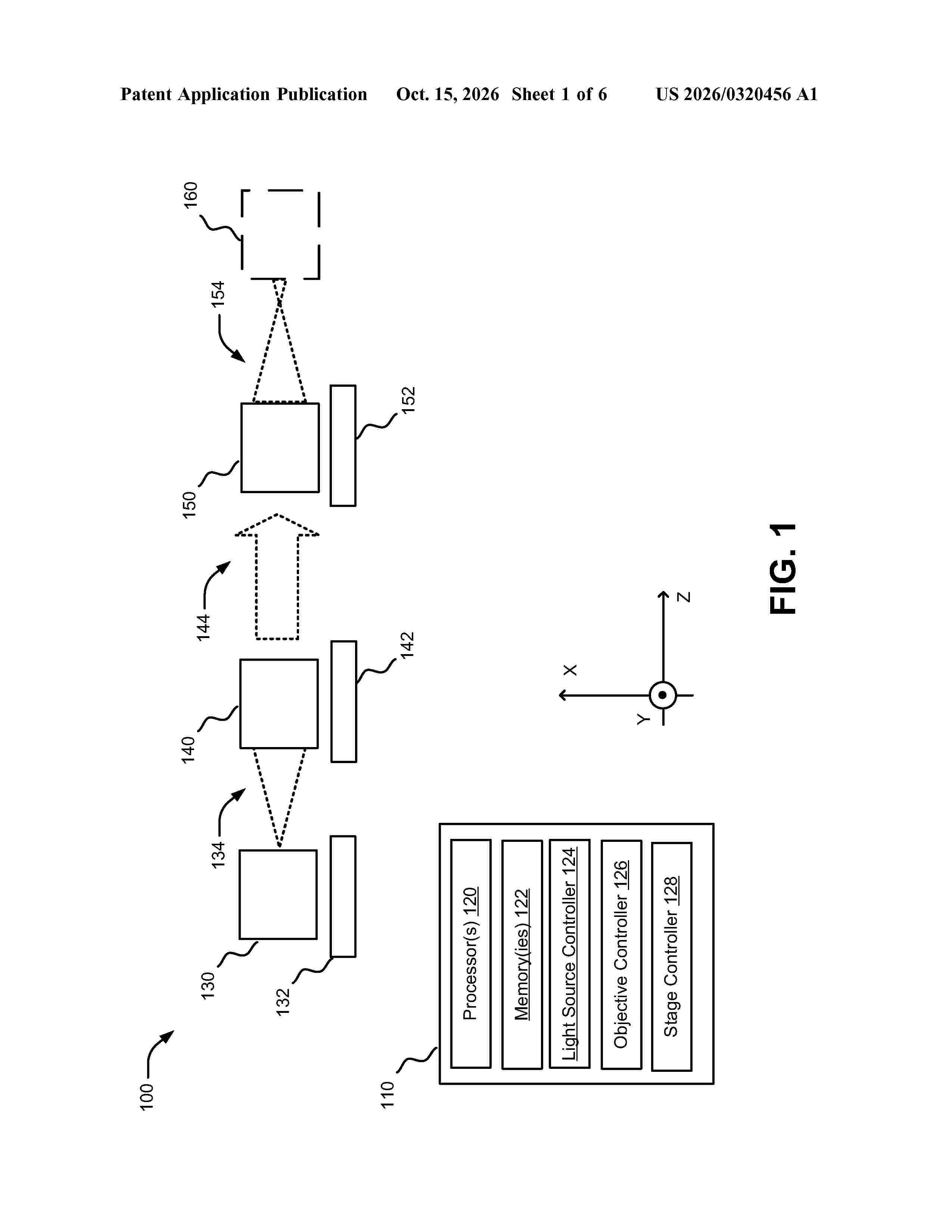
Resumen de: US20260320456A1
0000 Aspects of the disclosure may include a emulation system for simulating a trapped ion, comprising: a light source disposed on a first mount and configured to provide a first light, a first objective disposed on a second mount and having one or more first lenses and an aperture, a second objective disposed on a third mount and having one or more second lenses, and a controller having: one or more memories having instructions, one or more processors configured to execute the instructions to: cause the first objective to collimate the first light to produce a second light, perform in-plane alignment and focal plane alignment to an imaging system using at least a portion of the second light, cause the second objective to focus the second light into a third light, provide the third light as the simulated trapped ion to the imaging system.
Resumen de: US20260320462A1
A method for entangling qubits encoded in point defect sites in at least one solid-state host on at least one photonic integrated circuit (PIC) chip includes initializing a first qubit encoded in a first point defect site into a first quantum state, initializing a second qubit encoded in a second point defect site into the first quantum state, generating a background electromagnetic field using an electromagnetic radiation source, entangling the first and second qubit into an entanglement pair by tuning a resonance frequency of the first qubit into resonance with a resonance frequency of the background electromagnetic field for a switching time T, and after a threshold time t has elapsed, tuning a resonance frequency of the second qubit into resonance with the resonance frequency of the background electromagnetic field for the switching time T.
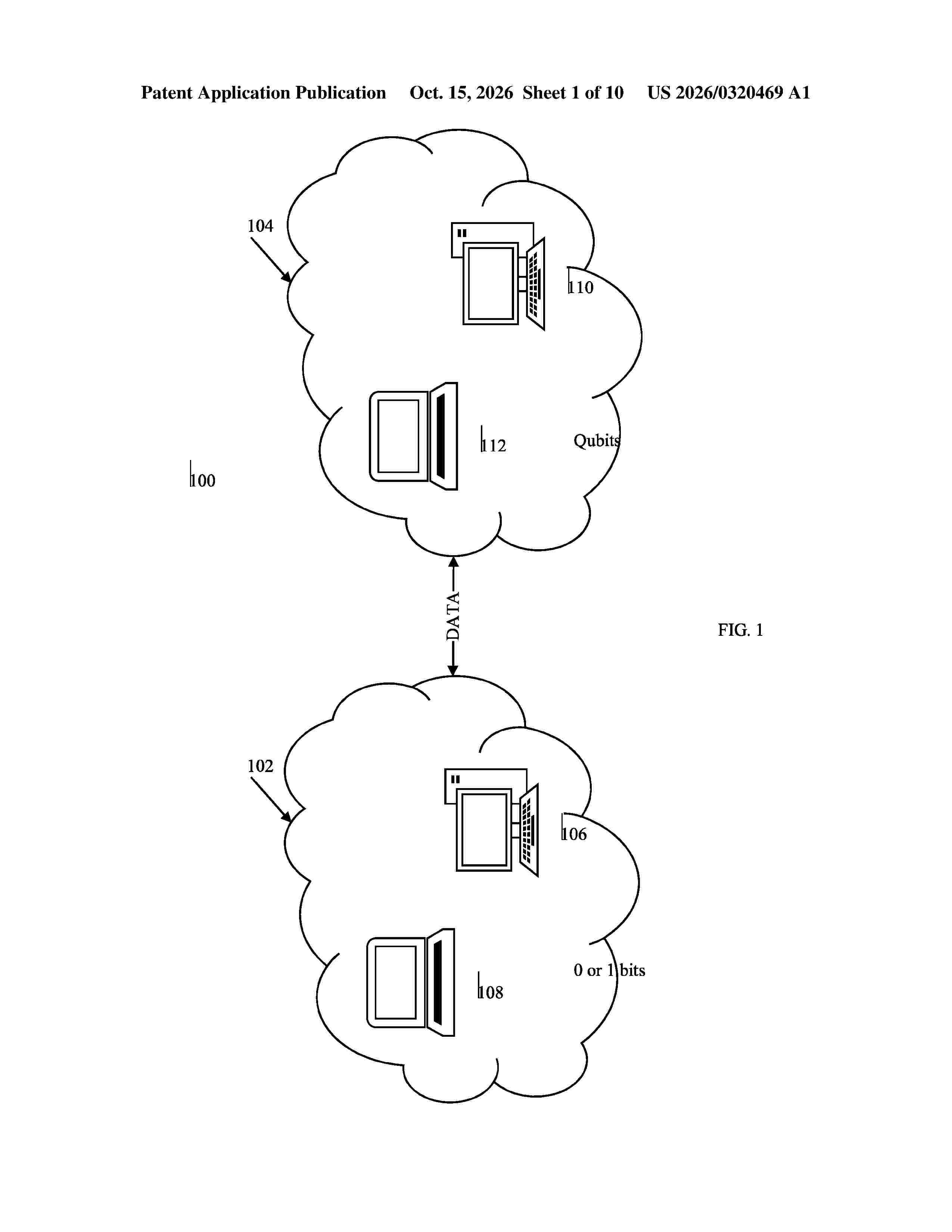
Resumen de: US20260320469A1
0000 A data migration method, a computing platform, and a non-transitory computer-readable medium for data migration are provided. The method, conducted by a first computing platform having one or more first processors, includes pre-processing data for a data migration, filtering, based on one or more rules, the pre-processed data, measuring, by using one or more quantum sensors, physical properties of the filtered data, annealing, based on the measured physical properties, the filtered data, and transferring, to a second computing platform, the annealed data via a quantum communication. The one or more rules may be configurable by an administrator or a high-level controller based on one or more goals set for the data migration. The first computing platform may be a traditional computing platform. The second computing platform may be a quantum computing platform.
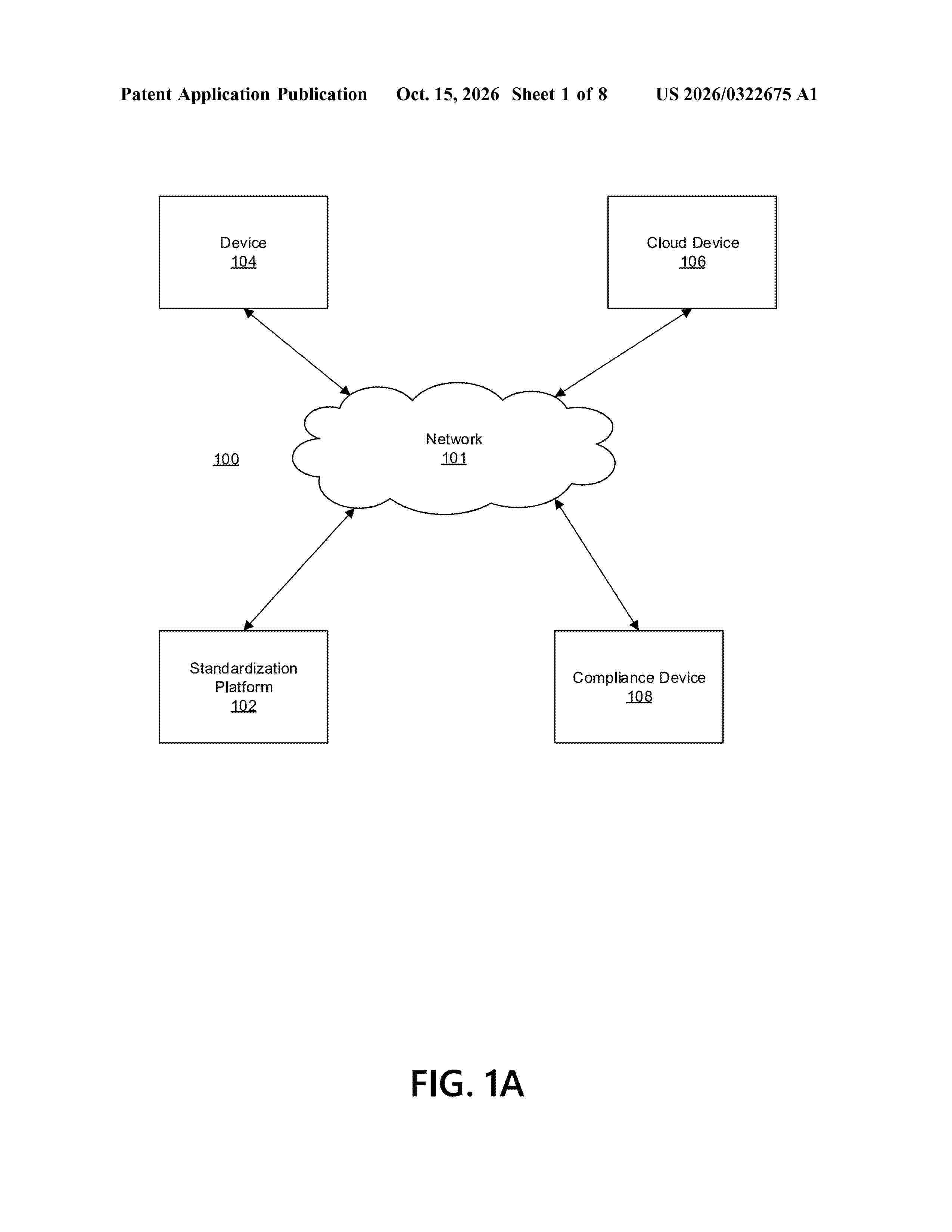
Resumen de: US20260322675A1
Aspects related to real-time secured dynamic information standardization in distributed environments using large language models are provided. A standardization platform may receive compliance information. The platform may train a standardization model based on the compliance information and based on large language model training sets. The platform may receive message information. The platform may standardize the message information by causing the standardization model to encode and decode the message information. The platform may store the standardized message information in cloud-based storage containers. The platform may generate a photon pairing for a message included in the message information. The platform may validate a destination address indicated by the photon pairing. The platform may transform the message. The platform may send the message to the destination address. The platform may update the standardization model.
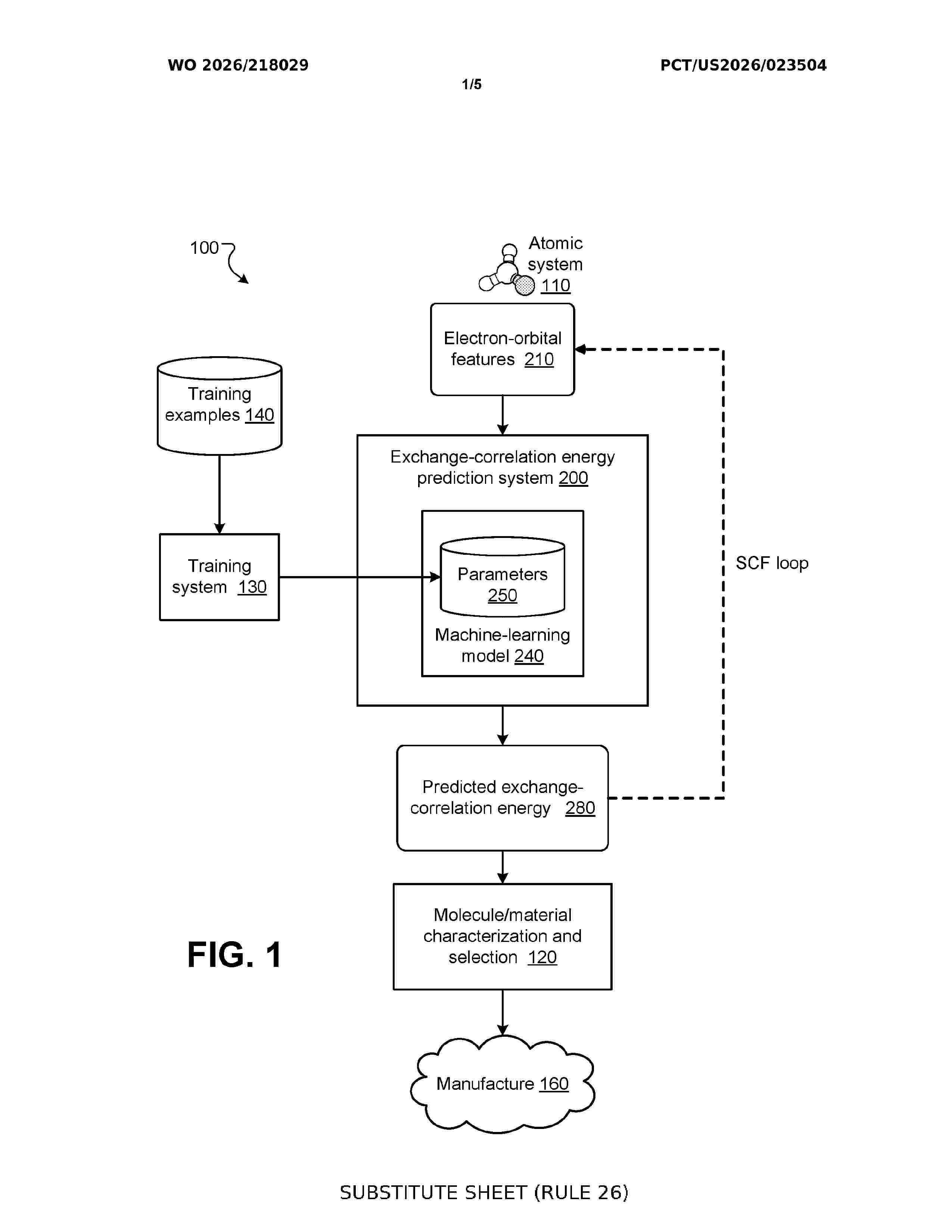
Resumen de: WO2026218029A1
Methods, systems, and apparatus, including computer programs encoded on a computer storage medium, for predicting an exchange-correlation energy of an atomic system. The system obtains, for each atom of the atomic system, respective electron-orbital features at each grid point of a respective set of grid points corresponding to the atom. For each atom and grid point, the system processes the electron-orbital features using a pointwise neural network to generate a respective local feature at the grid point. For each atom, the system processes the local features at the respective set of grid points using a non-local neural network to generate respective global features at the grid points. Finally, the system processes the global features of the one or more atoms at the sets of grid points to generate a predicted exchange-correlation energy of the atomic system.
Nº publicación: US20260321452A1 15/10/2026
Solicitante:
OXFORD IONICS LTD [GB]
Oxford Ionics Limited
Resumen de: US20260321452A1
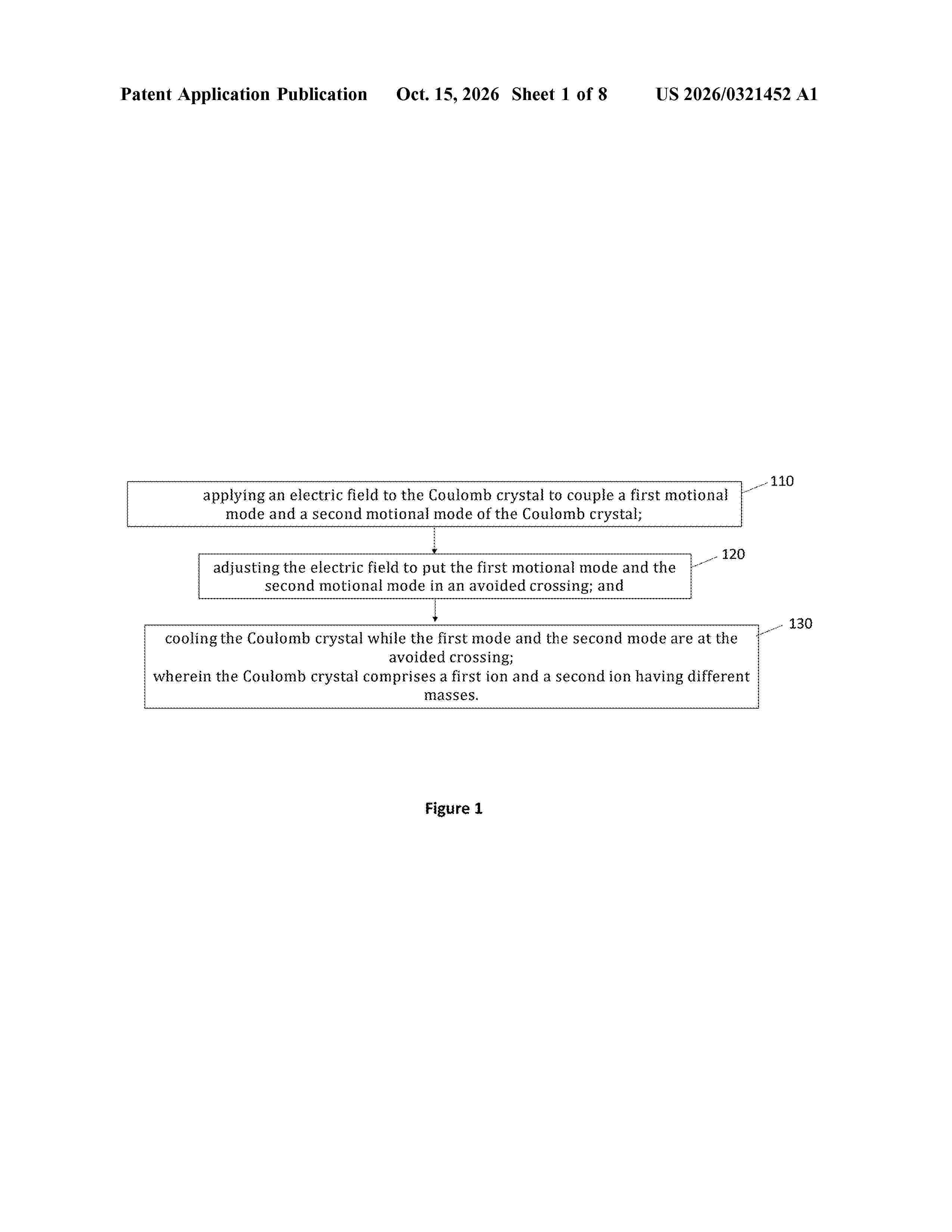
A method of cooling a Coulomb crystal is presented. The Coulomb crystal has a first ion and a second ion having different masses. An electric field is applied to the Coulomb crystal to couple a first motional mode and a second motional mode of the Coulomb crystal. The electric field is adjusted to put the first motional mode and the second motional mode in an avoided crossing. The Coulomb crystal is then cooled while the first motional mode and the second motional mode are in the avoided crossing.
 BOPI
BOPI
 Sede Electrónica