Si deseas distinguir tus productos, servicios o ambos de los de otra empresa, es posible que necesites una marca o nombre comercial. Descubre qué son, en qué consiste su procedimiento de registro y qué implica.

Información sobre los plazos de presentación de solicitudes de transformación de marcas de la Unión Europea en marca nacional española. Más información


Si tienes un nuevo dispositivo, producto o procedimiento que resuelva un problema técnico o tenga una ventaja práctica, existen distintas formas de protegerlo en España y en otros países. Descubre cómo hacerlo.

¿Tu innovación reside en la estética, la ornamentación o la apariencia de tu producto? Protégela mediante un diseño industrial. Descubre qué derechos confiere el registro y cómo realizar la tramitación.

Las indicaciones geográficas protegen el nombre de un producto originario de una zona geográfica, a la cual le debe una determinada calidad, reputación u otra característica. Descubre qué son, en qué consiste su procedimiento de registro y qué beneficios conceden.

Las patentes publicadas en todo el mundo son una valiosa fuente de información científica, técnica y comercial.

Si eres emprendedor/a o una empresa y quieres potenciar y mejorar la rentabilidad de tu negocio protegiendo de forma adecuada los activos intangibles de tu organización, en este espacio encontrarás lo necesario.


 499
resultados
499
resultados
 Última actualización
24/10/2026 [06:54:00]
Última actualización
24/10/2026 [06:54:00]


 Resultados 225 a 250 de 499

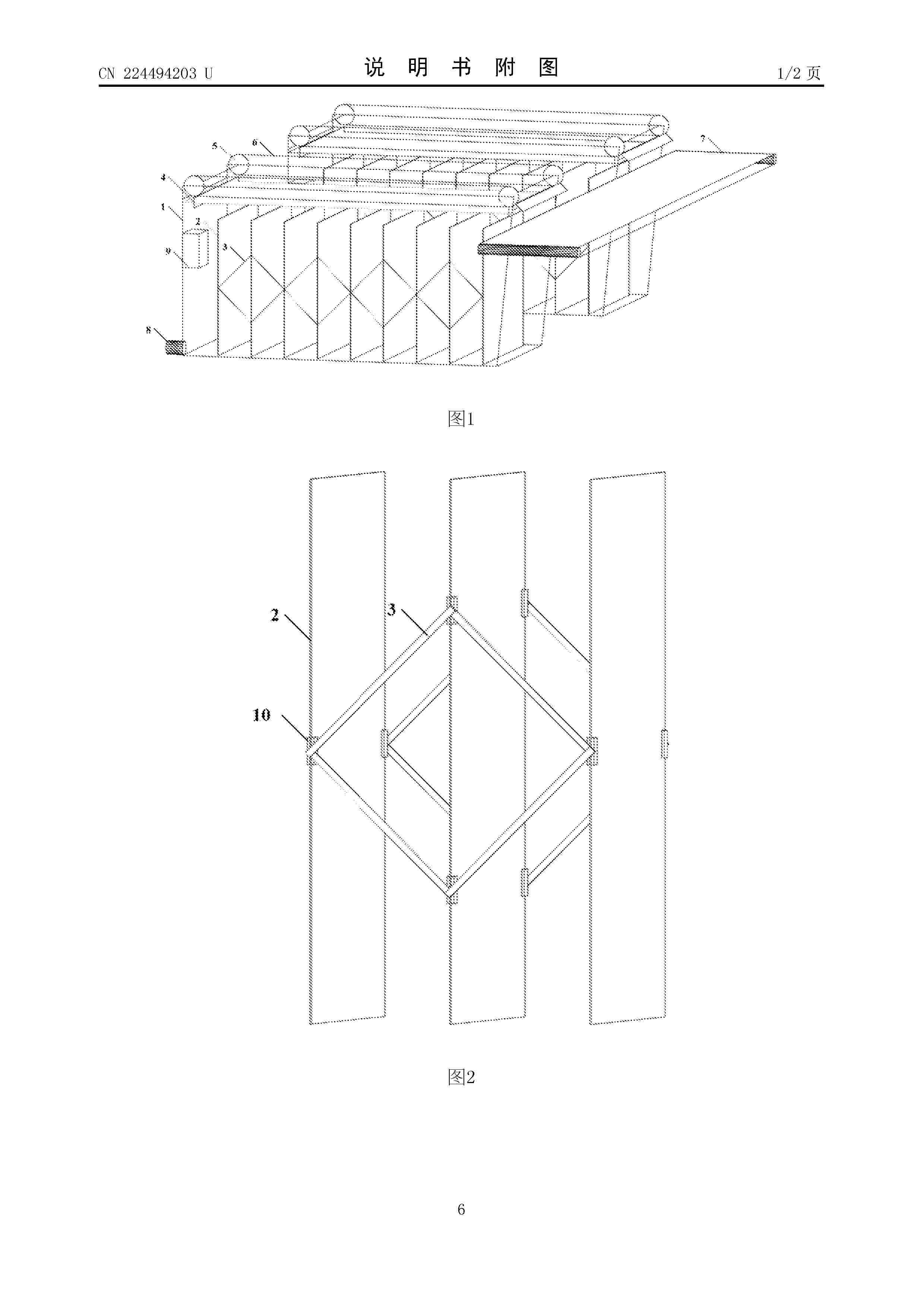
Resumen de: CN224494203U
The utility model discloses a culture and automatic harvesting device for periphytic microalgae, which belongs to the field of periphytic microalgae culture equipment and comprises a culture pond, a plurality of culture plates distributed at equal intervals are placed in the culture pond, and the plurality of culture plates are connected together in a foldable manner through scissor supports symmetrically distributed front and back; transmission assemblies are symmetrically arranged on the front side and the rear side of the top of the culture pond, scrapers are arranged on the front transmission assemblies and the rear transmission assemblies and located on the pond face of the culture pond, and a conveying belt perpendicular to the scrapers is arranged on one side of the culture pond. According to the utility model, an enough three-dimensional attachment interface can be provided in the early stage of culture, and directional scraping and conveying can be automatically carried out after algae are mature and float, so that the automatic and high-efficiency operation from culture to harvesting is realized, and the industrial culture and harvesting requirements of microalgae are met.

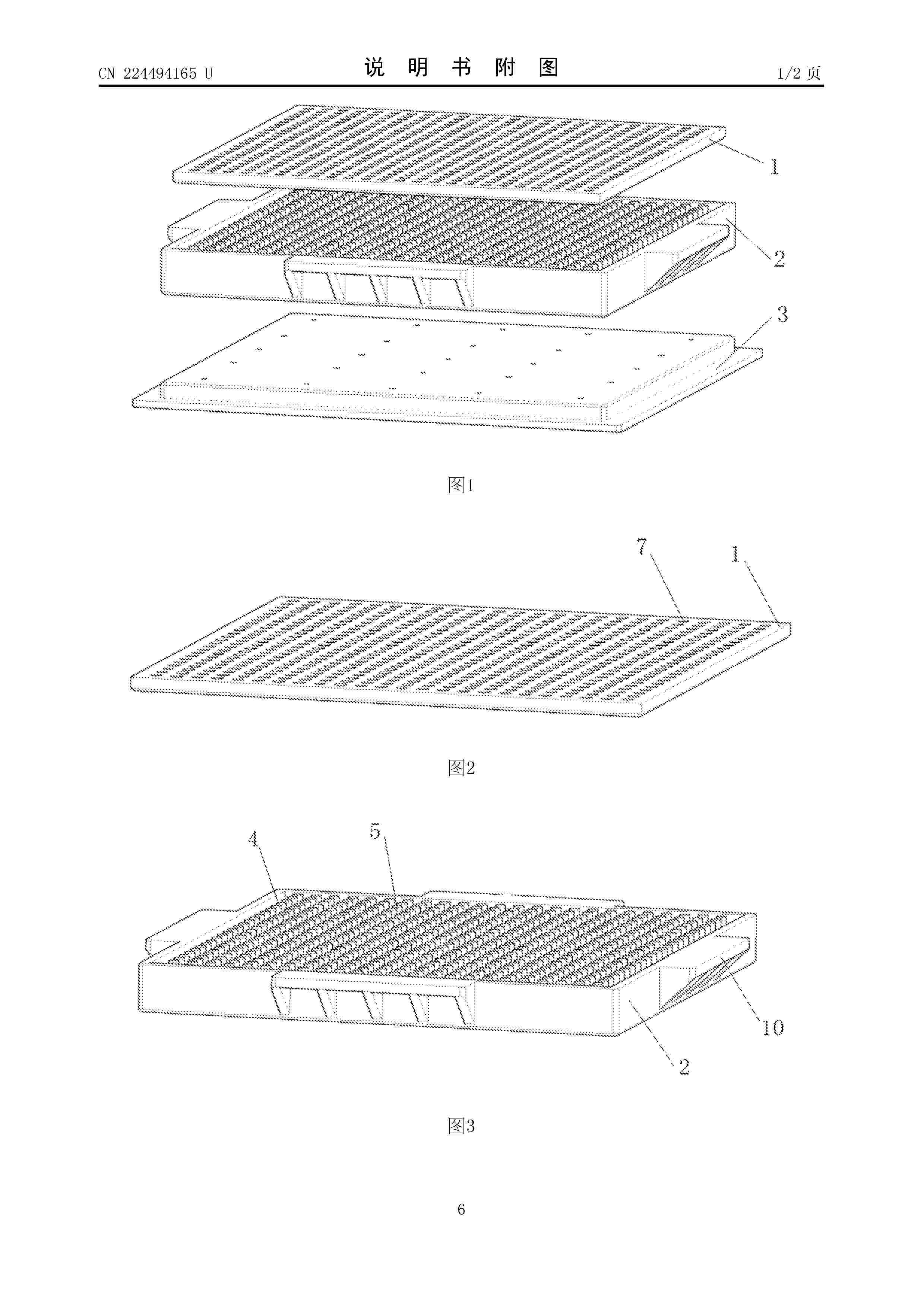
Resumen de: CN224494165U
The utility model discloses a gel mold for high-density culture of microalgae, which belongs to the technical field of microalgae culture and comprises a pore plate, a main body and a bottom plate, a placing groove is arranged at the upper end of the main body, a strut array and a plurality of reinforcing holes are arranged in the placing groove, and the height of the placing groove is larger than that of the pore plate; a through hole array matched with the supporting column array is arranged on the hole plate, and a plurality of reinforcing columns matched with the reinforcing holes are arranged on the bottom plate. During use, the strut array is sleeved with the through hole array, then the pore plate is placed in the containing groove, then the reinforcing holes are sleeved with the reinforcing columns, then the body is placed above the bottom plate to complete assembly of the gel mold, finally, gel is poured into the containing groove till the containing groove is filled with the gel, the body is pressed down after the gel is solidified, and the gel mold is assembled. And ejecting the gel and the pore plate for high-density culture of the microalgae by the reinforcing column to finish demolding.
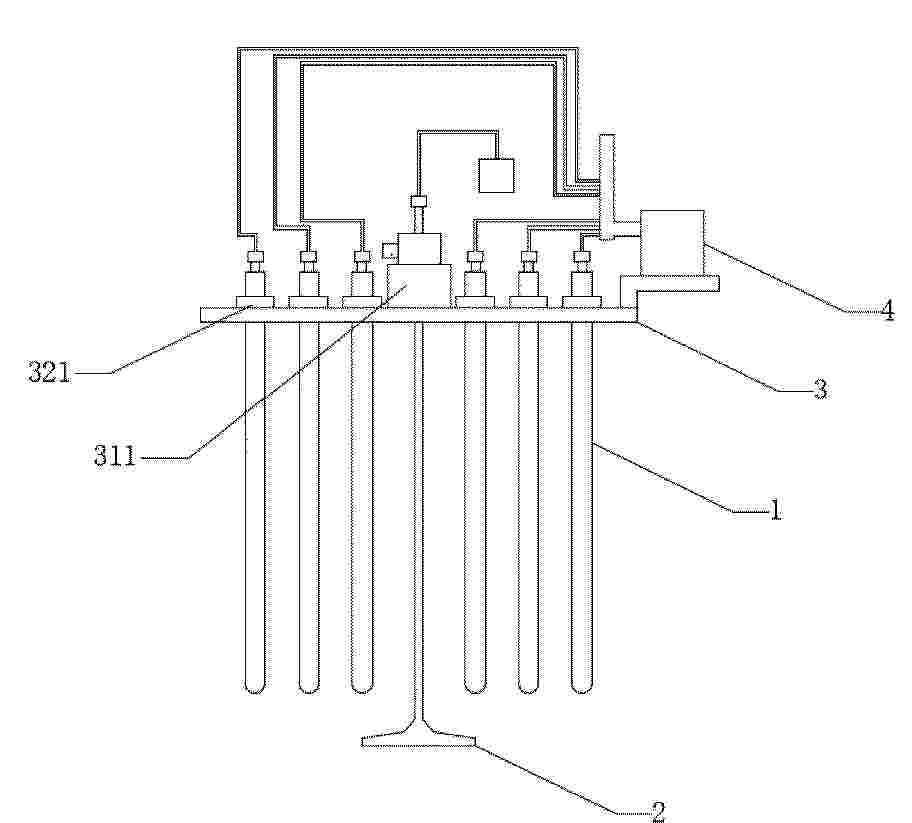
Resumen de: CN122384042A
The invention relates to an underwater illuminating lamp assembly for microalgae culture, and also relates to a photobioreactor comprising the underwater illuminating lamp assembly. According to the underwater illuminating lamp assembly, 360-degree light source layout can be achieved, a stirring device and a ventilation device can be integrated, and the functions of illumination, stirring, aeration and the like of the photobioreactor are achieved. The underwater illuminating lamp assembly can take away heat generated by the lamp in time, reduce the temperature of the lamp tube, reduce the influence of high temperature on light emission and the service life of the lamp, reduce heat transfer of the heat of the lamp tube to a microalgae culture solution and reduce temperature rise of a microalgae culture system. The hyperboloid stirring paddle and the paddle surface gas distribution holes are adopted, so that the mixing is uniform, the gas-liquid contact is sufficient, the damage of stirring and shearing to algae cells is reduced, and the stirring energy consumption is low. In addition, the underwater lamp assembly is simple in structure, can be directly applied to a large microalgae culture container to form a photobioreactor, and is easy to remove, expand in scale and replace parts.
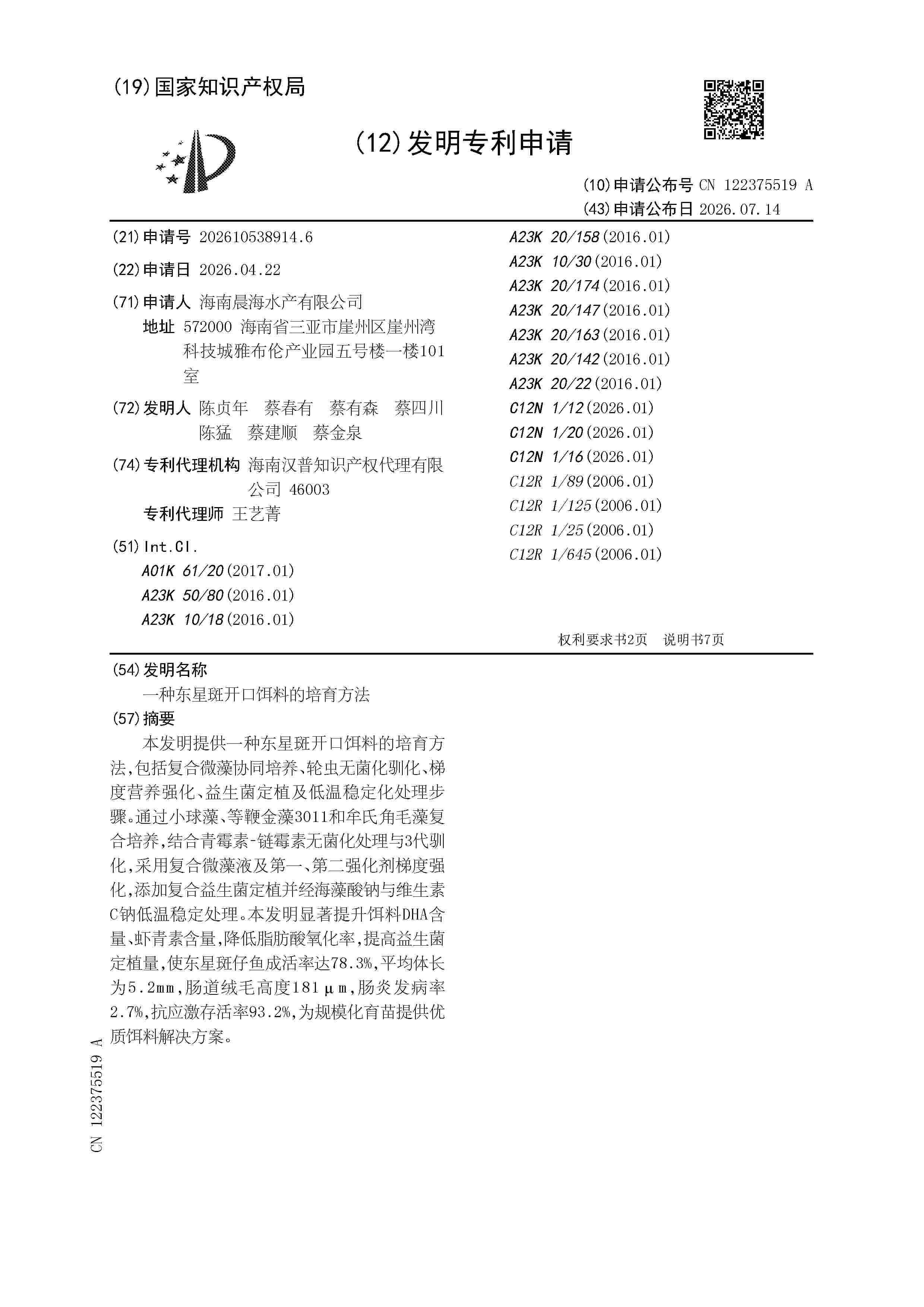
Resumen de: CN122375519A
The invention provides a cultivation method of initial feed for Dongquasicera japonica. The cultivation method comprises the steps of composite microalgae collaborative cultivation, rotifer sterile domestication, gradient nutrient enrichment, probiotic field planting and low-temperature stabilization treatment. The method comprises the following steps: carrying out composite culture on chlorella, isochrysis sp. 3011 and chaetoceros mulleri, combining penicillin-streptomycin aseptic treatment and third-generation domestication, carrying out gradient reinforcement by adopting a composite microalgae liquid, a first reinforcer and a second reinforcer, adding composite probiotics for colonization, and carrying out low-temperature stabilization treatment by sodium alginate and sodium ascorbate. The DHA content and the astaxanthin content of the bait are remarkably increased, the fatty acid oxidation rate is reduced, the probiotic colonization amount is increased, the survival rate of the east astrostroma fry reaches 78.3%, the average body length is 5.2 mm, the intestinal villus height is 181 mu m, the enteritis morbidity is 2.7%, the anti-stress survival rate is 93.2%, and a high-quality bait solution is provided for large-scale fry breeding.
Resumen de: CN122382052A
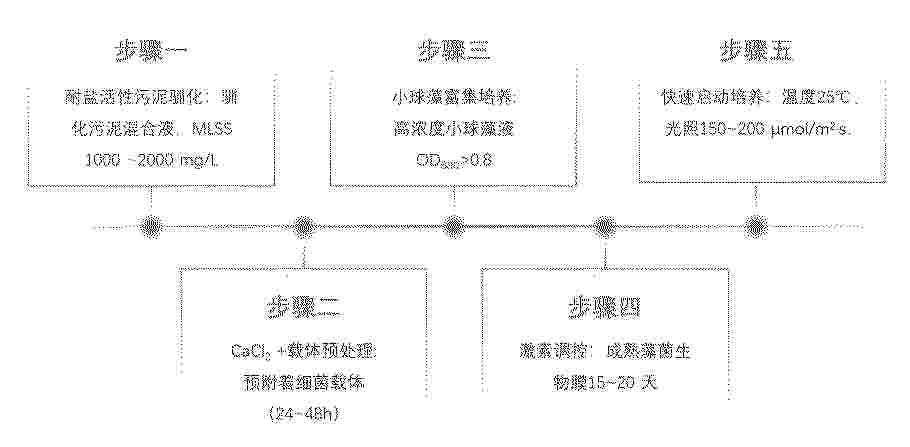
The invention discloses a phycomycete biofilm rapid starting method for treating mariculture tail water based on plant hormone regulation and control. The method comprises the following steps: 1, dilution and domestication pretreatment of activated sludge; 2, carrier pretreatment and bacterial biofilm pre-attachment; 3, culturing and enriching the seawater chlorella; 4, preparing a plant hormone working solution; and 5, quickly starting culture of the phycomycetes biological membrane. Through a staged strategy of activated sludge pre-biofilm formation and regulation and control of microalgae colonization by plant hormones, the starting time of mariculture tail algae bacteria biofilm is shortened to about 20 days from traditional 30-56 days, and the starting efficiency is improved by more than 50%; the used raw materials are common reagents, the cost is low, the operation steps are simple, and large-scale popularization and application are easy; a biological enhancement means is adopted, use of chemical disinfectants or harmful fungicide is not involved, the plant hormones can be naturally degraded after playing a promoting role, and secondary pollution to the mariculture environment is avoided.
Resumen de: CN122381929A
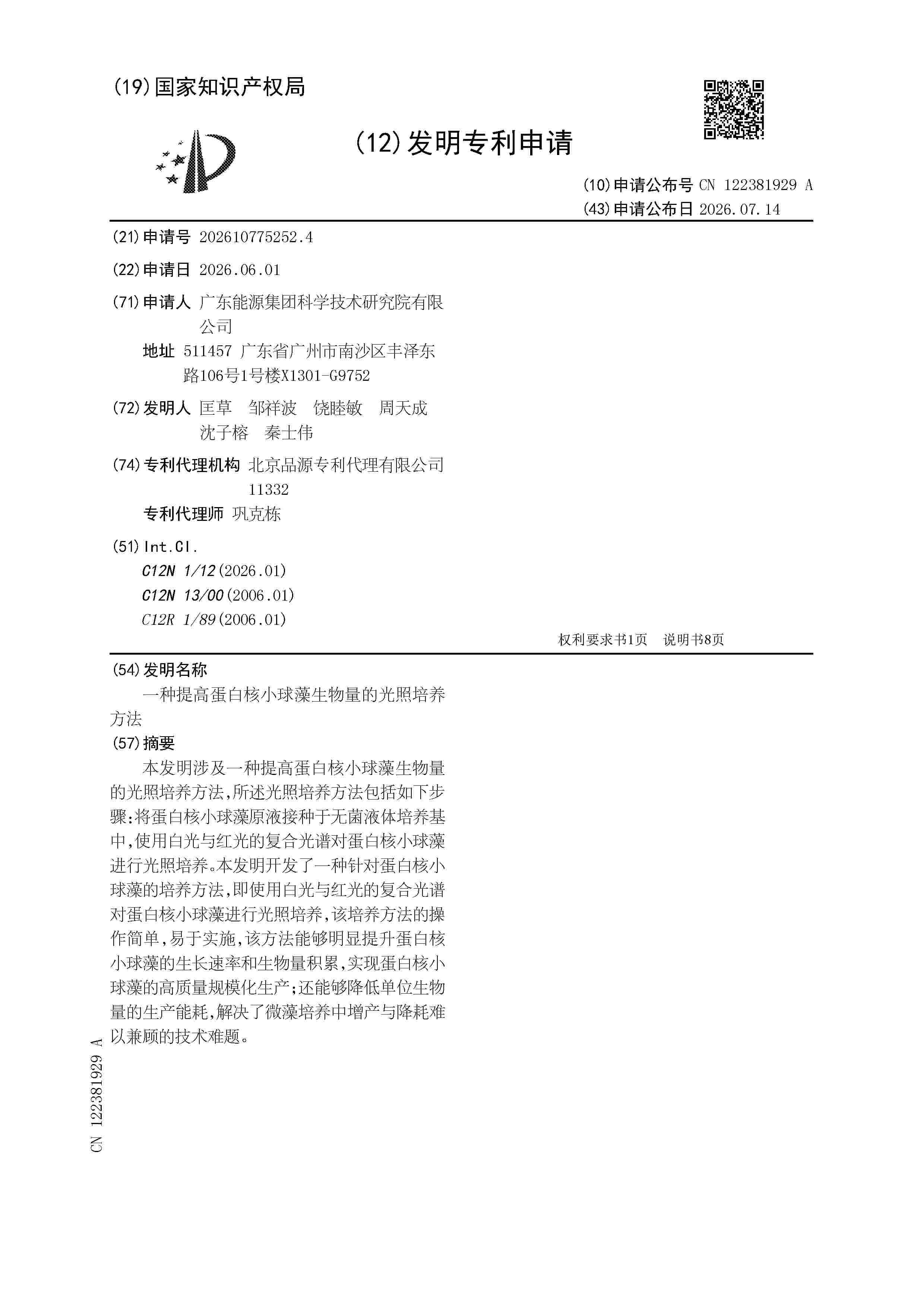
The invention relates to an illumination culture method for improving the biomass of chlorella pyrenoidosa, which comprises the following steps: inoculating a chlorella pyrenoidosa stock solution into a sterile liquid culture medium, and carrying out illumination culture on the chlorella pyrenoidosa by using a white light and red light composite spectrum. The invention develops the culture method for the chlorella pyrenoidosa, namely, the chlorella pyrenoidosa is subjected to illumination culture by using a composite spectrum of white light and red light, the culture method is simple to operate and easy to implement, and the method can obviously improve the growth rate and biomass accumulation of the chlorella pyrenoidosa, so that the yield of the chlorella pyrenoidosa is increased. The high-quality large-scale production of the chlorella pyrenoidosa is And the production energy consumption of unit biomass can be reduced, and the technical problem that yield increase and consumption reduction are difficult to consider in microalgae culture is solved.
Resumen de: CN122351469A
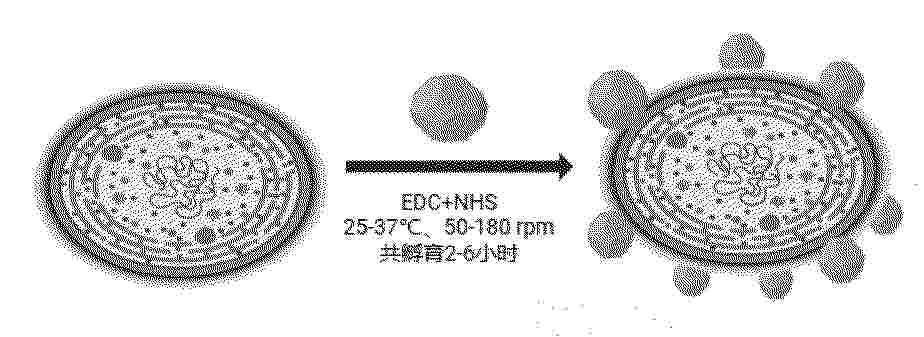
The invention belongs to the technical field of crossing of biological medicine and nano materials, and particularly discloses an engineering cyanobacteria-nano diamond compound and a preparation method and application thereof, and the compound comprises engineering cyanobacteria which can be stably synthesized and secrete a photosensitizer through gene modification. The red fluorescent nano-diamond contains a nitrogen-vacancy color center and emits fluorescent light of 600-750 nm under excitation of light larger than or equal to 532 nm; the nano-diamond is loaded on the surface of cyanobacteria or in an extracellular matrix. The cyanobacteria in-situ oxygen production/photosensitizer production function and the nano-diamond deep fluorescence emission characteristic are fused, tumor hypoxia is synergistically relieved, the deep photodynamic curative effect is enhanced, the biocompatibility is good, preparation is controllable, and the application prospect in solid tumor treatment is wide.
Resumen de: CN122357285A
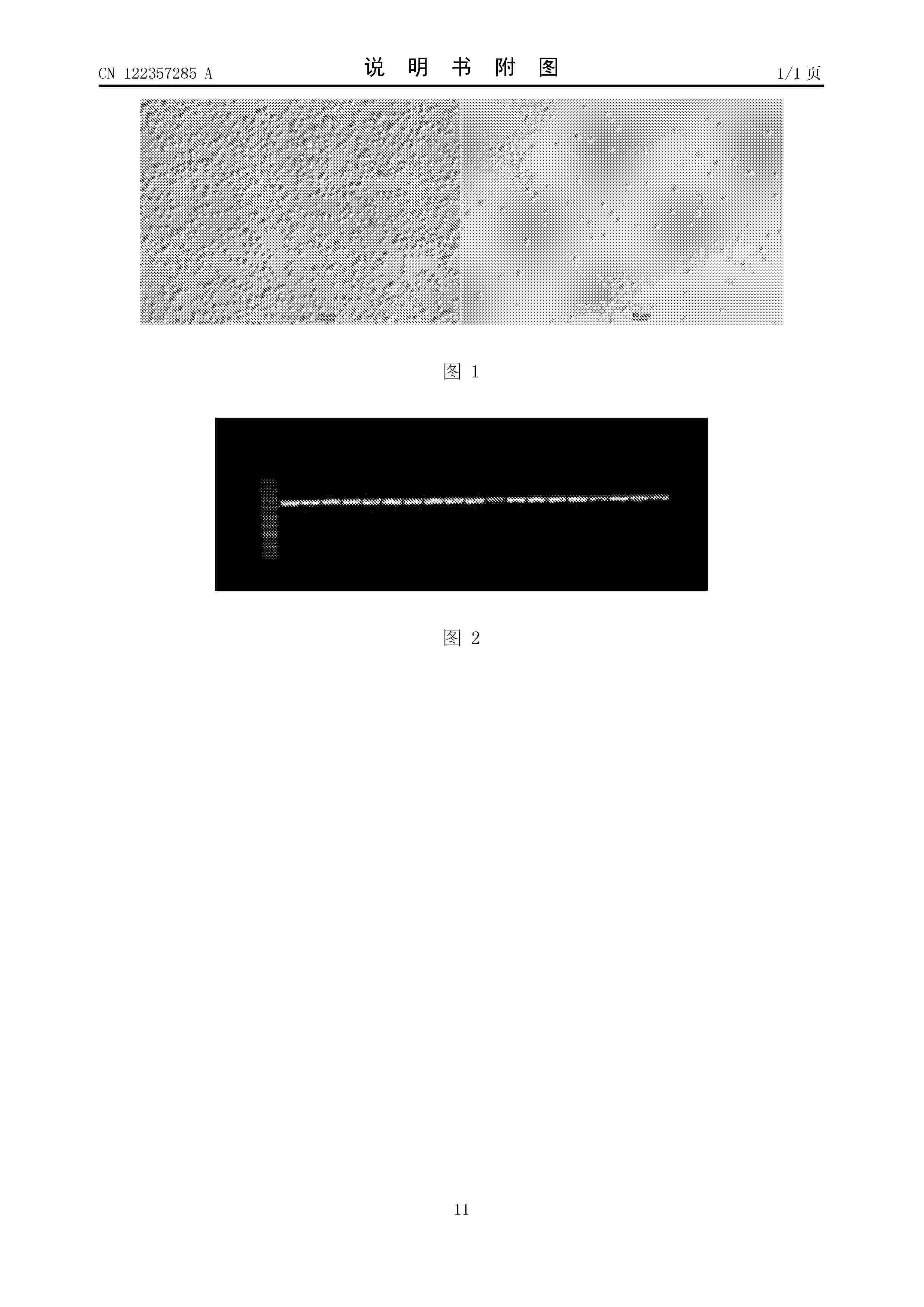
The invention provides a precise regulation and control method for rapid growth of high-fatty-acid microalgae biomass in a Xinjiang special environment. Through red light/blue light alternate irradiation, dynamic nitrogen supply and salinity-low temperature composite stress, the daily average speed increase of microalgae biomass is larger than or equal to 120 mg/L, and the total fat content is larger than or equal to 35%. The method breaks through the contradiction between growth and lipid accumulation in traditional culture, the light energy utilization rate is increased by 25%, and the method is suitable for large-scale development of desert microalgae resources and biodiesel production.
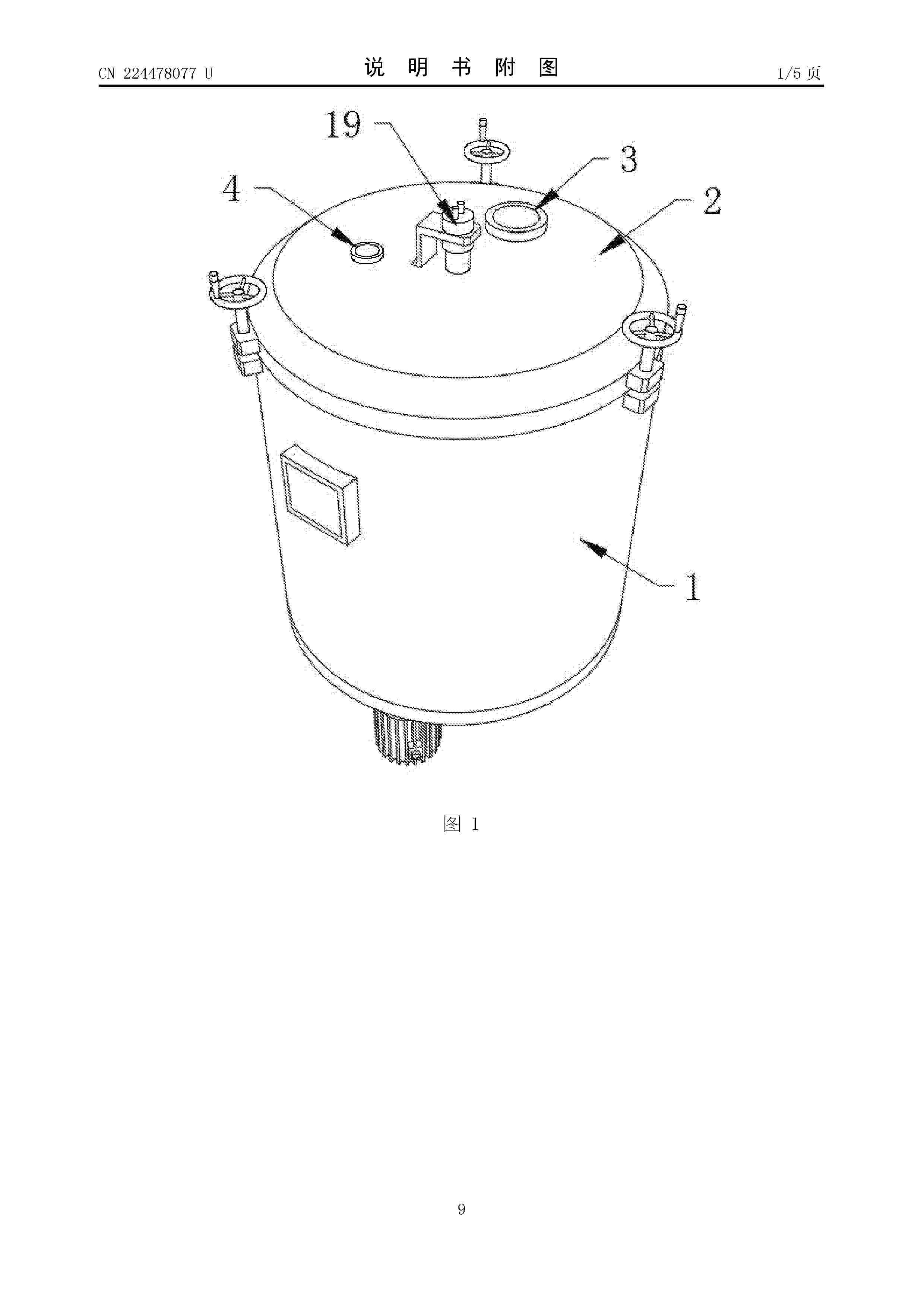
Resumen de: CN224478077U
The utility model discloses a photobioreactor which comprises a photobioreactor storage tank, a tank cover is arranged at the top of the photobioreactor storage tank, a liquid feeding port and an exhaust port are respectively arranged at the top of the tank cover, a liquid discharging port is arranged at the bottom of the photobioreactor storage tank, and an aeration disc is fixedly connected with the inner bottom of the photobioreactor storage tank. A hollow rod is rotationally connected to the inner bottom of the photobioreactor storage tank, a driving unit is arranged between the hollow rod and the photobioreactor storage tank, a pair of supporting plates is fixedly connected to the outer surface of the hollow rod, a light source assembly is arranged between the pair of supporting plates, and a double-stirring assembly is arranged on the outer surface of the hollow rod; a vertical rod is arranged in the hollow rod, and a stirring driving assembly is arranged between the vertical rod and the double-stirring assembly; an opening and closing assembly is arranged between the photobioreactor storage tank and the tank cover; according to the photosynthetic organism culture device, the technical problem that the photosynthetic organism culture effect is influenced by attenuation of light source brightness and the air floatation phenomenon of microalgae or other photosynthetic microorganisms is solved.
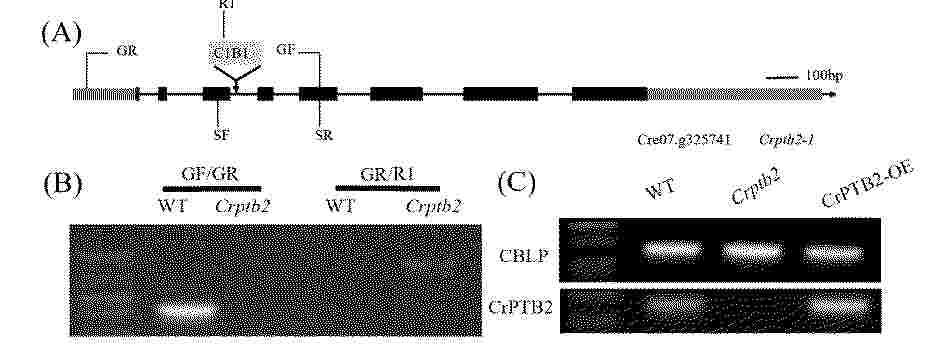
Resumen de: CN122357290A
The invention discloses a method for preparing high-phosphorus chlamydomonas based on PTB2 overexpression and application of the high-phosphorus chlamydomonas in phosphorus recovery, and belongs to the field of bioengineering and environmental science. According to the method, recombinant chlamydomonas is obtained by cloning and overexpressing a sodium-phosphorus dependent phosphate transporter PTB2 gene in chlamydomonas reinhardtii. According to the recombinant chlamydomonas, the total phosphorus content and the polyphosphoric acid content are synergistically and remarkably increased, and meanwhile, the growth is promoted. The high-phosphorus recombinant chlamydomonas disclosed by the invention can efficiently remove phosphorus elements from a water body and can be used for treating eutrophication of the water body; meanwhile, the high-phosphorus biomass can be used as a high-quality microalgae fertilizer raw material, and an efficient and environment-friendly technical scheme is provided for realizing biological recovery and cyclic utilization of phosphorus resources.
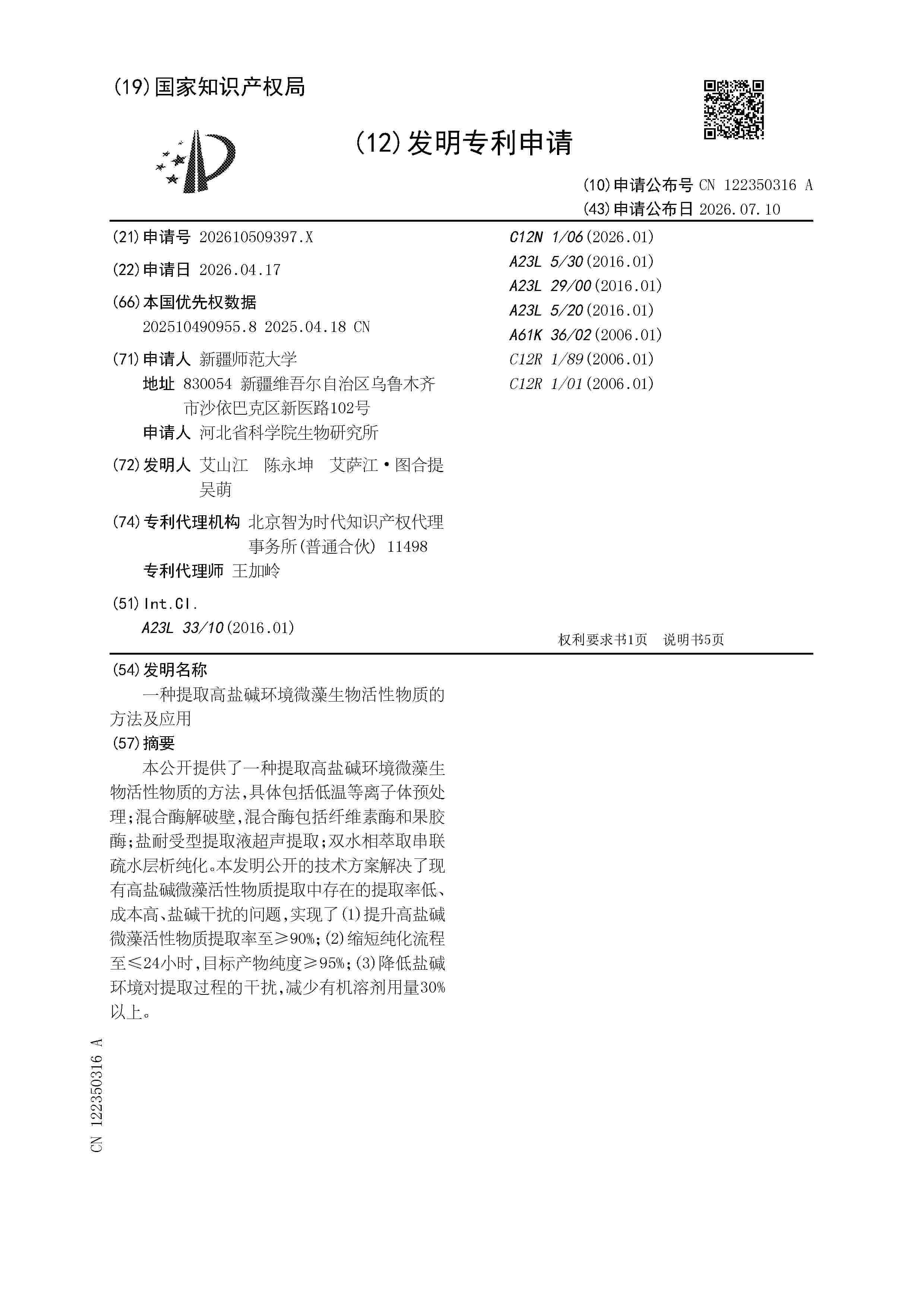
Resumen de: CN122350316A
The invention provides a method for extracting microalgae bioactive substances in a high-saline-alkali environment. The method specifically comprises the following steps: performing low-temperature plasma pretreatment; breaking walls through mixed enzymolysis, wherein mixed enzyme comprises cellulase and pectinase; performing ultrasonic extraction on a salt-tolerant extracting solution; and two-aqueous-phase extraction and hydrophobic chromatography purification are connected in series. According to the technical scheme disclosed by the invention, the problems of low extraction rate, high cost and salt-alkali interference in the existing extraction of the active substances of the high-salt-alkali microalgae are solved; (1) the extraction rate of the active substances of the high-salt-alkali microalgae is increased to be greater than or equal to 90%; (2) the purification process is shortened to be less than or equal to 24 hours, and the target product purity is more than or equal to 95%; (3) the interference of a saline-alkali environment on the extraction process is reduced, and the dosage of an organic solvent is reduced by more than 30%.
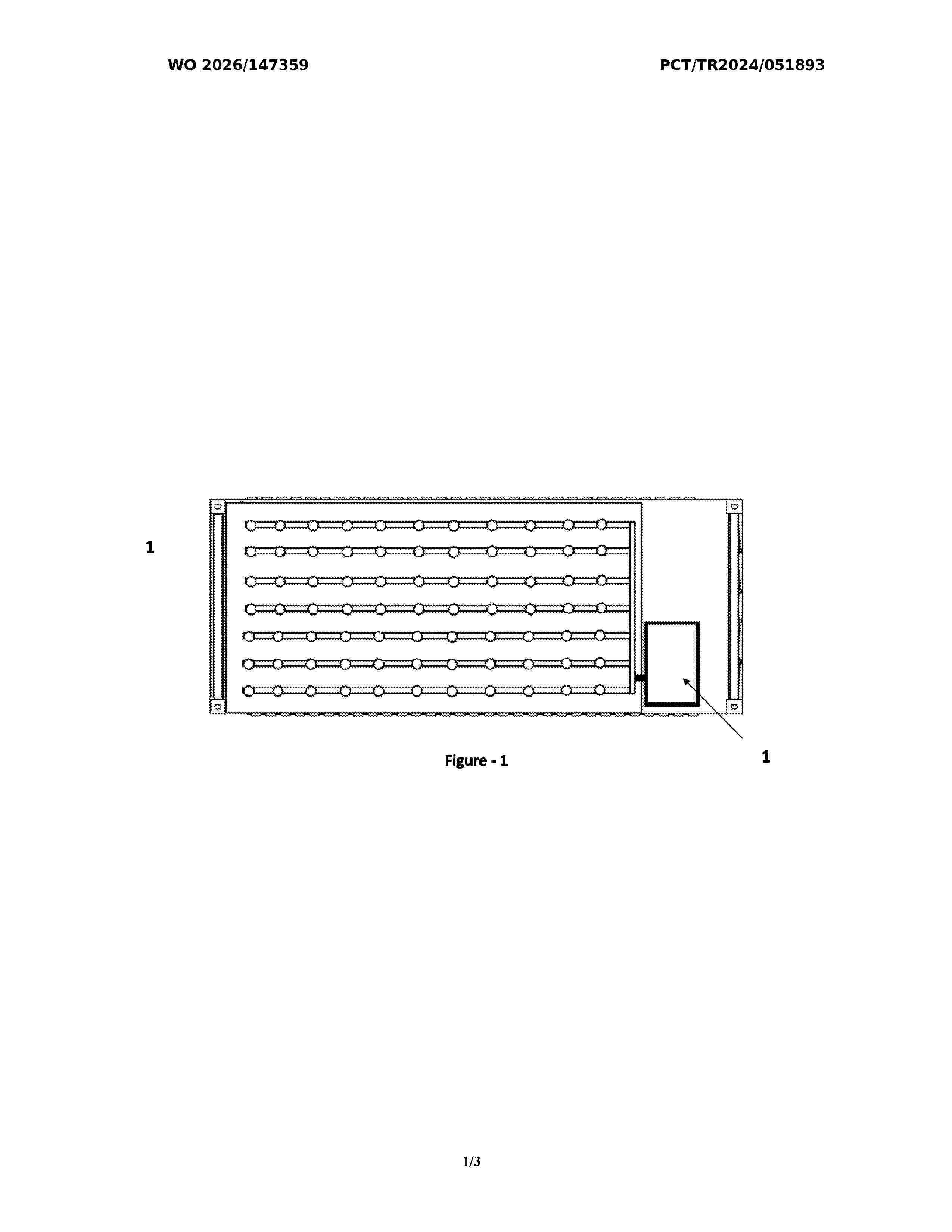
Resumen de: WO2026147359A1
This invention related to photobioreactor providing a modular, scalable, and sustainable system for efficient microalgae cultivation, addressing diverse applications such as biomass production, environmental remediation, and bio-compound extraction. This system includes; a body constructed within a standard 20-foot corten steel, an airtight chamber which occupies approximately three-quarters of the body's internal volume for 10 containing the freshwater or saltwater needed for microalgae cultivation, a lightning system (3) including a plurality of LEDs which are programmable and adjustable in both intensity and duration, allowing precise management of lighting conditions to optimize microalgal growth, which is installed on the body ceilin an aeration and mixing system that providing CO2 for photosynthesis from air by a compressor (1) and 15 mixing the biomass within the chamber, a feeding system (4) ensuring a continuous and controlled supply of essential nutrients to the microalgal culture, a photocatalytic filter (2) purifying contaminants in air before being injected into the reactor, a control unit (5) that monitors and manages all key operating parameters of the photobioreactor in real- time, such as pH, temperature, CO₂, and nutrient concentration, photovoltaic panels 20 providing electrical energy for reactor, which is mounted outside of body and a filter (8) that filters contaminants in the water which is sent by a pump.
Resumen de: US20260193584A1
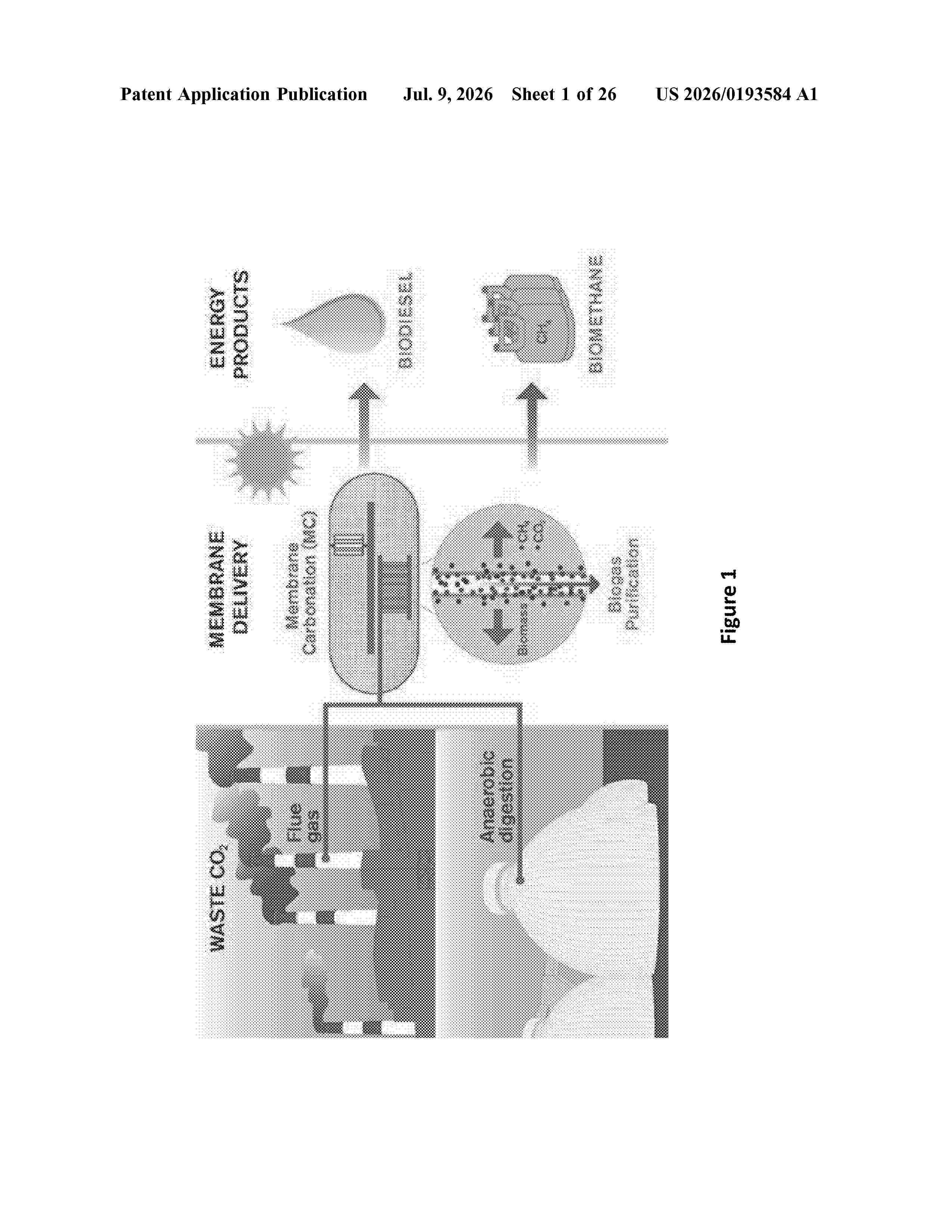
Disclosed herein are methods and systems for membrane carbonation for cultivating microalgae and other microorganisms that utilize a gaseous substrate, as well as to upgrade the quality of mixed-gas streams.
Resumen de: WO2026147361A1
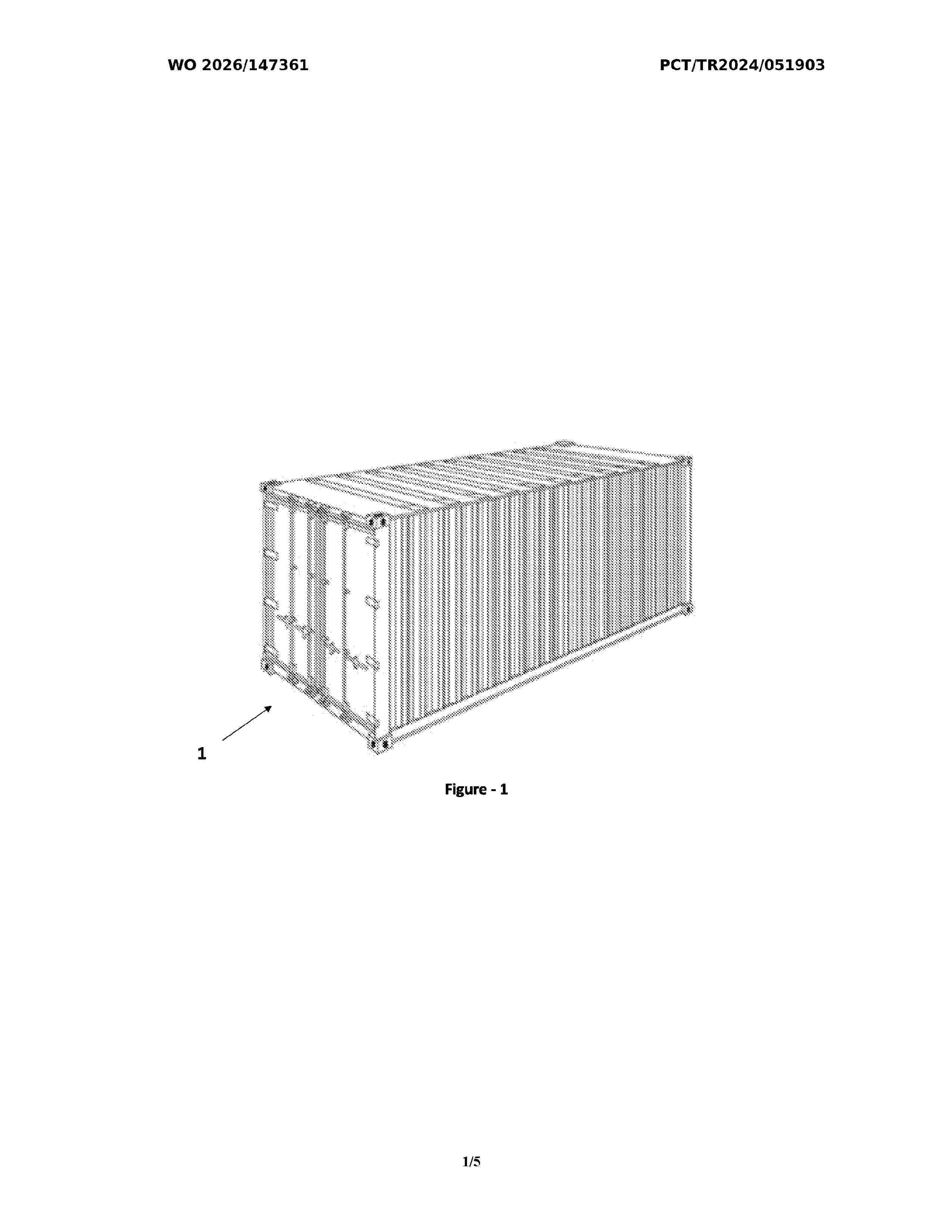
This invention relates to a photobioreactor system that purifies and improves air quality by utilizing a microalgae bioreactor with integrated LED lighting and filter system to absorb pollutants, eliminate pathogens, and release oxygen-enriched air, while providing a sustainable and scalable solution to address environmental and public health challenges. The system includes; a compressor (1) that delivers atmospheric air to the system, an air distrubition and bubble generation system having pipes that generate carbon dioxide small bubble and large bubble from air, a photocatalytic filter (2) doped with neodymium or other nanomaterials, which oxidize and reduce impurities and contaminants from atmospheric air before entering the photobioreactor (1), a separator (4) which separates the biomass from the liquid phase, collecting the biomass for storage and subsequent treatment, a lightning system (7) including LED columns positioned at a maximum distance of 30 cm from each other and equipped with cyclic programs to reduce photoinhibition, a rain-fed system (8) that uniformly and regularly feeds microalgae through nozzles using nutrients from the fed tank (5), a heating system (9) keeping the water at optimal temperature and a control panel (6) allowing to monitor operating parameters and adjusting growth conditions in real-time through a network connected platform.
Resumen de: WO2026147828A1
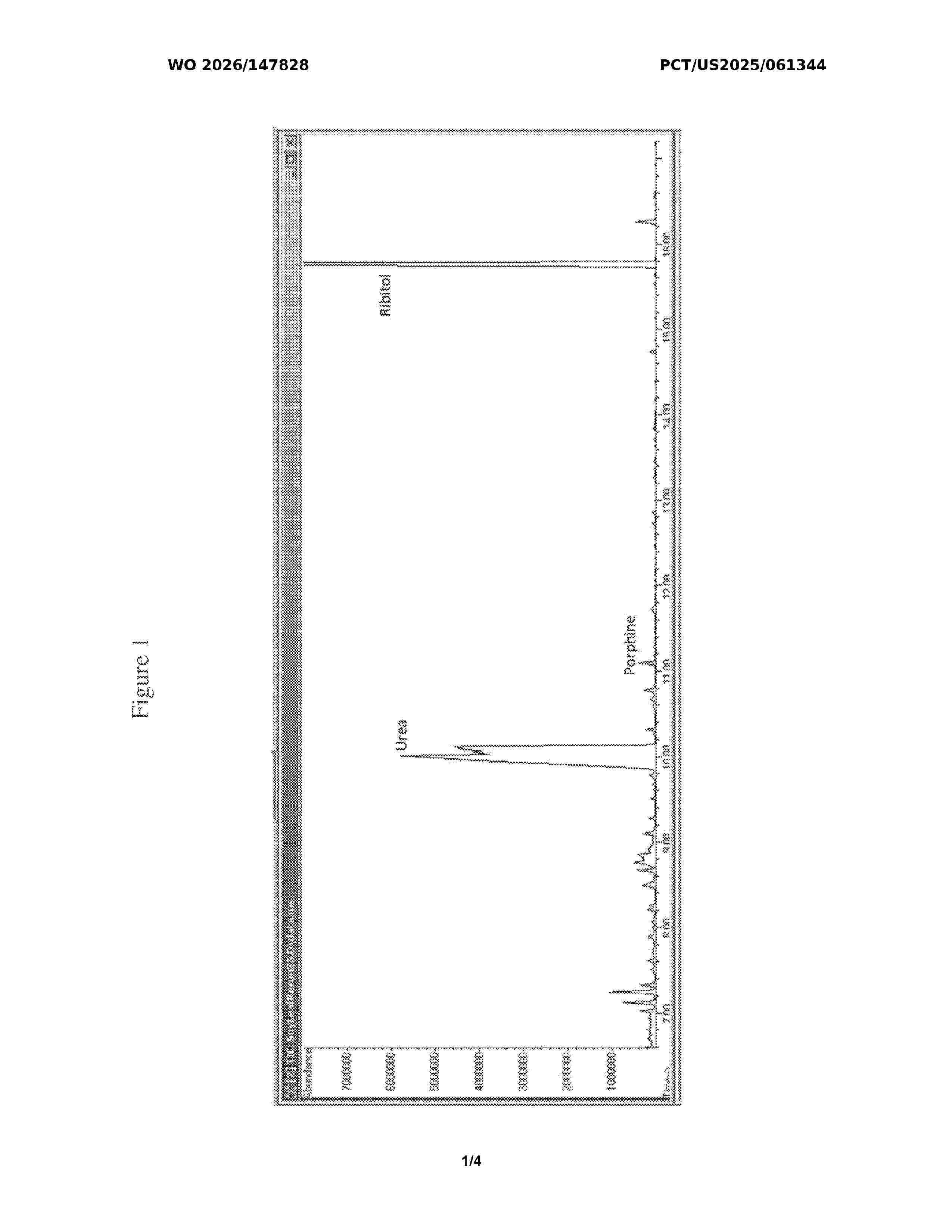
Disclosed herein are microalgal exudate aqueous compositions and their use in an aqueous poultry water supply additive and uses thereof for improving the health of poultry.
Resumen de: WO2026147418A1
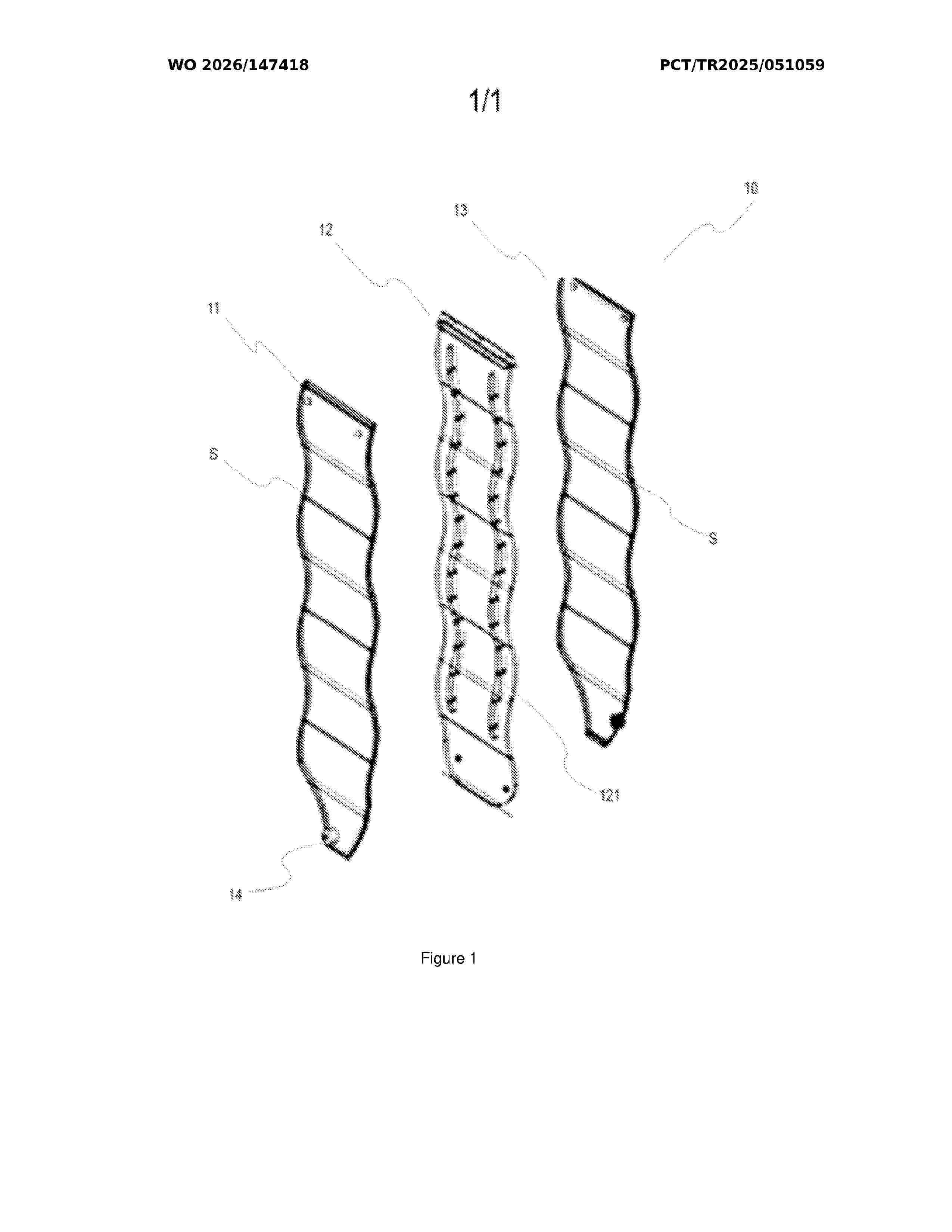
The invention relates to a bag system improved for use in obtaining microalgae, to provide the controlled environment needed and to increase production efficiency, in which biofilm formation and contamination effects are reduced, and the controls of light, temperature, gas exchange, and nutrient input and output are improved.
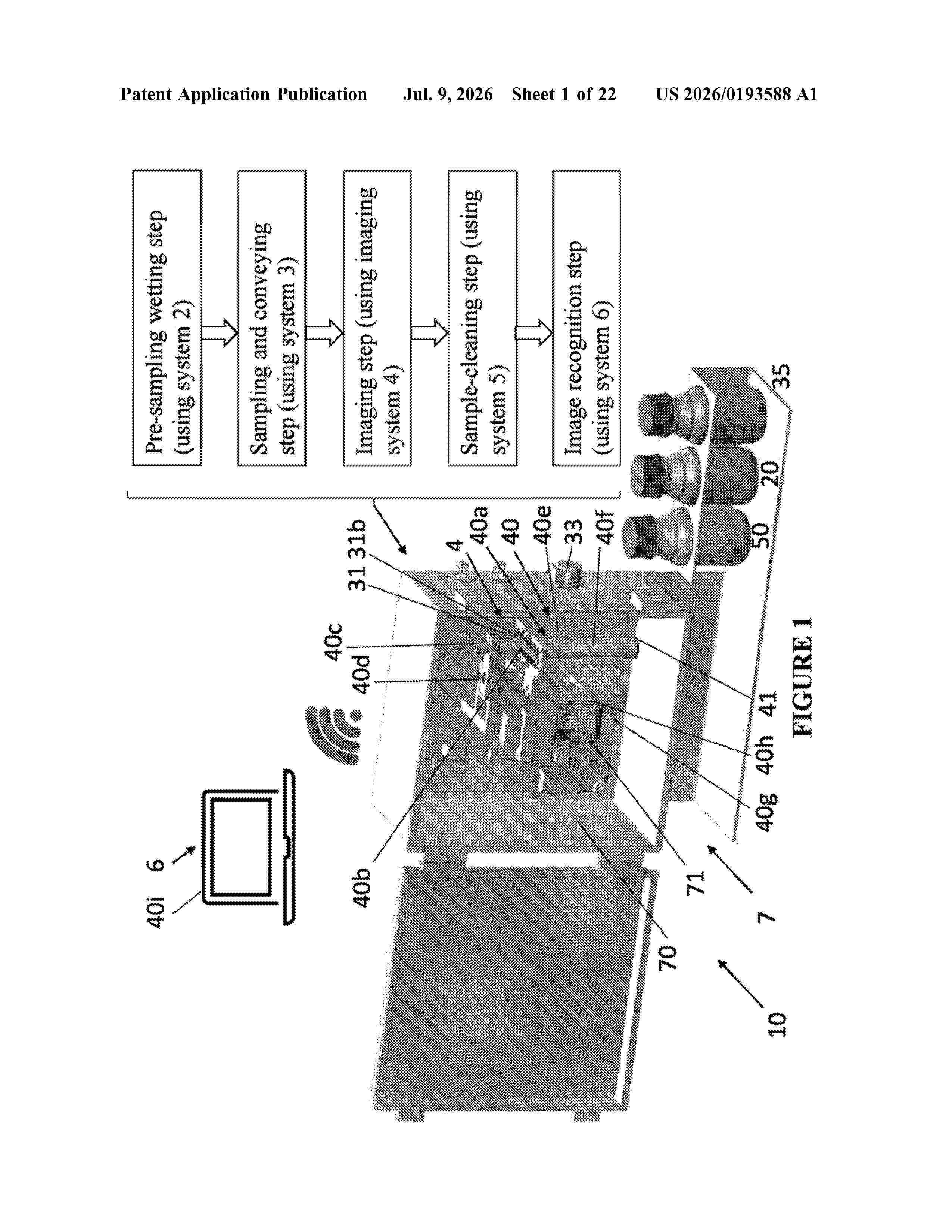
Resumen de: US20260193588A1
0000 An automated cell analyser and method for determining a property of a cell, preferably a microalgal cell. In an embodiment, the method includes the steps of: (1) adding a cell sample to a microfluidic device; (2) capturing one or more images of at least one cell of the sample located within the microfluidic device; (3) carrying out image recognition of the one or more images to thereby determine a property of the at least one cell; and (4) cleaning the microfluidic device prior to adding a new cell sample to the microfluidic device, wherein: steps (3) and (4) need not be carried out in the stated order; steps (1) to (4) are preferably repeated using new cell samples; and at least steps (2) to (4) are automated.
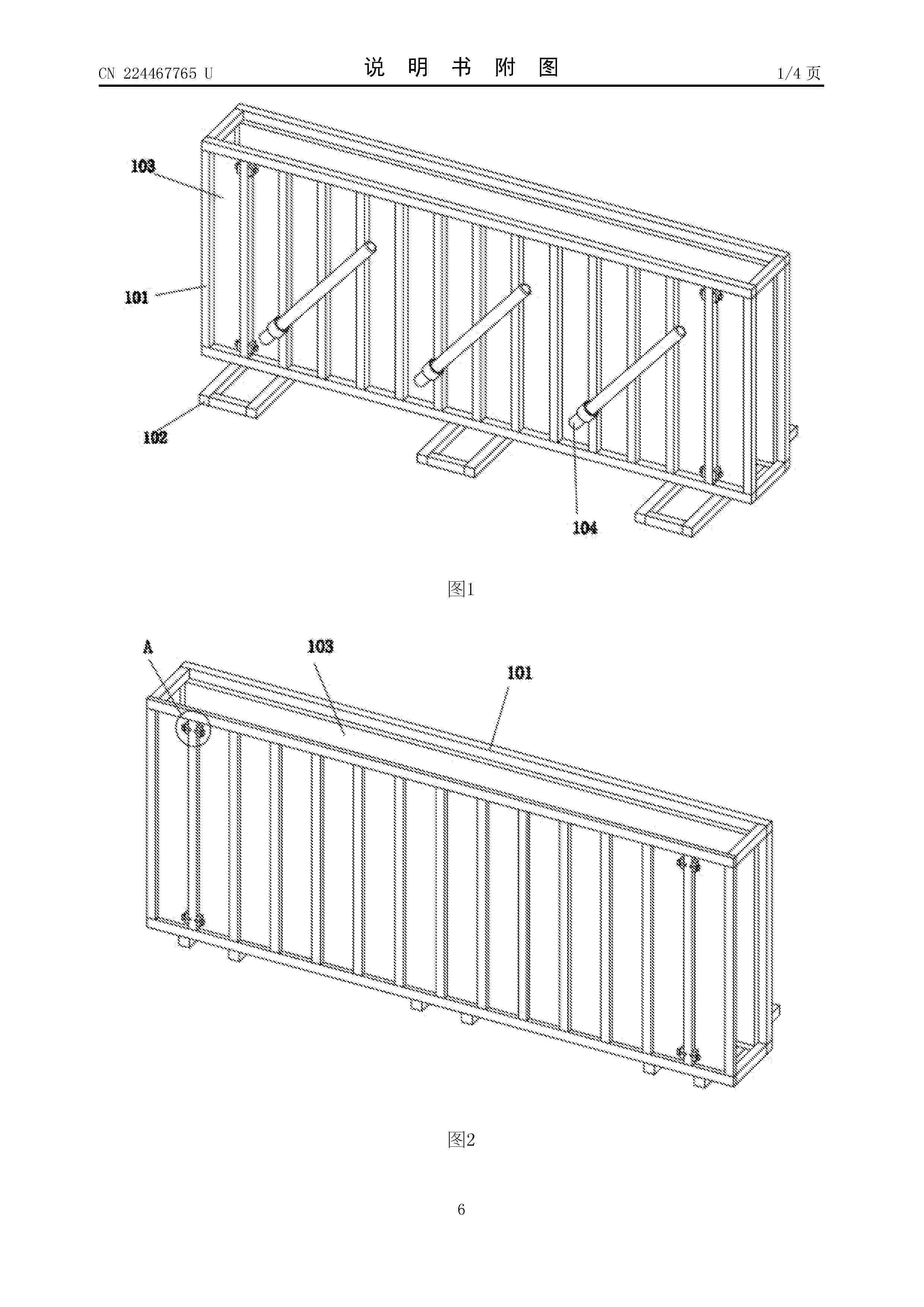
Resumen de: CN224467765U
The utility model belongs to the field of cultivation equipment, and particularly relates to a PE bag frame type cultivation device in industrial microalgae cultivation, which comprises a frame for placing PE bags, the frame is a cuboid formed by welding light steel, and a plurality of support frames for supporting the frame are mounted at the bottom of the frame; red transparent acrylic plates are installed on the inner walls of the front side and the rear side of the frame through detachable structures, and a plurality of waterproof red LED lamp tubes are installed on the front side and the rear side of the frame at equal intervals. The device is reasonable in design, the transparent red acrylic plates are used as the partition plates, red light can directionally penetrate through natural light, microalgae can fully utilize and absorb the red light and conduct rapid propagation, under strong natural light, the situation that manual light shielding is conducted through a sunshade net in a staged mode is avoided, and unnecessary manpower and material resources are saved; the waterproof red LED lamp tubes are attached to the frame, so that the LED lamp tubes can be used in continuous cloudy and rainy days, the industrial production progress is not affected, and maximization of industrial production benefits is guaranteed.
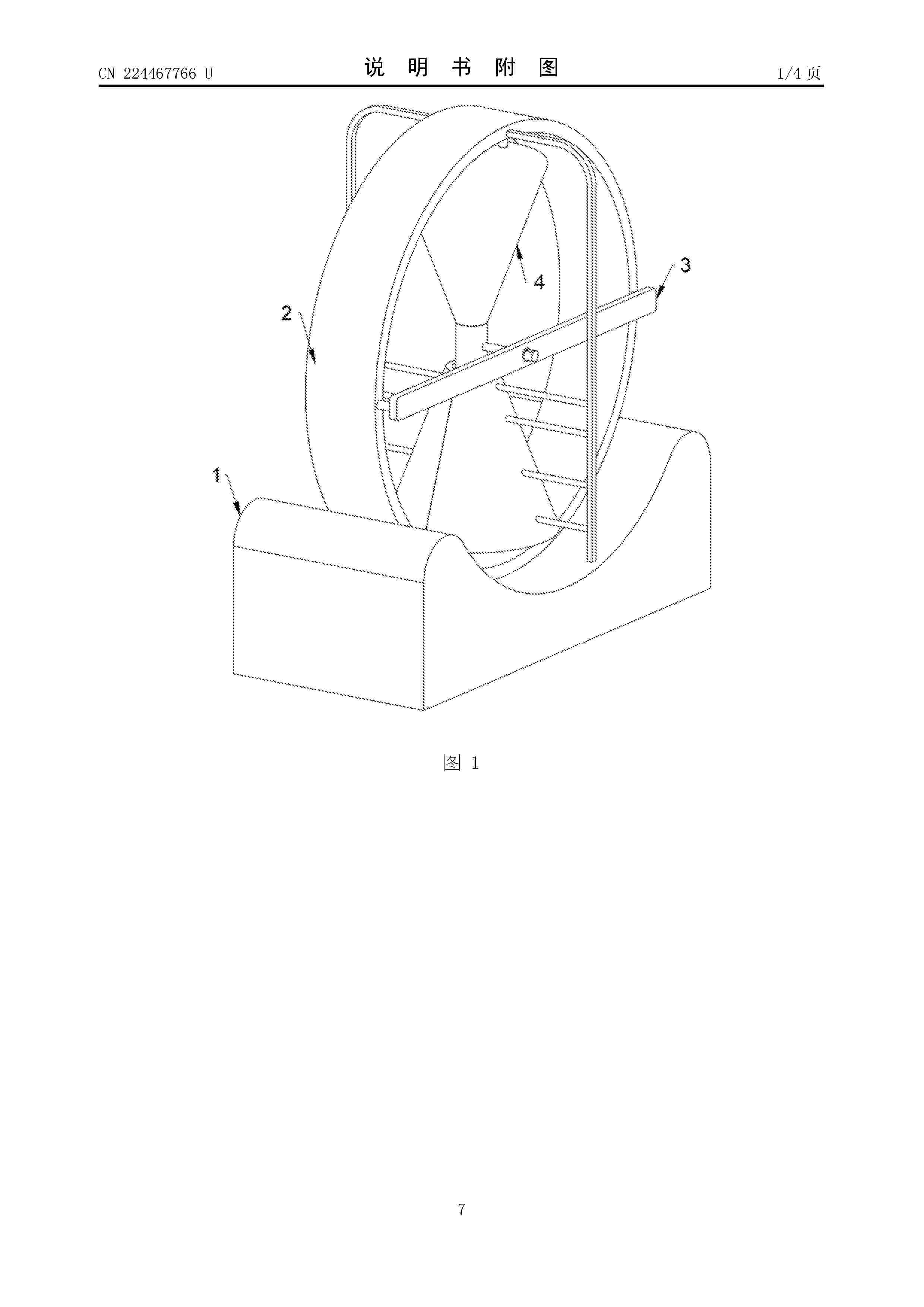
Resumen de: CN224467766U
The utility model belongs to the technical field of microalgae culture dishes, and particularly relates to a special microalgae culture dish which comprises a base and a circular ring frame arranged on the base, a supporting plate is arranged on one side of the circular ring frame, a rotating assembly is arranged on the supporting plate, and a funnel-shaped culture dish rotating in the circular ring frame is arranged on the rotating assembly. Two symmetrical through grooves are formed in the top of the circular ring frame, a magnetic fixing assembly is arranged in each through groove, an L-shaped connecting plate is arranged on each magnetic fixing assembly, an attaching plate is arranged on the side, close to the funnel-shaped culture dish, of each L-shaped connecting plate, and the two attaching plates form a conical shell wrapping the funnel-shaped culture dish. According to the device, the funnel-shaped culture dish forcibly generates high-shear-force mixing through a narrow neck part, so that microalgae cells and nutrient substances are more uniformly distributed in a culture solution, meanwhile, LED lamp light can directly irradiate the whole conical surface of the funnel-shaped culture dish in a short-distance and all-directional manner, and the illumination uniformity and the light energy utilization efficiency are remarkably improved.
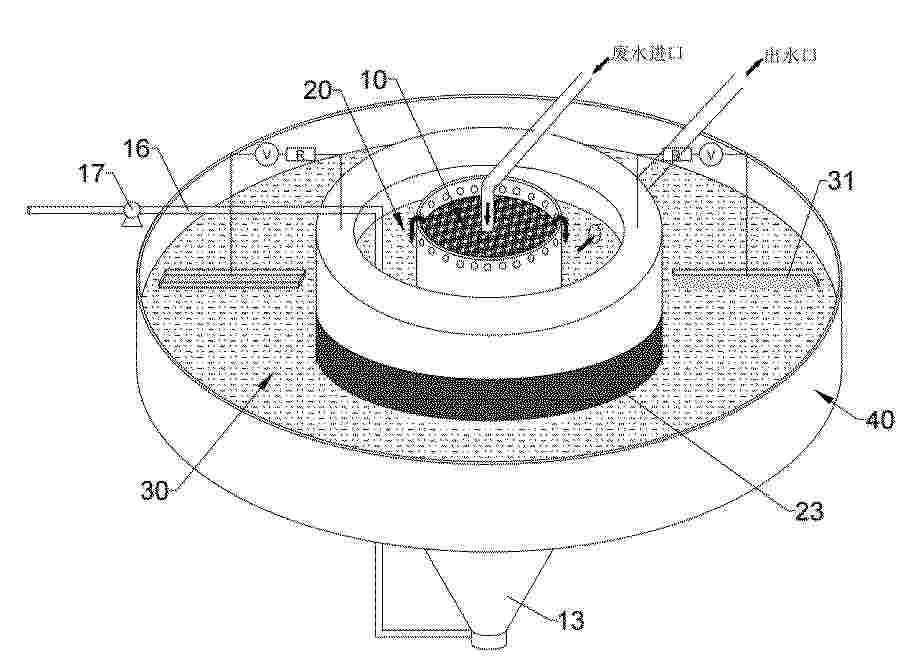
Resumen de: CN122344069A
The invention relates to the technical field of wastewater treatment, in particular to a microbial electrochemical device and method for treating aquaculture wastewater. The device comprises a central hydrolysis area, an annular anode cavity and an annular cathode pool which are coaxially arranged from inside to outside, the cathode cavity and the anode cavity are separated by a composite function side wall formed by a conductive anode layer, a sealing isolation layer and a proton exchange layer; a light-transmitting conductive cathode electrode for bearing a photocatalyst is arranged in the cathode pool and forms a closed power generation loop with the conductive anode layer; and the overflow weir at the upper part of the hydrolysis area is lower than the overflow water outlet of the anode cavity to realize unpowered self-flow. By means of three-stage coupling of hydrolysis pretreatment, microbial electrogenesis degradation and microalgae and photocatalysis synergistic purification, the defects that a traditional microbial electrochemical system is low in macromolecular organic matter degradation efficiency and nitrogen and phosphorus cannot be synchronously removed are overcome, the hydraulic retention time is shortened by 50% or above, the nitrogen and phosphorus removal rate is increased by 15% or above, and the method is suitable for industrial production. The synergistic interaction of wastewater purification and electricity generation is realized.
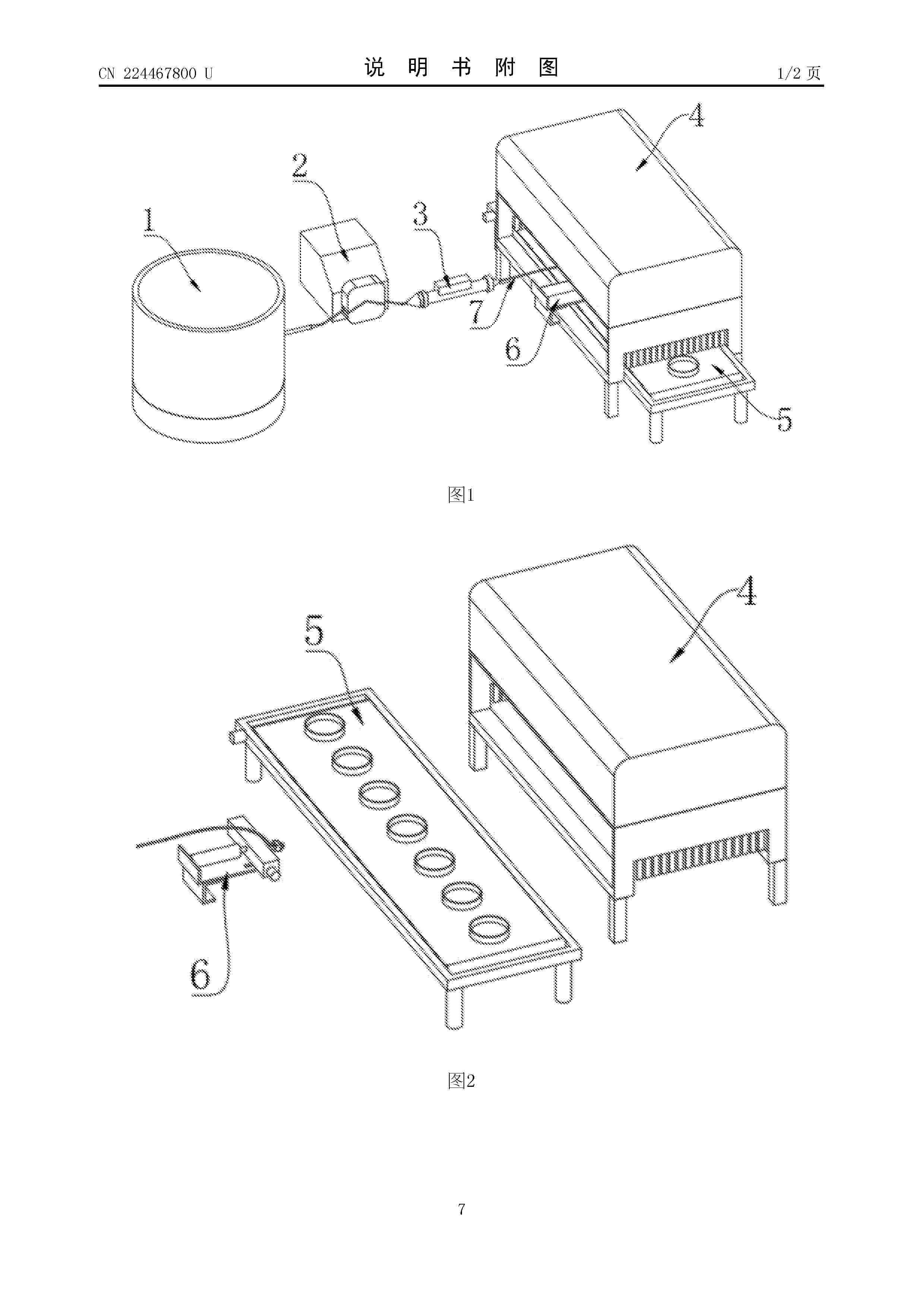
Resumen de: CN224467800U
The utility model relates to the technical field of microalgae culture, and discloses a microalgae culture medium preparation device which comprises a filter laminar flow cover, a constant-temperature liquid storage tank, a peristaltic pump, a flow sensor and a pouring mechanism for conveying culture solution, the pouring mechanism comprises a supporting frame and a shell installed on the supporting frame in a sliding mode, a connecting column is movably installed on one side of the shell, a fixing block is installed on the connecting column, a discharging nozzle is detachably installed on the fixing block, one end of the feeding pipe is connected with the discharging nozzle, and the discharging nozzle is located above the culture dish. Through the design of the filter laminar flow cover, a sterile positive pressure environment is formed in a nutrient solution pouring area, and the risk that a culture medium is polluted is reduced; through the design of the pouring mechanism, under the cooperation of the motor and the air cylinder, the discharging nozzle is driven to move in a Z shape, Z-shaped pouring of the nutrient solution in the culture dish is achieved, and it is guaranteed that the nutrient solution is evenly distributed in the culture dish.
Resumen de: KR20260104446A
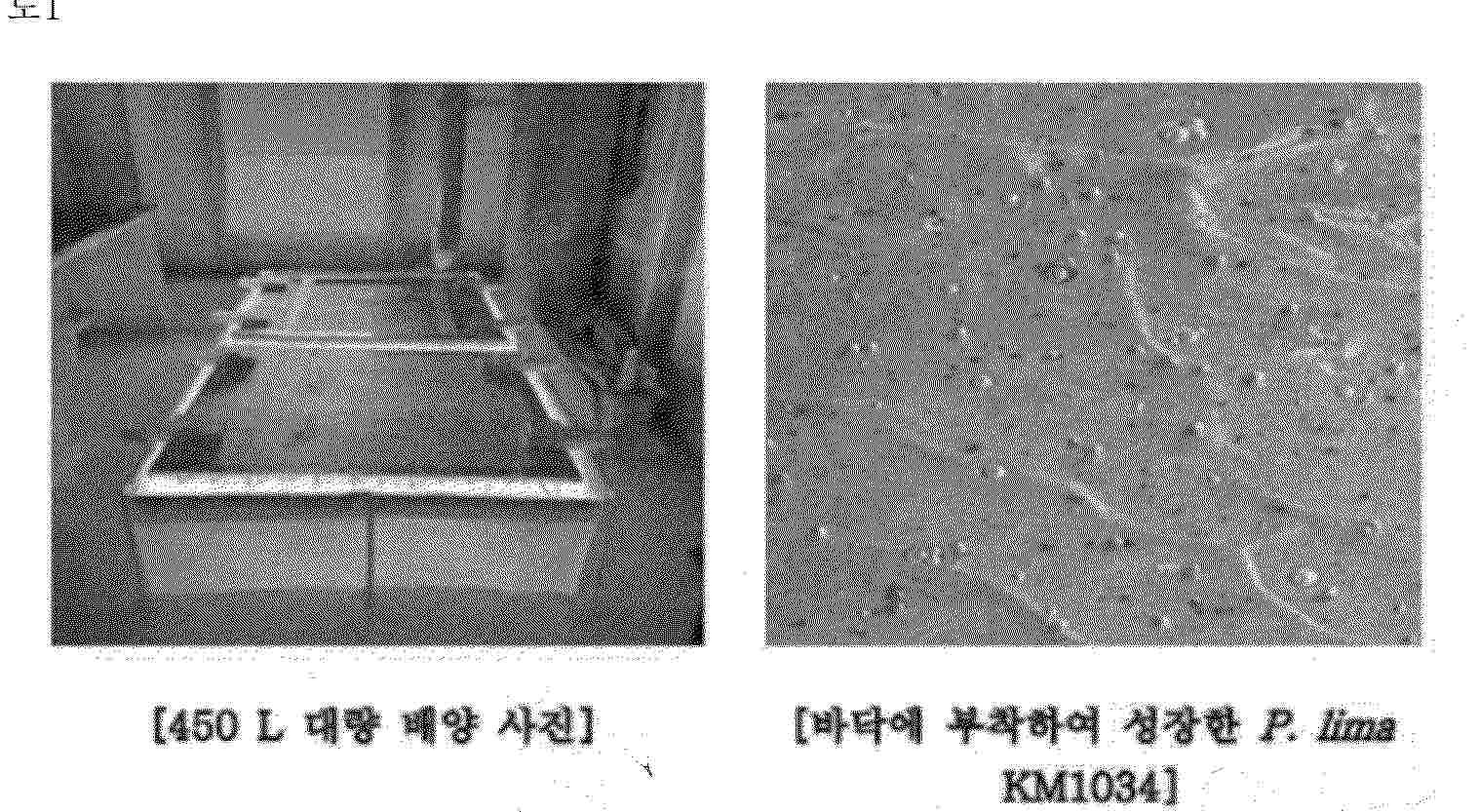
본 발명은 신규한 프로로센트룸 속(Prorocentrum spp.) 미세조류 및 이의 배양방법에 관한 것으로, 상세하게는 오카다산(Okadaic acid) 군에 속하는 독소 및 다이노파이시스(Dinophysistoxin) 군에 속하는 독소 생산능력을 가져 상기 독소의 표준품 제조용으로 이용되기 적합한 추출물을 분리 제조하기 위해 유용하게 사용될 수 있는 프로로센트룸 리마 KM1034(Prorocentrum lima KM1034) 미세조류 및 이로부터 상기 독소를 신속하게 대량으로 생산하기 위해 수행되는 대규모 배양방법에 관한 것이다.
Resumen de: KR20260104445A
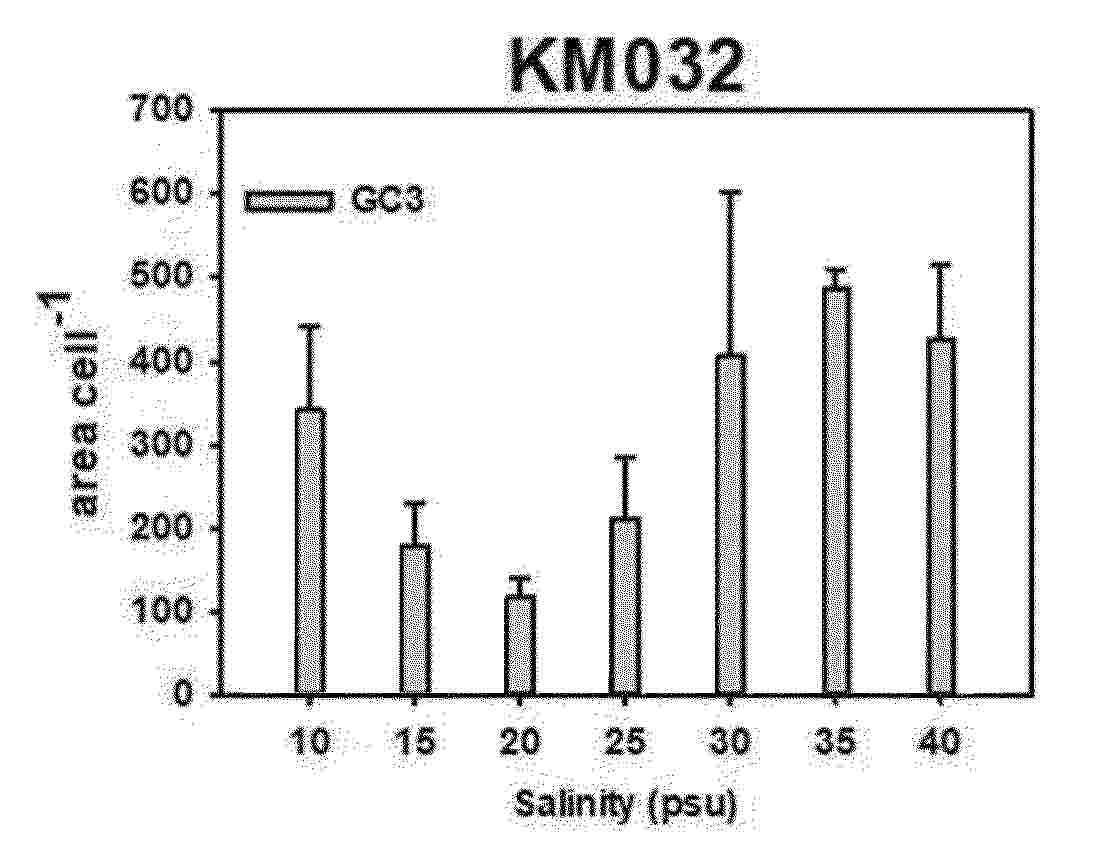
본 발명은 신규한 짐노디니움 속(Gymnodinium spp.) 미세조류 및 이의 배양방법에 관한 것으로, 상세하게는 GC3독소를 고함량으로 함유하며, 대량배양이 가능하여 상기 독소의 표준품 제조용으로 이용되기 적합한 추출물을 분리 제조하는데 적합한 짐노디니움 카테나툼 KM032(Gymnodinium catenatum KM032) 미세조류 및 이로부터 상기 독소를 신속하게 대량으로 생산하기 위해 수행되는 대규모 배양방법에 관한 것이다.
Resumen de: CN122326581A
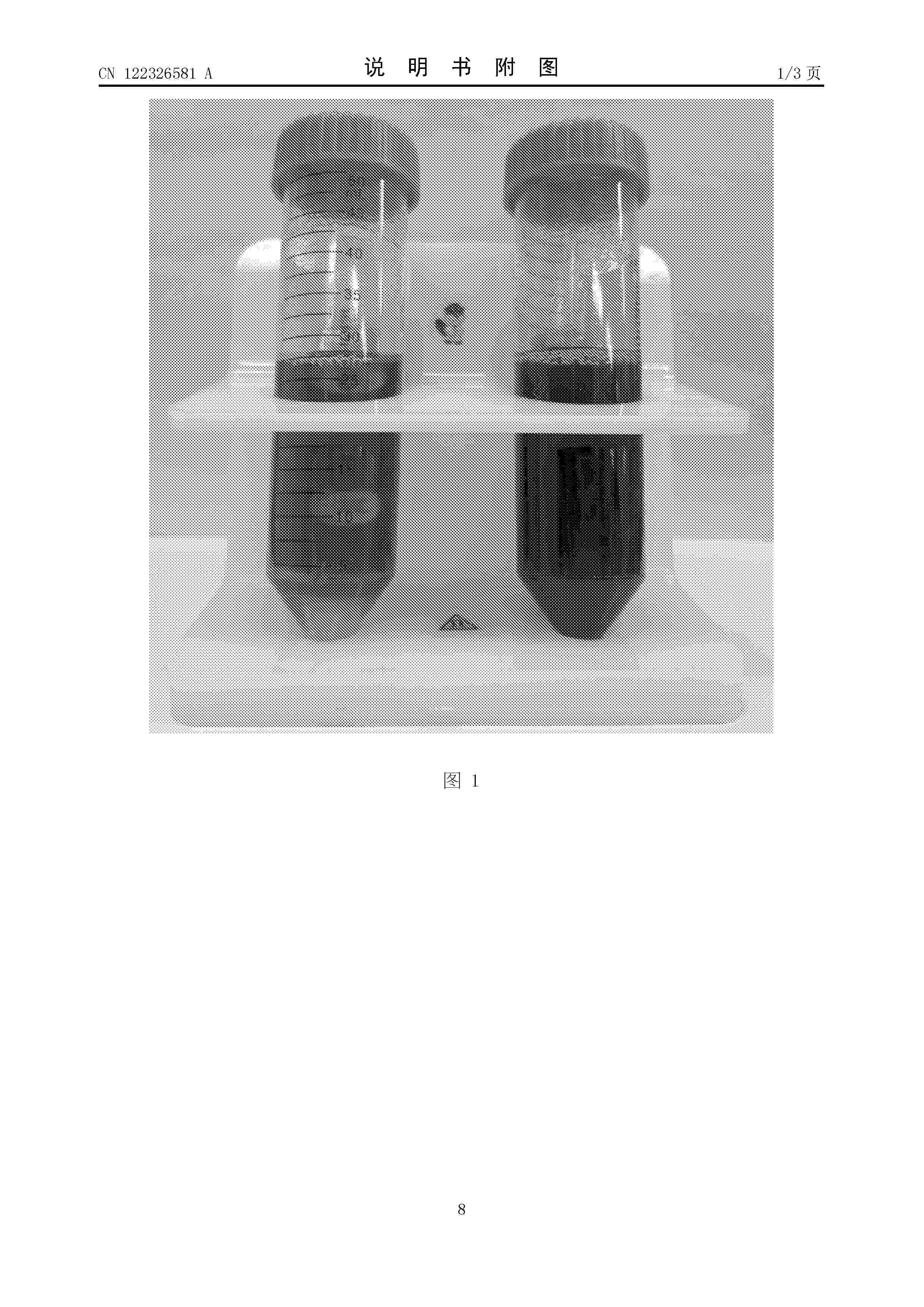
The invention discloses a method for rapidly separating and purifying Rubisco from microalgae. The method comprises the following steps: crushing microalgae, and filtering to obtain a supernatant of a crude protein extracting solution; combining supernate of the crude protein extracting solution with anion exchange magnetic beads; and separating the magnetic beads, and sequentially carrying out gradient elution by using an elution buffer solution containing 40-550mM of NaCl, so as to obtain the Rubisco of the microalgae. Experiments prove that the method for rapidly separating and purifying Rubisco can be used for separating and purifying Rubisco from the chlamydomonas reinhardtii CC-125 strain, the operation is simple, only one-step directional enrichment is needed, the time consumption is short, the whole process is less than or equal to 3 hours, and more importantly, the obtained Rubisco is relatively high in purity and extremely few in impure protein. Therefore, the method provided by the invention can quickly separate and purify Rubisco, and has important application value.
Nº publicación: CN224450647U 03/07/2026
Solicitante:
FOZHAO HAINAN TECH CO LTD
UNIV DALIAN OCEAN
\u4F5B\u7167\uFF08\u6D77\u5357\uFF09\u79D1\u6280\u6709\u9650\u516C\u53F8
\u5927\u8FDE\u6D77\u6D0B\u5927\u5B66
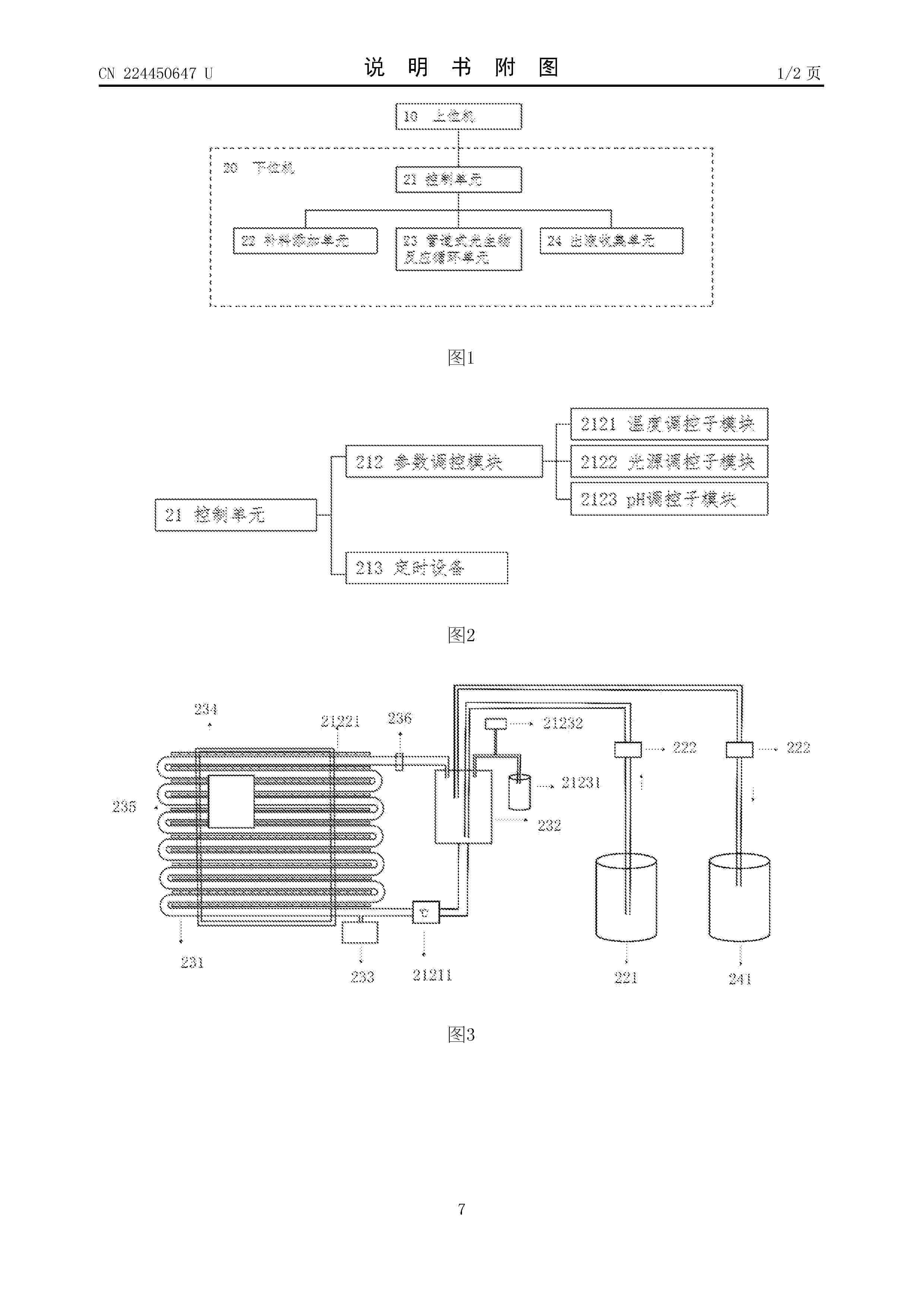
Resumen de: CN224450647U
The utility model relates to the technical field of microalgae continuous culture, and particularly discloses an isochrysis galbana continuous culture system and a continuous culture method, the culture system comprises an upper computer and a lower computer; the upper computer is a remote monitoring and control platform based on a mobile terminal, is connected with the lower computer and is used for real-time monitoring, parameter setting and remote regulation and control; the lower computer comprises a pipeline type photo-biological reaction circulating unit, a control unit, a supplementary material adding unit and a discharged liquid collecting unit; based on the culture system, efficient, stable and low-cost continuous culture of isochrysis galbana can be realized.
 BOPI
BOPI
 Sede Electrónica