Si deseas distinguir tus productos, servicios o ambos de los de otra empresa, es posible que necesites una marca o nombre comercial. Descubre qué son, en qué consiste su procedimiento de registro y qué implica.

Información sobre los plazos de presentación de solicitudes de transformación de marcas de la Unión Europea en marca nacional española. Más información


Si tienes un nuevo dispositivo, producto o procedimiento que resuelva un problema técnico o tenga una ventaja práctica, existen distintas formas de protegerlo en España y en otros países. Descubre cómo hacerlo.

¿Tu innovación reside en la estética, la ornamentación o la apariencia de tu producto? Protégela mediante un diseño industrial. Descubre qué derechos confiere el registro y cómo realizar la tramitación.

Las indicaciones geográficas protegen el nombre de un producto originario de una zona geográfica, a la cual le debe una determinada calidad, reputación u otra característica. Descubre qué son, en qué consiste su procedimiento de registro y qué beneficios conceden.

Las patentes publicadas en todo el mundo son una valiosa fuente de información científica, técnica y comercial.

Si eres emprendedor/a o una empresa y quieres potenciar y mejorar la rentabilidad de tu negocio protegiendo de forma adecuada los activos intangibles de tu organización, en este espacio encontrarás lo necesario.


 499
resultados
499
resultados
 Última actualización
24/10/2026 [06:54:00]
Última actualización
24/10/2026 [06:54:00]


 Resultados 300 a 325 de 499

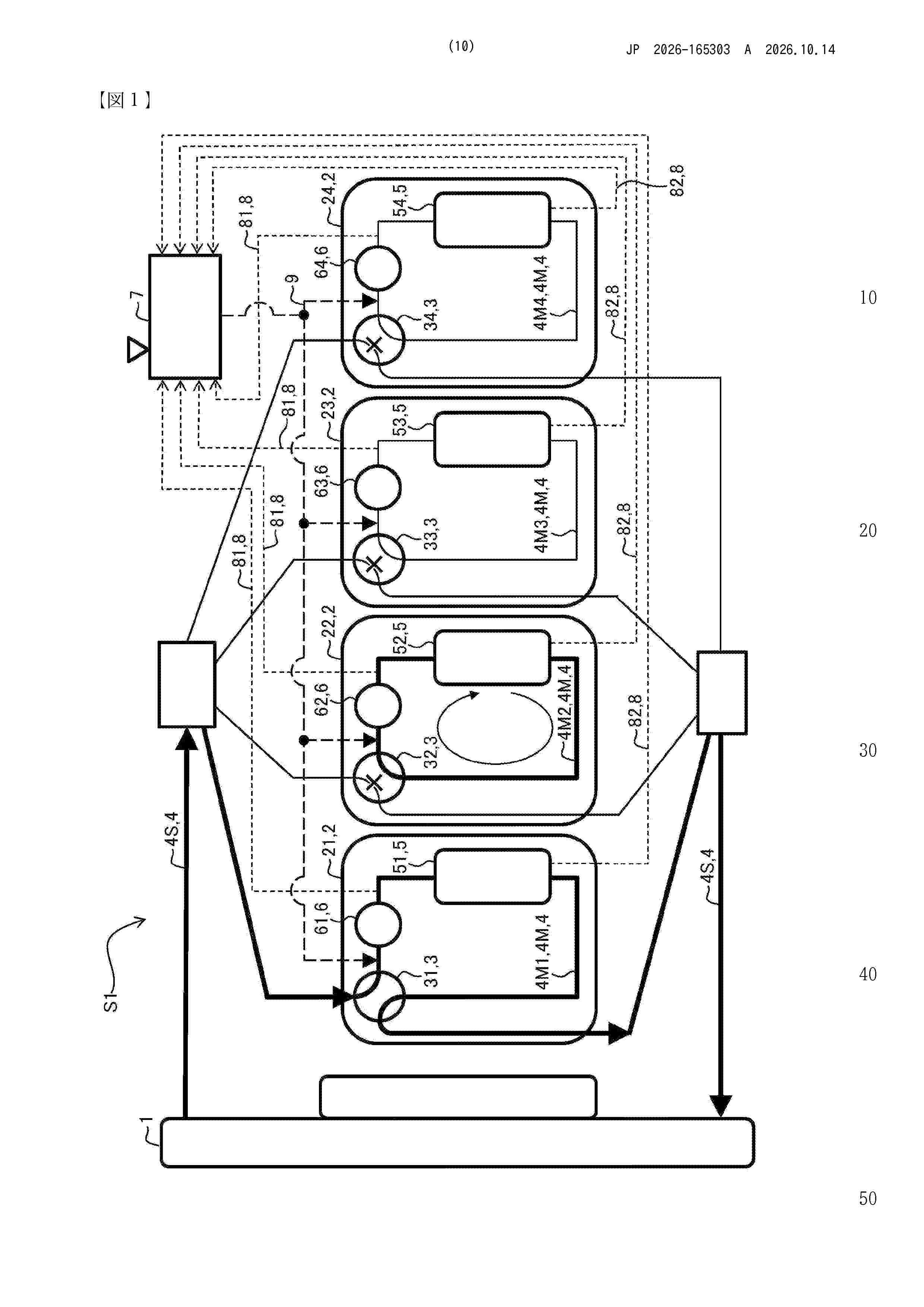
Resumen de: JP2026165303A
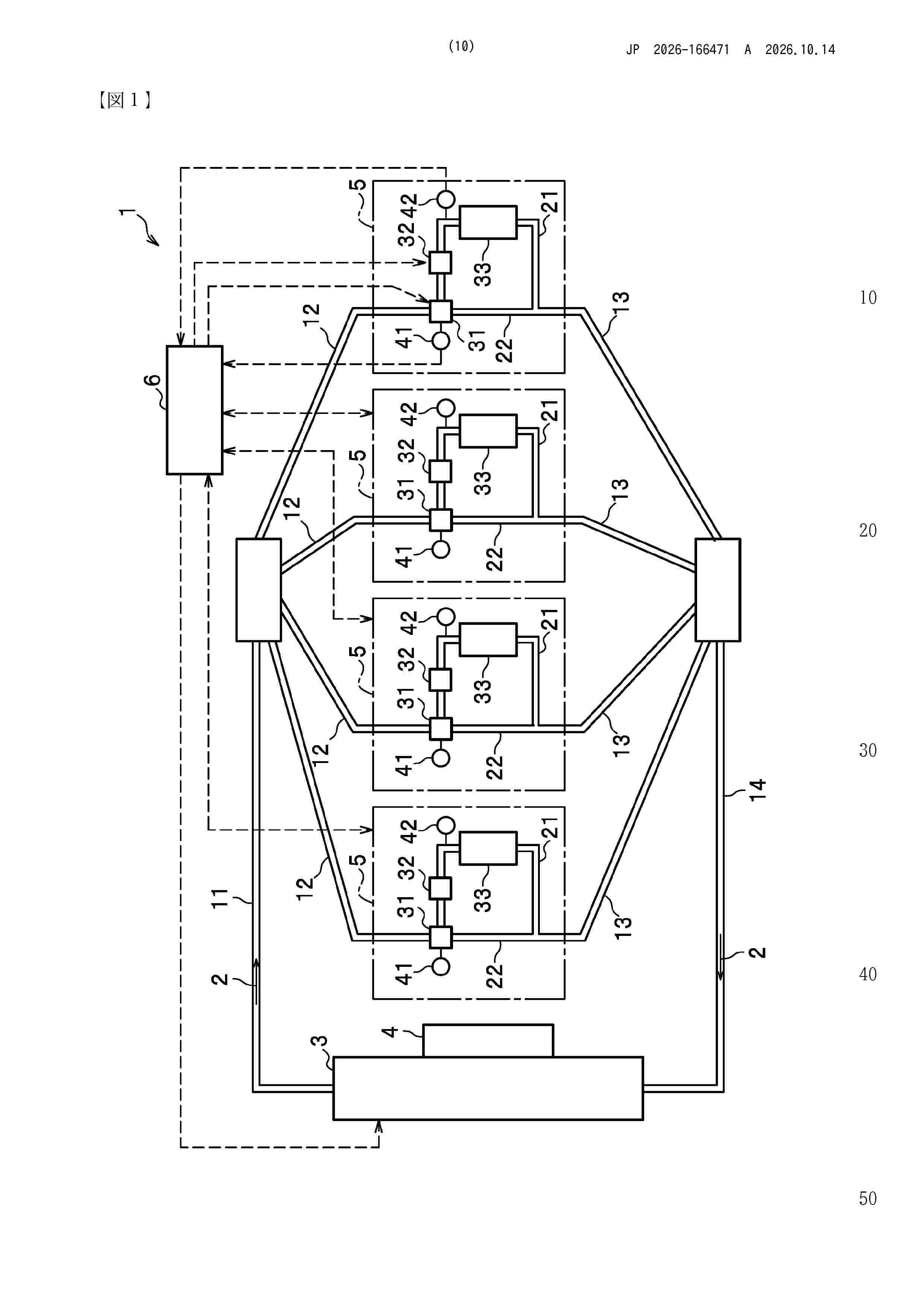
【課題】エア抜きに掛かる時間をより短縮することができるとともに、より確実にエア抜きをすることができる、燃料電池システムの冷却装置を提供する。【解決手段】発電ユニット5に対して冷媒の供給と排出をおこなう環状の管路を形成するモジュール配管4Mと、複数の該モジュール配管4Mと並列に接続しつつ、放熱器1と該モジュール配管4Mとに対して冷媒の供給と排出をおこなう環状の管路を形成するシステム配管4Sと、を有する冷媒配管4と、該モジュール配管4Mごとに設けられ、該冷媒配管4内の気泡を外部へ排出するエア抜きライン8と、該冷媒配管4内に冷媒を循環させるポンプ6と、を備え、該放熱器1と、複数の中から選択された1つの発電していない発電ユニット5と、を冷媒が循環するエア抜き循環をおこなう。【選択図】図1

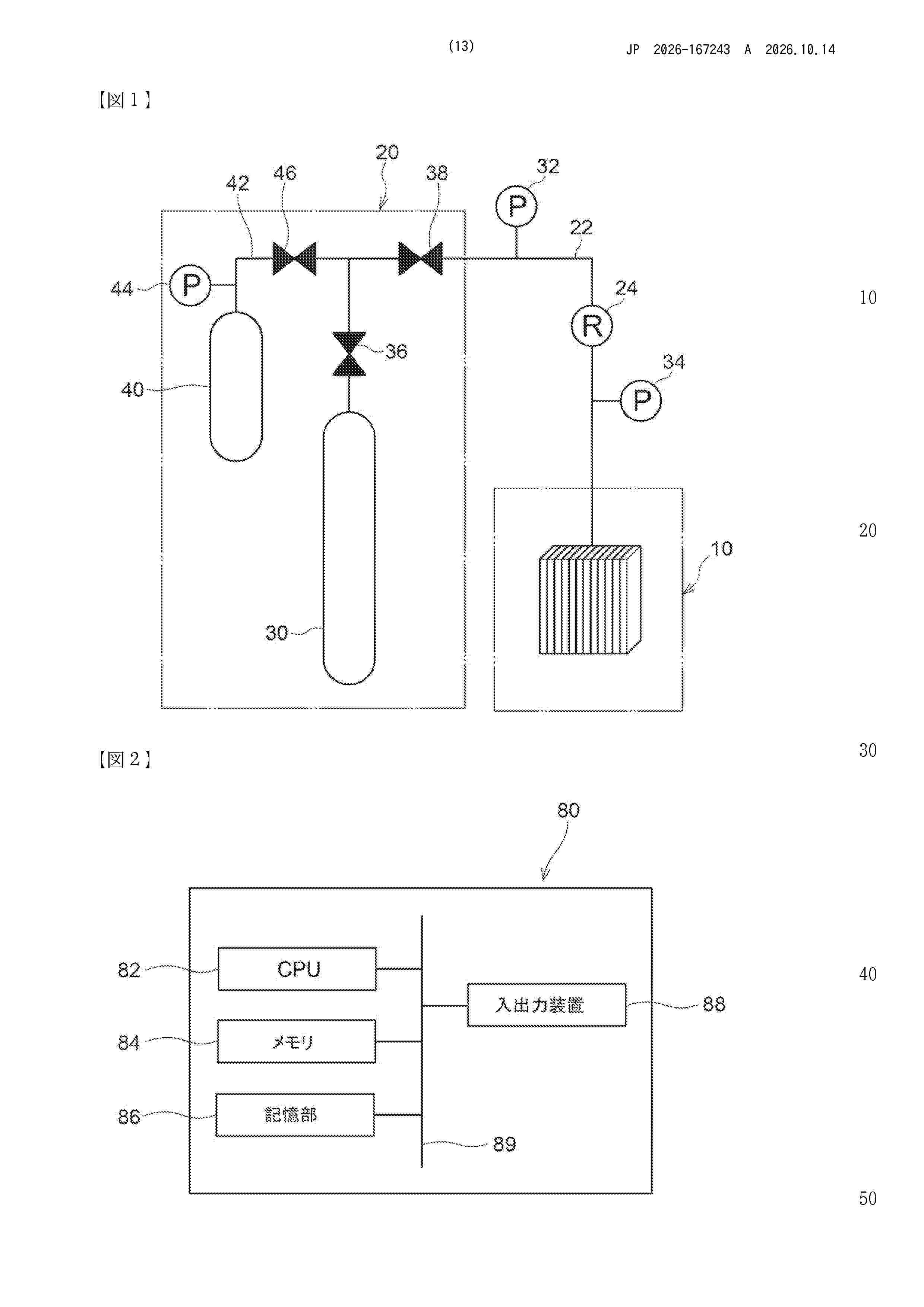
Resumen de: JP2026167243A
【課題】主タンクから利用装置にガスを供給するガス供給システムにおいて、簡単な構成で、主タンクに貯蔵されたガスの利用効率を高めることを目的とする。【解決手段】ガス供給システム20は、燃料電池システム10に供給するガスを貯蔵する主タンク30と、燃料電池システム10の起動限界圧以上のガスを貯蔵する補助タンク40と、主タンク30から燃料電池システム10に供給されるガスの供給圧、燃料電池システム10の起動限界圧、及び起動限界圧よりも低い燃料電池システム10の作動限界圧に基づいて、燃料電池システム10にガスを供給するタンクを、主タンク30と補助タンク40との間で切り替えるCPU82と、を備える。【選択図】図1
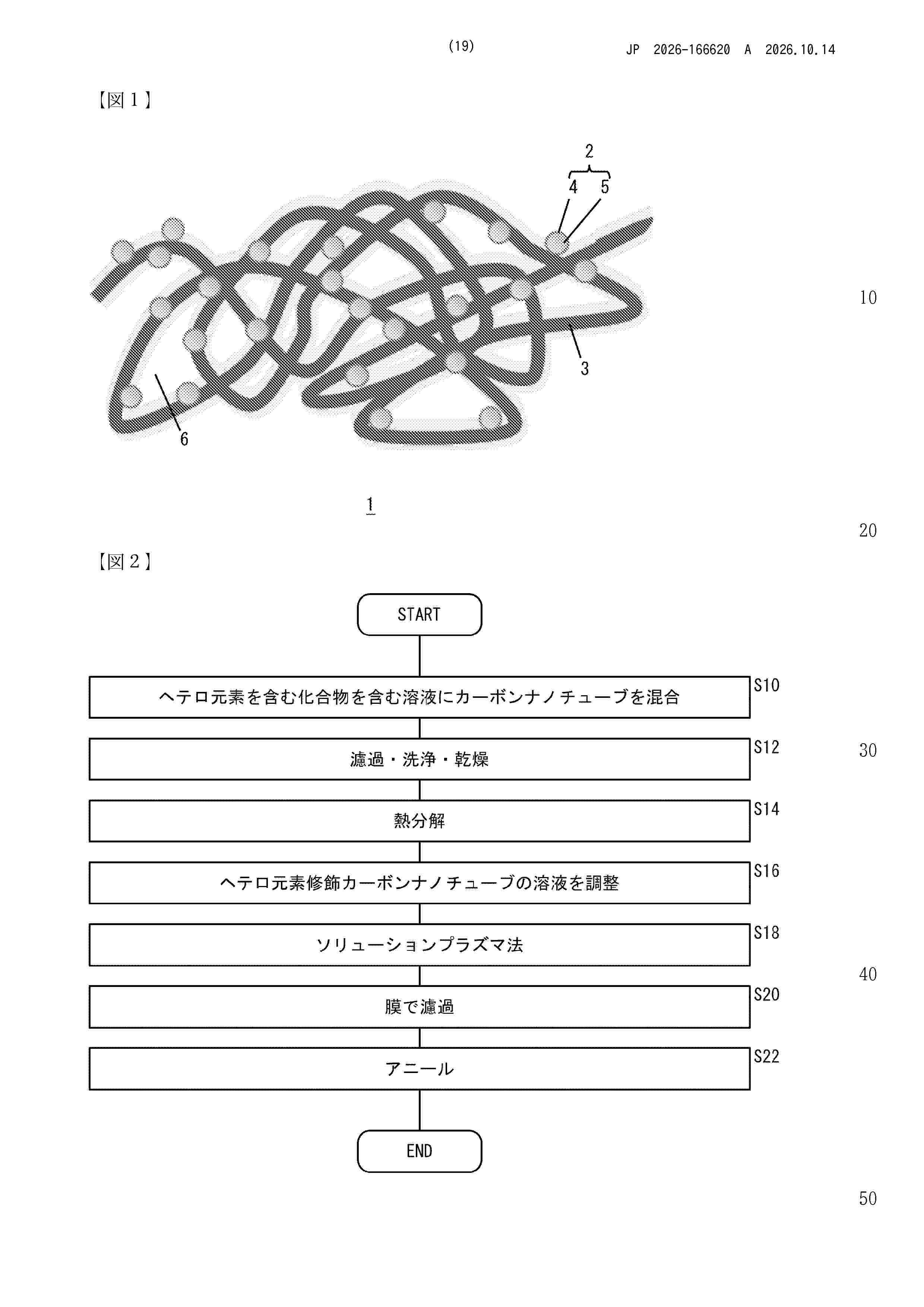
Resumen de: JP2026166620A
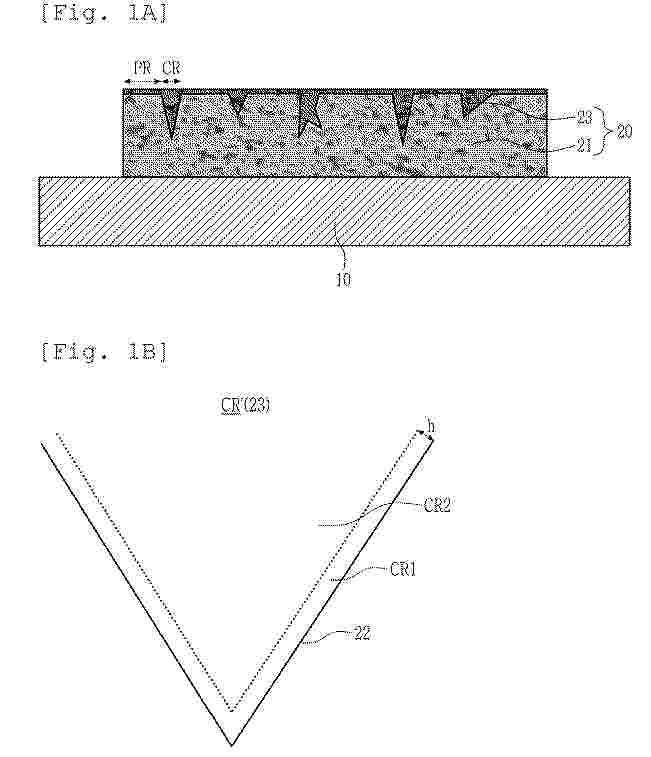
【課題】優れた特性を有する触媒を提供する。【解決手段】触媒1は、炭素材料を含むシェル4と、シェル4に内包された金属材料を含むコア5と、を含む触媒粒子2と、触媒粒子2を担持する担体3と、を備える。シェル4は、ヘテロ元素がドープされたアモルファスカーボンを含む。担体3は、カーボンナノチューブを含む。【選択図】図1
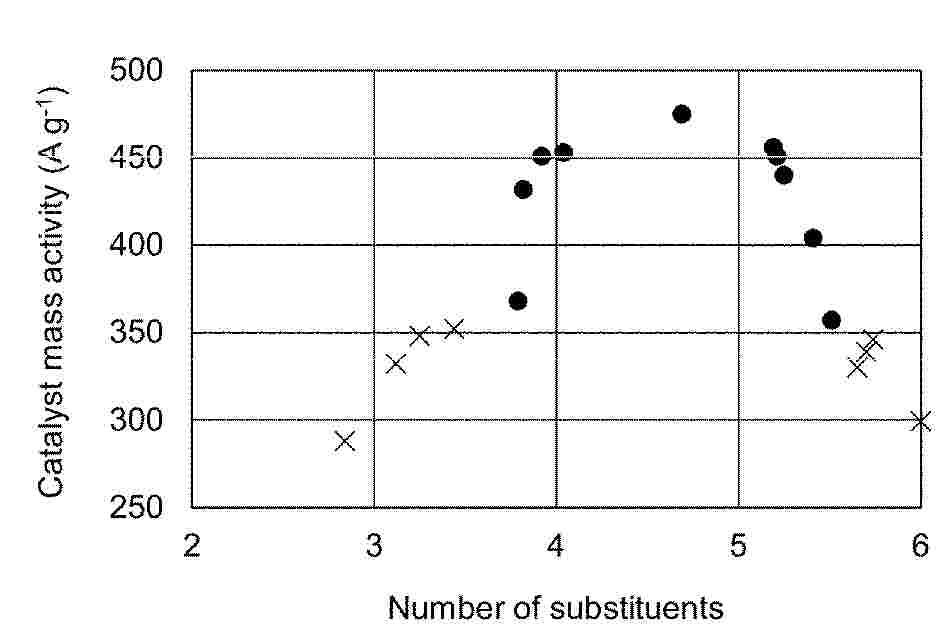
Resumen de: EP4822789A1
0001 Provided is an electrochemical oxygen reduction catalyst in which a decrease in catalytic activity is suppressed. The present disclosure relates to an electrochemical oxygen reduction catalyst, a manufacturing method thereof, and a fuel cell and a water electrolysis system using the electrochemical oxygen reduction catalyst. The electrochemical oxygen reduction catalyst comprises a catalyst metal having an oxygen reduction activity and an additive that modifies the catalyst metal. The additive contains a nitrogen-containing cyclic organic compound having a triazine skeleton, a polymer thereof, or a cation thereof. In the nitrogen-containing cyclic organic compound, the polymer thereof, or the cation thereof, a total number of functional groups that substitute hydrogen atoms of melamine and functional groups that substitute amino groups of melamine is 3.79 or more and 5.51 or less per molecule of the nitrogen-containing cyclic organic compound.
Resumen de: US20260321691A1
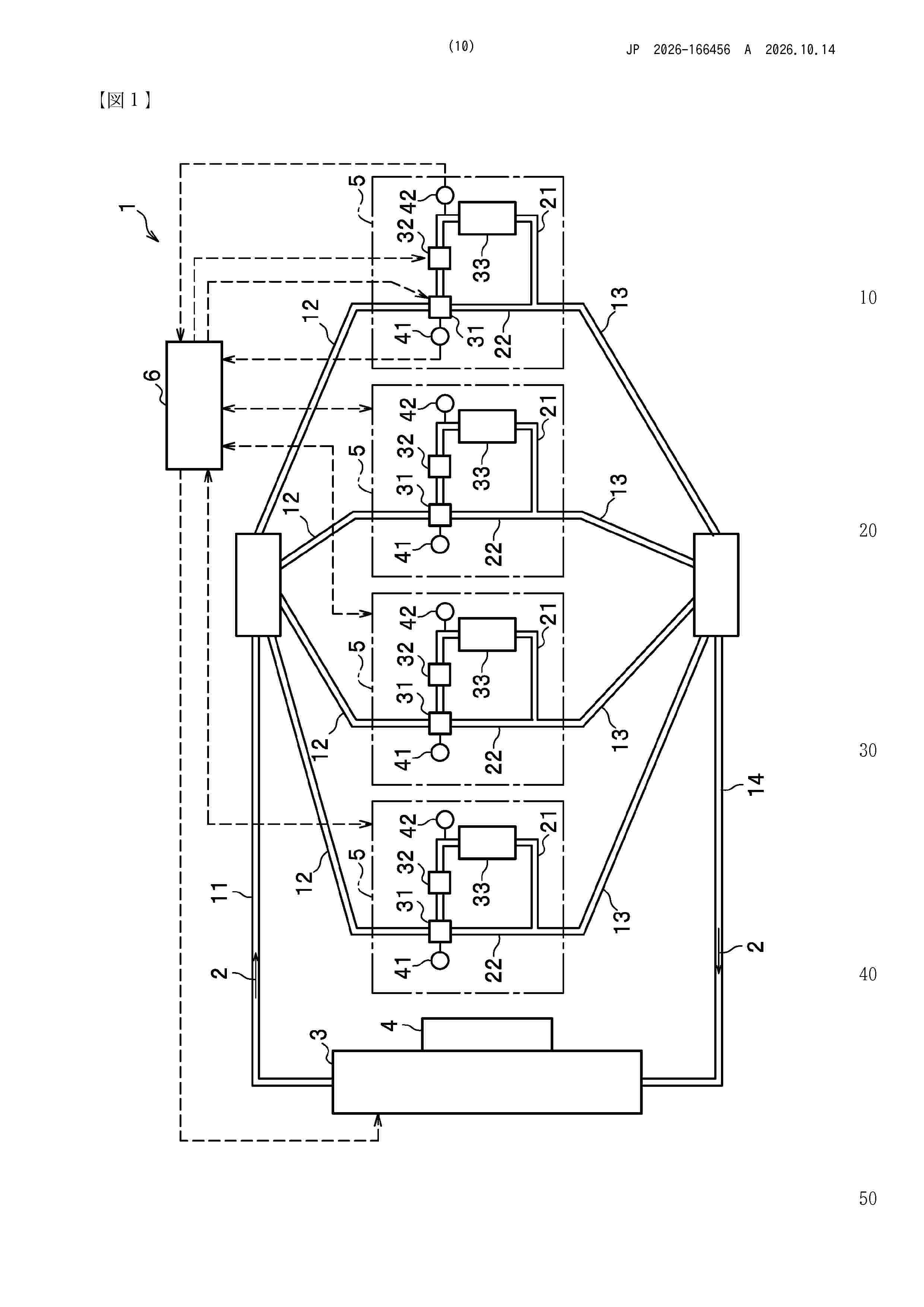
A fuel cell cooling system includes: a plurality of fuel cell units each including a fuel cell, a pump for circulating coolant for cooling the fuel cell, a valve for regulating a flow rate of the coolant for cooling the fuel cell, an opening degree detector for detecting an opening degree of the valve, and a temperature detector for detecting a temperature of the coolant; and a controller for controlling the pump and the valve, wherein the plurality of fuel cell units are connected to each other in parallel with respect to the coolant; and the controller performs control of the opening degree of the valve for each fuel cell unit based on a detection result from the temperature detector, wherein when a difference between the temperature detected in the fuel cell unit having a maximum opening degree and the temperatures detected in other fuel cell units is equal to or greater than a predetermined value, the controller controls the opening degrees of the valves of the other fuel cell units to match the maximum opening degree, and subsequently returns to the control of the opening degrees based on the detection results of the temperature detectors.
Resumen de: US20260321692A1
0000 A fuel cell cooling system including: a circuit that includes a cooling unit capable of cooling coolant and a plurality of fuel cells provided in parallel with the cooling unit and allows coolant to flow therethrough; a plurality of temperature detectors each of which is provided for each of the plurality of fuel cells and configured to detect a temperature of the coolant for cooling the fuel cell, and a controller configured to perform duty control of the cooling unit based on a detection result from the temperature detector, wherein the controller calculates respective individual duty ratios based on the detection results from the temperature detectors and calculates a duty ratio to be applied to the cooling unit by dividing a sum of the individual duty ratios by a total number of the plurality of fuel cells, improves the accuracy of the temperature management of the fuel cells.
Resumen de: US20260302283A1
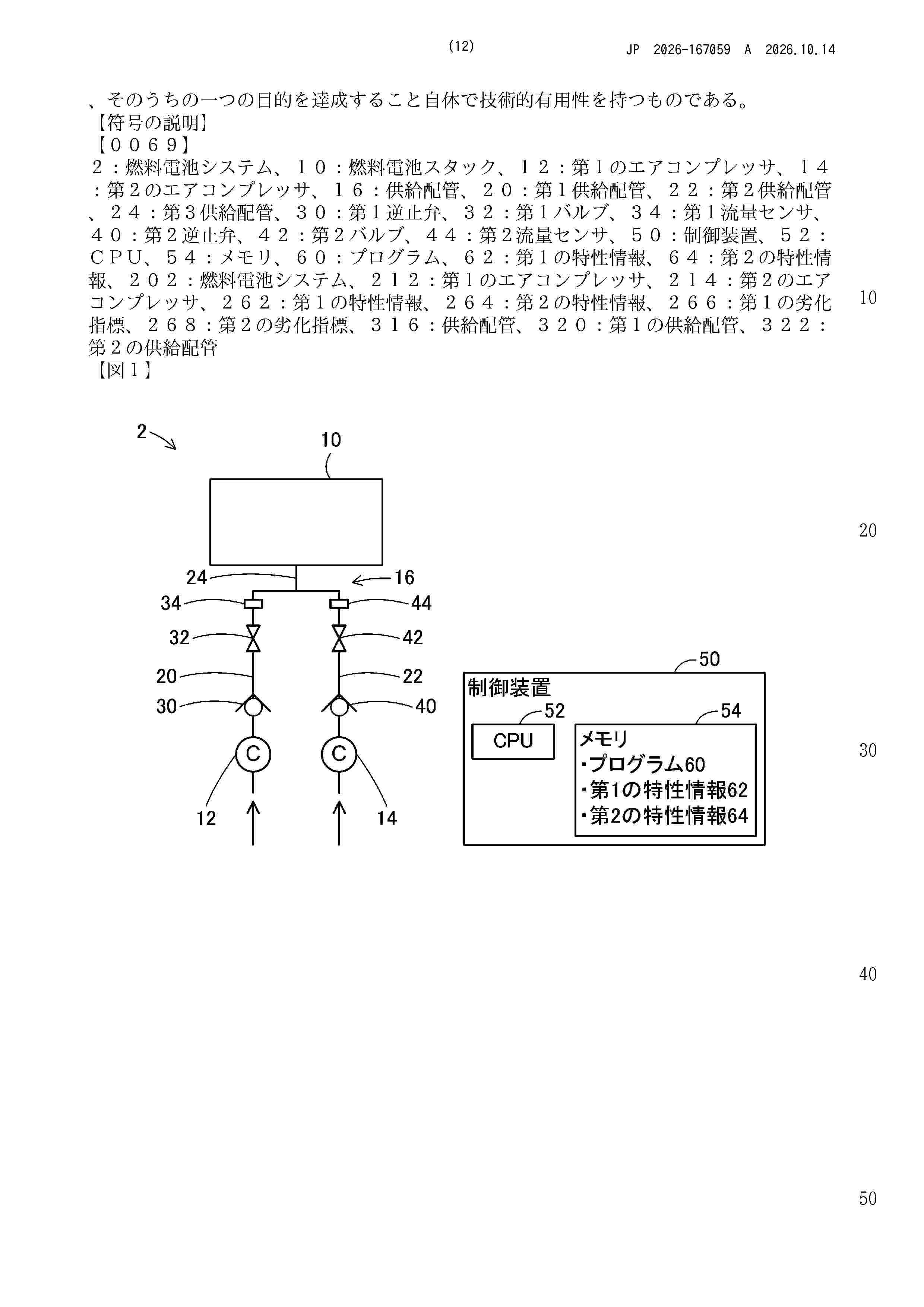
0000 A fuel cell system may include a fuel cell stack, a first air supply device, a second air supply device, and a controller. The first air supply device may have a characteristic that a degree of deterioration progresses more rapidly when supplying the air at a supply flow rate within a second range than when supplying the air at a supply flow rate within a first range. The second air supply device may have a characteristic that a degree of deterioration progresses more rapidly when supplying the air at a supply flow rate within a fourth range than when supplying the air at a supply flow rate within a third range. The controller may be configured to determine, based on a required flow rate and first, second, third, and fourth ranges, both a first supply flow rate and a second supply flow rate.
Resumen de: US20260302284A1
0000 A solid polymer fuel battery activation method is an activation method of a solid polymer fuel battery that includes an anode electrode, a cathode electrode, and a solid polymer membrane arranged between the anode electrode and the cathode electrode, the solid polymer fuel battery activation method including: a first step in which air is uniformly supplied to an entirety of the cathode electrode; and a second step in which, in a state where the air is uniformly supplied to the entirety of the cathode electrode, a certain amount of current is caused to flow for a certain period of time to the cathode electrode from the anode electrode by an external electric power source, and then the flowing of the current is stopped, wherein a combination of the first step and the second step is repeated twice or more times.
Resumen de: US20260302270A1
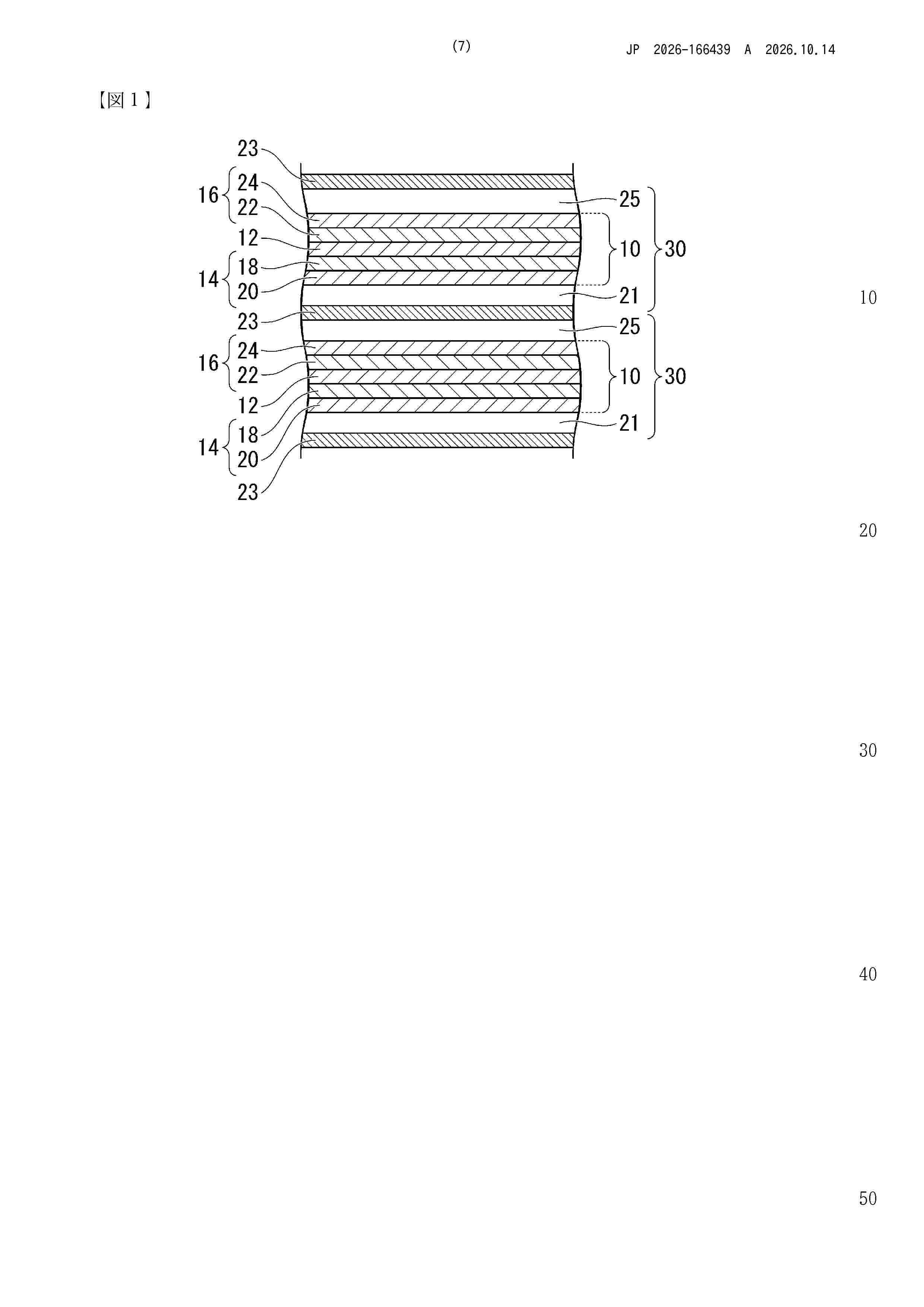
A separator for a fuel cell includes: a metallic base material; a titanium-based layer stacked in a stacking direction with respect to the base material; and a carbon layer stacked on an opposite side to the base material with respect to the titanium-based layer in the stacking direction. The titanium-based layer includes a titanium metal layer. The carbon layer includes: a first carbon layer; and a second carbon layer stacked on the opposite side to the base material with respect to the first carbon layer in the stacking direction. The second carbon layer contains at least one type from a hydrogen element, a nitrogen element, and an oxygen element as a minor element.
Resumen de: US20260302943A1
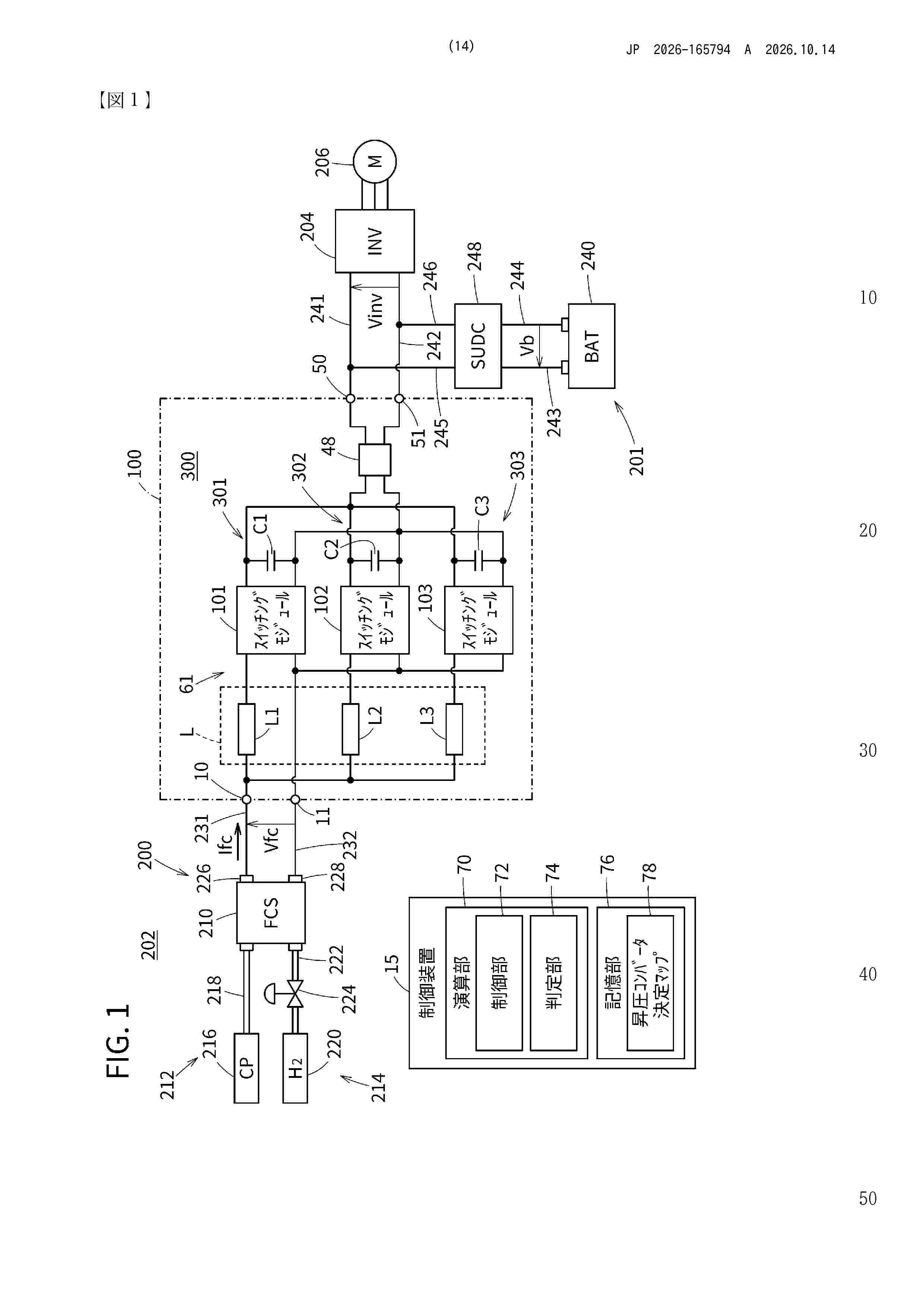
A control unit of a control device of a fuel cell system preferentially operates a step-up converter centrally disposed in a three-parallel step-up converter, over a step-upconverter and a step-up converter arranged on both sides of the step-upconverter centrally disposed, in accordance with required power for a load.
Resumen de: EP4821618A1
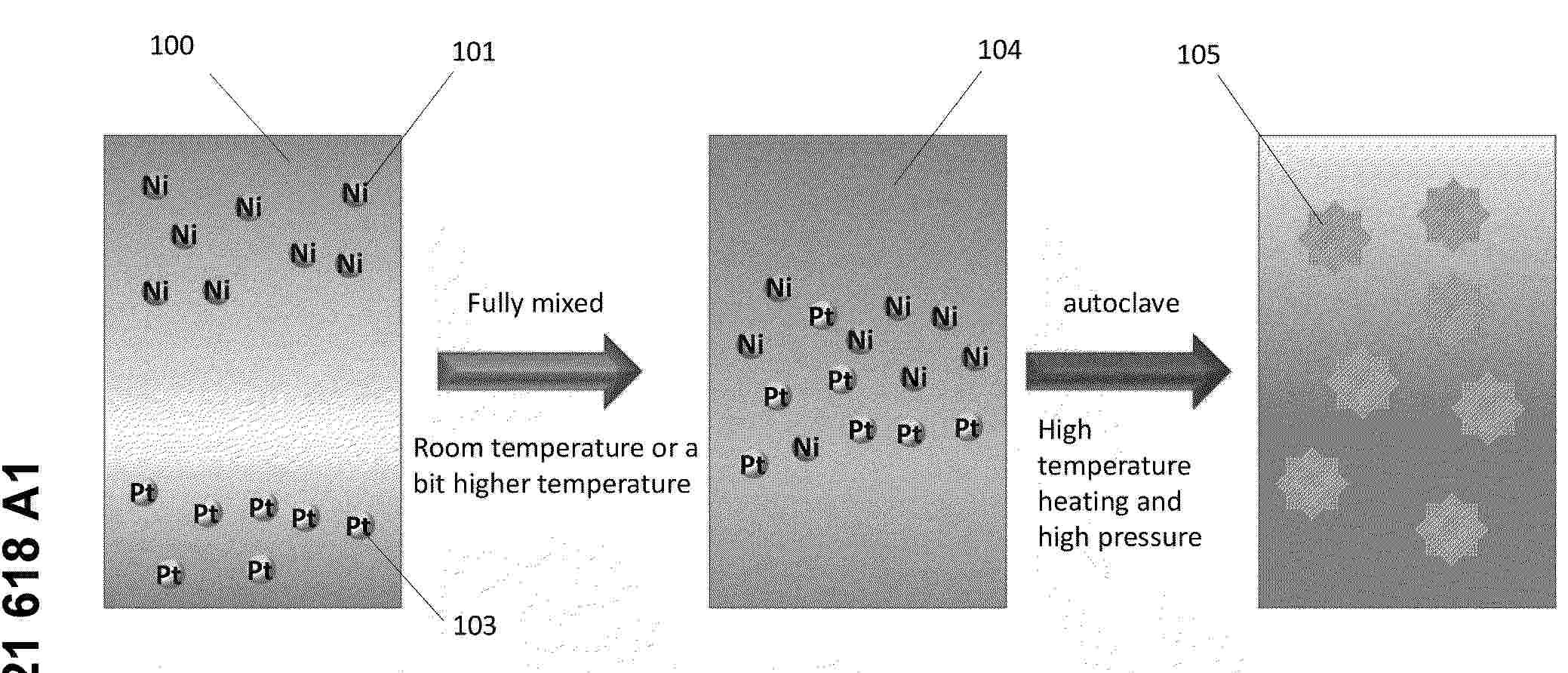
Disclosed is a method for preparing an alloy nanostar, the method including a nanostar synthesis process including combining a first metallic precursor component, a second metallic precursor component, and solvent to provide a first solution, combining the first solution with a third metallic precursor component to provide a second solution, maintaining the second solution at a first selected temperature for a first selected period of time such that an oil-water two phase suspension is formed, and heating the oil-water two phase suspension to a second selected temperature for a second selected period of time sufficient to provide an alloy nanostar. Also described are alloy nanostars having an alloy of at least a first metallic element and a second metallic element, wherein the second metallic element is platinum.
Resumen de: US20260302274A1
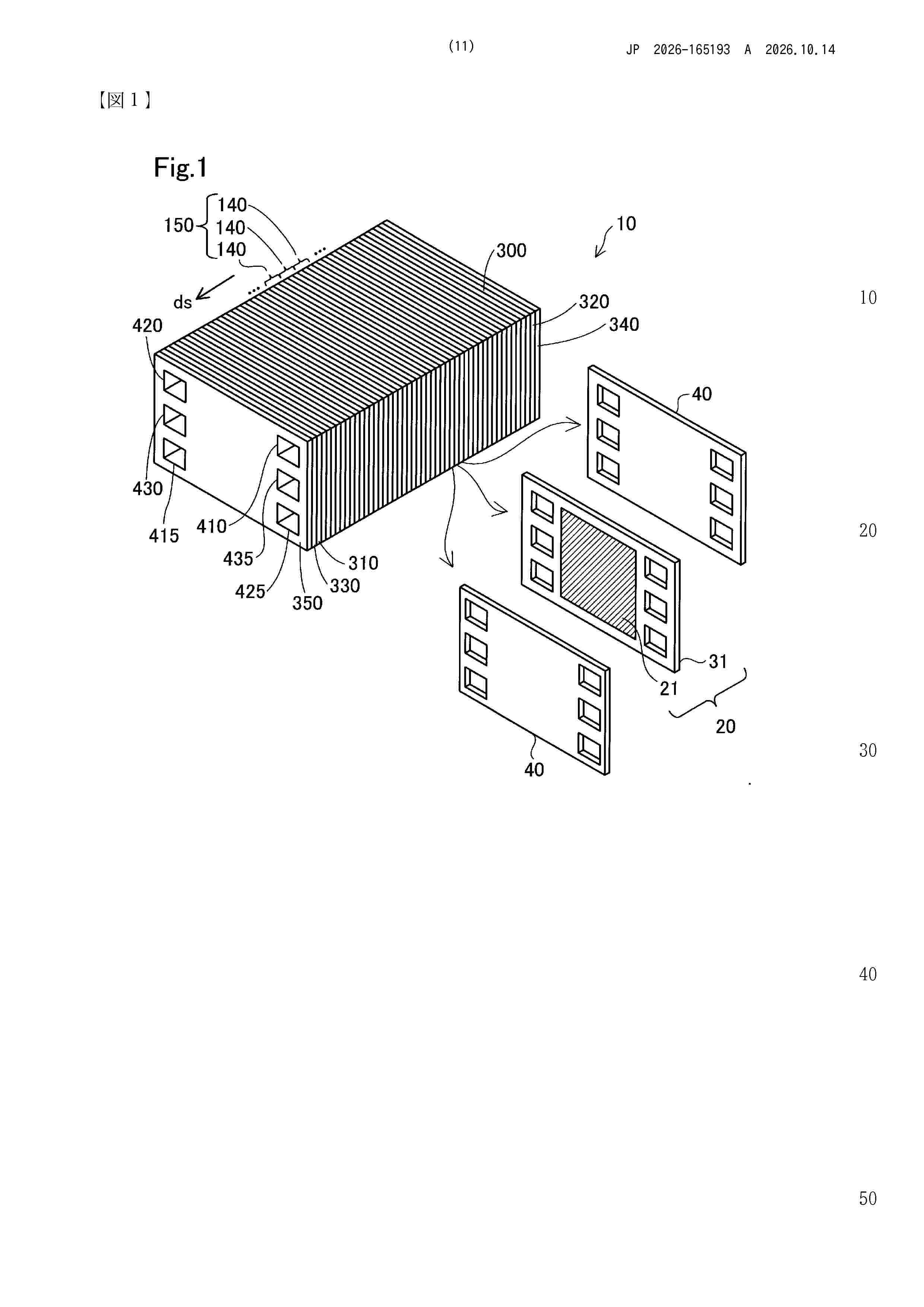
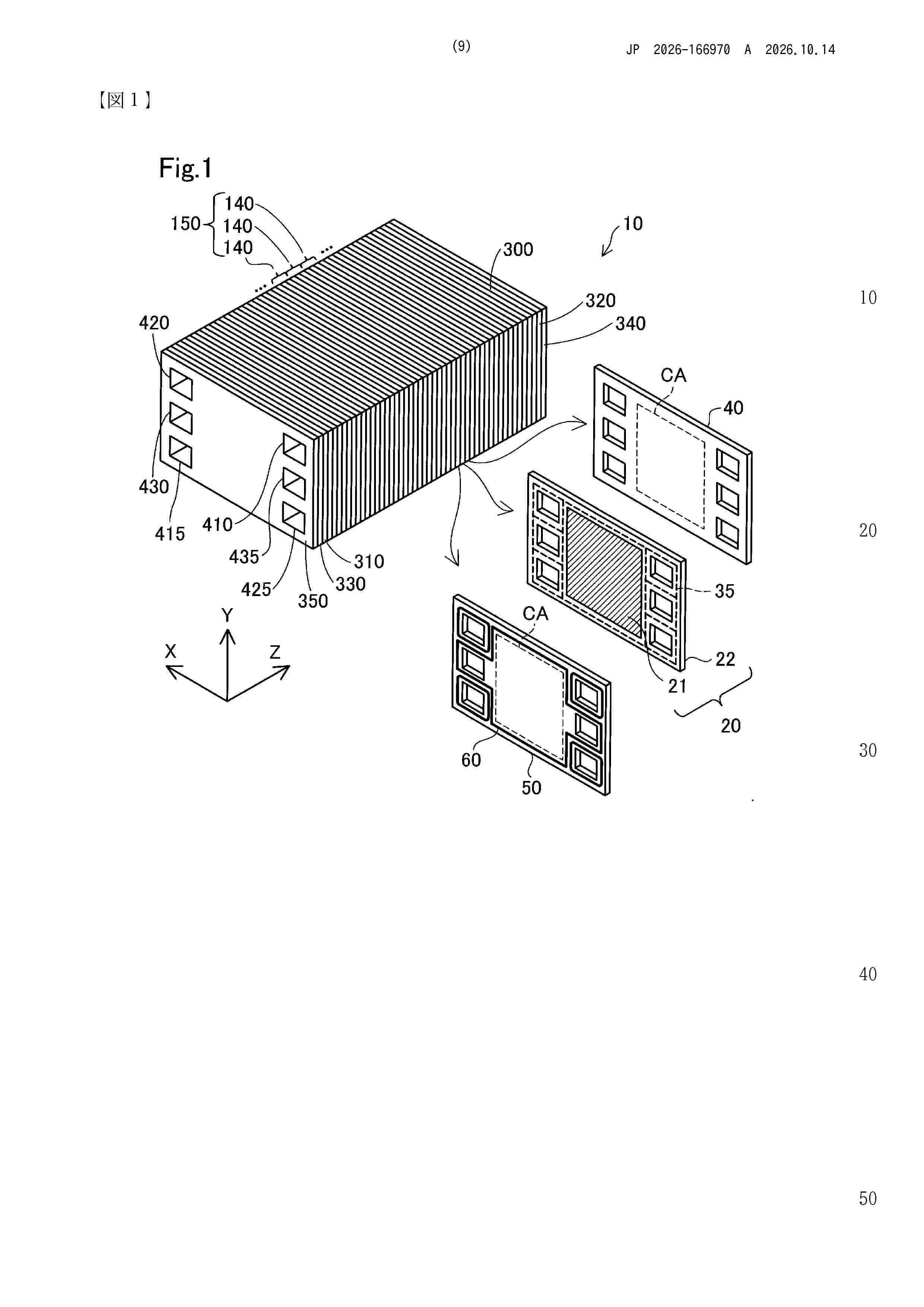
A spacer member is provided that is arranged on a separator provided in a fuel cell. The spacer member is arranged outside a seal member arranged on the separator, the seal member surrounding a periphery of an opening part formed in the separator. The spacer member is interposed together with the seal member between fuel cells facing each other. The spacer member has a glass transition temperature equal to or greater than -20°C.
Resumen de: EP4822788A1
0001 Disclosed herein is an electrode slurry capable of repairing cracks in an electrode. According to an aspect of the present invention, provided is an electrode slurry for repairing cracks, the electrode slurry comprising at least 60 wt% of a first solvent that has a surface tension of at most 40 mN/m at 20°C, wherein the electrode slurry has a surface tension of at most 65 mN/m at 20 °C, a viscosity of at most 100 cP at 20 °C, and a total solids content of at most 12 wt%.
Resumen de: WO2025120298A1
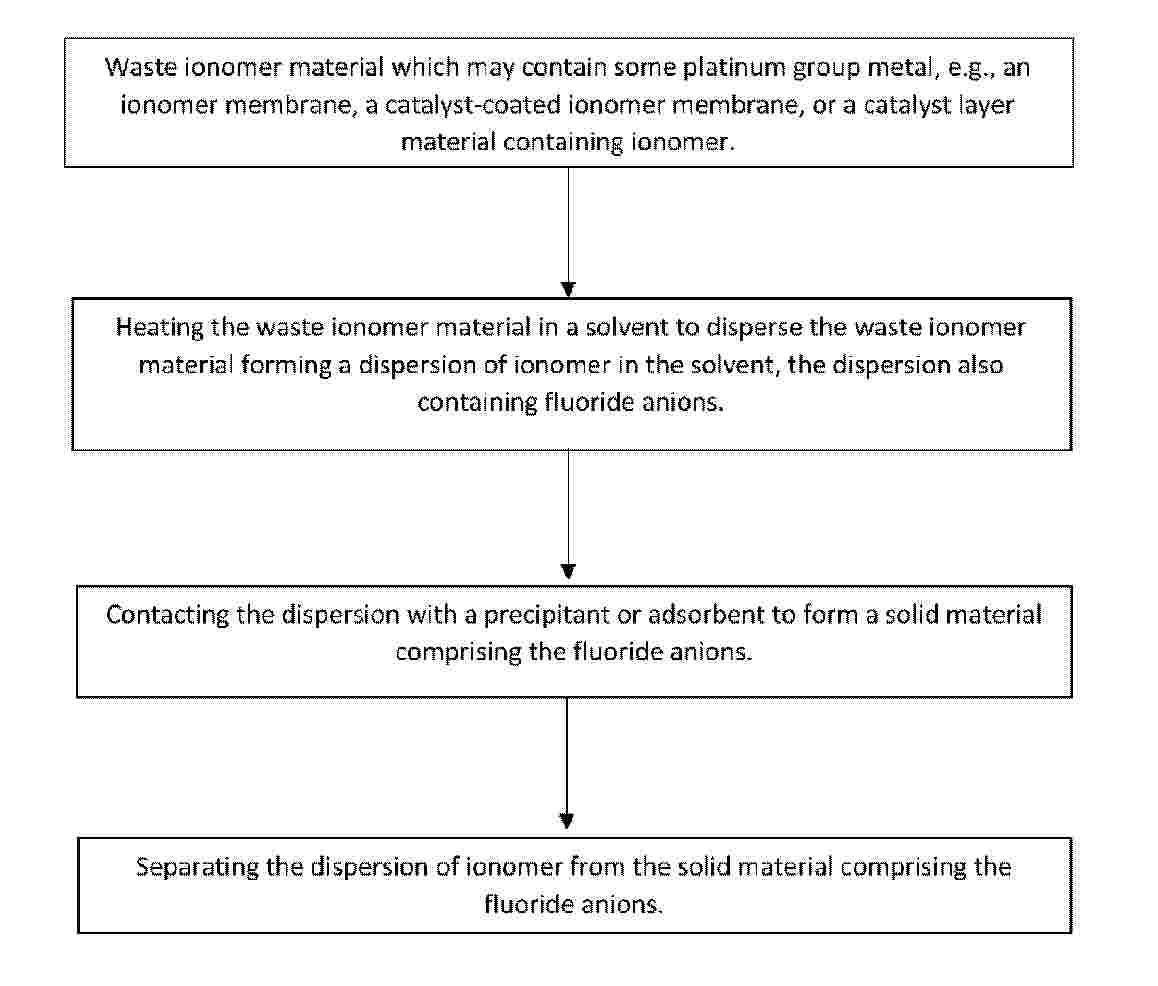
A method of recycling a waste ionomer material, the method comprising: heating the waste ionomer material in a solvent to disperse the waste ionomer material forming a dispersion of ionomer in the solvent, the dispersion also containing fluoride anions in solution; contacting the dispersion with a precipitant or adsorbent to form a solid material comprising the fluoride anions; and separating the dispersion of ionomer from the solid material comprising the fluoride anions.
Resumen de: WO2025119424A1
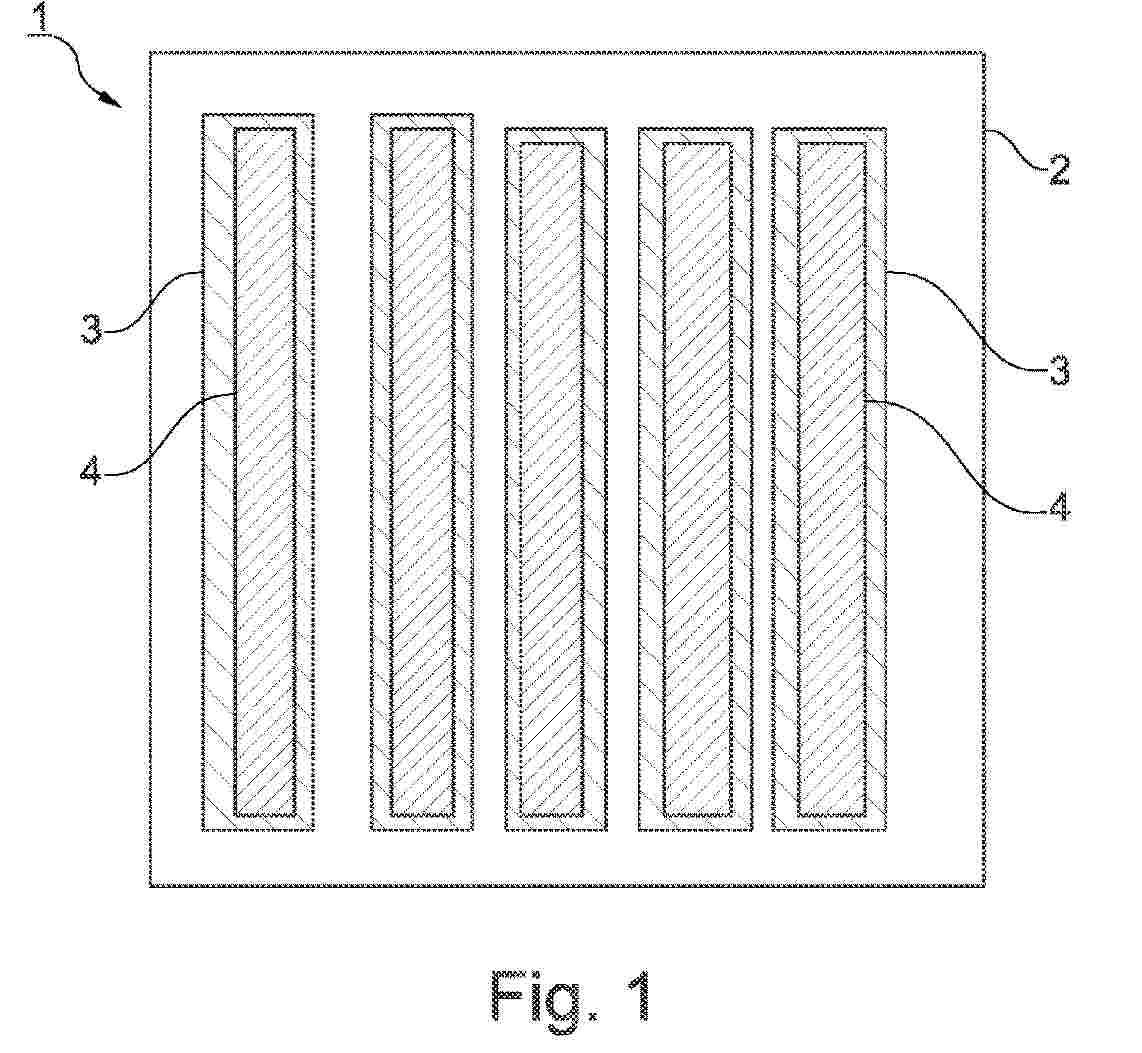
The invention relates to a method for additively manufacturing components, in particular electrochemical cells, in which method component parts (4) are built layer by layer from a powder material, in a multi-material 3D-printing process by means of a 3D-printing device (9), on platforms (3) which are separate from one another, are integrated in a common machine table (2), and are simultaneously adjusted incrementally in terms of height in relation to a work surface (18) of the machine table (2). The invention also relates to a device (1) for additively manufacturing components (4, 5, 6), in particular those of electrochemical cells (16), in particular for carrying out said method.
Resumen de: WO2025068713A1
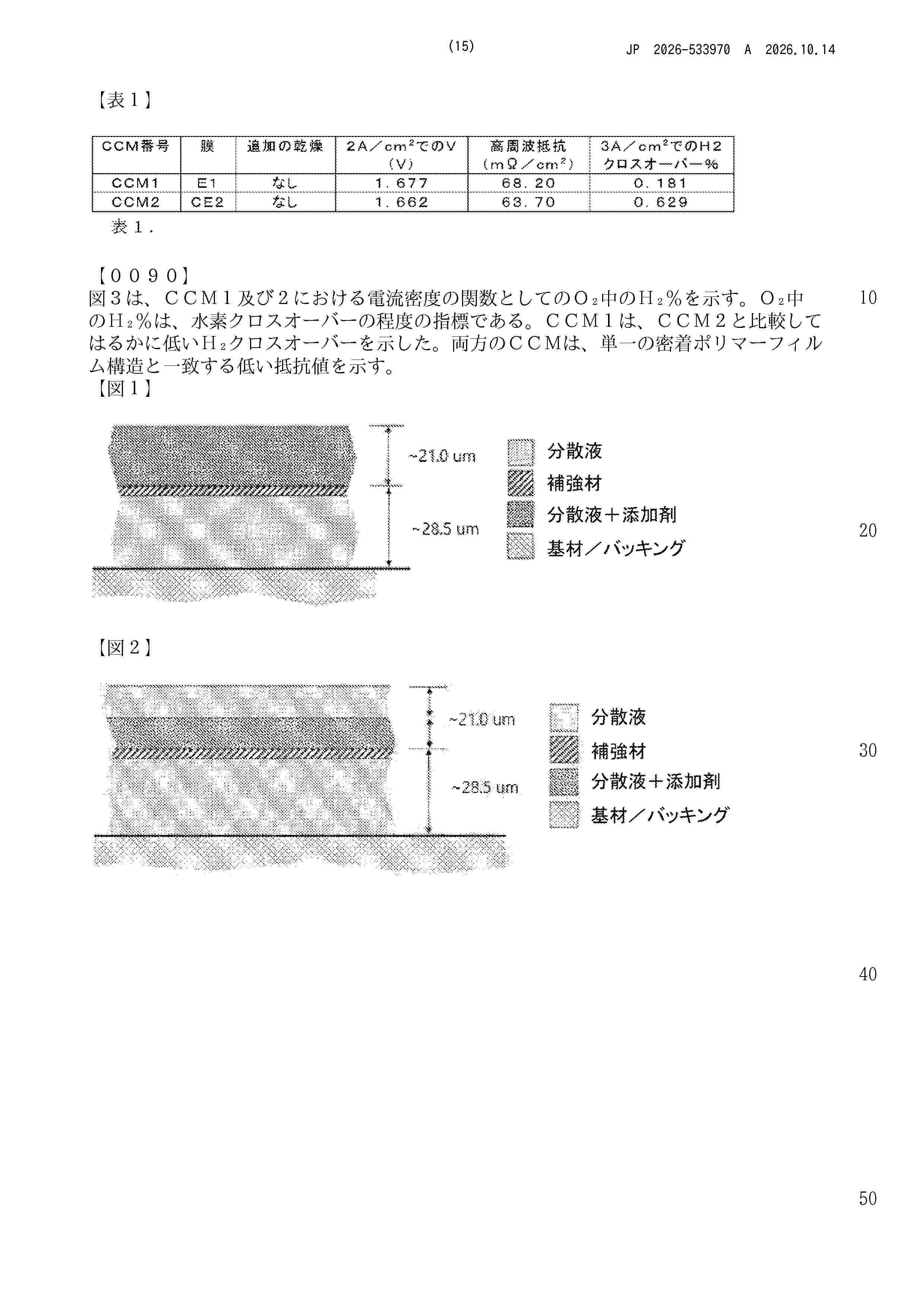
The specification describes bilayer electrolyte membrane comprising: a first layer comprising a polymer electrolyte having particles of a recombination catalyst dispersed therein; and a second layer comprising a polymer electrolyte not having any recombination catalyst dispersed therein; wherein the thickness of the bilayer electrolyte membrane is 40-60 µm; the concentration of recombination catalyst in the first layer is 1-100 µg/cm2; and the bilayer electrolyte membrane is a single coherent polymer film. Also described is a method for preparing the bilayer electrolyte membrane, a catalyst coated membrane for an electrochemical device comprising the bilayer electrolyte membrane, and a fuel cell comprising the catalyst coated membrane.
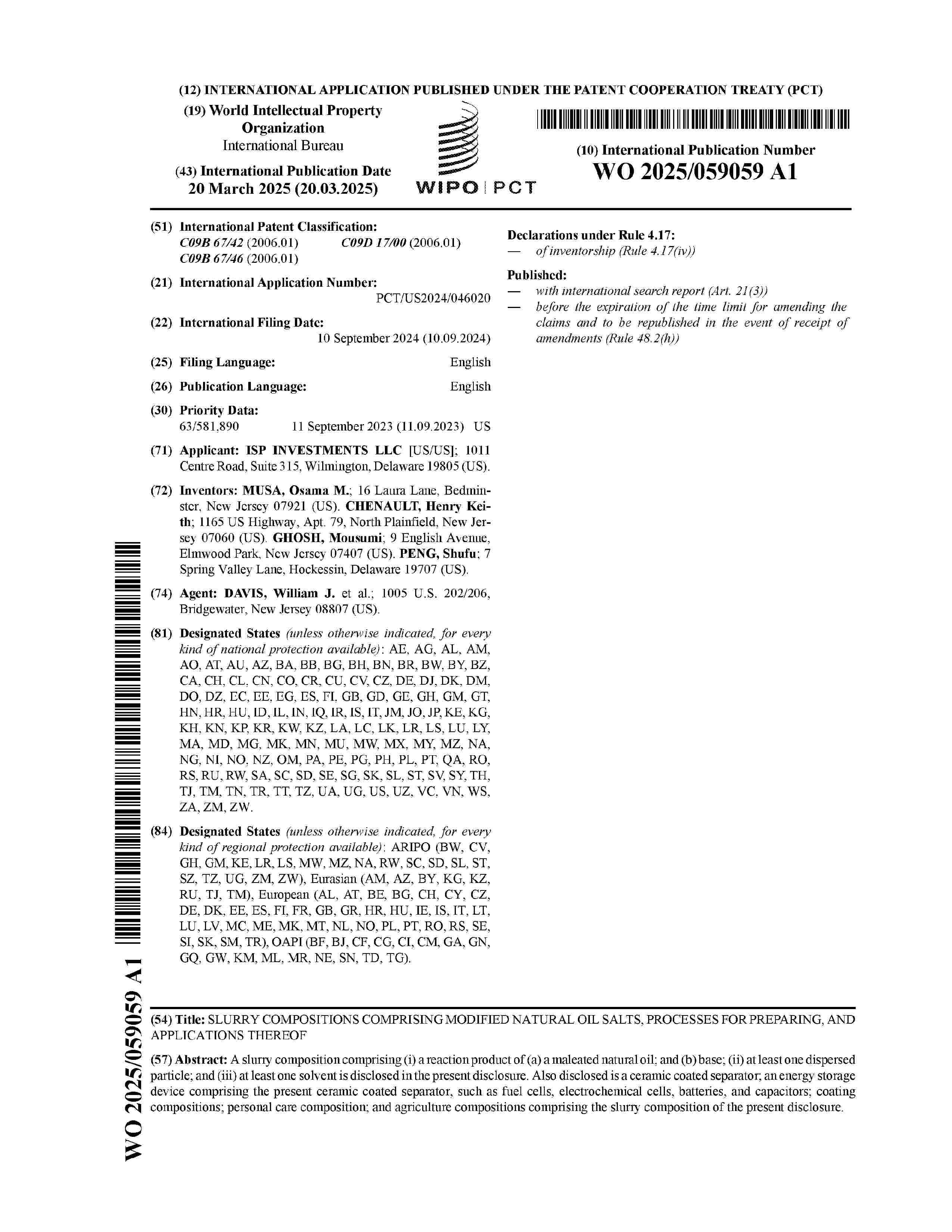
Resumen de: WO2025059059A1
A slurry composition comprising (i) a reaction product of (a) a maleated natural oil; and (b) base; (ii) at least one dispersed particle; and (iii) at least one solvent is disclosed in the present disclosure. Also disclosed is a ceramic coated separator; an energy storage device comprising the present ceramic coated separator, such as fuel cells, electrochemical cells, batteries, and capacitors; coating compositions; personal care composition; and agriculture compositions comprising the slurry composition of the present disclosure.
Resumen de: WO2025062109A1
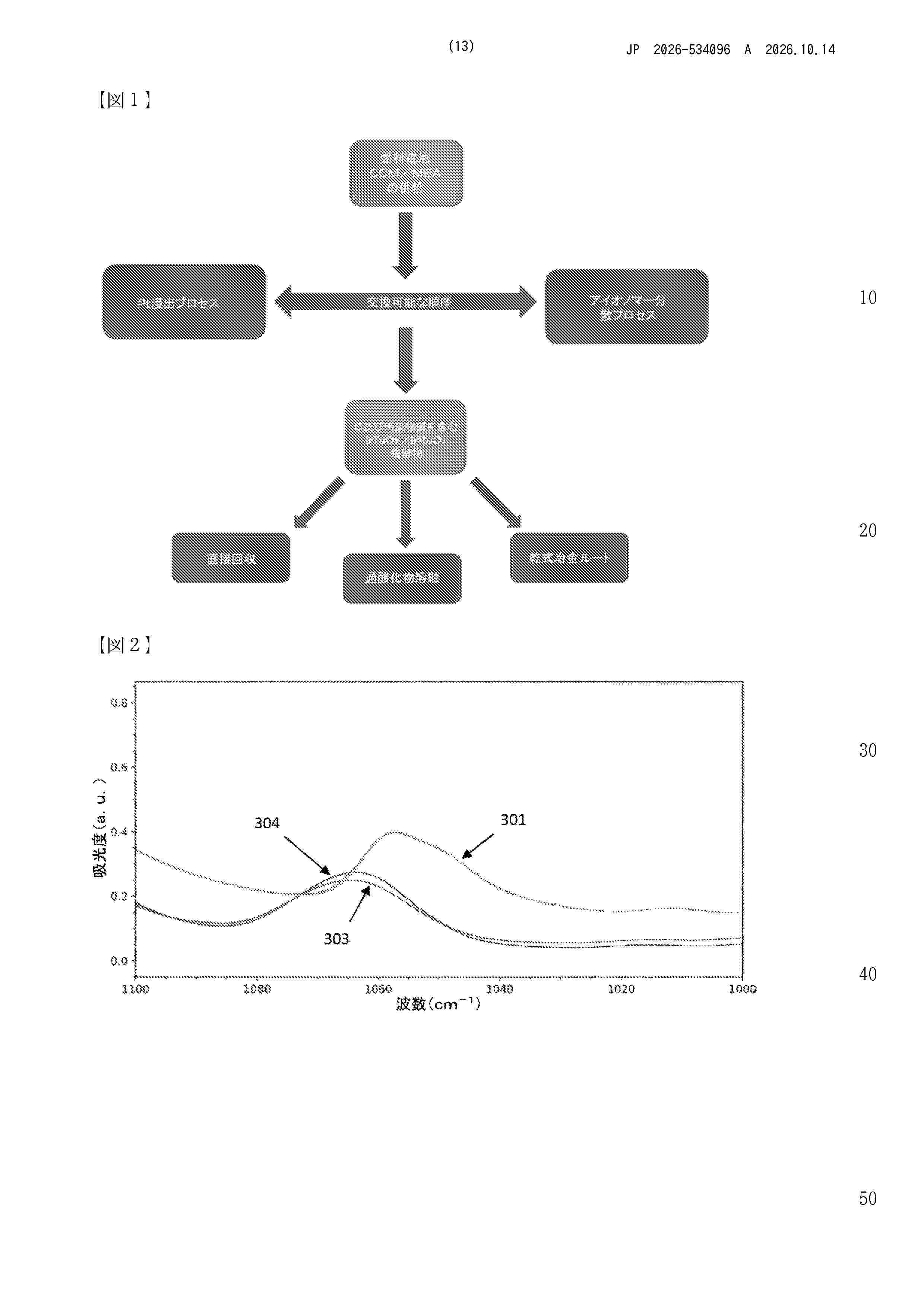
A method of recycling a waste catalyst coated membrane material comprising an ionomer, at least one catalyst comprising platinum, palladium and/or ruthenium, and at least one catalyst comprising an iridium binary oxide, the method comprising: (a) treating the waste catalyst coated membrane material with a heated solution comprising an acid and an oxidant, wherein platinum, palladium and/or ruthenium is leached from the waste catalyst coated membrane material into the solution which is separated from remaining solid components of the waste catalyst coated membrane material; (b) treating the waste catalyst coated membrane material with a solvent to disperse the ionomer and recover a dispersion of ionomer, wherein the dispersion of the ionomer is performed before or after the leaching of the platinum, palladium and/or ruthenium in step (a); and (c) after recovery of the platinum, palladium and/or ruthenium and ionomer in steps (a) and (b), treating the residual waste catalyst coated membrane material to extract iridium by one of three specified processes.
Resumen de: GB2636356A
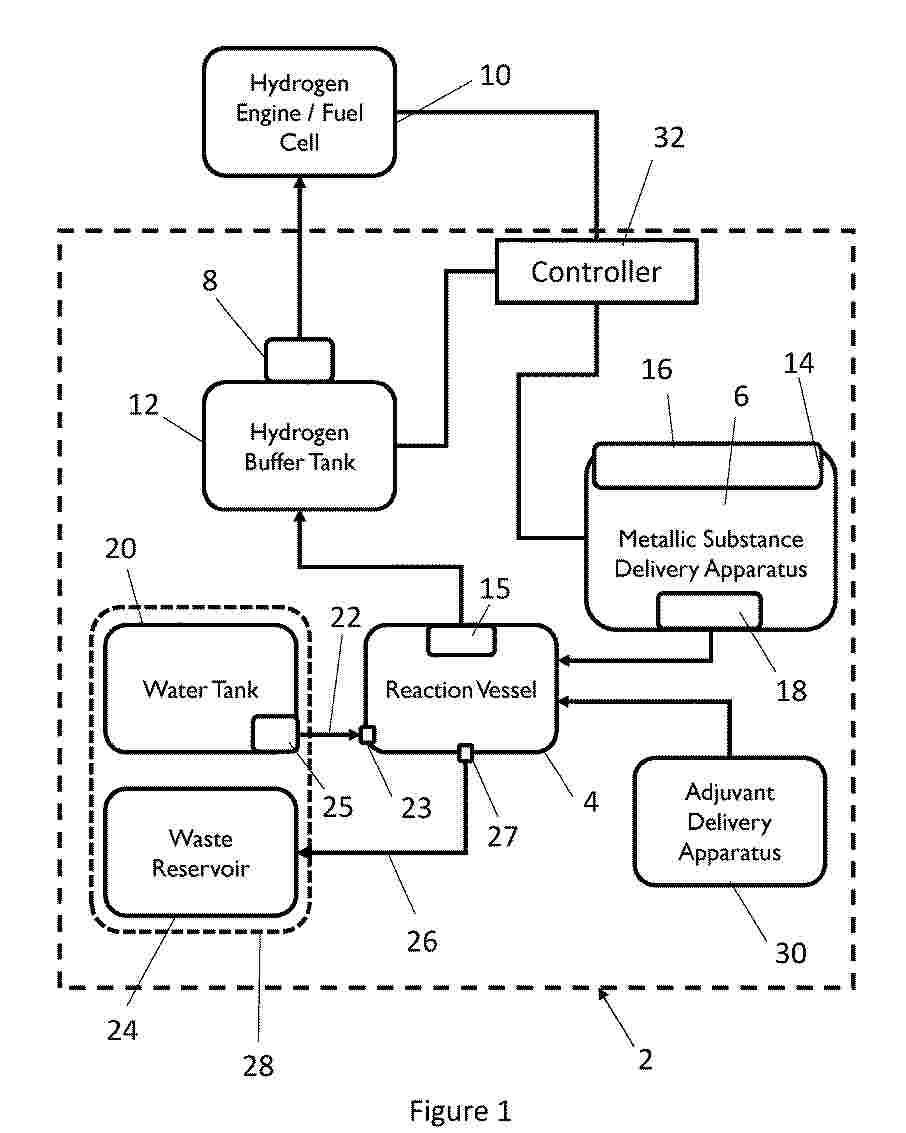
A hydrogen generation system 2 for mounting to a machine in which hydrogen generated by the system is utilised to provide energy to a prime mover (such as an engine or fuel cell) is detailed. The generation system 2 comprises a reaction vessel 4 arranged to hold a water containing liquid. A metallic substance delivery apparatus 6 for selectively delivering a reactive metallic substance to the reaction vessel 4 is described. The metallic substance will, on contact with the liquid, react to generate hydrogen. A pressure regulator assembly 8 is also arranged to deliver the hydrogen at a pressure above atmospheric pressure to an energy conversion apparatus 10 (ie ICE) downstream of the generation system. The hydrogen can be delivered at a pressure greater than 3Bar. An adjuvant material delivery system 30 may also be present to deliver a caustic material (such as sodium hydroxide) to the reaction vessel 4.
Resumen de: WO2025120299A1
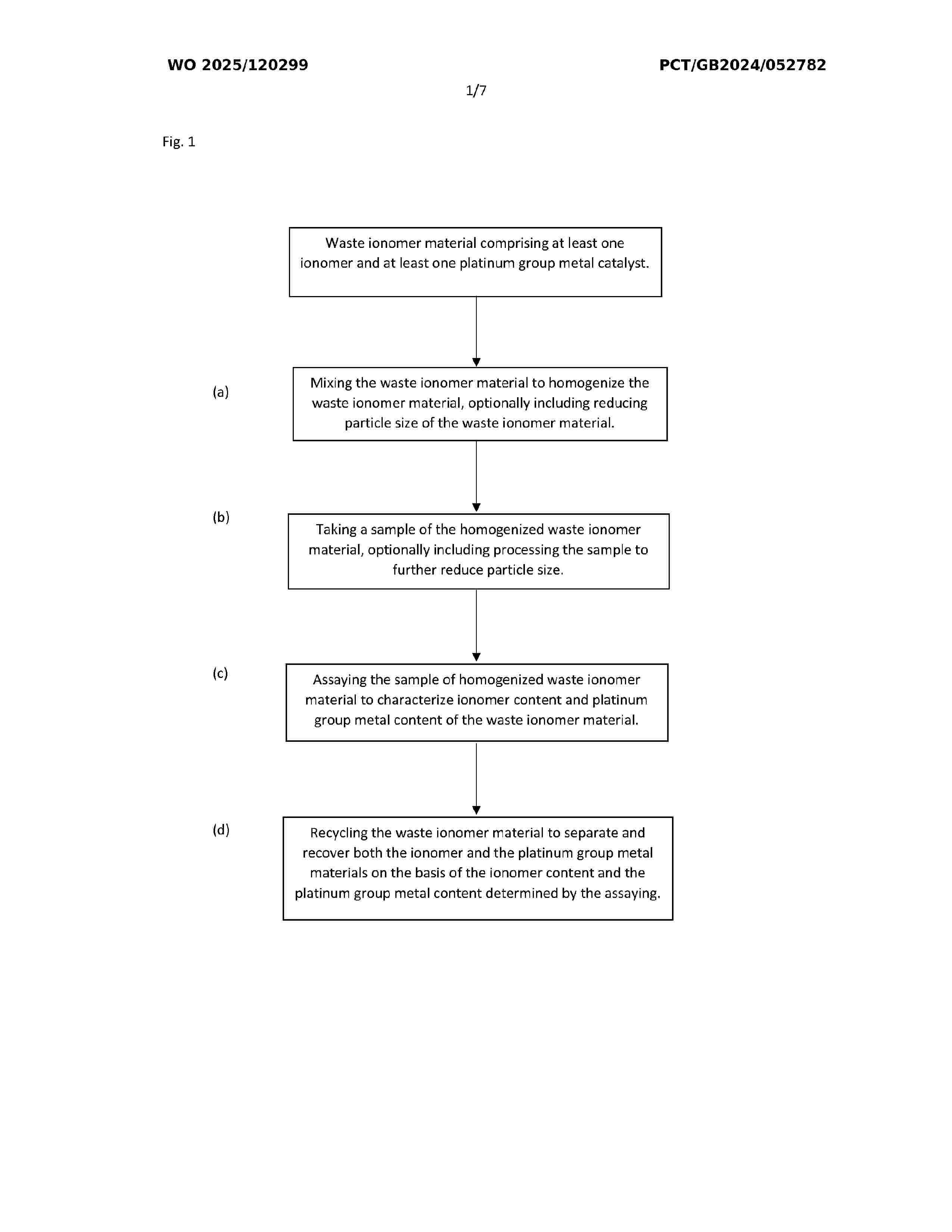
A method of recycling a waste ionomer material comprising at least one ionomer and at least one platinum group metal catalyst, the method comprising: (a) mixing the waste ionomer material to homogenize the waste ionomer material; (b) taking a sample of the homogenized waste ionomer material; (c) assaying the sample of homogenized waste ionomer material to characterize ionomer content and platinum group metal content of the waste ionomer material; and (d) recycling the waste ionomer material to separate and recover both the ionomer and the platinum group metal materials on the basis of the ionomer content and the platinum group metal content determined by the assaying.
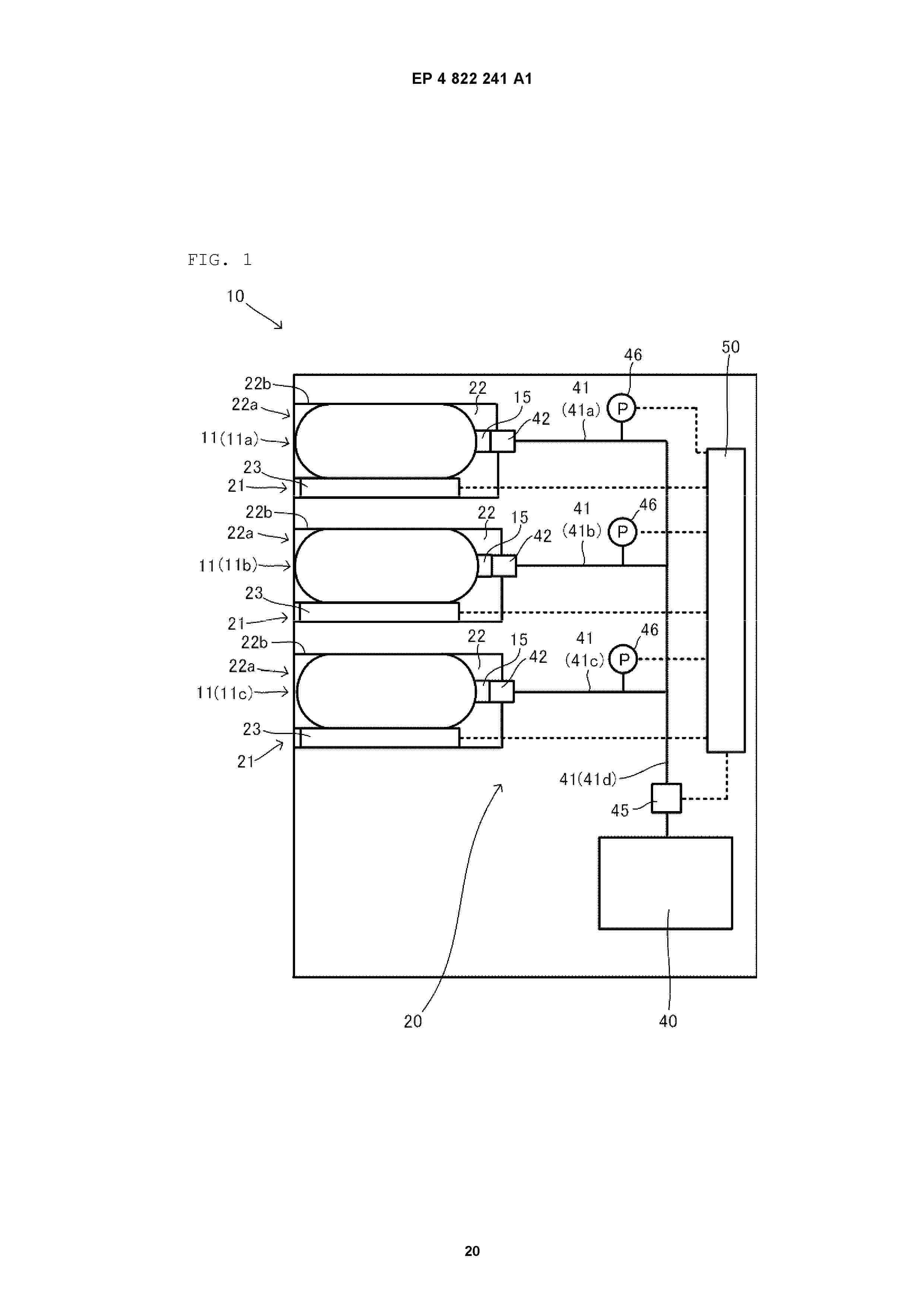
Resumen de: EP4822241A1
A hydrogen tank connection method for connecting a removable hydrogen tank to a hydrogen consuming apparatus, which is configured to suppress a connection failure between the connector of the hydrogen tank and that of the hydrogen consuming apparatus, the method comprises an approaching step of disposing the first and second connection parts to face each other in a separated state and a connecting step of connecting the separated first and second connection parts by reducing a distance therebetween after the approaching step, wherein, in the approaching step and the connecting step, the hydrogen tank is moved in an axial direction of the first and second connection parts by a moving part configured to move the hydrogen tank.
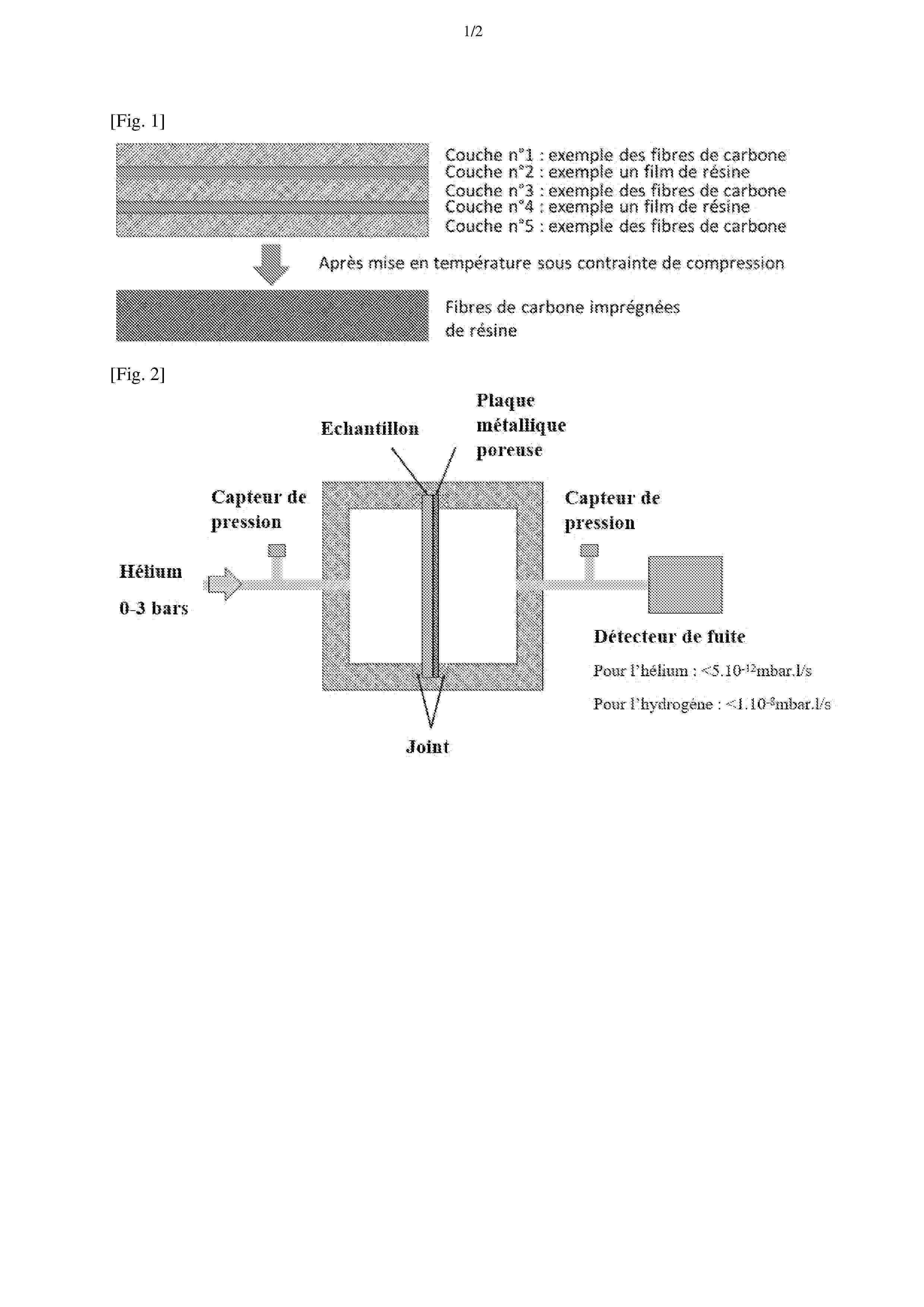
Resumen de: WO2025119890A1
The present invention relates to a multilayer device, the method for preparing same and the uses thereof, in particular in fuel cells.
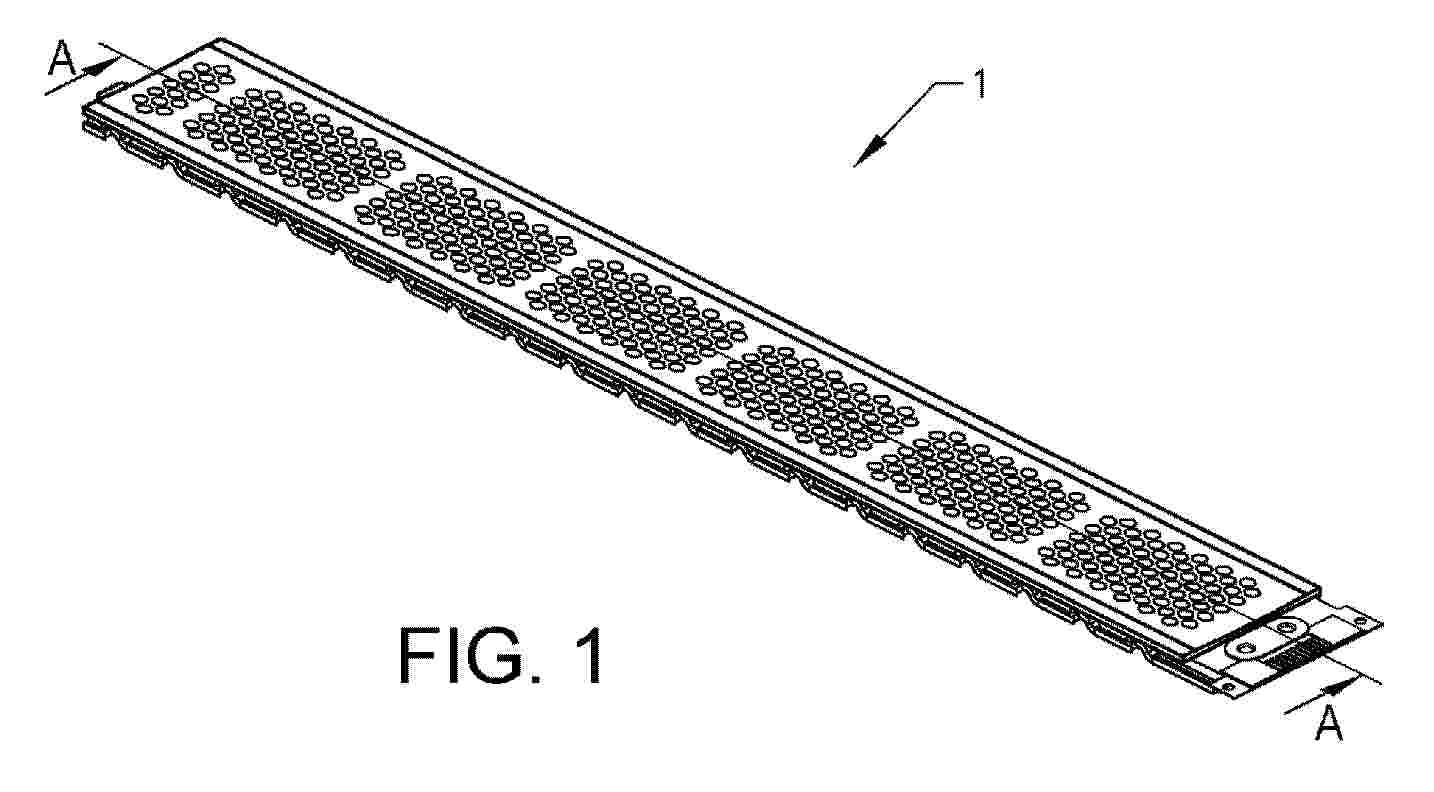
Resumen de: WO2025122054A1
A current collector for a planar fuel cell assembly comprising a plurality of planar fuel cells, the current collector comprising a flexible foil of electrically non-conductive material comprising first and second patterns of electrically conductive material provided on a first and second side thereof, respectively. The first pattern connects the fuel cells in series when the flexible foil is folded over the fuel cells. The second pattern conveys the electrical energy generated in the planar fuel cells to an output terminal.
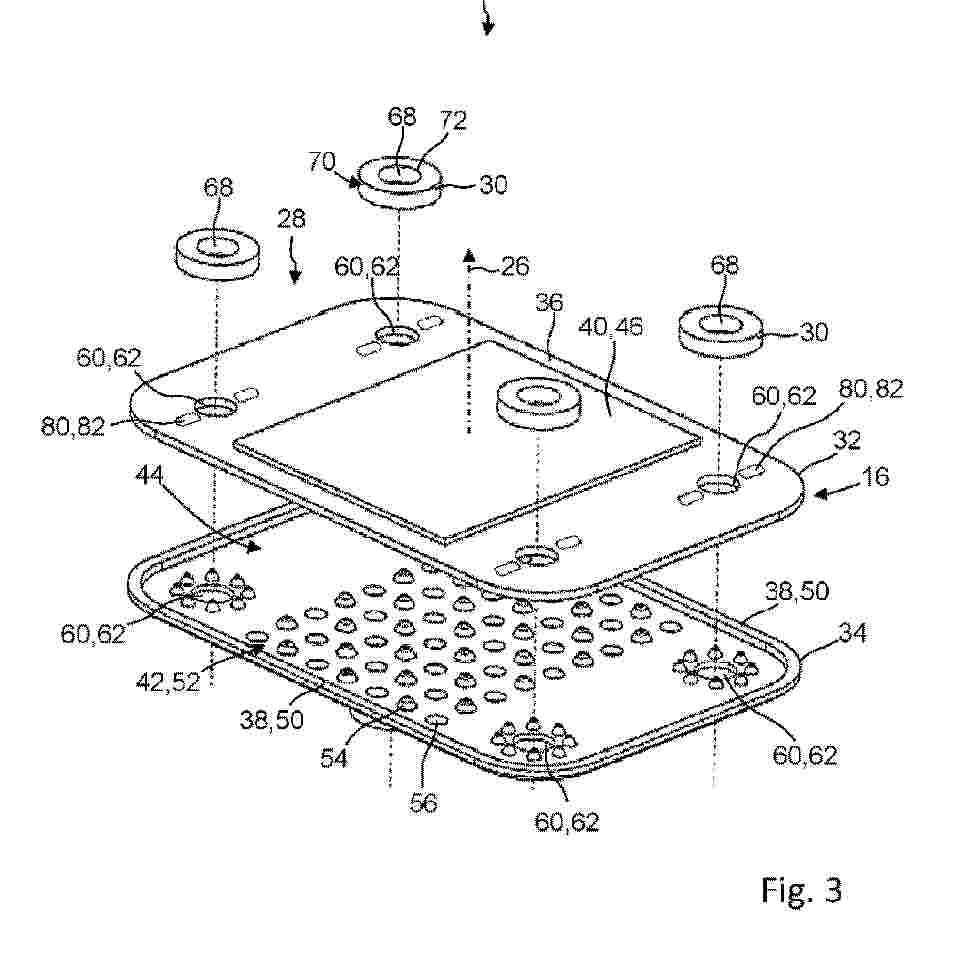
Resumen de: WO2025119499A1
The invention relates to a method of preparing a cell repeat unit (18) for use in an electrochemical cell stack (10), the method comprising providing an electrochemical cell unit (28), said cell unit (28) having an inner fluid volume (44) and a cell opening (60) for transporting fluid between said inner fluid volume (44) and the exterior of the cell unit, providing a gasket being configured to surround the cell opening, and attaching said gasket to said cell unit by a hot melt adhesive dose (80). The invention also relates to a cell repeat unit and an electrochemical cell stack.
Nº publicación: EP4821079A1 14/10/2026
Solicitante:
BOSCH GMBH ROBERT [DE]
CERES POWER LTD [GB]
Robert Bosch Gesellschaft mit Beschr\u00E4nkter Haftung
Ceres Power Limited
Resumen de: WO2025119497A1
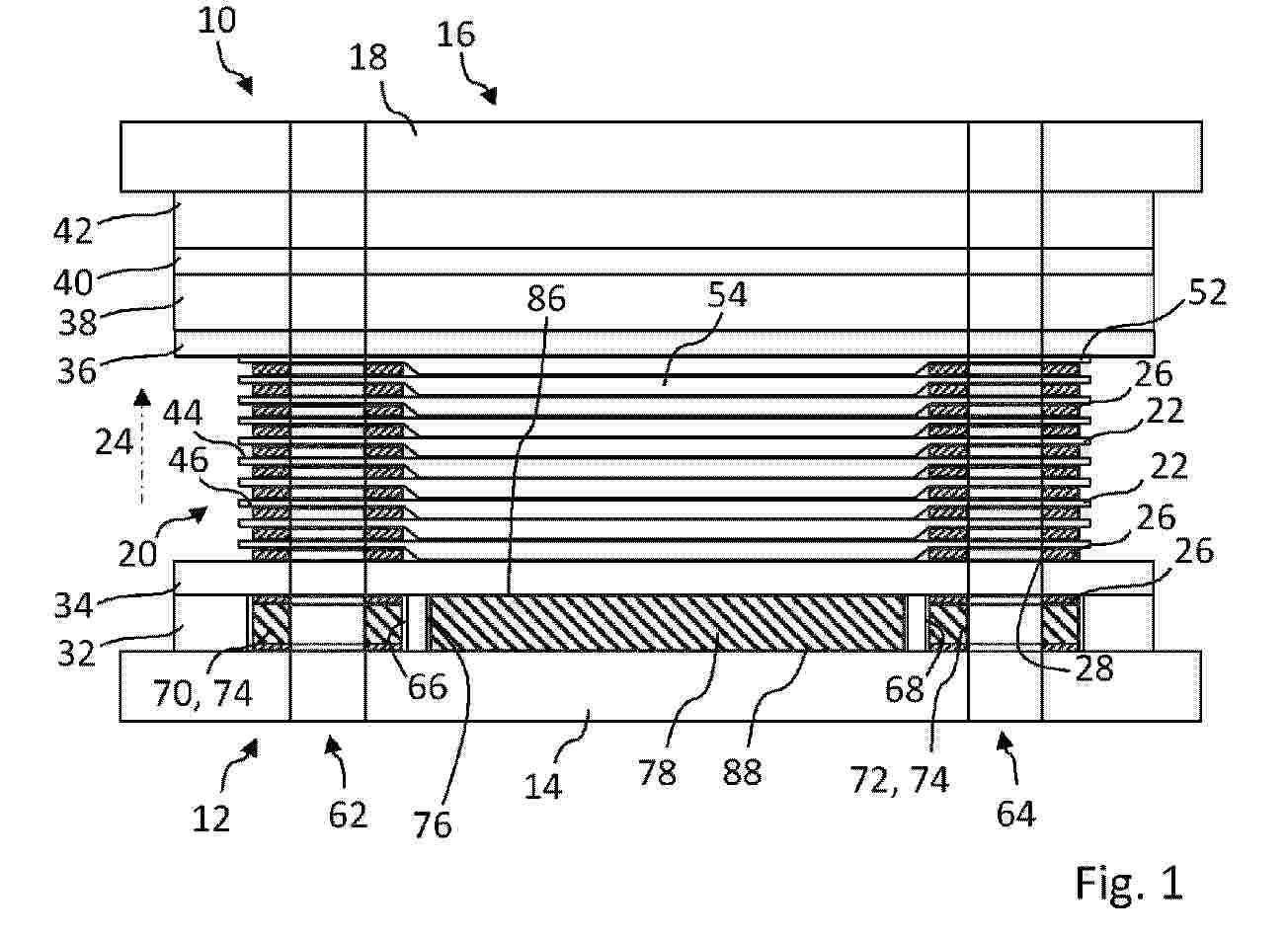
The invention relates to an electrochemical cell assembly (10) comprising an end plate (14, 18), a stack (20) comprising a plurality of cell units (22) that are stacked upon one another along a stacking direction (24), and an insulating plate (32) that is interposed between the end plate and the stack, wherein the cell units each comprise a periphery (52) and a central portion (54), wherein at least one cut-out (76) is provided in the insulating plate, said cut-out extending through the insulating plate along the stacking direction, and wherein at least one inset (78) is positioned in said cut-out such that, seen along the stacking direction, the inset and the central portion overlap each other, said inset being formed from a ceramic material.
 BOPI
BOPI
 Sede Electrónica