Si deseas distinguir tus productos, servicios o ambos de los de otra empresa, es posible que necesites una marca o nombre comercial. Descubre qué son, en qué consiste su procedimiento de registro y qué implica.

Información sobre los plazos de presentación de solicitudes de transformación de marcas de la Unión Europea en marca nacional española. Más información


Si tienes un nuevo dispositivo, producto o procedimiento que resuelva un problema técnico o tenga una ventaja práctica, existen distintas formas de protegerlo en España y en otros países. Descubre cómo hacerlo.

¿Tu innovación reside en la estética, la ornamentación o la apariencia de tu producto? Protégela mediante un diseño industrial. Descubre qué derechos confiere el registro y cómo realizar la tramitación.

Las indicaciones geográficas protegen el nombre de un producto originario de una zona geográfica, a la cual le debe una determinada calidad, reputación u otra característica. Descubre qué son, en qué consiste su procedimiento de registro y qué beneficios conceden.

Las patentes publicadas en todo el mundo son una valiosa fuente de información científica, técnica y comercial.

Si eres emprendedor/a o una empresa y quieres potenciar y mejorar la rentabilidad de tu negocio protegiendo de forma adecuada los activos intangibles de tu organización, en este espacio encontrarás lo necesario.


 383
resultados
383
resultados
 Última actualización
25/10/2026 [06:48:00]
Última actualización
25/10/2026 [06:48:00]


 Resultados 325 a 350 de 383

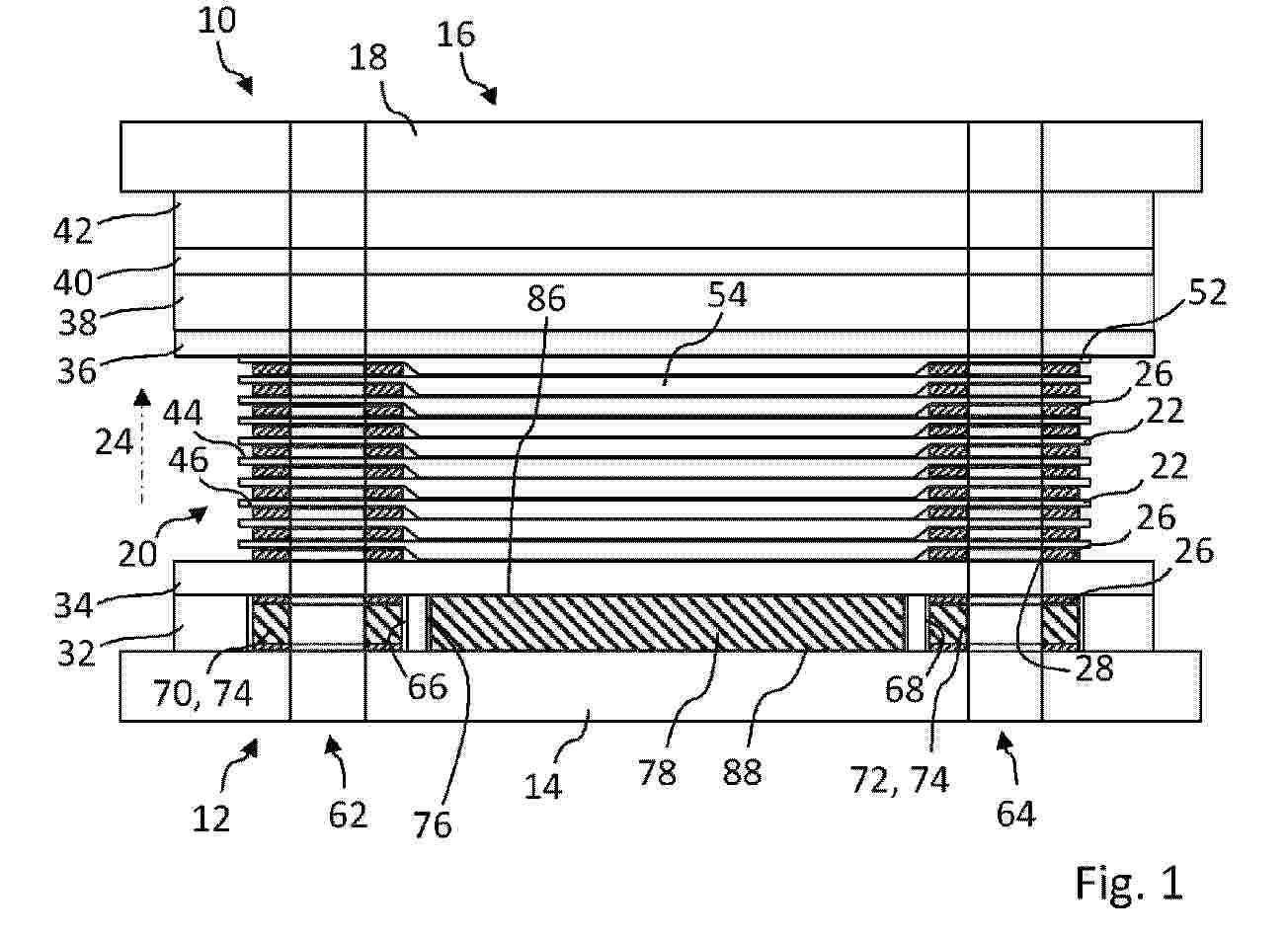
Resumen de: WO2025119497A1
The invention relates to an electrochemical cell assembly (10) comprising an end plate (14, 18), a stack (20) comprising a plurality of cell units (22) that are stacked upon one another along a stacking direction (24), and an insulating plate (32) that is interposed between the end plate and the stack, wherein the cell units each comprise a periphery (52) and a central portion (54), wherein at least one cut-out (76) is provided in the insulating plate, said cut-out extending through the insulating plate along the stacking direction, and wherein at least one inset (78) is positioned in said cut-out such that, seen along the stacking direction, the inset and the central portion overlap each other, said inset being formed from a ceramic material.

Resumen de: WO2025120023A1
The invention relates to an electrochemical device formed by stacked assembly of pre-assembled modules, each of the modules being produced as a conventional stack of electrochemical cells, as per patent application EP3955353A1. A spacer plate that supports the contact elements and seals is removably mounted between stiffening plates of two adjacent modules, allowing good, uninterrupted circulation of gases and providing tight sealing, and also ensuring good electrical contact, while ensuring quick and easy installation.
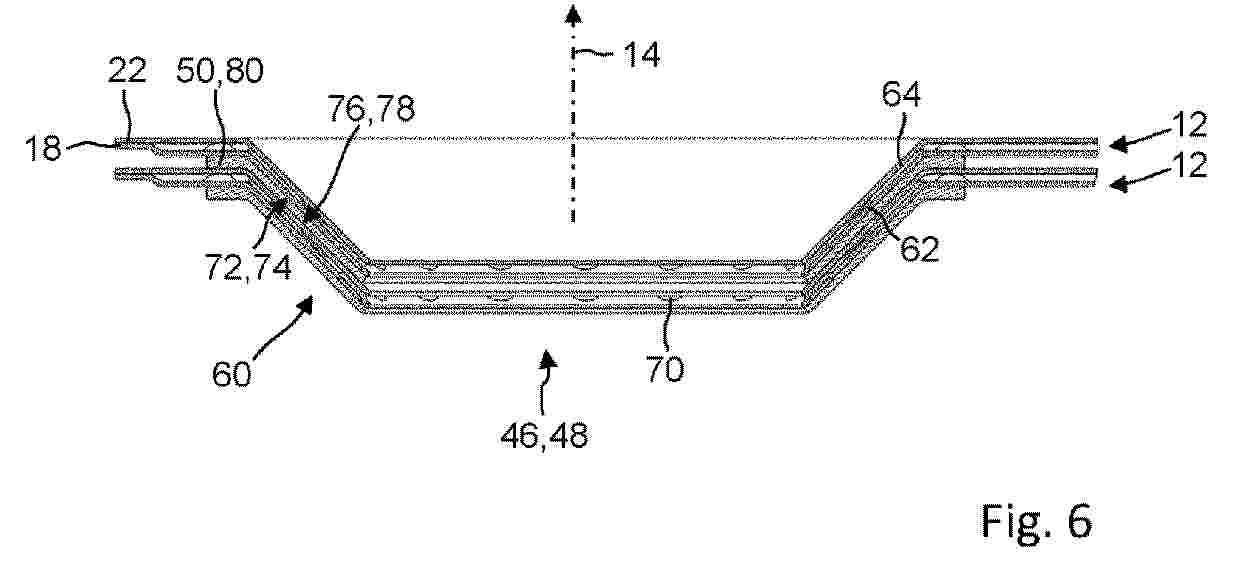
Resumen de: WO2025119498A1
The invention relates to an electrochemical cell stack, comprising a plurality of electrochemical cell units (12) that are stacked upon one another along a stacking direction (14), wherein each cell unit comprises a cell layer having at least one electrochemically active cell chemistry region, and an interconnector plate (18), said cell layer and said interconnector plate overlie one another and are attached to each other to enclose a fluid volume therebetween, adjacent cell units cooperate with each other such that movement of the cell units relative to each other in a direction perpendicular to the stacking direction is limited or blocked. The invention also relates to electrochemical cell units and a method of manufacturing an electrochemical cell stack.
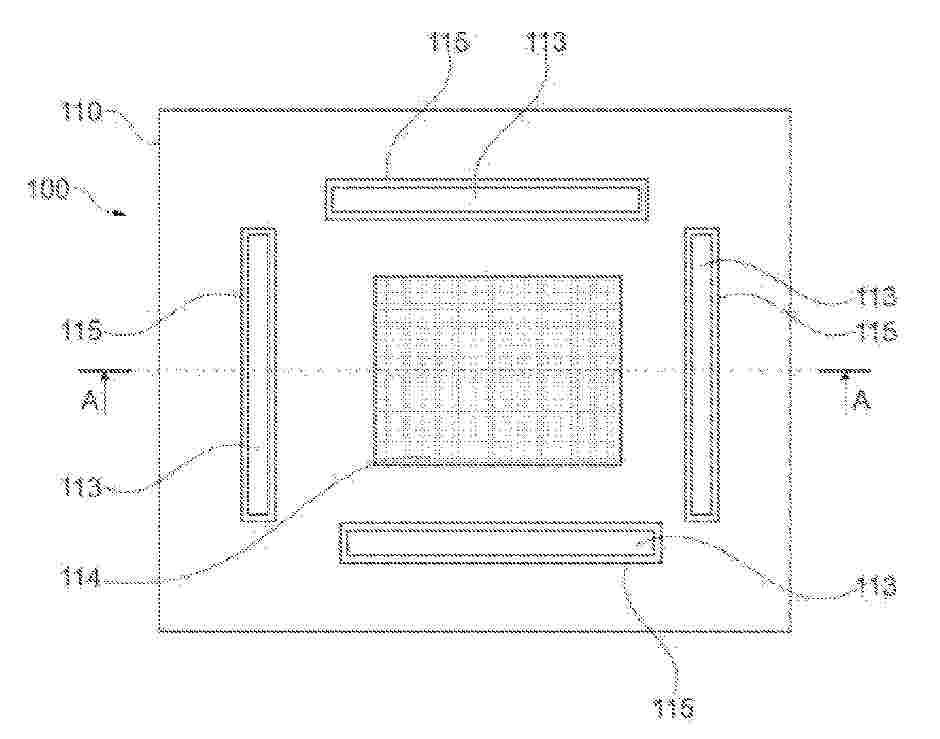
Resumen de: WO2025119424A1
The invention relates to a method for additively manufacturing components, in particular electrochemical cells, in which method component parts (4) are built layer by layer from a powder material, in a multi-material 3D-printing process by means of a 3D-printing device (9), on platforms (3) which are separate from one another, are integrated in a common machine table (2), and are simultaneously adjusted incrementally in terms of height in relation to a work surface (18) of the machine table (2). The invention also relates to a device (1) for additively manufacturing components (4, 5, 6), in particular those of electrochemical cells (16), in particular for carrying out said method.
Resumen de: WO2025120298A1
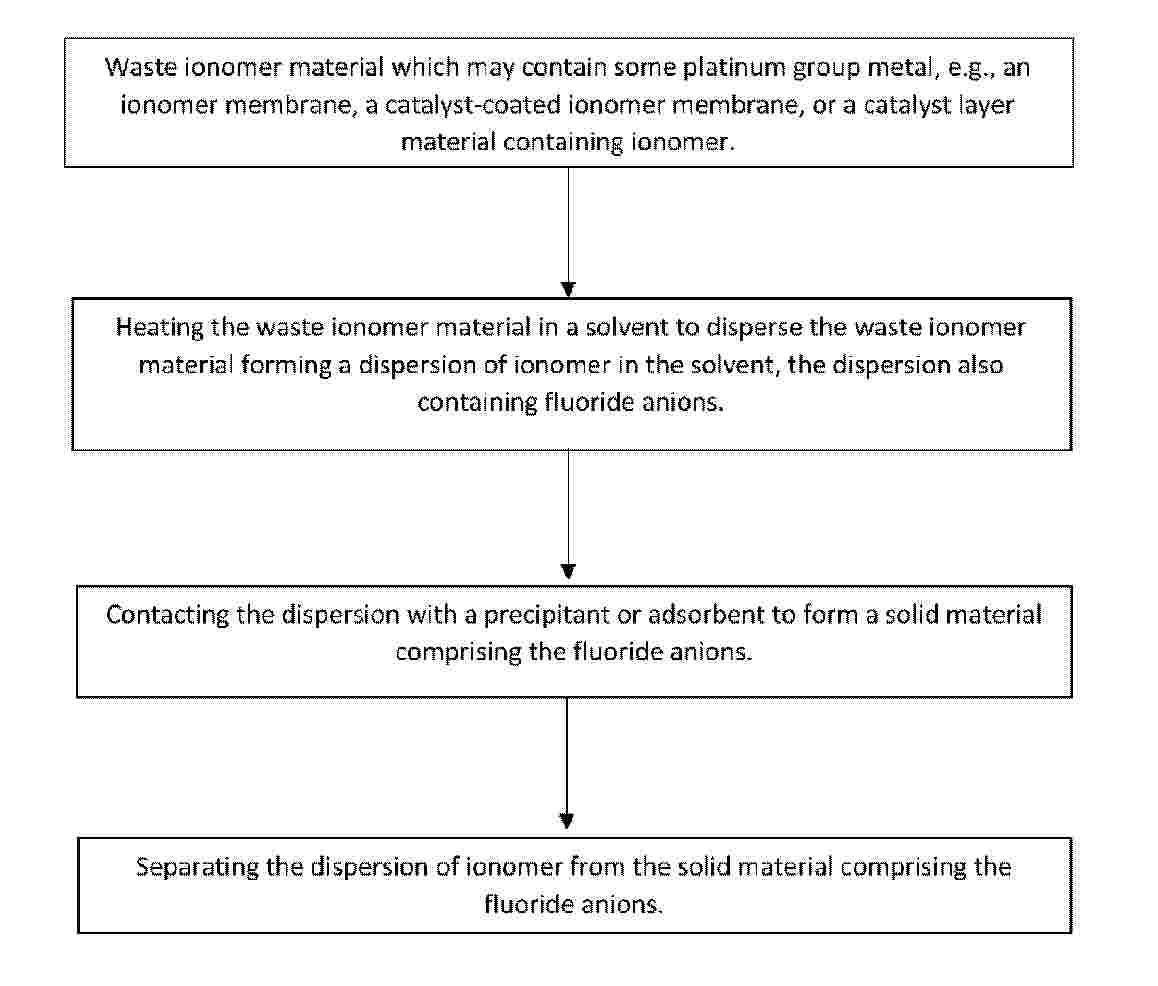
A method of recycling a waste ionomer material, the method comprising: heating the waste ionomer material in a solvent to disperse the waste ionomer material forming a dispersion of ionomer in the solvent, the dispersion also containing fluoride anions in solution; contacting the dispersion with a precipitant or adsorbent to form a solid material comprising the fluoride anions; and separating the dispersion of ionomer from the solid material comprising the fluoride anions.
Resumen de: GB2636356A
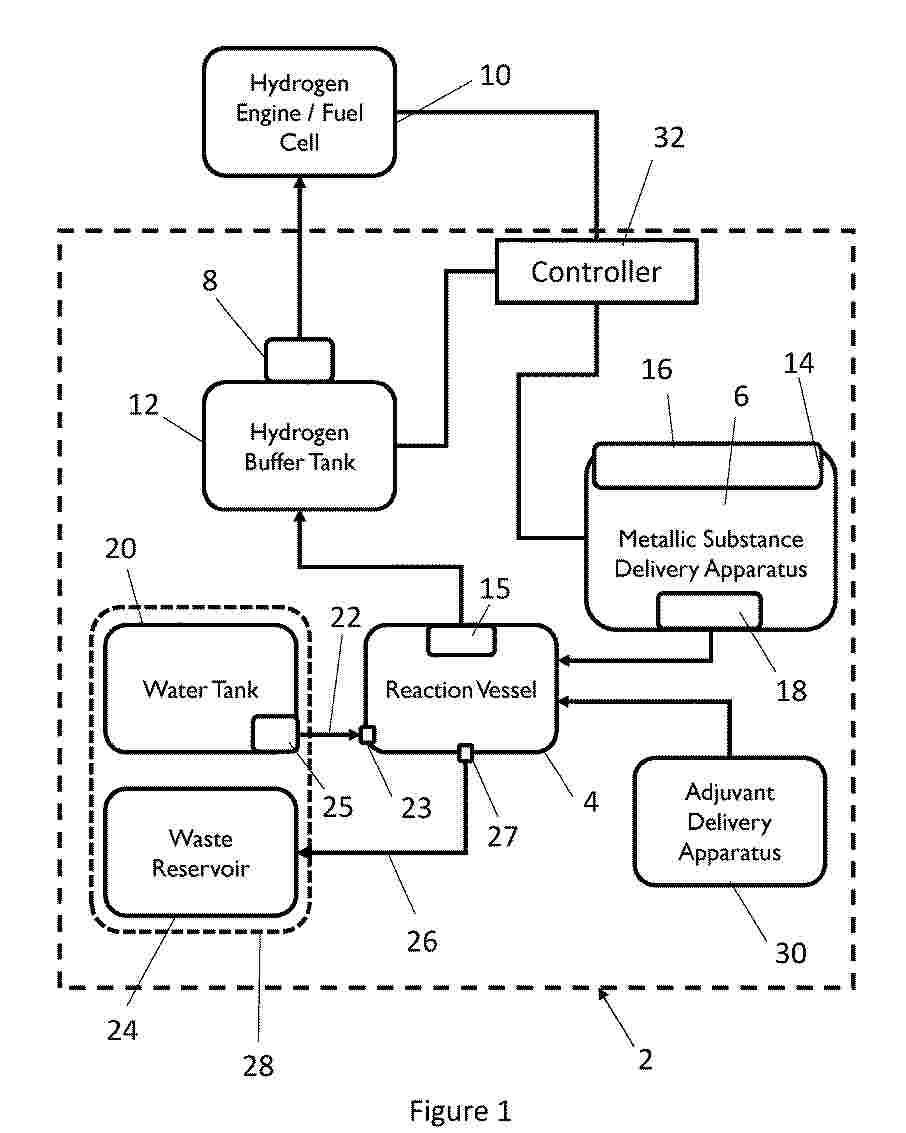
A hydrogen generation system 2 for mounting to a machine in which hydrogen generated by the system is utilised to provide energy to a prime mover (such as an engine or fuel cell) is detailed. The generation system 2 comprises a reaction vessel 4 arranged to hold a water containing liquid. A metallic substance delivery apparatus 6 for selectively delivering a reactive metallic substance to the reaction vessel 4 is described. The metallic substance will, on contact with the liquid, react to generate hydrogen. A pressure regulator assembly 8 is also arranged to deliver the hydrogen at a pressure above atmospheric pressure to an energy conversion apparatus 10 (ie ICE) downstream of the generation system. The hydrogen can be delivered at a pressure greater than 3Bar. An adjuvant material delivery system 30 may also be present to deliver a caustic material (such as sodium hydroxide) to the reaction vessel 4.
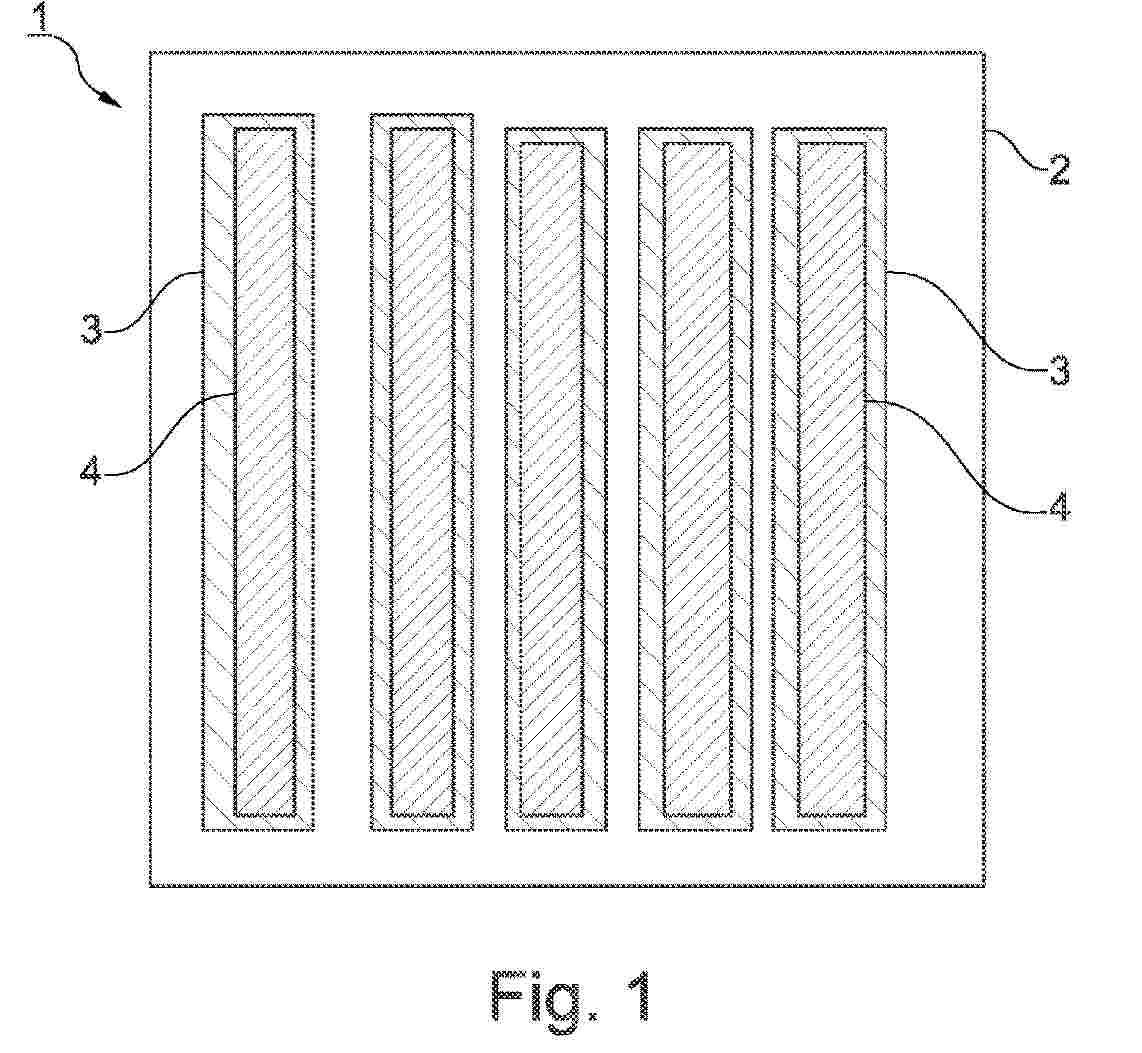
Resumen de: WO2025122054A1
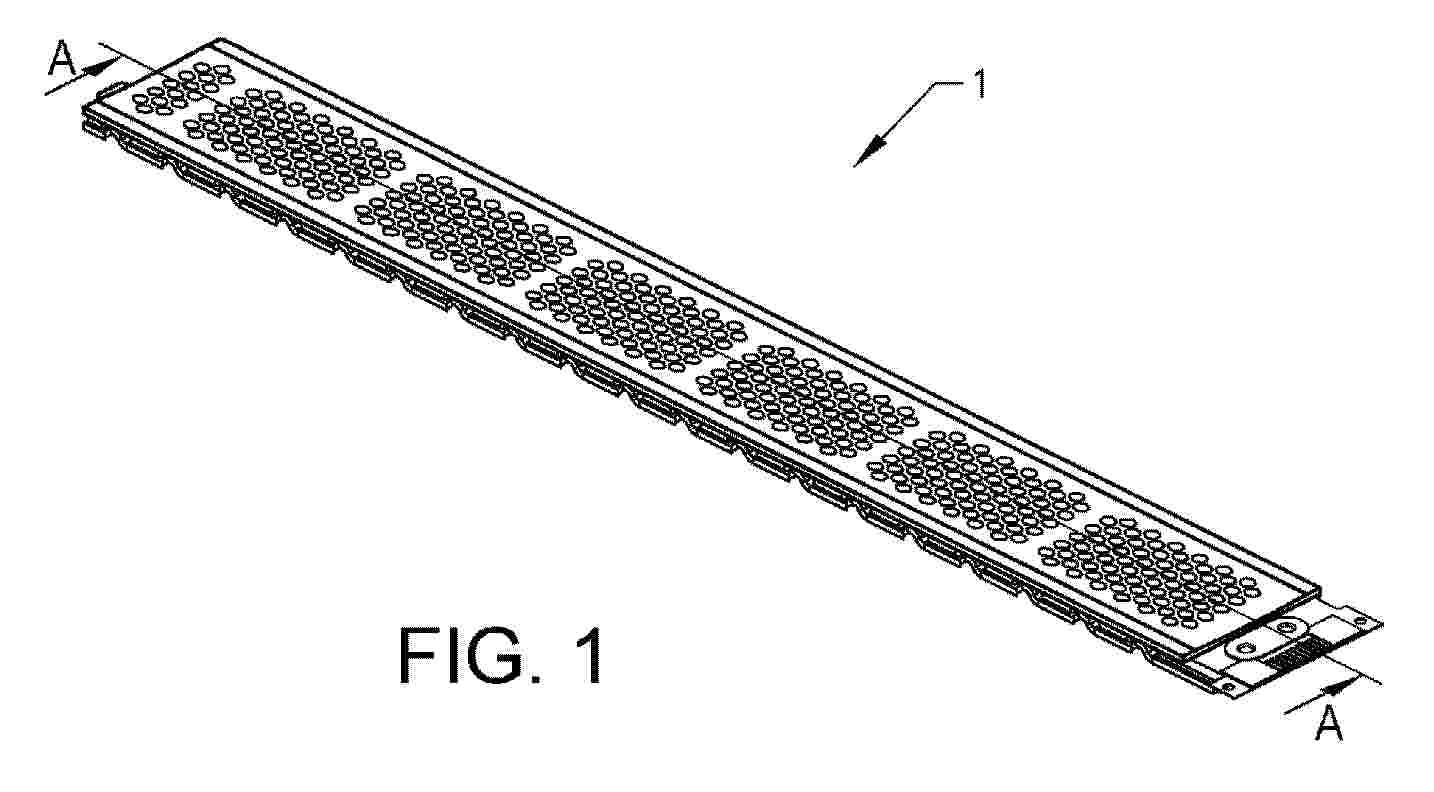
A current collector for a planar fuel cell assembly comprising a plurality of planar fuel cells, the current collector comprising a flexible foil of electrically non-conductive material comprising first and second patterns of electrically conductive material provided on a first and second side thereof, respectively. The first pattern connects the fuel cells in series when the flexible foil is folded over the fuel cells. The second pattern conveys the electrical energy generated in the planar fuel cells to an output terminal.
Resumen de: CN122907661A
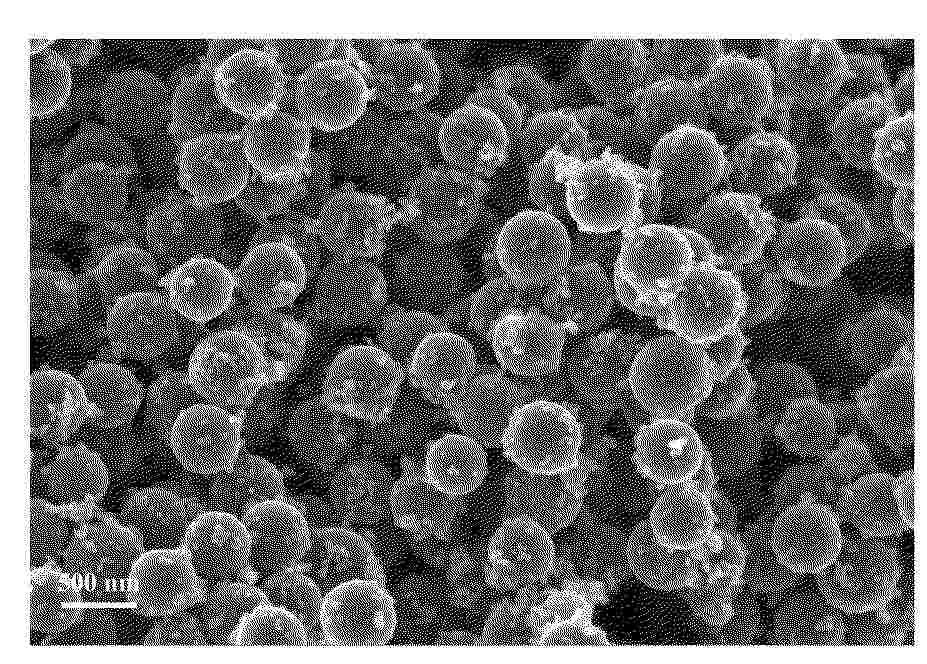
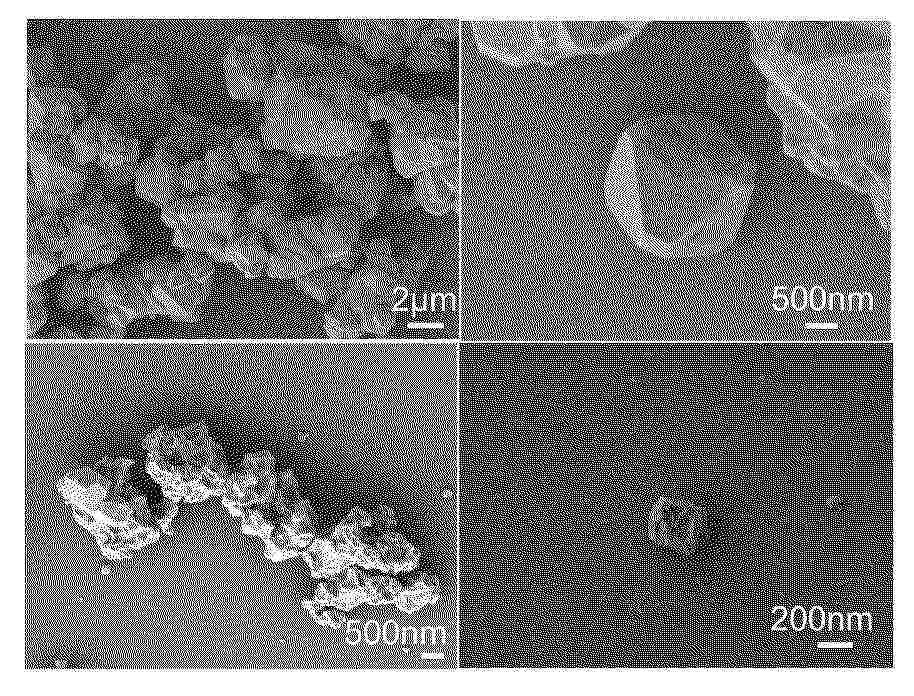
本申请公开了一种铁氮共掺杂介孔碳球及其制备方法和应用,其制备步骤为:向乙醇和去离子水混合液中加入3‑氨基苯酚、氨水溶液,搅拌均匀后加入甲醛溶液,进行第一缩聚反应,得到酚醛树脂微球溶液;再添加乙酰丙酮铁进行二次缩聚,经水热、洗涤干燥得到前驱体,前驱体在保护性气氛下进行碳化处理,得到铁氮共掺杂介孔碳球。本申请精准调控乙醇和去离子水的体积比为1:0.9‑1.1,原位生成带颗粒凸起的球形材料,避免铁团聚浸出,以介孔为主并兼具微孔,可加快传质、减小浓差极化,表面的凸起结构能优化中间体吸附脱附,提高氧还原催化活性。制备无需模板与刻蚀,碳包覆铁的凸起结构与碳球一体成型,结构稳定、使用寿命长,工艺简单。
Resumen de: CN122907659A
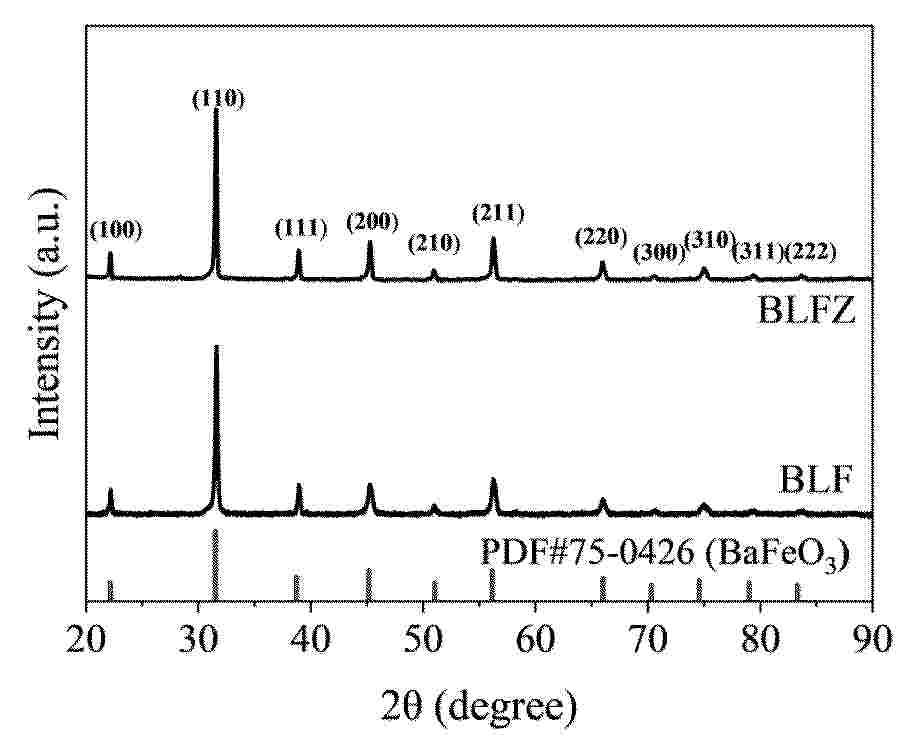
本发明公开了一种B位高价元素调控的无钴氧电极材料及其制备方法与应用,氧电极材料为ABO3型单钙钛矿结构,通式为Ba1‑xAxFe1‑yByO3‑δ;其中,A为镧系元素或碱土金属中的一种,所述镧系元素包括La、Pr、Sm或Gd,碱土金属包括Ca;B为高价态过渡金属元素中的一种,所述高价态过渡金属元素包括Zr、Nb、Mo、Ta或W;x和y满足0≤x,y≤1,δ为氧非化学计量数,且0≤δ≤1。本发明制备的氧电极材料通过在B位引入高价态过渡金属元素进行掺杂调控,降低氧电极材料的热膨胀系数,改善其与电解质之间的热匹配性,从而减少电池在制备及运行过程中因热应力引起的界面开裂、剥离及性能衰减。
Resumen de: CN122907657A
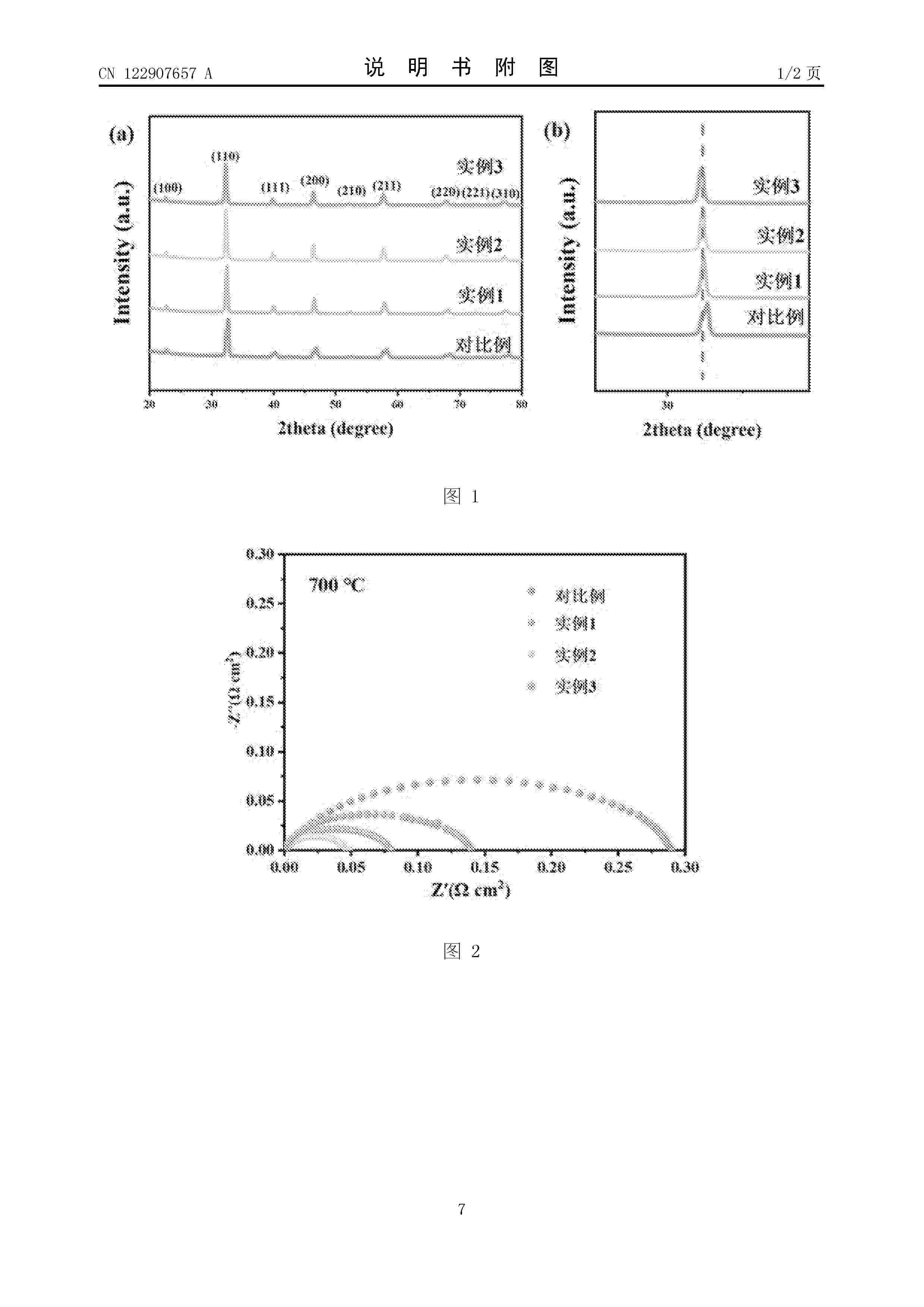
本发明属于固体氧化物燃料电池阴极材料技术领域,公开了一种B位钪掺杂铁基钙钛矿SOFC阴极材料及其制备方法与应用。所述阴极材料为镧锶铁基钙钛矿的B位Sc掺杂改性衍生物;所述改性钙钛矿化学通式为La0.5Sr0.5Fe1−yScyO3−δ,其中Sc掺杂摩尔量y取值为0.05、0.1、0.15。本发明通过“B位元素掺杂+晶格缺陷调控”的协同策略,解决了现有铁基钙钛矿阴极中温氧还原活性不足、极化阻抗偏高与长期稳定性难以兼顾的问题,可广泛应用于中温固体氧化物燃料电池领域。
Resumen de: CN122907688A
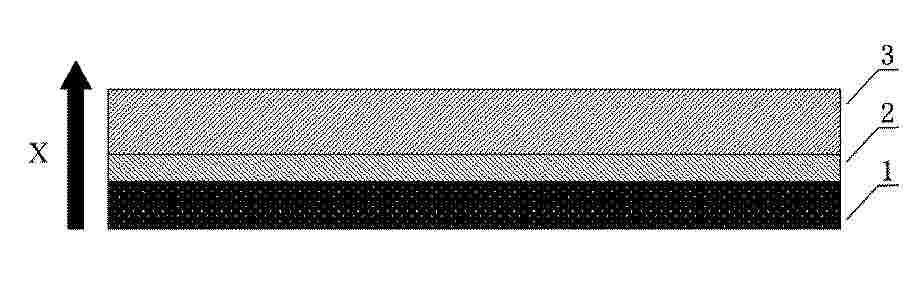
本发明涉及固体氧化物电池技术领域,特别是涉及一种复合粉体及其制备方法和应用。该方法包括以下步骤:将氧化镍粉体、第一钆掺杂氧化铈粉体和第二钆掺杂氧化铈粉体混合;其中,第二钆掺杂氧化铈粉体的粒径小于第一钆掺杂氧化铈粉体的粒径;第一钆掺杂氧化铈粉体与第二钆掺杂氧化铈粉体在混合介质中具有不同的表面电位。本发明通过将常规粒径的钆掺杂氧化铈粉体与球磨细化后的钆掺杂氧化铈粉体搭配使用,利用两种粒径钆掺杂氧化铈粉体在混合介质中表面电位的差异,通过静电相互作用力驱动氧化镍与钆掺杂氧化铈颗粒的定向自组装,实现了复合粉体界面的纳米尺度调控。
Resumen de: CN122907684A
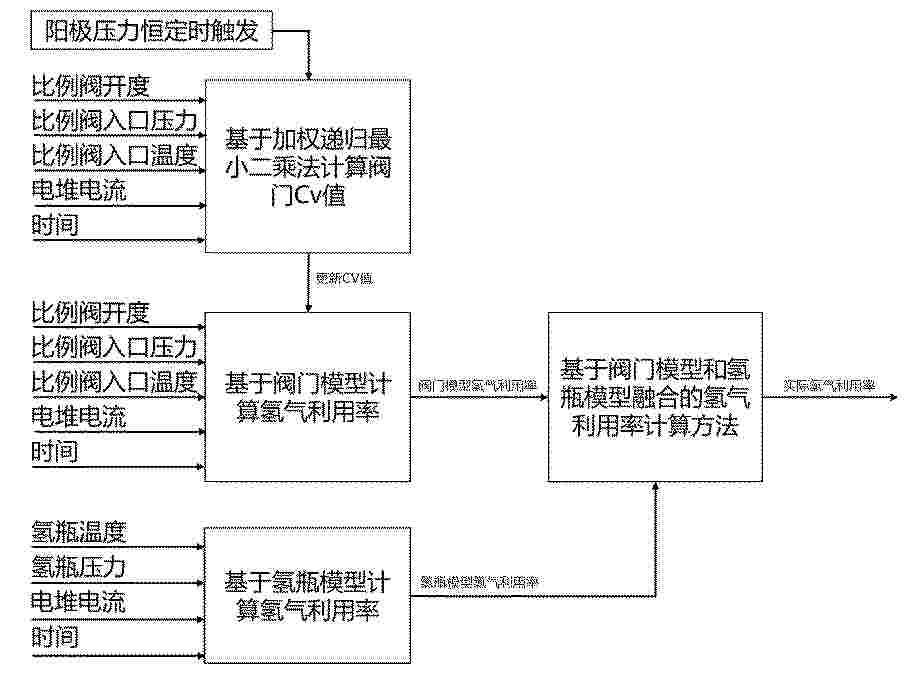
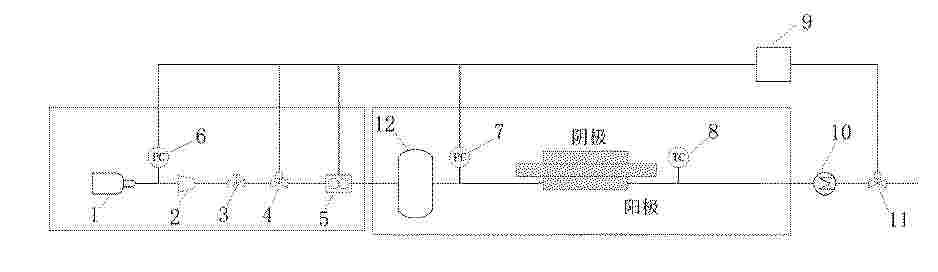
本发明公开了一种燃料电池氢气利用率的计算方法及设备,属于燃料电池技术领域。该方法包括:氢气利用率=电堆消耗氢气质量流量/进入电堆氢气质量流量;进入电堆氢气质量流量基于孔径截面积、流量系数Cv、压力、温度、气体常数和氢气绝热指数计算得出;对流量系数Cv实时迭代更新,触发条件是:尾排阀未开启且电堆压力保持不变;用长周期氢气利用率对短周期氢气利用率进行修正;所述长周期氢气利用率为氢瓶一定时间内氢气利用率的平均值;修正的步骤包括:划分校准区间;求解一次多项式修正系数;修正短周期数据并对不同区间之间进行平滑处理。本发明可以实时高精度计算氢气利用率,低成本、适配性强、可闭环控制尾排阀。
Resumen de: CN122894983A
本发明提供了一种十四面体Pt/CeO2‑T复合催化剂及其制备方法和应用,属于催化剂技术领域。本发明从晶面工程角度出发,构建多晶面协同结构,十四面体CeO2暴露{100}/{111}协同晶面,依靠双晶面协同效应提升Pt0活性位点占比、Ce3+含量与氧空位浓度,增强晶格氧流动性与低温可还原性能,实现低温高CO转化效率、高选择性及优异循环稳定性,在富氢气氛CO优先氧化、燃料电池氢气纯化领域具有良好的工业化应用前景。实施例结果表明,本发明十四面体Pt/CeO2‑T催化剂凭借{100}/{111}协同晶面优势,展现出最优低温活性与整体催化稳定性,在70℃左右即可达到90%左右的CO转化率。
Resumen de: CN122907676A
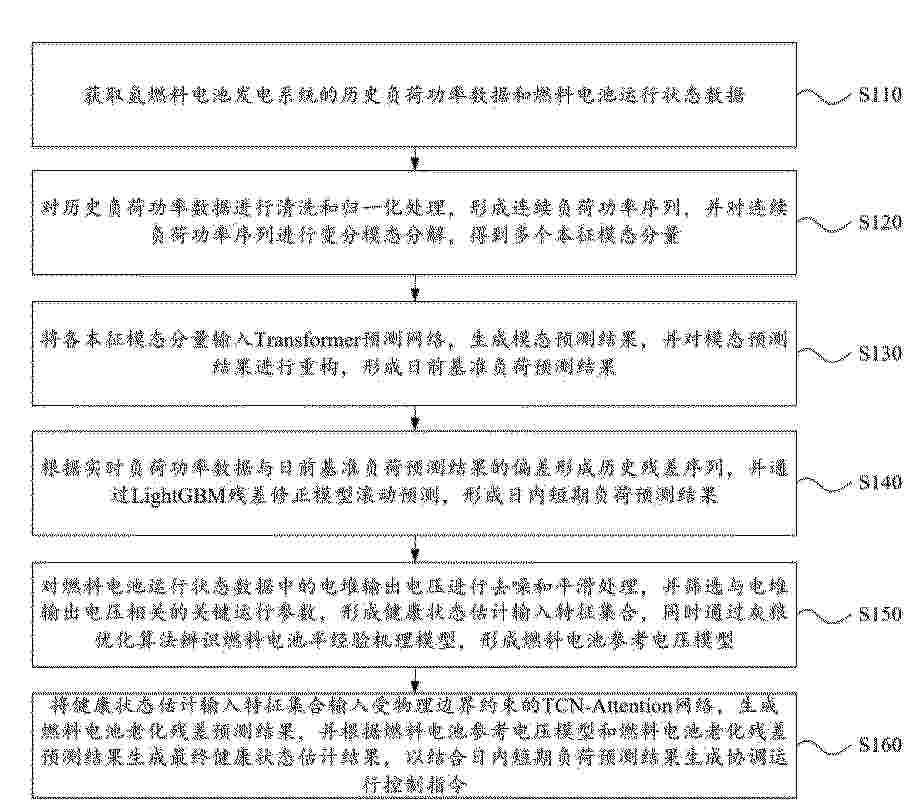
本申请提供一种氢燃料电池发电系统负荷预测与健康状态评估方法,涉及数据处理领域。在该方法中,通过VMD‑Transformer获取日前基准负荷预测结果,并利用LightGBM残差修正实现日内短期负荷预测;同时结合灰狼优化机理辨识和物理约束TCN‑Attention老化残差预测,生成最终健康状态估计结果,从而依据负荷需求与电堆健康状态生成协调运行控制指令。实施本申请提供的技术方案,便于提高强随机非平稳负荷的动态预测精度和燃料电池复杂老化状态的实时估计精度,从而为协调运行控制提供兼顾负荷跟踪和寿命保护的决策依据。
Resumen de: CN122896470A
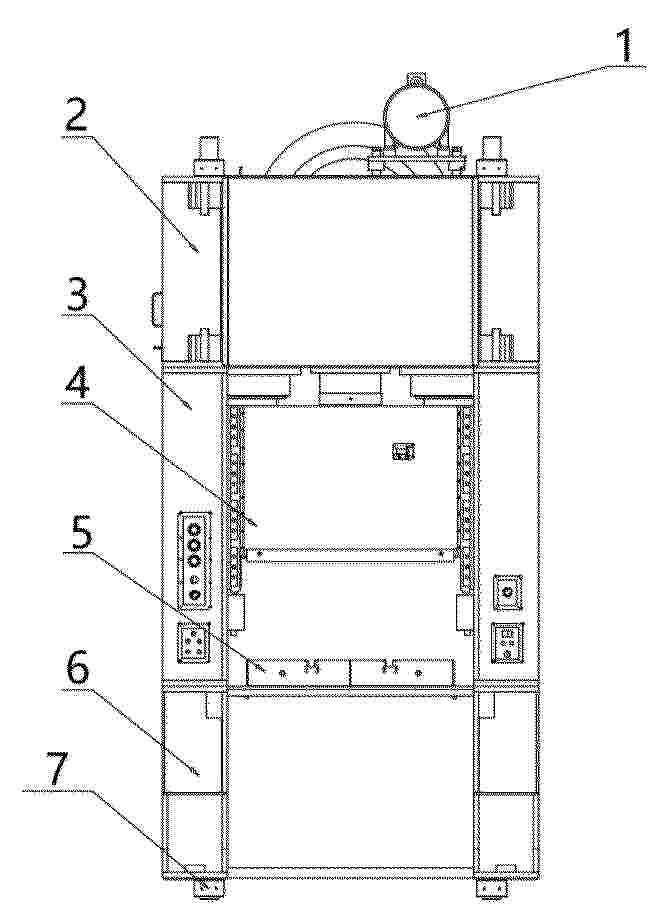
本发明公开了一种集成智能监测的纵置双曲轴肘杆式双点压力机,属于金属塑性加工设备领域,该压力机包括由横梁、立柱和底座通过拉紧螺栓预紧构成的三分体机身框架,以及设置于其内的滑块,其传动系统通过齿轮啮合同步驱动两根纵置曲轴,曲轴经对称肘杆连杆机构带动与滑块固连的导柱,使滑块获得下死点超长保压的运动特性,滑块内设有由蜗轮箱驱动的调模机构及液压锁紧机构,可精确调整并锁定装模高度,本发明具有高刚性、高同步精度和优异的抗偏载能力,特别适用于氢燃料电池金属双极板等精密零件的冷挤压成型。
Resumen de: WO2025186906A1
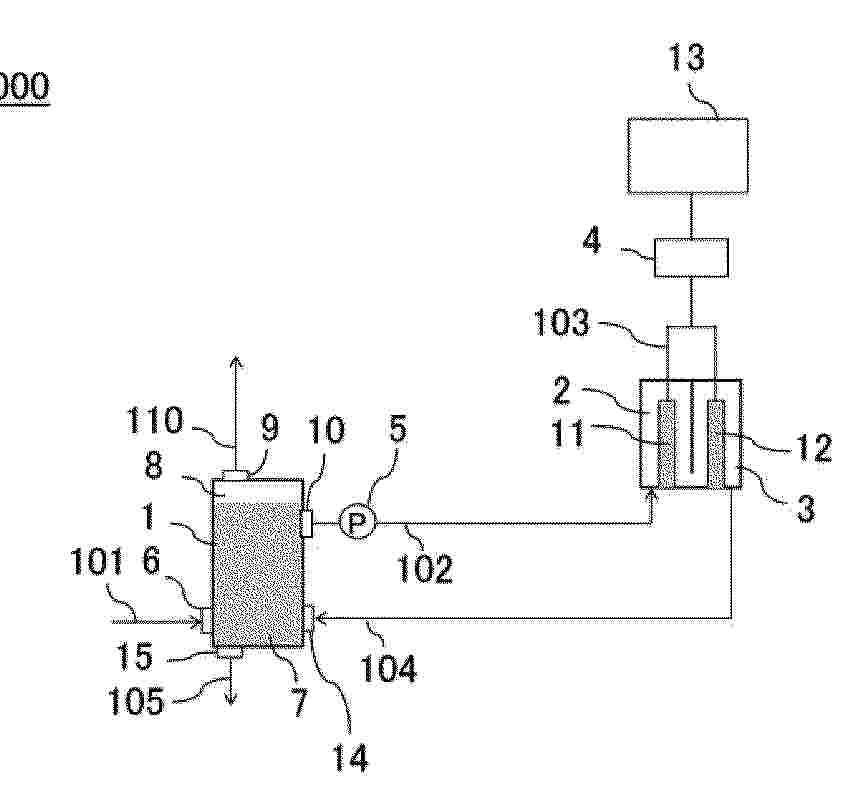
A methane gas generation system (1000, 1001, 1002, 1003, 1004, 1005) comprises a fluid flow generation unit (5) that generates a flow of a fermentation liquid (7) that has been generated at a fermentation tank (1) and brings the fermentation liquid (7) into contact with an anode electrode (11) and then a cathode electrode (12). As a result of the flow field of the fermentation liquid (7) being formed in one direction such that the fermentation liquid (7) contacts the anode electrode (11) and then the cathode electrode (12), hydrogen generated at the cathode electrode (12) is kept from contacting the anode electrode (11) and reverting to protons. The present invention thereby provides a methane gas generation system (1000, 1001, 1002, 1003, 1004, 1005) that can reduce the risk of increasing the power required per unit of methane generation and can thereby suppress reductions in methane gas generation efficiency.
Resumen de: WO2026205356A1
A porous carbon sheet according to the present invention has a water sliding angle of 0° to 30°, inclusive, on at least one surface thereof, and the fluorine/carbon intensity ratio of said surface is 0.10 to 0.30, inclusive.
Resumen de: CN122907671A
本发明属于固态氧化物燃料电池系统技术领域。提出了一种固态氧化物燃料电池系统停机衰减抑制系统、方法及车辆。该系统包括燃料电池模组、保护气供给模组和电控单元,通过在停机时控制第一隔离阀和第二隔离阀关闭形成密闭腔体,并执行智能化保压控制。电控单元实时监测腔体压力和电堆温度,当压力低于下限阈值时通入定量氢氮混合保护气维持正压环境,当温度降至衰减最低限值后终止保压操作。本发明有效解决了现有技术中快速停机与阳极衰减抑制难以兼顾的技术难题,既实现了停机过程的快速完成,又确保了高温阶段阳极的有效保护,避免了不必要的气体消耗,显著提升了系统可靠性和经济性,特别适用于车用等对快速启停有迫切需求的应用场景。
Resumen de: CN122907692A
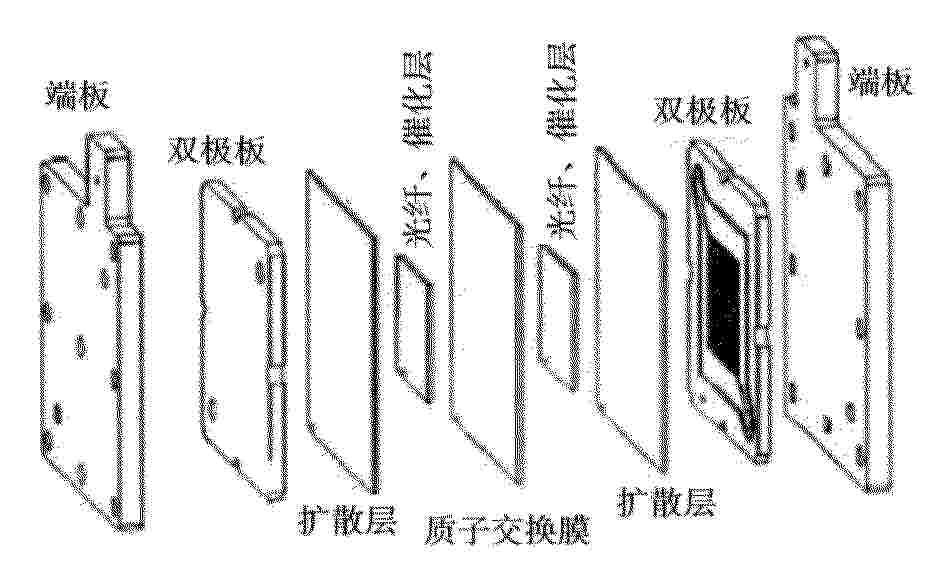
本发明涉及一种光纤化学燃料电池堆,光纤化学:光纤化学指的是通过质子或离子交换膜,并在其两侧构建集成了光催化面、化学催化剂层、双电层和导电层的界面化学体系;结合了光电催化与电催化技术,适用于氢燃料电池和直接醇燃料电池。通过光纤系统传输光线,并利用光催化与电催化协同作用,提高反应速率与能量转换效率。燃料电池堆的光催化面、化学催化剂层、双电层面和导电层集成一体,采用多相复合催化剂或仅依赖光线作为催化触发。光纤传输系统通过分光器将光线均匀传递至光催化面,光纤布局可根据反应面积和催化效率进行调整。该系统具备模块化设计,支持串联或并联组合多个光纤化学燃料电池单元,适应不同应用需求。此发明能够有效降低贵金属催化剂的使用,降低成本并提升性能,特别适用于便携电源、无人设备供能及分布式发电等领域。
Resumen de: CN224851749U
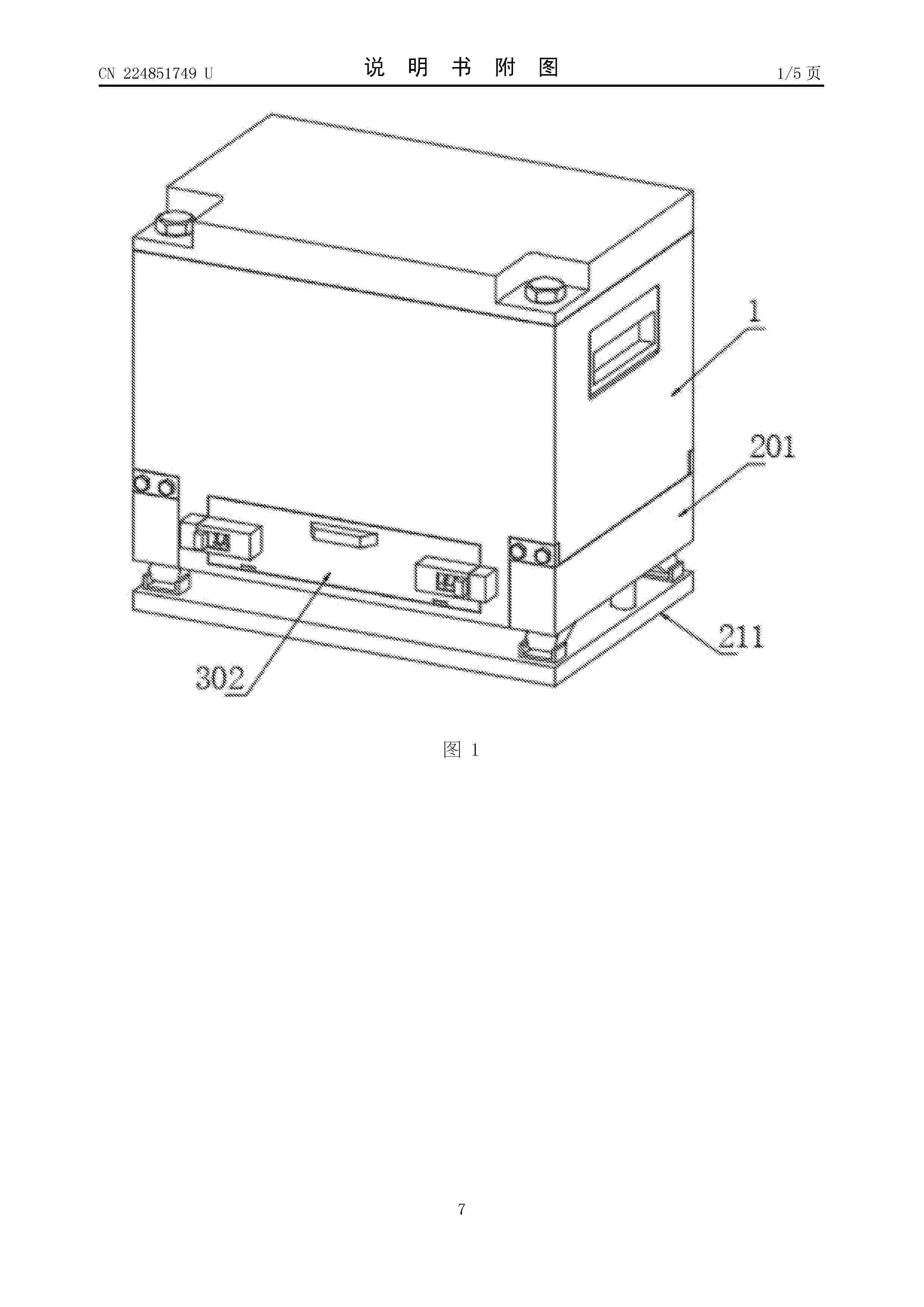
本实用新型提供适用于户外环境的全钒液流电池防护外壳,涉及全钒液流电池技术领域,包括外壳主体,所述外壳主体的两侧底部均连接有减震防护组件,所述减震防护组件包括固定架,所述固定架的前后端顶部均连接有侧耳,所述固定架,所述底部中心位置连接有阻尼器,所述固定架的内部中心位置插接有固定杆,所述固定杆的两侧表面均套接有第一弹簧。本实用新型中,当外壳主体在户外使用并放置在地面上时,底板会先与地面进行接触,冲击力会使得底板能够向上挤压,并带动移动块对第一弹簧进行挤压,配合阻尼器达到减震缓冲的作用,实现对外壳主体内部电池的保护,避免冲击力会透过外壳主体传递至内部,进而对电池组件造成冲击损伤的问题。
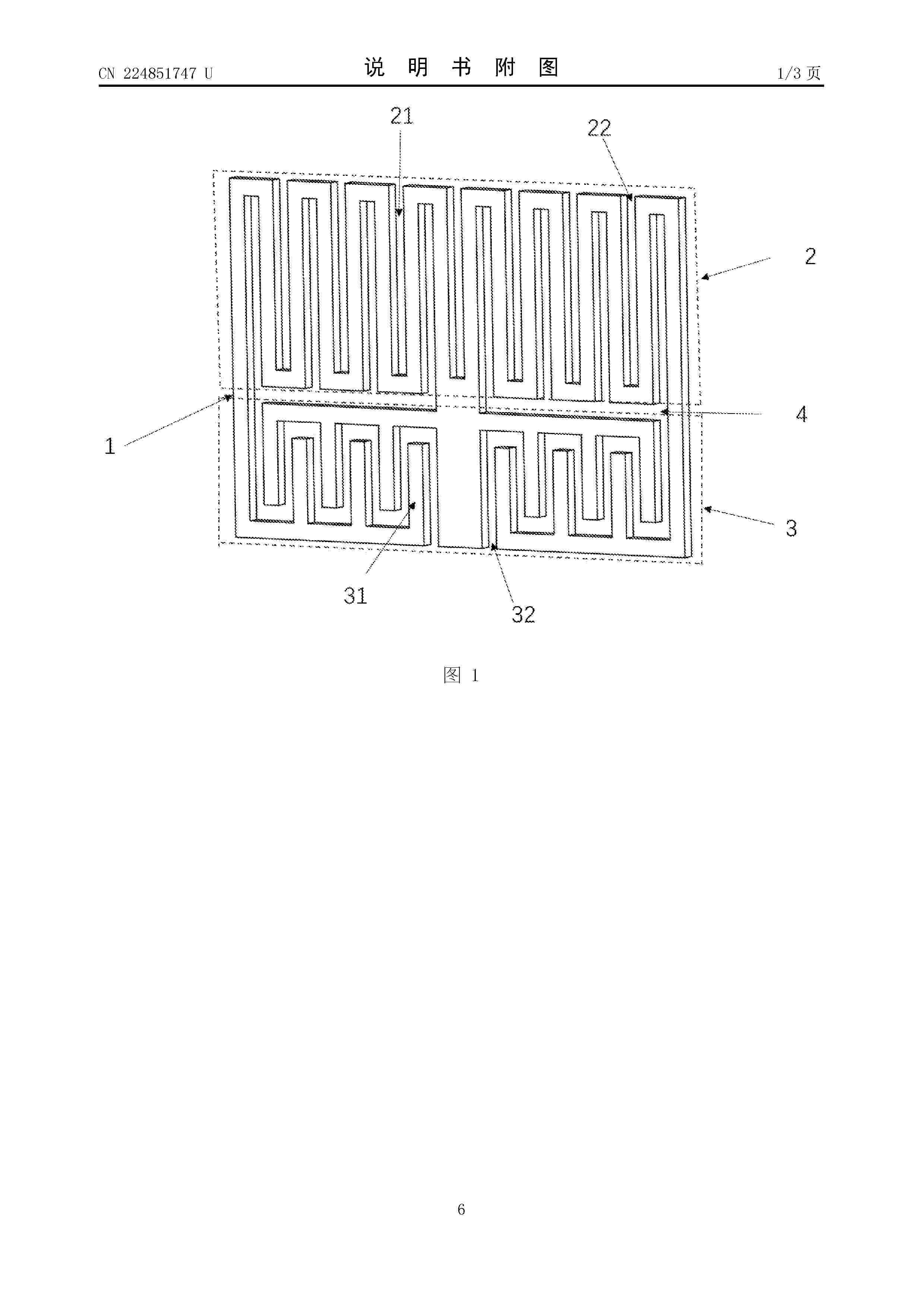
Resumen de: CN224851747U
本实用新型涉及液流电池技术领域,尤其涉及一种含有复合型流场结构的液流电池流道板,包括插指型流场流道和蛇型流场流道,插指型流场流道和蛇型流场流道设置于同一块流道板上,插指型流场流道设置于电解液的进液口位置,蛇型流场流道设置于电解液的出液口位置,蛇型流场流道设有2个进液口和2个出液口,插指型流场流道和所述蛇型流场流道中间设有过渡流道。电解液在复合型流场结构流道板内充分地渗入和渗出电极,反应充分,电化学极化和浓差极化都较小,进而电池内阻变小,电池性能较好。
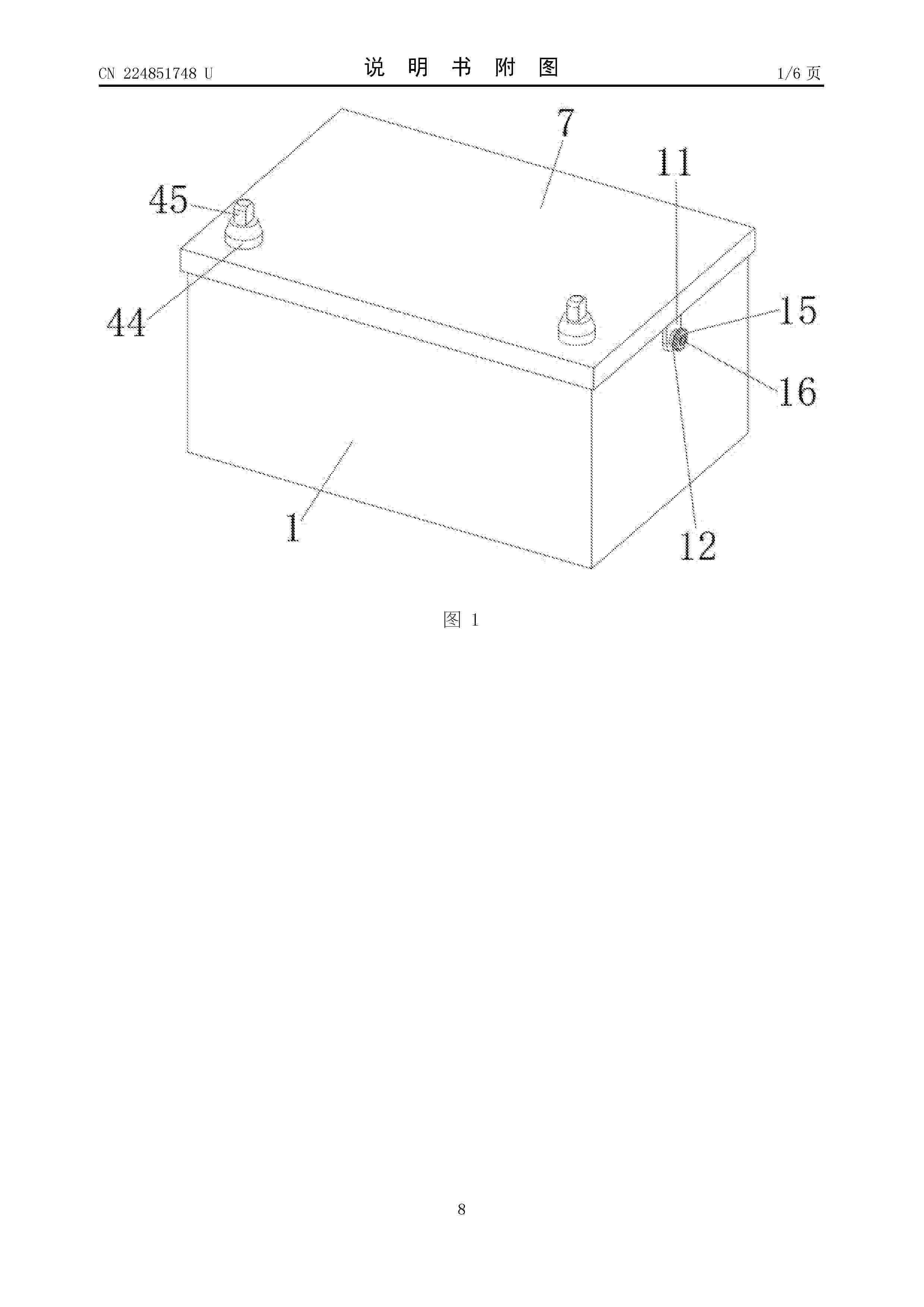
Resumen de: CN224851748U
本实用新型提供可便捷更换电极的全钒液流电池结构,涉及全钒液流电池技术领域,包括盒体,所述盒体的内部设置有密封板与密封垫,所述密封板的顶端固定安装有盖板,所述盖板的顶端固定安装有凸块与连接块以及连接槽,所述盖板的底端固定安装有侧板与固定块,所述固定块的内部设置有螺纹杆,所述盒体的内部设置有隔膜,所述隔膜的左侧设置有安装板A与正极片以及卡块A,实现了对电极间距及压力的精准控制,降低了操作难度,双极板与安装杆的联动滑轨系统,配合限位块的定位约束,既保障了电极装配的稳定性,又避免了因误操作导致的接触不良问题,隔膜与安装槽的适配性设计,有效隔离正负极区域,提升了电池运行的安全性与电化学性能。
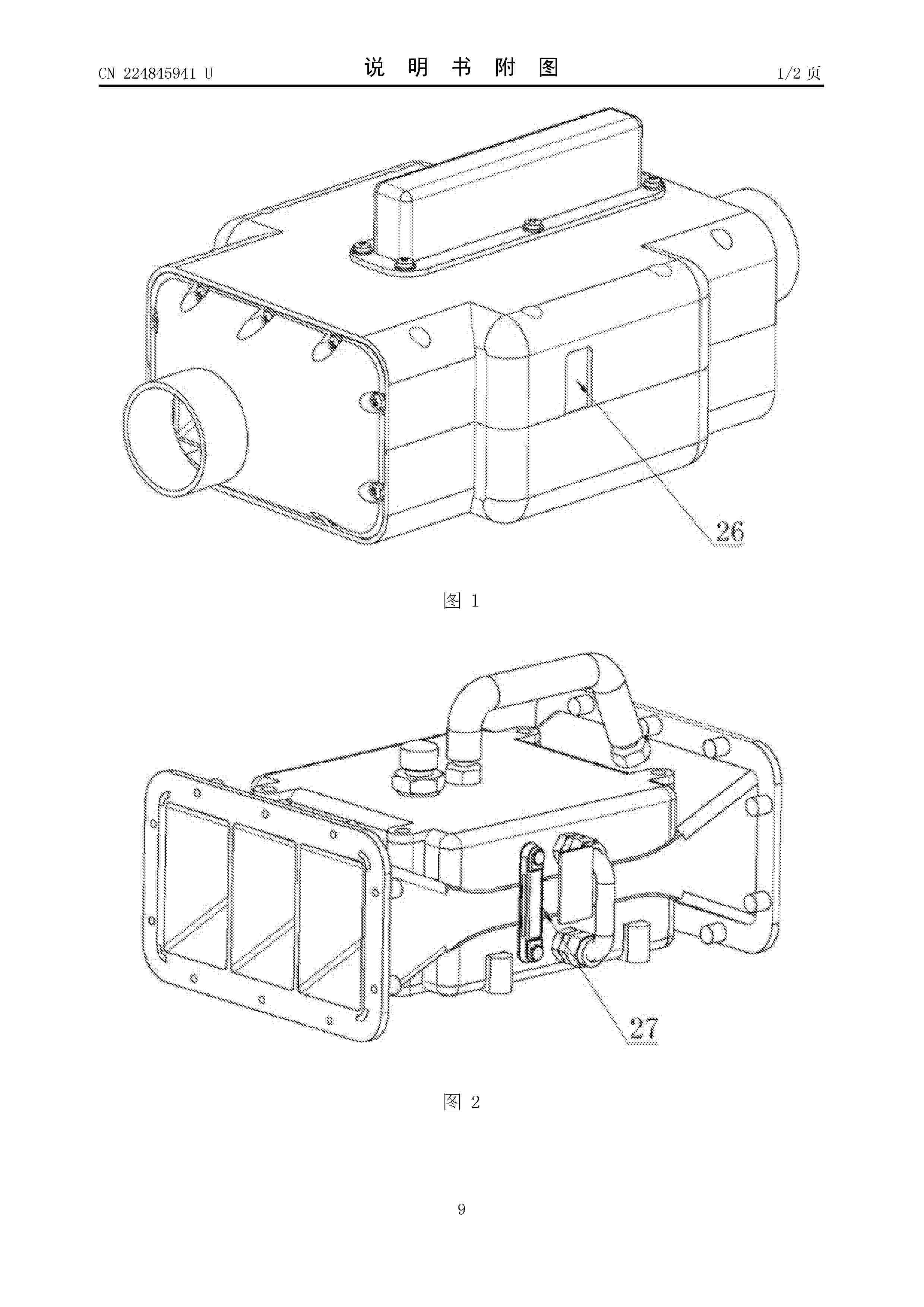
Resumen de: CN224845941U
本实用新型公开了一种矩形文丘里管加湿装置,包括:外壳组件、加湿管道组件、上水箱组件和下水箱组件,本实用新型装置采用前后同轴接口与一体壳体,减少入口紊流和旁路泄漏;文丘里中部低压配合增压管等压连通,使跨膜压差处于易控制区间;水蒸气沿对位通气孔进入主流,混合过程较为稳定;进出口对称与并联流道几何一致,减小通道间湿度差,适配氢气或空气的连续运行需求,同时,中部安装槽嵌置透气防水膜并由双密封圈压紧,便于更换同时限制旁路;上水箱与下水箱的通气孔与流道对应布置,缩短蒸汽路径并降低冷凝风险;观察窗与液位仪配合便于读数,加水口配密封帽便于补水与复位密封,使维护流程更顺畅、停机时间更易控制。
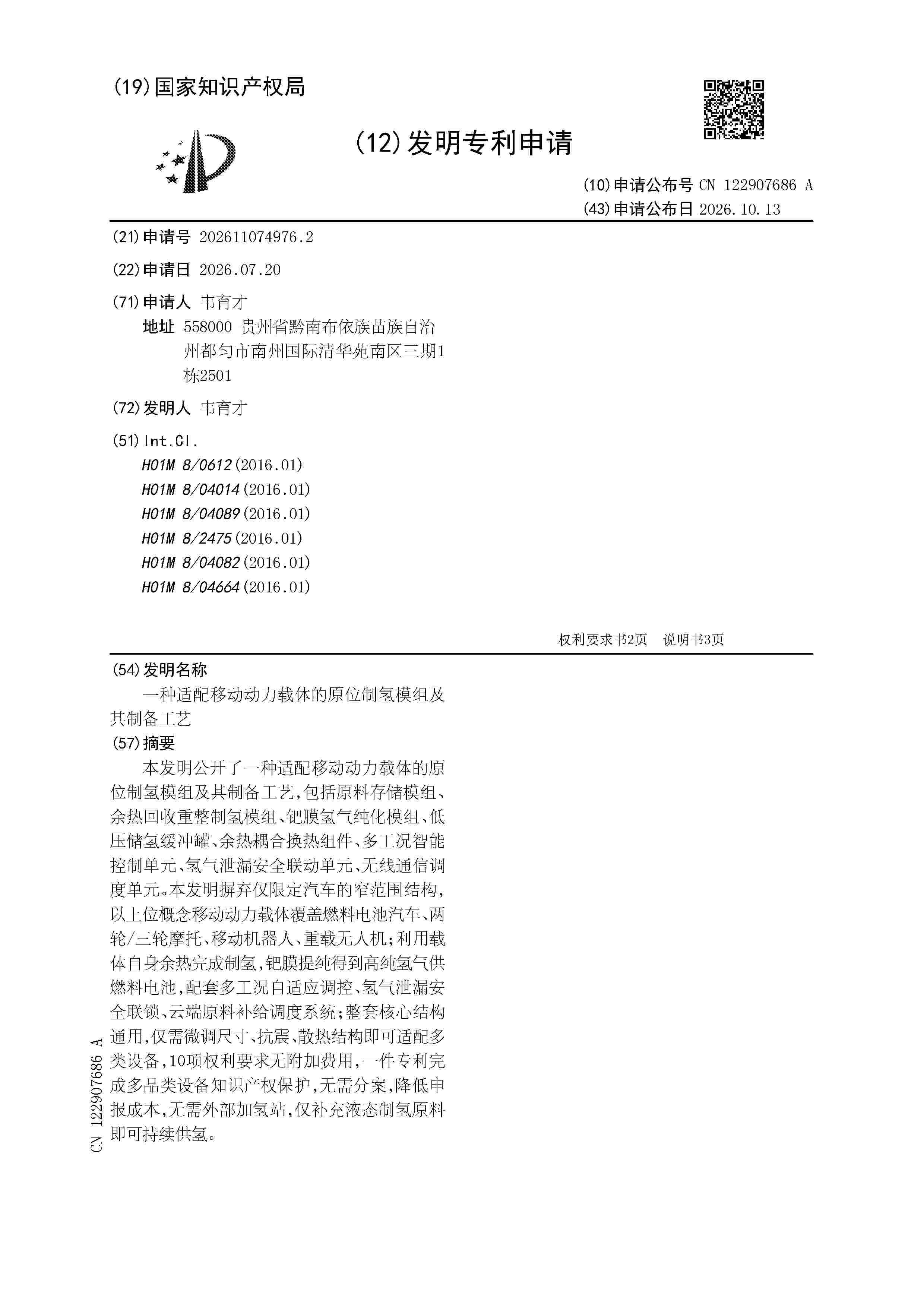
Resumen de: CN122907686A
本发明公开了一种适配移动动力载体的原位制氢模组及其制备工艺,包括原料存储模组、余热回收重整制氢模组、钯膜氢气纯化模组、低压储氢缓冲罐、余热耦合换热组件、多工况智能控制单元、氢气泄漏安全联动单元、无线通信调度单元。本发明摒弃仅限定汽车的窄范围结构,以上位概念移动动力载体覆盖燃料电池汽车、两轮/三轮摩托、移动机器人、重载无人机;利用载体自身余热完成制氢,钯膜提纯得到高纯氢气供燃料电池,配套多工况自适应调控、氢气泄漏安全联锁、云端原料补给调度系统;整套核心结构通用,仅需微调尺寸、抗震、散热结构即可适配多类设备,10项权利要求无附加费用,一件专利完成多品类设备知识产权保护,无需分案,降低申报成本,无需外部加氢站,仅补充液态制氢原料即可持续供氢。
Nº publicación: CN224845909U 13/10/2026
Solicitante:
上海宇集动力系统有限公司
Resumen de: CN224845909U
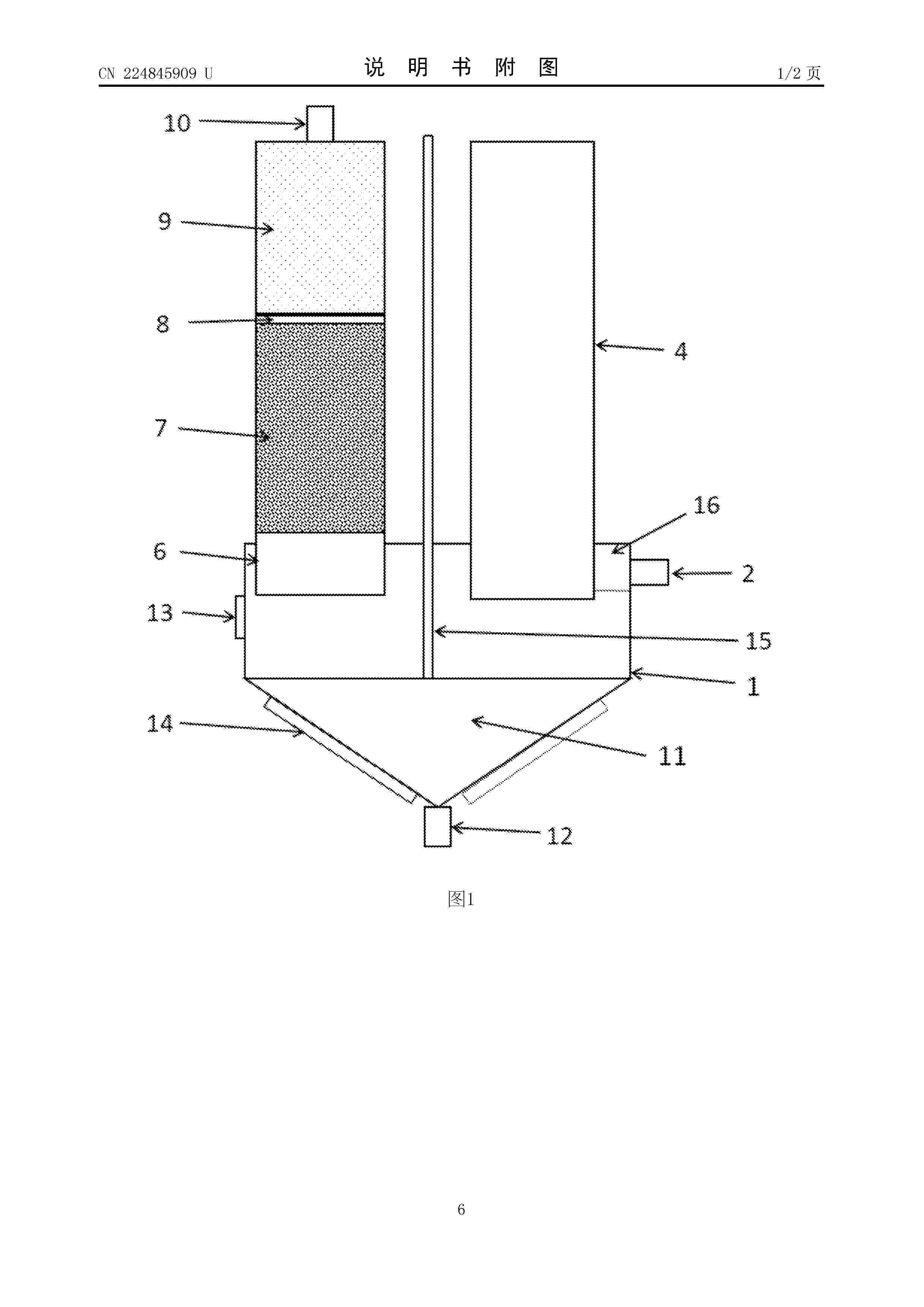
一种适用于便携式燃料电池系统的过滤器,包括壳体,壳体的侧面设置有进气口,进气口通过第一流道与壳体的内腔连通,第一流道中设置有控制阀,壳体的一侧连接有冷凝装置,冷凝装置中设置有第二流道,所述的进气口还通过冷凝装置的第二流道与壳体的内腔连通,第二流道的长度大于第一流道的长度,壳体的另一侧连接有过滤干燥组件,过滤干燥组件的顶部设置有出气口,壳体的底部设置有集液腔、排水口。本实用新型不仅能通过过滤材料去除氢气中的杂质气体成分,还能通过干燥材料和防水透气膜、过滤材料进一步去除水分和固态杂质颗粒,常温或高温环境可提前通过冷凝装置使水汽冷凝为液体。低温时可通过控制阀让气体直接进入壳体里自然冷凝,并通过监控集液腔温度和辅助加热等措施确保低温下集液腔冷凝水排出。
 BOPI
BOPI
 Sede Electrónica