Si deseas distinguir tus productos, servicios o ambos de los de otra empresa, es posible que necesites una marca o nombre comercial. Descubre qué son, en qué consiste su procedimiento de registro y qué implica.

Información sobre los plazos de presentación de solicitudes de transformación de marcas de la Unión Europea en marca nacional española. Más información


Si tienes un nuevo dispositivo, producto o procedimiento que resuelva un problema técnico o tenga una ventaja práctica, existen distintas formas de protegerlo en España y en otros países. Descubre cómo hacerlo.

¿Tu innovación reside en la estética, la ornamentación o la apariencia de tu producto? Protégela mediante un diseño industrial. Descubre qué derechos confiere el registro y cómo realizar la tramitación.

Las indicaciones geográficas protegen el nombre de un producto originario de una zona geográfica, a la cual le debe una determinada calidad, reputación u otra característica. Descubre qué son, en qué consiste su procedimiento de registro y qué beneficios conceden.

Las patentes publicadas en todo el mundo son una valiosa fuente de información científica, técnica y comercial.

Si eres emprendedor/a o una empresa y quieres potenciar y mejorar la rentabilidad de tu negocio protegiendo de forma adecuada los activos intangibles de tu organización, en este espacio encontrarás lo necesario.


 644
resultados
644
resultados
 Última actualización
22/03/2026 [06:48:00]
Última actualización
22/03/2026 [06:48:00]


 Resultados 425 a 450 de 644

Resumen de: JP2026043183A
【課題】燃料電池セルの電極触媒層への異物の混入を低減する。【解決手段】燃料電池セルに備えられる燃料電池セルの電極触媒層の製造方法であって、触媒粒子を調製し、触媒粒子、アイオノマ及び溶媒を混合し触媒インクを調製する製造方法において、粉砕用ボール及び容器内面それぞれの少なくとも表面が酸化セリウムを主成分として構成されたボールミル装置を用いる。【選択図】図4

Resumen de: JP2026044295A
【課題】燃料電池スタック内の液水の存在により燃料電池セルの電圧が低下したり、場合によって負電圧となって、触媒層の劣化を招くといった事態を抑制する。【解決手段】電解質膜や触媒層等を有する燃料電池スタックに、燃料ガスを供給すると共に、燃料電池スタックから排出されたガスの少なくとも一部を、燃料電池スタックに循環し、燃料電池スタックの温度であるスタック温度と、燃料ガス循環系の温度である循環系温度とを取得する。スタック温度と循環系温度との温度差が、予め定めた規定温度差を超えた場合には、燃料電池セルに供給される燃料ガスの割合を、温度差が規定温度差以下の場合より高める。【選択図】図1
Resumen de: JP2026043958A
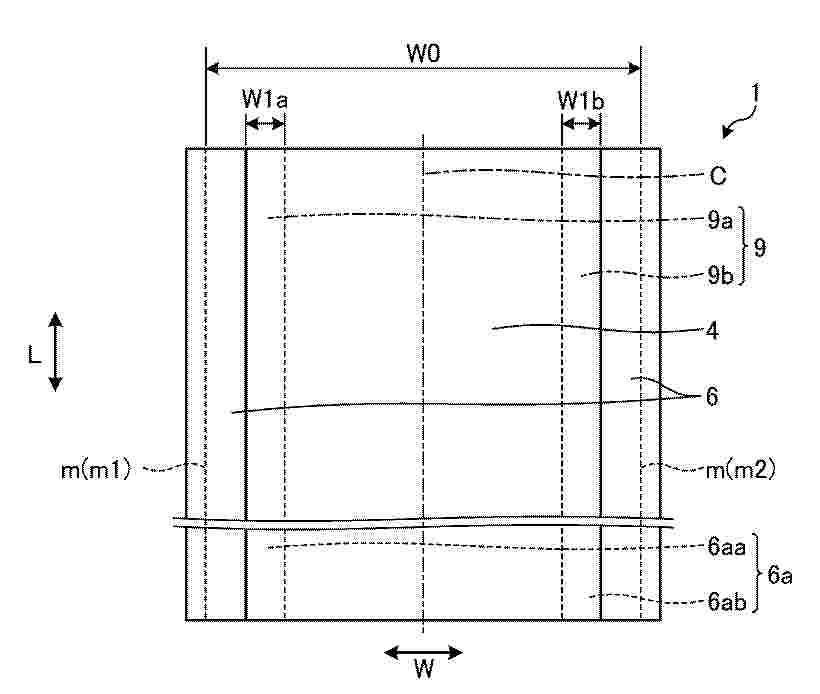
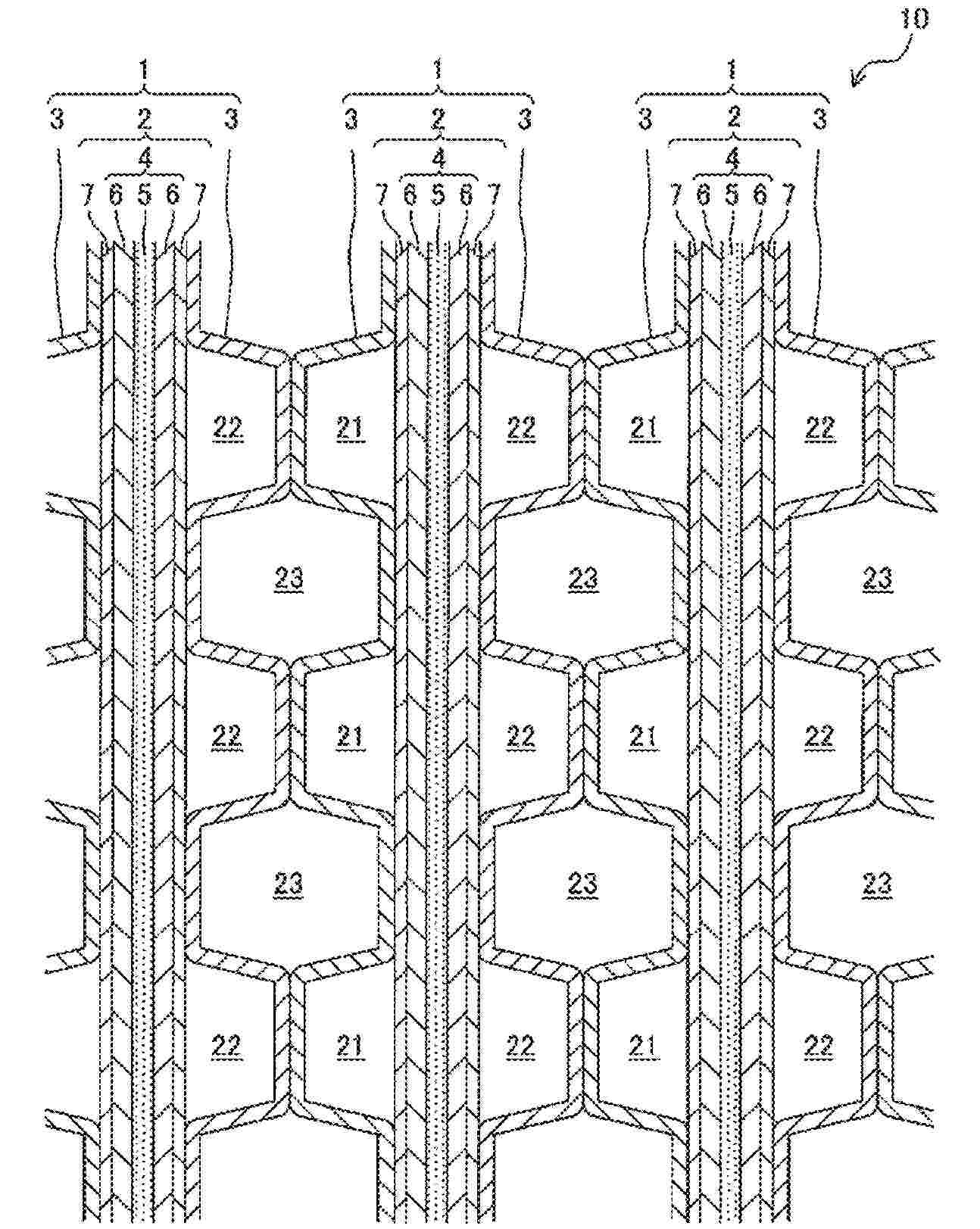
【課題】耐久性を向上することができる電気化学セル、電気化学セル装置、モジュールおよびモジュール収容装置を提供する。【解決手段】電気化学セルは、支持体と、固体電解質層と、インターコネクタと、重なり部とを有する。支持体は、第1方向に延びる第1面、第1面と反対側の第2面、および第1方向に交差する第2方向において第1面の端部と第2面の端部とをつなぐ側面を有する。固体電解質層は、第1面および側面に面する。インターコネクタは、第2面に面する。重なり部では、第2面を平面視したとき、固体電解質層とインターコネクタとが重なる。固体電解質層は、インターコネクタの第2方向の端部に接している。第2方向に沿う支持体および重なり部の長さをそれぞれW0、W1としたとき、0<W1/W0≦0.28である。【選択図】図1B
Resumen de: JP2026043573A
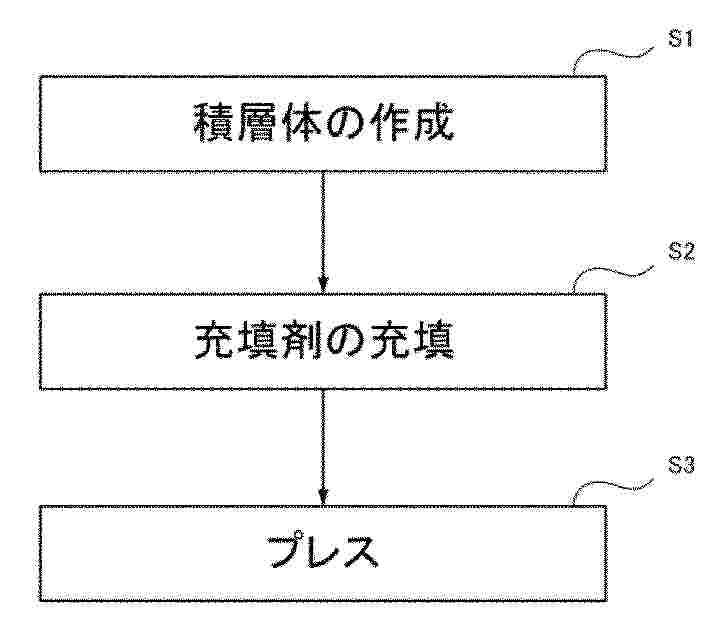
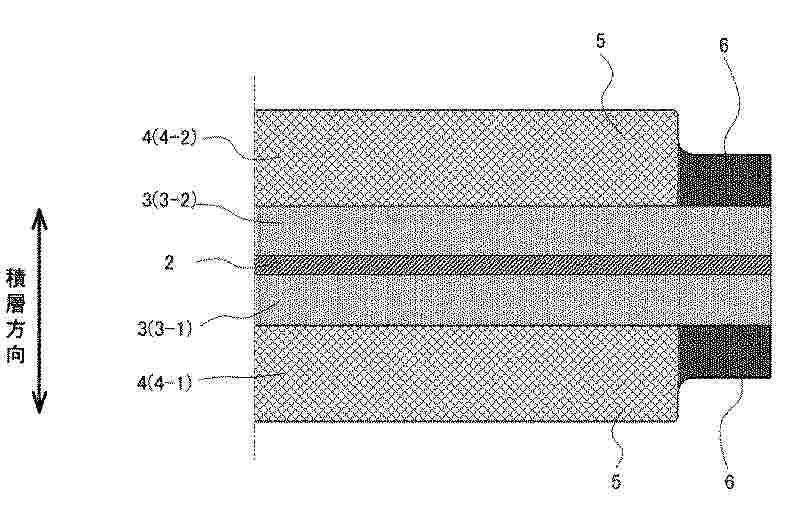
【課題】電解質層を破壊することなく、ガスの漏洩を防ぐことができる程度に、金属支持体層の端部を緻密化すること。【解決手段】電気セルの製造方法は、電解質層、カソード電極層、アノード電極層、及び一対の金属支持体層を有する積層体を作成する工程であって、一対の金属支持体層の各々は、多孔質構造を有する工程と、各金属支持体層の端部に、充填剤を充填する工程と、各金属支持体層の端部を、緻密化するようにプレスする工程と、を備える。【選択図】図2
Resumen de: JP2026043575A
【課題】電解質層を破壊することなく、金属支持体層の端部をプレスにより緻密化することができる技術を提供すること。【解決手段】SOFC又はSOECである電気セル1の製造方法であって、電解質層2、カソード電極層3-1、アノード電極層3-2、及び一対の金属支持体層4を有する積層体を作製する工程と、一対の金属支持体層4の端部を、緻密化するようにプレスする工程と、を備え、プレスする工程は、一対の金属支持体層が加熱された状態で実施される。【選択図】図1
Resumen de: JP2026043258A
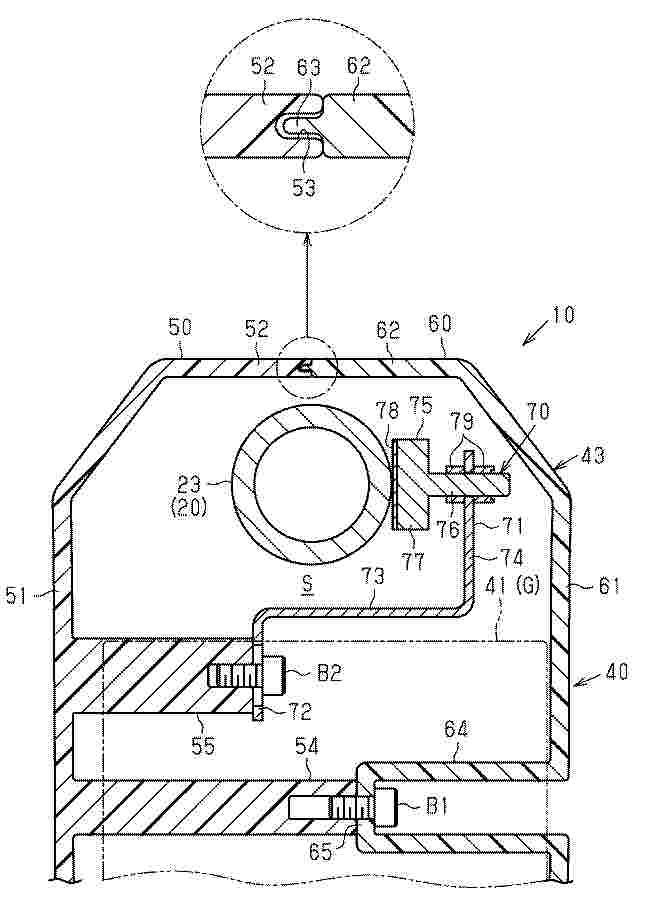
【課題】燃料電池と燃料タンクとの取り付け作業が煩雑となることを抑制できる燃料電池ユニットの取付構造及び電動アシスト車両を提供する。【解決手段】燃料電池ユニット40の取付構造は、乗員による人力駆動力にモータによるアシスト駆動力を加えて移動可能に構成された電動アシスト車両10に適用され、電動アシスト車両10のフレーム20に燃料電池ユニット40を取り付ける構造である。燃料電池ユニット40は、燃料電池41と、燃料タンクと、フレーム20を収容する収容空間Sを内部に形成する第1分割体50及び第2分割体60を有するベース部43とを備える。燃料電池41及び燃料タンクは、第1分割体50に固定されている。ベース部43は、フレーム20が収容空間Sに収容された状態で第1分割体50と第2分割体60とが互いに連結されることにより、フレーム20に取り付けられている。【選択図】図2
Resumen de: US20260070110A1
A method and a press for introducing a deformation pattern into a sheet uses at least one tool unit for producing an electrolyser plate or fuel cell plate, wherein the deformation pattern in at least one sub-area has a plurality of identical pattern units lying beside one another with a pattern spacing in at least one pattern direction, and the press for forming only the sub-area comprises a tool unit, in which an upper and a lower forming die are arranged, with the interacting deformation structures of which at least one pattern unit of a sub-area is formed in a single stroke of the tool unit in the sheet guided between the forming dies, and with each stroke of a predetermined total number, the pattern introduced into the sheet is supplemented by at least one introduced pattern unit.
Resumen de: US20260071338A1
A multi-layer porous transport layer (PTL) comprising a first layer comprising a first surface and a second surface opposite the first surface, the first layer being made of one or more first particles, and a second layer comprising a first surface and a second surface opposite the first surface, the second surface of the second layer being coupled to the first surface of the first layer, the second layer being made of one or more second particles.
Resumen de: US20260070826A1
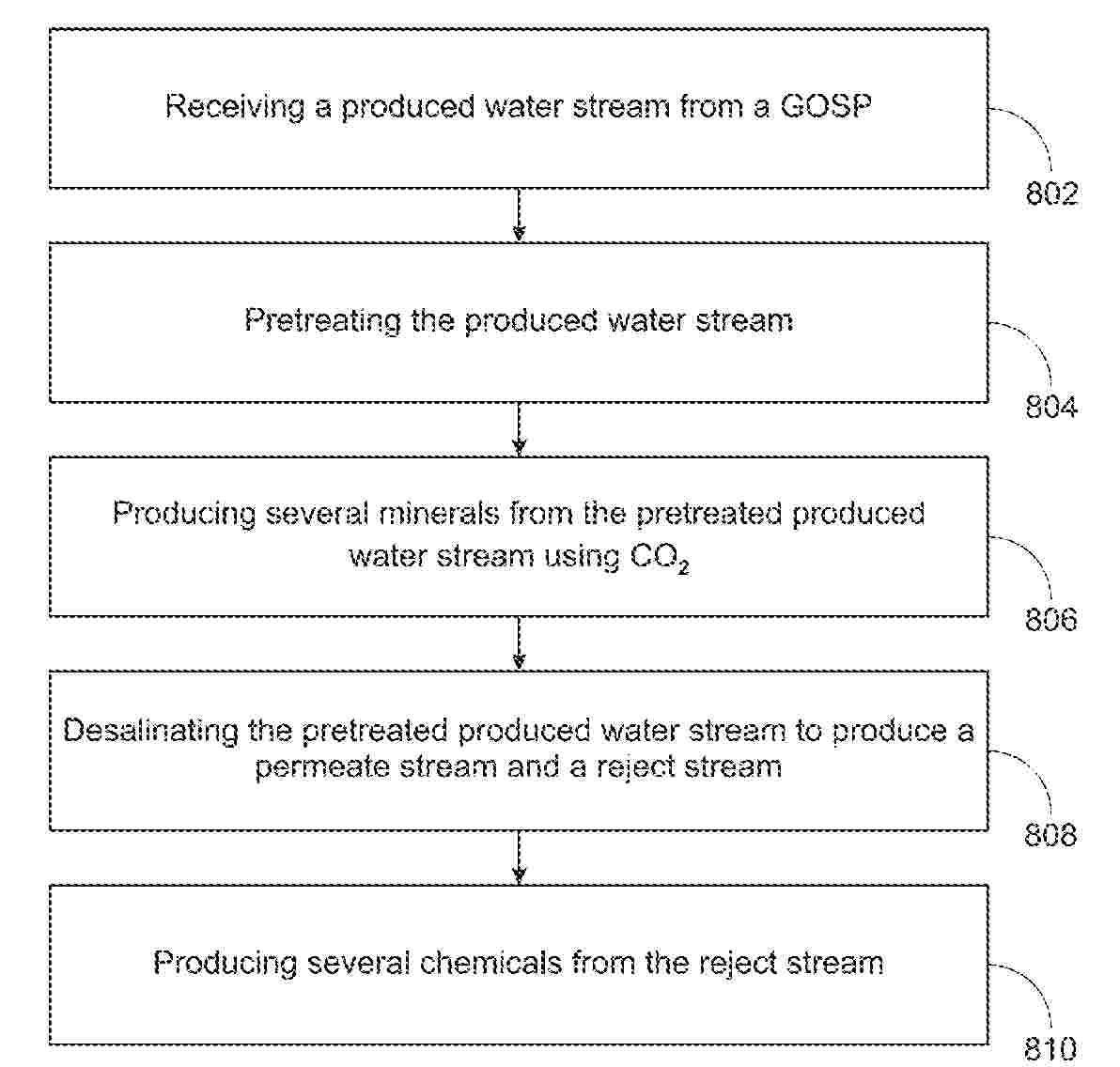
A produced water stream in a GOSP is pretreated to remove total suspended solids, emulsified oil, total organic carbon, chemical organics and inorganics, and biodegradable matter. The pretreated produced water stream is further processed to remove hydrogen sulfide gas, which is split in an electrolysis cell to produce hydrogen, sulfur, and water. Following this, bromine gas is removed. The pretreated produced water stream, after the removal of hydrogen sulfide and bromine gas, is further treated using CO2 to produce several minerals. The pretreated produced water stream, after mineral production, is desalinated to produce fresh water and a reject stream. Several valuable chemicals are produced from the reject stream. This process recovers valuable minerals and chemicals from a produced water stream in a GOSP.
Resumen de: US20260070470A1
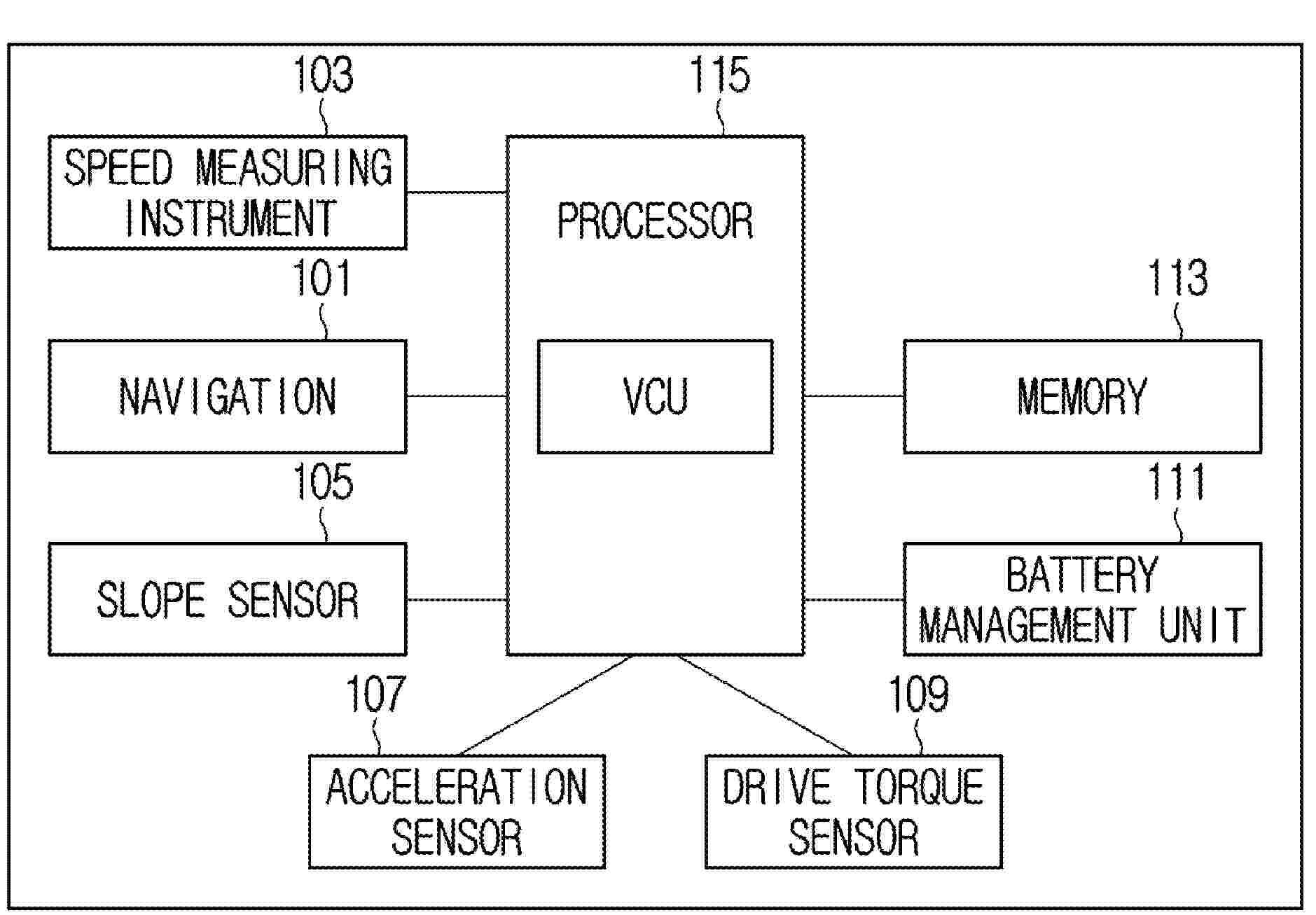
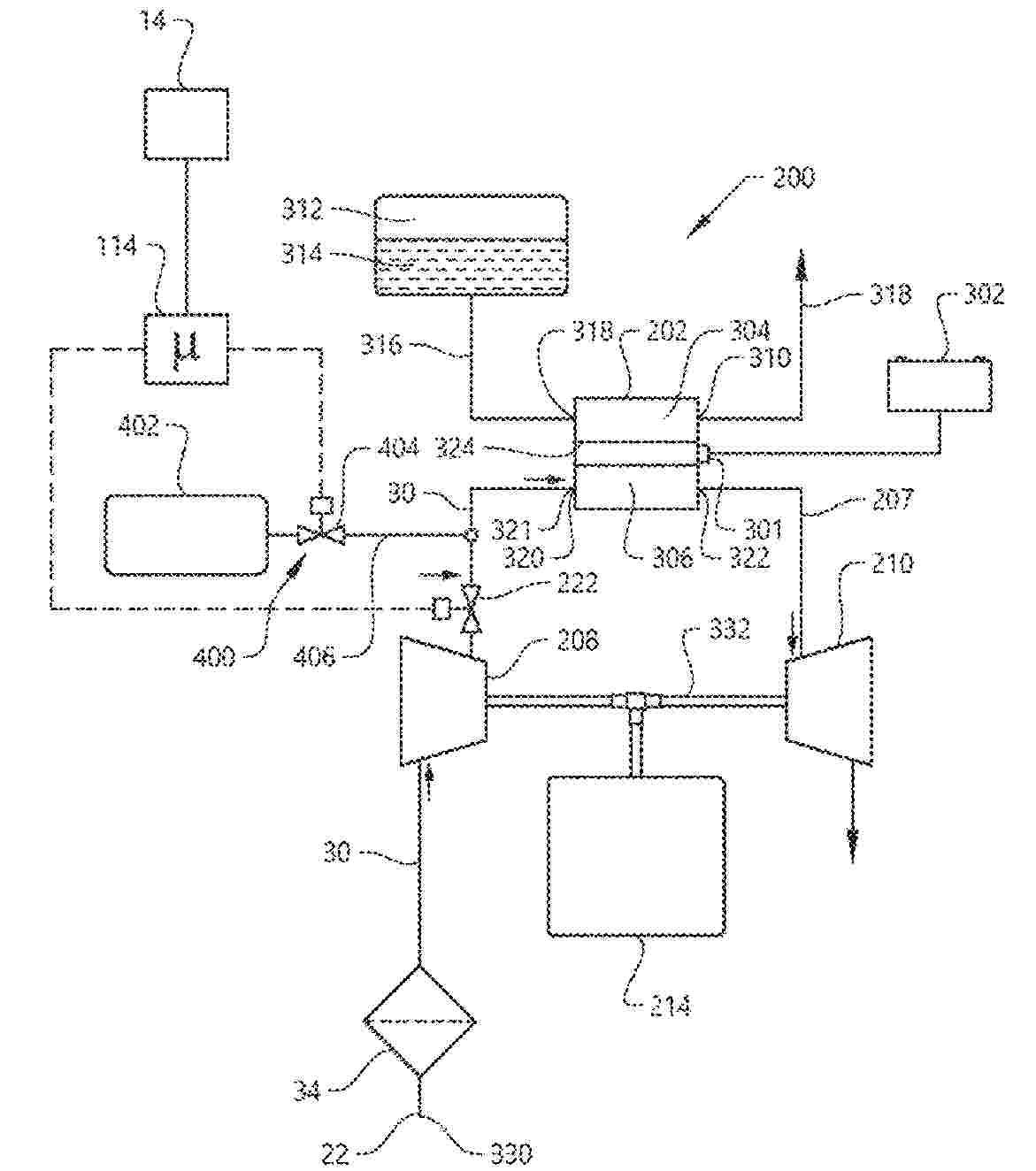
A method for controlling fuel cell power generation may comprise: obtaining at least one or more of a vehicle speed limit of a forward driving road, whether there is a gradient and gradient data as forward driving information; calculating a total amount value of expected battery output energy based on the obtained forward driving information; and determining a fuel cell power generation output value in a current driving segment in order to charge or discharge a battery based on the total amount value of the expected battery output energy.
Resumen de: US20260070782A1
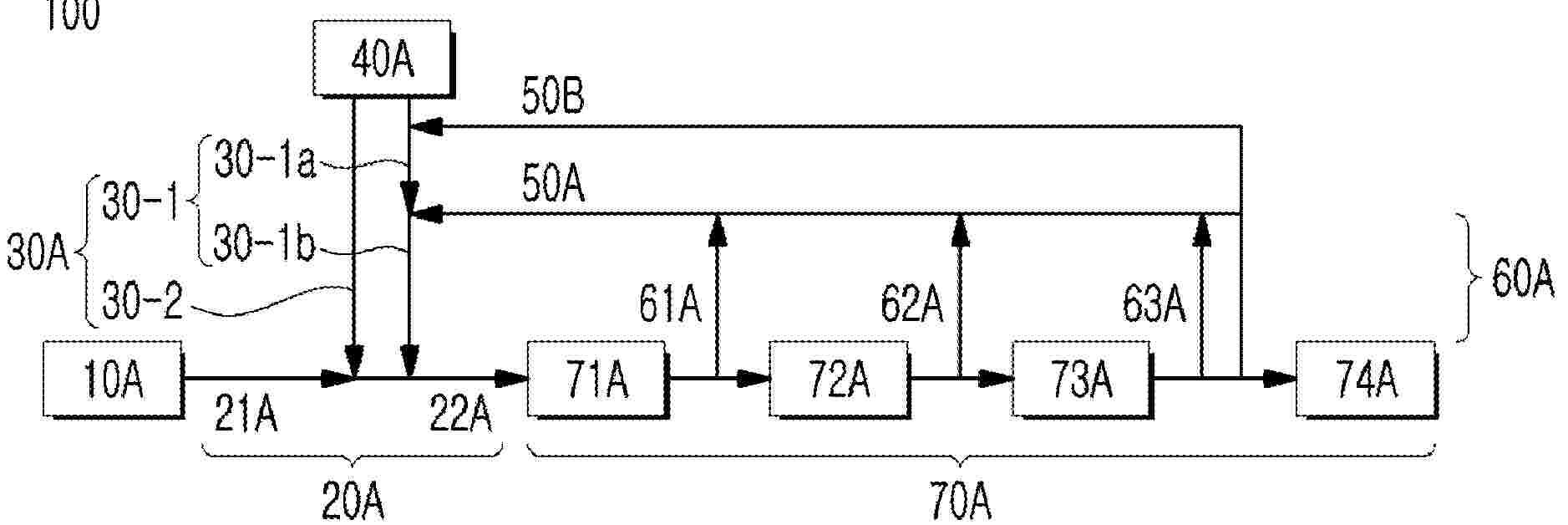
Disclosed are an ammonia supply system, a hydrogen production system, a carbon-free power generation system and a fuel cell system. The ammonia supply system includes an ammonia supply unit; an ammonia demand unit; a connection line that connects the ammonia supply unit and the ammonia demand unit; a hydrogen supply unit; and one or more first hydrogen supply lines that connect the hydrogen supply unit and the connection line, and are configured to supply a hydrogen gas stream, wherein the connection line includes a first pipe controlled to an average temperature of 410° C. or lower and a second pipe controlled to an average temperature of greater than 410° C., and the second pipe includes a nickel-based alloy (NT) satisfying Equation 1 below.T≤15µmEquation1
Resumen de: US20260070155A1
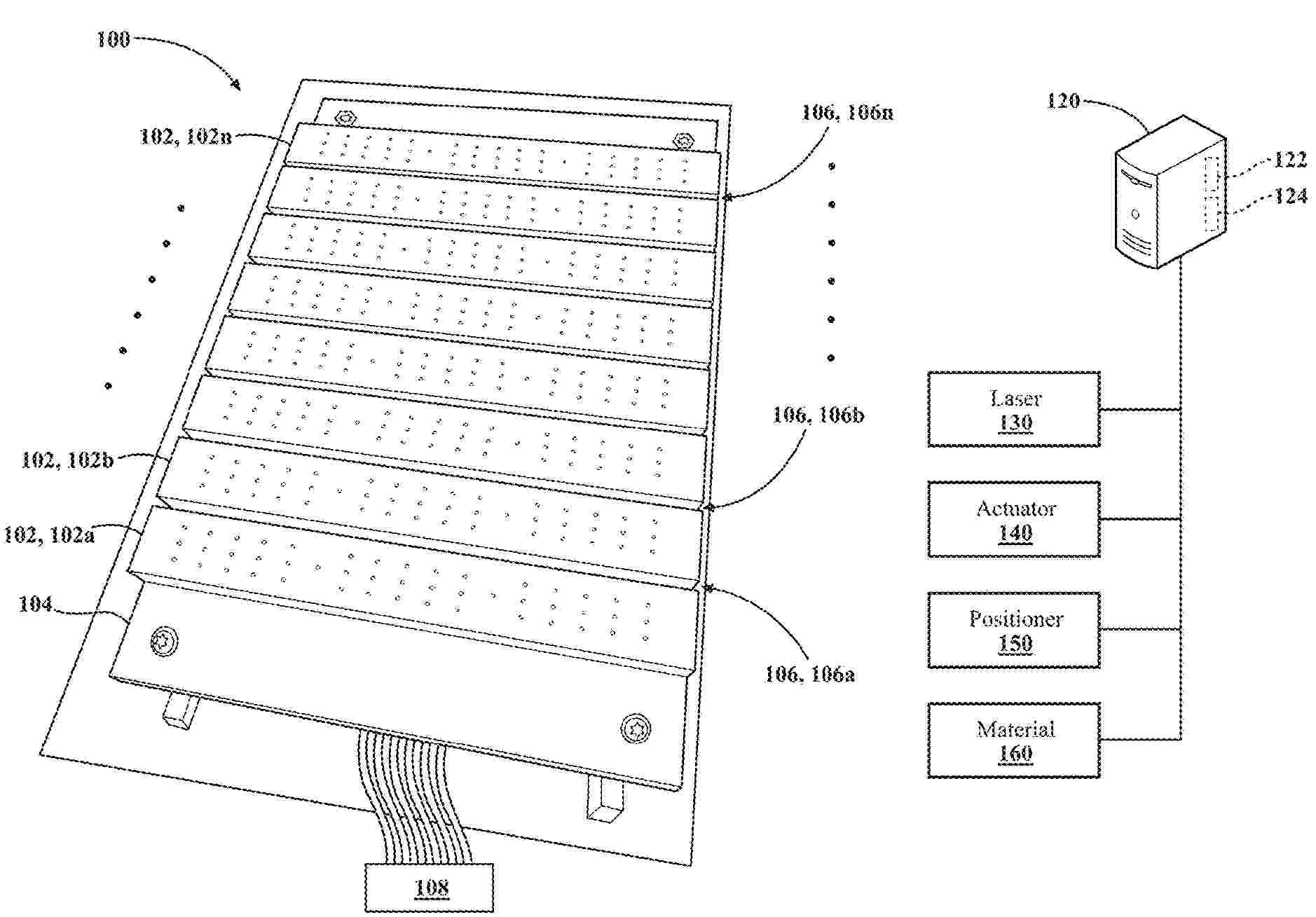
A cutting tool includes a first vacuum manifold, a second vacuum manifold separated from the first vacuum manifold by a gap, a laser, and an actuator. The actuator is configured to move the laser along the gap for cutting a material held down by, and substantially flat to, the cutting tool by the first and second vacuum manifolds. The laser is configured to, when moved along the gap by the actuator, cut through the material without causing substantive contamination of the material by any second material of the cutting tool.
Resumen de: US20260070668A1
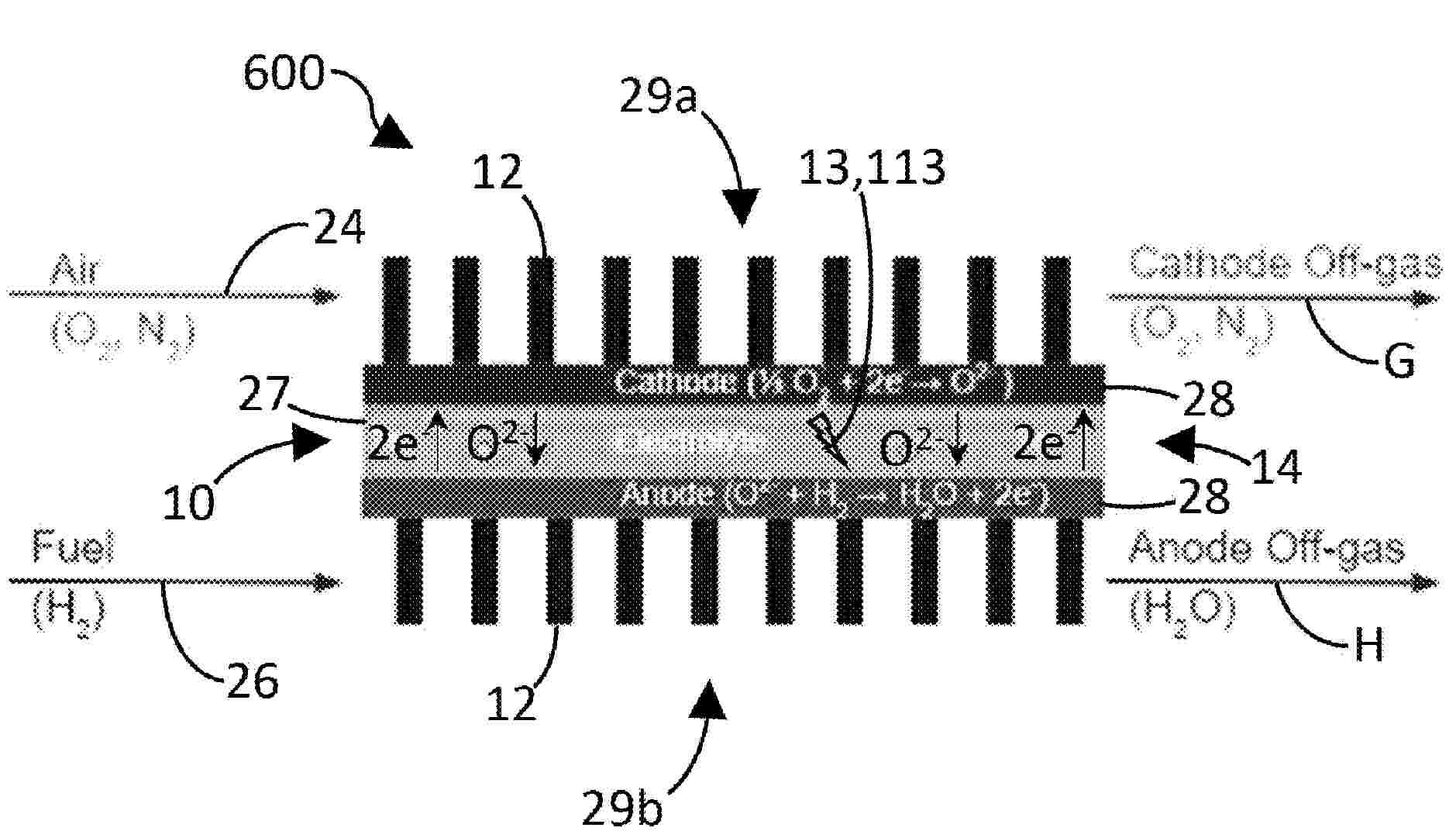
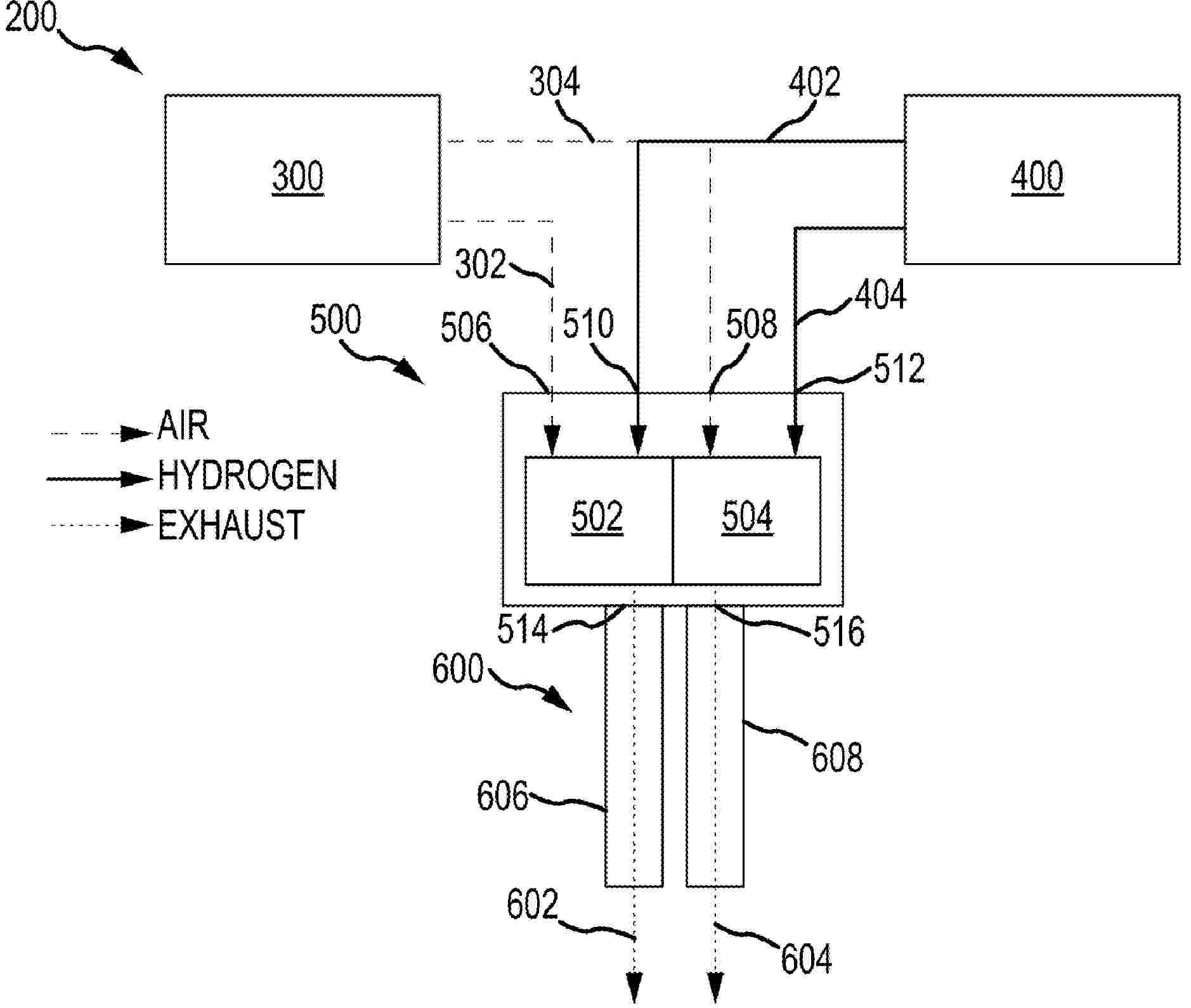
An oxide oxidation unit for converting a reductant to thermal energy by producing exhausts and further exhausts from an oxidant supply flow and a reductant supply flow. The solid oxide oxidation unit has a duct wall separating the supply flows and which includes an electrolyte layer for a transfer of ions from the oxidant to the reductant. The duct wall has an electrically conducting material allowing for a transfer of electrons from the reductant to the oxidant. Also a fuel cell arrangement, at least one fuel cell setup, and a vehicle with such an oxide oxidation unit.
Resumen de: US20260070434A1
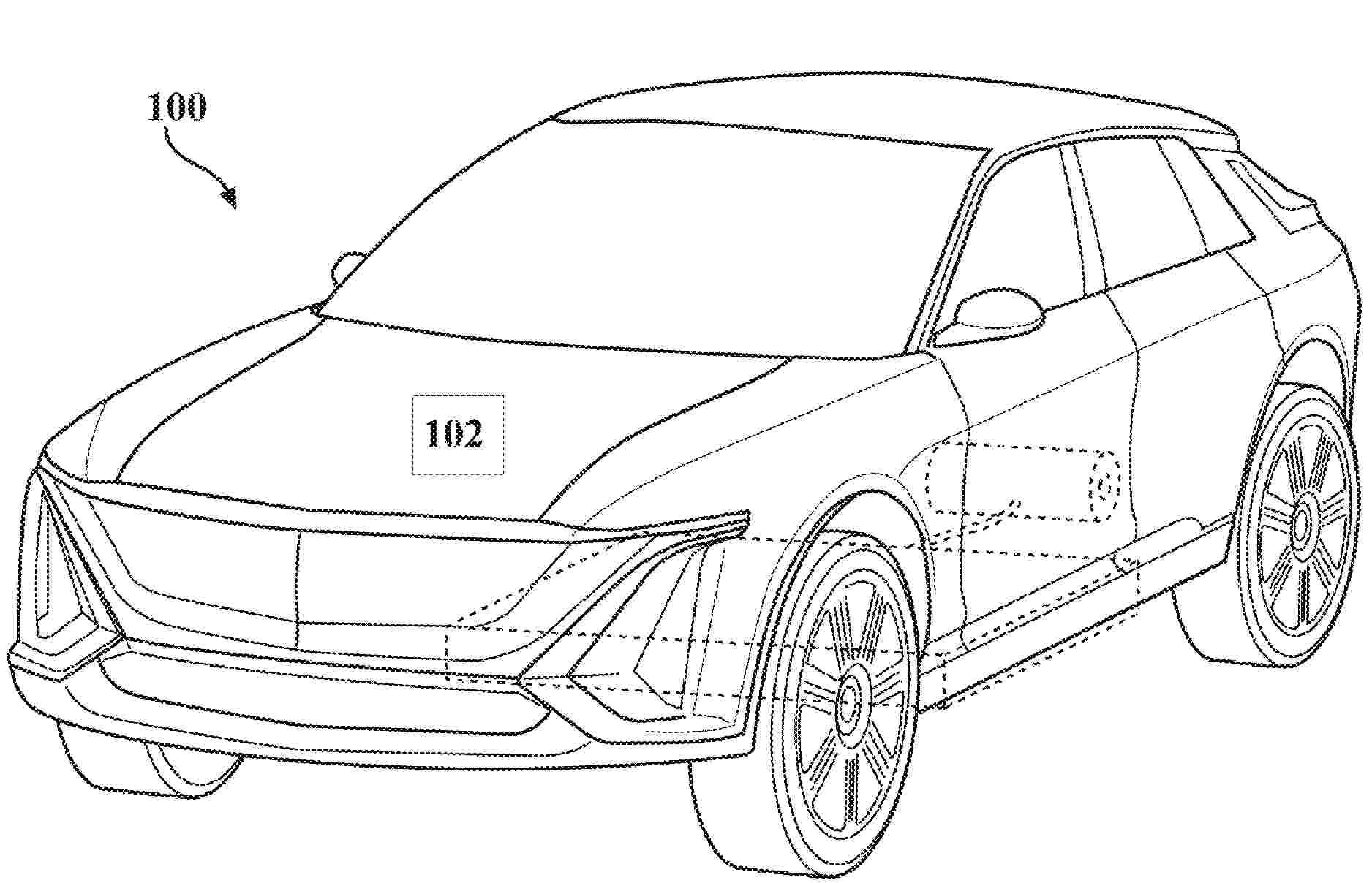
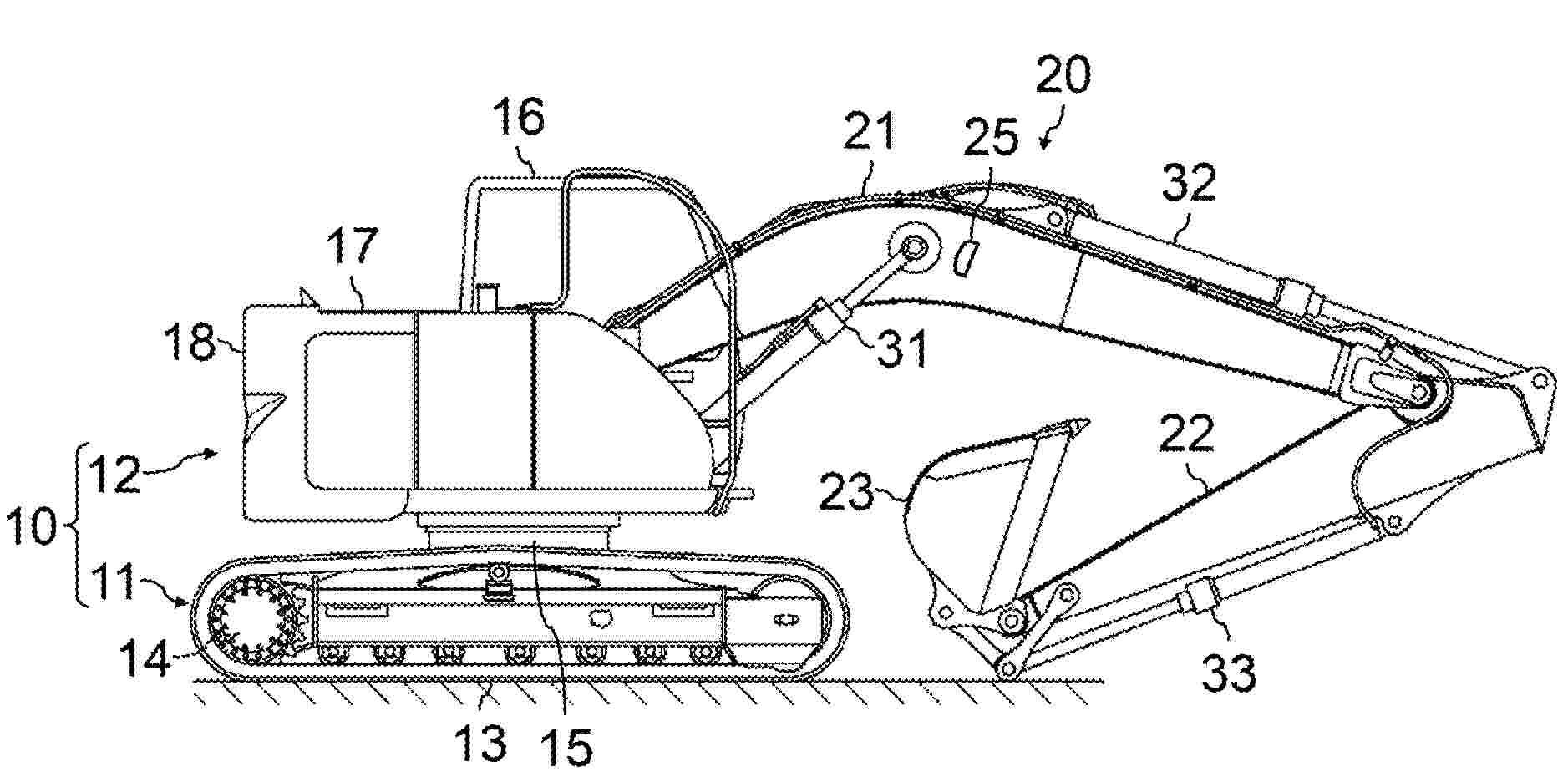
There is provided a construction machine including an electrically driven motor that serves as a power source, a heat exchanger, a fuel cell that generates power to be provided to the electrically driven motor, a cooling fan that blows cooling air to the heat exchanger, and a fan controller that controls rotation of the cooling fan. In the construction machine, a hydrogen gas detection sensor is provided in a machine room in which the heat exchanger, the fuel cell, and the cooling fan are disposed, and the fan controller raises a rotation speed of the cooling fan when the hydrogen gas detection sensor has detected a hydrogen gas.
Resumen de: US20260070424A1
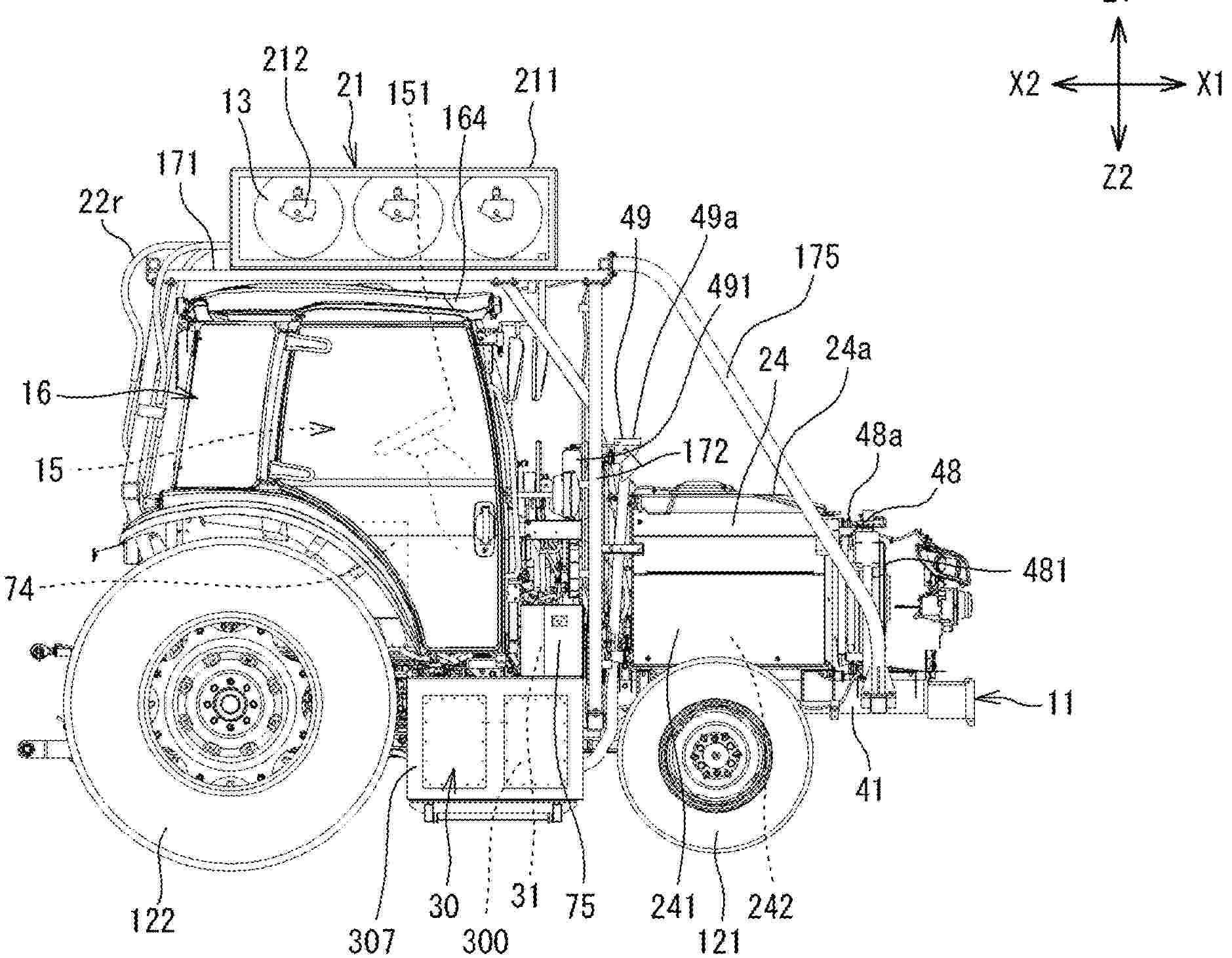
A work vehicle includes a vehicle body, an electric motor and a fuel cell module each installed on the vehicle body, a hood covering the fuel cell module, a pipe through which hydrogen is supplied into the hood, and a sensor configured to detect hydrogen. The sensor is fixed to an outer surface of the fuel cell module.
Resumen de: US20260070435A1
An auxiliary hull unit detachably mounted to a transom on a marine vessel, wherein the hull unit is mounted at least partially below the water line of the vessel and arranged to extend rearwards parallel to the rearward extension of hull sections adjacent to the hull unit. The hull unit comprises a rear hydrofoil system for the marine vessel; the rear hydrofoil system comprising at least one pair of foldable hydrofoils which are pivotable in a lateral direction relative to the hull unit, wherein each hydrofoil is controllable by at least one actuator for displacement of the at least one pair of foldable hydrofoils in the lateral direction of the hull unit between a stowed position and a deployed position. The hull unit can be provided with a propulsion unit.
Resumen de: US20260070408A1
An exhaust duct of a fuel cell exhaust system includes a convolute duct, a resonator coupled to and in fluid communication with the convolute duct, a mid-duct coupled to and in fluid communication with the resonator, and a tail duct coupled to and in fluid communication with the mid-duct, the tail duct comprising a lower duct and an upper duct. The upper duct includes an incline duct, a transition duct, a decline duct, and a hydrogen sensor having a portion positioned within the transition duct. A first portion of an exhaust is diverted to the lower duct and a second portion of the exhaust is diverted to the upper duct and measured by the hydrogen sensor to determine hydrogen content of the exhaust.
Resumen de: US20260070362A1
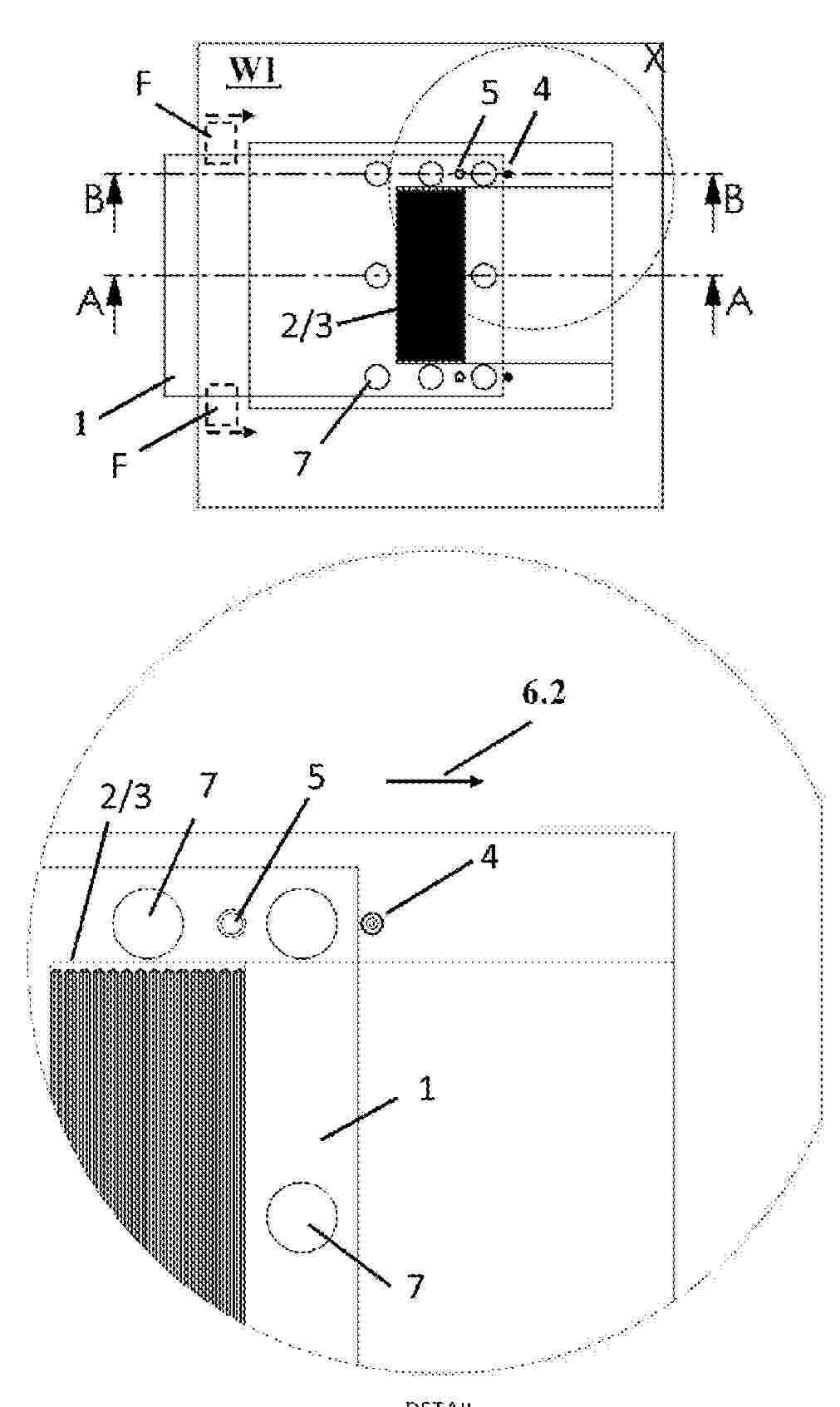
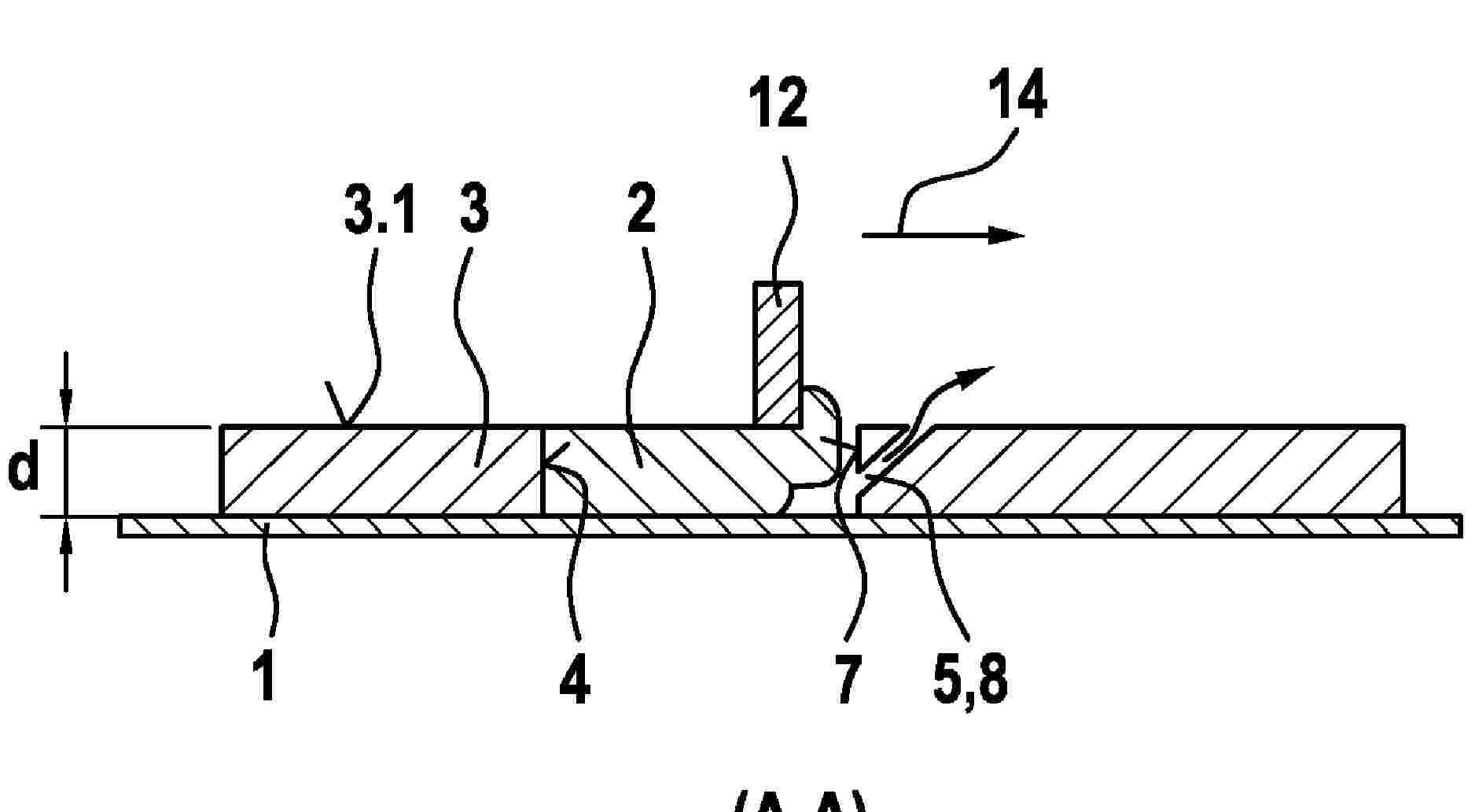
The invention relates to a device for printing a substrate (1) with a sealant and/or adhesive (2), comprising a stencil (3) with an upper side (3.1) and a lower side (3.2) and at least one recess (4) extending from the upper side (3.1) to the lower side (3.2) for receiving the sealant and/or adhesive (2), wherein at least one channel (5) connected to the recess (4) is integrated into the stencil (3).The invention also relates to a method for printing a substrate (1) with a sealant and/or adhesive (2) using a device according to the invention.
Resumen de: US20260074257A1
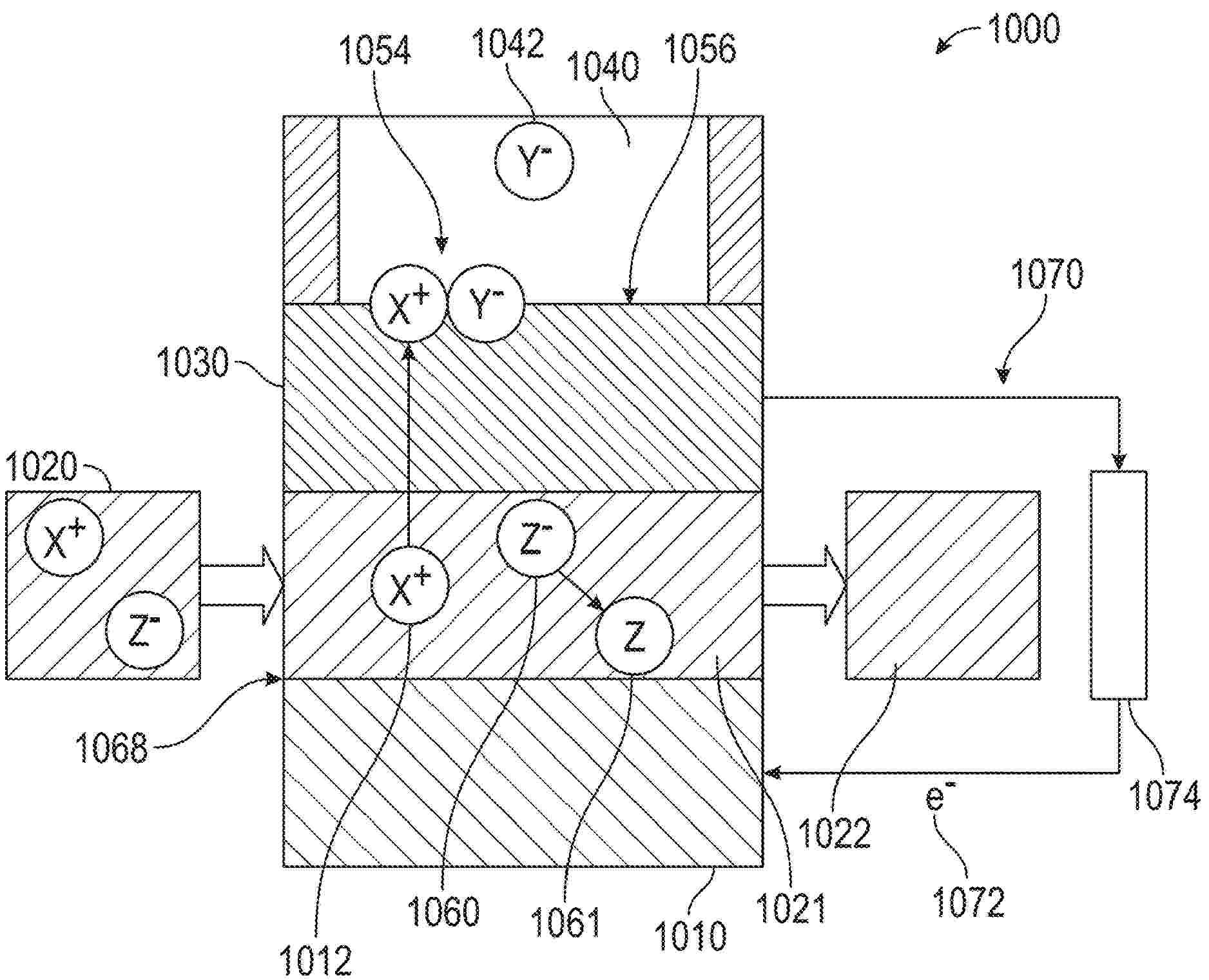
A system may comprise: a liquid-metal electrode; an electrolyte including electrolyte cations to exit the electrolyte and to transit through the liquid-metal electrode to participate in a reduction reaction of a first redox half-reaction at an interface between a first substance and the liquid-metal electrode; a counter-electrode, wherein electrolyte anions are to participate in an oxidation reaction of a second redox half-reaction at or near the counter-electrode within the electrolyte; and circuitry to convert between electrical energy and chemical bond energy through an electro-chemical redox reaction of the pair of redox half-reactions. A method may comprise: providing a liquid-metal electrode, an electrolyte including electrolyte cations and electrolyte anions, a counter-electrode, and circuitry electrically coupled to the liquid-metal electrode and to the counter-electrode; permitting the liquid-metal electrode to interact with a first substance; and arranging the electrolyte to be in contact with the counter-electrode.
Resumen de: US20260074239A1
The present embodiment is a fuel cell including at least a membrane electrode assembly including an electrolyte membrane, an anode catalyst layer disposed on one surface of the electrolyte membrane, and a cathode catalyst layer disposed on the other surface of the electrolyte membrane, wherein the cathode catalyst layer includes at least an electrochemical oxygen reduction electrode catalyst including a catalyst metal having oxygen reduction activity and a modifier that modifies the catalyst metal, wherein the modifier is at least one selected from a nitrogen-containing cyclic organic compound and a polymer thereof, and includes a decomposition inhibitor that suppresses decomposition of the modifier in at least one selected from an electrolyte membrane, an anode catalyst layer, and a cathode catalyst layer.
Resumen de: US20260074248A1
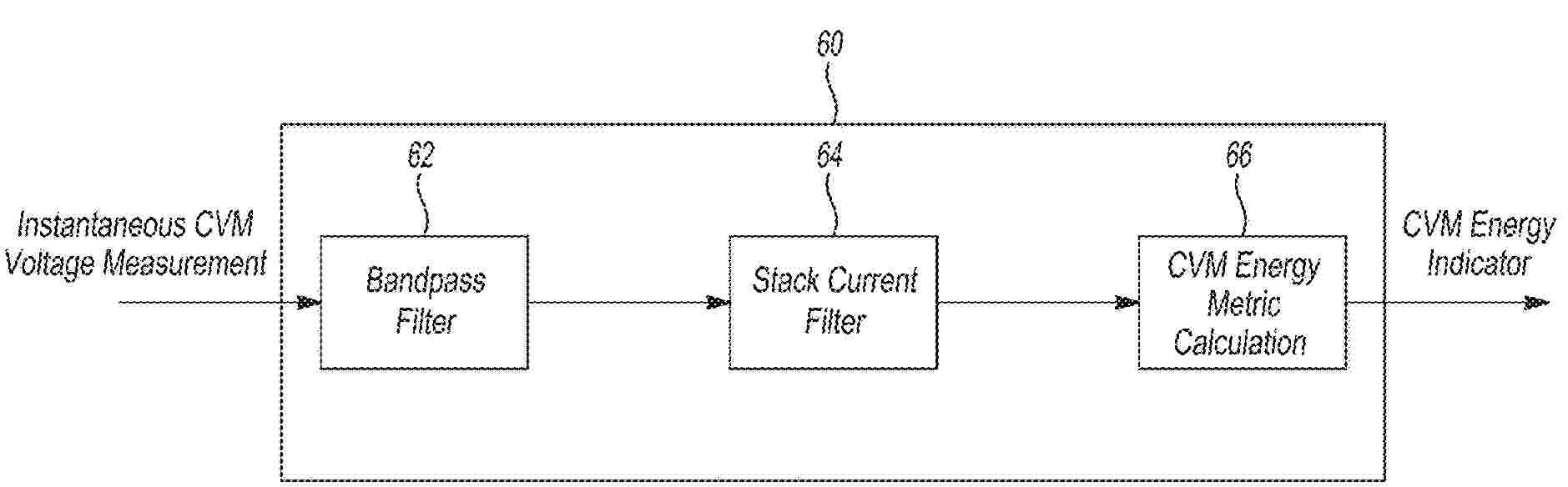
This disclosure relates to a fuel cell system for vehicles that includes a controller that manages, among other things, the stack current and purge valve or drain valve operations based on a cell voltage monitoring energy indicator. When the energy indicator exceeds a predefined threshold, the controller reduces the stack current or adjusts the purge valve or drain valve—either opening it to mitigate flooding or closing it to prevent drying out.
Resumen de: US20260074249A1
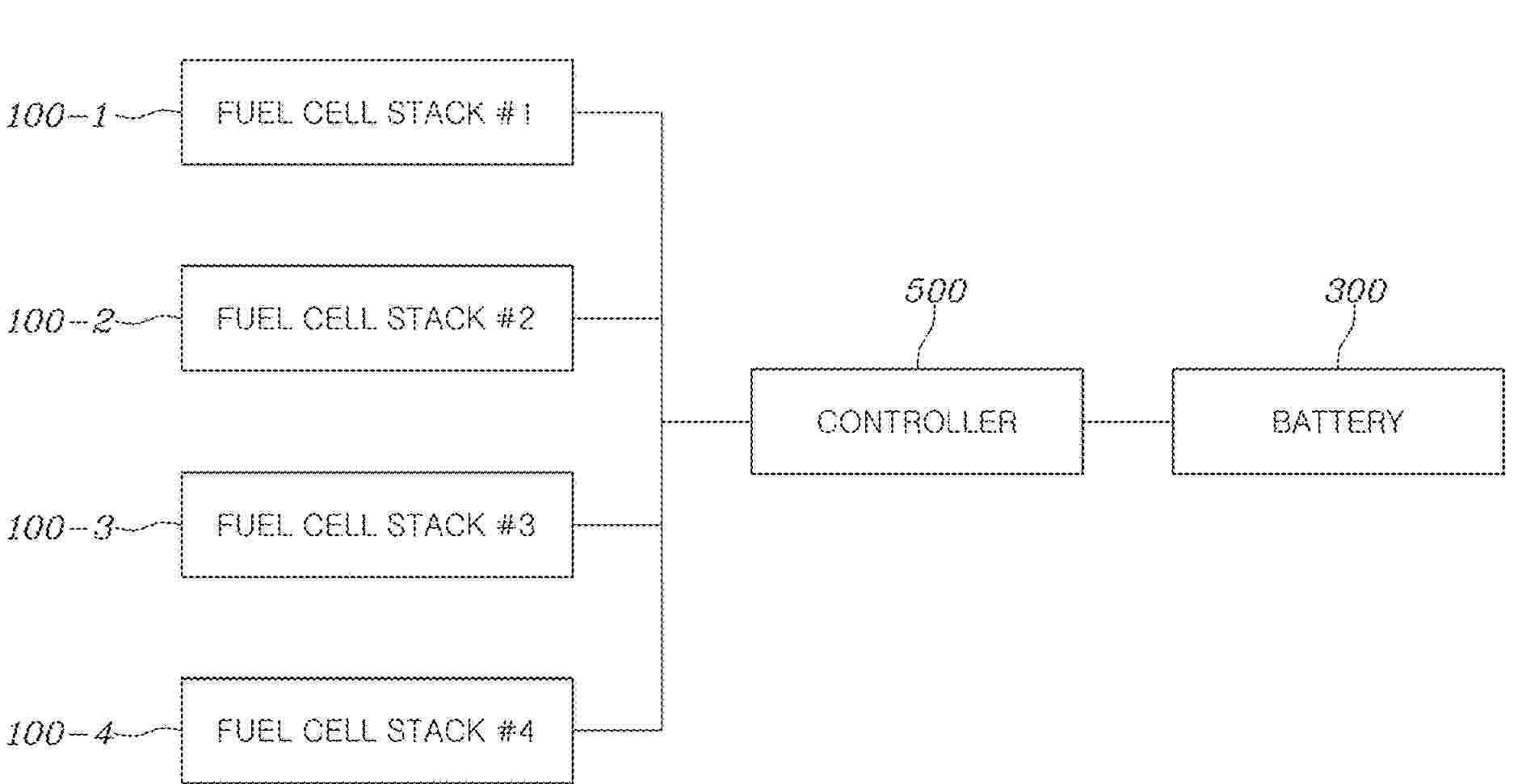
A multi-module fuel cell system includes a plurality of fuel cell stacks, at least one battery connected to the plurality of fuel cell stacks, and a controller configured to determine whether the plurality of fuel cell stacks and the at least one battery are allowed to provide outputs in response to input of a required output, and controls either the plurality of fuel cell stacks or the at least one battery, selectively, to provide an output to satisfy the required output based on a result of determination as to whether outputs are allowed to be provided, and a method of controlling the same.
Resumen de: US20260074241A1
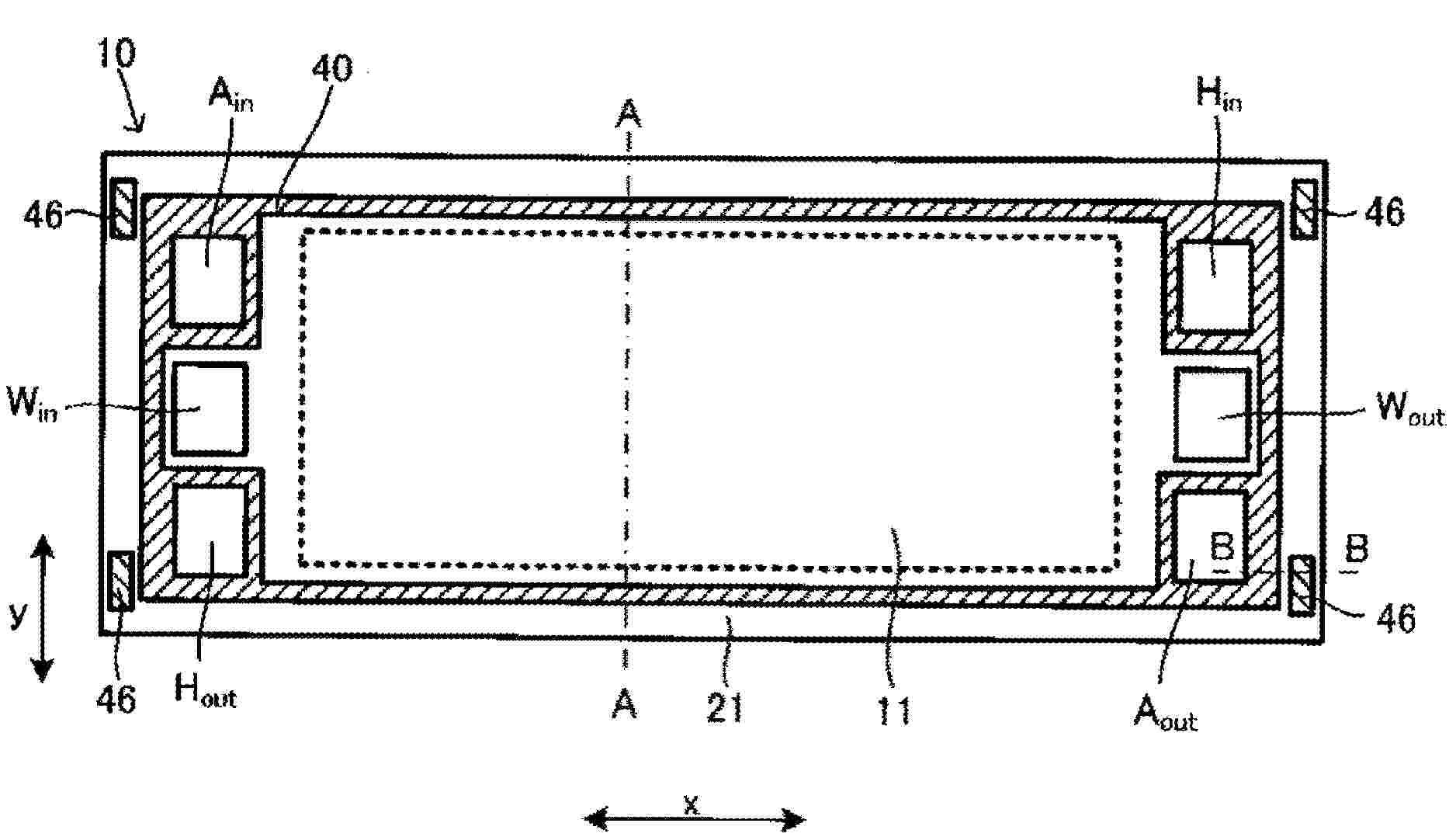
A fuel cell including an electrode assembly between a pair of separators includes a gasket disposed on a surface of one of the separators on a side opposite to a surface on a side on which the electrode assembly is disposed, and a protruding member disposed on a surface of one of the separators on a side opposite to a surface on a side on which the electrode assembly is disposed. The protruding member is disposed on an outer peripheral edge side of the separator from the gasket. The height of the protruding member is smaller than the height of the gasket.
Resumen de: WO2026053498A1
A fuel cell in which a plurality of fuel cell units are stacked and a porous body constituting a flow path for a cooling medium is arranged between the adjacent fuel cell units, wherein the porous body includes a plurality of through holes penetrating in the flowing direction of the cooling medium, and the plurality of through holes are arranged at intervals along the longitudinal direction of the porous body in a direction orthogonal to the flowing direction of the cooling medium.
Nº publicación: WO2026054208A1 12/03/2026
Solicitante:
SAMJUNGTECH CO LTD [KR]
SK ECOPLANT CO LTD [KR]
\uC0BC\uC911\uD14C\uD06C(\u110C\u116E),
\uC5D0\uC2A4\uCF00\uC774\uC5D0\uCF54\uD50C\uB79C\uD2B8(\u110C\u116E)
Resumen de: WO2026054208A1
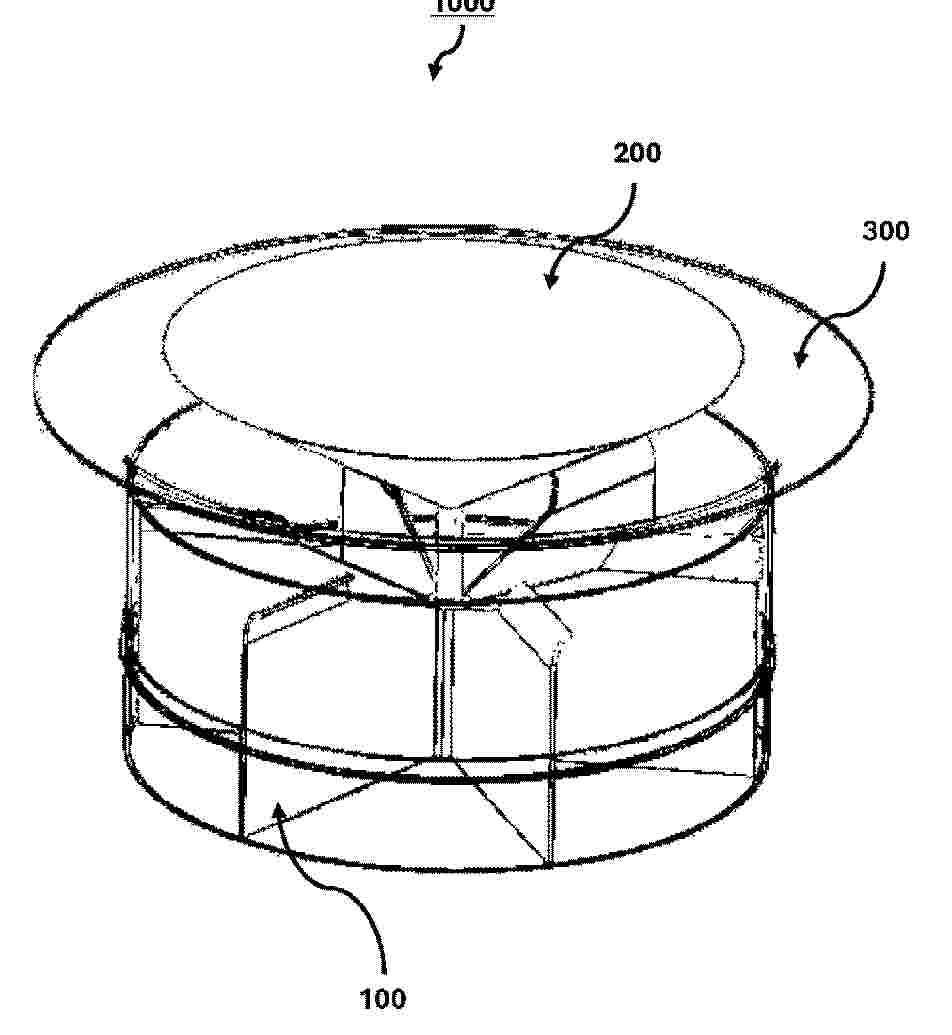
An exhaust gas distribution device, provided in the present invention, comprises: a lower end distribution part (100) comprising a plurality of guide plates (110) which are radially arranged so as to uniformly distribute exhaust gas supplied from the lower end portion and guide the exhaust gas in a specific direction; an upper end diffuser part (200) positioned on the lower end distribution part (100) and comprising a link rod (230) which is connected to the lower end distribution part (100), a diffuser body part (220), and guide vanes (210) which are radially arranged on the bottom surface of the diffuser body part (220); and a housing part (300) having the lower end distribution part (100) and the upper end diffuser part (200) seated therein.
 BOPI
BOPI
 Sede Electrónica