Si deseas distinguir tus productos, servicios o ambos de los de otra empresa, es posible que necesites una marca o nombre comercial. Descubre qué son, en qué consiste su procedimiento de registro y qué implica.

Información sobre los plazos de presentación de solicitudes de transformación de marcas de la Unión Europea en marca nacional española. Más información


Si tienes un nuevo dispositivo, producto o procedimiento que resuelva un problema técnico o tenga una ventaja práctica, existen distintas formas de protegerlo en España y en otros países. Descubre cómo hacerlo.

¿Tu innovación reside en la estética, la ornamentación o la apariencia de tu producto? Protégela mediante un diseño industrial. Descubre qué derechos confiere el registro y cómo realizar la tramitación.

Las indicaciones geográficas protegen el nombre de un producto originario de una zona geográfica, a la cual le debe una determinada calidad, reputación u otra característica. Descubre qué son, en qué consiste su procedimiento de registro y qué beneficios conceden.

Las patentes publicadas en todo el mundo son una valiosa fuente de información científica, técnica y comercial.

Si eres emprendedor/a o una empresa y quieres potenciar y mejorar la rentabilidad de tu negocio protegiendo de forma adecuada los activos intangibles de tu organización, en este espacio encontrarás lo necesario.


 644
resultados
644
resultados
 Última actualización
22/03/2026 [06:48:00]
Última actualización
22/03/2026 [06:48:00]


 Resultados 450 a 475 de 644

Resumen de: WO2026054042A1
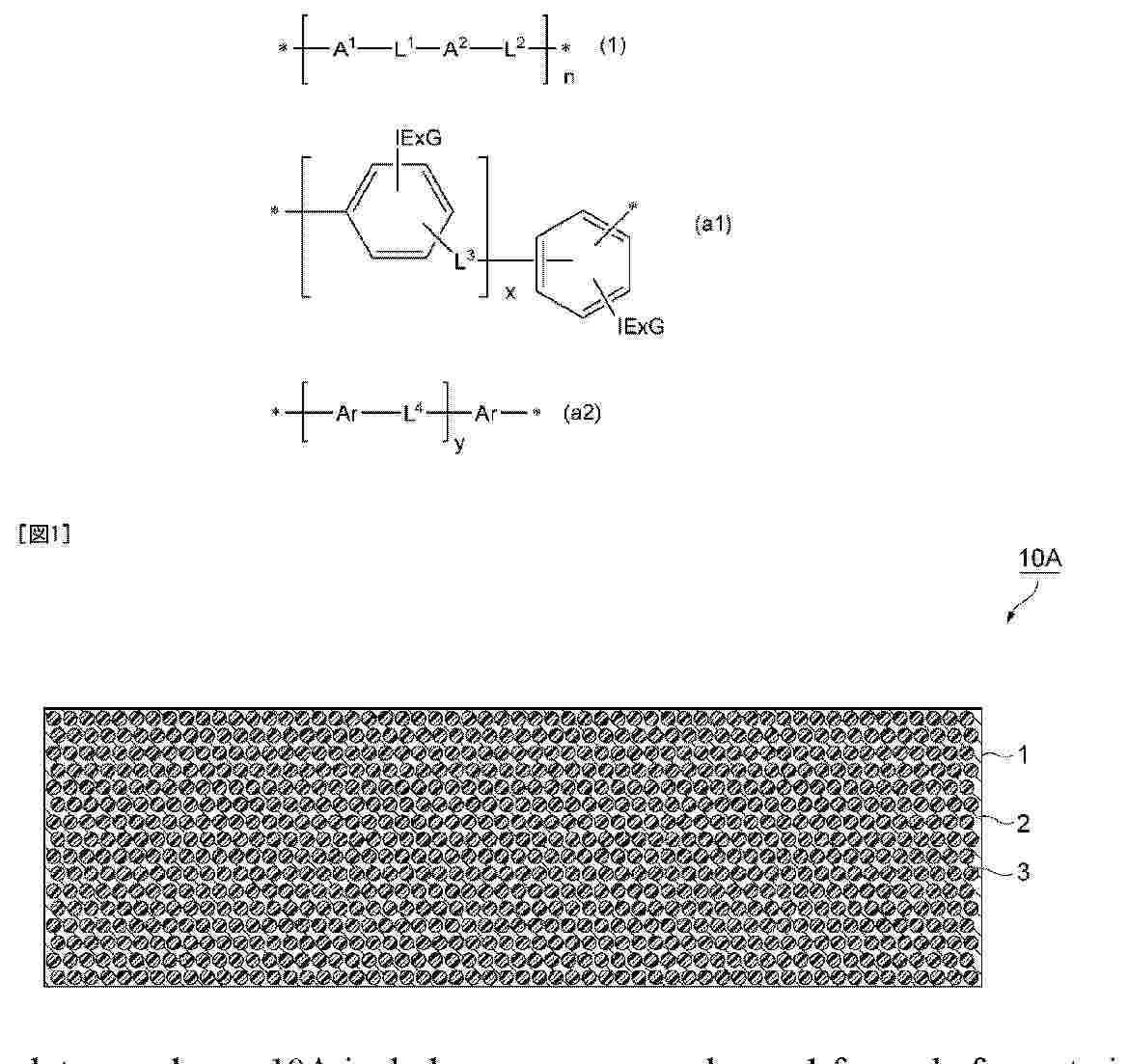
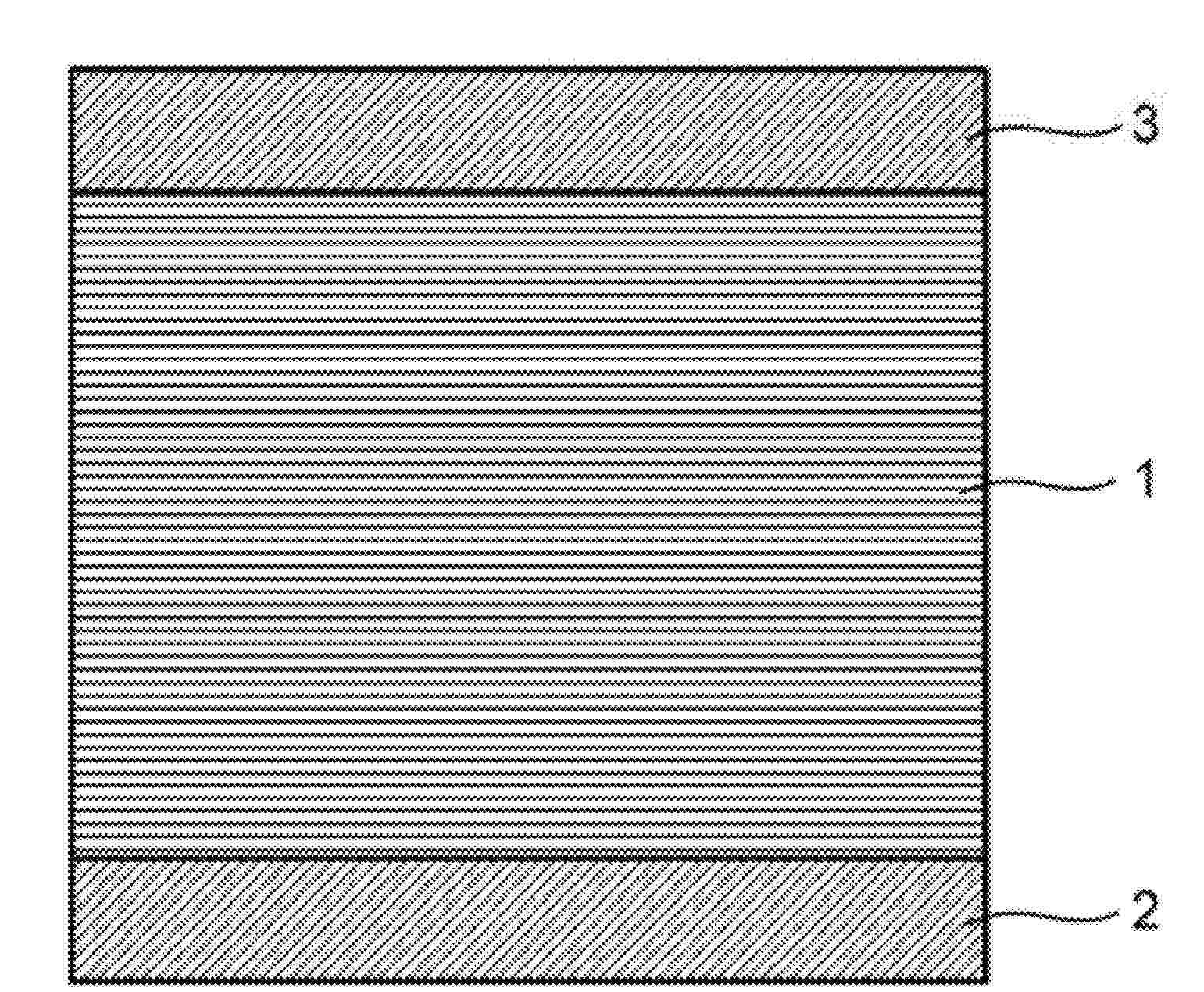
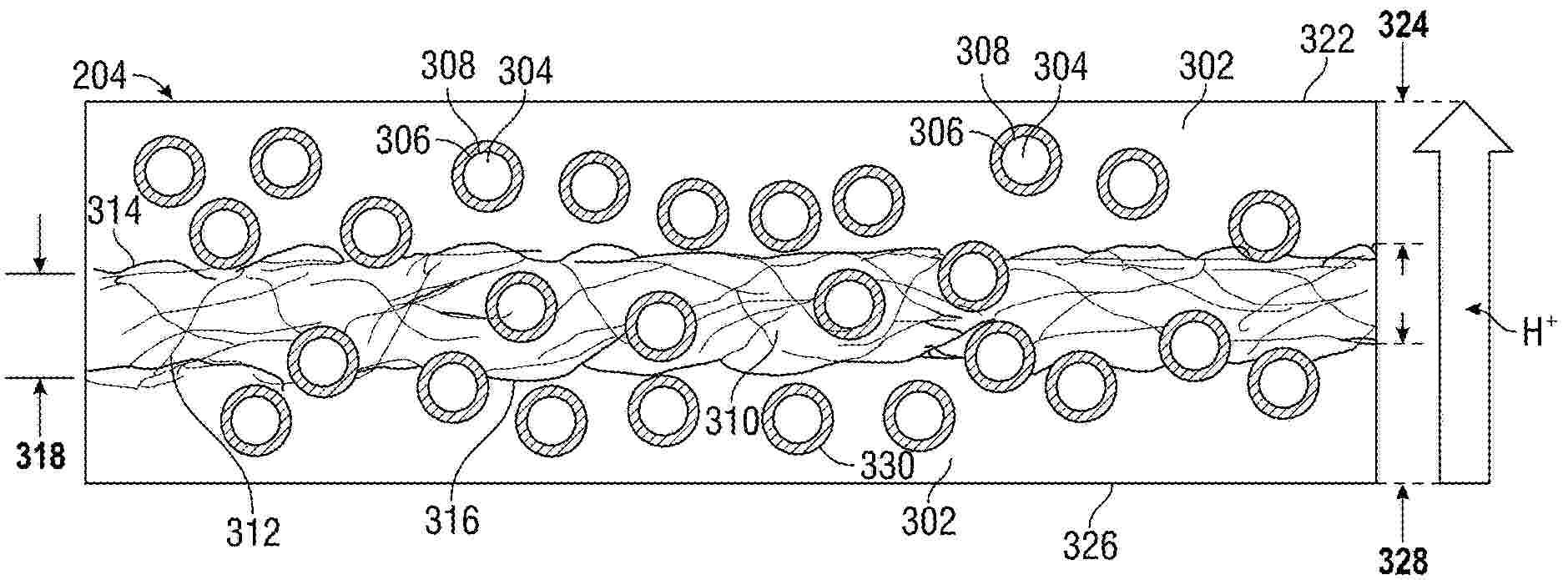
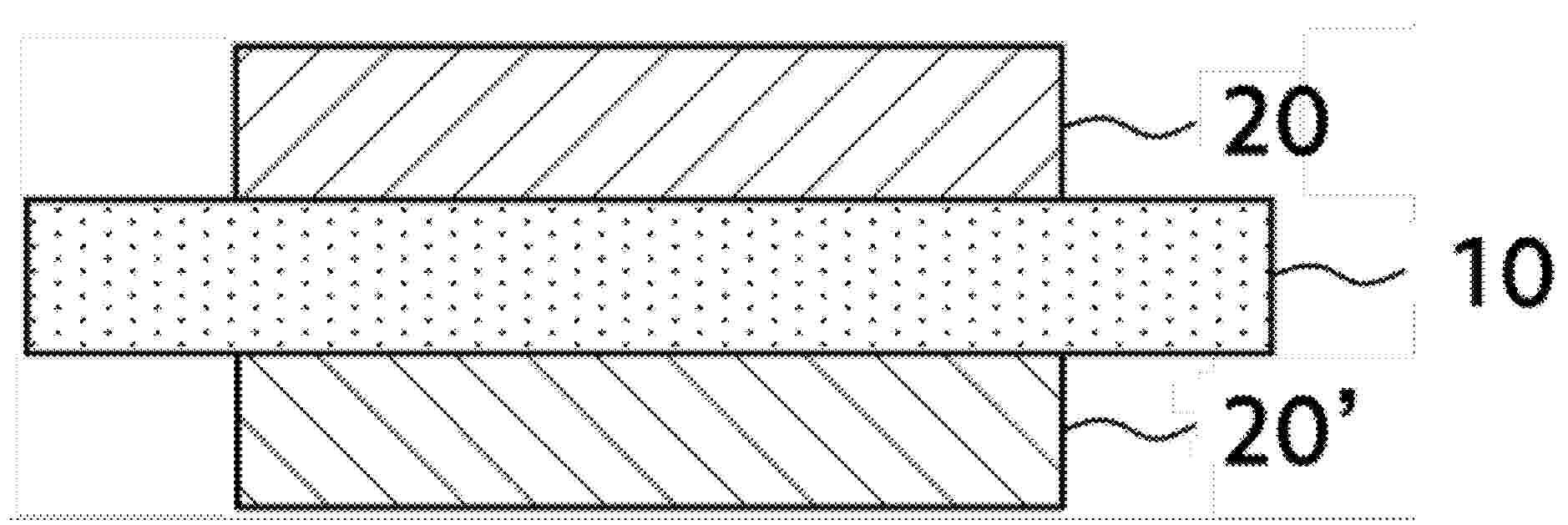
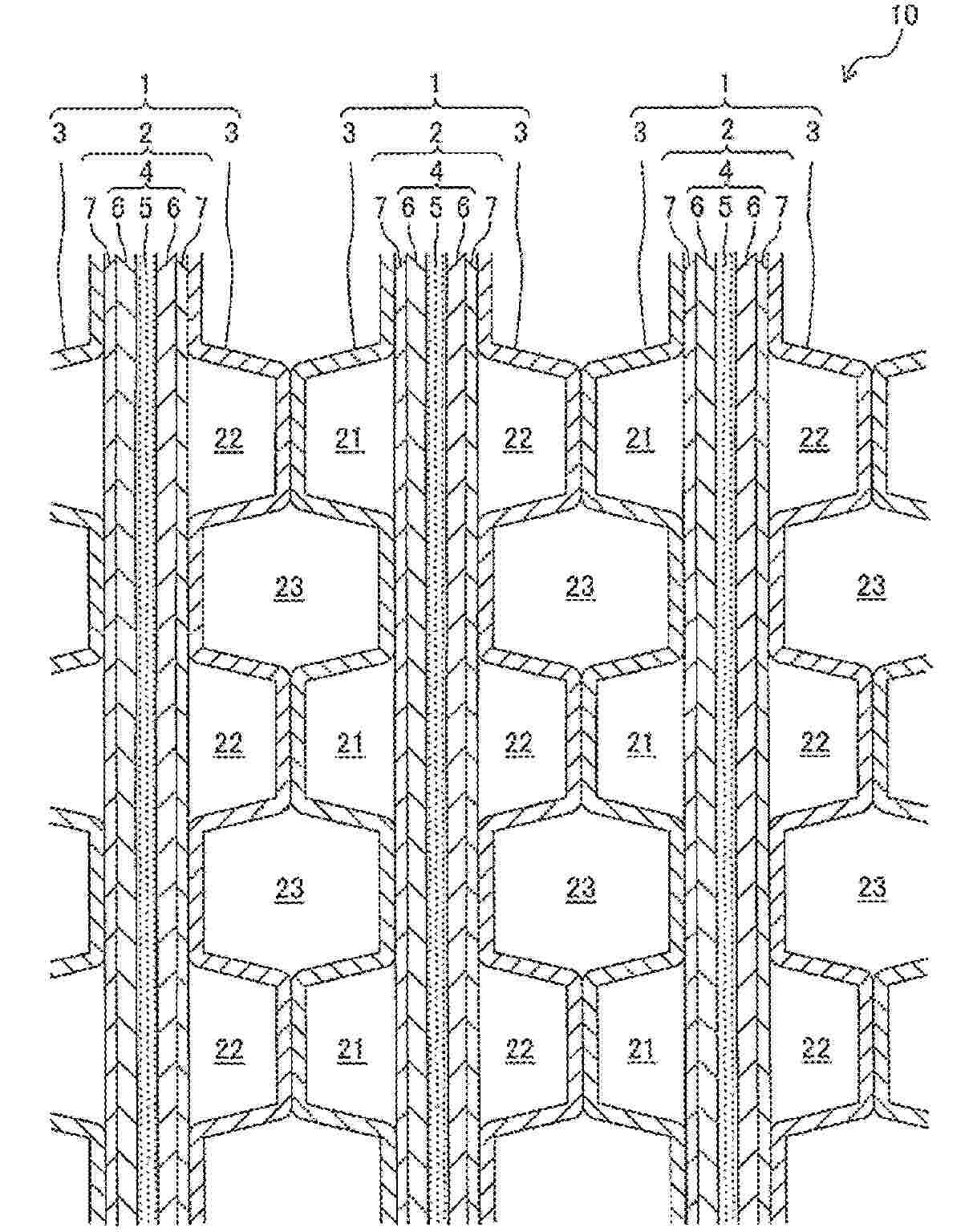
An electrolyte membrane 10A includes: a porous membrane 1 formed of a material containing a hydrocarbon-based resin; and a hydrocarbon-based electrolyte polymer filled in pores 2 of the porous membrane 1. The hydrocarbon-based electrolyte polymer has a structure represented by the following formula (1). Formula (1): In formula (1), A1 and A2 represent structural units represented by formula (a1) and formula (a2), L1 and L2 each independently represent a single bond or the like, n represents an integer of 10-100, and * represents a dangling bond. Formula (2): In formula (a1), IExG represents an ion exchange group, L3 represents a single bond or the like, x represents an integer of 2-10, and * represents a dangling bond. Formula (3): In formula (a2), Ar represents an arylene group not having an ion exchange group, L4 represents a single bond or the like, y represents an integer of 3-20, and * represents a dangling bond.

Resumen de: US20260074258A1
An electrochemical cell stack includes: a stack including electrochemical cells; a first clamping plate provided in contact with the stack; and a heat conduction member provided in contact with the first clamping plate. The heat conduction member is lower in heat conductivity than the first clamping plate under an operating temperature range of the electrochemical cell stack.
Resumen de: US20260074256A1
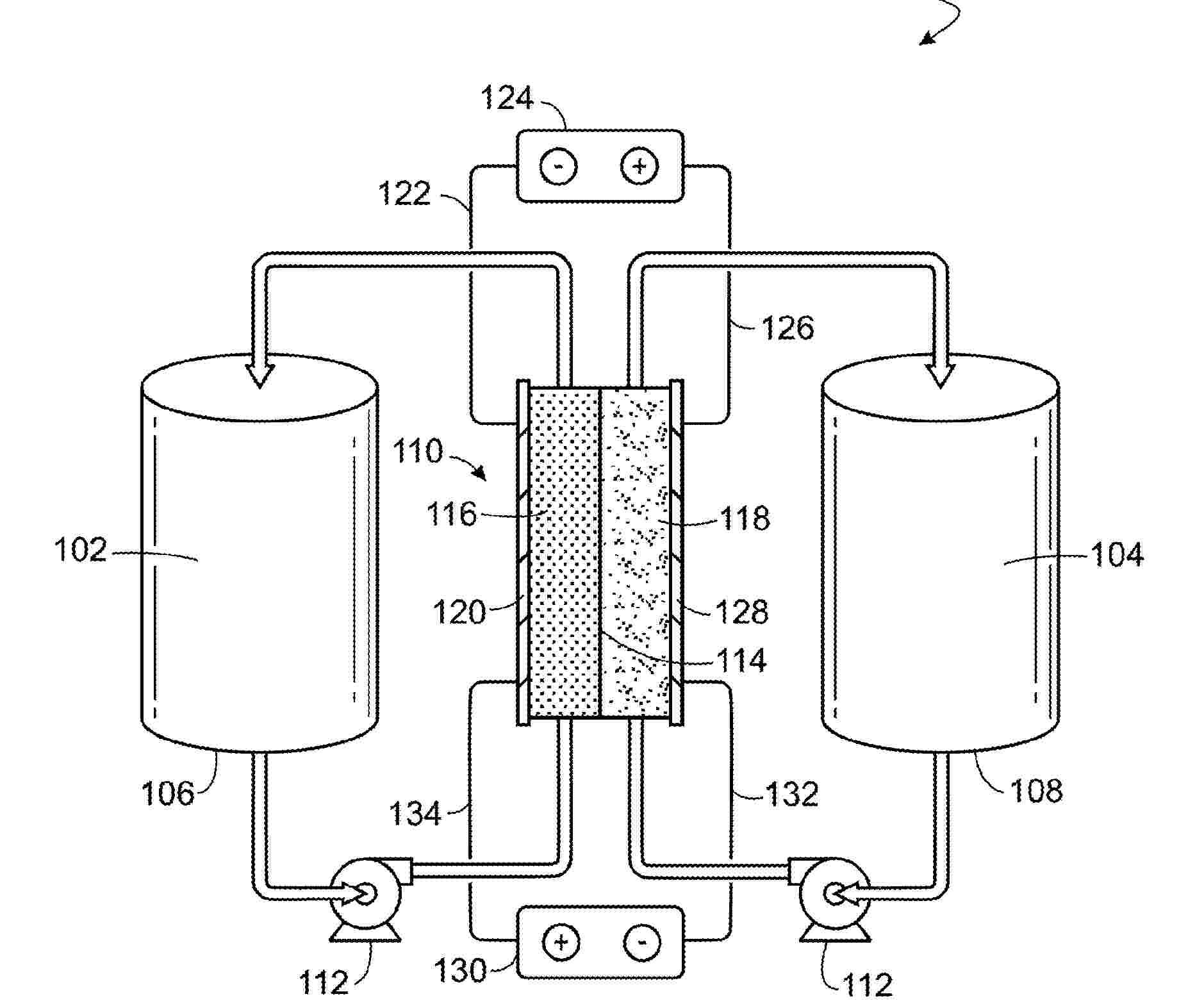
A flow cell battery that includes at least one electrochemical cell. The electrochemical cell includes: an ion exchange membrane; a 1 mm to 4 mm thick anode; an anode current collector; a first bipolar plate disposed between the anode and the anode current collector; a first flow frame that defines first flow channels; a first tank including an anolyte that includes V4+ and V5+; a first pump to flow the anolyte from the first tank into the first flow channels; a 1 mm to 4 mm thick cathode; a cathode current collector; a second bipolar plate disposed between the cathode and the cathode current collector; a second flow frame that defines second flow channels; a second tank including a catholyte that includes V2+ and V3+; and a second pump to flow the catholyte from the second tank into the second flow channels.
Resumen de: US20260074255A1
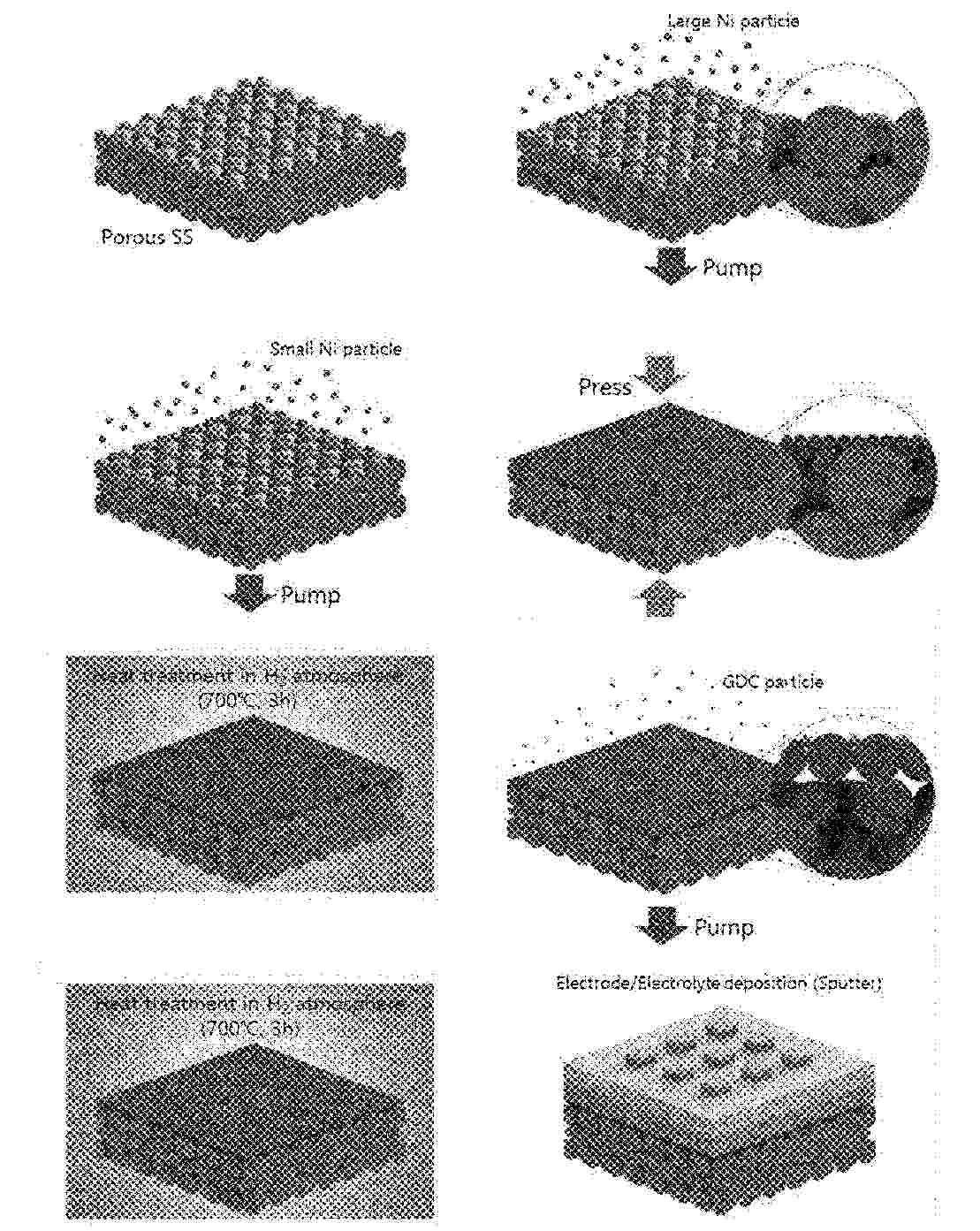
Provided is a method for manufacturing a multiscale structured metal support for low-temperature thin-film solid oxide fuel cells and to a metal support manufactured thereby. The method includes (a) filling the pores on the surface of a porous metal support with a first metal powder having a relatively large particle size; (b) filling the pores on the surface of the porous metal support with a second metal powder having a relatively small particle size and pressing the surface; (c) heat-treating the porous metal support, whose surface pores are filled with the first and second metal powders, in a reducing atmosphere; and (d) filling the pores on the surface of the heat-treated porous metal support with a ceramic powder and heat-treating the resulting support in a reducing atmosphere. Through these processes, a multiscale structured metal support suitable for application in low-temperature thin-film solid oxide fuel cells can be fabricated.
Resumen de: US20260074254A1
A proton exchange membrane for an energy conversion device, a hydrogen fuel cell stack for a vehicle, and a method of forming a proton exchange membrane. The proton exchange membrane includes a first layer of a perfluorosulfonic acid ionomer. In addition, the perfluorosulfonic acid ionomer includes a first methoxy-nonafluorobutane coated additive. The hydrogen fuel cell stack includes one or more membrane electrode assemblies, each including a proton exchange membrane.
Resumen de: WO2026053847A1
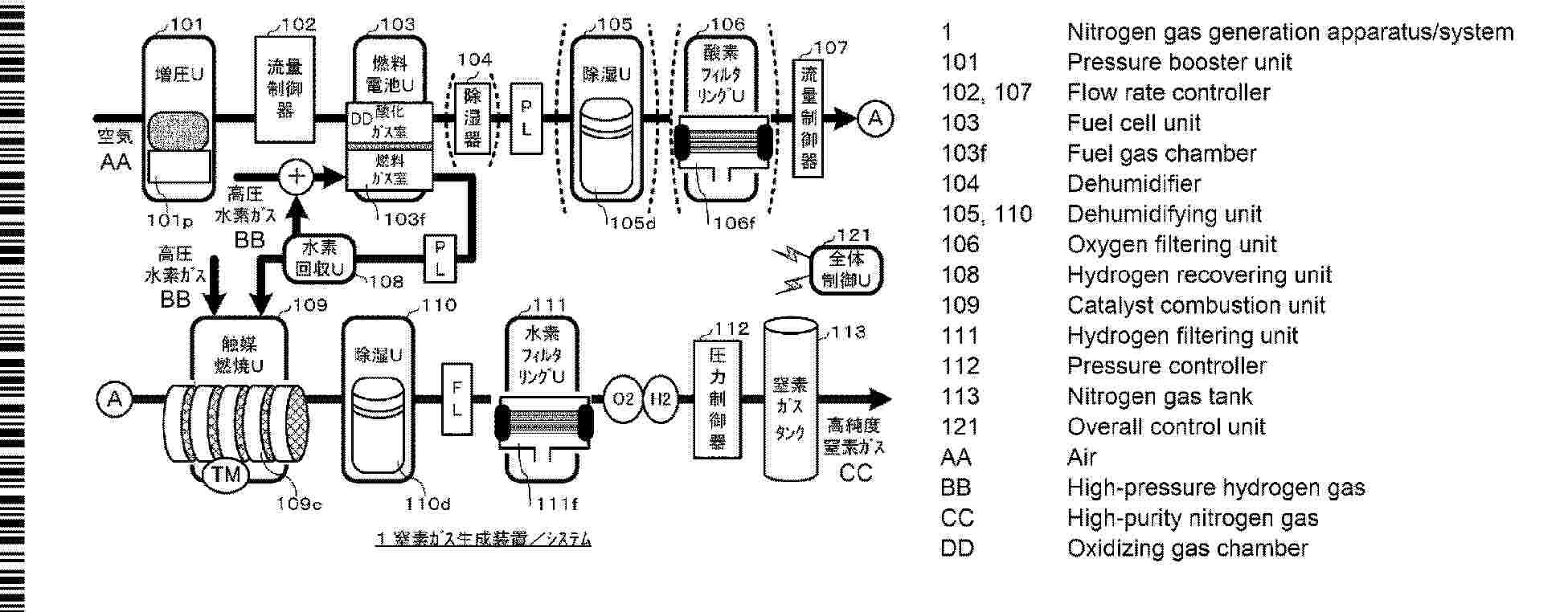
Provided is a nitrogen gas generation apparatus which makes it possible to use a combustion catalyst to stably, continuously, and reliably generate high-purity nitrogen gas. This nitrogen gas generation apparatus comprises: an oxygen delivery amount restriction means that takes in air or gas which contains nitrogen and oxygen, and that delivers the air or the gas while restricting the delivery amount of oxygen contained in the air or the gas; and a catalytic combustion means that reacts the delivered air or gas with fuel gas which contains intake hydrogen on a combustion catalyst to convert the air or the gas into nitrogen-enriched gas, which has an increased nitrogen concentration. The oxygen delivery amount restriction means makes the oxygen concentration of the air or the gas equal to or smaller than the maximum oxygen concentration that is determined on the basis of a set or desired upper temperature limit for the combustion catalyst or the catalytic combustion reaction, and/or makes the flow rate of the air or the gas equal to or smaller than the maximum flow rate that is determined on the basis of a set or desired upper temperature limit for the combustion catalyst or the catalytic combustion reaction.
Resumen de: WO2026053859A1
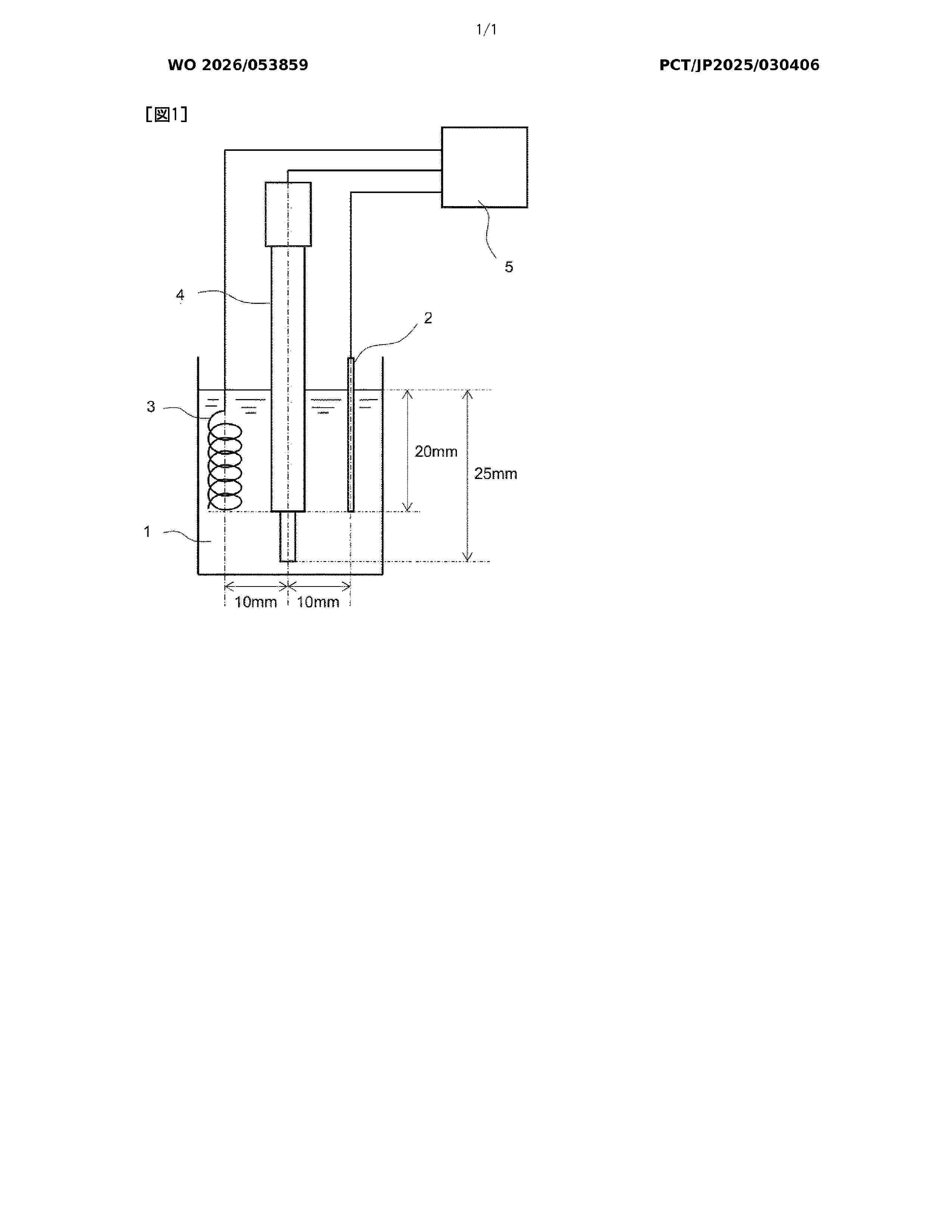
The present disclosure relates to a method for producing an electrode ink for an enzyme battery, the electrode ink containing an enzyme, a water-insoluble mediator, and a porous conductive substance, and the method comprising: a step 1 for preparing a first mixture containing a liquid in which the mediator is dissolved in a nonaqueous solvent, and the porous conductive substance; a step 2 for implementing a dispersion treatment on the first mixture at 60°C or lower under reduced pressure to volatilize and remove the nonaqueous solvent from the first mixture and obtain a second mixture; and a step 3 for adding and mixing the enzyme, an aqueous medium, and a binder with the second mixture to obtain the electrode ink.
Resumen de: WO2026054675A1
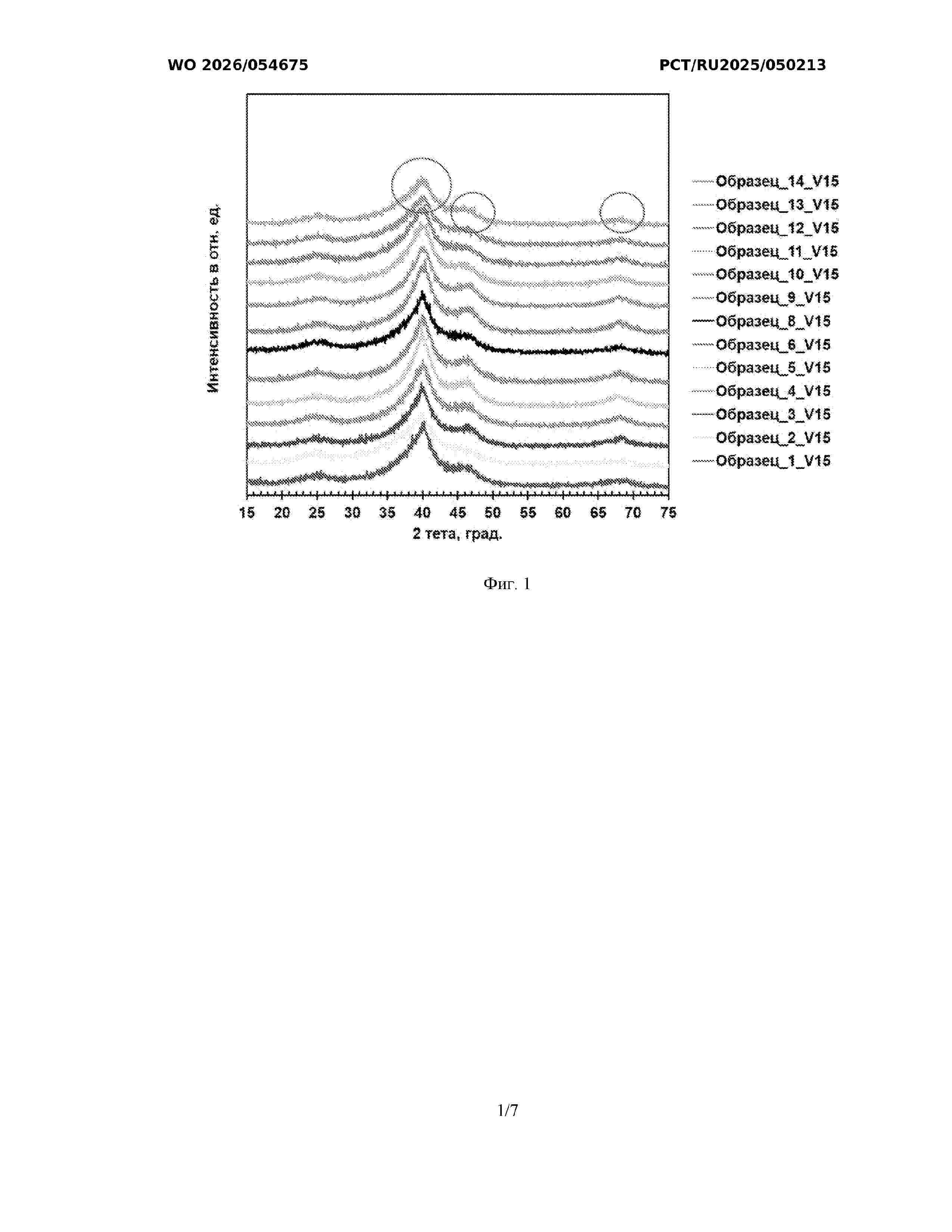
A method for producing a platinum group metal-based catalyst on a carbon support includes the following steps: mixing a weighed quantity of a carbon support, ethylene glycol and a solvent, homogenizing the mixture and subsequently adding a palladium precursor, heating the reaction mixture to 80°С, holding the mixture at a constant temperature, adding a platinum precursor, heating the reaction mixture to 80°С, cooling the resulting suspension, adding a sedimentation agent in the form of 1 M NaCl, sedimenting the resulting mixture for 5 hours, filtering and drying. The technical result is the production of a catalyst that has improved activity indices and a reduced degradation rate.
Resumen de: US20260074253A1
A membrane-electrode assembly (MEA) for a polymer electrolyte membrane fuel cell is prepared by applying an electrode slurry onto a release sheet to form an electrode layer, providing an electrolyte membrane comprising a substrate doped with phosphoric acid, and transferring the electrode layer to create a catalyst-coated membrane (CCM). The electrode slurry contains a catalyst, ionomer(s), and a solvent, with a solid content of about 10-15% by weight. The release sheet, comprising polyimide and about 30-80 μm thick, allows uniform coating and transfer. The resulting electrolyte membrane, about 40-50 μm thick, is doped with about 5-9 mg/cm2 of phosphoric acid and includes a hydrocarbon-based polymer substrate. The final MEA exhibits a high-frequency resistance of about 100 mΩ·cm2 or less.
Resumen de: US20260074252A1
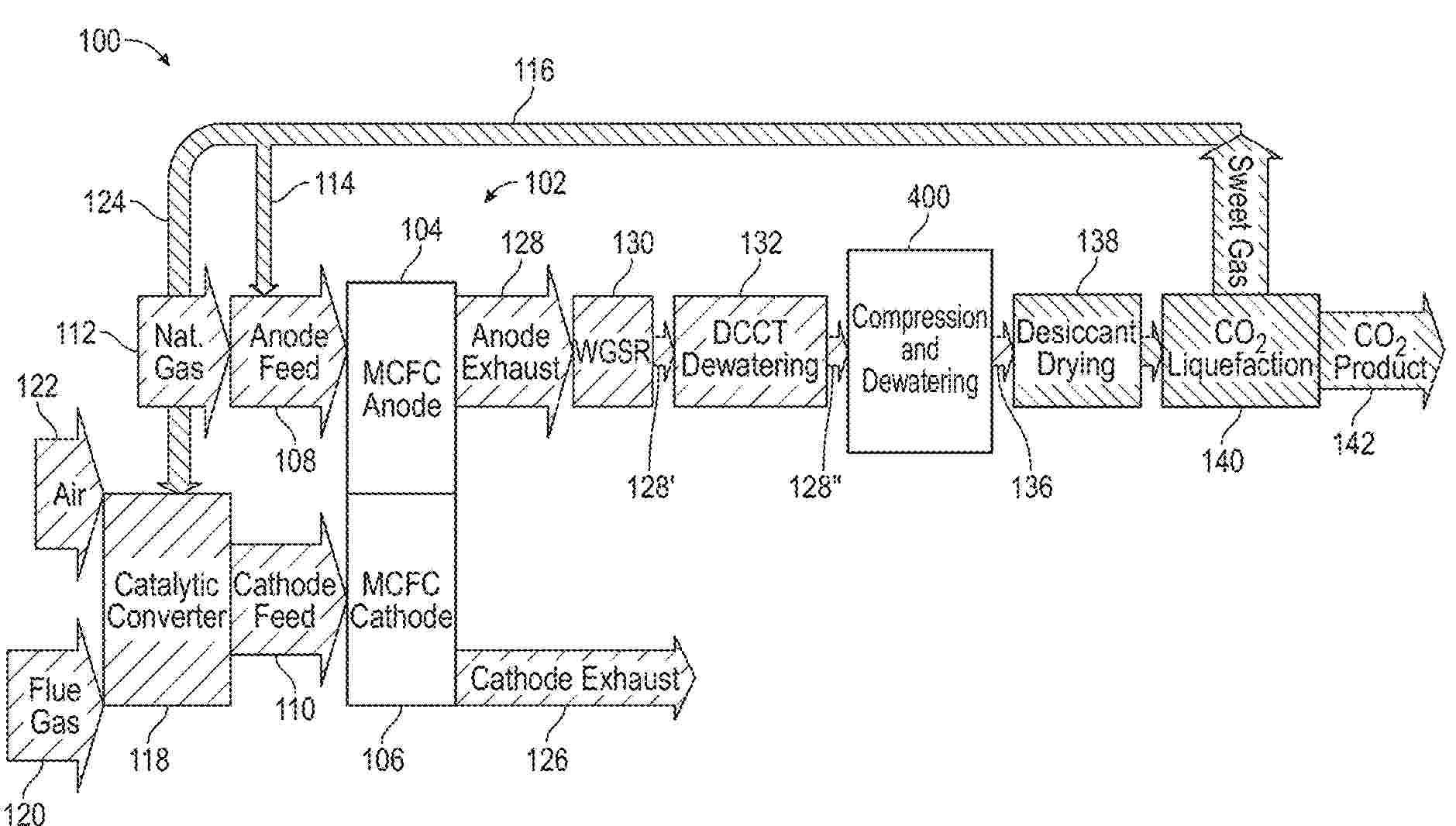
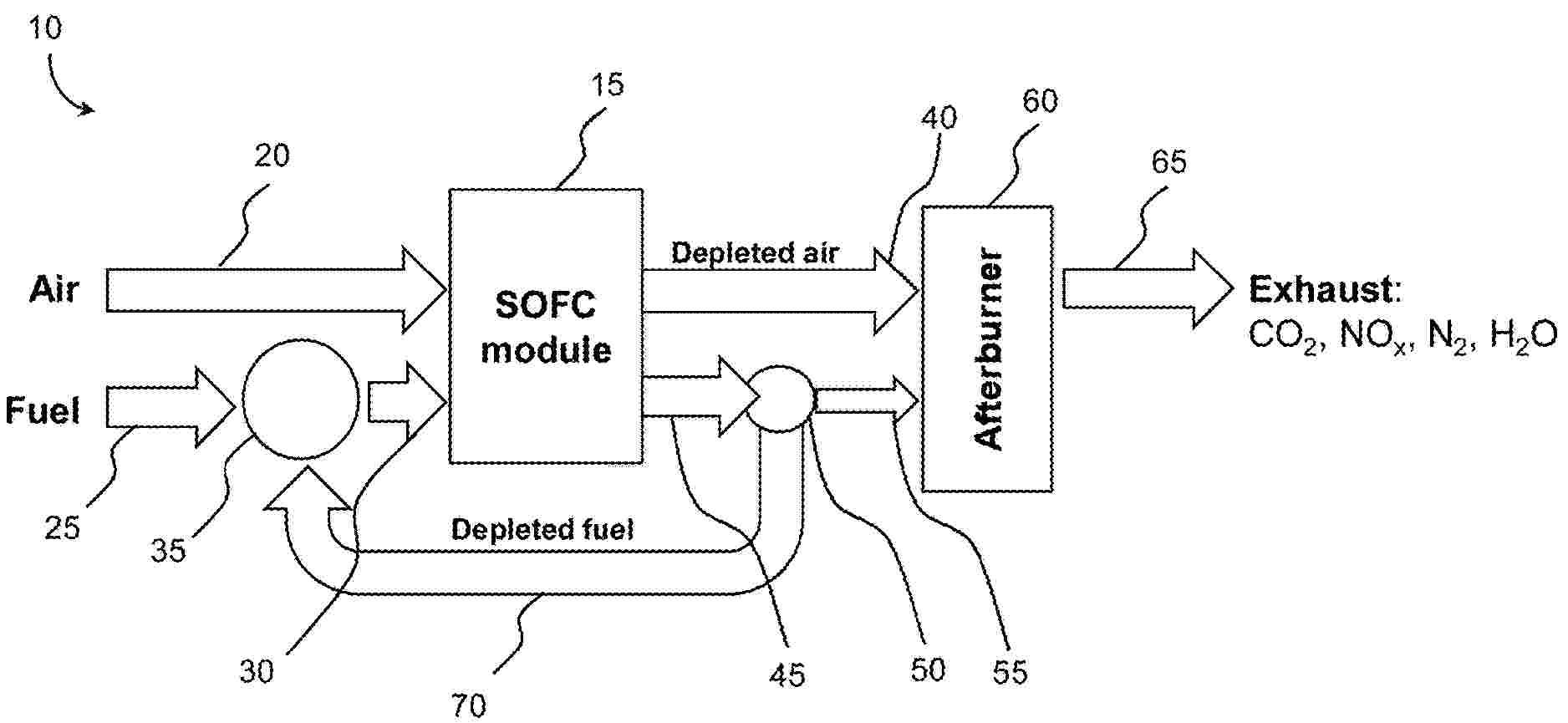
A fuel cell system includes a molten carbonate fuel cell module including an anode section configured to output an anode exhaust stream including carbon dioxide and hydrogen and a cathode section configured to receive a cathode input stream. The fuel cell system further includes a drying system configured to receive and remove water from the anode exhaust stream and to output a dried anode exhaust stream comprising less than 0.1 percent water and a carbon dioxide solvent extraction system configured to receive the dried anode exhaust stream, expose the dried anode exhaust stream to a physical solvent to absorb carbon dioxide, output a carbon dioxide product stream comprising at least 99 percent carbon dioxide, and output a sweet gas stream.
Resumen de: US20260074250A1
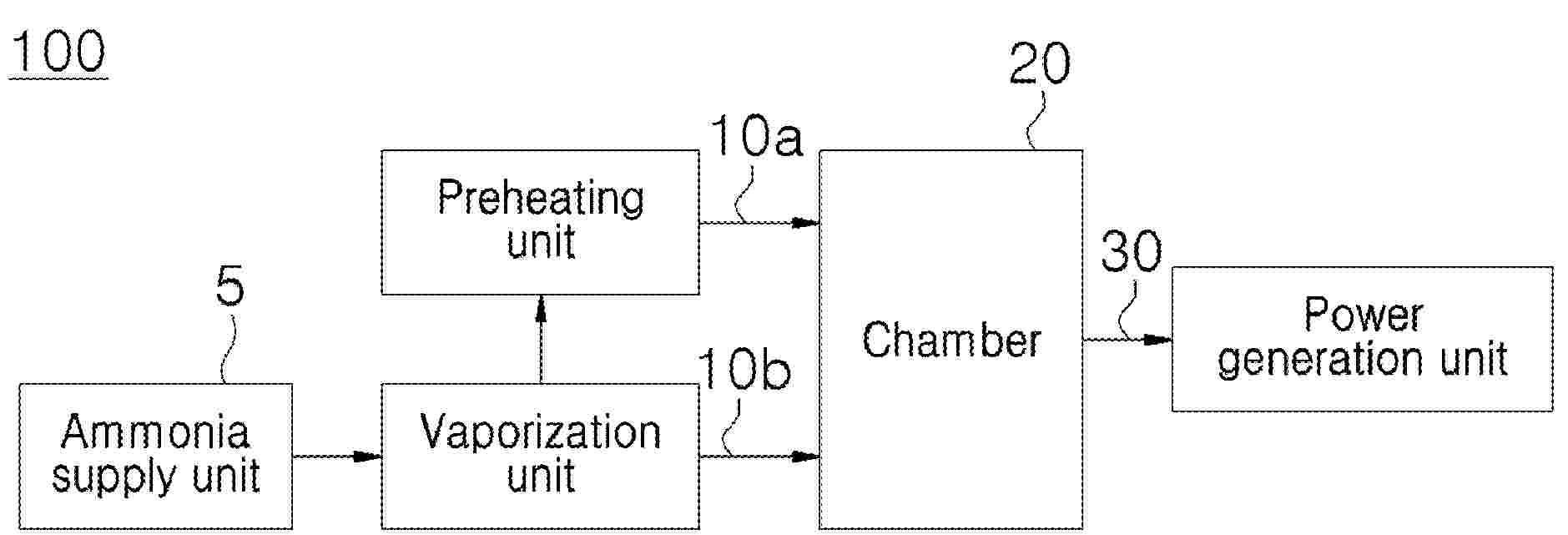
A corrosion-resistant system, a carbon-free power generation system, and a fuel cell system are provided. The corrosion-resistant system includes an ammonia supply unit; a first conduit connected to the ammonia supply unit; an ammonia decomposition unit comprising a chamber connected to the first conduit; and a second conduit connected to the chamber, wherein an operating temperature of the chamber is 410° C. or lower, the first conduit and the chamber comprise at least one selected from the group consisting of carbon steel, low alloy steel, stainless steel and a nickel-based alloy, and the second conduit comprises a nickel-based alloy (NT) satisfying Equation 1: T≤15 μm.
Resumen de: US20260074247A1
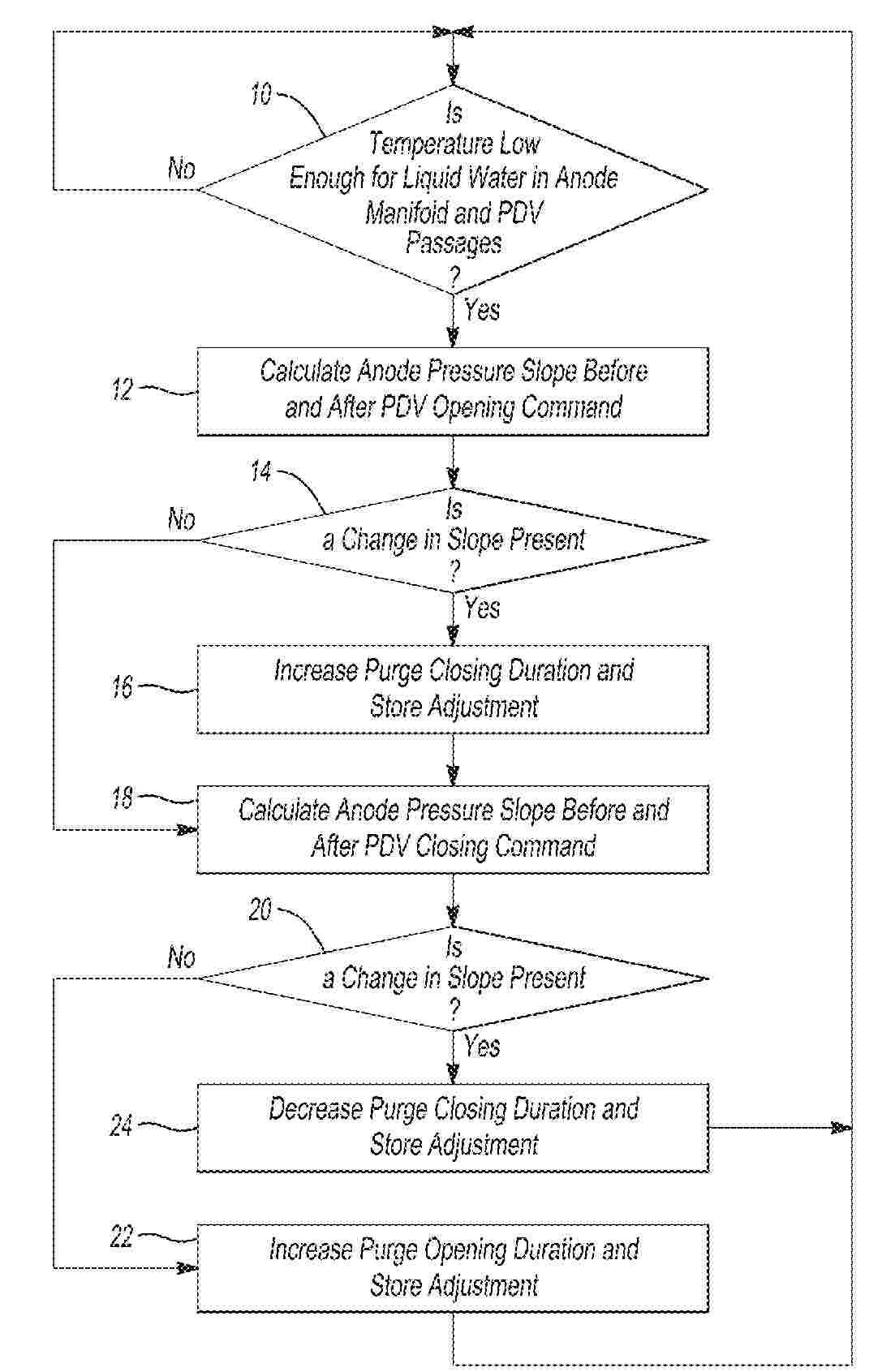
A fuel cell system for a vehicle includes an anode manifold, a drain valve, and a controller. The controller adjusts the duration for which the drain valve remains open or closed based on changes in the anode pressure slope associated with the valve's operation. The system, for example, increases the duration that the drain valve remains closed in response to a change in the anode pressure slope following an opening command and adjusts the duration that the valve remains open based on changes in the slope resulting from a closing command.
Resumen de: US20260074246A1
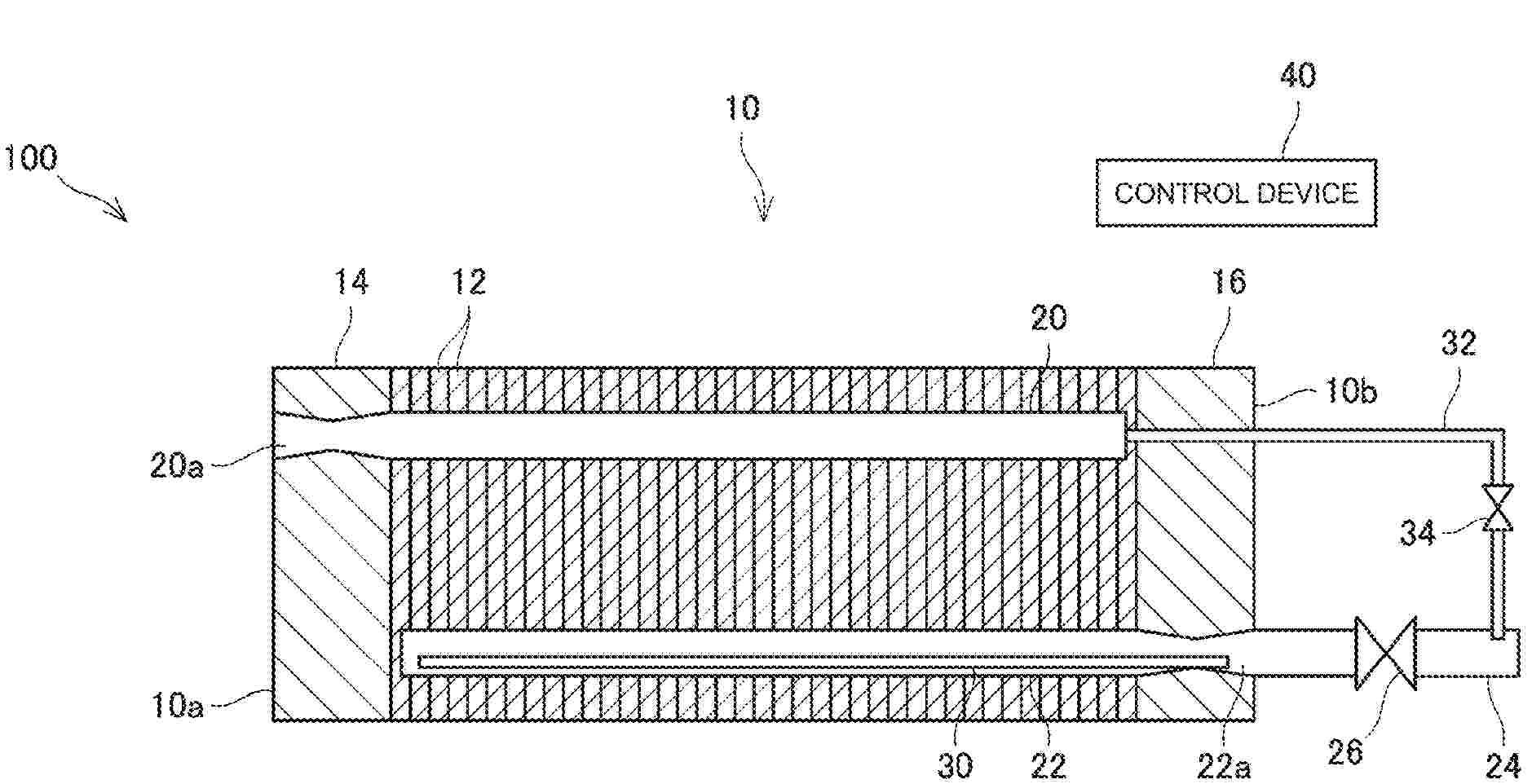
A fuel cell module includes a fuel cell stack made up of a plurality of stacked fuel-cell cells, a fuel gas outlet manifold that extends inside the fuel cell stack in a stacking direction, and through which a fuel gas that has passed through each of the fuel-cell cells flows, an oxidant gas outlet manifold that extends inside the fuel cell stack in the stacking direction, and through which an oxidant gas that has passed through each of the fuel-cell cells flows, a discharge flow passage that discharges the oxidant gas from the oxidant gas outlet manifold, a pressure regulating valve provided in the discharge flow passage, the pressure regulating valve being configured to lower a pressure in the discharge flow passage downstream from the pressure regulating valve than a pressure in the oxidant gas outlet manifold, and a water drain flow passage.
Resumen de: WO2026053856A1
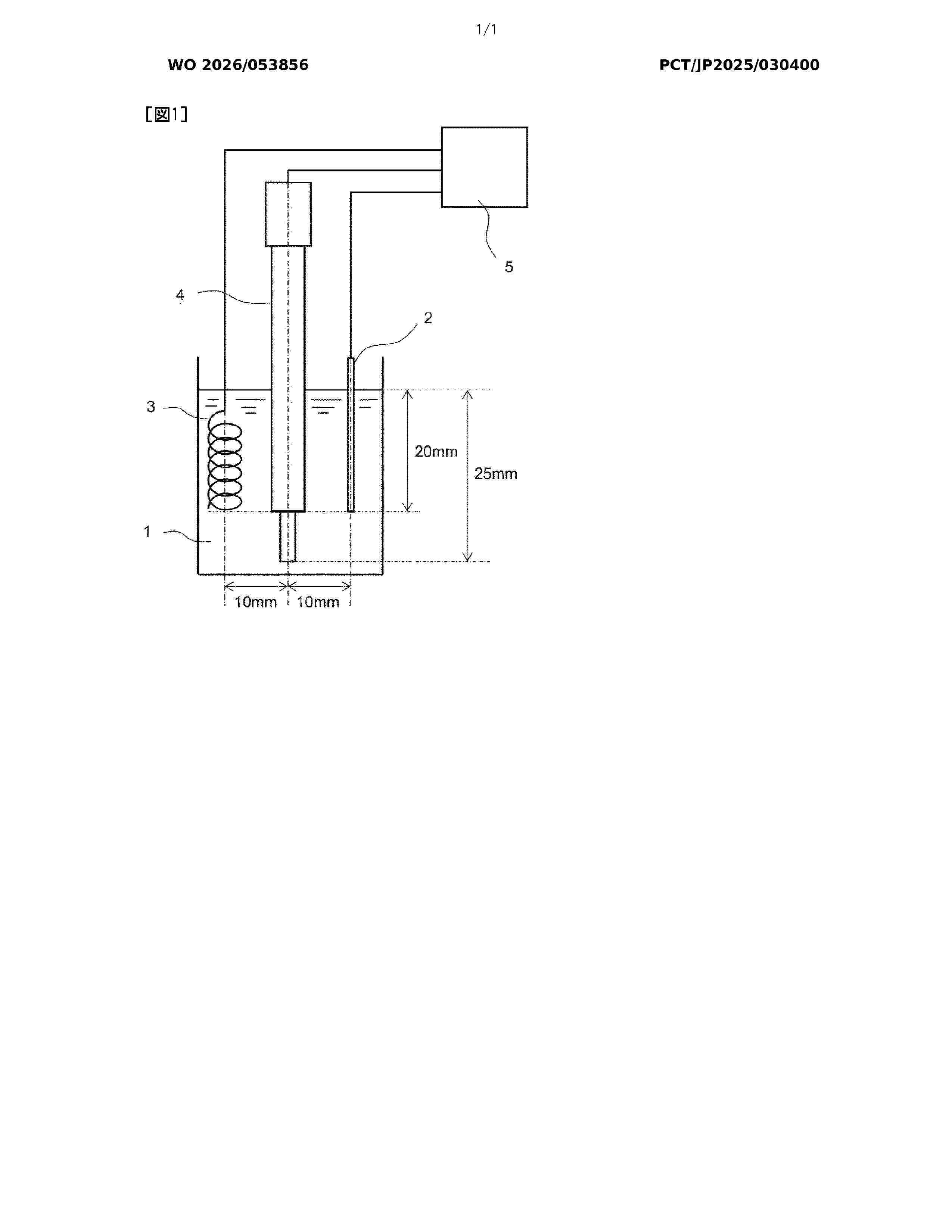
The present disclosure relates to a method for producing an electrode ink for an enzyme battery, the electrode ink containing an enzyme, a water-soluble mediator, and a porous conductive substance, and the method including: a step 1 for preparing a first mixture containing a liquid in which the mediator is dissolved in an aqueous medium, and the porous conductive substance; a step 2 for adding the enzyme to the first mixture and performing a dispersion treatment at 60°C or lower under reduced pressure to obtain a second mixture; and a step 3 for adding and mixing a binder with the second mixture to obtain the electrode ink.
Resumen de: WO2026053918A1
Provided are: a matrix material to be used in a composite film containing nanofibers and a matrix material, the matrix material comprising a polymer compound containing a sulfonic acid group and/or a phosphonic acid group; a nanofiber to be used in an electrolyte film comprising nanofibers and the matrix material, the nanofibers being formed by using a nanofiber polymer compound containing a sulfonic acid group and/or a phosphonic acid group; an electrolyte film comprising the nanofibers and the matrix material; a fuel cell provided with the electrolyte film; and a water electrolyzer which uses the electrolyte film.
Resumen de: WO2026054154A1
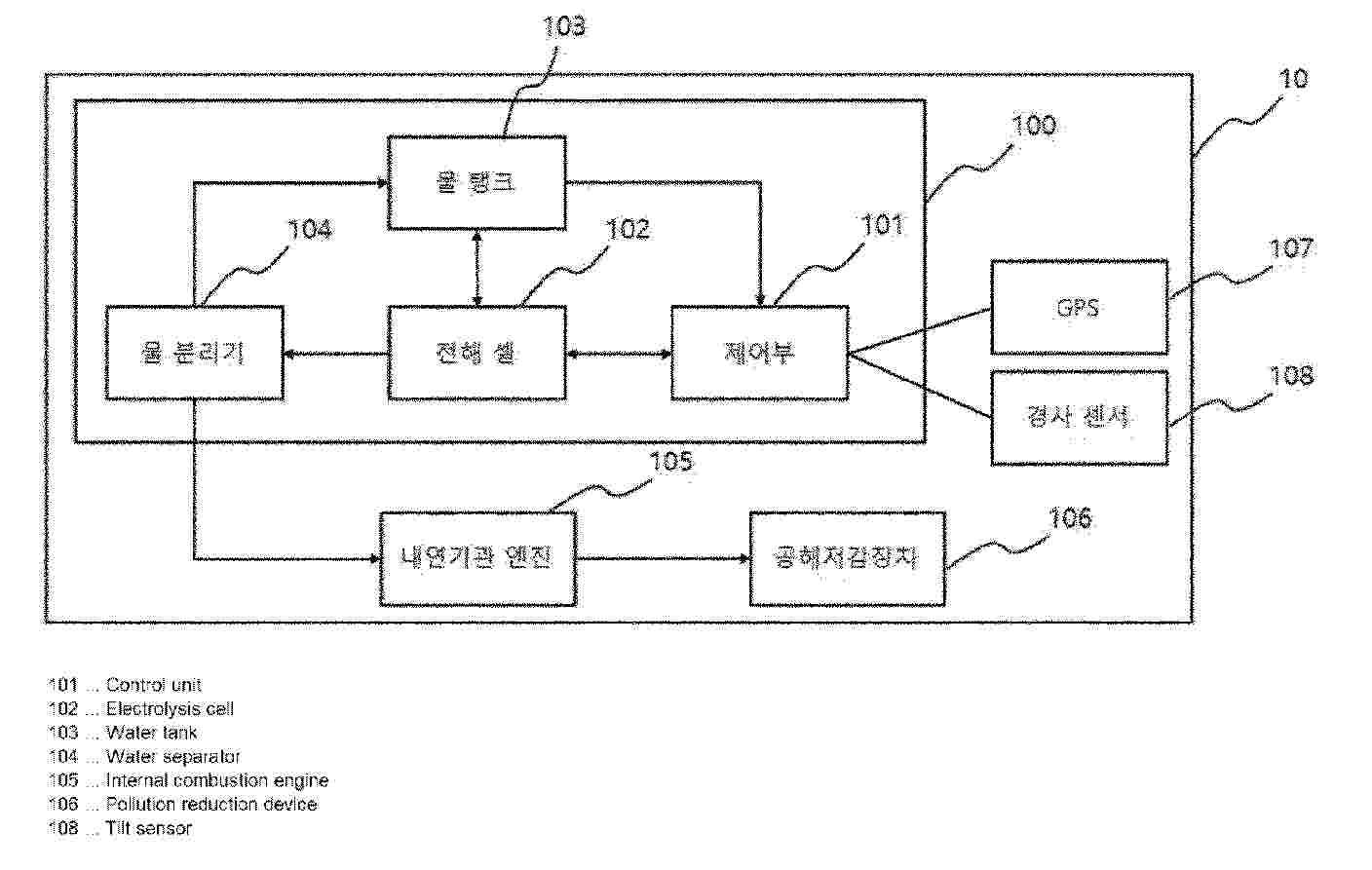
According to one embodiment, a vehicle hydrogen generator having a hydrogen generation amount adjustment device may comprise a PEM water electrolysis stack for generating hydrogen by electrolyzing water, wherein the PEM water electrolysis stack includes: a water tank for storing water for generating hydrogen through electrolysis; an electrolysis cell for generating hydrogen by electrolyzing the water provided from the water tank; a water separator which removes moisture contained in the hydrogen provided from the electrolysis cell and which provides the removed moisture to the water tank; and a control unit electrically connected to the electrolysis cell and the water tank.
Resumen de: JP2026044397A
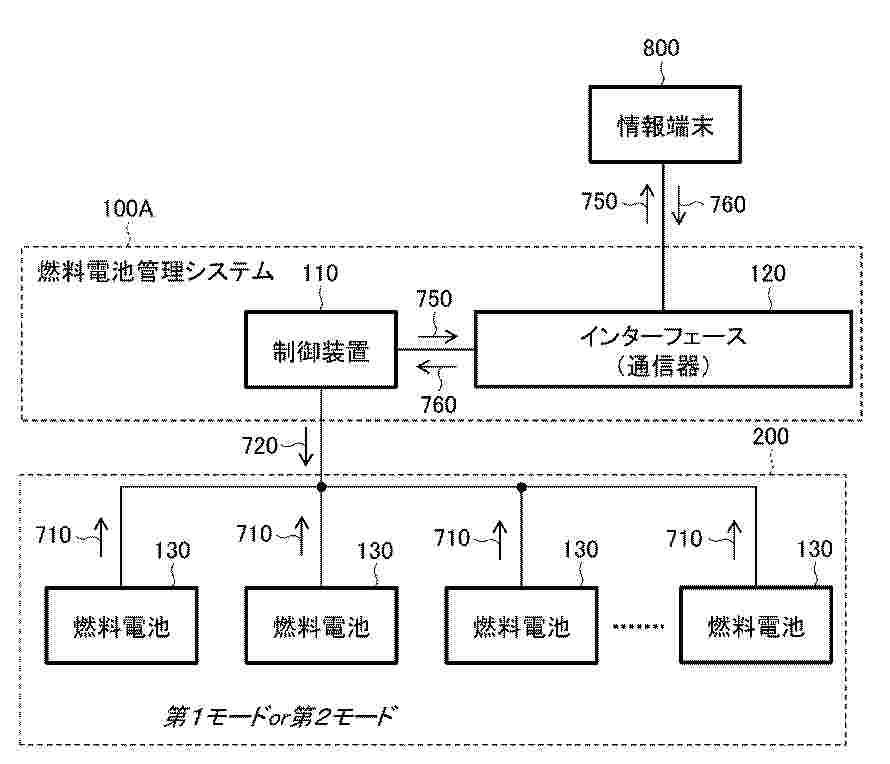
【課題】複数台の燃料電池のメンテナンスを一斉に行うのか分割して行うのかをユーザが選択し、選択に応じて複数台の燃料電池を動作させることに適した技術を提供する。【解決手段】複数台の燃料電池130の一斉メンテナンスを実行することを表す第1意向をインターフェース120が受け付けた場合において、第1モードにより、複数台の燃料電池130を制御する。複数台の燃料電池130の分割メンテナンスを実行することを表す第2意向をインターフェース120が受け付けた場合において、第2モードにより、複数台の燃料電池130を制御する。第1モードでは、第2モードに比べ、複数台の燃料電池130の劣化度が平均化されるように、複数台の燃料電池130の運転が制御される。【選択図】図1
Resumen de: US20260066314A1
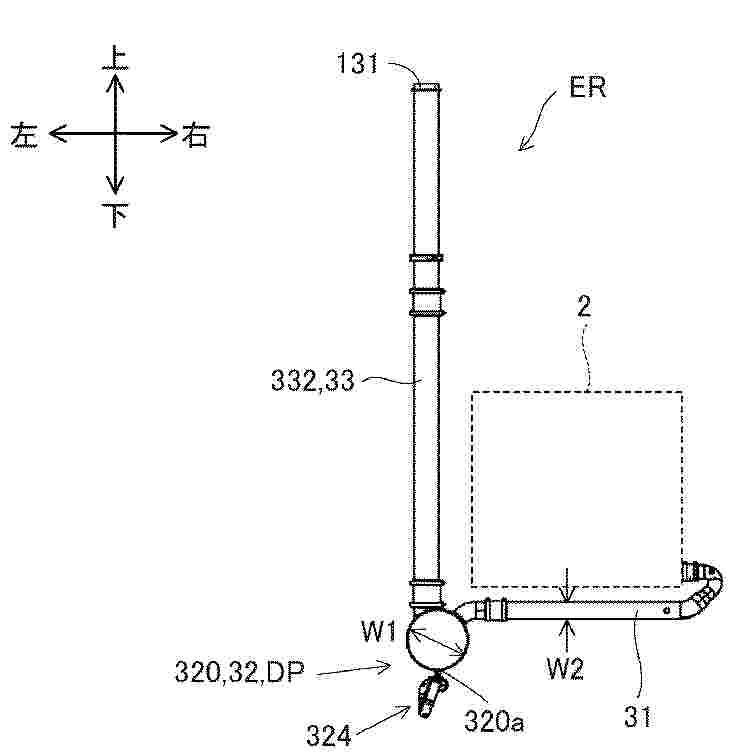
Problem Provided is a fuel cell system capable of reducing a risk that drain water is discharged from an exhaust path together with exhaust gas and scattered around.Solution A fuel cell system includes a fuel cell module and a drain portion. The drain portion is disposed to be branched from an exhaust path of the fuel cell module.
Resumen de: US20260074240A1
In this embodiment, an anode catalyst layer disposed on one surface of the solid polymer electrolyte membrane and the other surface of the solid polymer electrolyte membrane are provided. A membrane electrode assembly having a cathode catalyst layer disposed thereon, wherein the membrane electrode assembly comprises a metallic ions selected from cerium ions and manganese ions and a host compound capable of forming a clathrate compound with the metallic ions, wherein the cathode catalyst layer comprises an electrode catalyst, a binder, and an organic nitrogen-containing compound, wherein the electrode catalyst comprises a metal-supported catalyst comprising a catalyst metal and a support supporting the catalyst metal, and wherein the organic nitrogen-containing compound is at least one compound selected from the group consisting of a compound of formula (1), a compound of formula (2), and a compound of formula (3), or a polymer thereof.
Resumen de: US20260074243A1
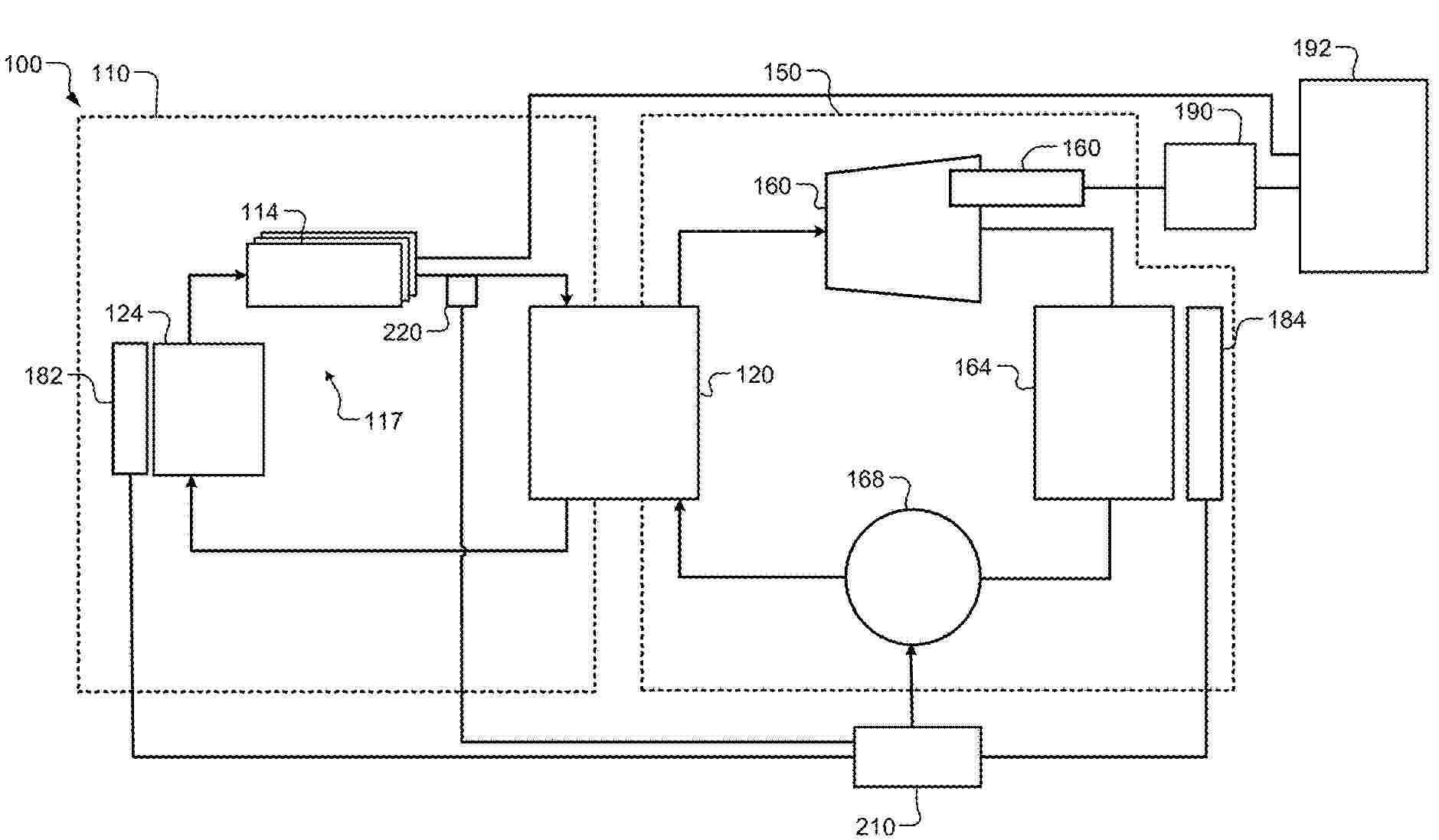
A fuel cell system includes F fuel cell stacks, where F is an integer greater than or equal to one. A coolant system includes liquid coolant in fluid communication with the F fuel cell stacks. A waste heat recovery system includes a turbine, a generator rotated by the turbine, a condenser in fluid communication with an outlet of the turbine, a pump fluidly coupled to an outlet of the condenser, and a heat exchanger in fluid communication with the coolant system, an inlet of the turbine and an outlet of the pump and configured to exchange heat between the liquid coolant and a working fluid to expand the working fluid supplied to the inlet of the turbine.
Resumen de: US20260074251A1
A fuel cell system including a fuel cell module having an anode inlet configured to receive an anode inlet stream including fuel and an anode outlet configured to output an anode exhaust stream including carbon dioxide and steam, a solid oxide electrolysis cell module configured to receive waste heat and a first portion of the anode exhaust stream from the solid oxide fuel cell module and output an electrolysis output stream including hydrogen and carbon monoxide, wherein at least a portion of the electrolysis output stream is redirected to become a component of the anode inlet stream of the fuel cell module, and a controller configured to operate the solid oxide electrolysis cell module at an endothermic current density
Resumen de: KR20260034363A
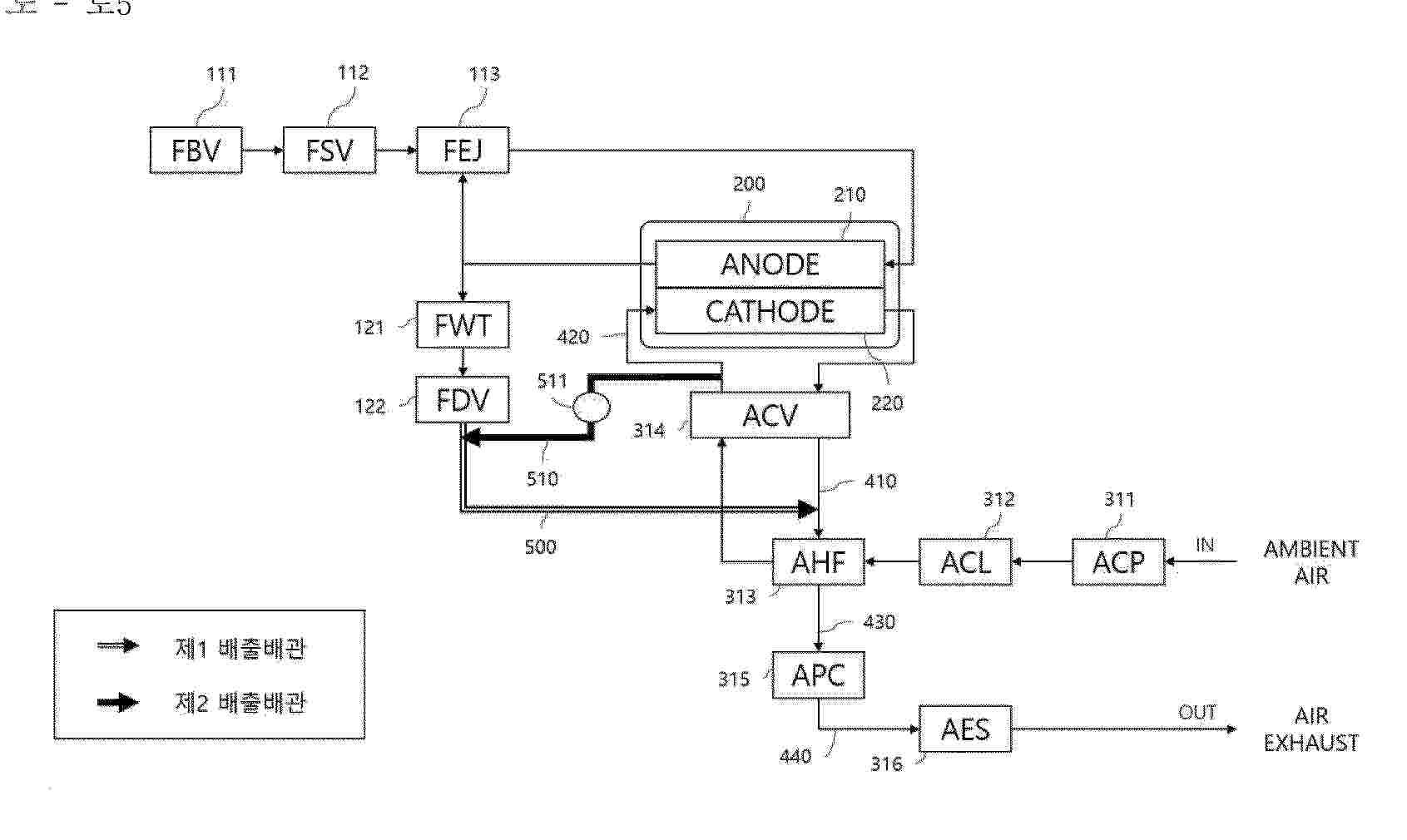
본 발명의 일 실시예에 따른 연료 전지 시스템은, 애노드 및 캐소드를 포함한 연료 전지 스택, 애노드 출구에 위치하여 애노드로부터의 물 또는 가스를 축적하는 워터트랩부, 워터트랩부에 연결되어 워터트랩부 내 축적된 물 또는 가스의 배출을 조절하는 배출 밸브, 배출 밸브에 연결되어 축적된 물 또는 가스를 배출하는 제1 배출배관 및 제1 배출배관을 가열하는 가열수단을 포함할 수 있다.
Resumen de: CN120835942A
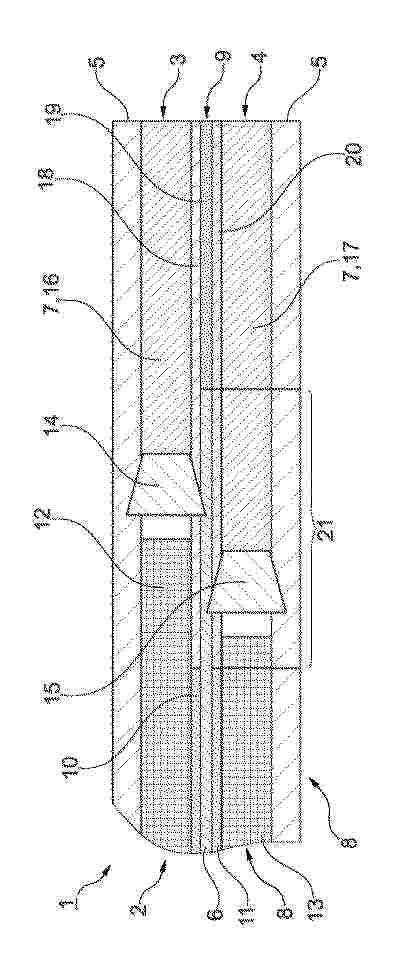
An electrochemical cell stack (1) comprising a plurality of electrochemical cells (2) separated from one another by bipolar plates (5) wherein each electrochemical cell (2) consists of two half-cells (3, 4) having a membrane (6) as a common component, which membrane is held by a multi-piece support frame (7), according to the invention, the multi-part support frame (7) consists of two frame elements (16, 17) of different widths, each of which is stacked on one another from belonging to one half-cell (3, 4) and by inserting a plurality of layers of sheet devices (9) overlapping the membrane (6), on the inner side of each frame element (16, 17) facing the interior of the respective half-cell (3, 4), the frame elements (16, 17) are each provided with a seal (14, 15) which contacts the bipolar plate (5), and the two seals (14, 15) which are offset from each other due to different cross-sectional shapes of the frame elements (16, 17) each contact an outer layer (18, 20) of the sheet device (9).
Resumen de: KR20260034211A
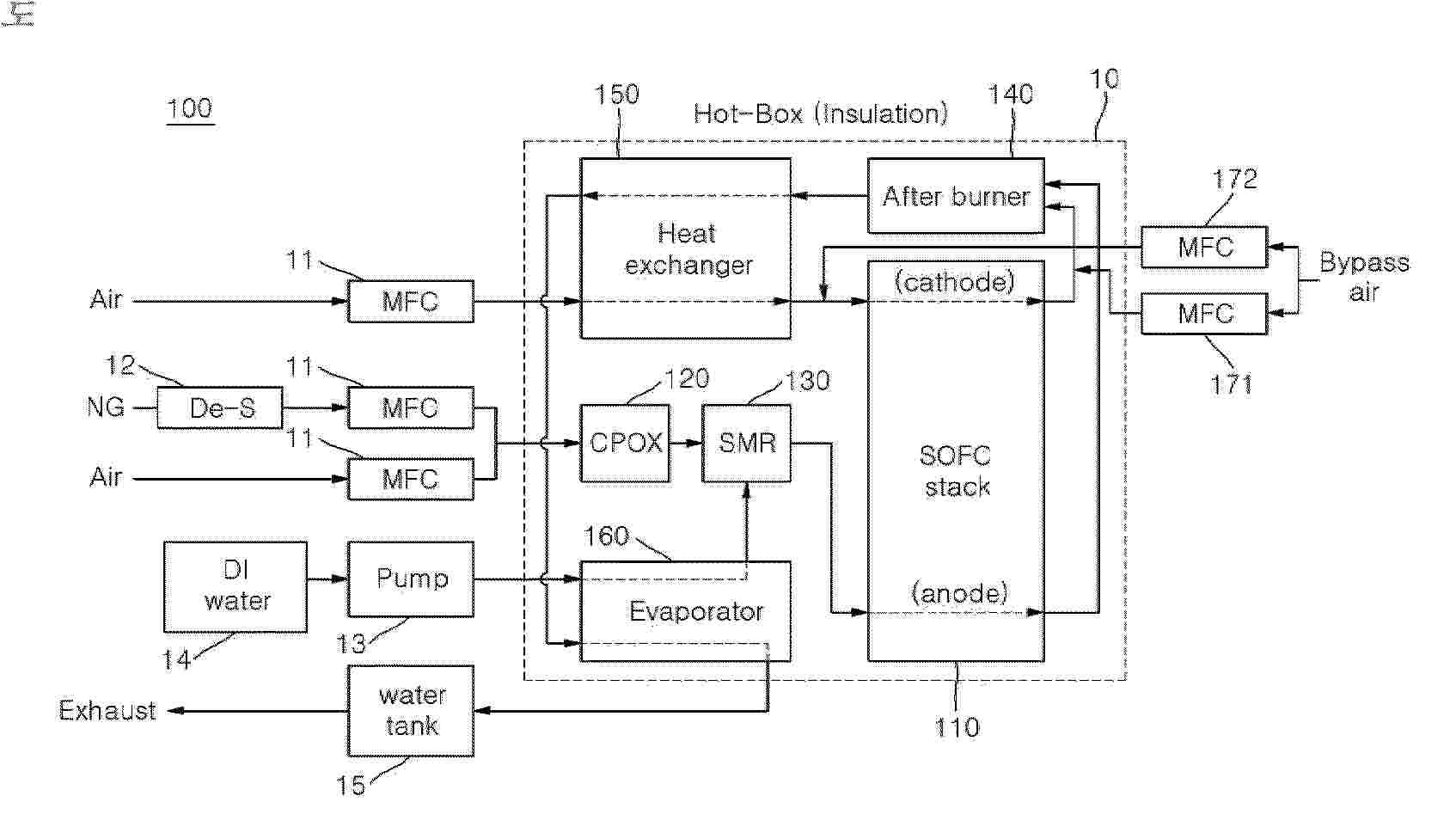
본 발명은 Hot-Box 내부에 SOFC 스택, 촉매 부분 산화기 및 개질기가 설치된 SOFC 시스템에 관한 것으로서, 상기 촉매 부분 산화기와 상기 개질기는 연료의 흐름 방향으로 순차적으로 직렬로 연결되며, 유입되는 연료는 상기 촉매 부분 산화기 및 상기 개질기 중 적어도 하나에 의해 수소를 포함하는 합성가스로 전환되어 상기 SOFC 스택으로 공급되는 것을 특징으로 한다.
Nº publicación: KR20260034102A 11/03/2026
Solicitante:
한화오션주식회사
Resumen de: KR20260034102A
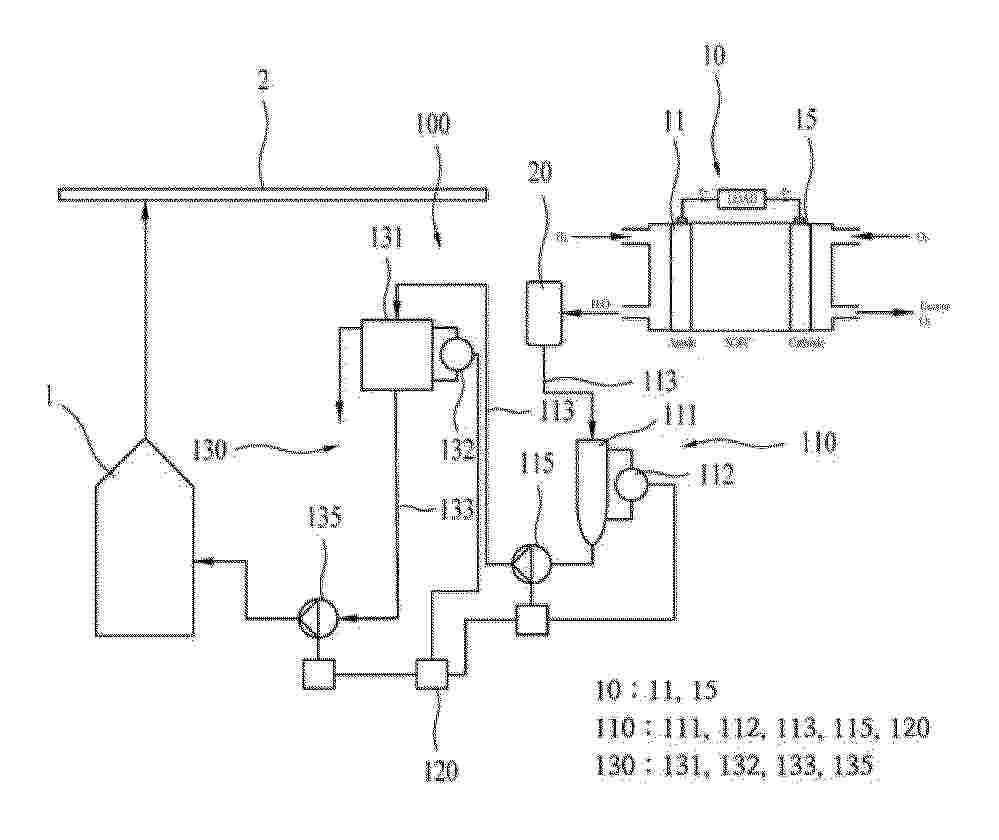
본 발명의 일 실시예는, 연료전지에서 발생하는 응축수인 초순수가 공급되는 응축수 공급라인과, 그리고 응축수 공급라인에 연결되며 선박의 보일러에 연료전지로부터 발생하는 응축수를 보일러 공급수로 공급하는 보일러수 공급라인을 포함하는 연료전지 응축수 선박 보일러 공급수 공급시스템을 제공하여, 연료전지의 반응 과정에서 응축수로 발생하는 초순수를 선박의 보일러 공급수로 사용하도록 하여 수처리 비용을 줄일 수 있을 뿐만 아니라 연료전지에서 발생되는 화학적인 과정에 의해 상온 이상의 응축수를 보일러 공급수로 공급함으로써 스팀 발생을 위해 온도를 올리기 위한 열에너지까지 절약할 수 있는 장점이 있다.
 BOPI
BOPI
 Sede Electrónica