Si deseas distinguir tus productos, servicios o ambos de los de otra empresa, es posible que necesites una marca o nombre comercial. Descubre qué son, en qué consiste su procedimiento de registro y qué implica.

Información sobre los plazos de presentación de solicitudes de transformación de marcas de la Unión Europea en marca nacional española. Más información


Si tienes un nuevo dispositivo, producto o procedimiento que resuelva un problema técnico o tenga una ventaja práctica, existen distintas formas de protegerlo en España y en otros países. Descubre cómo hacerlo.

¿Tu innovación reside en la estética, la ornamentación o la apariencia de tu producto? Protégela mediante un diseño industrial. Descubre qué derechos confiere el registro y cómo realizar la tramitación.

Las indicaciones geográficas protegen el nombre de un producto originario de una zona geográfica, a la cual le debe una determinada calidad, reputación u otra característica. Descubre qué son, en qué consiste su procedimiento de registro y qué beneficios conceden.

Las patentes publicadas en todo el mundo son una valiosa fuente de información científica, técnica y comercial.

Si eres emprendedor/a o una empresa y quieres potenciar y mejorar la rentabilidad de tu negocio protegiendo de forma adecuada los activos intangibles de tu organización, en este espacio encontrarás lo necesario.


 165
resultados
165
resultados
 Última actualización
03/10/2026 [07:02:00]
Última actualización
03/10/2026 [07:02:00]


 Resultados 100 a 125 de 165

Resumen de: MA70860A1
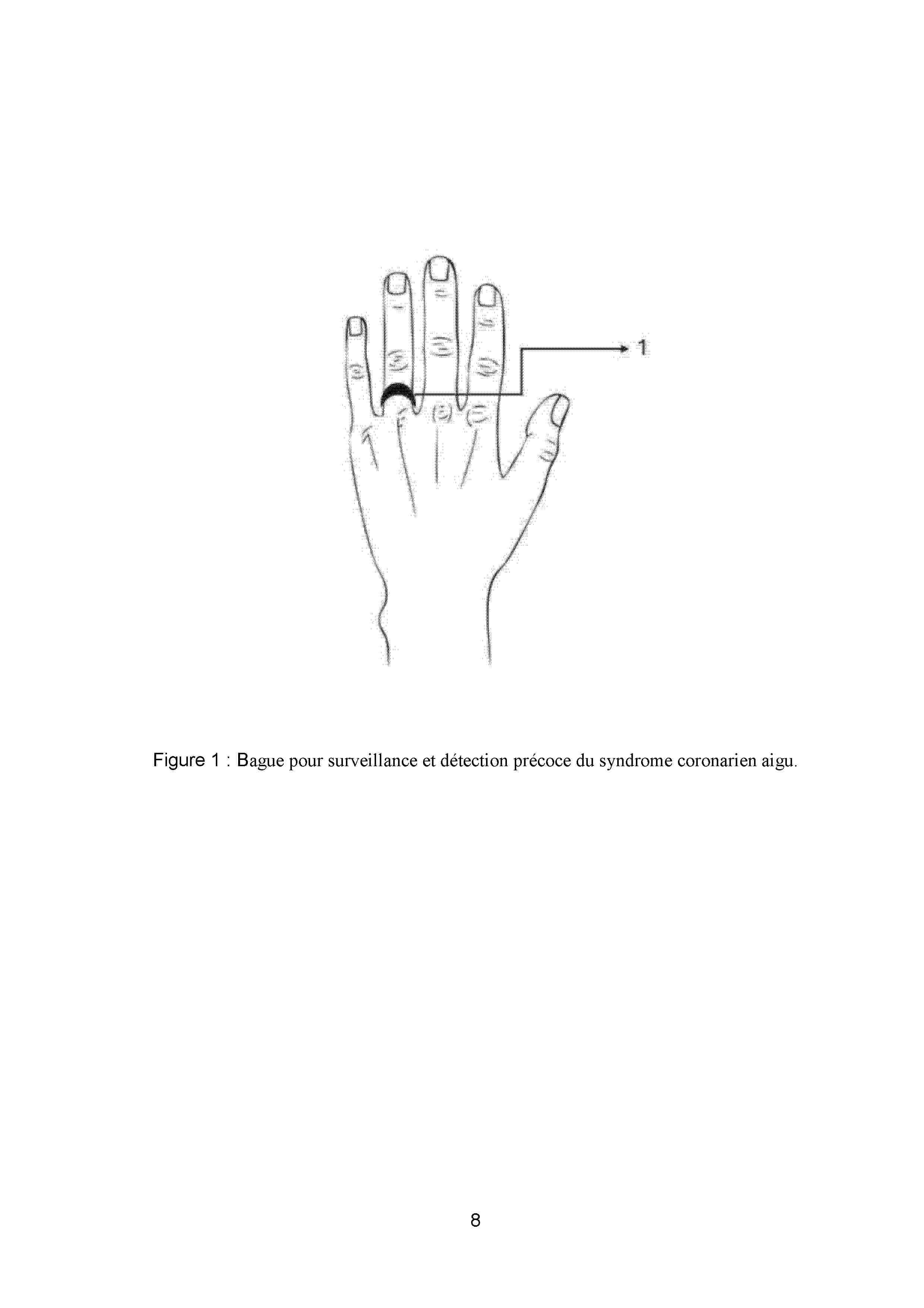
The invention concerns a smart ring designed to monitor the user's vital parameters and predict the risk of developing acute coronary syndrome (ACS). This watch incorporates advanced signal processing techniques and sophisticated algorithms to analyze heart rate variability as well as total cholesterol, blood glucose and blood pressure levels associated with acute coronary events. The vital data is sent to a server via an NB-IoT communication module, and visualized using a web interface. An integrated artificial intelligence model continuously analyzes the processed data to identify patterns indicative of ACS. If a high risk of ACS is detected, the ring emits visual and audible alerts, prompting the user to seek immediate medical attention. In addition, a user interface offers the possibility of viewing data and forecasts in real time, enabling continuous, proactive monitoring. This invention enables early detection of ACS thanks to improved analysis of vital parameters and the use of artificial intelligence for continuous real-time monitoring, thus improving the safety of preventive medical measures and the well-being of the user.

Resumen de: NZ818091A
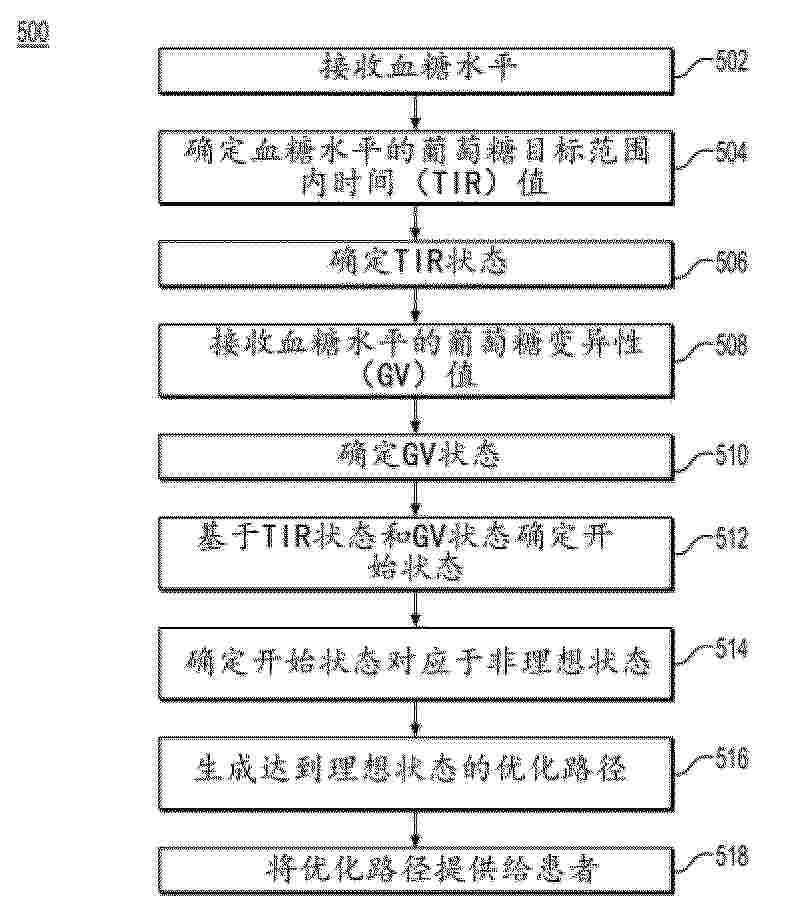
Some previously proposed diabetes treatment relies on sporadic readings (e.g., glucose readings) that do not provide ample data to effectively provide treatment options. Disclosed here is a system for providing glucose trend based behavior outputs for treatment of a glucose based condition,. The system comprising: a continuous glucose monitoring (CGM) device configured to output a plurality of glucose readings based on analyzing a bodily fluid over a period of time; a memory configured to store the plurality of glucose readings; and a processor configured to: determine a CGM trend based on a change in the plurality of glucose readings output by the CGM device and/or stored in the memory, wherein the CGM trend is determined using a CGM trace mapping the glucose readings over a period of time, and wherein the CGM trend is further based on at least one of a CGM event or a severity score; determine at least one behavior output based on the CGM trend and at least one additional factor, the at least one behavior output comprising insulin intake information; provide the at least one behavior output to a user; generate an optimized pathway to reach an ideal state based on one or more user vectors and the CGM trend, the ideal state corresponding to a good time in range (TIR) state and a good glucose variability (GV) state, the good TIR state being reached when a TIR value is greater than a TIR cutoff, the good GV state being reached when a GV value is greater than a GV cutoff, and the
Resumen de: NZ799609A
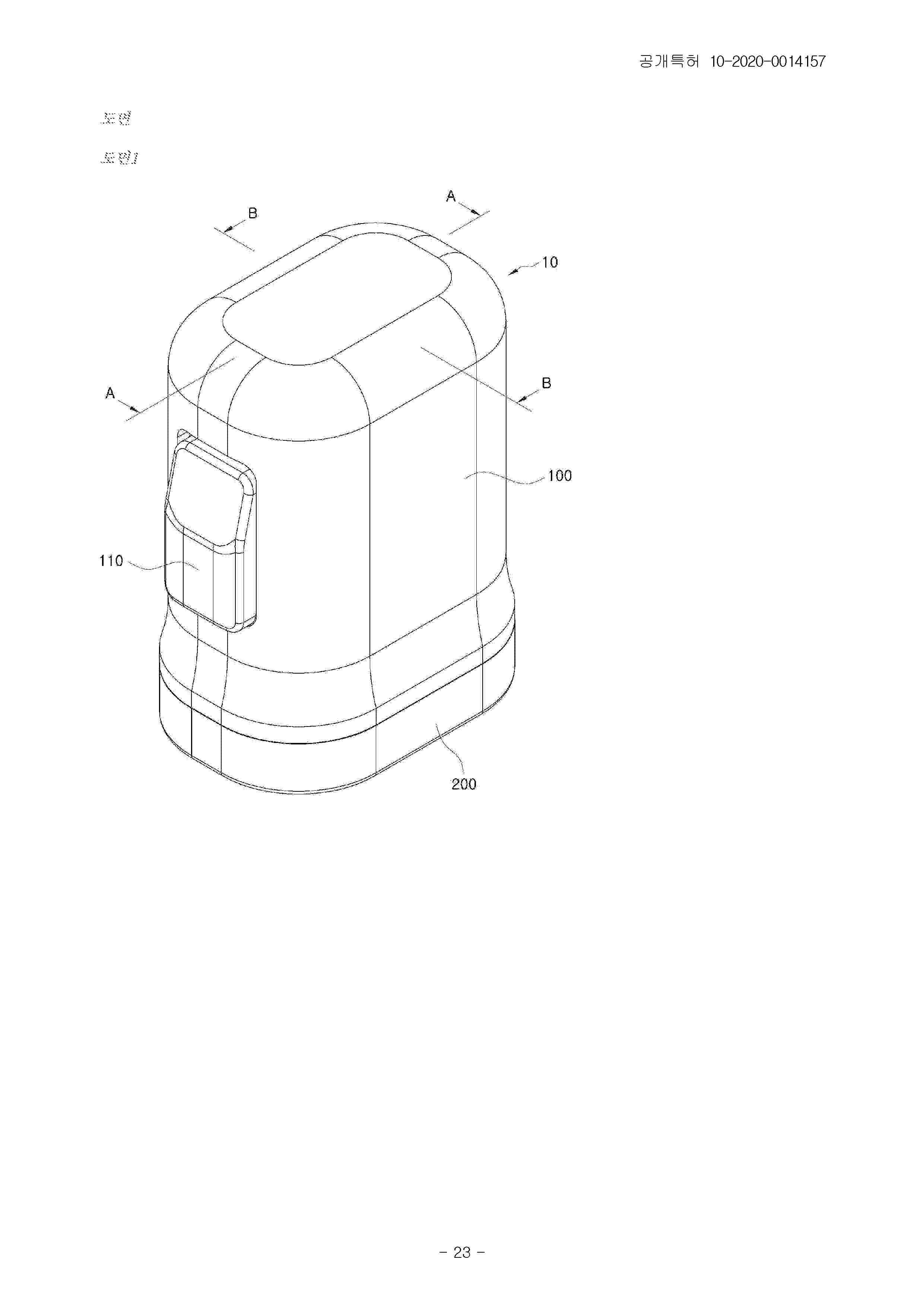
An applicator assembly comprising a body-attachable unit configured to adhere to a user’s skin and an applicator for deploying the unit. The body-attachable unit includes a housing, a sensor module having a sensor probe for subcutaneous insertion and a sensor body disposed within the housing, a printed circuit board (PCB) with electrical contact points, and a press manipulation module operable by a user. The press manipulation module is configured to apply pressure to at least a portion of the sensor body to bring it into electrical contact with the PCB contact points, thereby initiating operation. The applicator is adapted to move the body-attachable unit from a first position within the applicator to a second position where the sensor probe is inserted into the user’s skin. The sensor body unit is spaced apart from the electrical contact point of the PCB board when the body attachable unit is in the first position.
Resumen de: US20260253354A1
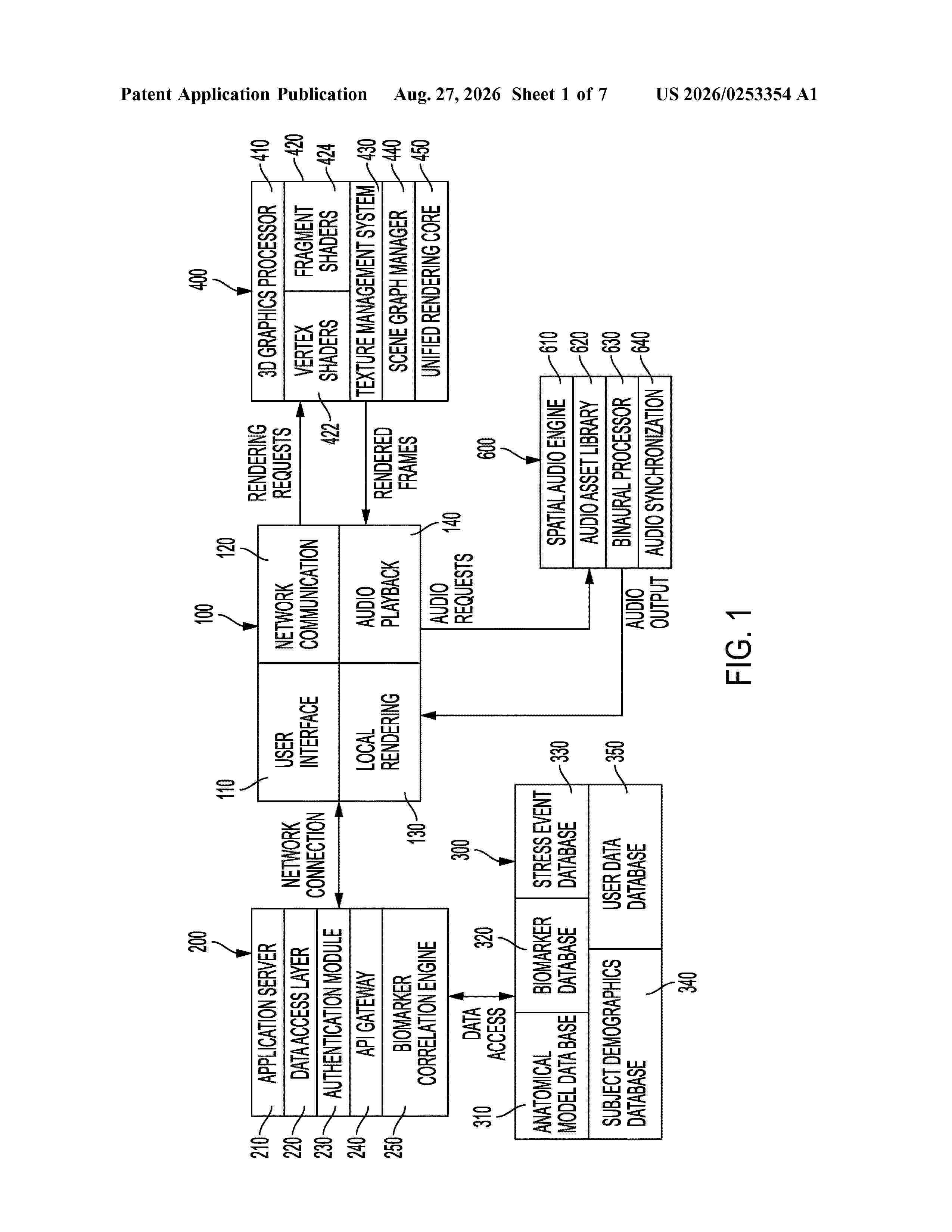
A system and method for interactive three-dimensional visualization of physiological stress effects on the human body uses biomarker correlation algorithms to determine physiological responses to physical trauma and toxic stress events. The system receives stress event data, calculates biomarker levels including cortisol, blood pressure, blood sugar, and inflammatory markers, and identifies affected organ systems including cardiovascular, nervous, endocrine, digestive, immune, and reproductive systems. Three-dimensional anatomical models are modified with visual characteristics depicting stress-induced changes based on the biomarker data, including color alterations, geometric deformations, and animated effects. A temporal progression interface enables visualization of immediate, short-term, and long-term physiological effects. Spatial audio synchronized with visual animations provides immersive auditory feedback. Cross-platform rendering modules optimize visualization for mobile devices, desktop computers, tablets, virtual reality headsets, and augmented reality glasses. The system provides for real-time interactive manipulation of anatomical visualizations, particularly for pediatric toxic stress education related to corporal punishment.
Resumen de: US20260248422A1
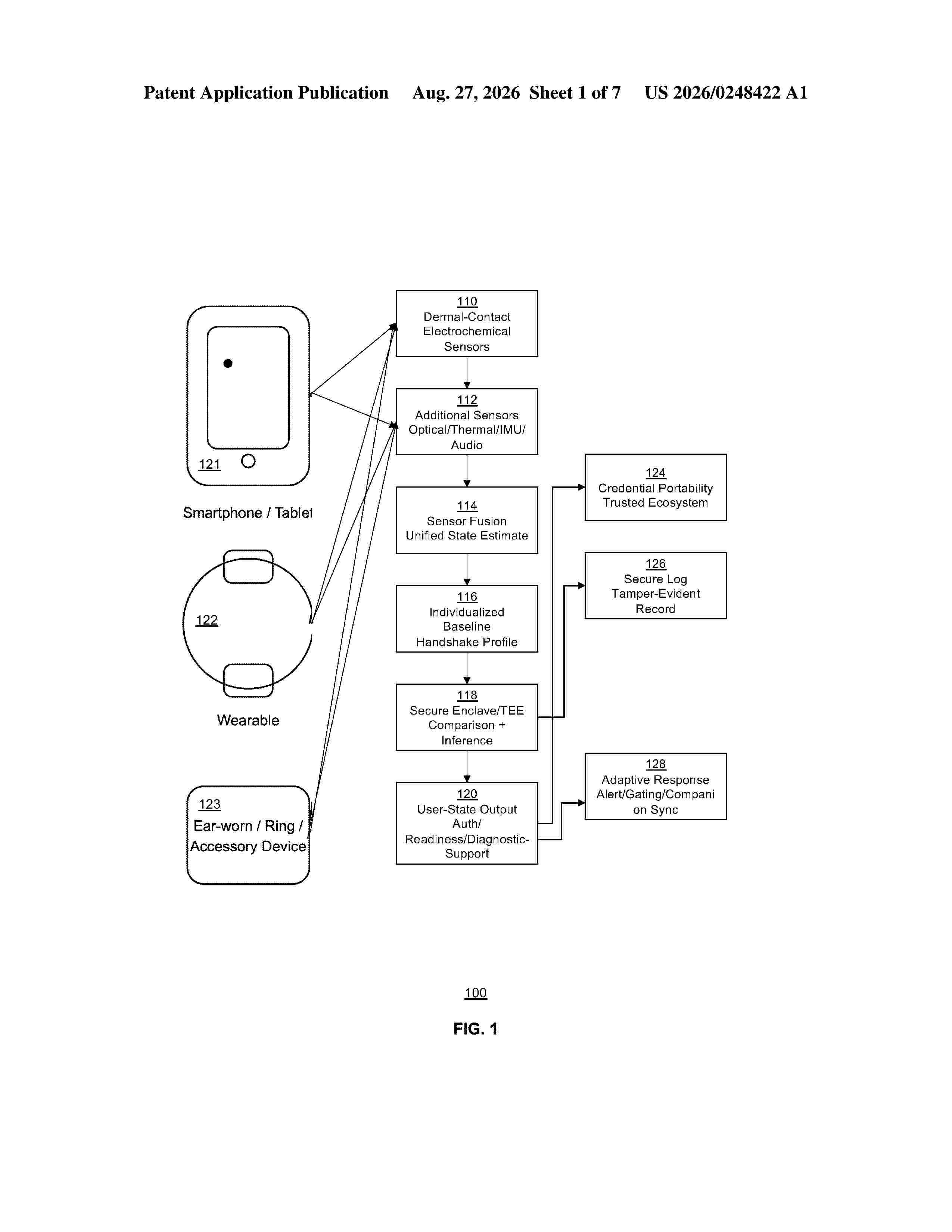
A personal electronic device and wearable sensing system includes one or more dermal-contact electrochemical sensors integrated into one or more skin-contact surfaces of the electronic device, wearable, accessory, or interactive electronic system. The electrochemical sensors obtain measurements indicative of one or more analyte classes associated with a user. One or more additional sensors obtain non-electrochemical measurements associated with the user. A sensor-fusion module derives electrochemical and non-electrochemical features and generates a unified state estimate. One or more inference modules determine a user-state output based on the unified state estimate and a comparison of electrochemical-derived information, or features derived therefrom, to an individualized baseline reference profile associated with the user. In some embodiments, the analyte classes include endogenous physiological markers including glucose-related markers, exogenous exposure analytes, or both. In some embodiments, a credential derived from the individualized baseline reference profile is portable across multiple authorized devices within a trusted ecosystem.
Resumen de: US20260248419A1
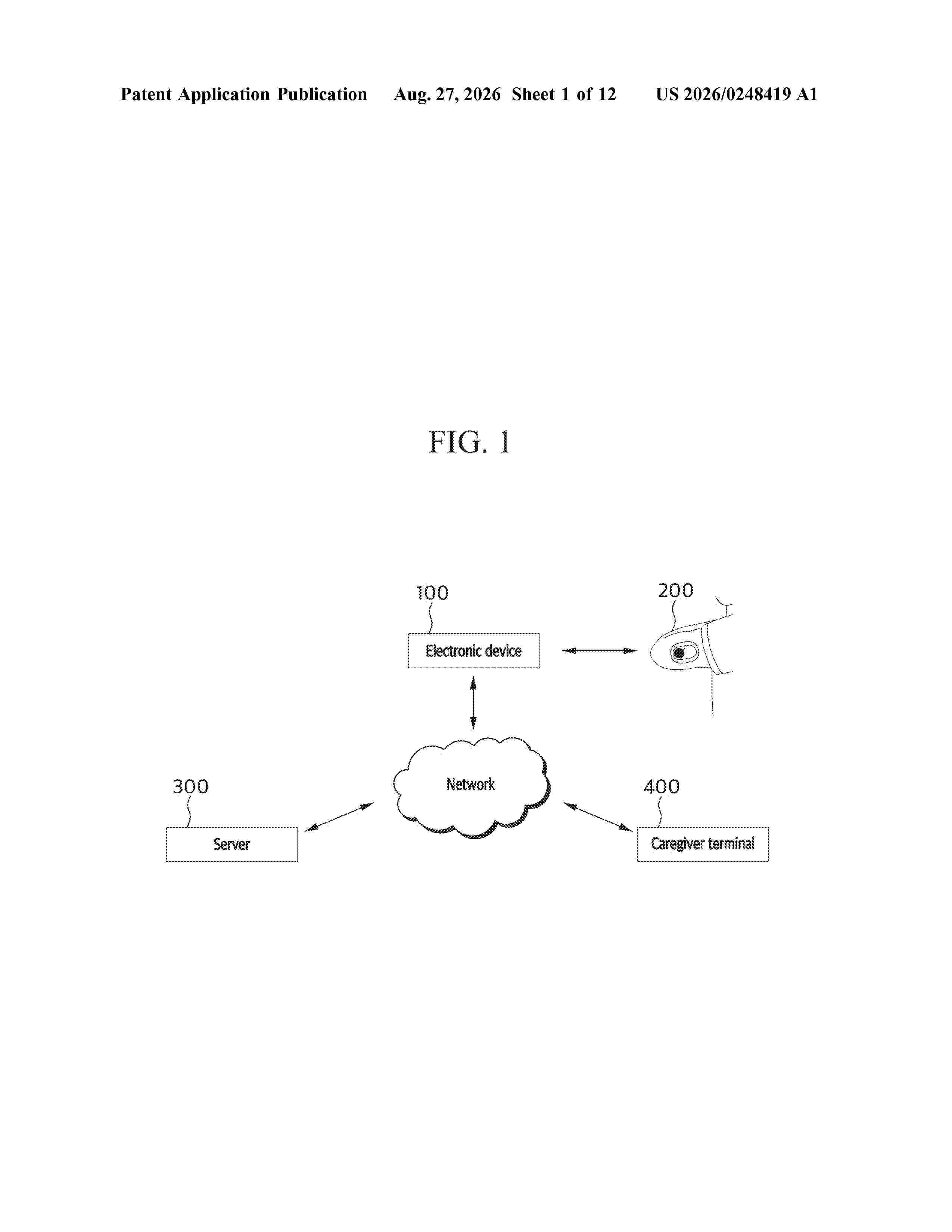
Provided is a blood glucose data management method including identifying first blood glucose data based on a blood glucose sensor, identifying a verification dataset corresponding to the first blood glucose data, estimating whether at least a portion of the blood glucose sensor is detached from a user's body based on a comparison between a pattern corresponding to the verification dataset and a reference pattern, and suspending output of the first blood glucose data if detachment is estimated.
Resumen de: AU2026214068A1
A stool resuspension solution comprising a hemoglobin stabilization reagent is provided. In some embodiments, the hemoglobin stabilization reagent may be an osmolyte, a polyvalent cation, a sugar or polysaccharide and, optionally, a polyvalent cation, a protoporphyrin,or an HRP stabilization component and, optionally, a polyvalent cation. A method of stabilizing hemoglobin in a stool sample in the solution is also provided, as well as a sample collection device containing the solution. ug u g
Resumen de: US20260249007A1
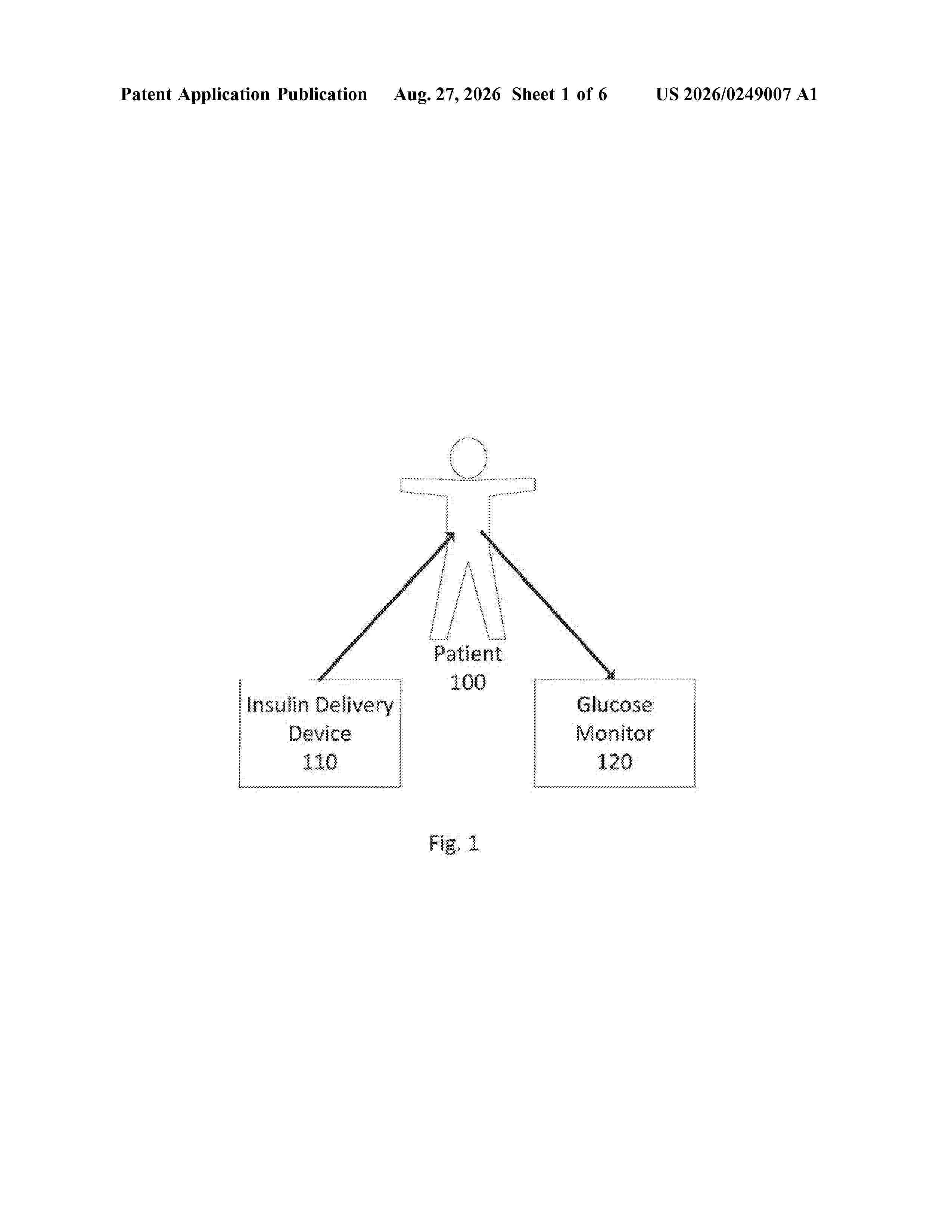
0000 A technique for treating diabetes that recognizes patient insulin sensitivity is a time-varying physiological parameter. The described techniques for treating diabetes include measuring interstitial fluid glucose concentration, reading insulin delivery data, determining patient insulin sensitivity based on the interstitial fluid glucose concentration and insulin delivery data, and a time-varying physiological parameter, and dispensing an insulin dose from an insulin delivery device based on the determined patient insulin sensitivity.
Resumen de: US20260249003A1
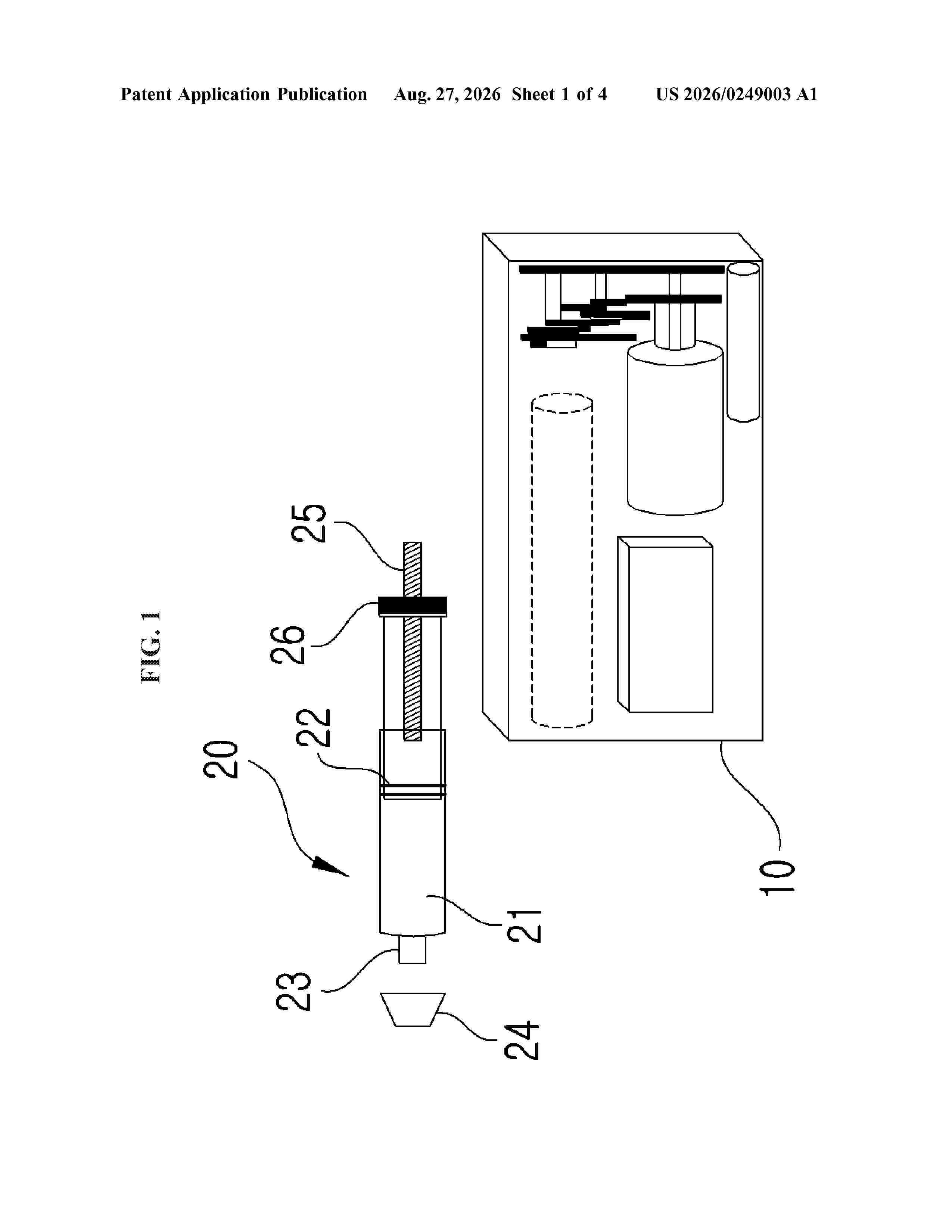
The disclosed relates to an insulin syringe replacement system for an insulin pump. The system comprises: a control unit for controlling the operation of the insulin pump; an operation unit for performing an initialization setting operation when an insulin syringe is replaced under the control of the control unit; and a battery unit for supplying power to the control unit and the operation unit; a housing unit for mounting the insulin syringe; and a sensor unit for confirming whether a stopper of the insulin syringe mounted on the housing unit is coupled and notifying the control unit of the confirmation, wherein the control unit controls the operation unit to perform the initialization setting operation only after receiving the confirmation from the sensor unit that the stopper of the insulin syringe mounted on the housing unit is coupled.
Resumen de: AU2025213042A1
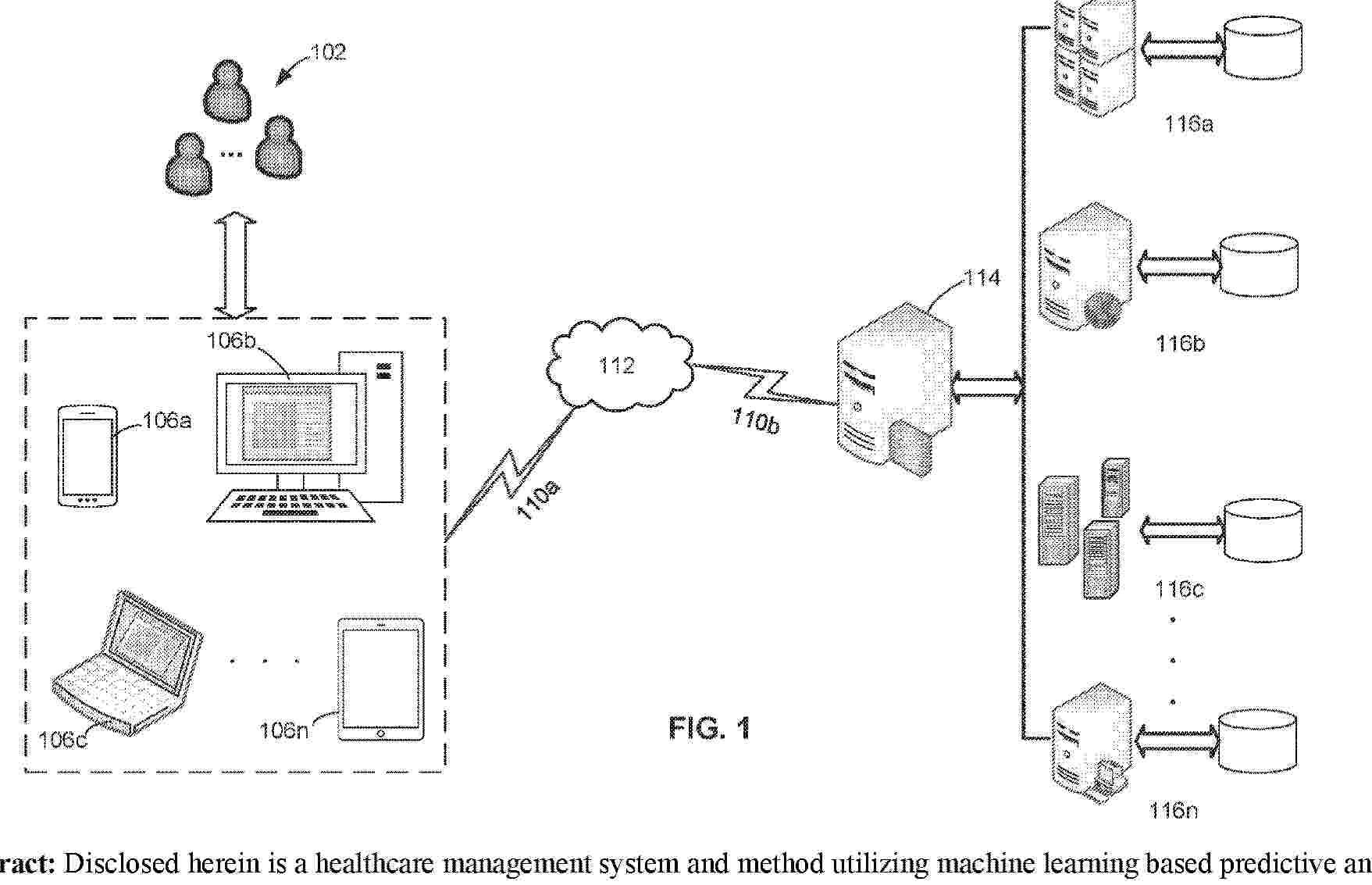
Disclosed herein is a healthcare management system and method utilizing machine learning based predictive analytics to improve patient adherence rates for chronic care management (e.g., diabetes). An example system may include a computing device configured to establish a customer analytical record to synthetize over a plurality of selected attributes to form a patient centric view of patient behaviors, attitude, characteristics based upon data related to chronic disease state management and social determinants of health, consumer experience to determine, using a predictive artificial intelligence model, a patient's predictive adherence for next 1-3 months, and determine tailored intervention plans to engage patients for continuing adherence.
Resumen de: AU2025224752A1
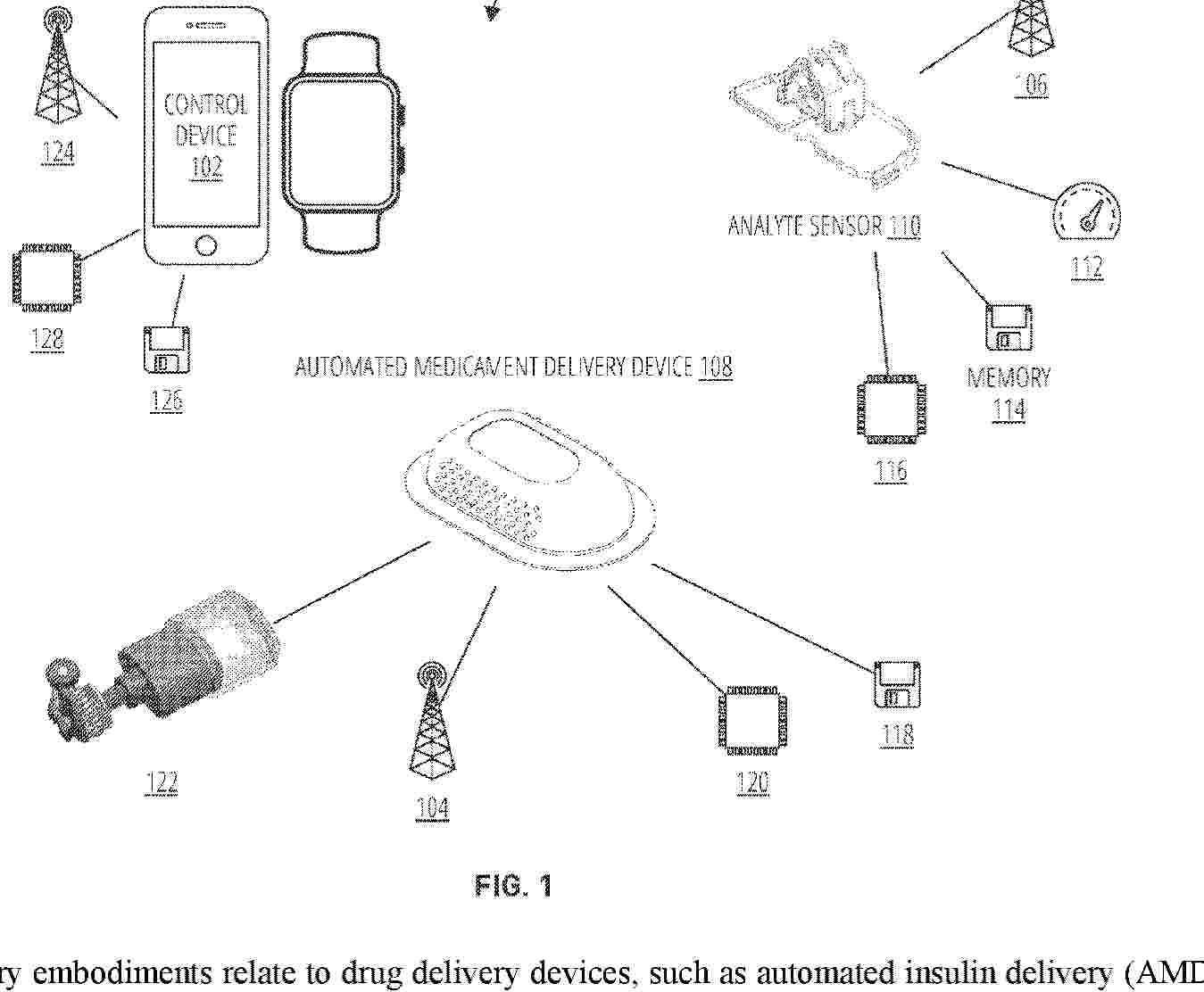
Exemplary embodiments relate to drug delivery devices, such as automated insulin delivery (AMD) devices. The described methods and apparatuses allow an AMD device to be initialized and/or operated with little or no user input. Exemplary logic initializes the AMD device to operate with known-safe drug delivery parameters that leverage the AMD device's ability to monitor blood glucose levels at short intervals and continuously deliver small amounts of insulin. The AMD then rapidly adapts the parameters and system constraints based on current and historical glucose measurements. Further embodiments provide for the detection of events that result in disturbances to glucose control, and to adaptation of alert frequency based on user behavior.
Resumen de: US20260253702A1
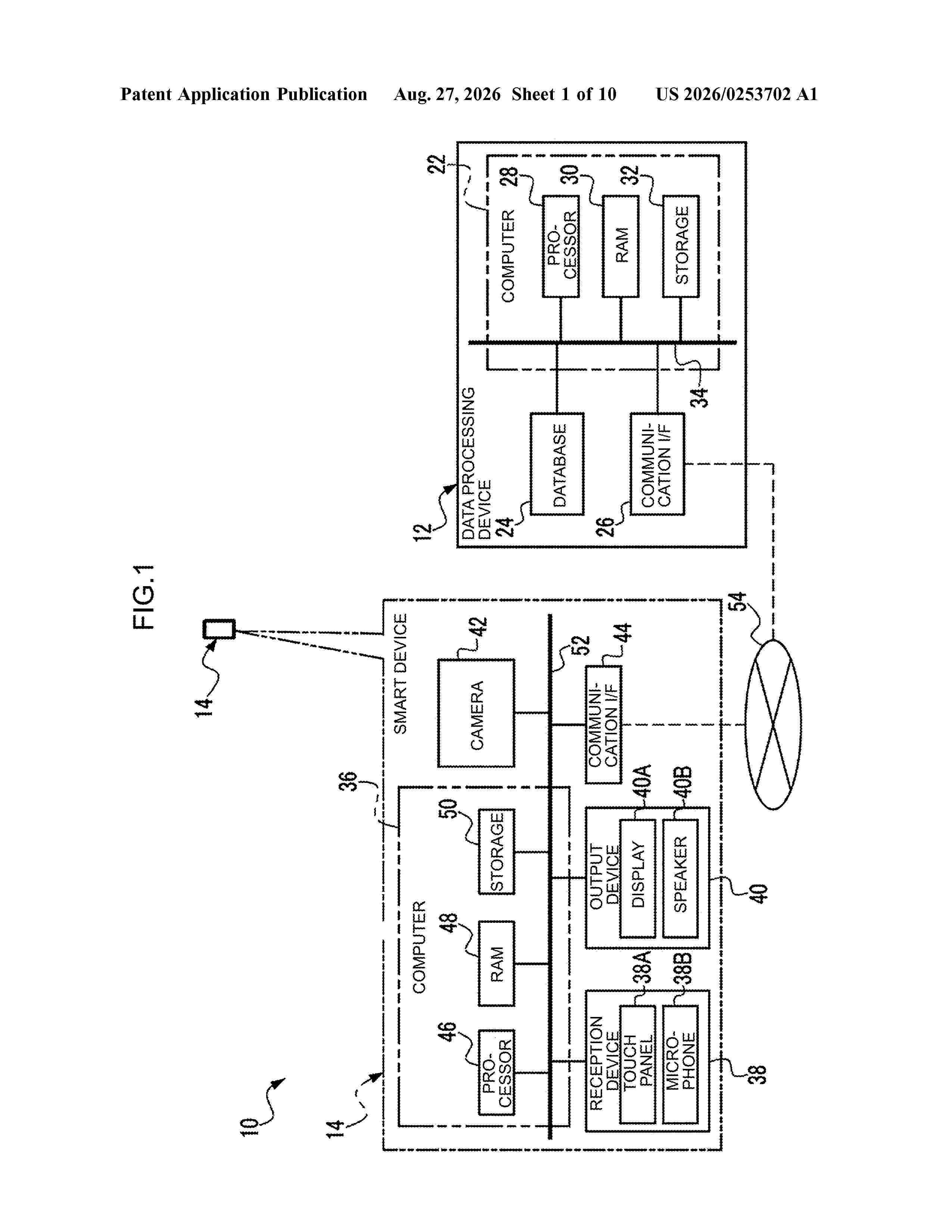
The system according to the embodiment comprises a collection unit, an analysis unit, and a notification unit. The collection unit collects vital data. The analysis unit analyzes data collected by the collection unit and predicts changes in blood glucose levels. The notification unit notifies the timing of insulin injection based on the changes in blood glucose levels predicted by the analysis unit. The notification unit notifies the user and contacts when hypoglycemia is detected.
Resumen de: WO2026175096A1
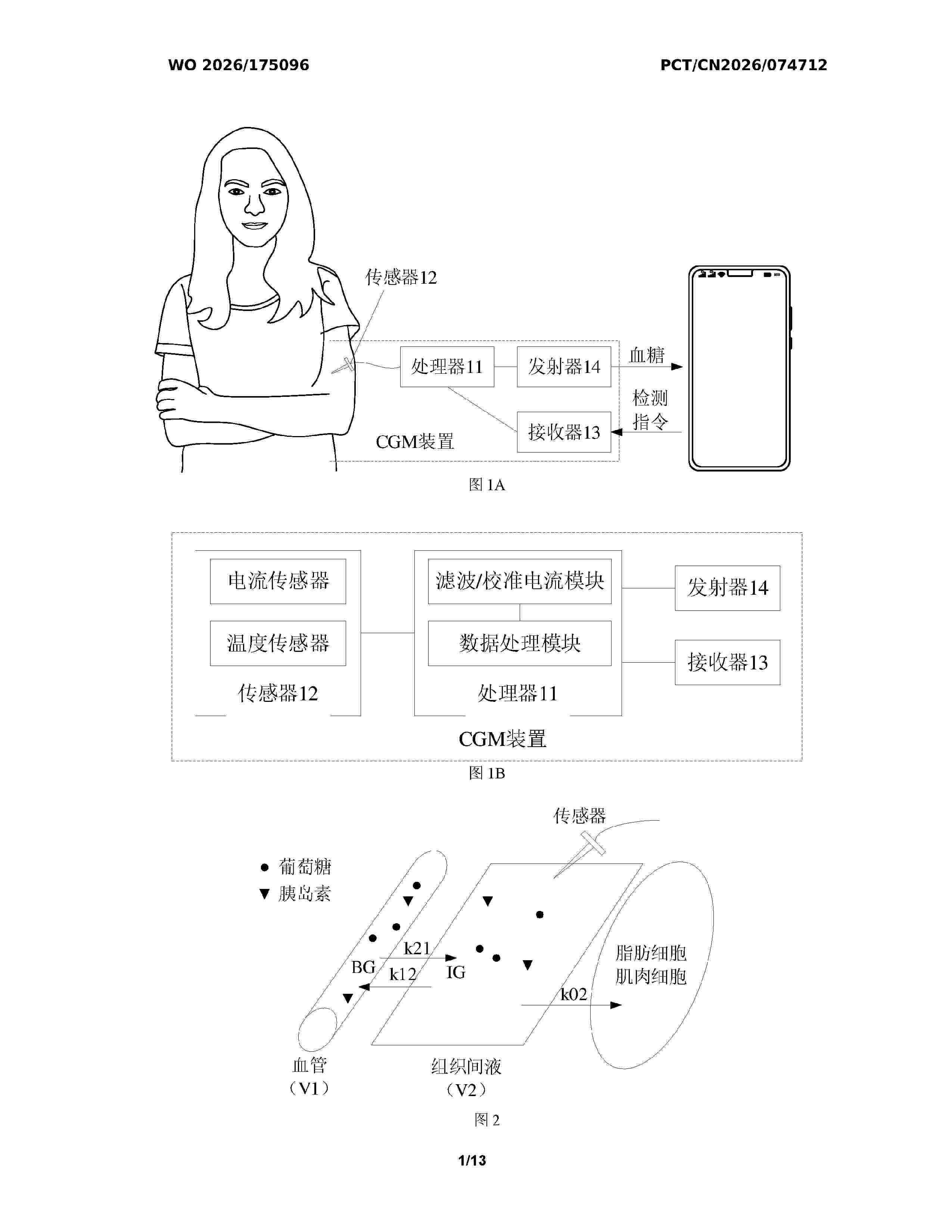
Provided in the present application are a blood glucose monitoring method and a related apparatus. In the method, the blood glucose level at a first moment can be acquired on the basis of a glucose concentration in interstitial fluid at the first moment, a glucose concentration in the interstitial fluid within a time period before the first moment and a glucose concentration in the interstitial fluid within a time period after the first moment. In the present application, the glucose concentration in the interstitial fluid within the time period after the first moment is taken into consideration, and an additional time period is provided for the diffusion of glucose between the interstitial fluid and blood; therefore, when the blood glucose level drastically changes, the glucose concentration in the interstitial fluid more closely approximates the blood glucose level, and thus the accuracy of blood glucose monitoring can be improved.
Resumen de: WO2026177370A1
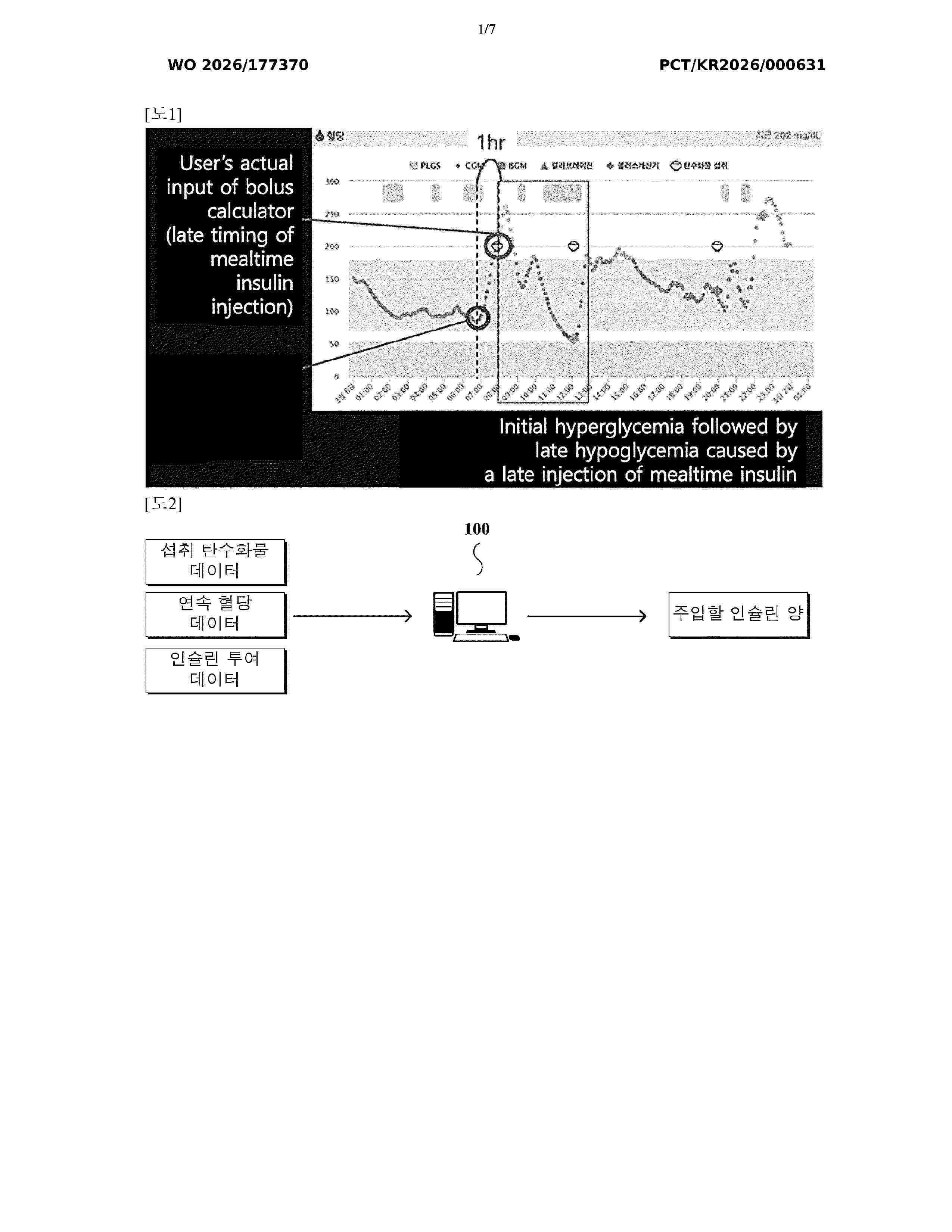
A method for adjusting insulin comprises the steps of: an analysis apparatus acquiring carbohydrate intake data, continuous blood glucose data, and insulin administration data; the analysis apparatus determining a meal time point on the basis of the continuous blood glucose data; the analysis apparatus setting, as a pre-meal blood glucose value, a minimum blood glucose value during a preset period before the meal time point; and the analysis apparatus determining, on the basis of the pre-meal blood glucose value, the amount of insulin to be injected.
Resumen de: EP4796158A1
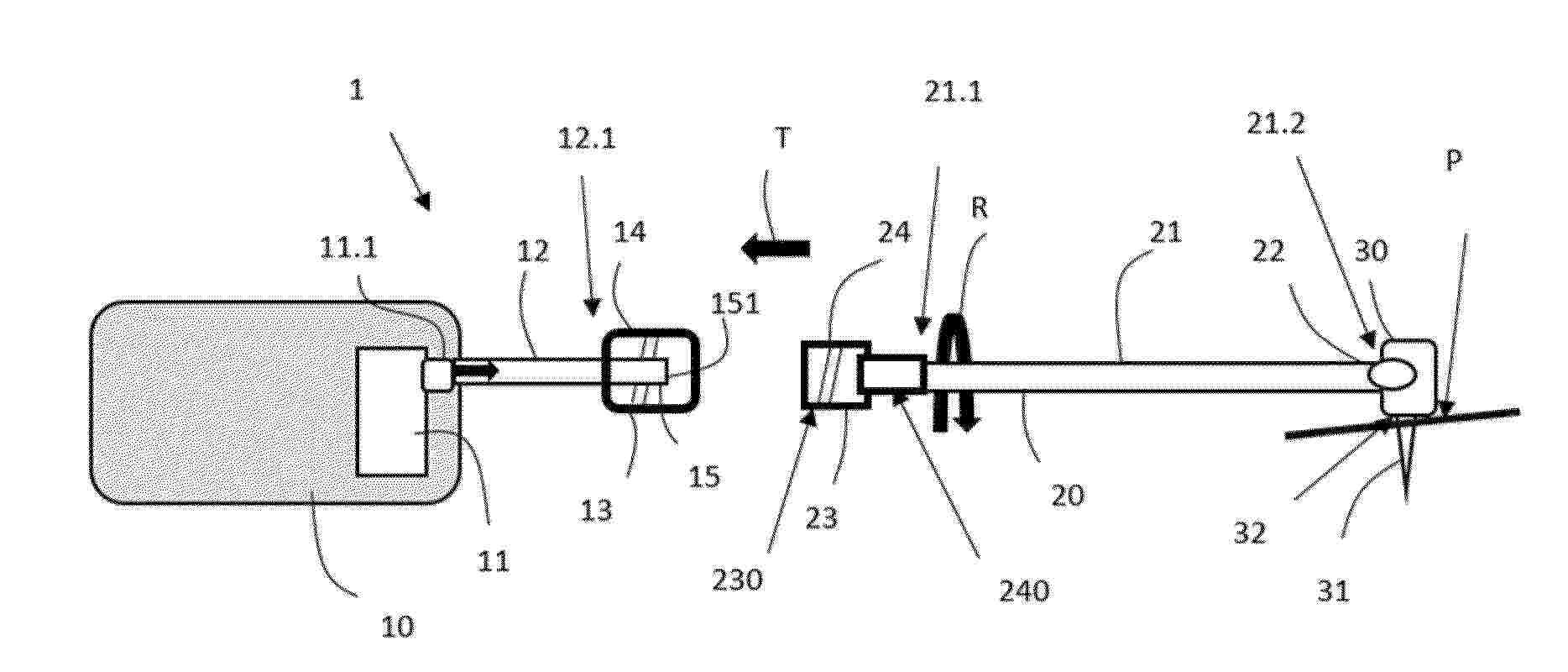
0001 L'invention concerne un ensemble (1) d'administration d'un médicament liquide, de préférence de l'insuline, comprenant une pompe (10) de perfusion comprenant un réservoir (11) pour stocker le médicament liquide, et un premier connecteur (13) comprenant un taraudage (14), en communication fluidique avec le réservoir (11), et un cathéter (20) comprenant un tuyau flexible (21) équipé d'un second connecteur (23) comprenant un filetage (24) complémentaire du taraudage (14) du premier connecteur (13) de manière à pouvoir coupler par vissage les premier et second connecteurs (13, 23), l'un à l'autre, et ainsi raccorder fluidiquement le cathéter (20) à la pompe (10). Le couplage par vissage des premier et second connecteurs (13, 23), l'un à l'autre, comprend un déplacement en rotation (R) relatif de l'un par rapport à l'autre, selon un angle de rotation compris entre 100° et 200°.
Resumen de: EP4796143A2
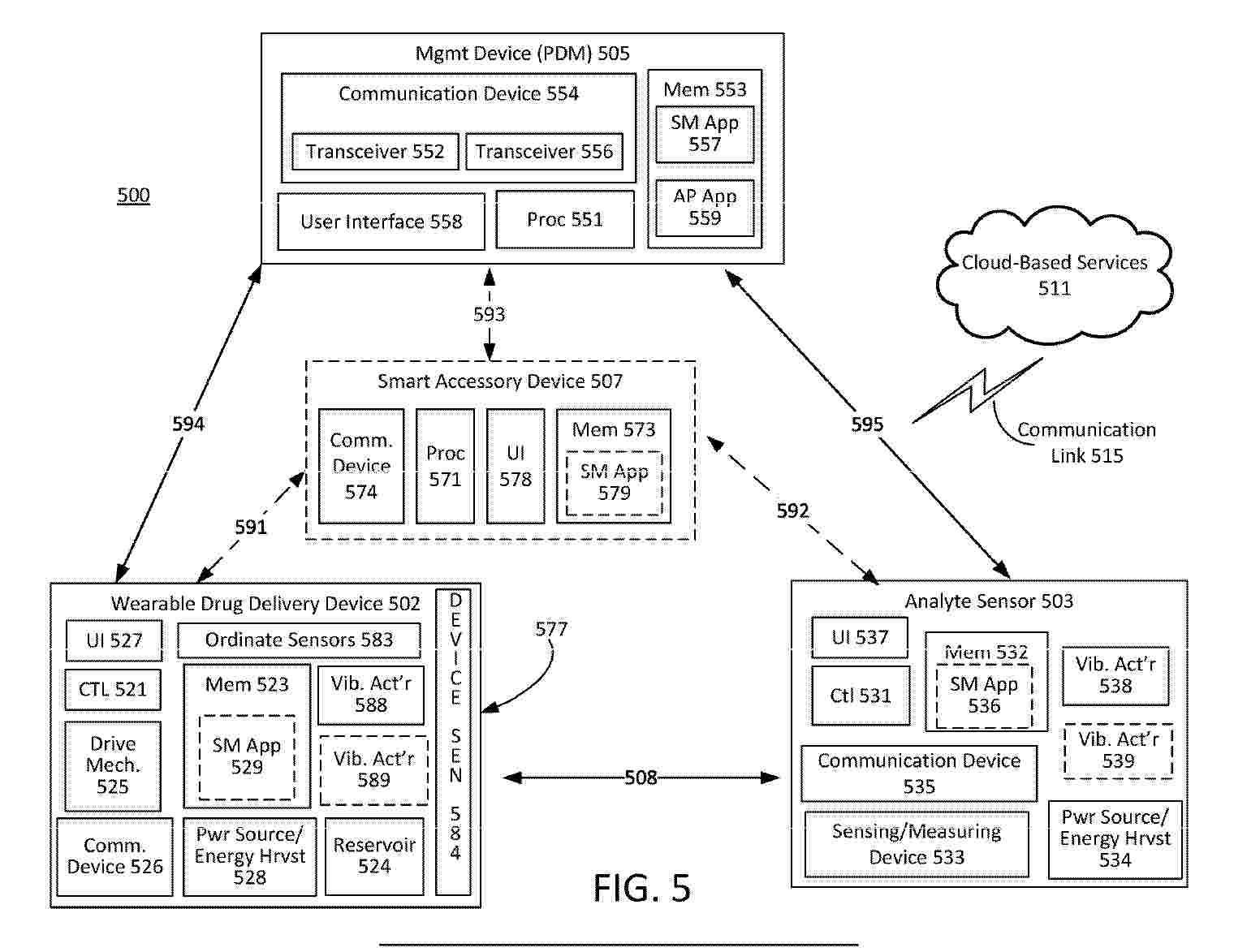
0001 Disclosed are systems, devices, methods and computer-readable medium products that implement a vibrational event by a wearable drug delivery device. The wearable drug delivery device includes vibrational actuators that vibrate in response to a control signal from a controller. The controller may be controlled by an external device that issues command signals with instructions related to settings of the vibrational event. The vibrational event settings may be modified based on signals received from sensors on the wearable drug delivery device. The vibrational events may be implemented as an element of a site maintenance plan that alleviates the degeneration of tissue at one or more body attachment sites of the wearable drug delivery device.
Resumen de: EP4797275A1
A medication delivery system, including a wearable device configured to automatically deliver medication based on food order information received from a user computing device. The medication is delivered via a pump, and the medication may be insulin. The food order information includes timing information and/or information about the food ordered necessary to change a medication delivery. A controller determines a medication adjustment based on an estimated physiological response to the food order information. A delivery pump automatically delivers the medication, e.g., an insulin bolus, prior to or in anticipation of food consumption.
Resumen de: EP4796034A2
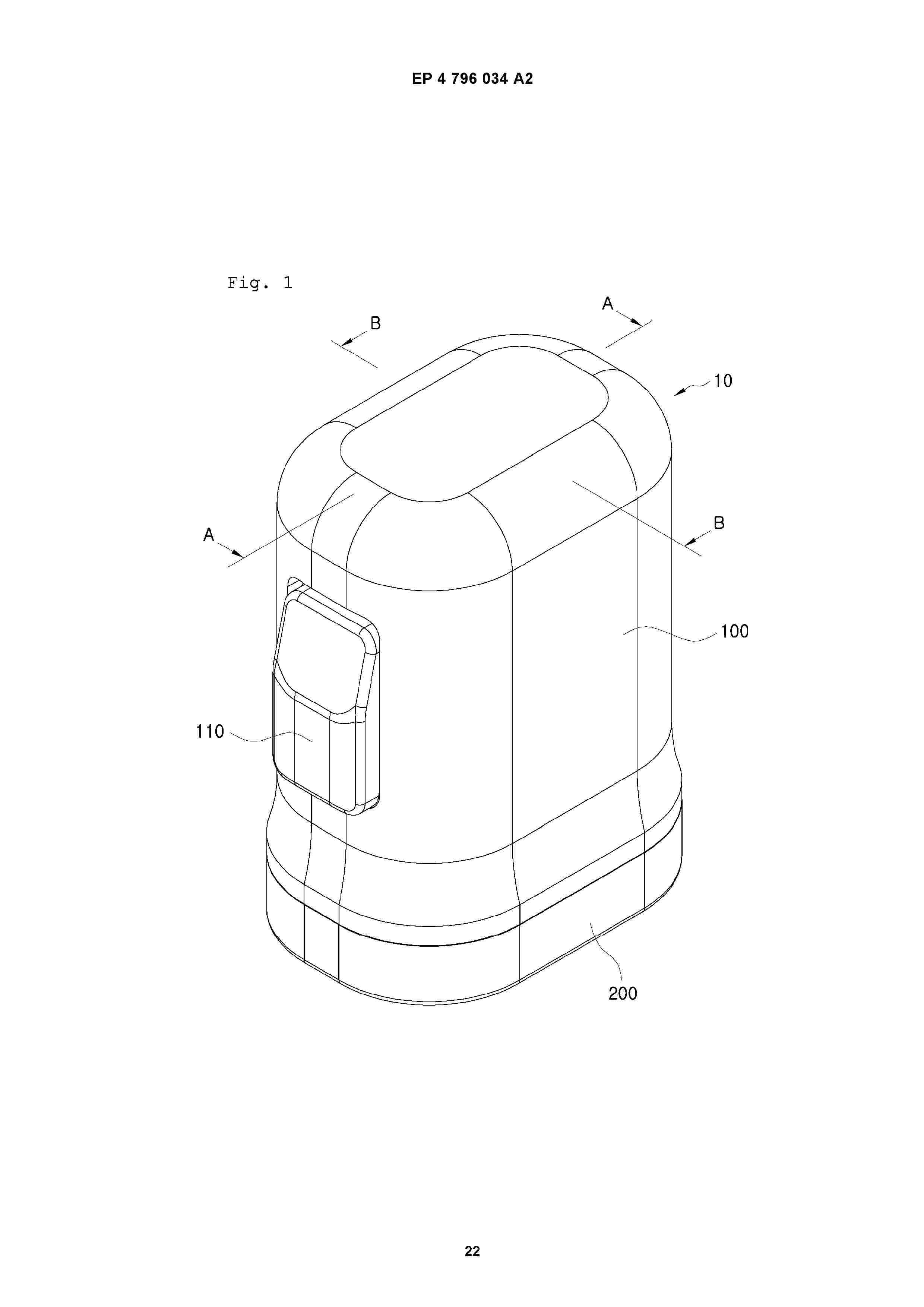
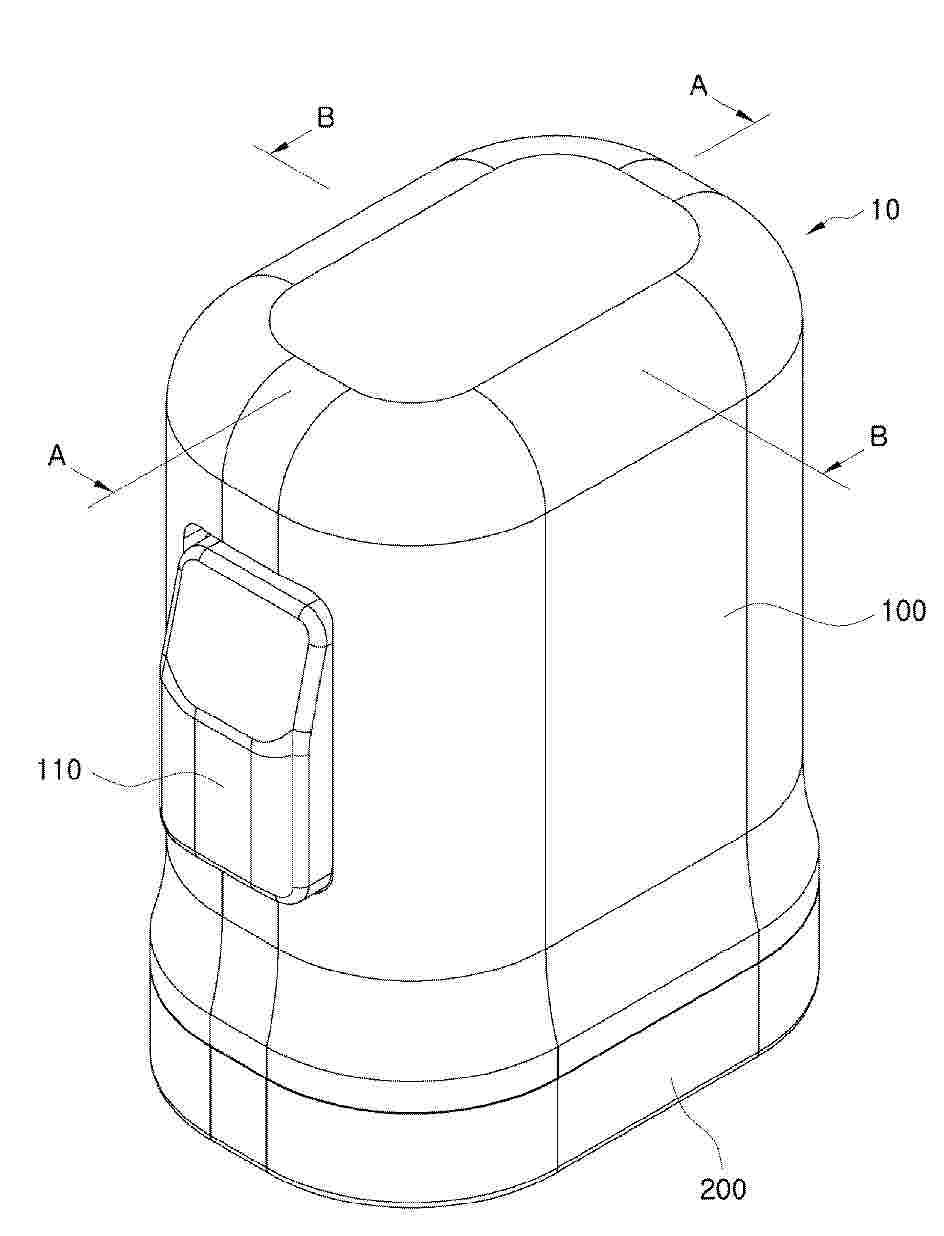
0001 The present disclosure relates to a body-attachable unit for continuously measuring blood glucose. As the body-attachable unit is manufactured to be assembled in an applicator, additional effort is minimized such that the body-attachable unit can be attached to the body by simply operating the applicator. In particular, since the body-attachable unit is provided with a wireless communication chip such that communication with an external terminal is possible, the body-attachable unit can be used simply and conveniently without additional work of connecting a separate transmitter, and thus can be maintained more easily. In addition, since the body-attachable unit is operated by an operation of a user after being attached to the body, the start time of the operation can be adjusted to an appropriate time according to the needs of the user. Accordingly, the body-attachable unit can be operated in a stabilized state, thereby allowing for more accurate blood glucose measurement.
Resumen de: GR1011264B
The present invention consists in an assisted driving system for drivers with diabetes, installable into vehicles that have a central brain (16), a steering system (EPS - Electric Power Steering) (10), a braking system (EHB - Electrohydraulic Brakes) (11) and a telematics unit (15). It consists of: a) a biometric identification unit (FacelD) (2), b) a camera for monitoring the physical state of the driver (Driver Monitoring System) (7), c) a Lidar sensor (9), d) a Radar sensor (9,17), e) a GPS receiver (14), f) a continuous glucose monitoring sensor (CGM sensor) (4), g) a high-performance microcontroller (3) and h) a CAN-bus interface adapter to connect the high-performance microcontroller to the central brain. By the implemented assisted driving method, the system, upon detecting that the glucose level falls below 80 mg/dL, takes control of the vehicle, steering it safely to a location where it can be immobilized safely.
Resumen de: ZA202508070B
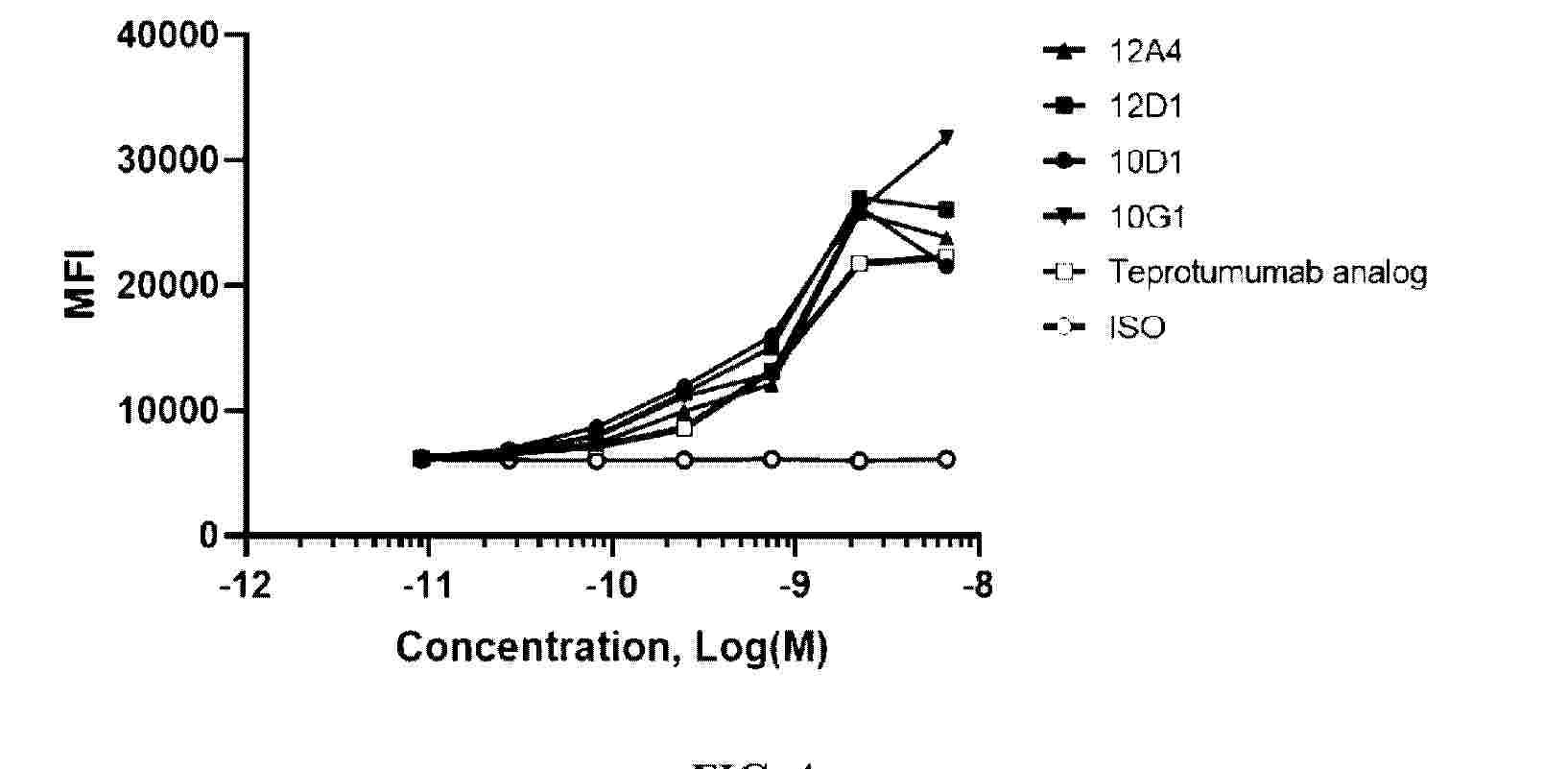
Provided are anti-IGF1R (insulin-like growth factor 1 receptor) antibodies, antigen-binding fragments, and the uses thereof.
Resumen de: EP4796031A2
The present invention relates to a body attachment unit for continuous blood glucose monitoring, in which a body attachment unit is manufactured so as to be assembled in an applicator, thereby minimizing additional work and allowing attachment of the body attachment unit to a body simply by operation of the applicator. In particular, a wireless communication chip is provided in the body attachment unit to enable communication with an external terminal, thereby enabling simple and convenient use without additional work of connecting a separate transmitter, and allowing easier maintenance. In addition, activation occurs by a user's operation after the body attachment unit is attached to the body, such that an activation start time can be adjusted to a time appropriate to the user's needs, and activation can occur in a stabilized state, and thereby allowing more accurate blood glucose monitoring.
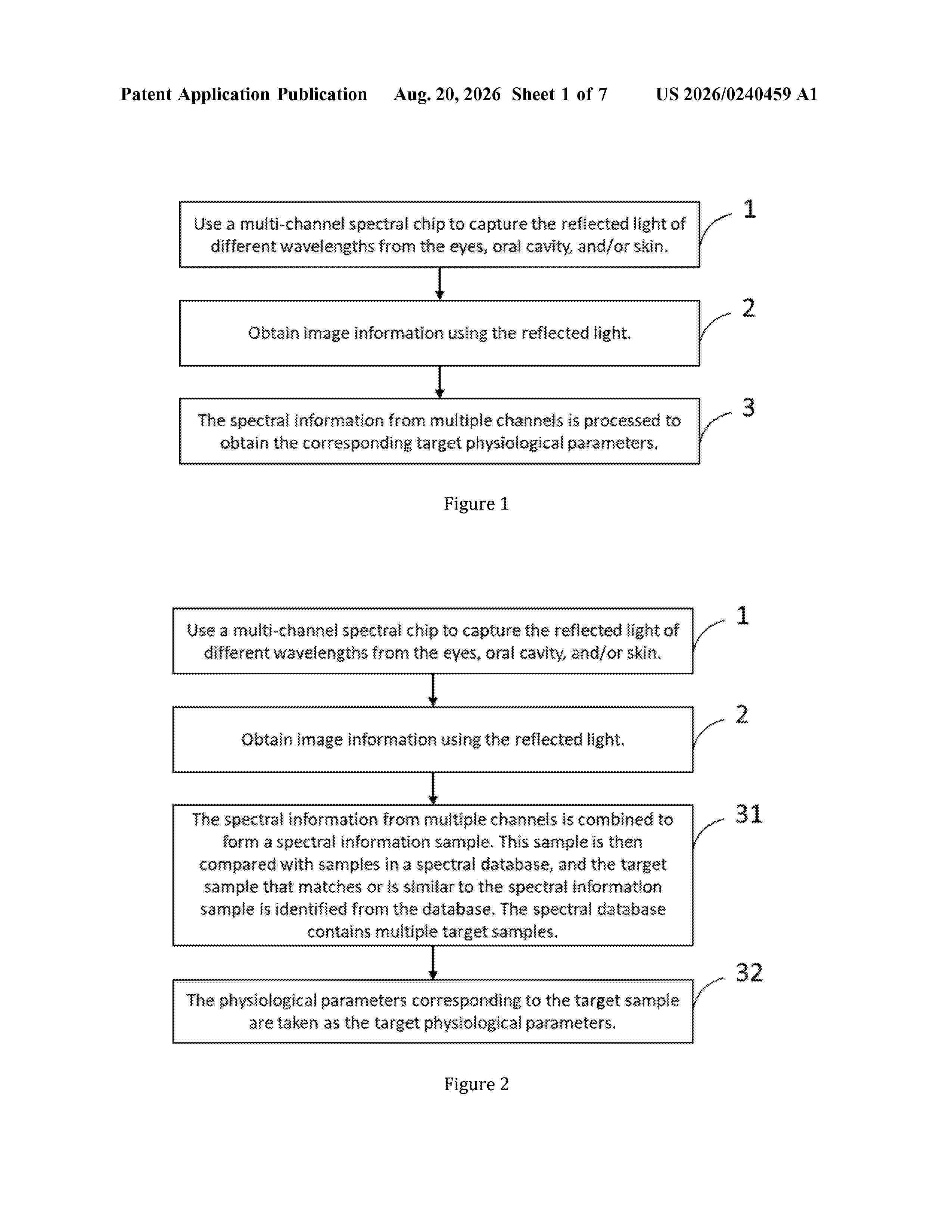
Resumen de: US20260240459A1
0000 This invention relates to a low-cost portable multispectral detection method and device for early disease diagnosis. The device is based on a CMOS multispectral sensor chip and uses natural light or halogen lamps as the light source to non-invasively detect physiological parameters from the eyes, oral cavity, and/or skin of patients. The device captures reflected light data of different wavelengths using the multispectral chip and processes the data to generate image information, subsequently identifying the corresponding test areas. By processing the initial spectral information, the device provides accurate spectral data analysis to determine physiological parameters such as glucose etc., enabling early diagnosis of diseases such as diabetes, etc. It features real-time data analysis and wireless data transmission, offering a convenient solution for large-scale health monitoring and telemedicine.
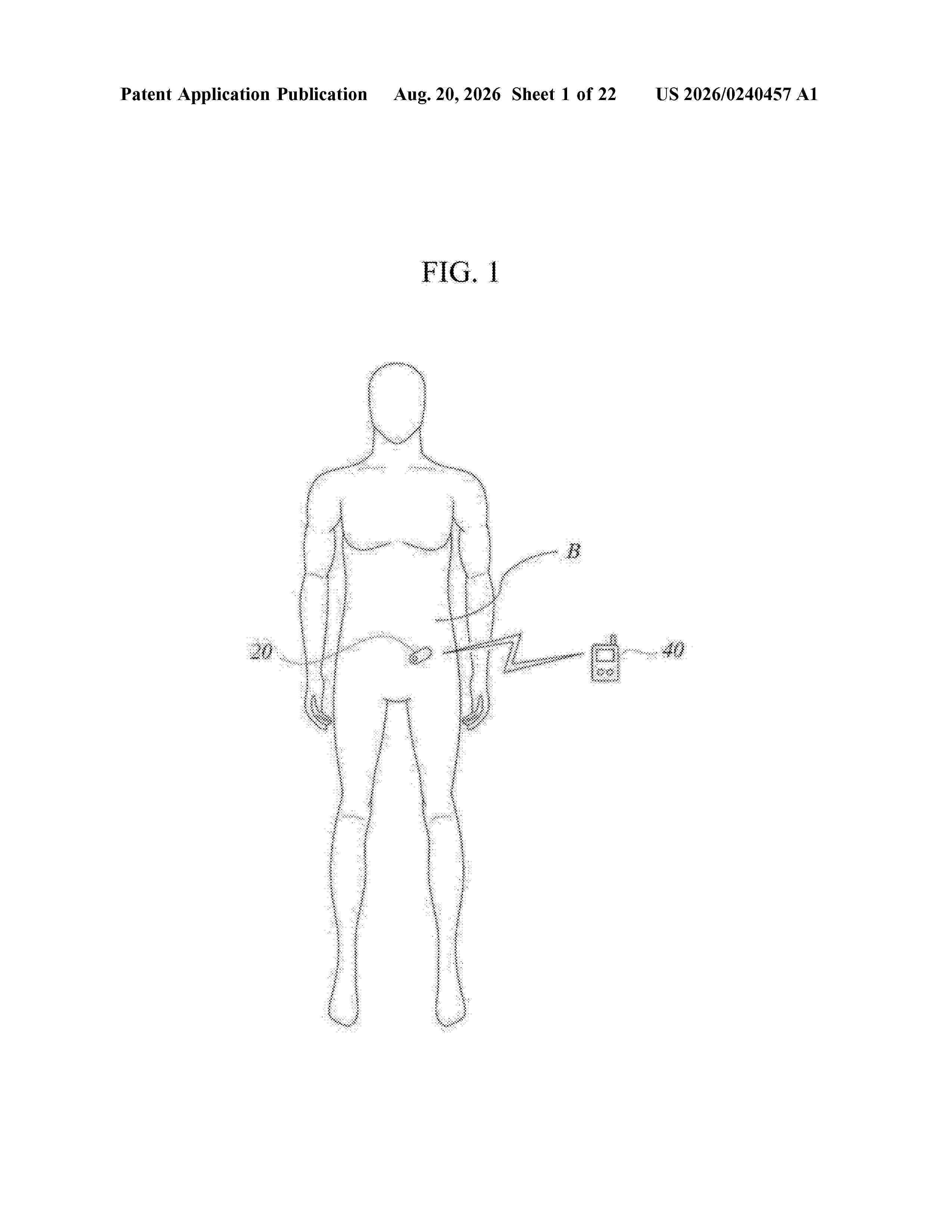
Resumen de: US20260240457A1
Provided is a sensor applicator assembly for a blood glucose monitoring including a body-attachable unit including an upper frame and a lower frame that is disposed under the upper frame and has a surface attached to a body and an applicator within which the body-attachable unit is disposed. The upper frame includes a first area and a second area disposed under the first area and in contact with the lower frame. A perimeter of an outer peripheral surface of the second area is identical to a perimeter of an outer peripheral surface of the lower frame.
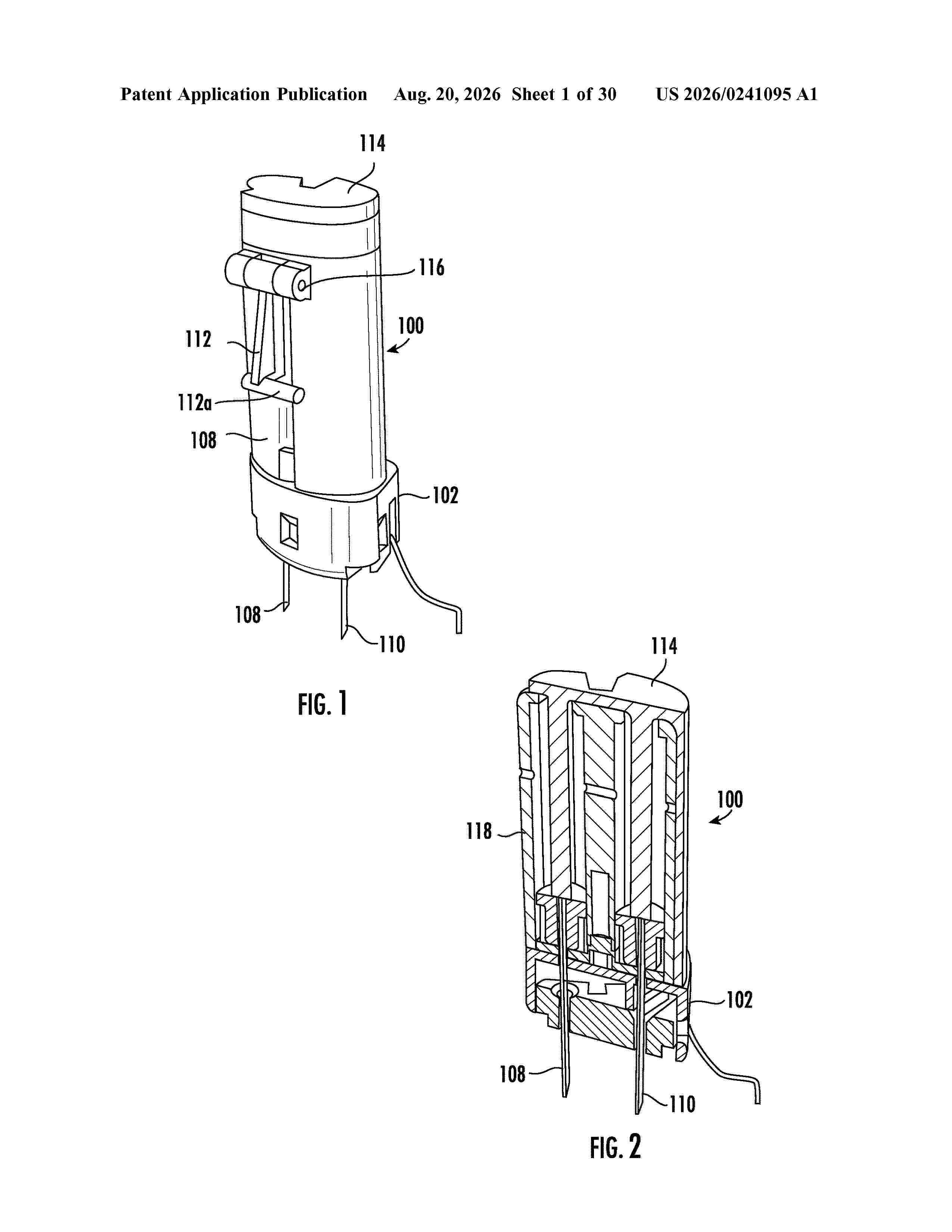
Resumen de: US20260241095A1
0000 An infusion system comprising: a device configured to deliver medication to a user through an infusion catheter, wherein the device includes a housing configured to receive the infusion catheter and to maintain the infusion catheter in the user after insertion; and a detachable activation mechanism for deploying the device for delivering medication to the user, wherein the detachable activation mechanism comprises a trigger and a retraction mechanism that includes an introducer needle for introducing the infusion catheter into the user, wherein the detachable activation mechanism is configured to releasably connect to the housing, wherein the detachable activation mechanism is configured to insert the infusion catheter into the user, automatically release the detachable activation mechanism from the housing responsive to activation of the trigger and automatically retract the introducer needle into the needle retraction assembly to shield the needle upon the automatic release of the detachable activation mechanism.
Nº publicación: US20260241109A1 20/08/2026
Solicitante:
BIGFOOT BIOMEDICAL INC [US]
BIGFOOT BIOMEDICAL, INC
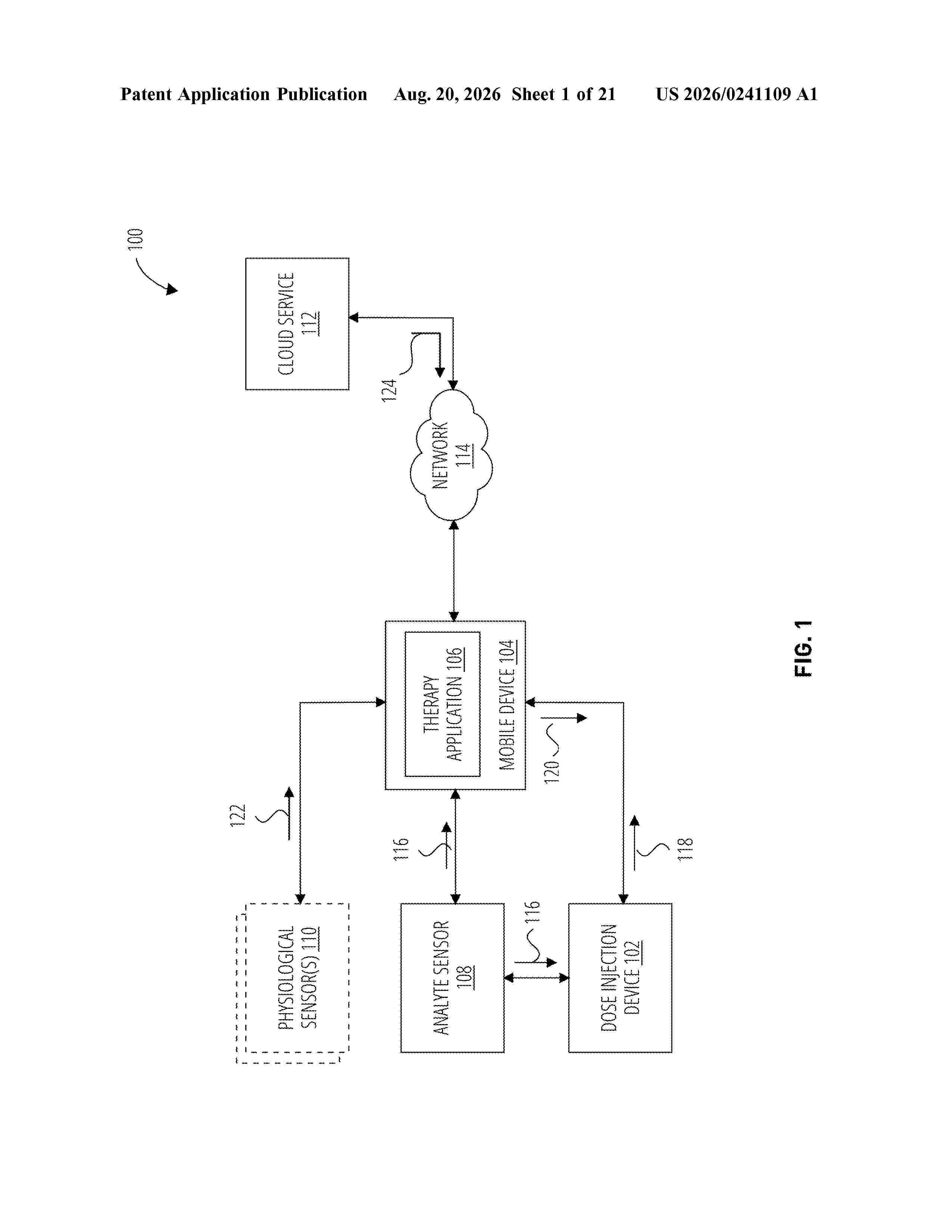
Resumen de: US20260241109A1
0000 Systems, methods, and devices relate, generally, to autonomous dose injection. One or more examples relate to a durable insulin injection device. Such a durable dose injection device may include a chamber, a drive mechanism, a logic circuit, and an actuator. The chamber may be to receive a prefilled insulin cartridge. The drive mechanism may be to apply force to a plunger of a received prefilled insulin cartridge, the plunger arranged to move within the received cartridge responsive to force applied by the drive mechanism and thereby push fluid in the received cartridge toward an interface for dispensing fluid. The logic circuit may be to receive analyte data for the user and calculate a target amount of insulin to deliver to a user. The dose-ready confirmation actuator may be for the user to actuate to cause the delivery of insulin to the user. In one or more examples, the durable insulin injection device does not provide the user with an indication of the calculated target amount of insulin for non-zero calculated target amounts of insulin.
 BOPI
BOPI
 Sede Electrónica