Si deseas distinguir tus productos, servicios o ambos de los de otra empresa, es posible que necesites una marca o nombre comercial. Descubre qué son, en qué consiste su procedimiento de registro y qué implica.

Información sobre los plazos de presentación de solicitudes de transformación de marcas de la Unión Europea en marca nacional española. Más información


Si tienes un nuevo dispositivo, producto o procedimiento que resuelva un problema técnico o tenga una ventaja práctica, existen distintas formas de protegerlo en España y en otros países. Descubre cómo hacerlo.

¿Tu innovación reside en la estética, la ornamentación o la apariencia de tu producto? Protégela mediante un diseño industrial. Descubre qué derechos confiere el registro y cómo realizar la tramitación.

Las indicaciones geográficas protegen el nombre de un producto originario de una zona geográfica, a la cual le debe una determinada calidad, reputación u otra característica. Descubre qué son, en qué consiste su procedimiento de registro y qué beneficios conceden.

Las patentes publicadas en todo el mundo son una valiosa fuente de información científica, técnica y comercial.

Si eres emprendedor/a o una empresa y quieres potenciar y mejorar la rentabilidad de tu negocio protegiendo de forma adecuada los activos intangibles de tu organización, en este espacio encontrarás lo necesario.


 213
resultados
213
resultados
 Última actualización
20/08/2026 [06:59:00]
Última actualización
20/08/2026 [06:59:00]


 Resultados 150 a 175 de 213

Resumen de: CN122278758A
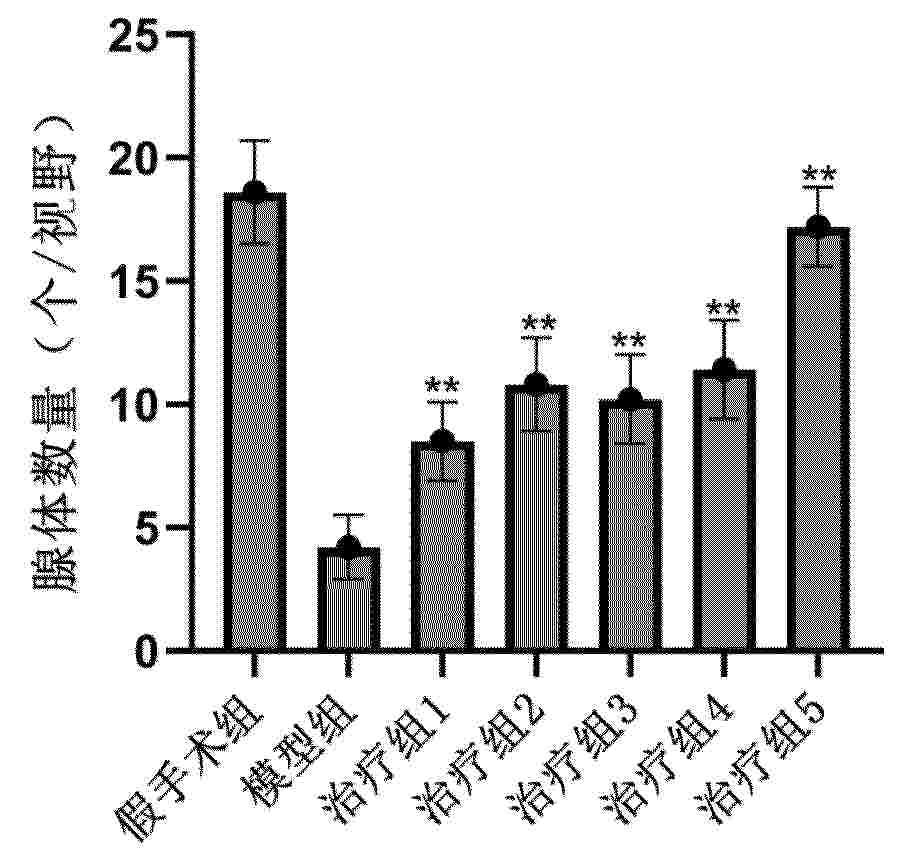
The invention provides a medicine for preventing and treating intrauterine adhesion and application thereof, and belongs to the technical field of biomedicine. The medicine comprises a pharmaceutically acceptable carrier and enhanced mesenchymal stem cells treated by a specific pretreatment culture medium. According to the pretreatment culture medium, stimulation components composed of notoginsenoside R1, melatonin and tartary buckwheat polypeptide are added into a basic culture medium. Through the remarkable synergistic effect of combined use of the three components, the endurance capacity of the mesenchymal stem cells to the hypoxia low-sugar damage microenvironment is effectively enhanced, and the paracrine function of the mesenchymal stem cells is enhanced. Experimental results show that the enhanced stem cell can significantly down-regulate fibrosis indexes such as alpha-SMA and COL1A1, inhibit the endometrial fibrosis process, significantly increase the thickness of the endometrium and the number of glands, promote structural reconstruction and functional repair of the damaged endometrium, and provide an efficient novel drug scheme for clinical treatment of intrauterine adhesion.

Resumen de: CN224403656U
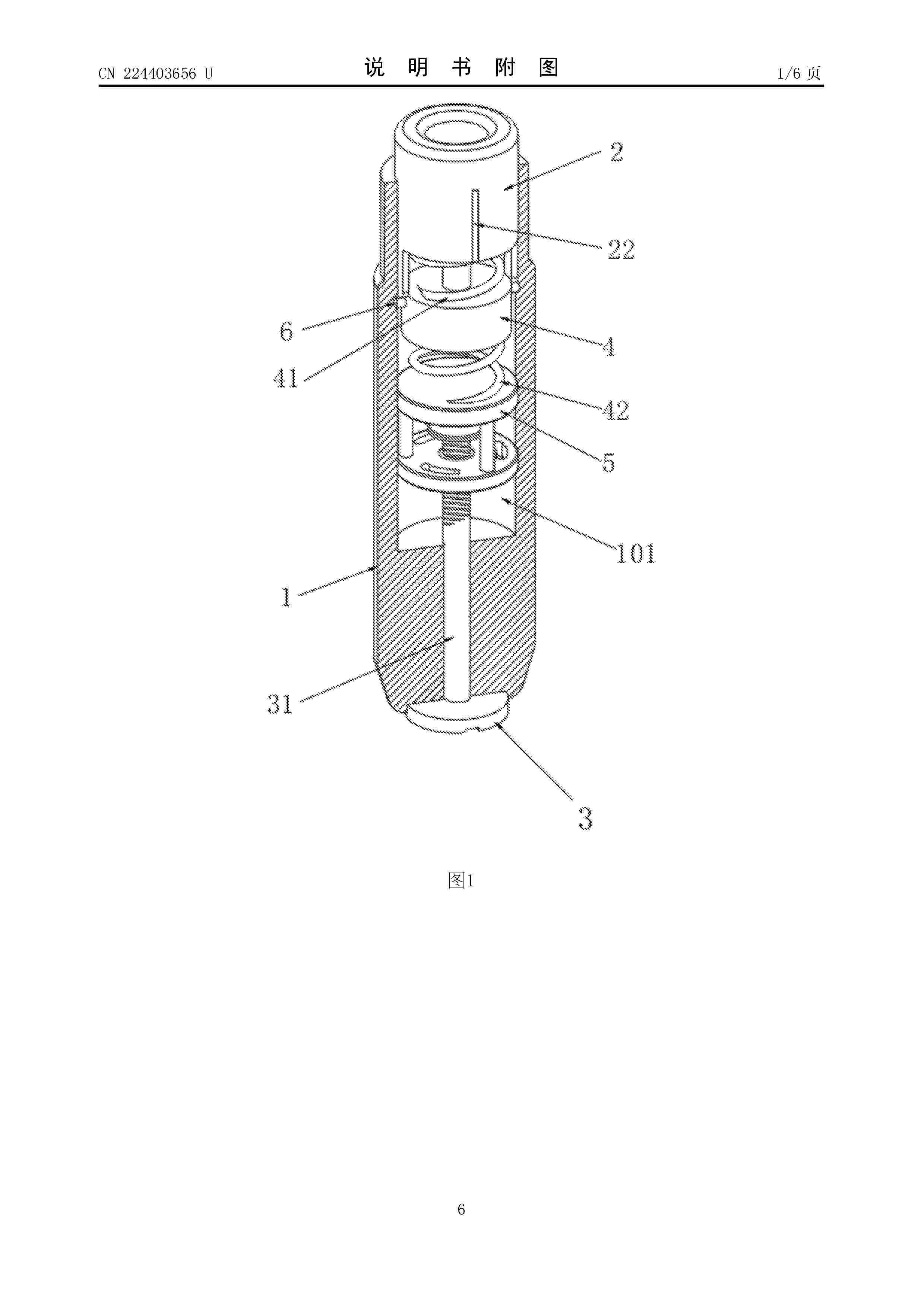
The utility model relates to the field of puncture needles, in particular to a puncture depth adjusting mechanism of a puncture needle for blood glucose monitoring, which comprises a barrel, a barrel cavity arranged in the middle of the barrel, a connecting seat arranged in the middle of the barrel cavity, an adjusting rod screwed to the bottom of the connecting seat, and a trigger seat connected to the top of the connecting seat through a second spring. The outer side of the trigger seat is installed in an excitation groove formed in the inner wall of the barrel cavity in a limited mode through a limiting column, the upper portion of the trigger seat is connected with a needle head seat through a first spring, a needle head is arranged in the middle of the needle head seat, and a pressing column is arranged above the needle head seat and installed at the upper end of the barrel in a limited mode. According to the utility model, the adjusting knob is rotated to drive the connecting seat to integrally move, the connecting seat can change the integral springback triggering stroke of the second spring in the lifting process, and then the distance that the triggering seat is jacked back by the spring is changed, the triggering seat is jacked upwards after being excited by the pressing column, and the fingers of a user are punctured; the function of adjusting the puncture depth is effectively achieved.
Resumen de: CN122291024A
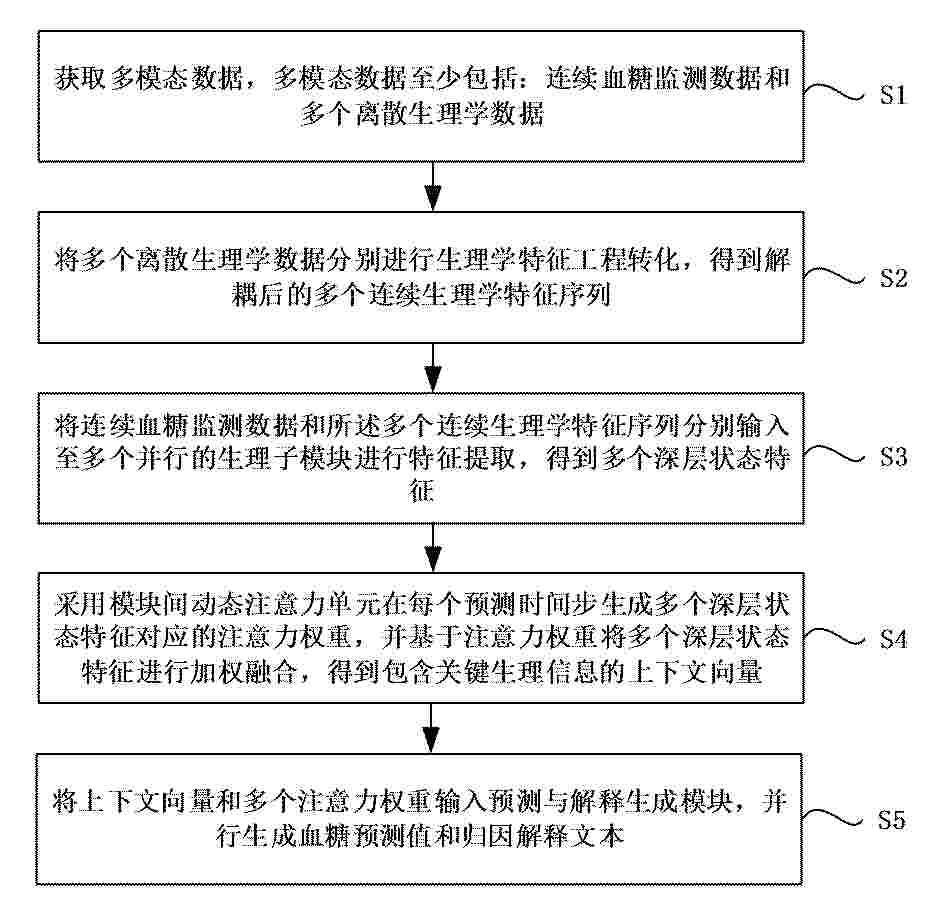
The invention relates to a physiological decoupling and dynamic attention mechanism-based multi-modal blood glucose prediction method, which comprises the following steps of: acquiring multi-modal data which at least comprises continuous blood glucose monitoring data and a plurality of discrete physiological data; performing physiological feature engineering conversion on the plurality of discrete physiological data to obtain a plurality of continuous physiological feature sequences; inputting the continuous blood glucose monitoring data and the plurality of continuous physiological feature sequences into a plurality of parallel physiological sub-modules for feature extraction to obtain a plurality of deep state features; using an inter-module dynamic attention unit to generate attention weights corresponding to a plurality of deep state features at each prediction time step, and performing weighted fusion on the plurality of deep state features to obtain a context vector; and inputting the context vector and the attention weights into a prediction and explanation generation module, and generating a blood glucose prediction value and an attribution explanation text in parallel. According to the method, high-precision and high-credibility dynamic blood glucose prediction is realized.
Resumen de: CN122278850A
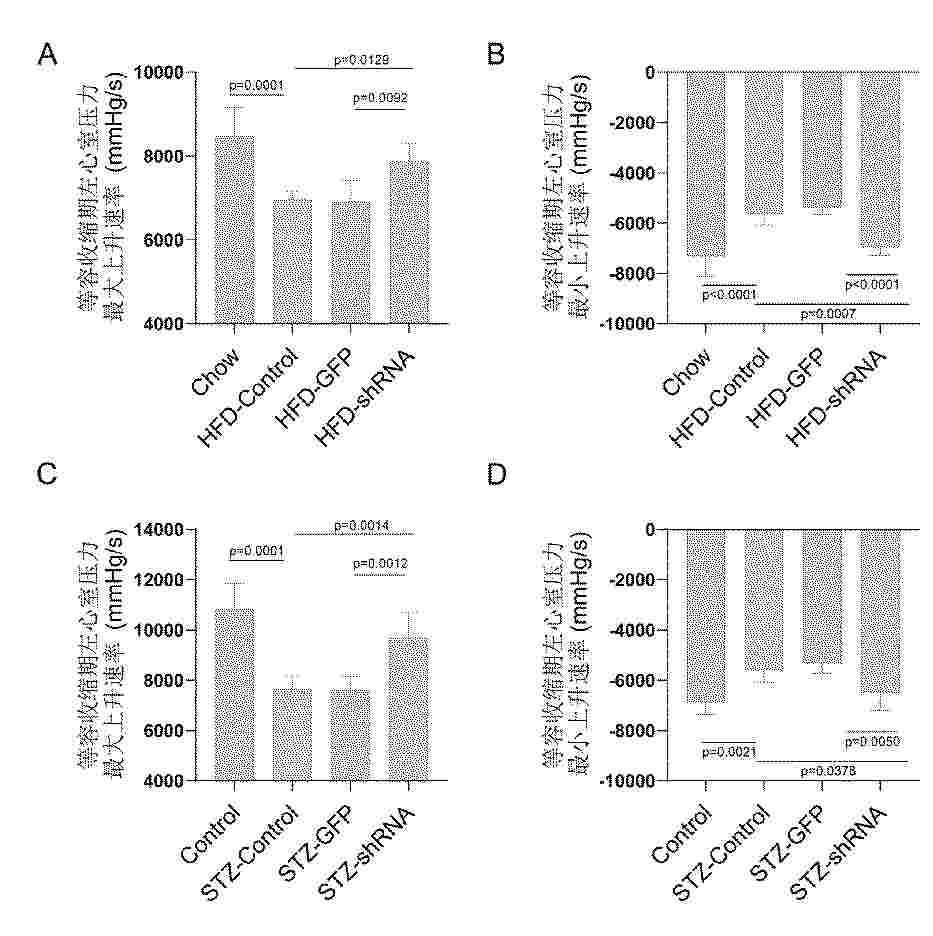
The invention relates to shRNA (short hairpin Ribonucleic Acid) for resisting diabetes-related heart failure, a recombinant expression vector, a transformant, a medicine, a method and pharmaceutical application thereof, and belongs to the field of biological medicines. The invention provides shRNA (short hairpin Ribonucleic Acid) for resisting diabetes-related heart failure. A corresponding DNA (Deoxyribose Nucleic Acid) sequence of the shRNA is selected from SEQ ID NO. 1. The invention also provides a recombinant expression vector based on the shRNA, a transformant, a medicine for resisting diabetes-related heart failure and pharmaceutical application of the shRNA, and provides a preparation method of the medicine for resisting diabetes-related heart failure. Animal experiments prove that the medicine for resisting the diabetes-related heart failure, provided by the invention, can be used for remarkably improving the heart function of an animal with the diabetes-related heart failure and plays an effective role in resisting the diabetes-related heart failure.
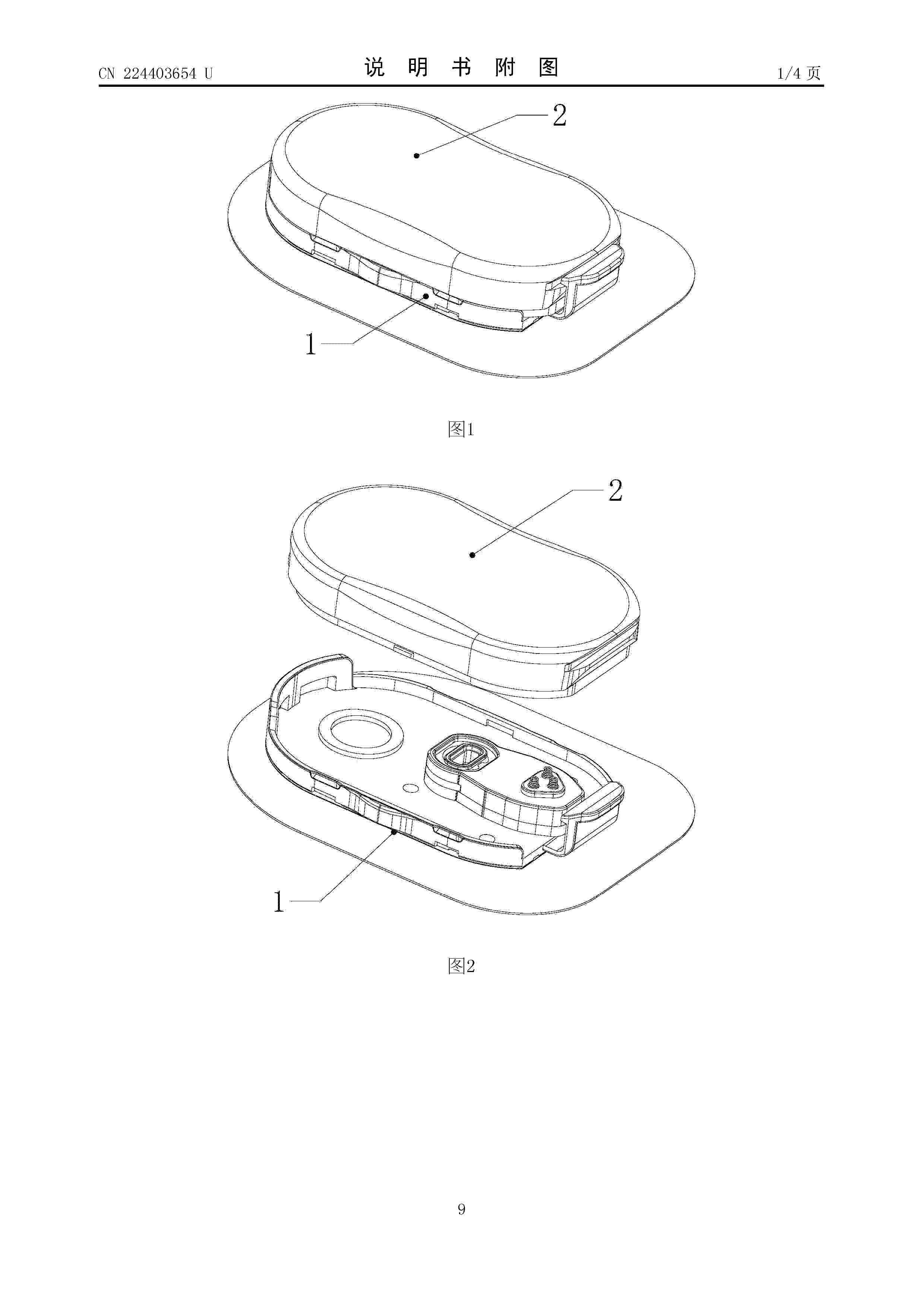
Resumen de: CN224403654U
The utility model discloses a blood glucose monitoring device which comprises a sensor carrier and an emission carrier, the sensor carrier comprises a first shell, a probe module and a sensor module, and the peripheral side of the first shell is provided with a first buckle and a second clamping groove located in the opposite side of the first buckle; the transmitting carrier comprises a fourth shell and a transmitting module, and a first clamping groove and a second clamping buckle are arranged on the peripheral side of the fourth shell. Wherein the first shell is respectively connected with the second shell and the third shell in a sealing manner through mucilage glue and the like, so that the sealing performance is enhanced, water, sweat and the like are prevented from entering the shells, the waterproof performance is improved, and the service life is prolonged. When assembling is needed, the launching carrier is obliquely pushed to enable the second buckle to be clamped into the second clamping groove, then the launching carrier is pressed downwards to enable the first buckle to be clamped into the first clamping groove, and at the moment, the blood glucose monitoring device is in a loaded state; when the blood glucose monitoring device needs to be disassembled, the first buckle is opened outwards, the first buckle is separated from the first clamping groove, the second buckle is separated from the second clamping groove, then the transmitting carrier is taken out, and a
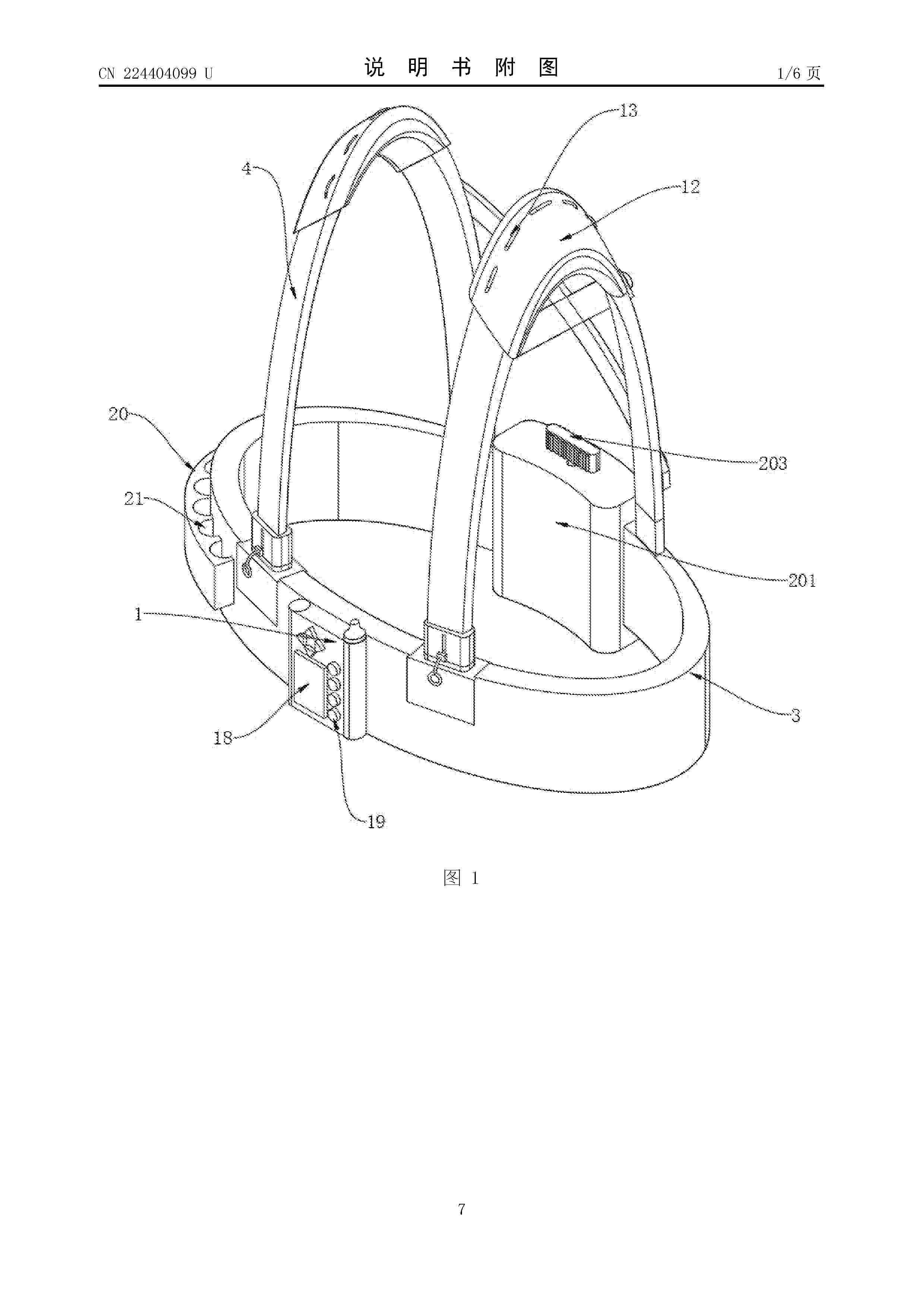
Resumen de: CN224404099U
The utility model relates to the technical field of insulin pump fixing, and discloses a dynamic insulin pump fixing support which comprises a machine body, a waistband is fixedly connected to the rear side of the machine body, shoulder straps are fixedly connected to the tops of the left end and the right end of the rear side of the waistband, and fixing buckles are fixedly connected to the tail ends of the two shoulder straps. The bottoms of the left sides and the right sides of the two fixing buckles are both slidably connected with buckles, the adjacent sides of the multiple buckles are both fixedly connected with springs, the middles of the adjacent sides of the multiple buckles are both fixedly connected with steel wires, the top ends of the two steel wires are both fixedly connected with sliding buckles, and a convenient adjusting mechanism is installed on the rear side of the waistband. According to the dynamic insulin pump fixing support, after the shoulder strap bypasses the shoulder, the fixing buckle is inserted into the upper groove of the waistband, at the moment, the spring pops up the buckle to fix the buckle, so that the waistband is prevented from sliding down during movement, the sliding buckle is pulled upwards to pull the buckle to retract through the steel wire, the fixing buckle is pulled out of the waistband, and then the dynamic insulin pump fixing support is taken down.
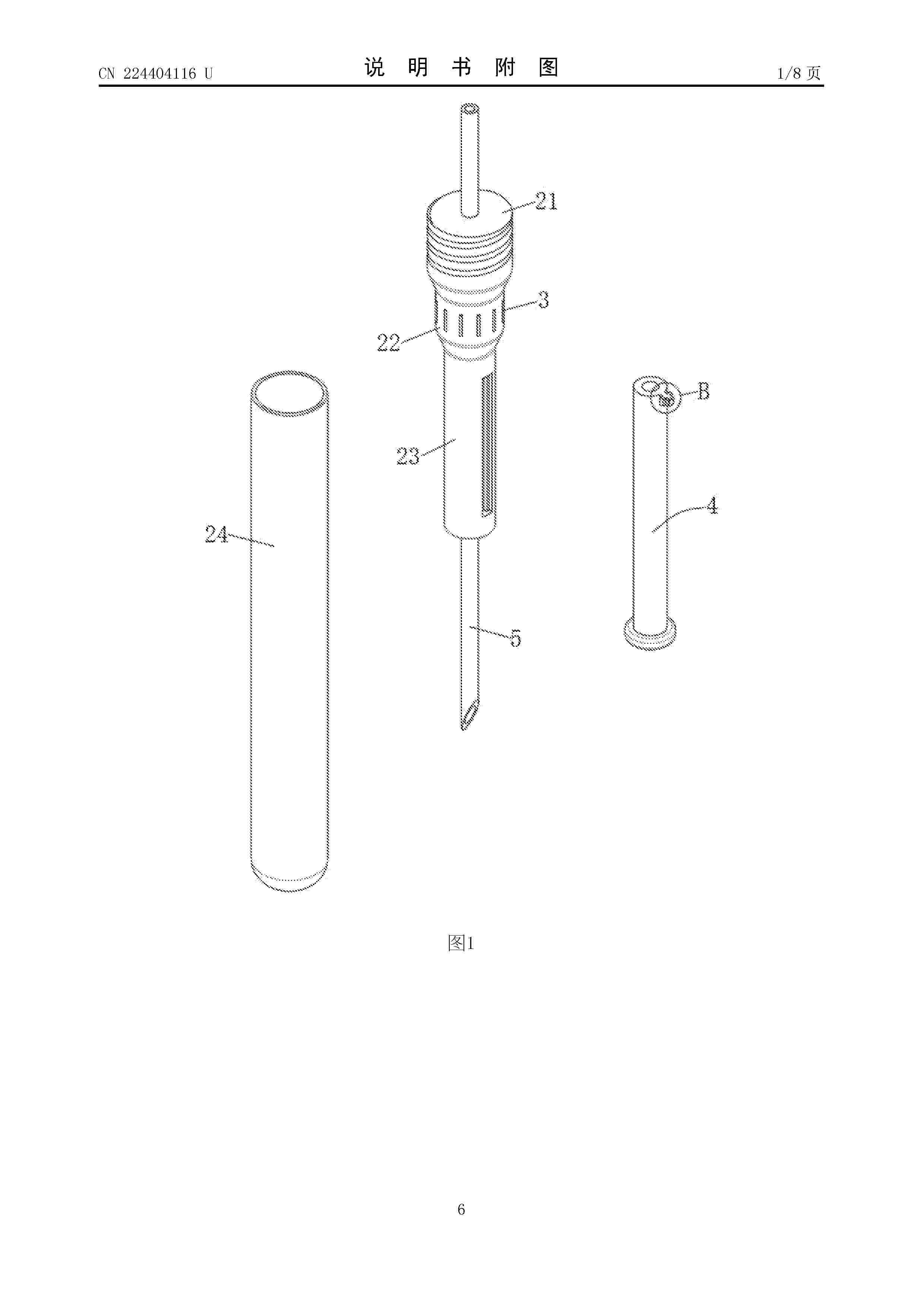
Resumen de: CN224404116U
The utility model discloses an insulin needle anti-stabbing sleeve cover which comprises an insulin pen, an anti-stabbing sleeve cover mechanism is arranged at the bottom of the insulin pen, an insulin needle head is fixedly arranged in the anti-stabbing sleeve cover mechanism, and the anti-stabbing sleeve cover mechanism comprises an upper connecting part, a lower connecting part and a limiting sleeve. A sliding groove is formed in the limiting sleeve, a limiting groove is formed in the outer side of the sliding groove, a protection positioning mechanism is arranged in the limiting sleeve in a sliding mode, and the protection positioning mechanism comprises a puncture-proof sleeve connected to the interior of the limiting sleeve in a sliding mode; the anti-stabbing sleeve cover mechanism is stably installed at the bottom of the insulin pen through the threaded groove of the upper connecting part, the protective sleeve on the outer side of the limiting sleeve can prevent external objects from making contact with an insulin needle head when the insulin pen is not used, pollution and accidental stabbing are avoided, and safety in the insulin injection process is greatly improved; and the risk that the user is punctured and infected is reduced.
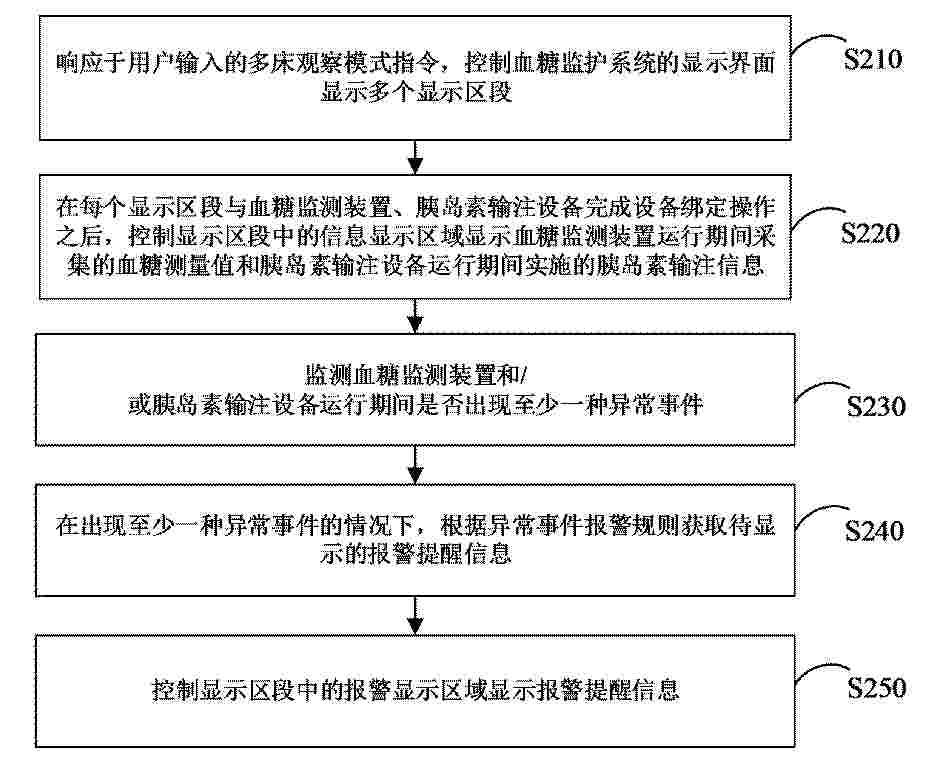
Resumen de: CN122272008A
The invention relates to an interface display method and system, a central station, a readable storage medium and a program product, and is applied to a blood glucose monitoring system.The method comprises the steps that in response to a multi-bed observation mode instruction input by a user, a display interface of the blood glucose monitoring system is controlled to display a plurality of display sections; after equipment binding operation of each display section, the blood glucose monitoring device and the insulin infusion equipment is completed, an information display area in the display section is controlled to display a blood glucose measured value collected during operation of the blood glucose monitoring device and insulin infusion information implemented during operation of the insulin infusion equipment; when it is monitored that at least one abnormal event occurs in the operation period of the blood glucose monitoring device and/or the insulin infusion equipment, alarm reminding information to be displayed is obtained according to an abnormal event alarm rule; and controlling an alarm display area in the display section to display the alarm reminding information. According to the method, management of different devices is integrated, so that the maintenance workload caused by dispersion of the devices and data is reduced.
Resumen de: CN122271947A
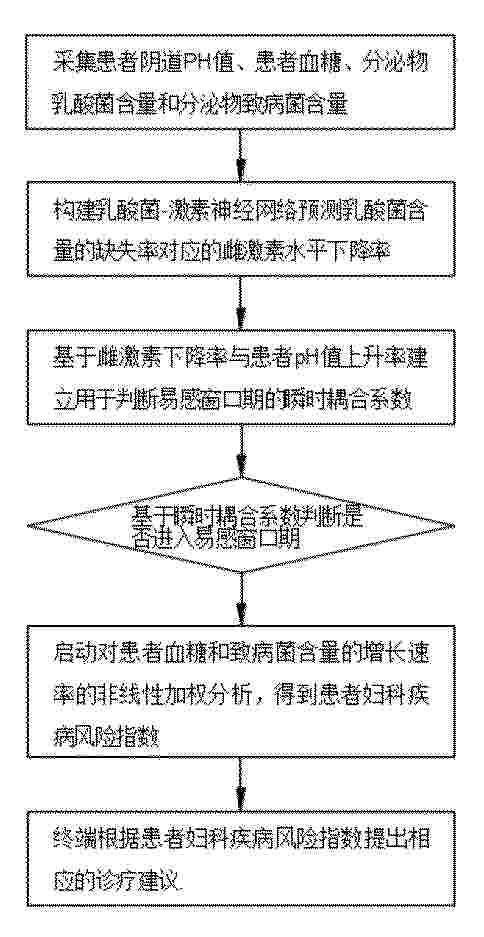
The invention provides underpants and a method for intelligently detecting and evaluating the risk of diabetes complicated with gynecological diseases, and relates to the field of diabetes complicated with disease detection. The invention discloses underpants for intelligently detecting and evaluating the risk of diabetes complicated with gynecological diseases. The underpants comprise an underpants body and a terminal, the crotch part of the underpants body is provided with a plurality of sensors for collecting the PH value of the vagina of a patient, the blood sugar of the patient, the content of secreta lactic acid bacteria and the content of secreta pathogenic bacteria, and a processor; the processor is used for analyzing the gynecological disease risk of the patient according to the vagina PH value of the patient, the blood sugar of the patient, the lactic acid bacteria content and the pathogenic bacterium content; and the terminal provides corresponding diagnosis and treatment suggestions according to the gynecological disease risk indexes of the patient. The method aims at the concurrent gynecological diseases caused by hyperglycemia of diabetic patients, so that the probability of occurrence of the concurrent gynecological diseases is reduced.
Resumen de: CN122291067A
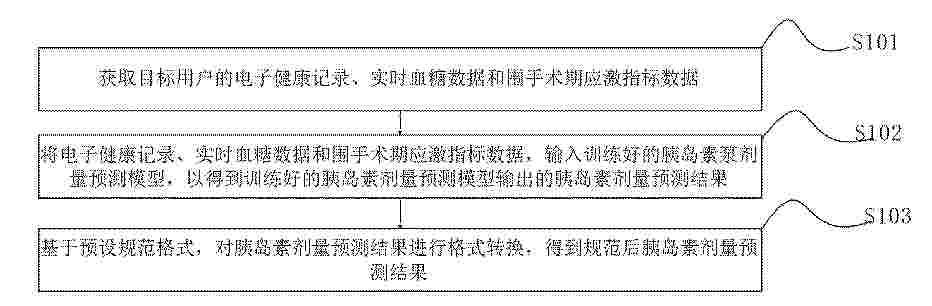
The invention discloses an insulin pump dosage adjusting method, system and device and a storage medium, the insulin pump dosage adjusting method comprises the steps that an electronic health record, real-time blood glucose data and perioperative period stress index data of a target user are obtained, and the perioperative period stress index data comprise the operation type and anesthesia mode of the target user; inputting the electronic health record, the real-time blood glucose data and the perioperative period stress index data into the trained insulin pump dose prediction model to obtain an insulin dose prediction result output by the trained insulin dose prediction model; on the basis of the preset standard format, format conversion is performed on the insulin dose prediction result to obtain the standardized insulin dose prediction result, and the blood glucose management requirement of the user in the perioperative period is met.
Resumen de: CN122272298A
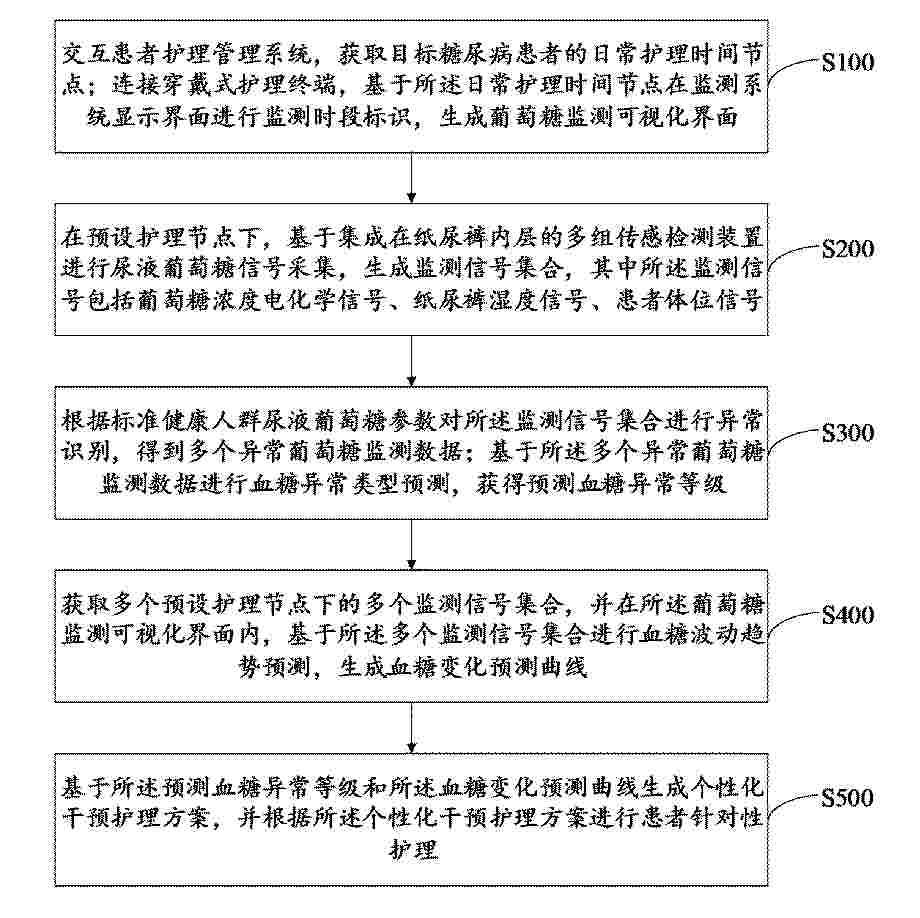
The invention relates to the technical field of urine sugar monitoring, in particular to an adult paper diaper urine sugar data monitoring method and system.The method comprises the steps that firstly, a nursing management system is interacted to obtain daily nursing nodes of a patient, and a wearable terminal is connected to generate a visual monitoring interface; secondly, collecting data by utilizing a plurality of groups of sensors integrated on the inner layer of the paper diaper at a preset node, and identifying the abnormality and predicting the blood glucose abnormality level in combination with the health parameters; then, a blood glucose fluctuation trend curve is generated in the interface based on the multi-node historical data. Finally, a personalized intervention scheme is formulated according to the abnormal level and the trend curve, and targeted nursing is implemented. According to the invention, non-invasive continuous monitoring is realized through multi-source signal fusion anti-interference; the blood sugar trend pre-judgment capability is achieved, and passive alarm is changed into active prevention; and through a visual interface and an intelligent decision closed loop, the nursing precision, efficiency and comfort of the diabetic patient are remarkably improved.
Resumen de: CN224403740U
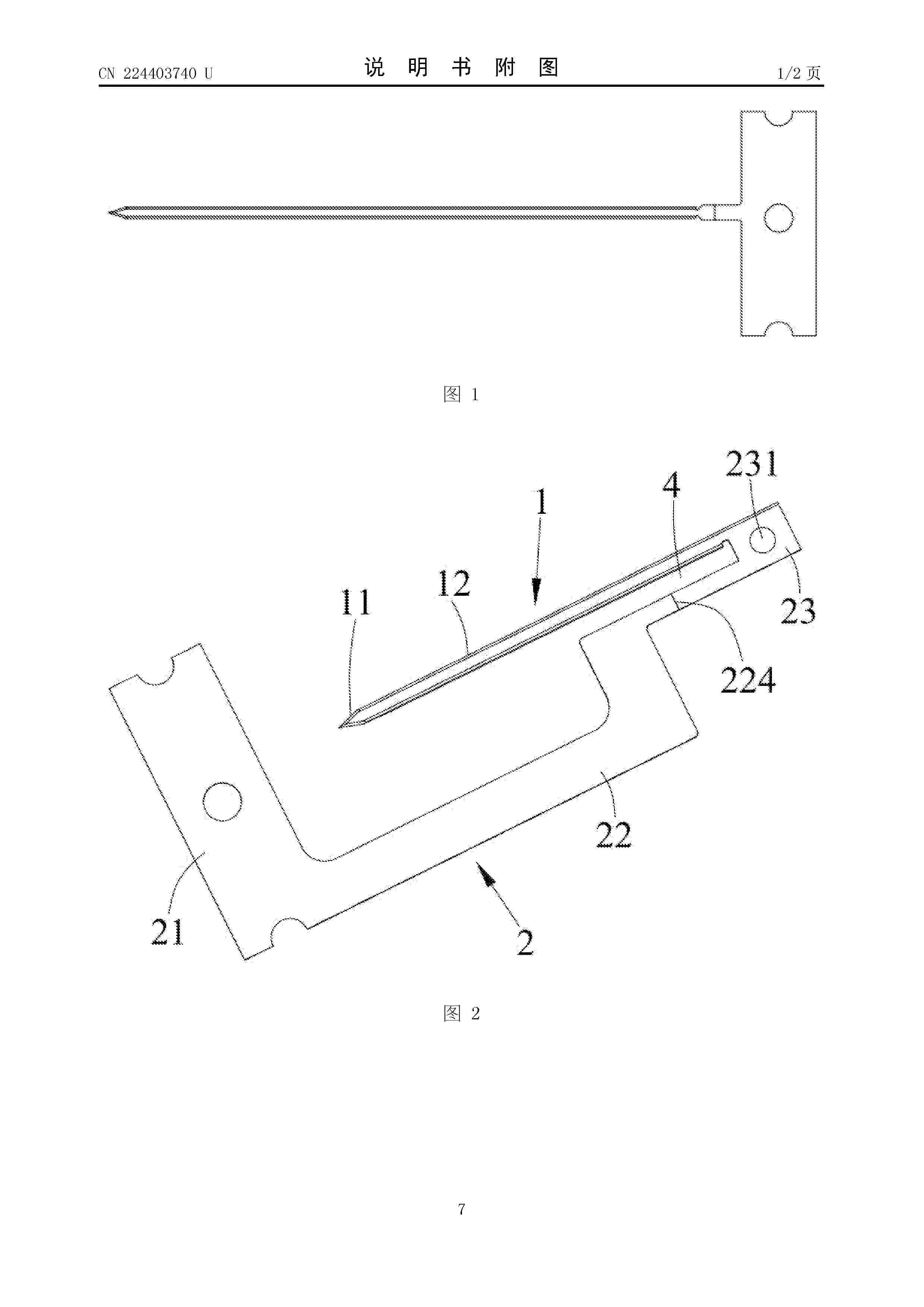
The utility model relates to the technical field of continuous blood glucose monitors, in particular to a connecting structure of a guide needle and a material belt, which comprises a guide needle and a material belt which are integrally formed in a punching mode, and the guide needle comprises a needle body and a needle point section arranged at one end of the needle body. The material belt comprises a positioning section used for assisting machining, at least one connecting section perpendicularly connected with the positioning section and a built-in piece fixedly connected with the connecting section, the built-in piece is fixedly connected with the needle body so that the connecting section and the needle body can be arranged on the same side of the built-in piece, the needle point section faces and is close to the positioning section, and the built-in piece is connected with a plastic part. And the connecting section and the needle body part extend into the front end of the plastic part. Through the structural design that the guide needle is arranged in the material belt interval, the firmness of the guide needle can be guaranteed, the length of the guide needle can be greatly shortened, and therefore the production cost is reduced, the rigidity of the guide needle is improved, and the machining stability is improved.
Resumen de: CN122278743A
The invention relates to the technical field of plant tissue culture, in particular to a culture medium for inhibiting browning of arenaria kansuensis explants and improving the induction rate of calluses and application of the culture medium. The invention provides a culture medium for inhibiting browning of arenaria kansuensis explants and improving the induction rate of calluses, which takes MS (Murashige and Skoog) as a basic culture medium and further comprises 2, 4-dichlorphenoxyacetic acid (2, 4-D), naphthylacetic acid (NAA), 6-furfurylaminopurine (KT), polyvinylpyrrolidone (PVP), cane sugar and agar, and the pH (Potential of Hydrogen) value of the culture medium is 5.83 to 5.85. Results of embodiments show that the culture medium provided by the invention can significantly improve the induction rate of the arenaria kansuensis callus. Furthermore, the callus obtained by the callus induction culture medium can be subjected to subculture to obtain a large amount of callus with loose texture and stable character, and a high-quality seed source is provided for industrial production of the arenaria kansuensis suspension cells.
Resumen de: CN122271968A
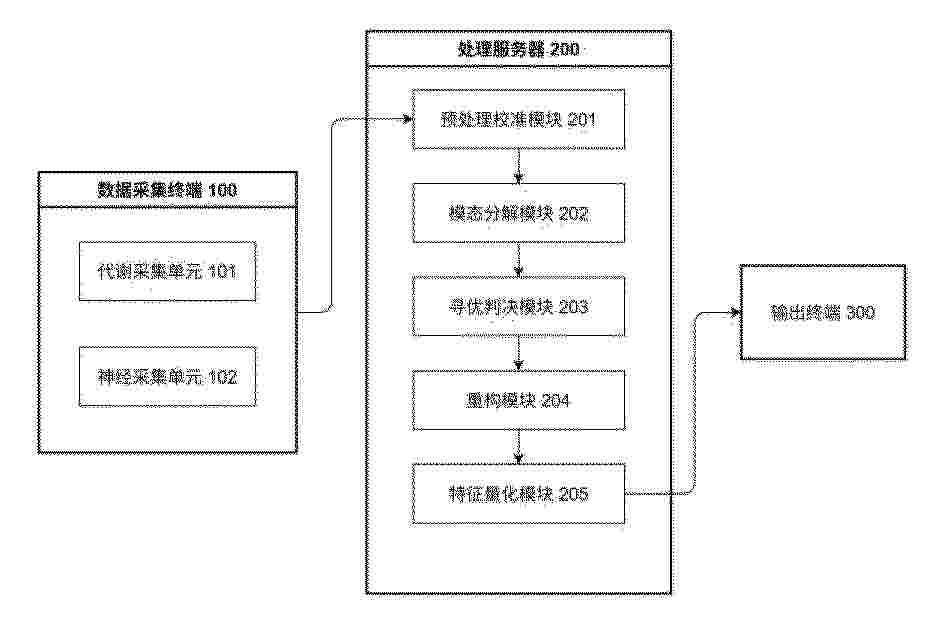
The invention relates to the technical field of medical data processing, and discloses an endocrinology department multi-parameter physiological signal fusion analysis system and method, and the system comprises an acquisition module, a processing module and an output module. The method comprises the following steps: firstly, acquiring a blood glucose and heart rate variability sequence of a subject, calculating physical lag time by utilizing a first-order difference cross-correlation function, and executing time sequence compensation; processing the heart rate variability sequence by adopting ensemble empirical mode decomposition, screening an optimal mode component by utilizing a topological closure degree index, and judging an adjusting state; then introducing a virtual damping model based on a blood glucose change rate weight to normalize the optimal component, and generating a phase space trajectory; and finally, calculating a hysteresis loop area or a phase space divergence index according to the adjustment state. According to the method, the problems of time sequence asynchronization and mode aliasing of multi-source signals are solved, and objective indexes are provided for endocrine regulation function evaluation by quantifying nerve-metabolism coupling characteristics.
Resumen de: US20260174959A1
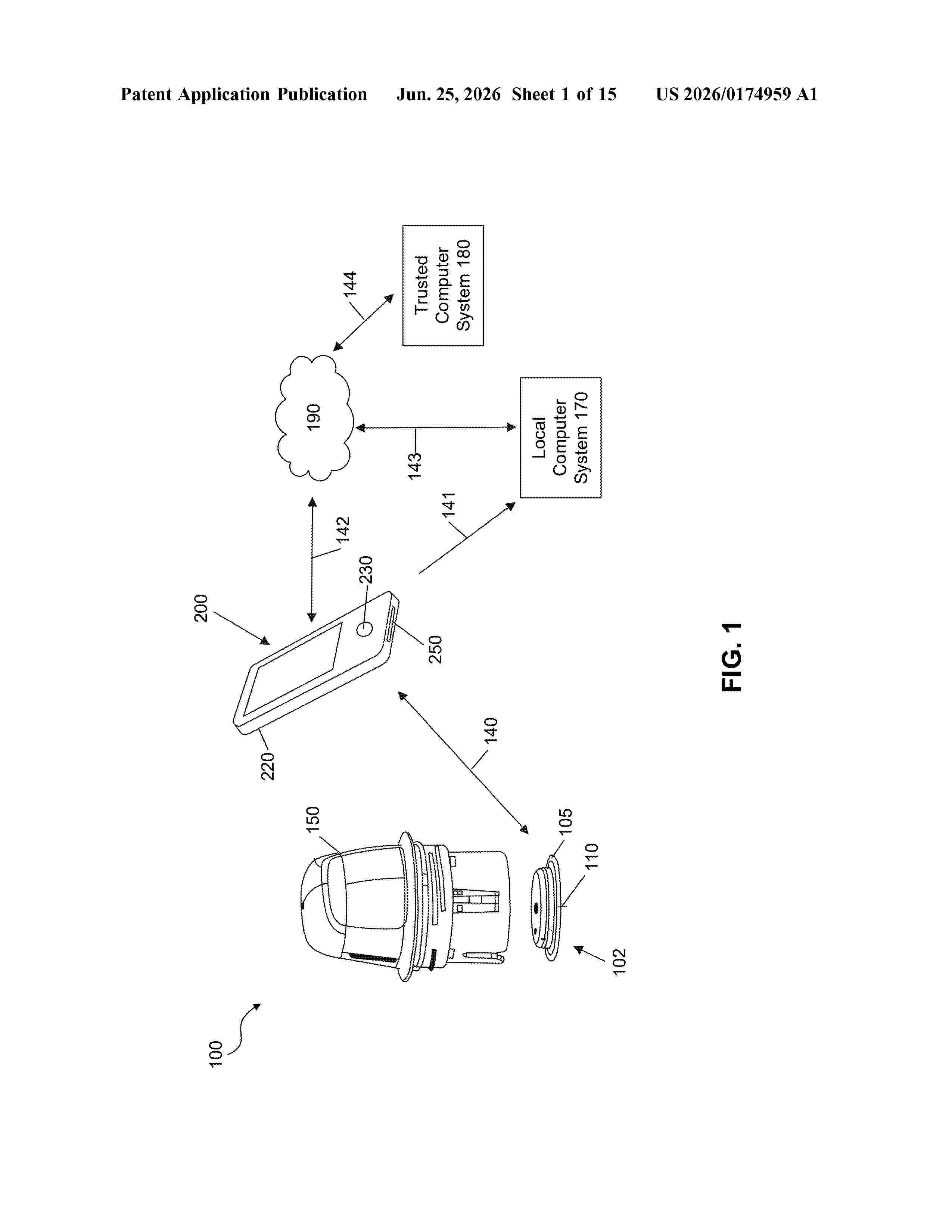
0000 A glucose data analysis system includes an on-body unit and a processor. The on-body unit is configured to measure glucose levels of a user. The processor is configured to receive therapy data of the user including glucose data monitored by the on-body unit, analyze daily glucose profiles of the glucose data over an analysis period by a machine learning model, group the daily glucose profiles into two or more patterns based on the analysis performed by the machine learning model, and output a report including identification of the two or more patterns associated with each daily glucose profile. Advantageously the system may identify and visualize patterns of glucose data, identify recurring patterns, identify correlations between patterns and external events (e.g., medication, meals, exercise, sleep, stress, etc.), reduce glycemic variability, streamline analysis with unsupervised machine learning (e.g., no training), and provide recommendations for user intervention or actions based on identified patterns.
Resumen de: US20260174953A1
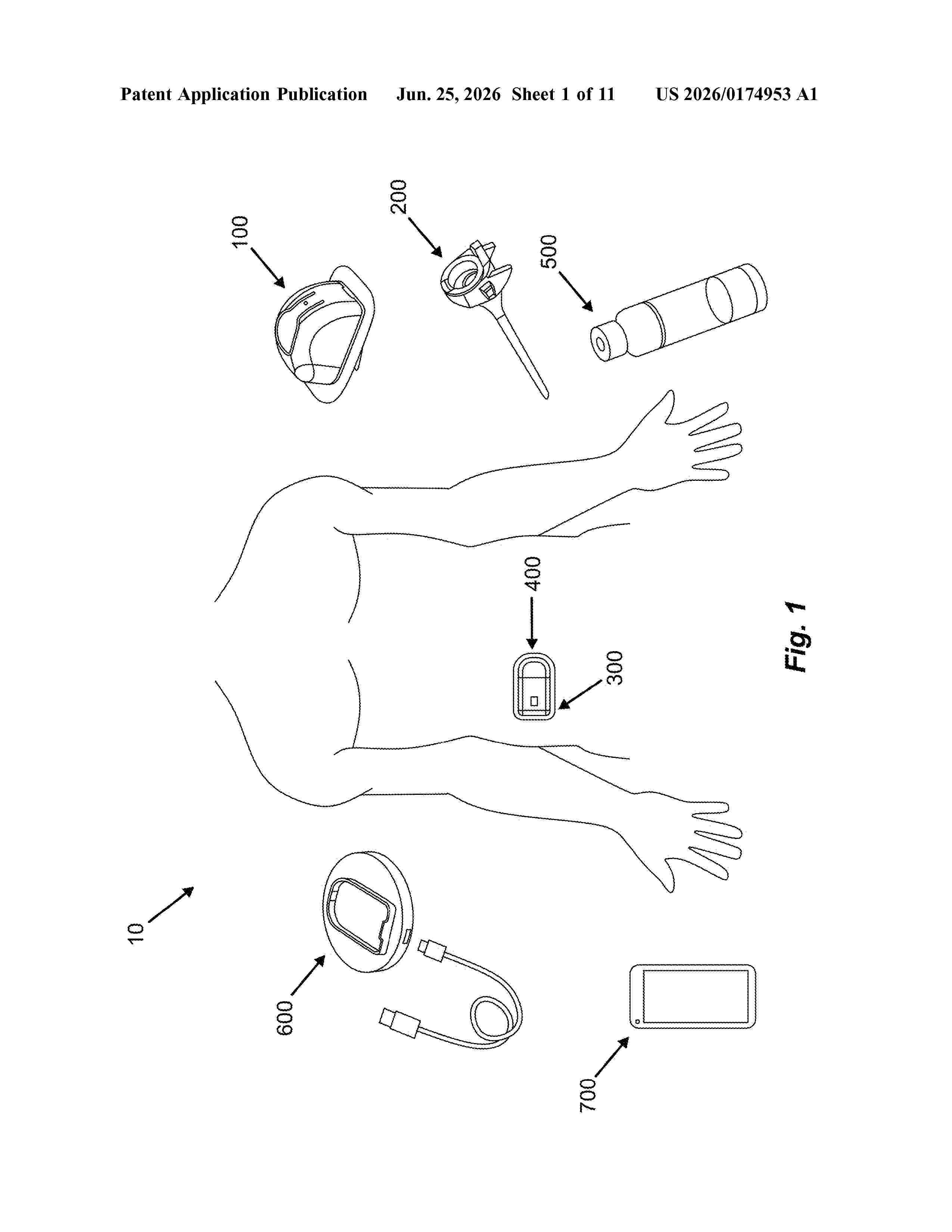
Embodiments disclosed herein are directed to an applicator for inserting a cannula into a body of the user for delivering medication from a medication infusion device to the user. According to one aspect, an applicator device includes a cannula and an insertion needle configured to insert the cannula into a body of a user. The applicator can include features that control the geometry of the skin during insertion of the cannula to provide a more reliable depth and insertion angle for the cannula.
Resumen de: WO2026136617A1
Provided herein is a noninvasive method for measuring pH, glucose and glycogen levels using a single acquisition method, as well as systems for performing the method. This method for glycogen/glucose (and pH) detection has high specificity enabled by superior chemical shift separation in high-strength magnetic fields. The methods have applications in detecting changing tumor microenvironments in cancerous cells for measuring important metrics for noninvasive and quantitative metabolic profiling.
Resumen de: US20260174954A1
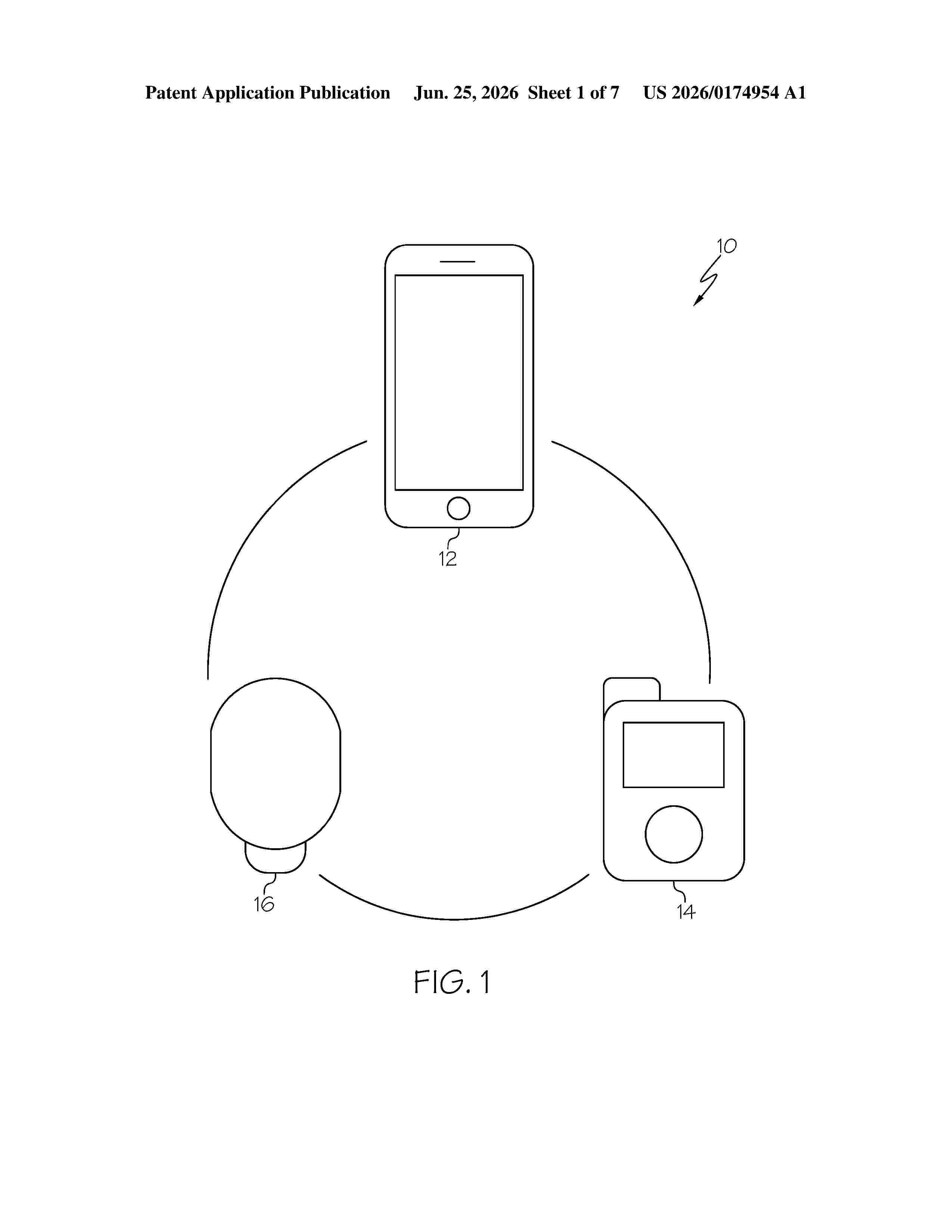
0000 An insulin delivery system for diabetes management includes a patch-based insulin pump configured to deliver insulin to a user, a user input button disposed on the patch-based insulin pump, a processor configured to execute a hybrid closed loop algorithm that automatically controls insulin delivery based on glucose levels. The user input button is configured to receive user input comprising a sequence of button presses that communicate contextual information about user activities to the hybrid closed loop algorithm, the contextual information being distinct from direct insulin bolus delivery commands. The contextual information may include meal intake, physical activity, and sleep status communicated through different sequences of button presses. The system includes confirmation mechanisms that provide feedback and allow cancellation of inputs, enabling discrete real-time communication of personalized data to enhance diabetes management.
Resumen de: US20260177565A1
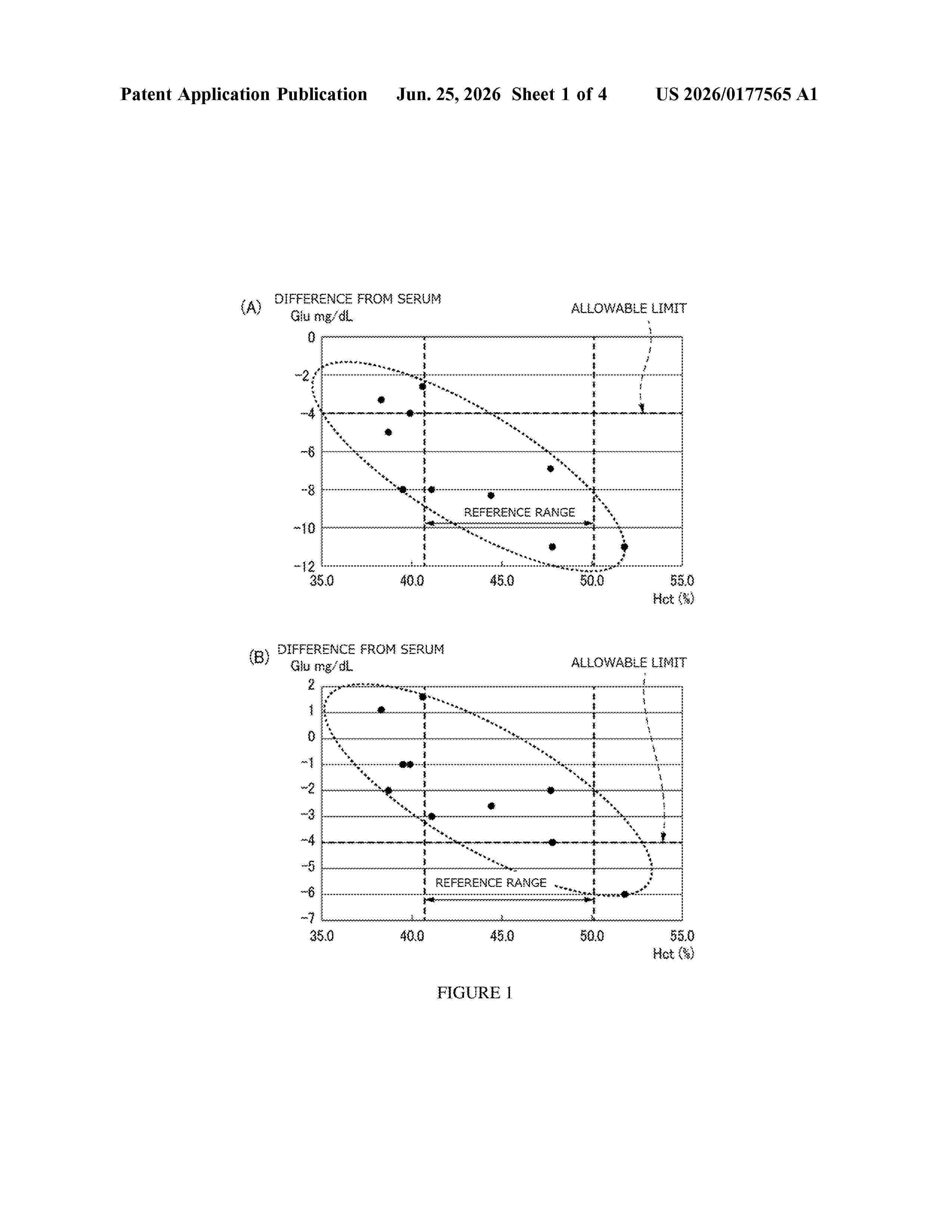
0000 An agent is for inhibiting glucose uptake into red blood cells and a blood collection tube suppresses glucose concentration decrease. The agent for inhibiting glucose uptake into red blood cells includes inosine as an active ingredient. The inhibition agent can be used for suppressing a decrease in glucose concentration of whole blood collected in a blood collection tube. The blood collection tube includes inosine in an internal space. The blood collection tube can be used to measure glucose concentration in blood. The blood collection tube can further include a glycolysis inhibitor.
Resumen de: US20260174360A1
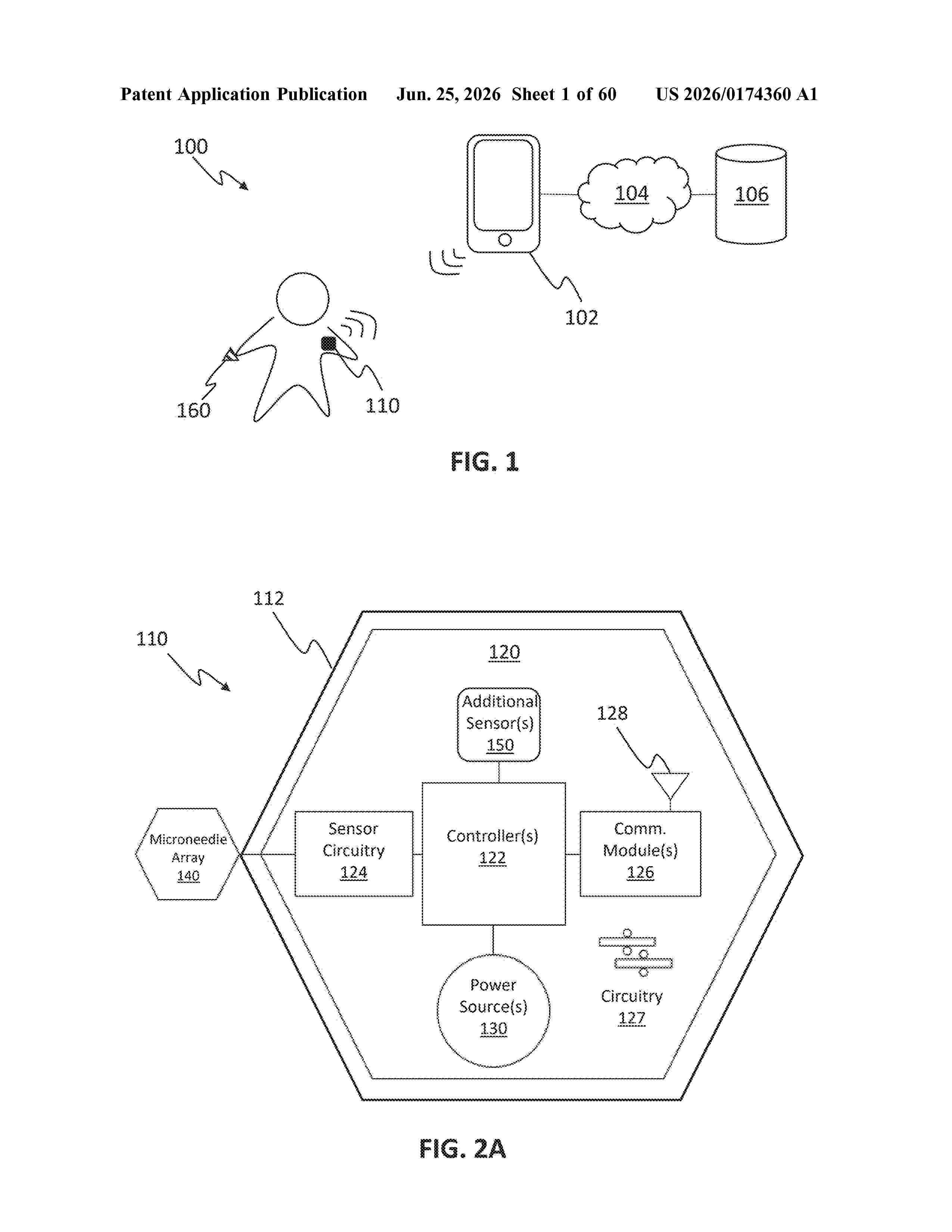
Described herein are variations of an analyte monitoring system, including an analyte monitoring device. For example, an analyte monitoring device may include an implantable microneedle array for use in measuring one or more analytes (e.g., glucose), such as in a continuous manner. Each microneedle of the microneedle array may include a microneedle body, an electrode material on the microneedle body, a biorecognition layer on the electrode material, a diffusion-limiting layer on the biorecognition layer, an interferent blocking agent, and/or an attachment enhancer between the biorecognition layer and the diffusion-limiting layer, where the interferent blocking agent and the attachment enhancer are configured to improve sensor sensitivity variability.
Resumen de: WO2026130307A1
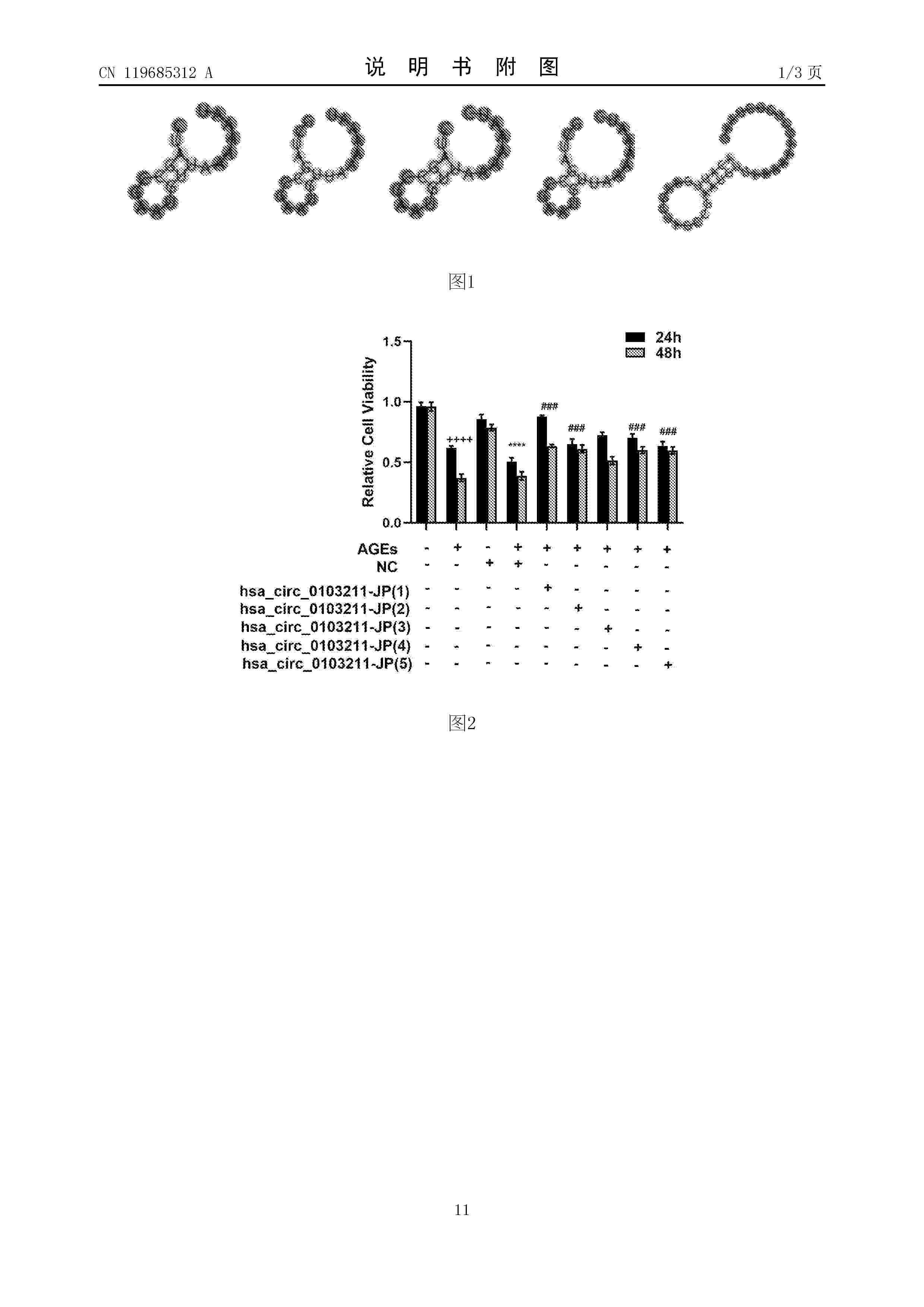
Provided are small-fragment RNA derived from a circular RNA and the use thereof in the treatment of diabetic vascular diseases. The nucleotide sequence of the small-fragment RNA is CUAGCCGAAUGUUAAAAAAU. The provided small-fragment RNA has the effects of well protecting and maintaining the biological functions of vascular endothelial cells, has good structural stability, has a long half-life in vivo, and has the advantages of low effective concentration, high biological safety, etc. The provided small-fragment RNA has good application potentials in the field of clinical nucleic acid drug development, and provides a new idea for the treatment of chronic progressive vascular lesions caused by diabetes.
Resumen de: US20260174803A1
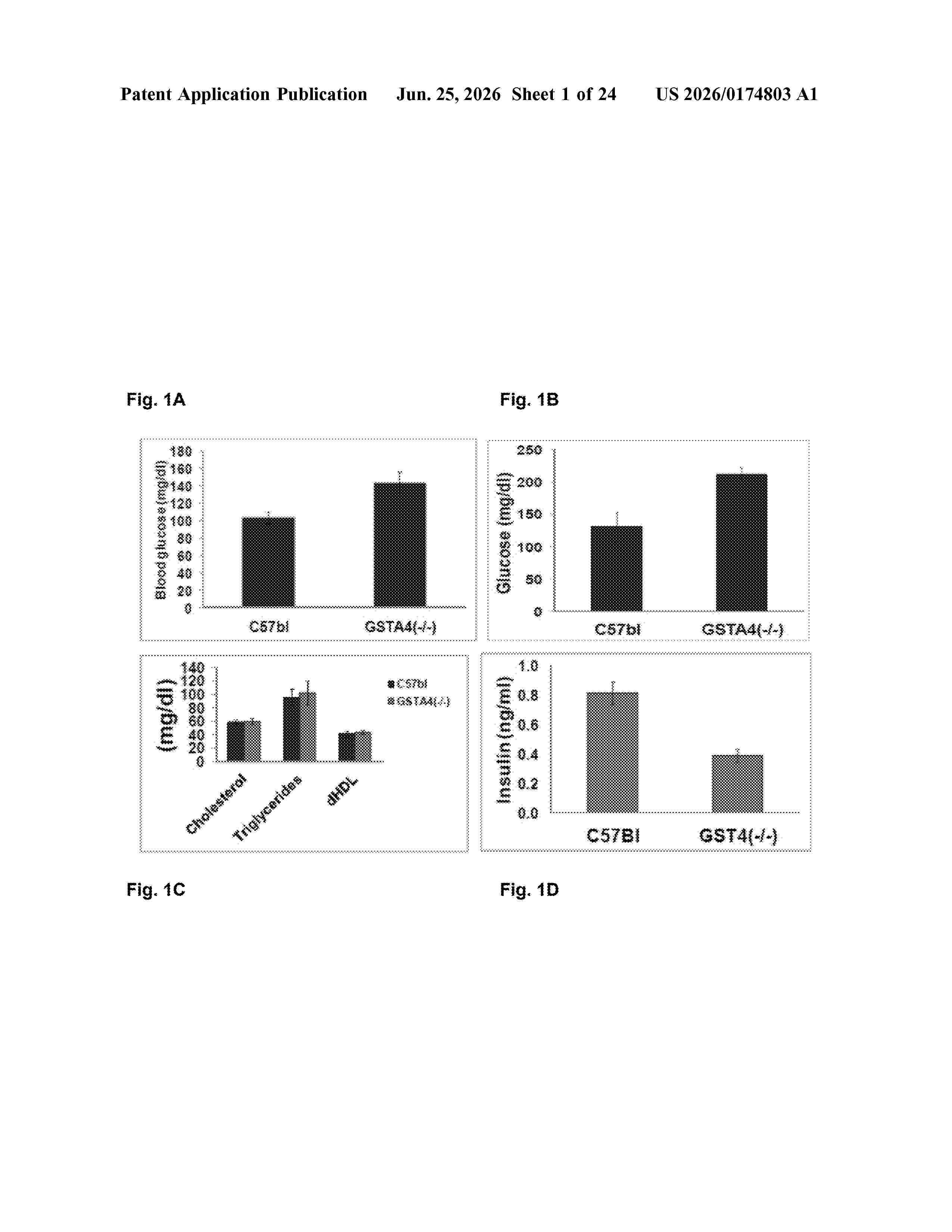
0000 The present disclosure provides novel methods for increasing β-cell viability in islets by delivering RLIP76 polypeptides or GSTA4 polypeptides, or a combination thereof; or RLIP76 polynucleotides or GSTA4 polynucleotides, or a combination thereof, to the islets. The disclosure also provides novel methods for treating a disease or condition in a subject, such as type 1 diabetes mellitus, by delivering RLIP76 polypeptides or GSTA4 polypeptides, or a combination thereof; or RLIP76 polynucleotides or GSTA4 polynucleotides, or a combination thereof, to islets and transplanting the islets into the subject to treat the disease or condition. Kits and compositions including RLIP76 polypeptides or GSTA4 polypeptides, or a combination thereof; or RLIP76 polynucleotides or GSTA4 polynucleotides, or a combination thereof, are also provided to increase β-cell viability.
Resumen de: US20260174975A1
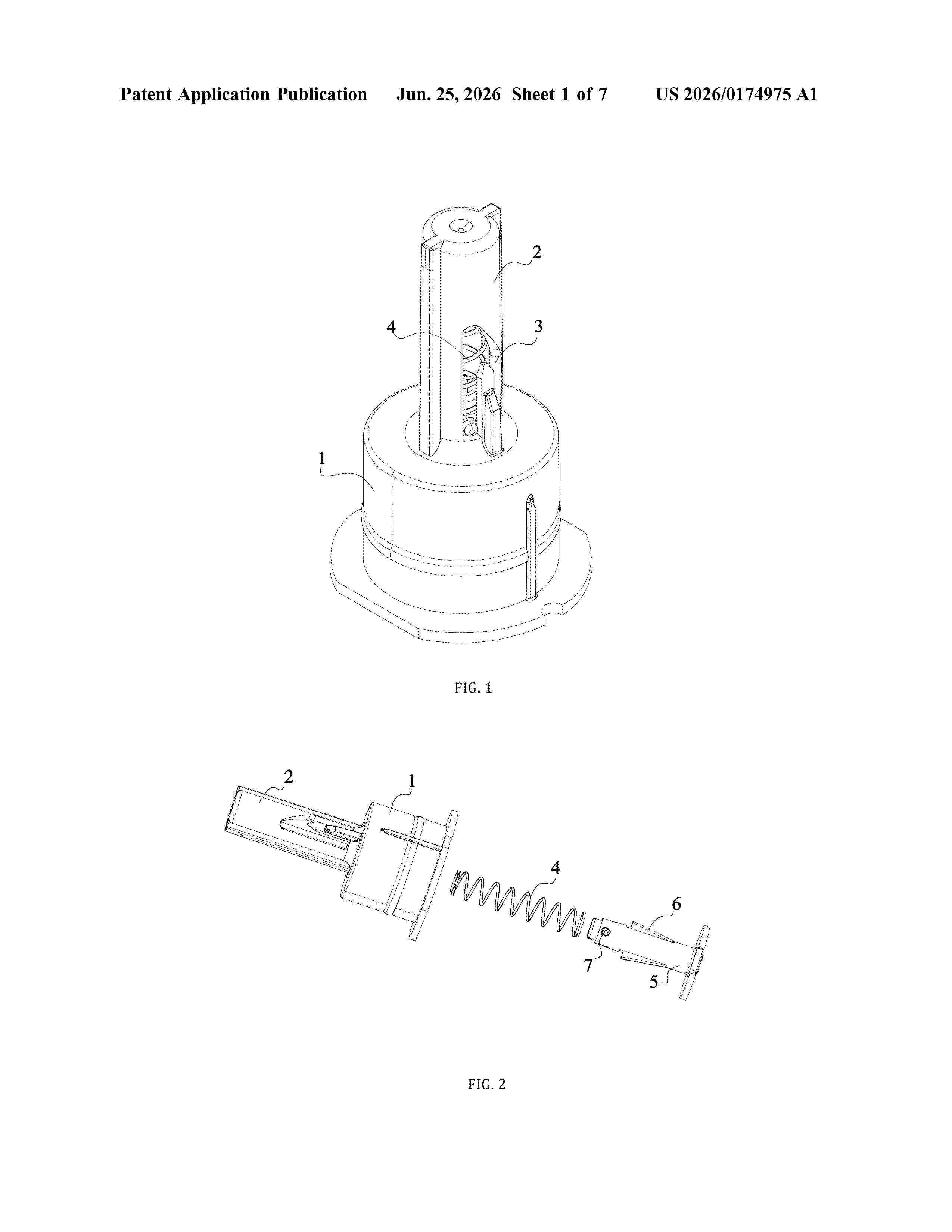
0000 This invention discloses a protective mechanism for insulin needles and an insulin injection device. Through the cooperation of a U-shaped reciprocating slot and a flexible wall, it is possible to automatically retract the needle tip after injection, and prevent it from being pushed out again, thus achieving the purpose of needle tip protection and avoiding reuse.
Resumen de: US20260174969A1
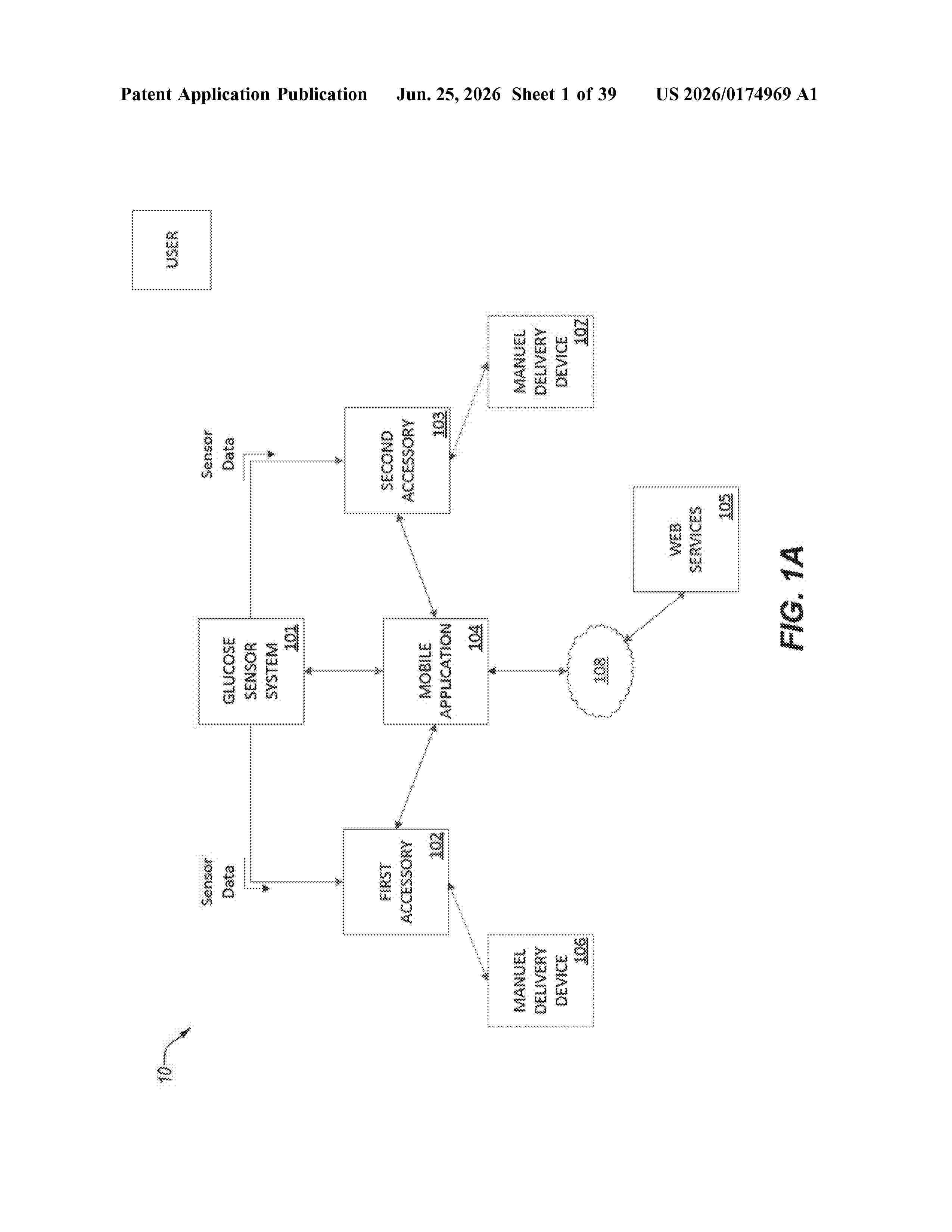
0000 Diabetes management systems may include a glucose monitoring device adapted to transmit glucose data and at least one accessory in communication with the glucose monitoring device and adapted to provide at least one alarm or alert based on the glucose data.
Nº publicación: AU2024391032A1 25/06/2026
Solicitante:
SIGILON THERAPEUTICS INC
SIGILON THERAPEUTICS, INC.
Resumen de: AU2024391032A1
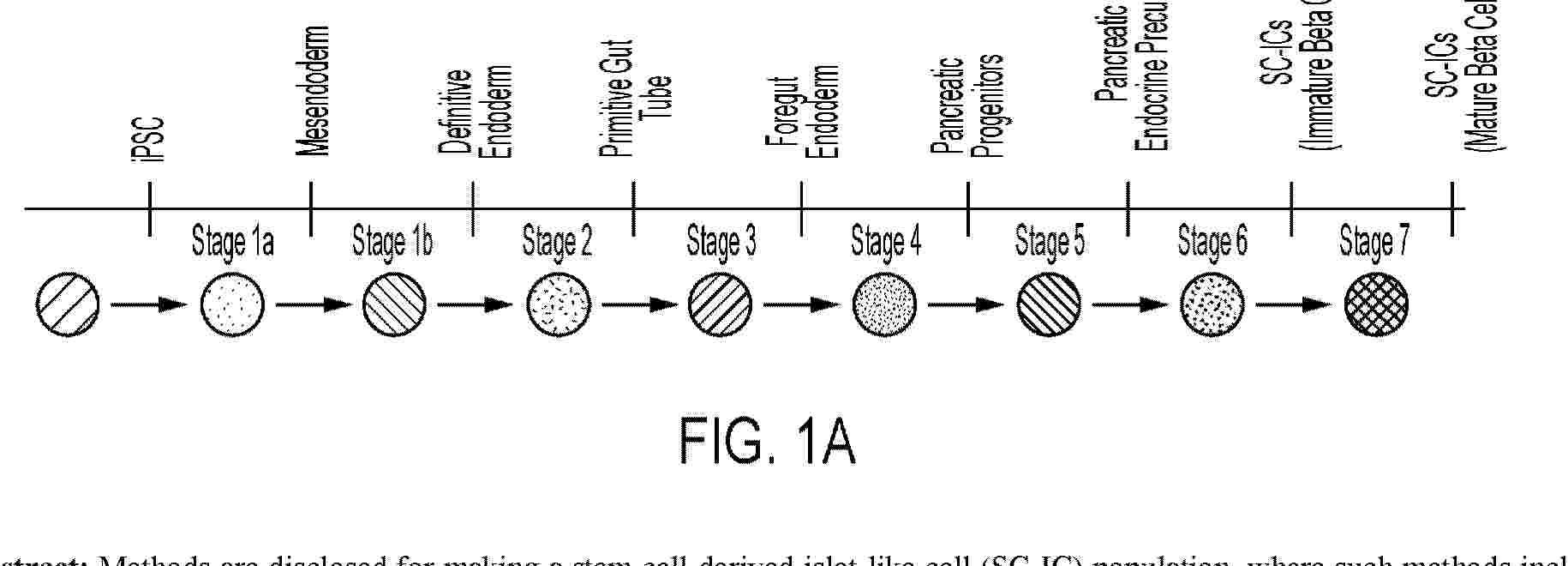
Methods are disclosed for making a stem cell-derived islet-like cell (SC-IC) population, where such methods include culturing precursor cells such as pancreatic progenitor cells, pancreatic endocrine precursor cells or immature SC-ICs one or more differentiation mediums that promote the differentiation of the precursor cells to more differentiated cells to obtain an SC-IC population that includes mature pancreatic-beta-like cells. Also disclosed are cell-differentiating compositions useful in performing the methods and SC-IC populations obtained by performing the methods. Also disclosed are compositions and implantable devices comprising the SC-IC populations, which are useful thereof for treatment of metabolic disorders such as diabetes mellitus (diabetes).
 BOPI
BOPI
 Sede Electrónica