Si deseas distinguir tus productos, servicios o ambos de los de otra empresa, es posible que necesites una marca o nombre comercial. Descubre qué son, en qué consiste su procedimiento de registro y qué implica.

Información sobre los plazos de presentación de solicitudes de transformación de marcas de la Unión Europea en marca nacional española. Más información


Si tienes un nuevo dispositivo, producto o procedimiento que resuelva un problema técnico o tenga una ventaja práctica, existen distintas formas de protegerlo en España y en otros países. Descubre cómo hacerlo.

¿Tu innovación reside en la estética, la ornamentación o la apariencia de tu producto? Protégela mediante un diseño industrial. Descubre qué derechos confiere el registro y cómo realizar la tramitación.

Las indicaciones geográficas protegen el nombre de un producto originario de una zona geográfica, a la cual le debe una determinada calidad, reputación u otra característica. Descubre qué son, en qué consiste su procedimiento de registro y qué beneficios conceden.

Las patentes publicadas en todo el mundo son una valiosa fuente de información científica, técnica y comercial.

Si eres emprendedor/a o una empresa y quieres potenciar y mejorar la rentabilidad de tu negocio protegiendo de forma adecuada los activos intangibles de tu organización, en este espacio encontrarás lo necesario.


 1369
resultados
1369
resultados
 Última actualización
24/10/2026 [08:31:00]
Última actualización
24/10/2026 [08:31:00]


 Resultados 550 a 575 de 1369

Resumen de: KR20260150194A
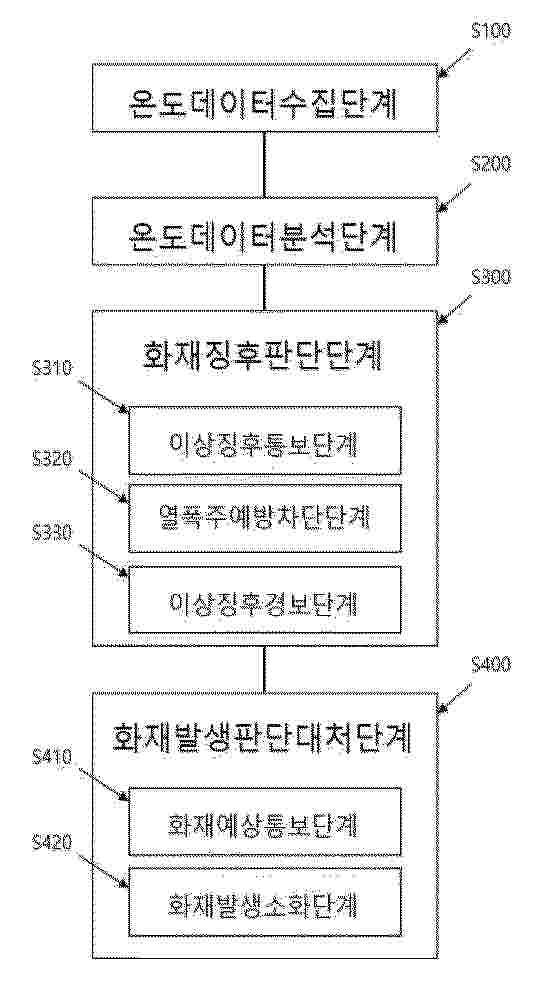
0001a 본 발명은 전기차 충전소에서 화재발생을 사전에 감지하여 화재를 예방하는 시스템에 있어서, 전기차 충전소의 화재감지시스템에서 화재가 발생해야만 이를 인식하고 대응하여 신속한 대응이 어려웠던 문제점을 해결하여 화재가 발생 전에 이상징후를 인식하고 화재발생을 예방하는 것을 목적으로 하는 발명이다. 즉, 전기충전장치, 열화상카메라, 열화상카메라로 수집된 온도데이터로 화재징후를 분석하는 화재위험분석처리부, 전기충전장치의 충전전력을 차단하는 충전차단장치, 화재 징후 경보를 알리는 경보알림장치, 충전소를 소화하는 소화장치로 구성하고, 열화상카메라로 온도를 감지하고 화재위험분석처리부로 온도데이터를 수집하는 온도데이터수집단계, 수집된 온도데이터로 이상온도가 발생을 분석하는 온도데이터분석단계, 분석된 온도가 이상온도로 발생했을 때에 화재징후를 판단하고 대처하는 화재징후판단대처단계, 분석된 온도가 화재가 발생하는 발화온도로 발생하였을 때에 화재발생을 판단하고, 대처하는 화재발생 판단 대처단계로 구성하고, 특히 화재징후 판단 대처단계에서 이상온도가 열폭주가 일어나는 온도이상일때에 충전차단장치로 충전전력을 차단하는 열폭주 예방 차단단계를 구�

Resumen de: US20260321792A1
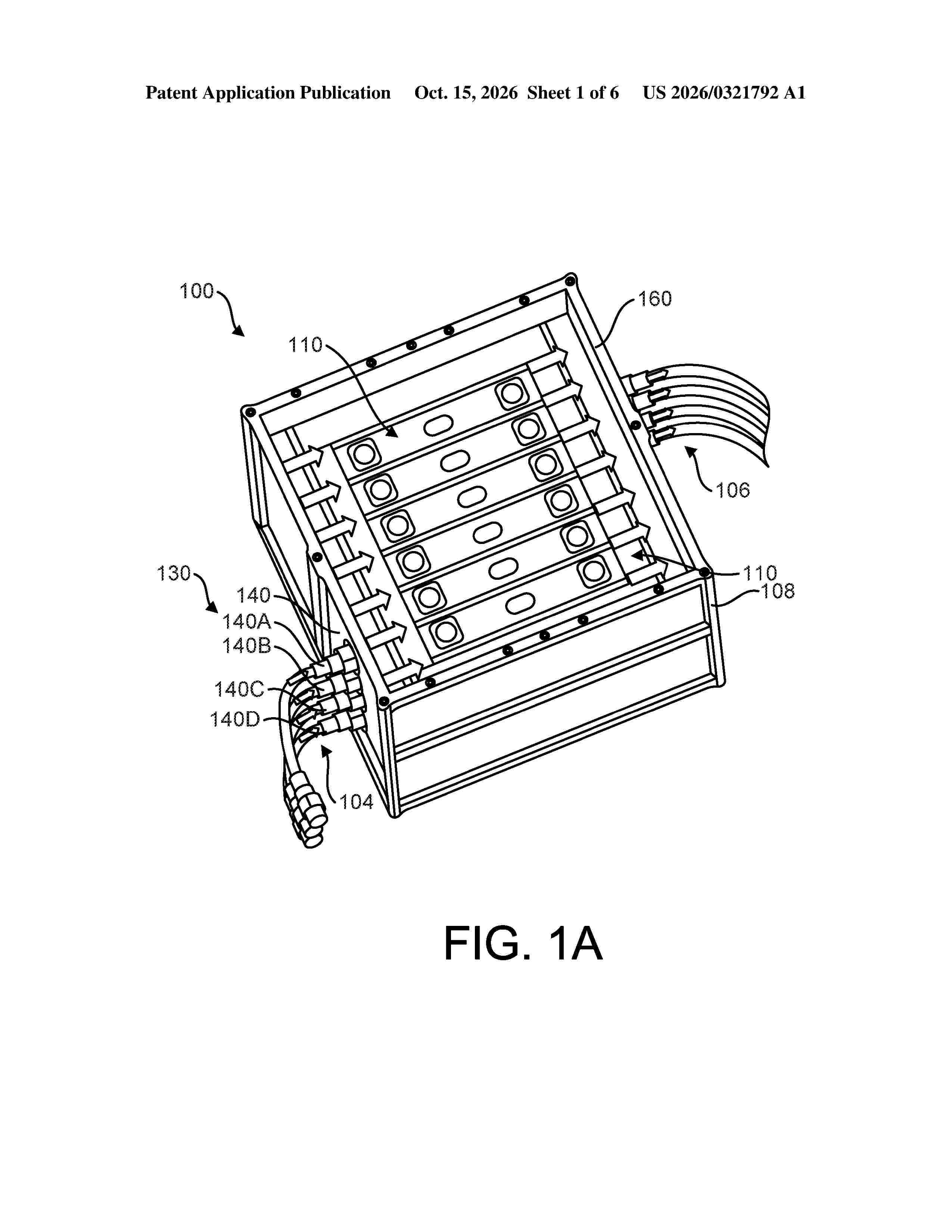
A battery system with a thermal management architecture that enables selective thermal regulation across multiple independent zones of a battery cell arrangement. The system includes a plurality of thermal regulation zones defined within the periphery of the battery cell structure. A thermal exchange media, such as a dielectric coolant, is selectively routed through these zones using independently controllable inlet and outlet ports connected to flow control manifolds. This enables targeted cooling based on real-time or predicted thermal demands in specific battery regions.
Resumen de: US20260321774A1
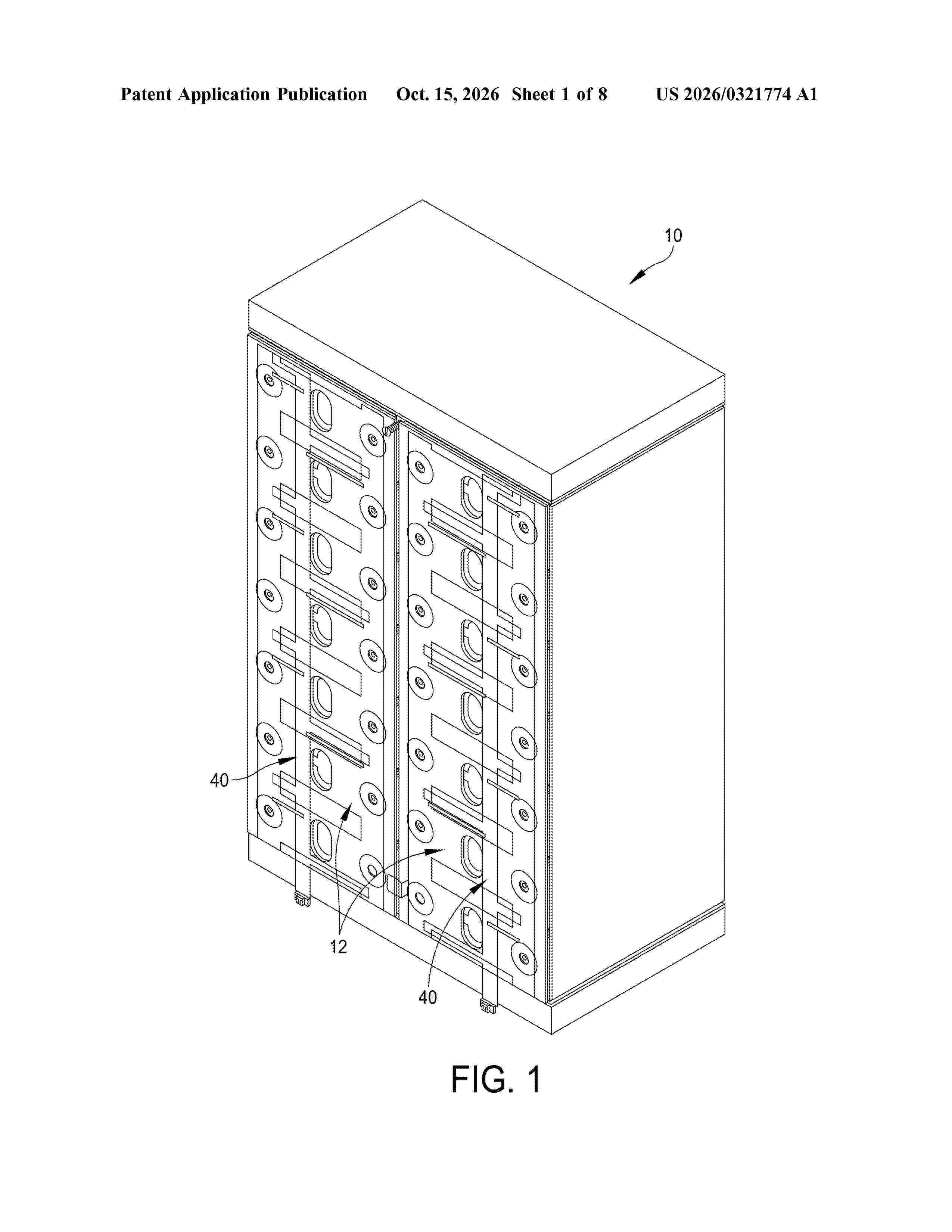
0000 A battery cell interconnection and measurement system includes a busbar configured to electrically connect one or more battery cells, a heating element configured to thermally couple one or more battery cells to provide heating and thermal regulation, and an electronic substrate configured to couple sensors to the heating element. The sensors measure characteristics of the one or more battery cells. The battery cell interconnection and measurement system further includes a thermally conductive layer configured to provide mechanical stability to the heating element, the electronic substrate, and the busbar, and to form the battery cell interconnection and measurement system.
Resumen de: US20260321621A1
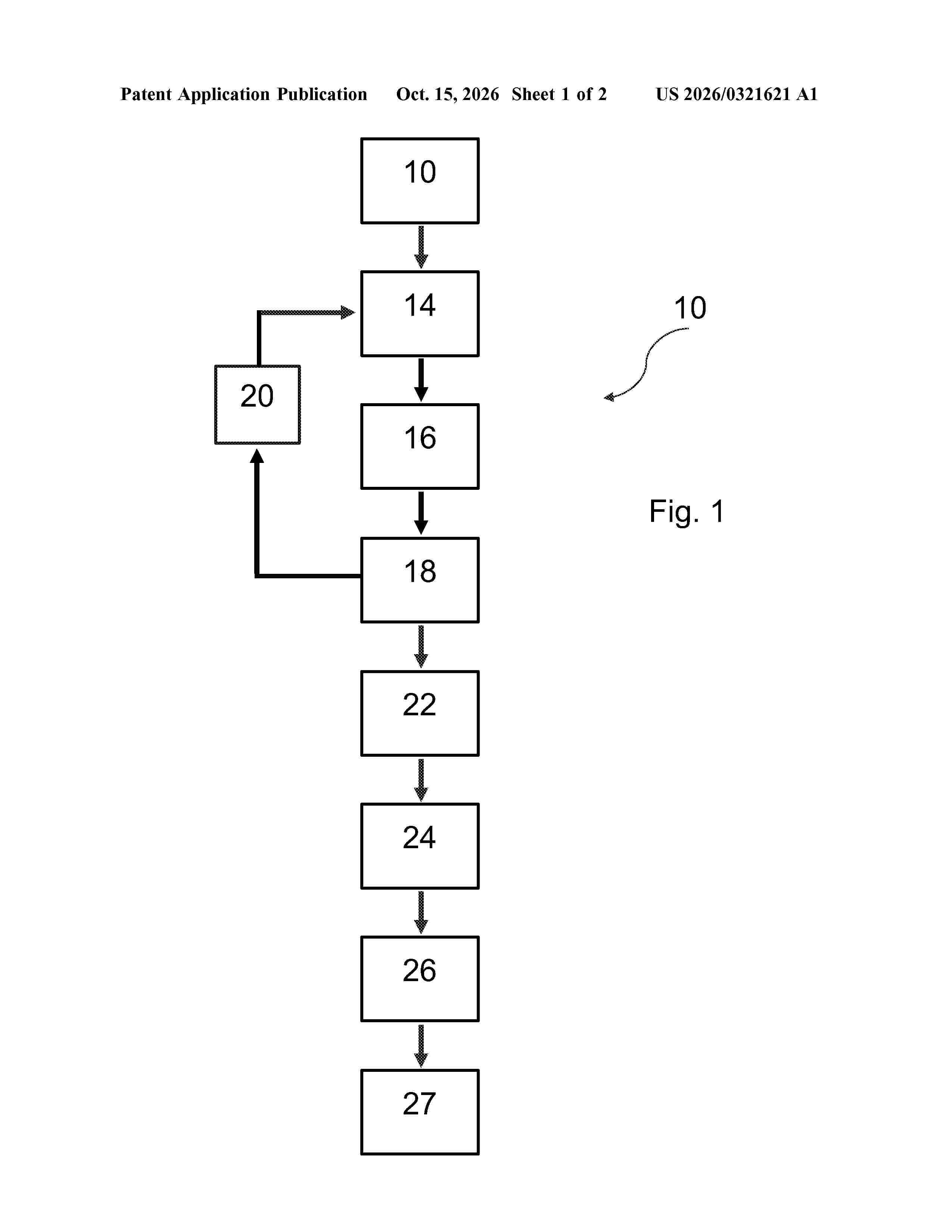
Described is an improved process for the formation of lithium-ion metal oxide cathode active material. The process comprises: i) adding water to a reactor at a temperature of no more than 100° C.; ii) adding at least one elemental metal to a reactor, wherein the elemental metal comprises a metal selected from the group consisting of Ni, Mn, Co and Al; iii) adding a first aliquot of nitric acid to the reactor at a rate sufficient to maintain a temperature of no more than 100° C. to form a metal nitrate solution; iv) stirring the metal nitrate solution for at least a sufficient amount of time to reach a pH of ≤7 until the nitric acid added is in a molar ratio relative to moles of said element metal of at least 1:2.5 to no more than 1:5; v) adding Li+ to said reactor as a lithium salt until Li+ is in a molar ratio relative to moles of the element metal of at least of 0.9-1.1 or 0.4-0.6 to form a mixture comprising a solid and water in the reactor; vi) drying the mixture to remove the water from the solid; and vii) calcining the solid to form lithium-ion metal oxide cathode.
Resumen de: US20260321606A1
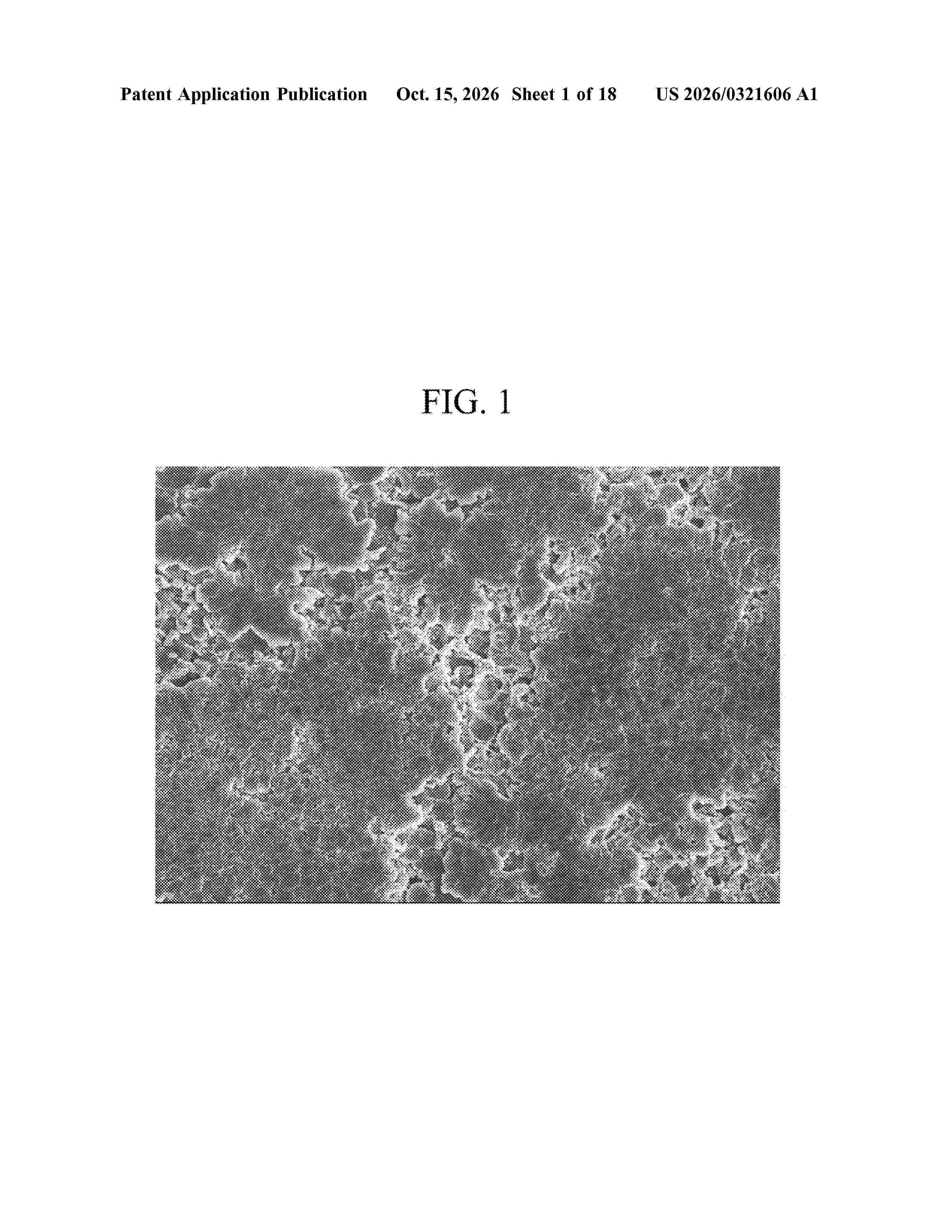
A negative electrode slurry includes a negative electrode active material including a lithium powder, a conductive material, a binder, and a metal powder. The metal powder includes silver powder.
Resumen de: WO2026216839A1
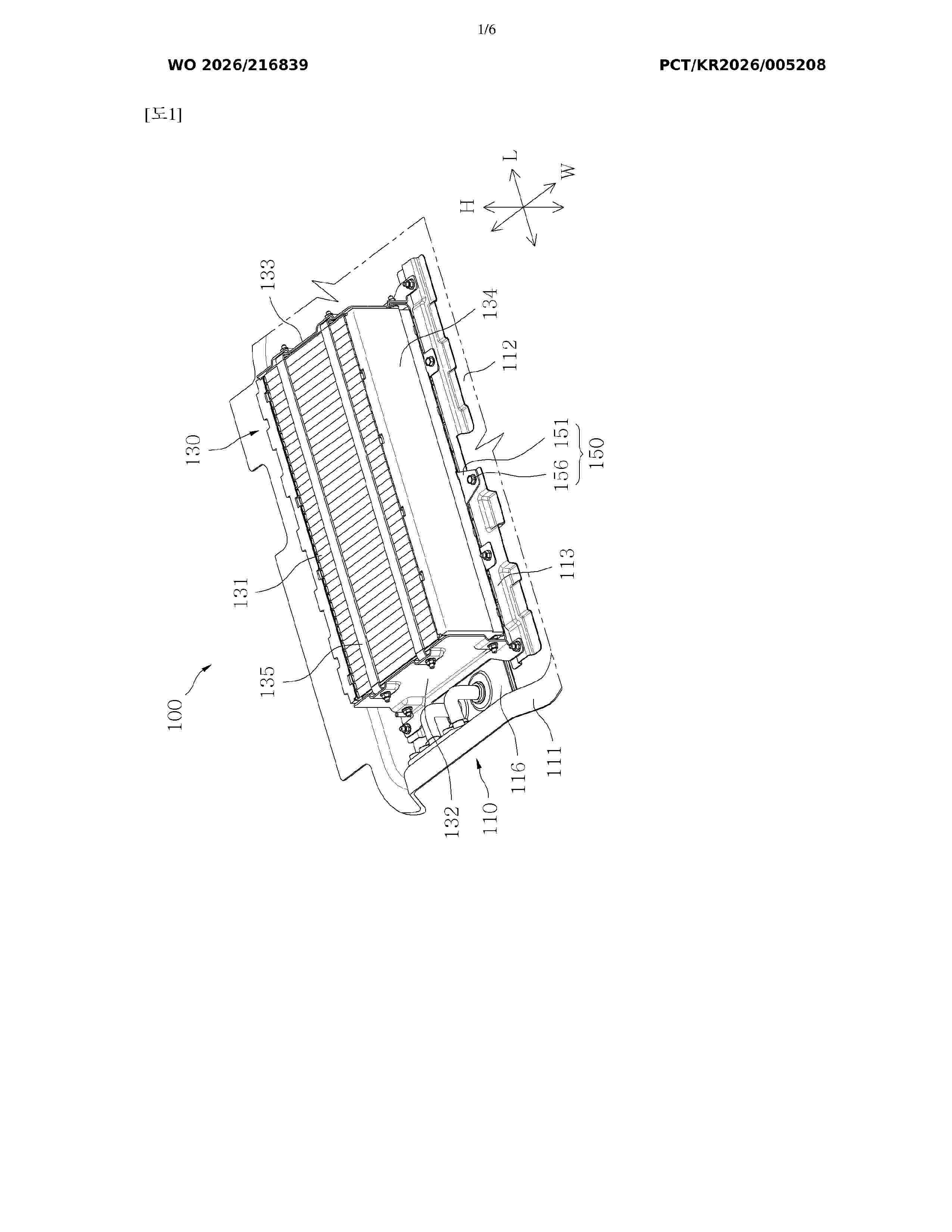
A battery system assembly is disclosed. The battery system assembly may comprise a case, a battery stack, and a pressing unit. The battery stack may include a plurality of battery cells stacked in a stacking direction, and a pair of end plates disposed at both ends thereof in the stacking direction. The battery stack may be supported by the case. The pressing unit may be formed to press, toward the case, a portion of the battery stack, located between the pair of end plates in the stacking direction.
Resumen de: WO2026216716A1
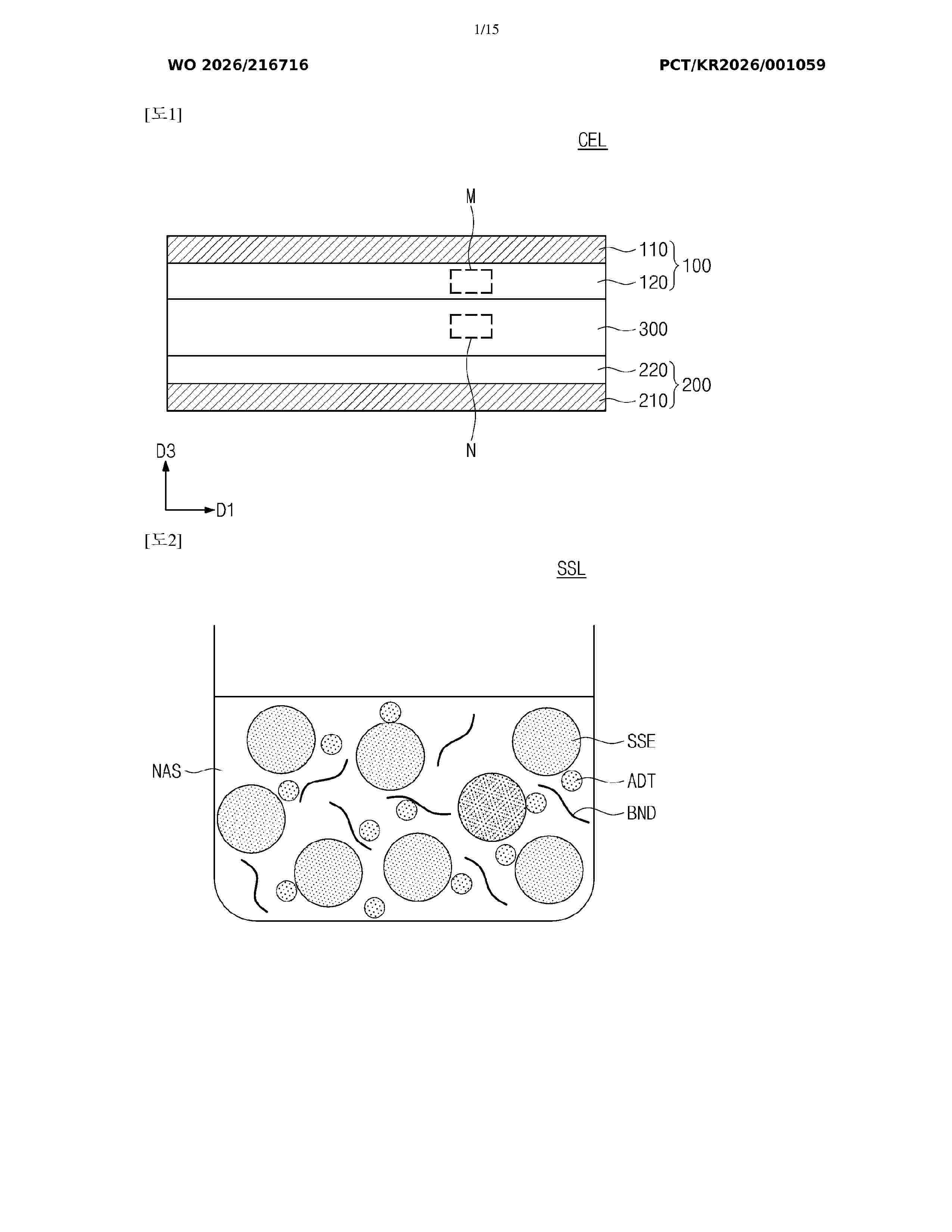
The present invention relates to: a slurry for an all-solid-state battery; a positive electrode for an all-solid-state battery, the positive electrode being manufactured using the slurry; and an all-solid-state battery. More specifically, the slurry for an all-solid-state battery comprises a sulfide-based solid electrolyte, a binder, a non-aqueous solvent, and an additive, wherein the additive may include an aluminum halide compound.
Resumen de: WO2026216881A1
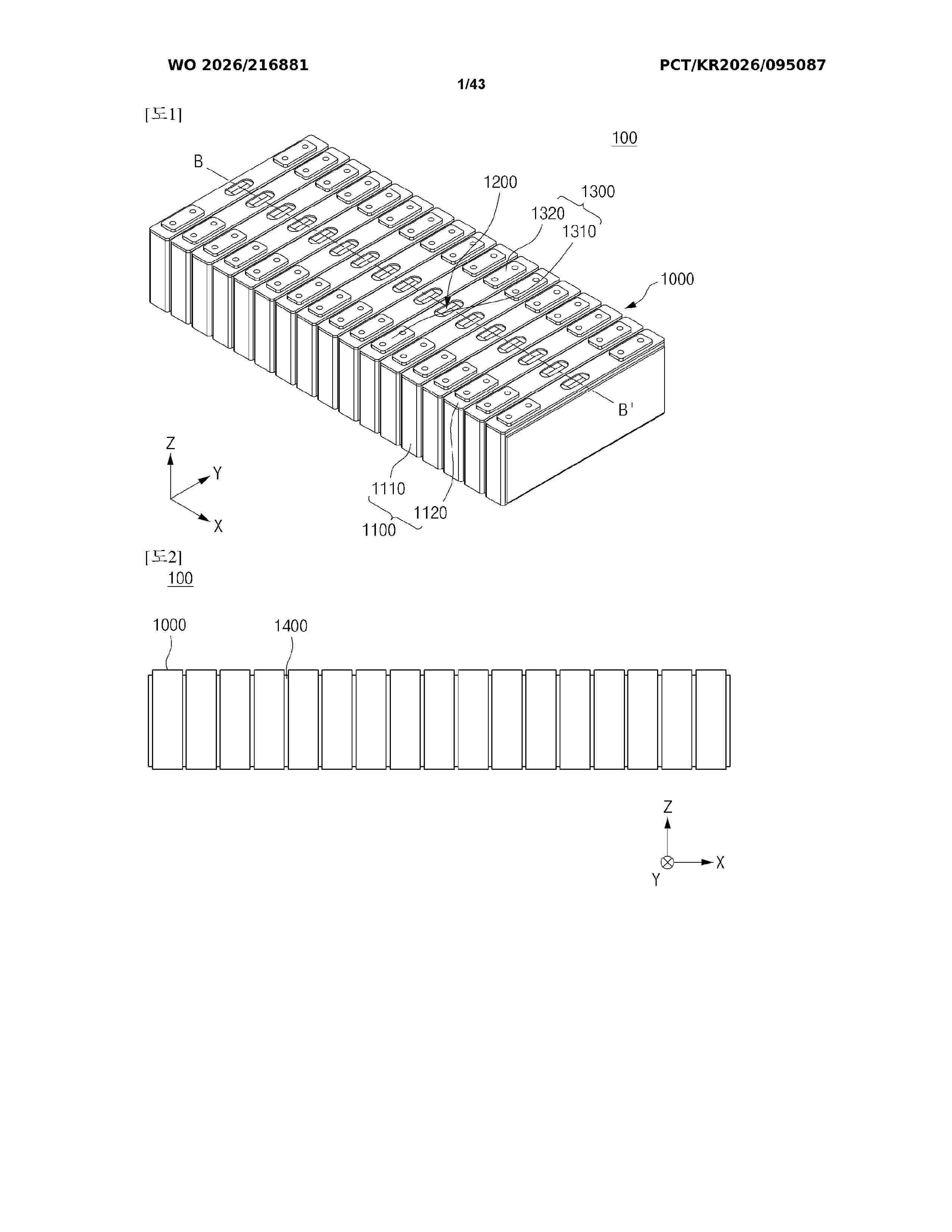
The disclosed cell stack comprises: a plurality of battery cells arranged in a first direction; a compression pad; and an insulation pad. Each of the compression pad and the insulation pad is disposed at least once between the plurality of battery cells.
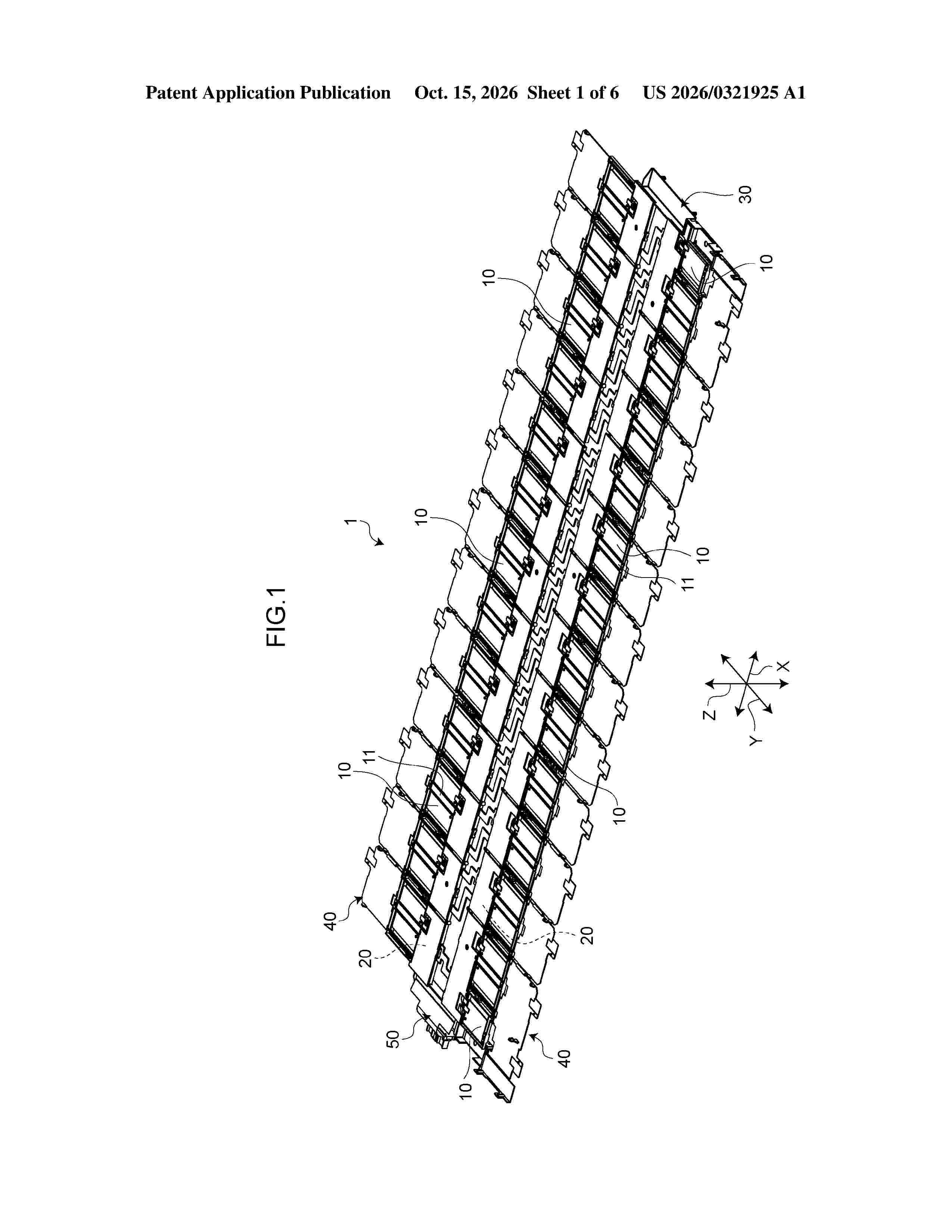
Resumen de: US20260321925A1
A conductive module includes a busbar and a flat wiring material having flexibility and electrically connected to the busbar. The flat wiring material has a trunk portion extending along an extension direction of a battery module and a branch portion protruding from an end of the trunk portion in a width direction intersecting the extension direction, and electrically connected to the busbar. The branch portion has a plurality of first sections spaced apart from each other along the width direction and extending along the extension direction, and a curved second section connecting the first sections to each other along the width direction. The branch portion has a folded shape expandable and contractible along the width direction.
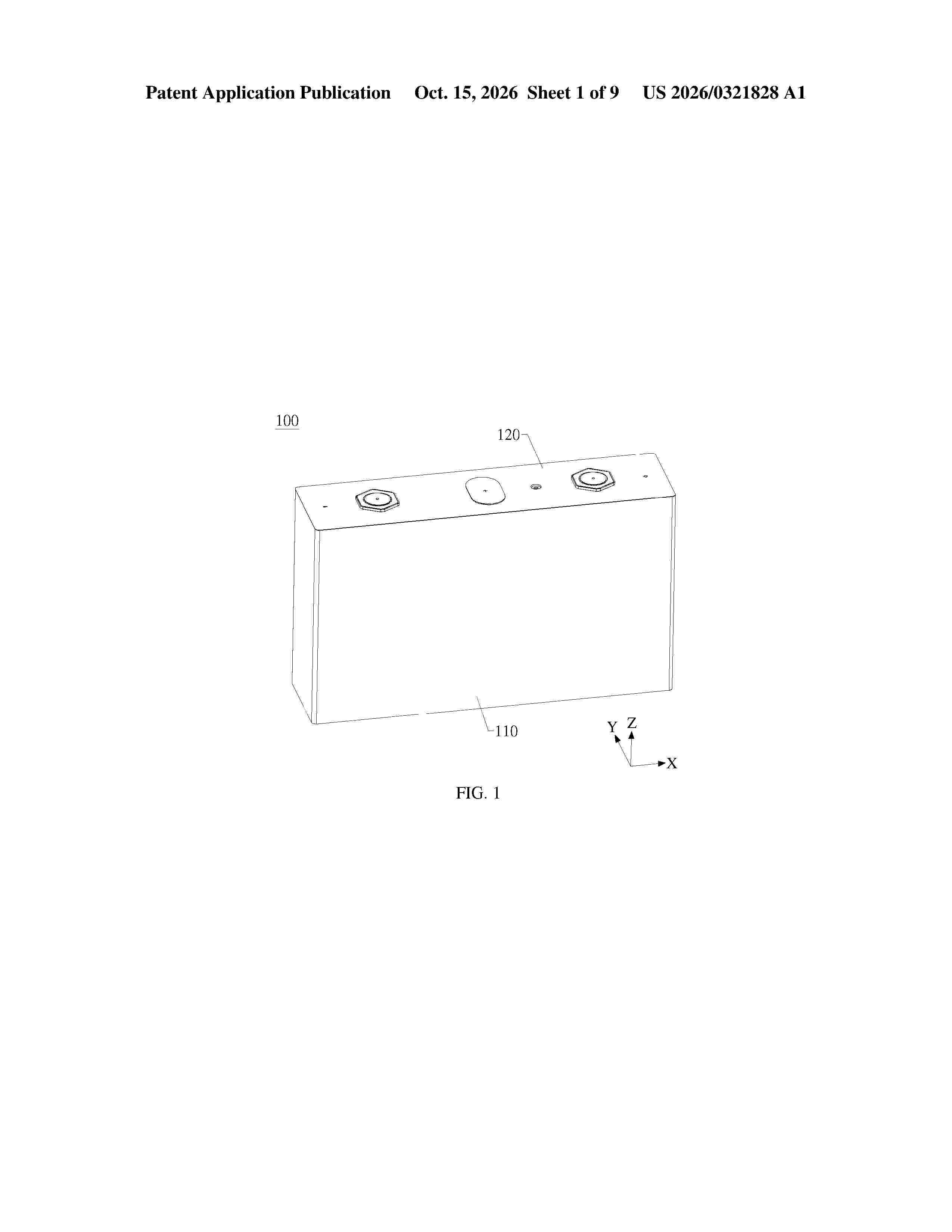
Resumen de: US20260321828A1
0000 Provided are an end cover assembly, an energy-storage apparatus, and a power-consuming device. A second mounting hole of an upper insulating member is in communication with a first mounting hole of an end cover. A first mounting recess surrounds the second mounting hole. A press ring is mounted in the first mounting recess, and a first surface of the press ring and a bottom wall surface of the first mounting recess cooperatively define a first exhaust passage. A distance between a second end and a first end of the first exhaust passage is less than or equal to a length of the first exhaust passage. A peripheral side surface of the press ring and a side wall surface of the first mounting recess cooperatively define a second exhaust passage. A third mounting hole of the press ring is in communication with the second mounting hole and the first end.
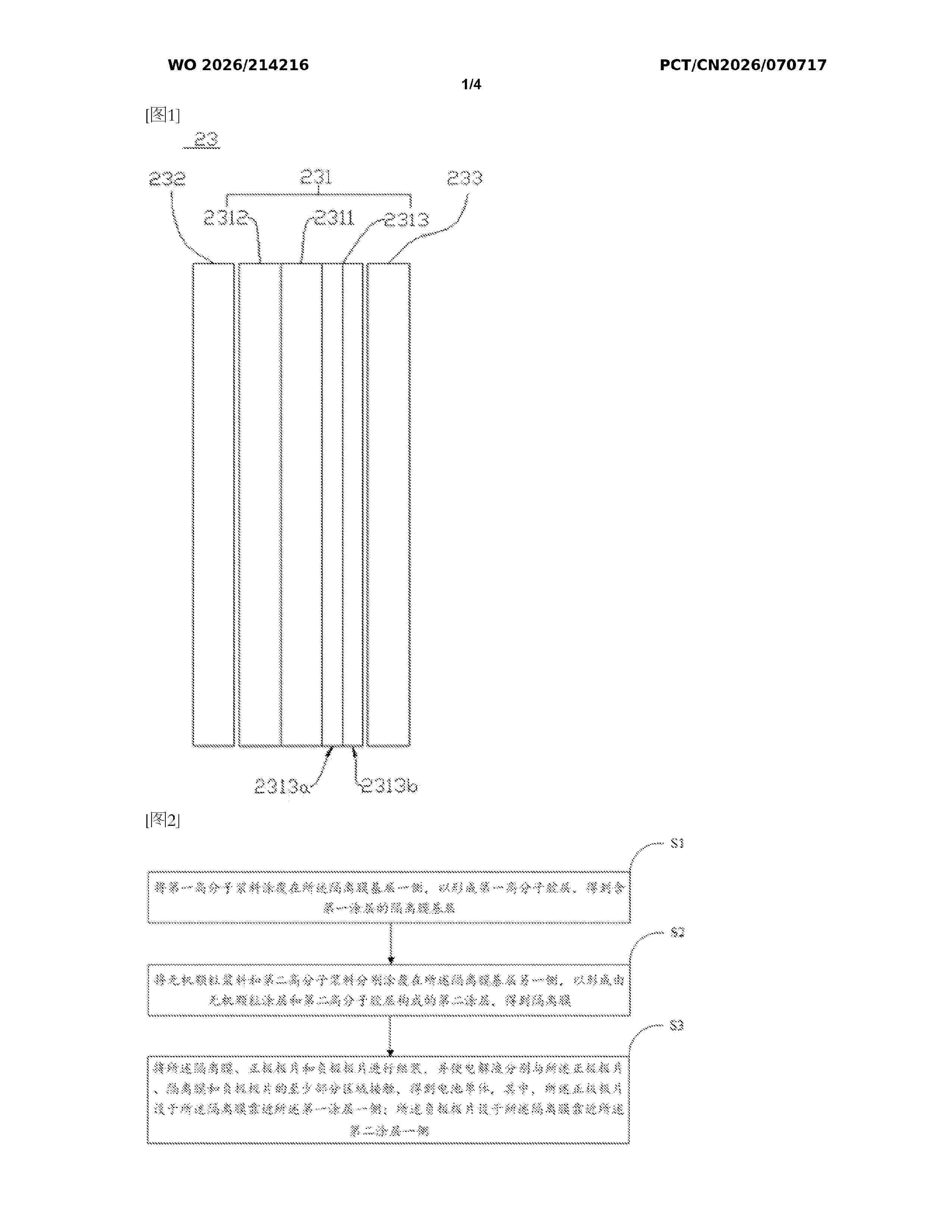
Resumen de: WO2026214216A1
A battery cell and a preparation method therefor, a secondary battery, and an electric device, relating to the technical field of secondary batteries. By controlling a second coating to comprise a second polymer adhesive layer and an inorganic particle coating, interlayer bonding can be achieved well in a composite layer, and compared with a first coating, due to the provision of the inorganic particle coating, an uneven morphology can also be formed on the surface of the second coating, a good electrolyte wicking channel can be formed between the second coating and a negative electrode sheet, such that the electrolyte absorption rate on a negative electrode side is greater than the electrolyte absorption rate on a positive electrode side, the requirements of the negative electrode sheet and a positive electrode sheet on an electrolyte can be satisfied, and the electrolyte can quickly wick up through the gap between the second coating and the negative electrode sheet to supplement the electrolyte on the negative electrode side, so that the electrolyte can be fully utilized, and cycle performance can be improved.
Resumen de: KR20260150548A
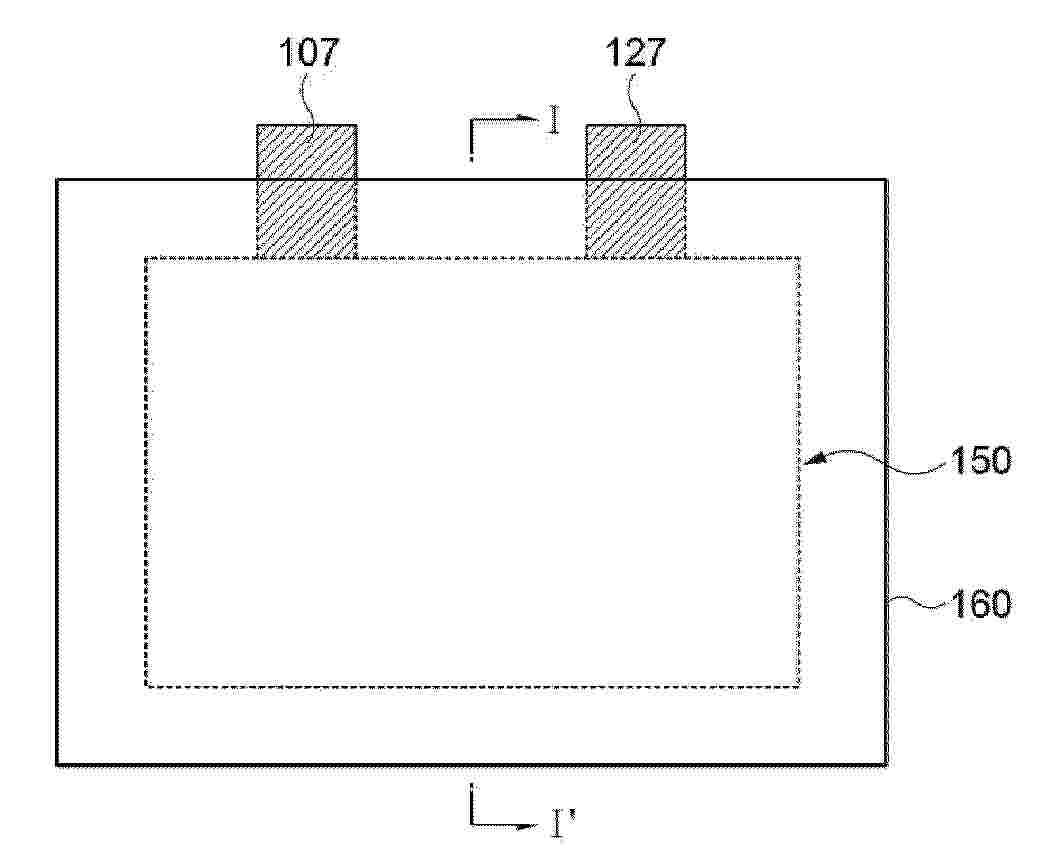
0001a 파우치형 이차전지 및 이의 제조방법에 관한 것으로, 전극조립체 본체, 및 상기 전극조립체 본체의 적어도 일측에 형성된 한 쌍의 탭 다발을 포함하는 전극조립체; 및 상기 전극조립체를 수납하도록 서로 마주 보면서 위치하는 제1 케이스와 제2 케이스를 구성하는 전지 케이스;를 포함하는 파우치형 이차전지에서, 상기 탭 다발을 통과하도록 상기 전극조립체와 상기 전지 케이스의 길이 방향 및 상기 탭 다발의 두께 방향을 따라 절단할 시, 탭 다발의 단면적은 공간부 전체 단면적의 80%를 초과하는 것을 특징으로 하는 파우치형 이차전지 및 이의 제조방법에 관한 것이다.
Resumen de: KR20260150345A
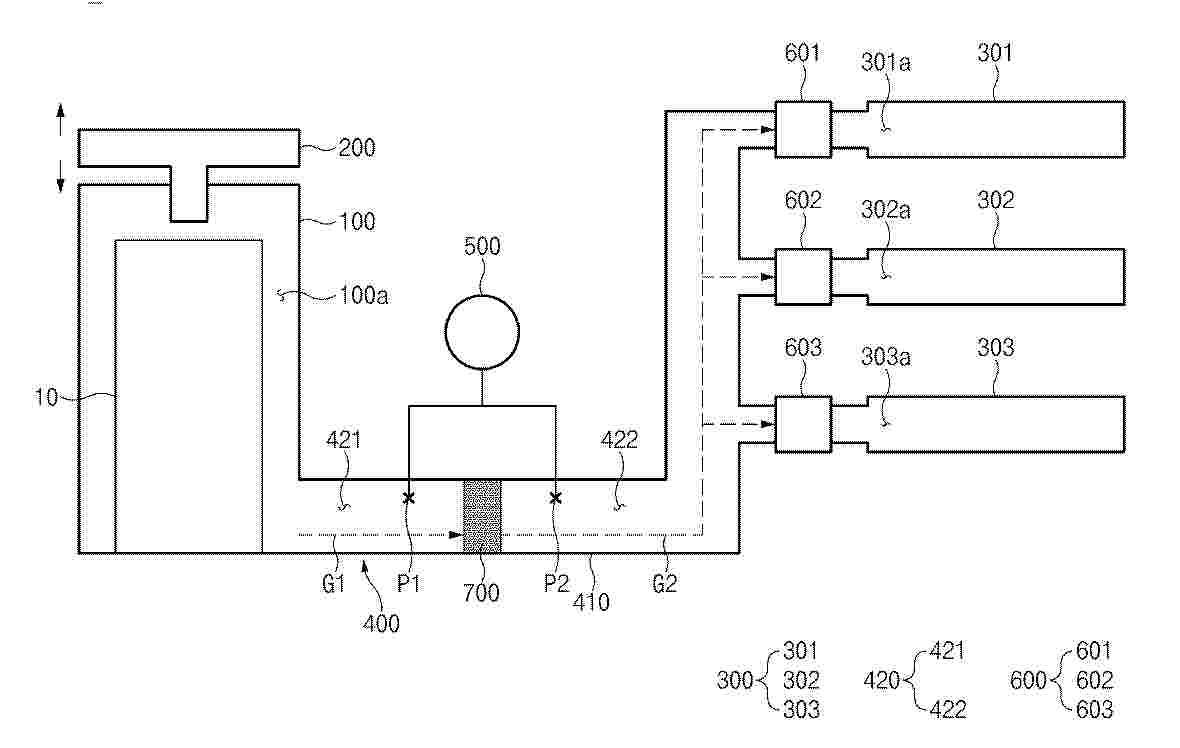
본 발명은 가스 포집 장치 및 방법에 관한 것으로서, 보다 구체적으로, 이차전지에서 발생하는 가스를 가스 포집부로 전달하는 연결 유로의 서로 다른 지점의 가스 압력을 측정하고, 양 압력의 동일 여부를 비교함으로써 연결 유로에 가스가 차 있는 정도를 판단할 수 있고, 그에 따라 가스 포집부의 개방 시점을 조절하여 가스를 원활하게 포집할 수 있는 가스 포집 장치 및 방법에 관한 것이다.
Resumen de: KR20260150195A
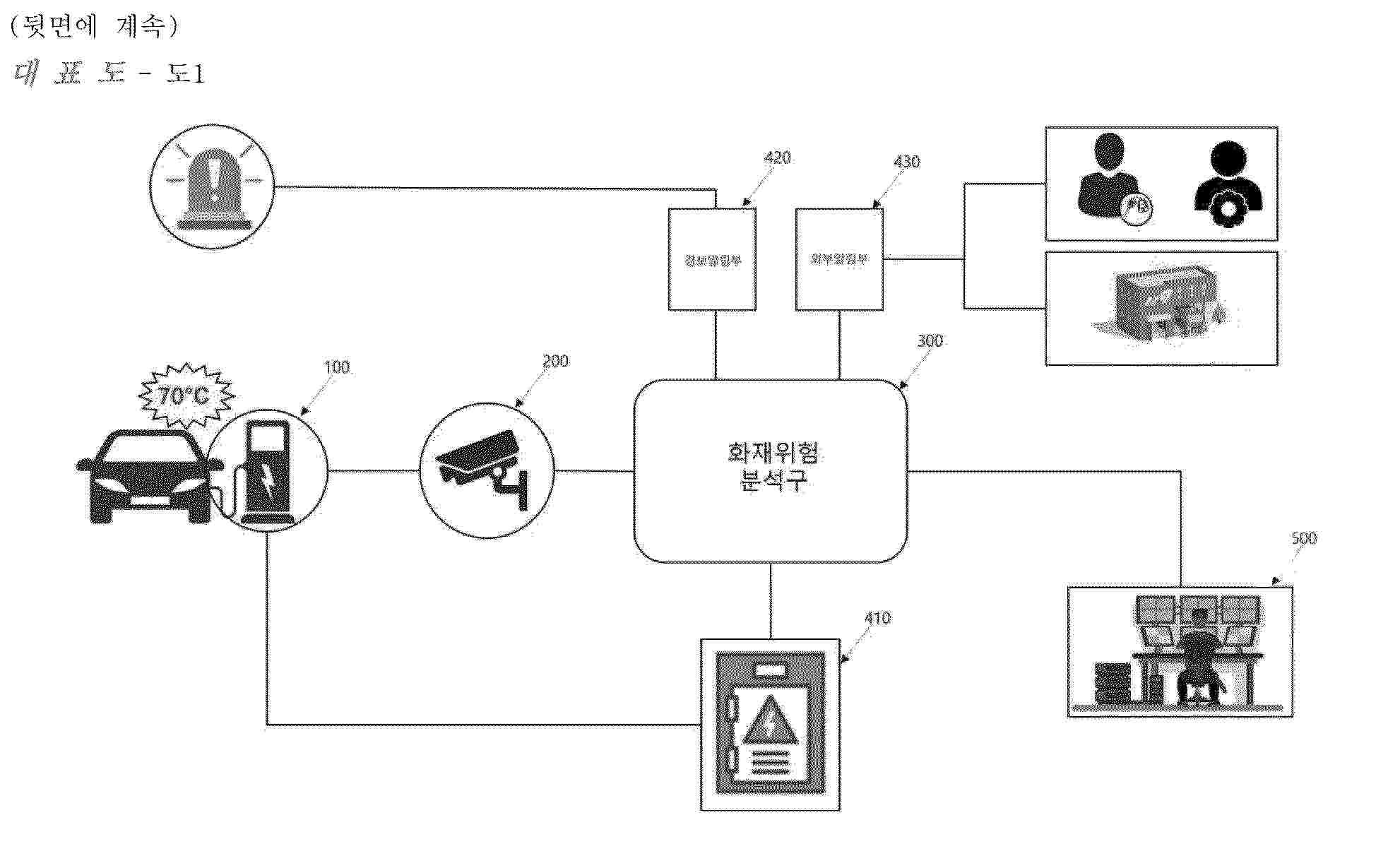
0001a 본 발명은 전기차 충전소에서 화재발생을 사전에 감지하여 화재를 예방하는 시스템에 있어서, 전기차 충전소의 화재감지시스템에서 화재가 발생해야만 이를 인식하고 대응하여 신속한 대응이 어려웠던 문제점을 해결하여 화재가 발생전에 이상징후를 인식하고 화재발생을 예방하는 것을 목적으로 하는 발명이다. 즉, 전기차 전기를 충전하는 전기충전부와 전기충전부를 촬영하며 적외선을 가시화시켜 온도감지하는 열화상카메라부, 열화상카메라부로 수집된 온도데이터를 분석하여 열폭주 온도인 70도 이상에서 화재징후와 화재발생을 감지하는 화재위험분석부, 화재위험분석부로 화재징후가 발생하면 열폭주 온도인 70도에서 전기충전부의 전기충전을 차단하는 충전차단부, 화재위험분석부로 화재징후가 발생하면 충전소에 소리적수단 및 시각적수단으로 충전소에 경보를 알리는 경보알림부 및 화재위험분석부로 화재징후 및 화재발생을 인식하면 경보를 차량소유자와 충전소관리자 및 소방서에 통보하여 알리는 외부알림부를 구성하여 열화상카메라부를 이용하여 전기차 충전시에 발생하는 온도변화를 감지하고 분석하여 화재징후가 발생하면 충전차단부로 충전을 차단하고 경보하며 화재가 발생하기 전에 화재
Resumen de: KR20260150578A
본 개시의 예시적인 실시예들에 따른 리튬 이차 전지용 양극 활물질은 대립자들 및 상기 대립자들보다 평균 입경(D50)이 작은 소립자들을 포함한다. 상기 대립자들의 구형도(circularity)의 평균은 0.95 이상, 및 1 미만이다. 상기 대립자들의 구형도의 평균(CL)에 대한 소립자들의 구형도의 평균(CS)의 비(CS/CL)는 0.90 내지 0.99이다. 상기 대립자들의 구형도의 상대 표준편차(relative standard deviation)는 1 내지 5이다.
Resumen de: US20260321766A1
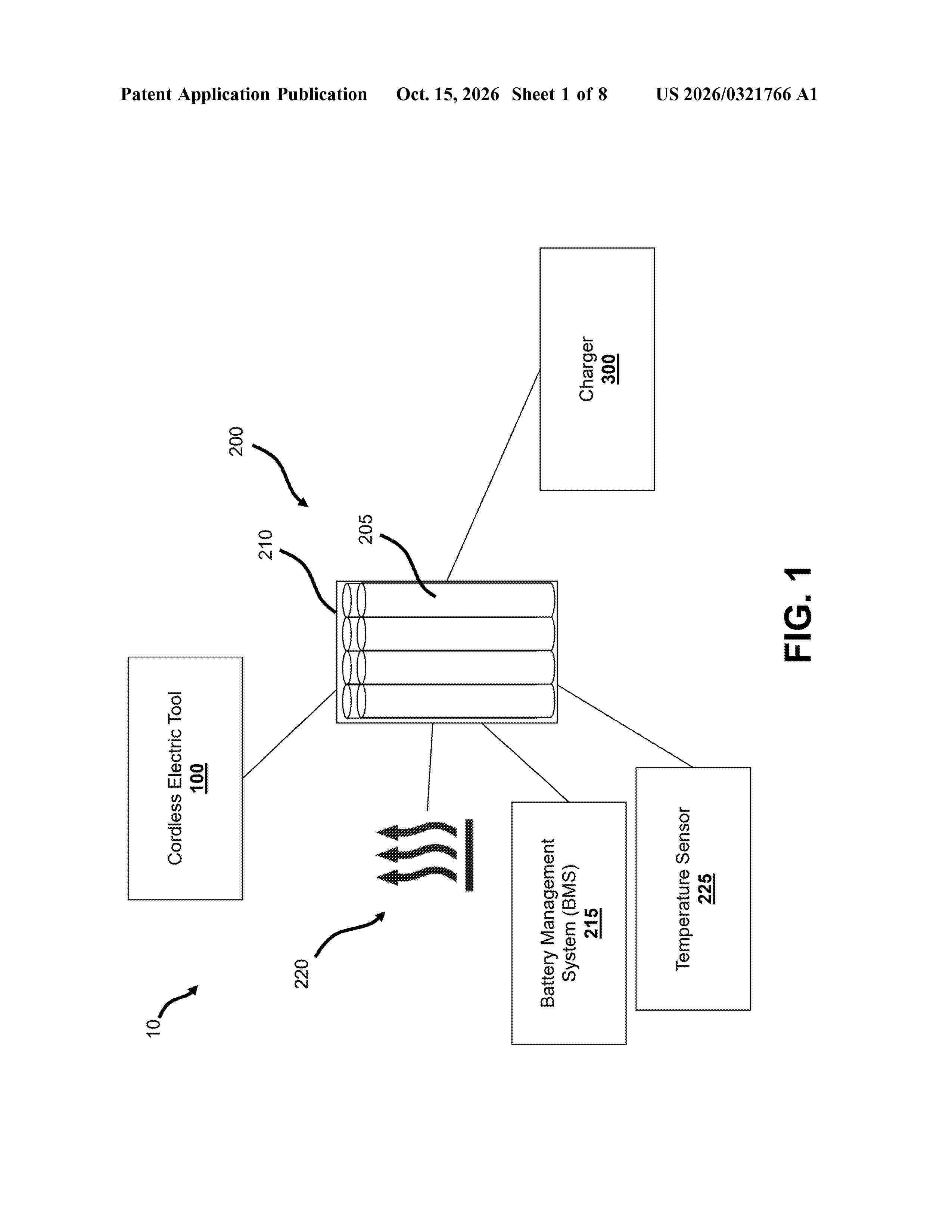
The present disclosure is directed to a heating system for a battery assembly configured to power a cordless electric tool. In some embodiments, the heating system includes a temperature sensor configured to output one or more signals corresponding to a temperature of one or more cells of the battery assembly, a heater configured to heat the one or more cells, and a battery management system configured to determine the temperature of the one or more cells. In some embodiments, the one or more cells are configured to power the heater. In some embodiments, the battery management system is configured to activate the heater when the temperature of the one or more cells is less than a temperature threshold.
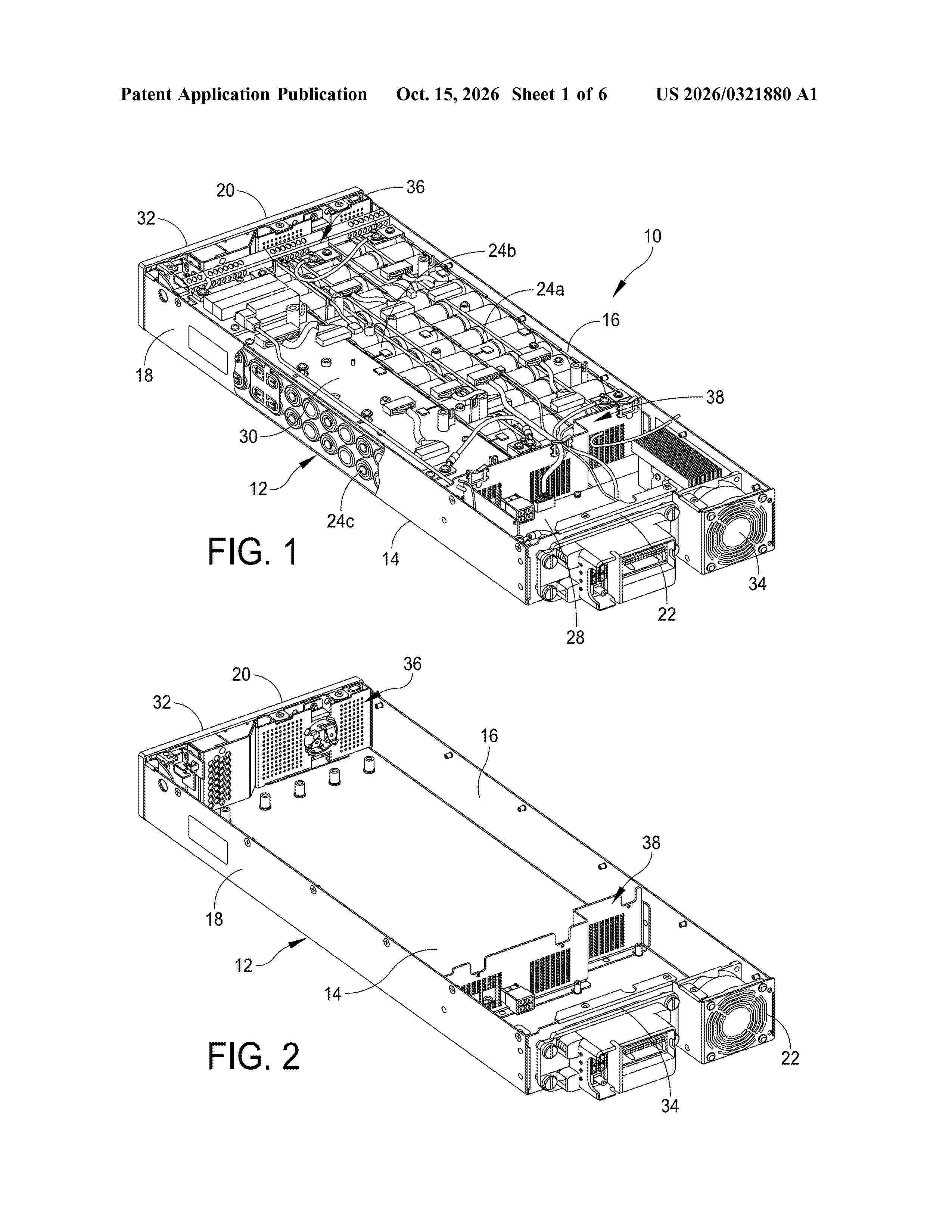
Resumen de: US20260321880A1
A battery pack includes an enclosure, a heat-source component disposed in the enclosure, and a flame-barrier plate coupled to the enclosure. The flame-barrier plate is configured to be in an open position or a closed position. The battery pack further includes an actuator configured to support the flame-barrier plate in the open position. The flame-barrier plate is configured to transition to the closed position when support from the actuator is removed. The battery pack further includes a sensor and a controller configured to receive a thermal-runaway signal from the sensor, and control the actuator to remove support from the flame-barrier plate in response to receiving the thermal-runaway signal.
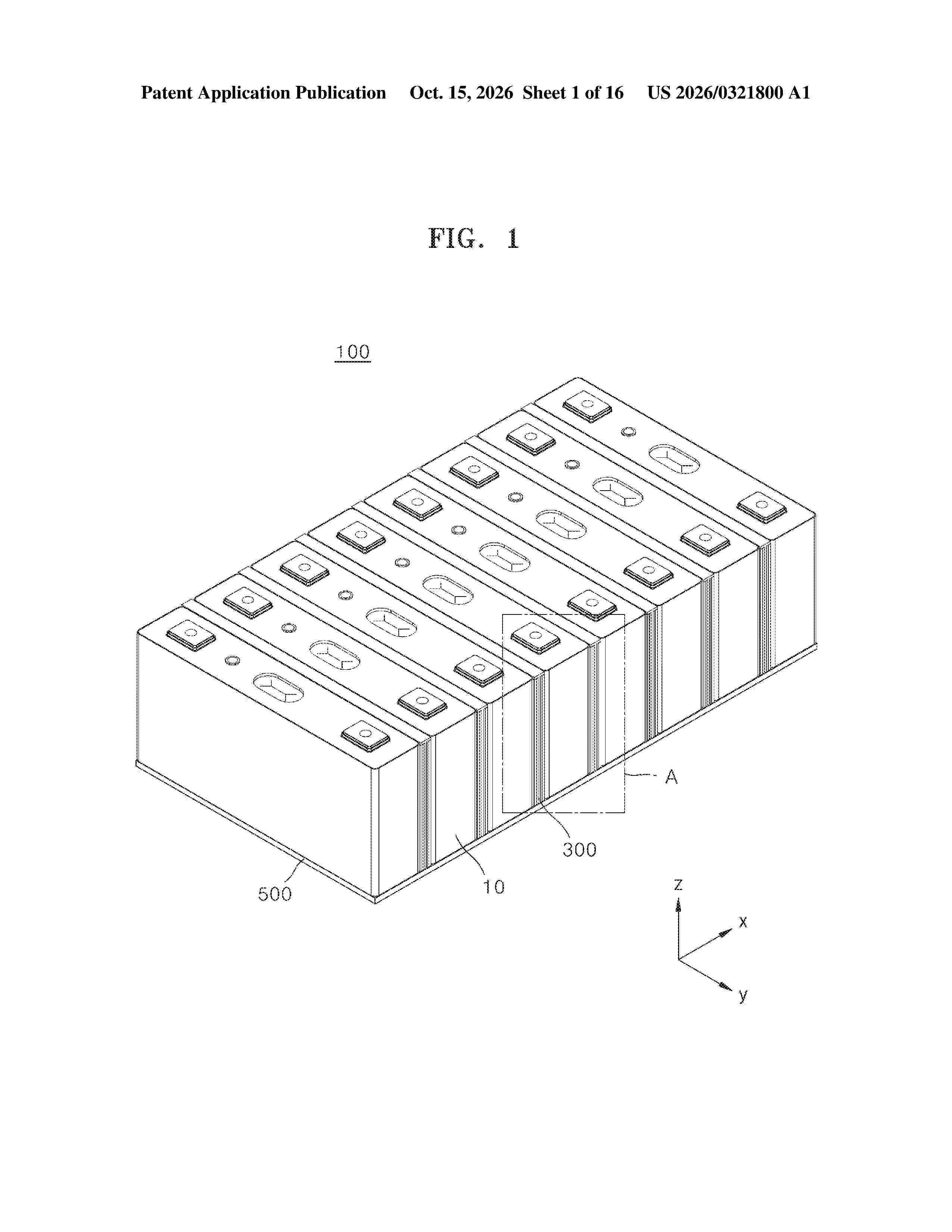
Resumen de: US20260321800A1
0000 A battery module includes a plurality of battery cells; insulation sheets positioned between the plurality of battery cells; and a cooling plate positioned on one side of the plurality of battery cells, wherein each of the insulation sheets includes: a pin-shaped flame retardant sheet including a center portion positioned at the center of the insulation sheet and an extension portion extending in a direction intersecting with a height direction of the center portion from the center portion; a pair of first thermal insulation sheets respectively positioned on opposite sides of the center portion of the flame retardant sheet; and a pair of second thermal insulation sheets respectively positioned on outer sides of the pair of first thermal insulation sheets.
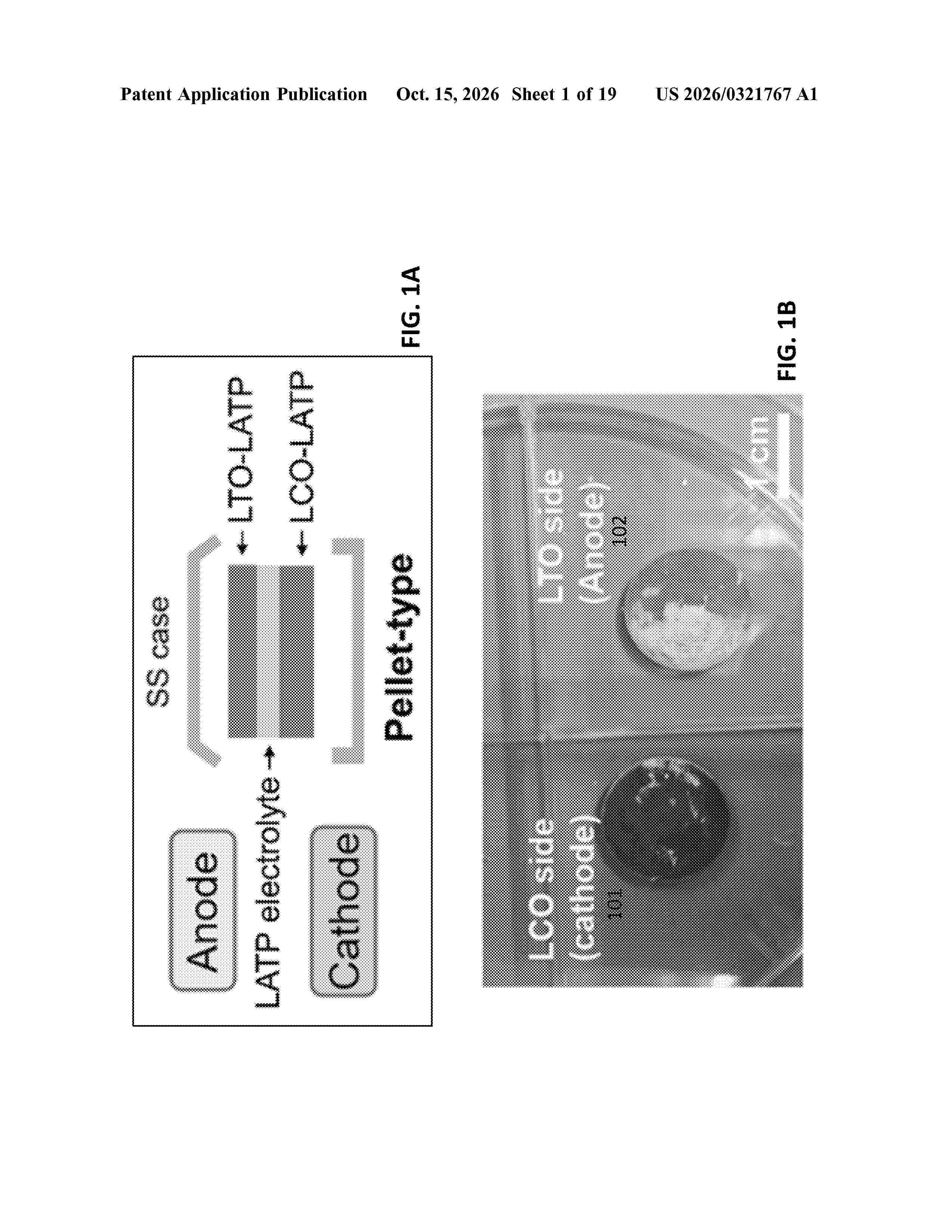
Resumen de: US20260321767A1
Methods and systems for regeneration of solid-state batteries, and more particularly, methods and systems for in-situ regeneration of oxide-based solid-state batteries by rapid annealing.
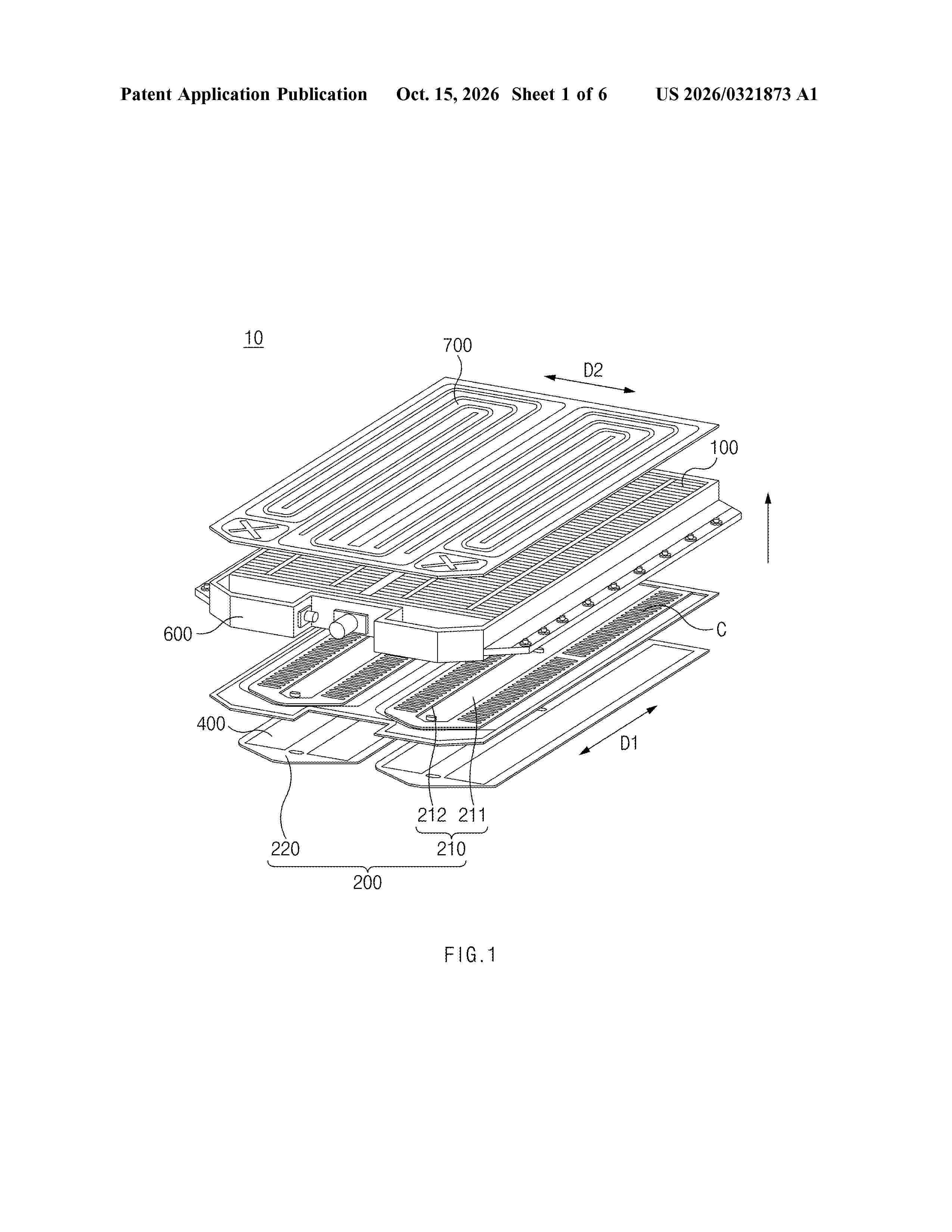
Resumen de: US20260321873A1
A battery pack including a plurality of batteries includes a plurality of batteries comprising electrodes and separators, the plurality of batteries arranged along a forward/rearward direction; and a lower cover part disposed below the plurality of batteries, wherein each of the plurality of batteries comprises an upper surface and a lower surface disposed opposite each other in an upward/downward direction, wherein the lower surface of each of the plurality of batteries comprises a vent hole, wherein the lower cover part comprises a first region facing the vent hole in the upward/downward direction, and wherein the first region of the lower cover part comprises a passageway space in gas communication with the vent hole.
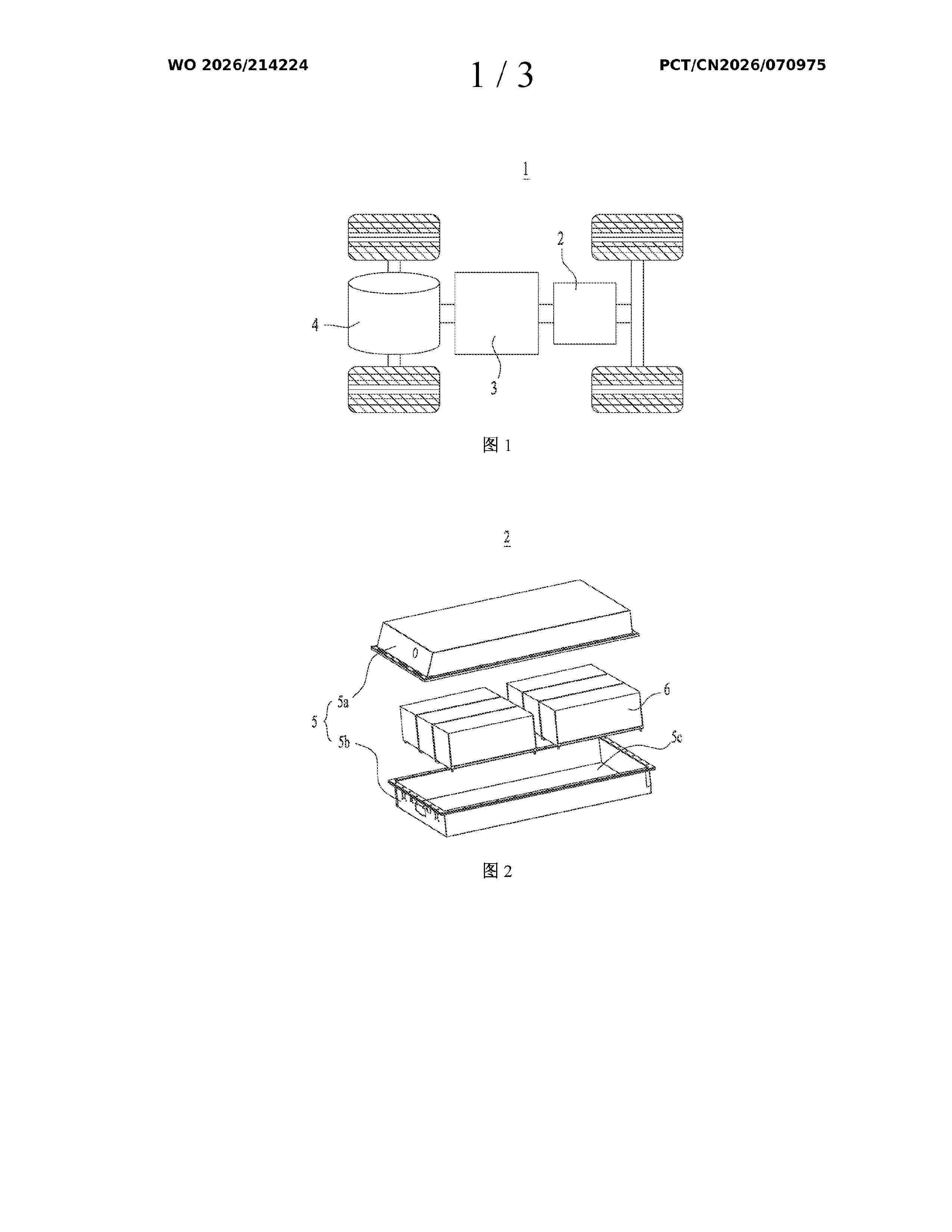
Resumen de: WO2026214224A1
A solid-state electrolyte and a preparation method therefor, a solid-state battery cell, a battery device and an electric device. The solid-state battery cell comprises a positive electrode sheet, a negative electrode sheet and a solid-state electrolyte membrane. The solid-state electrolyte membrane is located between the positive electrode sheet and the negative electrode sheet, and comprises a solid-state electrolyte. The general formula of the solid-state electrolyte is A3-(m-5)α-γSb1-αMαS4-β-γXβYγ, wherein A is Li or Na; M comprises one or more of cations having a valence of +m, and m is 6 or 7; X comprises one or more of anionic elements having a valence of -2, Y comprises one or more of anionic elements having a valence of -1, and the standard oxidation potentials of X ions and Y ions are greater than the standard oxidation potential of S2-; and 0<α<1, 0≤β, 0≤γ, 0<β+γ<4, and 0<α+γ<3. The solid-state battery cell exhibits improved cycle performance.
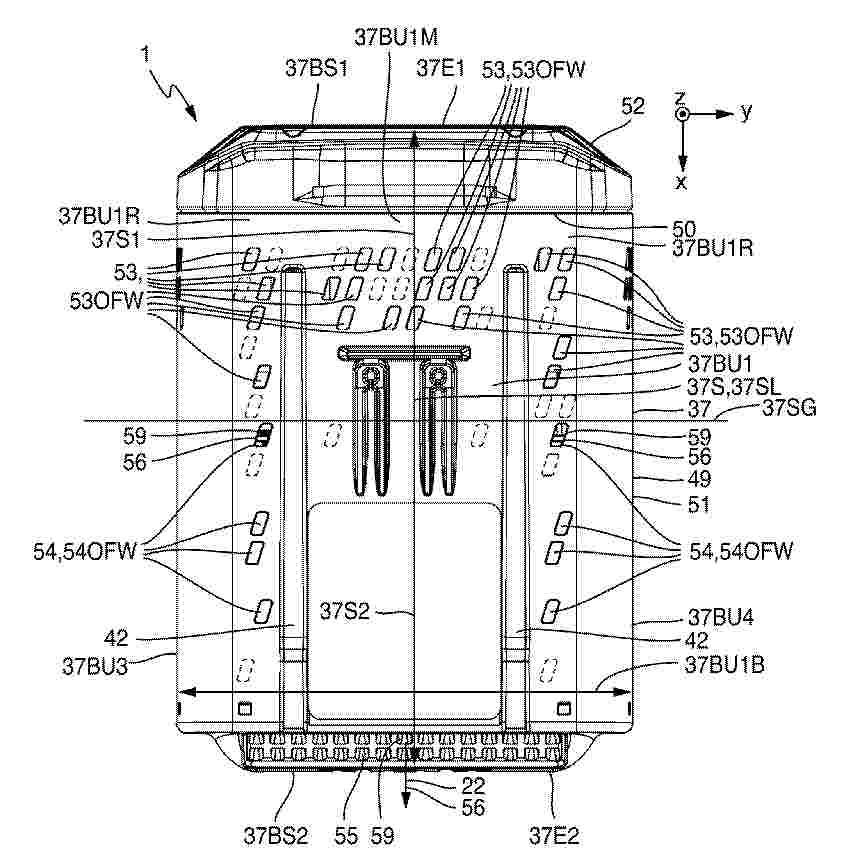
Resumen de: DE102025114369A1
Die Erfindung bezieht sich auf einen Akkupack (1) zur Versorgung eines elektrisch angetriebenen Bearbeitungsgeräts (2) mit elektrischer Antriebsleistung (AL),- wobei der Akkupack (1) Akkumulatorzellen (7) und ein blockförmiges, insbesondere quaderförmiges, Packgehäuse (37) aufweist,- wobei in dem Packgehäuse (37) die Akkumulatorzellen (7) räumlich angeordnet sind, und- wobei das Packgehäuse (37) auf mindestens einer ersten Gehäuseumfangsseite (37BU1) entlang einer ersten Hälfte (37S1) einer Strecke (37S) erste Lufteinlassöffnungen (53) und entlang einer zweiten Hälfte (37S2) der Strecke (37S) zweite Lufteinlassöffnungen (54) und auf, insbesondere genau, einer zweiten Gehäusestirnseite (37BS2) Luftauslassöffnungen (55) für eine Luftströmung (56) in dem Packgehäuse (37) von den ersten Lufteinlassöffnungen (53) und den zweiten Lufteinlassöffnungen (54) jeweils an den Akkumulatorzellen (7) vorbei zu den Luftauslassöffnungen (55) für eine Luftkühlung der Akkumulatorzellen (7) aufweist,- wobei die Strecke (37S) von einem ersten Ende (37E1) der Gehäuseumfangsseite (37BU1), die an eine erste Gehäusestirnseite (37BS1) des Packgehäuses (37) grenzt, zu einem zweiten Ende (37E2) der Gehäuseumfangsseite (37BU1) ist, die an die zweite Gehäusestirnseite (37BS2) des Packgehäuses (37) grenzt, wobei die zweite Gehäusestirnseite (37BS2) der ersten Gehäusestirnseite (37BU1) gegenüber liegt,- wobei die erste Hälfte (37S1) an die erste Gehäusestirnseite (37BS1) gre
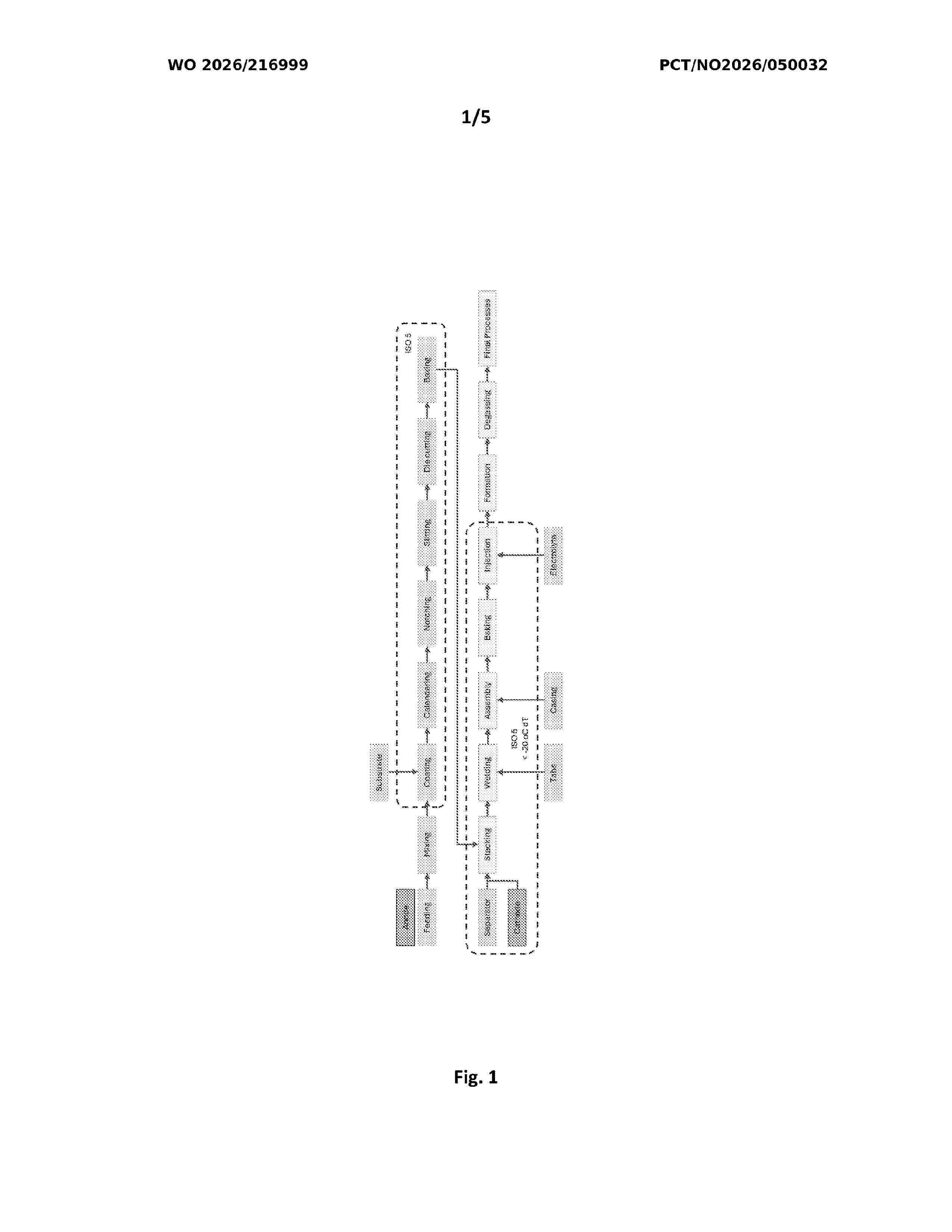
Resumen de: WO2026216999A1
There is disclosed an electrochemical cell including an anode a cathode, wherein the anode is a metallic lithium anode including hard carbon as an active material, wherein the electrochemical cell balance is less than 1, the electrochemical cell balance being defined as the ratio of the capacity of the anode to the capacity of the cathode There is also disclosed a method of preparing an electrochemical cell according to the invention.
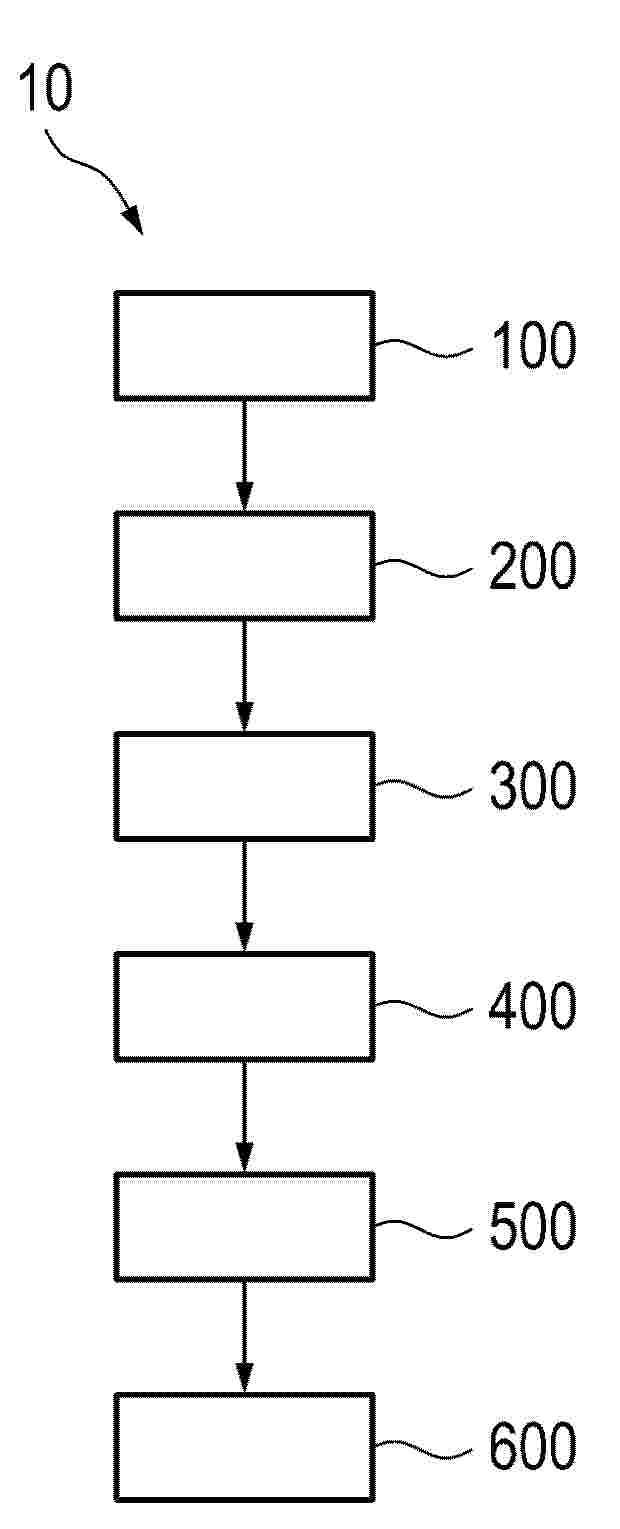
Resumen de: DE102025113900A1
Nachfolgende Ausführungen betreffen ein Verfahren zur Detektion von Polarisationseffekten in einer elektrischen Speichereinheit zum Speichern und Bereitstellen elektrischer Energie, insbesondere in einem Elektrofahrzeug, die folgenden Schritte aufweisend: Erfassen (100) der Kapazität und des Energiedurchsatzes der Speichereinheit mittels mindestens einer Sensoreinheit und Bereitstellen (200) der erfassten Daten; Berechnen (300) des Kapazitätsverlustes pro Energiedurchsatz und der verstrichenen Zeit pro Energiedurchsatz anhand der erfassten Daten mittels einer Auswerteeinheit; Ermitteln (400) lokaler Extremstellen, insbesondere lokaler Minima und Maxima, anhand des berechneten Kapazitätsverlustes pro Energiedurchsatz und der verstrichenen Zeit pro Energiedurchsatz mittels der Auswerteeinheit; Auswerten (500) der Korrelation zwischen Kapazitätsverlust und verstrichener Zeit pro Energiedurchsatz mittels der Auswerteeinheit; Erstellen (600) einer Diagnose und/oder Prognose des Polarisationszustands der Speichereinheit anhand der durchgeführten Auswertung.
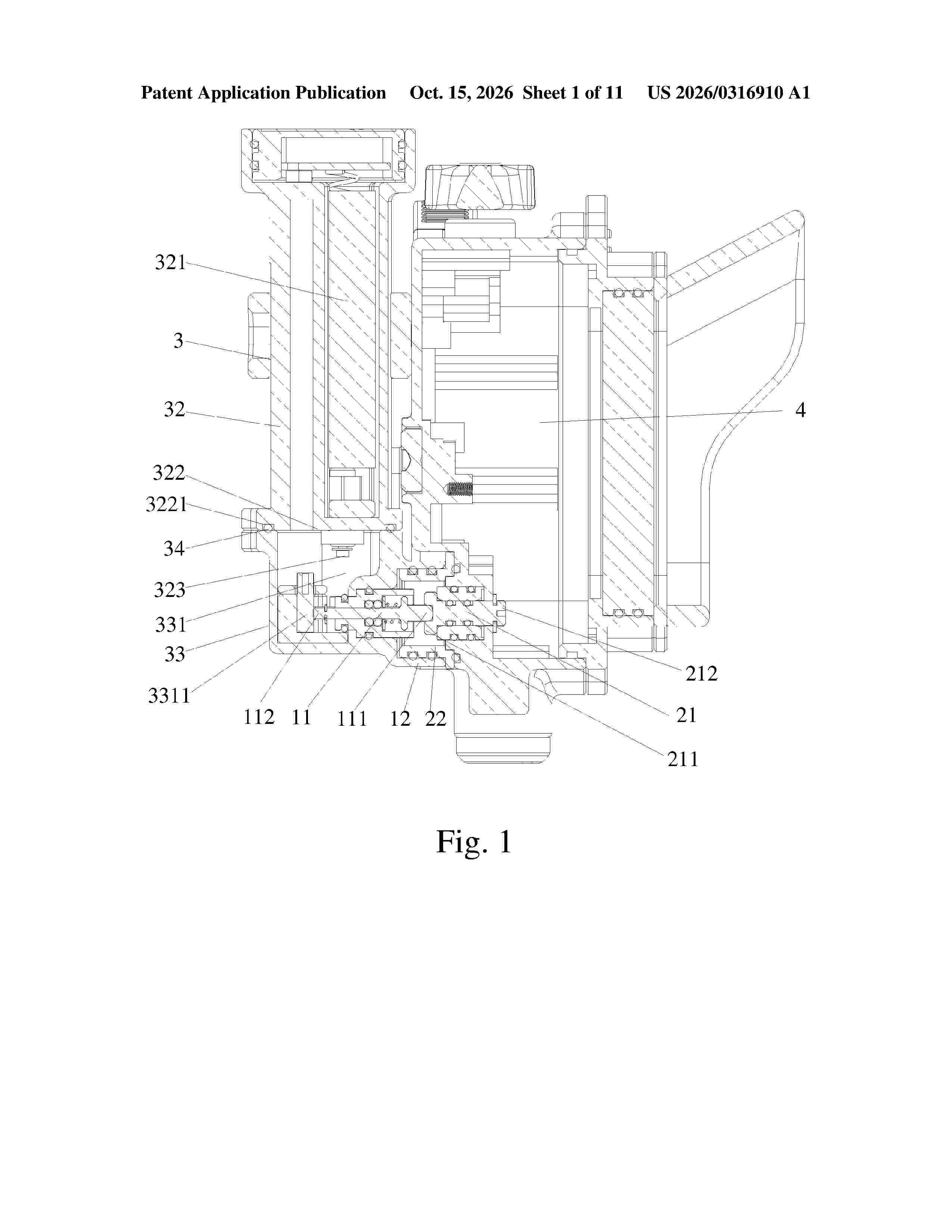
Nº publicación: US20260316910A1 15/10/2026
Solicitante:
DONGGUAN MILES PREC MANUFACTURING CO LTD [CN]
Dongguan Miles Precision Manufacturing Co., Ltd.
Resumen de: US20260316910A1
0000 An underwater apparatus with a detachable battery compartment includes: a battery compartment mechanism; a functional apparatus; a first connecting base fixed on the battery compartment mechanism and electrically connected to the battery compartment mechanism; a second connecting base fixed on the functional apparatus and electrically connected to the functional apparatus; and a locking mechanism, wherein the battery compartment mechanism is detachably provided outside the functional apparatus via the locking mechanism, and the first connecting base and the second connecting base are detachably electrically connected. In the present application, the battery compartment mechanism is independently provided outside the functional apparatus, and when the two are assembled, the physical connection is completed by the locking mechanism, and the electrical connection is completed by the cooperation of the first connecting base and the second connecting base, so that the battery compartment mechanism can stably supply power to the functional apparatus.
 BOPI
BOPI
 Sede Electrónica