Si deseas distinguir tus productos, servicios o ambos de los de otra empresa, es posible que necesites una marca o nombre comercial. Descubre qué son, en qué consiste su procedimiento de registro y qué implica.

Información sobre los plazos de presentación de solicitudes de transformación de marcas de la Unión Europea en marca nacional española. Más información


Si tienes un nuevo dispositivo, producto o procedimiento que resuelva un problema técnico o tenga una ventaja práctica, existen distintas formas de protegerlo en España y en otros países. Descubre cómo hacerlo.

¿Tu innovación reside en la estética, la ornamentación o la apariencia de tu producto? Protégela mediante un diseño industrial. Descubre qué derechos confiere el registro y cómo realizar la tramitación.

Las indicaciones geográficas protegen el nombre de un producto originario de una zona geográfica, a la cual le debe una determinada calidad, reputación u otra característica. Descubre qué son, en qué consiste su procedimiento de registro y qué beneficios conceden.

Las patentes publicadas en todo el mundo son una valiosa fuente de información científica, técnica y comercial.

Si eres emprendedor/a o una empresa y quieres potenciar y mejorar la rentabilidad de tu negocio protegiendo de forma adecuada los activos intangibles de tu organización, en este espacio encontrarás lo necesario.


 277
resultados
277
resultados
 Última actualización
19/08/2026 [06:59:00]
Última actualización
19/08/2026 [06:59:00]


 Resultados 225 a 250 de 277

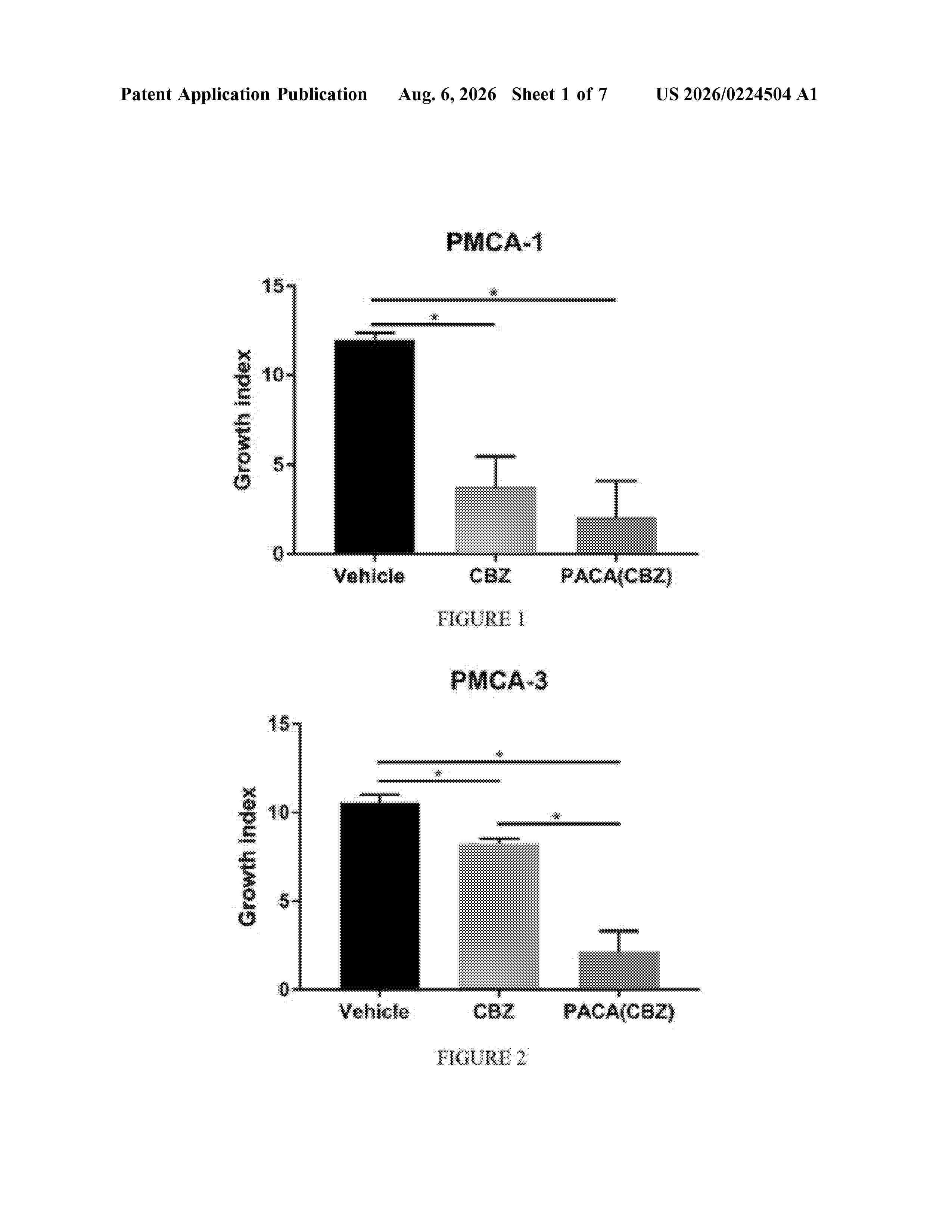
Resumen de: US20260224504A1
0000 Described herein is a hydrophobic anti-cancer drug encapsulated into poly (alkyl cyanoacrylate) nanoparticles and their use in cancer treatments by intracavitary rout of administration such as intraperitoneal administration.

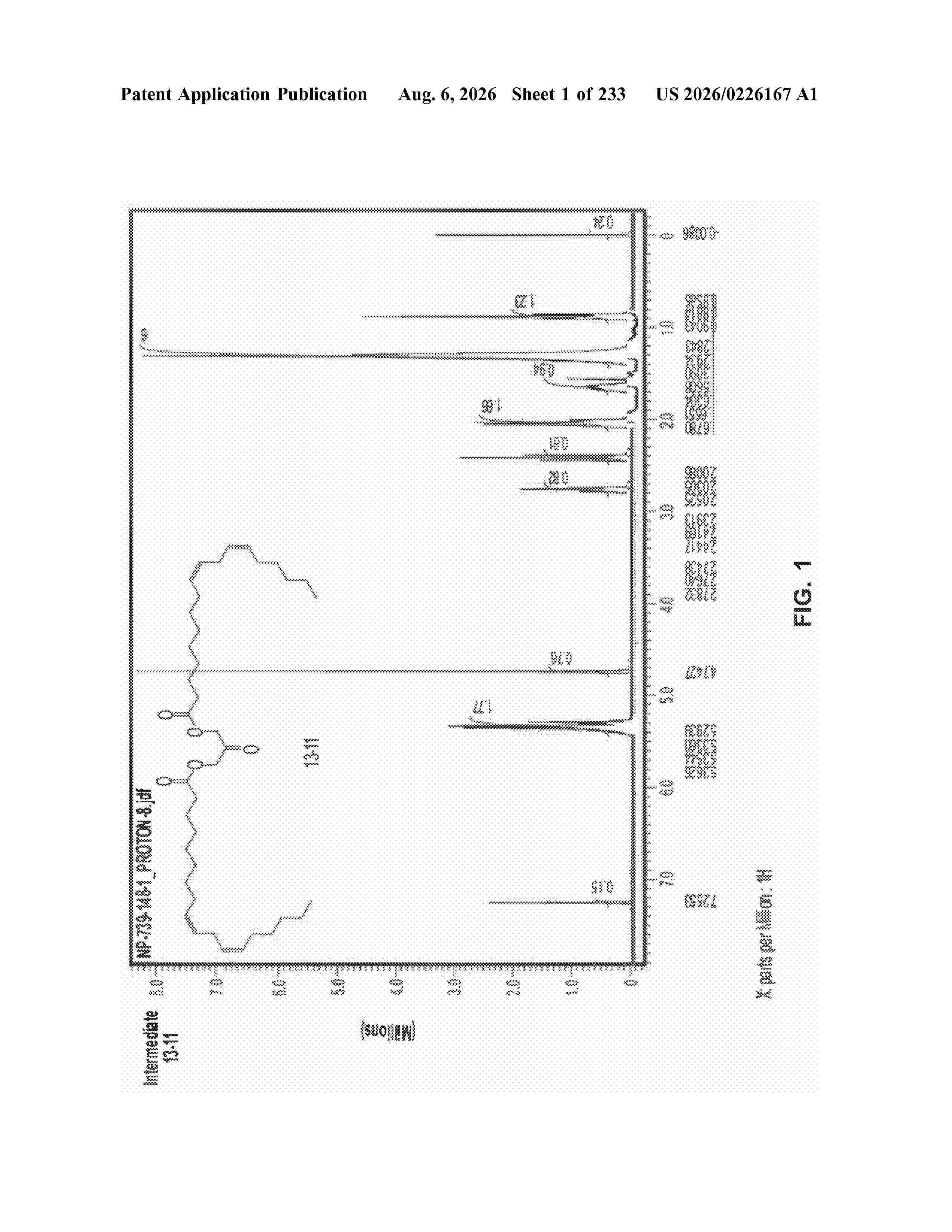
Resumen de: US20260226167A1
0000 The present disclosure relates generally to compositions and methods for in vivo gene therapy, and more specifically to delivering mRNA encoding anti-CD19 chimeric antigen receptors (CARs) to immune cells (e.g., T cells, such as CD8+ T cells) in vivo.
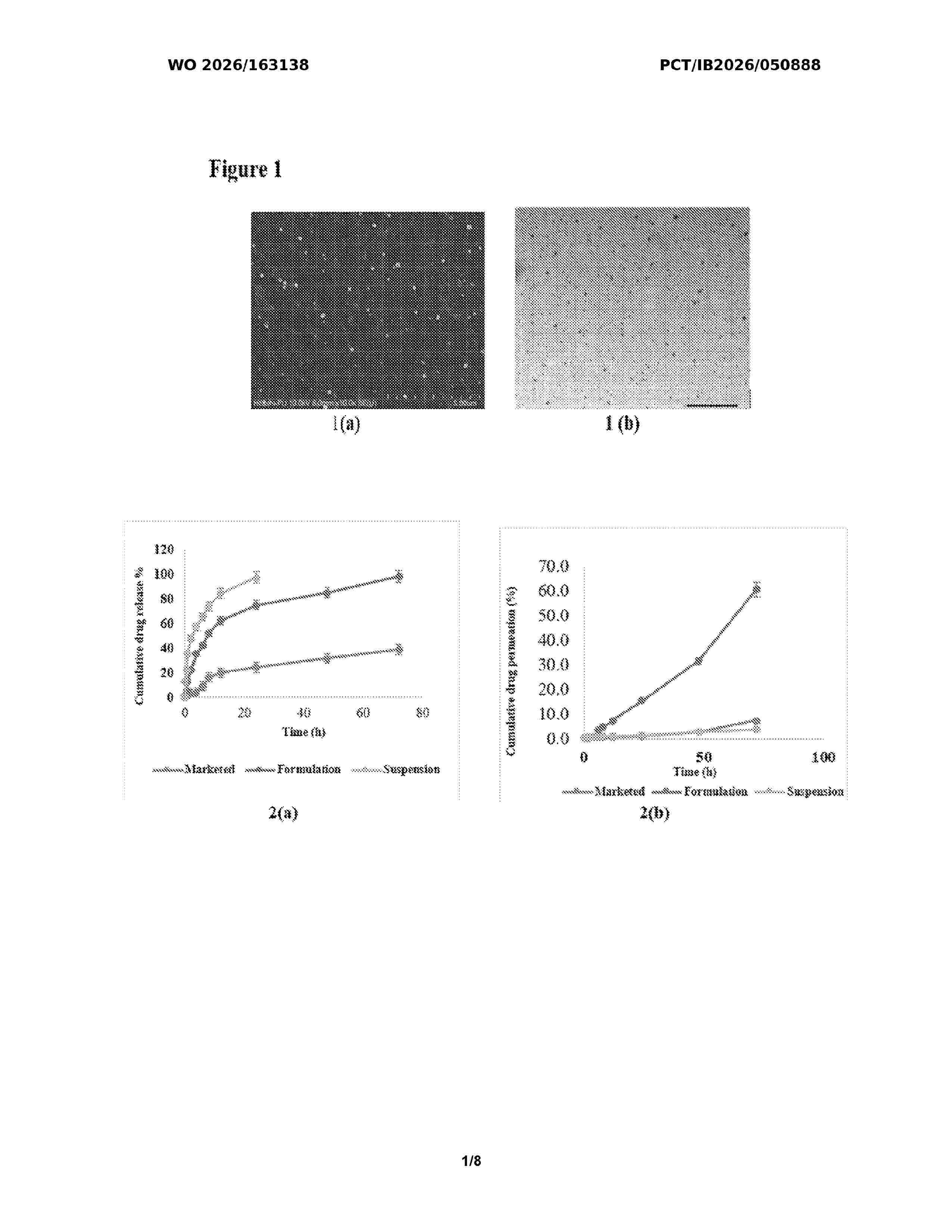
Resumen de: WO2026163138A1
The present invention provides very small sized (even as low as average particle size of 10- 50nm) and highly permeable mixed micelles for enhanced and controlled drug delivery including solubility and bioavailability.
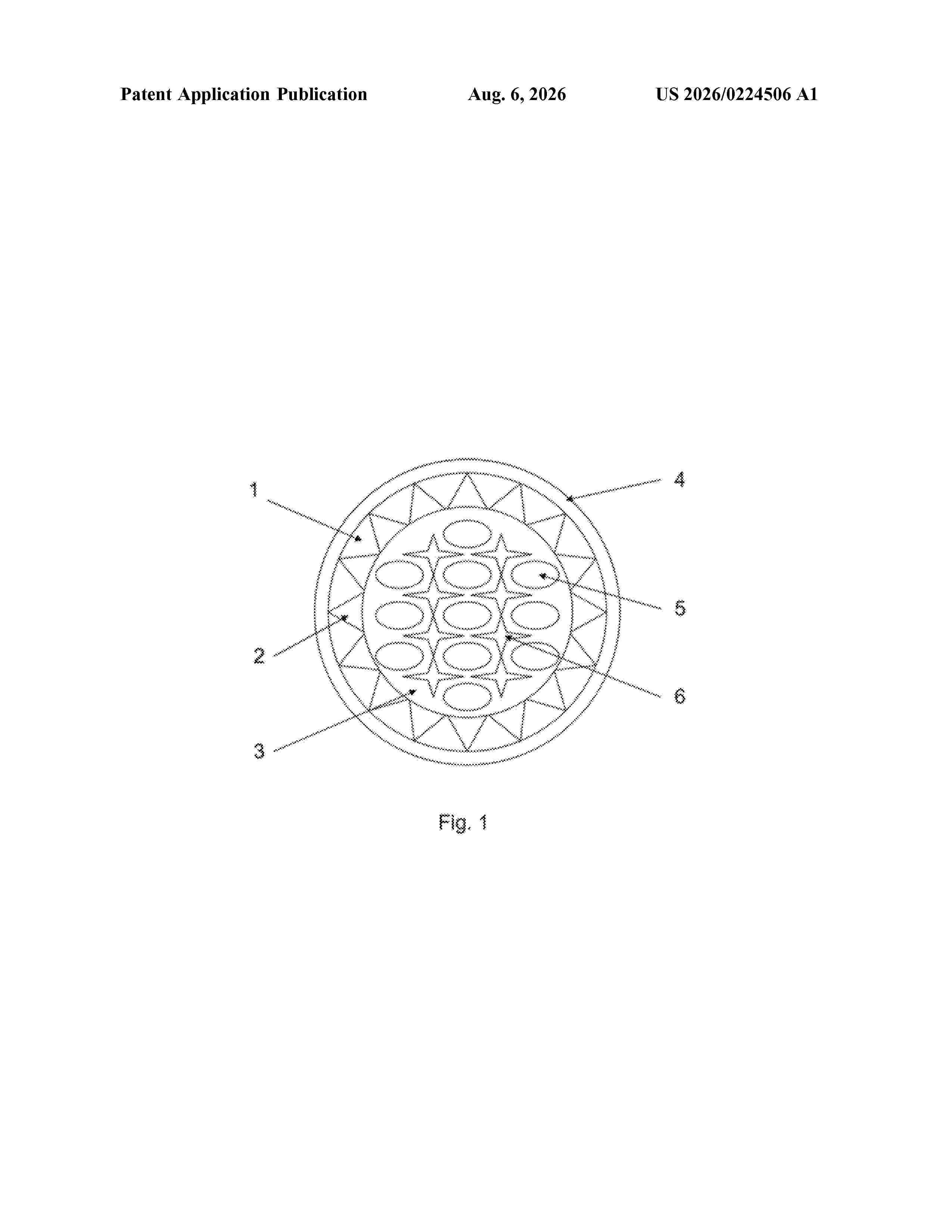
Resumen de: US20260224506A1
This invention introduces a novel encapsulation technology for organic and botanical compounds, enhancing dissolution, stabilization, and bioavailability. The method dissolves hydrophobic botanical compounds in a weak organic acid (e.g., acetic, citric, or malic acid) to optimize solubility and molecular dispersion. A carefully balanced blend of mono-, di-, and triglycerides stabilizes the encapsulation matrix, preventing aggregation and ensuring uniformity. Incorporating a non-polar solvent enhances structural integrity, bioavailability, and absorption. High-shear mixing or ultrasonication further refines the encapsulation process, enabling broad applications across pharmaceuticals, cosmetics, functional foods, and veterinary products. This innovation enables controlled-release formulations, prolonged shelf life, and scalable production. By overcoming traditional challenges in hydrophobic compound delivery, this method revolutionizes encapsulation science, providing a sustainable and adaptable solution for industry-wide applications.
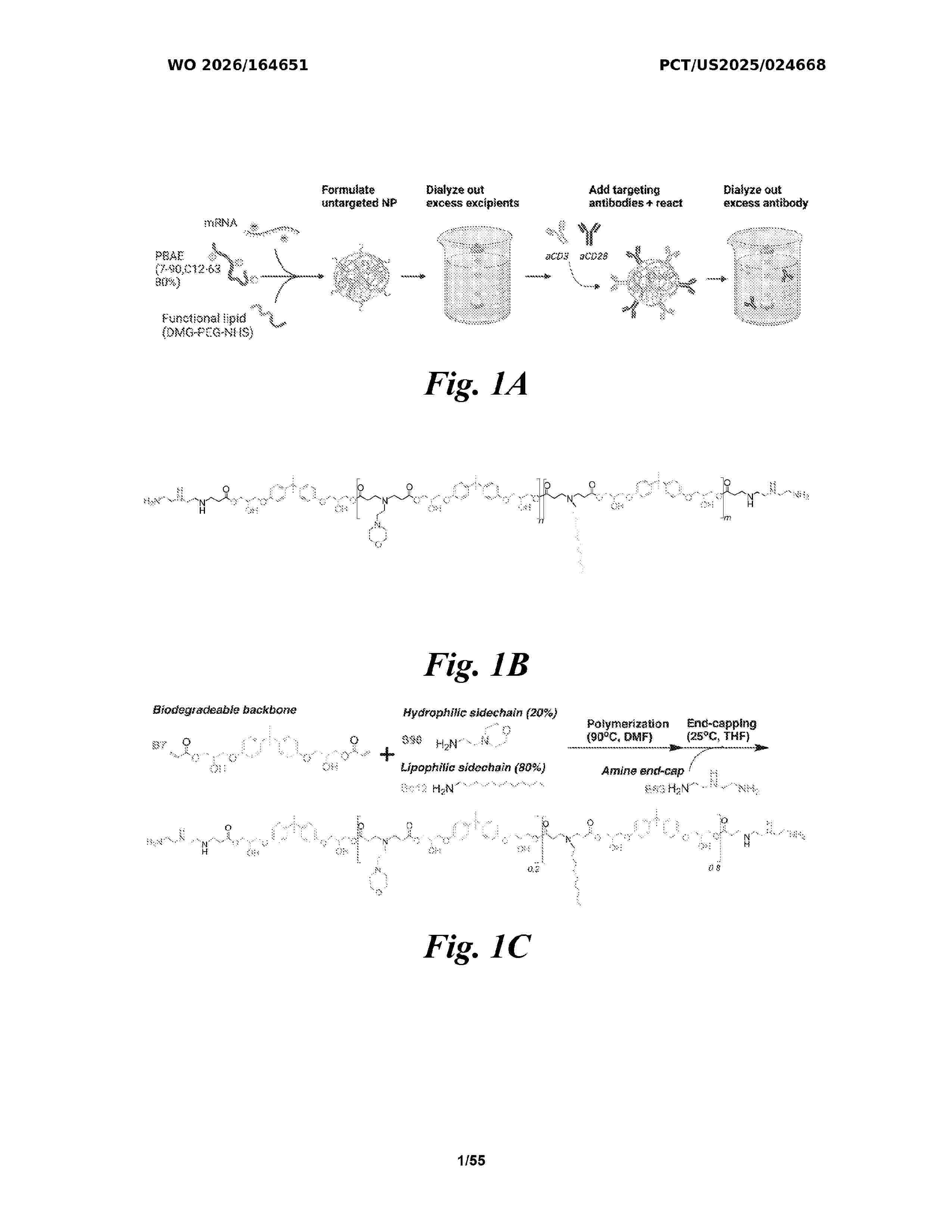
Resumen de: WO2026164651A1
Nanoparticles comprising one or more poly(beta-amino ester)s (PBAEs), one or more anionic nucleic acids, and a lipid-targeting ligand conjugate and their use for transfecting an immune cell and treating a disease, disorder, or condition, including cancer, an immune disease, condition, or disorder, and infectious diseases are disclosed.
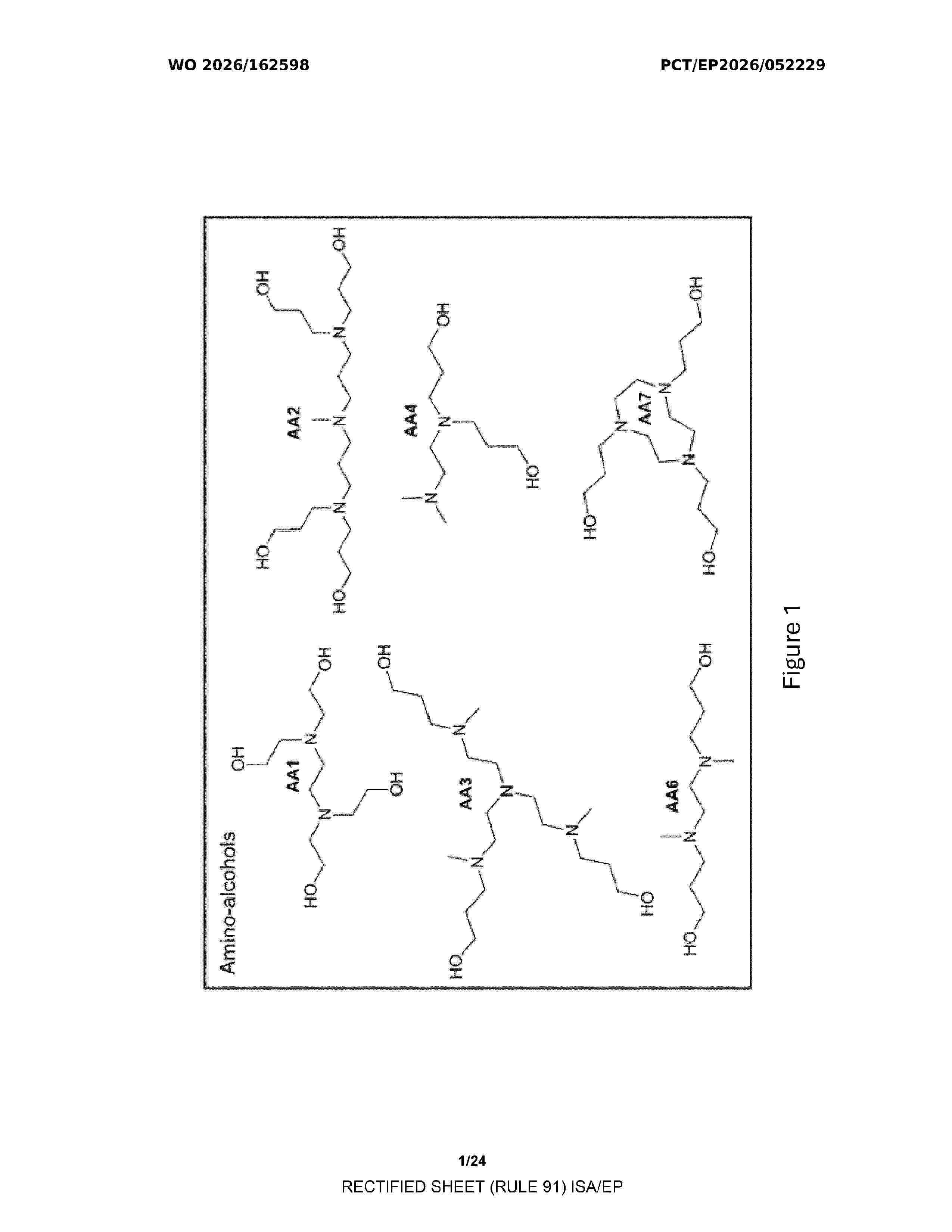
Resumen de: WO2026162598A1
Ionizable amino polyesters (APE) formed by ring-opening polymerisation (ROP) of a lactone with a tertiary amino alcohol are described. APE's having 1-4 tertiary amino groups are employed along with the lactones δ-Nonalactone (NL), 5- Decanolide (DL) and Dodecalactone (DD). Lipid nanoparticles formed using the APE are also described.
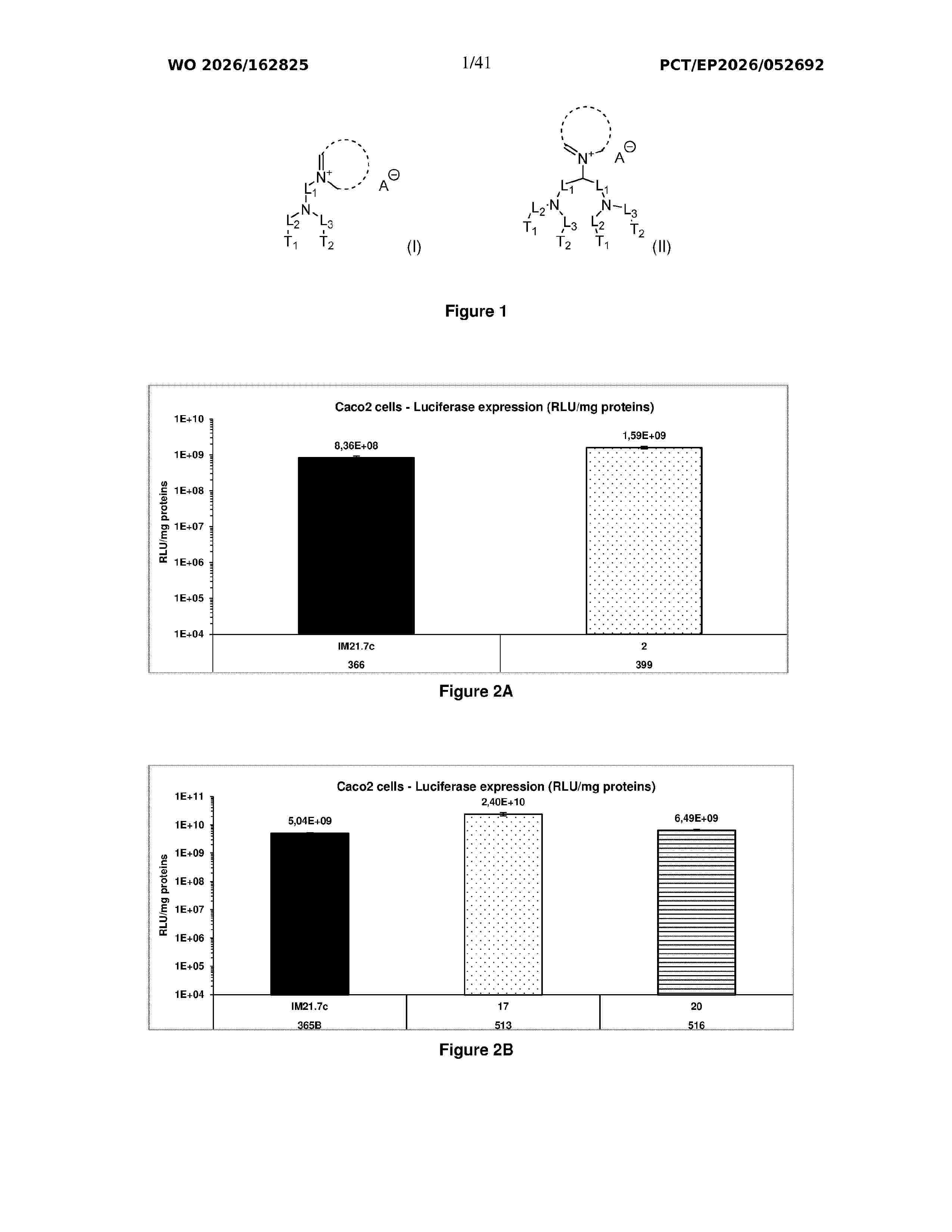
Resumen de: WO2026162825A1
The present invention relates to new cationic, ionizable and biodegradable compounds as transfection reagents. The present invention is directed to a cationic, ionizable and biodegradable compound of formula (I) or of formula (II) as defined herein, or salt or isomer thereof. The present invention also relates to a composition comprising at least one lipid-based nanoparticle comprising at least one phospholipid and the at least one cationic, ionizable and biodegradable compound of formula (I) or of formula (II) according to the invention, or a pharmaceutically acceptable salt thereof. The present invention also relates to uses of said composition and a method for in vitro transfection of live cells.
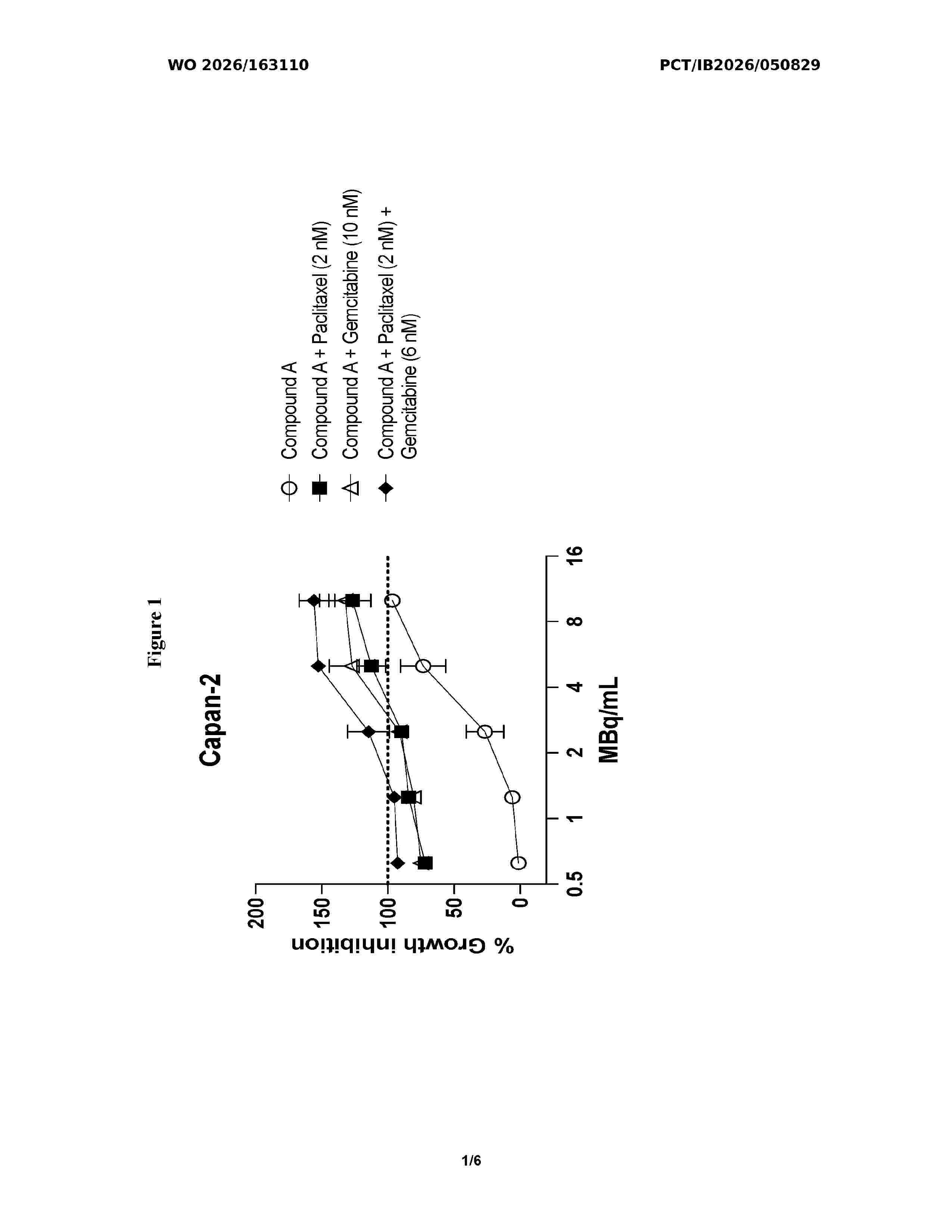
Resumen de: WO2026163110A1
Provided herein are methods for the treatment of cancer (e.g., pancreatic cancer, lung cancer, or breast cancer) comprising administering to a subject in need thereof a FAP-targeting radiotherapeutic agent without any C-S bonds, in combination with one or more chemotherapeutic agents comprising one or more of an antimetabolite agent, an antineoplastic agent, and/or a B vitamin analog.
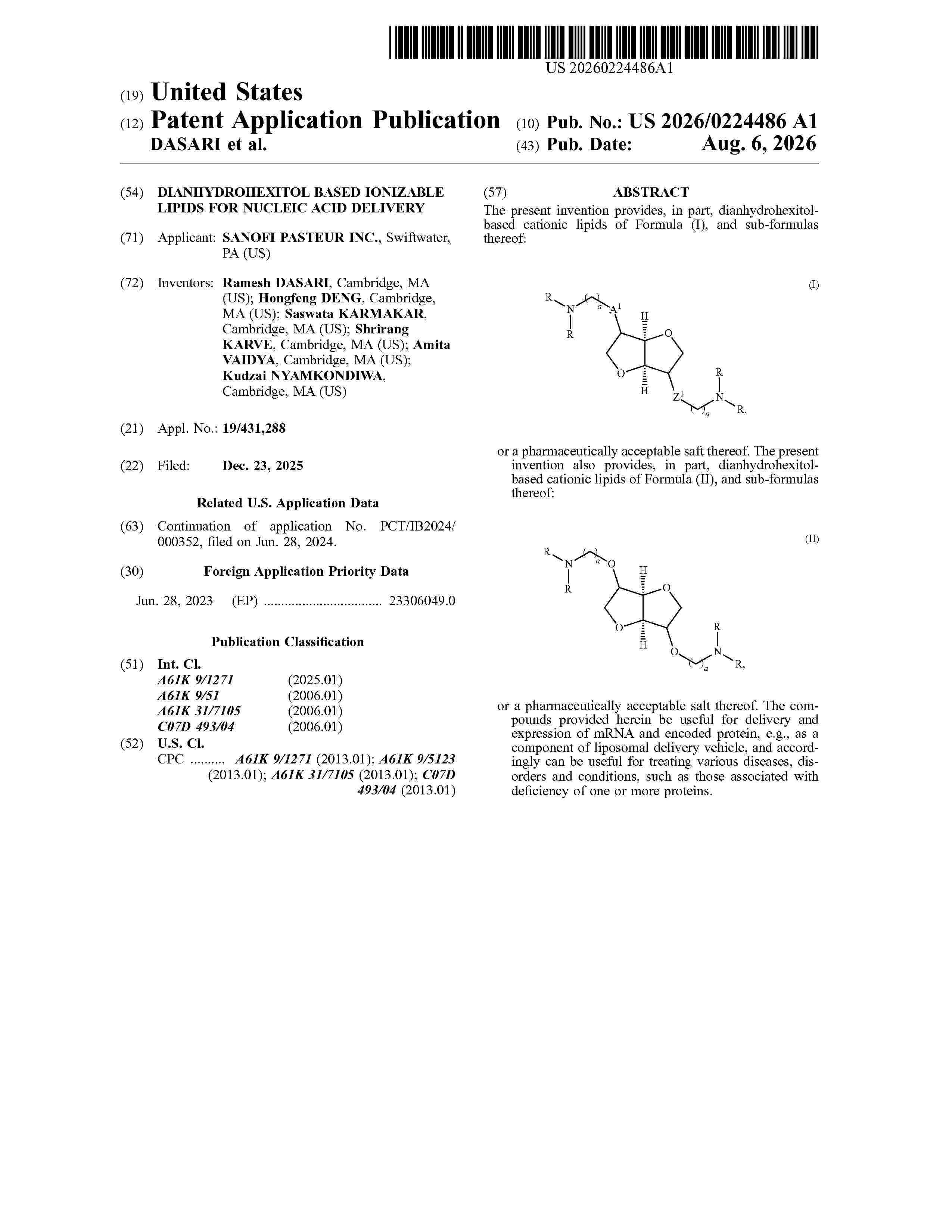
Resumen de: US20260224486A1
The present invention provides, in part, dianhydrohexitol-based cationic lipids of Formula (I), and sub-formulas thereof:or a pharmaceutically acceptable saft thereof. The present invention also provides, in part, dianhydrohexitol-based cationic lipids of Formula (II), and sub-formulas thereof:or a pharmaceutically acceptable salt thereof. The compounds provided herein be useful for delivery and expression of mRNA and encoded protein, e.g., as a component of liposomal delivery vehicle, and accordingly can be useful for treating various diseases, disorders and conditions, such as those associated with deficiency of one or more proteins.
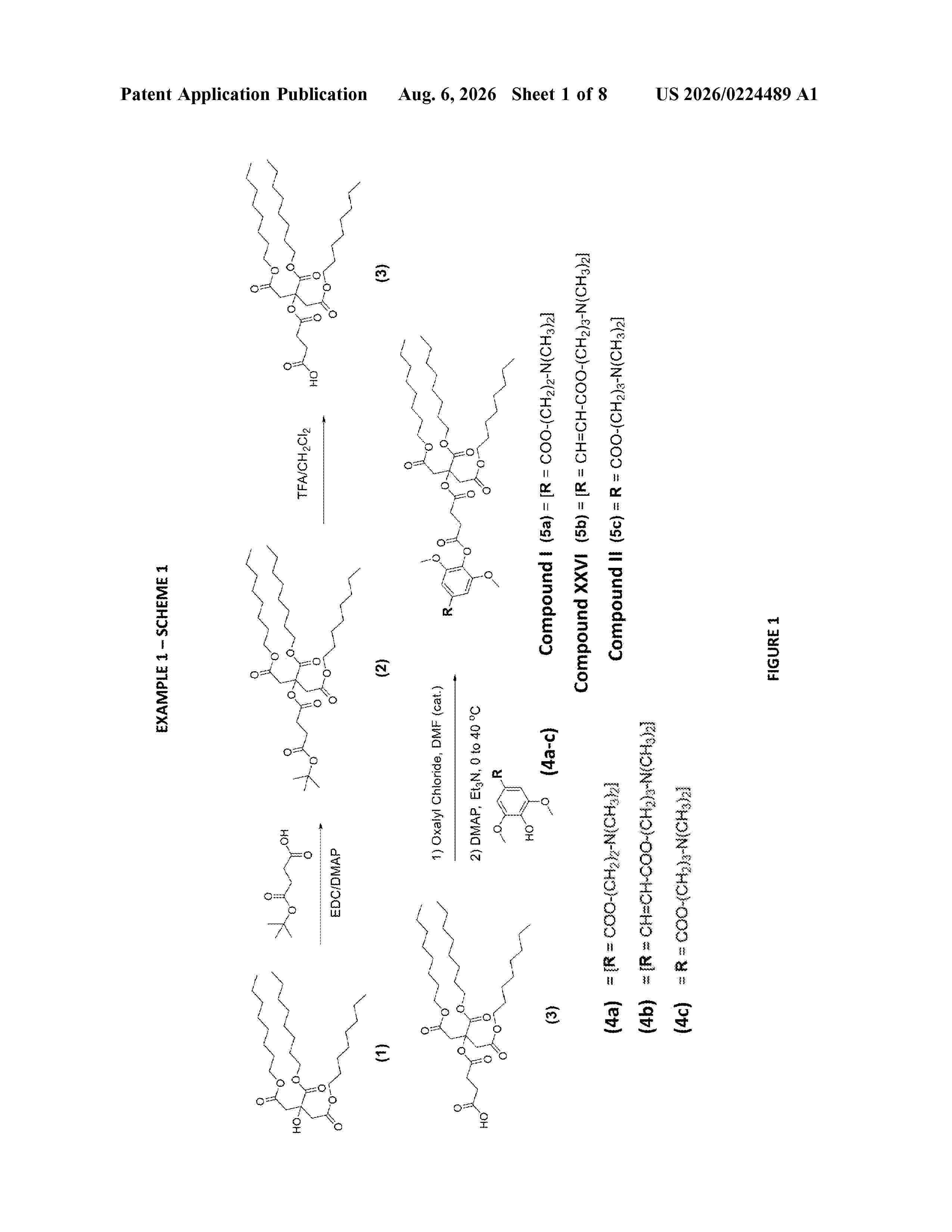
Resumen de: US20260224489A1
The present invention provides, in part, tricene and citric acid-based cationic lipids with aromatic head groups of Formula (I), and sub-formulas thereof:or a pharmaceutically acceptable salt thereof. The compounds provided herein can be useful for delivery and expression of mRNA and encoded protein, e.g., as a component of liposomal delivery vehicle, and accordingly can be useful for treating various diseases, disorders and conditions, such as those associated with deficiency of one or more proteins.
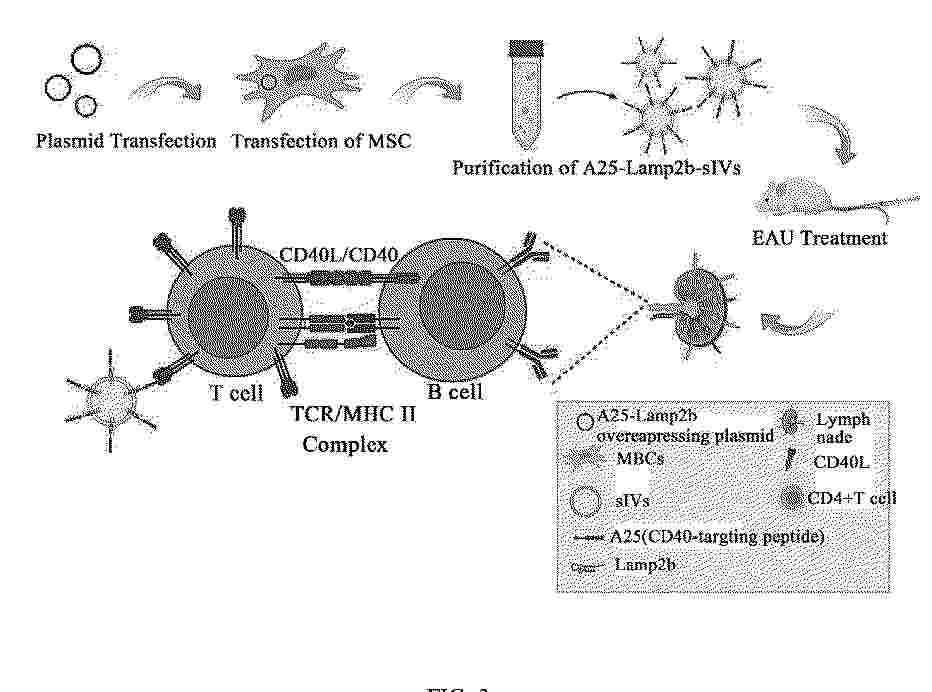
Resumen de: EP4785935A1
0001 A preparation method and application of a targeted intracellular nanovesicle. The intracellular nanovesicle has a large yield, a small particle size and a narrow particle size distribution range, has higher encapsulation efficiency and drug loading efficiency when used as a carrier to load a drug, and has a wider distribution range and degree in a mode of intravitreal injection, for example, the drug loaded in the mode of intravitreal injection can be absorbed more quickly, and the intracellular nanovesicle has extremely good application and research value in the field of medicine. Particularly, targeting performance is given to the intracellular nanovesicle, and a targeting peptide is carried in the intracellular nanovesicle by modifying Lamp2b to obtain the intracellular nanovesicle having the targeting performance. The nanovesicle has a large yield and high targeting performance, can exert a therapeutic effect or a drug carrier effect more efficiently, and has an extremely good application prospect and research value.
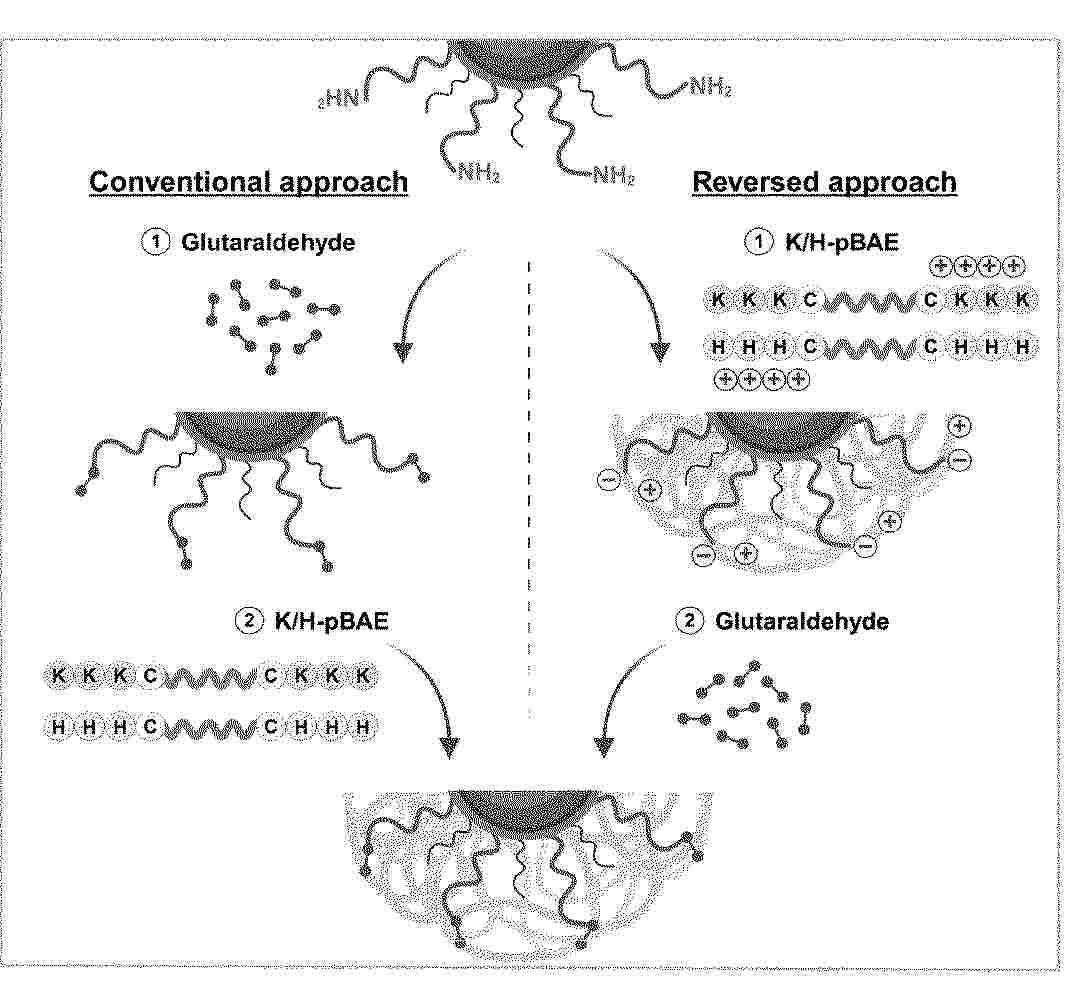
Resumen de: EP4785963A1
0001 The invention relates to a method of covalently attaching cationic polymers, including poly(beta-amino esters), to magnetic nanoparticles. The invention further relates to magnetic nanoparticles comprising cationic polymers covalently attached thereto, polyplexes comprising the magnetic nanoparticles, as well as use of these nanoparticles and polyplexes in delivering nucleic acids to a target tissue.
Resumen de: WO2025087303A1
A nanoparticle complex comprises a bifunctional binder capable of non-covalently binding to the lipid nanoparticle in the nanoparticle complex.
Resumen de: CA3117453A1
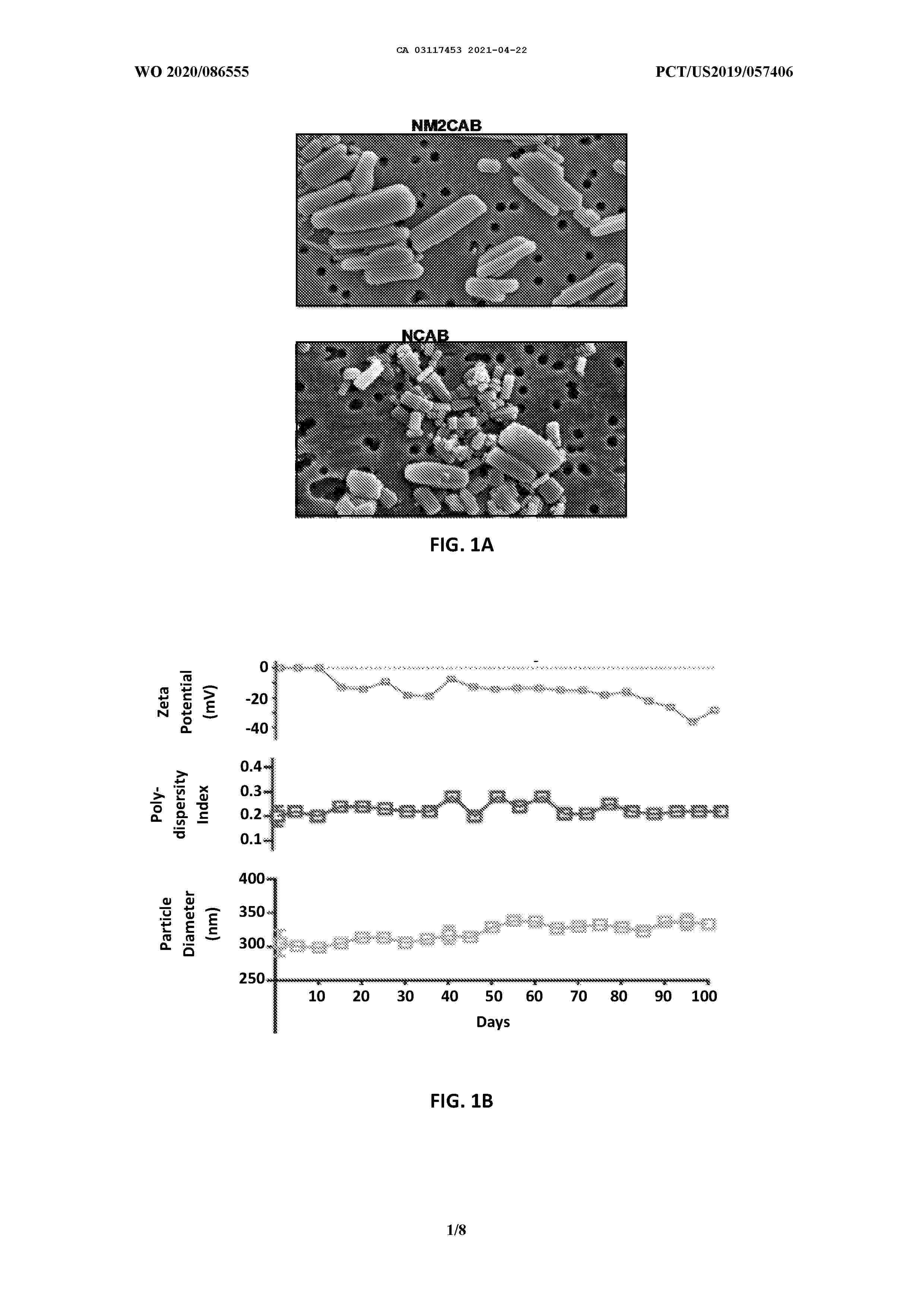
0001 The present invention provides prodrugs and methods of use thereof.
Resumen de: WO2025065065A1
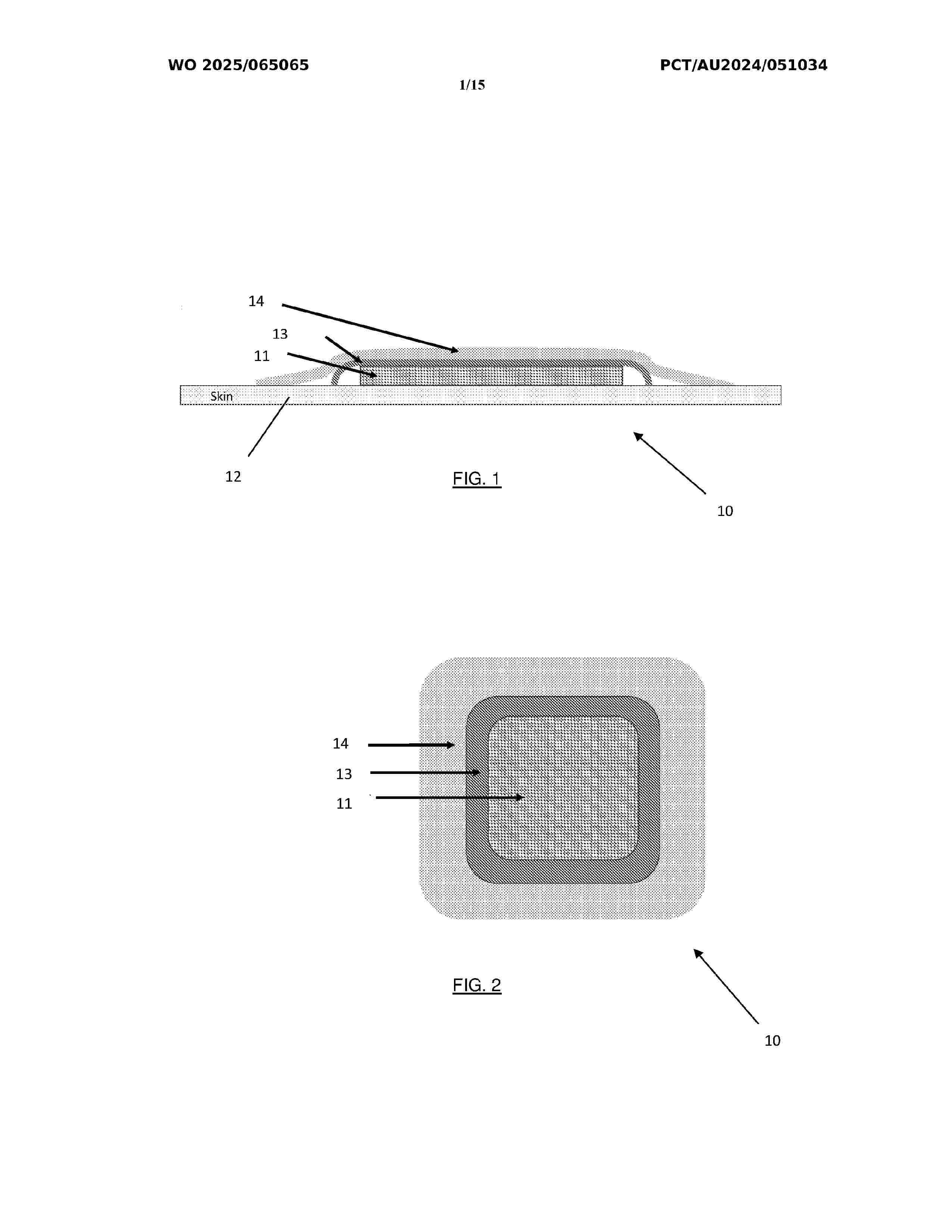
A nanofibrous dermal mat comprising: electrospun nanofibers formed from an electrospinning mixture of polyvinyl alcohol (PVA) and at least one polyglycol; and at least one active pharmaceutical ingredient (API) dispersed throughout said electrospun nanofibers.
Resumen de: WO2025072956A2
Disclosed are compositions comprising a lipid nanoparticle and a modified biomolecular corona. In some embodiments, the modified biomolecular corona comprises a fused cell-specific binding domain. In some embodiments, the modified biomolecular corona protein has been additionally modified such that it does not bind substantially to its natural receptor. In some embodiments, the fused cell-specific binding domain binds to a target cell.
Resumen de: WO2025072751A1
The disclosure relates to block copolymer nanoparticles for in vivo therapeutic delivery, and methods therefor. More particularly, the invention relates to polymer nanoparticles, such as reversible addition-fragmentation chain transfer (RAFT) polymer compositions, for delivering nucleotides that encode polypeptides.
Resumen de: WO2025072801A1
The disclosure relates to block copolymer nanoparticles for in vivo therapeutic delivery, and methods therefor. More particularly, the invention relates to polymer nanoparticles, such as reversible addition-fragmentation chain transfer (RAFT) polymer compositions, for delivering nucleotides to the central nervous system.
Resumen de: WO2025072893A1
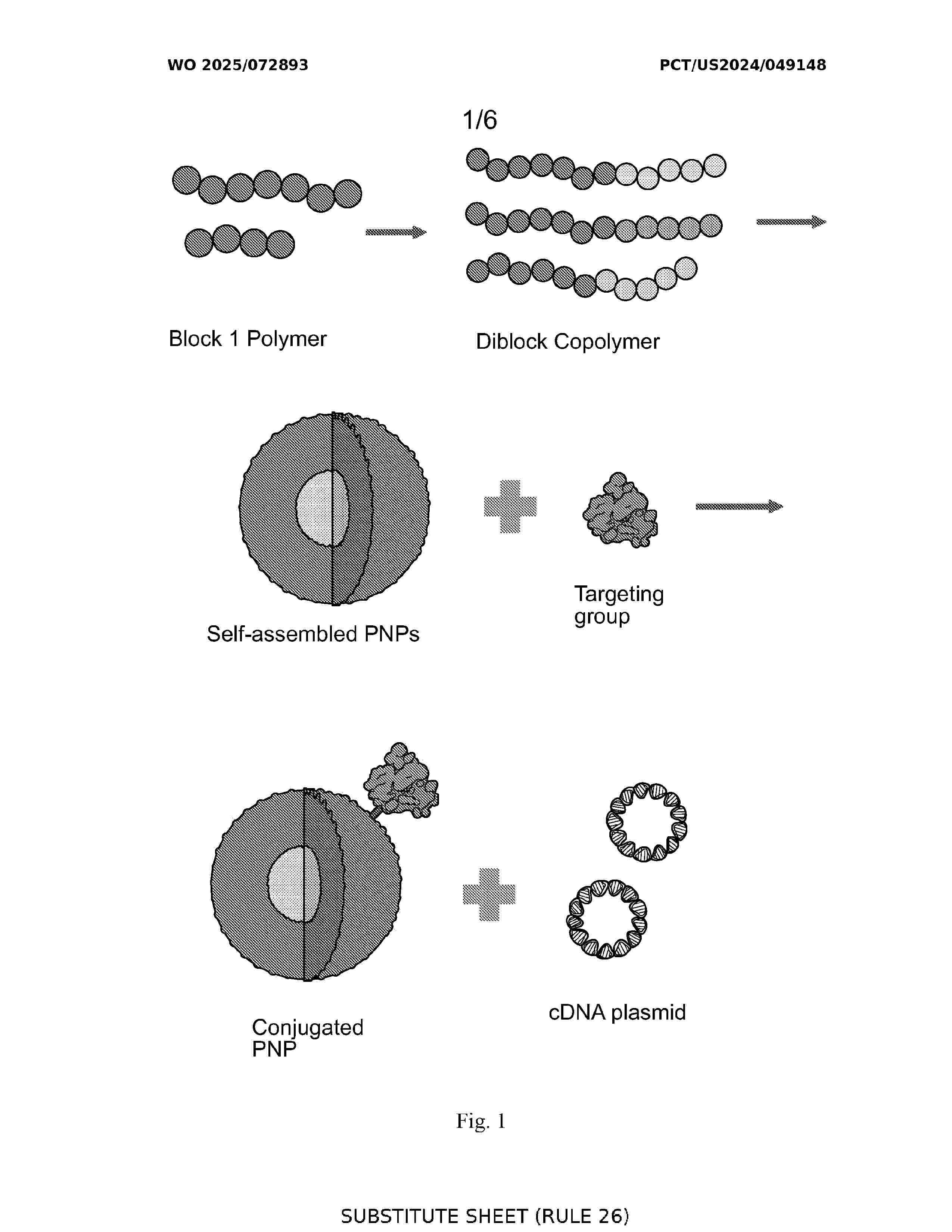
The disclosure relates to block copolymer nanoparticles for in vivo therapeutic delivery, and methods therefor. More particularly, the invention relates to polymer nanoparticles, such as reversible addition-fragmentation chain transfer (RAFT) polymer compositions, for encapsulation and for delivery of large nucleic acids.
Resumen de: WO2025067389A1
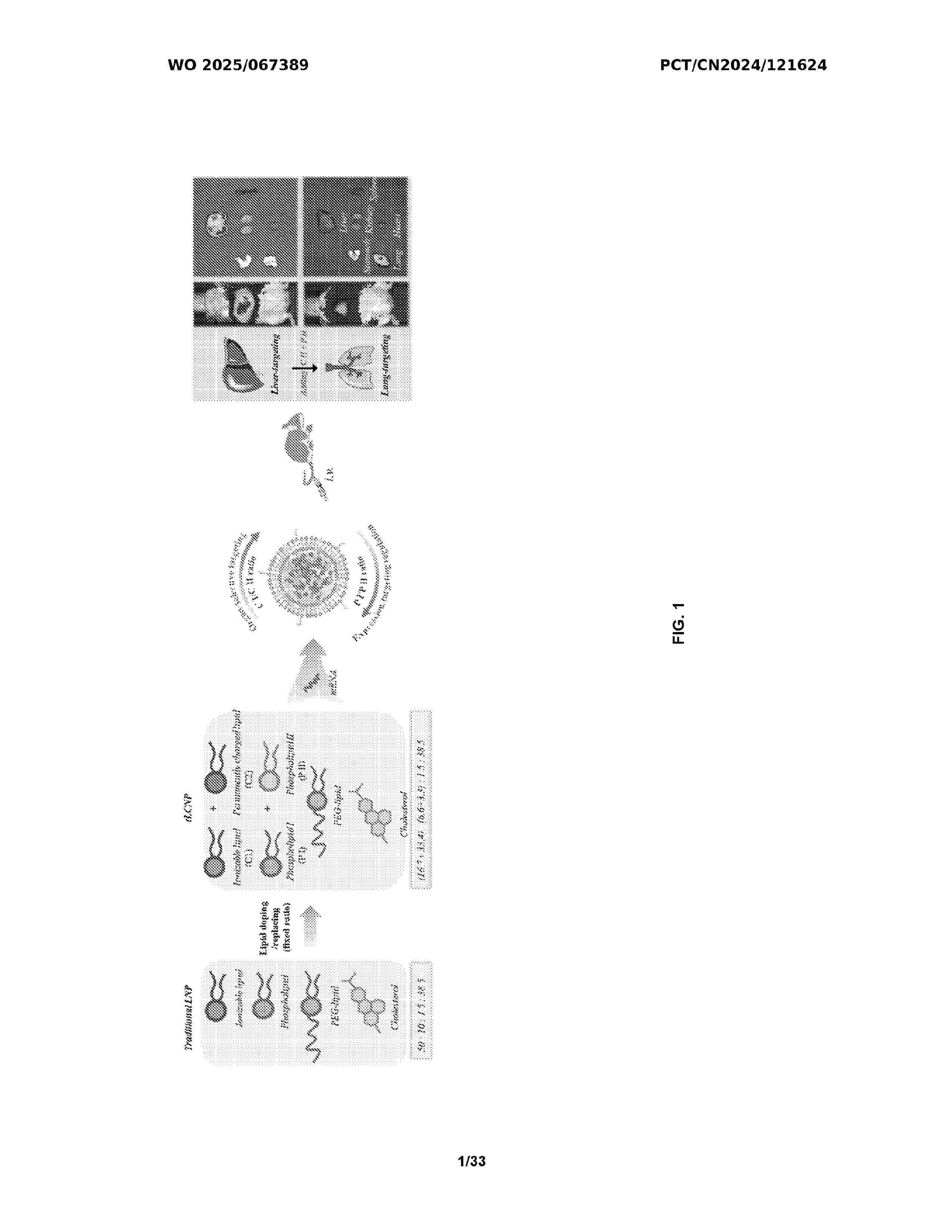
A drug delivery system composing nanoparticles, in particular lipid nanoparticles ( LNPs ), and messenger RNA ( mRNA ), as well as methods for lung-targeted delivery of the nanoparticles.
Resumen de: EP4786521A1
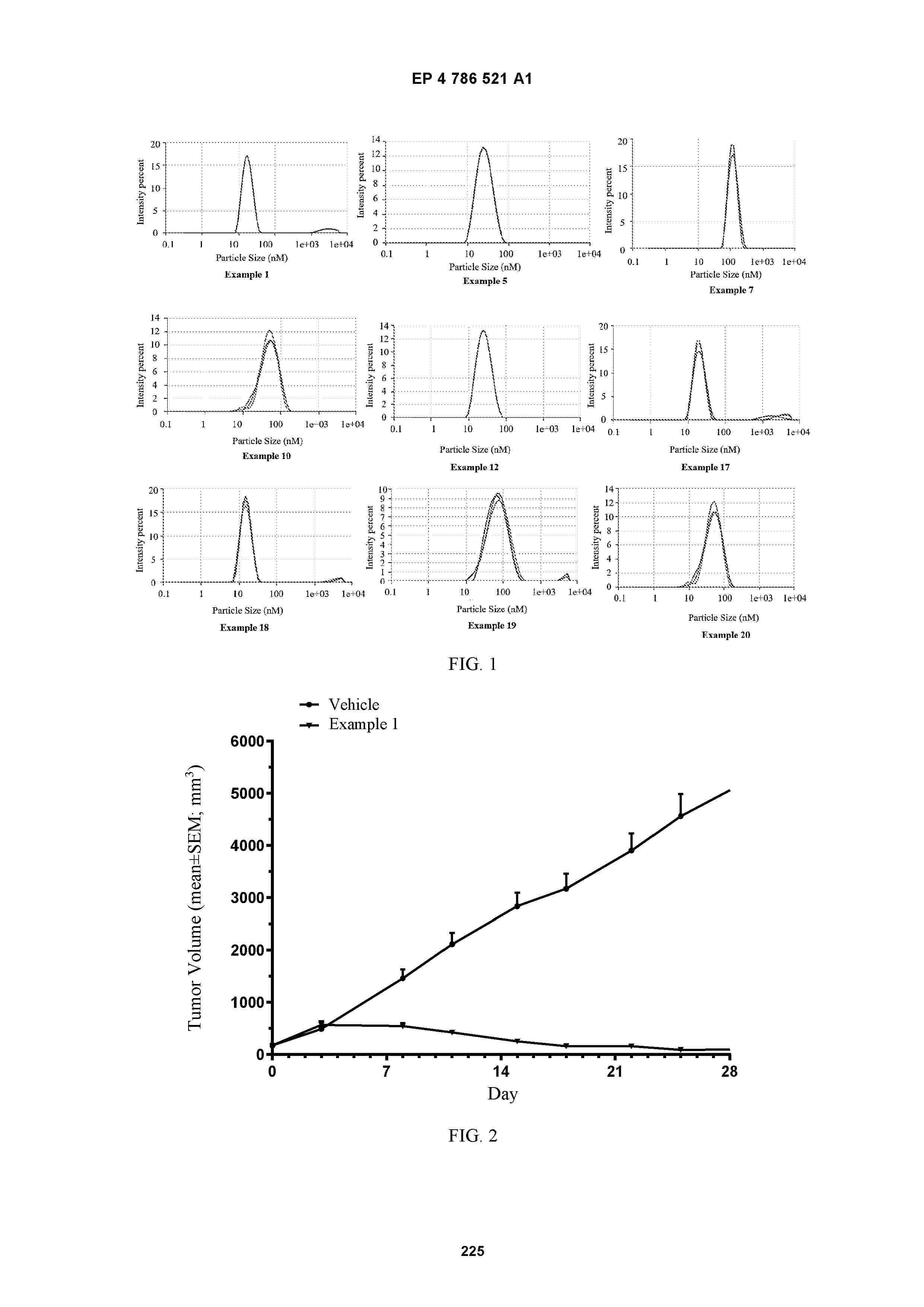
0001 Disclosed in the present invention are a phospholipid drug conjugate and a preparation method and use therefor. Disclosed are the phospholipid drug conjugate as shown in formula (I), or a stereoisomer, prodrug, pharmaceutically acceptable salt or pharmaceutically acceptable solvate thereof. The phospholipid drug conjugate disclosed by the invention has good water solubility, can self-assemble to form a nanostructure, and has an excellent tumor inhibition effect.
Resumen de: EP4786526A1
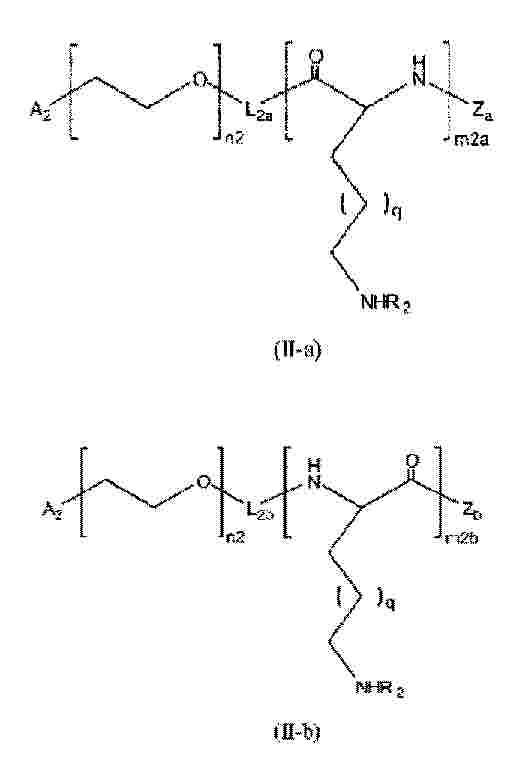
The present invention discloses copolymers which are represented by general formulae (I), (II-a), and (II-b) (The variable groups or moieties in the formulae are defined in the specification. In particular, R1 or R2 includes a dichloroacetyl group). These copolymers or polymeric micelles which are formed from these copolymers in an aqueous medium have a tumor-specific radiation enhancement effect and enhance the therapeutic effect of radiation therapy on tumors. Consequently, the present invention provides a medical use of these copolymers or polymeric micelles for exerting such an effect.
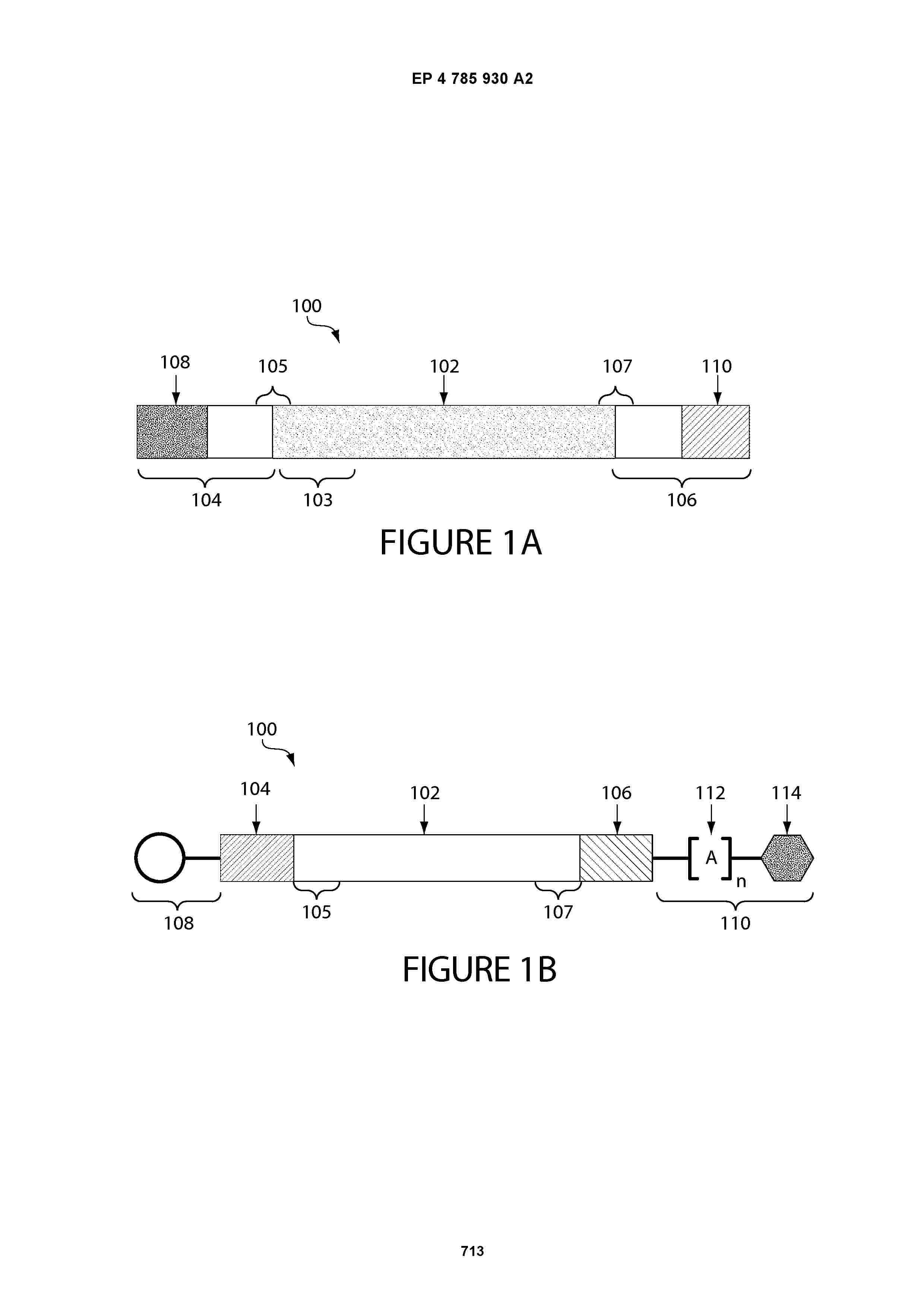
Resumen de: EP4785930A2
0001 The invention relates to compositions and methods for the preparation, manufacture and therapeutic use ribonucleic acid vaccines (NAVs) comprising polynucleotide molecules encoding one or more antigens.
Resumen de: AU2009313201A1
The present invention provides lipids that are advantageously used in lipid particles for the in vivo delivery of therapeutic agents to cells. In particular, the invention formula (I) provides lipids having the following structure XXXIII wherein: R
Nº publicación: EP4784174A1 05/08/2026
Solicitante:
UNIV PENNSYLVANIA [US]
Trustees of the University of Pennsylvania
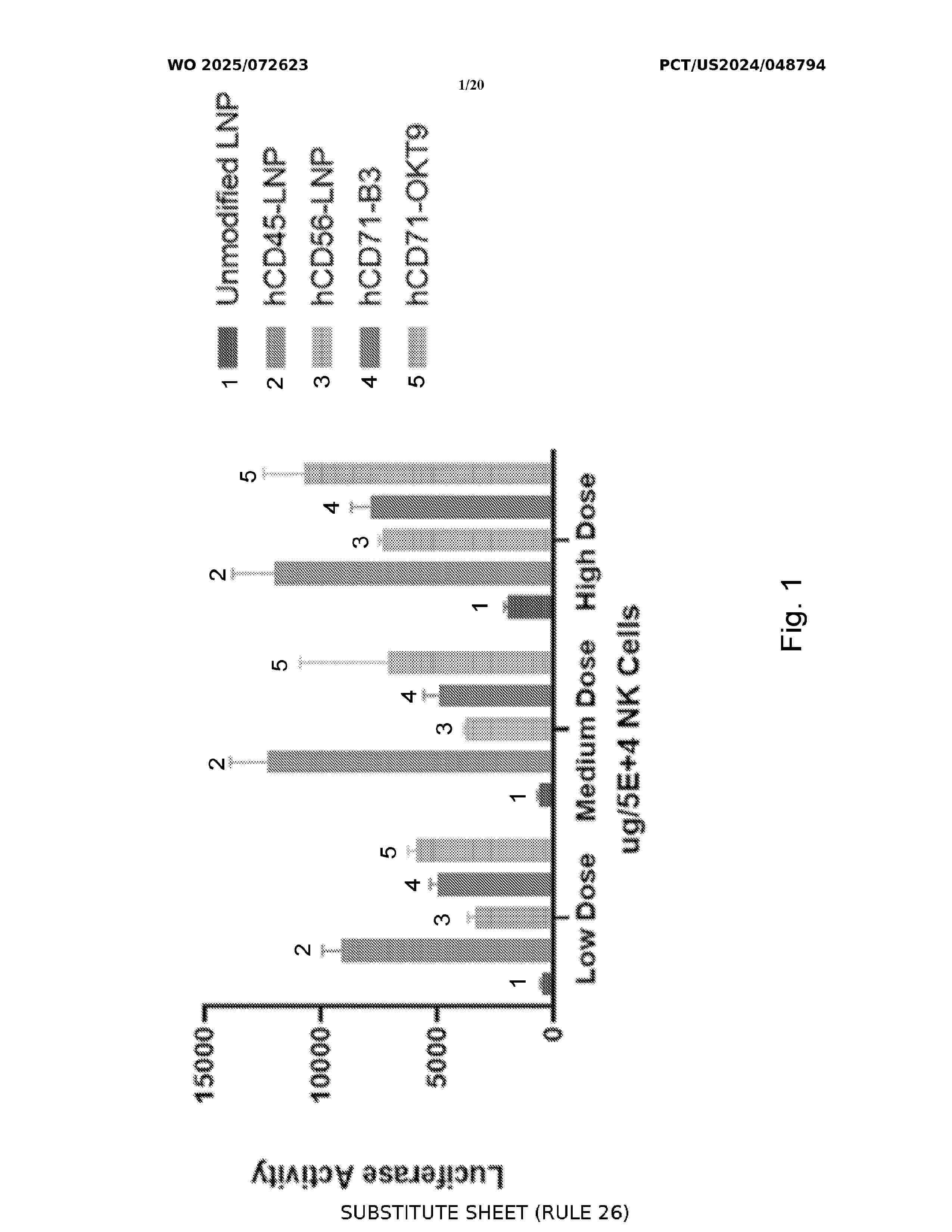
Resumen de: WO2025072623A1
The present invention relates to methods and compositions comprising a delivery vehicle conjugated to a cell targeting domain, wherein the delivery vehicle comprises at least one agent, and wherein the targeting domain specifically binds to the surface of a target immune cell and releases the at least one agent into the target immune cell. The invention also relates to methods for treating or preventing diseases and disorders, including cancers, infectious diseases, and immunological disorders, using the described compositions.
 BOPI
BOPI
 Sede Electrónica