Si deseas distinguir tus productos, servicios o ambos de los de otra empresa, es posible que necesites una marca o nombre comercial. Descubre qué son, en qué consiste su procedimiento de registro y qué implica.

Información sobre los plazos de presentación de solicitudes de transformación de marcas de la Unión Europea en marca nacional española. Más información


Si tienes un nuevo dispositivo, producto o procedimiento que resuelva un problema técnico o tenga una ventaja práctica, existen distintas formas de protegerlo en España y en otros países. Descubre cómo hacerlo.

¿Tu innovación reside en la estética, la ornamentación o la apariencia de tu producto? Protégela mediante un diseño industrial. Descubre qué derechos confiere el registro y cómo realizar la tramitación.

Las indicaciones geográficas protegen el nombre de un producto originario de una zona geográfica, a la cual le debe una determinada calidad, reputación u otra característica. Descubre qué son, en qué consiste su procedimiento de registro y qué beneficios conceden.

Las patentes publicadas en todo el mundo son una valiosa fuente de información científica, técnica y comercial.

Si eres emprendedor/a o una empresa y quieres potenciar y mejorar la rentabilidad de tu negocio protegiendo de forma adecuada los activos intangibles de tu organización, en este espacio encontrarás lo necesario.


 1060
resultados
1060
resultados
 Última actualización
24/10/2026 [07:27:00]
Última actualización
24/10/2026 [07:27:00]


 Resultados 225 a 250 de 1060

Resumen de: AU2025253291A1
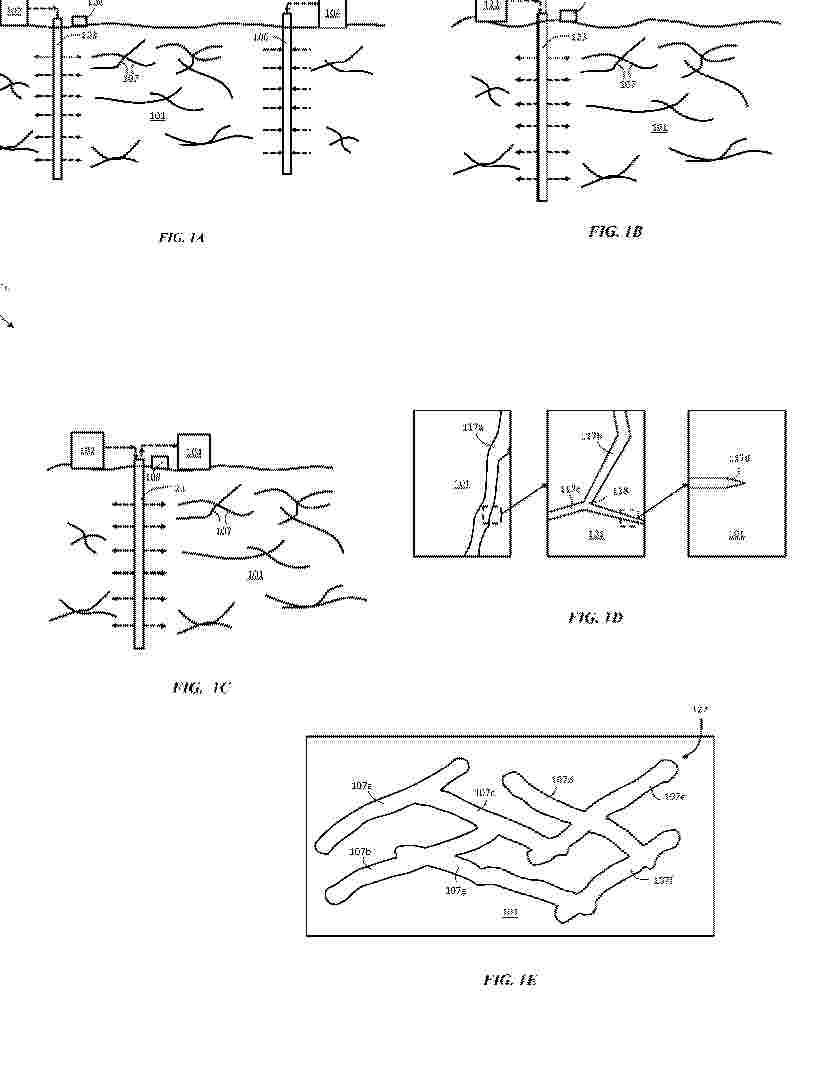
Geologic hydrogen production and related systems and methods are generally described.

Resumen de: AU2025255910A1
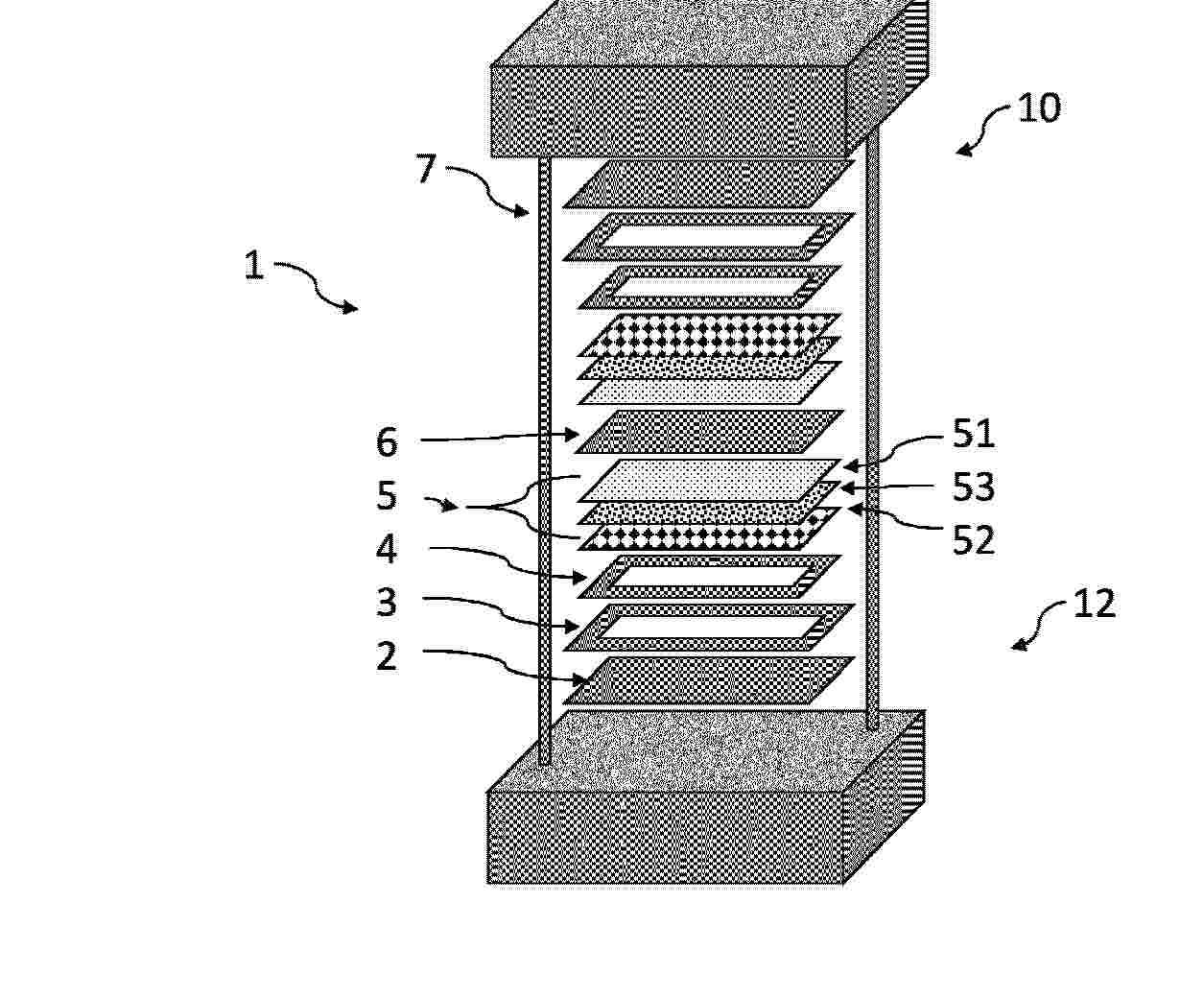
The invention relates to a gas diffusion layer (5) for an electrolysis cell (1), comprising a fine layer (51) and a coarse layer (52). The fine layer (51) comprises a fine structure with pores of a first pore size, and the coarse layer (52) comprises a coarse structure with pores of a second pore size. The coarse layer (52) comprises a plurality of spiral elements (520), the spiral elements (520) are interwoven, and at least one spiral element (520) is freely movable, in particular freely rotatable, The gas diffusion layer further comprises at least one intermediate layer (53). The at least one intermediate layer (53) comprises an intermediate structure with pores of an intermediate pore size, and the intermediate layer (53) is provided between the fine layer (51) and the coarse layer (52), said intermediate pore size being larger than that of the fine layer (51) and smaller than that of the coarse layer (52).
Resumen de: AU2025235851A1
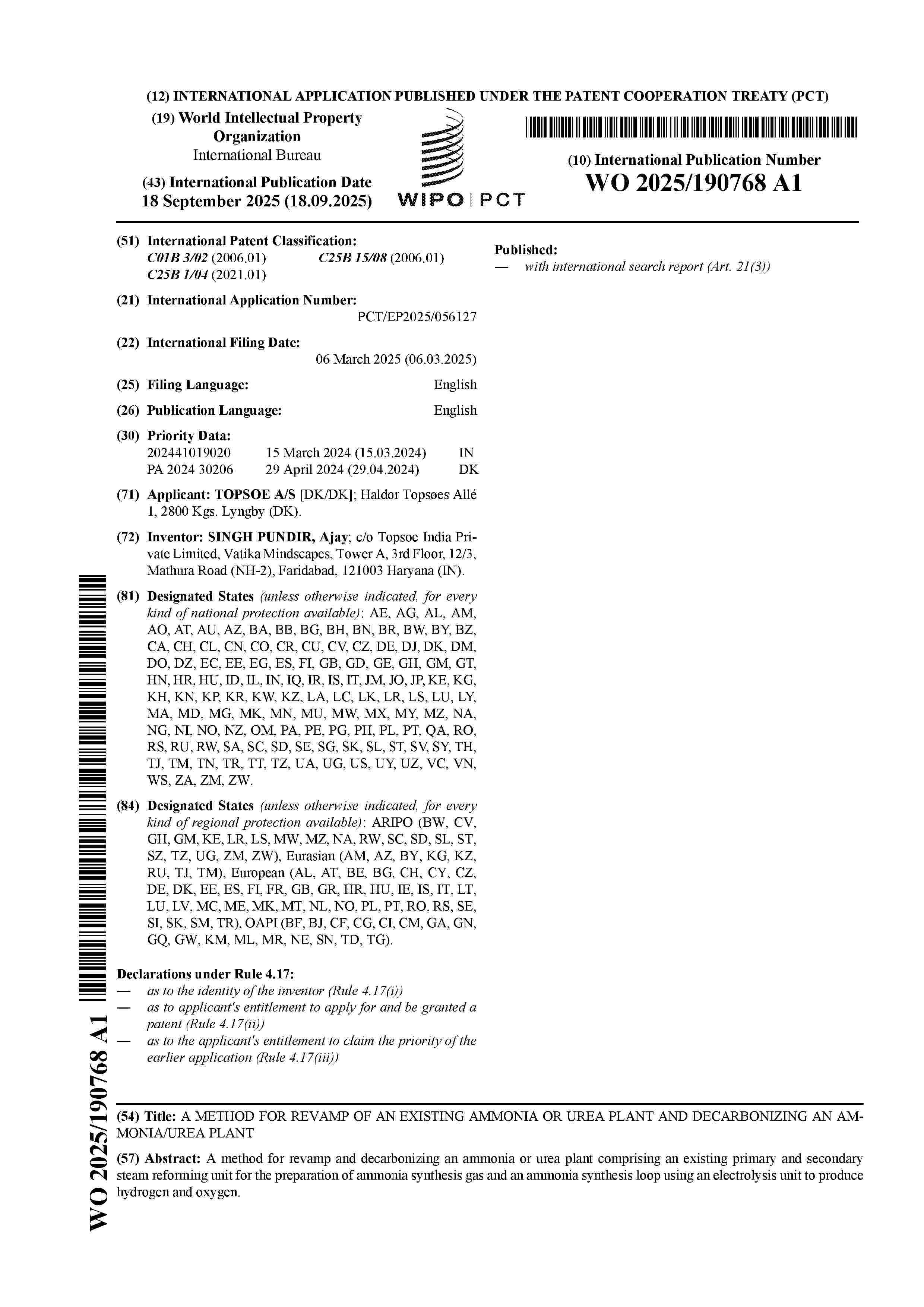
A method for revamp and decarbonizing an ammonia or urea plant comprising an existing primary and secondary steam reforming unit for the preparation of ammonia synthesis gas and an ammonia synthesis loop using an electrolysis unit to produce hydrogen and oxygen.
Resumen de: US20260297781A1
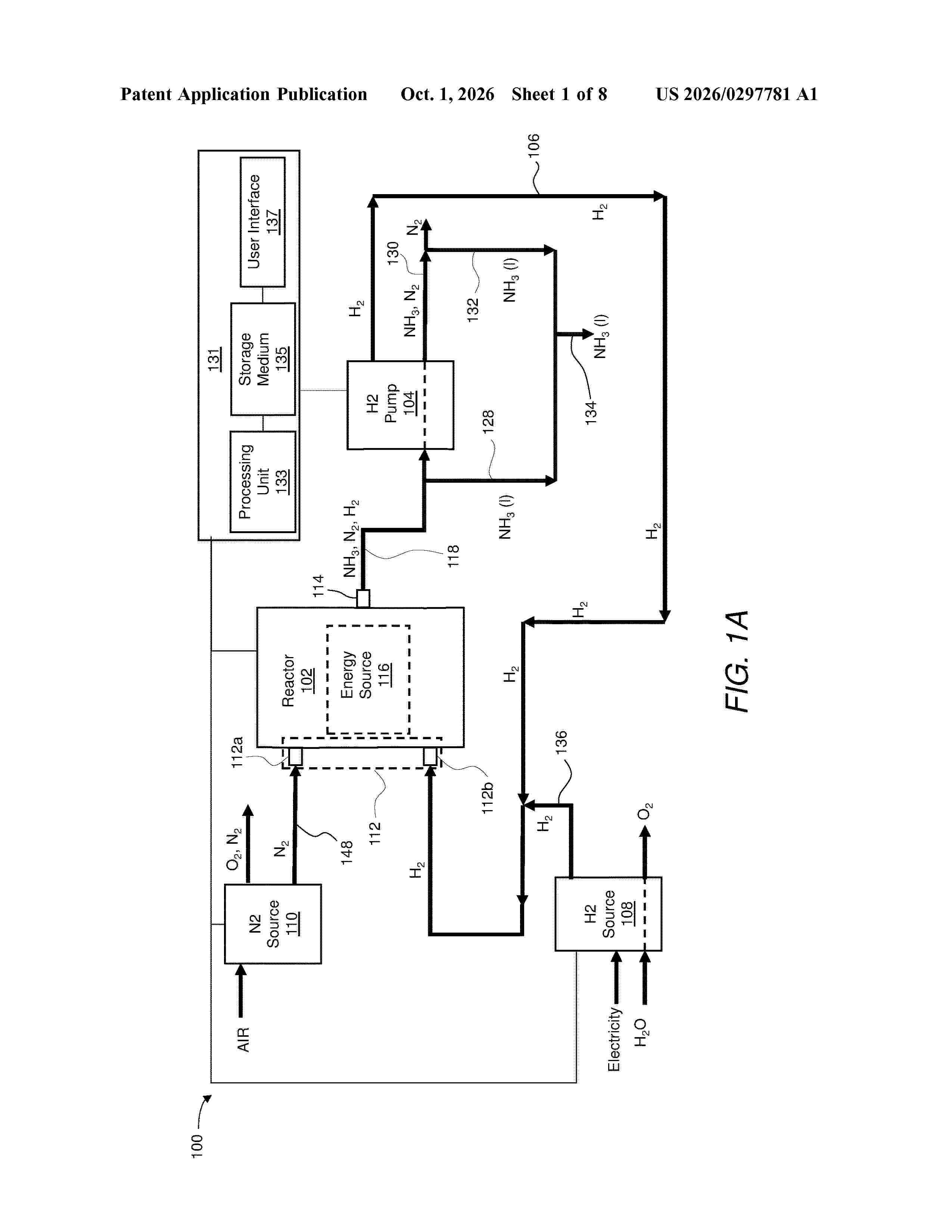
A system for synthesizing ammonia includes a reactor including an inlet portion, an outlet portion, and an energy source arranged to deliver energy to one or more reactants receivable through the inlet portion of the reactor, and the energy source activatable to reduce nitrogen to ammonia in the presence of hydrogen, at least one hydrogen pump in fluid communication with the outlet portion of the reactor, each hydrogen pump including at least one electrochemical cell, and a recirculation circuit in fluid communication between the at least one hydrogen pump and the inlet portion of the reactor and configured to direct a respective hydrogen stream from each hydrogen pump to the inlet portion of the reactor.
Resumen de: US20260297773A1
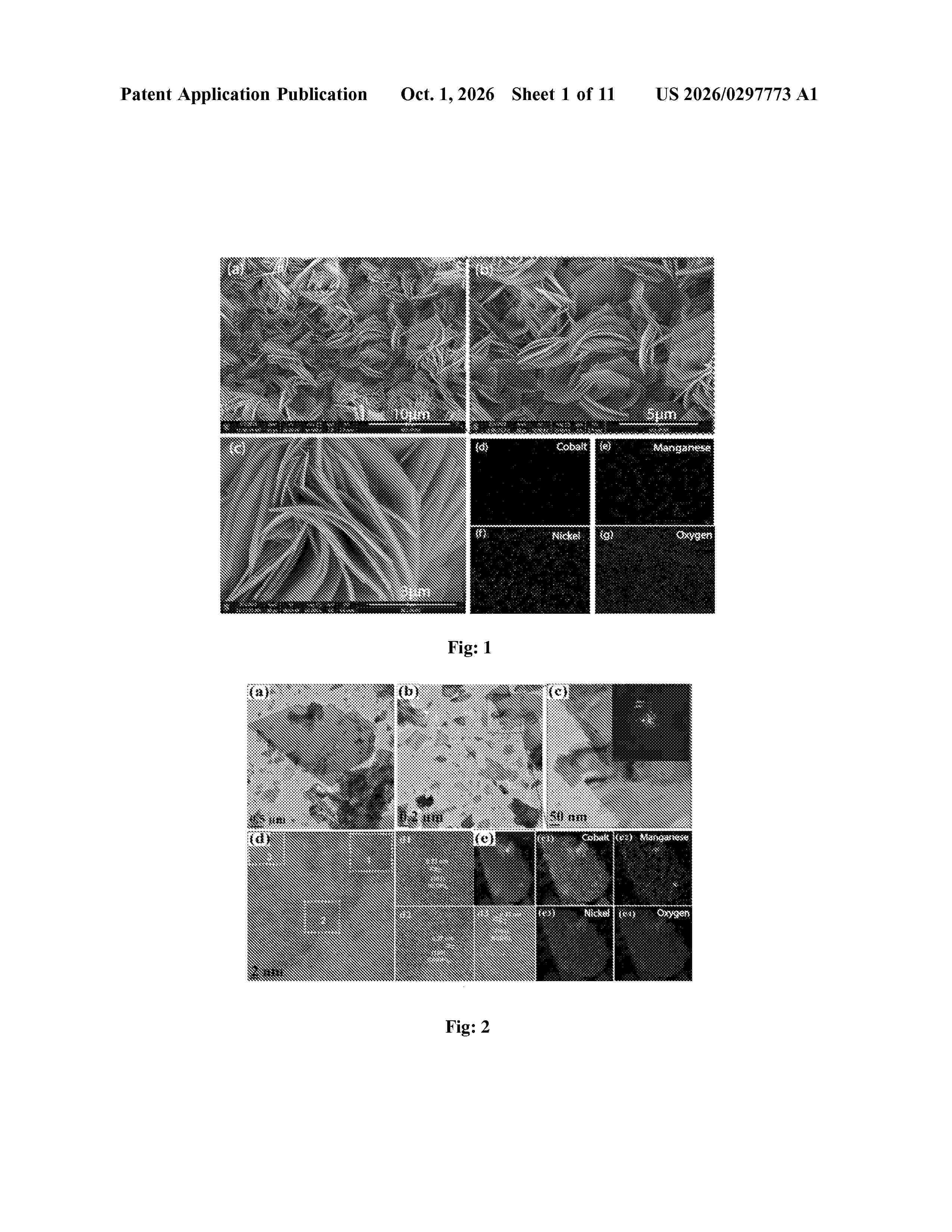
0000 The present invention relates to ternary metal(s) hydroxide (M1-M2-Ni)(OH)<2> composite supported on nickel foam (NF) having nanoflower arrays structure, which acts as a self-standing bifunctional electrocatalyst for cathode as well as anode (both electrodes) for water electrolysis/splitting. Further, the present invention provides hydrothermal process for the preparation of said bi-functional electrocatalyst. The bifunctional catalyst disclosed herein is useful in performing water electrolysis reactions to generate hydrogen and oxygen.
Resumen de: US20260301985A1
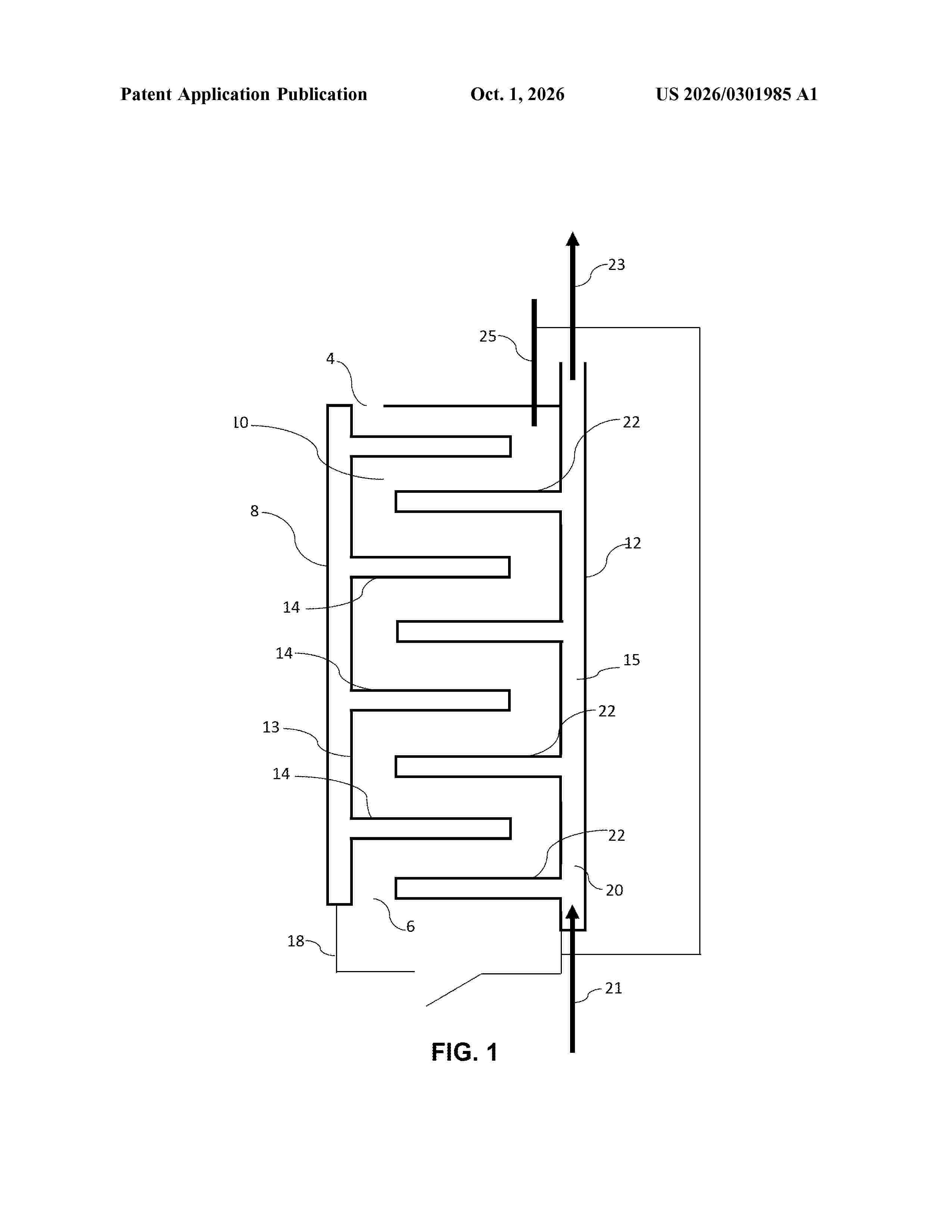
Disclosed are galvanic cells and methods for treating a molten salt by use of the galvanic cells. The galvanic cell can provide anti-corrosion treatment and improved corrosion resistance via electrochemical and chemical reactions involving a corrosive impurity in a molten salt. Reaction products of the chemical and electrochemical reactions include hydrogen gas that can carry hydrogen isotopes evolved in the molten salt. The system can also include removal of the hydrogen gas from the molten salt and separation and recovery of tritium contained therein.
Resumen de: DE102025111622A1
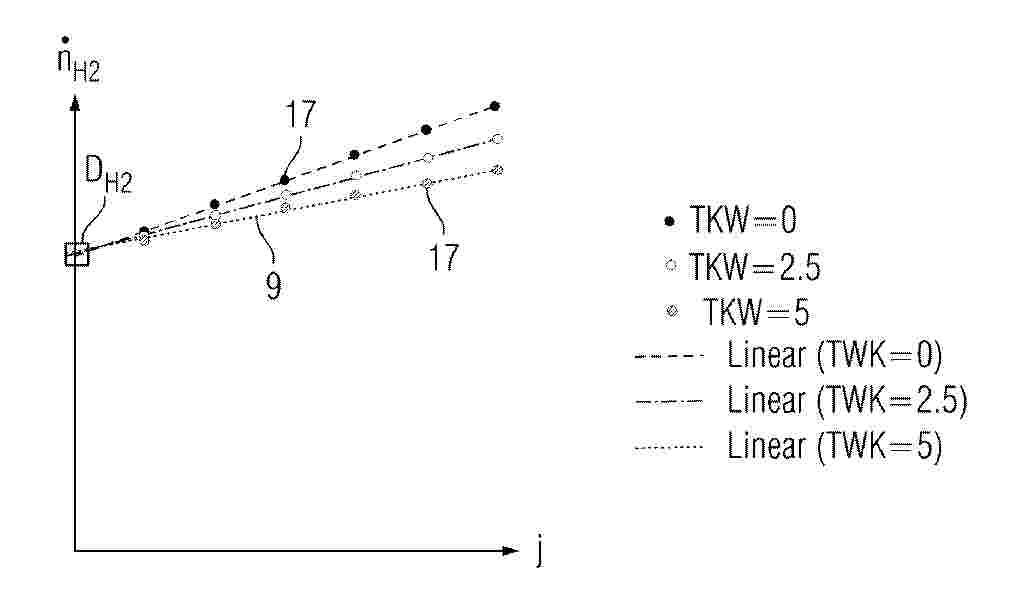
Verfahren zum Betrieb einer Elektrolysezelle (1) bei dem Wasserstoff (H2) und Sauerstoff (O2) als Produktgase erzeugt werden, wobei die Elektrolysezelle (1) einen Anodenraum (3) und einen Kathodenraum (5) aufweist, die durch eine elektrodenbeschichtete Membran (7) getrennt sind, wobei die Elektrolysezelle (1) mit einem Elektrolysestrom (I) beaufschlagt wird, so dass Sauerstoff-Produktgas im Anodenraum (3) und Wasserstoff-Produktgas im Kathodenraum (5) gebildet wird, wobei ein Fremdgasanteil von Wasserstoff (H2) von dem Kathodenraum (5) durch die Membran (7) in den Anodenraum (3) überführt wird. Dabei wird die Stromdichte (j) variiert und die Wasserstoffpermeationsrate (ṅH2) durch die Membran (7) als Funktion der Stromdichte (j) sowie in Abhängigkeit des Wassertransports (ṅH2O,drag) von dem Anodenraum (3) durch die Membran (7) in den Kathodenraum (5) bestimmt.Die Erfindung betrifft weiterhin einen entsprechenden Elektrolyseur (10a), der für die Durchführung des Verfahrens eingerichtet ist.
Resumen de: US20260297761A1
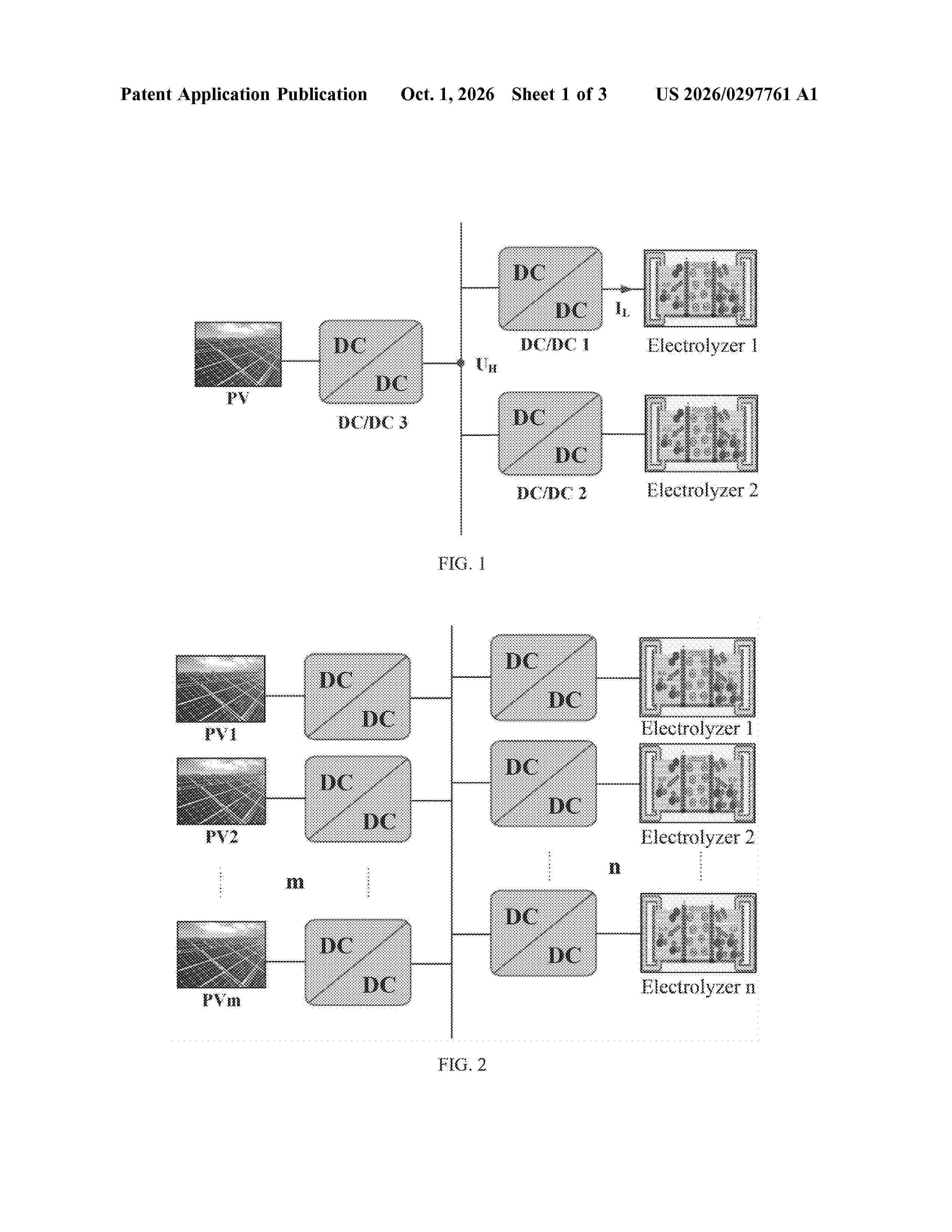
A hydrogen-electric coupling control method for off-grid green power-based hydrogen production includes: performing maximum power point tracking (MPPT) control on each photovoltaic module to maximize an output power; distributing the output power to a power-type electrolyzer, and stabilizing a current on a low-voltage side at a specified value by adjusting a duty cycle of a boost direct current (DC)/DC converter, such that the power-type electrolyzer always operates at a rated power point; and distributing the output power to a regulation-type electrolyzer, and stabilizing a voltage on a high-voltage side at a target value by adjusting an output voltage of the boost DC/DC converter, such that the regulation-type electrolyzer absorbs a fluctuating part of a photovoltaic power. The hydrogen-electric coupling control method can effectively improve efficiency of a green power-based hydrogen production system, and realize stable and sustainable hydrogen production without relying on energy storage.
Resumen de: WO2026203446A1
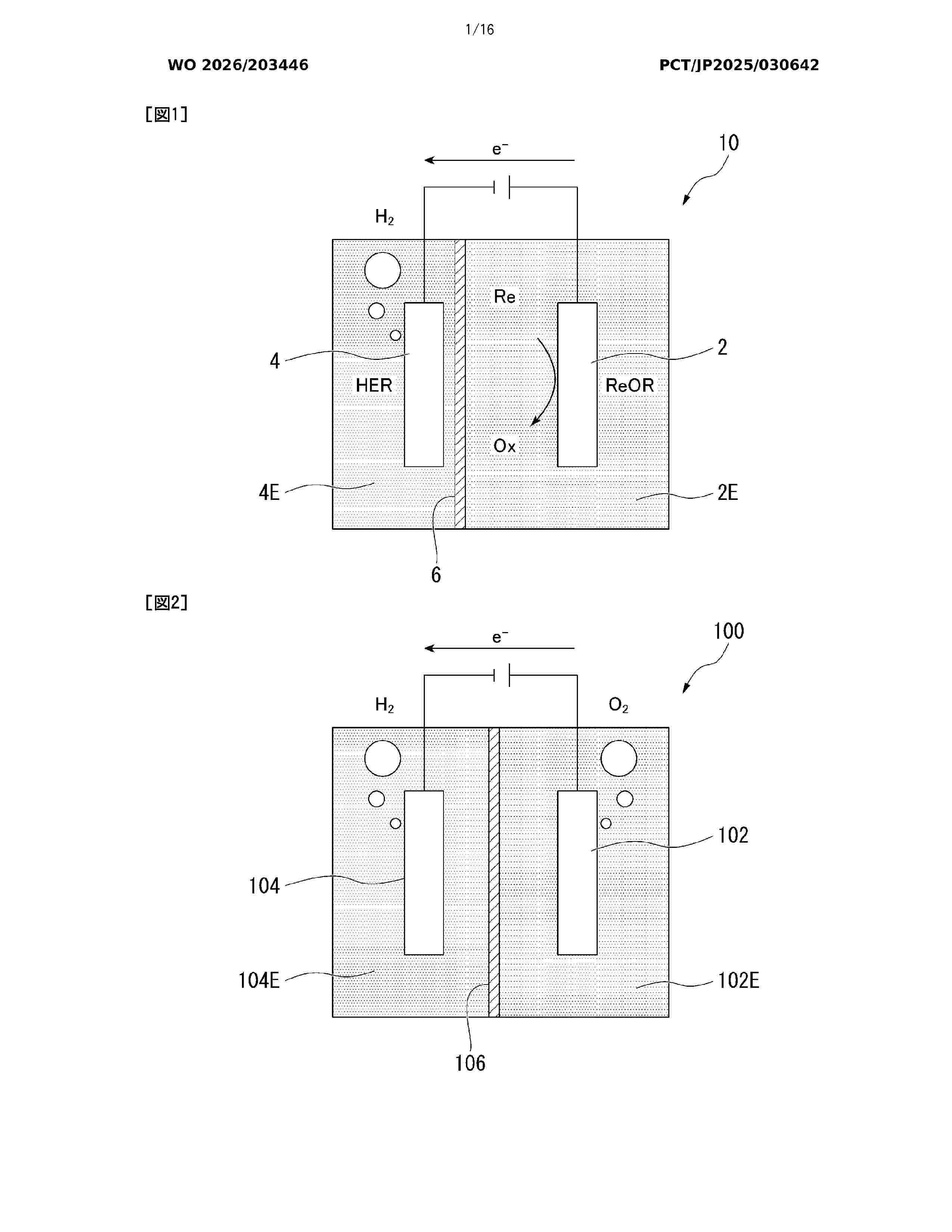
Provided are: a redox-mediated electrolysis cell which is capable of lowering overvoltage at the anode side; a redox-mediated secondary battery cell; a dynamic regenerative redox-mediated electrolysis cell; a redox-mediated electrolysis device; and a method for producing hydrogen. A redox-mediated electrolysis cell according to the present invention is provided with a first anode, a first cathode, a first anode electrolyte solution, a first cathode electrolyte solution, and a first diaphragm that separates the first anode electrolyte solution and the first cathode electrolyte solution from each other. The first anode electrolyte solution contains a redox-mediated reduced form. At the first anode, the oxidation potential of the redox-mediated reduced form is lower than the oxygen generation potential.
Resumen de: US20260297779A1
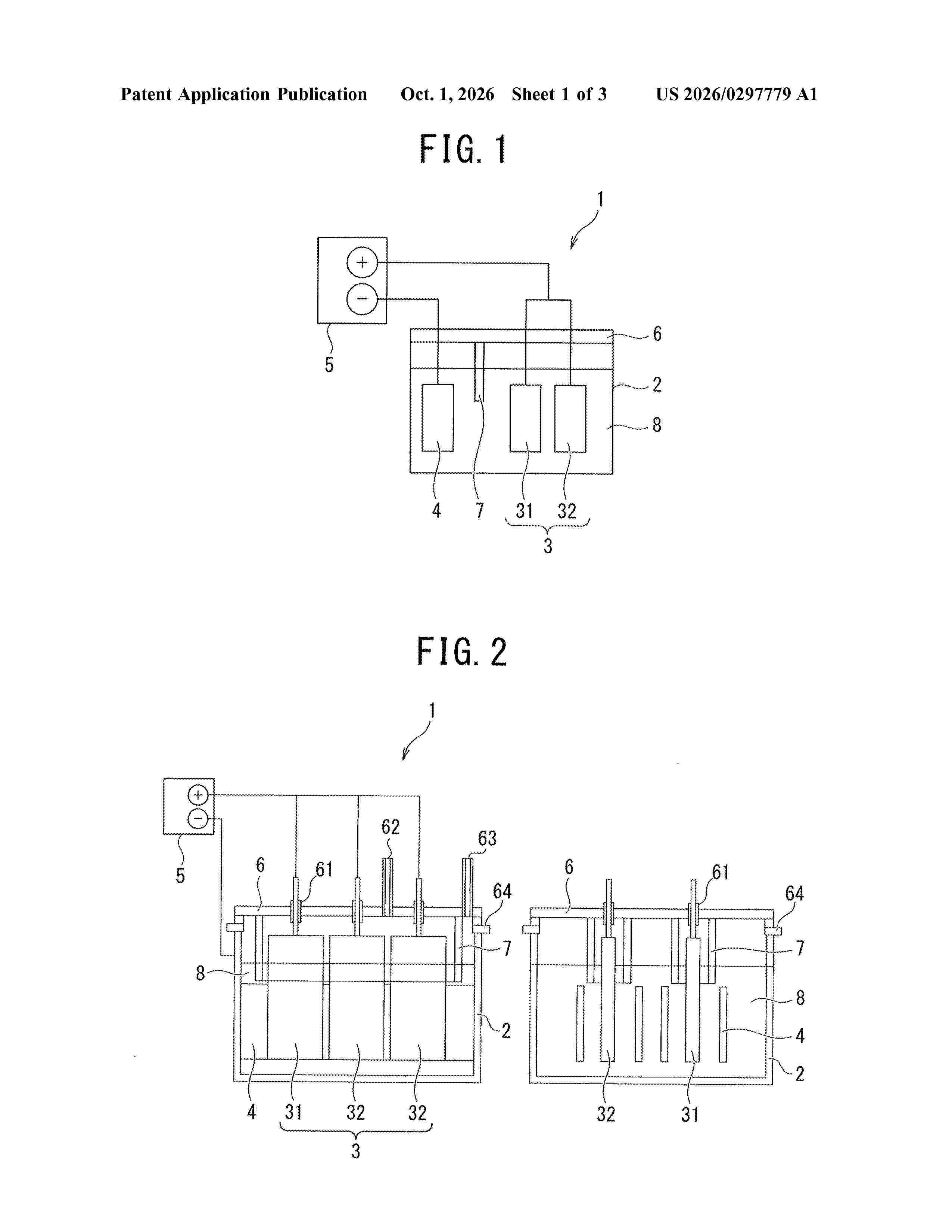
There is provided a device for producing an electrolyte for producing a fluorine gas having a low vapor pressure of hydrogen fluoride. An electrolyte production device (1) includes an anode (3) having a nickel electrode (31) and a carbon electrode (32); a cathode having a metal electrode (4); and an electrolyte production tank (2) in which a liquid to be treated (8), containing potassium fluoride and hydrogen fluoride, is capable of being accommodated and the liquid to be treated (8) is subjected to an electrolytic treatment using the anode (3) and the cathode (4), in which the electrolyte production device (1) has a structure with which a direct current is capable of being applied for energization through both the nickel electrode (31) and the carbon electrode (32).
Resumen de: WO2026203789A1
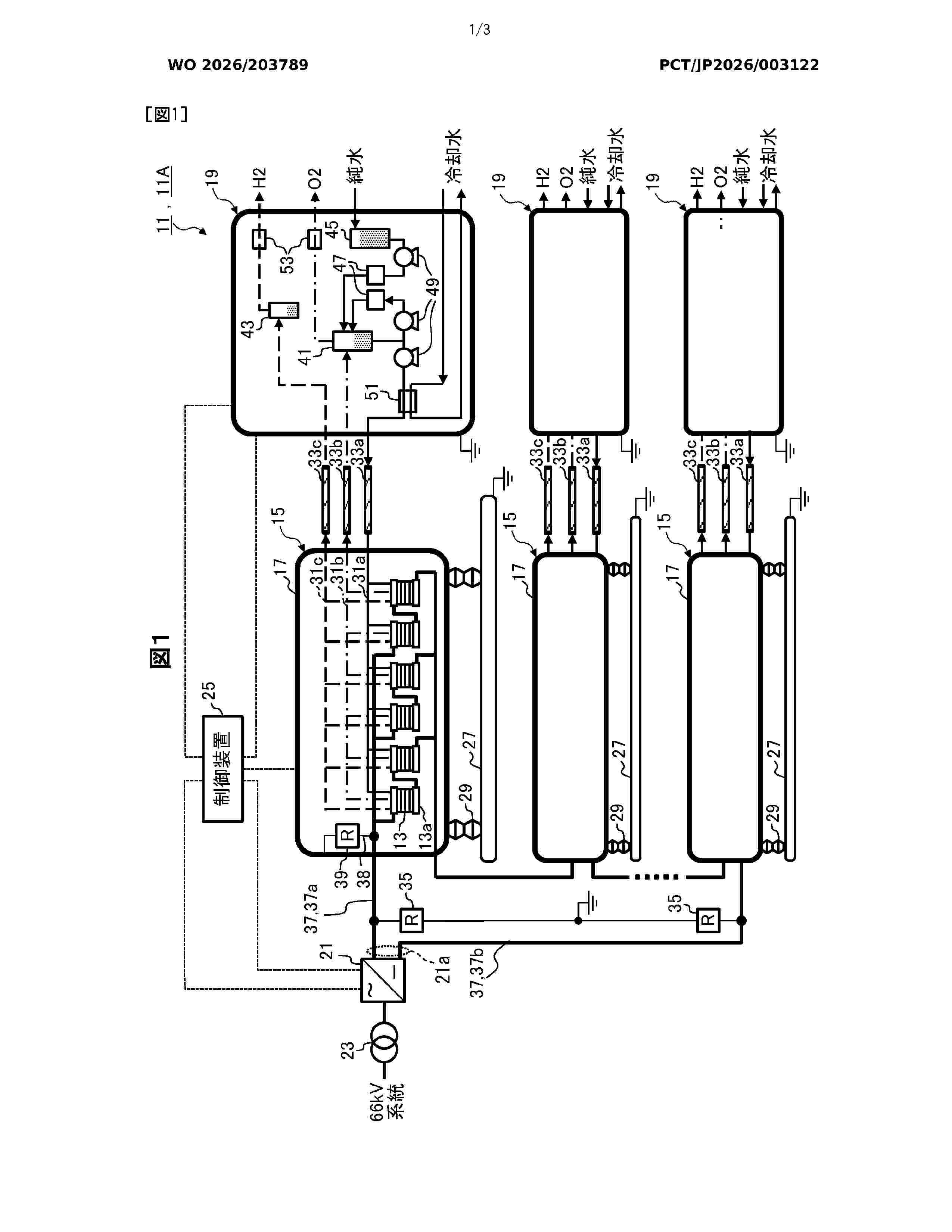
This water electrolysis system (11) comprises: a water electrolysis device (15) provided with a plurality of electrolysis tanks (13) which are connected at least in series to a power converter (21) and in which water electrolysis is performed; and a conductive shielding body (17) which accommodates the water electrolysis device (15) in an internal space so as to surround the water electrolysis device (15). A shield body potential (Vsh), which is a potential pertaining to the shield body (17), is set to converge, in a state of being insulated from a ground potential, to a prescribed allowable potential difference (Vpd) with respect to a water electrolysis device potential (Vwe) that is a potential pertaining to the water electrolysis device (15). The present invention secures a reduction effect of an explosion event caused by leaked hydrogen regardless of a leakage place of hydrogen.
Resumen de: US20260297762A1
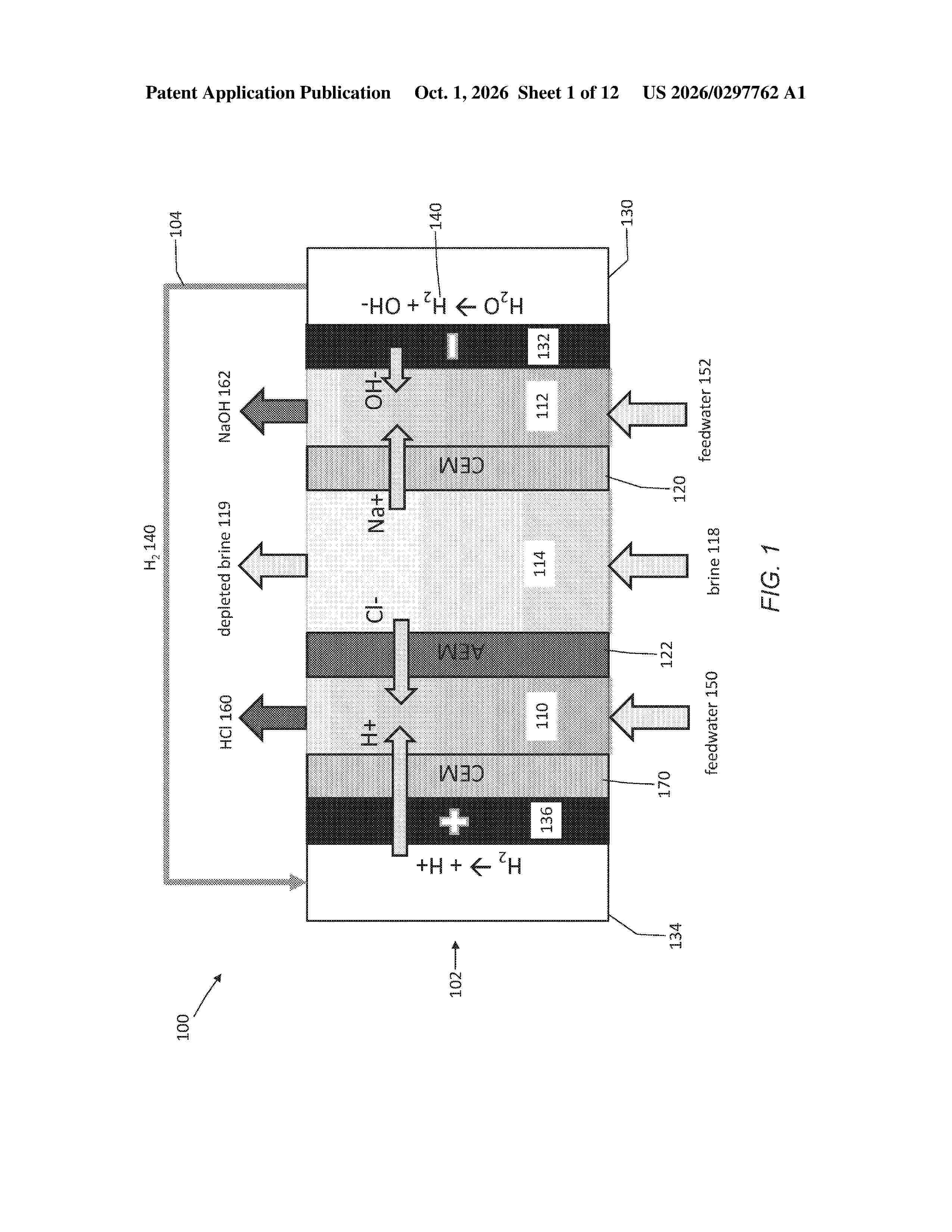
0000 The disclosed technology relates to electrochemical systems and methods for the energy-efficient generation of base and acid solutions and deionization of saline waters. Various systems and methods include hydrogen pump cells, capacitive-faradaic hybrid cells, and/or zinc redox-based cells. These methods strategically utilize membranes, hydrogen evolution and oxidation reactions, charge storage materials, and redox-active metals to maximize energy efficiency for base and acid generation. Various embodiments enable simultaneous base/acid generation alongside energy storage/conversion, enabling continuous operation of an external device (e.g., a base/acid generating process) during periods of intermittency in renewable energy. Various implementations involve integration with carbon dioxide capture systems and other chemical systems and processes.
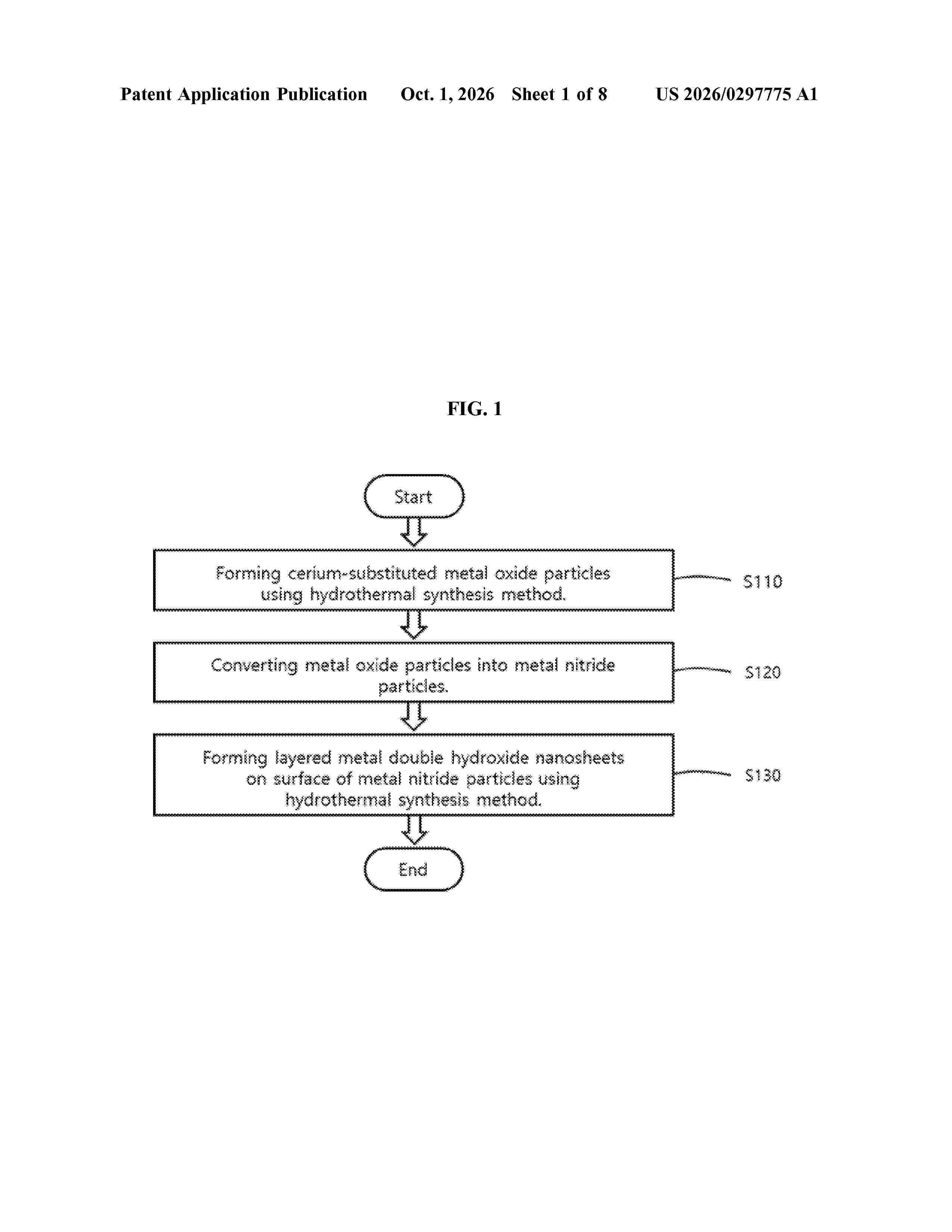
Resumen de: US20260297775A1
A metal nitride hybrid composite catalyst having catalytic activity for an oxygen evolution reaction (OER), a hydrogen evolution reaction (HER), or an oxygen reduction reaction (ORR) is disclosed. The metal nitride hybrid composite catalyst may include a cerium-substituted metal nitride particle and a layered metal double hydroxide nanosheet grown on a surface of the metal nitride particle.
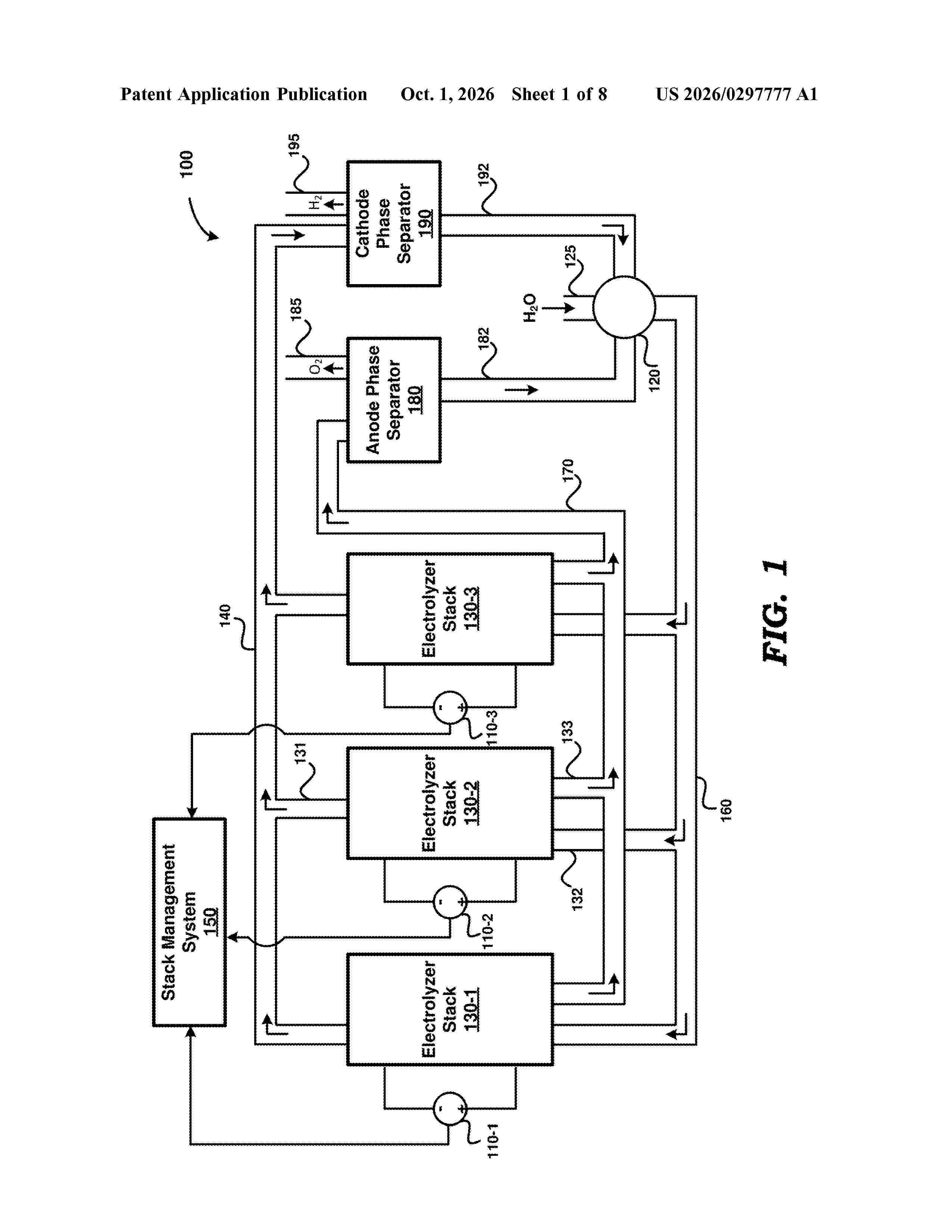
Resumen de: US20260297777A1
0000 An aspect of the present disclosure is directed to improving diagnostic measurements during operation of electrolyzers. In one embodiment, a hydrogen production system contains an electrolyzer; a direct current (DC) voltage source to apply a DC voltage across the electrolyzer to cause production of hydrogen by the electrolyzer; a test source to apply an alternating current (AC) signal across the electrolyzer to perform measurement of a diagnostic parameter of the electrolyzer; and a filter located in a path between the DC source and the electrolyzer, the filter designed to block the AC signal from when the AC signal is applied across the electrolyzer. As such the test source is operable to perform the measurement during the production of the hydrogen while the filter prevents the diversion of the AC signal to the DC source.
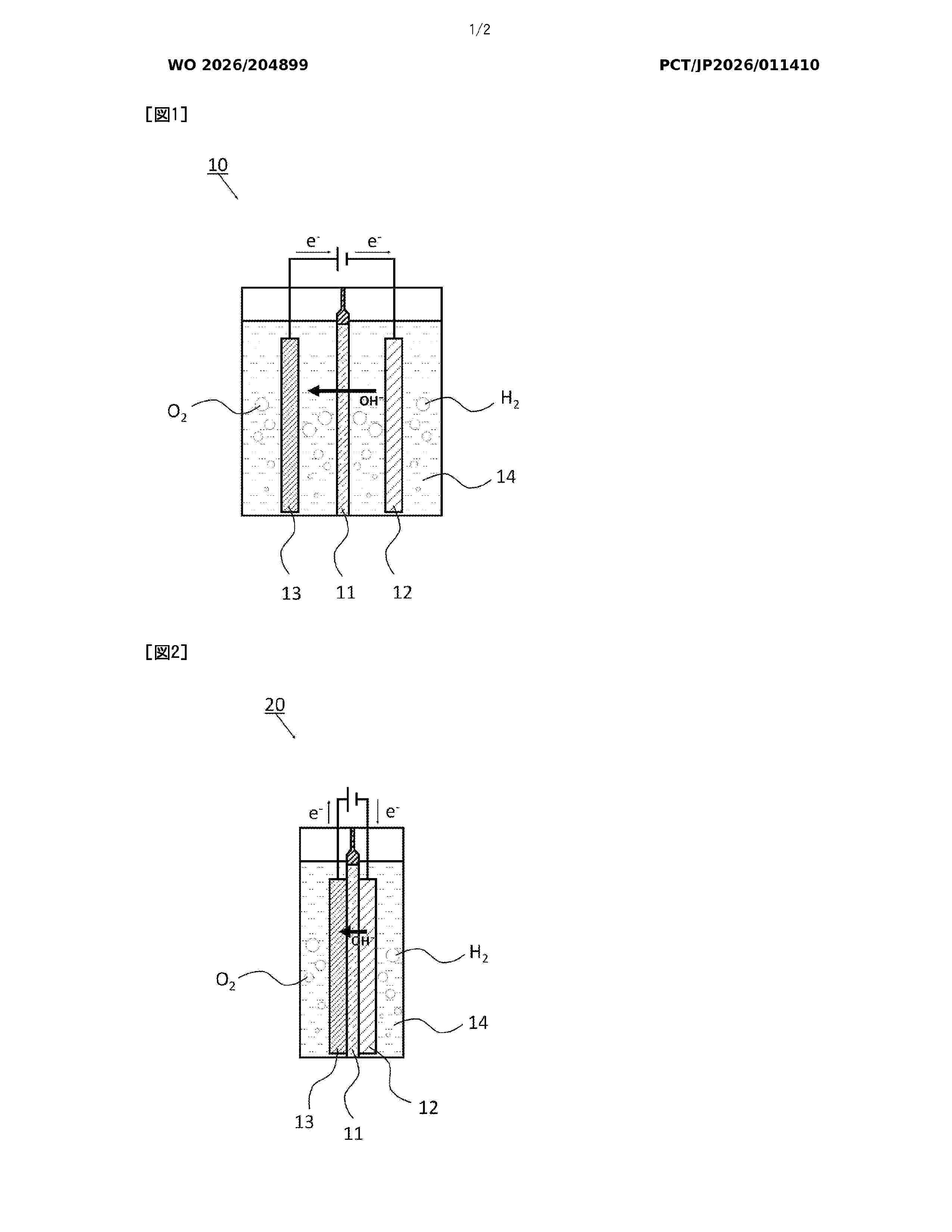
Resumen de: WO2026204899A1
Provided are: a separator for water electrolysis, the separator being composed of a film that contains a polymer having at least one constitutional unit selected from a constitutional unit represented by general formula (A) and a constitutional unit represented by general formula (B); and a material and a polymer for a separator for water electrolysis, which are suitable for the formation of the separator for water electrolysis. In the formulae, L groups each independently represent a C1-20 alkylene group, X groups each independently represent a hydrogen atom, Li, Na, K, or Cs.
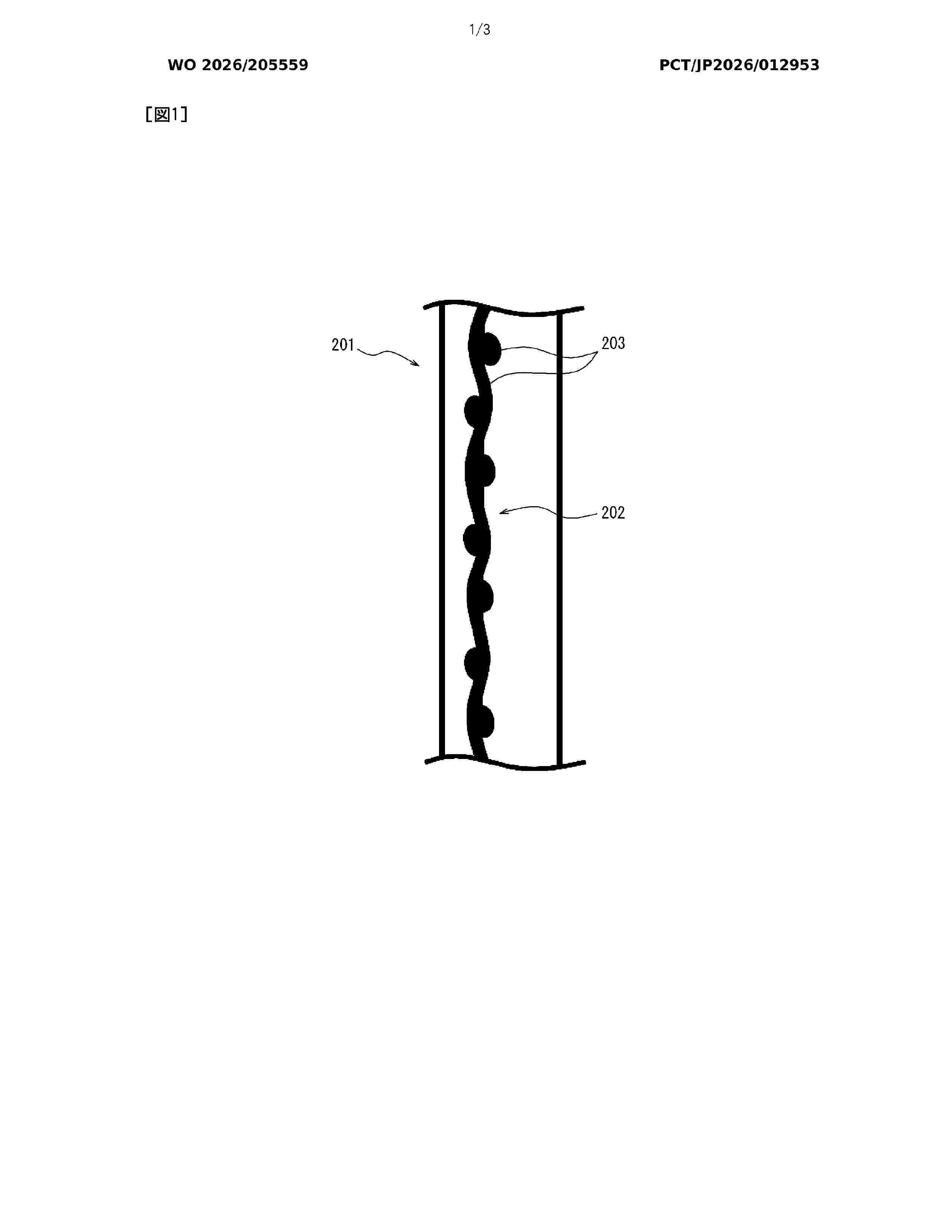
Resumen de: WO2026205559A1
According to the present invention, it is possible to provide an alkaline water electrolysis device and ion exchange membrane for alkaline water electrolysis enabling the electrolysis voltage to be kept low even at high current densities during alkaline water electrolysis, and having gas blocking properties that inhibit intermixing between hydrogen gas and oxygen gas generated, even at a low current density. The present invention provides an ion exchange membrane including a fluoropolymer having an ion exchange group and a woven fabric containing a polymer having a hydrogen permeability coefficient within a predetermined range. The weight of the fluoropolymer per unit area of the ion exchange membrane, the volumetric fraction of the polymer constituting the woven fabric in the ion exchange membrane, and the ion exchange capacity of the fluoropolymer are within predetermined ranges.
Resumen de: WO2026203429A1
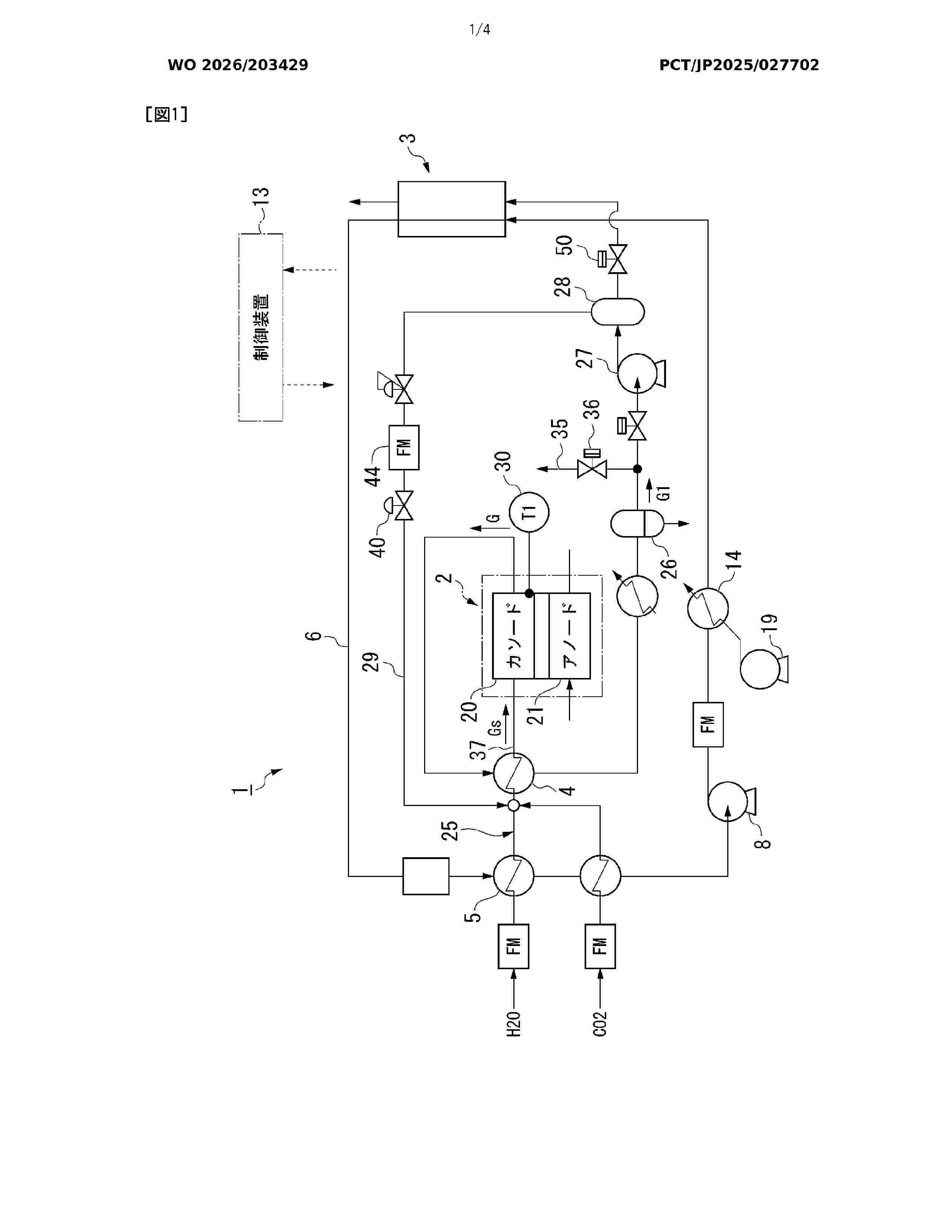
This electrolysis system comprises: an electrolysis device that generates a cathode off-gas containing hydrogen through electrolysis using water as a raw material; a raw material system that supplies the raw material to the electrolysis device; a cathode regeneration heat exchanger that exchanges heat between the cathode off-gas and a cathode supply gas supplied to a cathode of the electrolysis device; a drain separator that separates moisture contained in the cathode off-gas; a synthesis gas booster that is provided on the downstream side of the drain separator; a tank that is provided on the downstream side of the synthesis gas booster; and a recycle system that returns a portion of the synthesis gas, from which moisture has been separated by the drain separator, to the raw material system through the tank.
Resumen de: WO2026204931A1
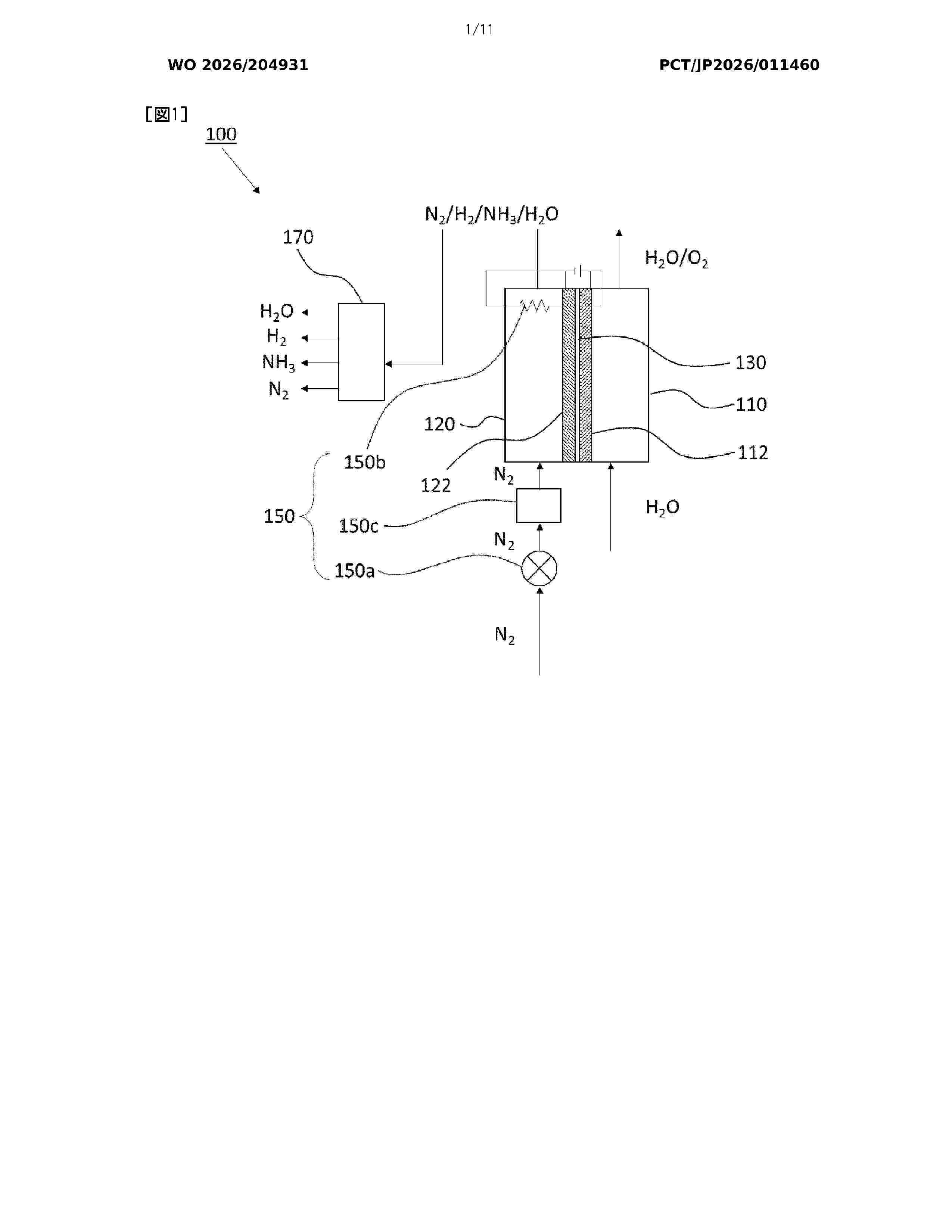
The purpose of the present disclosure is to provide an ammonia production apparatus capable of efficiently producing ammonia and suppressing production cost. The present disclosure relates to an ammonia production apparatus comprising: an anode chamber which has an anode electrode having a water electrolysis catalyst and to which water is supplied; a cathode chamber which has a cathode electrode having an ammonia synthesis catalyst and to which gaseous nitrogen is supplied; a diaphragm provided between the anode chamber and the cathode chamber; and a cathode electrode drying means for drying the cathode electrode. In the ammonia production apparatus, ammonia is synthesized from a hydrogen source and the nitrogen in the presence of the ammonia synthesis catalyst in the cathode chamber.
Resumen de: WO2026202230A1
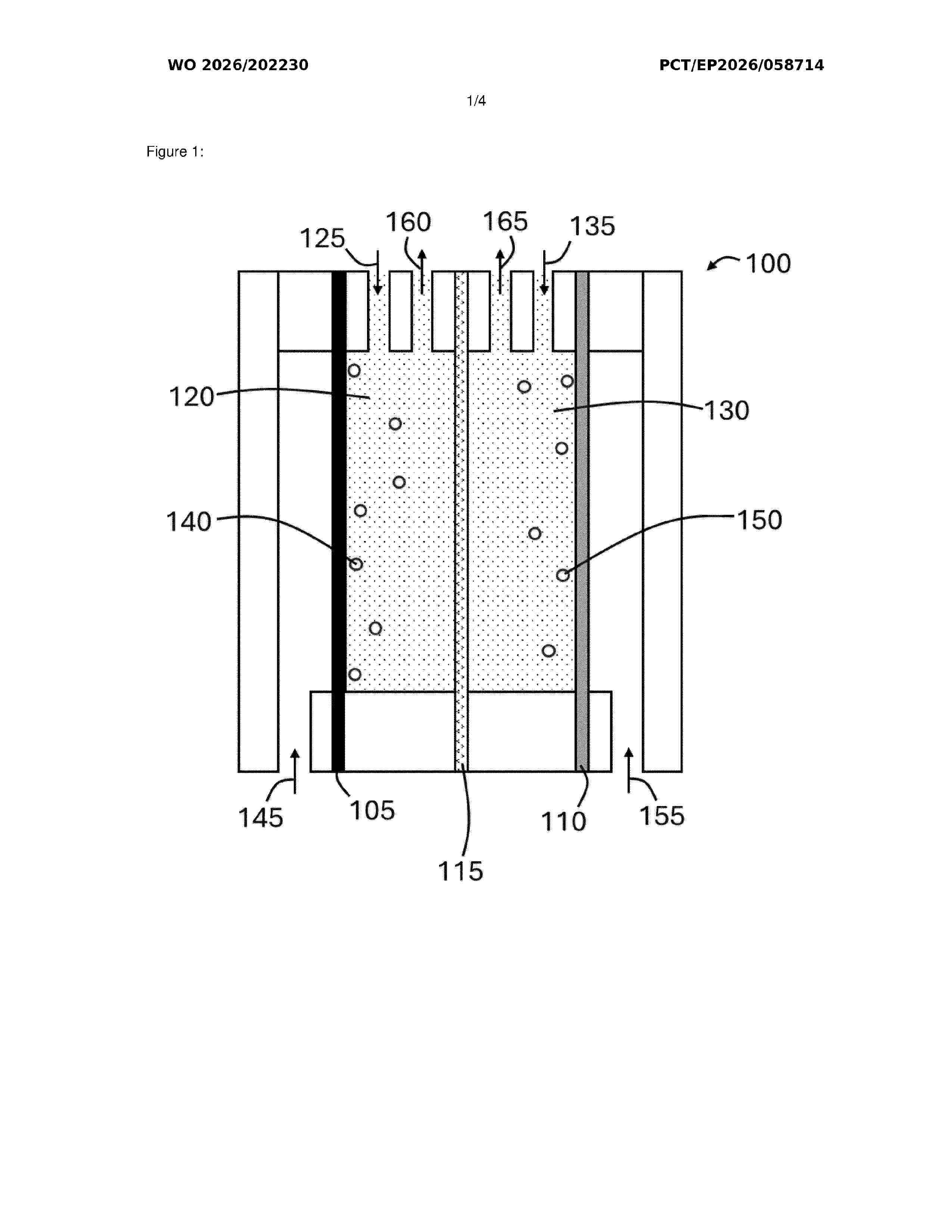
A method and system for the production of a synthetic fuel Method and system for the production of a synthetic fuel comprising C5+ hydrocarbons which uses gaseous feedstocks of hydrogen and carbon monoxide and/or dioxide to produce a methanol intermediate with an electrochemical reactor and an enzymatic treatment unit before a two-stage reaction process produces the synthetic fuel via dehydration of the methanol to dimethyl ether.
Resumen de: WO2026206118A1
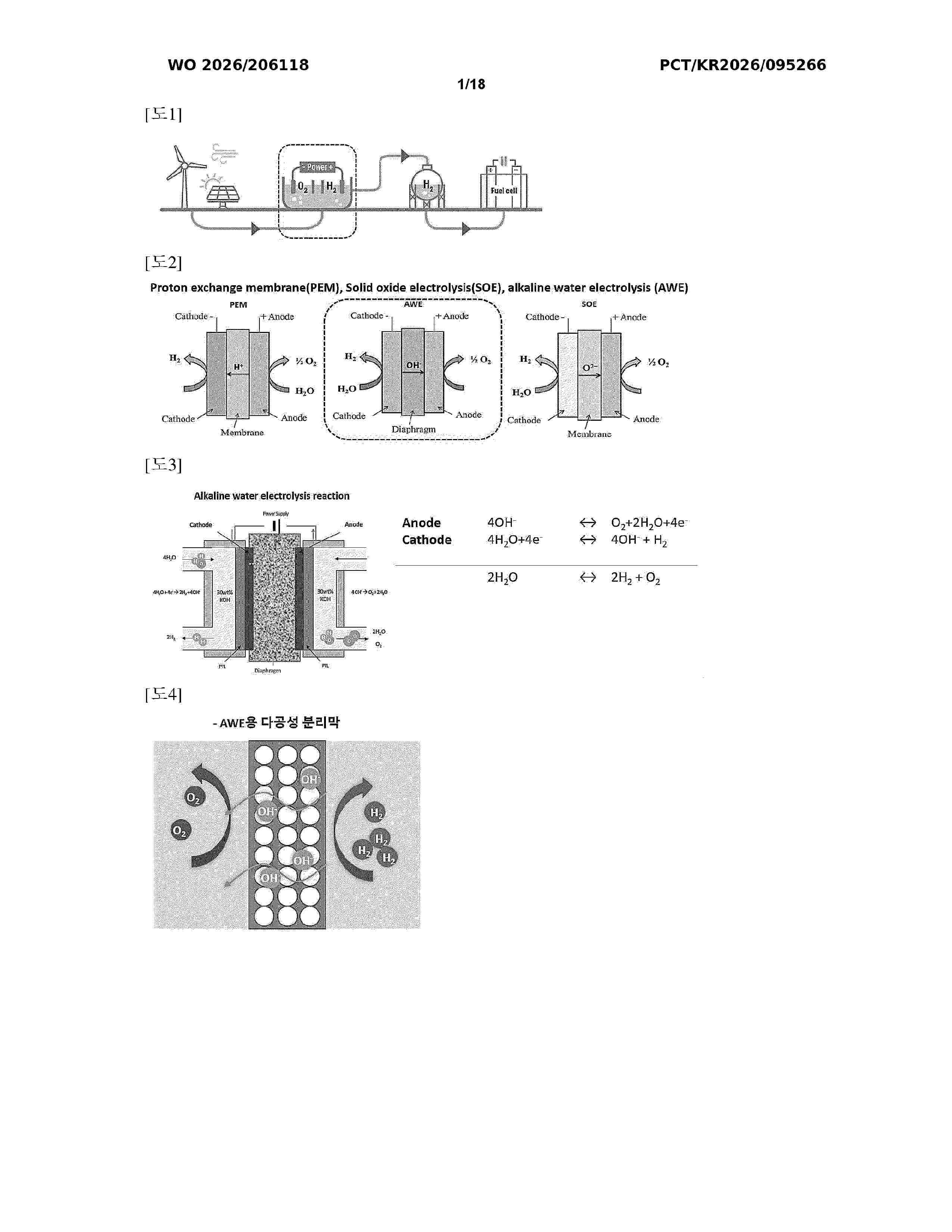
The present invention relates to a porous separator having low permeability and low resistance characteristics for alkaline water electrolysis, and a manufacturing method therefor. The porous separator may comprise (a) a porous structure layer including ceramic nanoparticles and a polymer binder including a polyarylene sulfone-based polymer and a perfluorosulfonic acid-based (PFSA) polymer, (b) a polyphenylene sulfide (PPS) porous support coated with the porous structure layer, and optionally (c) a polyvinyl alcohol (PVA) coating layer. In addition, the separator is manufactured using a nonsolvent-induced phase separation (NIPS) process. According to the present invention, by introducing the PFSA polymer, a pore structure is uniformly formed, excessive pores are suppressed, and ion transfer resistance is reduced by improving hydrophilicity. Accordingly, a separator for alkaline water electrolysis having excellent durability while achieving both low membrane resistance and low hydrogen permeability can be provided.
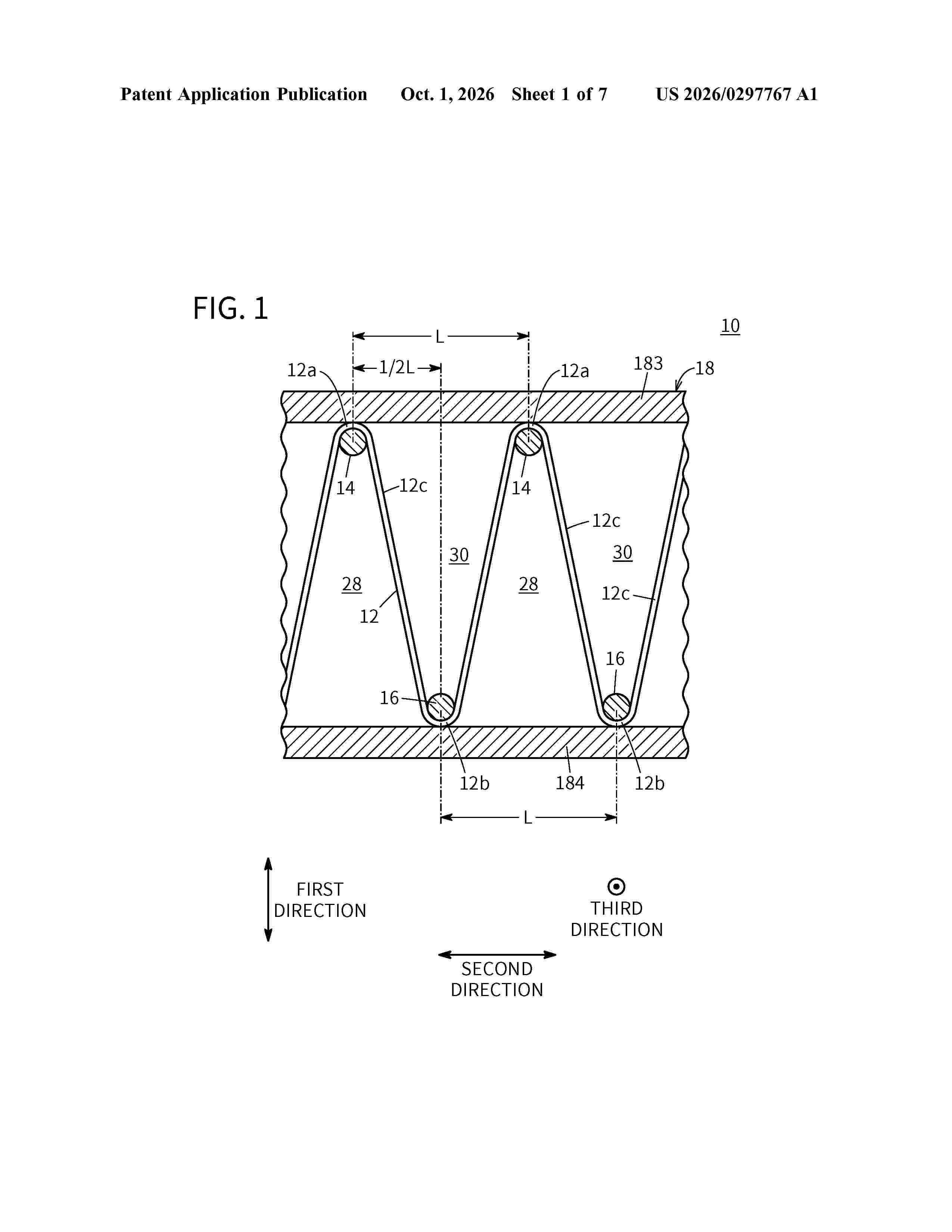
Resumen de: US20260297767A1
An electrolysis cell includes: a band-shaped stacked body including a diaphragm including a first surface and a second surface, a cathode stacked on the first surface of the diaphragm, and an anode stacked on the second surface of the diaphragm, the stacked body meandering in a first direction and extending in a second direction; a first current collector that extends in a rod shape in a third direction perpendicular to the first direction and the second direction, and abuts on the cathode at a first curved portion where the stacked body is curved such that the first surface is located on the inner side; and a second current collector that extends in a rod shape in the third direction, and abuts on the anode at a second curved portion where the stacked body is curved such that the second surface is located on the inner side.
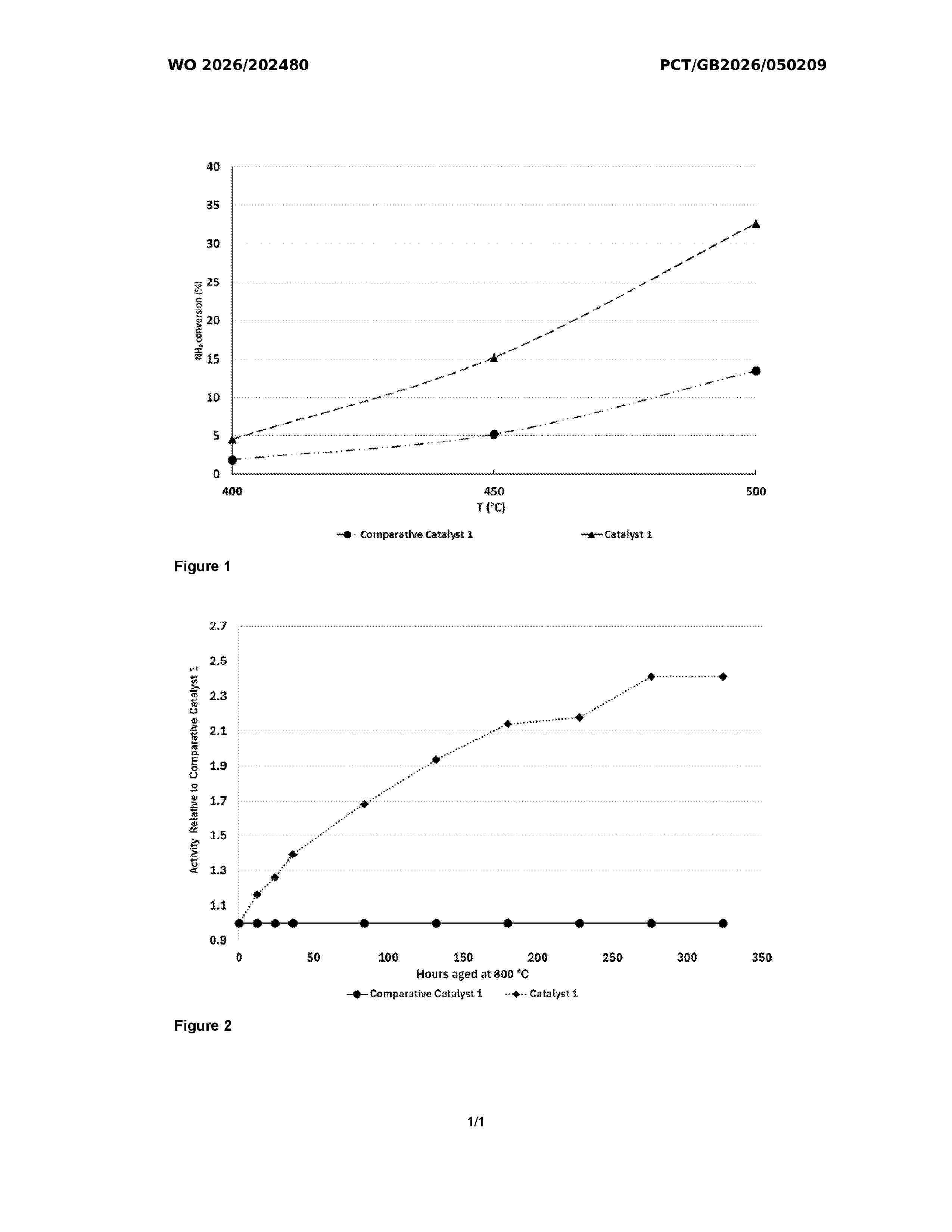
Resumen de: WO2026202480A1
The present invention relates to a process for producing hydrogen from the catalytic cracking of ammonia using a catalyst. The catalyst comprises nickel supported on a metal element modified alumina support, the nickel having a particle size of from 0.5 nm to 10 nm, the metal element of the metal element modified alumina support being selected from the group comprising the rare-earth metals, titanium (Ti), zirconium (Zr), molybdenum (Mo), and zinc (Zn).
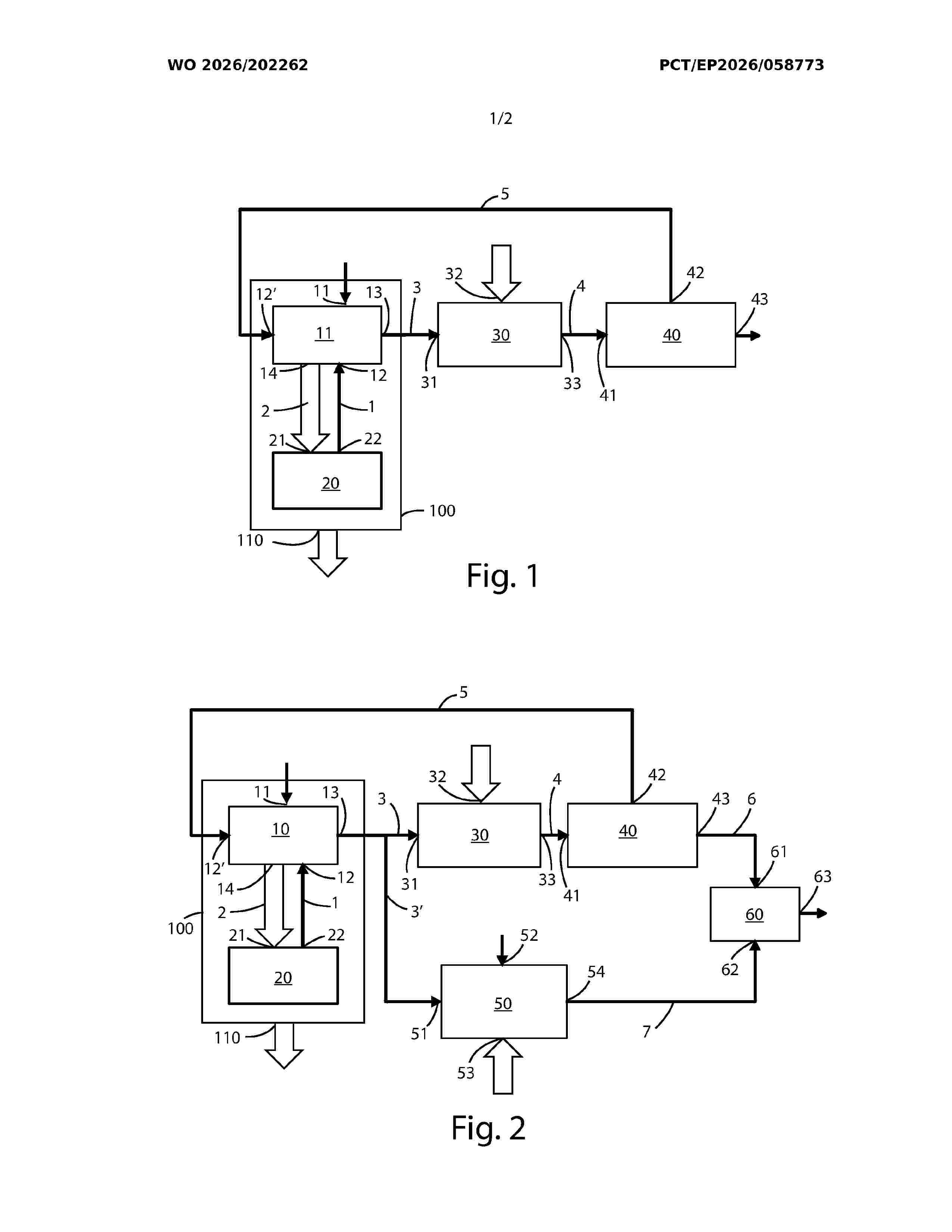
Resumen de: WO2026202262A1
The present disclosure provides a method and a system for sequestration of carbon dioxide from an oxy-fuel combustion thermodynamic system (100) and production of fine chemicals. The method includes burning a fuel with oxygen to produce energy and carbon dioxide, splitting carbon dioxide into a mixture of oxygen and carbon monoxide through a plasma-assisted catalytic carbon dioxide conversion reaction, separating a stream of carbon monoxide and a stream of oxygen from the mixture, and 10 recirculating oxygen to the fuel burning step. The system includes a plasma-assisted catalytic carbon dioxide conversion reactor (30) coupled to the oxy-fuel combustion thermodynamic system (100) through a carbon dioxide line (3), and an oxygen separator (40) coupled to the reactor (30) through an oxygen and carbon monoxide mixture line (4). The oxygen separator (40) is coupled to the oxy-fuel combustion thermodynamic system (100) through an oxygen recirculation line (5). The system can additionally comprise a hydrogen production unit (50, 70) to produce hydrogen, which is then mixed in a mixing station (60) with the separated carbon monoxide from the oxygen separator (40) to produce syngas.
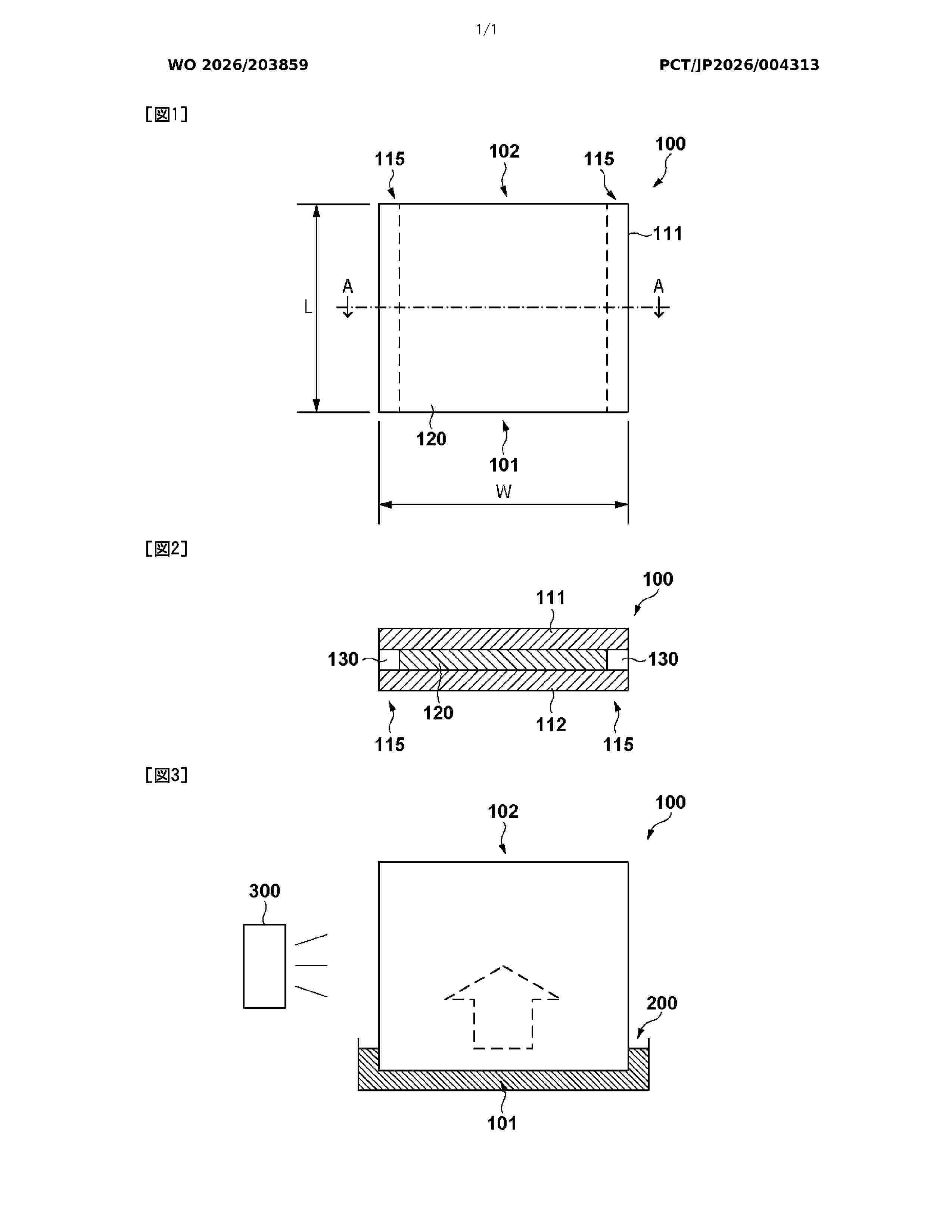
Resumen de: WO2026203859A1
Provided is a hydrogen generator that can be miniaturized. The present invention comprises: a water-permeable member that carries a photocatalyst; and a pair of gas barrier members that sandwich the water-permeable member.
Nº publicación: DE102025111619A1 01/10/2026
Solicitante:
BOSCH GMBH ROBERT [DE]
Robert Bosch Gesellschaft mit beschr\u00E4nkter Haftung
Resumen de: DE102025111619A1
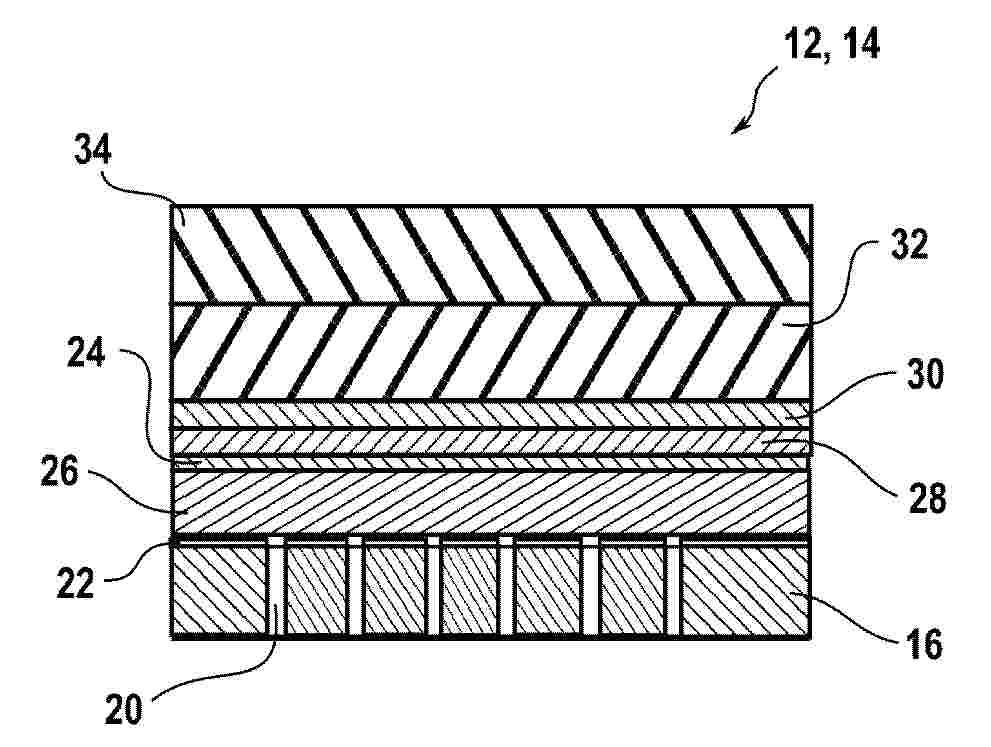
Die Erfindung betrifft ein Verfahren (10) zur Herstellung einer elektrochemische Zelle (12), insbesondere Elektrolysezelle (14), aufweisend ein Zellsubstrat (16), eine erste Elektrodenschicht (26), eine zweite Elektrodenschicht (32), eine zwischen der ersten Elektrodenschicht (26) und zweiten Elektrodenschicht (32) angeordnete Elektrolytschicht (28), wobei die Elektrolytschicht (28) mittels eines physical vapour deposition (PVD) Verfahrens abgeschieden wird. Es wird vorgeschlagen, dass auf die Elektrolytschicht (28) eine Versiegelungsschicht (30) mittels atomic layer deposition (ALD) abgeschieden wird.
 BOPI
BOPI
 Sede Electrónica