Si deseas distinguir tus productos, servicios o ambos de los de otra empresa, es posible que necesites una marca o nombre comercial. Descubre qué son, en qué consiste su procedimiento de registro y qué implica.

Información sobre los plazos de presentación de solicitudes de transformación de marcas de la Unión Europea en marca nacional española. Más información


Si tienes un nuevo dispositivo, producto o procedimiento que resuelva un problema técnico o tenga una ventaja práctica, existen distintas formas de protegerlo en España y en otros países. Descubre cómo hacerlo.

¿Tu innovación reside en la estética, la ornamentación o la apariencia de tu producto? Protégela mediante un diseño industrial. Descubre qué derechos confiere el registro y cómo realizar la tramitación.

Las indicaciones geográficas protegen el nombre de un producto originario de una zona geográfica, a la cual le debe una determinada calidad, reputación u otra característica. Descubre qué son, en qué consiste su procedimiento de registro y qué beneficios conceden.

Las patentes publicadas en todo el mundo son una valiosa fuente de información científica, técnica y comercial.

Si eres emprendedor/a o una empresa y quieres potenciar y mejorar la rentabilidad de tu negocio protegiendo de forma adecuada los activos intangibles de tu organización, en este espacio encontrarás lo necesario.


 1060
resultados
1060
resultados
 Última actualización
24/10/2026 [07:27:00]
Última actualización
24/10/2026 [07:27:00]


 Resultados 475 a 500 de 1060

Resumen de: CN122773386A
本发明公开了一种低铱载量多层梯度阳极催化层结构及其制备方法,由膜侧向外侧依次为Ir锚定稳定第一亚层、高活性掺杂核壳第二亚层、弱缺陷纳米线传质第三亚层。第一亚层采用高缺陷耐酸氧化物负载超薄IrO2,高密度氧空位捕获迁移铱离子;中间层为掺杂改性核壳异质结催化剂,承载绝大部分析氧反应,三层铱载量呈中间高、两侧低倒置分布;外层改性IrO2纳米线构建大孔传质通道并辅助拦截铱物种。三层协同形成铱溶解‑锚定‑再沉积动态自修复闭环,总Ir载量控制在0.20‑0.45mg・cm‑2。本发明兼顾低载量下优异电解活性与超长运行稳定性,全电流密度区间极化损耗更低,千小时恒流测试电压衰减仅18mV,制备工艺与现有喷涂产线兼容,适合风光耦合制氢电解槽规模化应用。

Resumen de: CN122773206A
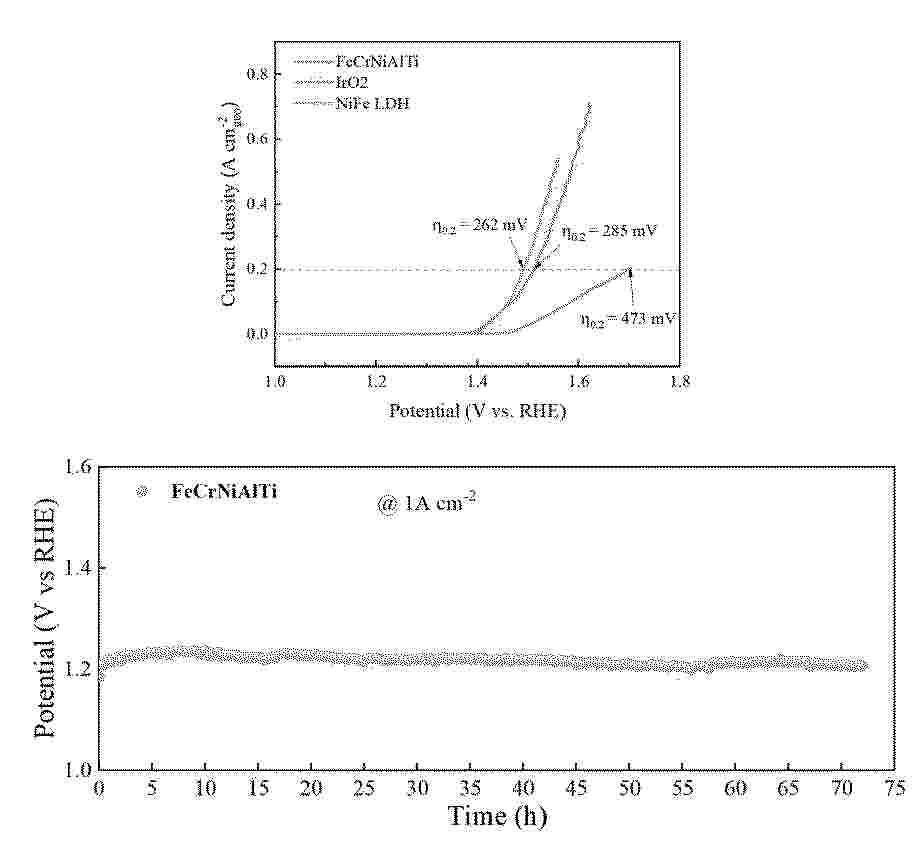
本发明属于高熵合金技术领域,具体涉及一种基于纳米片层FCC/L12的FeCrNiAlTi高熵材料及其制备与应用。所述高熵催化材料的合金原子百分比组成为:Ni 40.0‑50.0%、Cr 18.0‑22.0%、Al 2.0‑4.0%、Ti 2.0‑4.0%、Nb 0‑1.0%、Ta 0‑1.0%,其中5.0≤Al+Ti+Nb+Ta≤8.0,剩余为 Fe;其制备流程依次为熔炼浇铸、均匀化处理、热轧、退火、选择性腐蚀。本发明通过对合金成分与制备工艺进行合理匹配,获得了兼具纳米片层FCC基体与纳米片层L12‑Ni3Al析出相的微观组织。该材料应用于电解水析氧反应时催化性能优异、耐腐蚀,稳定性好。
Resumen de: CN122773390A
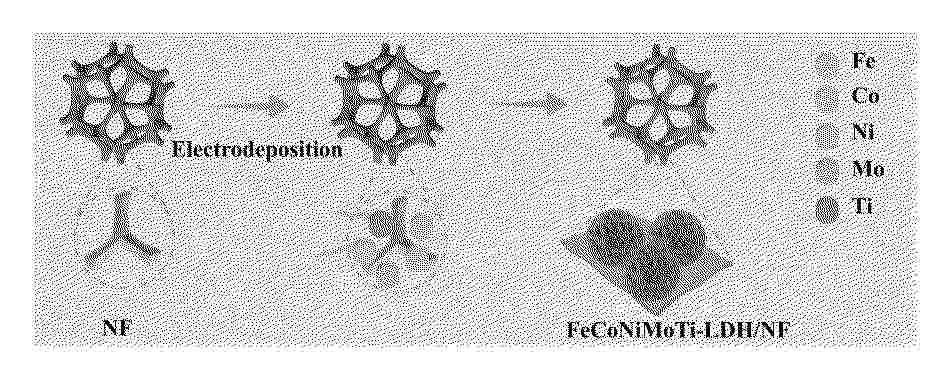
0001 本发明涉及电催化技术领域,特别涉及一种高熵层状双氢氧化物电极及其制备方法和应用,所述制备方法包括以下步骤,采用三电极体系,将三电极体系置于电镀前体溶液中,电化学沉积,制得高熵层状双氢氧化物电极;在所述三电极体系中,以预处理的泡沫镍作为工作电极;所述电镀前体溶液为金属盐溶液,在所述金属盐溶液中,金属包括镍、铁、钴、钼、钛。本发明采取电化学沉积制得非晶/结晶共存的高熵层状双氢氧化物电极,引入Mo抗氯蚀、Ti稳结构,触发晶格氧氧化机制提升OER活性;兼具高电导率、高OER活性、强抗氯腐蚀能力和超长效稳定性。
Resumen de: CN122773389A
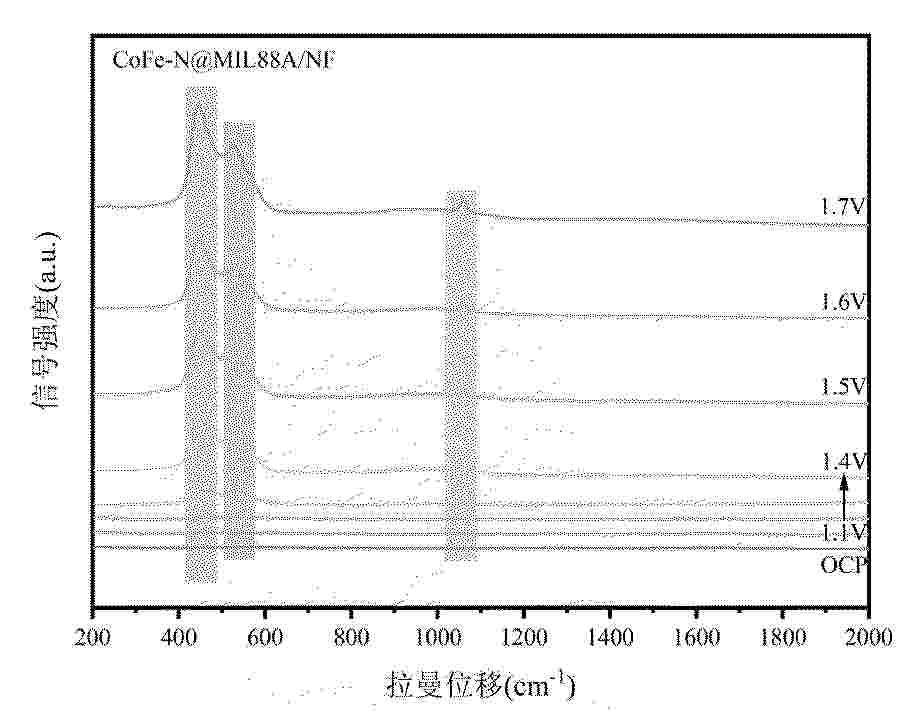
本发明公开了一种氮掺杂双功能电催化剂、制备方法及应用。首先通过水热法制备钴铁层状双氢氧化物(Co‑Fe LDH)前驱体,再通过水热法在其表面原位生长MIL‑88A金属有机框架,获得复合前驱体,随后在氨气气氛下高温煅烧实现氮掺杂并形成目标催化剂。该方法通过MOF复合与氨气退火协同调控催化剂电子结构,构建富缺陷氮掺杂碳层与高分散钴铁合金纳米颗粒的协同结构,显著提升电催化性能。所得催化剂在碱性电解液中表现出优异的双功能活性:OER在10 mA·cm‑²和100 mA·cm‑²电流密度下过电位分别为180 mV和235 mV,HER分别为66 mV和246 mV。本发明制备工艺简单、成本低廉,在整体水分解电催化领域具有良好的应用前景。
Resumen de: CN122773418A
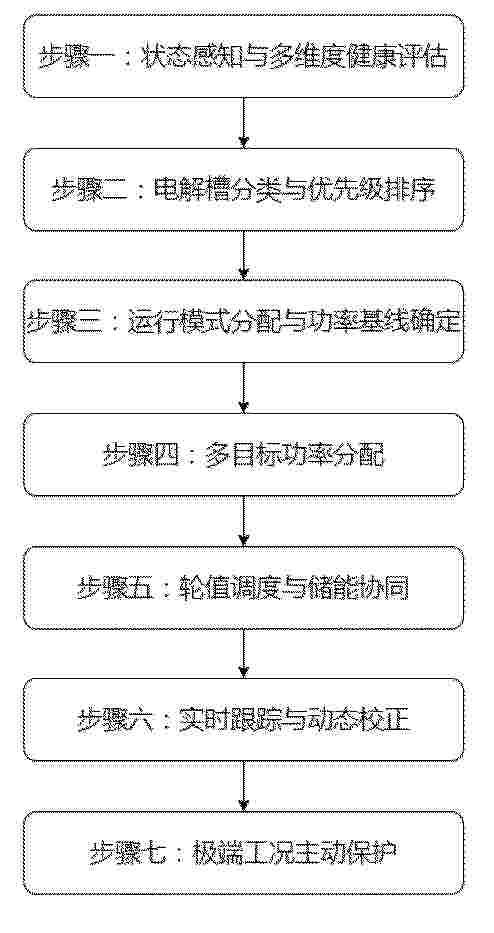
本发明提供了一种可再生电力波动下的电解水制氢调控方法,包括:对电解水制氢的电解槽进行健康度评估,根据健康度评估结果对所述电解槽进行分类;对分类后的电解槽进行运行模式分配和功率基线获取;获取可再生电力的预测功率信息,根据可再生电力的预测功率信息、运行模式分配结果和获取的功率基线,通过优化控制方法对电解槽进行功率分配,得到功率控制指令,根据所述功率控制指令对电解槽进行控制,以实现电解水制氢,实现了功率波动快速跟踪、低载安全高效运行与设备寿命均衡。
Resumen de: WO2025204074A1
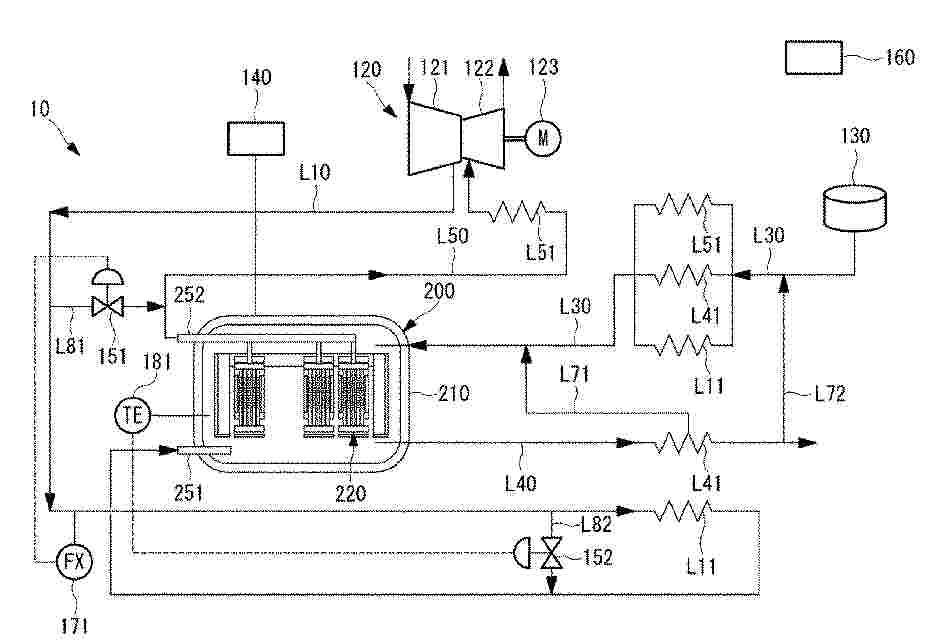
Provided are an electrolysis module cooling method and an electrolysis system capable of reducing an atmospheric temperature inside a container. Provided is a cooling method for an electrolysis module (200) comprising: at least one electrolysis cartridge (220) that includes an electrolysis cell and generates hydrogen by electrolyzing water vapor generated from water supply; and a pressure vessel (210) that accommodates the electrolysis cartridge (220). In the method for cooling the electrolysis module (200), the air is subjected to heat exchange with water supply in order to heat the water supply, and the heat-exchanged air is supplied to the pressure vessel (210) to cool the inside of the pressure vessel (210).
Resumen de: US20260275543A1
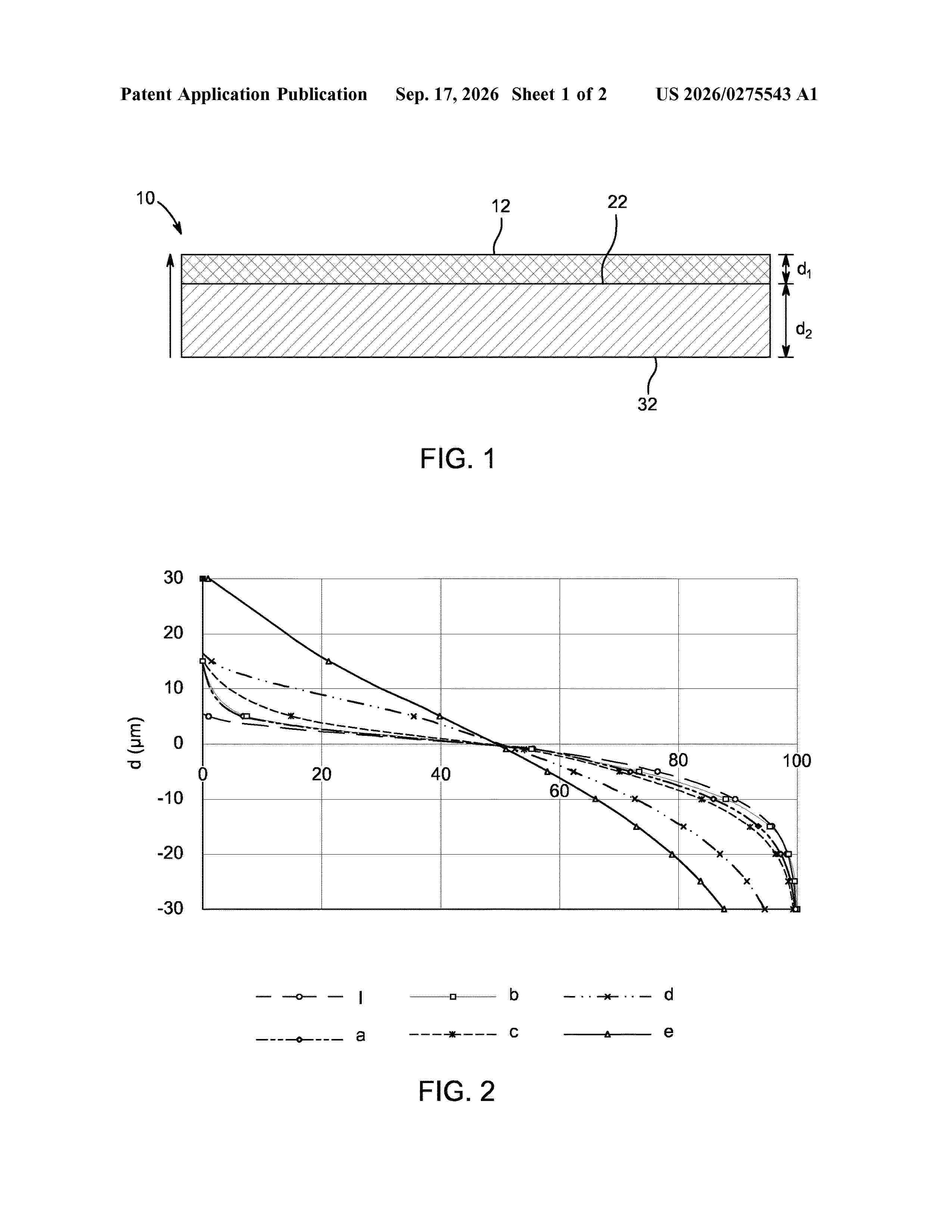
A porous transport layer for an electrolyser or for a fuel cell, comprising —a first nonwoven layer of metal fibers provided for contacting a proton exchange membrane, wherein the first nonwoven layer of metal fibers comprises metal fibers of a first equivalent diameter, wherein the first nonwoven layer of metal fibers has a first surface roughness and a first porosity, —a second nonwoven layer of metal fibers, wherein the second nonwoven layer of metal fibers comprises metal fibers of a second equivalent diameter, wherein the second nonwoven layer of metal fibers has a second surface roughness and a second porosity, wherein the first surface has a material ratio of less than 5% of material at a height of 5 μm, and more than 70% of material at a depth of −5 μm, the first equivalent diameter is smaller than the second equivalent diameter.
Resumen de: JP2026148455A
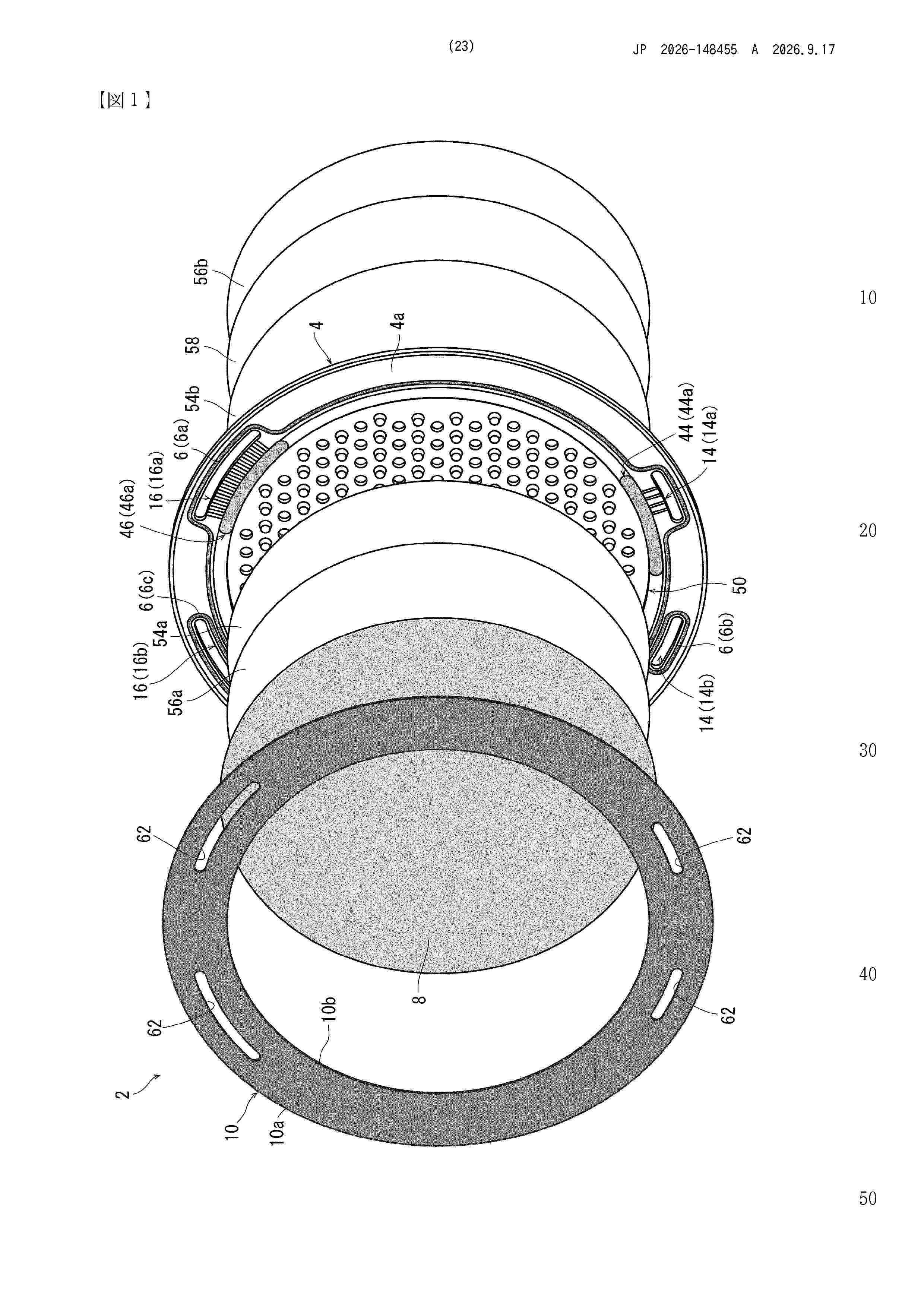
0001 【課題】隔膜の位置ずれ、隔膜の脱落、隔膜における皺の発生、または隔膜の破損を防止できる水電解槽のセル、および水電解槽を提供する。 【解決手段】水電解槽のセル2は、セルフレーム4と、隔膜8とを備えている。セルフレーム4は、第1主面4aと、前記第1主面4aの反対側に位置する第2主面4bとを有し、隔膜8は、セルフレーム4の第1主面4aに接着剤または粘着剤60で固定されている。 【選択図】図3
Resumen de: US20260279846A1
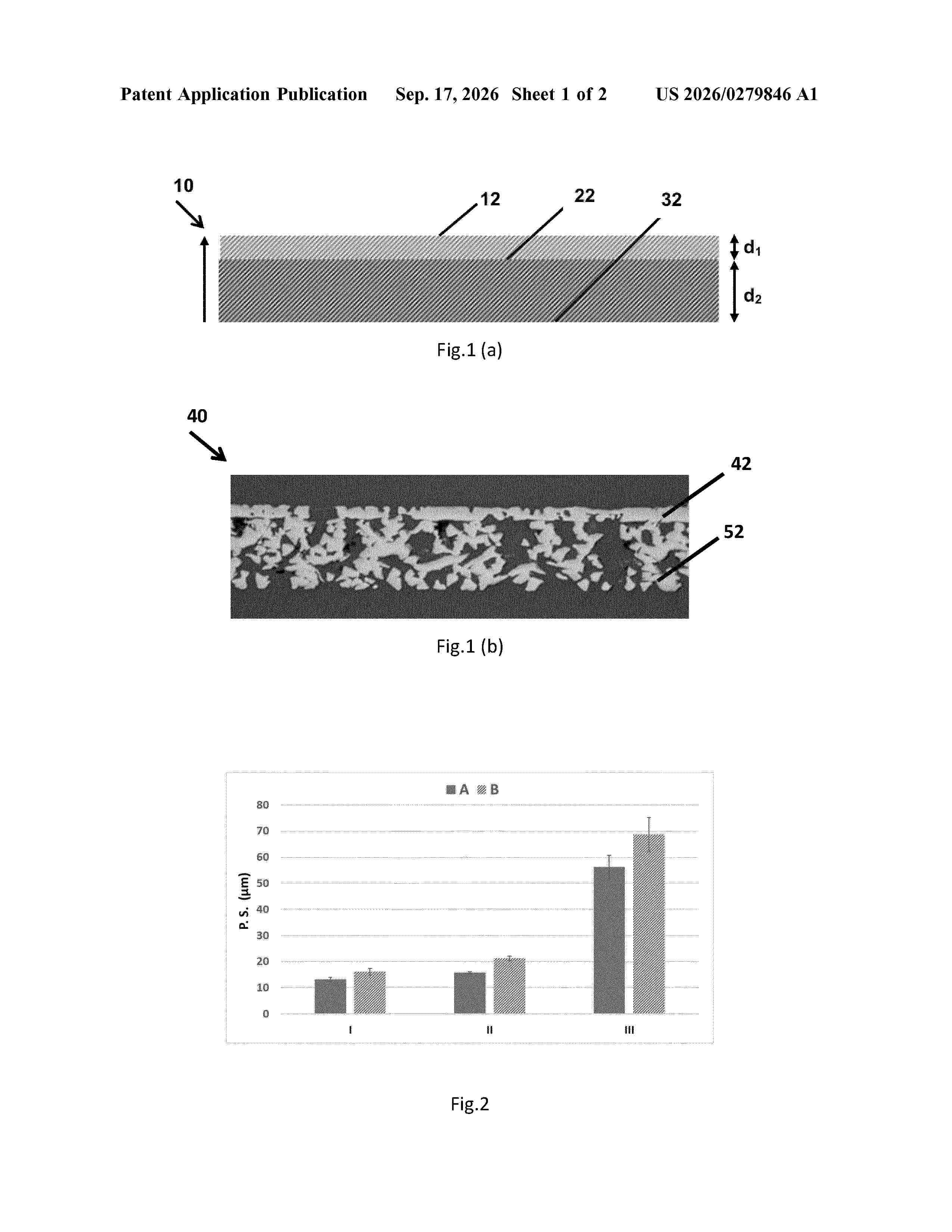
A porous transport layer for an electrolyser or for a fuel cell, comprising a first nonwoven layer of metal fibers provided for contacting a proton exchange membrane, wherein the first nonwoven layer of metal fibers comprises metal fibers of a first equivalent diameter, wherein the first nonwoven layer of metal fibers has a first surface roughness and a first porosity, a second nonwoven layer of metal fibers, wherein the second nonwoven layer of metal fibers comprises metal fibers of a second equivalent diameter, wherein the second nonwoven layer of metal fibers has a second surface roughness and a second porosity, wherein the first surface roughness is below 10 μm, the first equivalent diameter is smaller than the second equivalent diameter, the first surface roughness is smaller than the second surface roughness for at least 20%, e.g., in a range of 20% to 120%.
Resumen de: US20260275545A1
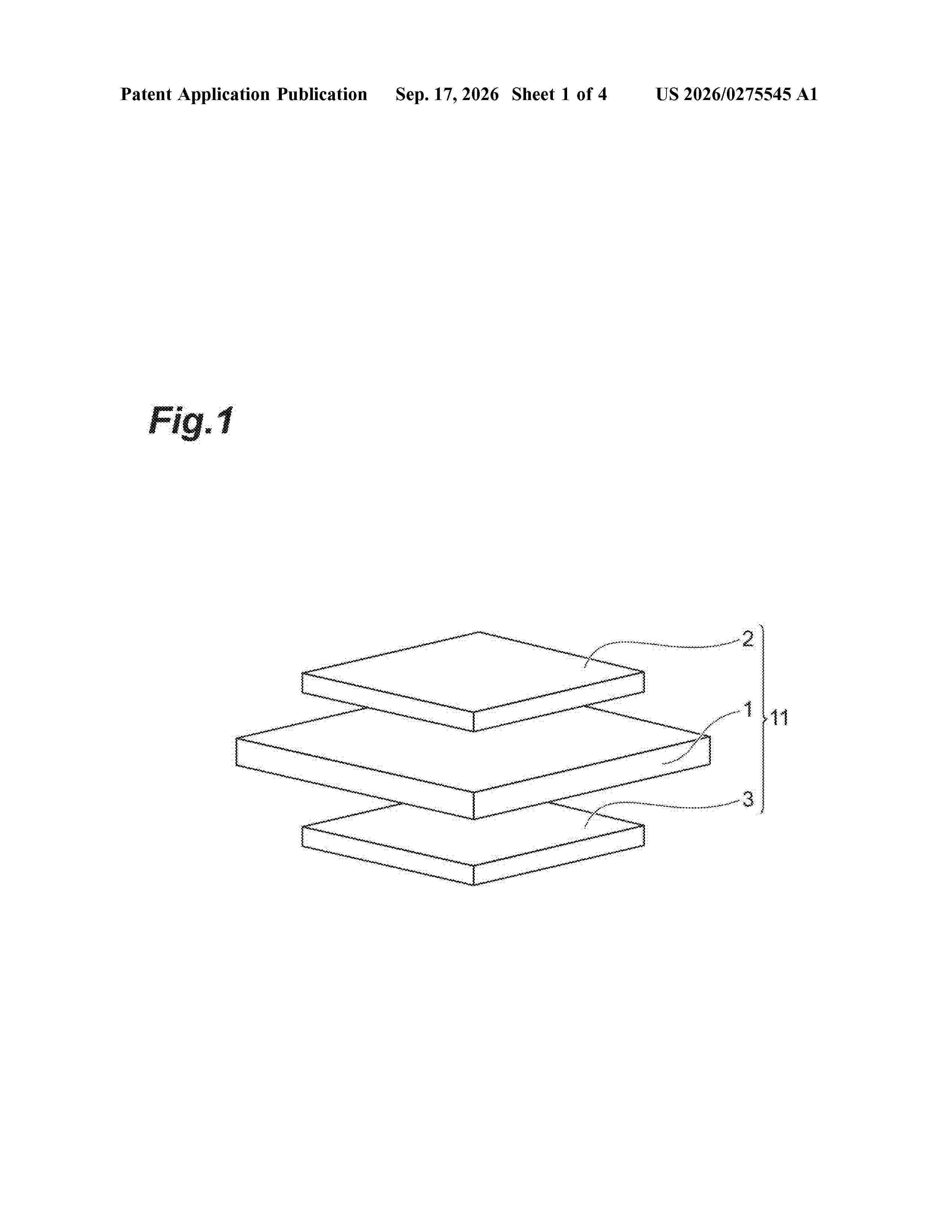
An electrode catalyst layer 2 includes catalyst particles 12, an ionomer 13, and ionomer-adsorptive carbon fibers 14α. The ionomer-adsorptive carbon fibers 14α may have an adsorption amount of the ionomer of 10 mg or more per 1 g of the ionomer-adsorptive carbon fibers, may have a diameter in a range of 50 nm or more and 1 μm or less, and may be vapor-grown carbon fibers (VGCF) subjected to hydrophilic treatment.
Resumen de: US20260279865A1
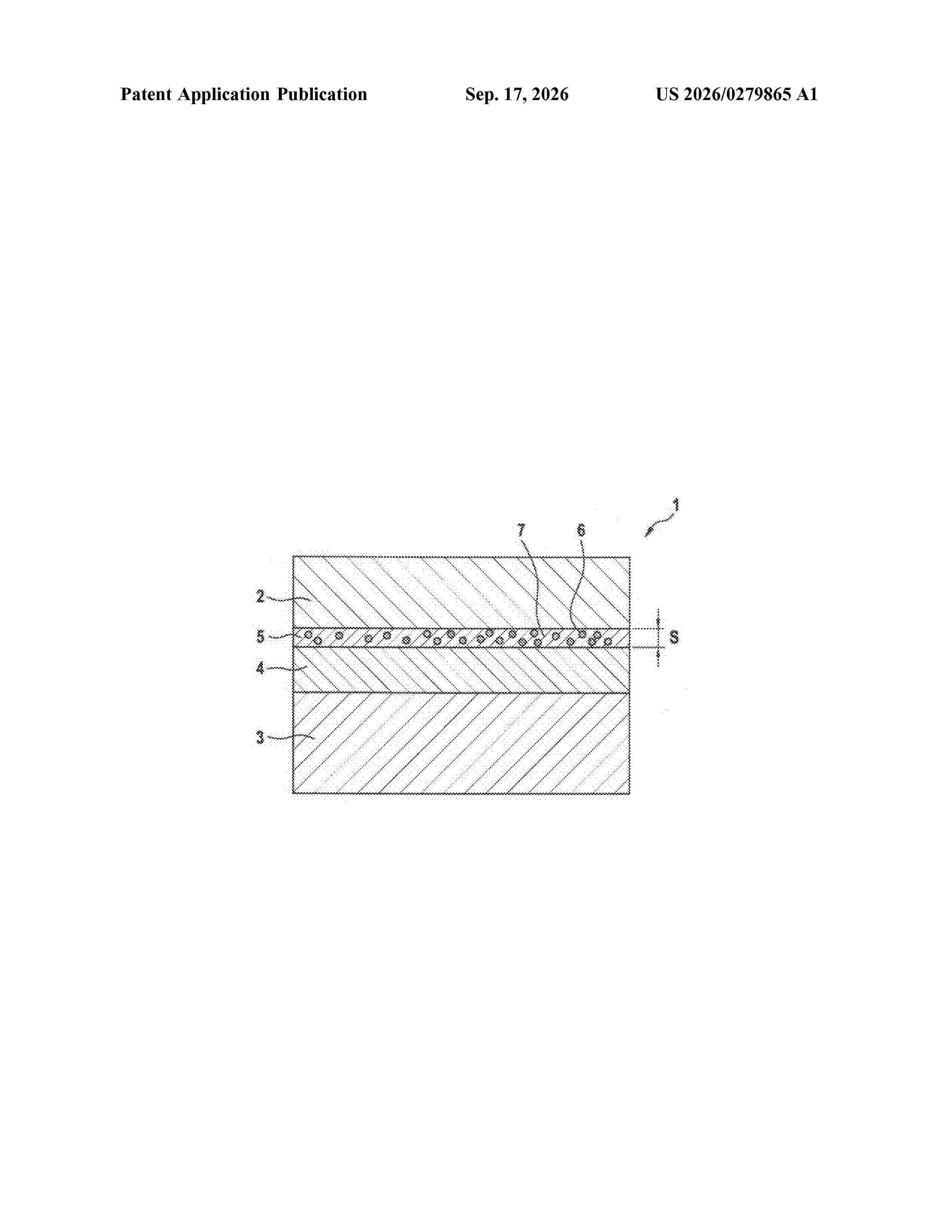
A membrane electrode assembly with an anode, a cathode and a hydrocarbon membrane lying between the anode and the cathode. The membrane electrode assembly further includes a protective layer, which is arranged between the anode and the hydrocarbon membrane and/or between the cathode and the hydrocarbon membrane, wherein the protective layer includes at least one ceramic material and one fluorine-containing ionomer, wherein the ceramic material is dispersed in the fluorine-containing ionomer.
Resumen de: US20260275433A1
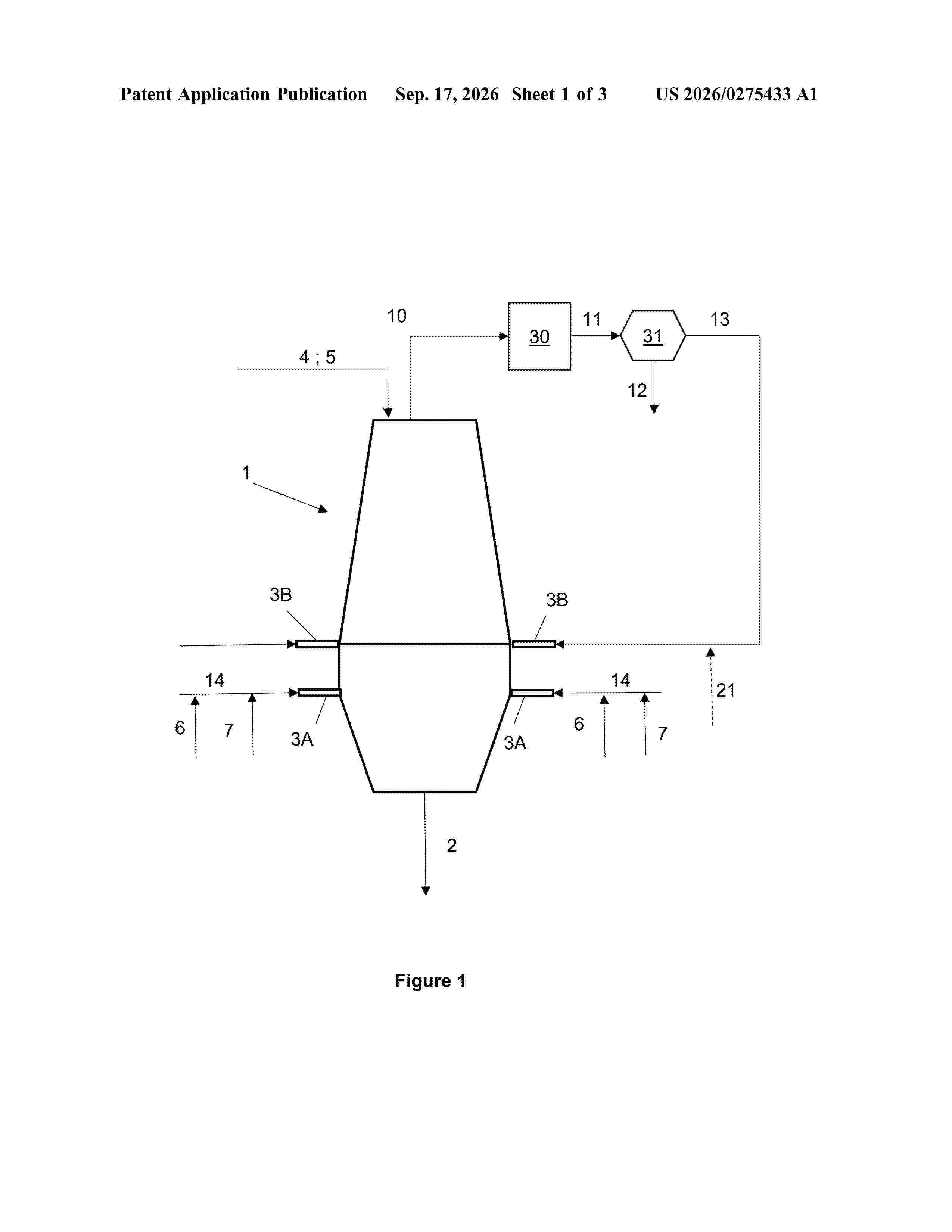
Method to produce hot metal in a blast furnace including at least two levels of gas injection wherein the blast furnace top gas is recovered and subjected to an oxidation step using water-gas shift reaction to transform at least a part of the carbon monoxide from the recovered blast furnace top gas into carbon dioxide and hydrogen, the carbon dioxide is then separated to obtain a CO2-rich stream and a H2-rich stream, at least a part of it being injected into the blast furnace at the second level of gas injection.
Resumen de: US20260275546A1
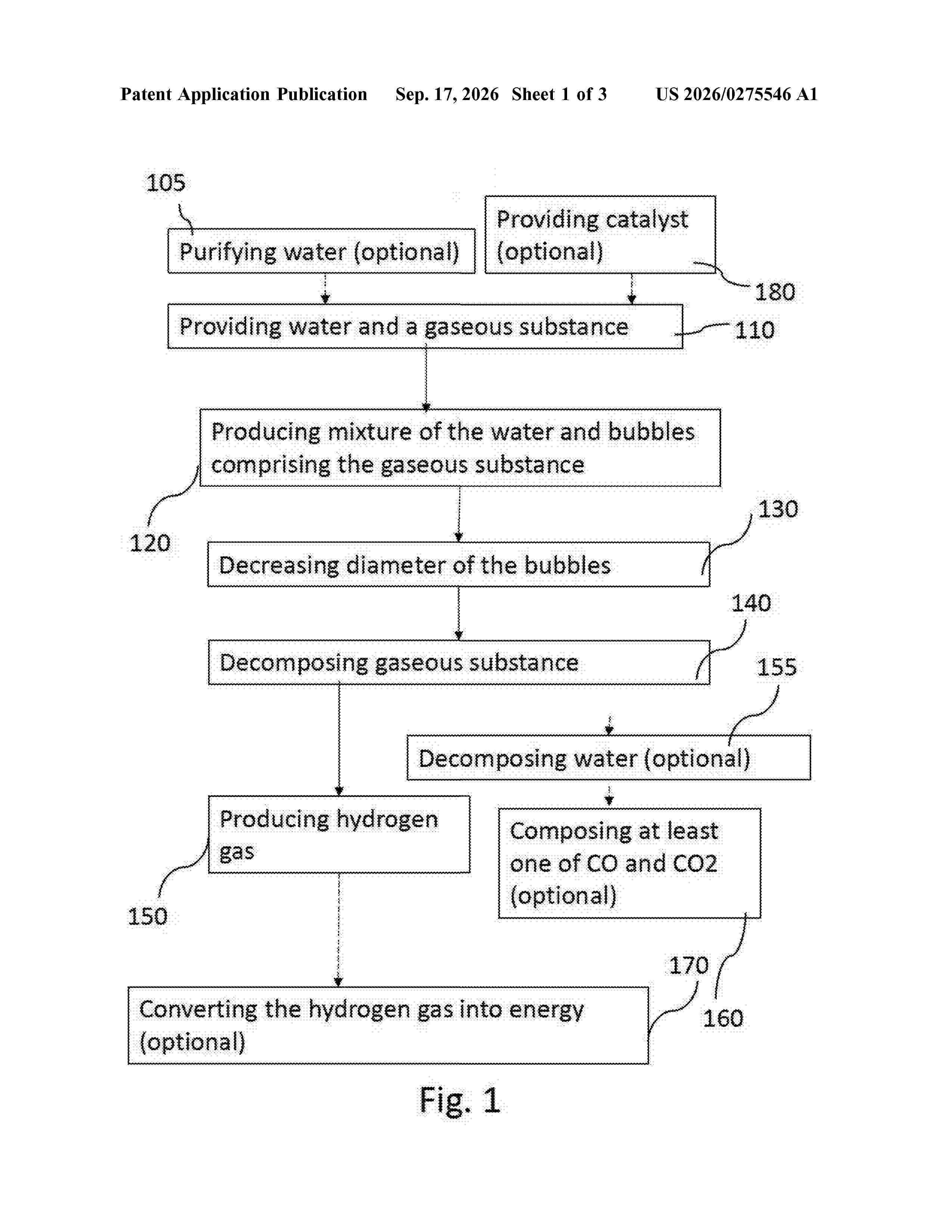
A method for producing hydrogen comprises providing water and a gaseous substance, the gaseous substance comprising hydrogen atoms and carbon atoms, producing a mixture comprising the water and bubbles comprising the gaseous substance, decreasing a diameter of the bubbles comprising the gaseous substance, and producing gaseous hydrogen by decomposing the gaseous substance in the bubbles having the decreased diameter. An apparatus is configured for producing hydrogen gas.
Resumen de: US20260275542A1
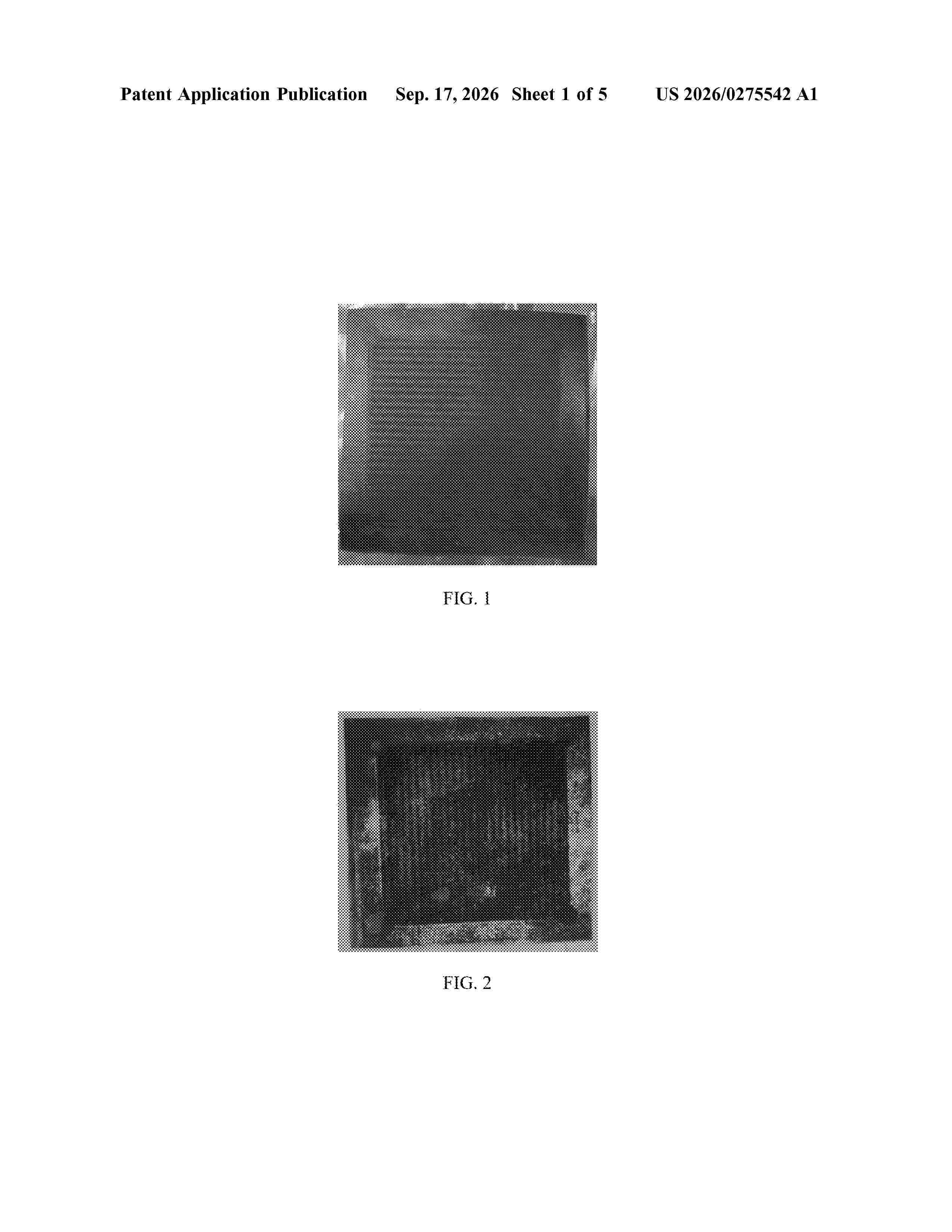
The present disclosure provides a membrane electrode for hydrogen production by alkaline water electrolysis, a preparation method therefor, and an electrolytic cell. According to the method provided by the present disclosure, a membrane electrode with catalyst layers uniformly and firmly adhered to the surfaces of a membrane can be obtained via a direct coating and hot pressing. The membrane electrode is endowed with good stability, and the obtained membrane electrode exhibits a significantly reduced overpotential for water electrolysis. The method comprises the following steps: directly applying a catalyst slurry (catalyst slurries) onto both sides of a membrane, followed by drying and hot pressing the catalyst slurry (catalyst slurries) to form catalyst layers on each surface of the membrane to obtain the membrane electrode. The membrane is selected from a porous membrane or an alkaline anion exchange membrane; the catalyst slurry comprises a binder solution and a catalyst, wherein the binder solution is one or more selected from a perfluorosulfonic acid resin solution and a perfluorosulfonic acid ionomer dispersion, and the mass concentration of the binder solution is 5% to 30%; and the mass ratio of the binder solution to the catalyst is 1:1 to 4:1.
Resumen de: US20260275553A1
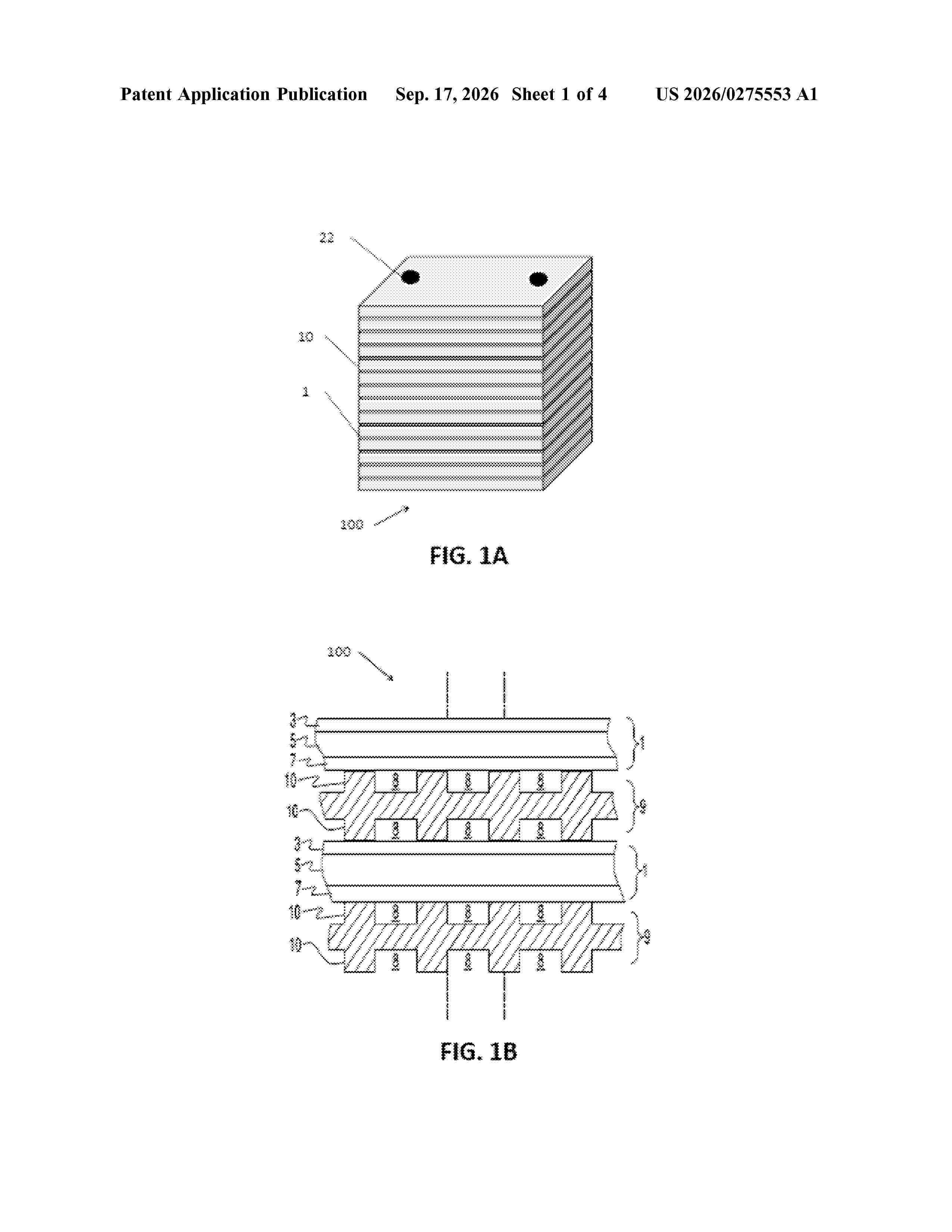
Systems, devices, and methods for electrolysis at very large scale (e.g., exceeding 100 megawatts (MW), and at gigawatt (GW) scale having a solid oxide electolyzer cell (SOEC) system including one or more SOEC columns, and one or more heat exchangers, each of the heat exchangers configured to receive input stream that is used to heat respective SOEC columns, wherein each of the heat exchangers is located along respective SOEC columns such that the input steam exiting the heat exchanger is directed towards adjacent SOEC columns.
Resumen de: US20260275556A1
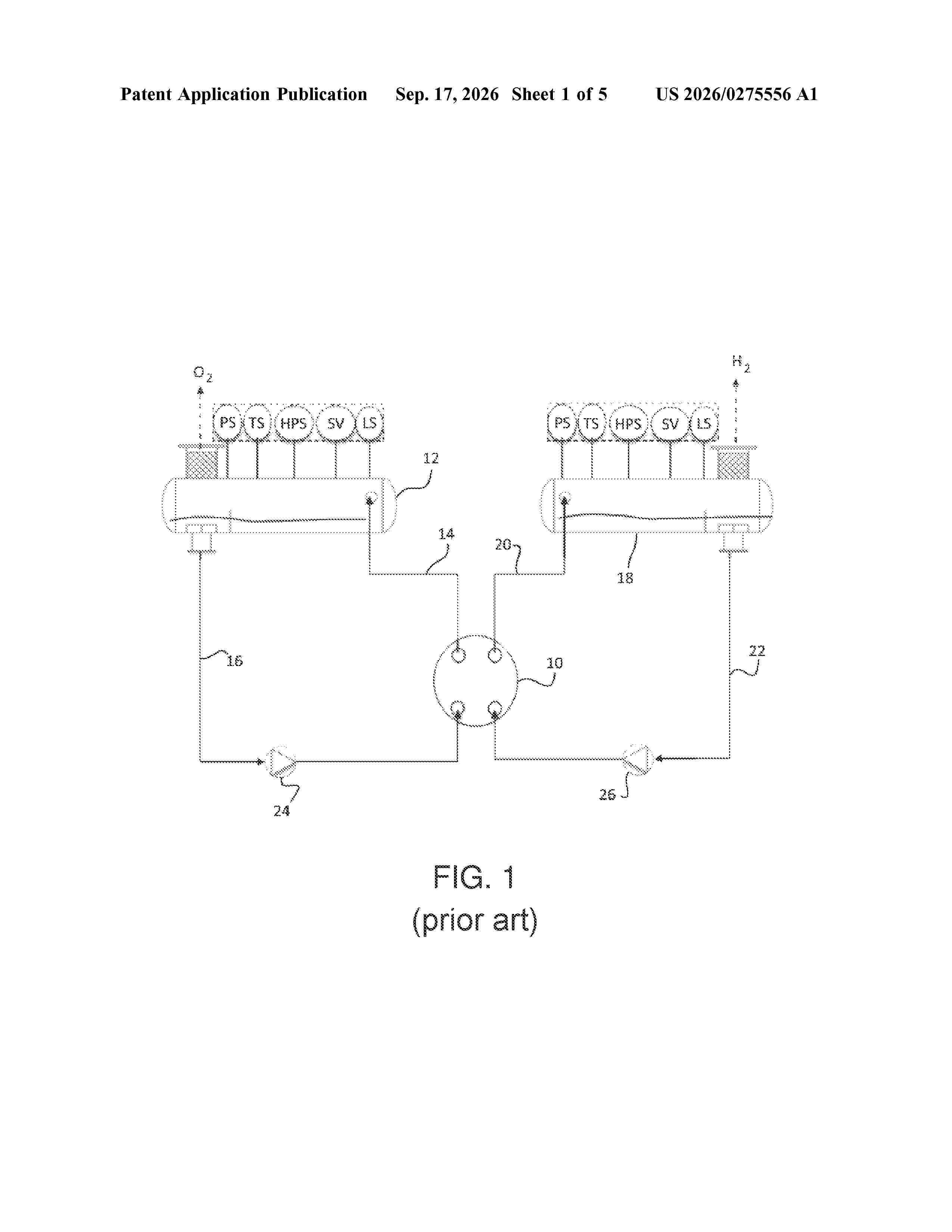
An electrolysis apparatus for the production of gaseous hydrogen and oxygen by water electrolysis includes an electrolyzer having a plurality of cells arranged next to each other to form a cell stack. Each cell includes an anode and a cathode plate. The electrolyzer further includes anode and cathode end plates. The electrolyzer has an active chamber in which the electrolysis reaction of water contained in an electrolyte solution with which the electrolyzer is fed takes place, a first liquid/gas phase separator for separating oxygen gas from the electrolyte solution, and a second liquid/gas phase separator for separating hydrogen gas from the electrolyte solution. The electrolyzer also includes a plurality of sensors mounted on one of the anode and cathode end plates and configured to detect appropriate operating parameters of the first and second liquid/gas phase separator.
Resumen de: US20260274662A1
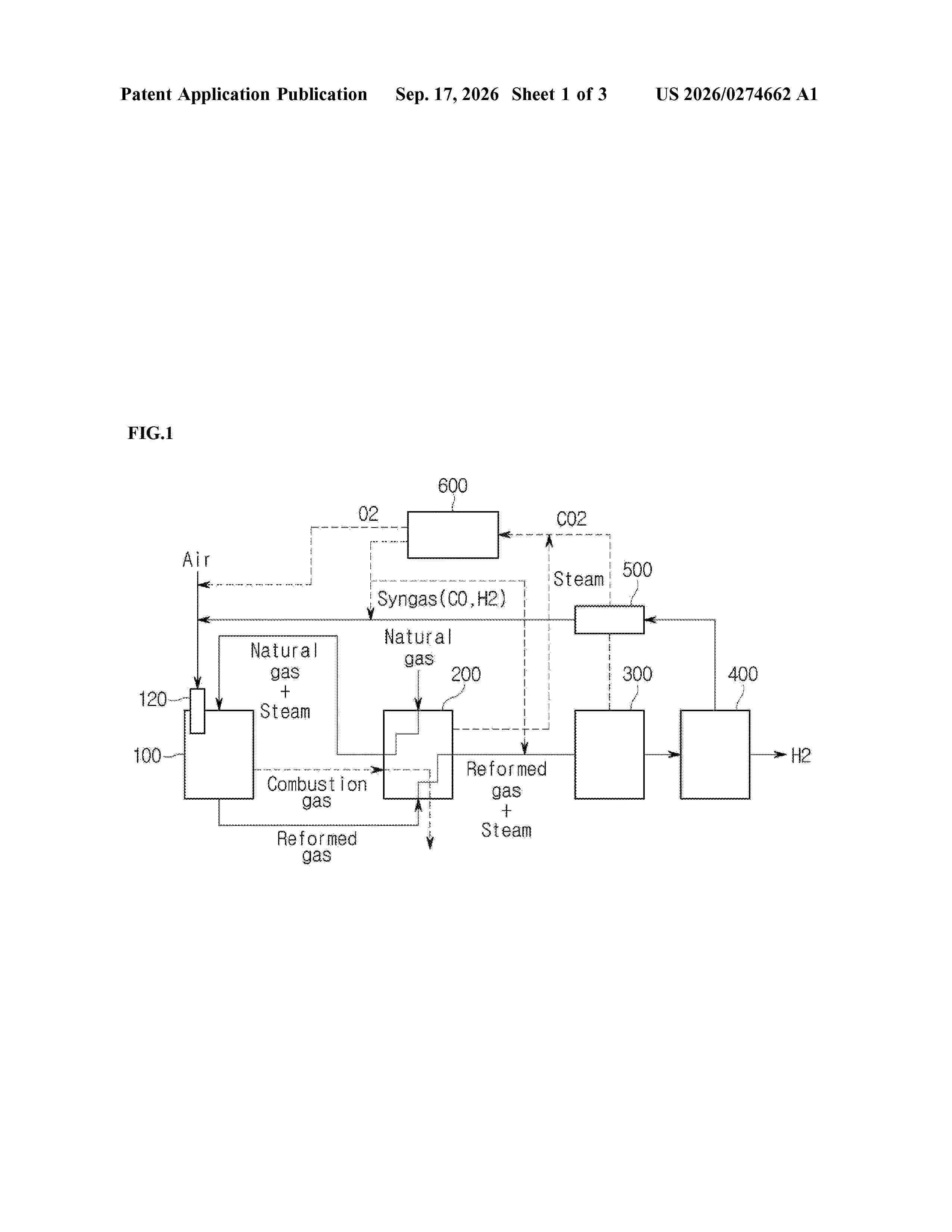
The present disclosure relates to a natural gas reforming system capable of reducing, by using a co-electrolysis device, the emission amount of carbon dioxide produced by reforming natural gas, of supplying heat to a reformer through syngas produced by the co-electrolysis, and of producing additional hydrogen, and a process thereof.
Resumen de: US20260274731A1
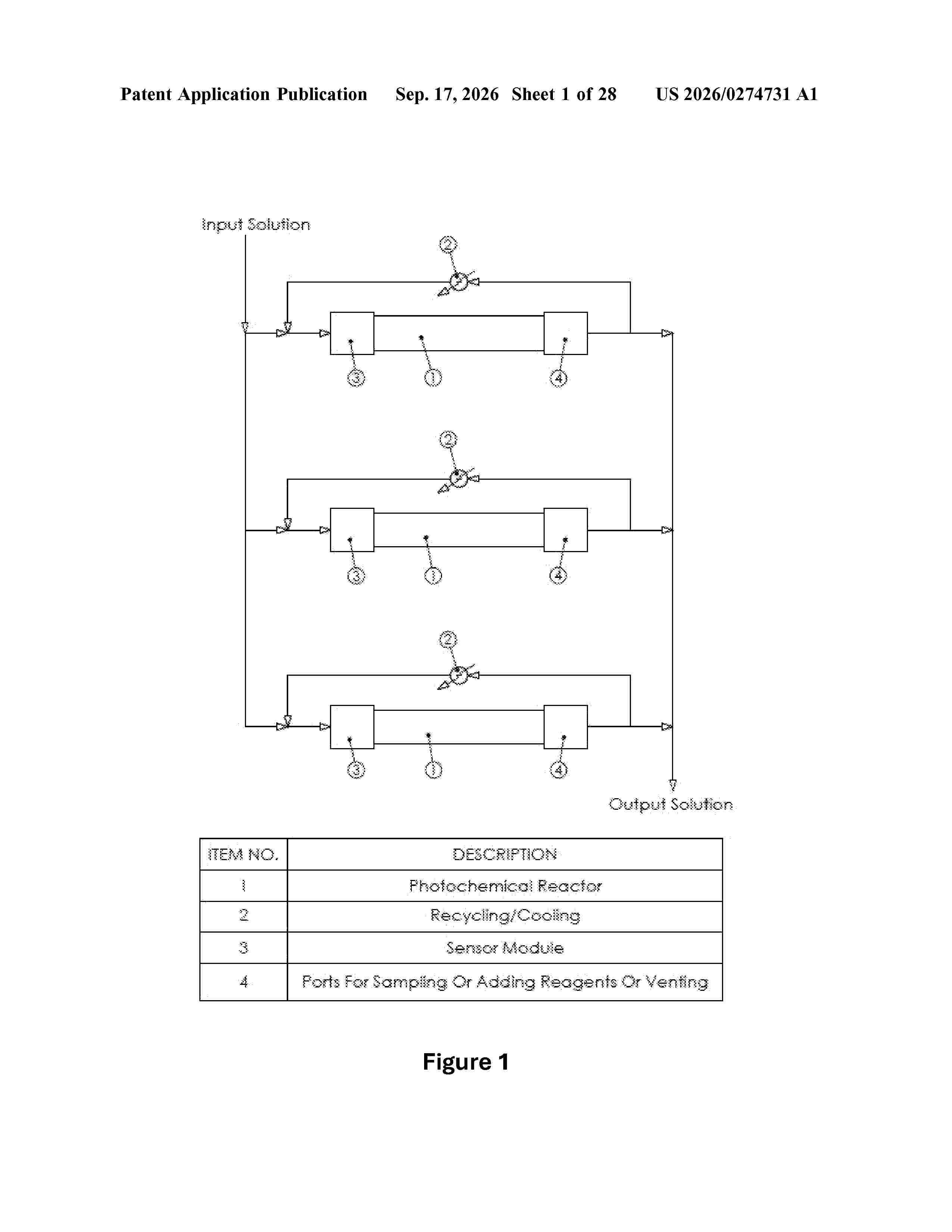
0000 Methods, systems and devices for PFAS destruction including adding a sulfite salt to an aqueous solution containing PFAS and then irradiating the aqueous solution with light at 222 nm. The method may include adding a base to the aqueous solution in an amount sufficient to raise a pH of the aqueous solution including PFAS to about 10 or more. It may also include adding a halide salt such as a bromide salt or an iodine salt, and further adding a carbonate. Greater than 90%, or greater than 99%, of the PFAS in the solution may be destroyed by irradiating the aqueous solution in this way.
Resumen de: EP4491770A1
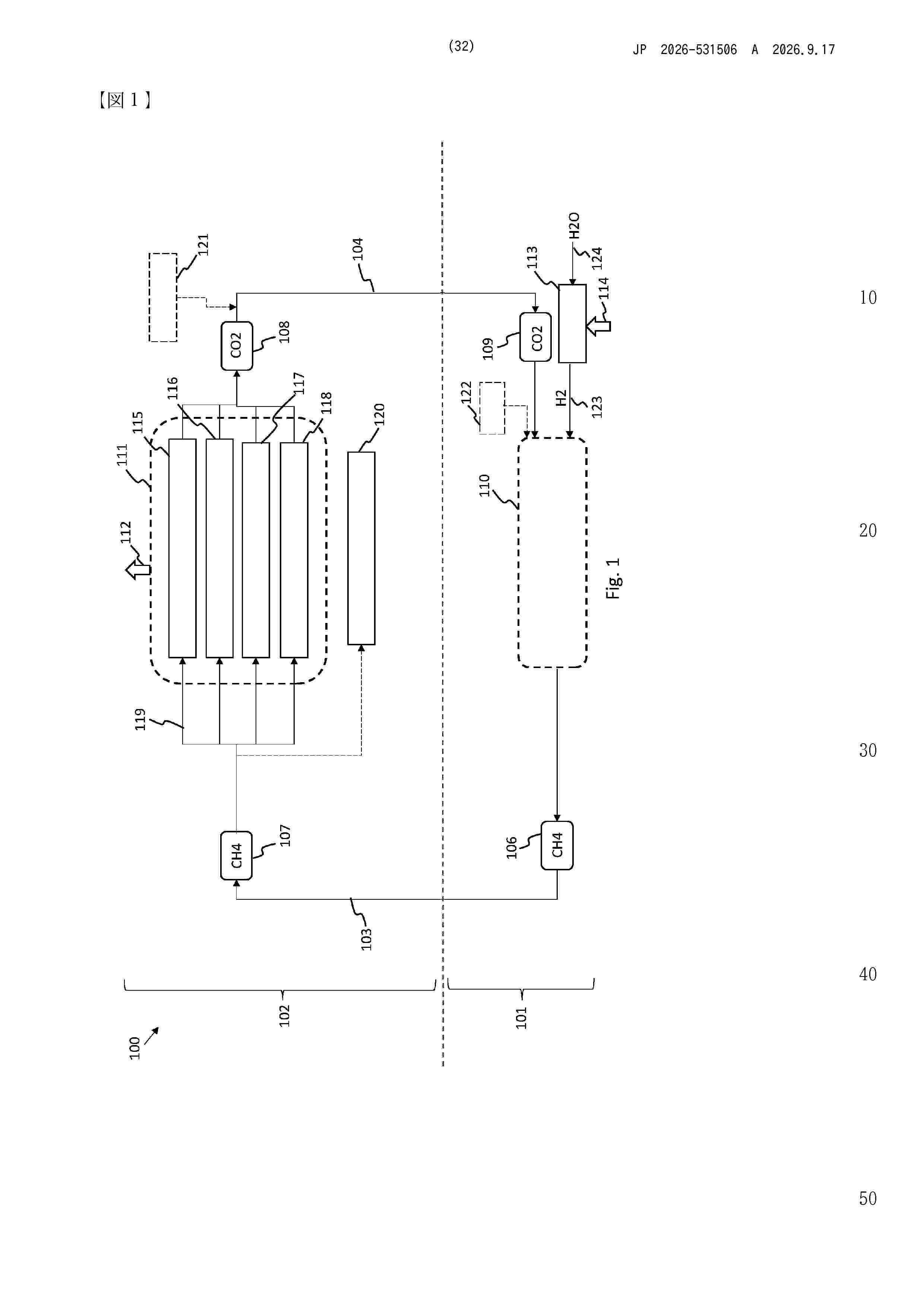
0001 Method for operating a closed-loop carbon cycle (100), comprising: - creating synthetic methane (106) from renewable energy (114) in a first geographical area (101), comprising: ∘ producing hydrogen (123) via electrolysis (113), ∘ feeding CO2 (109) and produced hydrogen (123) into Sabatier reactors (300) of an eNG production plant (110), - transporting said synthetic methane (106) to a second geographical area (102); - converting synthetic methane into usable energy (112) in said second geographical area (102), comprising: ∘ distributing synthetic methane (107) to one or more eNG conversion facilities (111); ∘ using said synthetic methane in said eNG conversion facilities (111), producing an output comprising CO2; ∘ capturing CO2 from said output; - transporting said captured CO2 (108) to said first geographical area (101); - establishing said closed-loop carbon cycle (100) by feeding said captured CO2 (109) received from said second geographical area (102) to said eNG production plant (110).
Resumen de: US20260273467A1
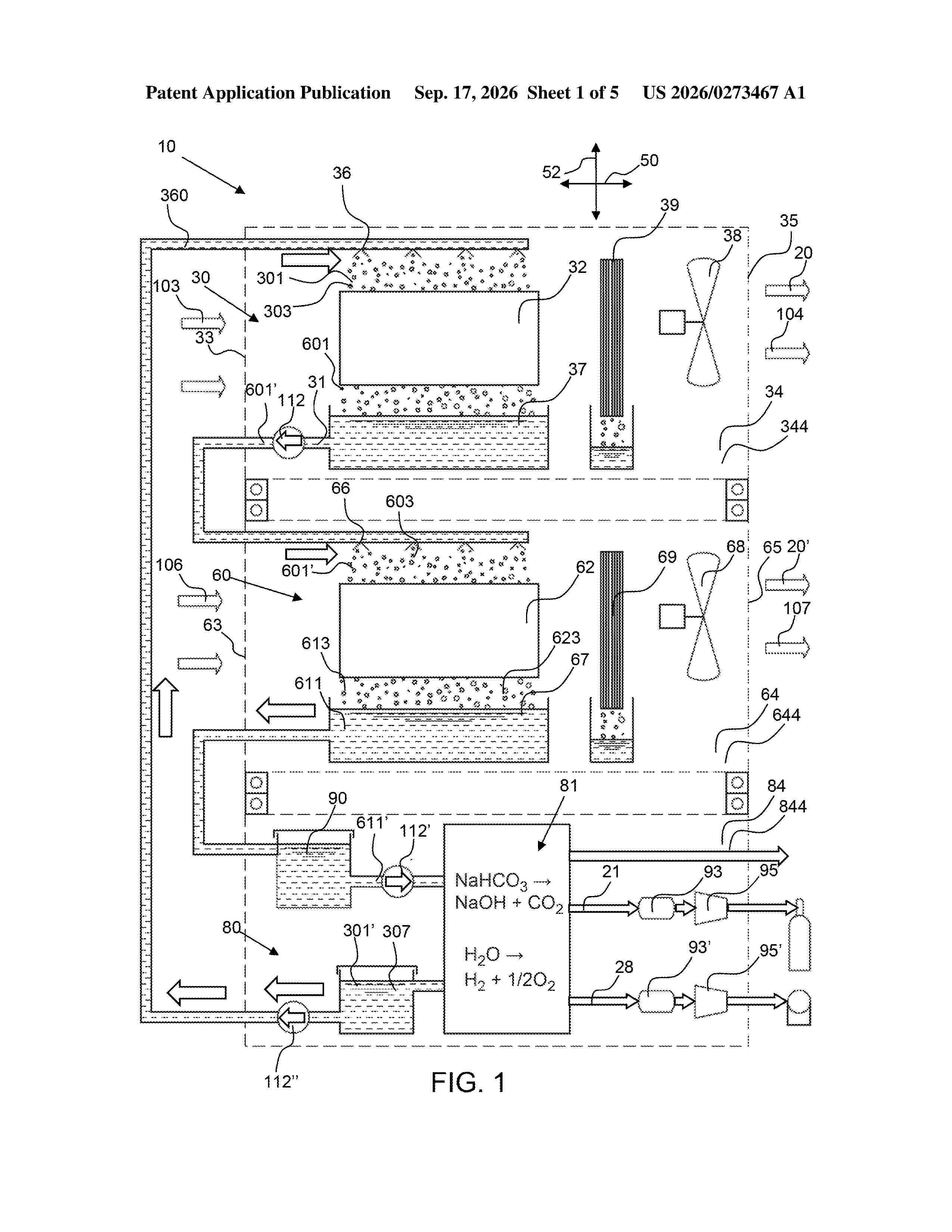
A cyclic process for the capture of carbon dioxide (CO2) directly from air utilizing a three-compartment electrolytic cell coupled with a hydroxide-based CO2 capture system as well as a carbonate-based CO2 capture system. Air is passed over a hydroxide compound in the hydroxide-based CO2 capture system to extract carbon dioxide from the air and produce a carbonate compound which is transferred to the carbonate-based CO2 capture system, where air is passed over the carbonate compound to extract carbon dioxide from the air and produce a bicarbonate compound. The bicarbonate is then passed into the three-compartment electrolytic cell where CO2, hydrogen and oxygen gases are separately released and the bicarbonate solution is transformed into a hydroxide solution that is reused in the hydroxide-based CO2 capture system. The flow of input compounds from one system to the other enables efficient operation of the direct air capture of carbon dioxide system.
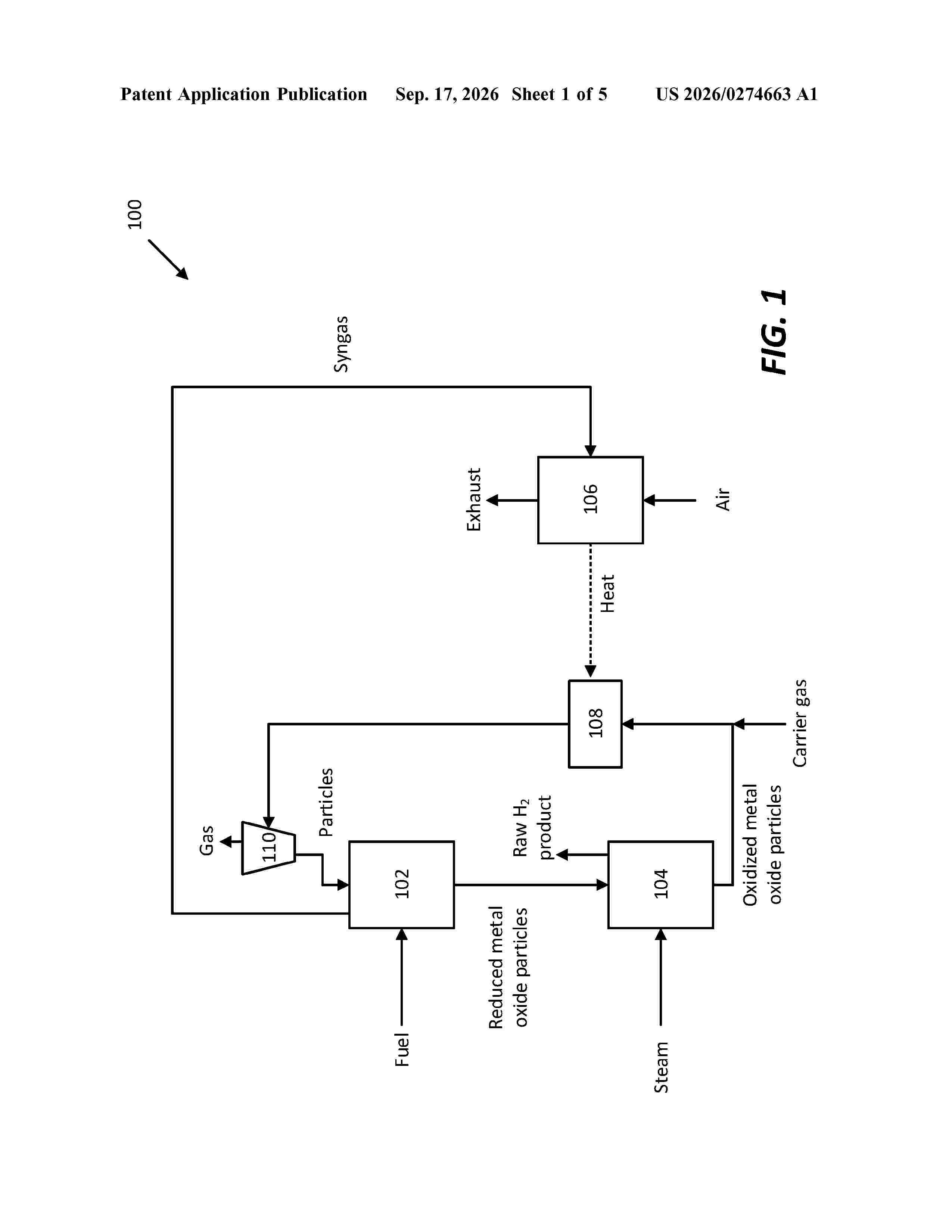
Resumen de: US20260274663A1
0000 A reactor system may include at least one first type reactor, at least one second type reactor, a heat source unit, a heat exchange unit, and one or more separation units. The at least one first type reactor reacts a fuel, which may comprise biogas, with metal oxide particles. The at least one second type reactor receives reduced metal oxide particles from the at least one first type reactor and reacts those particles with steam, generating hydrogen (H<2>) and oxidized metal oxide particles. The oxidized metal oxide particles are heated up in a heat exchange unit that is heated by the heat source. The heat source may generate heat by combusting air and oxidation products from the at least one first type reactor. The heated oxidized metal oxide particles may be provided to the separation unit(s) and then to the at least one first type reactor.
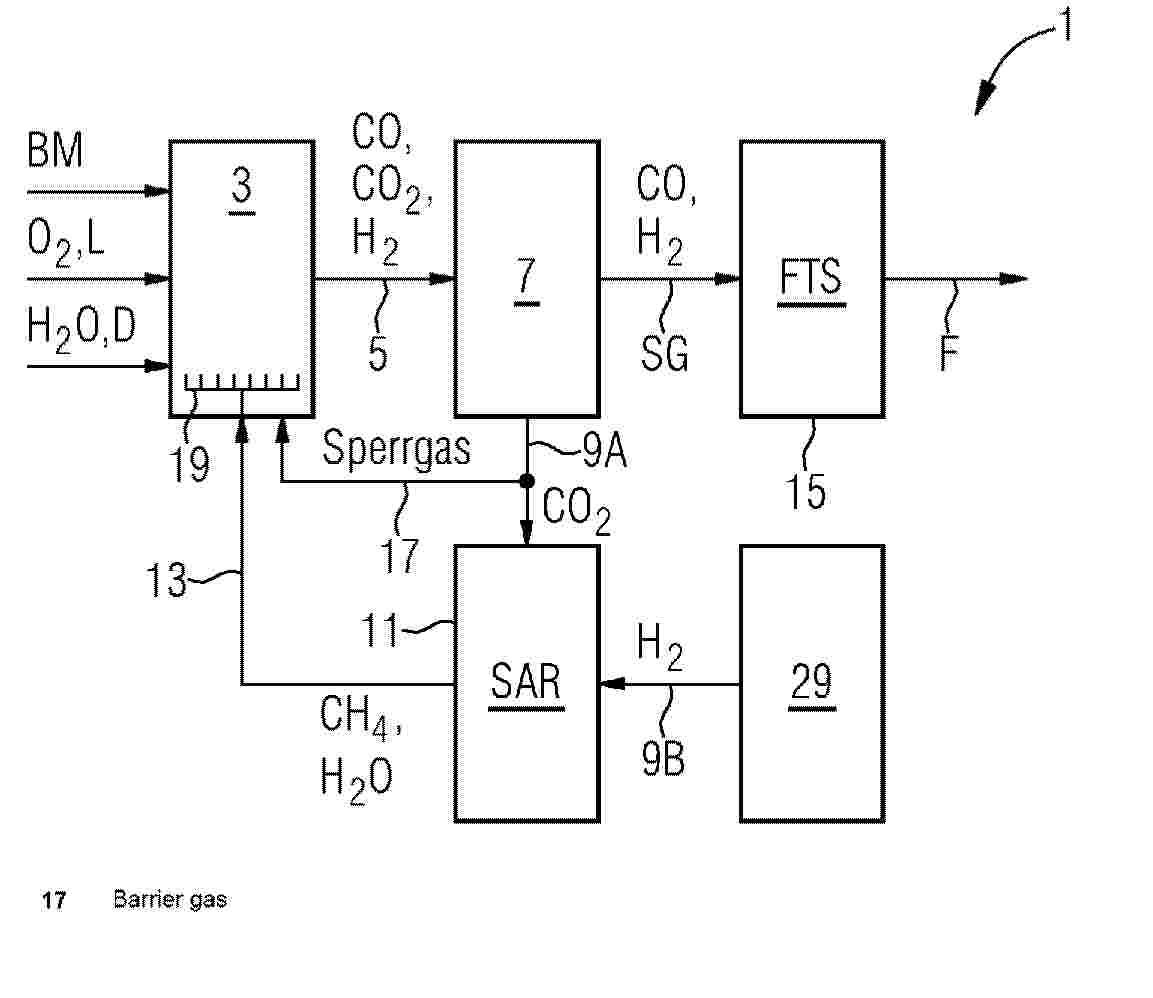
Resumen de: AU2025240709A1
The invention relates to a method for producing a synthetic fuel (F), comprising the steps (S1): carrying out a first reaction process, wherein the first reaction process creates a gas mixture of synthesis gas (SG) and carbon dioxide (CO2) with the addition of biomass (BM), oxygen (O2), wherein the synthesis gas (SG) contains carbon monoxide (CO) and hydrogen (H2); (S2): separating carbon dioxide (CO2) from the gas mixture and supplying hydrogen (H2) to separated carbon dioxide (CO2) for a second reaction process; (S3): carrying out a second reaction process, wherein in the second reaction process methanation is carried out using the reactants carbon dioxide (CO2) and hydrogen (H2), wherein methane (CH4) and water (H2O) are produced as an intermediate product; (S4): feeding back methane (CH4) and water (H2O) obtained from the second reaction process into the first reaction process, wherein a gas mixture containing synthesis gas (SG) is produced; and (S5): discharging synthesis gas (SG) and converting synthesis gas into a synthetic fuel (F). The invention further relates to a system (1) for producing a synthetic fuel (F), which is designed in particular to carry out the method.
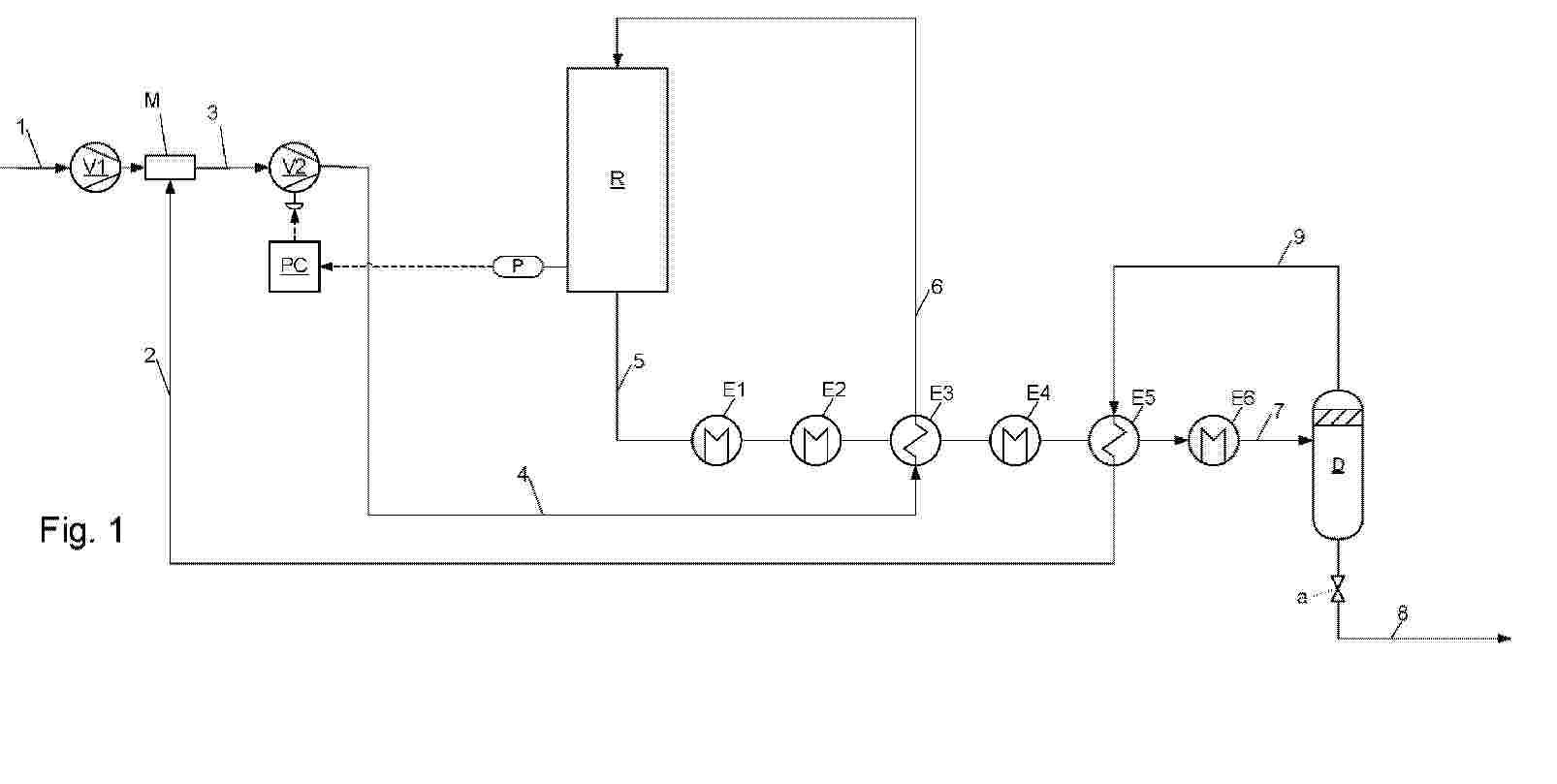
Resumen de: AU2025241436A1
The invention relates to a method and a device for synthesizing ammonia (8), wherein a gas mixture (make-up gas) (1), which comprises hydrogen and nitrogen and is supplied with a temporally fluctuating flow rate, is provided after being compressed in a first compressor (make-up gas compressor) (V1) in order to form an ammonia synthesis gas (3) that is compressed with the aid of a second compressor (recycle compressor) (V2) and is then reacted in an ammonia reactor (R) in order to form an ammonia-containing synthesis product (5), from which a recycled gas (2) comprising hydrogen and nitrogen is separated in order to be recirculated in order to form the ammonia synthesis gas (3). The flow rate of the recycled gas (2) is controlled via the recycle compressor (V2), which is integrated into a control circuit as an actuator and the conveying capacity of which can be set independently of the conveying capacity of the make-up gas compressor (V1). The invention is characterized in that the control circuit is designed with a higher-level control system which outputs a control signal that is based on the load of the ammonia reactor in order to change the conveying capacity of the recycle compressor (V2), said control signal being corrected by a PID control circuit in such a way that the pressure in the ammonia reactor (R) is always within a specified value range.
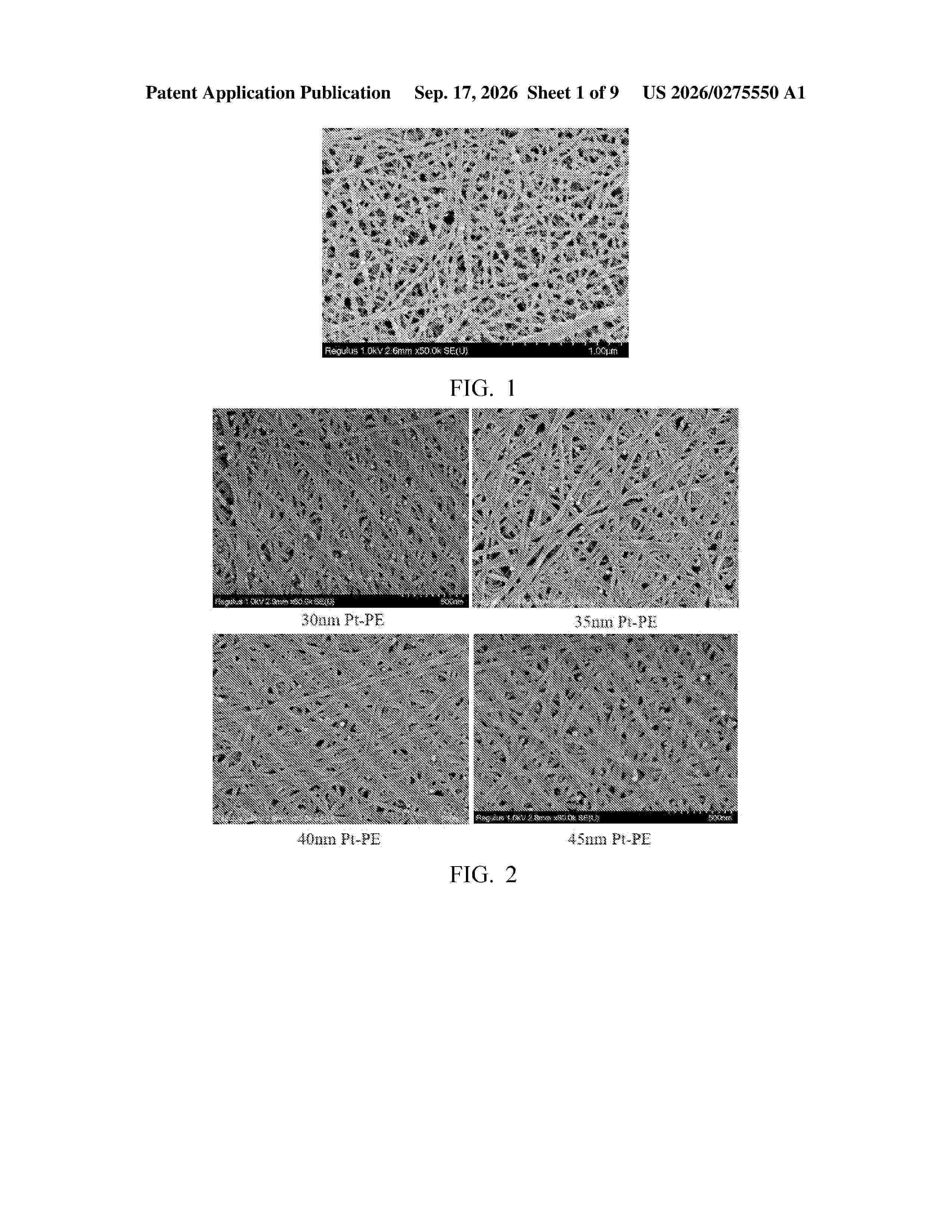
Resumen de: US20260275550A1
Provided are a porous catalytic membrane, a membrane electrode assembly and a water electrolysis device. The porous catalytic membrane includes a porous polymer membrane formed by interweaving randomly arranged nanofibers and a catalyst coated on a surface of the nanofibers. The porous polymer membrane has a self-supporting structure and a large specific surface area, providing a large number of loading sites for the catalyst. The catalyst can be directly anchored onto the nanofibers of the porous polymer membrane through a physical or chemical method to achieve uniform dispersion without the need for coating by ionomers, thereby avoiding high costs and performance degradation caused by the adoption of ionomers. The exposure degree of the catalytic active sites is significantly increased, thereby enhancing utilization efficiency of the catalyst and reducing the amount of noble metal catalysts.
Nº publicación: US20260275555A1 17/09/2026
Solicitante:
EVE HYDROGEN ENERGY CO LTD [CN]
EVE HYDROGEN ENERGY CO., LTD.
Resumen de: US20260275555A1
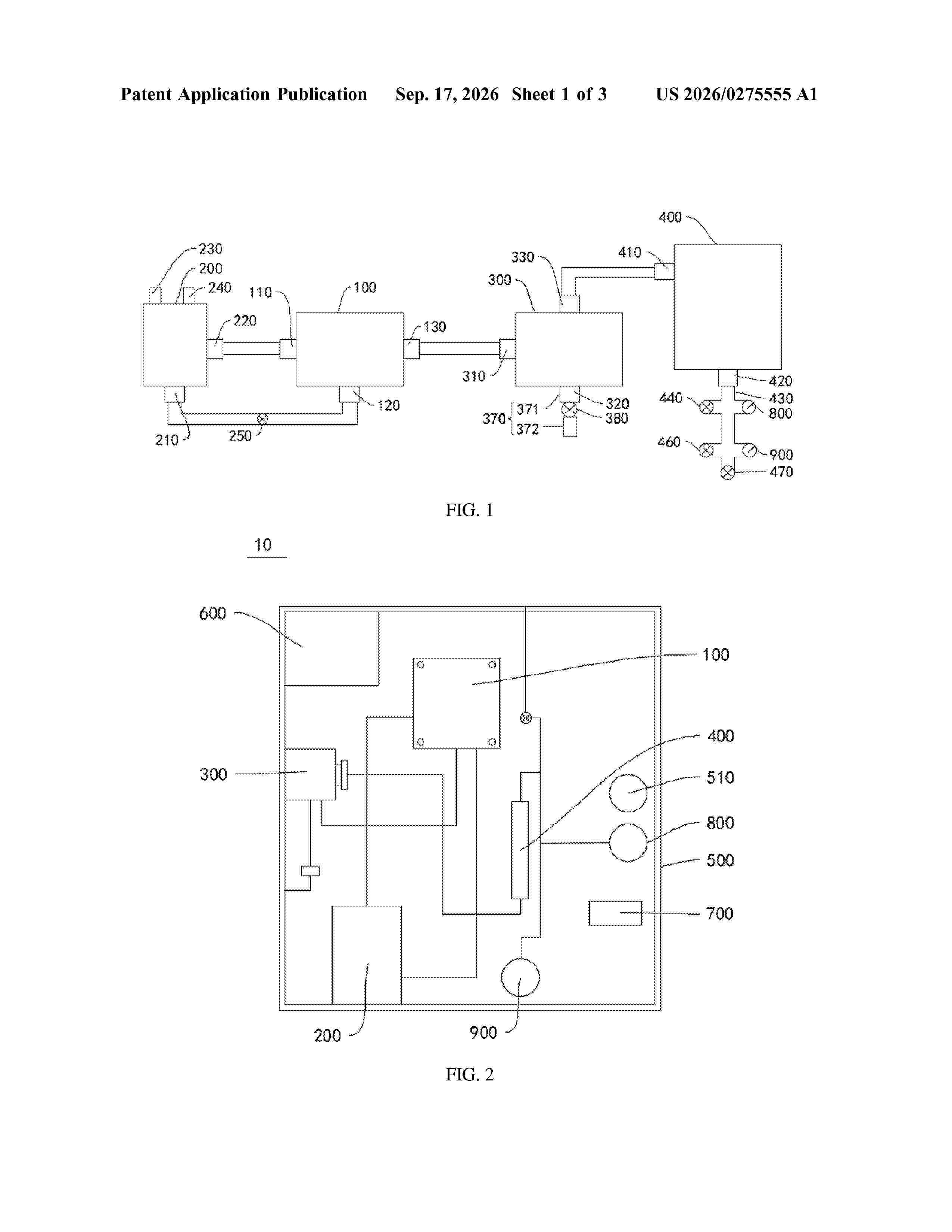
The present disclosure discloses a hydrogen generator. The hydrogen generator includes a housing, and an electrolyzer, an electrolyte tank, a gas-liquid separator, and a purification apparatus mounted in the housing. A diaphragm of the electrolyzer is an anion-exchange membrane. The electrolyzer is in communication with the electrolyte tank through a pipeline. The gas-liquid separator is provided with a first gas inlet and a third gas outlet. The first gas inlet is in communication with a first gas outlet of the electrolyzer through a pipeline. The purification apparatus is provided with a second gas inlet. The third gas outlet is in communication with the second gas inlet through a pipeline.
 BOPI
BOPI
 Sede Electrónica