Si deseas distinguir tus productos, servicios o ambos de los de otra empresa, es posible que necesites una marca o nombre comercial. Descubre qué son, en qué consiste su procedimiento de registro y qué implica.

Información sobre los plazos de presentación de solicitudes de transformación de marcas de la Unión Europea en marca nacional española. Más información


Si tienes un nuevo dispositivo, producto o procedimiento que resuelva un problema técnico o tenga una ventaja práctica, existen distintas formas de protegerlo en España y en otros países. Descubre cómo hacerlo.

¿Tu innovación reside en la estética, la ornamentación o la apariencia de tu producto? Protégela mediante un diseño industrial. Descubre qué derechos confiere el registro y cómo realizar la tramitación.

Las indicaciones geográficas protegen el nombre de un producto originario de una zona geográfica, a la cual le debe una determinada calidad, reputación u otra característica. Descubre qué son, en qué consiste su procedimiento de registro y qué beneficios conceden.

Las patentes publicadas en todo el mundo son una valiosa fuente de información científica, técnica y comercial.

Si eres emprendedor/a o una empresa y quieres potenciar y mejorar la rentabilidad de tu negocio protegiendo de forma adecuada los activos intangibles de tu organización, en este espacio encontrarás lo necesario.


 1009
resultados
1009
resultados
 Última actualización
25/10/2026 [07:03:00]
Última actualización
25/10/2026 [07:03:00]


 Resultados 775 a 800 de 1009

Resumen de: CN122687244A
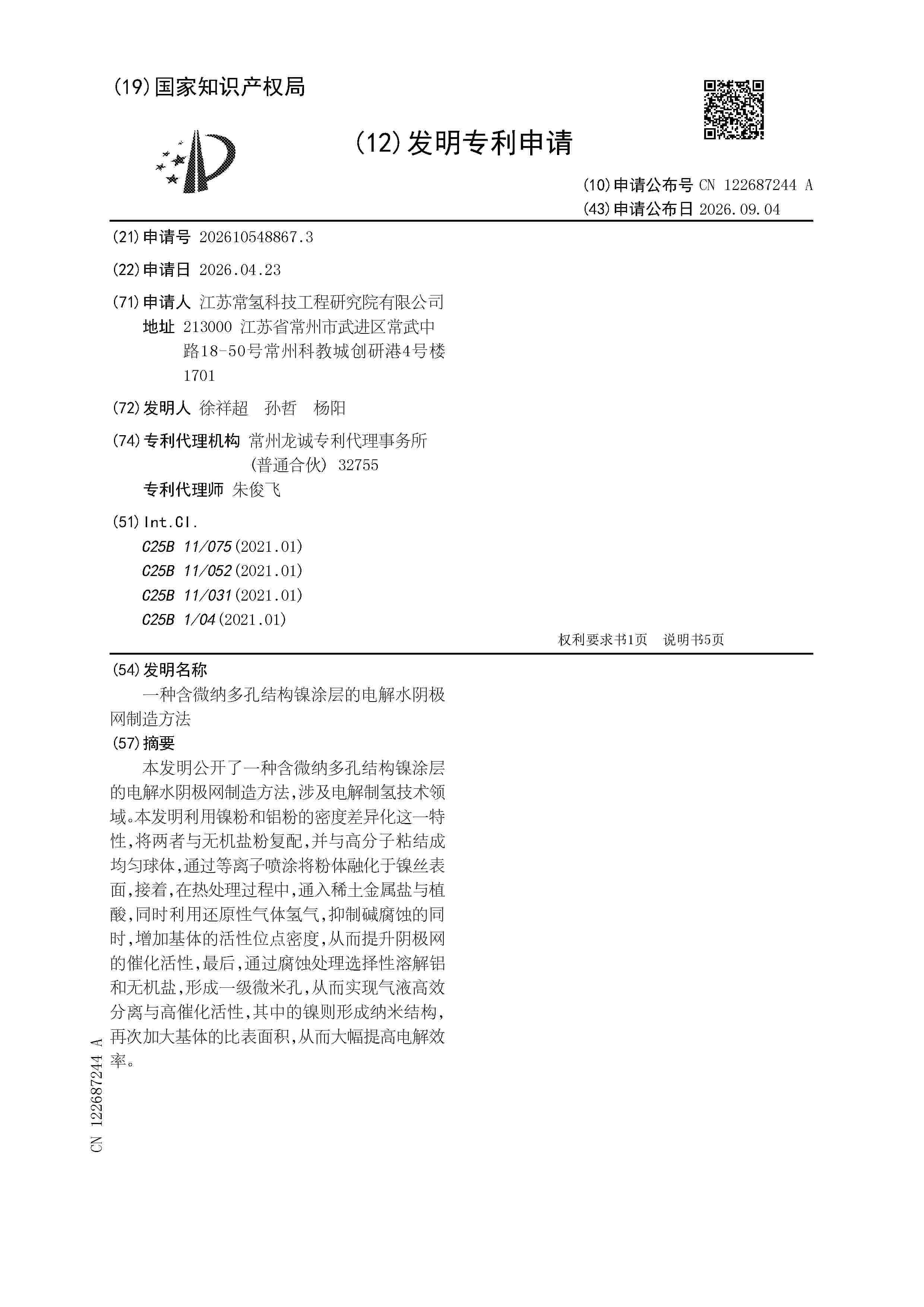
0001 本发明公开了一种含微纳多孔结构镍涂层的电解水阴极网制造方法,涉及电解制氢技术领域。本发明利用镍粉和铝粉的密度差异化这一特性,将两者与无机盐粉复配,并与高分子粘结成均匀球体,通过等离子喷涂将粉体融化于镍丝表面,接着,在热处理过程中,通入稀土金属盐与植酸,同时利用还原性气体氢气,抑制碱腐蚀的同时,增加基体的活性位点密度,从而提升阴极网的催化活性,最后,通过腐蚀处理选择性溶解铝和无机盐,形成一级微米孔,从而实现气液高效分离与高催化活性,其中的镍则形成纳米结构,再次加大基体的比表面积,从而大幅提高电解效率。

Resumen de: CN122687241A
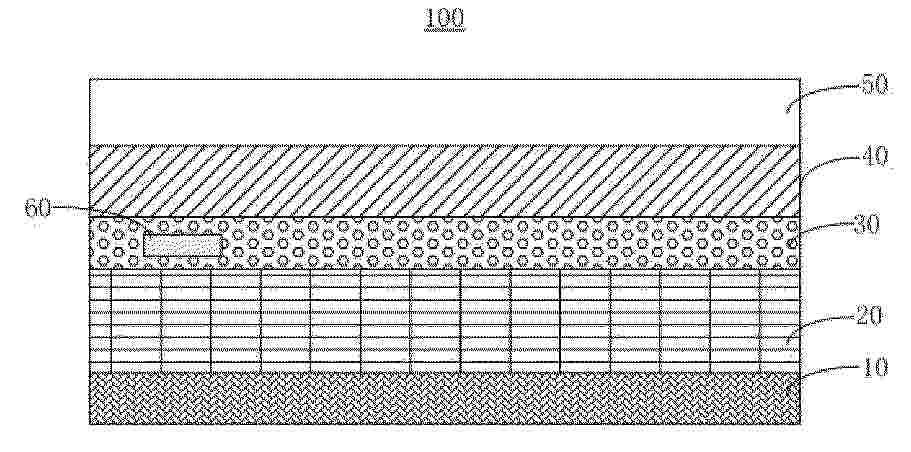
0001 本发明提供一种NiO基催化剂及其制备方法,该NiO基催化剂包括基底层、中间层、催化层、保护层和微通道单元;中间层设于基底层之上,中间层包括多个叠加设置的中间子层;催化层设于中间层之上;保护层设于催化层之上;部分微通道单元设于保护层远离的催化层的一侧,微通道单元包括多个子通道,多个子通道沿第一方向间隔设置。本发明旨在解决相关技术中催化剂催化活性不足,催化效率低的技术问题。
Resumen de: CN122687225A
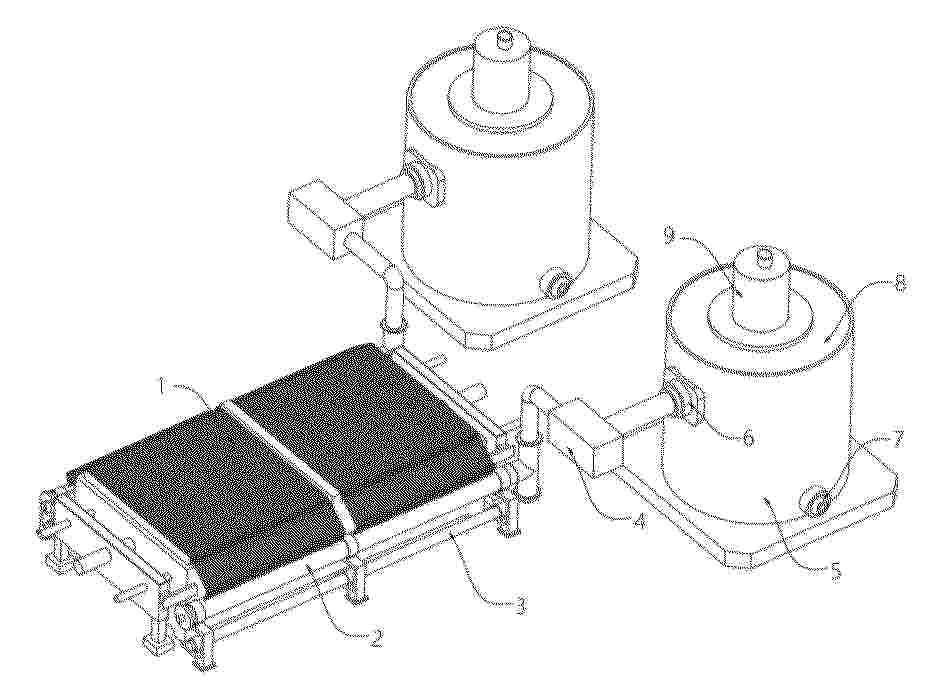
0001 本发明涉及制氢电解槽技术领域,具体公开了含气液高效分离的碱性水制氢电解槽,包括制氢电解槽以及位于制氢电解槽一侧设置的两个气液分离罐。通过采用高速旋转的离心分离结构替代传统的重力沉降分离,利用离心力场使密度较大的电解液液滴快速与气体分离,提升气液分离的速度和处理能力;在气液混合物进入分离罐之前设置缓冲装置,有效稳定气液混合物的压力和流速,消除电解产气过程中产生的脉冲波动,避免不稳定气流冲击后续分离设备,提高气液分离过程的稳定性和可靠性,分离后的电解液通过对称布置的送液管回流至电解槽内部,实现对电解液的闭环循环利用,降低物料消耗和碱性废液排放以及制氢成本。
Resumen de: JP2026141181A
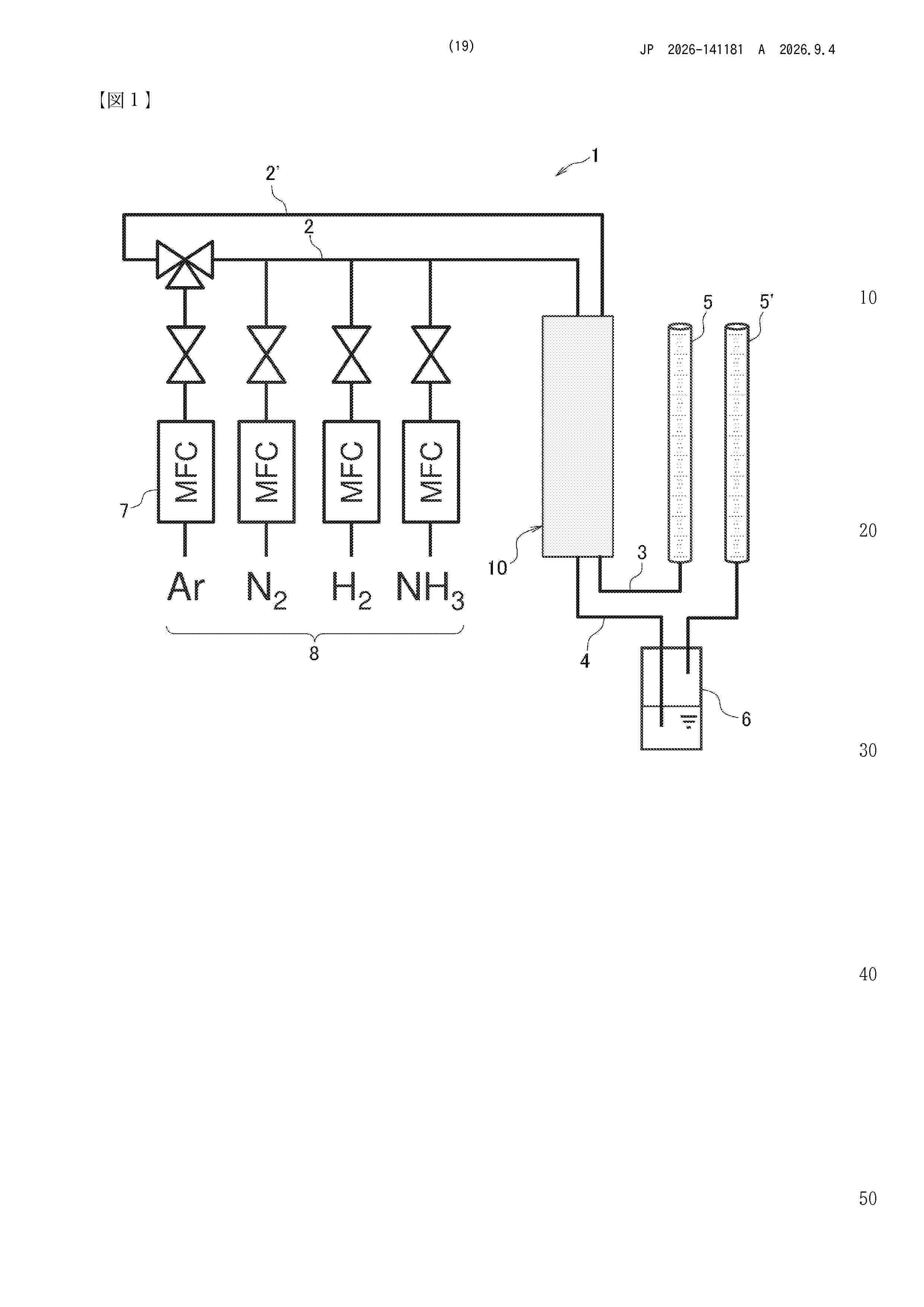
0001 【課題】従来よりも効率よく水素を製造することのできる水素製造装置と水素製造方法を提供する。 【解決手段】水素製造装置1は、電場触媒13と、電場触媒13を取り囲む水素透過膜15と、電場触媒13および前記水素透過膜15を支持する支持体とを備え、内部に原料ガス流路を規定する、内側容器11と、内側容器11を取り囲み、内側容器との間に水素流路を規定する外側容器12と、内部容器11に挿入され、電場触媒13を挟んで配置された電極電極14を備えている。電場触媒に直接電流を流すことで、従来よりも効率よく水素を製造することができる。 【選択図】図1
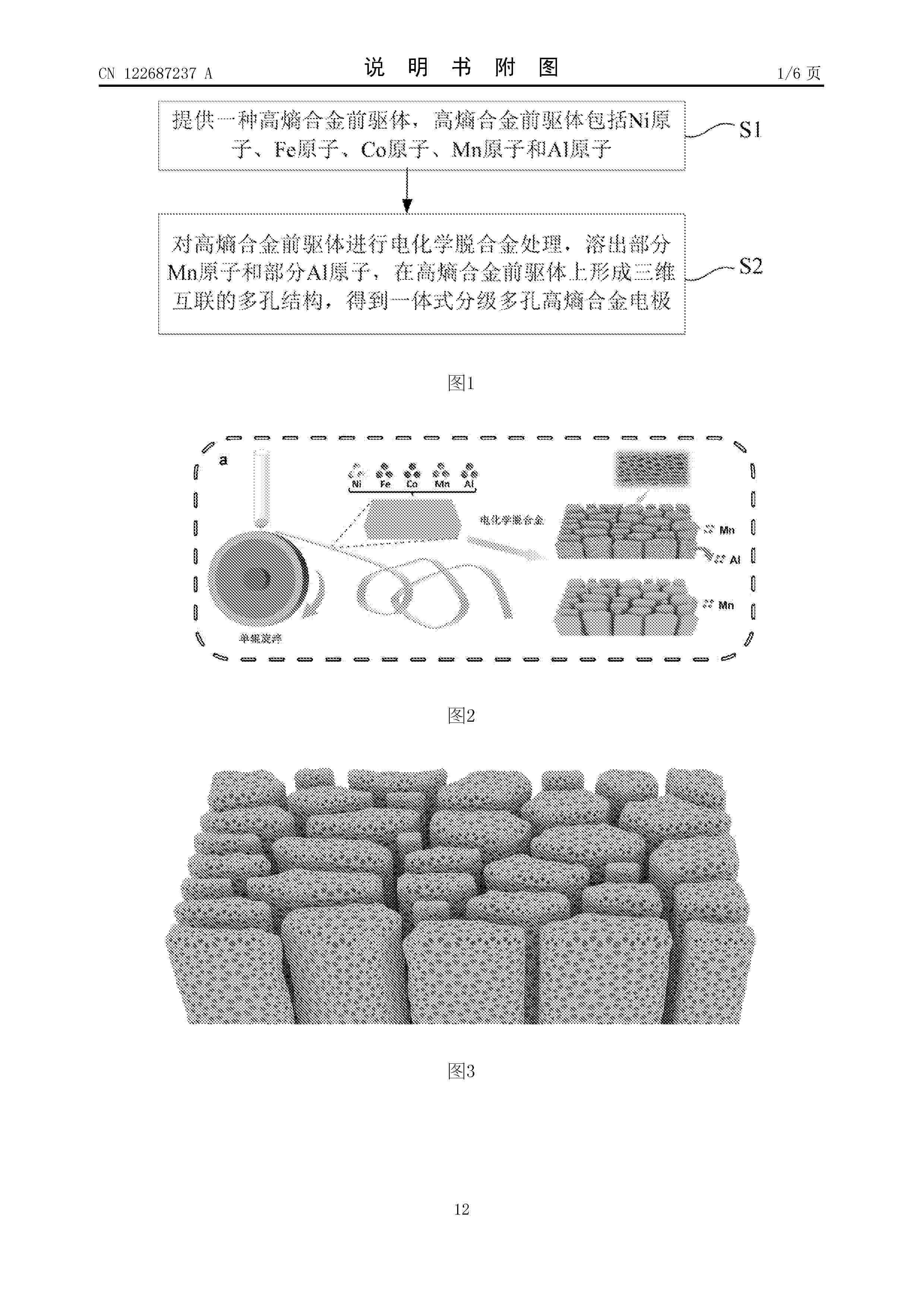
Resumen de: CN122687237A
本发明提供一种一体式分级多孔高熵合金电极及其制备方法和用途,涉及电解水制氢技术领域。一体式分级多孔高熵合金电极的制备方法包括如下步骤:提供一种高熵合金前驱体,所述高熵合金前驱体包括Ni原子、Fe原子、Co原子、Mn原子和Al原子;对所述高熵合金前驱体进行电化学脱合金处理,溶出部分所述Mn原子和部分所述Al原子,在所述高熵合金前驱体上形成三维互联的分级多孔结构,得到所述一体式分级多孔高熵合金电极。本发明制备的一体式分级多孔高熵合金电极具有良好的结构稳定性和优异的电化学性能。
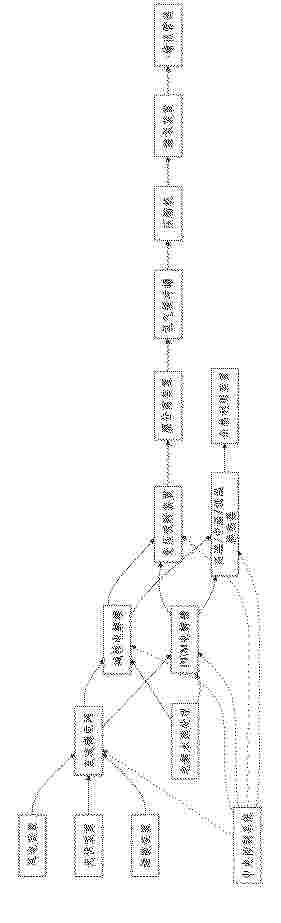
Resumen de: CN122687223A
本发明公开了一种规模化绿电耦合制氢生产工艺,属于氢能制备技术领域。针对现有绿电制氢存在的波动性大、能量利用率低、规模化生产稳定性差等问题,该工艺创新构建风光储协同发电‑混合电解制氢‑氢纯化储存‑余热回收利用‑智能耦合调控一体化系统。其核心在于通过直流微电网将风电、光伏、储能与碱性/PEM混合电解槽深度耦合,采用分层控制策略实现多能源平滑互补,结合变压吸附与膜分离组合纯化技术,配合电解余热梯级回收系统,显著提升制氢效率与系统稳定性。该工艺可实现GW级绿氢规模化生产,制氢效率达82%以上,单位氢能耗降低15%‑20%,同时具备灵活调峰能力,可适配新能源高比例并网场景,为大规模绿氢产业发展提供高效、稳定、经济的技术方案。
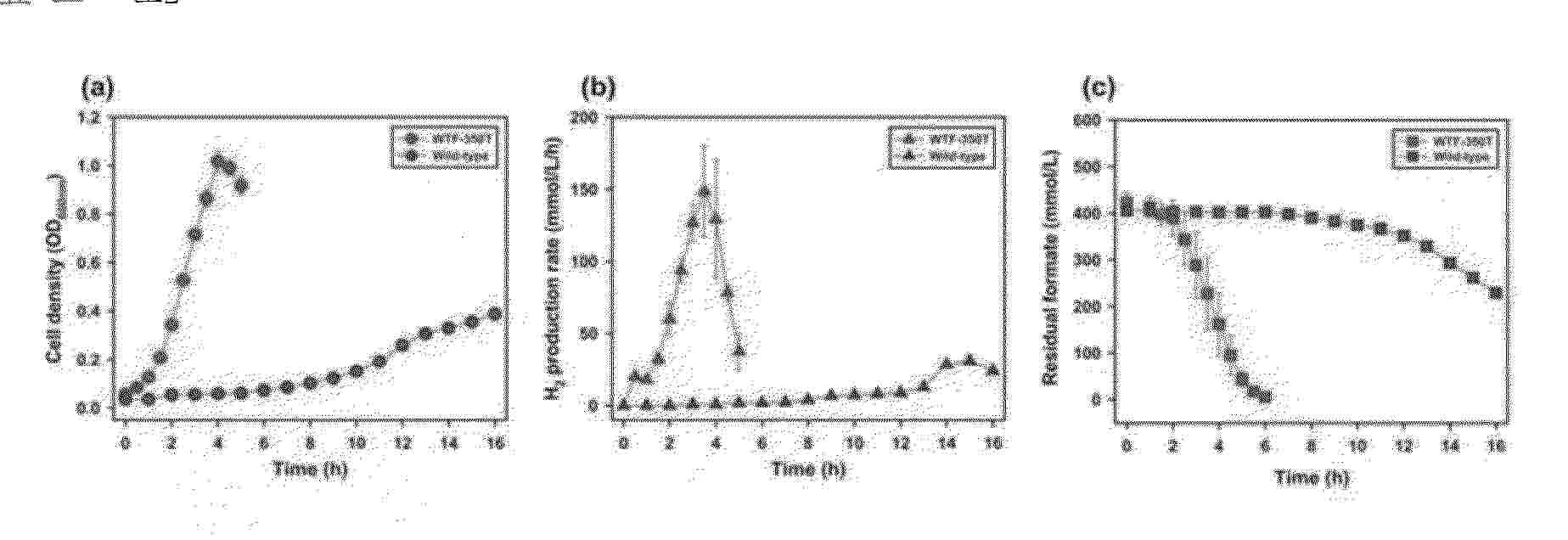
Resumen de: KR20260133614A
본 발명은 포름산을 이용한 바이오수소 제조 방법에 관한 것으로, Thermococcus 속 균주을 포름산염을 이용하여 바이오수소를 생산하는 방법에 있어서, Thermococcus 속 균주를 배양기내에서 포름산염을 포함하는 배지에서 배양하는 단계; 및 포름산(HCOOH)을 pH 조절제로 추가하는 단계를 포함하는 것을 특징으로 하는 바이오 수소 생산 방법을 제공한다. 본 발명에 따른 바이오 수소 생산 방법은 포름산을 직접적으로 이용하여 바이오수소 생산에 이용할 수 있고, 포름산염을 안정적으로 공급하여 바이오수소의 생산량이 증대된다.
Resumen de: CN122687264A
本发明属于电催化电解水催化剂领域,具体涉及一种碱性水电解催化剂及其制备方法。所述方法包括以下步骤:将镍网清洗并干燥,进行阳极氧化处理;将阳极氧化后的镍网置于可溶性过渡金属盐和硫代硫酸盐的混合溶液中进行腐蚀;腐蚀后的镍网进行清洗并干燥,得到碱性水电解催化剂。本发明采用简易方法制得了低成本、高稳定性、高电催化活性的碱性水电解催化剂。
Resumen de: CN122687270A
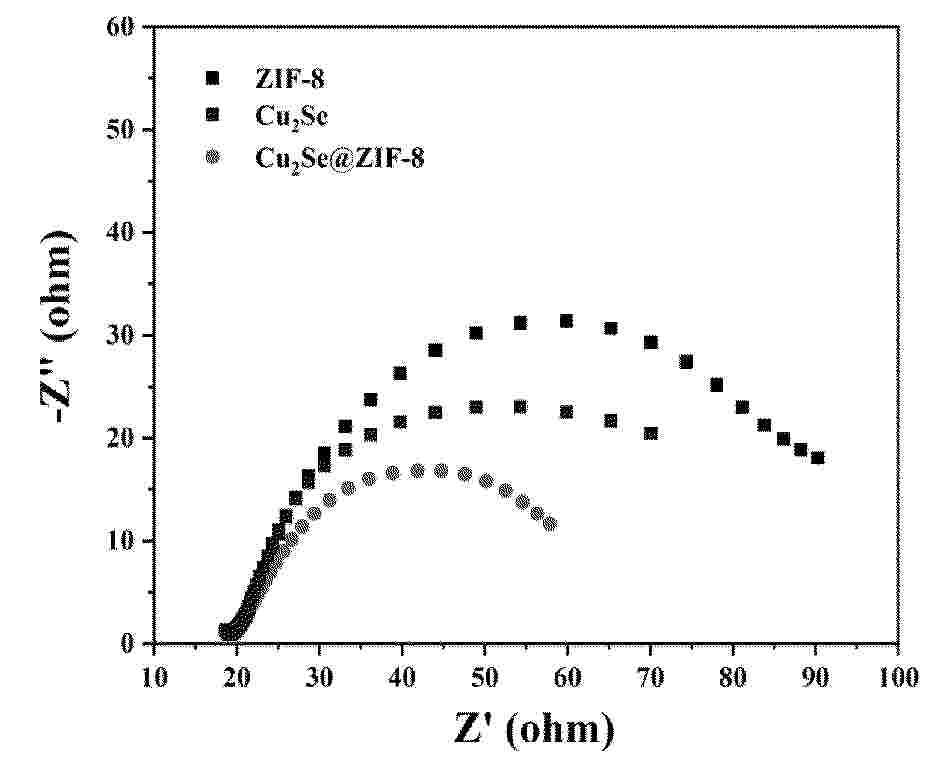
0001 本发明公开了一种Cu<2>Se@ZIF‑8异质结催化剂及其制备方法与应用,该复合材料由Cu<2>Se纳米颗粒与包裹在Cu<2>Se纳米颗粒外面的ZIF‑8壳层构成,Cu<2>Se纳米颗粒均匀分散于ZIF‑8骨架中,两者以物理复合形式共存,未发生晶格掺杂或相分离;所述制备方法包括以下步骤:采用水热法合成高结晶度的Cu<2>Se纳米颗粒;然后采用室温搅拌法在Cu<2>Se纳米颗粒表面原位生长ZIF‑8壳层得到Cu<2>Se@ZIF‑8异质结催化剂。该方法制备方法简单,将所制备得到的催化剂应用在电催化CO<2>还原制备合成气中,可展现出优异的结构特征与电化学性能,显著提升电化学活性面积以及CO的选择性。
Resumen de: CN122687230A
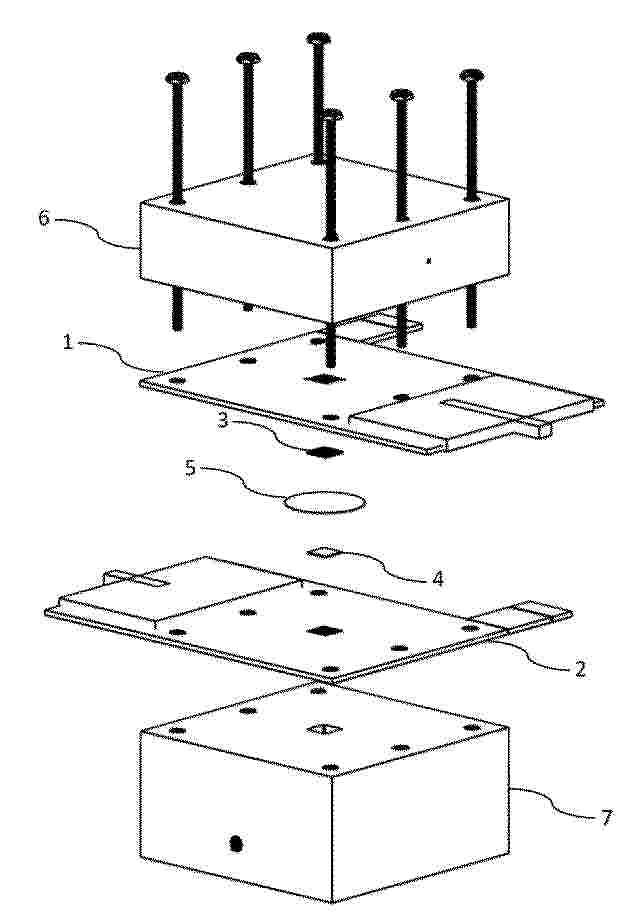
本发明涉及制氢技术领域,尤其涉及一种具有非对称半湿态界面的碱水电解槽,其包括:第一极板、第二极板、第一电极、第二电极、亲水多孔隔膜、第一端板组件和第二端板组件。本发明提供的一种具有非对称半湿态界面的碱水电解槽,通过第一极板、所述第二极板、所述第一端板组件和所述第二端板组件围设形成的液相供给区和气相释放区,并且第一电极被配置为供液侧浸润电极,第二电极被配置为排气侧半湿态电极,从而形成了非对称界面拓扑结构,使离子导通连续性由液相连续浸润电极保证,气体连续排出由半湿态气连通电极保证,从结构上降低共享孔网络的气液竞争。
Resumen de: CN122687253A
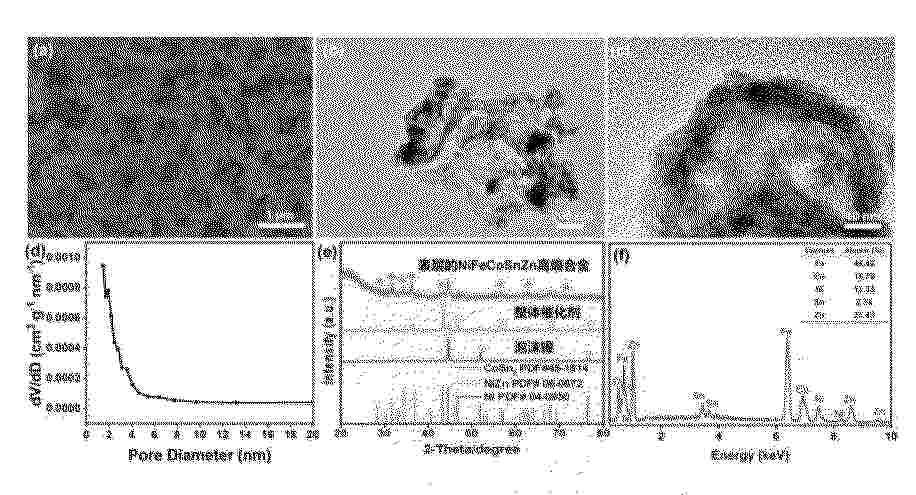
0001 本发明涉及催化剂技术领域,发明公开了一种泡沫镍负载多级多孔中空NiFeCoSnZn高熵合金全解水产氢催化剂及其制备方法,在泡沫镍基底表面通过电沉积、退火和原位构筑中空多孔高熵合金。基底与高熵合金层间的无缝一体化结合为NiFeCoSnZn高熵合金催化剂提供优异的电解水传质效率,高熵合金效应可以产生丰富的高活性位点,大孔结构显著提高催化剂在碱性溶液中的长期催化稳定性与耐腐蚀能力;该催化剂在碱性介质中均展现出优异的析氢、析氧以及全水分解电催化活性和稳定性,并可以在大电流密度下实现长期稳定的全水电解制氢,同时具有制备工艺经济、简便、高效,适合大量制备的特点。
Resumen de: CN122687231A
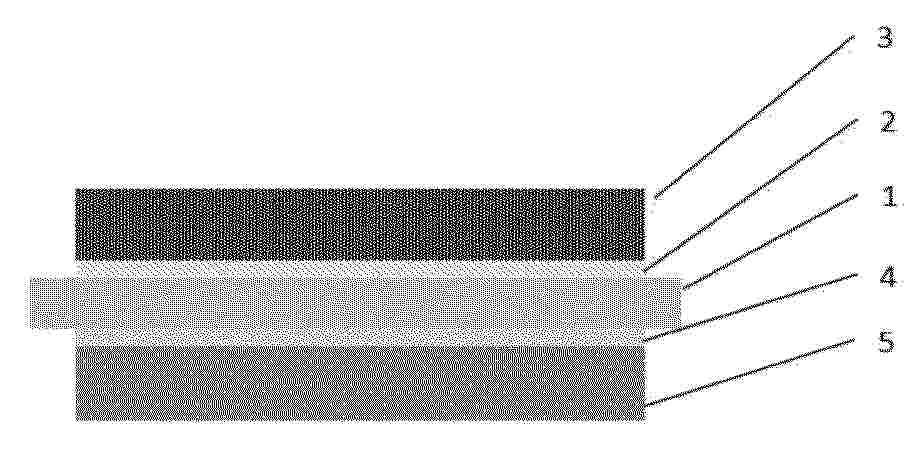
本发明公开了一种具有双侧功能化氧化锆复合涂层的阴离子交换膜、膜电极及其制备方法和应用,属于阴离子交换膜电解水技术领域。所述阴离子交换膜的阳极侧表面设有以氧化锆为载体并负载NiCo层状双金属氢氧化物的阳极复合涂层,阴极侧表面设有以氧化锆为载体并负载Pt纳米颗粒的阴极复合涂层。所述制备方法为将上述两种复合浆料分别涂覆于膜两侧,干燥固化后再与阳极催化电极和阴极催化电极压合,得到膜电极组件。本发明所述双侧复合涂层兼具膜保护、界面增强和催化促进三重功能,有利于提高膜与电极之间的界面结合强度,降低界面传质电阻,并提高阴离子交换膜在高碱及强氧化环境中的稳定性和电化学性能。
Resumen de: US20250059653A1
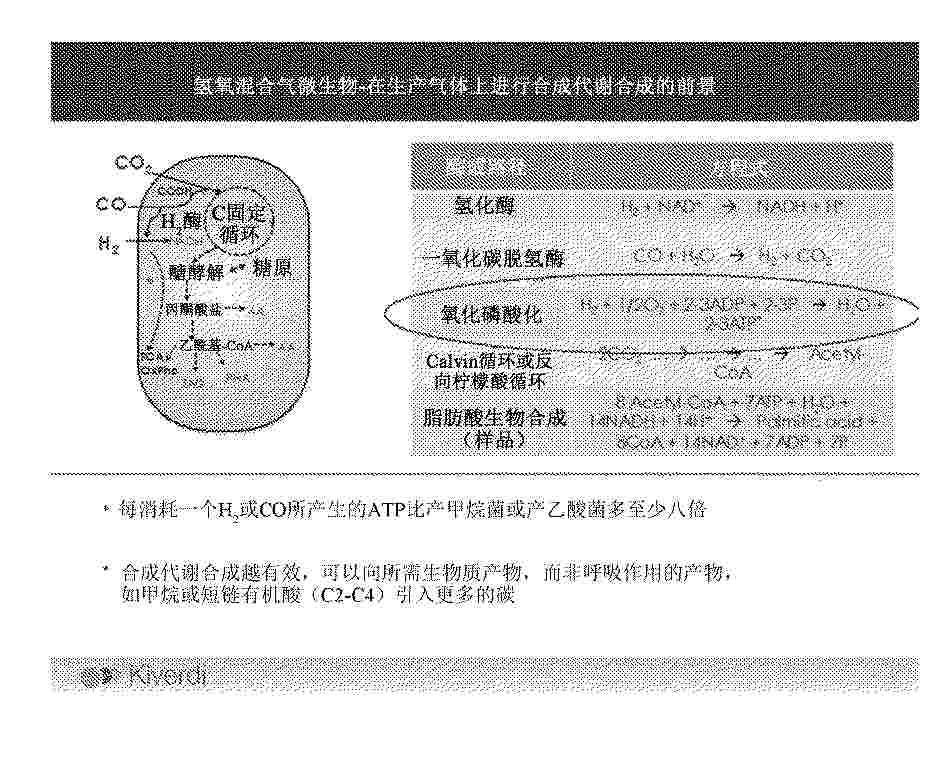
0000 Microorganisms and bioprocesses are provided that convert gaseous C1 containing substrates, such as syngas, producer gas, and renewable H<2 >combined with CO<2>, into nutritional and other useful bioproducts.
Resumen de: US20260257990A1
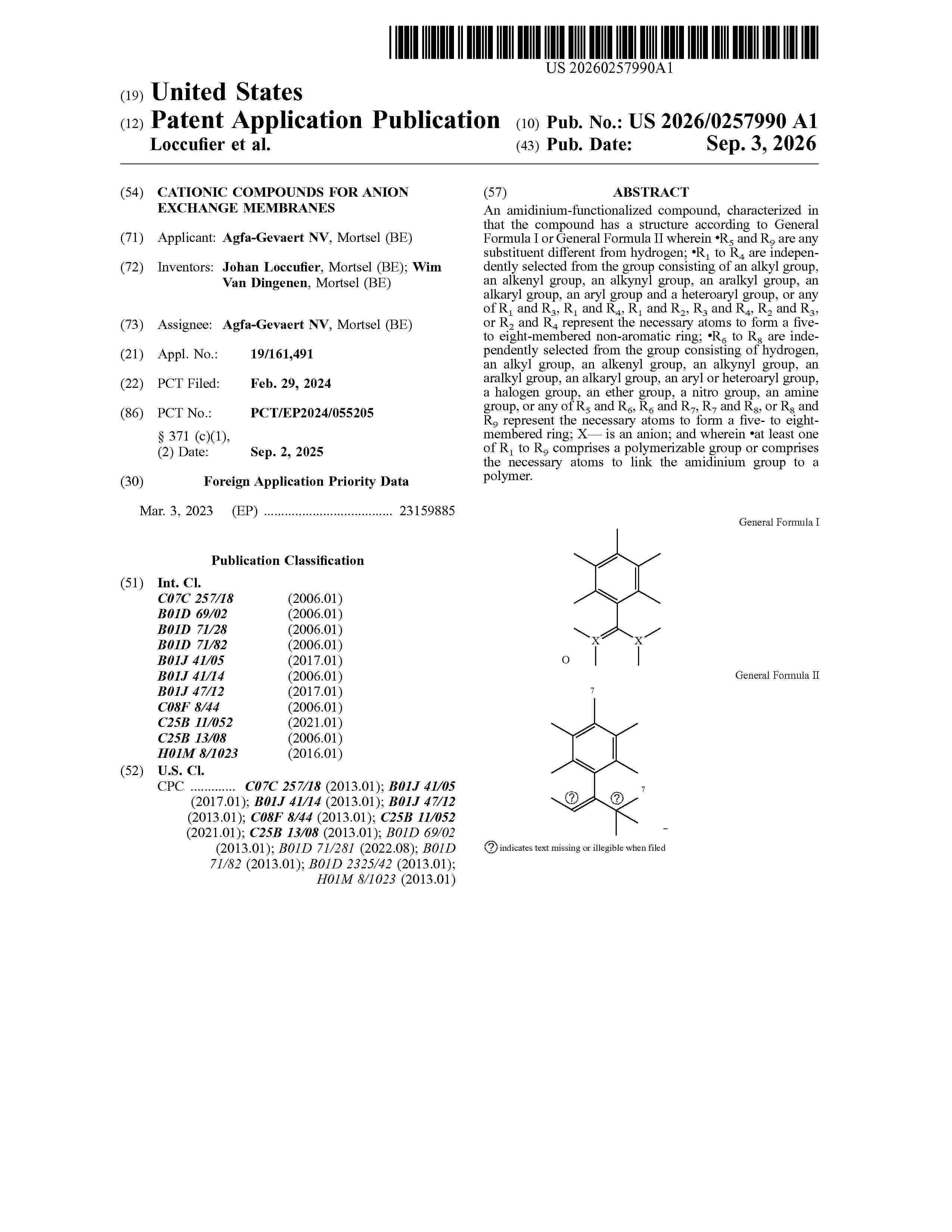
An amidinium-functionalized compound, characterized in that the compound has a structure according to General Formula I or General Formula II wherein ⋅R5 and R9 are any substituent different from hydrogen; ⋅R1 to R4 are independently selected from the group consisting of an alkyl group, an alkenyl group, an alkynyl group, an aralkyl group, an alkaryl group, an aryl group and a heteroaryl group, or any of R1 and R3, R1 and R4, R1 and R2, R3 and R4, R2 and R3, or R2 and R4 represent the necessary atoms to form a five- to eight-membered non-aromatic ring; ⋅R6 to R8 are independently selected from the group consisting of hydrogen, an alkyl group, an alkenyl group, an alkynyl group, an aralkyl group, an alkaryl group, an aryl or heteroaryl group, a halogen group, an ether group, a nitro group, an amine group, or any of R5 and R6, R6 and R7, R7 and R8, or R8 and R9 represent the necessary atoms to form a five- to eight-membered ring; X— is an anion; and wherein ⋅at least one of R1 to R9 comprises a polymerizable group or comprises the necessary atoms to link the amidinium group to a polymer.
Resumen de: KR20260133052A
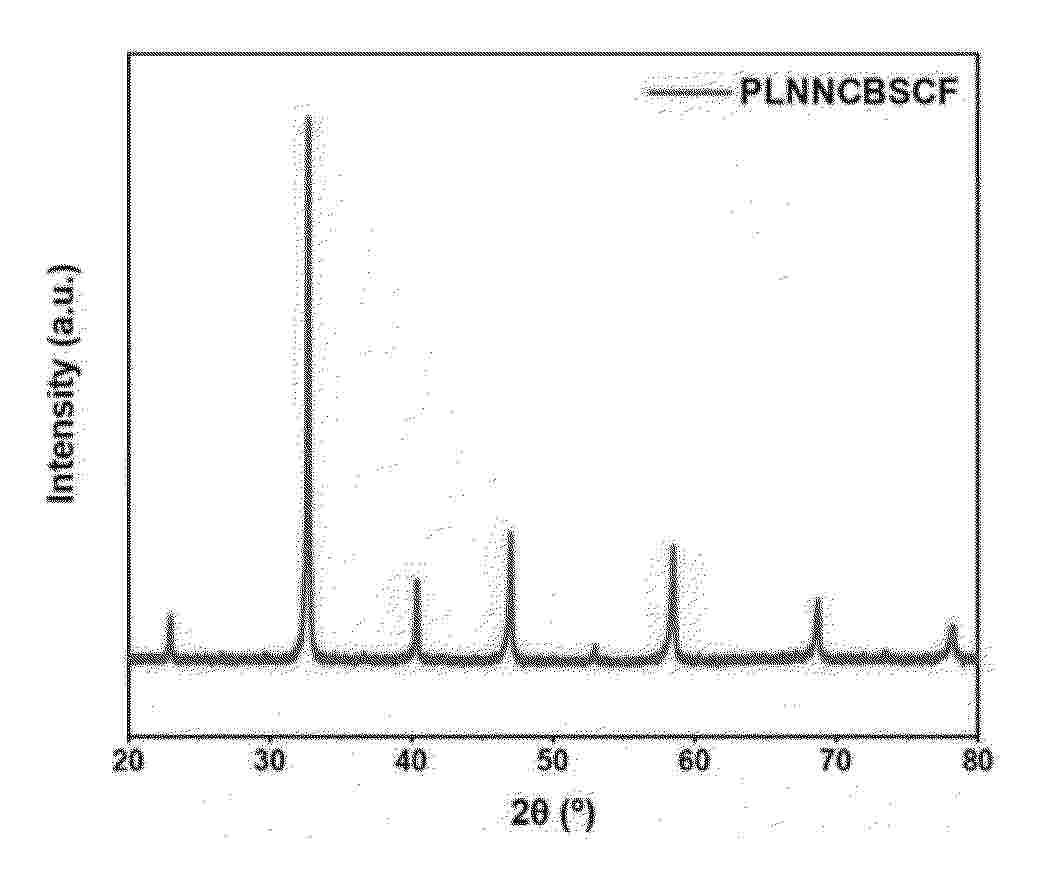
0001a 본 발명의 일 실시예는 Pr 전구체, La 전구체, Nd 전구체, Na 전구체, Ca 전구체, Ba 전구체, Sr 전구체, Co 전구체, 및 Fe 전구체를 포함하는 전구체 용액을 형성하는 단계; 상기 전구체 용액에 킬레이트 고정점 및 가교제를 첨가하여 반응 용액을 형성하는 단계; 및 상기 반응 용액을 반응시키는 단계;를 포함하는 것을 특징으로 하는 더블 페로브스카이트 공기극 산화물 제조방법을 제공한다.
Resumen de: US20260257913A1
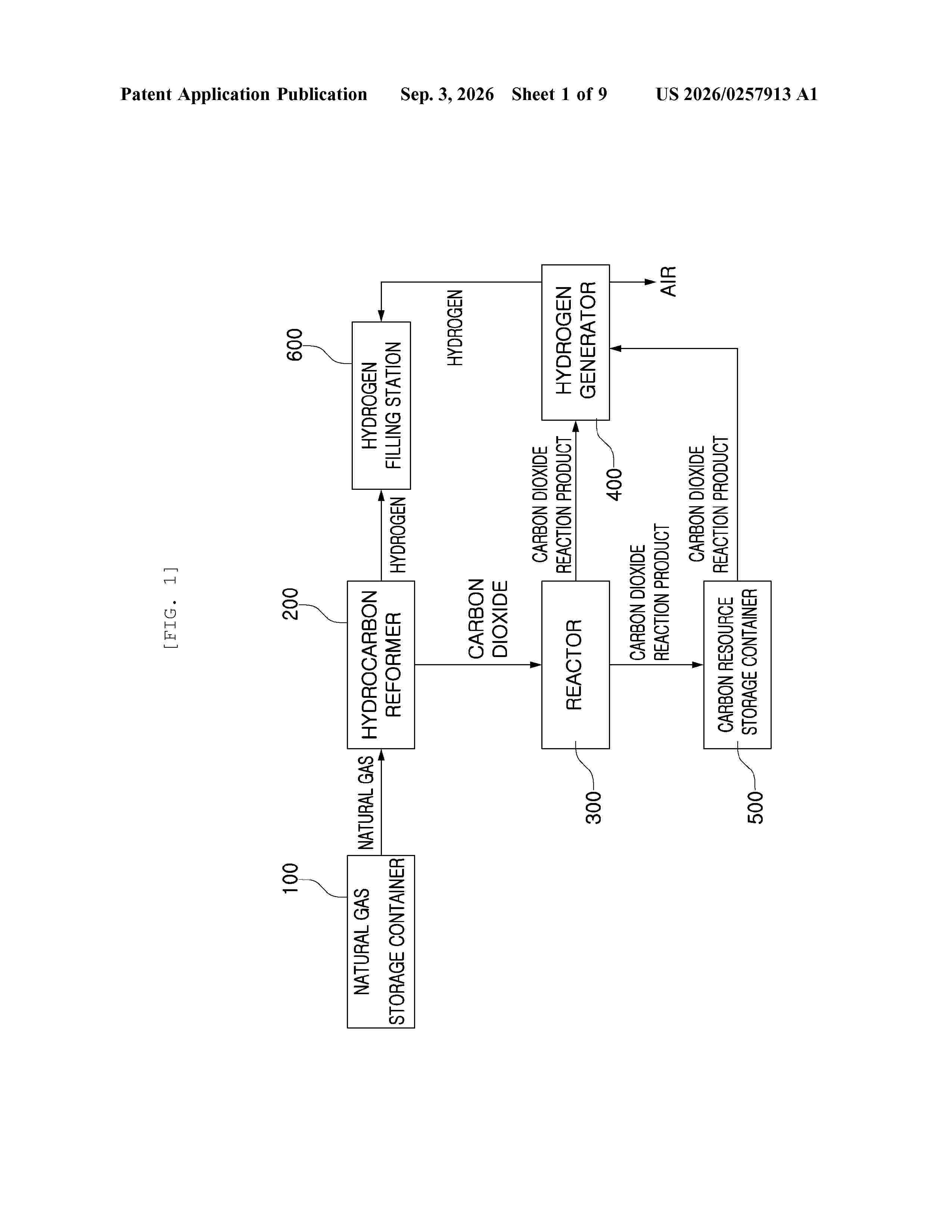
Proposed is a system for generation of blue hydrogen through natural gas reforming, carbon dioxide capture, carbon resource utilization, and reaction product storage. The system includes a natural gas storage container for storing liquefied natural gas including shale gas, a hydrocarbon reformer in which a gas mixture containing hydrogen and carbon dioxide is produced, a hydrogen filling station in which hydrogen is received and stored, a reactor in which carbon dioxide produced is received and reacted with a basic alkali mixed solution to capture carbon dioxide and in which a reaction product is collected and a carbon dioxide reaction product and a waste solution are separated from the reaction product, a carbon resource storage container storing the carbon dioxide product, and a hydrogen generator in which the carbon dioxide reaction product is used to product hydrogen, and the produced hydrogen is delivered to the hydrogen filling station.
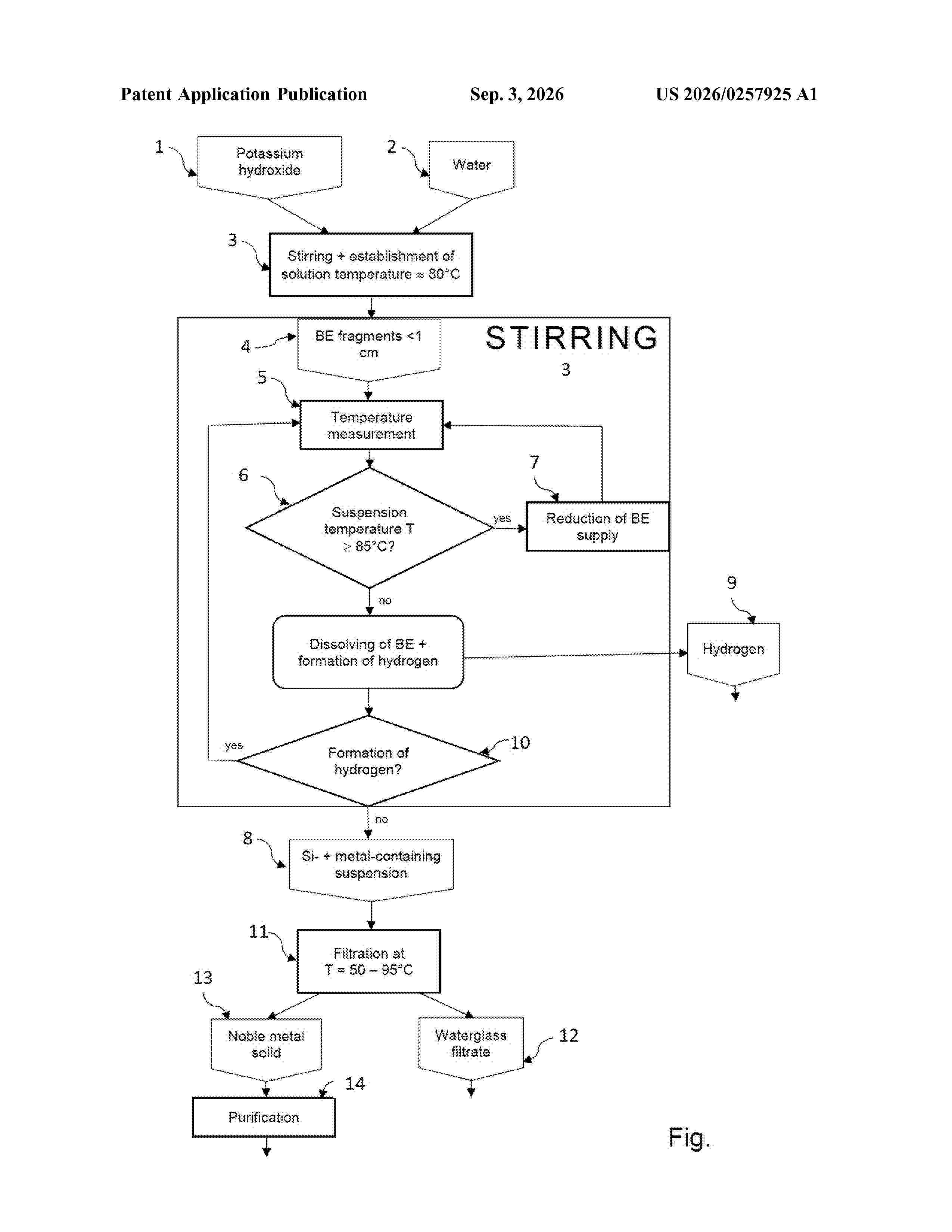
Resumen de: US20260257925A1
The present invention relates to a method of physical and energetic utilization of silicon components that are obtained in electrical scrap recycling. In order to create a recycling method which is effective in terms of time, plant technology and energy, it is proposed that a silicon component be dissolved in an alkali under the process pressure (p) and a first suspension temperature in the range from 50° C. to equal to or greater than the boiling point of the alkali at the process pressure p. After the silicon has been dissolved, the resultant suspension is filtered for separation of meta-, di- and oligosilicate, and the second suspension temperature is maintained during the filtration within the temperature range specified from 50 to less than the boiling point of the alkali.
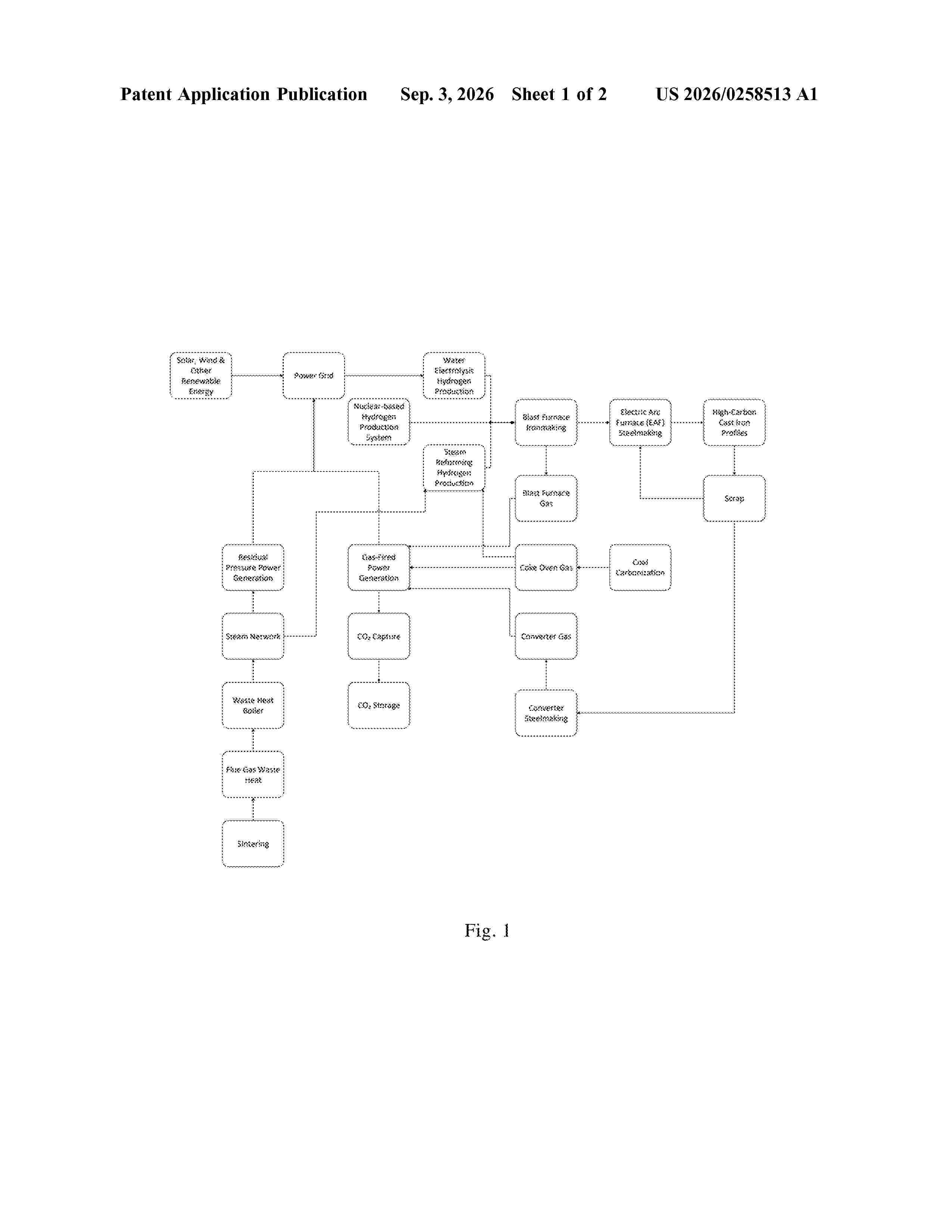
Resumen de: US20260258513A1
0000 The present invention discloses a systematic carbon emissions reduction method for whole process of steel production and casting, comprising the steps of: injecting hydrogen into a blast furnace, wherein the hydrogen is sourced from a nuclear-based hydrogen production system, a water electrolysis hydrogen production system, and a coke oven gas-steam reforming hydrogen production system; wherein electrical energy consumed by the water electrolysis hydrogen production system is sourced from gas-fired power generation, steam residual pressure power generation, solar power generation, wind power generation, and nuclear power generation; wherein combustible gases used for the gas-fired power generation are coke oven gas, blast furnace gas, and converter gas; wherein steam for the steam residual pressure power generation is sourced from a sintering waste heat boiler; wherein steam for the coke oven gas-steam reforming hydrogen production is low-pressure steam exhausted from the residual pressure power generation; producing end products comprising cast steel sections and casting materials including high-carbon ductile cast iron profiles with a carbon content of 2-4% and a silicon content of 2-4%, and high-carbon ductile cast steel profiles with a carbon content of 1-2% and a silicon content of 1-1.9%; and recycling scrap from the end products into a converter or an electric arc furnace for smelting.
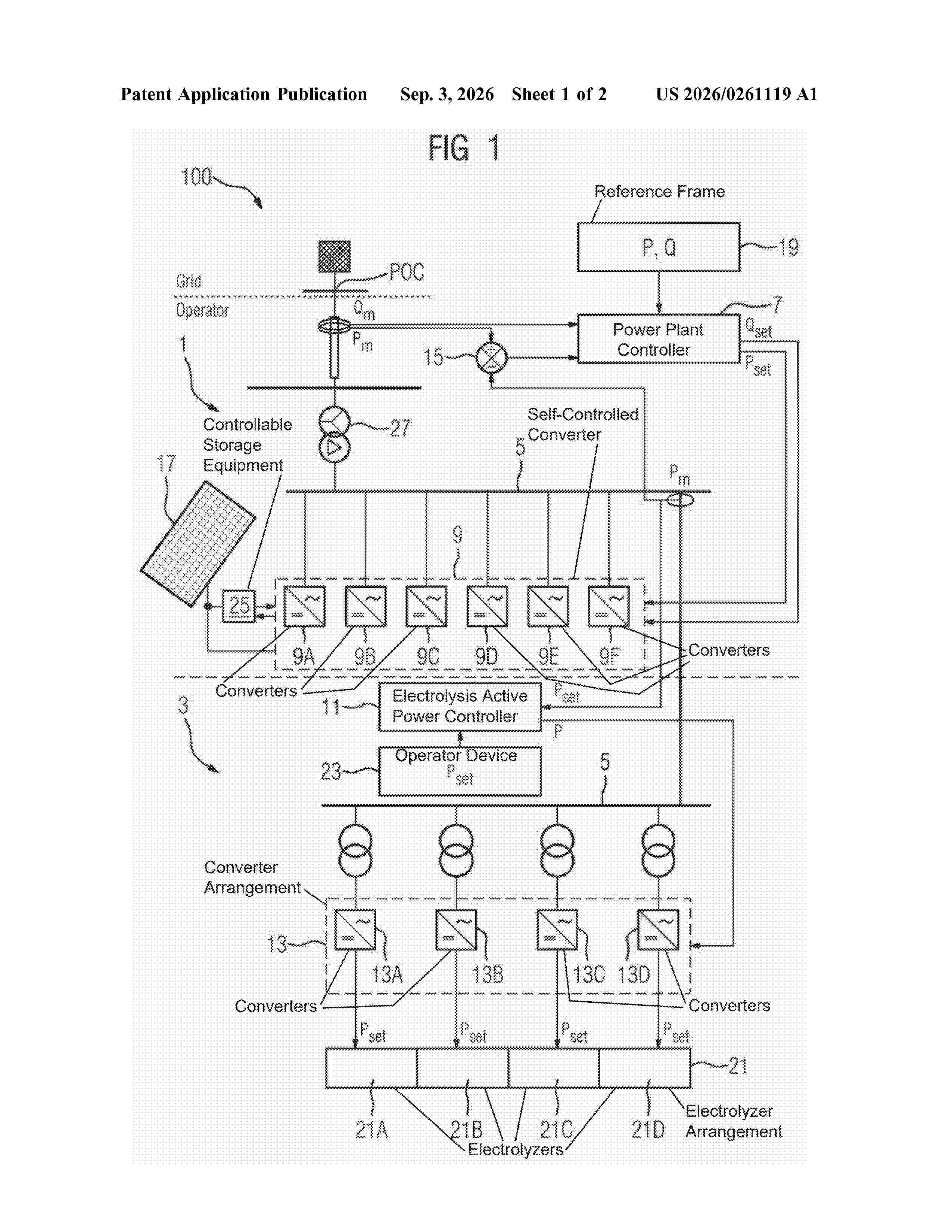
Resumen de: US20260261119A1
0000 An electrolysis system includes a renewable power generation plant, an electrolysis plant, a transformer station and an AC bus bar. The renewable power generation plant is connected to the public electricity grid at a point of connection via the AC bus bar and includes a power plant controller and a self-controlled converter that is connected to the AC bus bar. The electrolysis plant includes an electrolysis active power controller and a converter arrangement that is connected to the AC bus bar. The electrolysis active power controller is configured for controlling active power of the electrolysis plant at the AC bus bar and the power plant controller is configured for controlling reactive power at the point of connection. A method for operating an electrolysis system is also provided.
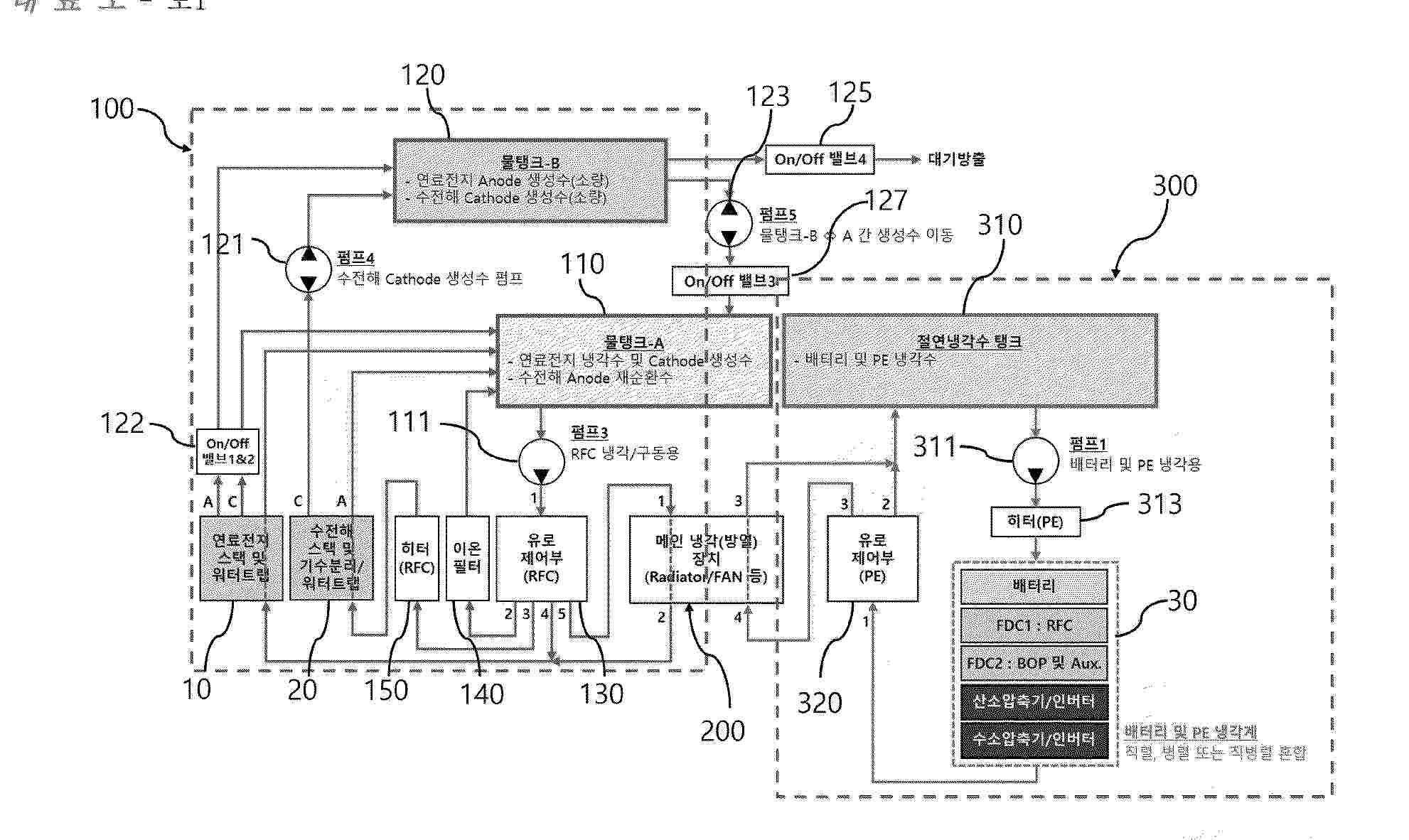
Resumen de: KR20260132701A
본 발명의 목적은, 수전해 스택을 통한 물 전기분해 및 연료(수소, 산소) 생산, 연료전지 스택을 통한 전력생산 및 물 생성의 과정을 닫힌 계 내에서 지속/반복적으로 동작시키는 방식의 가역연료전지 시스템을 대상으로 하는 가역연료전지 하이브리드 파워팩의 열관리 및 물관리 시스템 및 그 방법을 제공하는 것이다. 상기 목적을 달성하기 위해, 본 발명의 실시예에 따른 가역연료전지 하이브리드 파워팩의 열관리 및 물관리 시스템은, 연료전지 및 수전해 스택을 구비하는 가역연료전지 하이브리드 파워팩 시스템에 있어서, 상기 연료전지 스택 및 수전해 스택의 전극별로 생성 또는 순환되는 물을 구분하여 복수개의 물탱크에 저장하고, 상기 물의 흐름을 제어하여 관리하는 물관리 시스템; 상기 물관리 시스템에서 발생하는 열을 냉각하는 메인 냉각장치; 및 상기 메인 냉각장치와 연결되어 절연냉각수를 이용하여 시스템을 열관리 하는 열관리 시스템을 포함하는 것을 특징으로 한다.
Resumen de: WO2026182306A1
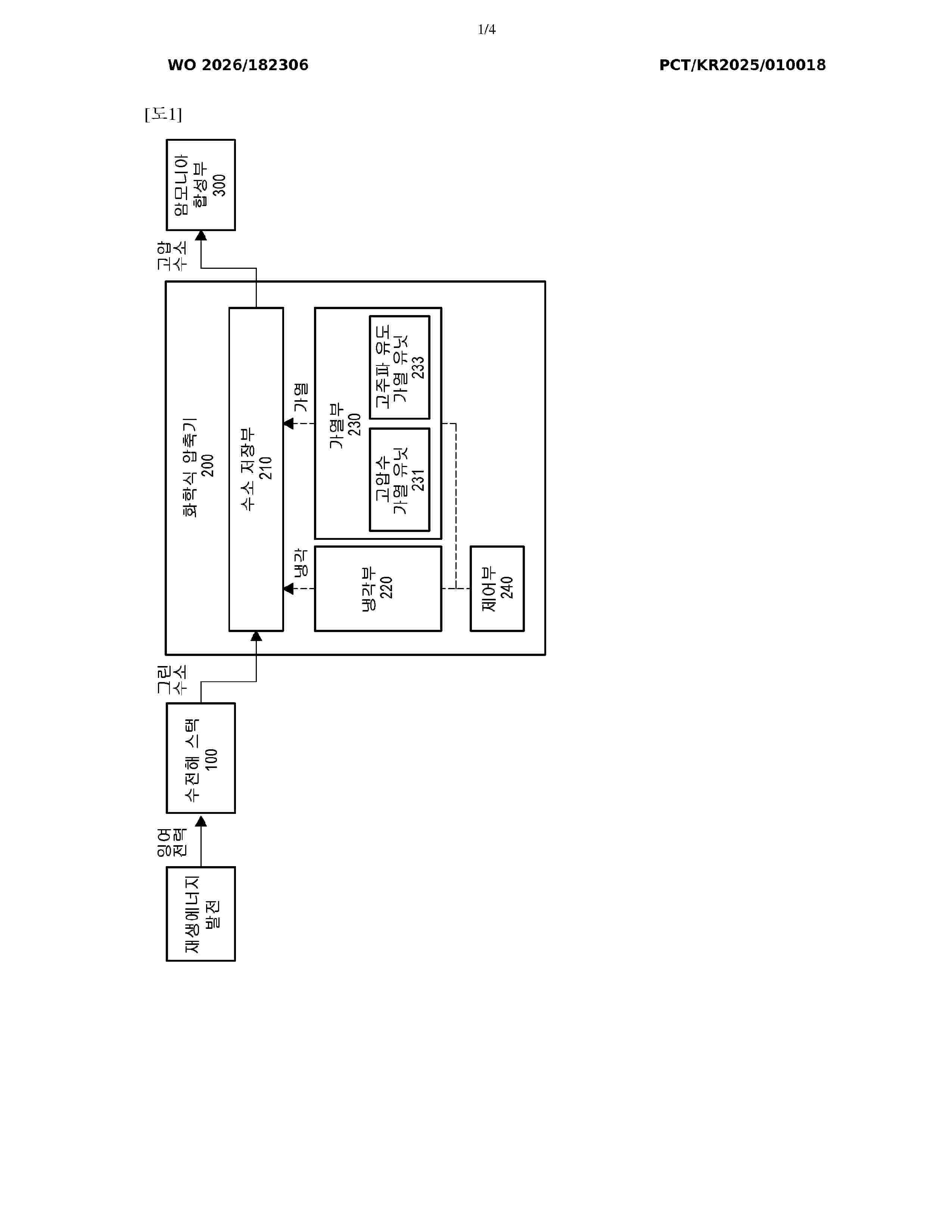
The present invention provides a system for synthesizing ammonia using a chemical compressor having a hydrogen storage alloy embedded therein, and a method for synthesizing ammonia using the ammonia synthesis system. The system for synthesizing ammonia comprises: a water electrolysis stack that generates hydrogen; a chemical compressor that stores and discharges hydrogen supplied from the water electrolysis stack; and an ammonia synthesis unit that receives hydrogen from the chemical compressor and synthesizes ammonia, wherein the chemical compressor includes: a hydrogen storage unit having the hydrogen storage alloy embedded therein; a cooling unit that cools the hydrogen storage unit; a heating unit that heats the hydrogen storage unit; and a control unit that controls operations of the cooling unit and the heating unit, wherein the heating unit includes a plurality of different heating sources independently controllable from one another, and the control unit controls the cooling unit to cool the hydrogen storage alloy of the hydrogen storage unit when hydrogen is stored in the hydrogen storage unit, and controls at least one of the plurality of heating sources of the heating unit to heat the hydrogen storage alloy when hydrogen is discharged from the hydrogen storage unit.
Resumen de: WO2026181447A1
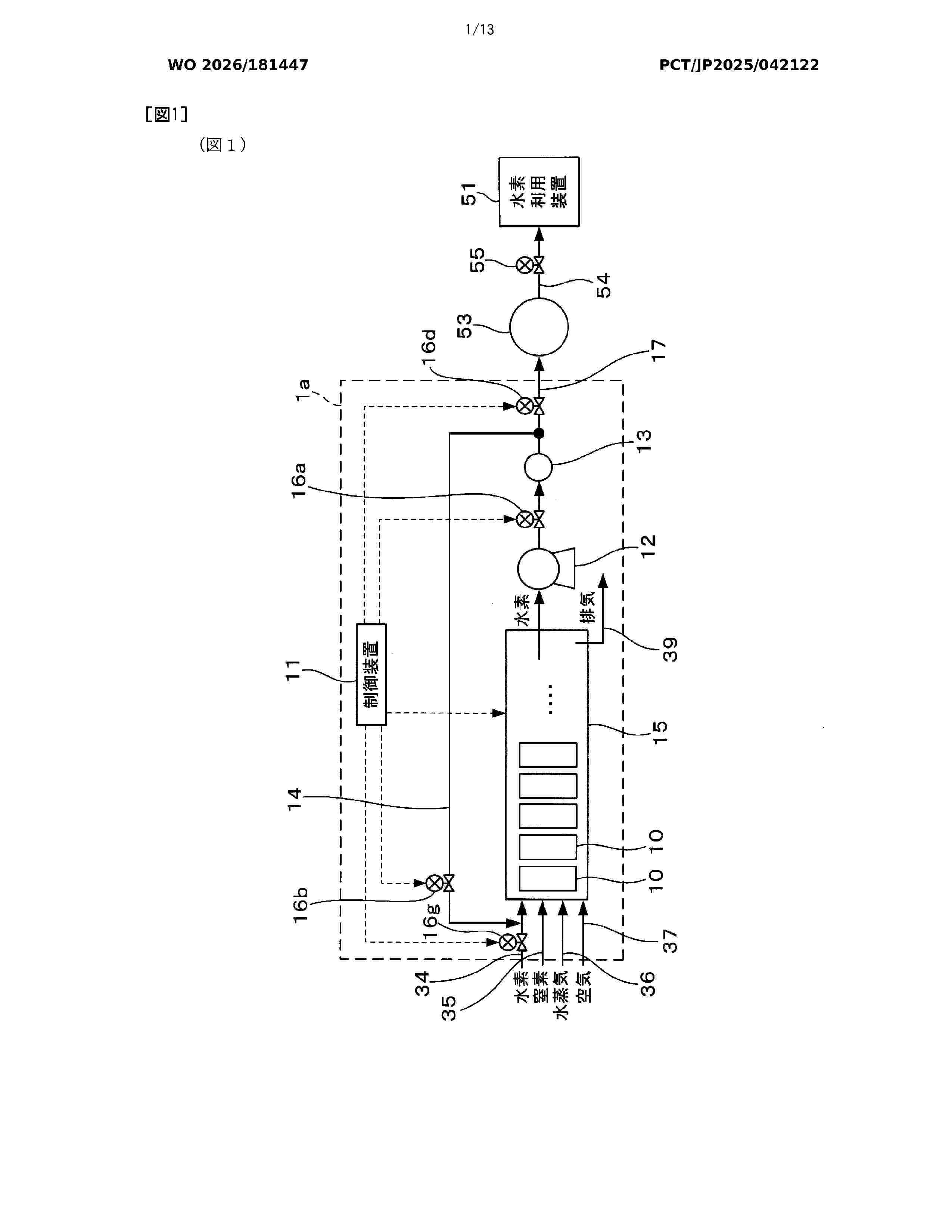
A hydrogen generation apparatus (1a) comprising a plurality of cell stacks (10) that, through electrolysis of water, generate hydrogen and oxygen as a byproduct, and a control device that controls the cell stacks (10) and controls circulation of hydrogen, wherein: the plurality of cell stacks (10) are divided into at least one firstly-started cell stack (10a) that is started firstly among the plurality of cell stacks (10) and at least one subsequently-started cell stack (10b), (10c) that is started subsequently to the firstly-started cell stack (10a); and the control device (11) is configured to be able to supply, to the subsequently-started cell stack (10b), (10c), hydrogen generated by the firstly-started cell stack (10a) when starting the subsequently-started cell stack (10b), (10c) after the firstly-started cell stack (10a) is started.
Resumen de: WO2026182942A1
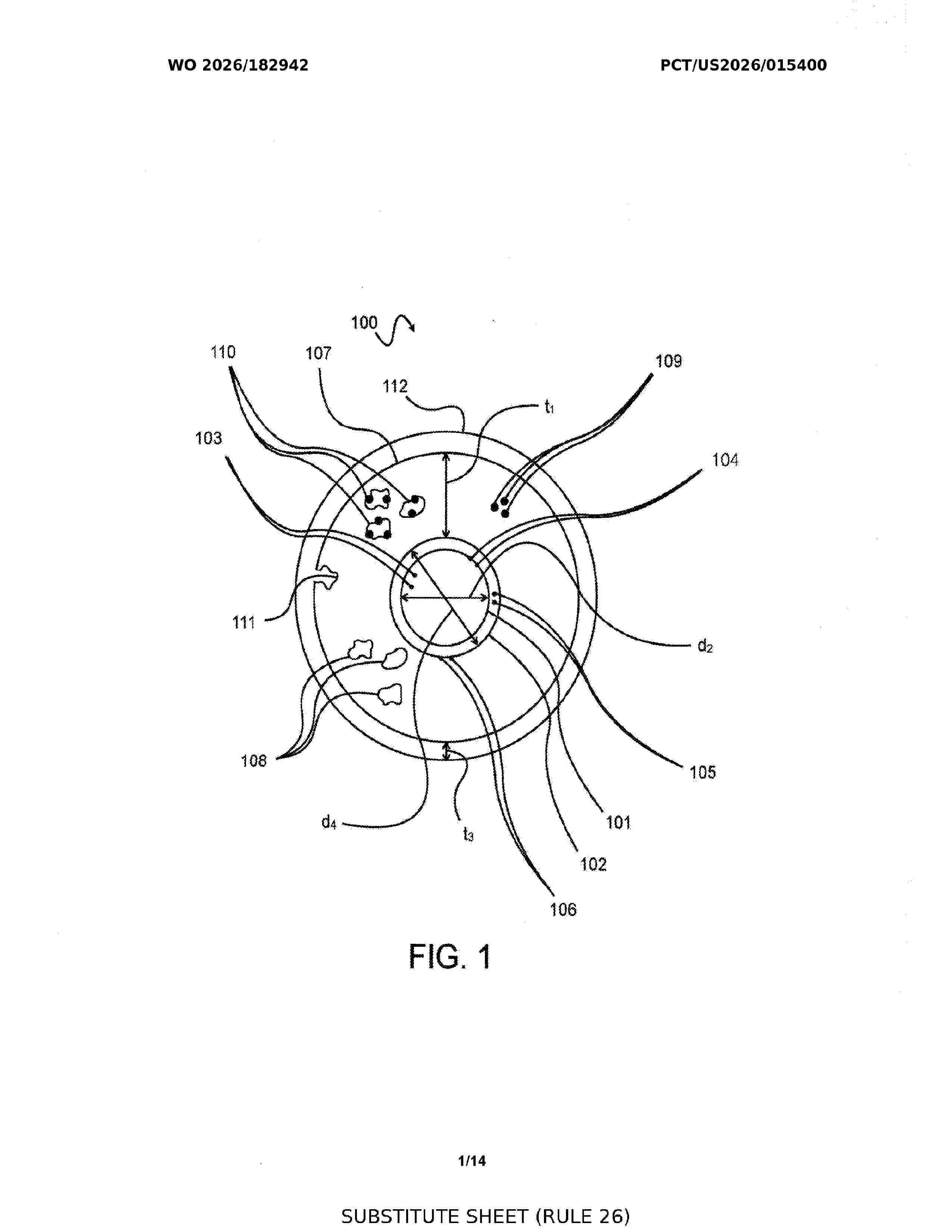
A solar-driven opto-electrolysis hydrogen production system configured to convert light and water into hydrogen is disclosed. The system includes a solar radiation collection assembly, an optical transmission network, and one or more opto-electrolysis light rods positioned within a reactor containing water. Each light rod includes an inner optical core, a cladding, and a porous layer comprising photocatalytic centers configured to generate hydrogen upon illumination. The inner optical core contains spectral conversion additives that modify incident solar radiation such that emitted wavelengths overlap an absorption band of the photocatalytic centers. In certain embodiments, the porous layer comprises a monolithic porous structure formed around the cladding with pore characteristics selected to permit diffusion of water and removal of evolved hydrogen. A plurality of light rods may be arranged in an array to enable scalable hydrogen production.
Resumen de: WO2026180519A1
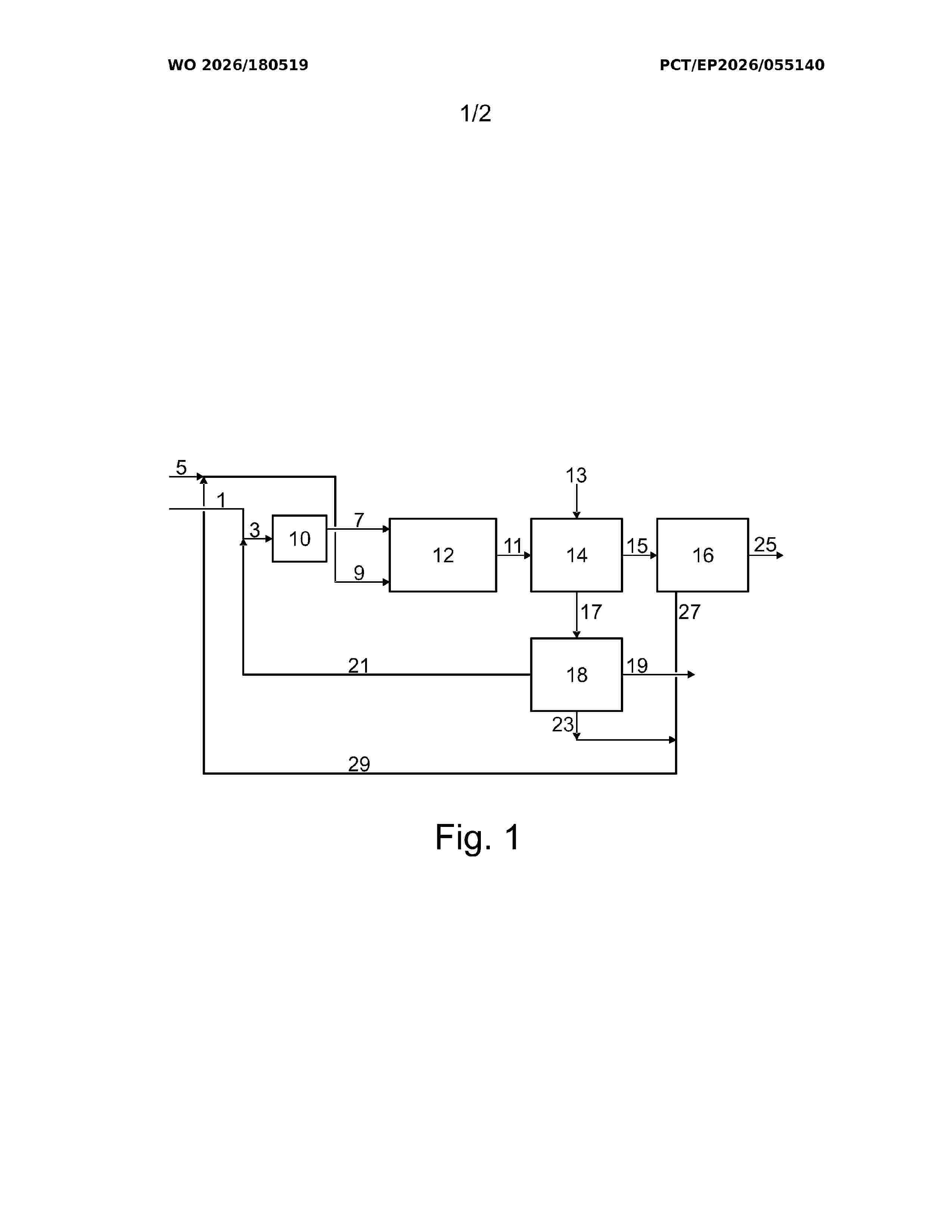
Process and plant for the production of a product gas containing nitrogen and hydrogen from ammonia, the process comprising the steps of: i) pre-cracking an ammonia feed stream to a pre-cracked process gas containing hydrogen, nitrogen, ammonia by contact with a first ammonia cracking catalyst; ii-1) non-catalytic partial oxidation of the pre-cracked process gas with an oxygen containing gas to a process gas containing nitrogen, water, nitrogen oxides and residual amounts of ammonia; ii-2) cracking of at least a part of the residual amounts of ammonia to hydrogen and nitrogen in the process gas by contact with a second ammonia cracking catalyst and simultaneously reducing the amounts of nitrogen oxides to nitrogen and water by reaction with at least a portion of the hydrogen formed during at least the pre-cracking of the ammonia feed stream, thereby producing said product gas containing nitrogen and hydrogen; iii) withdrawing the product gas. The product gas is purified downstream to a hydrogen product.
Nº publicación: WO2026182019A1 03/09/2026
Solicitante:
TAKEHARA TAKASHI [JP]
\u7AF9\u539F\u3000\u9686
Resumen de: WO2026182019A1
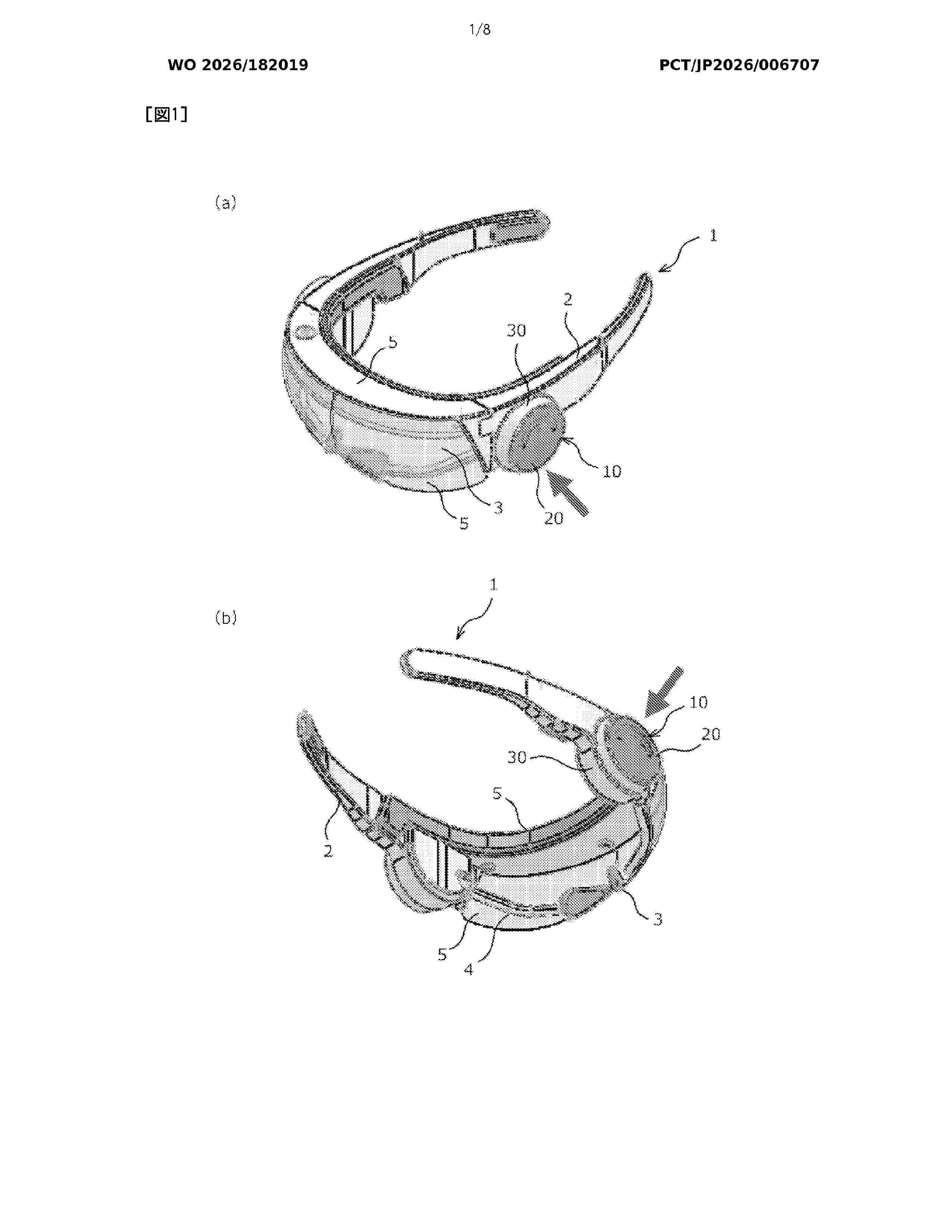
The present invention provides an electrolytic hydrogen supply device to be attached to at least one side of goggles. A hydrogen supply device according to the present invention comprises: an electrolytic cell in which a pair of positive and negative electrodes are disposed in the vertical direction and which is capable of storing electrolytic water; and an electrolytic cell receiving section which has a recess that opens from the bottom toward the outside of the side of the goggles, and which is configured to insert and fix the electrolytic cell in the recess from the outside toward the inside to the bottom. The electrolytic cell has a pair of front and rear sealing members in the inward and outward directions for sealing the inner wall of the electrolytic cell receiving section and the outer wall of the electrolytic cell, and has, above the electrolytic cell, a reserve tank space formed in a gap between the outer wall of the electrolytic cell and the inner wall of the electrolytic cell receiving section between the front and rear sealing members, and a first gas film that allows a gas containing hydrogen and water vapor in the electrolytic cell to pass through and be released into the reserve tank space.
 BOPI
BOPI
 Sede Electrónica