Si deseas distinguir tus productos, servicios o ambos de los de otra empresa, es posible que necesites una marca o nombre comercial. Descubre qué son, en qué consiste su procedimiento de registro y qué implica.

Información sobre los plazos de presentación de solicitudes de transformación de marcas de la Unión Europea en marca nacional española. Más información


Si tienes un nuevo dispositivo, producto o procedimiento que resuelva un problema técnico o tenga una ventaja práctica, existen distintas formas de protegerlo en España y en otros países. Descubre cómo hacerlo.

¿Tu innovación reside en la estética, la ornamentación o la apariencia de tu producto? Protégela mediante un diseño industrial. Descubre qué derechos confiere el registro y cómo realizar la tramitación.

Las indicaciones geográficas protegen el nombre de un producto originario de una zona geográfica, a la cual le debe una determinada calidad, reputación u otra característica. Descubre qué son, en qué consiste su procedimiento de registro y qué beneficios conceden.

Las patentes publicadas en todo el mundo son una valiosa fuente de información científica, técnica y comercial.

Si eres emprendedor/a o una empresa y quieres potenciar y mejorar la rentabilidad de tu negocio protegiendo de forma adecuada los activos intangibles de tu organización, en este espacio encontrarás lo necesario.


 336
resultados
336
resultados
 Última actualización
15/09/2026 [08:51:00]
Última actualización
15/09/2026 [08:51:00]


 Resultados 225 a 250 de 336

Resumen de: CN122619842A
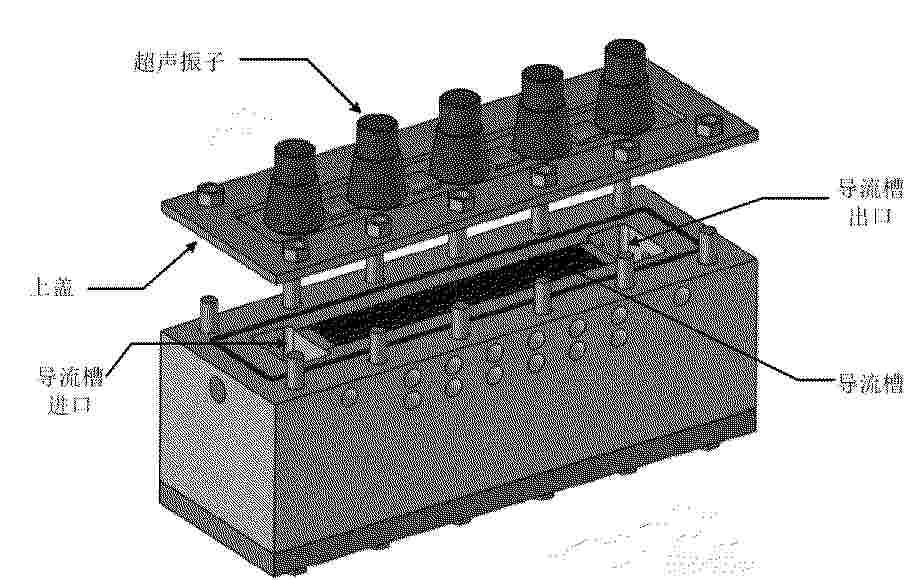
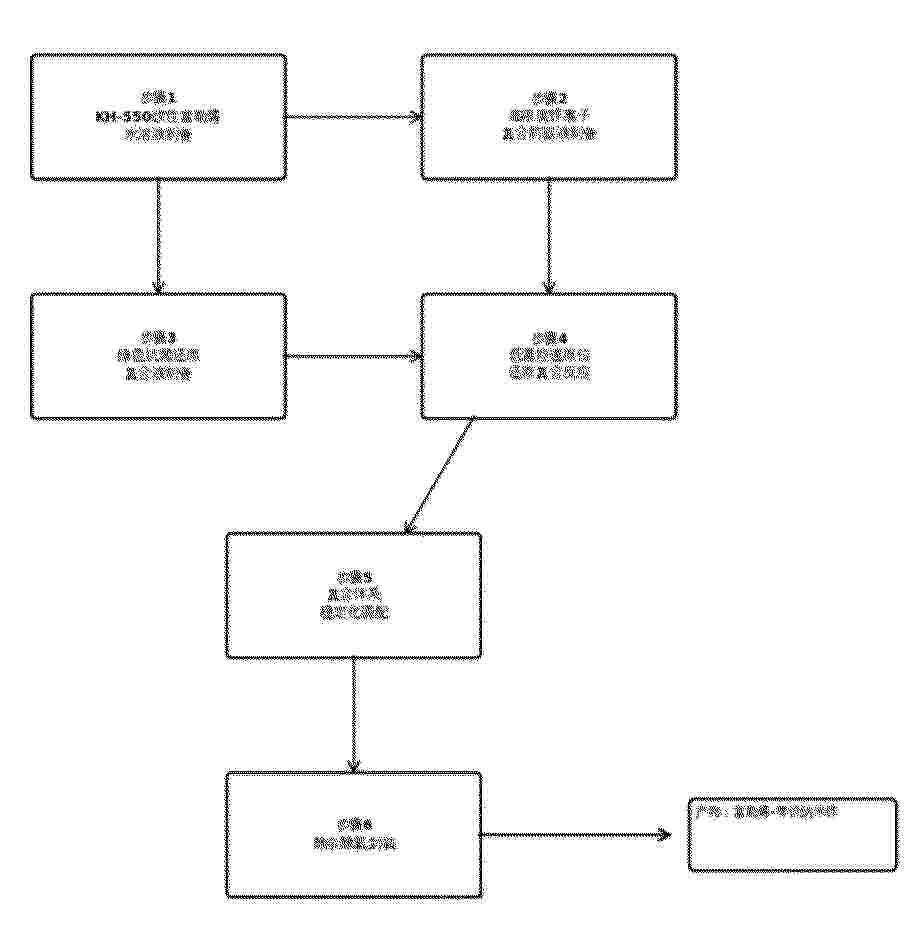
0001 本发明提出了基于纳米流体的燃料电池防烧毁方法、装置、设备和介质,该方法包括:基于任意一个采集点,基于温度传感器返回的全部实测温度值计算温度传感器对应的平均温度值;基于任意一个温度传感器,基于实测温度值、平均温度值和预设的局部过热阈值计算得到局部过热度,将大于零的局部过热度对应的采集点确定为过热测点;当存在至少一个过热测点,确定每个超声振子对应的振子权重,基于振子权重确定每个超声振子的输出声强和工作频率;基于对应的输出声强和工作频率,启动全部超声振子。根据本发明实施例的技术方案,能够通过超声振子对局部过热区域的纳米流体进行机械振动,从而使团聚体脱离从而恢复换热管路的流通截面积,保持换热效率稳定。

Resumen de: CN122608095A
0001 本申请涉及材料领域,公开了四氧化三钴材料及其制备方法、正极材料、锂离子电池。所述四氧化三钴材料的比表面积≥56m<2>/g。上述材料具有较高的比表面积,含有较高比例粒径50nm左右粒子,将其用作锂离子电池正极材料的包覆材料,有利于提高正极材料与包覆材料的反应活性,形成更加均匀且晶格匹配的包覆层,从而改善正极材料的电性能。
Resumen de: CN122619792A
0001 本发明提供了一种磷酸铁锂材料及其制备方法、正极片、锂离子电池。该磷酸铁锂材料包括第一磷酸铁锂颗粒和第二磷酸铁锂颗粒;第一磷酸铁锂颗粒包括第一磷酸铁锂内核和包覆在第一磷酸铁锂内核外表面的第一复合包覆层;第一磷酸铁锂内核包含掺杂元素,掺杂元素为硼元素和/或氟元素;第二磷酸铁锂颗粒包括第二磷酸铁锂内核和包覆在第二磷酸铁锂内核外表面的第二复合包覆层;第一复合包覆层和第二复合包覆层各自独立地包括第一包覆层和第二包覆层,第一包覆层包括快离子导体材料,第二包覆层为碳包覆层。以上磷酸铁锂材料能够兼顾高压实密度和高倍率性能。
Resumen de: CN122610007A
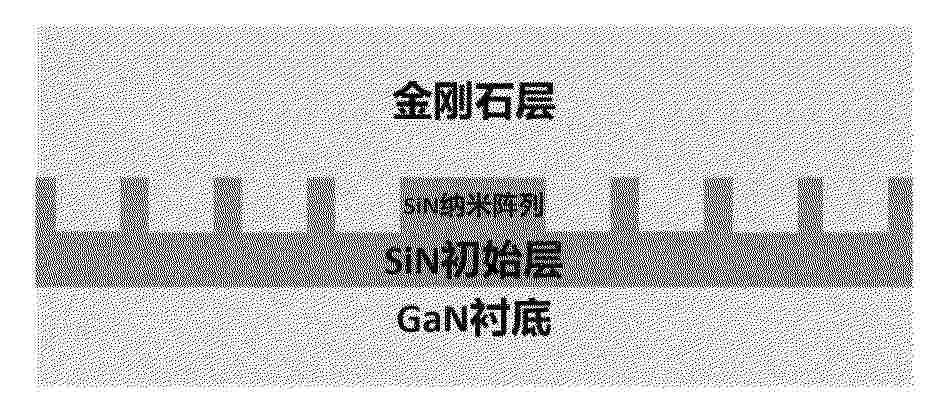
本发明公开了一种基于原子级组分渐变异质结的低应力GaN‑金刚石复合衬底及其制备方法。复合衬底包括:GaN衬底;多个间隔排列的SiN纳米柱,每个SiN纳米柱由其底部至顶部Si/N原子比呈逐层原子尺度连续梯度变化,内应力相应连续变化;金刚石层仅覆盖纳米柱顶侧壁,暴露的GaN表面无金刚石。制备方法:形成图形化掩模层;通过逐步降低氮气分压进行磁控溅射,在开口内轴向沉积组分渐变SiN;去掩模得纳米柱;氢等离子体活化;选择性外延生长金刚石。本发明通过原子级组分渐变界面缓冲GaN与金刚石的热失配应力,保护GaN表面免受刻蚀损伤,实现超低界面热阻和高导热,适用于高功率GaN器件散热。
Resumen de: CN122622480A
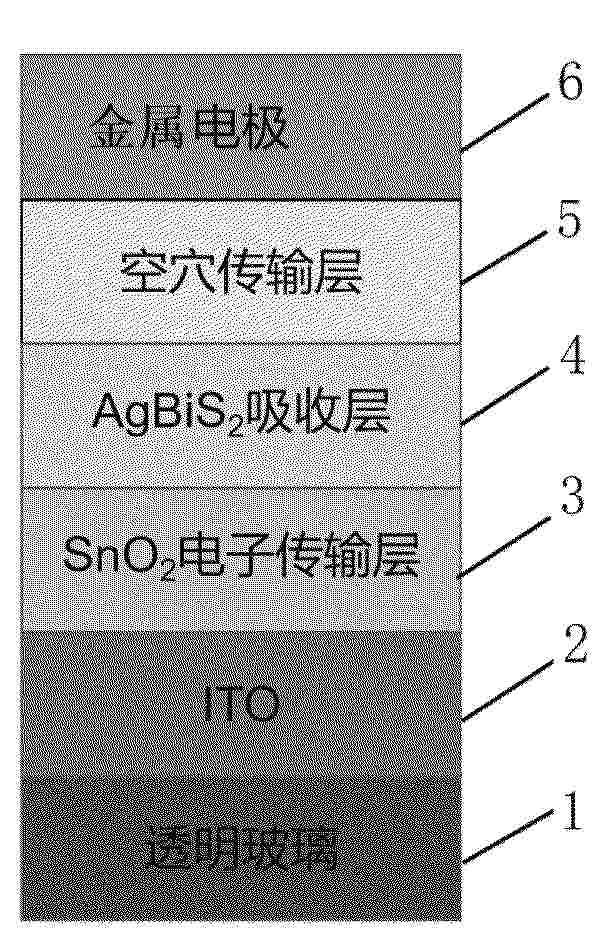
本发明公开一种AgBiS2量子点太阳能电池及其制备方法,该太阳能电池的电子传输层为掺杂卤素化合物的掺杂氧化锡薄膜,卤素化合物与氧化锡前驱体在成膜前混合,形成均一的掺杂电子传输层。其制备方法为:将卤素化合物与氧化锡前驱体溶液混合,旋涂或喷涂于透明电极表面,然后进行退火处理,形成掺杂氧化锡薄膜,在该薄膜上沉积AgBiS2量子点吸收层,并依次制备空穴传输层和金属电极,得到太阳能电池。本发明在成膜前实现卤素离子的原位掺杂与缺陷钝化,无需额外增加独立修饰层步骤,采用本发明方法制备的AgBiS2量子点太阳能电池,开路电压提升至0.52以上,填充因子提升至0.7以上,光电转换效率显著提高。
Resumen de: CN122603859A
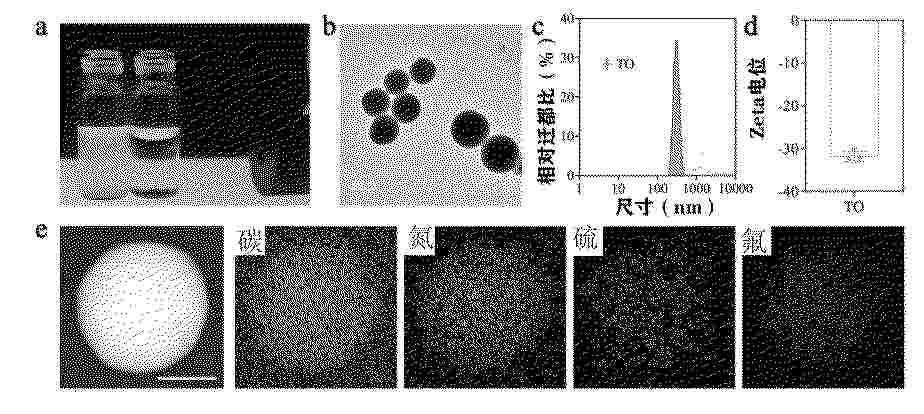
本发明提供一种无载体自组装纳米农药及其制备方法与应用,涉及农业农药技术领域,本发明采用一步纳米沉淀自组装法形成氟噻唑吡乙酮无载体纳米农药,将天然物质单宁酸作为两亲性构筑单元,通过疏水作用、氢键和π‑π堆积实现无载体、无化学反应的绿色纳米化,使氟噻唑吡乙酮无载体纳米农药实现纳米级粒径,有效提高氟噻唑吡乙酮的利用率。本发明无载体纳米农药的制备过程中全程未引入任何金属离子前驱体,单宁酸保持其原始化学结构而未被氧化,操作简便,不仅能够有效提升氟噻唑吡乙酮的药效,显著降低氟噻唑吡乙酮的使用量,且显著提升由大豆疫霉、豇豆疫霉和荔枝霜疫霉所引起的大豆根腐病、豇豆枯萎病和荔枝霜疫霉病的防治效果。
Resumen de: CN122604694A
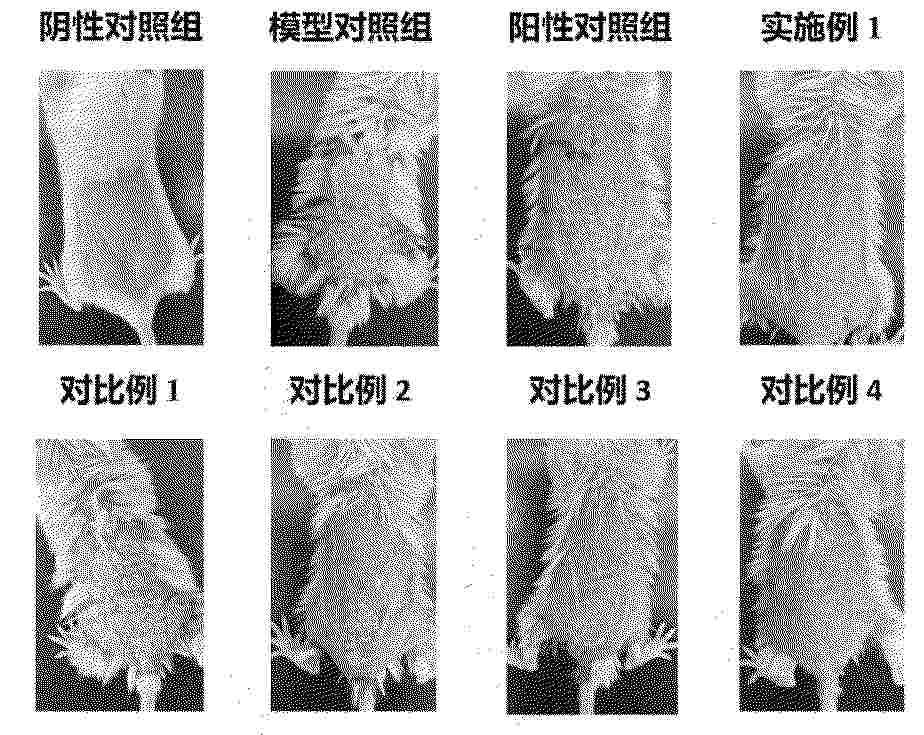
本发明涉及一种湿疹靶向载药纳米脂质体药膏及其制备方法,属于外用药物制剂技术领域;所述制备方法包括以下步骤:(1)采用气体扩散反应法制备Phl‑CaCO3纳米颗粒;(2)采用膜融法制备L‑选择素靶头的脂质体;(3)脂质体包载药物。本发明一体化递药体系集成炎症靶向富集、碳酸钙稳定载药、药物与钙离子三重协同、长效缓释、皮肤屏障修复多重功能,可全方位改善皮损状态,长效维持治疗效果,有效降低湿疹复发风险;透皮渗透能力优异,皮损处药物滞留时间更长,药效持久;兼具靶向精准、温和低刺激、多效协同的优势,大幅提升湿疹综合治疗效果,缓解瘙痒、红肿等临床症状,提升患者外用药物的使用依从性。
Resumen de: CN122612695A
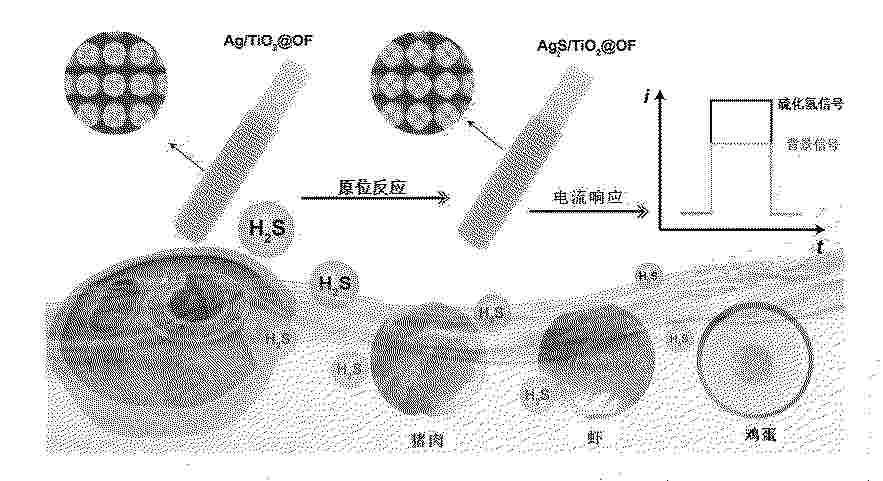
0001 本发明公开了银纳米粒子/二氧化钛阵列光纤光电传感器的制备方法及其在硫化氢原位监测中的应用,属于生物传感器检测技术领域。先通过水热法在光纤表面原为生长TiO<2>NRs,随后通过光还原法在TiO<2>NRs的表面原位生成Ag纳米颗粒;当后续有H<2>S与Ag/TiO<2>NRs@OF接触后,会生成Ag<2>S与TiO<2>NRs构成异质结,显著增大光电流。该传感器在10 nM至10 mM的宽线性范围内展现出良好的选择性、储存稳定性、操作稳定性和优异的重现性,对细胞分泌的H<2>S和在食物腐败过程中产生的H<2>S有着良好的检测能力。该传感器具有结构简单、微型化、灵敏度高等特点。
Resumen de: CN122603869A
本发明公开了一种富勒烯‑零价纳米锌复合抗菌水溶液,包括作为分散介质的水,以及分散在水中的复合粒子,复合粒子具有核‑壳‑冠三层结构,包括:零价纳米锌核;包覆于零价纳米锌核表面的中间层,中间层为经过硅烷偶联剂改性的富勒烯层;以及包覆于中间层外表面的冠层,冠层为生物多糖。本发明以水为分散介质,实现富勒烯与高浓度零价纳米锌的稳定复合,具有高效抗菌性、优异抗氧化性的优点,且零价锌纯度高、富勒烯分散均匀。
Resumen de: WO2026167891A1
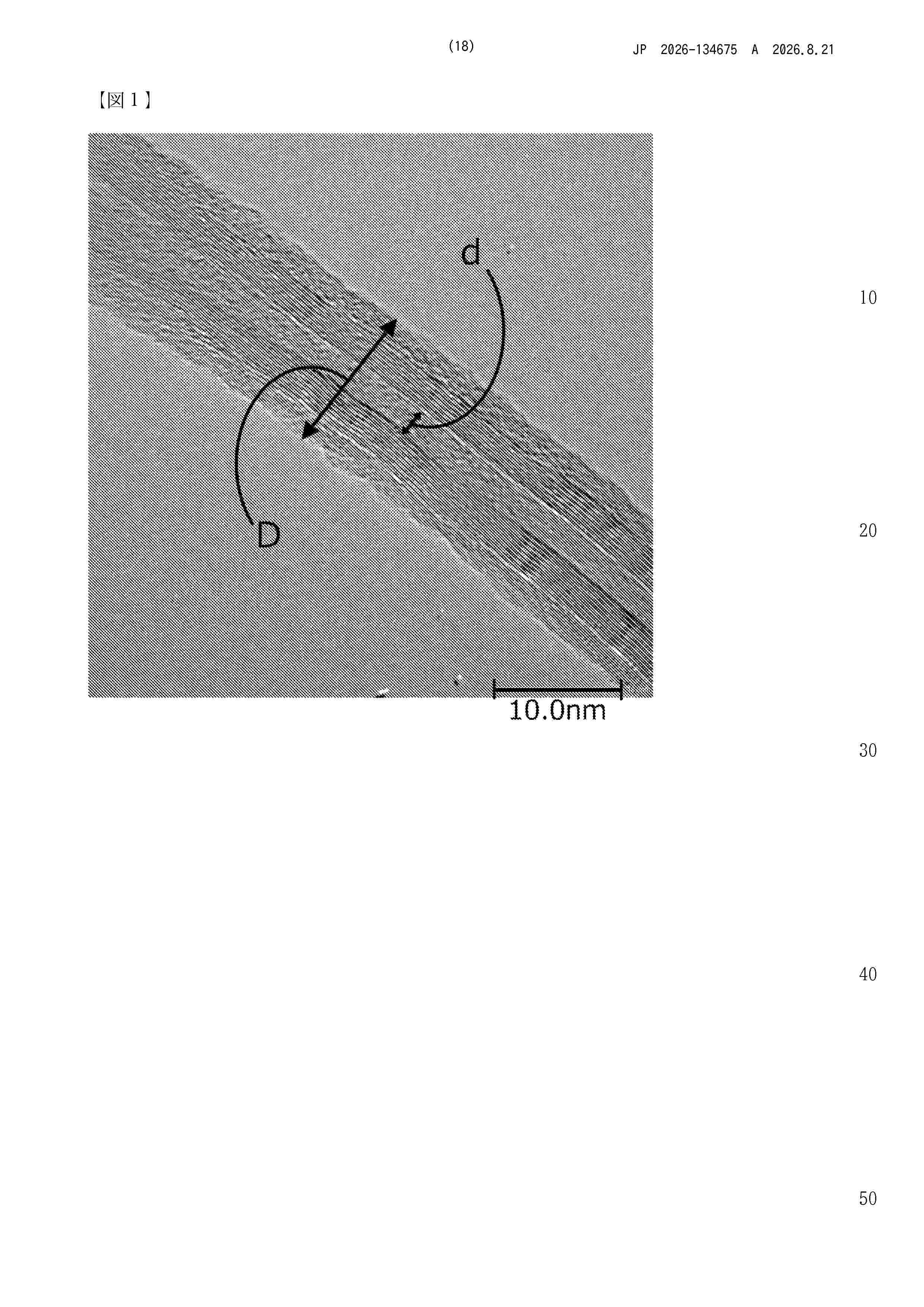
A carbon nanotube aggregate according to an aspect of the present disclosure comprises a plurality of carbon nanotubes (CNTs), wherein, when at least 110 CNTs constituting the aggregate are observed with a transmission electron microscope, in a case in which the number of most frequently observed layers is defined as n, with respect to 100% of the total amount of all observed CNTs, the proportion of the total amount of CNTs in which the number of layers is n-1 to n+1 is 20-38%, and the proportion of the total amount of CNTs in which the number of layers is n-2 to n+2 is 35-80%, and in a case in which the average value of the outer diameters of the CNTs in which the number of layers is n is defined as X (nm), the average value of the outer diameters of the CNTs in which the number of layers is n-1 is X-2.8 (nm) to X+0.5 (nm), the average value of the outer diameters of the CNTs in which the number of layers is n+1 is X-0.5 (nm) to X+2.8 (nm), and the average value of the outer diameters of the all observed CNTs is X-1.5 (nm) to X+1.5 (nm).
Resumen de: WO2026167892A1
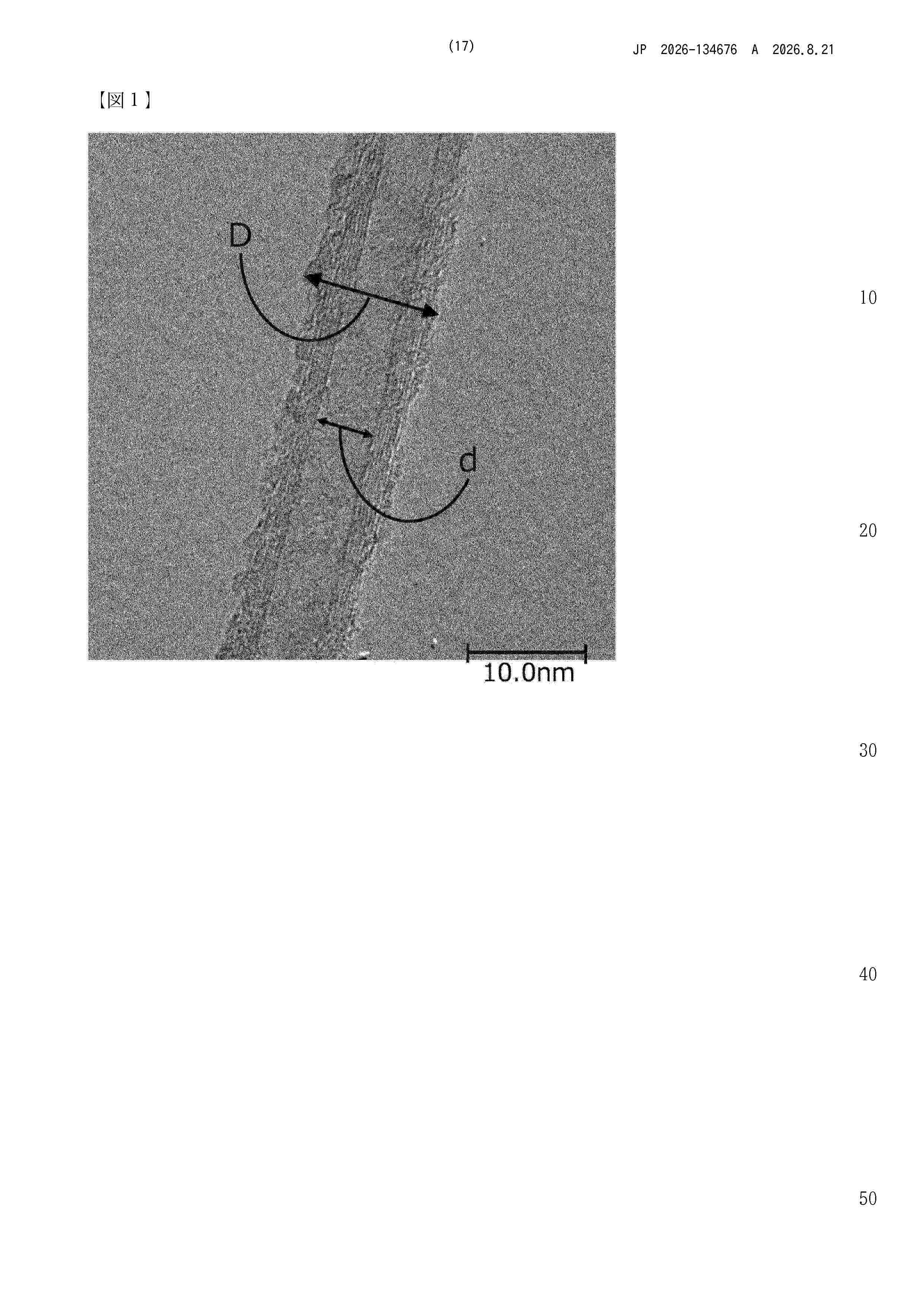
One embodiment of a carbon nanotube aggregate according to the present disclosure contains a plurality of carbon nanotubes (CNTs). When at least 110 CNTs constituting the aggregate are observed with a transmission electron microscope and if n is defined as the wall number most frequently observed: relative to a total of 100% of all observed CNTs, the total proportion of CNTs having a wall number of n-1 to n+1 is greater than 38% but less than 65% and the total proportion of CNTs having a wall number of n-2 to n+2 is 45-90%; and if X(nm) is defined as the average value of the outer diameter of CNTs having a wall number of n, the average value of the outer diameter of CNTs having a wall number of n-1 is X-1.8(nm) to X+0.5(nm), the average value of the outer diameter of CNTs having a wall number of n+1 is X-0.5(nm) to X+1.8(nm), and the average value of the outer diameter of all observed CNTs is X-3.0(nm) to X+3.0(nm).
Resumen de: WO2026167890A1
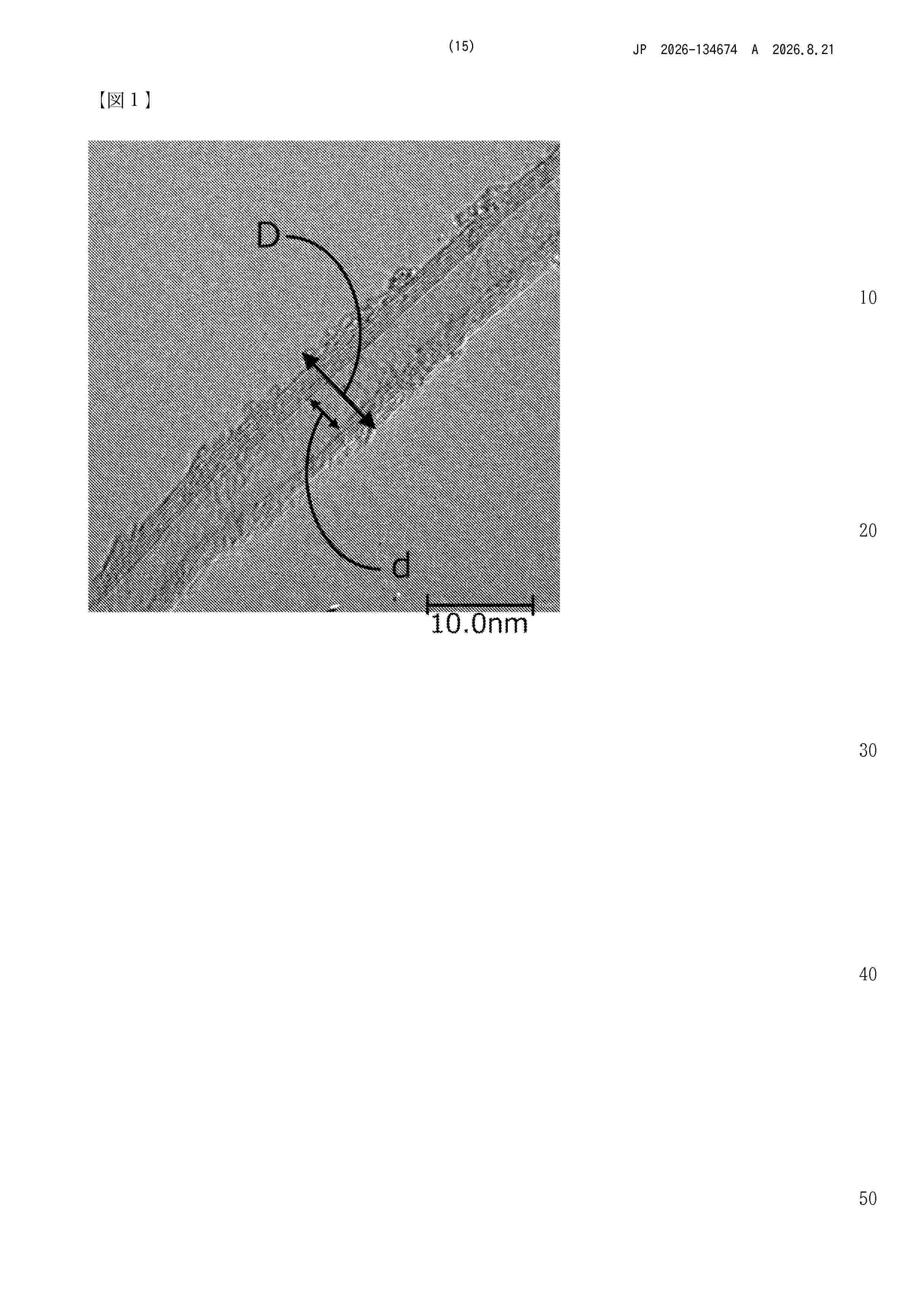
One embodiment of a carbon nanotube aggregate according to the present disclosure contains a plurality of carbon nanotubes (CNTs). When at least 110 CNTs constituting the aggregate are observed with a transmission electron microscope and if n is defined as the wall number most frequently observed: relative to a total of 100% of all observed CNTs, the total proportion of CNTs having a wall number of n-1 to n+1 is 65-100% and the total proportion of CNTs having a wall number of n-2 to n+2 is 81-100%; and if X(nm) is defined as the average value of the outer diameter of CNTs having a wall number of n, the average value of the outer diameter of CNTs having a wall number of n-1 is X-1.7(nm) to X+0.5(nm), the average value of the outer diameter of CNTs having a wall number of n+1 is X-0.5(nm) to X+1.7(nm), and the average value of the outer diameter of all observed CNTs is X-1.5(nm) to X+1.5(nm).
Resumen de: CN122610182A
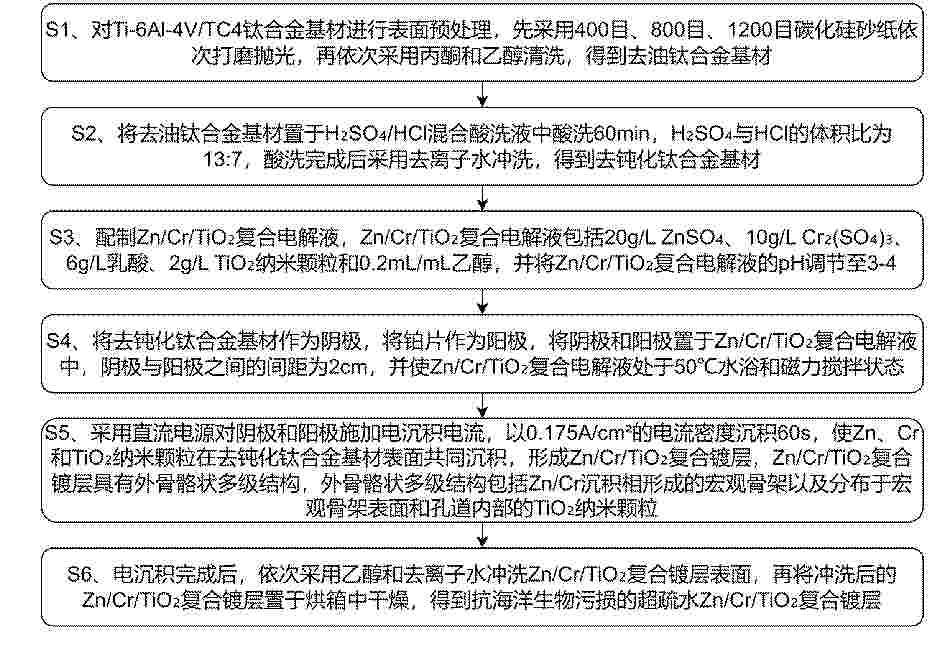
0001 本发明公开了一种抗海洋生物污损的超疏水Zn/Cr/TiO<2>复合镀层及其制备方法,具体涉及金属表面处理及海洋防污防腐涂层领域,包括Ti‑6Al‑4V/TC4钛合金基材预处理、Zn/Cr/TiO<2>复合电解液配制、一步电沉积成膜和后处理步骤;经打磨清洗及H<2>SO<4>/HCl酸洗后,以钛合金基材为阴极、铂片为阳极,在含ZnSO<4>、Cr<2>(SO<4>)<3>、乳酸、TiO<2>纳米颗粒和乙醇的电解液中沉积,使Zn/Cr沉积相构成宏观骨架,并嵌入TiO<2>纳米颗粒。通过Zn、Cr与TiO<2>纳米颗粒一步电沉积形成外骨骼状多级结构,降低微生物在钛合金表面的初始附着,在一定范围内改善海洋环境下防污防腐协同效果。
Resumen de: CN122608072A
本发明公开了一种利用姜黄素制备纳米氧化亚铜的方法及其应用,属于纳米材料开发、能源与节能技术、环境保护与资源综合利用领域。本发明方法包括:取姜黄粉加入乙醇中超声提取,静置后取上清液,得到姜黄素提取液;将五水硫酸铜、柠檬酸钠、氢氧化钠与姜黄素提取液依次加入去离子水中,加热搅拌至反应完全,冷却至室温,后经洗涤、干燥,制得氧化亚铜固体粉末。将制得的氧化亚铜固体粉末加入去离子水中,在光照条件下催化水产生过氧化氢,所得溶液用于中和洗衣粉溶液,中和后的洗衣粉溶液用于培养绿豆,观察并记录绿豆出芽生长情况。本发明以姜黄素提取液替代传统化学还原剂,实现了纳米氧化亚铜的绿色合成,同时利用其光催化性能处理洗衣粉溶液,具有良好的环境效益。
Resumen de: CN122609220A
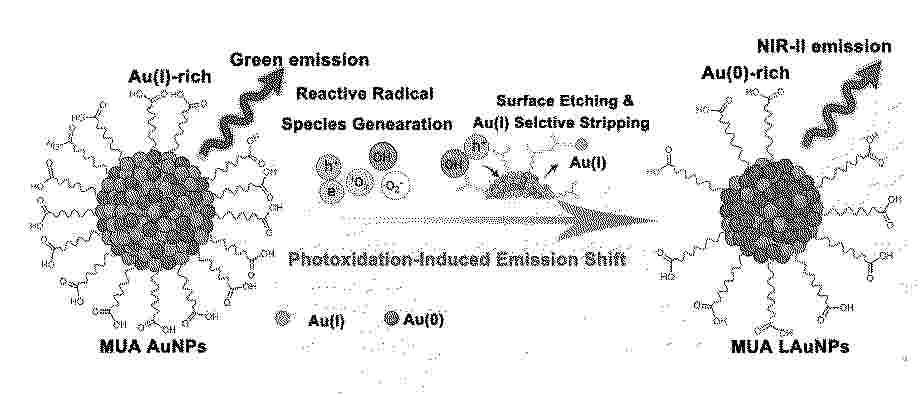
本发明涉及金属纳米颗粒技术领域,具体公开了一种近红外二区发光的超小金纳米颗粒及其制备方法和应用,该超小金纳米颗粒的制备方法包括:S1:制备具有Au(0)内核/Au(I)‑硫醇盐壳层结构且可发射可见光绿光的金纳米颗粒;S2:采用可控光化学照射方式对所述金纳米颗粒的Au(I)‑硫醇盐壳层进行选择性刻蚀,实现发光波段可控红移,制得近红外二区发光的超小金纳米颗粒。本发明所述的近红外二区发光的超小金纳米颗粒具有无需外源蚀刻试剂、工艺绿色温和、可精准选择性调控颗粒发光波段、产物结构稳定、光学可控性强的优点。
Resumen de: CN122608110A
0001 本申请提供一种氧化铱及其制备方法、负载型催化剂、析氧电极,所述氧化铱的制备方法包括以下步骤:将铱前驱体溶解于水中,加入第一碱剂以调节体系pH值至碱性,进行第一搅拌反应,得到第一反应液;将第一反应液进行水热反应,得到第二反应液;向第二反应液中加入酸剂以调节体系pH值至1~3,进行第二搅拌反应,得到第三反应液;向第三反应液中加入第二碱剂以调节体系pH值至4~4.5,进行静置反应,得到第四反应液;获取第四反应液中的固体产物。本申请提供的氧化铱的制备方法,制备得到的氧化铱粒径小且分布均匀,具有较高的比表面积与丰富的活性位点,在酸性析氧反应中表现出优异的催化活性。
Resumen de: CN122608085A
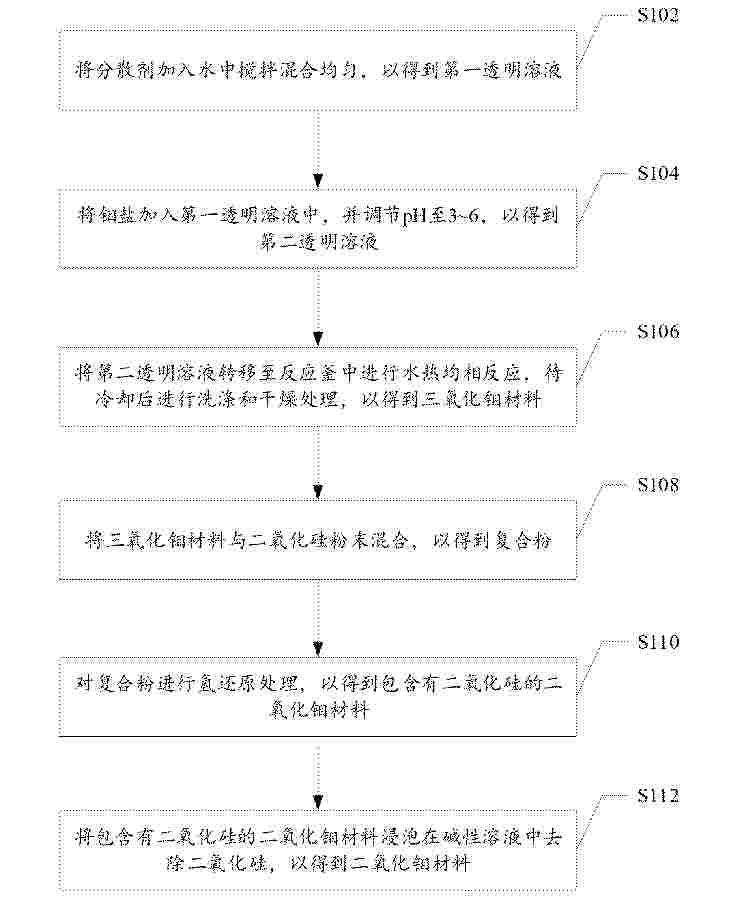
本公开提供了一种二氧化钼材料、钼粉以及制备方法,涉及粉体材料制备技术领域。该二氧化钼材料的制备方法包括:将分散剂加入水中搅拌混合均匀,以得到第一透明溶液;将钼盐加入第一透明溶液中,并调节pH至3~6,以得到第二透明溶液;将第二透明溶液转移至反应釜中进行水热均相反应,待冷却后进行洗涤和干燥处理,以得到三氧化钼材料;将三氧化钼材料与二氧化硅粉末混合,以得到复合粉;对复合粉进行氢还原处理,以得到包含有二氧化硅的二氧化钼材料;将包含有二氧化硅的二氧化钼材料浸泡在碱性溶液中去除二氧化硅,以得到二氧化钼材料。本公开可以提高二氧化钼及钼粉的品质。
Resumen de: FR3172257A1
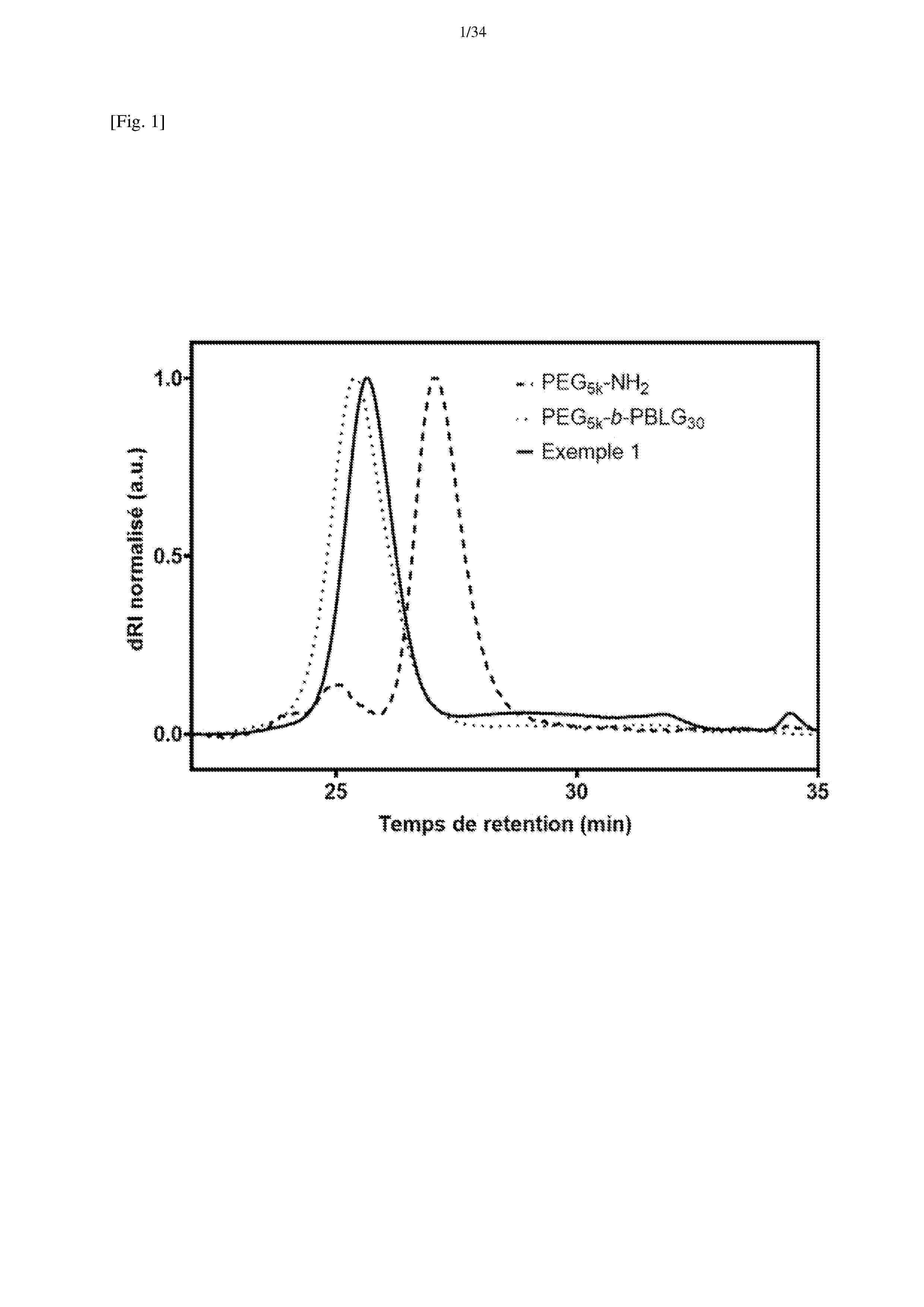
Procédé de préparation de nanoparticules à base de polypeptides encapsulant au moins un principe actif La présente invention concerne un procédé de préparation « one pot » d’une composition aqueuse de nanoparticules de copolymères à blocs amphiphiles et comprenant des motifs polypeptidiques, lesdites nanoparticules comprenant au moins un principe actif encapsulé dans celles-ci, ledit procédé comprenant : - au moins une étape (E1) consistant à prépare une solution (S1) comprenant au moins un principe actif et au moins un polymère hydrophile (P1) comprenant au moins une fonction amine ; et - au moins une étape (E2), dans un solvant aqueux, consistant à mettre en présence la solution (S1) avec au moins un monomère N-carboxyanhydride d’α-acide aminé hydrophobe. Figure pour l'abrégé : néant
Resumen de: CN122604822A
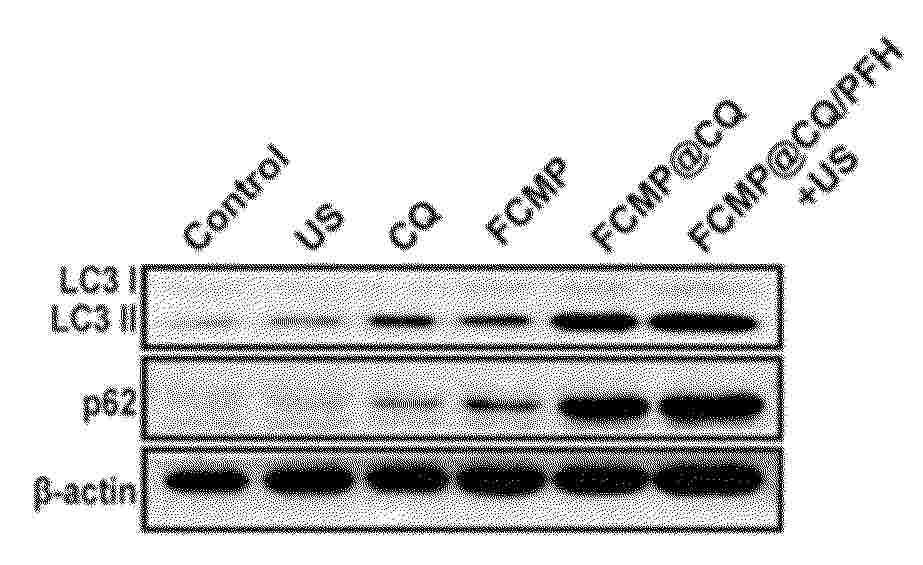
0001 本发明公开了一种金属有机框架纳米材料作为自噬抑制剂在肿瘤免疫治疗中的应用。本发明将Fe<2+>和Cu<2+>通过二硫键配位自组装形成具有分子内孔隙纳米有机框架,形成生物相容性好的纳米体系(FCMP),该铁基铜基双金属元素构成的金属有机框架自身具有抑制肿瘤细胞自噬的效应,可用于肿瘤免疫治疗。本发明还进一步利用FCMP的介孔优势装载了临床药物氯喹(CQ)和超声造影剂全氟己烷(PFH),制得的FCMP@CQ/PFH自噬纳米抑制剂在肿瘤微环境中可以释放药物,通过协同抑制肿瘤细胞自噬以及共同重塑免疫抑制微环境达到增强抗肿瘤免疫治疗的效果。
Resumen de: CN122609202A
0001 本发明公开了一种冷链与工业蓄冷专用无机相变材料及其制备方法,该材料由无机水合盐基体、复合成核剂及防相分离增稠网络组成;其中,复合成核剂利用二氧化硅气凝胶的纳米孔道对硼酸锌晶核进行限域封装,并在表面包覆石墨烯导热层;防相分离增稠网络利用聚丙烯酸钠与黄原胶的高分子长链配合双亲性纳米二氧化硅节点构建三维骨架。本发明还公开了利用梯度温控喷雾造粒制备该具有核壳结构微胶囊材料的方法。本发明有效解决了现有无机相变材料在2‑22℃温域内过冷度大、易相分离及导热效率低的问题,实现了0.5℃以内的极低过冷度与上千次循环的稳定性,兼具冷链卫生安全性与工业蓄冷耐久性。
Resumen de: CN122607989A
本发明公开了一种微晶磷酸铁前驱体及其制备方法、磷酸铁锂正极材料及其制备方法,所述微晶磷酸铁前驱体表面锚定了全无机钙钛矿量子点,在由其制备磷酸铁锂的过程中,量子点能够提供额外电子,其与Fe2+的电子发生耦合效应,定向还原Fe3+杂质并优化晶格氧排布,从而提高磷酸铁锂的电子电导率。另外,在制备磷酸铁锂的过程中,量子点经煅烧分解产生的碱金属离子如Cs+和第四主族金属离子如Pb2+掺杂进入磷酸铁锂晶体中,从而拓宽锂离子扩散通道,提高锂离子扩散速率,并抑制晶粒生长。将由所述微晶磷酸铁前驱体制备的磷酸铁锂正极材料应用到锂离子电池中,能够显著提高电池的电化学性能例如倍率性能和低温性能。
Resumen de: CN122605511A
本发明公开了适于微波连续流制备碳载小颗粒铂催化剂前驱体溶液的配制方法。该方法以氯铂酸或其他铂盐为铂源,活性炭、碳纳米管、石墨烯等为载体,采用乙二醇、抗坏血酸等一种或两种混合溶剂,加入PEI、PVP,加入柠檬酸、草酸、盐酸等竞争吸附剂,使Pt前驱体均匀吸附于碳载体表面。所得到的稳定反应液可直接用于微波连续流还原法,制备平均粒径1‑5 nm的小颗粒Pt/C催化剂。该方法可提高催化剂分散性、循环稳定性,并适于工业化连续生产,广泛适用于燃料电池、金属空气电池、电化学催化、环境催化、有机反应等多种场景。
Resumen de: CN122605432A
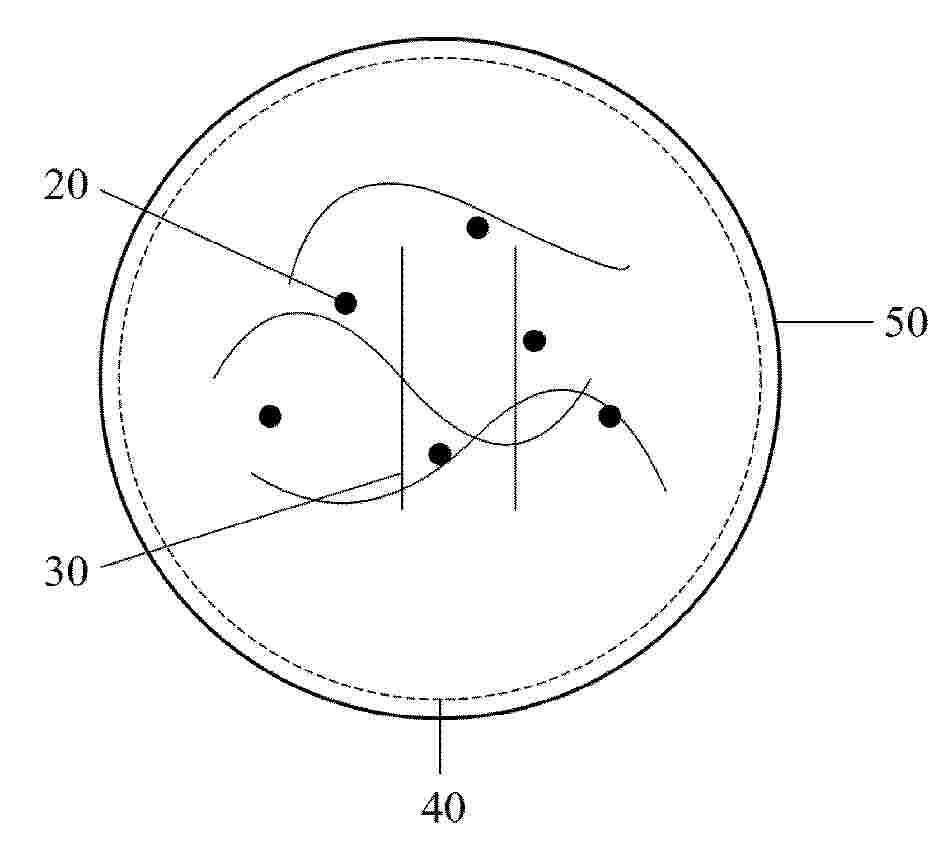
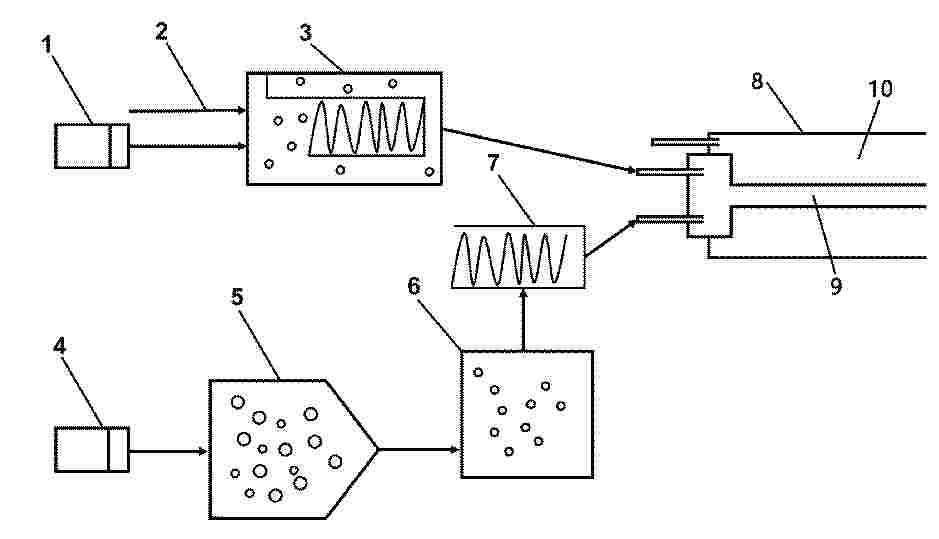
本发明属于碳纳米管制备技术领域,公开了燃烧法连续制备碳纳米管的双通道催化剂引入系统及方法。该系统包括催化剂气化装置、促进剂筛选气化装置、同轴混合装置以及气路与控制单元。催化剂气化装置将金属有机前驱体溶液加热气化后与载气混合;促进剂筛选气化装置将含硫促进剂溶液经电喷雾雾化、冲击分级去除大液滴、二次蒸发转化为准气相流;两者在同轴混合装置的中心通道均匀混合,外环形通道通入惰性气体护流。本发明通过双通道分路独立处理与精确调控,有效避免催化剂团聚和促进剂引入不均,显著提升了碳纳米管的直径均一性与纯度,具备连续化、大规模制备的优势。
Resumen de: CN122619752A
本发明属于电极材料领域,公开了一种CVD硅碳‑高熵氧化物双连续网络负极材料及制备方法。负极材料具有三维互穿的双连续网络结构;其中的第一连续网络结构包括由化学气相沉积法在三维多孔导电骨架的表面和孔壁原位生成的纳米硅颗粒‑无定形碳复合层和任选的所述三维多孔导电骨架;其中的第二连续网络结构为填充在第一连续网络结构的孔隙的高熵氧化物三维陶瓷骨架。本发明的负极材料具有三维互穿的双连续网络结构,能同时解决硅的体积膨胀、界面稳定性和离子/电子传输动力学问题。
Nº publicación: CN122619818A 21/08/2026
Solicitante:
大连融科储能技术发展有限公司
Resumen de: CN122619818A
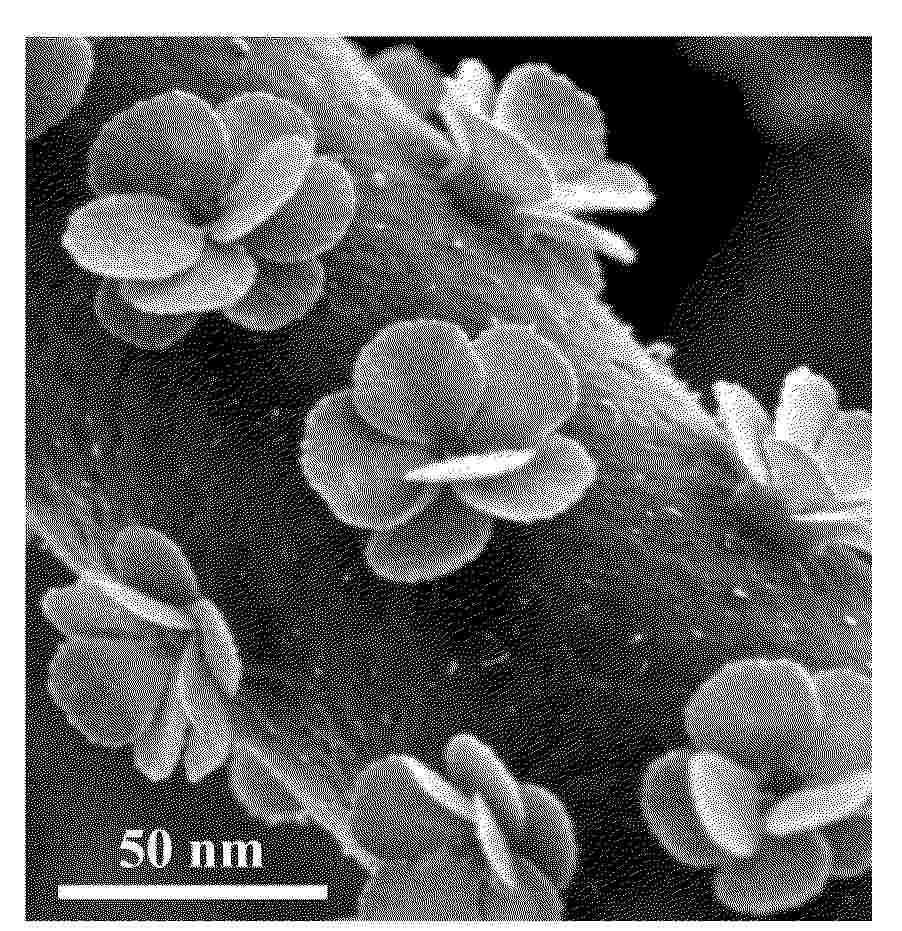
0001 本发明属于全钒液流电池领域,涉及一种ZnS纳米花/碳纳米纤维复合电极、其制备方法及应用。ZnS纳米花/碳纳米纤维复合电极的制备方法包括如下步骤:S1:提供碳纳米纤维基底膜。S2:向含有锌源和硫源的前驱体溶液中加入表面活性剂,得到浸渍液。S3:将碳纳米纤维基底膜浸入浸渍液中。S4:将浸渍碳纳米纤维基底膜置于密闭反应器中,进行水热反应,得到复合电极前驱体。S5:对复合电极前驱体进行电化学活化处理,得到ZnS纳米花/碳纳米纤维复合电极。本发明通过碳纳米纤维基底膜的引入、表面活性剂辅助水热生长以及电化学活化处理等步骤的协同配合,制得了一种兼具良好导电性、高催化活性和优异循环稳定性的复合电极。
 BOPI
BOPI
 Sede Electrónica