Si deseas distinguir tus productos, servicios o ambos de los de otra empresa, es posible que necesites una marca o nombre comercial. Descubre qué son, en qué consiste su procedimiento de registro y qué implica.

Información sobre los plazos de presentación de solicitudes de transformación de marcas de la Unión Europea en marca nacional española. Más información


Si tienes un nuevo dispositivo, producto o procedimiento que resuelva un problema técnico o tenga una ventaja práctica, existen distintas formas de protegerlo en España y en otros países. Descubre cómo hacerlo.

¿Tu innovación reside en la estética, la ornamentación o la apariencia de tu producto? Protégela mediante un diseño industrial. Descubre qué derechos confiere el registro y cómo realizar la tramitación.

Las indicaciones geográficas protegen el nombre de un producto originario de una zona geográfica, a la cual le debe una determinada calidad, reputación u otra característica. Descubre qué son, en qué consiste su procedimiento de registro y qué beneficios conceden.

Las patentes publicadas en todo el mundo son una valiosa fuente de información científica, técnica y comercial.

Si eres emprendedor/a o una empresa y quieres potenciar y mejorar la rentabilidad de tu negocio protegiendo de forma adecuada los activos intangibles de tu organización, en este espacio encontrarás lo necesario.


 374
resultados
374
resultados
 Última actualización
26/08/2026 [07:09:00]
Última actualización
26/08/2026 [07:09:00]


 Resultados 75 a 100 de 374

Resumen de: FR3171987A1
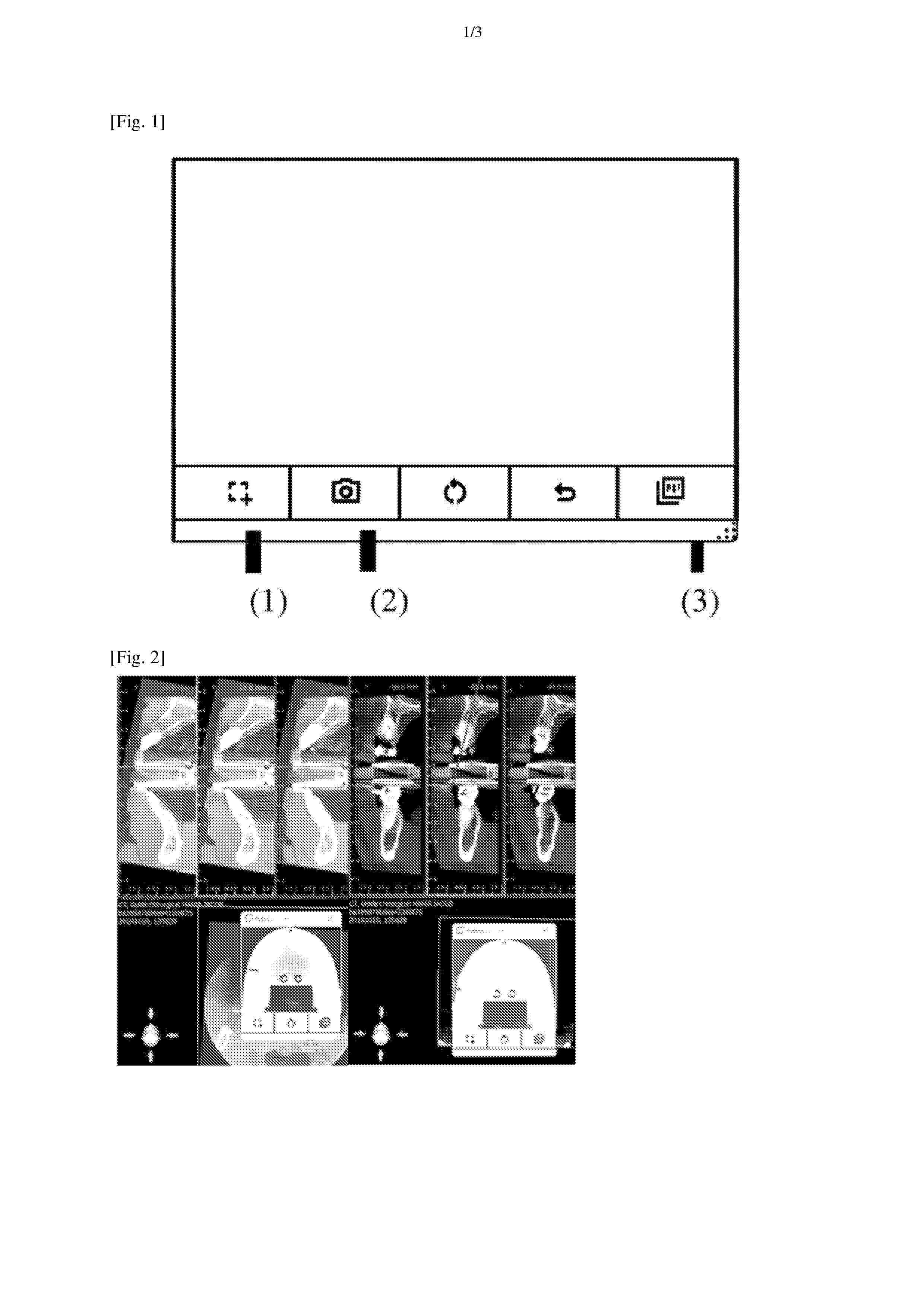
La présente invention concerne le domaine de l’implantologie dentaire. Elle décrit un procédé permettant de marquer automatiquement sur l’image d’un scanner radiologique dentaire les points d’intersection de l’axe d’un implant avec tout élément radio opaque d’un guide radiologique Ce procédé permet également d’imprimer sur n’importe quel support, à l’échelle un sur un, l’image de tout élément radio opaque d’un guide radiologique avec les points d’intersections. Figure d’abrégé : FIG. 2

Resumen de: CN122557814A
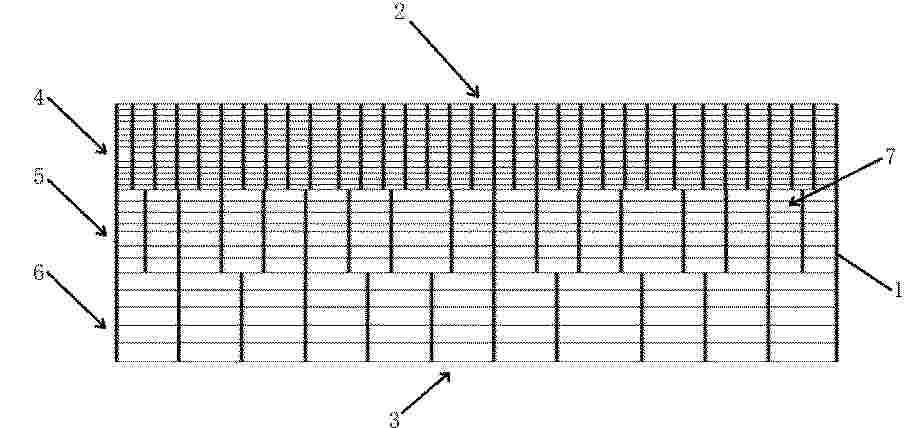
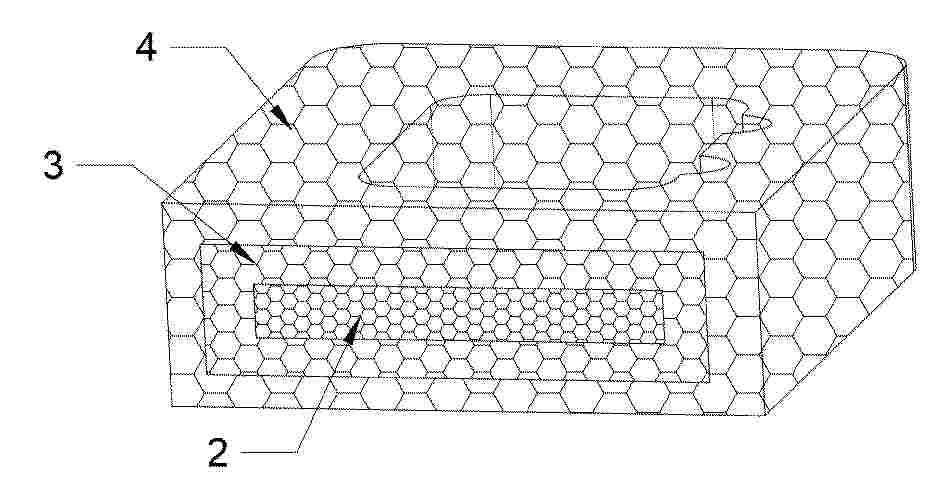
本申请涉及医用生物材料技术领域,具体而言,涉及一种用于促进腱骨愈合的梯度网格状补片及制备方法。所述补片为可吸收的网格状结构,具有沿第一方向相对设置的第一侧和第二侧,第一侧用于与骨组织贴合,第二侧用于与肌腱组织贴合;补片包括多个由纤维围合形成的网格单元,且网格单元的密度从第一侧向第二侧逐渐变化,补片为一体成型的单层结构,补片优选由I型胶原和II型胶原按特定质量比复合而成,并可沿第一方向梯度负载促成骨因子与促肌腱生成因子。本发明通过网格密度的空间渐变,实现了力学性能、降解行为和孔隙率的连续梯度分布,模拟天然腱‑骨界面的渐变微环境,引导细胞定向迁移与分化,促进肌腱‑纤维软骨‑骨的梯度组织再生。
Resumen de: CN122557206A
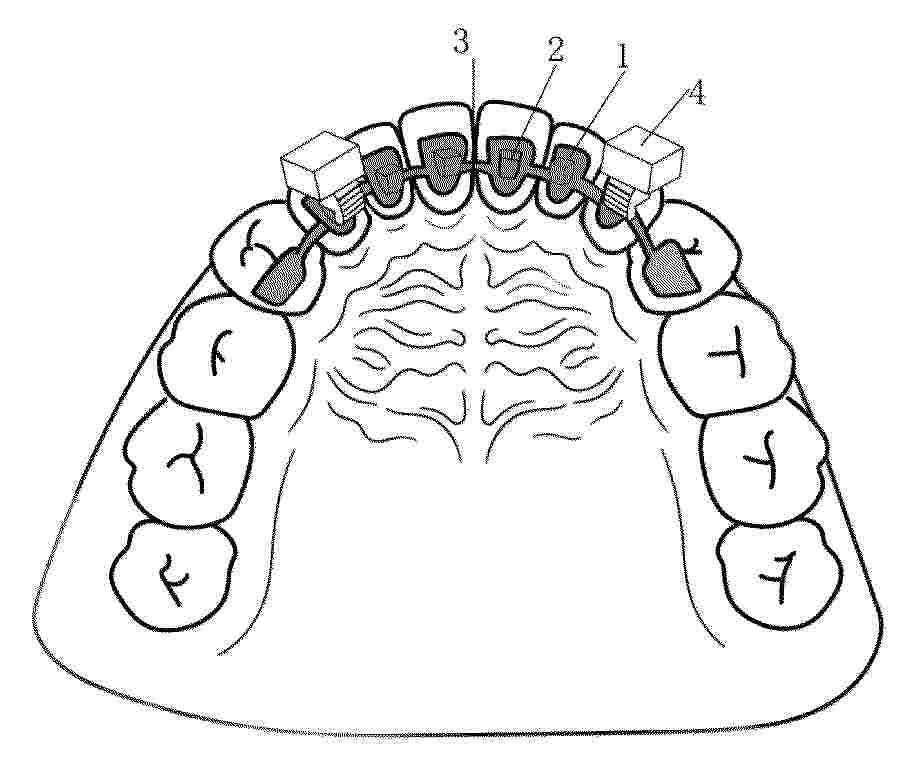
一种舌侧保持器及其制作方法,所述舌侧保持器包括与牙齿舌面贴合的舌板,相邻舌板之间通过连接杆连接为一个整体;上颌切牙及尖牙对应的舌板的舌侧面设有咬合导板,尖牙位置的咬合导板外表面与尖牙牙尖唇侧切端1/4处贴合设有尖牙定位导板,用于舌侧保持器的转移及定位;通过一体化结构提供高强度支撑,咬合导板可主动引导上下牙列的接触,建立稳定的咬合关系;同时,通过尖牙定位导板实现舌侧保持器精准快速粘接,以及网格底面保障长期固位,共同构成一套高效、稳定、个性化的正畸保持解决方案,尤其适用于高复发风险的深覆合与下颌后缩患者;具有临床效率提升、复发率降低、患者体验优化及适应症拓展等特点,具有显著的实用价值与推广前景。
Resumen de: CN119367613A
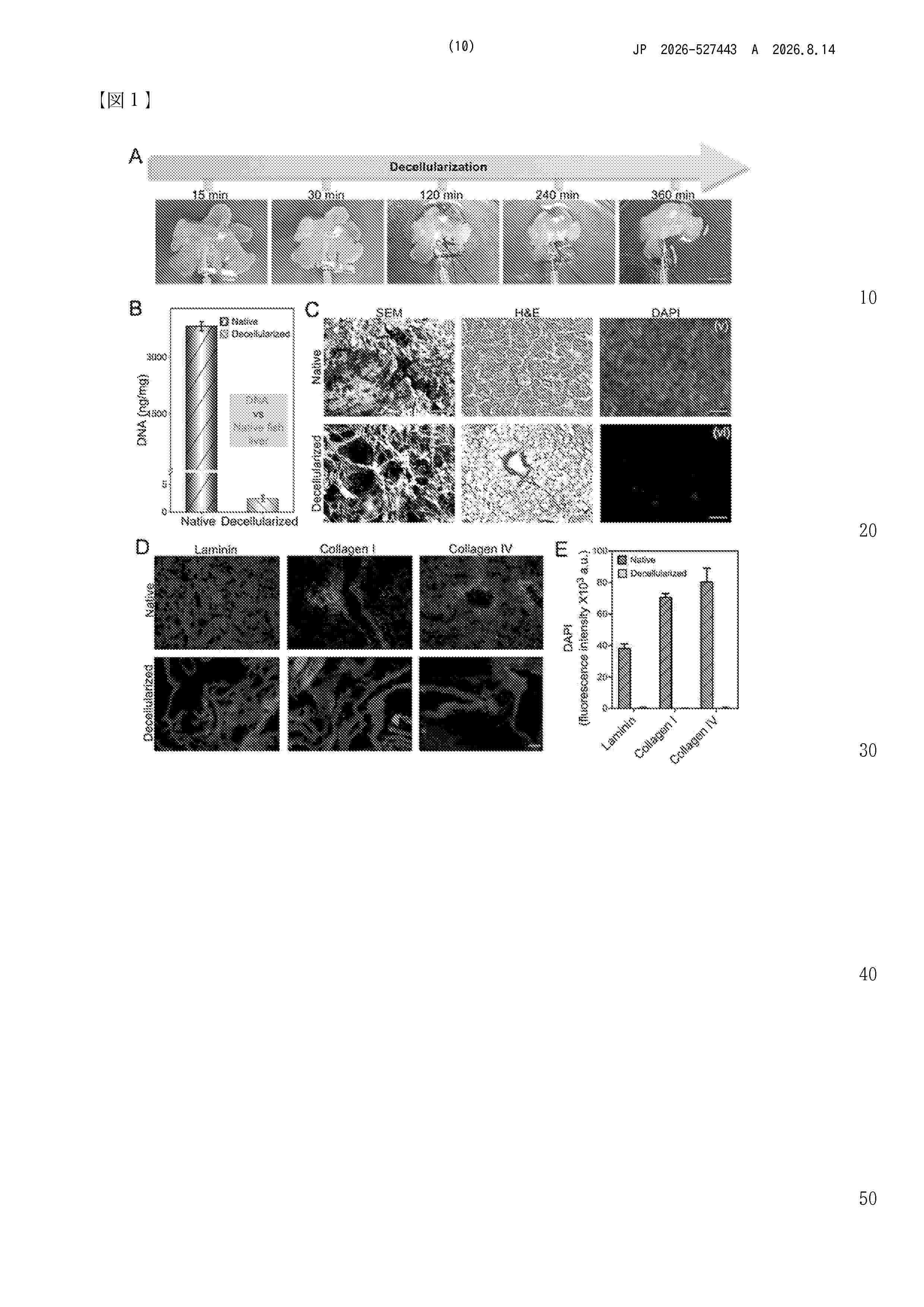
The invention discloses a fish liver acellular matrix-based microfluidic 3D printing hydrogel for liver regeneration and a preparation method thereof, the fish liver acellular matrix (dECM) and gelatin methacryloyl (GelMA) are combined together, and induced pluripotent stem cell-derived hepatocytes (iPSC-hep) are loaded for liver regeneration. The microfluidic 3D printing hydrogel based on the fish liver acellular matrix has excellent biocompatibility, retains complete endogenous growth factors, retains the biological activity of cells, ensures effective cell encapsulation, and is beneficial to stable functional expression of iPSC-hep. After in-vivo transplantation, the survival rate and the liver function of acute hepatic failure mice are remarkably improved, and regeneration and repair of the liver are promoted.
Resumen de: CN122557118A
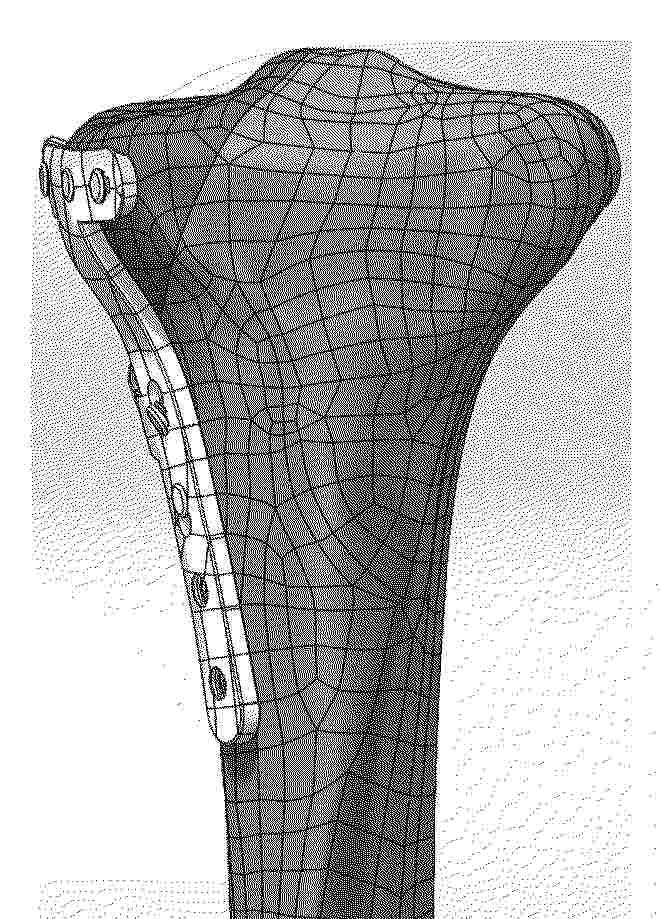
本申请公开了一种用于治疗胫骨平台后内侧骨折的新型T‑Y锁定支撑接骨板系统及其构建方法,涉及医疗器械领域,系统包括锁定支撑接骨板及若干锁定和普通螺钉;锁定支撑接骨板由依次连接并一体成型的近端T‑Y形头部、中间连接部和远端尾部组成,近端T‑Y形头部能够包裹胫骨平台后内侧髁,其近端T形头部贴合于胫骨平台内侧面,Y形分支部贴合平台后侧,所述中间连接部和远端尾部贴合于胫骨骨干内侧面;近端T形头部、Y形分支部与远端尾部分别设有锁定螺孔,中间连接部上设有锁定加压组合孔,所述锁定螺钉和普通螺钉分别匹配置入其中。本申请显著减少软组织剥离与植入物数量和体积,降低手术创伤、并发症发生率及后期再骨折风险。
Resumen de: CN121796089A
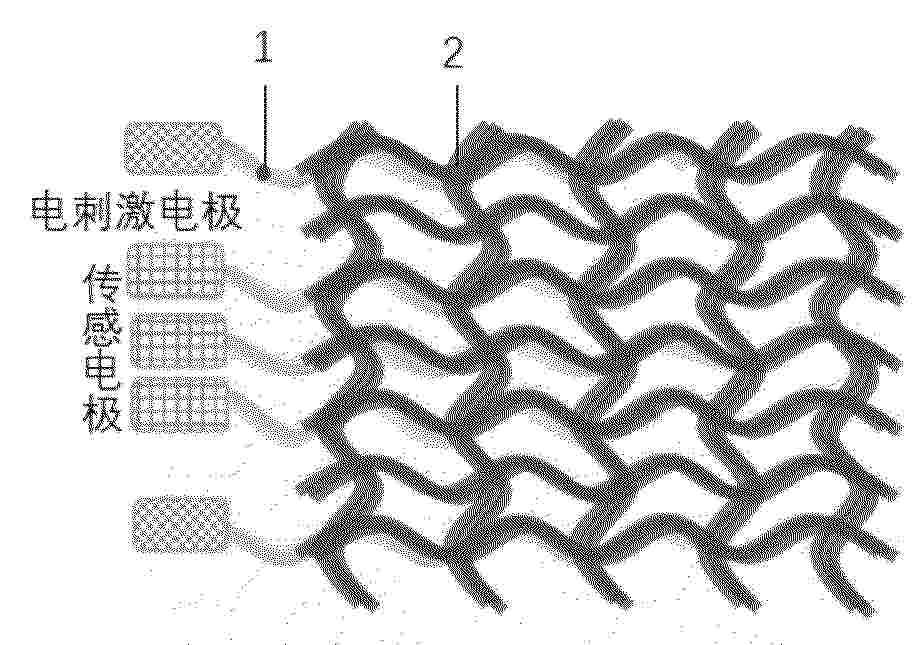
The invention provides a bionic myocardial electronic patch for personalized adaptation of mechanical properties of myocardial soft tissue and a preparation method thereof, and relates to the field of regenerative medicine. The invention provides a bionic myocardial electronic patch adapted to mechanical properties of myocardial soft tissue in a personalized manner. The bionic myocardial electronic patch comprises a telescopic flexible fiber electrode, a tissue engineering fiber scaffold deposited on the surface of the telescopic flexible fiber electrode, a gold-plated nano layer on the surface of the fiber electrode and a PDMS passivation layer. After the bionic myocardial electronic patch provided by the invention is compounded and inoculated with hydrogel of myocardial cells differentiated from human pluripotent stem cells, nondestructive monitoring and transmission of electrical stimulation are realized, and meanwhile, the mechanical property of the myocardial tissue can be adjusted and adapted by the mechanical property of the tissue engineering fiber scaffold. The bionic myocardial electronic patch provided by the invention integrates the flexible electrode and the fiber scaffold, and can meet the biomechanical properties of monitoring, stimulating and adapting to myocardium at the same time.
Resumen de: CN122557243A
本发明公开了一种基于电子束增材制造的椎间融合器尺寸补偿及变形控制方法,包括融合器主体所述融合器主体内部为三区梯度孔隙结构,所述三区梯度孔隙结构由内向外依次包括核心区、过渡区和骨整合区;本发明通过获得梯度孔隙结构以缓解应力遮挡、促进骨长入的同时,有效抵消了因孔隙率差异导致的热积累变形,解决了现有电子束增材制造融合器中整体尺寸公差和器械持取孔精度的问题。
Resumen de: US20260237475A1
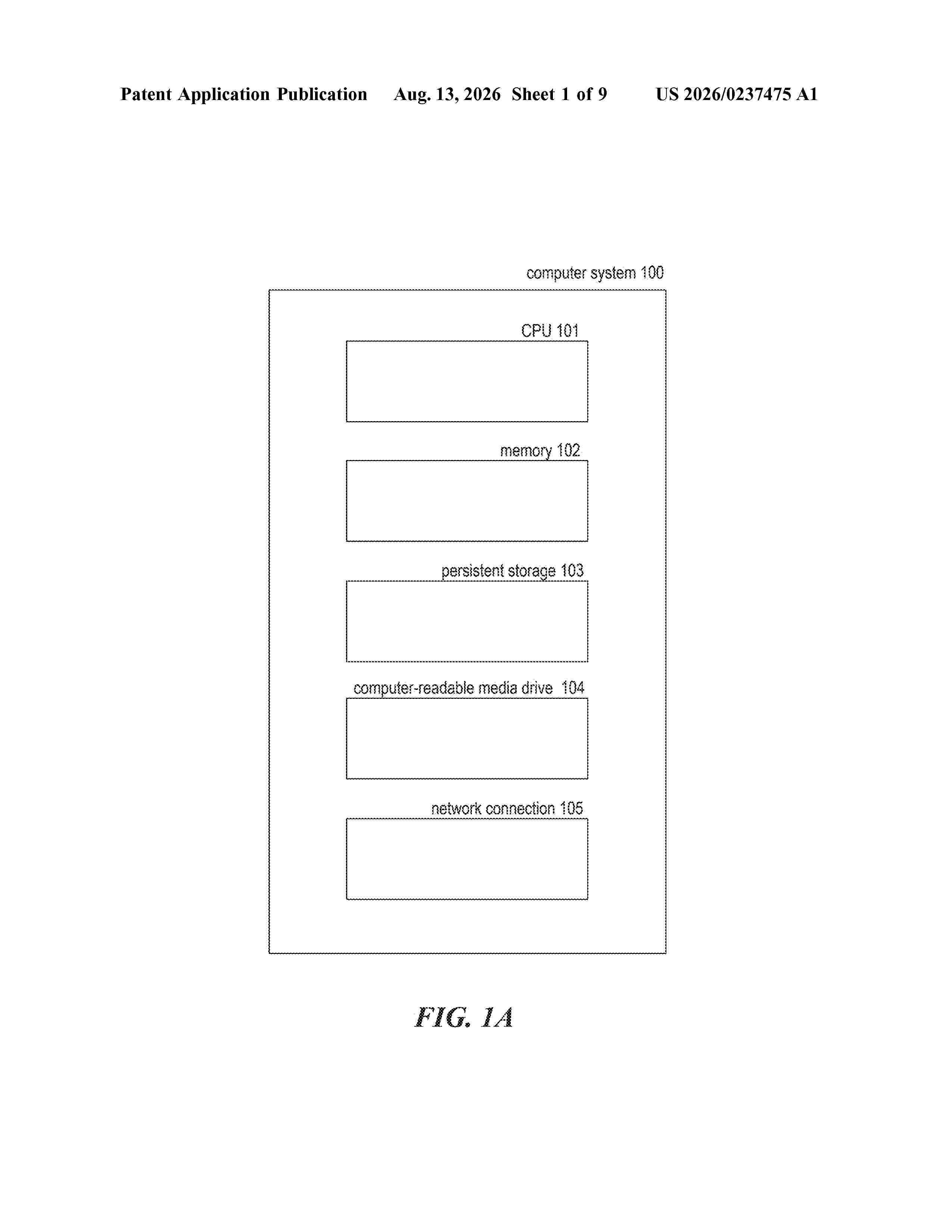
0000 A medical implant can comprise a physical structure configured to secure the medical implant within a body of a patient, a proximity communication component physically coupled to the physical structure, and a memory operatively coupled to the proximity communication component. The memory can store a private key, wherein the memory is configured to provide the private key through the proximity communication component to an external device for enabling the external device to access one or more electronic medical records associated with a patient that is implanted with the implant from a distributed blockchain ledger of electronic medical records.
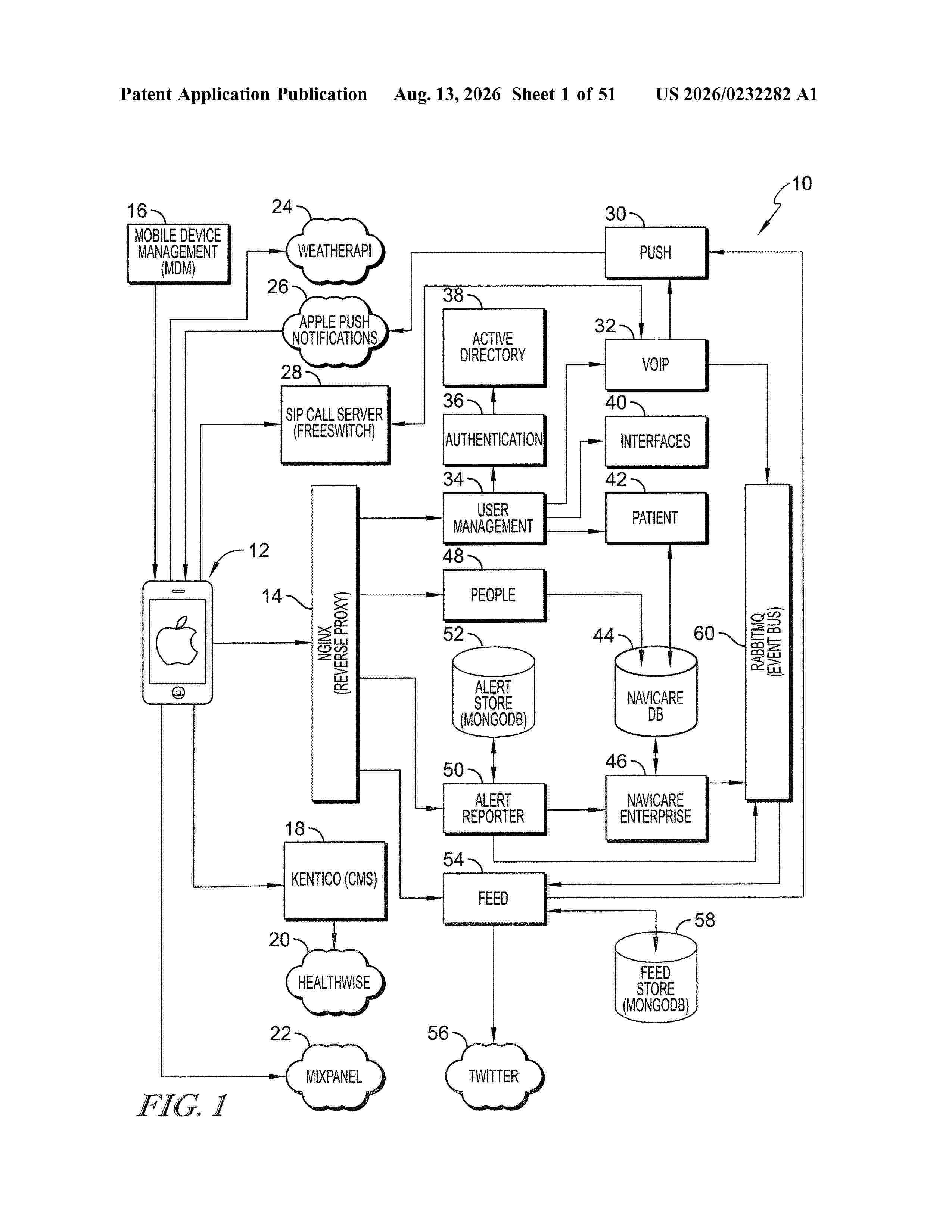
Resumen de: US20260232282A1
0000
st system includes a tablet computer that configured for entry of patient requests. The tablet computer is configured to display a first menu corresponding to basic request categories for a patient. The tablet computer is configured to display a second menu that corresponds to specific patient requests falling under the basic request category selected by the patient using the first menu. A server is configured to receive a specific patient request made by the patient. A notification device is configured to display the specific patient request to a caregiver. A patient request method is also disclosed.
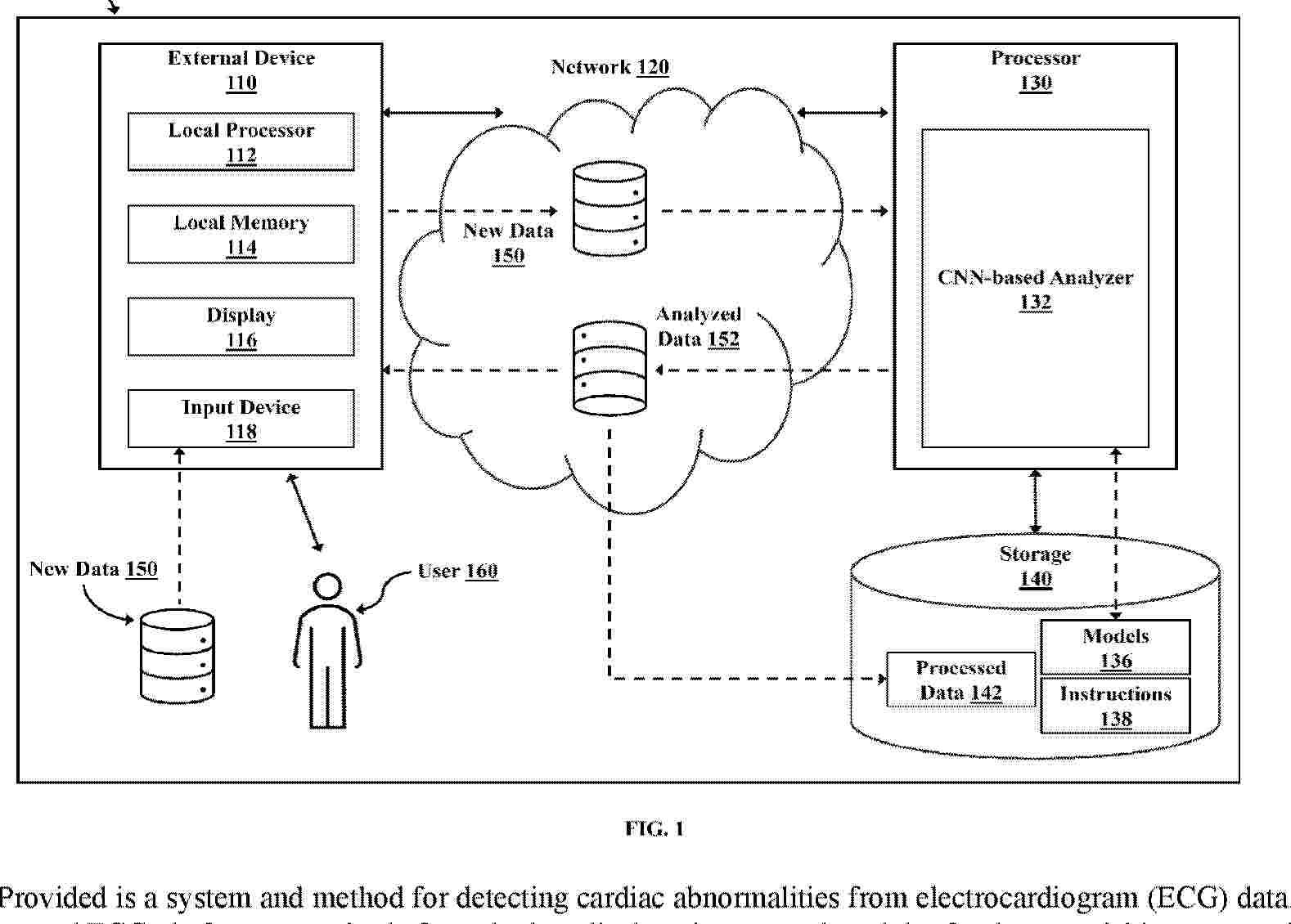
Resumen de: AU2025224889A1
Provided is a system and method for detecting cardiac abnormalities from electrocardiogram (ECG) data. The system provides an automated ECG platform comprised of standard medical equipment and modules for data acquisition, processing, analysis, interpretation, and a user interface, which can be integrated into existing clinical contexts. The method includes receiving ECG data from a patient, analyzing the data using a trained convolutional neural network (CNN) model to detect predetermined cardiac conditions, and generating an output indicating the presence of these conditions. The CNN model is developed through a deep learning process that includes collecting ECG-echocardiogram pairs from multiple patients, curating the collected data, training the CNN model with the curated data, validating model performance, testing model generalization, and generating diagnostic predictions with confidence scores.
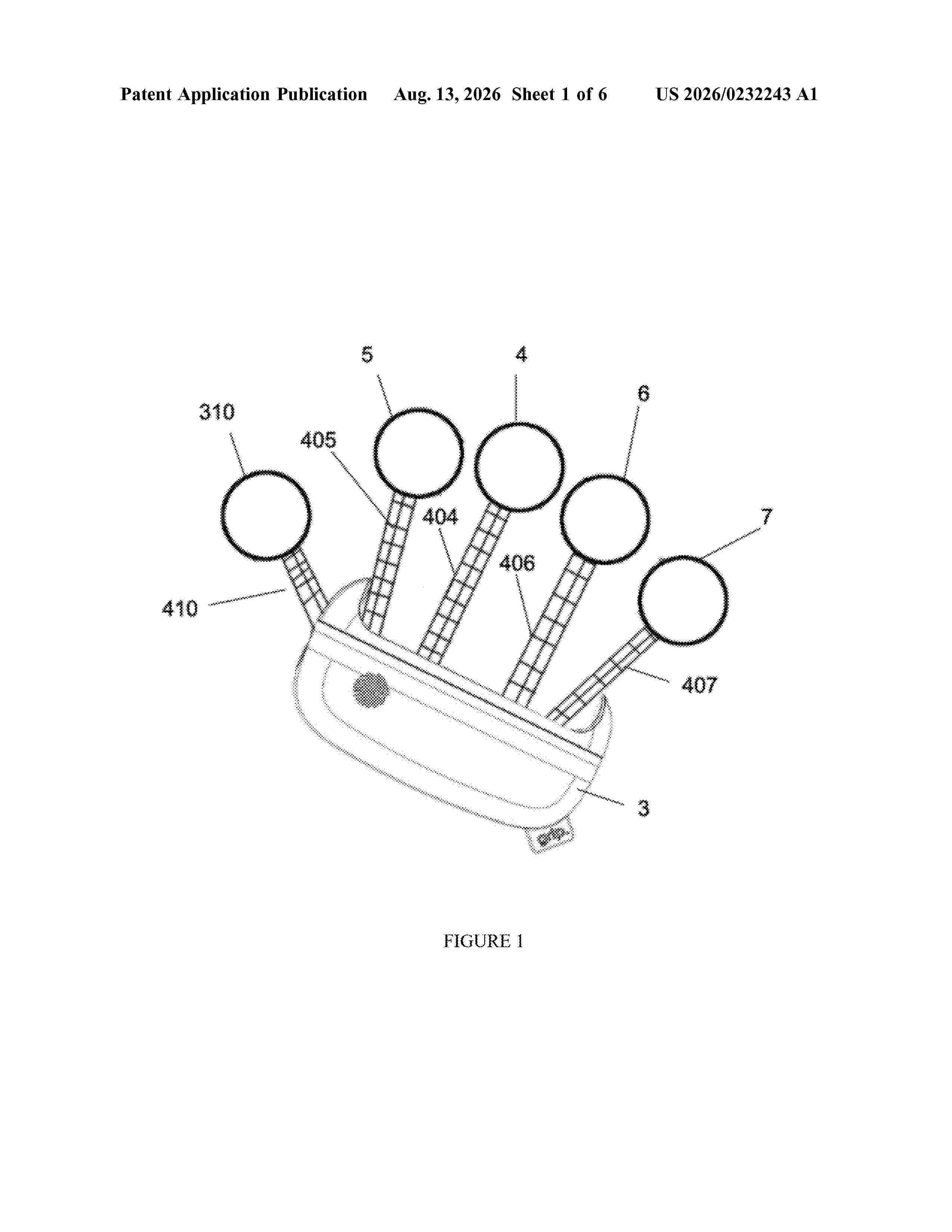
Resumen de: US20260232243A1
An extended hand training device and corresponding method are used for sensing and measuring a capacitance corresponding to the pressure or force applied by the hand or fingers of the user.This extended hand training apparatus has protruded slots for the thumb finger, index finger, the middle finger, the ring finger, and the pinky finger. The data obtained from the device can be utilized to create a 3-D model to indicate grip strength or pull force exerted by the hand.
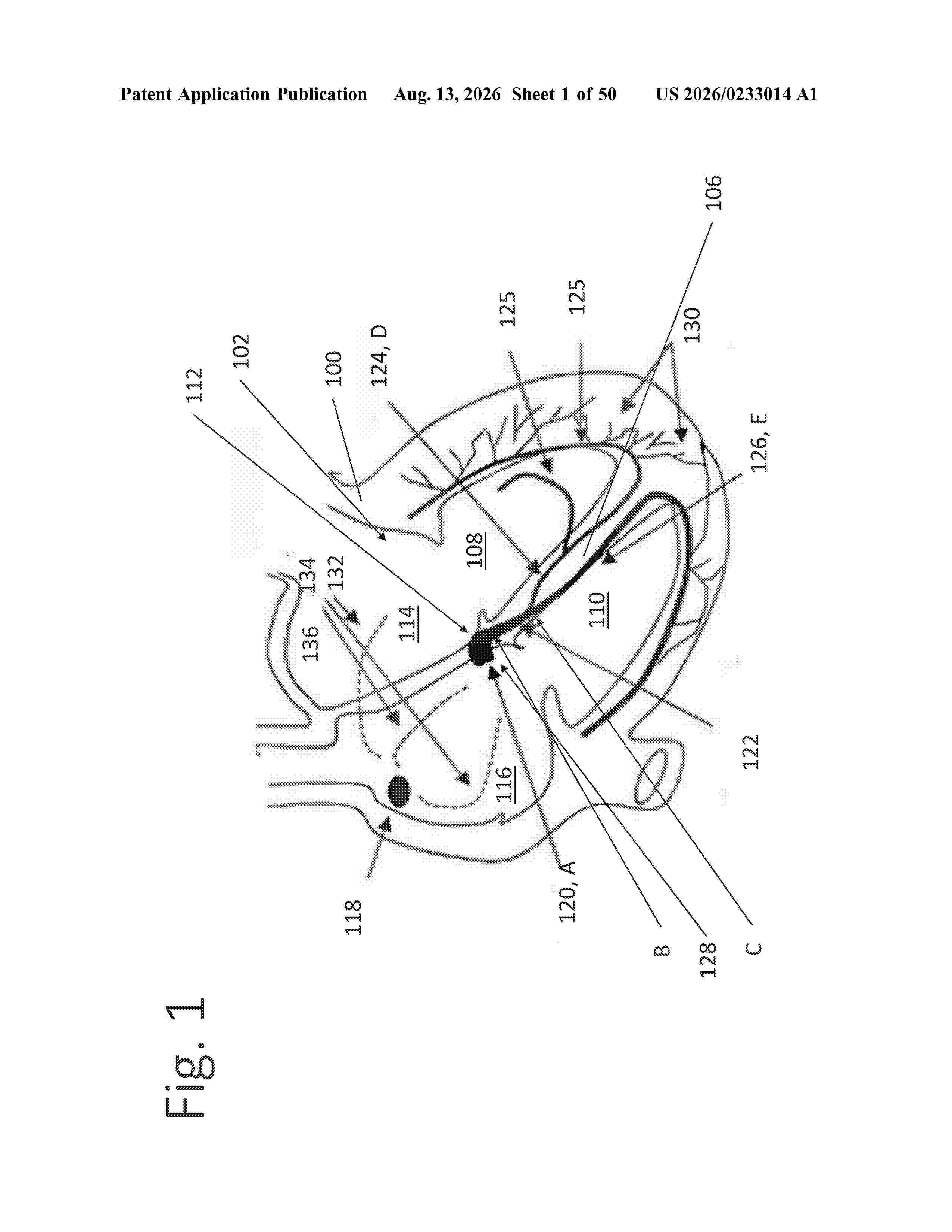
Resumen de: US20260233014A1
0000 A method of a machine-assisted cardiac pacing electrode placement procedure in a patient in need thereof is provided. The method comprising identifying a target location using a 3D data set of a heart of the patient, wherein the target location is identified based on anatomical landmarks, the 3D data set having been acquired using data collection from outside the heart; and providing machine-assisted guidance of the pacing electrode to the target location. Also provided are apparatus and systems for executing the method or parts thereof.
Resumen de: DE102025105141A1
Die Erfindung betrifft eine Diagnoseverfahrens-Software mit folgenden Schritten:- eine Oral-Zustandsinformation wird erfasst;- die Oral-Zustandsinformation wird in einen zentralen Datenpool gegeben,- auf dem zentralen Datenpool läuft eine künstliche Intelligenz (KI), wobei die KI mit Zusammenhangs-Daten von Oral-Zustandsinformationen mit nicht-oralen-Gesundheitsinformationen trainiert ist und fortschreibend trainiert wird,- wobei die KI aus den Zusammenhangs-Daten eine Vorliegens-Wahrscheinlichkeit der einen Oral-Zustandsinformation mit mehreren nicht-oralen Gesundheitsinformationen berechnet und darstellt, wobei die KI aufgrund der Vorliegens-Wahrscheinlichkeit eine Priorisierung der nicht-oralen-Gesundheitsinformationen auflistet, wobei die Priorisierung nach einer in der KI vorgegebenen Dringlichkeit vorgenommen wird.
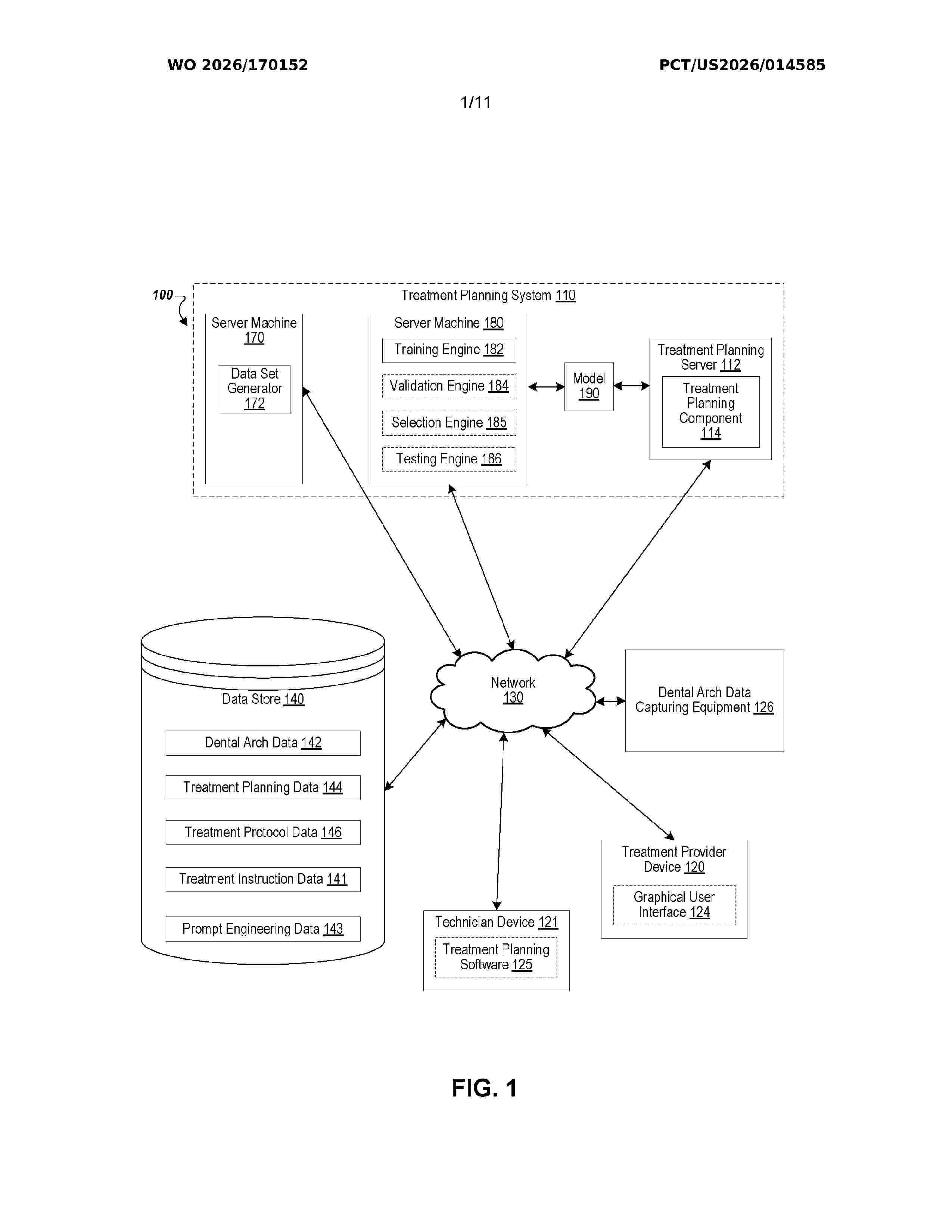
Resumen de: WO2026170152A1
A method includes obtaining first comments indicating changes to a dental treatment plan. The method further includes processing the first comments using one or more AI models. The one or more AI models determine one or more recommended updates to the dental treatment plan that implement the changes from the first comments. The AI models output the one or more recommended updates to the dental treatment plan. The method further includes generating an updated dental treatment plan including the one or more recommended updates, responsive to obtaining user acceptance of the one or more recommended updates.
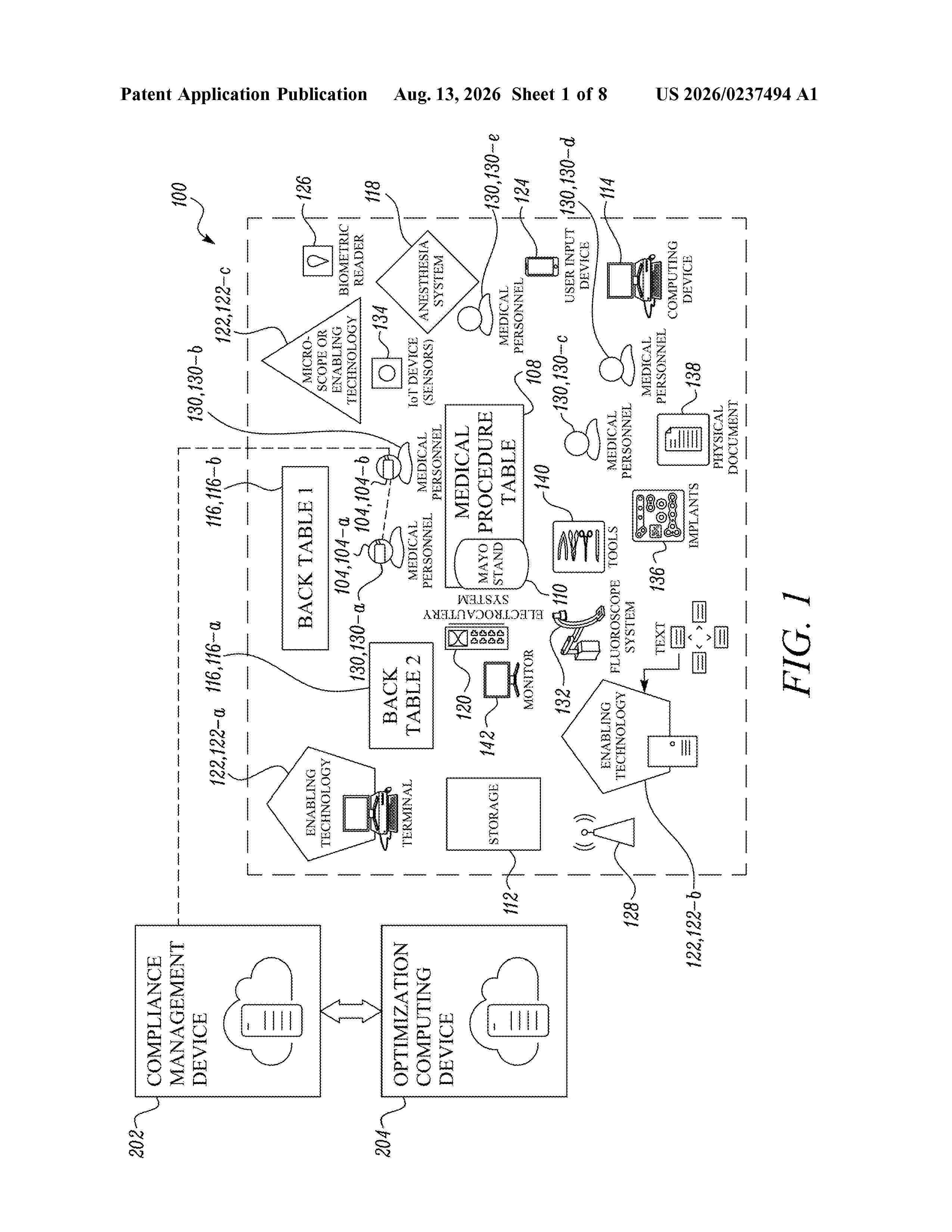
Resumen de: US20260237494A1
A system for real-time compliance of an artificial intelligence based medical procedure room is described. The system includes a computer vision device configured to obtain visual data from at least one source in the artificial intelligence based medical procedure room. The system further includes a compliance management device configured to receive the visual data from the computer vision device and extract information from the received visual data. The compliance management device is further configured to compare the information against a set of predefined rules to determine whether the information corresponds to a personally identifiable information associated with a patient and initiate a compliance action when the information corresponds to the personally identifiable information.
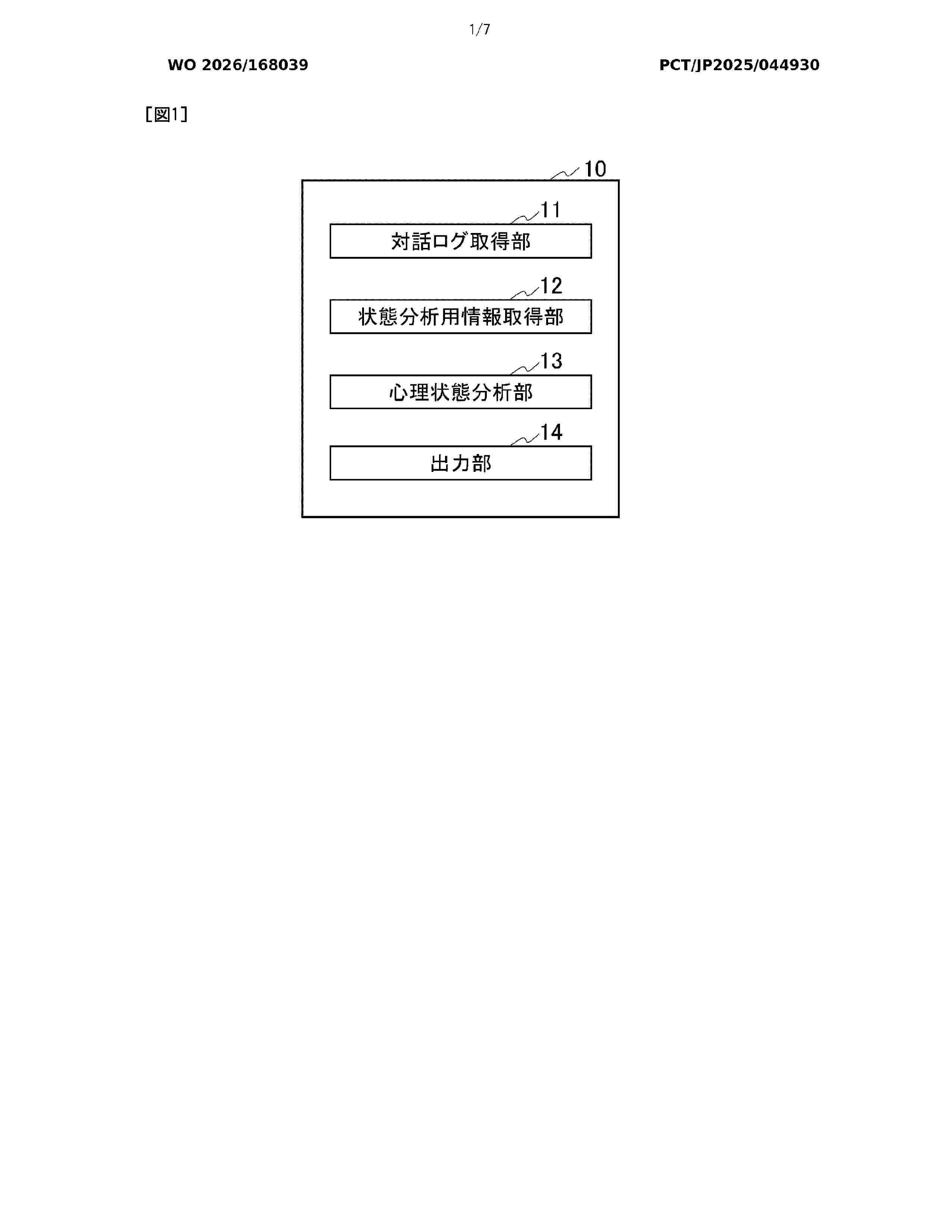
Resumen de: WO2026168039A1
Provided is a psychological characteristic analysis device capable of analyzing psychological characteristics of a user. This psychological characteristic analysis device includes: a conversation log acquisition unit that acquires a conversation log of a user; a state analysis information acquisition unit that acquires state analysis information during a conversation of the user; and an output unit that, on the basis of the conversation log and/or the state analysis information, outputs a psychological state analysis in which changes in the psychological state of the user during the conversation are analyzed, and psychological characteristic information for the user in which the conversation log and the changes in psychological state are associated.
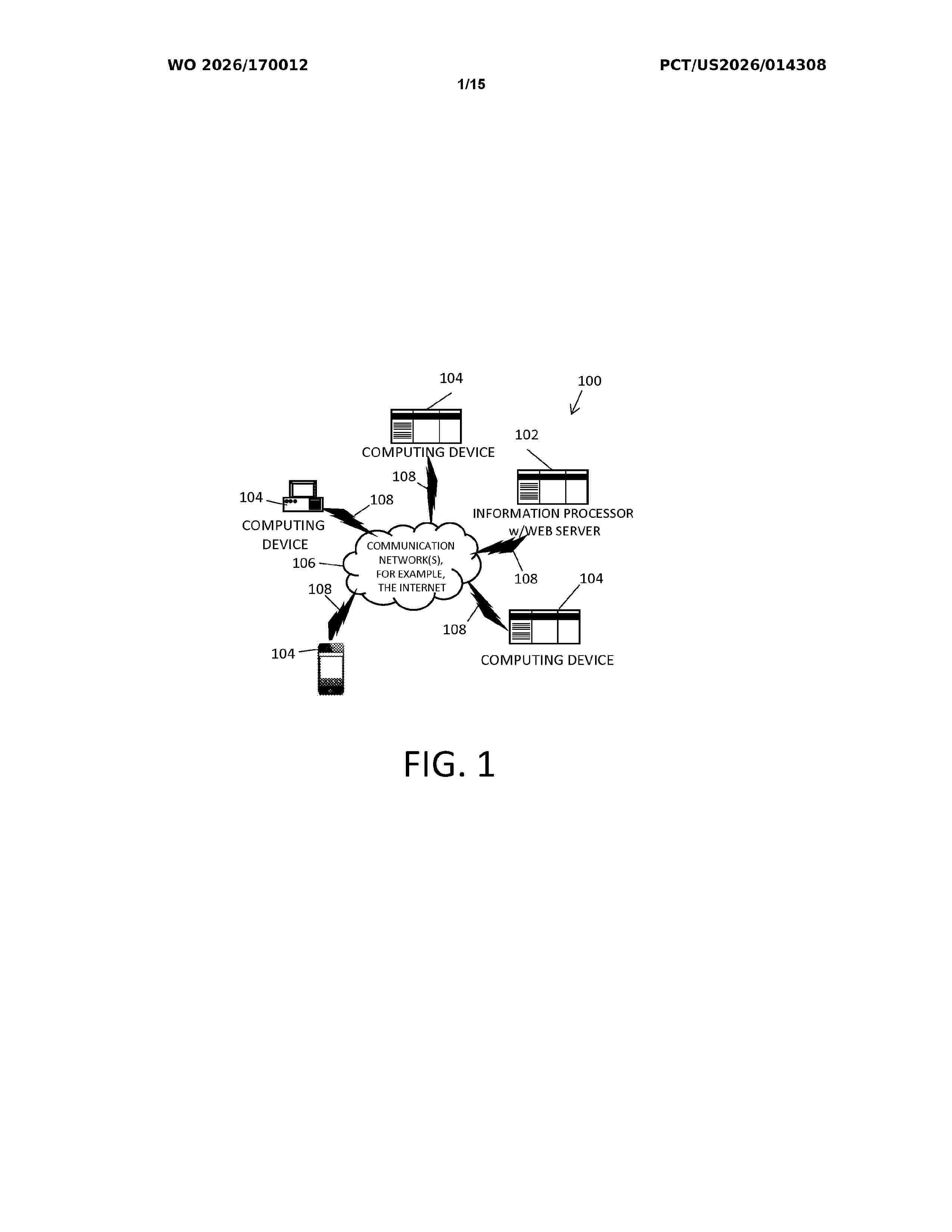
Resumen de: WO2026170012A1
A computerized functional evaluation system and method, are disclosed using knee kinetics for total knee arthroplasty. At least one computing device accesses frontal and lateral biplane radiographs associated with a person. At least one computing device measures static knee adduction moment as a function of the radiographs and measures during gait of the person, dynamic knee adduction moment. At least one computing device correlates the static knee adduction moment with tire dynamic knee adduction moment and determines, as a function of the correlating, the static knee adduction moment as a surrogate of dynamic joint loading. At least one computing device quantifies sagittal knee moment following total knee arthroplasty and generates, as a function of the static knee adduction moment as a surrogate of dynamic joint loading and the quantified sagittal knee moment, total knee arthroplasty evaluation for the person.
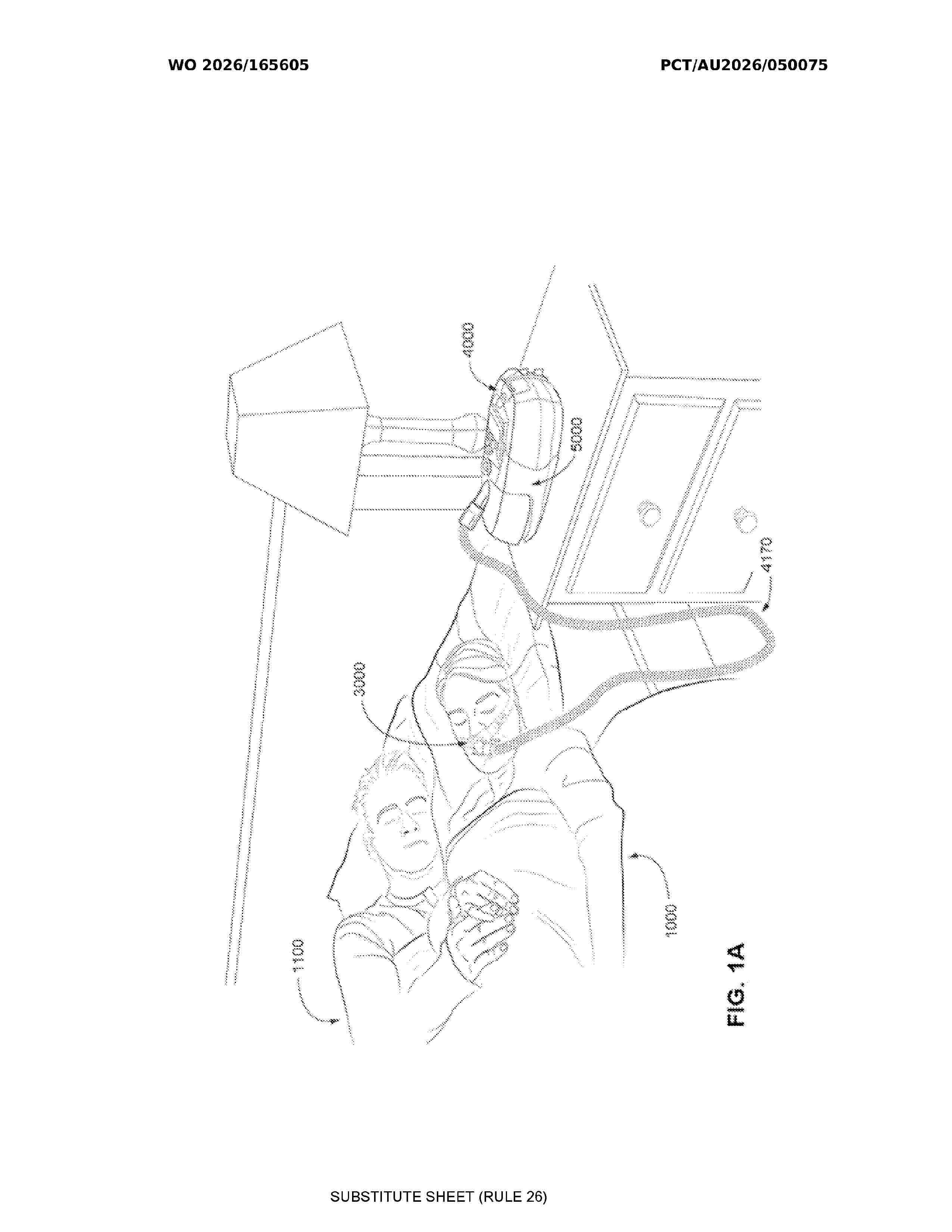
Resumen de: WO2026165605A1
The present technology pertains to simulating patient-specific medical conditions and treatment responses using computational modeling and/or machine learning techniques. Specifically, the present technology includes a therapy digital twin system (900) that simulates patient respiratory conditions and therapy responses. The digital twin system integrates a patient model (910) and a therapy engine (920) that iteratively adjust pressure settings based on real-world and simulated data related to therapy and respiratory events. The digital twin system also uses dynamic critical pressure signals to accurately reflect variations in airway patency influenced by sleep stage, position, and physiological factors. The digital twin system can provide personalized models for individual patients, which provides a time and resource efficient mechanism for diagnosis, treatment, and testing of therapy algorithms without requiring the presence of the patient.
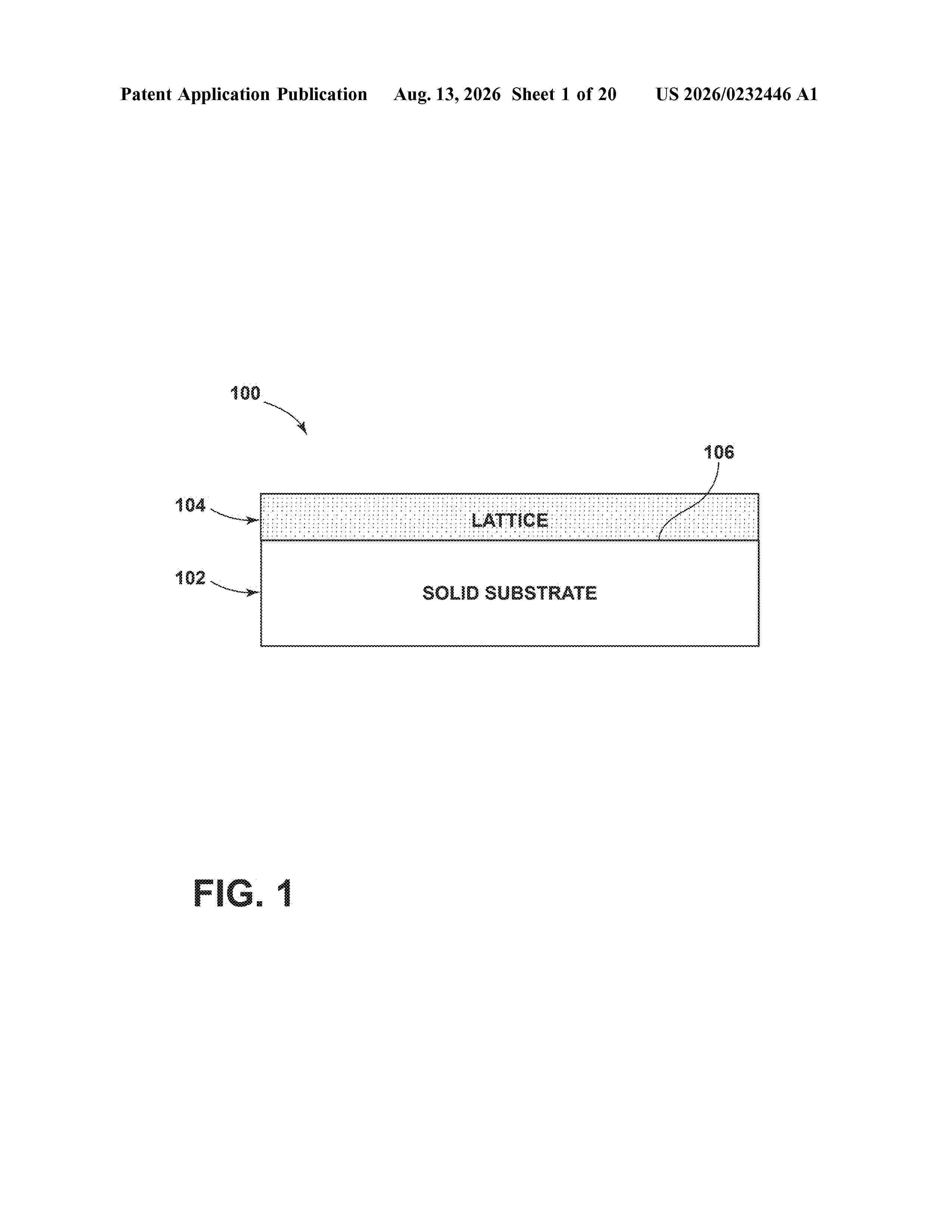
Resumen de: US20260232446A1
A device includes a substrate, a first lattice structure, and a second lattice structure. The first lattice structure is coupled to the substrate and defines a first plurality of pores. The second lattice structure is coupled to at least one of the substrate or the first lattice structure and at least partially disposed within the first plurality of pores. The second lattice structure defines a second plurality of pores in fluid communication with the first plurality of pores.
Resumen de: WO2026170126A1
A method of producing a wire product from a nickel-titanium shape memory alloy, and a wire product produced by such method. The method includes consolidating a nickel-titanium shape memory alloy to a preform using an additive manufacturing process. Thereafter, the preform may be subject to a hot working process, including heating the preform and deforming the preform, such as by, forging, extrusion, rolling, swaging, and the like. The hot-worked preform may be annealed following hot working. The preform may then be subjected to one or more cold working processes including drawing, swaging, rolling, and the like. Annealing may also occur after cold working. The hot and cold working processes may impart significant diameter reduction to form the wire product.
Resumen de: WO2026169216A1
Described herein is an osteochondral plug and method of forming the osteochondral plug. The osteochondral plug has a plug cap with a porous structure for blood flow through the plug cap, the plug cap is made of a first polymer blend, the first polymer blend comprising 80 wt. % to 95 wt. % of ultra-high molecular weight polyethylene (UHMWPE); and 5 wt. % to 20 wt.% of a polymer of Formula 1; and a plug body with a second porous structure for blood flow through the plug body, the plug body is made of a second polymer blend, the second polymer blend comprising 80 wt. % to 95 wt. % of polycaprolactone; and 5 wt. % to 20 wt.% of a polymer of Formula 2, the plug cap is joined to the plug body.
Resumen de: WO2026169214A1
Described herein is a polymer blend comprising 80 wt. % to 99 wt. % of ultra high molecular weight polyethylene (UHMWPE); and 1 wt. % to 20 wt.% of a polymer of Formula 1. The polymer blend may be used to make a three dimensionally printed article. The polymer blend may be used in the treatment of osteoarthritis by the generation of chondrocytes.
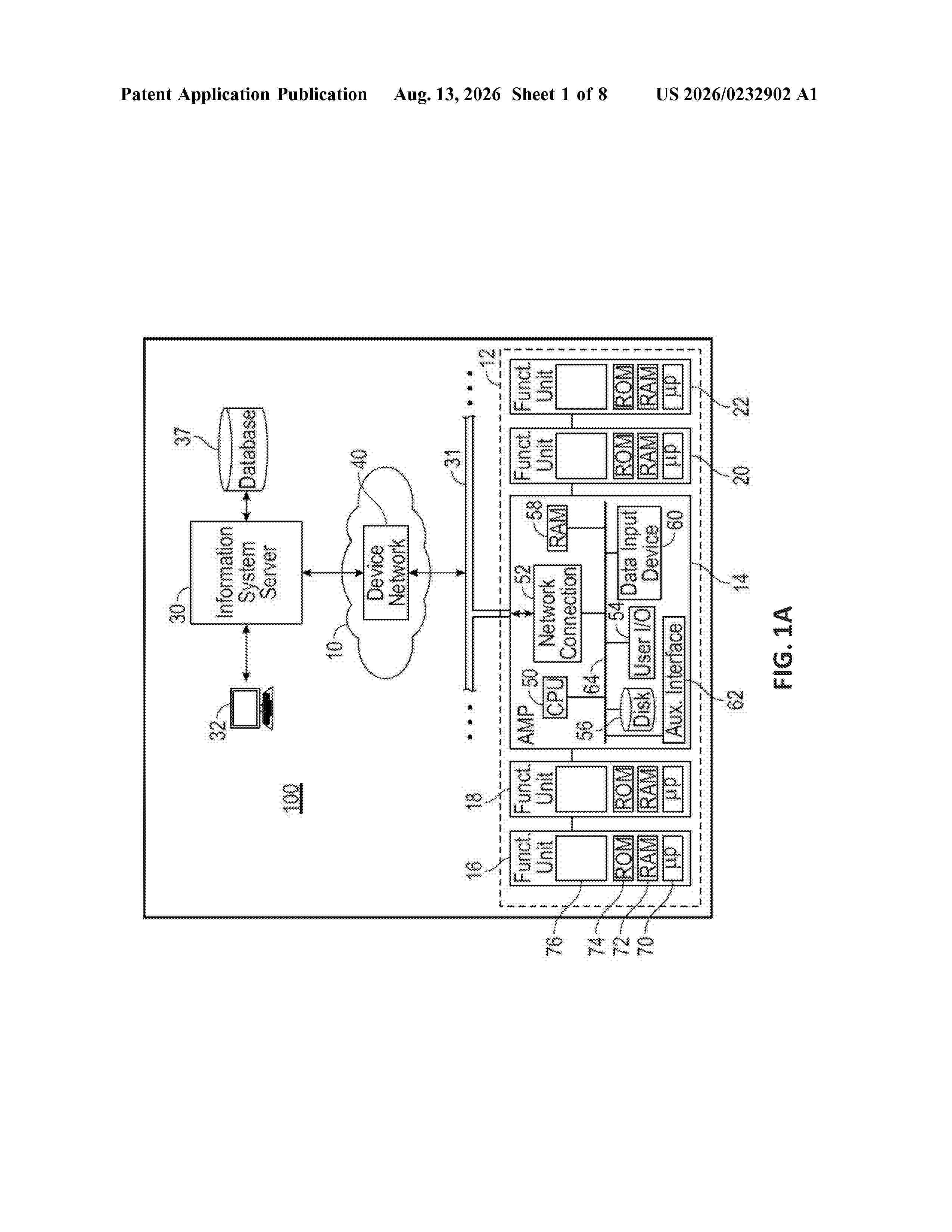
Resumen de: US20260232902A1
0000 A scanning error reduction system and method for preventing scanning errors associated with configuring an infusion device is disclosed. A first scancode is rendered on a first display of the first infusion module of the infusion device. Responsive to determining that the indicated therapy is to be provided by a second infusion module coupled to the device, the rendered first scancode is automatically removed from the first display of the first infusion module and, simultaneously, a second scancode associated with the second infusion module is automatically displayed on a second display of the second infusion module, and a user is prompted to scan the second scancode.
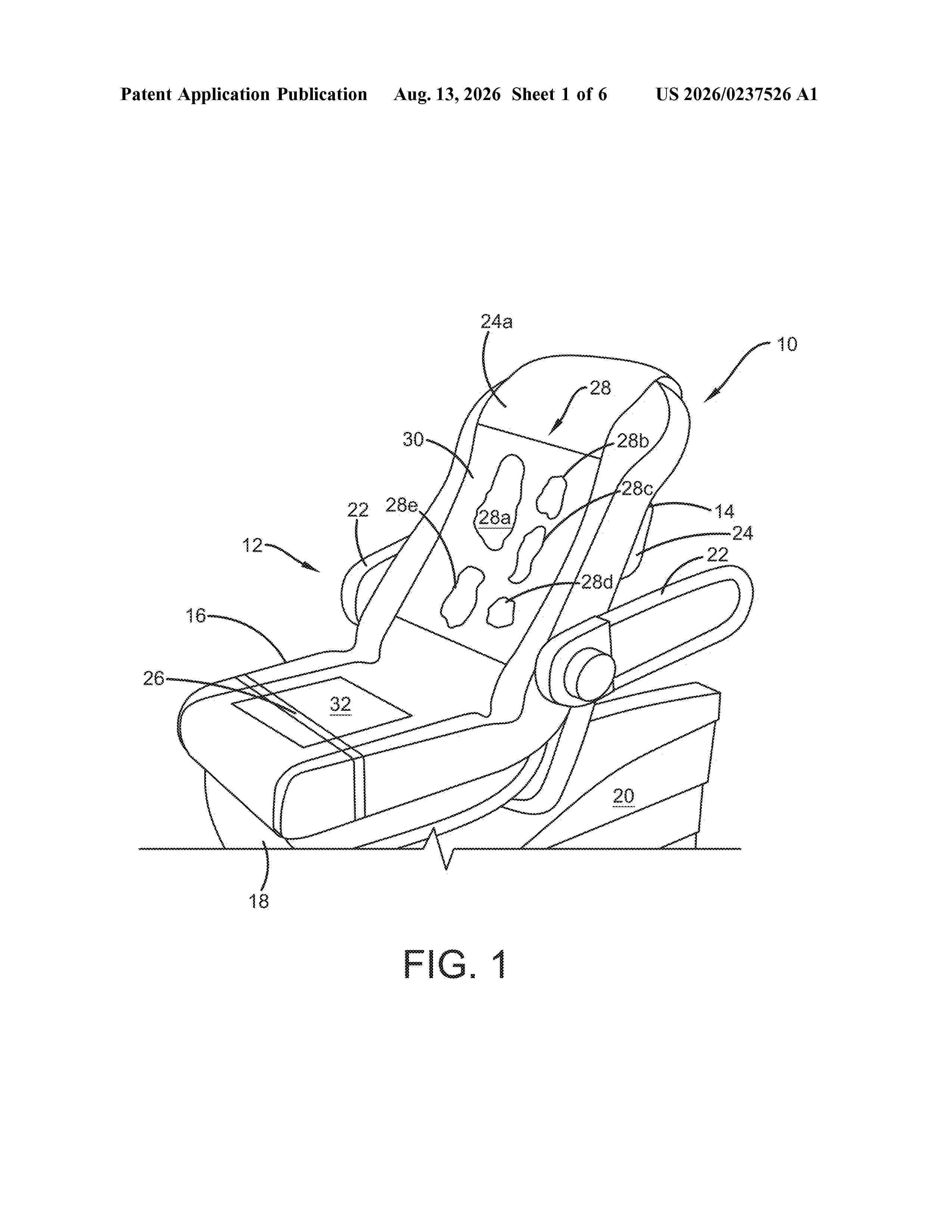
Resumen de: US20260237526A1
A patient examination and education system employs cover sheets for an articulating medical examination table as a source of information and a focus point for dialogue between physician and patient. A roll of sanitary cover sheets is maintained on a rear surface of the back of an examination table. The examination table sheets bear medical information and accommodate instruction and dialogue between doctor and patient regarding medical conditions and associated treatments for the patient. The sheets not only facilitate, but also prompt discussion between physician and patient and provide medical illustrations to aid in such discussions. Notes may be written upon the sheets and the sheets separated from the roll and taken with the patient after the examination session. The illustrations are keyed to particular specialties or practices of the physician, surgeon or other practitioner.
Nº publicación: US20260232109A1 13/08/2026
Solicitante:
CAREFUSION 303 INC [US]
CareFusion 303, Inc.
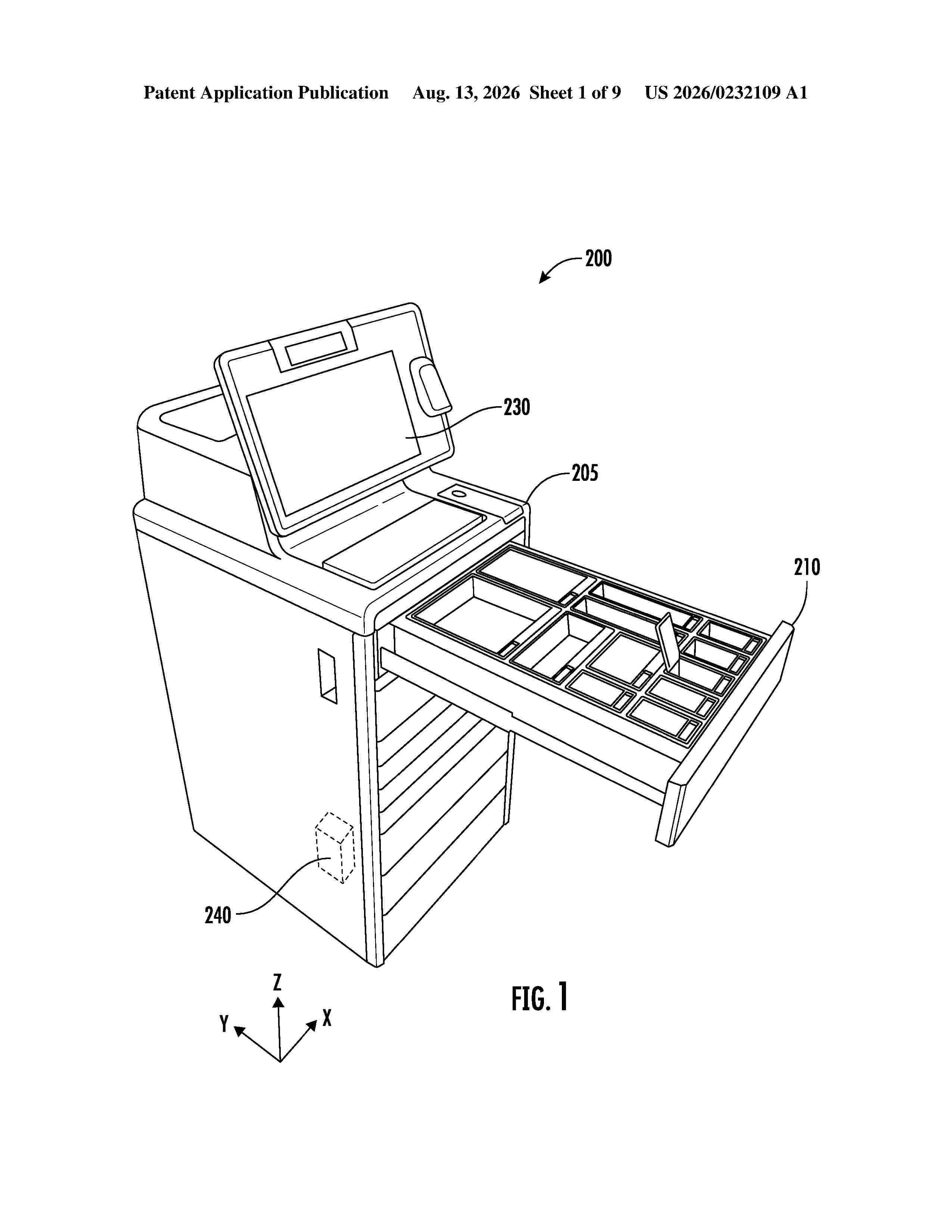
Resumen de: US20260232109A1
0000 A cabinet for storing medication and/or medical equipment includes: a housing including a cavity; at least one drawer mounted in the cavity, the drawer including at least one open container mounted in the drawer with an internal compartment and an open upper end, and at least one lidded container mounted in the drawer with an internal compartment and a lid. The lid is attached to the at least one lidded container via a lid mechanism and is configured to move the lid between an open position and a closed position. The cabinet further contains a controller operatively connected to the lid mechanism.
 BOPI
BOPI
 Sede Electrónica