Si deseas distinguir tus productos, servicios o ambos de los de otra empresa, es posible que necesites una marca o nombre comercial. Descubre qué son, en qué consiste su procedimiento de registro y qué implica.

Información sobre los plazos de presentación de solicitudes de transformación de marcas de la Unión Europea en marca nacional española. Más información


Si tienes un nuevo dispositivo, producto o procedimiento que resuelva un problema técnico o tenga una ventaja práctica, existen distintas formas de protegerlo en España y en otros países. Descubre cómo hacerlo.

¿Tu innovación reside en la estética, la ornamentación o la apariencia de tu producto? Protégela mediante un diseño industrial. Descubre qué derechos confiere el registro y cómo realizar la tramitación.

Las indicaciones geográficas protegen el nombre de un producto originario de una zona geográfica, a la cual le debe una determinada calidad, reputación u otra característica. Descubre qué son, en qué consiste su procedimiento de registro y qué beneficios conceden.

Las patentes publicadas en todo el mundo son una valiosa fuente de información científica, técnica y comercial.

Si eres emprendedor/a o una empresa y quieres potenciar y mejorar la rentabilidad de tu negocio protegiendo de forma adecuada los activos intangibles de tu organización, en este espacio encontrarás lo necesario.


 966
resultados
966
resultados
 Última actualización
04/04/2026 [07:06:00]
Última actualización
04/04/2026 [07:06:00]


 Resultados 250 a 275 de 966

Resumen de: WO2026052657A1
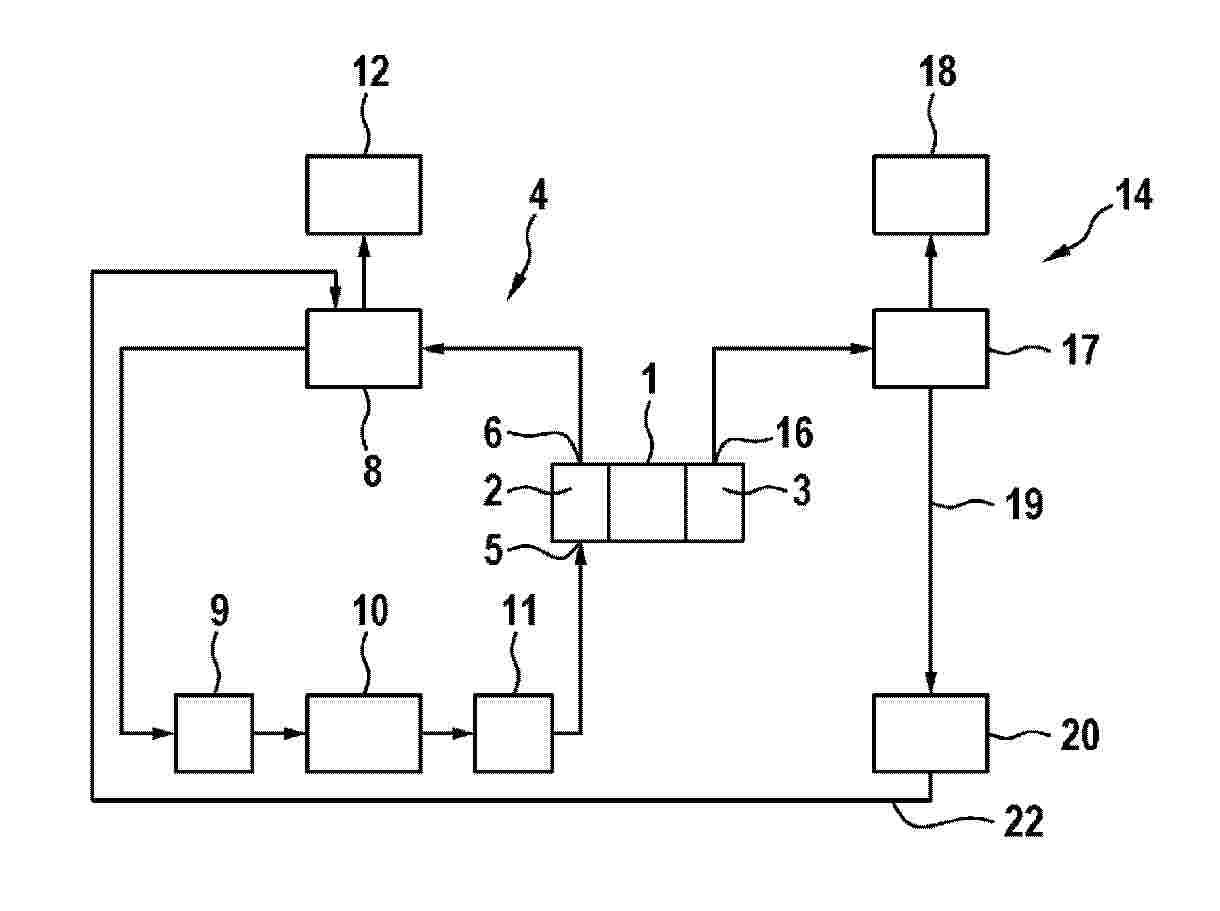
The invention relates to an electrolysis system for electrolytically splitting water into hydrogen and oxygen, comprising an electrolytic cell (1) having an anode chamber (2) and a cathode chamber (3) that are separated from one another by a semipermeable barrier, and comprising an anode water circuit (4) which supplies the anode chamber (2) with water via an anode inlet (5) and which receives water from the anode chamber (2) via an anode outlet (6), wherein a gas-water separator (8) and a pump device (9) are disposed in the anode water circuit (4). The water from the cathode chamber (3) is received in a cathode water pathway (14) and fed into the anode water circuit (4), with a second gas-water separator (17) being disposed in the cathode water pathway (14) and an ion exchanger (10) for removing metal ions being disposed in the anode water circuit (4). A free-radical scavenger (20) is disposed in the cathode water pathway (14).

Resumen de: WO2026052234A1
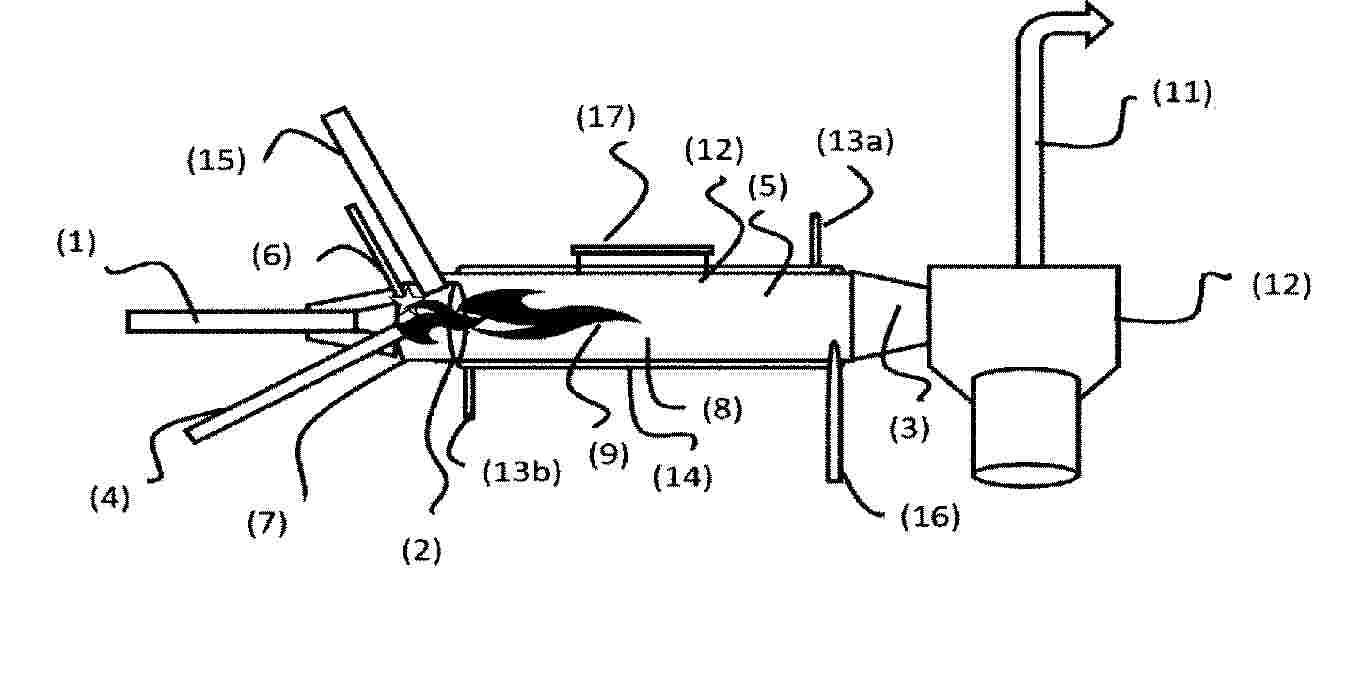
Disclosed is a process for oxidizing a metal and for generating hydrogen and carbon monoxide by using a reactor having a reaction chamber with an inlet zone for reactive materials, a central zone and an outlet zone for a product gas. In this process a first reactive material and a second reactive material are used, each comprising selected components comprising selected metals and organic compounds. In the process a first flame is generated by reacting the first reactive material present in the inlet zone. This first flame generates and supports a second flame that is formed by reacting the second reactive material present in the inlet zone. In the second flame a product gas is formed that contains hydrogen and carbon monoxide. Hydrogen and carbon monoxide are discharged from the reactor and can be used for various chemical reactions and/or for generation of energy. Moreover, thermal energy generated in the reactor can be used for generation of electrical energy and/or for different heating applications.
Resumen de: US20260070031A1
An ammonia decomposition reactor, a hydrogen production apparatus and a method for producing hydrogen are provided. The ammonia decomposition reactor may include a first chamber and a second chamber, wherein an operating temperature of the first chamber is 410° C. or lower, the first chamber includes at least one selected from the group consisting of carbon steel, low alloy steel, stainless steel, and a nickel-based alloy, and the second chamber includes a nickel-based alloy (NT) satisfying Equation 1 below.T≤15μmEquation1
Resumen de: US20260071333A1
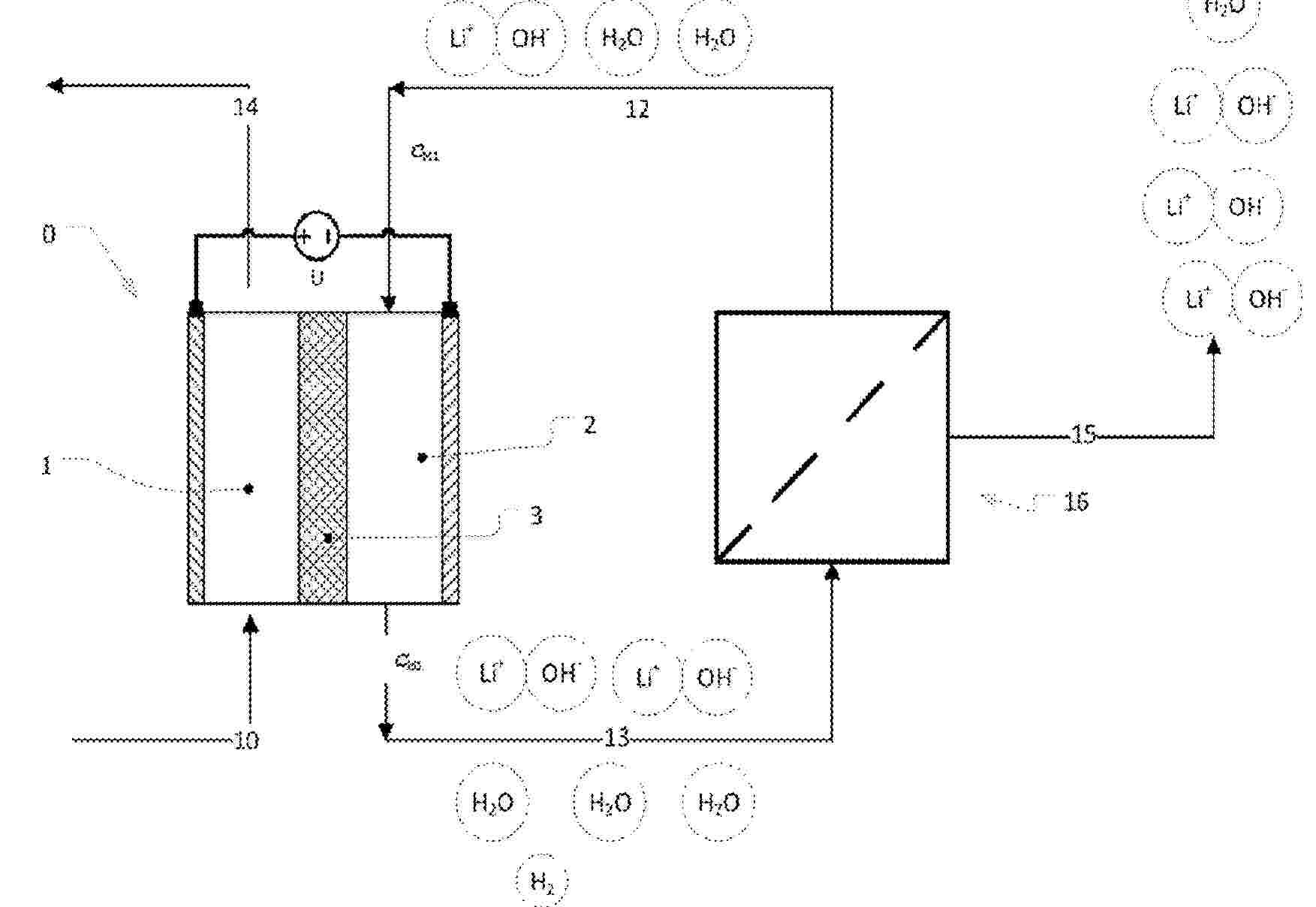
The problem addressed by the invention is that of specifying a process for producing lithium hydroxide that is very energy-efficient. The process should in particular manage without using thermal energy. As a raw material, the process should be able to process Li-containing waters that arise when used lithium-ion batteries are digested. The LiOH produced by the process should be of sufficiently high purity that it can be used directly for the production of new LIBs. The process should achieve a high throughput and have a low space requirement so that it can be combined with existing processes for reprocessing used LIBs or for producing new LIBs to form a closed, continuous production cycle. The process according to the invention is an electrolytic membrane process that is operated using an LiSICon membrane. A particular aspect of the process is that the electrolysis is operated up to the precipitation limit of the lithium hydroxide.
Resumen de: US20260071341A1
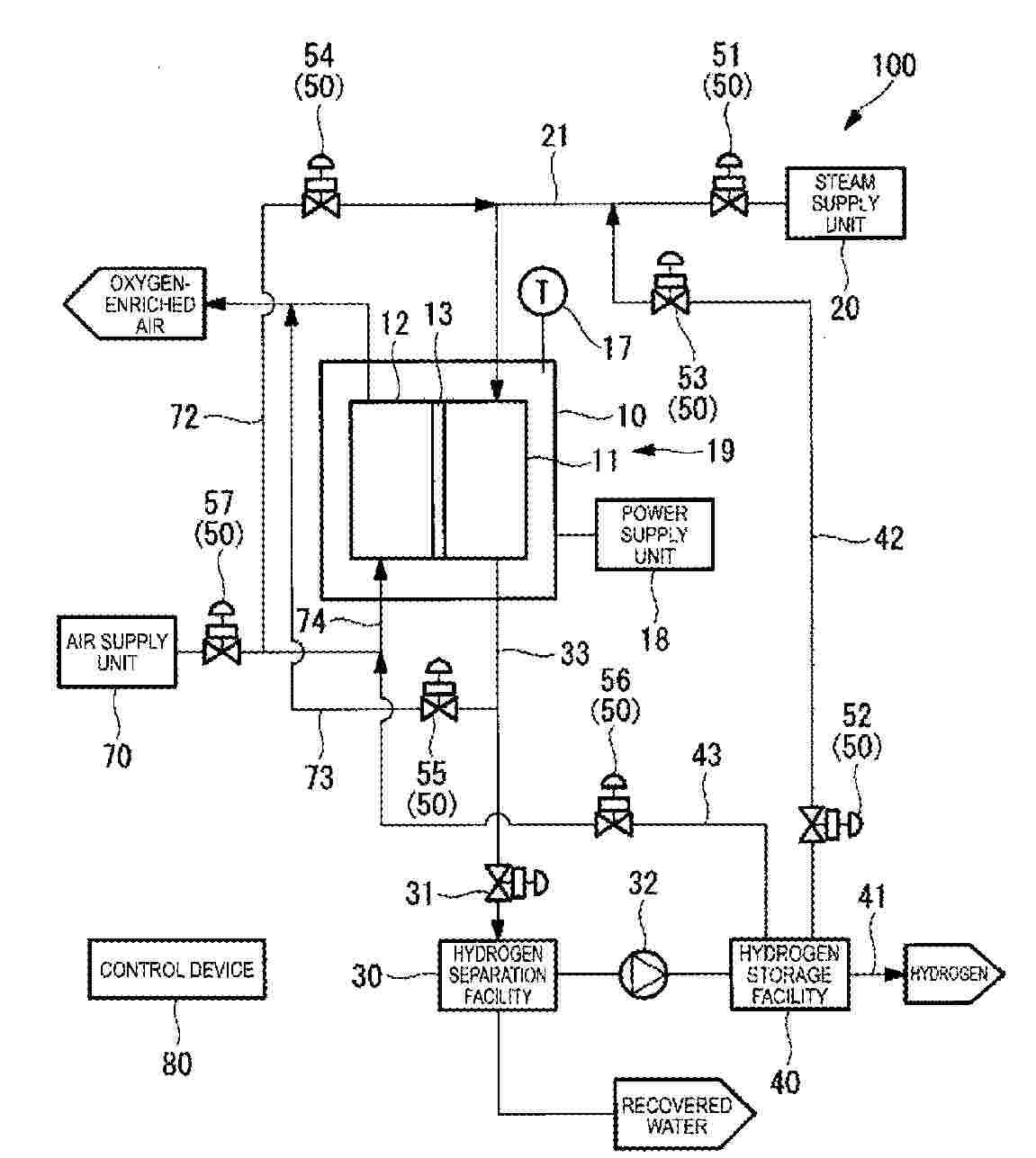
A hydrogen production system includes: an electrolysis module that supplies steam to a hydrogen electrode including a metal component and produces hydrogen through steam electrolysis; a hydrogen storage facility that stores generated hydrogen; a steam supply unit that supplies steam to the hydrogen electrode; a regulation unit that regulates a supply amount of the hydrogen supplied from the hydrogen storage facility to the hydrogen electrode and a supply amount of the steam supplied from the steam supply unit to the hydrogen electrode; and a control device for controlling the regulation unit to switch a heating medium supply state in which a heating medium is supplied from a heating medium supply unit to the hydrogen electrode to a steam supply state in which steam is supplied from the steam supply unit to the hydrogen electrode, in response to the electrolysis module exceeding a first switching temperature when activating the electrolysis module.
Resumen de: US20260071340A1
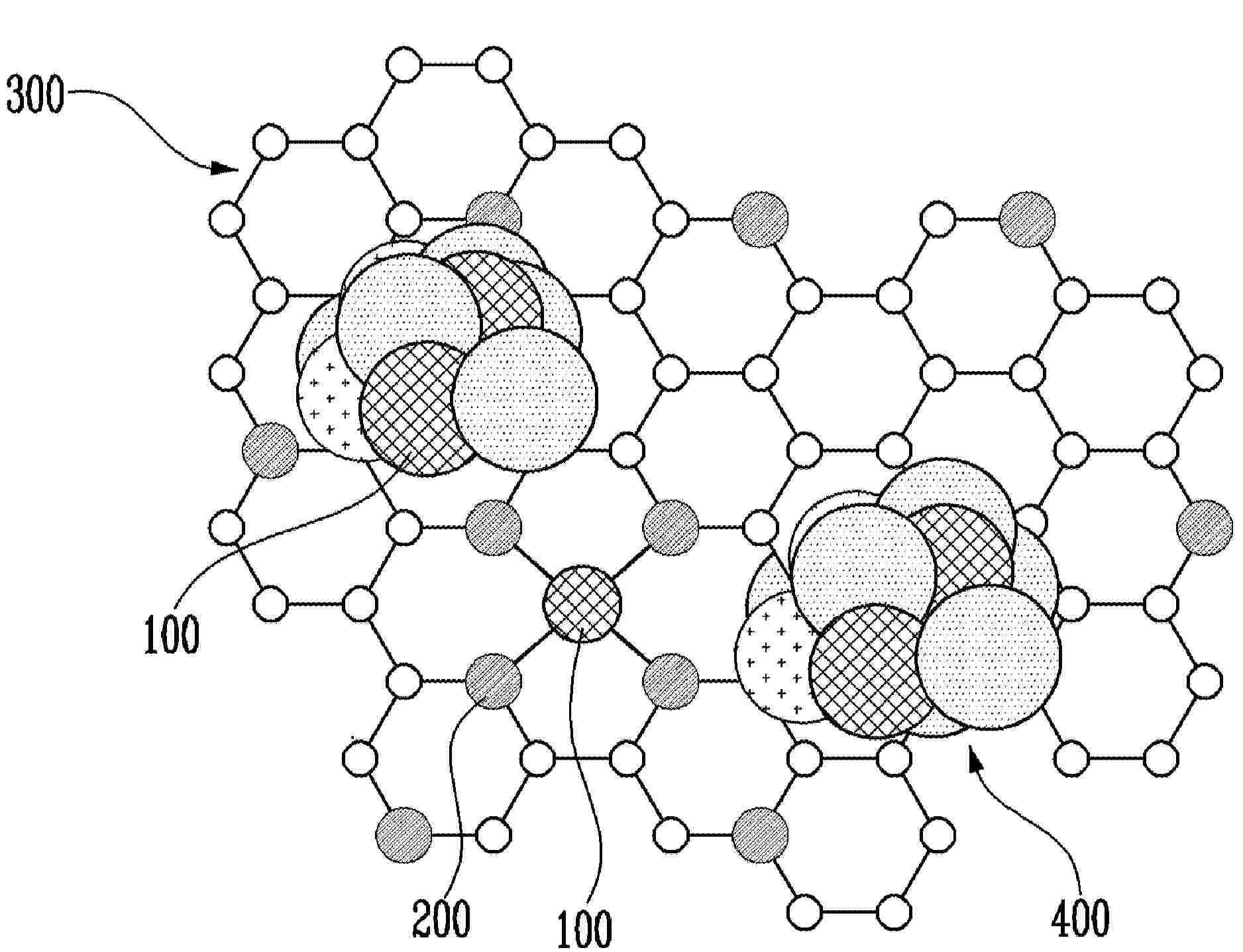
A catalyst for water electrolysis electrode, a method for preparing the catalyst, and a water electrolysis electrode including the catalyst are provided. A catalyst for water electrolysis electrode according to an embodiment of the present disclosure includes a carbon structure doped with a first element and a second element, and an alloy nanoparticle doped with the first element. The alloy nanoparticle is supported on a surface of the carbon structure, and the first element is iron (Fe).
Resumen de: US20260071342A1
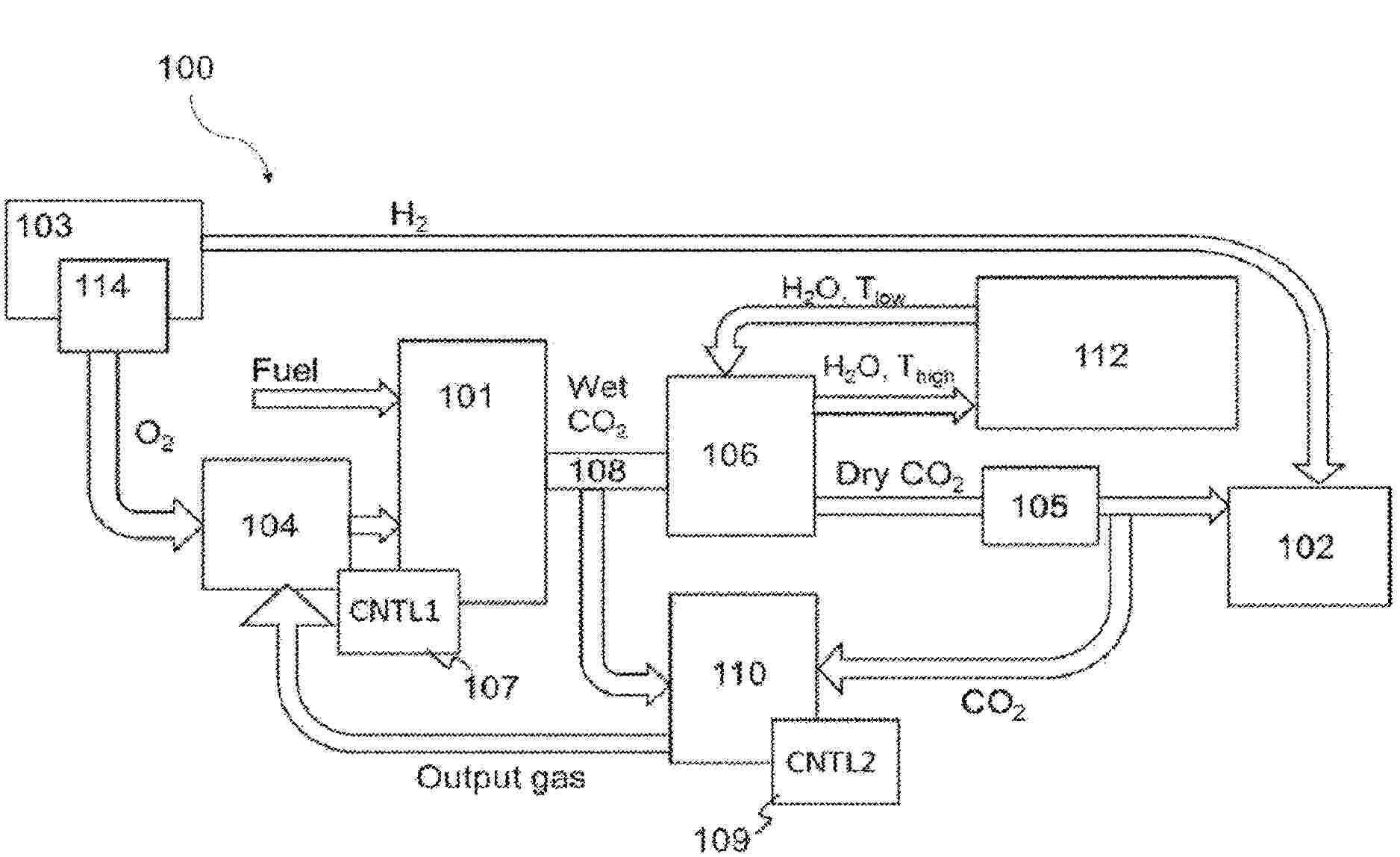
There is provided a system comprising burning facility (101); a synthetic fuel production facility (102); a hydrogen production facility; and an oxygen production facility (114); wherein the oxygen production facility (114) is configured to feed the produced oxygen to the burning facility (101) for combustion of fuel at the burning facility (101) using the produced oxygen, and the burning facility (101) is configured to produce a CO2-rich flue gas based on the combustion of the fuel at the burning facility (101) using the produced oxygen, and the burning facility (101) is configured to feed the produced CO2-rich flue gas to the synthetic fuel production facility (102) for capturing the CO2 generated at the combustion in a fuel synthesis.
Resumen de: US20260071336A1
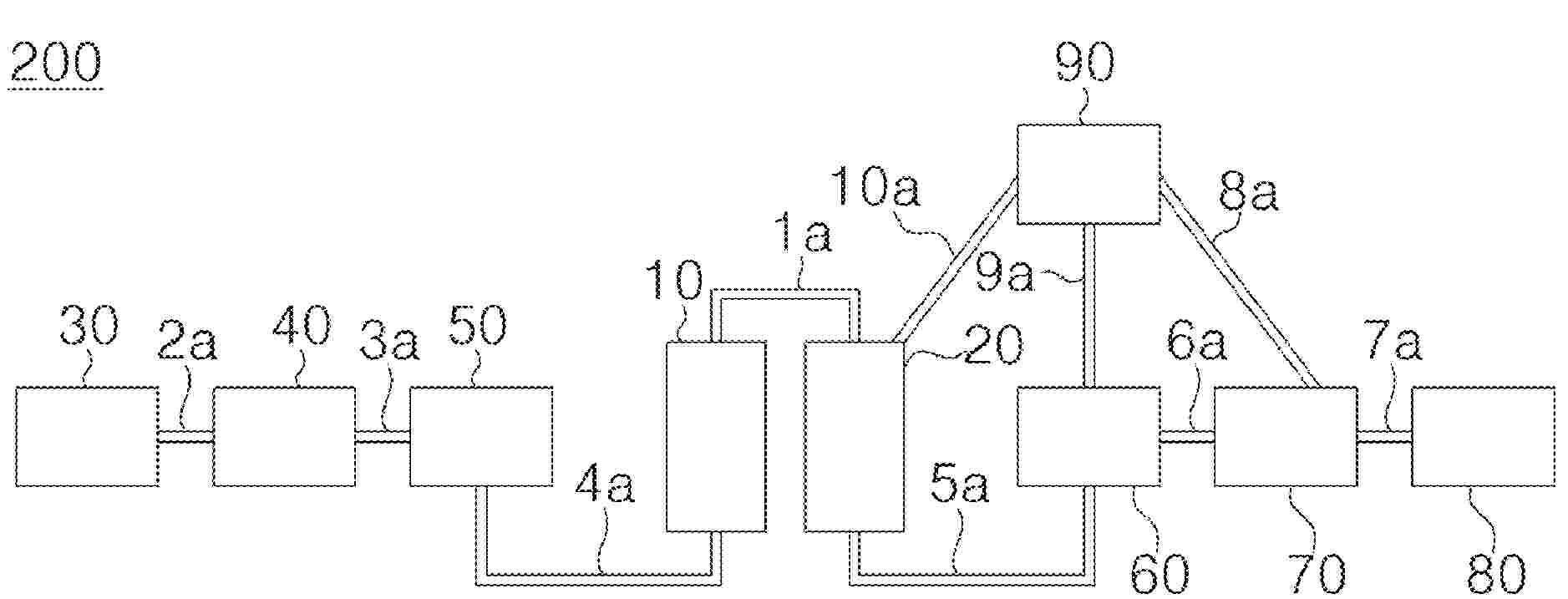
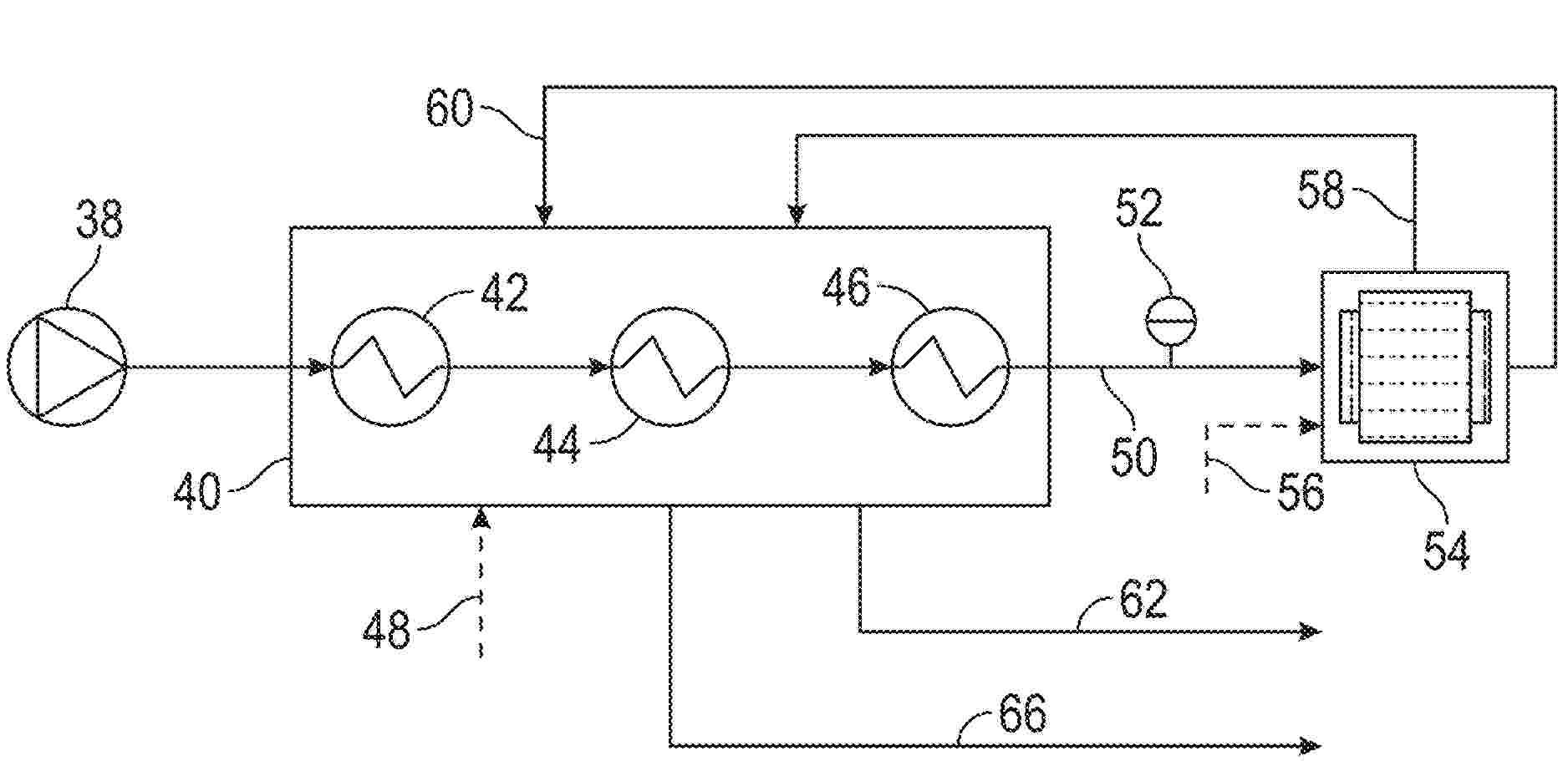
A system for producing hydrogen gas comprising: a heat exchanger module; the heat exchanger comprising: a warming module; and a boiler; a converter module; the converter module comprising a superheater, vaporizer, and/or compressor; an electrolyzer in communication with the converter module; and the electrolyzer in communication with the heat exchanger module. A method for producing hydrogen gas comprising: passing a working fluid into a heat exchanger module comprising warming module and a boiler to form a vapor-phase working fluid; passing the vapor-phase working fluid into a converter module comprising a superheater, vaporizer, and/or compressor to form a converted working fluid; passing the converted working fluid into an electrolyzer to form hot hydrogen gas and hot oxygen gas; passing the hot oxygen gas and/or hot hydrogen gas into the heat exchanger module.
Resumen de: US20260070826A1
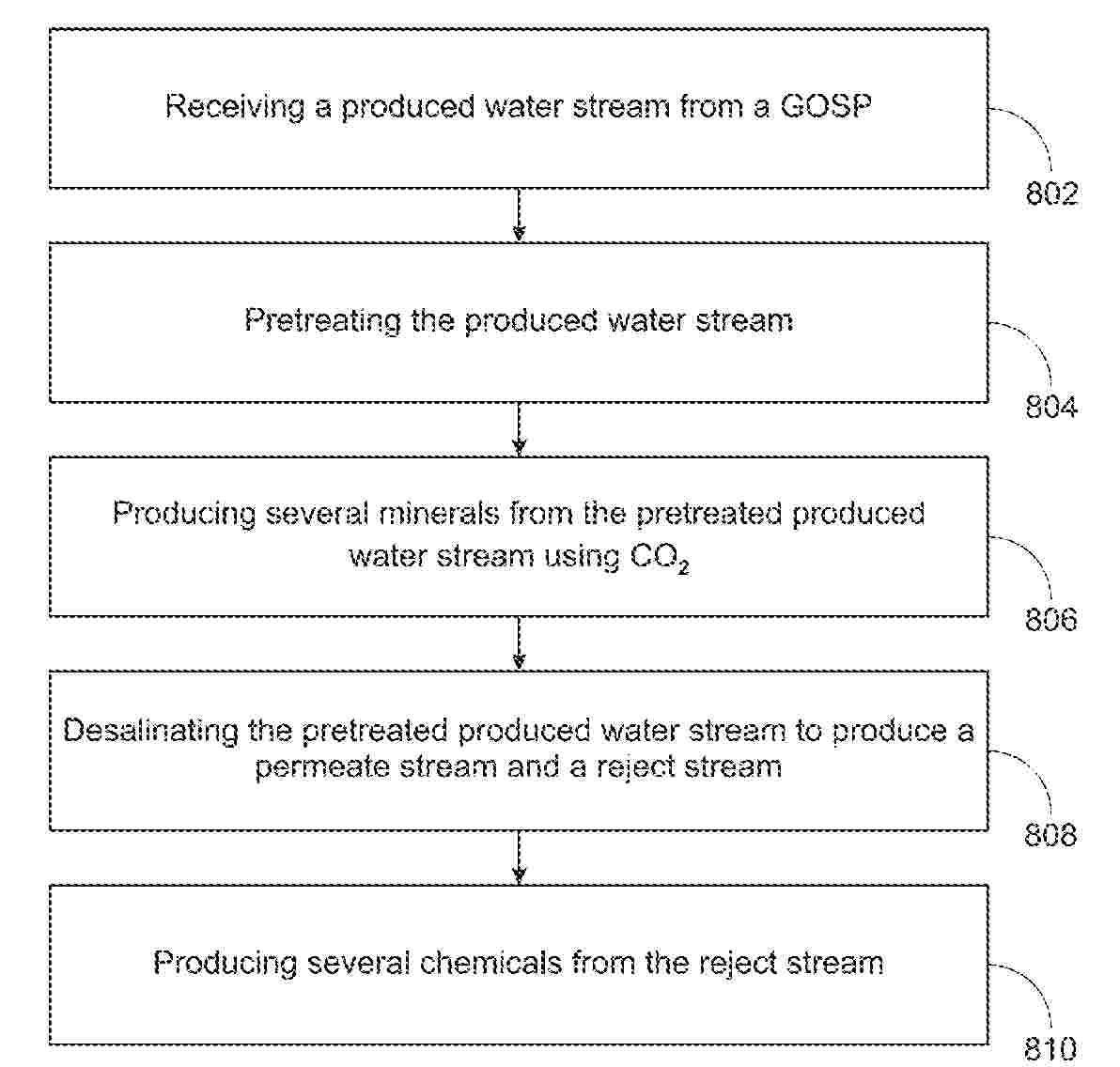
A produced water stream in a GOSP is pretreated to remove total suspended solids, emulsified oil, total organic carbon, chemical organics and inorganics, and biodegradable matter. The pretreated produced water stream is further processed to remove hydrogen sulfide gas, which is split in an electrolysis cell to produce hydrogen, sulfur, and water. Following this, bromine gas is removed. The pretreated produced water stream, after the removal of hydrogen sulfide and bromine gas, is further treated using CO2 to produce several minerals. The pretreated produced water stream, after mineral production, is desalinated to produce fresh water and a reject stream. Several valuable chemicals are produced from the reject stream. This process recovers valuable minerals and chemicals from a produced water stream in a GOSP.
Resumen de: US20260070783A1
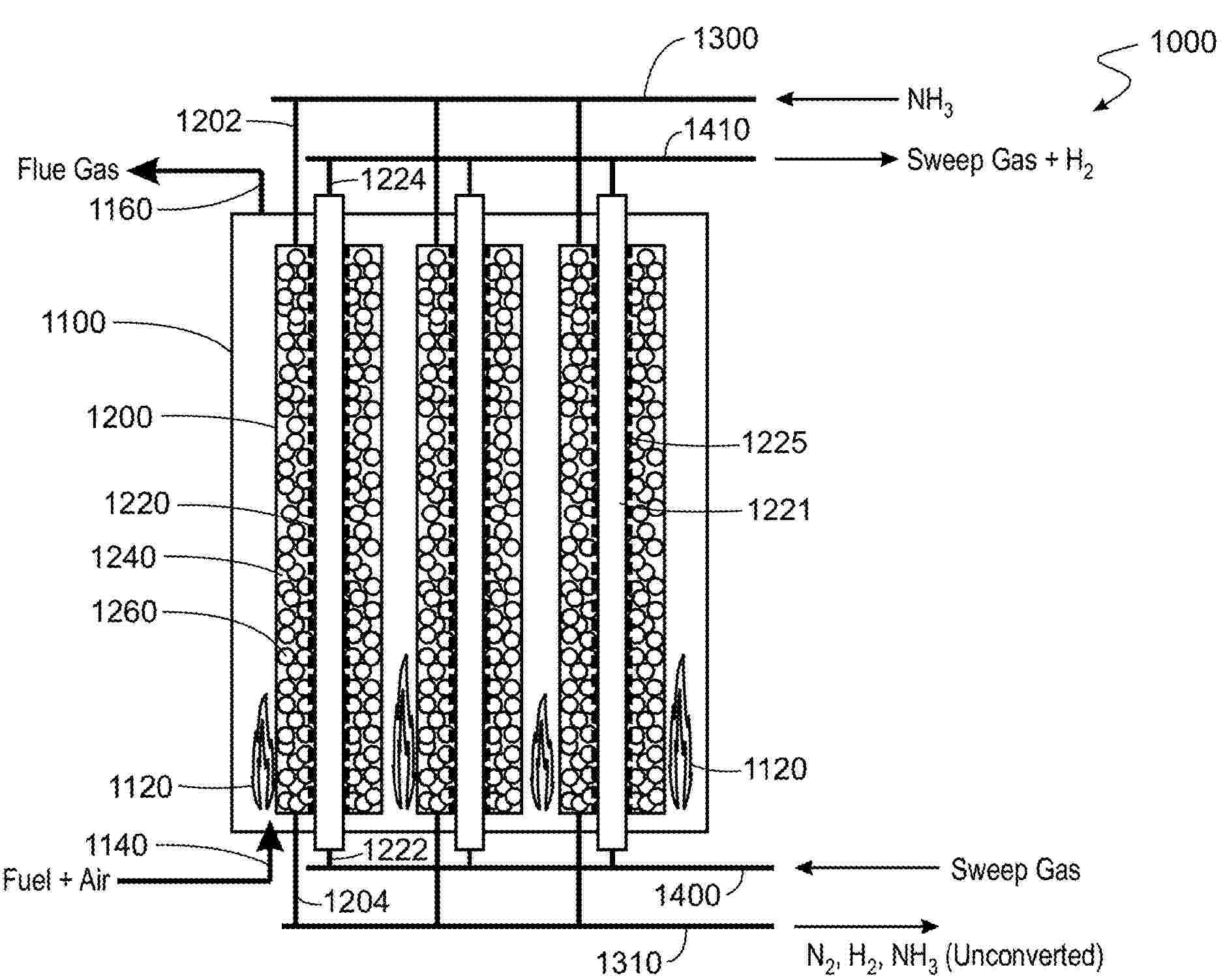
The disclosure relates to systems and methods for the production of hydrogen (H2) from ammonia (NH3) in a membrane reactor that include using ammonia as a sweep gas. Ammonia is converted to hydrogen and nitrogen (N2), and the hydrogen is separated from the nitrogen and unreacted ammonia by passing the hydrogen through a hydrogen-permeable membrane while using ammonia as a sweep gas. The ammonia sweep gas can be separated from the permeated hydrogen and continuously recycled.
Resumen de: US20260070784A1
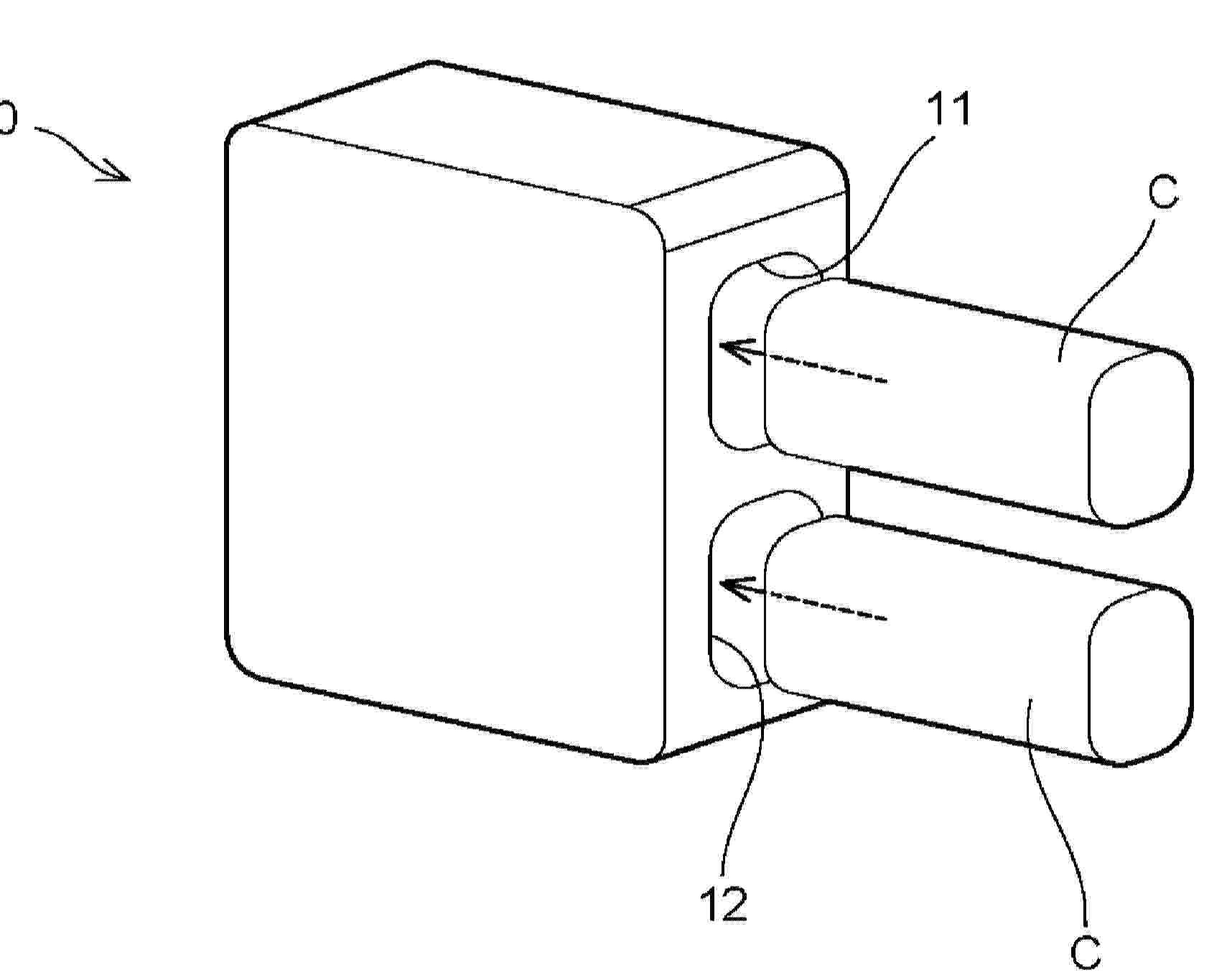
A hydrogen generating device may include a water supply device for cartridges; a first hydrogen supply valve provided in a first hydrogen supply passage through which hydrogen gas is supplied from the first cartridge to a buffer tank; a second hydrogen supply valve provided in a second hydrogen supply passage through which hydrogen gas is supplied from the second cartridge to the buffer tank; and a main hydrogen supply passage for supplying hydrogen gas from the buffer tank to outside. For switching a hydrogen supply source from the first cartridge to the second cartridge, a controller may perform: a first process to stop supplying water to the first cartridge and supply water to the second cartridge with the second hydrogen supply valve closed, and a second process to open the second hydrogen supply valve to supply hydrogen gas from the second cartridge to the buffer tank.
Resumen de: US20260070782A1
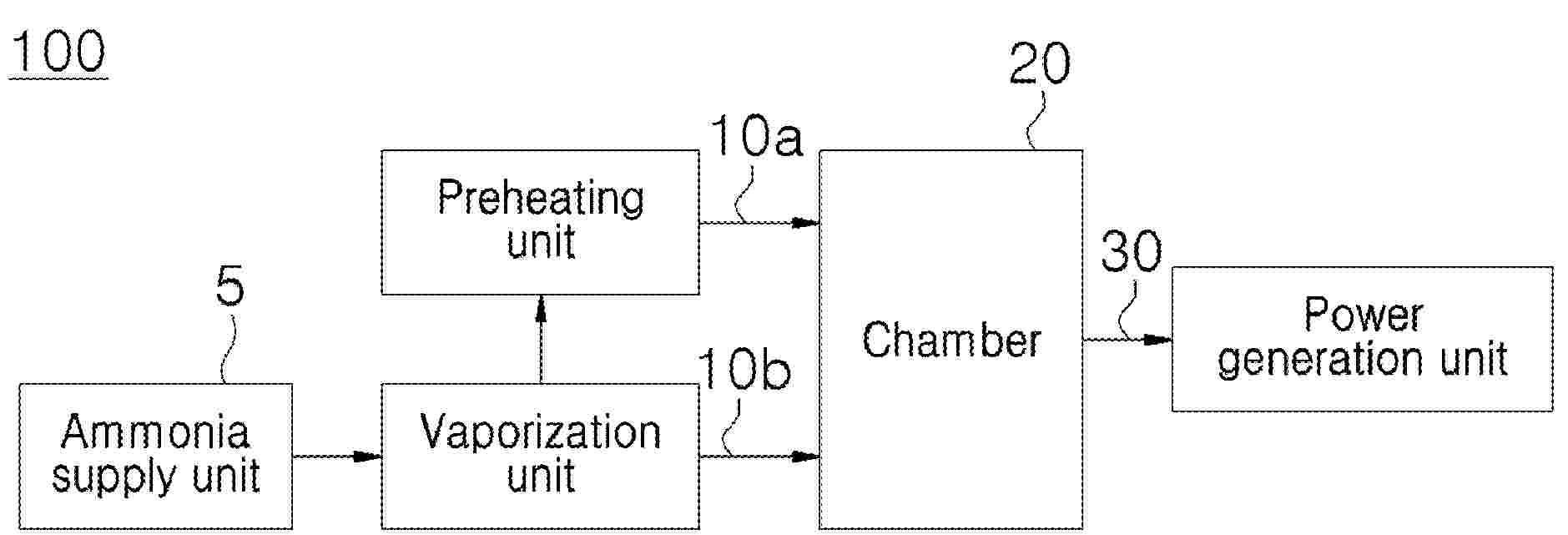
Disclosed are an ammonia supply system, a hydrogen production system, a carbon-free power generation system and a fuel cell system. The ammonia supply system includes an ammonia supply unit; an ammonia demand unit; a connection line that connects the ammonia supply unit and the ammonia demand unit; a hydrogen supply unit; and one or more first hydrogen supply lines that connect the hydrogen supply unit and the connection line, and are configured to supply a hydrogen gas stream, wherein the connection line includes a first pipe controlled to an average temperature of 410° C. or lower and a second pipe controlled to an average temperature of greater than 410° C., and the second pipe includes a nickel-based alloy (NT) satisfying Equation 1 below.T≤15µmEquation1
Resumen de: US20260074250A1
A corrosion-resistant system, a carbon-free power generation system, and a fuel cell system are provided. The corrosion-resistant system includes an ammonia supply unit; a first conduit connected to the ammonia supply unit; an ammonia decomposition unit comprising a chamber connected to the first conduit; and a second conduit connected to the chamber, wherein an operating temperature of the chamber is 410° C. or lower, the first conduit and the chamber comprise at least one selected from the group consisting of carbon steel, low alloy steel, stainless steel and a nickel-based alloy, and the second conduit comprises a nickel-based alloy (NT) satisfying Equation 1: T≤15 μm.
Resumen de: US20260074251A1
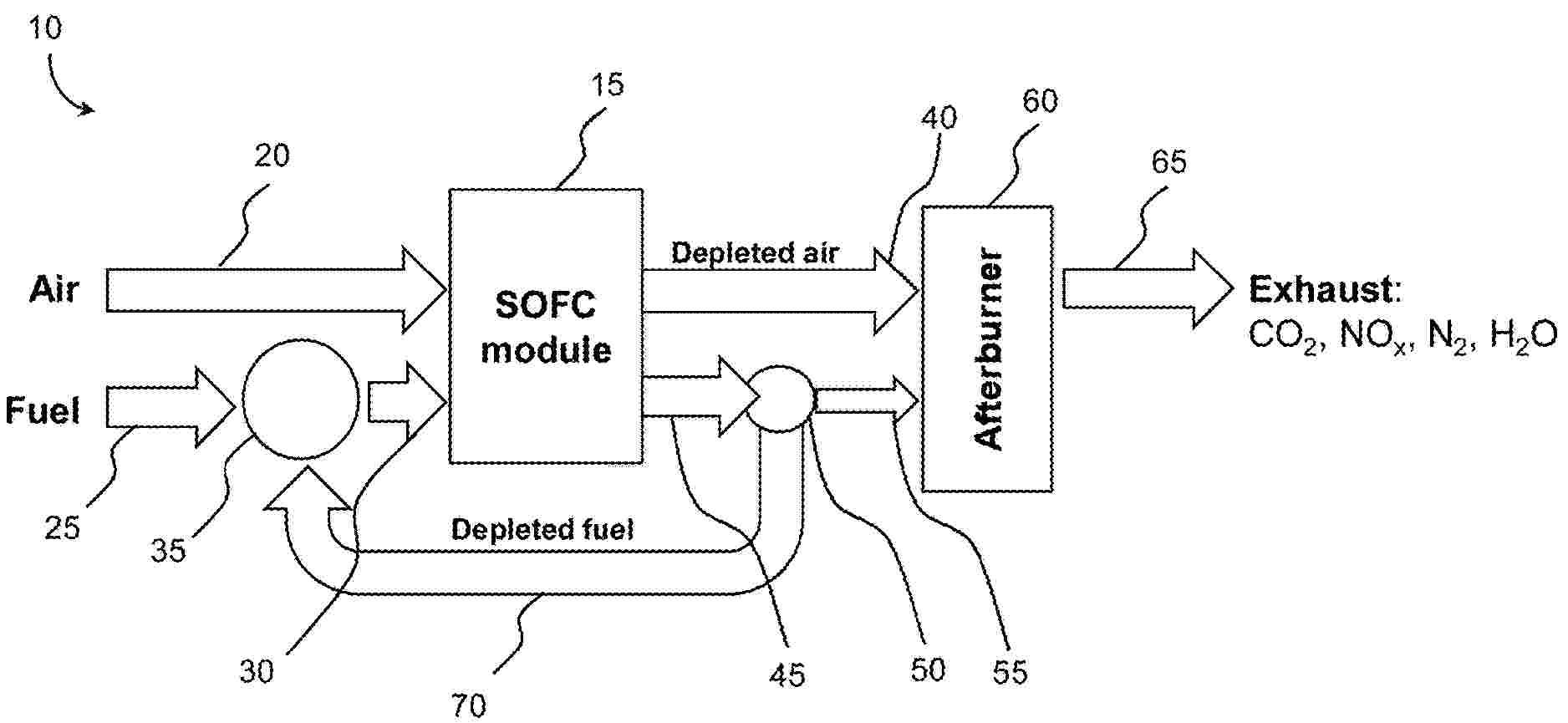
A fuel cell system including a fuel cell module having an anode inlet configured to receive an anode inlet stream including fuel and an anode outlet configured to output an anode exhaust stream including carbon dioxide and steam, a solid oxide electrolysis cell module configured to receive waste heat and a first portion of the anode exhaust stream from the solid oxide fuel cell module and output an electrolysis output stream including hydrogen and carbon monoxide, wherein at least a portion of the electrolysis output stream is redirected to become a component of the anode inlet stream of the fuel cell module, and a controller configured to operate the solid oxide electrolysis cell module at an endothermic current density
Resumen de: US20260070025A1
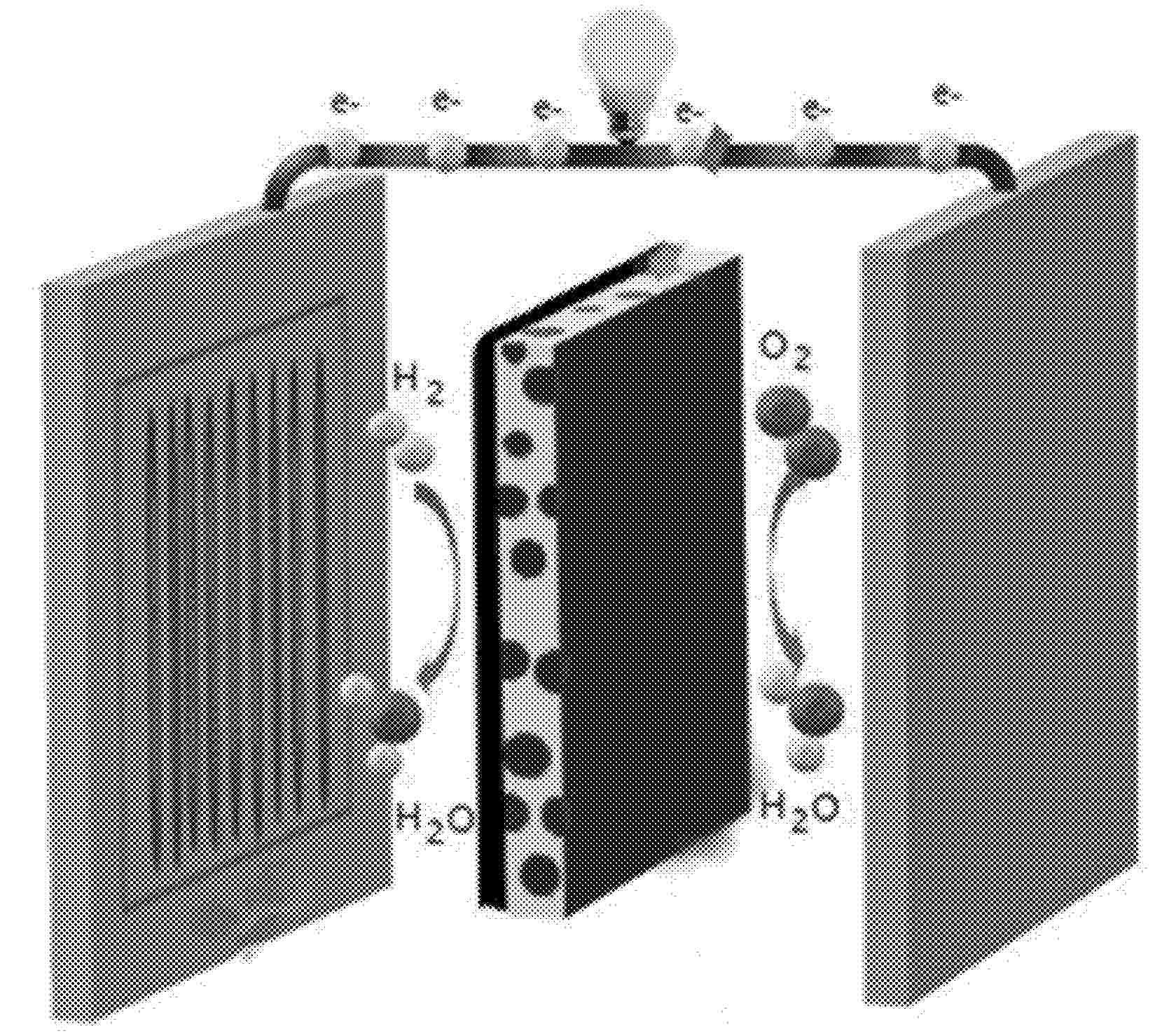
Calcined or pyrolyzed metal compounds immobilized in membranes based on ionic liquids and/or eutectic solvents. The invention relates to new catalytic membranes synthesized from ionic liquids or deep eutectic solvents and oxidized or pyrolyzed immobilized metal compounds in the membranes. The use of these new catalytic membranes in oxidation/reduction reactions, for application in fuel cells and in water electrolyzers for hydrogen production, is described.
Resumen de: AU2026201233A1
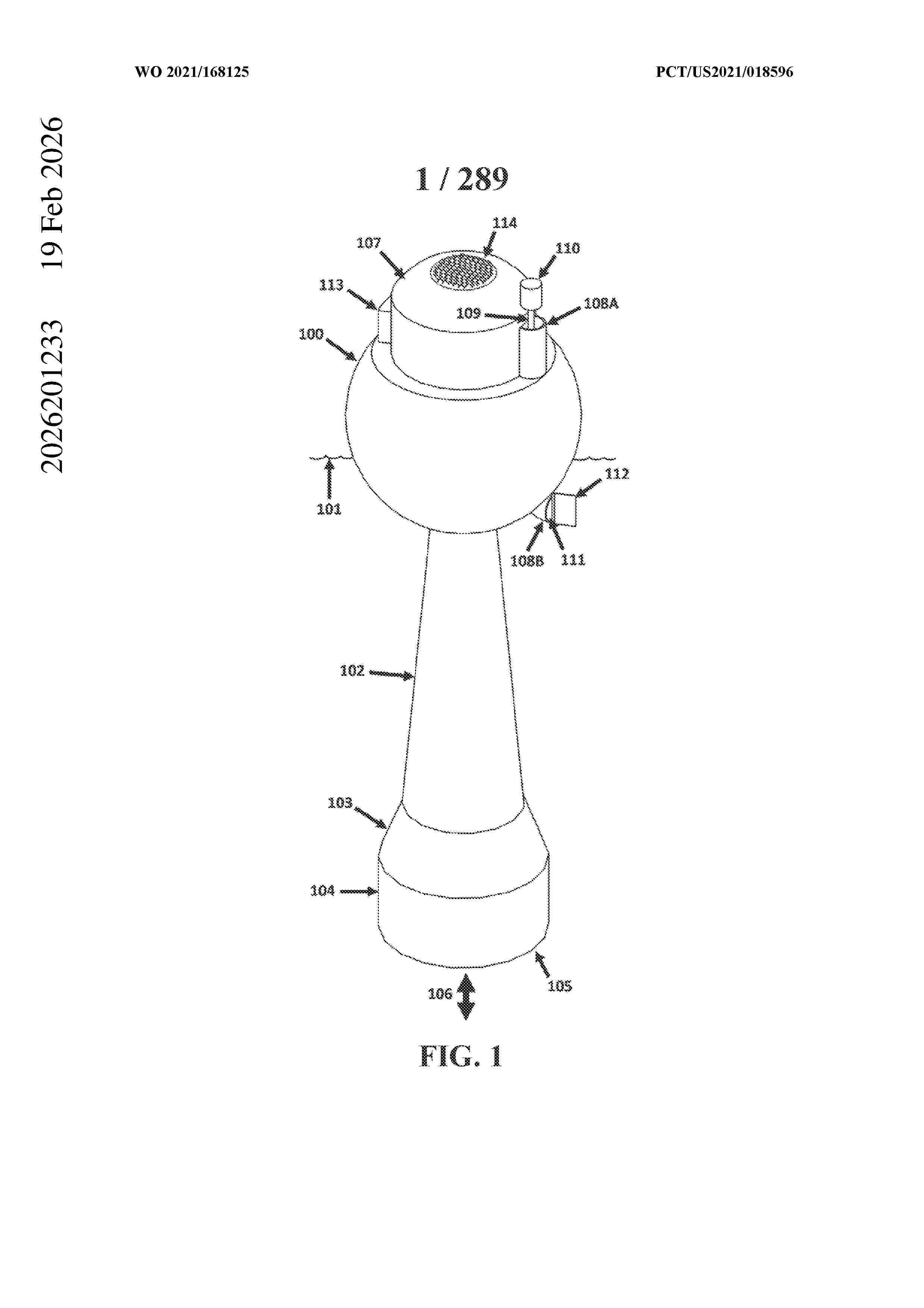
WO 2021/168125 PCT/US2021/018596 The present invention provide a method for manufacturing hydrogen, comprising: deploying a hydrodynamic pump to an ocean, the hydrodynamic pump including an inertial water tube comprising a constricting feature to pressurize ocean water, a pressurized fluid reservoir partially filled with ocean water transported from the ocean to the pressurized fluid reservoir via the inertial water tube, a turbine energized by a flow of pressurized ocean water exiting the pressurized fluid reservoir, an electrical generator coupled to the turbine, an electrolyzer, and a hydrogen tank; transmitting electrical energy from the electrical generator to the electrolyzer to generate hydrogen; and storing the hydrogen in the hydrogen tank. eb e b
Resumen de: AU2026201234A1
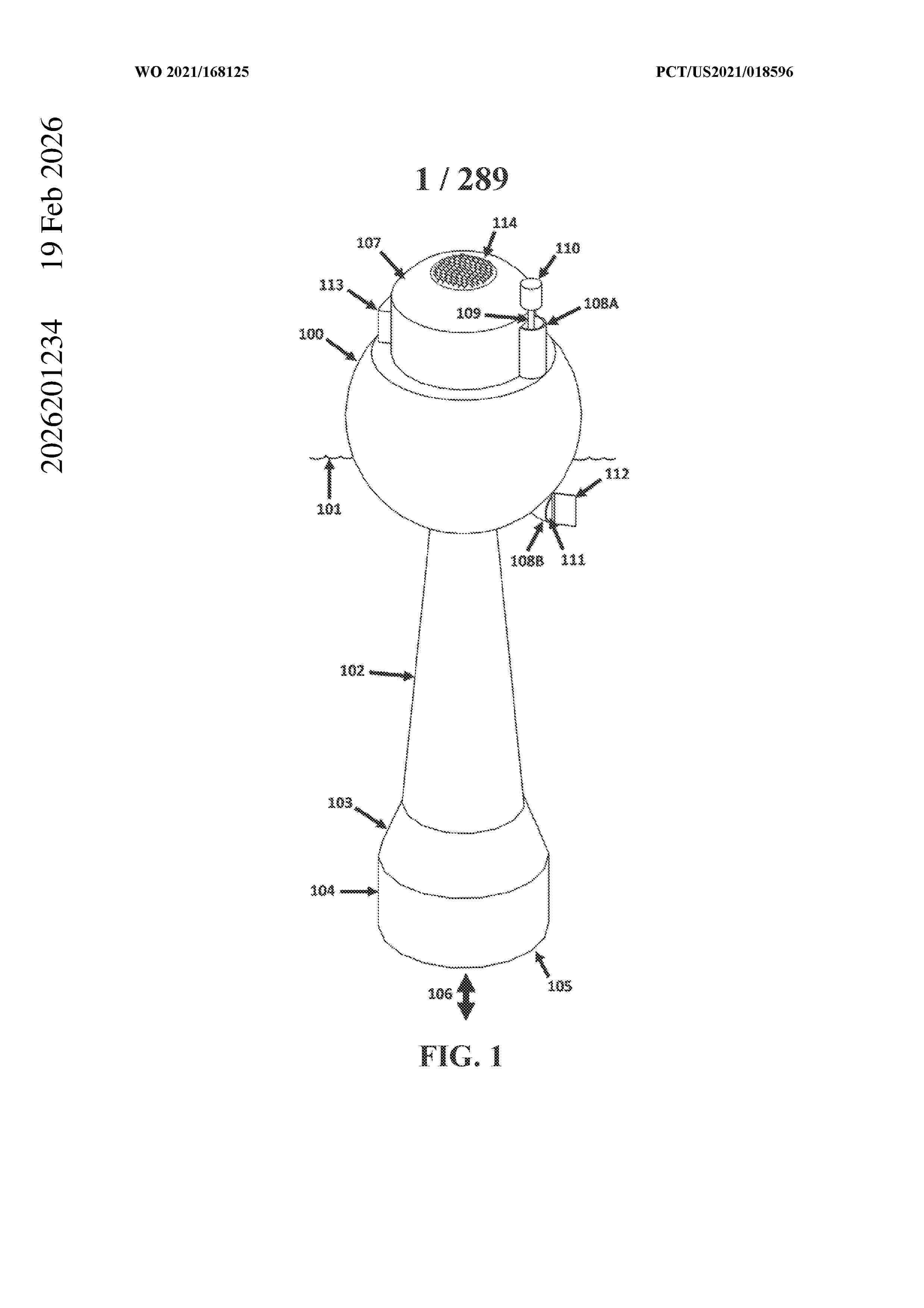
WO 2021/168125 PCT/2021/018596 The present invention provides a wave engine, comprising: a buoy configured to rise and fall under an influence of a body of water; a hollow tube depending from the buoy and having a water ingress/egress mouth at a lower end and a water discharge spout at an upper end, and further comprising an interior including a wall defining a water accelerating surface adapted to eject water through the water discharge spout in response to an increasing hydrodynamic pressure within the interior of the hollow tube; a water collection reservoir in fluid communication with the water discharge spout; a first effluent conduit for diverting at least a portion of water collected in the water collection reservoir from the water collection reservoir; and a first electrical energy generator for converting an energy of a portion of water in the first effluent conduit into electrical energy. eb e b
Resumen de: AU2026201235A1
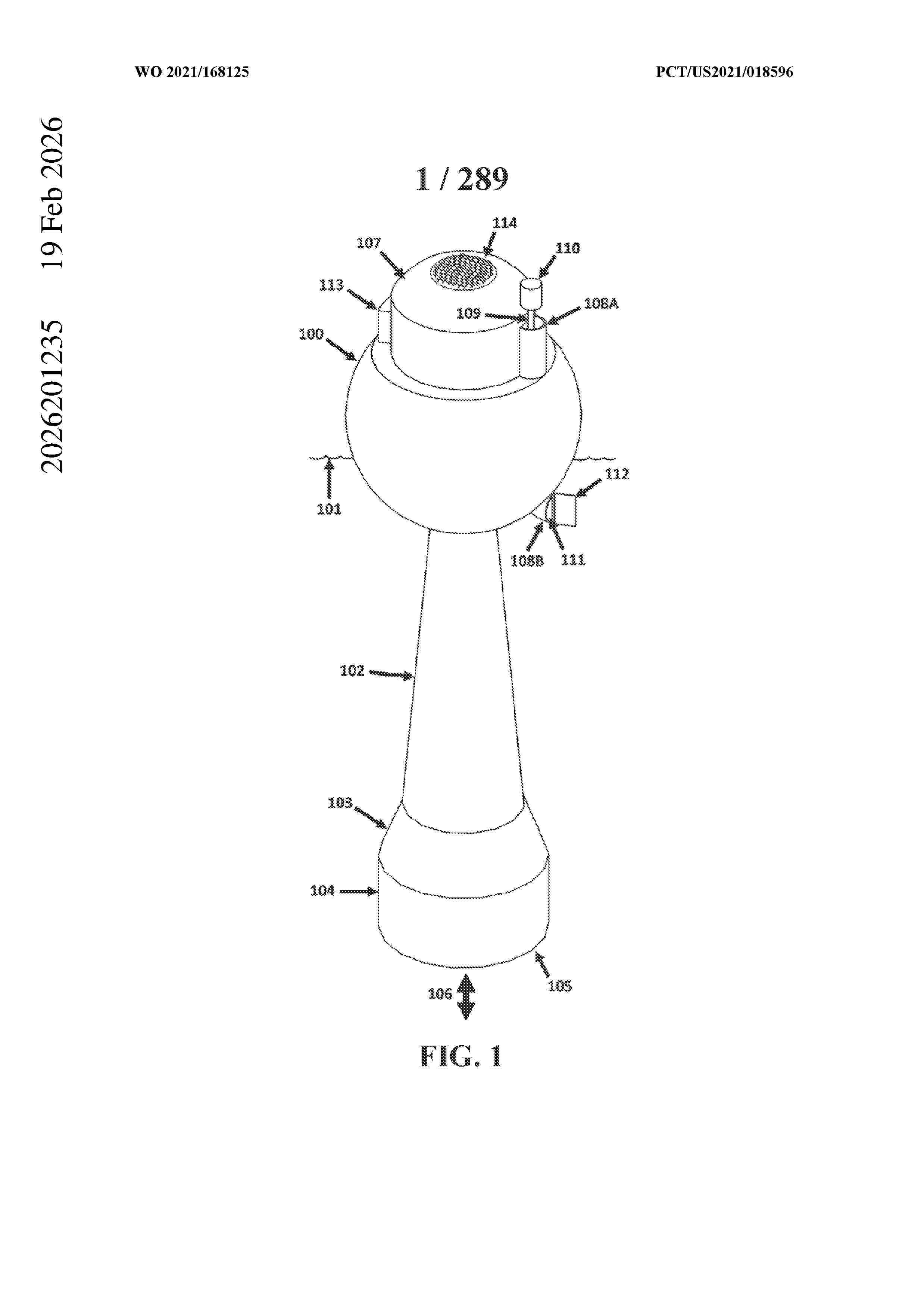
WO 2021/16125 PCT/US2021/018596 The present invention provides a hydrodynamic pump, comprising: an upper hull enclosure adapted to float at a surface of a body of liquid; a liquid collecting chamber at least partially housed within the upper hull enclosure, the liquid collecting chamber adapted to confine liquid and gas at elevated pressure; a liquid pressurizing columnar conduit extending below the upper hull enclosure, the liquid pressurizing columnar conduit comprising an ingress orifice disposed outside the upper hull enclosure, an injection orifice opening into the liquid collecting chamber, and an interior wall defining a liquid pressurizing surface adapted to pressurize liquid in the liquid pressurizing columnar conduit when the hydrodynamic pump oscillates vertically in the body of liquid to inject liquid into the liquid collecting chamber; a first effluent conduit configured to drain liquid from the liquid collecting chamber and having an effluent port for discharging liquid from the first effluent conduit; and a first flow governor adapted to maintain a liquid pressure gradient between the liquid collecting chamber and the effluent port. WO 2021/16125 PCT/US2021/018596 eb e b
Resumen de: AU2024328562A1
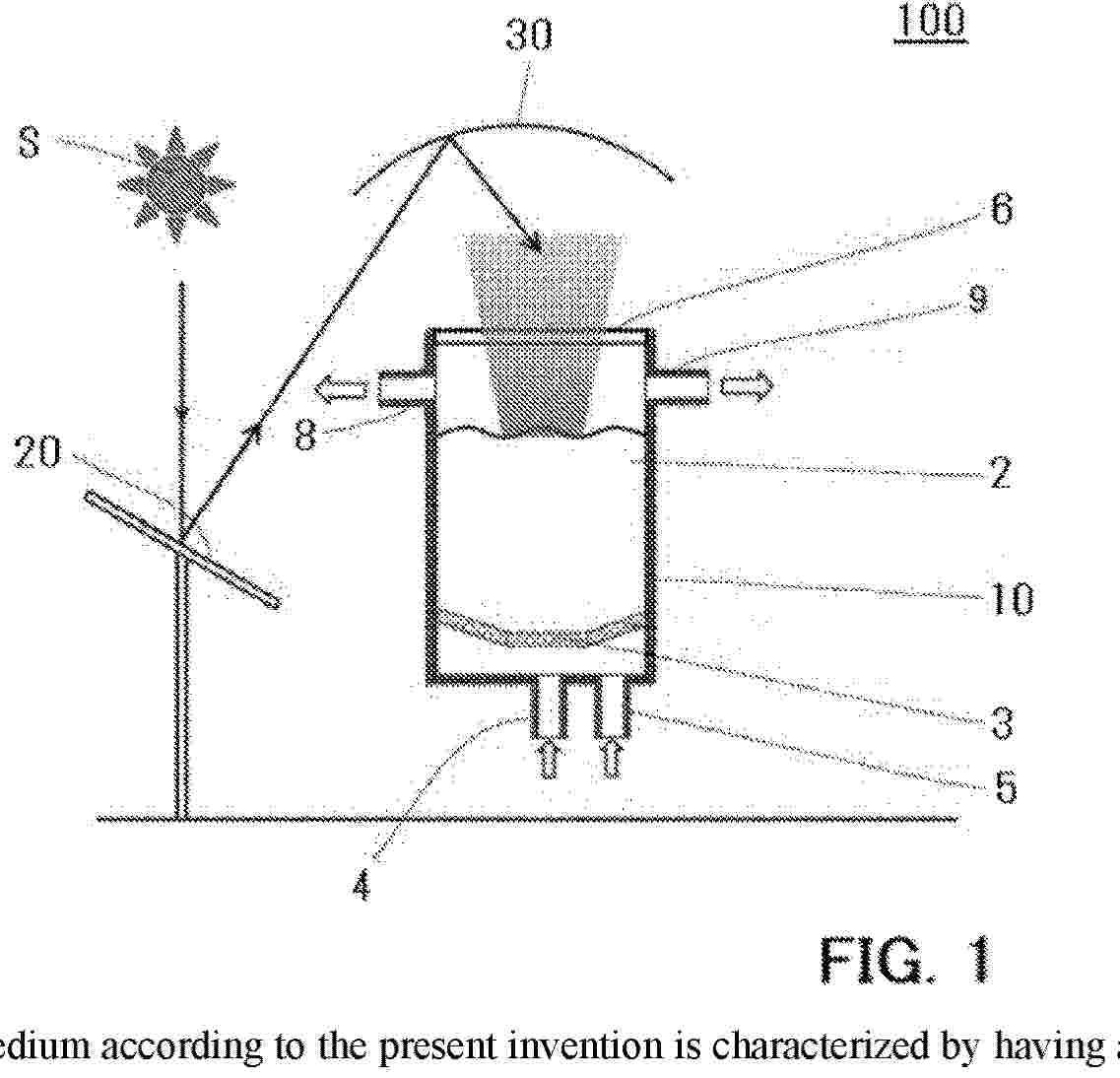
A reaction medium according to the present invention is characterized by having a chemical structure in which Mn is introduced into a composite iron oxide. It is preferable that this reaction medium is used in a method for producing hydrogen by thermally decomposing water. It is preferable that this reaction medium contains a composite metal oxide of Fe, Co, Ni, and Mn, contains a composite metal oxide of Fe, Ni, Mg, and Mn, or contains a composite metal oxide of Fe, Co, Mg, and Mn. A treatment method according to the present invention includes: a first step for thermally reducing the reaction medium; and a second step for bringing the thermally reduced reaction medium into contact with an object to be treated, thereby oxidizing the reaction medium and decomposing the object to be treated.
Resumen de: WO2026054416A1
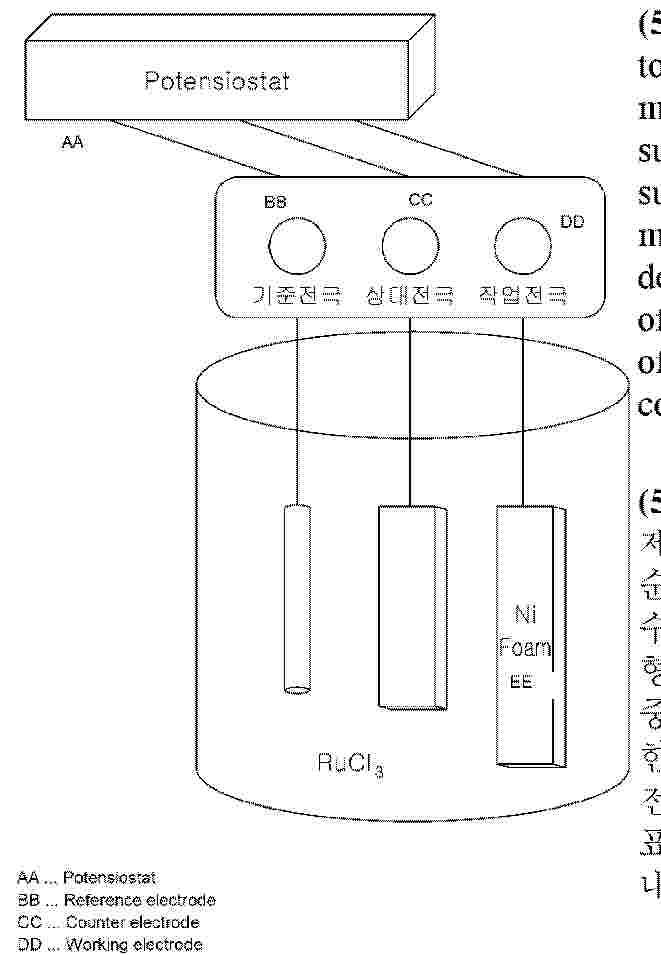
A method for producing a catalyst for ammonia decomposition according to an embodiment of the present invention comprises the steps of: preparing an aqueous metal precursor solution and a porous support; and forming a metal-support composite by supporting a metal of the aqueous metal precursor solution on the surface of the porous support using a cyclic voltametric electrodeposition method, wherein the content of the metal may be 0.3-3.0 wt% on the basis of the total weight of the catalyst for ammonia decomposition. A catalyst for ammonia decomposition according to another embodiment of the present invention comprises: a porous support; and a metal supported on the surface of the porous support using a cyclic voltametric electrodeposition method, wherein the content of the metal may be 0.3-3.0 wt% on the basis of the total weight of the catalyst.
Resumen de: WO2026054554A1
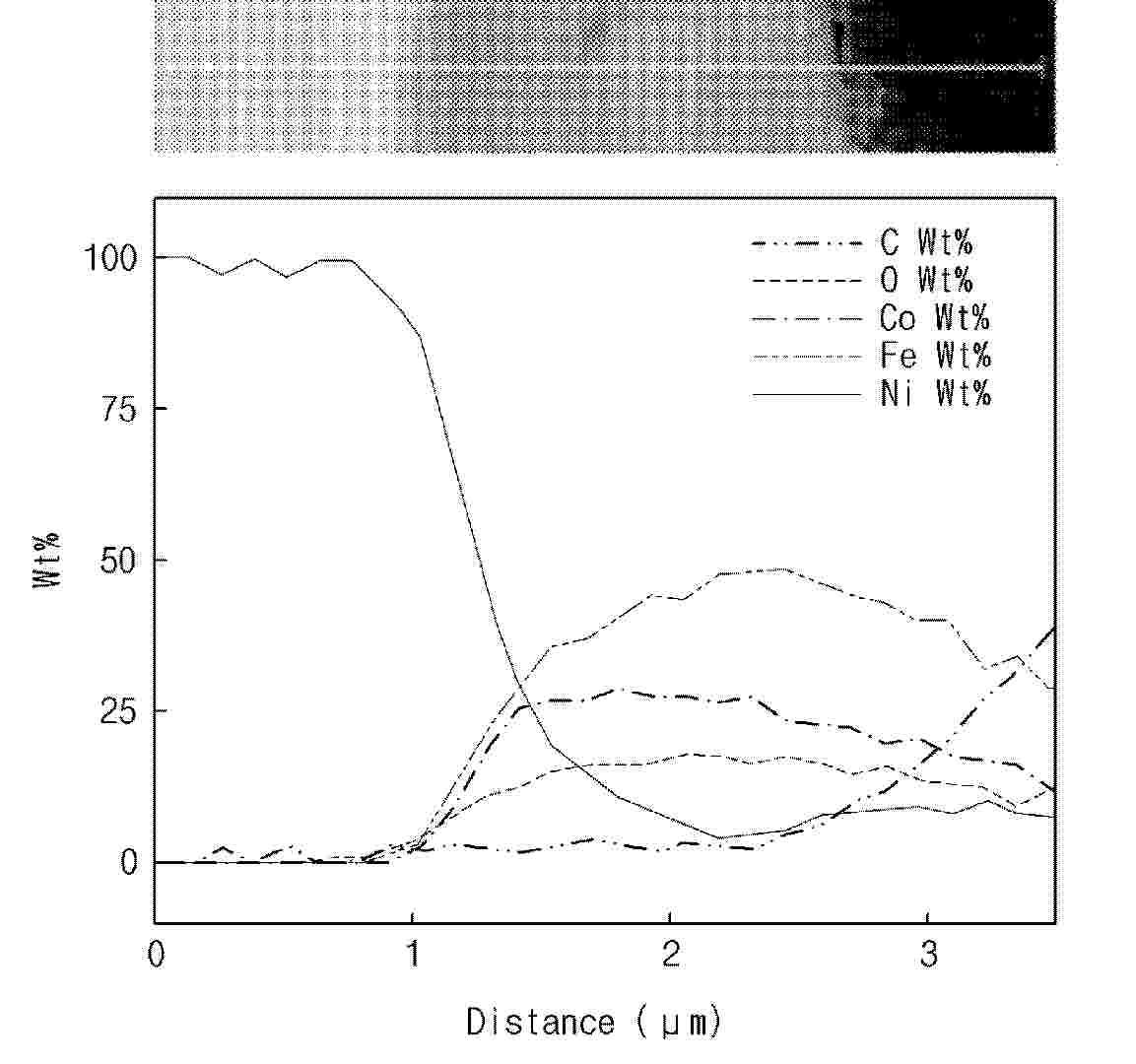
The present invention relates to an electrode for water electrolysis and a method for manufacturing same, the electrode comprising a metal substrate and a catalyst layer formed on at least one surface of the metal substrate, wherein the catalyst layer includes CoxFeyO4 (0≤x≤4, 0≤y≤3) and satisfies formula 1.
Resumen de: WO2026054154A1
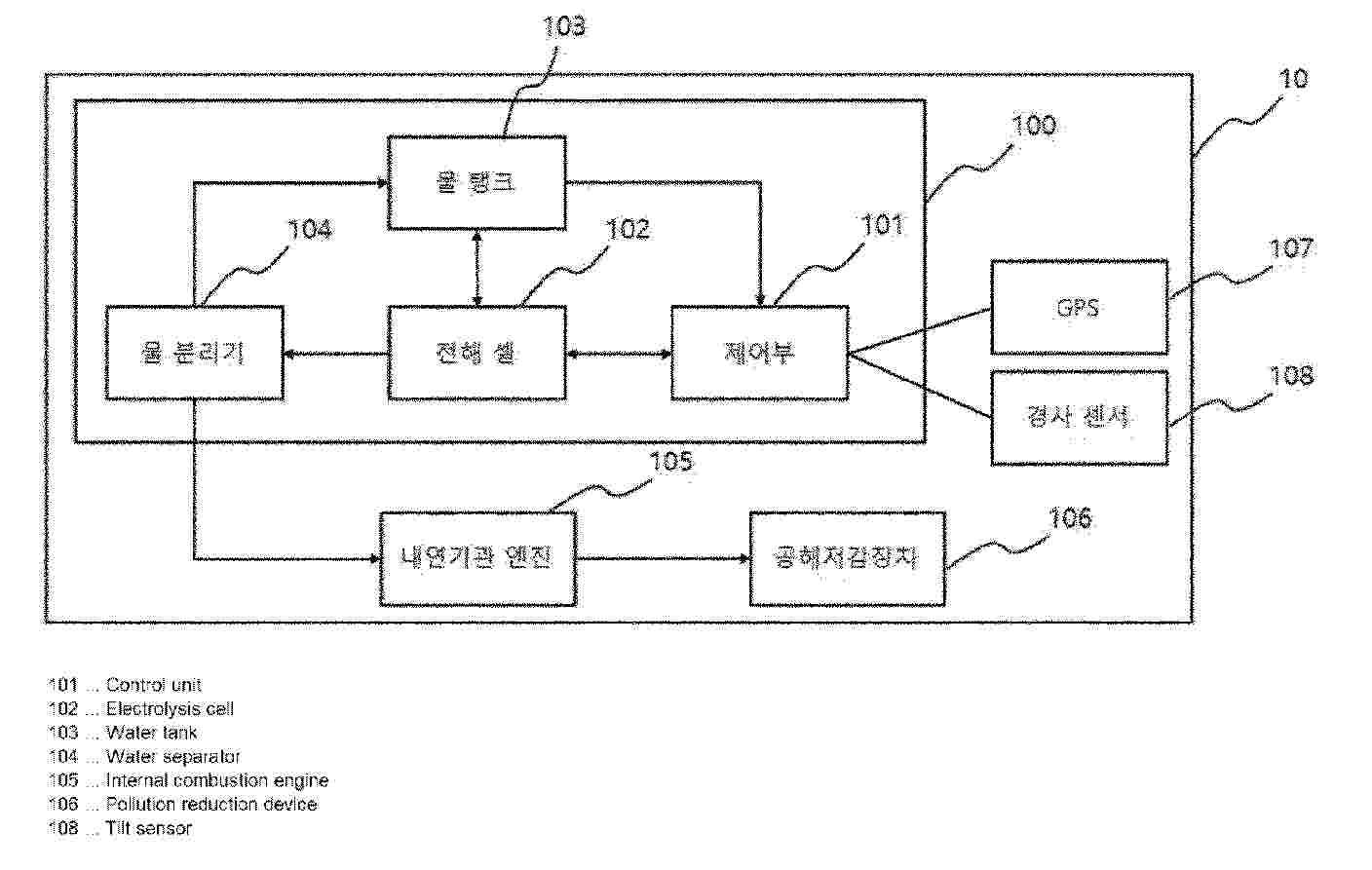
According to one embodiment, a vehicle hydrogen generator having a hydrogen generation amount adjustment device may comprise a PEM water electrolysis stack for generating hydrogen by electrolyzing water, wherein the PEM water electrolysis stack includes: a water tank for storing water for generating hydrogen through electrolysis; an electrolysis cell for generating hydrogen by electrolyzing the water provided from the water tank; a water separator which removes moisture contained in the hydrogen provided from the electrolysis cell and which provides the removed moisture to the water tank; and a control unit electrically connected to the electrolysis cell and the water tank.
Resumen de: WO2026053829A1
Provided is a device capable of producing high purity hydrogen gas. Provided is a method capable of producing high purity hydrogen gas. This hydrogen gas production device comprises a cathode, an anode disposed facing one side of the cathode, and a solid electrolyte member disposed between the cathode and the anode, the hydrogen gas production device being provided with a hydrogen gas recovery passage disposed on the other side of the cathode.
Resumen de: WO2026053545A1
This water splitting device produces hydrogen through irradiation with light and comprises: an electrolytic cell filled with an electrolyte solution and a water splitting cell immersed in the electrolyte solution. The water splitting cell has: a laminate in which an anode electrode, a hole transport layer, a perovskite battery layer, an electron transport layer, and a cathode electrode are stacked in this order; and an electrically insulating protective material that covers the outer periphery of the laminate. Two or more perovskite battery cells are connected in series in the perovskite battery layer.
Nº publicación: WO2026052984A1 12/03/2026
Solicitante:
COLICCHIA CARLOS ANTONIO [AR]
BOIZEAU ANTONY JOHN PRICE [CL]
COLICCHIA, Carlos Antonio,
BOIZEAU, Antony John Price
Resumen de: WO2026052984A1
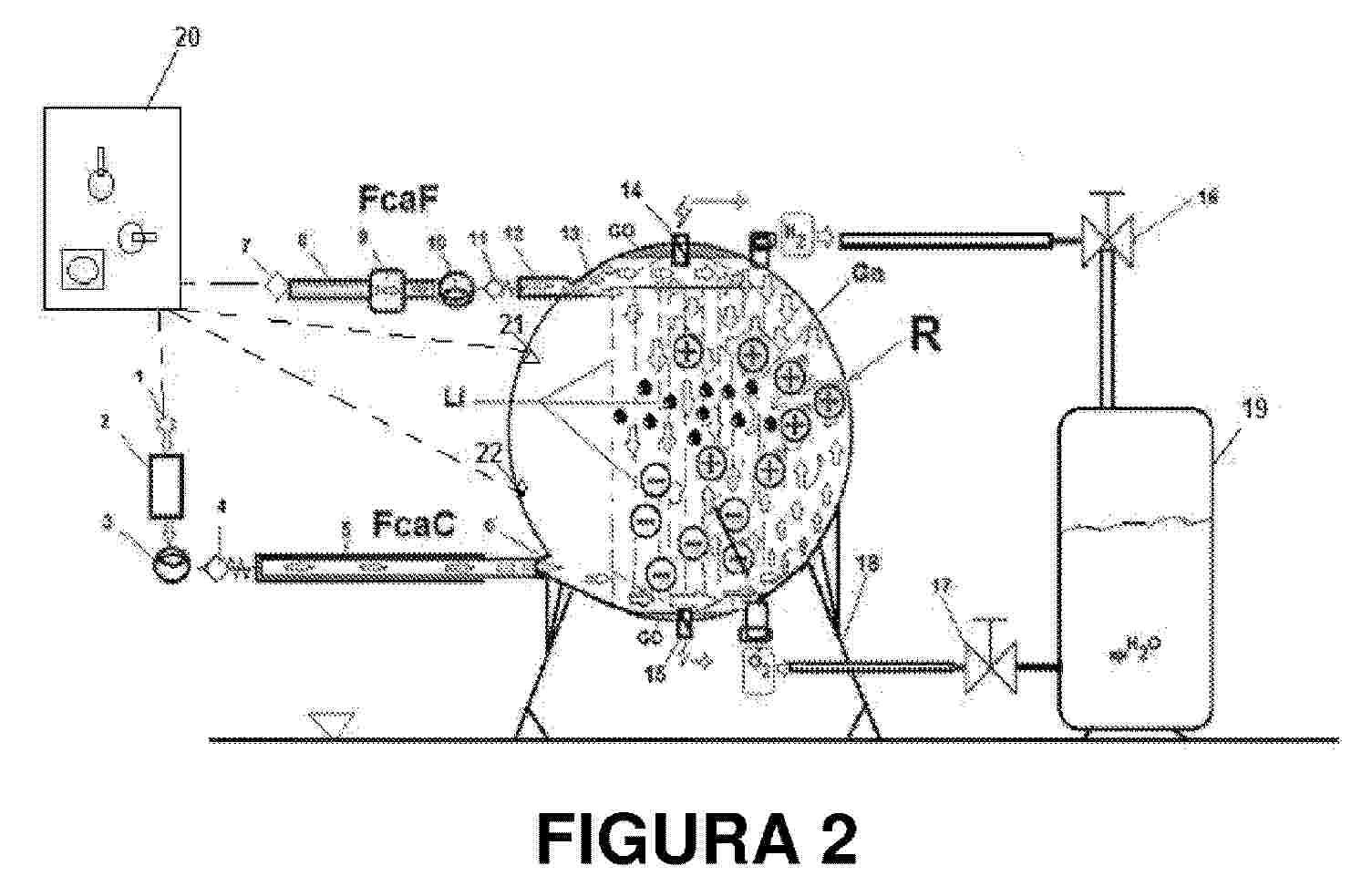
The present invention relates to a multipurpose generator for producing gaseous oxygen and hydrogen, water and electricity, comprising a spherical reactor with two external branches of operatively connected components, namely a warm air flow branch and a cold air flow branch. The warm air flow branch contains: a water inlet connected to a vaporiser associated with a water vapour fan device having a non-return valve that channels said flow to a water vapour intake pipe connected to a diffuser. The cold air flow branch comprises: a cold air mass inlet connected to a cold air circulation intake pipe associated with a cooler in turn coupled to a cold air fan having a non-return valve that channels said flow to a pipe connected to a fluid inlet diffuser distributing the cold air mass to the reactor. The invention also comprises two radially opposite electrical connectors.
 BOPI
BOPI
 Sede Electrónica