Si deseas distinguir tus productos, servicios o ambos de los de otra empresa, es posible que necesites una marca o nombre comercial. Descubre qué son, en qué consiste su procedimiento de registro y qué implica.

Información sobre los plazos de presentación de solicitudes de transformación de marcas de la Unión Europea en marca nacional española. Más información


Si tienes un nuevo dispositivo, producto o procedimiento que resuelva un problema técnico o tenga una ventaja práctica, existen distintas formas de protegerlo en España y en otros países. Descubre cómo hacerlo.

¿Tu innovación reside en la estética, la ornamentación o la apariencia de tu producto? Protégela mediante un diseño industrial. Descubre qué derechos confiere el registro y cómo realizar la tramitación.

Las indicaciones geográficas protegen el nombre de un producto originario de una zona geográfica, a la cual le debe una determinada calidad, reputación u otra característica. Descubre qué son, en qué consiste su procedimiento de registro y qué beneficios conceden.

Las patentes publicadas en todo el mundo son una valiosa fuente de información científica, técnica y comercial.

Si eres emprendedor/a o una empresa y quieres potenciar y mejorar la rentabilidad de tu negocio protegiendo de forma adecuada los activos intangibles de tu organización, en este espacio encontrarás lo necesario.


 937
resultados
937
resultados
 Última actualización
05/04/2026 [07:02:00]
Última actualización
05/04/2026 [07:02:00]


 Resultados 725 a 750 de 937

Resumen de: AU2024304508A1
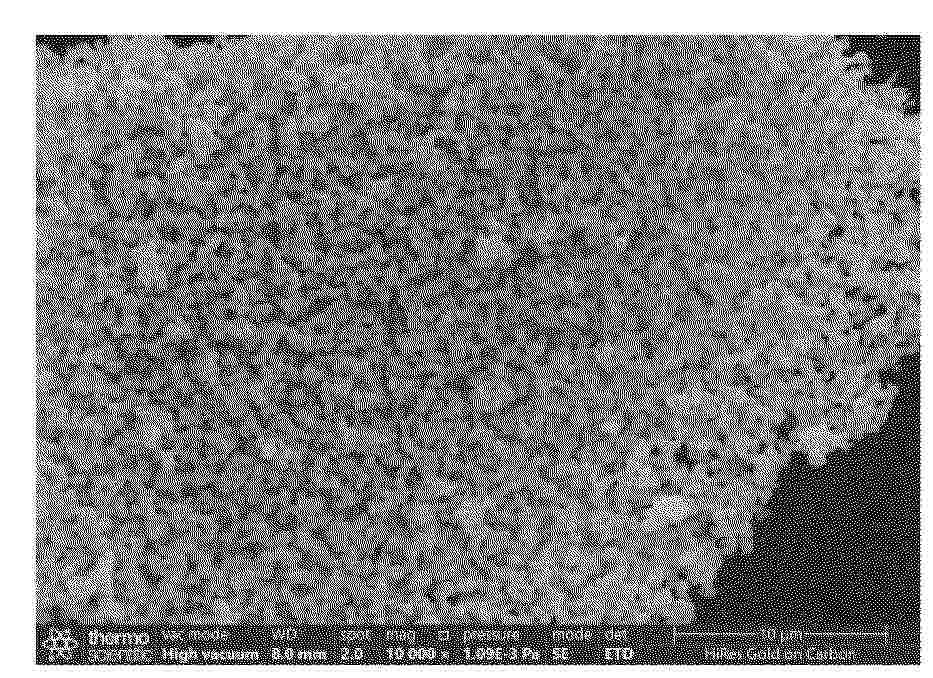
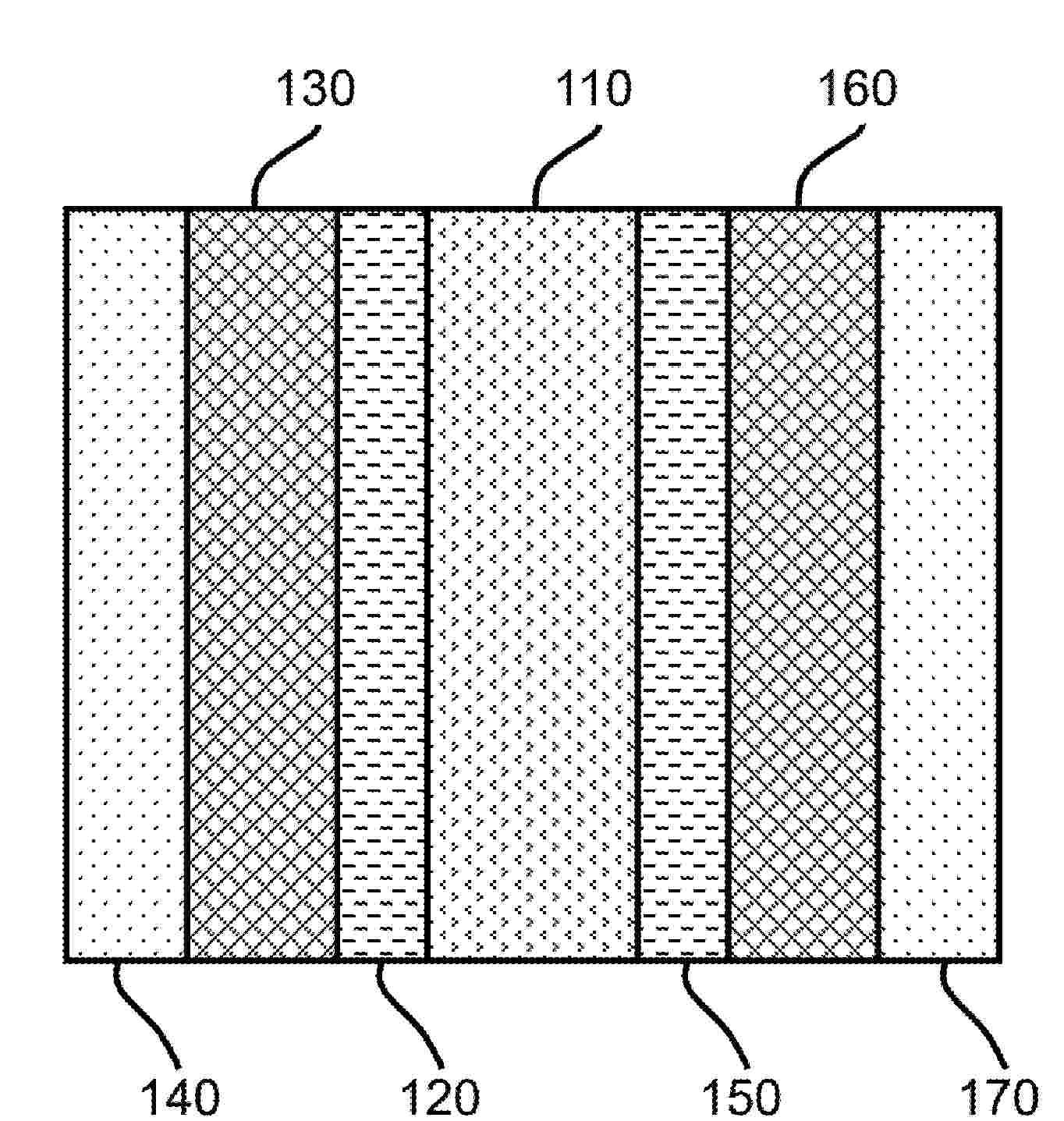
According to the invention, electrodes are arranged on two opposite surfaces of a separator. Each electrode consists of an open-pore metal structure, in particular a metal foam made of at least one of the chemical elements Ni, Al, Mo, Fe, Mn, Co, Zn, La, Ce, or an alloy of at least two of said chemical elements or an intermetallic compound of at least two of said chemical elements. A continuously decreasing catalytic activity is provided from the surface facing a separator or the respective other electrode of each electrochemical cell to the opposite surface of the respective electrode, and/or a continuously increasing porosity and/or pore size and/or a continuously decreasing specific surface area is provided from the surface facing a separator or the respective other electrode of each electrochemical cell to the opposite surface of the respective electrode.

Resumen de: CN121519103A
本发明涉及一种氮硫共掺杂碳包覆CoS2析氧电催化材料及其制备方法,属于电催化材料技术领域,包括以下步骤:取钴盐溶液与钴氰化钾溶液反应制得钴氰化钴前驱体;在惰性气氛下,对钴氰化钴前驱体进行高温热处理,得到中间产物;在惰性气氛下,以硫为硫源,对中间产物进行硫化处理,制得氮硫共掺杂碳包覆CoS2析氧电催化材料。本发明方法采用廉价的过渡金属化合物作为原料,具有制备工艺简单,容易控制,便于规模化生产等优势。采用本发明方法制得的氮硫共掺杂碳包覆CoS2析氧电催化材料在碱性条件下具有优异的析氧催化活性,且化学稳定性好。
Resumen de: US20260043153A1
Systems and methods are provided for water electrolysis. The system includes an electrolyte material configured for the exchange of anions, a first electrode including a nickel-cobalt-phosphorus-based compound, and a second electrode, wherein the first electrode and the second electrode are configured to exchange the anions through the electrolyte material.
Resumen de: WO2025051333A1
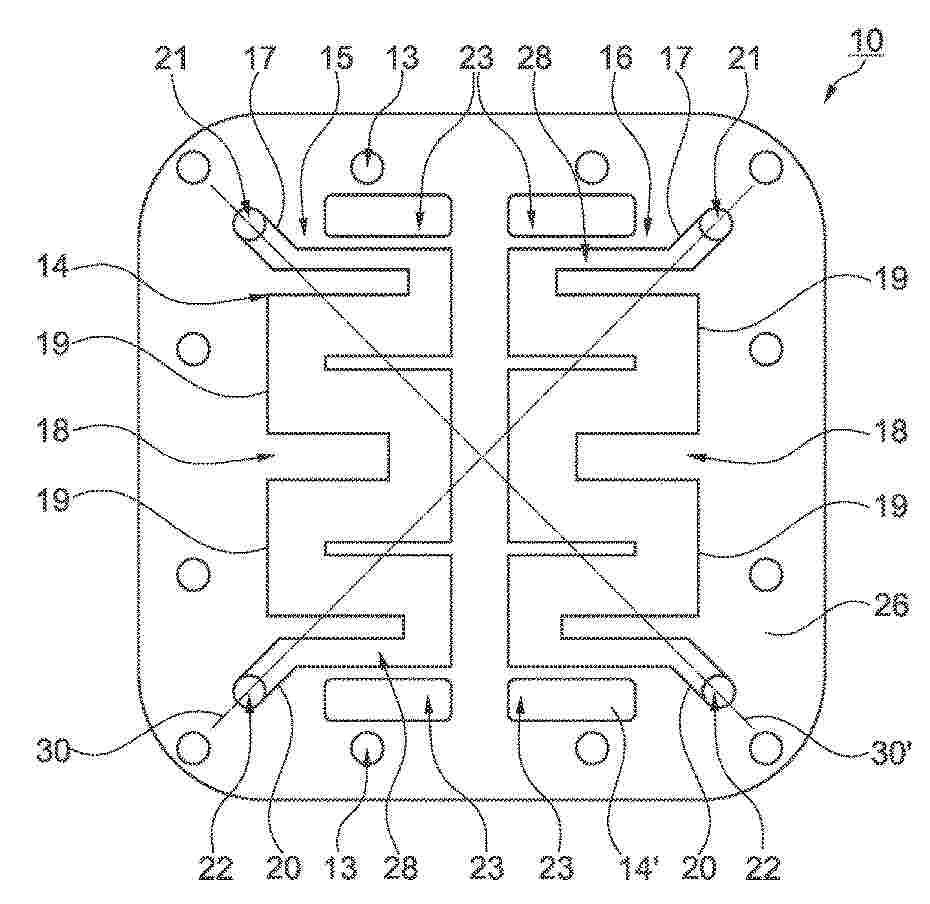
The invention relates to a plate-like element (10) of a cell stack (2) of an electrochemical system (1), having a first plate side (26), a second plate side (27), a plurality of openings (13, 21, 22, 23, 23') and a first structure (14) for forming a flow field for coolant and several further structures (14') for forming distributors for operating media on the first plate side (26). The structure (14) comprises a coolant conducting structure (15, 16) through which a first coolant path (15) and a second coolant path (16) arranged mirror-symmetrically thereto are formed, each of which have, starting from one of the openings (21), an elongate inflow portion (17), a centre portion (18) which starts from the inflow portion (17), fans out and describes at least one meandering bend (19), and an elongate outflow portion (20) which adjoins the centre potion (18) and is narrower than the centre portion (18). A longitudinal axis (30) of the inflow portion (17) of the first coolant path (15) matches a longitudinal axis (30) of the outflow portion (20) of the second coolant path (16), and a longitudinal axis (30') of the inflow portion (17) of the second coolant path (16) matches a longitudinal axis (30') of the outflow portion (20) of the first coolant path (15). The invention also relates to a cell stack (2) comprising a plurality of such plate-like elements (10) which are parallel to one another.
Resumen de: WO2026033097A1
The invention relates to the use of 3C-SiC microparticles having a carbon surface, for the solar-driven splitting of molecules.
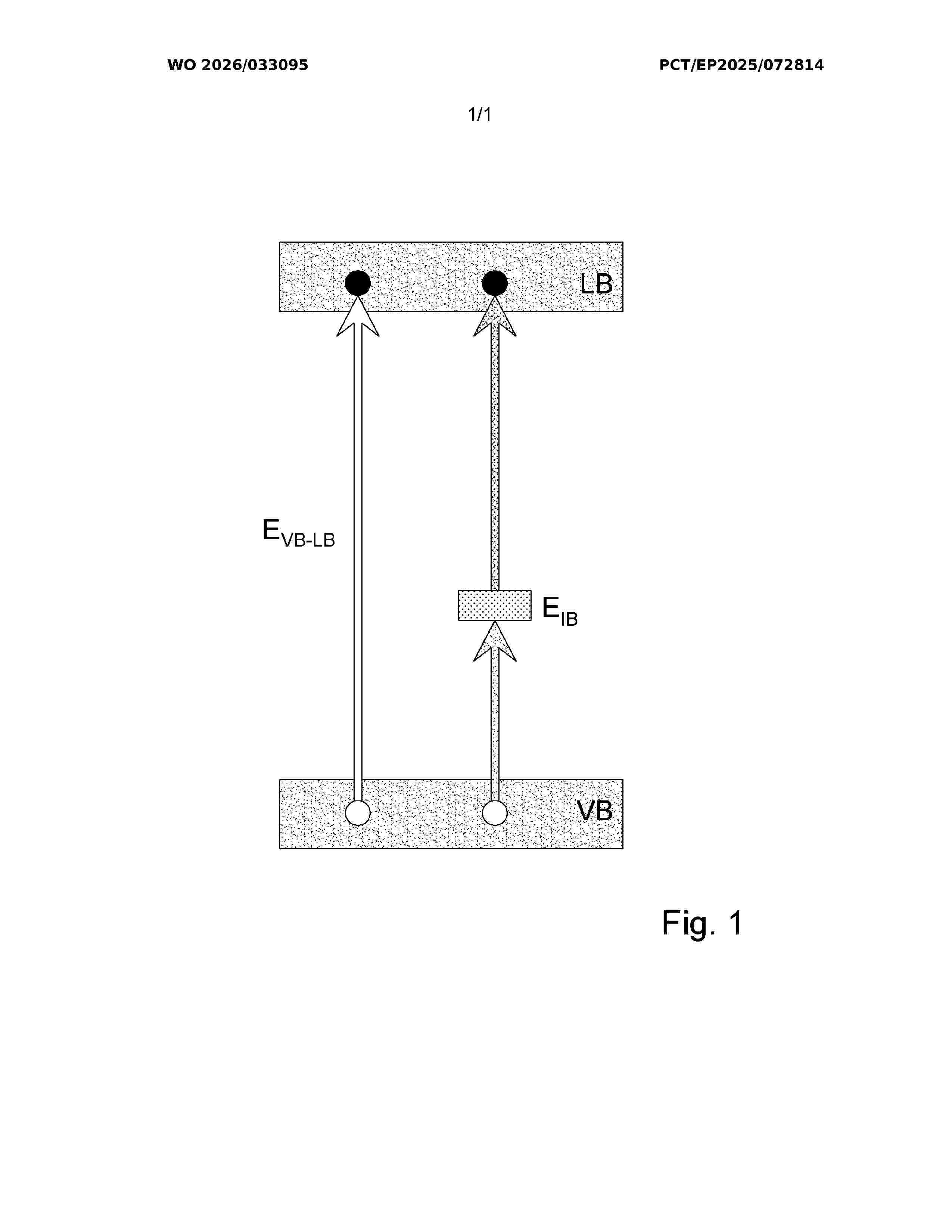
Resumen de: WO2026033095A1
The invention relates to the use of doped 3C-SiC microparticles for the solar-driven splitting of molecules.
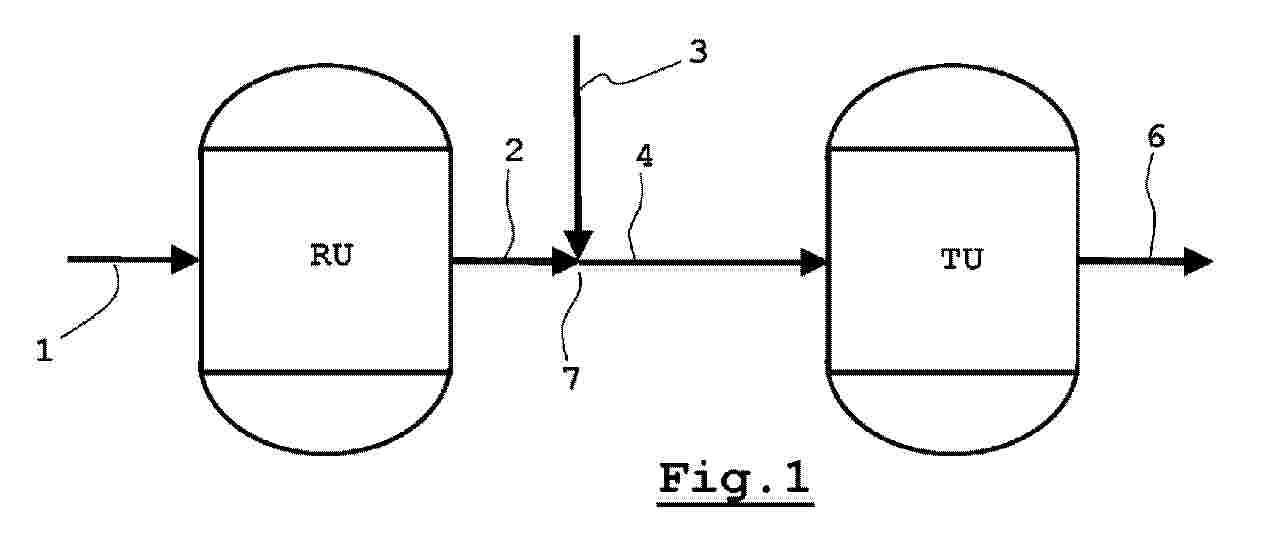
Resumen de: WO2026033405A1
A process and a related plant for decomposing ammonia and synthesizing a hydrogen-rich process stream by a direct cooling performed downstream of the decomposition reactor with a stream consists of, or essentially consists of, nitrogen and/or ammonia, where the decomposition of ammonia takes place in a thermal or autothermal chemical reactor.
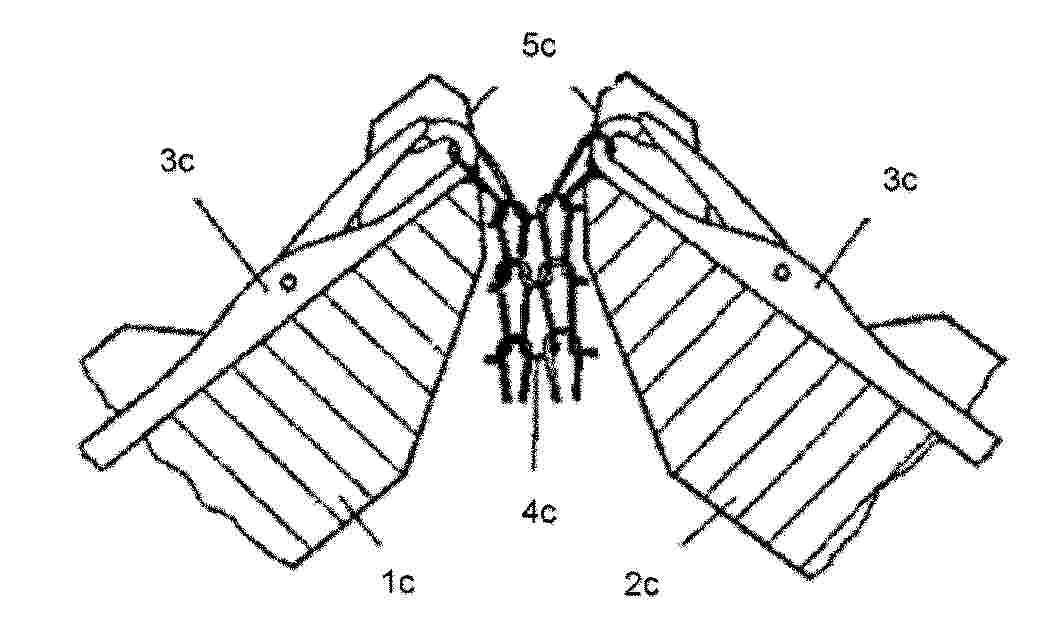
Resumen de: WO2026032903A1
The present invention relates to an electrode for the electrolysis of, in particular, alkaline water solutions. The electrode has a 3D-knitted metal structure in the form of a net. The metal is predominantly made of nickel. The invention also relates to a corresponding electrolysis cell and its use for the electrolysis of alkaline aqueous solutions.
Resumen de: WO2026032632A1
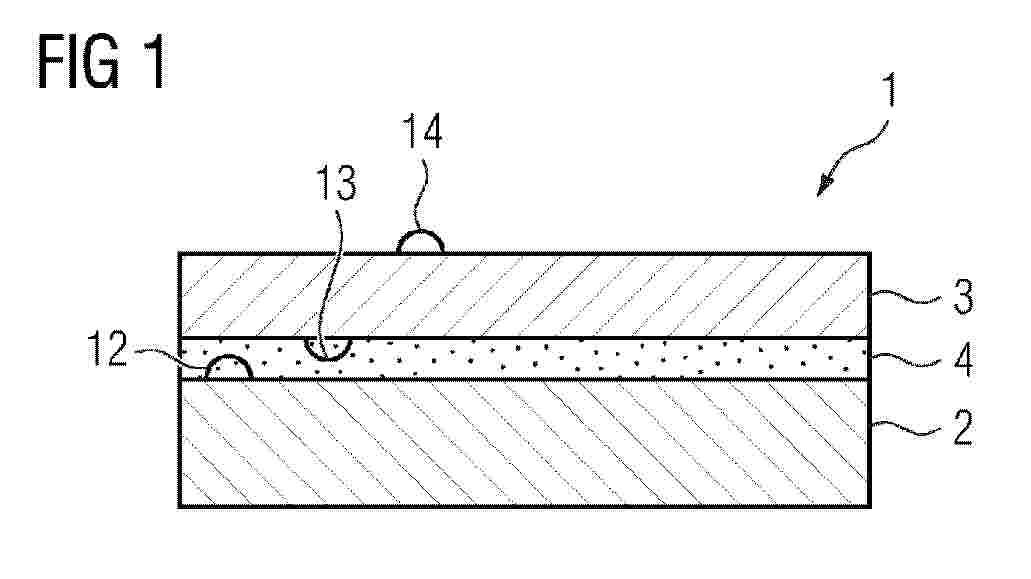
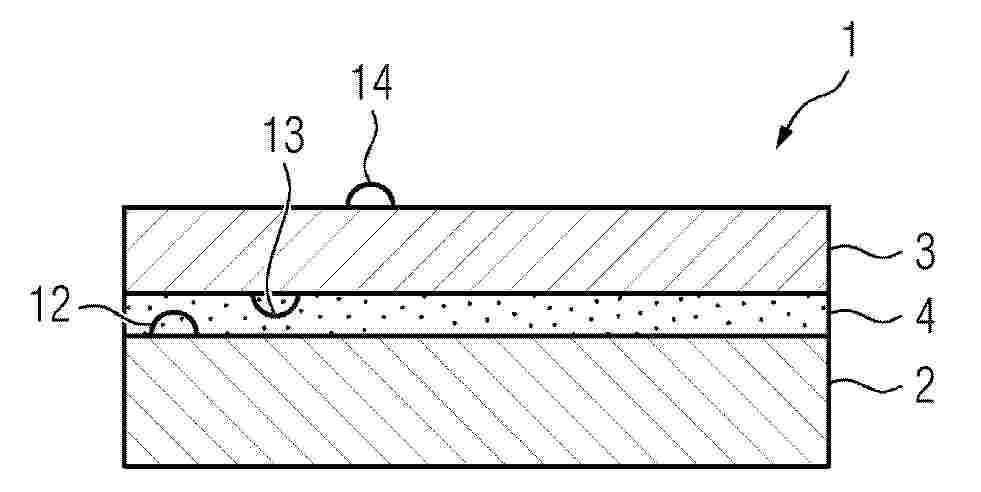
The invention relates to a fluid transport component (1) for an electrolyser, having a gas diffusion layer (2) which comprises a metal and is porous, and having a porous transport layer (3) which comprises a carbon paper and/or a carbon nonwoven, characterised in that the gas diffusion layer (2) is integrally bonded and electrically conductively connected to the porous transport layer (3). The invention additionally relates to a method for producing a fluid transport component (1) for an electrolyser, having the following steps: a) providing a gas diffusion layer (2) which comprises a metal and is porous; b) providing a porous transport layer (3) which comprises a carbon paper and/or a carbon nonwoven; and c) integrally bonding and electrically conductively connecting the gas diffusion layer (2) to the porous transport layer (3).
Resumen de: WO2026032578A1
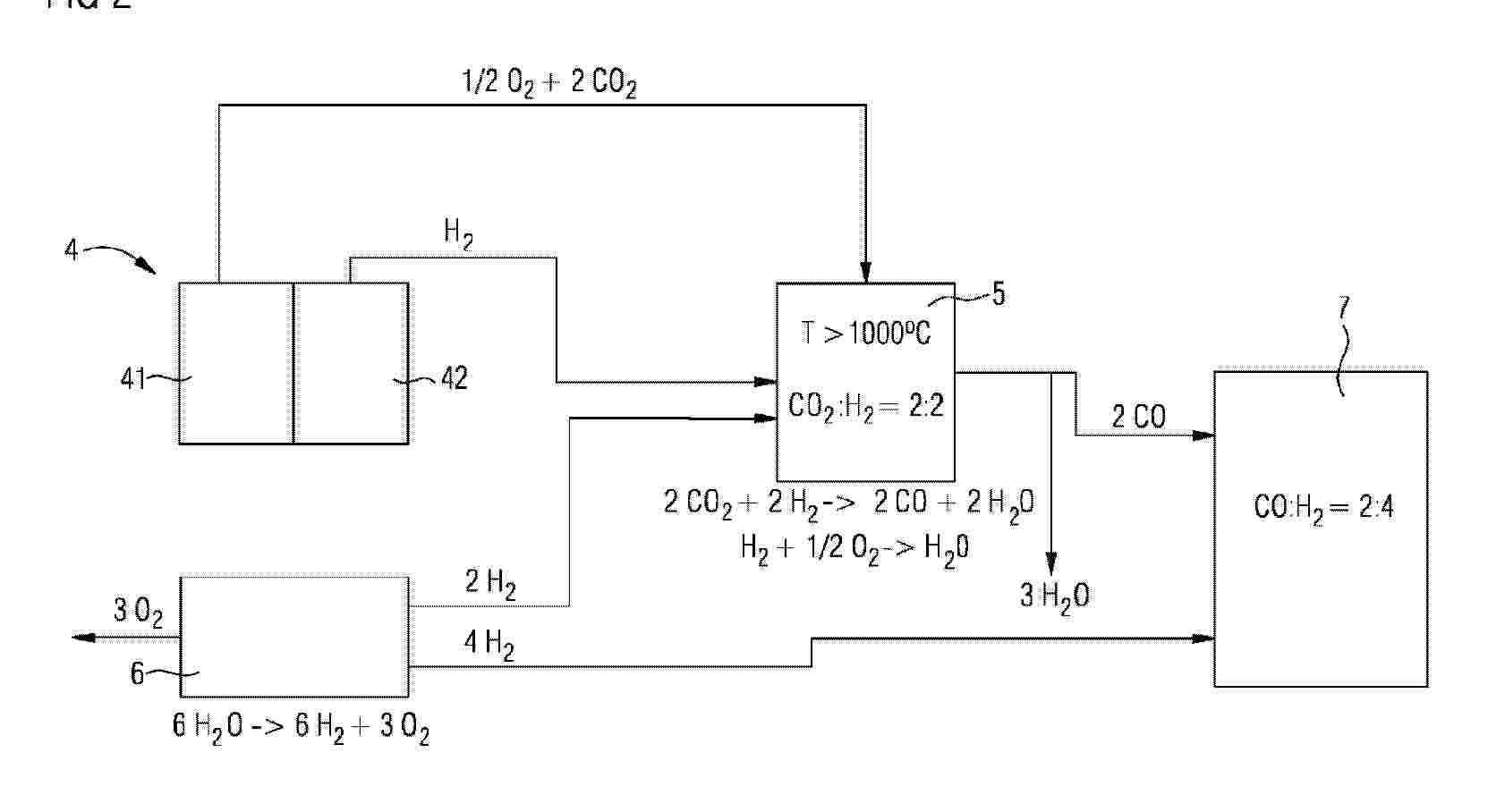
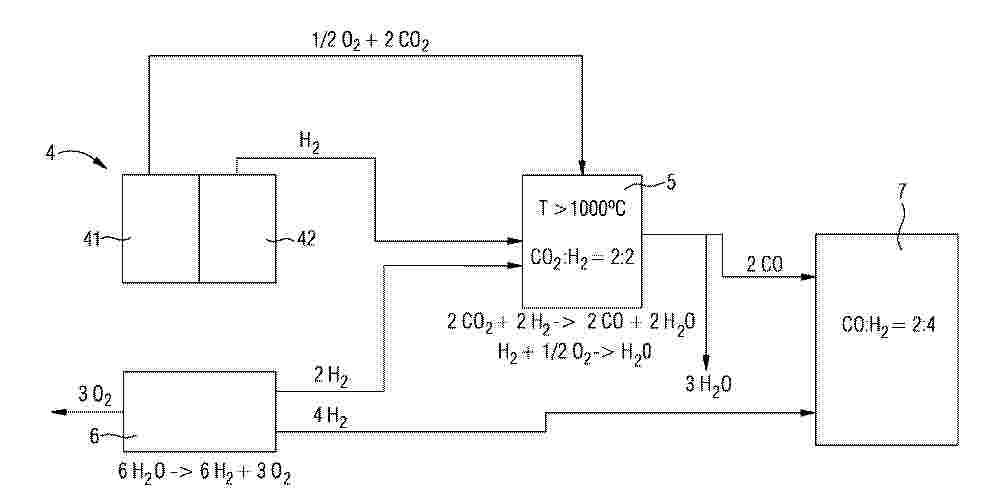
A method for producing carbon monoxide is specified. The method comprises electrochemical desorption of carbon dioxide and oxygen from a solution containing a metal hydrogen carbonate and forming carbon monoxide from the carbon dioxide. The carbon monoxide produced can be used in a method for forming syngas.
Resumen de: WO2026032565A1
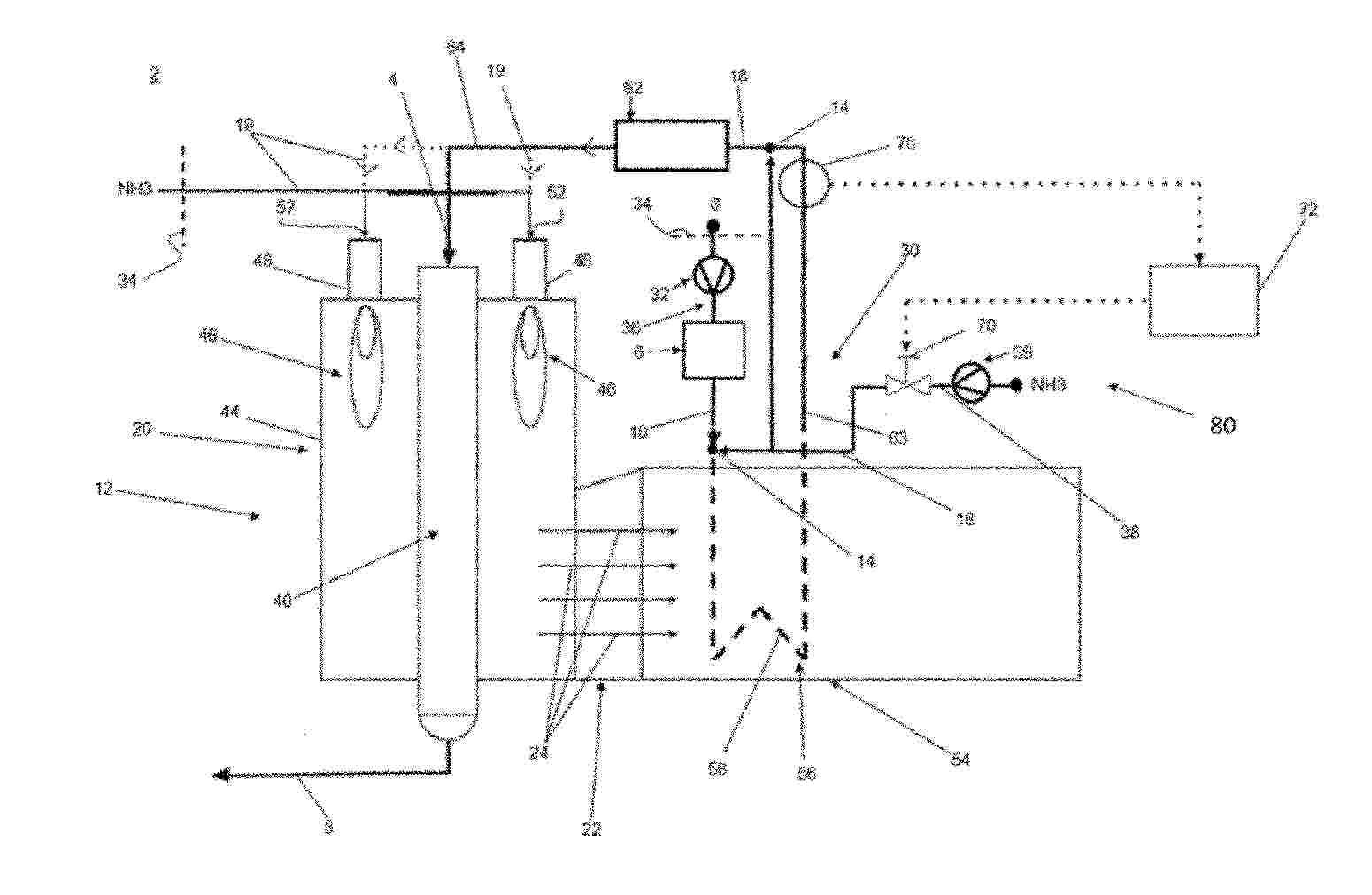
The invention relates to a process for producing a hydrogen product (3) from a feedstock stream (4), said process comprising the following steps: - providing an ammonia stream (8); - sending the ammonia stream (8) to a vaporizer (6) configured to receive said ammonia stream (8) and to vaporize said ammonia stream (8) so as to obtain a vaporized ammonia stream (10); and - controlling the temperature of the vaporized ammonia stream (10) by injecting a cooling medium (16) into the vaporized ammonia stream (10) thereby obtaining a temperature-controlled ammonia stream (18).
Resumen de: WO2026032563A1
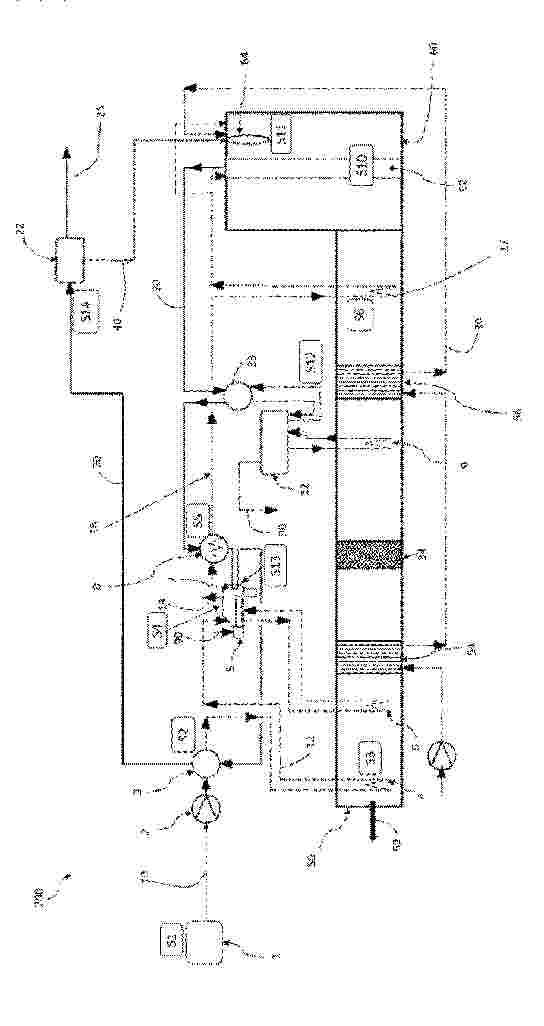
A process (100) for producing a hydrogen product (20) from a feedstock stream (10), the process (100) comprising the following steps: - performing a combustion of a fuel gas (S11) to bring a heat input to the process (100) thereby generating a flue gas (52), - pre-heating the ammonia stream (S3), said preheating being realized in a first heat exchanger (4) arranged to heat the ammonia stream by heat exchange with the flue gas, - sending the pre-heated ammonia stream (12) to a vaporizer (5) and vaporizing (S4) said pre-heated ammonia stream, - sending the vaporized ammonia (14) from said vaporizer (5) as said feedstock stream (S6) and/or sending the vaporized ammonia from said vaporizer as said fuel to said combustion (S11).
Resumen de: WO2026032554A1
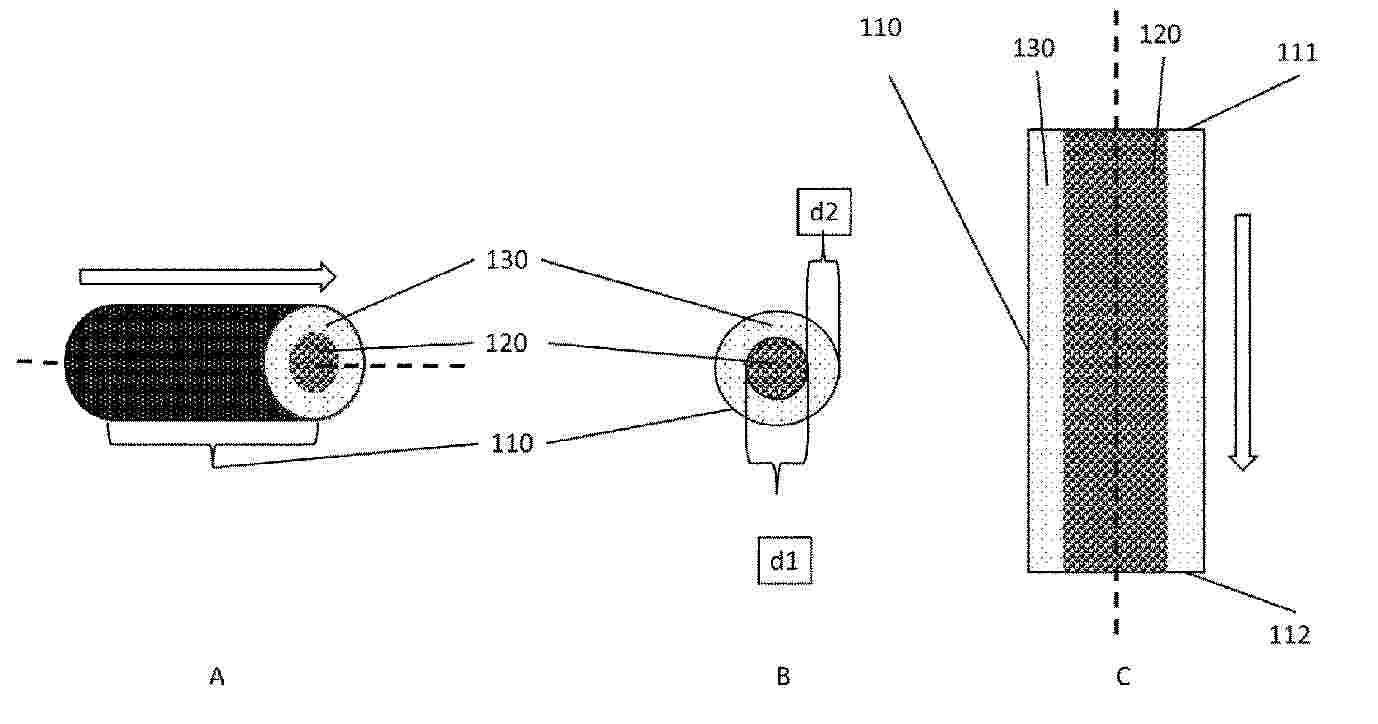
The invention relates to a catalyst system for cracking ammonia into hydrogen and nitrogen, comprising at least one tube having an axis extending centrally through the interior of the tube, wherein at least two coaxially arranged regions are formed in the tube in the form of a first region along the central axis and at least one further region surrounding the first region, and wherein the first region contains a first catalyst material and the at least one further region contains at least one further catalyst material, characterised in that a) the first catalyst material has at least one metal selected from the group consisting of noble metals and non-noble metals and b) the at least one further catalyst material has at least one non-noble metal. The first and the at least one further catalyst material are different.
Resumen de: DE102024122674A1
Es wird ein Verfahren zur Herstellung von Kohlenstoffmonoxid beschrieben. Das Verfahren umfasst die elektrochemische Desorption von Kohlenstoffdioxid und Sauerstoff aus einer ein Metallhydrogencarbonat enthaltenden Lösung und das Bilden von Kohlenstoffmonoxid aus dem Kohlenstoffdioxid. Das erzeugte Kohlenstoffmonoxid kann in einem Verfahren zur Bildung von Syngas verwendet werden.
Resumen de: DE102024207534A1
Die Erfindung betrifft ein Fluidtransportbauteil (1) für einen Elektrolyseur, mit einer Gasdiffusionslage (2), die ein Metall aufweist und porös ist, und einer porösen Transportschicht (3), die ein Kohlenstoffpapier und/oder einen Kohlenstoffvlies aufweist, dadurch gekennzeichnet, dass die Gasdiffusionslage (2) stoffschlüssig und elektrisch leitfähig mit der porösen Transportschicht (3) verbunden ist. Zudem betrifft die Erfindung ein Verfahren zum Herstellen eines Fluidtransportbauteils (1) für einen Elektrolyseur, mit den Schritten: a) Bereitstellen einer Gasdiffusionslage (2), die ein Metall aufweist und porös ist; b) Bereitstellen einer porösen Transportschicht (3), die ein Kohlenstoffpapier und/oder einen Kohlenstoffvlies aufweist; und c) stoffschlüssiges und elektrisch leitfähiges Verbinden der Gasdiffusionslage (2) mit der porösen Transportschicht (3).
Resumen de: WO2026035873A1
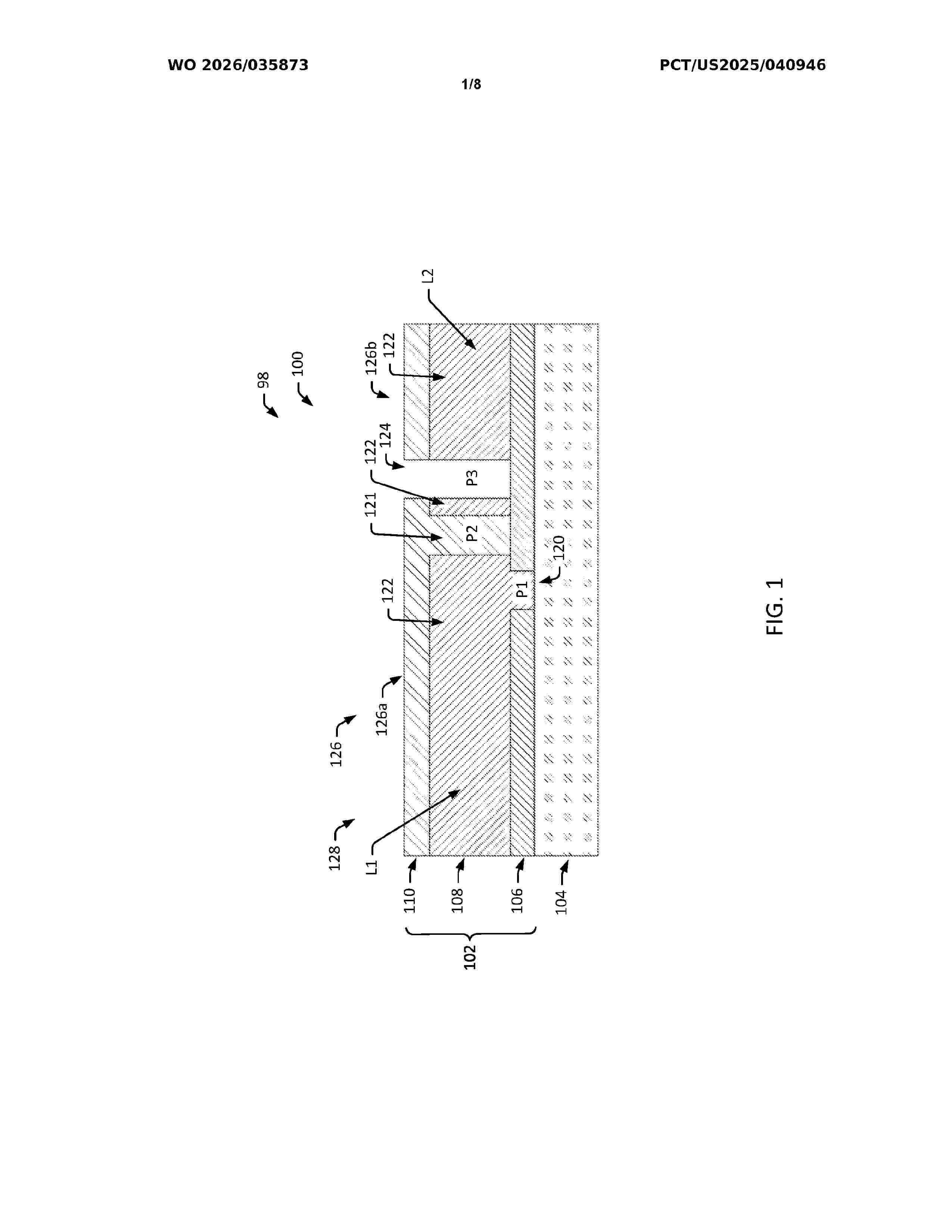
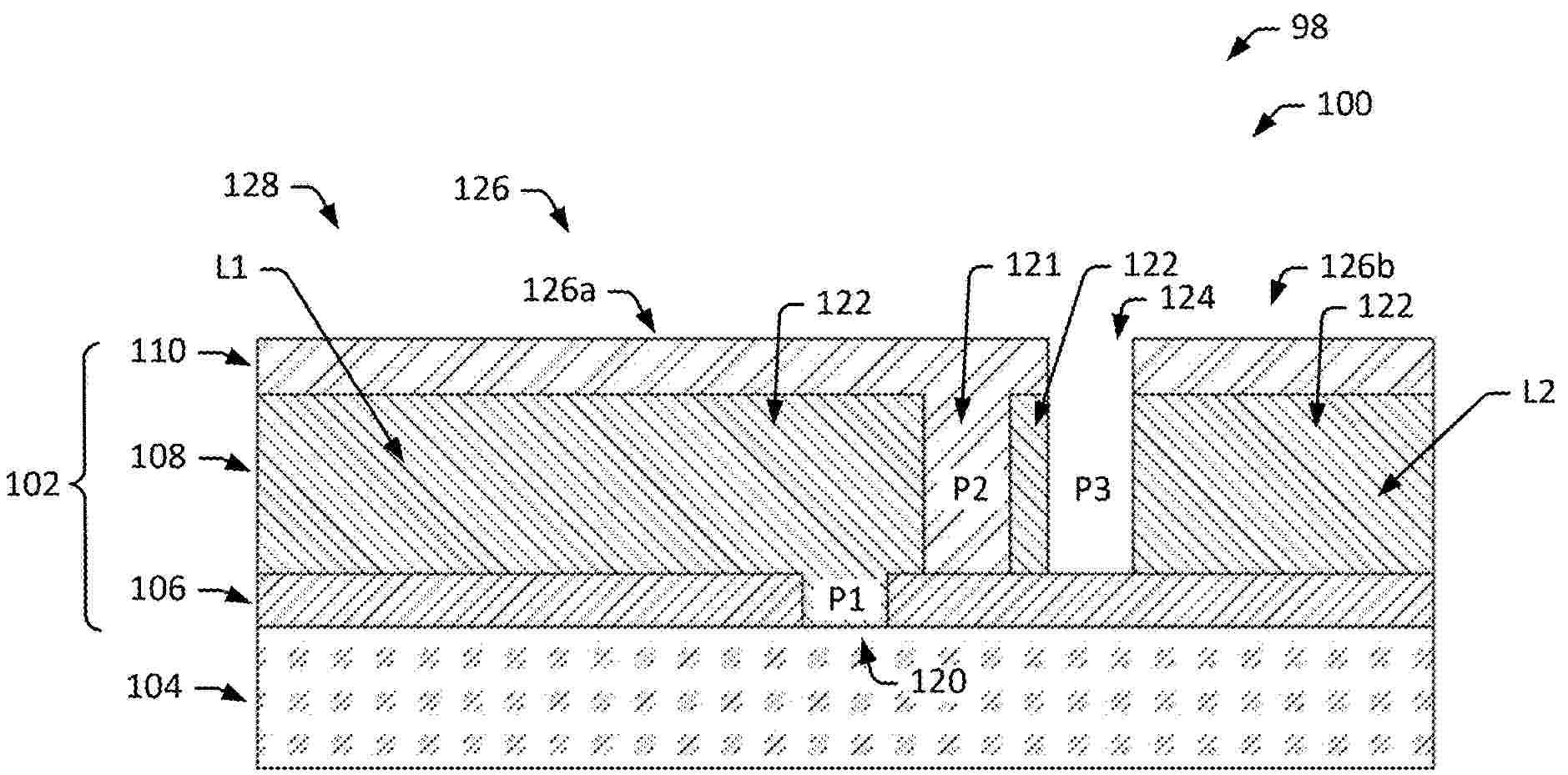
Techniques for water electrolysis employing: a glass substrate layer; a transparent conductive oxide (TCO) layer including TCO electrical disconnects formed in the TCO; a photovoltaic (PV) layer including PV electrical disconnects formed in the PV layer, portions of the PV layer extending into the TCO electrical disconnects; a metal back contact (MBC) layer including MBC electrical disconnects formed in the MBC layer, portions of the MBC layer extending into the PV electrical disconnects; an insulating layer including insulating voids formed in the insulating layer to expose anode and cathode portions of the MBC layer, portions of the insulating layer extending into the MBC electrical disconnects; a metal conductor layer adjacent the insulating layer and including a metal conductor extending into insulating voids to form metal conductors electrically coupled to the exposed anode and cathode portions; catalyst coatings on the metal conductors electrically coupled to the anode and cathode portions.
Resumen de: WO2026033985A1
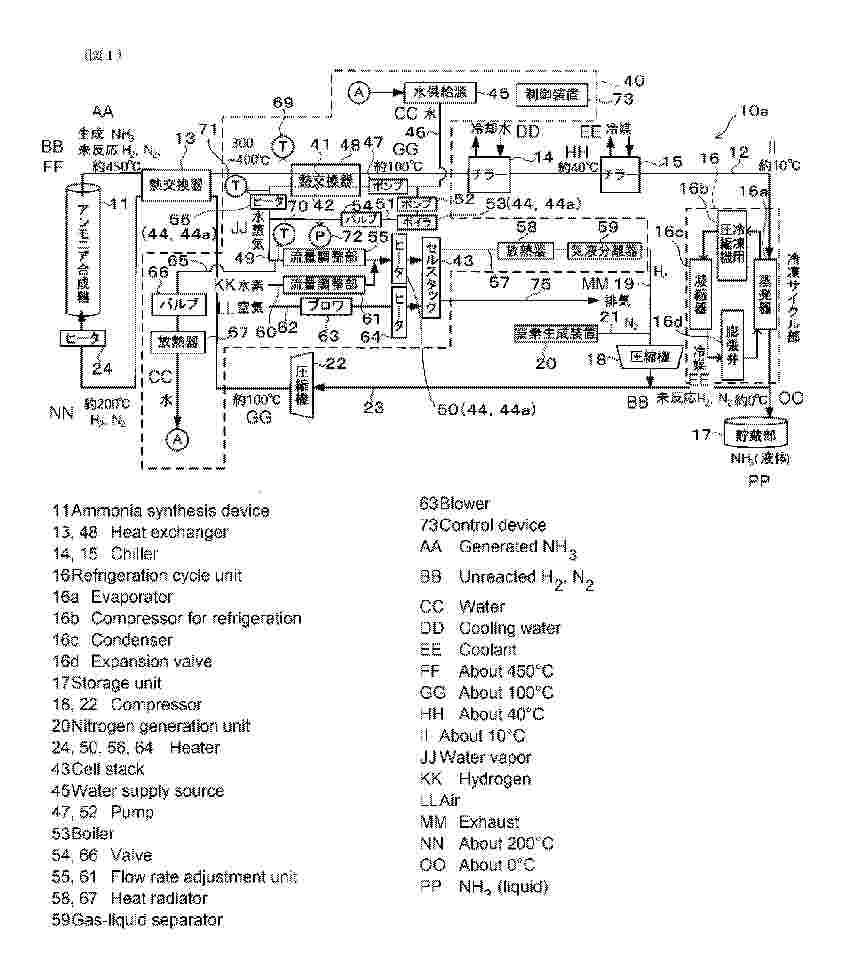
Provided is a hydrogen production system (40) which comprises: an exhaust heat reception unit (41) that receives exhaust heat generated by an external exhaust heat source (11); a water vapor generation unit (42) that generates water vapor by heating water by means of the exhaust heat received by the exhaust heat reception unit (41); a cell stack (43) that electrolyzes the water vapor generated by the water vapor generation unit (42) so as to generate hydrogen; and a replenishment unit (44) that, when the amount of exhaust heat is insufficient with respect to the amount necessary for generating the required amount of water vapor, replenishes water, water vapor, or the water vapor generation unit (42) with heat, or replenishes the cell stack (43) with water vapor from an external water vapor supply source (95).
Resumen de: WO2026035442A1
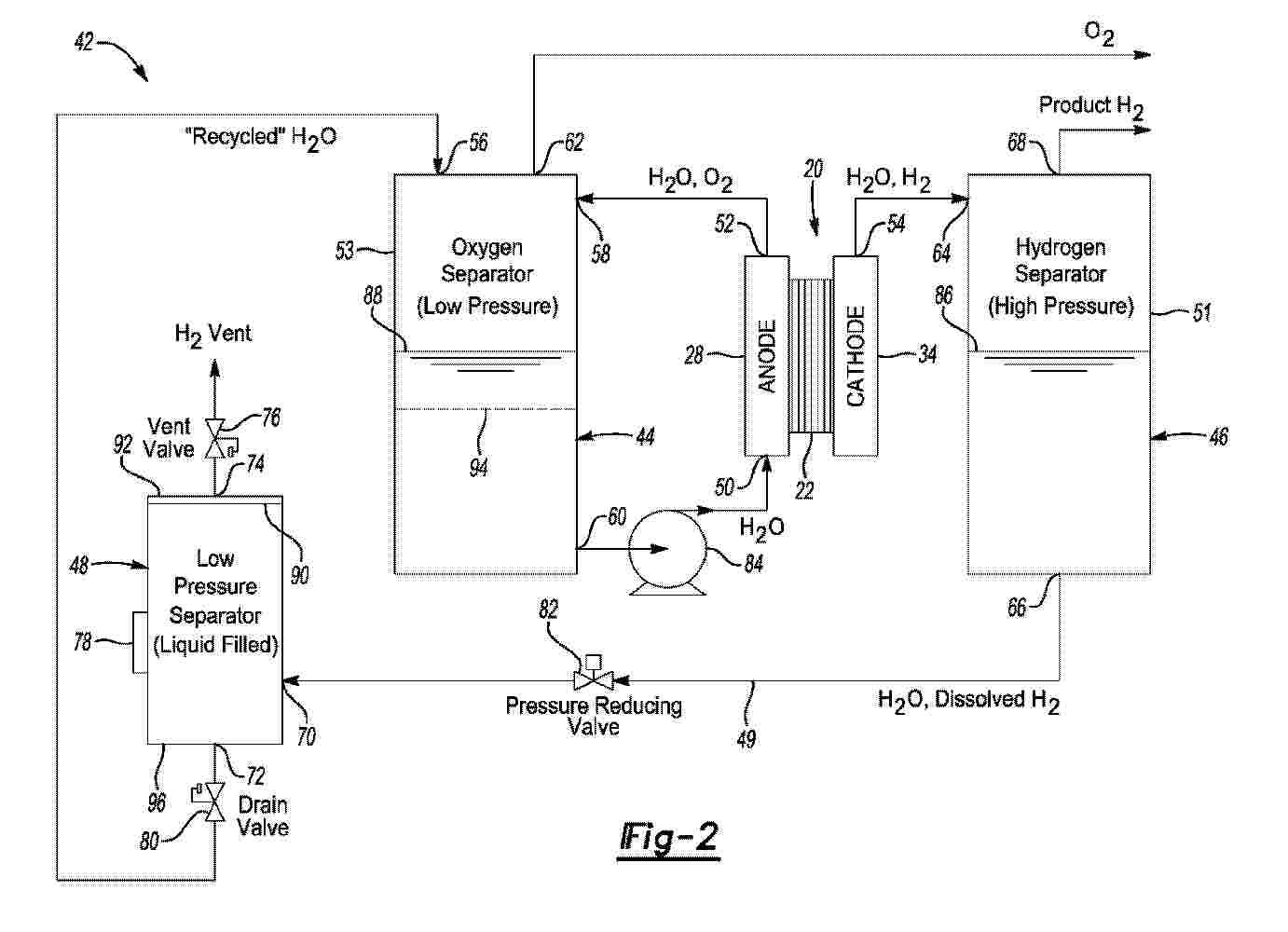
A system includes at least one electrochemical device including a proton exchange membrane situated between an anode and a cathode. An oxygen separator is fluidly connected to an inlet to the anode and a hydrogen separator is fluidly connected to an outlet from the cathode. A separator tank fluidly interconnects an outlet from the hydrogen separator to an inlet to the oxygen separator.
Resumen de: WO2026034682A1
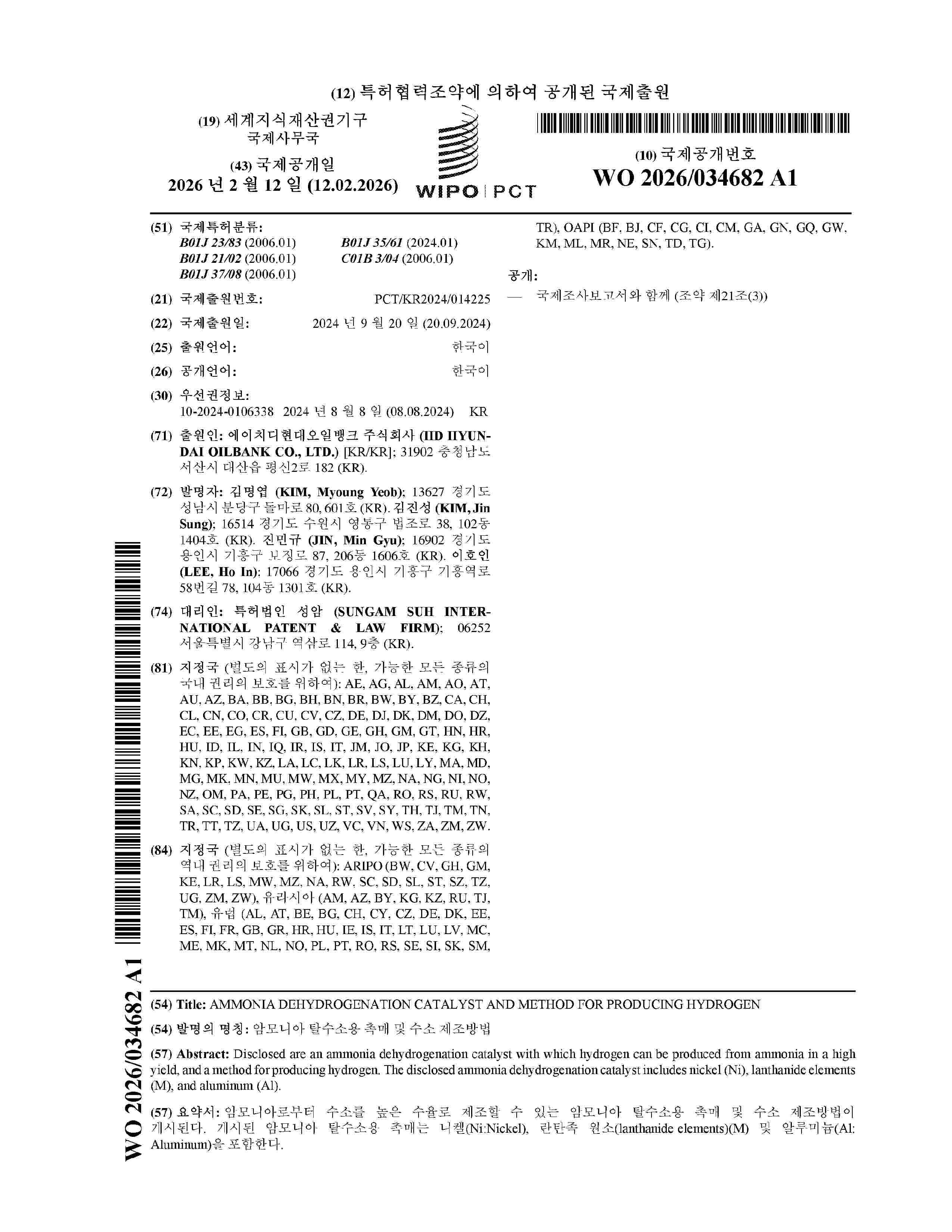
Disclosed are an ammonia dehydrogenation catalyst with which hydrogen can be produced from ammonia in a high yield, and a method for producing hydrogen. The disclosed ammonia dehydrogenation catalyst includes nickel (Ni), lanthanide elements (M), and aluminum (Al).
Resumen de: WO2026034402A1
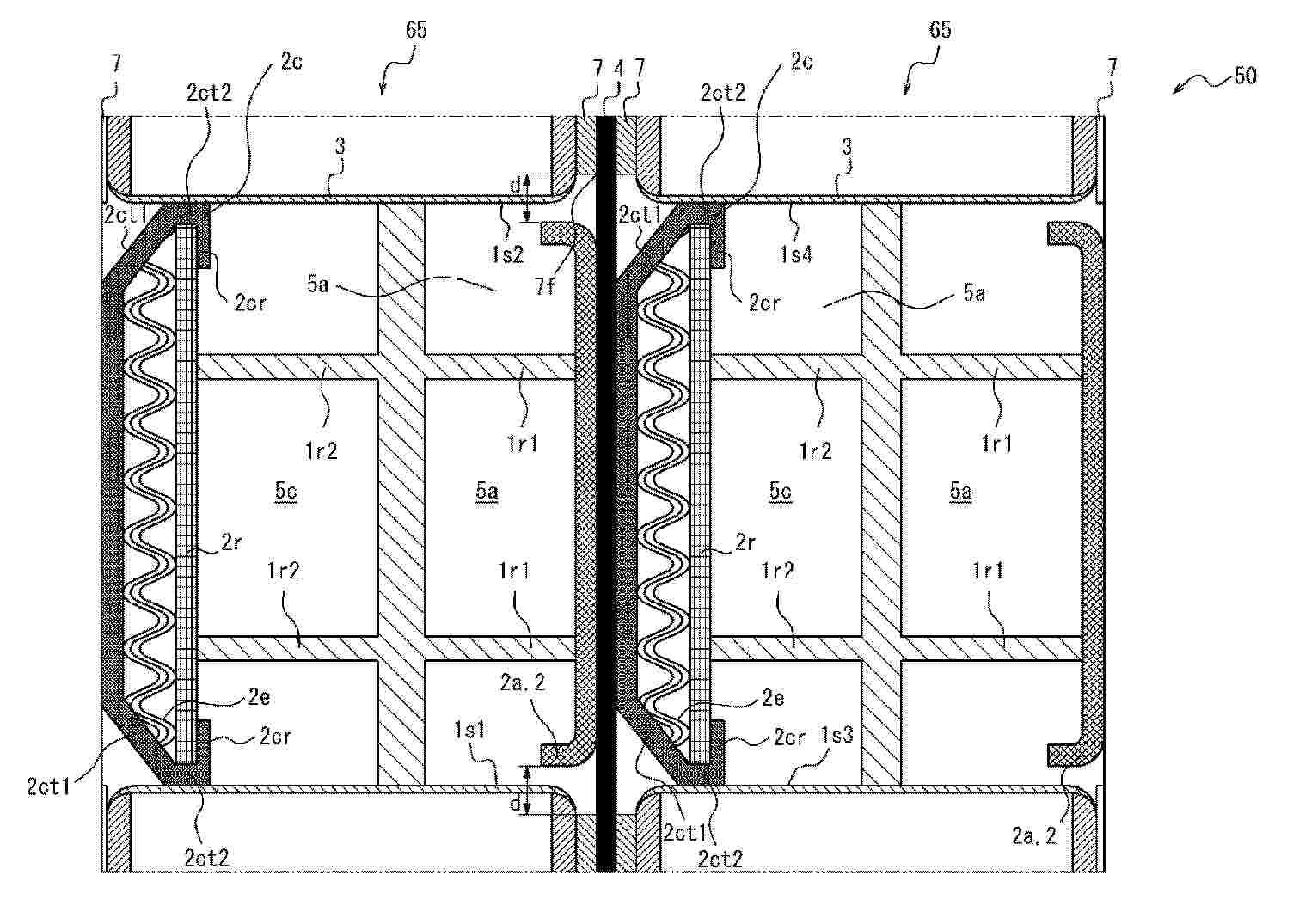
This electrolytic cell comprises an element provided with: an anode chamber provided with an anode; a cathode chamber provided with a cathode; a conductive partition wall provided between the anode chamber and the cathode chamber; and an outer frame that borders the conductive partition wall. The electrolytic cell is stacked with a gasket and a diaphragm interposed between cells. Sealing of an electrolytic solution is achieved by applying surface pressure between the gasket and the diaphragm and between the gasket and the outer frame. The contact ratio between the diaphragm and a first electrode, which is at least one of the anode and the cathode, is 15%-60%, and a region in which the local stress between the diaphragm and the first electrode is 0.1 MPa or more is 5% or less.
Resumen de: US20260043158A1
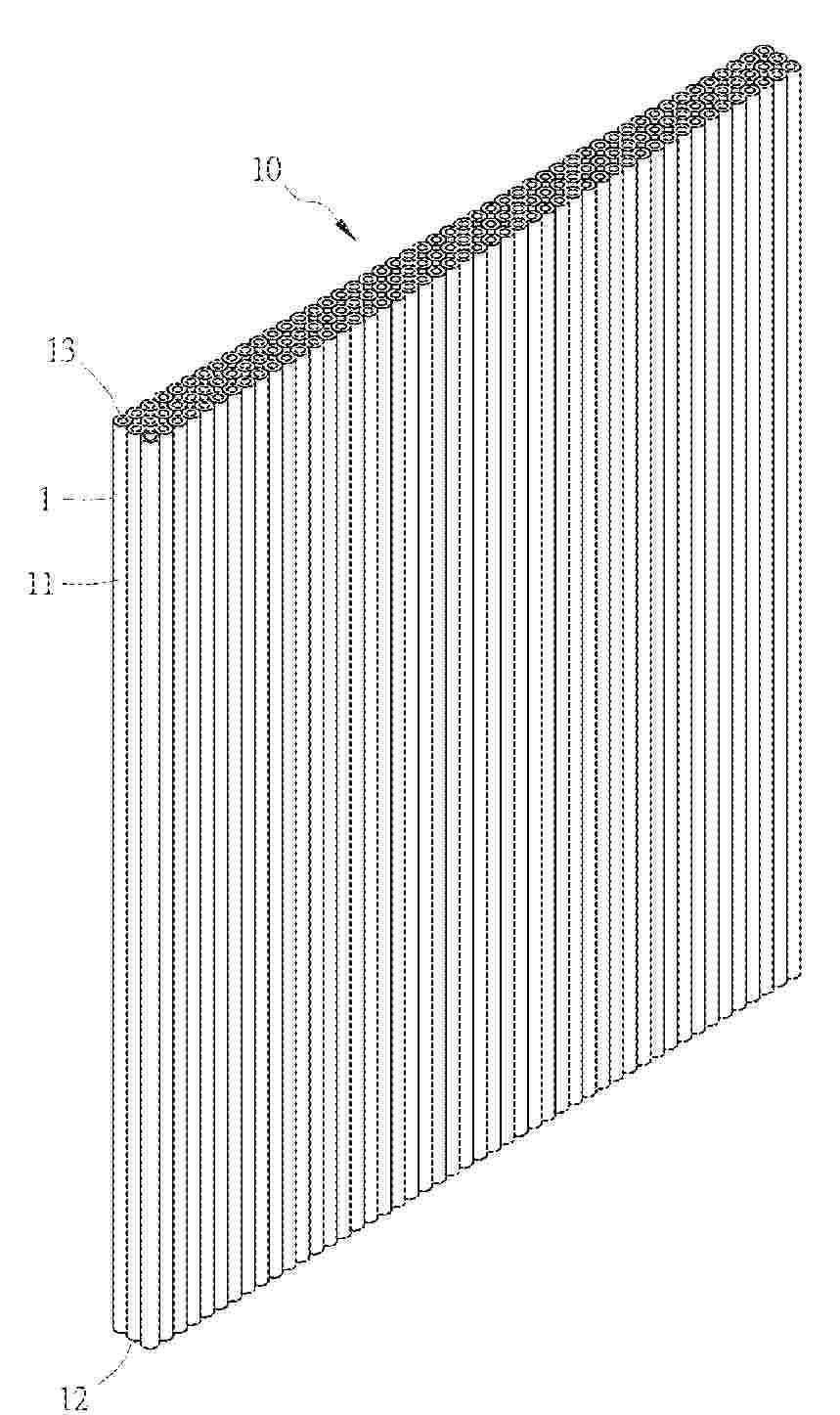
An electrolytic cell and an anion-exchange conductive hollow fiber tube matrix thereof are disclosed. The anion-exchange conductive hollow fiber tube matrix includes a plurality of conductive hollow fiber tubes arranged adjacent to each other in a matrix. The conductive hollow fiber tubes each have a diffusion surface and two opposite ends defined as an inlet and an outlet. An anode and a cathode of the electrolytic cell are disposed adjacent to the diffusion surface. Water in an electrolysis tank flows into the conductive hollow fiber tubes from the inlet, water molecules enter the cathode from the diffusion surface and decompose to produce hydrogen and hydroxide ions, the hydrogen is discharged from the cathode, the hydroxide ions return to the conductive hollow fiber tubes from the diffusion surface and then enter the anode from the diffusion surface to produce oxygen, the oxygen is discharged from a surface of the anode.
Resumen de: US20260043154A1
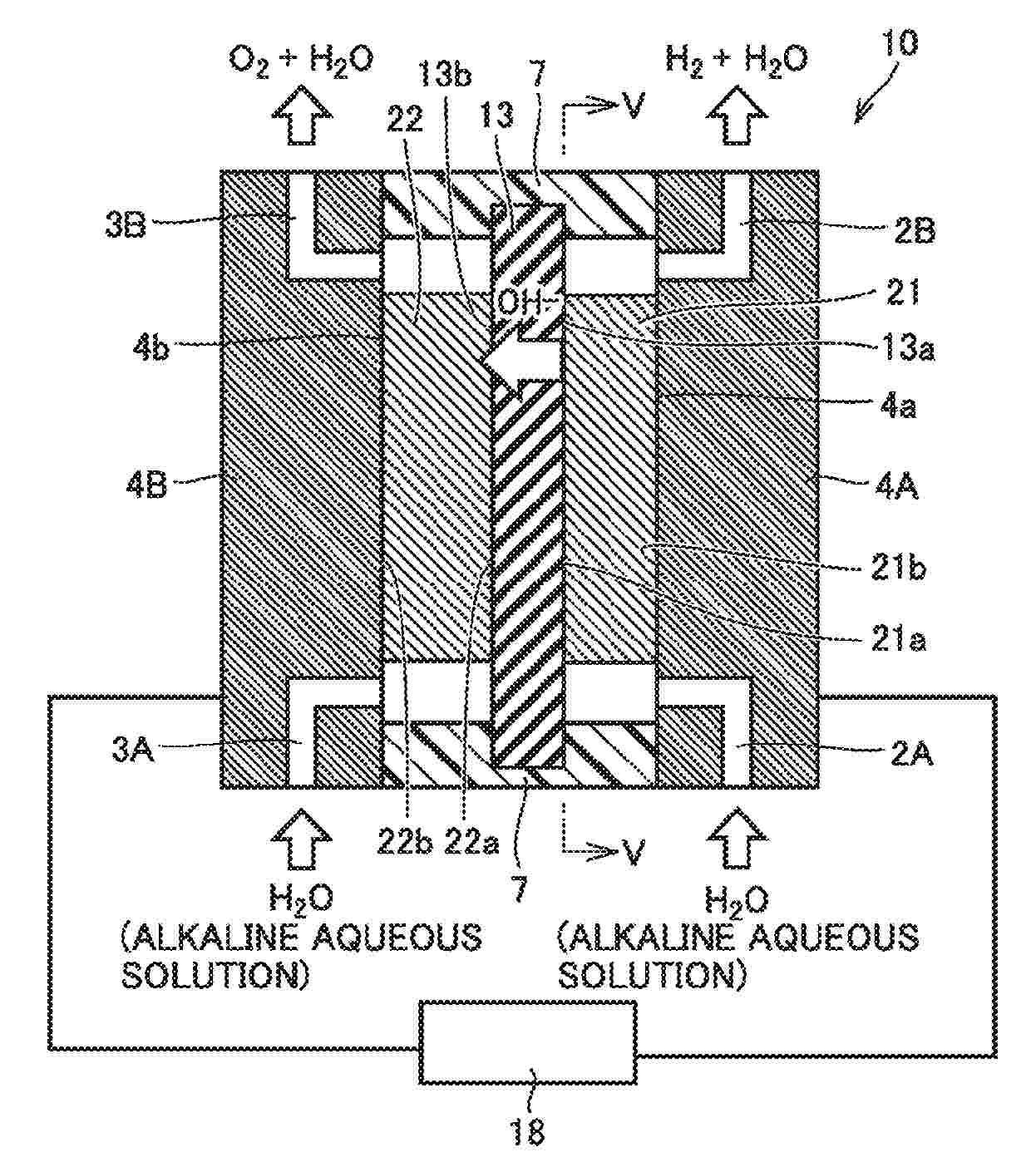
An alkaline water electrolysis apparatus includes: a separation membrane including a first main surface and a second main surface opposite to the first main surface; a first electrode including a third main surface and a fourth main surface opposite to the third main surface, the third main surface being provided to face the first main surface of the separation membrane; and a first bipolar plate including a fifth main surface, the fifth main surface being provided in contact with the fourth main surface of the first electrode, wherein the first electrode consists of a first metal porous body having a three-dimensional mesh structure.
Resumen de: US20260043150A1
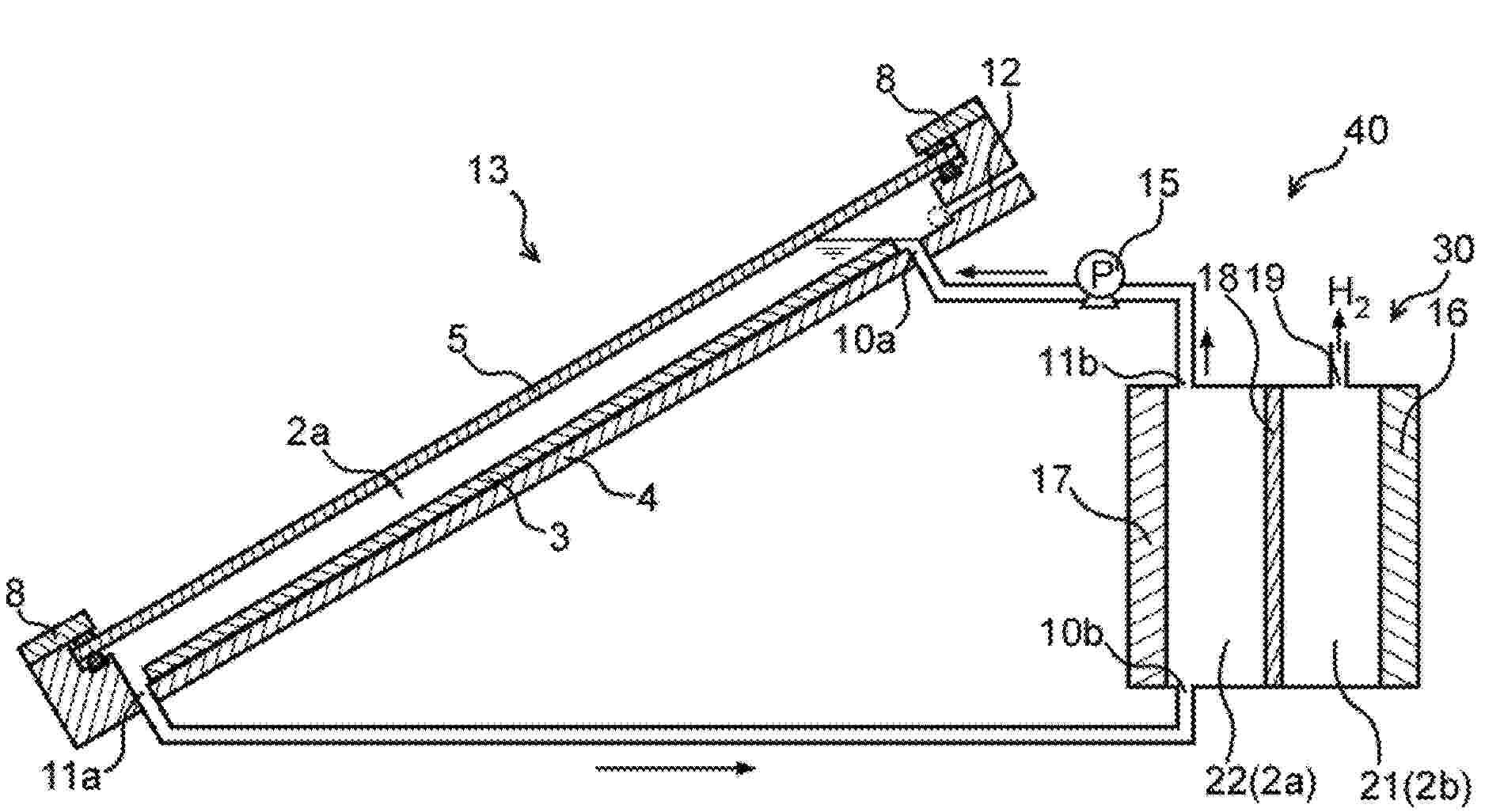
A photocatalytic cell of the disclosure is installed in an inclined manner at an angle of 5° or more and 45° or less with respect to a horizontal plane. The photocatalytic cell includes: a translucent member; an electrolytic solution; a photocatalytic sheet including photocatalytic particles; an injection port through which the electrolytic solution is injected into an inside of the photocatalytic cell; a discharge port through which the electrolytic solution is discharged to an outside of the photocatalytic cell; and an exhaust port through which gas inside the photocatalytic cell is discharged, at least a part of the photocatalytic sheet is immersed in the electrolytic solution, a position of the exhaust port is higher than a position of the injection port, a gap between a surface of the translucent member and a surface of the photocatalytic sheet is 5 mm or more and 50 mm or less in width, and the injection port and the discharge port allow the electrolytic solution to flow from an upper part toward a lower part in the gap between the translucent member and the photocatalytic sheet.
Resumen de: US20260047229A1
Techniques for water electrolysis employing: a glass substrate layer; a transparent conductive oxide (TCO) layer including TCO electrical disconnects formed in the TCO; a photovoltaic (PV) layer including PV electrical disconnects formed in the PV layer, portions of the PV layer extending into the TCO electrical disconnects; a metal back contact (MBC) layer including MBC electrical disconnects formed in the MBC layer, portions of the MBC layer extending into the PV electrical disconnects; an insulating layer including insulating voids formed in the insulating layer to expose anode and cathode portions of the MBC layer, portions of the insulating layer extending into the MBC electrical disconnects; a metal conductor layer adjacent the insulating layer and including a metal conductor extending into insulating voids to form metal conductors electrically coupled to the exposed anode and cathode portions; catalyst coatings on the metal conductors electrically coupled to the anode and cathode portions.
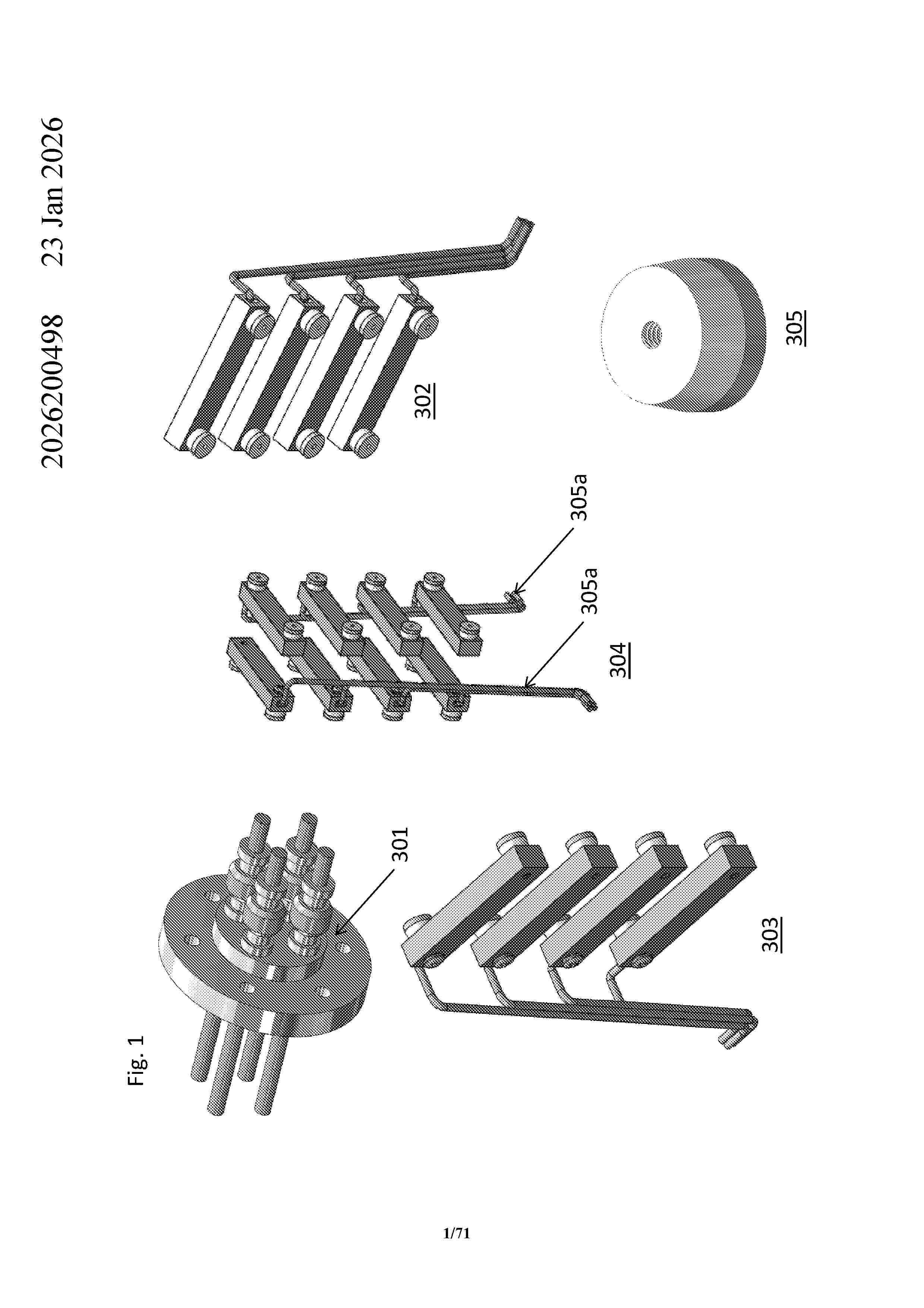
Nº publicación: AU2026200498A1 12/02/2026
Solicitante:
BRILLIANT LIGHT POWER INC
Brilliant Light Power, Inc
Resumen de: AU2026200498A1
A power generator is described that provides at least one of electrical and thermal power comprising (i) at least one reaction cell for reactions involving atomic hydrogen hydrogen products identifiable by unique analytical and spectroscopic signatures, (ii) a molten metal injection system comprising at least one pump such as an electromagnetic pump 5 that provides a molten metal stream to the reaction cell and at least one reservoir that receives the molten metal stream, and (iii) an ignition system comprising an electrical power source that provides low-voltage, high-current electrical energy to the at least one steam of molten metal to ignite a plasma to initiate rapid kinetics of the reaction and an energy gain. In some embodiments, the power generator may comprise: (v) a source of H2 and O2 supplied to the 10 plasma, (vi) a molten metal recovery system, and (vii) a power converter capable of (a) converting the high-power light output from a blackbody radiator of the cell into electricity using concentrator thermophotovoltaic cells or (b) converting the energetic plasma into electricity using a magnetohydrodynamic converter. an a n
 BOPI
BOPI
 Sede Electrónica